From San Sebastián's Michelin-starred pintxo bars to a Costa Brava fishing village where Dalí painted for decades, Spain's best beach towns
Santtu Perkio / Unsplash
Spain’s coastline runs for more than 4,900 kilometers across three distinct bodies of water: the Atlantic Ocean on the northwest and southwest, and the Mediterranean Sea on the east and south. The variety that distance and geography produce is extraordinary. The Galician and Andalusian Atlantic shores are raw and often windswept, with dramatic cliff formations and surf conditions that bear no resemblance to the sheltered coves and turquoise waters of the Mediterranean’s Costa Brava or Costa del Sol. Spanish beach towns reflect that diversity: some are glossy resort destinations built around luxury hospitality, others are fishing villages that have maintained their architectural and cultural identity despite decades of tourism pressure, and a few fall into the category of places where artistic or culinary significance has amplified what the landscape already offers.
The towns on this list span that range. Travel experts, local residents, and advisors selected those who specialize in Spain as a destination, and each one delivers something that the others do not: a specific beach, a specific food culture, a specific historical layer, or a specific activity that makes the journey worth taking. Several experts specifically recommend shoulder-season travel — late spring and early autumn — as the window that delivers the best weather alongside more manageable crowd levels.
These nine towns come from Travel + Leisure’s selection of the best Spanish beach towns, based on recommendations from locals and travel experts who specialize in Spanish coastal travel, covering destinations from the Basque Country in the north to Andalusia in the south and the Balearic Islands to the east, with distinct coastal characters at every point of the compass and across every budget tier, from budget-friendly fishing towns to Costa del Sol luxury resorts and every character of coast between the two.
ultrash ricco / Unsplash
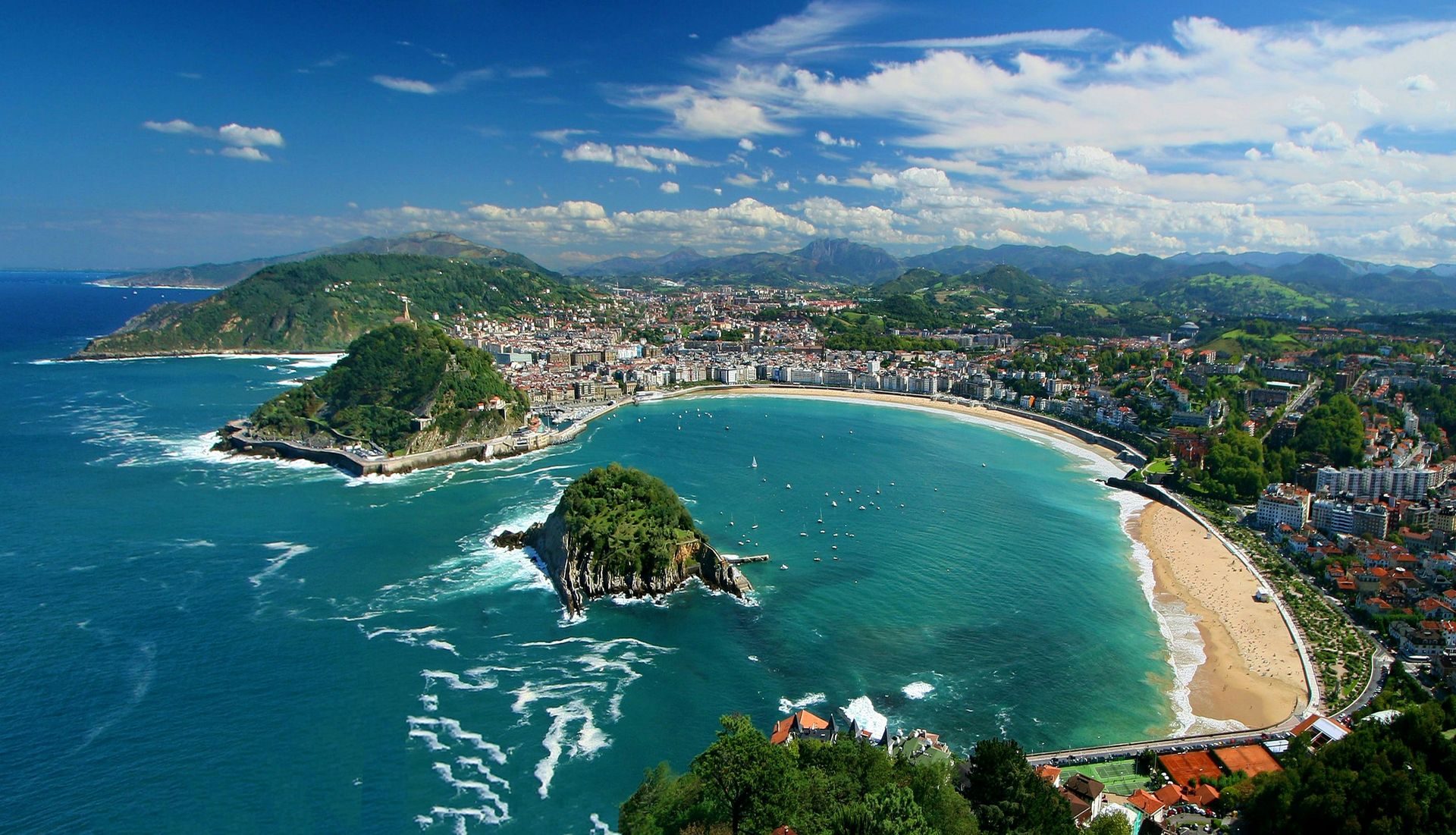
San Sebastián, the Basque city on the Bay of Biscay in northern Spain, builds its identity around two things: Playa de la Concha, consistently cited as one of Europe’s most beautiful city beaches, and a food culture that has produced more Michelin stars per capita than almost anywhere else in the world. Bryan Lewis, founder of Tenon Tours, describes Playa de la Concha as framed by a gorgeous bay with surrounding mountains providing a backdrop that gives the beach a visual completeness most city beaches lack. The old town pintxo bars operate as social institutions: small plates of Basque finger food served across zinc bar tops, consumed standing and rotated constantly throughout the evening.
Emily Bowerson of Explore with Emily notes that San Sebastián delivers what most travelers want from both a coastal and a city destination, without having to choose between them. The Michelin-starred restaurant density gives serious food travelers a concentration of options that would take weeks to work through. Local festivals, including the international film festival in September and the jazz festival in July, layer cultural programming onto the beach and food infrastructure.
Bowerson’s specific timing advice: late spring (May to June) or early September, for warm, sunny weather without the peak summer crowds that arrive in July and August. The shoulder-season recommendation is consistent across most experts who know the town well, and the beach in early June — full sun, cool enough for a jacket in the evening, manageable crowds during the day — is the version of San Sebastián that most warrants the journey. The international film festival in September, one of the most prestigious in Europe, gives the shoulder-season visit a cultural anchor beyond the beach and food programming. San Sebastián also benefits from its Basque cultural identity, which distinguishes it from other Spanish beach towns with a specific language, architecture, and civic character that predates the tourism economy.
Silviya Nenova / Unsplash
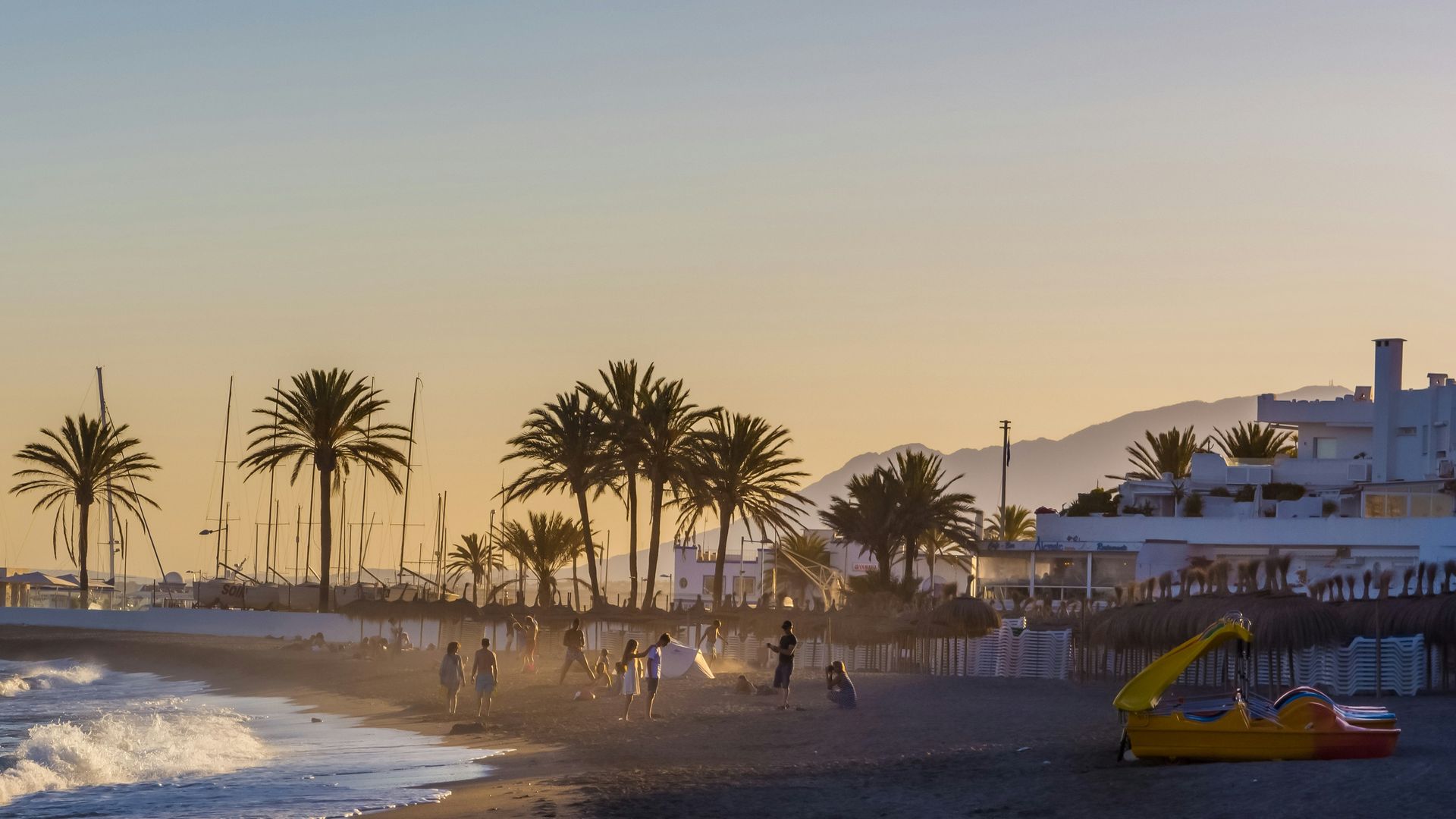
Marbella on the Costa del Sol in southern Andalusia is Spain’s most internationally recognized luxury beach destination, and Tiffany Layne, owner of LaVon Private Luxury, describes it as combining genuine old-school charm with the glamorous beach and nightlife scene that the town’s international reputation is built on. The beaches are stunning, and the old town offers walking routes through architecturally preserved Andalusian streets with fashion boutiques, restaurants, and bars.
The food scene covers the full spectrum. Foodie influencer Rebecca Casserly notes the range: from the viral “sexy pasta” in Puerto Banus to four Michelin-starred restaurants and four restaurants by celebrated Spanish chef Dani Garcia. The old town also preserves a layer of authentic local restaurant culture that the resort infrastructure elsewhere on the Costa del Sol has largely displaced. Casserly’s personal recommendation, Taberna La Nina del Pisto in the old town, fills with local diners by lunchtime daily.
Puerto Banus, the marina district west of Marbella proper, is where the luxury yacht culture and the celebrity-watching concentration are highest. The old town is a five-minute taxi ride away and operates on a completely different register: shaded plazas, flower-draped balconies, and a neighborhood pace that makes the two areas feel like separate destinations sharing a coastline. For visitors who want both versions of Marbella, the proximity means neither requires sacrifice. The beach itself in Marbella benefits from its east-facing orientation on the Costa del Sol, which means morning light hits the sand directly, and afternoons stay warm without the harsh west-facing exposure that some Mediterranean beaches face. The nightlife in Marbella, particularly in Puerto Banus, extends late into the evening and draws an international crowd, giving the social scene a cosmopolitan energy distinct from the more locally focused town centers elsewhere on the Costa del Sol, in both the character of the nightlife and the pace of daily life.
Chixoy / Wikimedia Commons
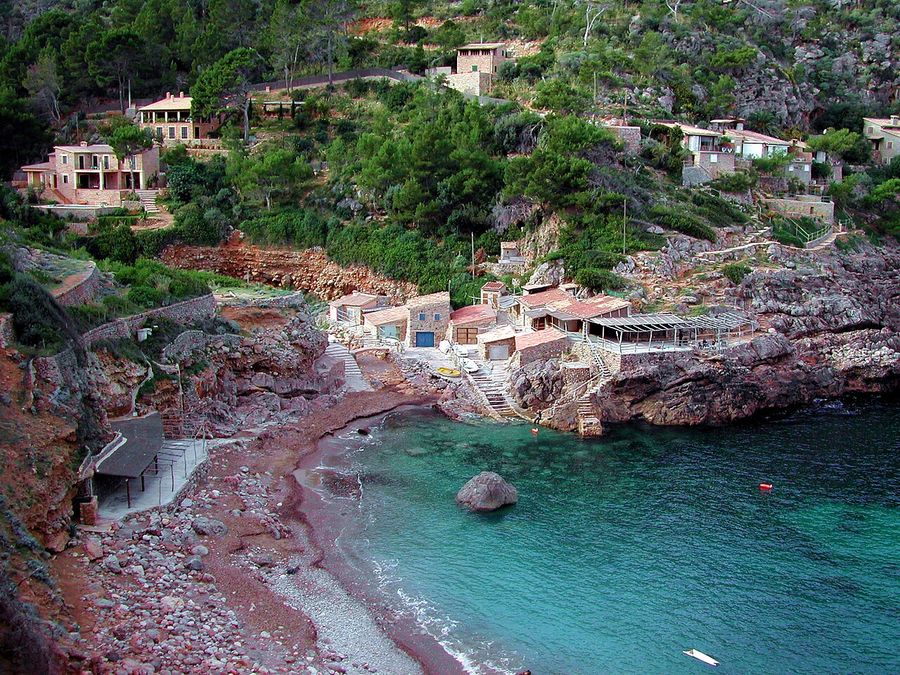
Deià is a small village on the northwest coast of Mallorca, built from local stone in a way that makes the buildings appear to grow directly from the hillside they occupy. The main street runs through the village center past boutiques and cafes, including De Moniö, where the barista makes handmade jewelry and ceramics alongside the coffee, a specific detail that reflects the artisan character that Deià’s reputation among creative visitors has sustained over decades. The village connects to its cove, Cala Deià, by a path down to the water, where the Mediterranean attains the gin-clear quality for which the Costa Brava and Balearic Islands are known in calm conditions.
Mallorca as a whole holds an enormous variety, and Deià is specifically worth the effort of going beyond the island’s more heavily visited southern coast. The Son Xotano Hotel, which opened in 2025, offers accommodation in the northwest of the island for visitors who want to use Deià and its surrounding villages as a base for several days. The northwest coastal road between Deià and Sóller is one of the most celebrated drives in the Balearics.
The village’s scale is part of what makes it work as a destination. Deià has a permanent population of a few hundred people, so the visitor experience never becomes anonymous, as it can in larger beach resorts. The cafes know their repeat customers, the boutiques reflect individual taste over mass market curation, and the swim at Cala Deià at the end of the hill path is a private pleasure shared with a manageable number of other people who made the same deliberate choice to come here. The northwest coast of Mallorca also holds the town of Valldemossa, home to another artistic residence, and the two villages make a natural pairing for a day of exploration along the Serra de Tramuntana mountain road.
Christian Hergesell / Unsplash
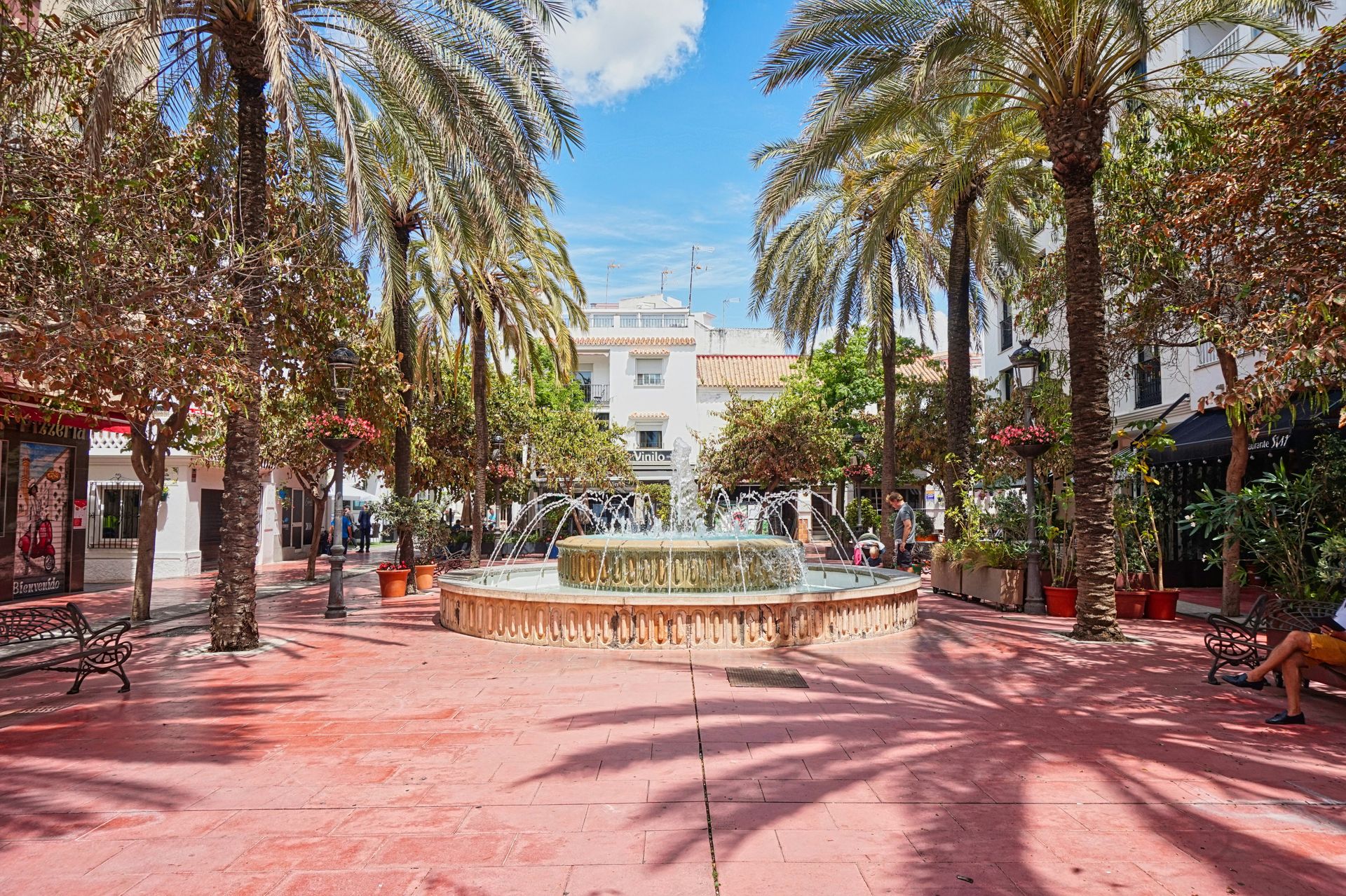
Estepona sits on the Costa del Sol, roughly 30 kilometers southwest of Marbella, and has developed a reputation, in the words of Sean Woolley, managing director of Cloud Nine Spain, as a charming alternative to its famous neighbor. Recent years have brought a revitalization of the old town, and its defining visual characteristic is the flower-decorated streets: white-painted facades with window boxes and hanging planters, which the town actively maintains as a civic identity project. The beaches are wide, sandy, and significantly less crowded than those of Marbella and other higher-profile Costa del Sol destinations.
The down-to-earth character that Woolley specifically praises reflects a town that draws Spanish families and long-stay visitors alongside the international tourism that Marbella attracts. The dining options provide the quality expected on the Costa del Sol without the price premiums that more glamorous neighbors charge. Restaurante La Escollera Estepona is noted as a dining destination for visitors seeking fresh seafood in a setting that faces the beach.
For travelers whose Spanish beach town brief includes uncrowded swimming, attractive streetscapes, and good food without the resort atmosphere, Estepona addresses all three without compromise. The recent investment in the old town has improved it without erasing the qualities that made it worth preserving in the first place: the flower-street aesthetic is deliberate and maintained, but it works because the underlying architecture and street scale are genuine, not constructed. Estepona’s marina area also adds a distinct dimension to the town: a working harbor with seafood restaurants facing the water, operating on a different scale and feel from the old town streets, a short walk away. The floral street project that Estepona maintains is one of the most photographed elements of any Costa del Sol town, and the visual consistency of the white facades with colored window plantings gives the old town a coherent identity that other revitalized coastal towns rarely achieve.
Saul Mercado / Unsplash
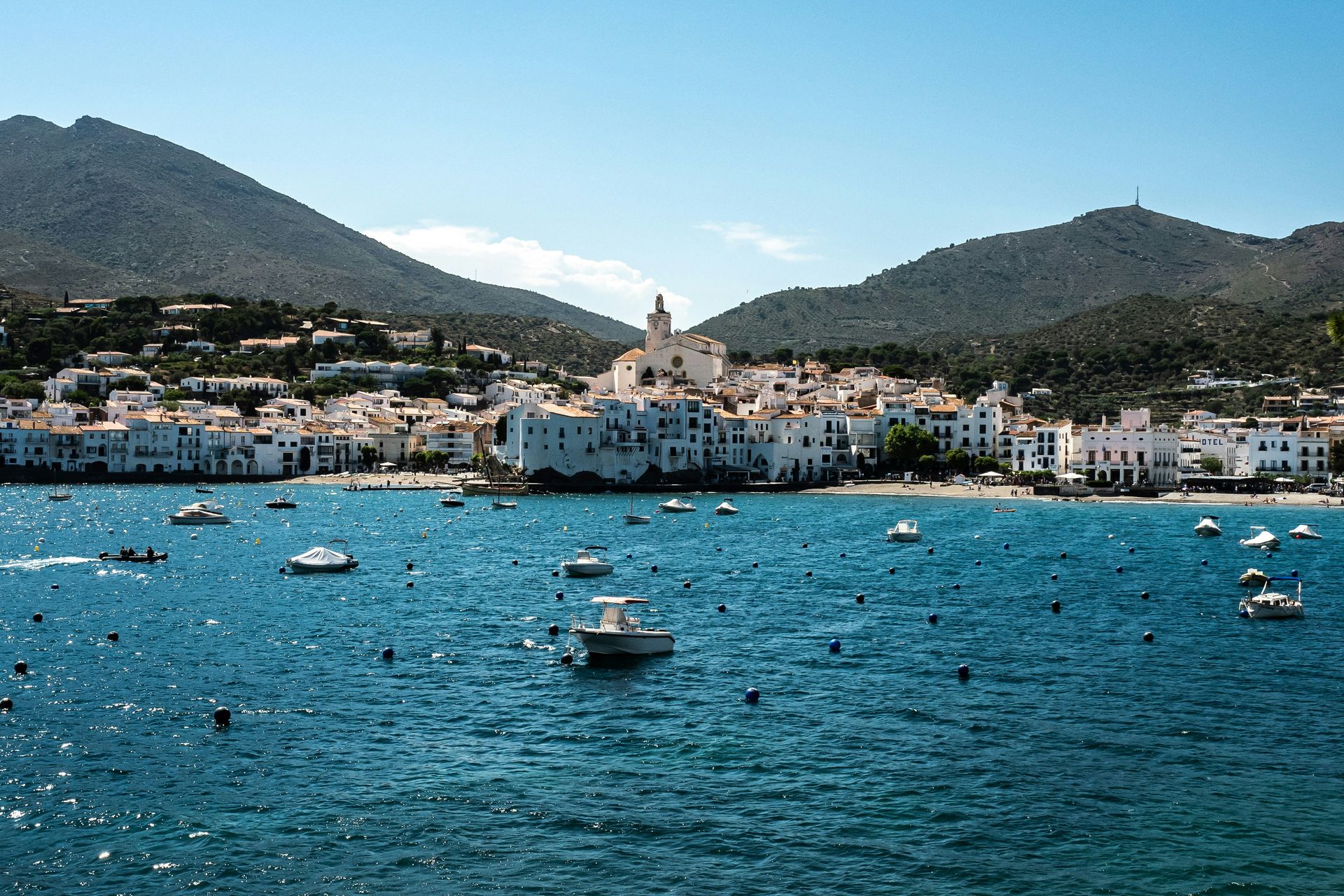
Cadaqués occupies a specific position on the Costa Brava in northeastern Catalonia: a fishing village that has remained genuinely intimate despite its fame, in part because the roads that connect it to the main Costa Brava highway are narrow and winding enough to discourage casual day-trippers. Miguel Angel Gongora Meza, founder of Evolution Treks, describes it as a place where culture, calm, and natural beauty come together in a way that Spain’s more popular beach destinations have largely lost to development. The cobbled streets, whitewashed houses, and rugged cliff coastline give it the visual character that drew Salvador Dalí to the nearby village of Portlligat, where his house and studio now function as a museum.
Georgia Fowkes, travel advisor for Altezza Travel, maps out a full day in Cadaqués that covers its specific appeals: hidden pebble coves for morning swimming, narrow streets hung with art for midday wandering, a visit to Dalí’s eccentric house at Portlligat, and a boat trip to the headlands of Cap de Creus National Park for the afternoon. The park, described by Meza as pristine, occupies the easternmost point of the Iberian Peninsula.
The Dalí association is specific, not generic. Dalí did not merely visit Cadaqués: he lived in Portlligat for decades, and the house reflects the accumulation of a working artist’s life in a particular place over time. The rugged coastal landscape that surrounds the village was not incidental to his work but central to it. Visiting Cadaqués with that context gives the landscape a resonance that a purely scenic appraisal would miss. Cap de Creus National Park, which Meza describes as pristine, covers the headland east of Cadaqués and includes the easternmost point of the Iberian Peninsula, where sunrise is visible before anywhere else in Spain, which gives early-rising visitors a singular geographic orientation point on the eastern Iberian coast and a moment of pure geographic clarity.
Conrad van der Walt / Unsplash
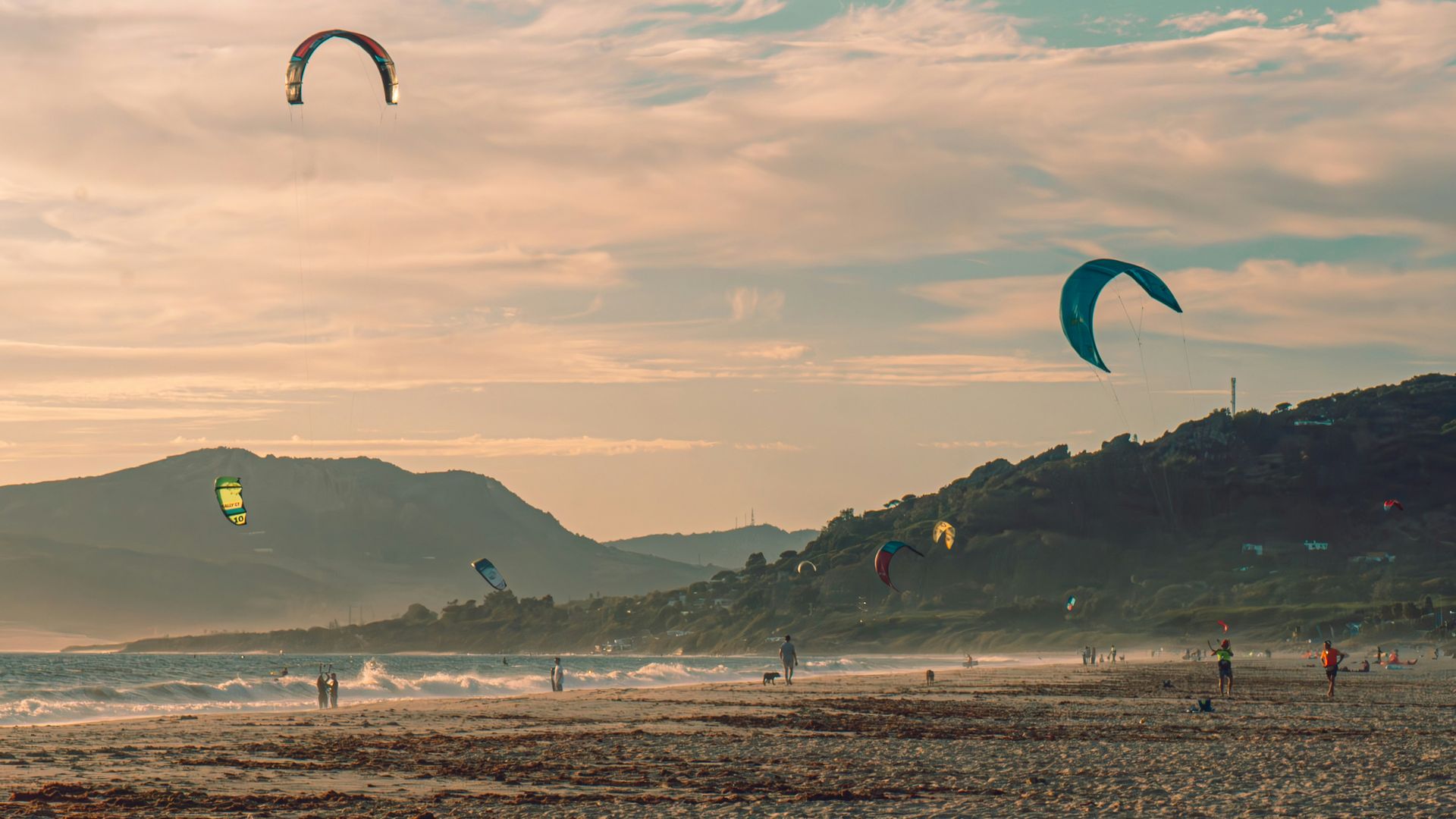
Tarifa is the southernmost tip of Spain and the southernmost point of continental Europe, where the Atlantic and Mediterranean Oceans meet at the Strait of Gibraltar. Georgia Fowkes describes the beaches as running so wide that the sand looks endless, with no other beach town in Spain delivering the same elemental sense of geography: the Atlantic crashes on one side, and the Mediterranean breathes on the other. On clear days, the coast of Morocco is visible across the 14 kilometers of water that separate the two continents.
The geography that makes Tarifa visually and conceptually distinctive also makes it one of the premier kite surfing and windsurfing destinations in Europe. The constant strong winds that flow between Africa and Europe through the Strait create ideal conditions for both sports, and the town has built a full infrastructure of schools, equipment rental, and accommodation around that clientele. For spectators, the skill level visible on the water during peak conditions is itself a reason to visit.
Travel advisors recommend May to June or September to October for the best balance of pleasant temperatures and consistent winds. The summer months bring more extreme heat and the strongest crowds, while the shoulder seasons offer the conditions that kite surfers specifically seek and the cooler weather that makes walking the old town and the beach comfortable throughout the day. Geographical significance, wild beach character, and world-class wind sports together give Tarifa an identity that resorts built purely on sunshine and sand cannot replicate. The old town of Tarifa, contained within medieval walls on the cape between the two bodies of water, is worth several hours of exploration beyond the beach access that most day visitors come for. Tarifa’s position on the African migration route also makes it one of the best birdwatching locations in Europe during spring and autumn passage, when raptors and storks cross the strait in large numbers.
Andrea Huls Pareja / Unsplash
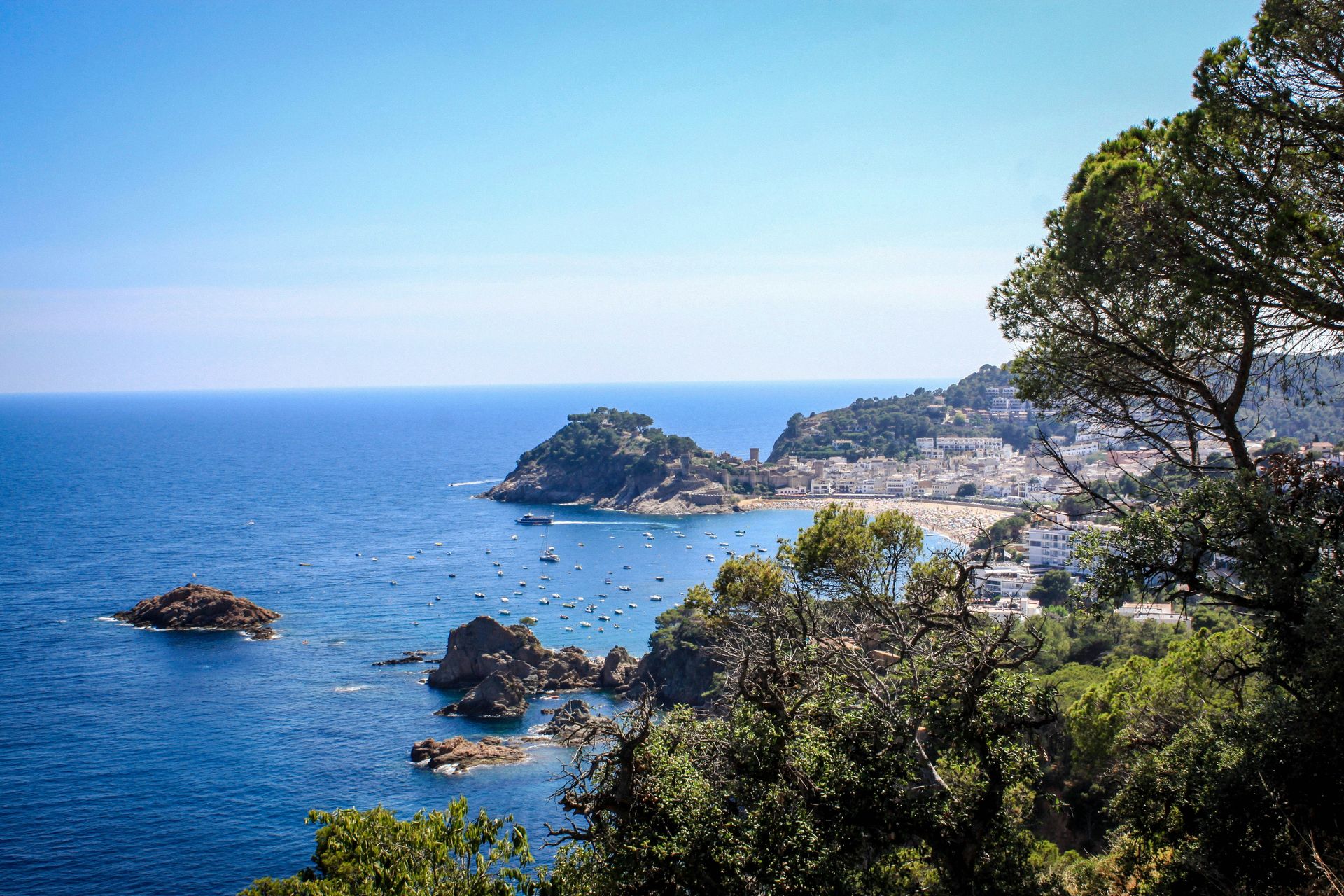
Tossa de Mar is a medieval walled town on the Costa Brava in Catalonia, and Allison Sicking, founder of Splendidly Spain, identifies its preserved authenticity as the distinguishing feature that sets it apart from the more developed resort towns elsewhere on the coast. Inside the old town walls, cobblestone streets connect local restaurants and small independent shops, creating a streetscape Sicking describes as stepping back in time. No large hotel chains operate in this historic core, and the medieval town's visual character has remained intact as a result.
The main beach sits directly below the old town walls, which means the castle and its fortifications are the backdrop for an afternoon on the sand. Hidden coves are accessible by slipping through gaps in the castle walls, and the Camí de Ronda, a coastal hiking trail that runs along the Costa Brava, passes through Tossa de Mar and connects it to neighboring coves and headlands. Kayaking, snorkeling, and boat trips are all available for visitors who want to experience the coast from the water.
Sicking specifically recommends September as the optimal visiting month: shoulder season travel to Tossa de Mar offers easier access, lower accommodation costs, and better weather than the peak summer weeks, while still delivering warm temperatures and the full range of beach and water activities. The absence of large hotel chains is not just an aesthetic observation but a practical one: the accommodation options in the old town are smaller, locally owned properties that keep more of the visitor's spend within the local community. The town’s relationship with the broader Costa Brava also makes it a natural base for visiting the neighboring coves and villages that the Camí de Ronda trail connects along the Costa Brava coastline between Tossa and the neighboring cove beaches of the southern Costa Brava section of the trail running between sea cliffs.
Credit: Costa del Maresme
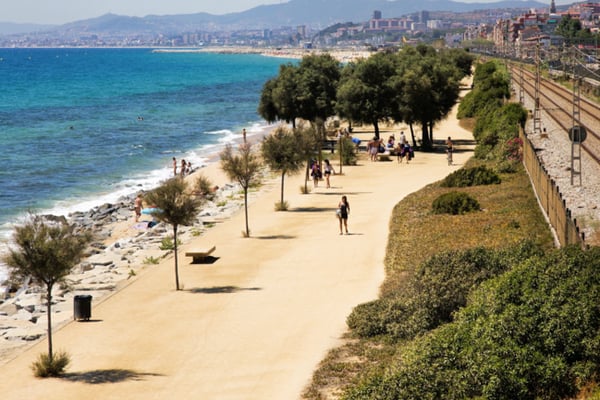
El Masnou is a small coastal town approximately 20 kilometers north of Barcelona, and the Ocata Beach area within it offers a beach experience that Maria Olazabal, CEO and founder of Ownia Collection, recommends specifically to travelers who want a Barcelona day trip without the congestion of the city’s beaches. The Barceloneta beach in central Barcelona, while well-served and easily accessible, experiences peak-season crowd density that makes the 30-minute train ride to Ocata a practical upgrade for beach quality.
Olazabal recommends Mas Salagros as a base for accommodation: a property focused on wellness, nature, and gastronomy, located about 30 minutes inland from Ocata Beach. The inland location gives guests access to the Catalan countryside and its food culture, with the beach accessible as a day trip in either direction. The Catalan coast north of Barcelona has a different character from the Costa Brava further north: more accessible, with the city’s transit infrastructure extending to the shoreline, but with a quieter human scale than the city’s immediate coastal neighborhoods.
The El Masnou recommendation reflects a broader travel intelligence that experienced visitors to Barcelona increasingly apply: the beaches that require a short additional journey from the city center consistently outperform the immediately accessible city beaches on the metrics that matter most for a beach day: space, cleanliness, crowd density, and the quality of the water. El Masnou is close enough to Barcelona to work as a base for exploring the city and far enough from it to function as a genuine coastal retreat. The Catalan food culture accessible through Mas Salagros also gives visitors a more immersive engagement with the region’s ingredient-led gastronomy than the beach-oriented restaurants of the Barceloneta district typically provide for visitors who do not venture beyond the city’s immediate beach neighborhood during a standard coastal day trip from central Barcelona for a day that ends back in the city.
Veres Szilard / Unsplash
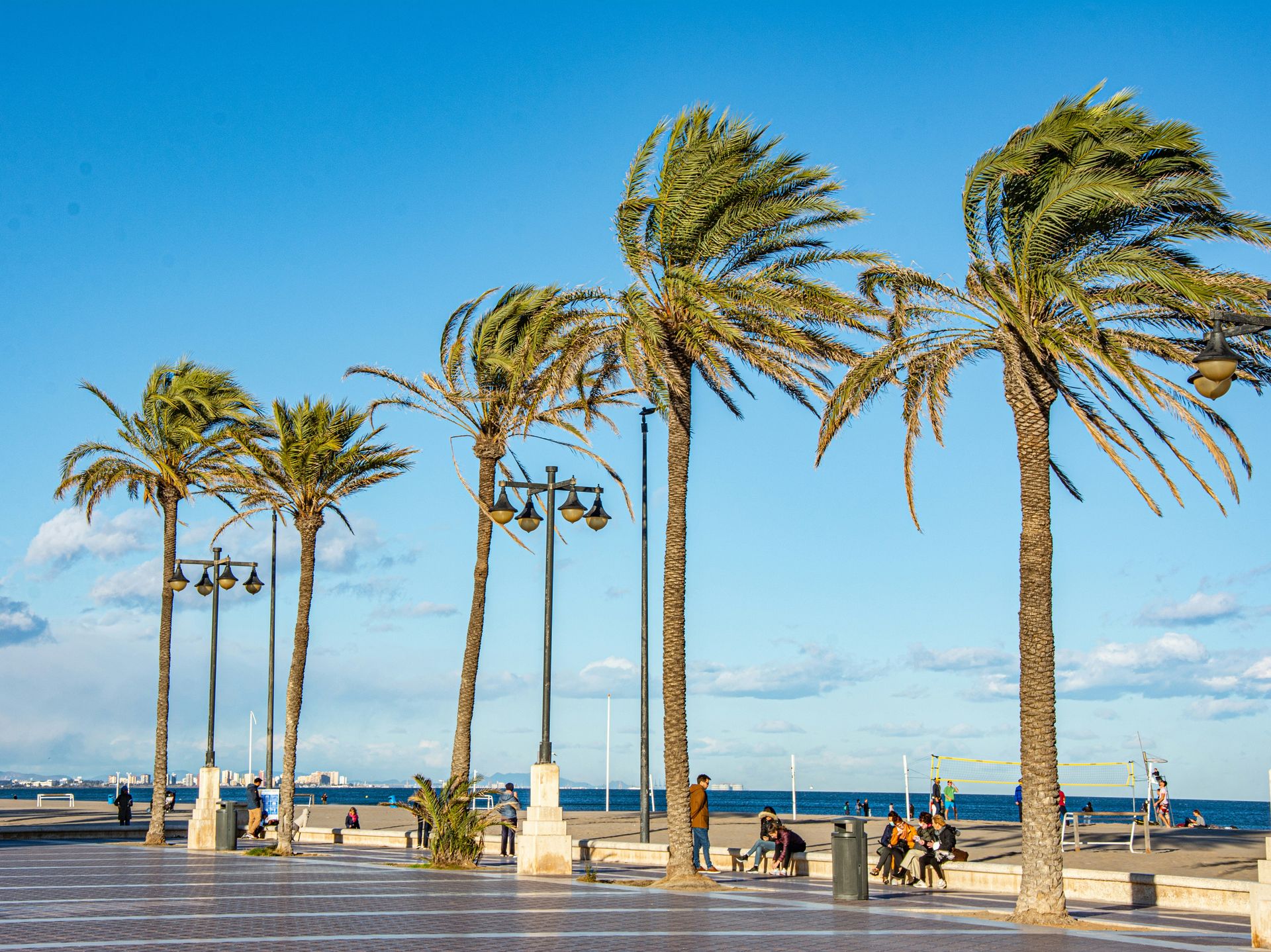
Valencia, Spain’s third-largest city, sits on the Mediterranean coast and possesses a beach that Kevin Schreck, founder of Abroad in Valencia, describes as almost 20 kilometers long and wide enough to accommodate tiki bars, volleyball nets, and still leave significant open space for sunbathers without crowding. The beach’s scale puts it in a different category from the coves and small bays that characterize many of the other towns on this list: Valencia’s beach is a full urban beach with the length and breadth to absorb large numbers of visitors without the concentration effect that shorter beaches produce.
The city itself provides the infrastructure that makes Valencia more than a beach destination. Large public gardens — including the Turia Gardens, a 9-kilometer park built through the former riverbed of the Turia River — run through the city toward the beach. The mountains east of the city are accessible as day trips. The food culture, with paella having originated in the Valencian region, gives the city a culinary identity as specific as San Sebastián’s pintxo culture, though expressed through entirely different dishes and traditions.
Schreck’s assessment is that Valencia delivers the complete package: beach, city, gardens, and mountain access within a single destination, without requiring the traveler to choose between a beach holiday and an urban cultural experience. The paella eaten in Valencia, made from local rice and prepared according to regional tradition, is a specific food destination experience that the dish’s global diffusion has made harder to find in its authentic form outside the Valencia region. The City of Arts and Sciences, Valencia’s landmark architectural complex designed by Santiago Calatrava, also provides a cultural anchor for visitors who want to extend the beach day into an evening of architecture and exhibition without leaving the city’s boundaries by the end of a full day combining beach, public gardens, and the city’s major architectural landmarks.
