
From Tulum's Mayan ruins above Caribbean white sand to a car-free Yucatán island where flamingos wade in the surrounding lagoon
David Emrich / Unsplash
Mexico’s coastline runs for more than 9,000 miles across two oceans, the Pacific to the west and the Caribbean and Gulf of Mexico to the east, and the variety between them is more dramatic than the national label suggests. The Caribbean side, from Cancun south through the Riviera Maya to Tulum, produces the turquoise clarity and white sand that define the international image of the Mexican beach, with a reef system that provides snorkeling and diving with a biological richness specific to warm, shallow Caribbean waters. The Pacific coast produces something different: bigger surf, more dramatic cliffs, fishing villages whose economies have not yet been fully converted to tourism, and a quality of light at sunset over open ocean that the Caribbean’s eastward-facing shores cannot provide. Choosing between the two coasts is itself a meaningful travel decision, and the beaches on this list reflect both.
The crowd question runs through any honest account of Mexico’s most celebrated beaches. Cancun, Playa del Carmen, and Cozumel are among the most visited beach destinations on earth, which means the beaches around them absorb a visitor density that the less-promoted alternatives do not. The beaches that consistently outperform their more famous neighbors, Zihuatanejo over Acapulco, Sayulita over Puerto Vallarta, Isla Holbox over Cancun, do so by offering the same fundamental qualities of sand, water, and sun in a context that tourism has not yet fully industrialized. The window in which those qualities remain available at each destination has historically been brief, and the beach traveler who finds one before the crowds do has found something worth protecting.
The 10 beaches below appear in U.S. News and World Report, ranked by a scoring system that incorporates user votes and factors including scenery, water clarity, crowd levels, and nearby amenities.
Ronaldo Salvador coello / Unsplash
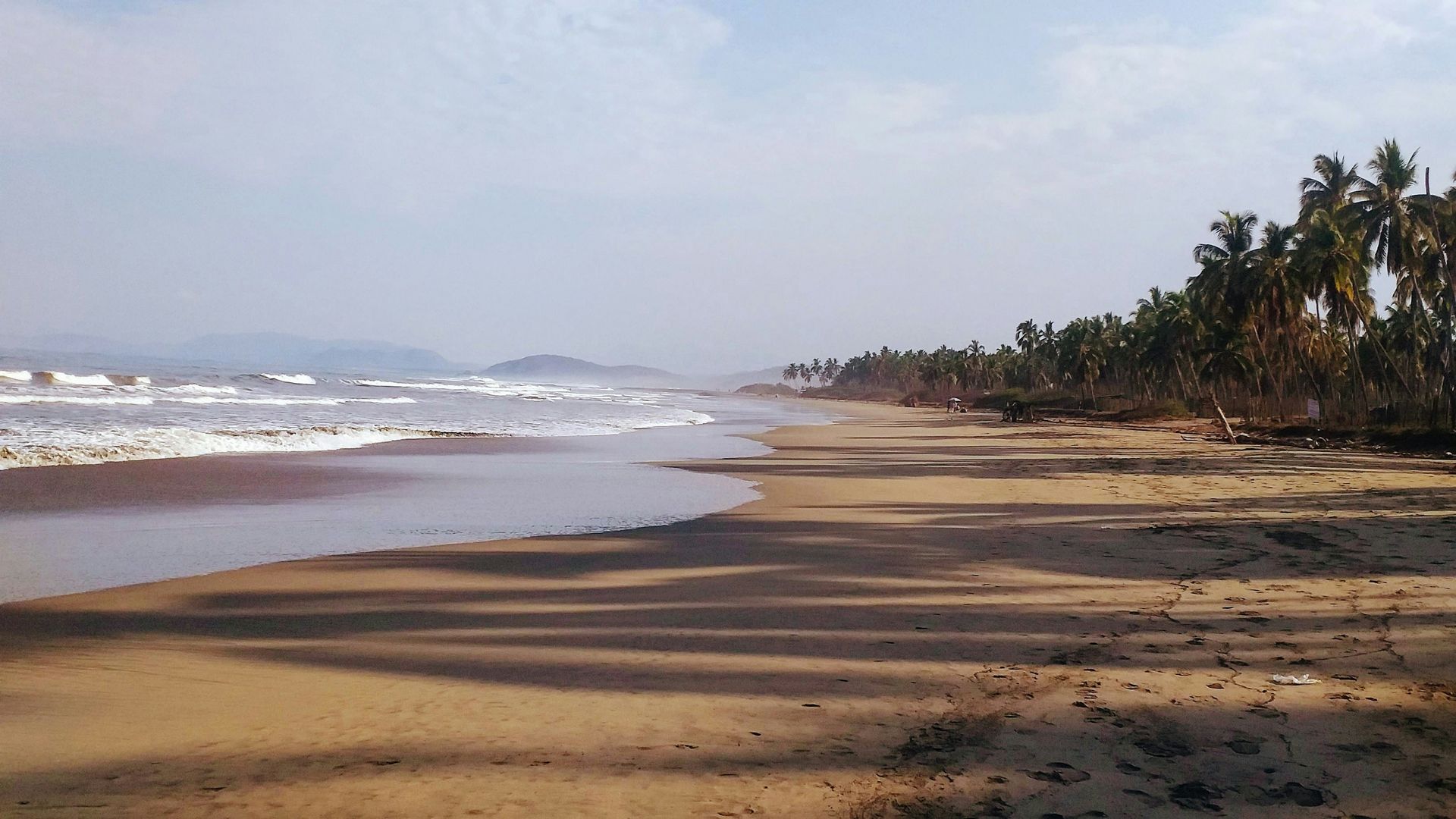
Zihuatanejo sits on Mexico’s Pacific coast about 150 miles northwest of Acapulco, and the quality that distinguishes it from the resort towns that have developed along the same coastline is its deliberate resistance to commercialization, a resistance that the town’s scale and local culture have maintained. The cobblestone streets and the fishing harbor give Zihuatanejo a character specific to a working Pacific coastal community, and the beaches distribute the visitor population across enough distinct options that the crowd density at any single stretch stays manageable.
Playa La Ropa, bordered by palm trees on a long south-facing curve of bay, is the most popular of the town’s beaches and the one whose swimming conditions, beach restaurants, and visual appeal make it the appropriate first stop. The calm water inside the bay gives swimmers a reliable safety profile, and the palms give the beach its specific visual character, the shade they provide in the late afternoon extending the usable beach day past the peak midday heat. Playa Manzanillo, named for the trees that frame its shoreline, is the designated snorkeling beach, with a reef accessible from the sand that serves as the underwater program's primary access point.
Playa Las Gatas, reached by a short water taxi from the pier rather than by road, offers the visitor its most secluded option. The calm, protected water created by the beach’s rocky headlands makes it an ideal family swimming environment, and the cluster of small restaurants along the back of the beach offers an afternoon dining option specific to this location. The water taxi logistics are part of the Playa Las Gatas experience: the short crossing separates the beach from the town, reinforcing the sense of having arrived somewhere unhurried. The crossing also offers the visitor a view of the bay from the water that the shore-based perspective cannot, and the fishing boats anchored in the middle of the bay lend the scene a working-harbor quality specific to Zihuatanejo’s character.
Nathan Cima / Unsplash
Isla Holbox sits at the northeastern tip of the Yucatan Peninsula, separated from the mainland by a shallow lagoon and accessible only by ferry from the town of Chiquila. The absence of cars is not an incidental quality but the defining condition of the island’s character: the streets are sand, the transportation is golf cart or bicycle, and the pace that the car-free environment imposes gives the visit a specific quality of decompression that arrives faster than at destinations where road noise and traffic remain present. The contrast with Cancun, less than two hours by road and ferry, is complete.
Playa Punta Cocos, on the western side of the island near downtown Holbox, faces the sunset over the Gulf of Mexico and has developed a reputation for the quality of its evening light, drawing visitors specifically at the end of the afternoon. The bird watching and fishing opportunities that the surrounding lagoon and shallow Gulf waters make available give the beach a natural history dimension specific to this ecosystem: the shallow, warm, nutrient-rich water supports a flamingo population visible from the island’s northern shore and a whale shark feeding ground accessible by boat from June through September.
Punta Mosquito, a sandbar accessible by a walk along the northern shore at low tide, offers Isla Holbox's most remote beach experience: its shallow water and panoramic lagoon views make the afternoon walk a destination whose physical simplicity makes the surrounding natural environment the entire point of being there. The island’s lodging culture, dominated by small boutique hotels and posadas whose scale reflects the car-free philosophy, gives accommodations a personal quality that the resort-hotel format does not. The island’s food scene, centered on the main square’s restaurants and the waterfront ceviche and seafood stands, gives the evening a low-key social atmosphere appropriate to a destination whose primary quality is the absence of the commercial infrastructure that the nearby mainland has developed on a large scale.
Jose Vazquez / Unsplash
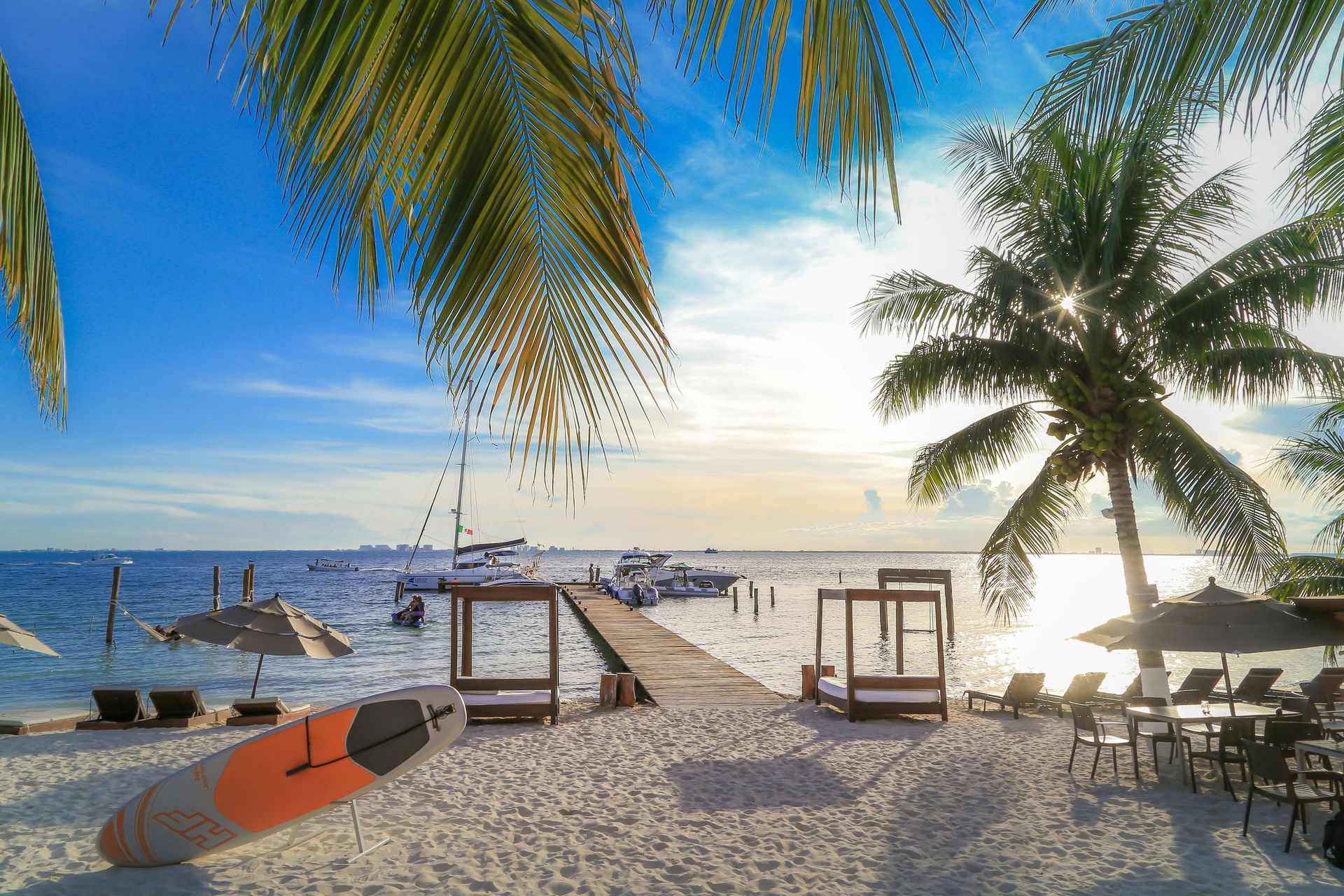
Isla Mujeres lies five miles off the coast of Cancun, accessible by ferry in 20 minutes, and the short crossing produces a disproportionate shift in experience: from the resort towers and nightclub strip of Cancun’s hotel zone to an island whose golf-cart pace, local restaurants, and human scale give the beach day a character that the mainland does not provide. The island makes an excellent day trip and a rewarding two- or three-day stay for travelers whose Mexico itinerary allows a short island detour.
Playa Norte, at the island’s northern tip, is consistently rated among Mexico’s best beaches and the most concentrated version of what Isla Mujeres offers: brilliant white sand, shallow and calm Caribbean water whose turquoise color is specific to the limestone reef geology of this part of the Yucatan coast, beach bars, and the easy social atmosphere of a beach that the island’s own resident population uses as much as the visitors. The chair and umbrella rentals provide the practical beach day setup, and the bars give the afternoon its sociability without the loud commercial energy of the Cancun hotel zone.
Garrafon Natural Reef Park, at the island’s southern tip, gives the visit its snorkeling and diving dimension: the coral reef accessible from the park’s entry point harbors the fish density specific to a healthy Caribbean reef, and the park’s location at the confluence of the Caribbean Sea and the Gulf of Mexico gives the underwater current a specific energy that experienced snorkelers find particularly engaging. Playa Centro gives the island’s mid-section a calmer alternative to both the northern beach and the reef park, and its position near the town’s restaurants and shops makes it the logical base for the visitor who wants beach time integrated with the island’s commercial life. The golf cart rental culture that defines transportation on Isla Mujeres provides the logistical vehicle for the beach-hopping itinerary: a single afternoon’s rental covers Playa Norte, the town, Garrafon, and the southern lighthouse viewpoint, without the walking distances that cycling or foot travel would require.
Fallon Michael / Unsplash
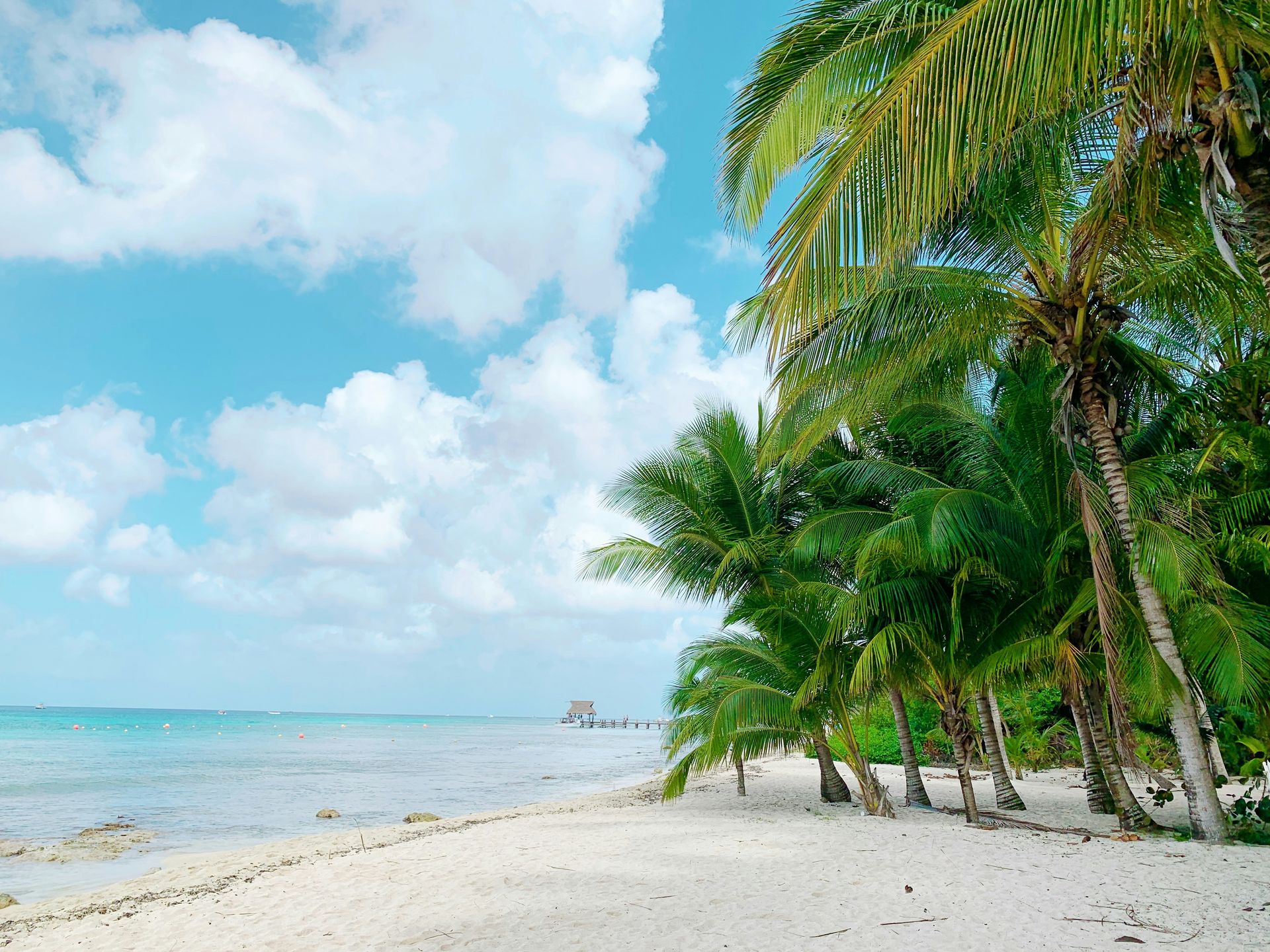
Cozumel is an island off the coast of Playa del Carmen whose claim on the visiting diver and snorkeler is stronger than any other destination in Mexico. The Mesoamerican Barrier Reef, the second-largest coral reef system in the world, runs along Cozumel’s western shore with a clarity and biological density that the strong currents of the Cozumel Channel maintain by continuously flushing the water. The visibility frequently exceeds 100 feet, and the coral formations, though affected by past bleaching events, support a fish diversity that the more sheltered and less-circulated reefs of the mainland coast cannot match.
Playa El Cielo and Playa Palancar give the beach and snorkeling visitor their most productive destinations: El Cielo, reached by boat tour, is named for the abundance of starfish visible in the shallow sandy bottom, and Palancar gives snorkelers surface access to the outer reef. The boat tour format that most visitors use to reach these beaches gives the experience its particular offshore quality. Arriving by water to a beach without road access gives Cozumel’s most productive snorkeling spots a remoteness that the all-inclusive Paradise Beach, popular with families for its calm water and amenities, does not.
The crowd question is the practical challenge that any Cozumel visit must address. The island receives cruise ship traffic at a volume that deposits thousands of day visitors onto the beaches and into the dive shops simultaneously during peak season, and the December-through-February window concentrates this traffic at its highest density. Visiting in spring or early summer gives the reefs quieter conditions and the beaches more breathing room without sacrificing the water clarity that makes Cozumel worth visiting specifically. The island’s San Miguel town, the only settlement on Cozumel, gives the non-diving afternoon a waterfront promenade, a local food scene, and the tequila and craft shops that the cruise ship day-tripper economy has concentrated in the blocks nearest the pier, but whose quality extends into the side streets where the local restaurants operate without the souvenir shop adjacency.
Tanja Cotoga / Unsplash
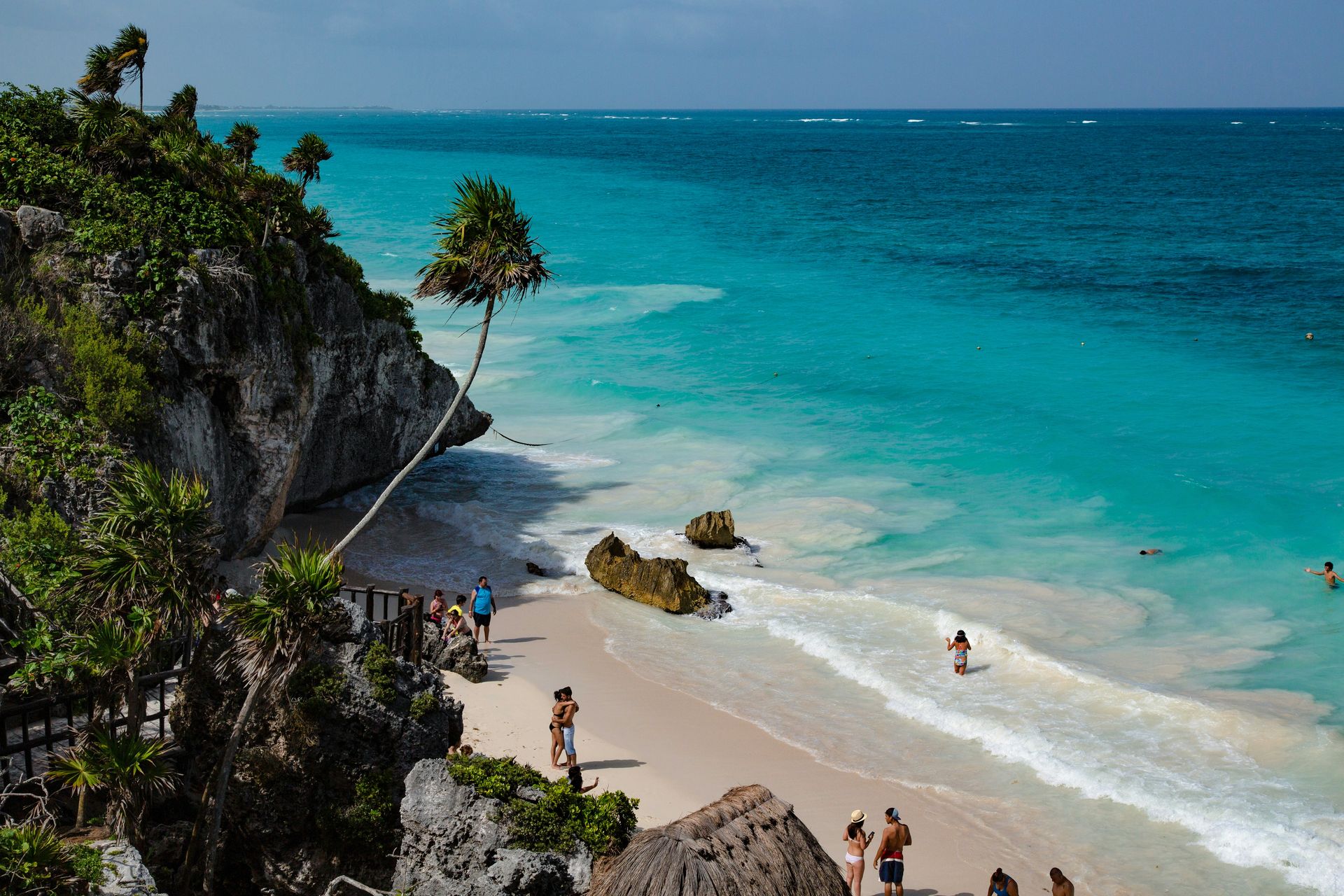
Tulum’s specific advantage over every other beach on the Yucatan Peninsula is architectural: Playa Ruinas sits directly below the Tulum Archaeological Site, and the Mayan cliff-top ruins combined with the white sand and turquoise water below them give the beach a visual setting that no other destination in Mexico replicates. The ruins above the beach are not an incidental backdrop but a structurally present element of the view from the sand, and the quality of the morning and late afternoon light on the limestone walls gives the visit a specific photographic appeal that explains why Tulum has become one of the most widely shared beach images in contemporary travel photography.
Arriving at Playa Ruinas in the early morning gives the beach its most usable version: the crowds that arrive by midday, drawn by the archaeological site and the beach access together, are thinner in the first two hours after opening, and the light on the ruins at that hour is also at its most dramatic. The afternoon option gives similar crowd relief once the organized tour groups have cycled through the site above. The beach itself is narrow and subject to seaweed accumulation at certain times of year, which is the main practical complication for visitors who prioritize swimming conditions over the visual setting.
Playa Paraíso, a short distance along the coast, offers the Tulum beach visit its most conventionally excellent stretch of sand: wide, clean, and lined with beach clubs whose chair-and-umbrella rental infrastructure provides a comfortable setup for the afternoon. The beach club format that Tulum’s coast has developed, combining food service, sun loungers, and occasional music into a daytime beach experience, is specific to this stretch of the Riviera Maya and adds a social dimension to the Tulum visit that the archaeological site’s more solitary experience does not. The cenotes that the Tulum area’s limestone geology produces, accessible within a short drive of the coast, give the visit an underwater dimension beyond the beach, whose freshwater cave diving is among the most extraordinary in the world.
Devon Hawkins / Unsplash
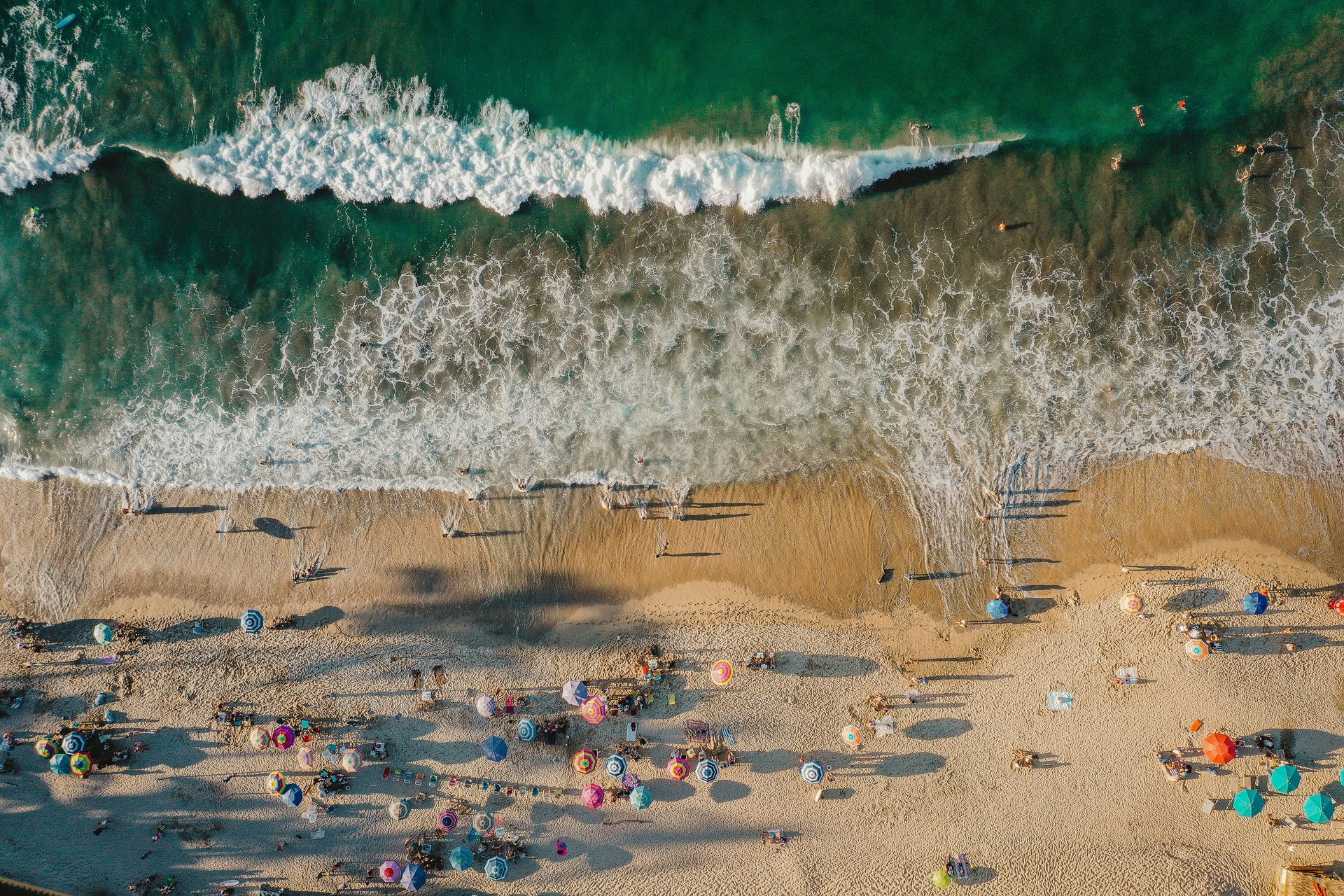
Sayulita sits 25 miles northwest of Puerto Vallarta, far enough from the resort zone to maintain an independent character and close enough to the airport to remain practically accessible without a significant travel commitment. The town’s identity has been shaped by the surf culture that arrived several decades ago and stayed: the beach, the town’s restaurants and shops, and the social life that organizes around both give Sayulita a specific Pacific beach town atmosphere that the resort developments of Puerto Vallarta have not replicated in the same terms.
Playa Sayulita, the town’s main beach, is a beginner and intermediate surfer's most productive starting point, with several surf schools on the sand offering lessons, giving first-time visitors access to the wave without the equipment and knowledge barriers that learning to surf independently imposes. The wave at Sayulita is consistent and forgiving by Pacific standards, which gives it its reputation as a learning beach while still providing enough energy for intermediate surfers to have a worthwhile session. Experienced surfers move further afield to breaks that the town’s proximity to the Pacific swell system makes accessible within a short drive.
San Pancho, a smaller town a few miles north of Sayulita, gives the surfer who wants more waves and less crowd a productive alternative, and Playa de los Muertos gives the non-surfer a swimming beach with calmer conditions and the people-watching that the town’s mix of local and international visitors produces. The town itself, with its colorful shops, street food, and evening restaurant scene, gives Sayulita a character beyond the beach that makes the visit worthwhile on days when the swell is flat. The whale-watching season off the Nayarit coast, running from December through March, offers winter and early spring visitors a wildlife program that the summer surf season replaces with a different but equivalent natural appeal. The town’s tacos de camarón, shrimp tacos from the beachfront stands and restaurants, give the food program its most specifically local expression and its most direct justification for lingering past the beach hour.
Fernando Garcia / Unsplash
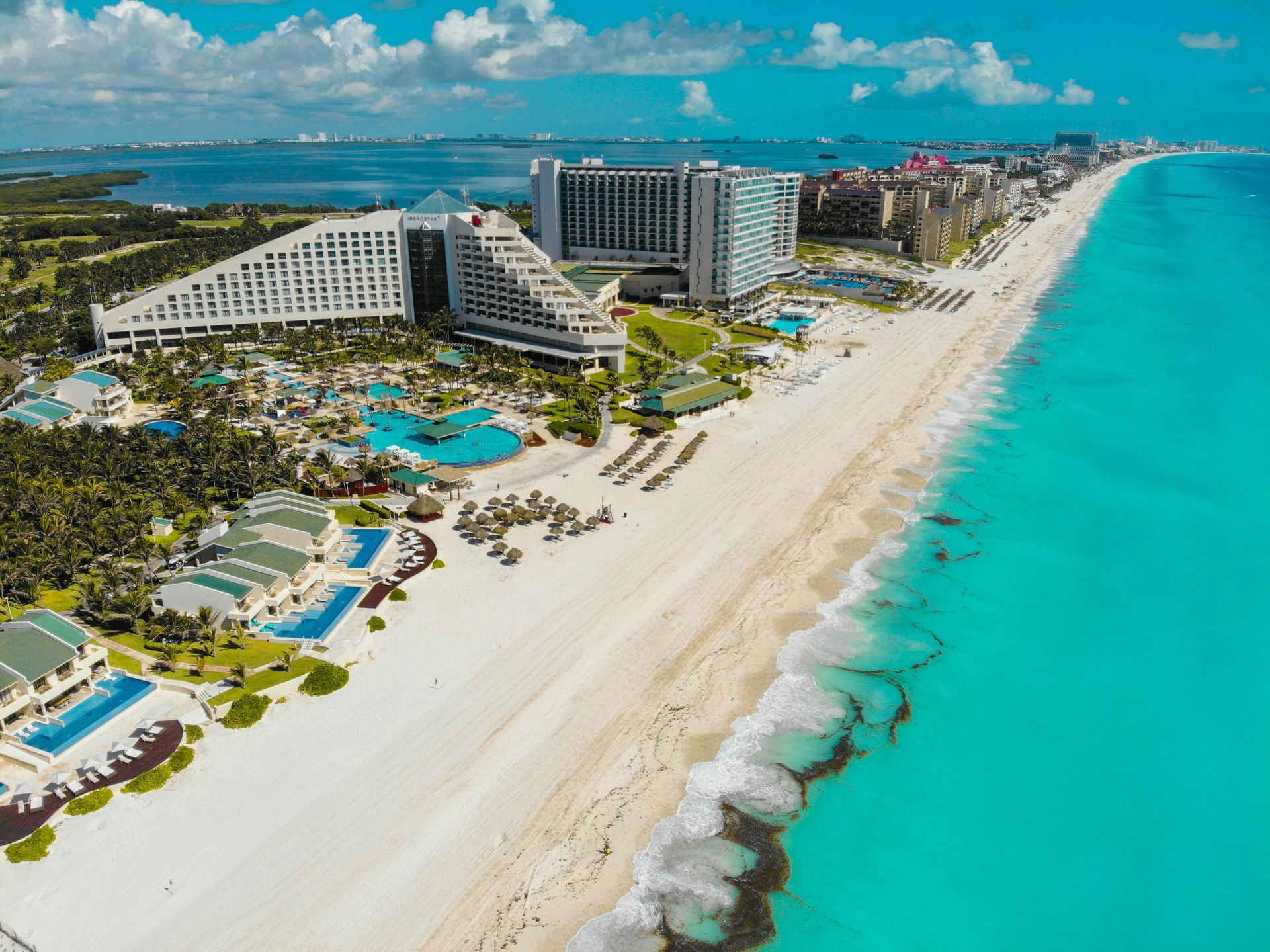
Cancun is the most visited beach destination in Mexico and one of the most visited in the world, and the practical argument for it is exactly what the more sophisticated travel conversation tends to dismiss: comprehensive resort infrastructure, direct flights from most North American cities, and beaches that deliver the powder-white sand and crystal-clear Caribbean water that the destination has always promised. For the traveler whose priority is a beach vacation with minimal logistical complexity, Cancun offers the densest concentration of that product in Mexico.
Playa Tortugas, one of the public beaches along the hotel zone, offers visitors a beach experience outside the resort property without the fees of private beach clubs, and its calm surf and clean sand provide a reliable base for families and activity-focused visitors. Playa Delfines, at the southern end of the hotel zone, where the zone’s commercial density thins, is the beach that consistently draws visitors seeking more space: the wider beach, the fewer vendors, and the views across the open Caribbean give Delfines a quality that the busier northern beaches in the hotel zone do not provide. The reef dive sites accessible by boat from Cancun’s coast give the underwater program a Caribbean quality that the hotel zone’s beach swimming cannot capture.
The restaurant, shopping, and nightlife infrastructure that Cancun has built around its beaches gives the non-beach hours their own program, and the ferry access to Isla Mujeres and the road access to the Riviera Maya’s archaeological sites give the Cancun stay a day trip range that the destination-only beach resort format forecloses. The Zona Hotelera’s cenotes, accessible at several points along the hotel zone, offer freshwater swimming within walking distance of the resort beaches and add a distinctly Yucatecan natural feature to a destination whose main appeal is Caribbean saltwater. Cancun’s weaknesses are well documented: the crowds, the commercialization, the noise. They are real. But as a platform for Caribbean beach access with full service infrastructure, it has no equivalent in Mexico.
L'Odyssee Belle / Unsplash
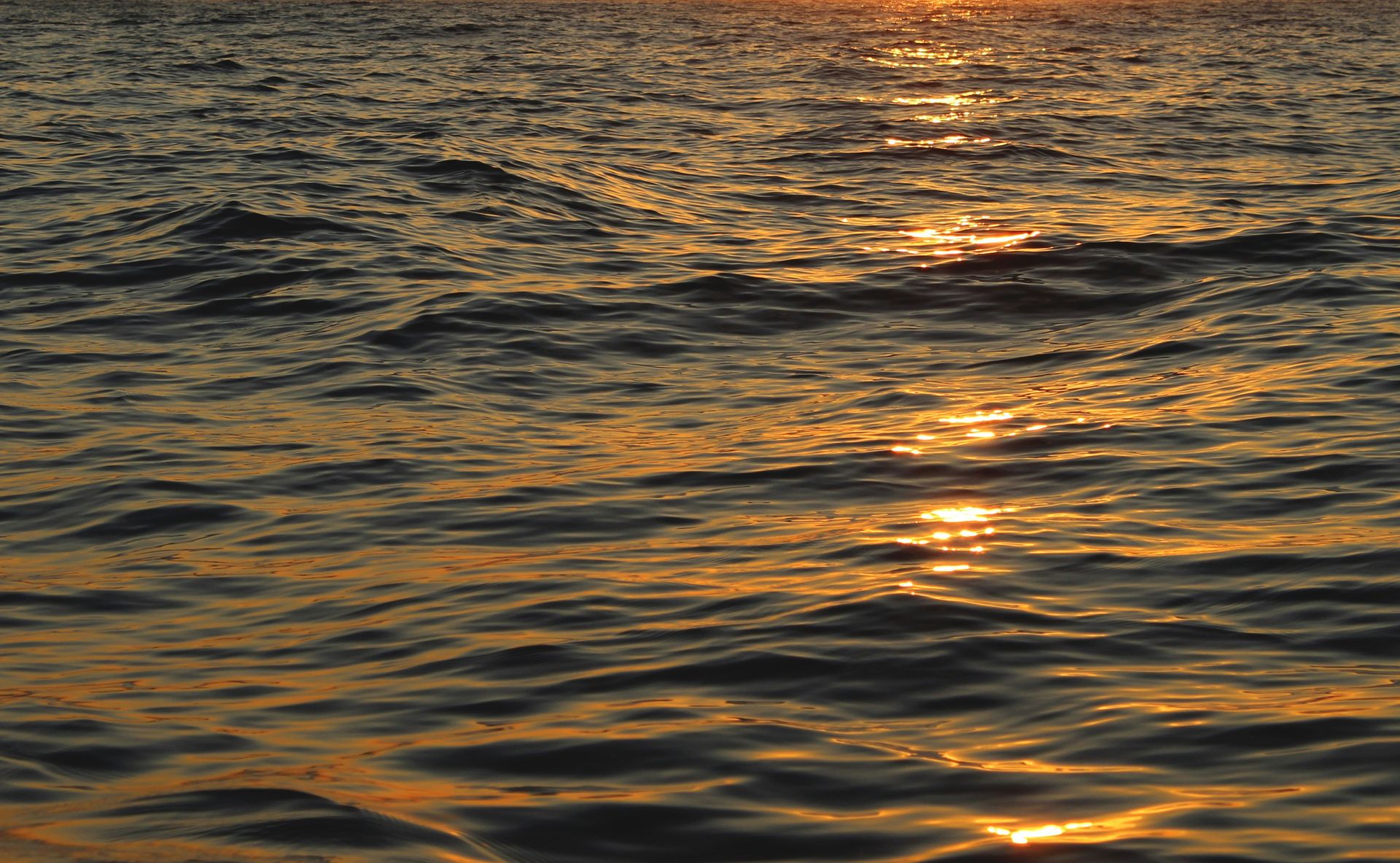
Puerto Ángel is a fishing village on Oaxaca’s Pacific coast whose character reflects what Zihuatanejo and Sayulita once were before their respective discoveries: a small working port with beaches whose quality has not yet attracted the commercial development that quality beaches tend to generate once the travel media locates them. The steep cliffs that frame the town give it a dramatic physical setting, and the Pacific swell, fishing boat activity, and absence of resort hotels give the beach visit a texture that the polished destinations cannot reproduce.
Playa Principal, the town’s main beach near the harbor, sits within walking distance of the local restaurants and bars that line the adjacent streets. The proximity to the town’s commercial life is the main practical complication: the beach receives foot traffic and occasional cleanliness issues that a more isolated stretch would not. Playa La Boquilla, a short walk from Playa Principal, offers snorkelers a productive alternative, with its rocky bottom and underwater terrain supporting a higher marine life density than the main beach.
Playa Zipolite, a few kilometers west of Puerto Ángel, gives the destination its most well-known stretch of sand: a long Pacific beach famous for its nudist culture, strong undertow, and its long-running reputation among the traveler type who seek out places most tourists bypass. The undertow is a genuine physical hazard that requires awareness, and the beach’s specific social culture is worth researching before arrival. For the visitor who finds Puerto Ángel’s pace and character appealing, Zipolite offers the day trip's most memorable and distinctly Oaxacan beach option. The Oaxacan food culture that the town’s restaurants express, drawing on the mole and tlayuda traditions of the inland valleys alongside the seafood specific to the coast, gives the meal at Puerto Ángel a culinary depth that beach town restaurants in the more tourist-developed destinations have tended to flatten into the same fish taco and quesadilla formula. A caldo de camarón from a local restaurant at the harbor gives the Pacific coast food program its most immediate and most local form.
Miguel Naranjo / Unsplash
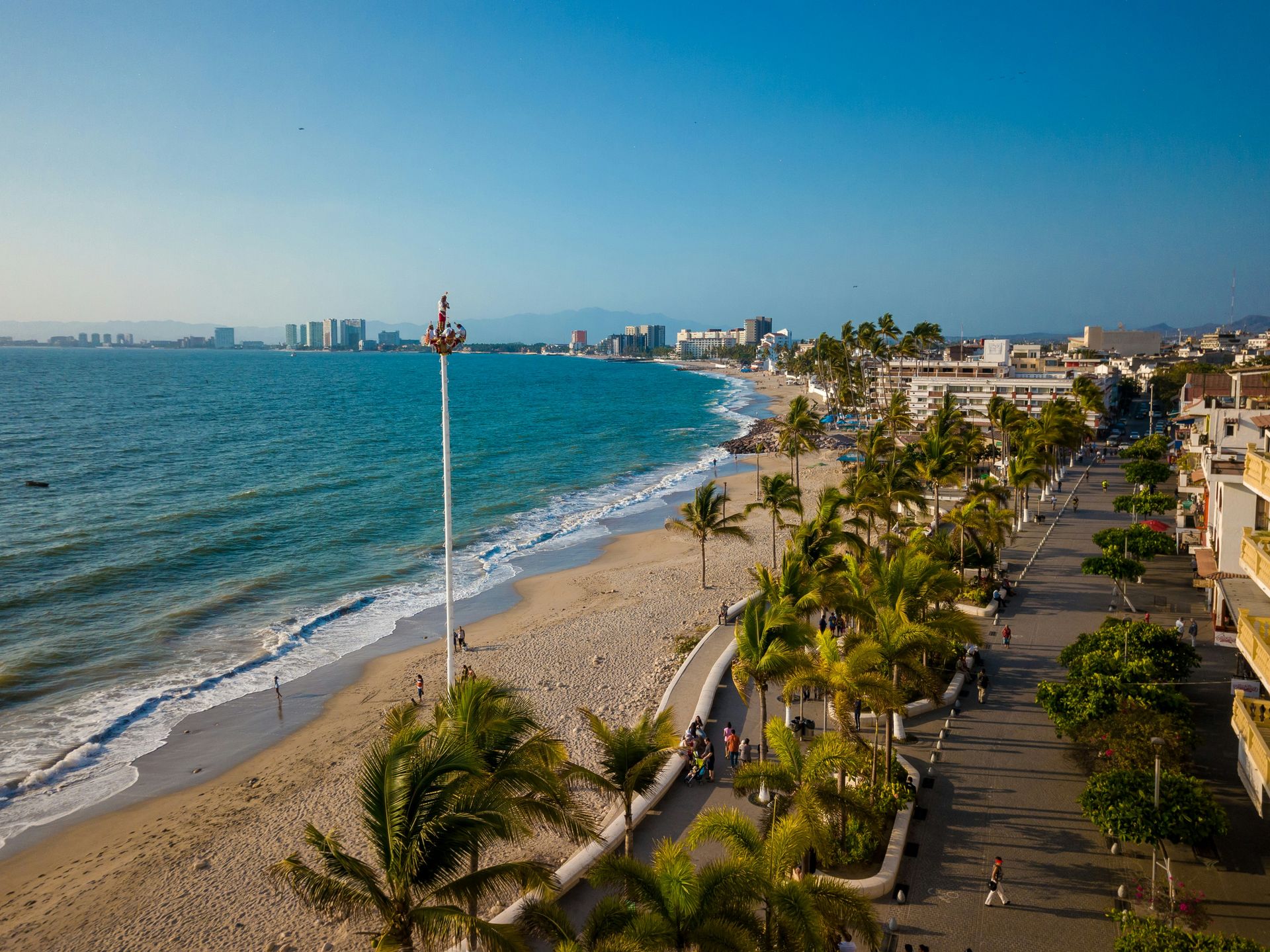
Puerto Vallarta’s most exceptional beaches are not accessible by road, which is the specific quality that gives the destination its advantage over resort towns whose beaches are fully mapped and maximally crowded. The Sierra Madre Mountains that come to the coast south of the town force a geography in which beach access requires either a boat ride or a hike, limiting the visitor population to those willing to make the effort and giving the beaches themselves a seclusion that the effort actively maintains.
Playa Colomitos, reachable by a 40-minute hike from Boca de Tomatlán or a short boat ride, is listed as the smallest beach in Mexico, a narrow crescent of sand and rock beneath the jungle-covered hillside whose intimacy and remoteness give the visit the specific quality of having found something that most visitors do not reach. The hike through the coastal jungle to reach it is itself worth the trip, and the reward of an empty or nearly empty beach at the end gives the effort a straightforward payoff. Playa Las Gemelas, nearby on the same stretch of coast, offers the boat tour visitor a second option, with turquoise water and soft sand that give it the conventional beach appeal that Colomitos trades for seclusion.
Playa Camarones, within the Puerto Vallarta town limits and accessible by road and city bus, offers a practical beach with water-sports infrastructure, including kayaking, parasailing, and jet skiing, that makes the active beach day as complete as possible without the boat logistics required by the southern beaches. The town’s Malecón waterfront promenade, running along the bay north of Camarones, gives the post-beach evening its most animated option: restaurants, street performers, and the specific energy of a Mexican resort town whose local life and tourist infrastructure have reached a productive equilibrium. The Malecón’s sculpture collection, installed along the waterfront over the past two decades, adds a cultural program specific to Puerto Vallarta and makes the promenade more than a commercial strip between restaurants.
Rajiv Perera / Unsplash
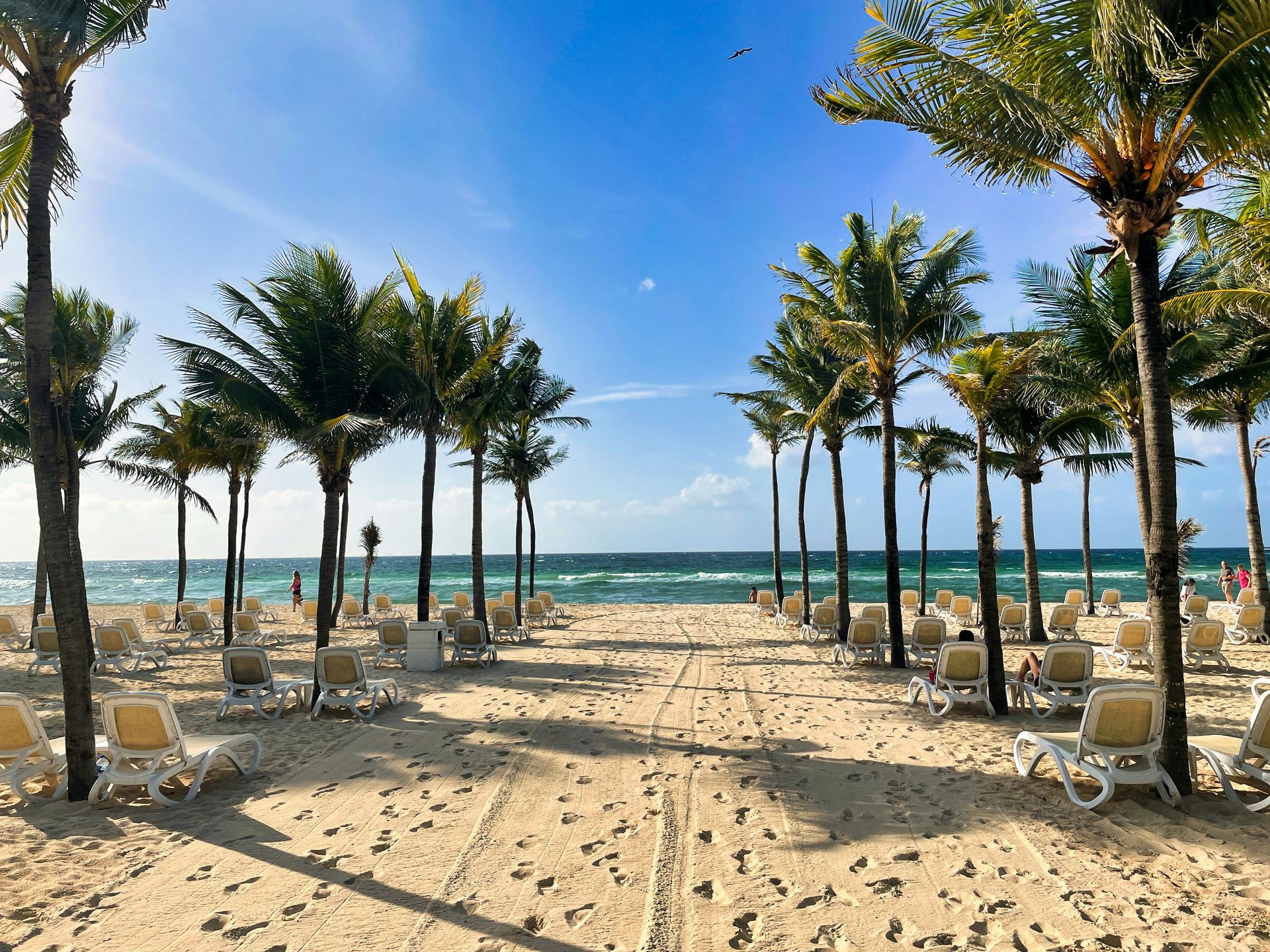
Playa del Carmen has evolved from the small, quiet coastal town it once was into the Riviera Maya’s most commercially developed beach destination after Cancun, and the evolution has produced a beach scene whose energy and infrastructure give it a specific appeal for travelers who want the full Caribbean beach experience with more street life and less resort isolation than Cancun’s hotel zone provides. The Fifth Avenue pedestrian corridor, which runs parallel to the beach, gives the town its commercial spine, and the beach clubs that line the shore give the beach day a social format specific to Playa del Carmen’s version of Mexican beach culture.
Playa Mamitas is the beach club zone’s most concentrated expression: loud, well-staffed, visually striking, and calibrated for the traveler who wants the full day-drinking-on-the-beach experience with enough DJ programming and crowd energy to qualify as an event. The quality of the Caribbean water and the sand beneath this social infrastructure remains genuinely excellent, as reflected in the beach’s popularity. Travelers $TRV who find the beach club format overwhelming have better alternatives within easy reach.
Playa Punta Esmeralda, north of the town center, gives the calmer option its best Playa del Carmen version: a beach with a freshwater cenote visible beneath the sand at low tide, giving the swimming a specific geological feature that the resort beaches lack, and with a crowd level that reflects its position slightly outside the main tourist zone. Playa Xpu-Ha and Playa Paamul, south along the coast, offer a day trip to an even quieter version of the Riviera Maya beach, with the coral reef accessibility and white-sand quality of the region, without the commercial infrastructure concentrated in the town of Playa del Carmen. The town’s ferry to Cozumel, departing from the pier at the southern end of Fifth Avenue, gives the Playa del Carmen stay its most productive day trip option and gives Cozumel’s diving a practical base on the mainland for travelers who want the beach town atmosphere of Playa del Carmen alongside the reef access of the island.