
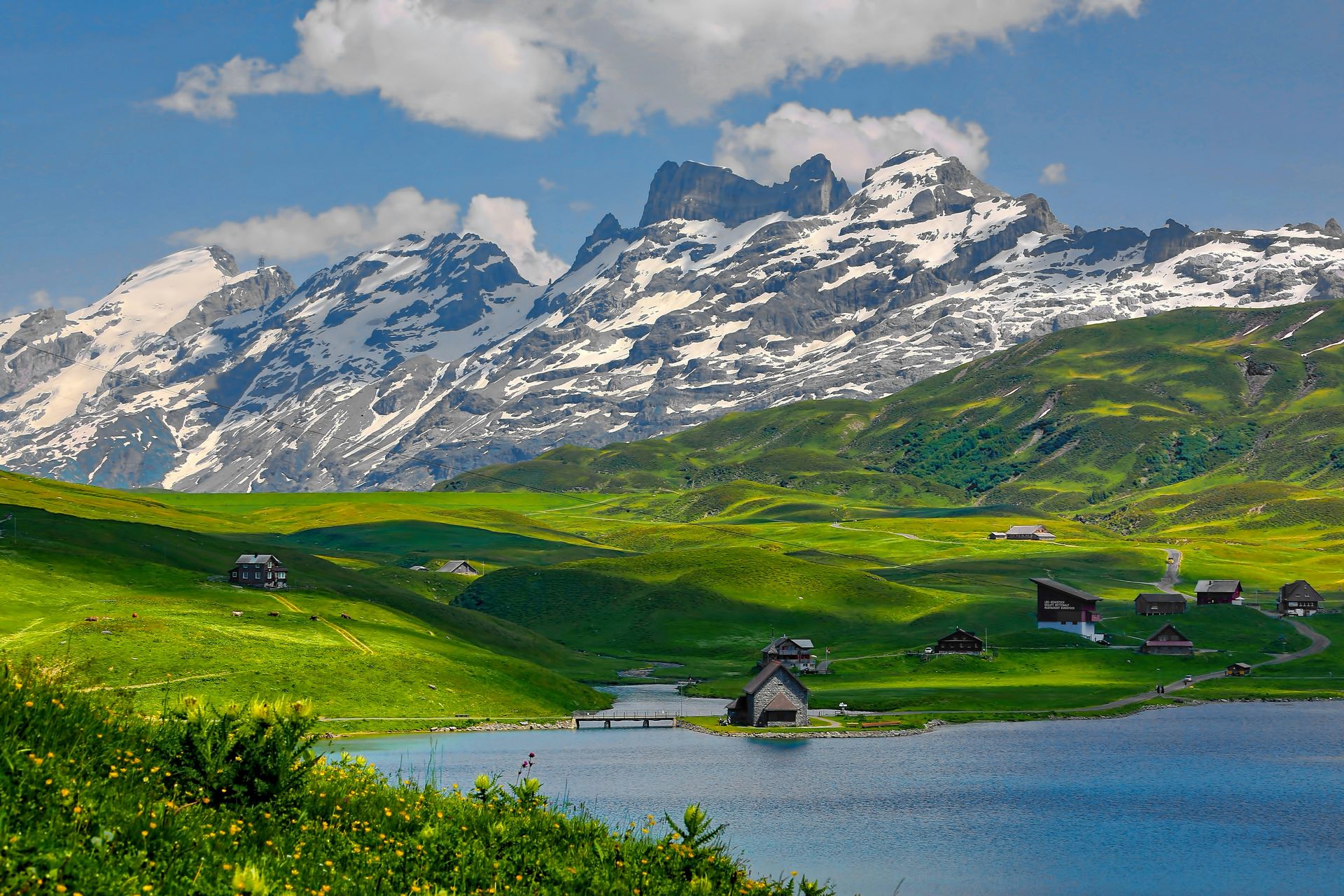
From Japan's bamboo forests and cherry blossoms to Iceland's geysers, glaciers, and northern lights, the world's most naturally beautiful countries
Ricardo Gomez Angel / Unsplash
The planet does not distribute its scenery evenly. Some countries stack one extraordinary landscape on top of another — volcanic coastlines giving way to ancient rainforests, or glaciated peaks dropping into turquoise fjords — while others offer a single signature view that travelers cross continents to reach. Both kinds of places belong on a list like this one, but the countries that earn a spot here tend toward the former: places where the natural world shows up in such variety and force that a single trip barely scratches the surface.
Natural beauty, for the purposes of this list, means the landscapes themselves: what the land, water, and sky produce without human arrangement. That scope includes mountains, coastlines, rainforests, deserts, waterfalls, and the wildlife that inhabits them. It does not exclude places that also happen to have remarkable cities or food cultures — several entries here are famous for both — but the case for each country rests on what exists outside the built environment. A vineyard-covered hillside in Tuscany qualifies. The Colosseum does not.
The 15 countries below appear in Travel + Leisure, which assembled the selection to highlight destinations with spectacular natural landscapes across a range of terrain types, climates, and regions. The list spans five continents and covers everything from the Indian Ocean’s most isolated archipelagos to the Southern Hemisphere's glaciated wilderness. Each country earns its place through the breadth and quality of what nature has produced there, and each offers a different answer to the question of what “beautiful” means when the scenery does all the work.
Su San Lee / Unsplash
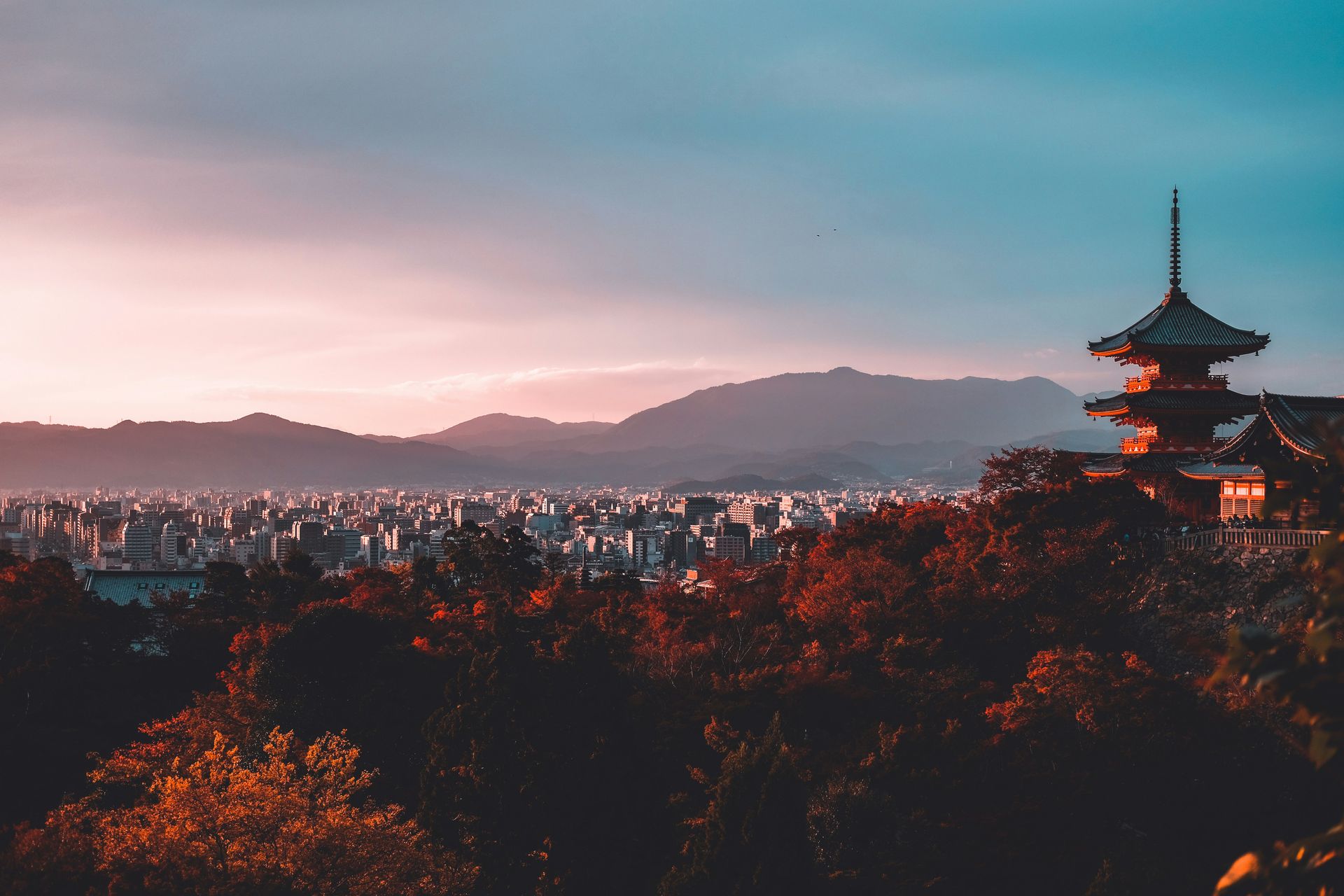
Few countries pack as many distinct landscape types into a comparable area as Japan. Bamboo forests, coastal beaches, alpine terrain, and geothermal hot springs all exist within the same island chain, giving travelers a range of natural environments that most countries spread across a continent. Mount Fuji anchors the alpine register: its symmetrical cone, visible from considerable distance on clear days, has become one of the most recognized natural forms on Earth. The mountain’s presence organizes the landscape around it in a way that photographs cannot fully convey until a traveler sees it in person.
The country’s volcanic geology produces hot springs across multiple regions, giving everyday life a natural dimension that has shaped Japanese culture for centuries. These are not remote backcountry features but integrated parts of towns and resort areas, accessible without specialist equipment or physical conditioning. Bamboo forests, particularly those found in the Kyoto region, create an immersive natural environment within easy reach of one of the country’s major cities.
Japan’s cherry blossom season draws international attention each spring for a reason that goes beyond tourism marketing. The transformation of the landscape during peak bloom — parks, riverbanks, castle grounds, and mountain paths covered in pale pink — represents a genuine natural event, brief enough that travelers plan trips around its exact timing. The contrast between the blossoms and the surrounding architecture, or simply the scale of the bloom across an entire region, produces a visual experience specific to this country and this moment in the calendar.
The coastal and island components of Japan’s geography add a warmer, more tropical register to a country often associated with mountains and winter landscapes. Southern islands offer clear waters and coral environments that read as entirely distinct from the alpine and forested imagery of the main islands. The full geographic range of Japan rewards multiple visits across different seasons and different regions.
Sebastian Pena Lambarri / Unsplash
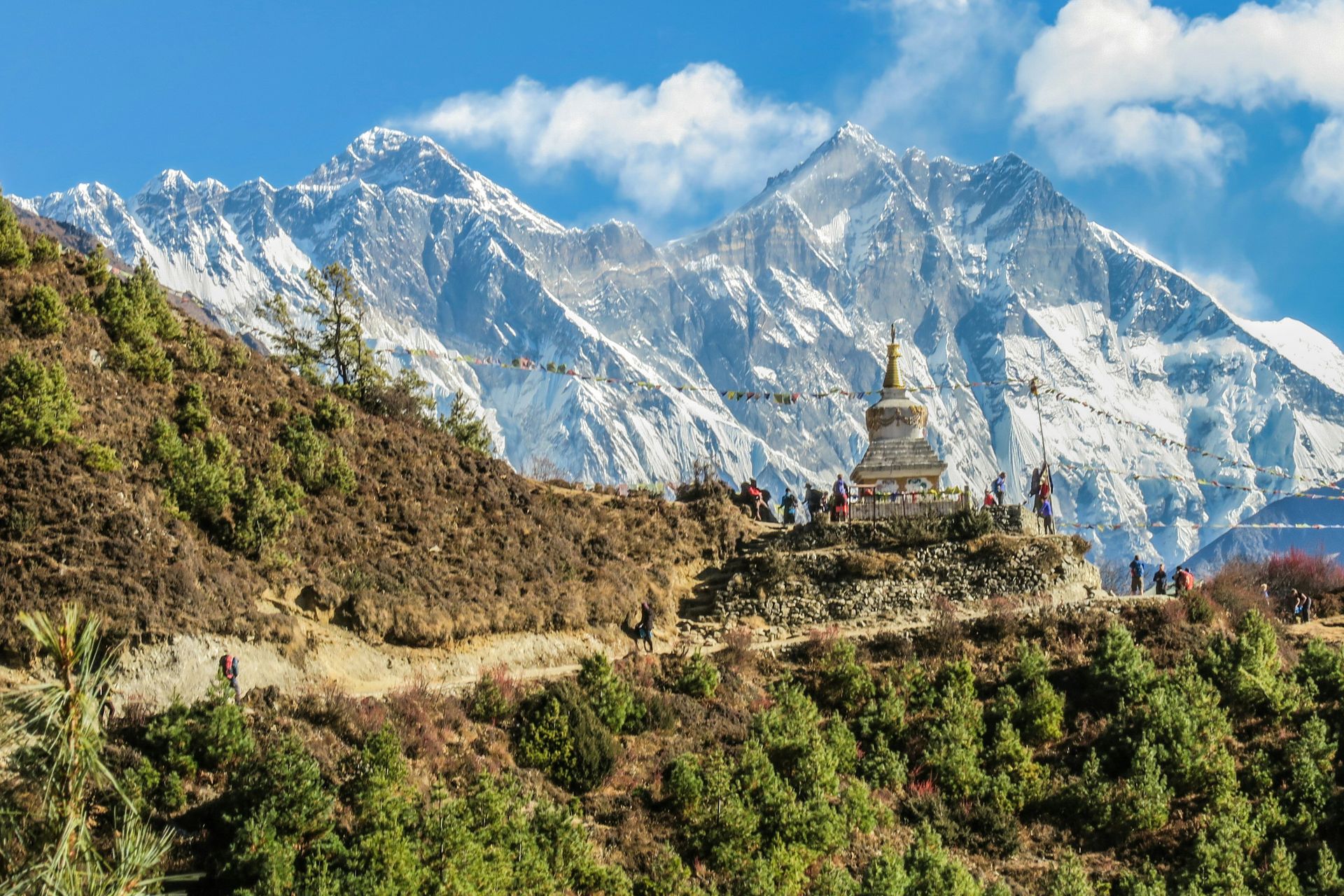
Eight of the world’s 10 tallest mountains stand in Nepal, a statistic that shapes every aspect of the country’s natural identity. Mount Everest, the highest point on Earth, draws climbers and trekkers from every continent, but the Himalayas produce awe at every level of physical commitment. Dedicated climbers test technical skills and endurance on routes that demand months of preparation. Hikers with more modest ambitions walk trails through high-altitude valleys, with views that rival those on the approach to the summit.
The scale of the Himalayan landscape defies the categories most travelers bring to it. Peaks that appear close on a map occupy days of walking terrain between them, and the vertical relief — the difference between valley floor and summit — exceeds what most mountain regions elsewhere in the world can match. Viewpoints such as Nagarkot allow visitors without trekking experience to observe the range from accessible ground, placing the mountains in frame without requiring a multi-week expedition.
Nepal’s natural range extends below the alpine zone into subtropical lowlands that support wildlife of a different register entirely. Rhinos and tigers inhabit protected areas in the country’s southern Terai region, creating a biodiversity contrast unusual for a country so strongly associated with high-altitude terrain. A traveler could spend a morning watching rhinos in tall grass and, within the same trip, stand at the base of a glacier at altitude — two landscapes so different in character that they seem to belong to separate countries.
The Himalayas also generate weather patterns and light conditions that photographers and landscape observers find exceptional. Morning light on snow-covered peaks, cloud formations that build through the day around high summits, and the clarity of high-altitude air on dry-season days combine to produce a visual environment that rewards patient observation.
Sam Ferrara / Getty Images
Italy’s natural beauty resists reduction to a single image. The Tuscan hills, covered in vineyards and dotted with cypress trees, represent one version of the country. The Amalfi Coast’s terraced cliffs descending to the Mediterranean represent another. The Dolomites, a UNESCO World Heritage site in the northeast, present a third: dramatic limestone peaks rising above alpine meadows, with a geological character distinct from the Alps to the west. Each of these landscapes occupies a different corner of a country that travelers sometimes underestimate as primarily a cultural destination.
The Tuscan interior rewards slow travel. Rolling hills planted with vines and olive groves change character with the seasons, going from the green of spring through the gold of late summer to the stripped clarity of winter. The light in this region has drawn painters for centuries, and the quality of that light — the way it falls across the landscape in the late afternoon — remains as compelling now as it was in the Renaissance. Small hill towns punctuate the landscape at intervals, set high enough to command views across multiple valleys.
The Dolomites operate at a different scale. These are serious mountains, with vertical faces and pinnacled ridges that attract rock climbers as well as hikers on the extensive trail network below the technical terrain. The rock color shifts dramatically at sunrise and sunset, moving through orange and pink in a phenomenon local guides call the “enrosadira.” The alpine meadows that surround the peaks in summer are carpeted with wildflowers at elevations where other mountain ranges would be bare rock.
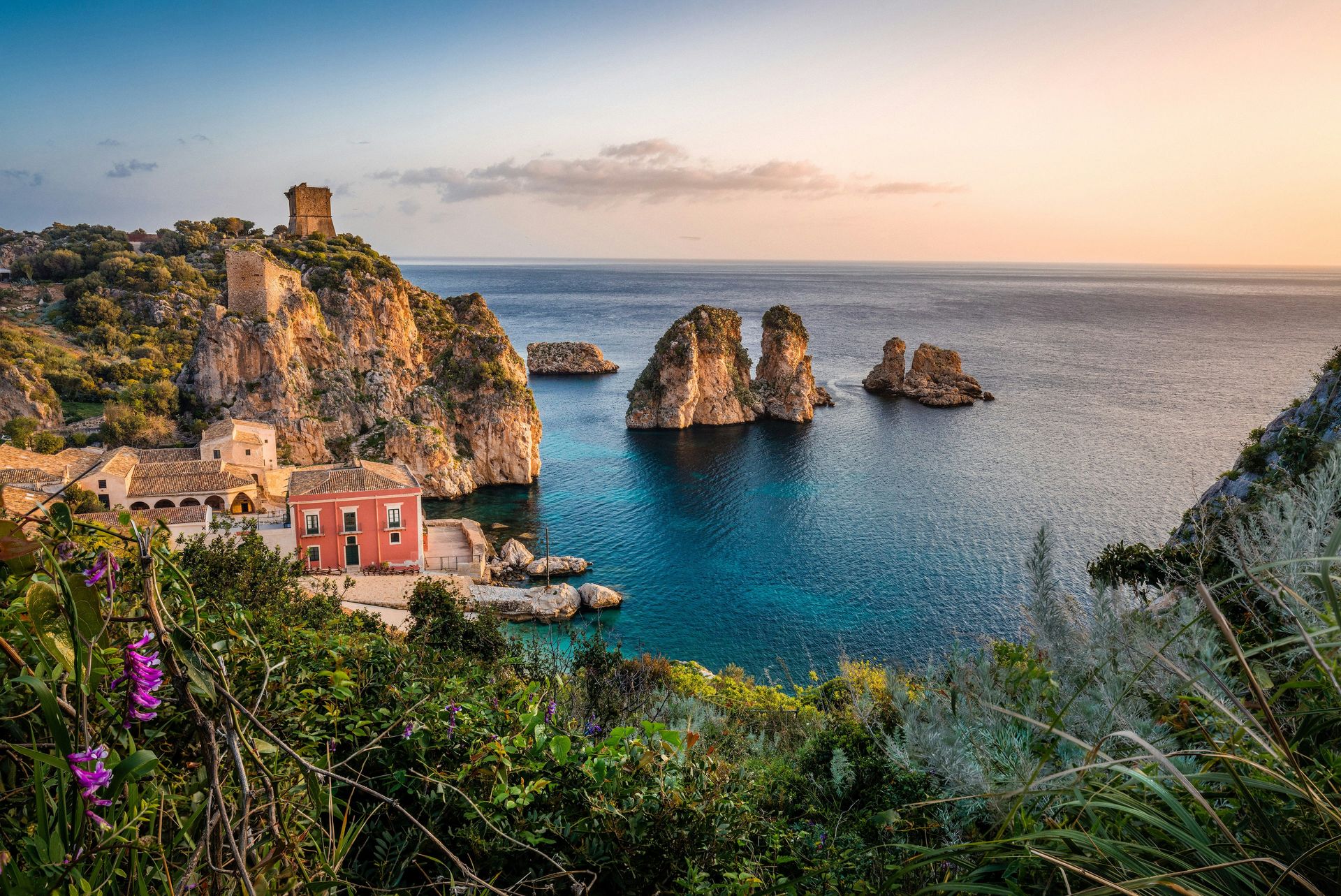
Italy’s coastline adds a marine dimension that the inland landscapes do not prepare a traveler for. Cinque Terre’s five villages, perched on cliffs above the Ligurian Sea, sit within a national park that protects the terraced hillsides behind them. The Amalfi Coast combines vertical drama with Mediterranean color in a setting that consistently ranks among the most visually concentrated stretches of European coastline.
Pedro Bariak / Unsplash
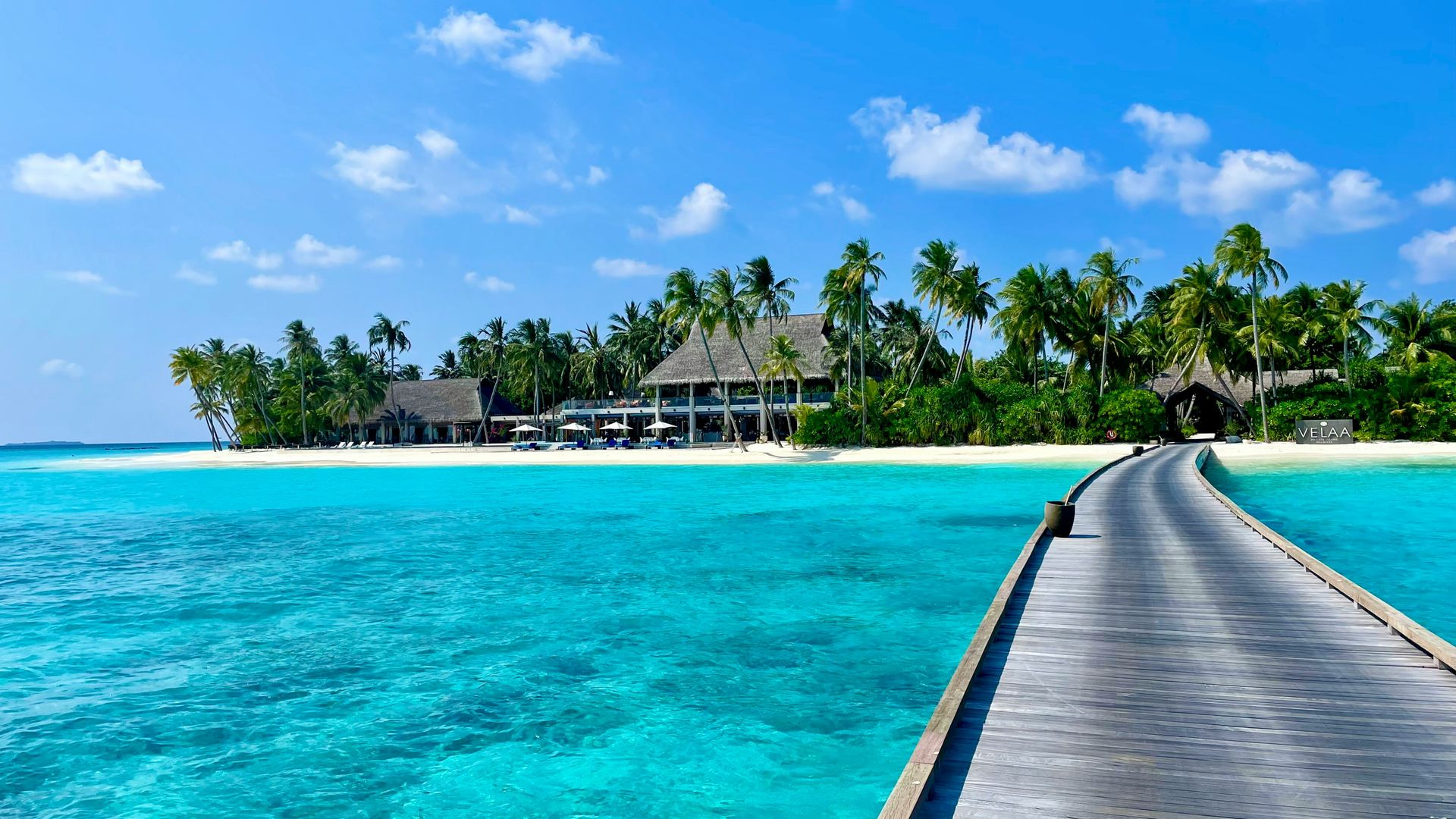
The Maldives operates on a scale that a map does not convey. Over 1,000 coral islands spread across the central Indian Ocean, most small enough to walk around in minutes, arranged in atolls that, from the air, appear as rings of bright turquoise set against deep blue. The distinction between the lagoon water inside an atoll and the open ocean outside it creates a color contrast visible from above — one of the most recognizable natural formations on Earth.
At the water level, the experience centers on the coral reef systems that surround and connect the islands. These reefs support marine biodiversity at levels that draw divers and snorkelers seeking encounters with reef sharks, manta rays, sea turtles, and the dense fish populations that inhabit healthy coral structures. The clarity of the water in protected lagoons allows visibility to depths that temperate-water divers rarely experience, and the shallowness of many reef tops brings this marine life within reach of snorkelers without specialist training.
The overwater bungalow accommodation format, which the Maldives pioneered and for which it remains best known internationally, positions guests directly above the lagoon. The views from this vantage point — across flat, bright water to the reef edge where the color shifts from turquoise to deep blue — represent the Maldives’ signature natural experience. Sunrise and sunset produce light conditions over the ocean that shift the color register entirely, with the lagoon reflecting pink and gold in conditions found nowhere on land.
The islands themselves, many of them barely above sea level, sit within a natural environment of particular fragility. The coral ecosystems that built these islands and continue to protect them from wave action are sensitive to temperature changes, and the archipelago's low elevation makes it one of the most climate-vulnerable places on Earth. Travelers $TRV who visit now encounter a natural environment under pressure, which gives the experience a particular quality of attention.
Sebastian Pena Lambarri / Unsplash
Indonesia’s geography resists summary: over 17,000 islands stretch across a distance comparable to the width of the continental United States, covering tropical rainforest, volcanic peaks, coral reefs, and rice terraces across a range of terrain that no other archipelago on Earth matches in variety. The island of Bali attracts the highest concentration of international visitors, but it represents only one region of a country that contains some of the most biodiverse terrestrial and marine environments on the planet.
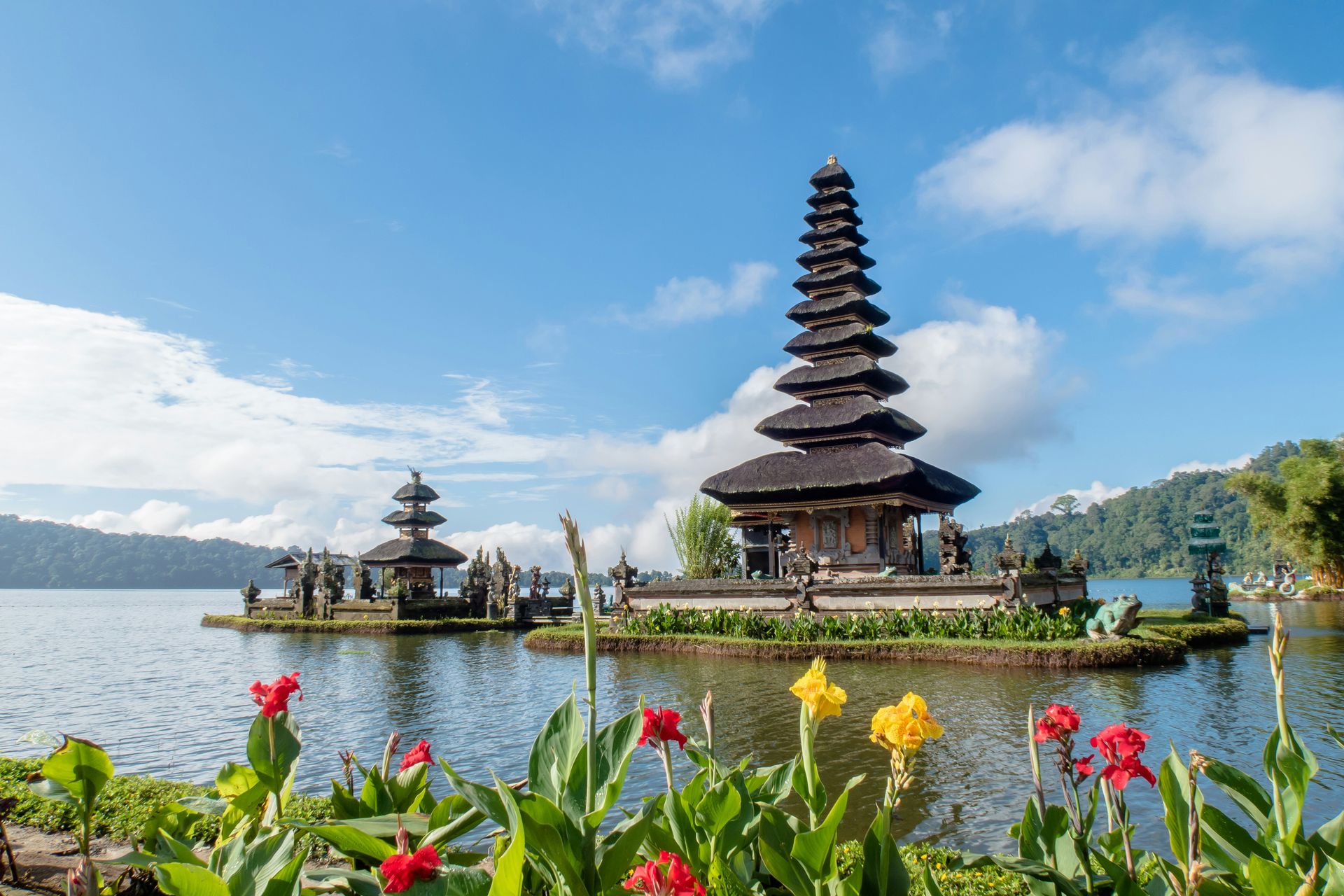
Bali’s landscapes operate at a human scale, making them immediately accessible. The rice terraces of the interior, carved into hillsides over generations, serve simultaneously as agricultural infrastructure and a visual spectacle. The subak irrigation system that maintains them is a UNESCO-recognized cultural landscape, and the terraces themselves change color through the growing cycle, from bright green to gold at harvest. Volcanic peaks form the backdrop: Bali’s mountains, including Gunung Agung, the island’s highest and most sacred volcano, shape both the physical and spiritual geography of the island.
The marine environment around Indonesia’s islands extends to some of the world’s most biodiverse coral triangle waters. Dive sites in Raja Ampat, in the country’s eastern Papua region, consistently rank among the richest globally in species density, with reef ecosystems that scientists use as reference points for marine biodiversity research. These sites are far from Bali’s tourist infrastructure, requiring significant travel, but the natural environments they offer justify the distance for serious divers.
The country’s rainforests, particularly in Kalimantan and Sumatra, support wildlife found nowhere else on Earth. Orangutans, pygmy elephants, and Sumatran tigers all inhabit Indonesian forests, and the density of endemic species across the archipelago reflects millions of years of island evolution, producing distinct populations on separate landmasses.
Josh Reid / Unsplash
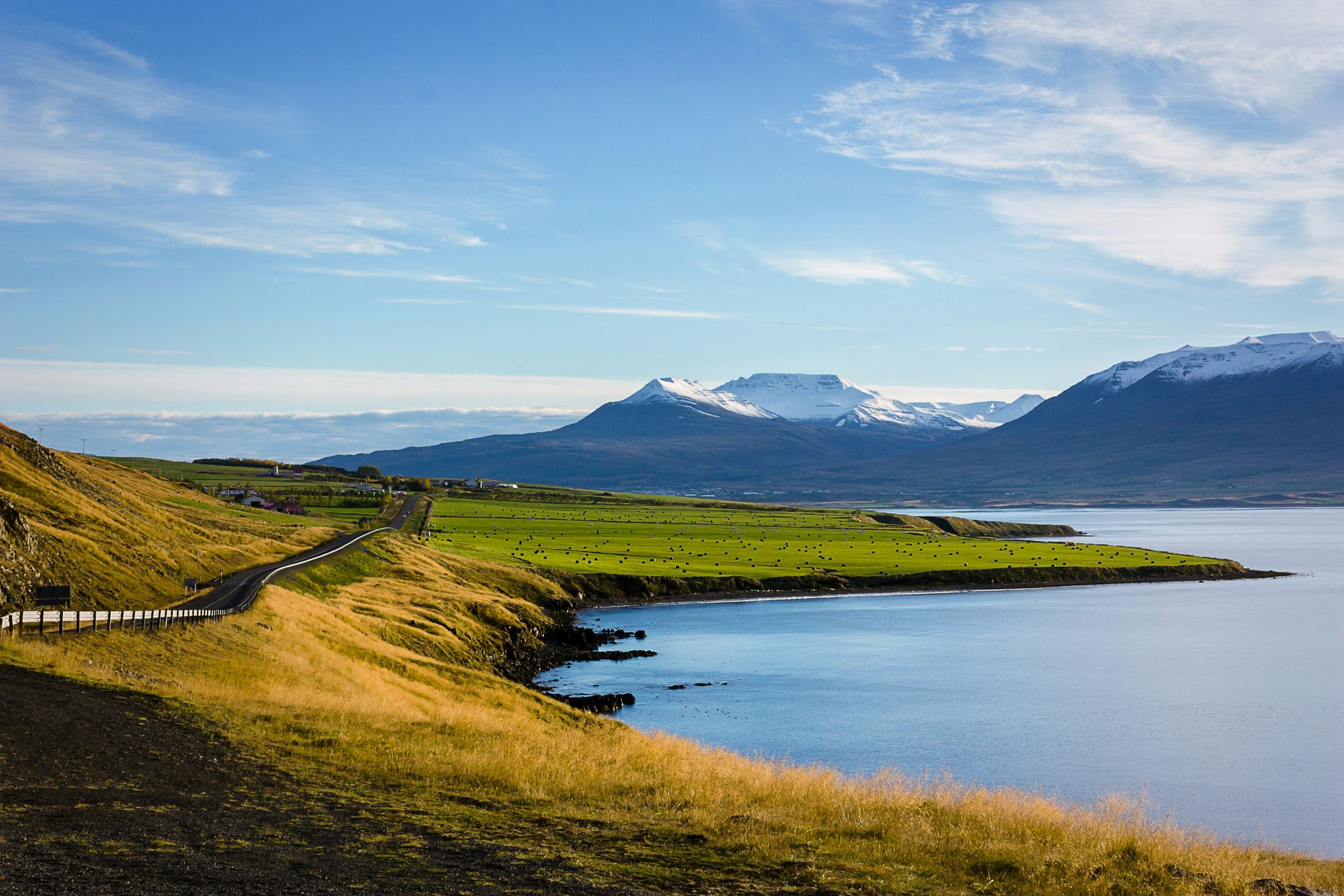
Iceland produces landscapes so geologically active that the ground beneath a traveler’s feet is, in some cases, still forming. Volcanic activity, geothermal energy, glaciers, and waterfalls operate simultaneously across an island that sits on the Mid-Atlantic Ridge, where two tectonic plates diverge. The result is a natural environment of continuous change: lava fields younger than many human cities, geysers erupting on predictable schedules, and glaciers calving into lagoons where icebergs drift slowly toward the sea.
The waterfalls Iceland generates are exceptional in both number and scale. Seljalandsfoss, one of the country’s most photographed, allows visitors to walk behind the curtain of water through a path cut into the cliff face. Skogafoss, nearby on the same stretch of southern coastline, drops 60 meters into a mist cloud that produces rainbows in direct sunlight. Neither represents the country’s most powerful waterfall: Dettifoss, in the north, carries more water volume than any other waterfall in Europe. Each offers a different experience of moving water on a dramatic scale.
Winter in Iceland introduces the northern lights, an aurora phenomenon that requires dark skies, solar activity, and clear weather to appear. When conditions align, the lights move across the sky in curtains and columns of green, occasionally shifting into pink and violet. The combination of aurora overhead and ice-covered landscape below produces a visual environment specific to high-latitude winter, unavailable in any other season or any warmer latitude.
Summer brings the midnight sun: continuous daylight that extends hiking, photography, and outdoor activity into hours that would be dark elsewhere. The same hot springs that steam in winter light operate year-round, offering a natural geothermal bathing experience embedded in a landscape that shifts dramatically between seasons. Iceland’s natural calendar rewards visits at various times of year.
Anthony Salerno / Unsplash
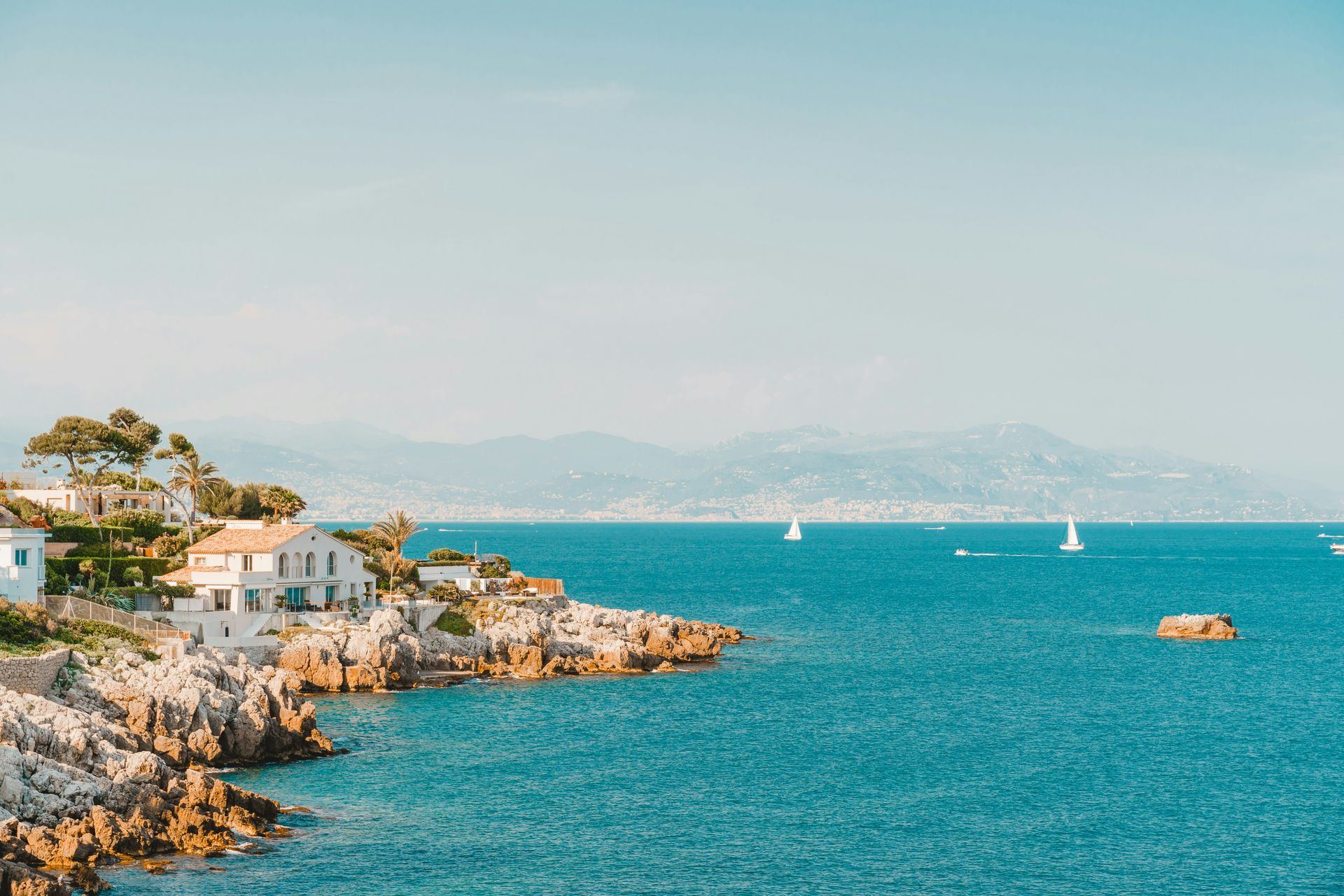
France’s international image centers on its cities and cuisine, but its natural geography spans more terrain types than those of most European countries of comparable size. Provence’s lavender fields, the Atlantic cliffs of Brittany, the French Riviera’s Mediterranean coastline, and the Alpine ski terrain each represent distinct natural environments, separated by hours of driving through countryside that offers its own scenery along the way.
Provence’s lavender season concentrates into a window of weeks in midsummer when the fields of the Plateau de Valensole reach peak bloom. The color density of these fields, covering large expanses of rolling agricultural land, produces a visual experience that landscape photography has circulated widely, but that proximity amplifies considerably. The scent layer adds a sensory dimension that images omit, and the light in this region during summer mornings and evenings gives the landscape a warmth that complements the purple.
Brittany’s coastline operates in a register entirely removed from the Mediterranean south. Atlantic weather produces a more dramatic, changeable environment: cliff faces exposed to ocean swells, tidal variations that reveal rocky platforms and sea caves, and light conditions that shift quickly under moving clouds. The rugged terrain attracts travelers seeking a less composed, more elemental coastal experience than the manicured beaches of the Riviera offer.
The Alps deliver winter terrain of the highest European standard. High-altitude ski areas, combined with Alpine village infrastructure developed over more than a century of mountain tourism, give France’s mountain southeast a quality of access that the landscape’s scale might not otherwise support. Summer in the same mountains converts ski runs to hiking trails and reveals wildflower meadows at elevations that remain snowbound for much of the year.
Dan Meyers / Unsplash
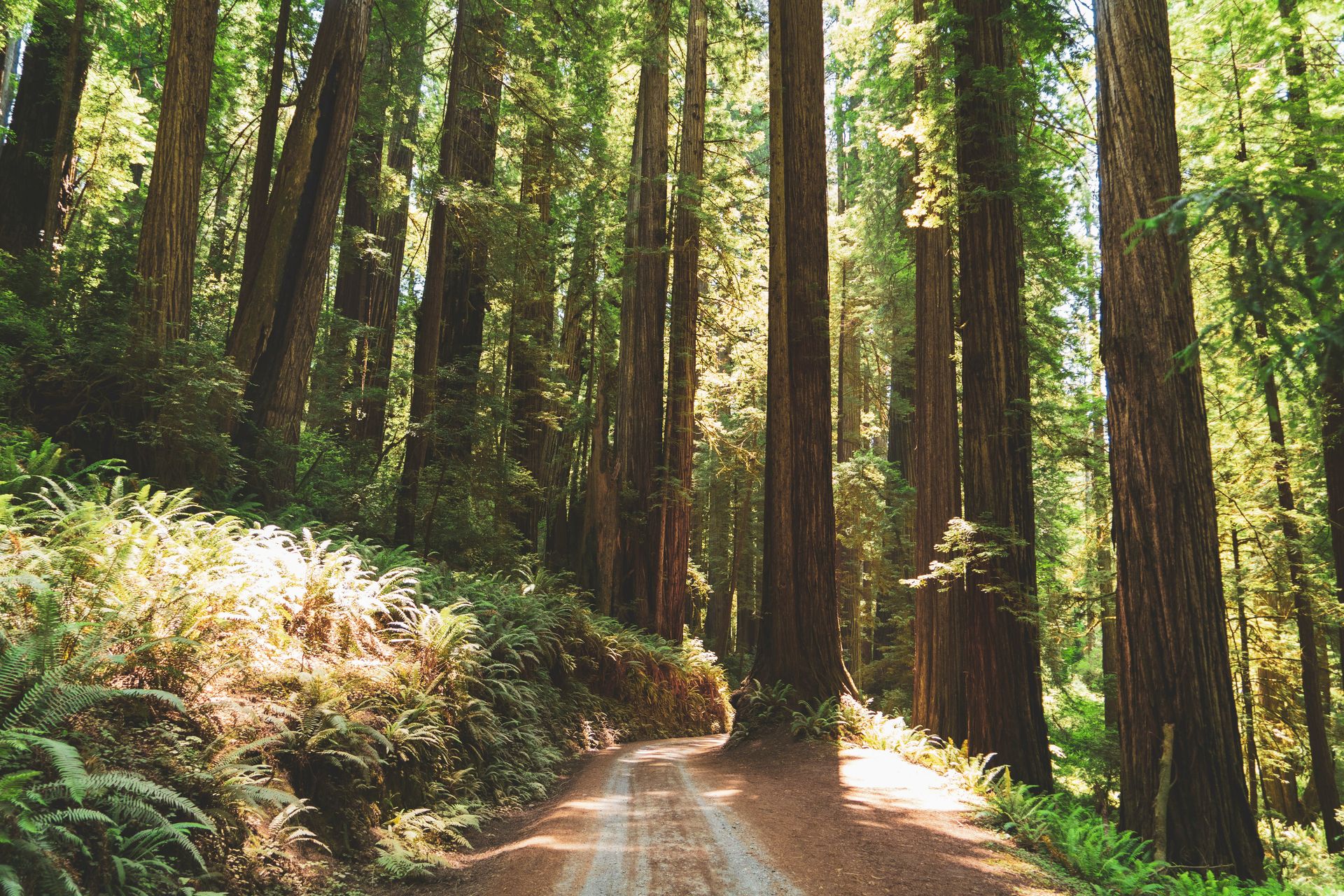
The geographic scale of the United States makes direct comparison to other countries on this list difficult. What would constitute a country’s entire natural identity elsewhere — a single major mountain range, a distinctive coastline, a famous desert formation — appears in the U.S. as one region among dozens, each with its own character and scale. The Grand Canyon, carved over millions of years by the Colorado River, is a natural feature of a magnitude that would define any other country. The U.S. contains it alongside Yellowstone’s geothermal fields, the redwood forests of California, the glacier-carved fjords of Alaska, and the subtropical wilderness of the Everglades.
The American West is home to the country’s most dramatic arid and alpine scenery. Monument Valley’s sandstone buttes, rising from a flat desert floor in the colors of rusted iron, occupy a landscape so visually specific that it has shaped the international image of the American frontier for generations. Zion Canyon, Bryce Canyon, and Arches National Park extend the red-rock register across southern Utah, with formations sculpted by the erosion of different geological layers at different rates, creating variety within a single color palette.
Alaska adds a dimension that the lower 48 states cannot match. Glaciers calving into ocean inlets, brown bear populations fishing salmon runs, and mountain ranges that rival the Himalayas in vertical relief give the state a wildness that most of the country’s more accessible national parks approach but do not replicate. The sheer scale of undeveloped land in Alaska places it in a category shared with very few places on Earth.
Florida’s Keys and coastline add a tropical register at the country’s southeastern extreme, where turquoise water and coral reef environments sit within the same national borders as Arctic tundra and temperate rainforest. The range the U.S. contains within a single country is, by any reasonable measure, without parallel.
Dino Reichmuth / Unsplash
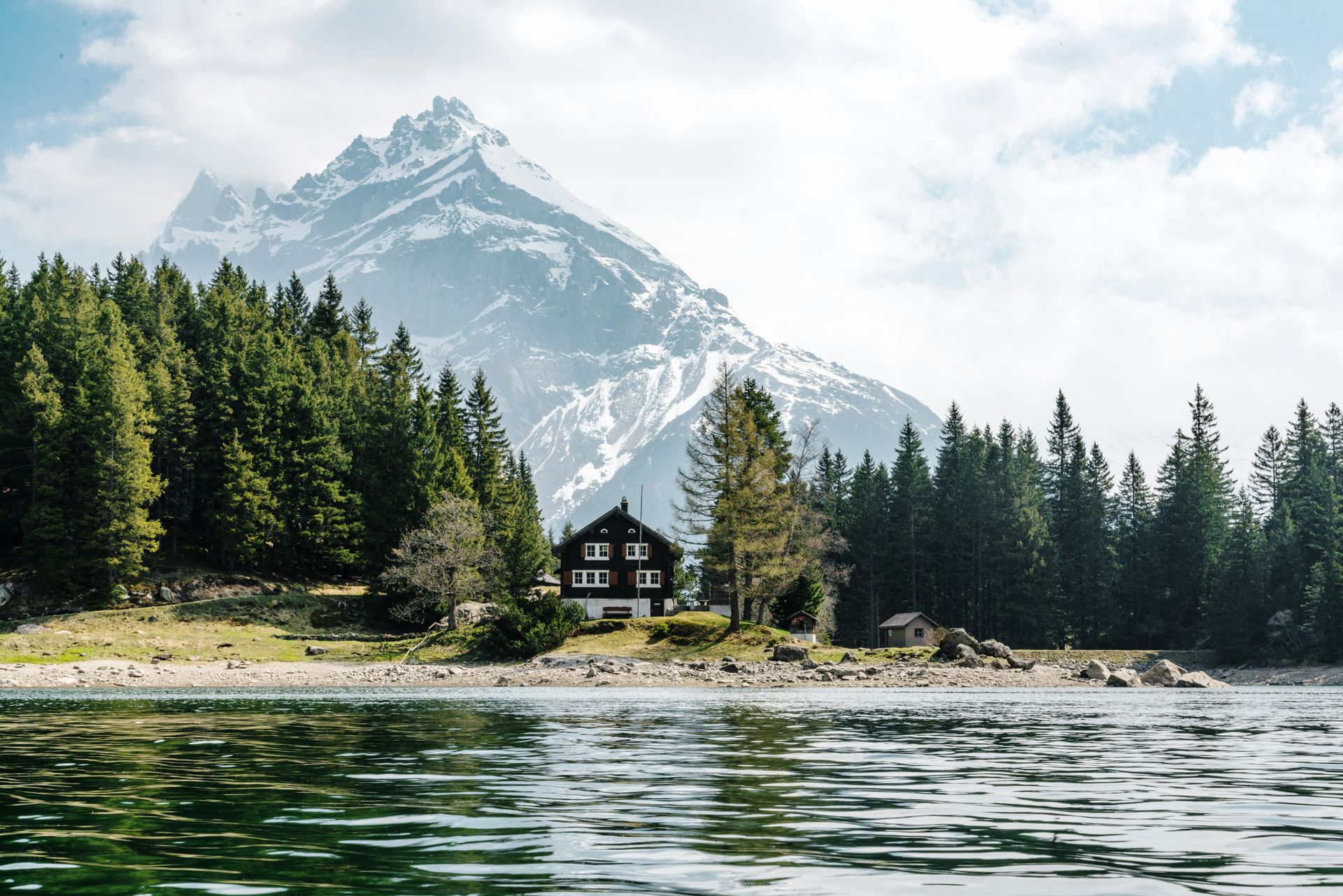
Switzerland’s reputation as an alpine destination rests on a landscape that delivers at the scale the reputation promises. The combination of high peaks, glaciated terrain, clear lakes, and valley towns with centuries of mountain culture produces an environment where the natural and built worlds reinforce each other at every turn. The Matterhorn, rising above Zermatt in a pyramidal form that has made it the most recognized mountain silhouette in the Alps, exemplifies this quality: a natural form so distinctive that it operates almost as a landmark.
The Swiss lake system adds a horizontal counterpoint to the vertical drama of the peaks above. Lakes Geneva, Lucerne, and Zurich occupy glacier-carved valleys at elevations where the light quality and mountain reflections on calm water produce a distinct visual register strongly associated with the country. Castle and village architecture along these shores gives the landscapes a human scale that mountain scenery alone often lacks.
Winter transforms the country into conditions that attract skiers and winter hikers from across Europe and beyond. Snow coverage at altitude begins in November and extends into spring at the higher resorts, giving Switzerland one of the most reliable winter-sport seasons in Europe. The same terrain in summer converts to hiking routes with wildflower meadows and views of snowfields on peaks that retain glacial coverage year-round. Both seasons offer access to the same mountains under conditions so different that return visits in each season feel distinct.
The concentration of this scenery into a relatively small and well-connected country makes Switzerland unusually accessible within its own borders. A traveler can move between the Italian-influenced south, the German-speaking central plateau, and the French-influenced west within a single day, encountering different landscape characters, cultural textures, and climatic conditions as the terrain changes.
Sterling Lanier / Unsplash
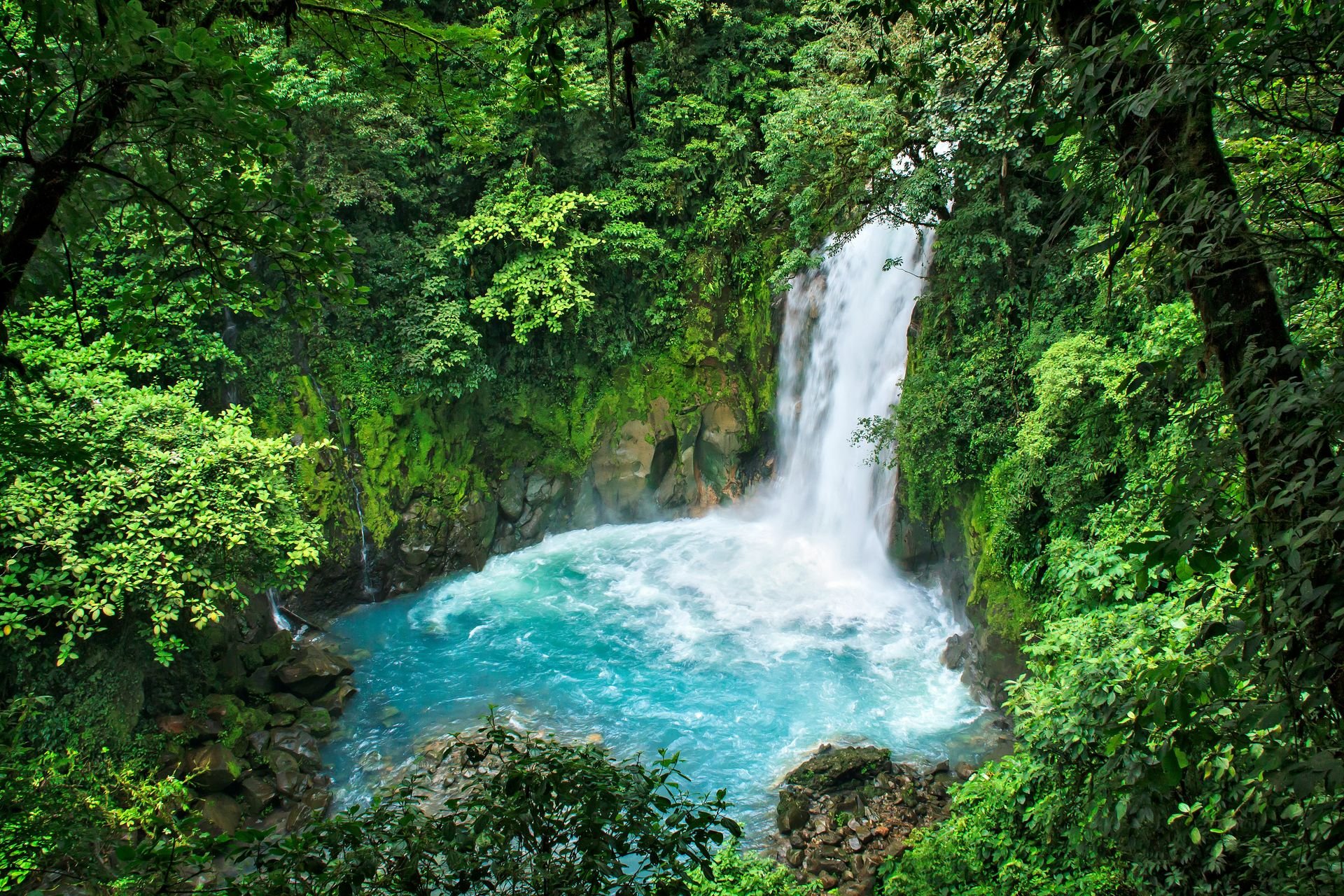
Costa Rica’s natural credentials begin with a statistic: the country covers roughly 0.03% of the Earth’s surface but contains approximately 5% of the world’s biodiversity. The density of species packed into its national parks, cloud forests, and coastal environments gives Costa Rica a natural richness that countries many times its size cannot match. Conservation policy has protected a significant share of the national territory from development, resulting in a country where wildlife encounters occur not as curated tourist experiences but as ordinary events in the natural landscape.
The country’s volcanoes anchor its geography. Arenal, one of the most active volcanoes in the Americas until a period of relative quiet beginning in 2010, rises as a nearly perfect cone above a lake formed by a past eruption. The surrounding rainforest supports species populations that the volcano’s historical activity and the protected status of the national park have preserved at unusual densities. Monteverde’s cloud forest, at a higher elevation, produces a different natural register: mist-covered canopy inhabited by resplendent quetzals, three-wattled bellbirds, and a plant community adapted to near-constant moisture.
Coastal environments on both the Pacific and Caribbean sides add marine and beach dimensions to the country’s inland natural wealth. Pacific beaches support nesting sea turtle populations that travelers can observe on nighttime beach visits during nesting season. The coral and reef systems of the Caribbean coast, while smaller in scale than the country’s inland ecosystems, add a marine biodiversity layer to a country already exceptional on land.
The accessibility of Costa Rica’s wildlife encounters distinguishes it from destinations where similar biodiversity exists but requires significant logistical effort to approach. Well-maintained trail systems, proximity of national parks to tourist infrastructure, and a guide community with deep natural history knowledge make the country’s extraordinary ecosystem available to travelers without specialist experience.