From Amalfi's 13 seaside towns to Edinburgh's world-record arts festival, the best summer destinations for every kind of traveler
Marco Bottigelli / Getty Images
Summer concentrates the world’s best travel conditions into a few months, and the destinations that benefit most from the season offer something that cannot be replicated at any other time of year. Trails buried under spring snow become hikeable. Festivals that define an entire culture occur once a year. Beaches warm to temperatures that make the water inviting to enter. The season creates a version of each destination that only exists in summer, and the travelers who understand that tend to plan around it with precision, not convenience.
The challenge is choosing where to go when the whole world seems available. Not every summer destination suits every traveler, and the gap between a trip that matches someone’s priorities and one that only satisfies a general desire to travel can be significant. A family with young children and a solo hiker have different needs from a summer abroad, and a traveler who wants to dance at a street festival and a traveler who wants to wade through a canyon river are planning different trips at a structural level, even if both call it a summer vacation. The right choice depends on what a traveler actually wants from the season, and arriving with a clear sense of that sharpens the decision into something tractable.
The destinations below are from U.S. News & World Report, which evaluated summer vacation spots worldwide based on factors such as available activities and entertainment, lodging quality, dining options, and weather conditions. The resulting list spans five continents and covers beach destinations, mountain parks, historic cities, and island archipelagos. Ten destinations from the broader list appear below, chosen for their geographic variety and the depth of detail provided by the sources for each. The selection spans beach destinations, mountain parks, city breaks, and island archipelagos across five continents, and covers the seasonal rationale for each choice in depth.
Francesco Riccardo Iacomino / Getty Images
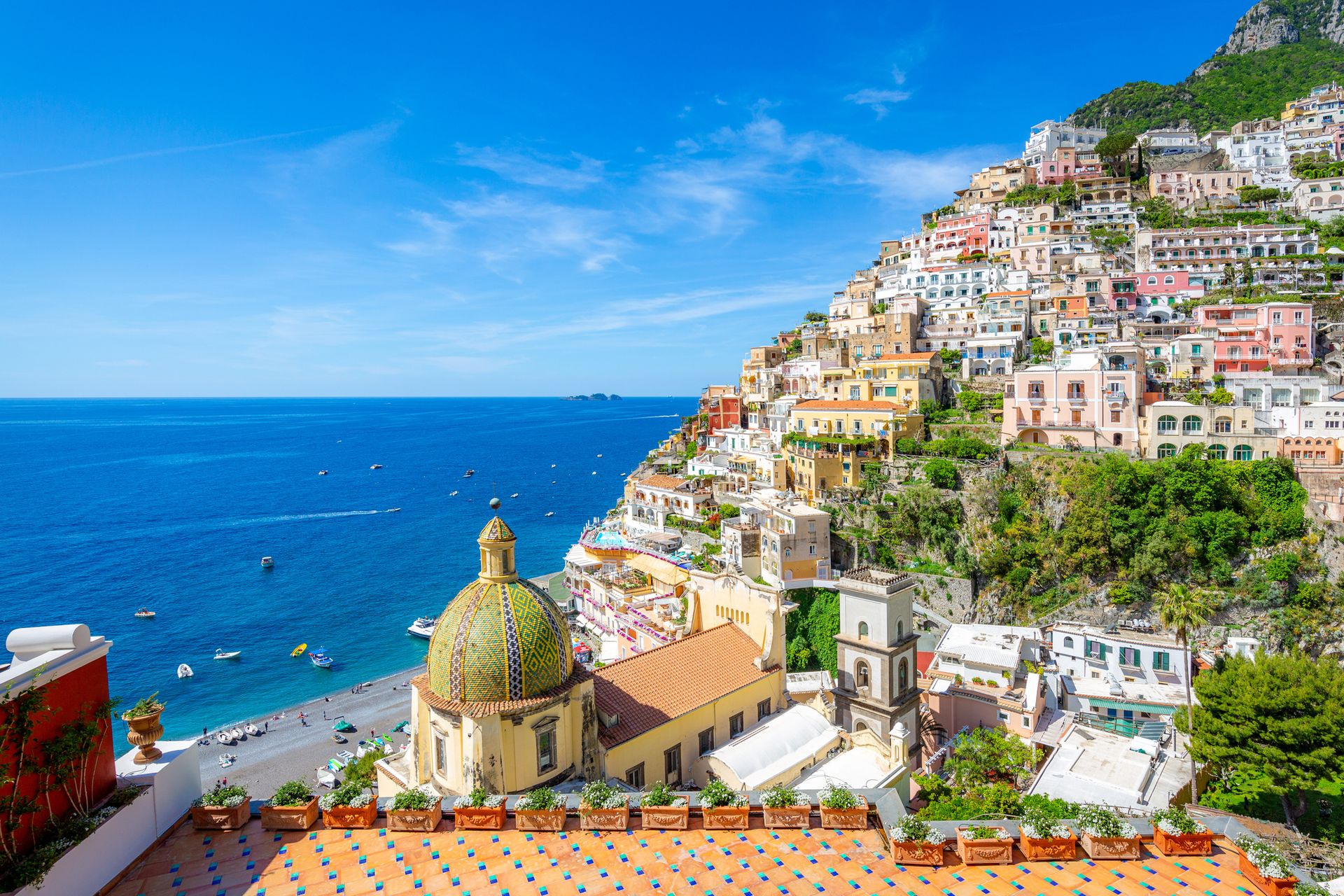
The Amalfi Coast puts 13 seaside towns at a summer visitor’s disposal, each one offering a different version of coastal Italy along the Tyrrhenian Sea. Daytime highs frequently reach the 90s during summer, and the season brings a schedule of lively festivals to the region. The range of experiences across the coast’s towns gives visitors genuine choices: Positano holds the concentration of fine dining and luxury resorts, with Il San Pietro and Le Sirenuse among the top accommodation options. Capri offers rugged grottos accessible by boat tour, and Sorrento sits among lemon groves that supply the region’s signature limoncello.
The diversity of the coast’s 13 towns matters because no two visits to the Amalfi Coast need to be the same. A traveler drawn to upscale dining and resort stays will spend the bulk of their time differently from one who wants to hike between villages or charter a boat to sea grottos. The sheer length of the coastline and the range of character across its towns mean the destination accommodates both without either feeling like a compromise.
The trade-off is crowds. Summer is the peak season on the Amalfi Coast, and visitors should plan for heavy traffic and dense crowds in the most popular towns. Arriving early in the day and building itinerary flexibility around congestion is the most practical way to manage the season’s downsides. The beauty of the coastline and the quality of the food and lodging in the upper tiers justify the trade-off for most travelers, but the decision to visit in summer requires accepting that the best-known spots will be busy. Booking accommodations well in advance is essential, and choosing a base town that better fits a traveler’s style than defaulting to the most-photographed options can transform the experience. Positano suits those who want upscale hotels and fine dining close together. Sorrento offers easier logistics and a broader price range.
Diana Robinson Photography / Getty Images
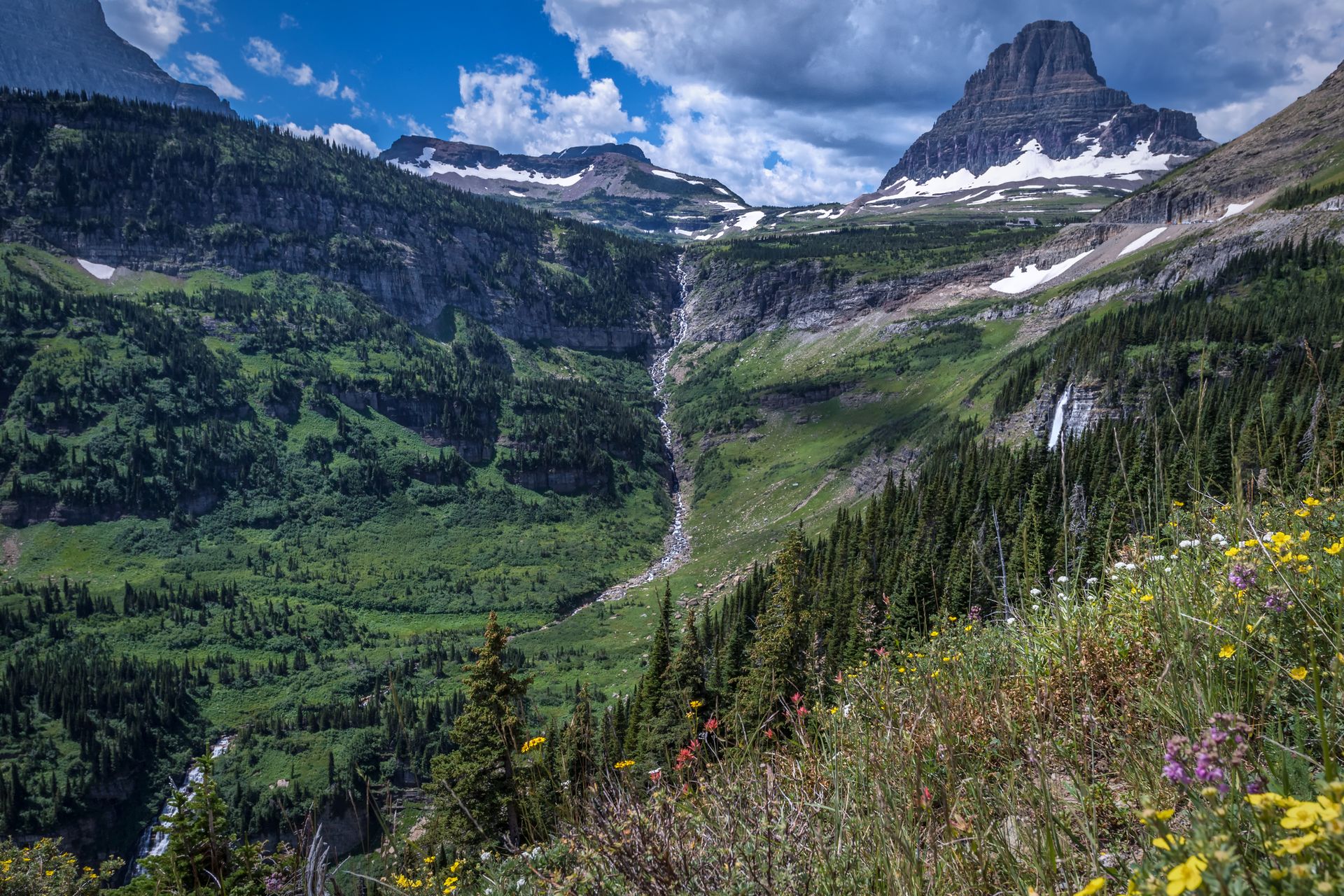
Glacier National Park’s full summer experience depends on a single road. Going-to-the-Sun Road, a 50-mile stretch through the Montana park, typically reaches its complete open length by early July, and the views it exposes across the park’s alpine terrain are the reason many travelers plan their visits specifically around that window. Daytime temperatures sit comfortably in the 70s to mid-80s during summer, though nights drop to the 40s. The range calls for layering but keeps hiking conditions reasonable through the warmest part of the day.
The park’s trail network covers more than 700 miles, giving hikers an enormous range of options from accessible day walks to multi-day backcountry routes. Thirteen campgrounds operate during the summer season, supporting both casual visitors and committed backpackers. The road and the trails together give Glacier a dual identity: it functions both as a drive-through scenic destination and as one of the premier hiking parks in the country, and the two uses share space without requiring visitors to commit to one at the expense of the other.
Summer also brings the park’s highest visitor volumes, and the practical consequences of that concentration are worth planning around. High-traffic locations such as Avalanche Creek and Logan Pass fill their parking areas early, sometimes before sunrise. Arriving before dawn is the most reliable way to secure a spot at the most popular trailheads and viewpoints. The early start carries its own reward: the light at sunrise over Glacier’s lakes and peaks is a different experience from the midday version, and the absence of crowds at that hour makes the park feel substantially larger than the summer attendance numbers suggest. The 700-plus miles of trail also mean that visitors willing to walk beyond the most-frequented trailheads will find solitude and scenery that the park’s most popular access points cannot offer, regardless of arrival time. Glacier’s backcountry permits give committed hikers access to terrain that day visitors rarely see.
Ali Trisno Pranoto / Getty Images
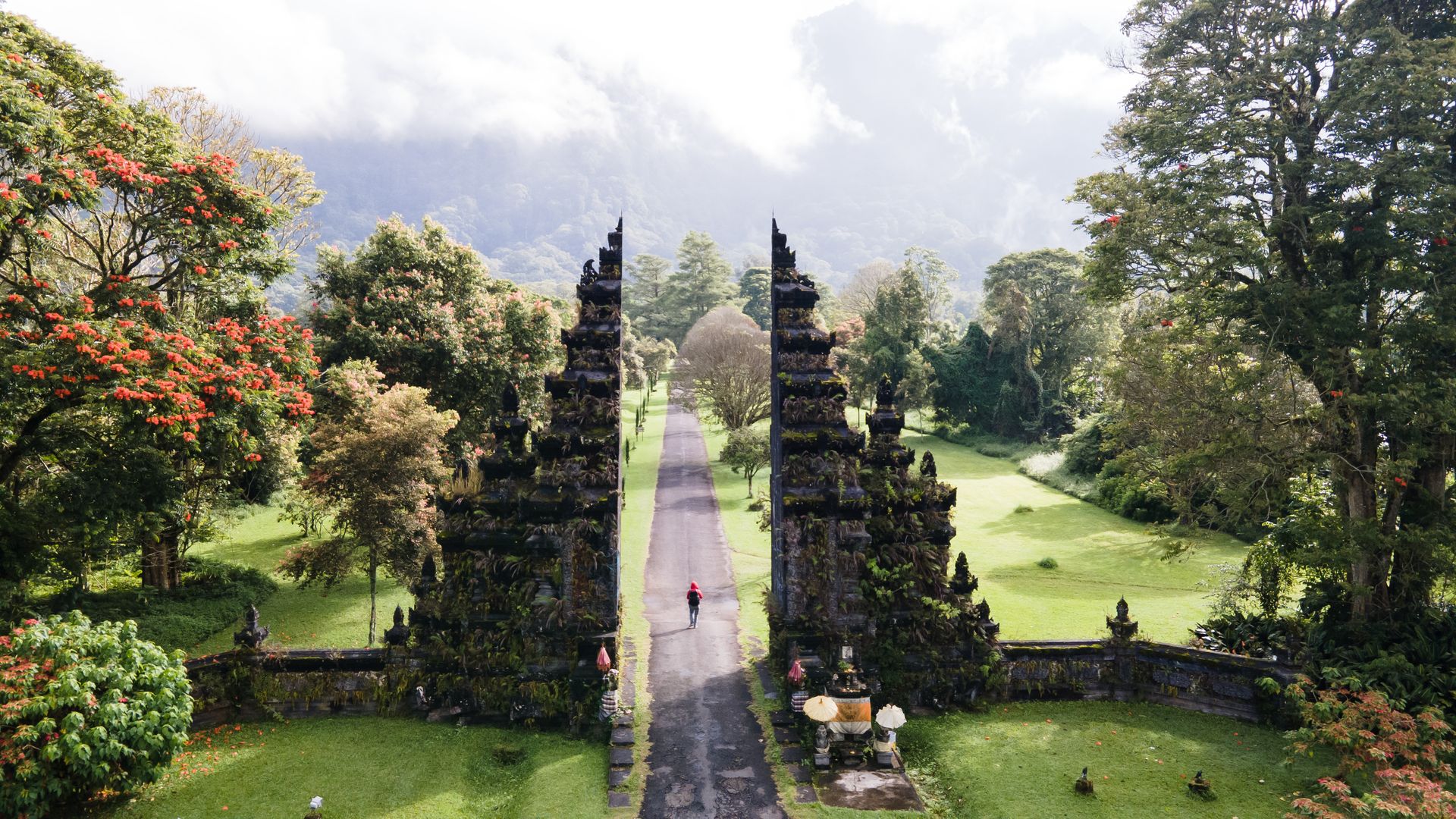
Bali’s summer appeal rests on a seasonal advantage that many tropical destinations cannot offer: the Northern Hemisphere’s summer months coincide with Bali’s dry season, keeping daytime temperatures consistently in the 80s while reducing the rain risk that can complicate outdoor itineraries elsewhere in Southeast Asia. The dry conditions allow exploring the island’s outdoor attractions without the heat and humidity that can make sightseeing physically demanding in the wet season.
The island’s most compelling sites include Tegallalang Rice Terrace, where tiered paddies create a landscape that reads as both agricultural and artistic, and Tirta Gangga, a water palace built around ornamental pools and fountains. Outdoor temples scattered across the island add a cultural dimension to the scenery, and the beaches provide the conventional tropical option for travelers who want to anchor their days around the water. The range of site types means Bali accommodates travelers with different primary interests within the same trip.
Popular areas attract crowds, and the density of visitors at the island’s most photographed locations can reduce the experience. Booking a local guide is one practical response to that pressure: a guide with knowledge of the island’s less-visited sites and the optimal timing for the popular ones can redistribute a visit away from the peak-hour bottlenecks that form at Tegallalang and similar spots. The dry season’s consistent temperatures also make it worth scheduling outdoor visits for the cooler parts of the day, avoiding the midday hours when heat and foot traffic peak simultaneously. Bali’s position as one of the world’s most visited islands means crowds are a planning challenge, not a reason to avoid the destination. The dry season’s consistent temperatures and the island’s range of site types — from agricultural terraces to water palaces to coastal temples — give a well-planned itinerary enough variety to absorb crowded moments at specific locations without losing overall momentum.
George Pachantouris / Getty Images
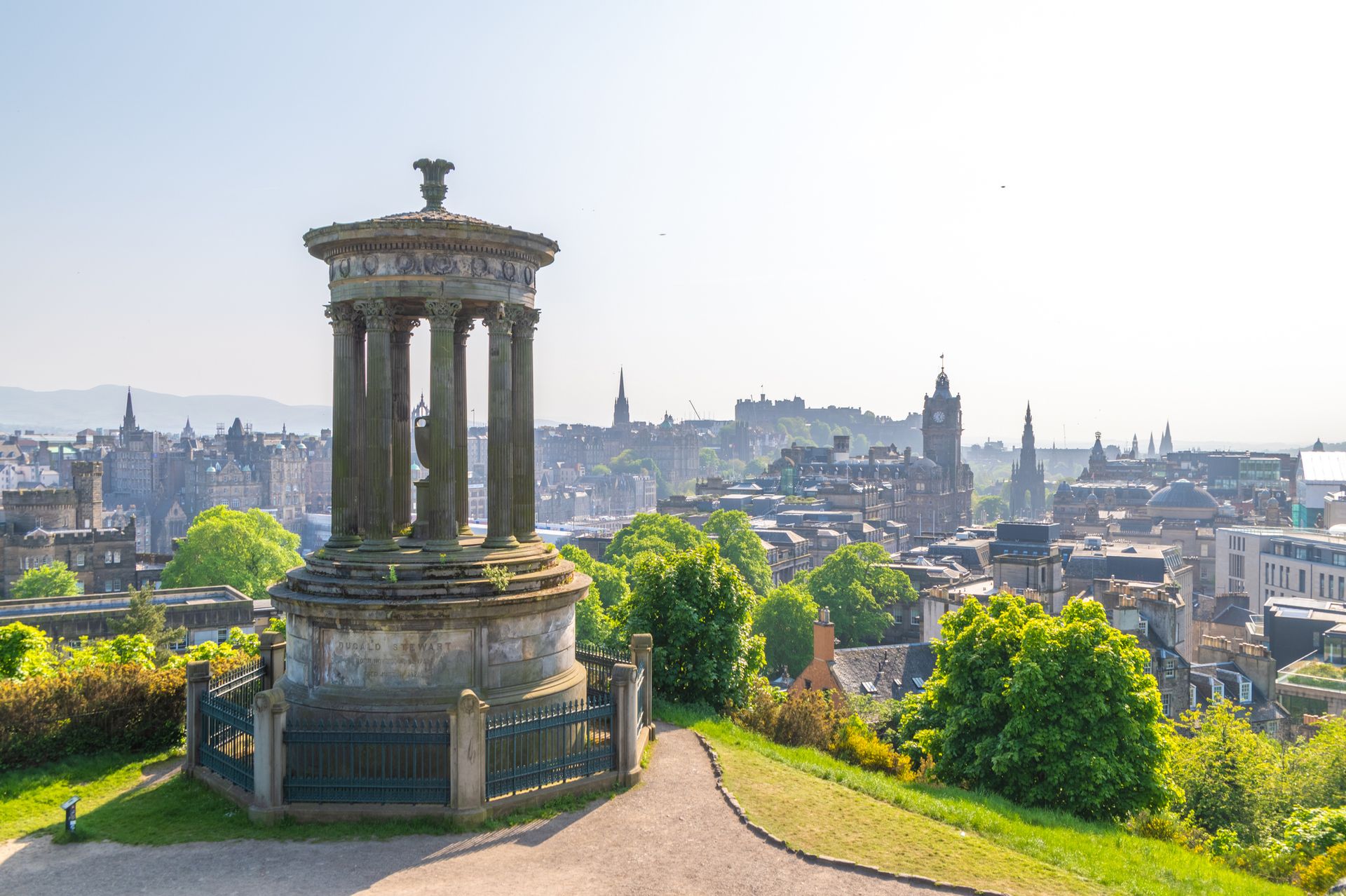
Edinburgh’s summer window is brief and distinctive. The Scottish capital sits far enough north that summer is the only season when daytime temperatures reach the mid-60s, making it the most hospitable time of year for extended outdoor exploration. The season’s central event is the Edinburgh Festival Fringe, which takes place every August and is recognized as the world’s largest arts festival. The Fringe draws performers and audiences from across the globe, filling the city’s venues, streets, and public spaces with theater, comedy, music, and performance art at a scale no other city replicates annually.
The festival’s scale means that Edinburgh in August transforms into a different city from the one at any other time of year. Thousands of performances run simultaneously across hundreds of venues, including converted churches, pubs, theaters, and outdoor stages. The programming spans every price point and art form, from internationally recognized comedians to first-time student productions. Visitors who plan their trip around the Fringe can build an itinerary entirely from performances, but the city’s own attractions reward the time between shows.
Arthur’s Seat, the volcanic hill that rises above the city’s eastern edge, offers panoramic views of Edinburgh and the surrounding landscape, and summer’s longer daylight hours extend the practical window for the climb. Calton Hill offers a more accessible elevated viewpoint, and the Royal Botanic Garden Edinburgh reaches its visual peak during the summer months, when the plantings are in full bloom. Edinburgh’s medieval Old Town and Georgian New Town remain consistently compelling regardless of season, but summer’s mild temperatures and extended light make walking between the city’s distinct neighborhoods more pleasant than in the colder months. The Fringe’s programming also spills into the city’s streets and public spaces, transforming the experience of simply moving through Edinburgh during August, giving even unscheduled time between performances a festive, unexpected quality that planned itineraries cannot replicate.
Francesco Riccardo Iacomino / Getty Images
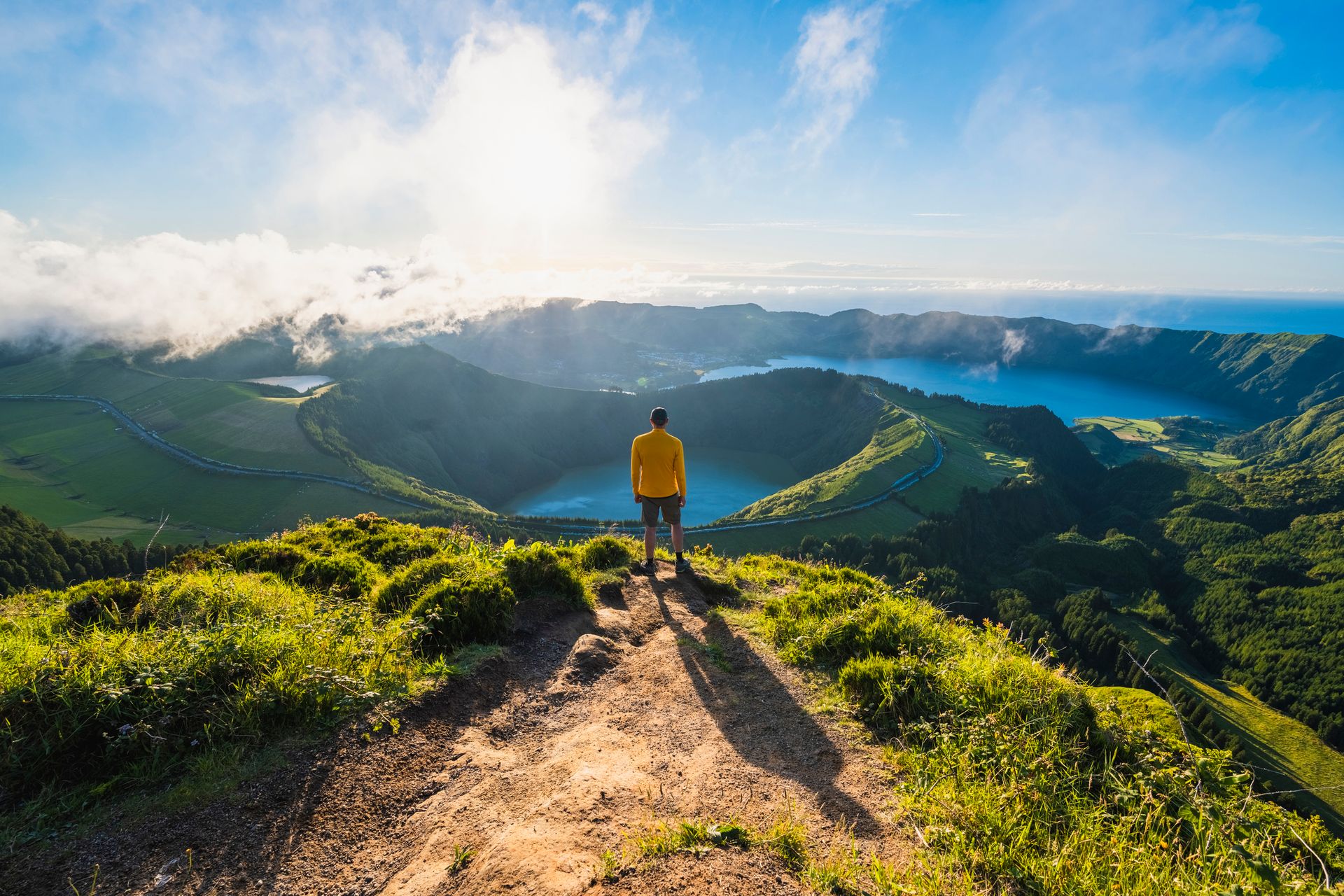
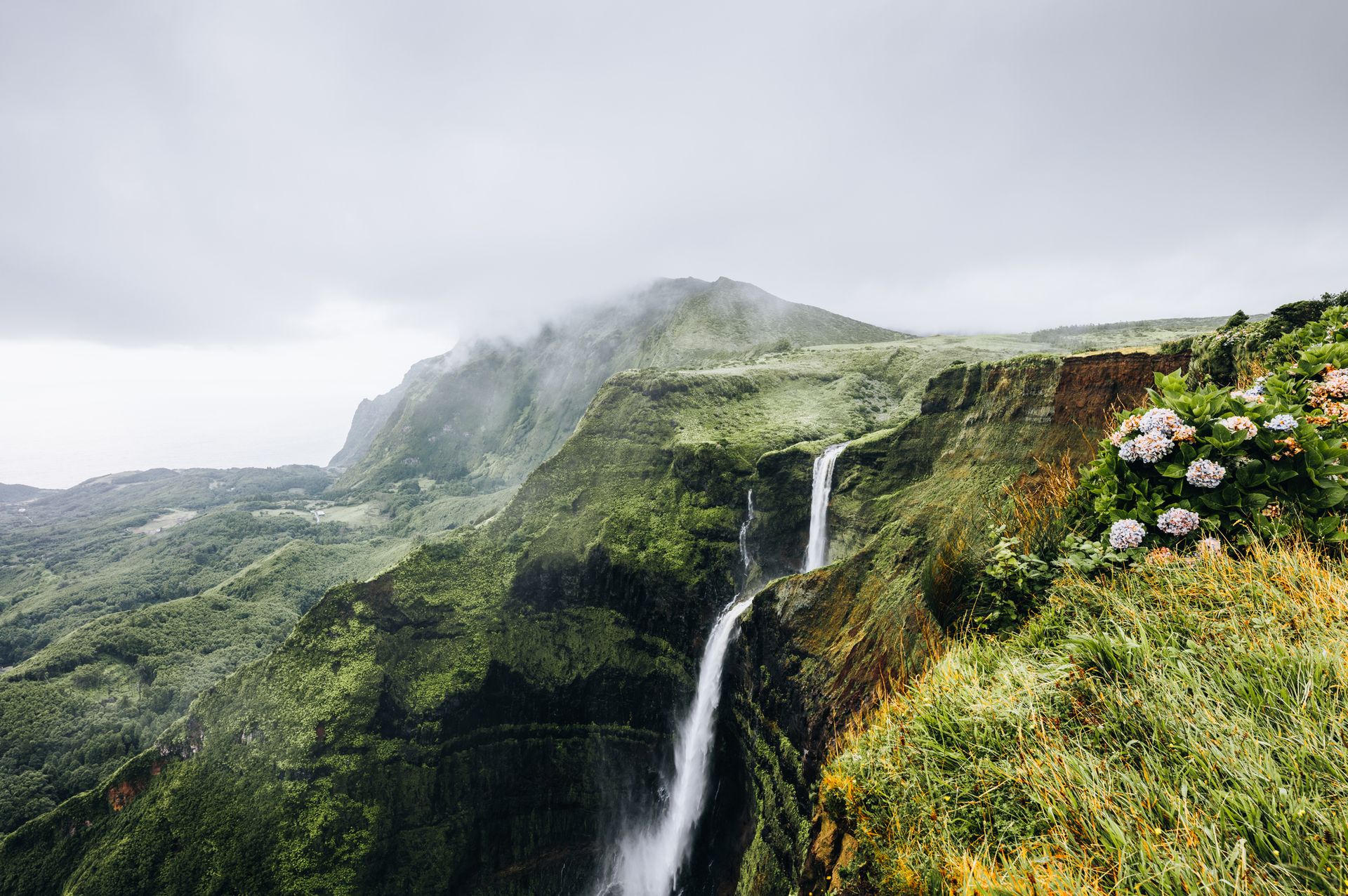
The Azores, a Portuguese archipelago of nine islands in the Atlantic Ocean, experience their warmest and driest conditions during summer, with temperatures typically reaching the 70s. The mild climate means the islands suit a wide range of travelers without the extreme heat that can make high summer uncomfortable in Mediterranean destinations. Summer also concentrates the cultural calendar: the Walk&Talk street art festival runs across São Miguel and Terceira, and the Maré de Agosto music festival takes place in Santa Maria during the same general period.
The natural landscape of the Azores operates on a geological scale that most island destinations cannot match. Lava caves, calderas, and lush forests cover terrain formed by the same volcanic activity that created the islands. The dramatic topography, paired with summer’s clear weather, makes the season ideal for hiking trails that reward visibility, and the warm conditions open the archipelago’s beaches and dive sites to comfortable use. The islands hold some of the Atlantic’s most accessible dive locations, and summer’s calm seas improve conditions for both diving and snorkeling.
Spreading a visit across multiple islands gives travelers access to distinct environments within a single trip. São Miguel, the largest island, holds the calderas and hot springs that define the Azores’ most iconic scenery. Terceira’s UNESCO-listed historic center provides an urban counterpart to the volcanic landscape, and Santa Maria, the southernmost island, offers the archipelago's warmest and driest conditions. The festival programming on different islands gives structure to a multi-island itinerary, making the Azores one of the few destinations where the cultural calendar and the natural landscape genuinely reinforce each other across a single summer visit. The archipelago’s relatively small international profile compared to Mediterranean alternatives also means crowds at most sites stay manageable even during the busiest summer weeks, giving travelers a less congested experience of volcanic scenery that earns the word dramatic on its own merits.
Cavan Images / Getty Images
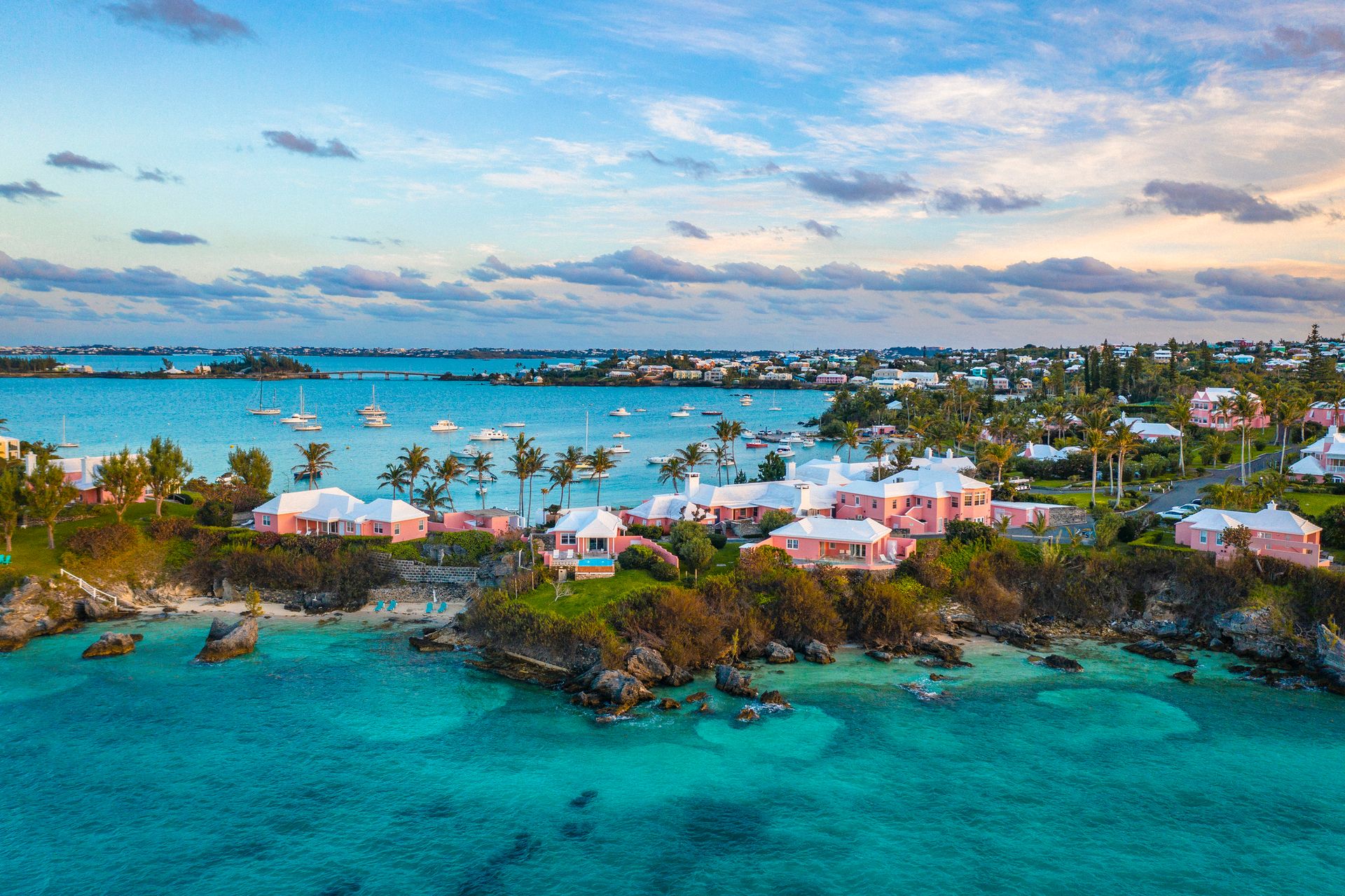
Bermuda offers summer beach access in the Atlantic with a specific weather advantage: unlike most Caribbean islands, Bermuda’s location and small size place it outside the path that hurricanes most frequently travel, reducing the storm risk that makes summer travel to the wider Caribbean more uncertain. Temperatures sit in the low 80s throughout summer, and the Atlantic waters warm to swimming temperatures, with the island’s dense humidity making the ocean a practical relief, not an optional one.
Three beaches dominate traveler recommendations. Horseshoe Bay Beach features the pink sand that defines Bermuda’s visual identity, drawing visitors specifically for the unusual coloration produced by crushed coral and shell fragments. Elbow Beach offers a quieter alternative for travelers who want beach access without the crowds of the more famous options. Warwick Long Bay Beach extends for roughly half a mile, offering a longer stretch of shoreline for walking and spread-out sunbathing.
The absence of hurricane risk as a primary planning concern gives Bermuda a summer booking profile distinct from those of its Caribbean neighbors. Travelers $TRV who want the Atlantic island experience without building contingency plans around tropical storm forecasts will find Bermuda’s location a practical asset. The humidity is a genuine consideration. Summer’s moisture-heavy air is a constant on the island, and the ocean swimming is more of a necessity than a luxury for visitors who spend extended time outdoors. The island’s beaches and their distinct characters give it enough variety to support multiple days of shoreline activity without repetition. Horseshoe Bay’s pink sand draws the highest volumes of day visitors, making it worth arriving early in the morning when the beach is less congested, and the color of the sand is most visible in the lower-angle light. Elbow Beach and Warwick Long Bay give travelers quieter alternatives with their own physical appeal, and distributing beach days across the three instead of concentrating them at Horseshoe Bay makes for a more varied experience of the island’s coastline overall.
Anton Petrus / Getty Images
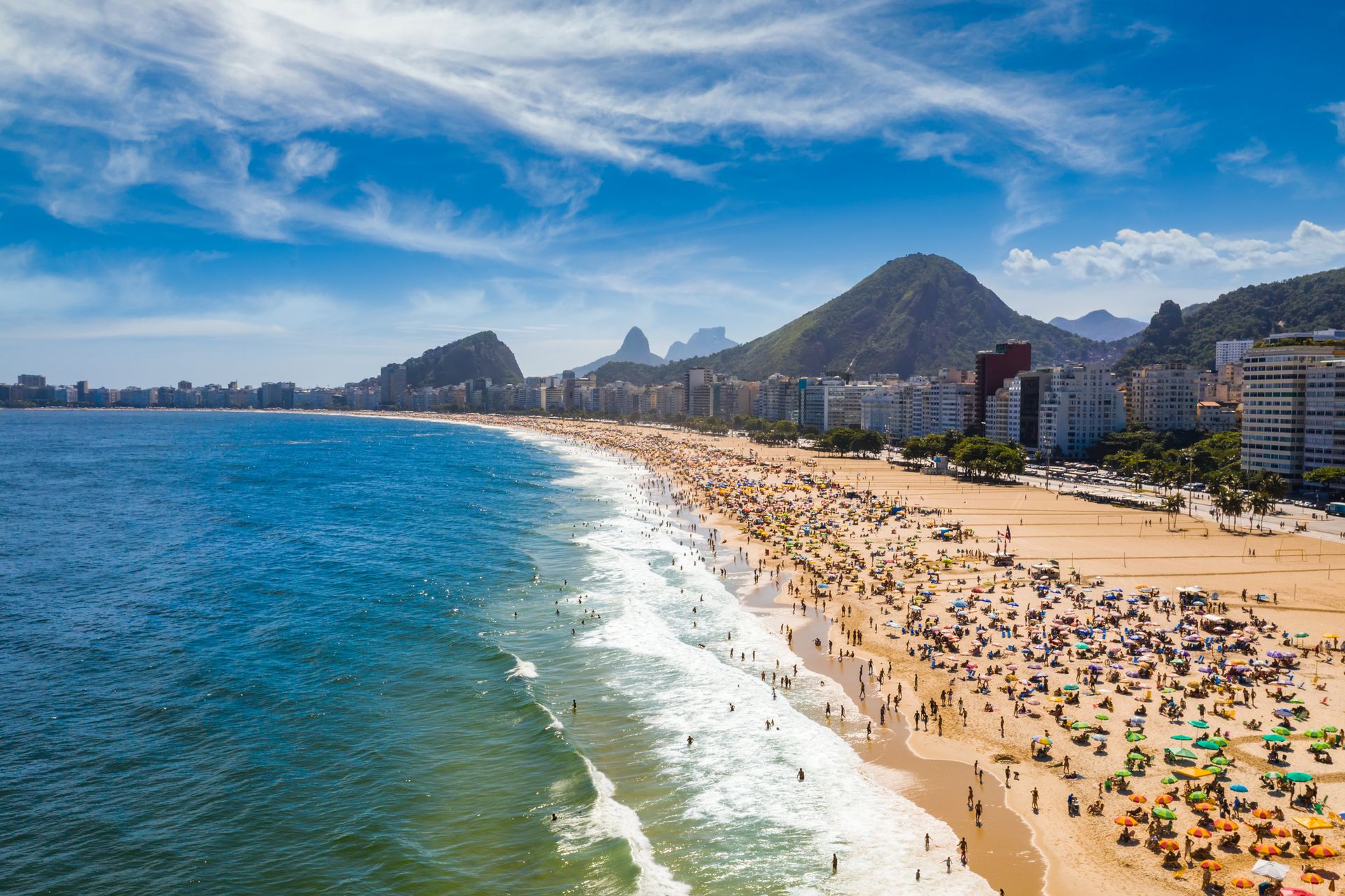
June, July, and August are technically Rio de Janeiro’s winter months, but the season still produces comfortable lows in the 60s, warm enough to make the city’s outdoor attractions fully accessible. The practical benefit of visiting during the Southern Hemisphere’s winter is financial: hotel rates tend to fall below the prices that Rio’s peak summer months, from December through March, command, and the city’s most famous sites carry smaller crowds. Travelers $TRV who can adjust their timing to Rio’s off-peak window get more favorable pricing alongside a more navigable version of one of South America’s most visited cities.
The destination’s outdoor draw is substantial even in the cooler months. Ipanema and Copacabana, the beaches that carry Rio’s international reputation, remain accessible and appealing at the milder temperatures. Tijuca National Park, one of the largest urban forests on the planet, provides a dramatic green contrast to the city’s dense coastal development. Christ the Redeemer, one of the New Seven Wonders of the World, stands above the city and rewards the ascent regardless of season.
June visitors have a cultural event worth targeting: Festa Junina, a celebration of Brazilian culture featuring traditional music, dance, food, and costumes. The celebration runs across Brazil throughout June, but Rio’s version adds the city’s characteristic energy to a tradition rooted in the country’s rural northeast. The festival does not replicate the scale of Carnival, which takes place in February and draws visitors from around the world, but it offers genuine cultural programming for travelers who want more than a beach-and-view itinerary. The winter timing, the pricing advantage, and the festival calendar together give Rio de Janeiro a summer visit case that competes credibly with its own peak season. Travelers who want the beaches, the forest, and the landmarks without the December-to-March prices and crowds will find June through August delivers all three in a single trip without meaningful compromise on any of them.
Westend61 / Getty Images
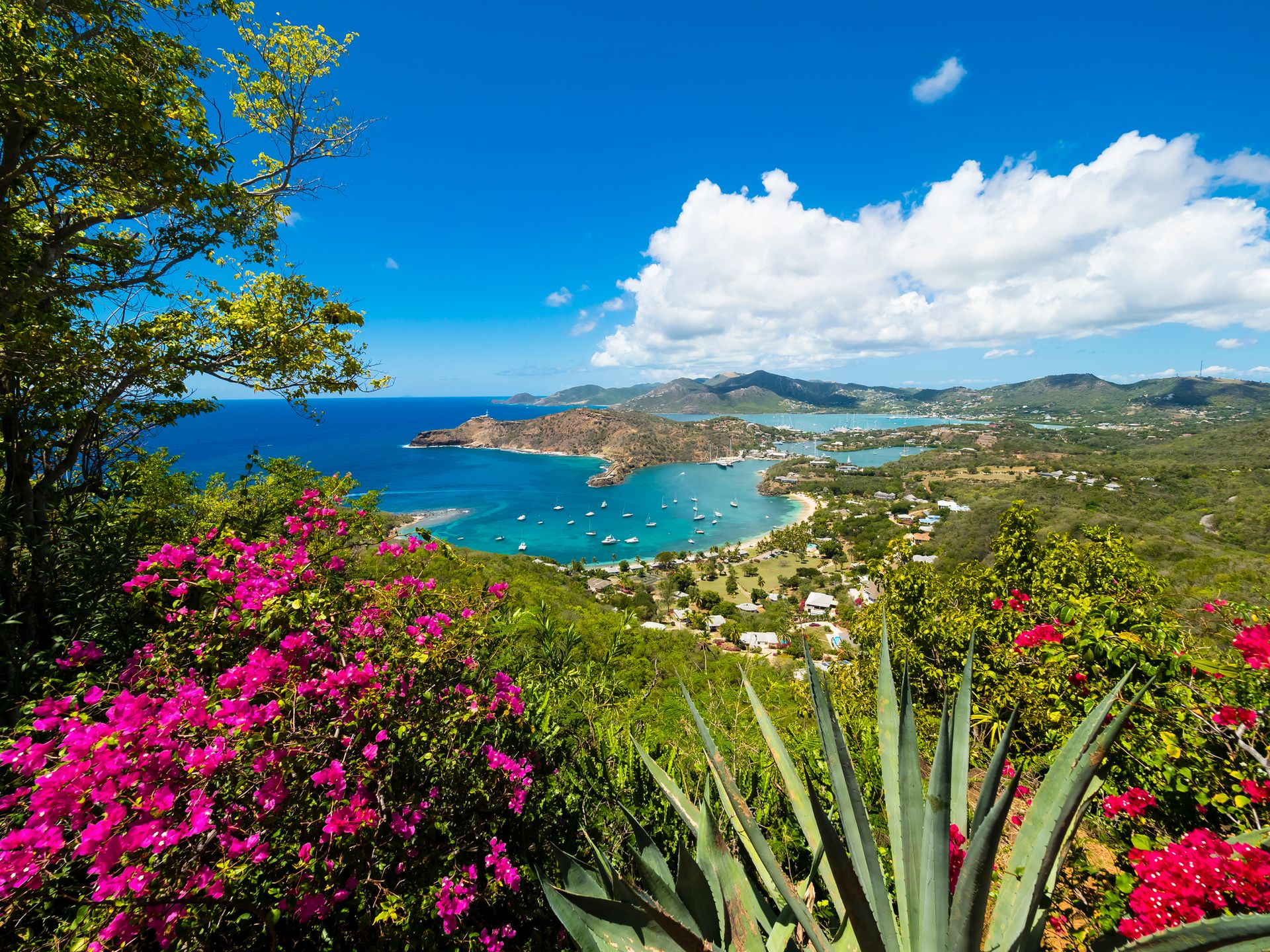
Antigua pairs a packed summer festival calendar with a natural event that few destinations can replicate: sea turtle nesting season. The eastern Caribbean island has daytime temperatures in the high 80s and nights in the high 70s throughout summer, and its beaches draw visitors for their warm water and white sand. The three beaches most frequently recommended are Galley Bay, Half Moon Bay, and Dickenson Bay, each with a distinct character: sheltered bay swimming, dramatic coastal scenery, and long open stretches, respectively.
Antigua’s Carnival runs in July and August, and its scale and atmosphere give the island a festive feel during those months, transforming the overall experience of visiting. The celebration encompasses music, costumes, street performances, and the full cultural expression of the island’s community in a way that an ordinary beach visit does not. Travelers $TRV who time their arrival around Carnival get a layered experience: the beaches are there year-round, but the festival-period energy that fills the streets and venues is available only during those specific weeks.
Sea turtle nesting season adds a wildlife dimension to the summer visit, carrying conservation significance alongside its appeal as an attraction. Endangered sea turtles come ashore on Antigua’s beaches during summer to nest, and sightings are possible for visitors who know which beaches to visit and at what time of day or night. The convergence of Carnival’s cultural programming, the beach quality across three distinct options, and the wildlife opportunity make Antigua’s summer one of the more layered single-destination experiences on this list. Travelers who arrive expecting only a beach vacation will find the island offers substantially more during these months. The convergence of Carnival’s street-level energy with the wildlife opportunity at the nesting beaches and the variety across three geographically distinct beach options gives Antigua’s summer a multi-layered character that few single-island destinations elsewhere in the Caribbean come close to matching.
James Yu / Getty Images
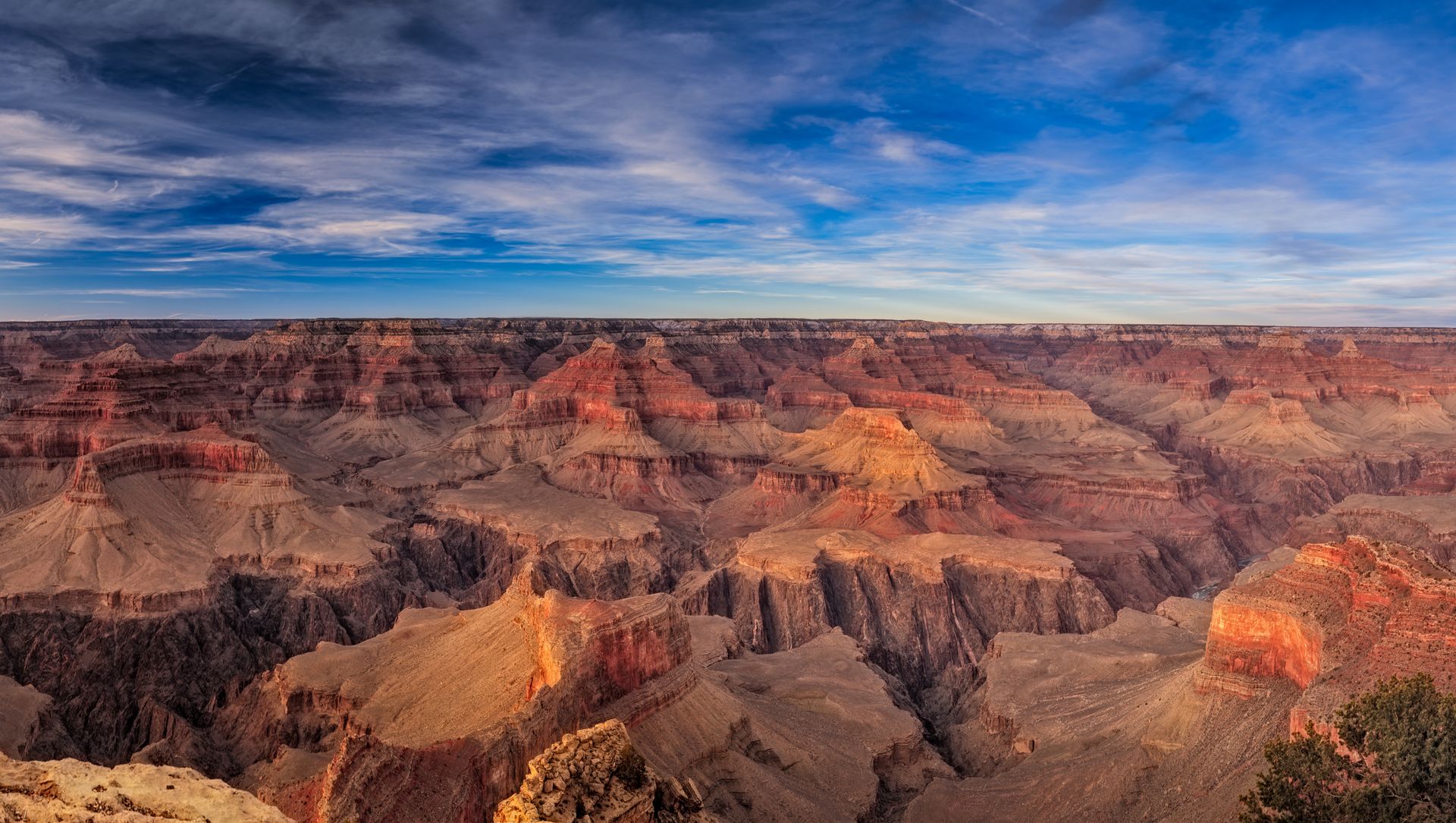
The Grand Canyon’s North Rim closes during winter and reopens in summer, effectively doubling the accessible area of the park during the season. The addition of the North Rim alongside the South Rim creates a more expansive park than the winter version, opening distinct viewpoints, trailheads, and terrain that the South Rim alone cannot provide. First-time visitors should prioritize the South Rim, which holds the park’s most-visited lookouts, Grand Canyon Village, and the Desert View area, before exploring the more remote northern section.
Summer also brings conditions suitable for whitewater rafting on the Colorado River, which runs through the canyon’s floor. River excursions give visitors access to the canyon from a perspective that rim-based viewing cannot provide. The scale of the walls and the depth of the canyon read differently from river level than from a thousand feet above. The rafting option extends the Grand Canyon’s appeal well beyond the hike-and-view itinerary that most visitors follow and provides an activity that suits travelers who want physical engagement with the landscape.
The park’s summer popularity creates a booking challenge that requires early action. Families concentrate Grand Canyon visits during school vacation periods, and official park lodges on both rims can be reserved up to 13 months in advance. Travelers $TRV who want specific accommodation within the park should begin the booking process as early as possible within that window. The park’s summer visitor volume also means shuttle lines and parking at popular trailheads fill up quickly, making early-morning starts the most practical option for the busiest access points. The North Rim’s summer opening, the rafting season, and the full availability of the park’s amenities and programs make summer the most complete version of the Grand Canyon experience. Travelers who book lodging inside the park — up to 13 months in advance for official lodges — and plan to arrive at popular trailheads before dawn will get the most from the season’s full access.
inigoarza / Getty Images
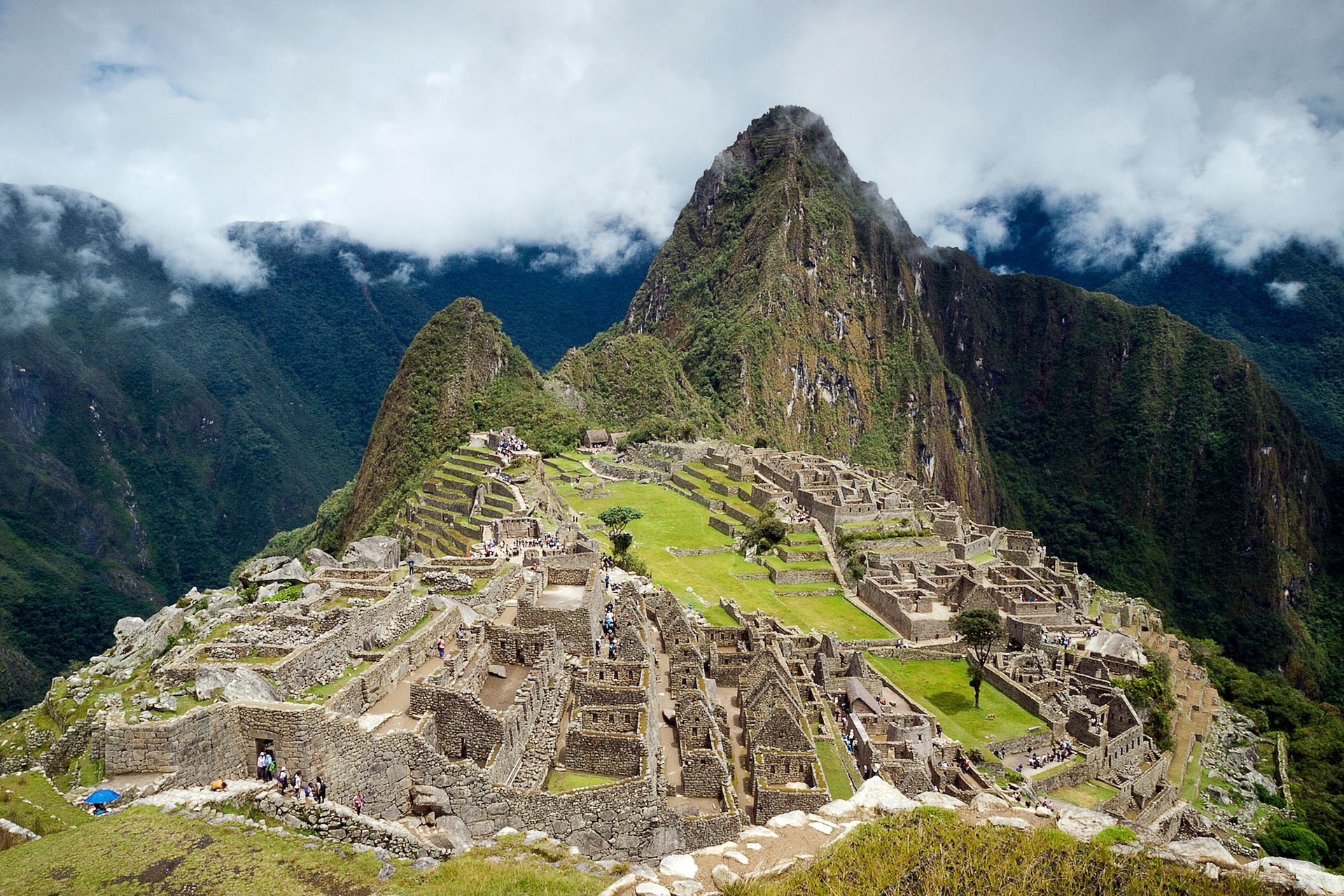
Machu Picchu’s summer months bring drier conditions to the Peruvian mountains than any other time of year, with daytime temperatures reaching the 60s and 70s. The reduced rainfall creates the optimal window for trekking the Inca Trail, the multi-day route that approaches the ruins through high-altitude Andean terrain. Experienced hikers who plan their visit around this weather window get the best available convergence of visibility, trail conditions, and comfortable temperatures for the ascent.
Non-hikers can access the site without completing the trail, but advance planning is mandatory regardless of how they arrive. Admission tickets to Machu Picchu are limited and require advance reservations, making spontaneous visits impossible. The UNESCO World Heritage designation and the site’s global reputation mean demand consistently exceeds the available ticket supply, particularly during the dry season when conditions make the visit most appealing. Travelers $TRV who secure tickets early and arrive at opening get the most controlled experience of the ruins before the day’s full visitor load accumulates.
The nearby city of Cusco, which serves as the primary base for Machu Picchu visits, also draws higher volumes during summer’s favorable weather. Cusco has significant Inca and colonial architecture in its own right, and including time in the city in the itinerary gives the overall trip more depth than a direct transfer to the ruins alone. The altitude of both Cusco and Machu Picchu requires acclimatization time for visitors arriving from lower elevations, and summer’s dry season does not eliminate that physiological requirement. Travelers who schedule an acclimatization day in Cusco before attempting the trail or the ruins arrive in better condition and get more from the experience. Cusco itself holds significant Inca stonework, colonial architecture, and a market culture that justifies time in the city independently of the ruins it serves as a gateway to. Building that time into the itinerary converts a Machu Picchu trip into a broader Andean visit.
