
The most beautiful small towns in France
From the cliff-edged calanques of Cassis to a hilltop village practically silent within 20 miles of the French Riviera
Jaako Kemppainen / Unsplash
Paris absorbs most of the attention that France attracts, which is understandable and also somewhat unfortunate. The country that contains Paris also contains Provence, the Basque Coast, the Alsace wine villages, the French Riviera’s quieter hinterland, and a medieval town built into a rocky outcropping in the Alpilles. These places are not supplements to a France trip centered on the capital. For many travelers who have already been to Paris, or who approach France from a different starting point entirely, they are the reason to go.
The small towns and villages that the French countryside holds tend to share certain qualities: a weekly market that functions as the center of social and commercial life, architecture built across several centuries without the urban pressure that makes consistency in large cities difficult to maintain, and a pace that the French word provincial describes without quite capturing. The experience of arriving in a town of a few thousand people, finding a cafe table on a cobblestone square, and having nowhere specific to be for the next several hours is available throughout rural France in a way that Paris, for all its pleasures, cannot replicate.
The 10 towns below appear in Travel + Leisure, drawn from a list of 14 that covers the country from the French-German border to the Mediterranean coast to the Alpine junction of France, Italy, and Switzerland. All have populations below 15,000, and each offers a distinct view of French small-town life across different regions, landscapes, and seasons.
1. Cassis sits between limestone cliffs and a fishing port that the French Riviera crowds overlook
Pauline Bernard / Unsplash
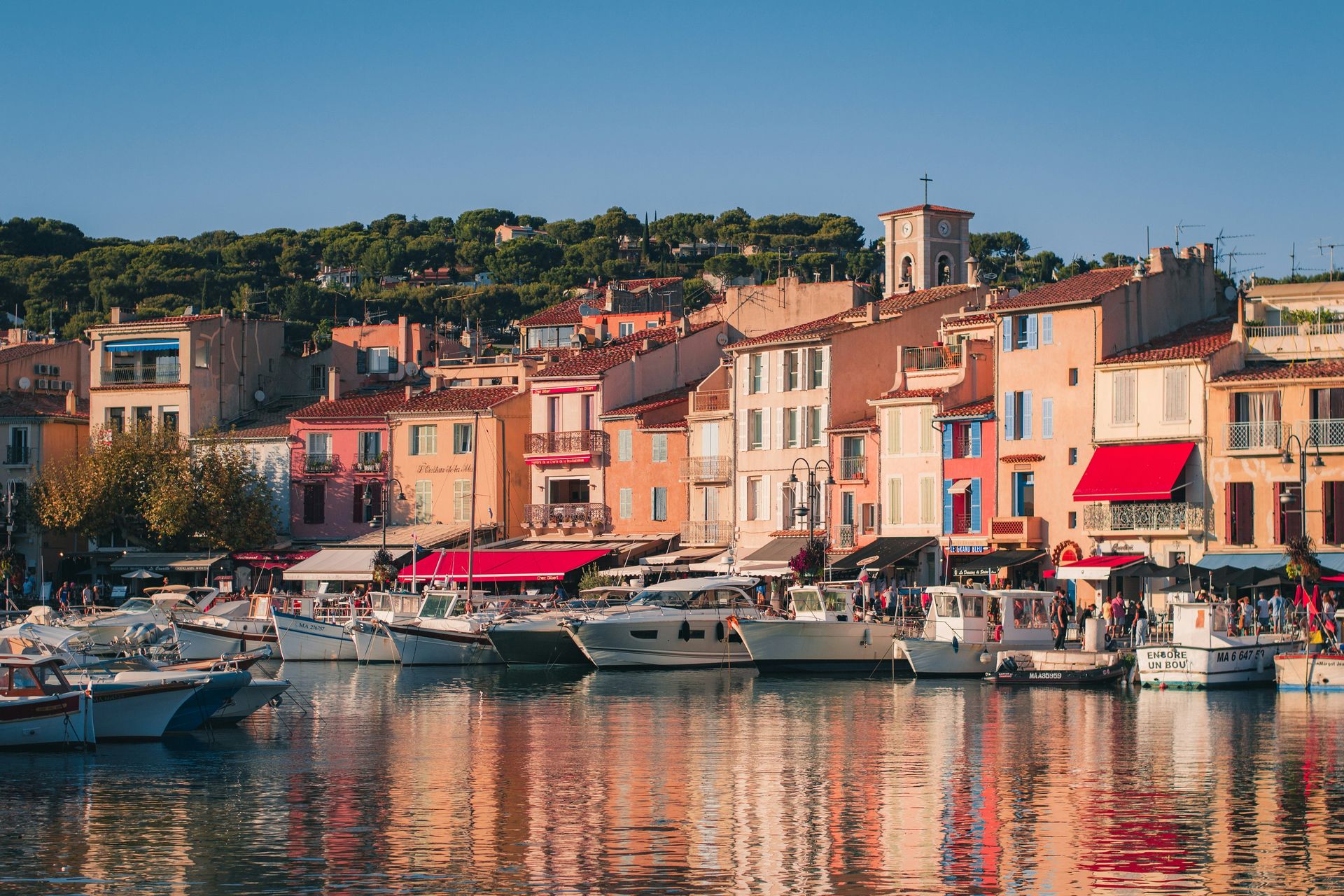
Cassis occupies a stretch of Provençal coastline between Marseille and Toulon that the more marketed destinations on either side have drawn visitors away from for long enough that the town remains navigable without the crowd management required by Saint-Tropez and Cannes. Steep limestone cliffs define the landscape above the town, and pebbly beaches line the water below them in a coastal configuration specific to this part of Provence, where the Calanques, the dramatic cliff-and-cove formations, begin immediately to the west of the town. The cliffs give Cassis a visual character that the flat, sandy beaches of better-known Riviera destinations do not.
The fishing port that anchors the town is functional rather than decorative, with boats that use it as a working harbor rather than a scenic prop. The pastel-colored buildings that line the port create the visual palette that this part of southern France produces naturally, and the sidewalk cafes along the waterfront give the view a social foreground. People-watching from a cafe table in Cassis offers a different version of Provençal life than the same activity in Aix-en-Provence or Avignon, set against water rather than fountains and plane trees.
The Calanques accessible from Cassis extend the destination’s appeal beyond the town itself. These cliff-edged inlets with transparent green water, reachable by boat from the harbor or on foot along the coastal trails, give visitors who explore further a landscape that no other destination on the French Mediterranean matches in this specific form. The combination of a functioning fishing port, a manageable town center, and direct access to one of the most dramatic coastal natural environments in France gives Cassis a quality of experience that its relative obscurity among international visitors makes all the more appealing.
2. Saint-Jean-de-Luz brings Basque culture and surf to the French side of the Pyrenees
Alexis Gerbaud / Unsplash
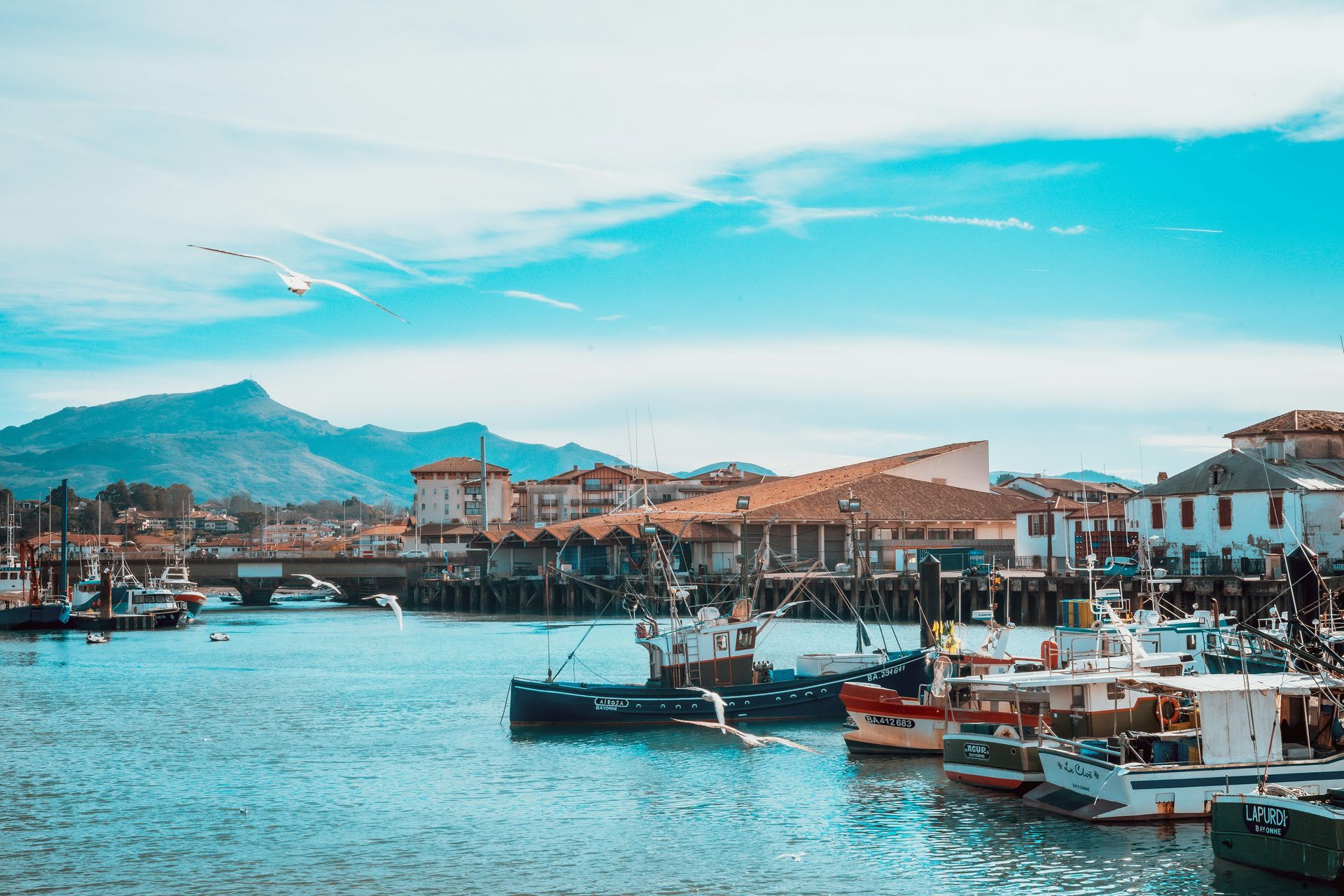
Saint-Jean-de-Luz sits on the French side of the Basque Country near Biarritz, in a region whose cultural identity crosses the national border more naturally than it aligns with the French interior. Fishing boats line a harbor that the town’s economy has organized around for centuries, and the surrounding architecture and food culture reflect the Basque heritage that the Pyrenees rather than any political boundary defines. The town feels more connected to its Spanish counterpart across the mountains than to the Normandy towns or Alsatian villages that occupy the same national territory.
The beach scene at Plage de Lafitenia attracts surfers who come specifically for the breaks that the Bay of Biscay’s Atlantic exposure generates, and the legendary Belharra wave, one of the world’s rare big-wave surfing locations, forms offshore when winter storm conditions align in the right configuration. Belharra has appeared only a handful of times in the past decade, but its existence gives Saint-Jean-de-Luz a surfing mythology that extends the town’s appeal well beyond the typical beach destination audience.
The 17th-century Fort de Socoa, perched above the Bay of Biscay on a rocky promontory at the harbor’s edge, gives the town a historical anchor alongside its surf culture and fishing identity. The fort’s placement reflects the strategic value of this coastline during the period of Franco-Spanish border tension, and the views it commands over the bay and the town below offer a practical scenic reward alongside the historical context. The combination of Basque culture, Atlantic surf conditions, and a well-preserved coastal town gives Saint-Jean-de-Luz a specificity that few French beach destinations can match.
3. Eguisheim preserves medieval Alsatian architecture in the heart of wine country
Iga Palacz / Unsplash
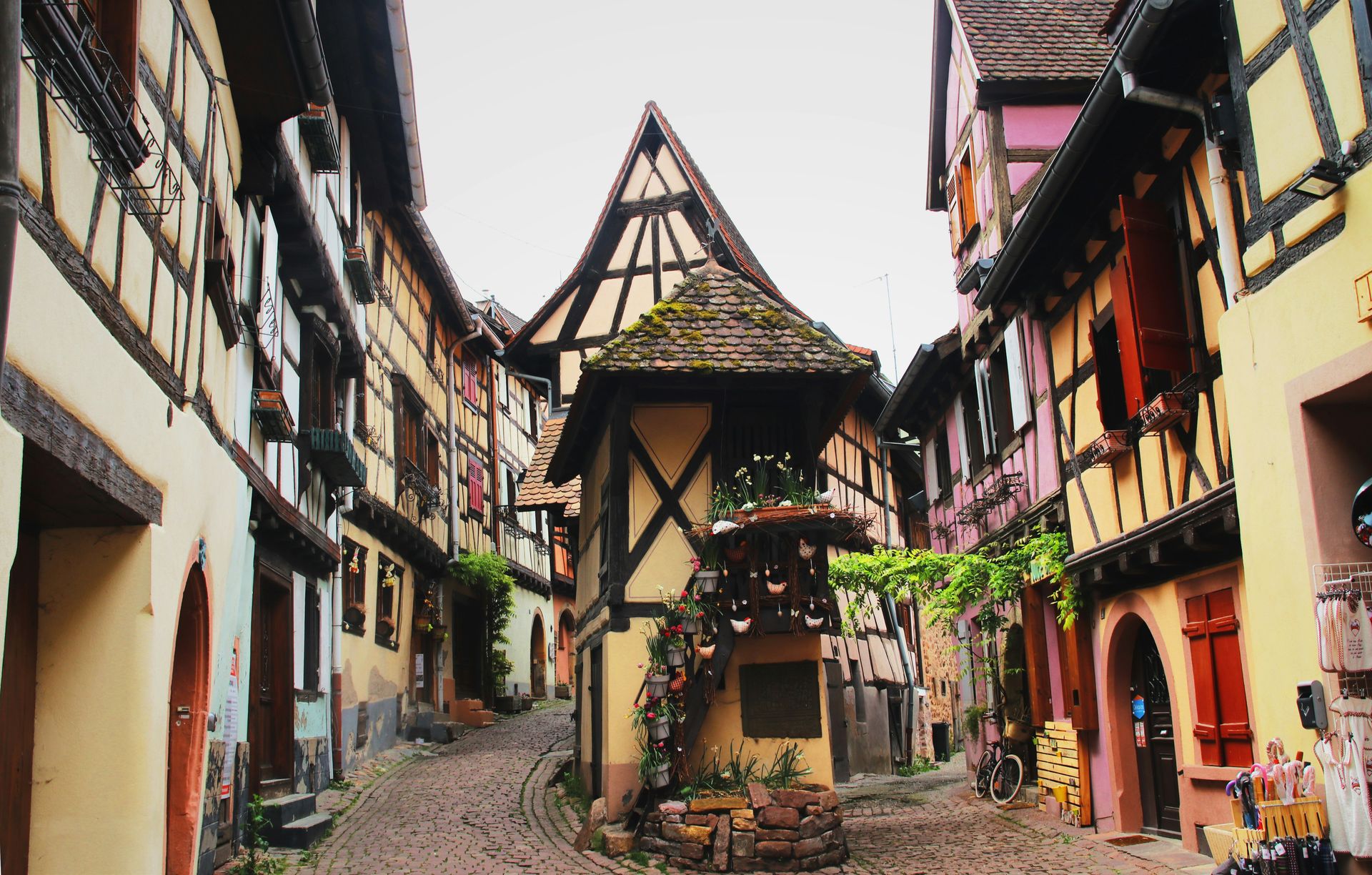
Eguisheim, south of Colmar near the French-German border, is a medieval village in the Alsace wine region whose narrow streets and half-timbered houses create the visual character that this corner of France produces at its most concentrated. The three castles dating to the Middle Ages that overlook the village from the ridge above it give the setting historical depth, which the well-preserved street-level architecture reinforces rather than contradicts. The combination of working wine village and medieval fortification produces a layered historical environment that the Alsace wine route, of which Eguisheim is a part, strings together across multiple similar villages.
The half-timbered houses that line the village’s streets and small squares are among the most intact examples of this architectural form in France, reflecting the specific timber-frame building tradition that developed in the Rhineland region across the border and extended into Alsace during the centuries when the region’s political and cultural identity was contested between France and Germany. The colors applied to these facades, which range from ochre and terracotta to soft green and slate blue, give the village a palette warmth that stone-built Provençal towns do not.
The Alsace Wine Route gives Eguisheim a gastronomic context that extends the visit beyond the village itself. The route connects wine producers across the region in a sequence that drivers and cyclists can follow through a landscape of vineyards, orchards, and villages, framed by the Vosges Mountains to the west. Eguisheim’s own wine production, concentrated in the Riesling, Gewürztraminer, and Pinot Gris varieties that the Alsace appellation specializes in, gives the village a specific product to taste in the setting where it is produced.
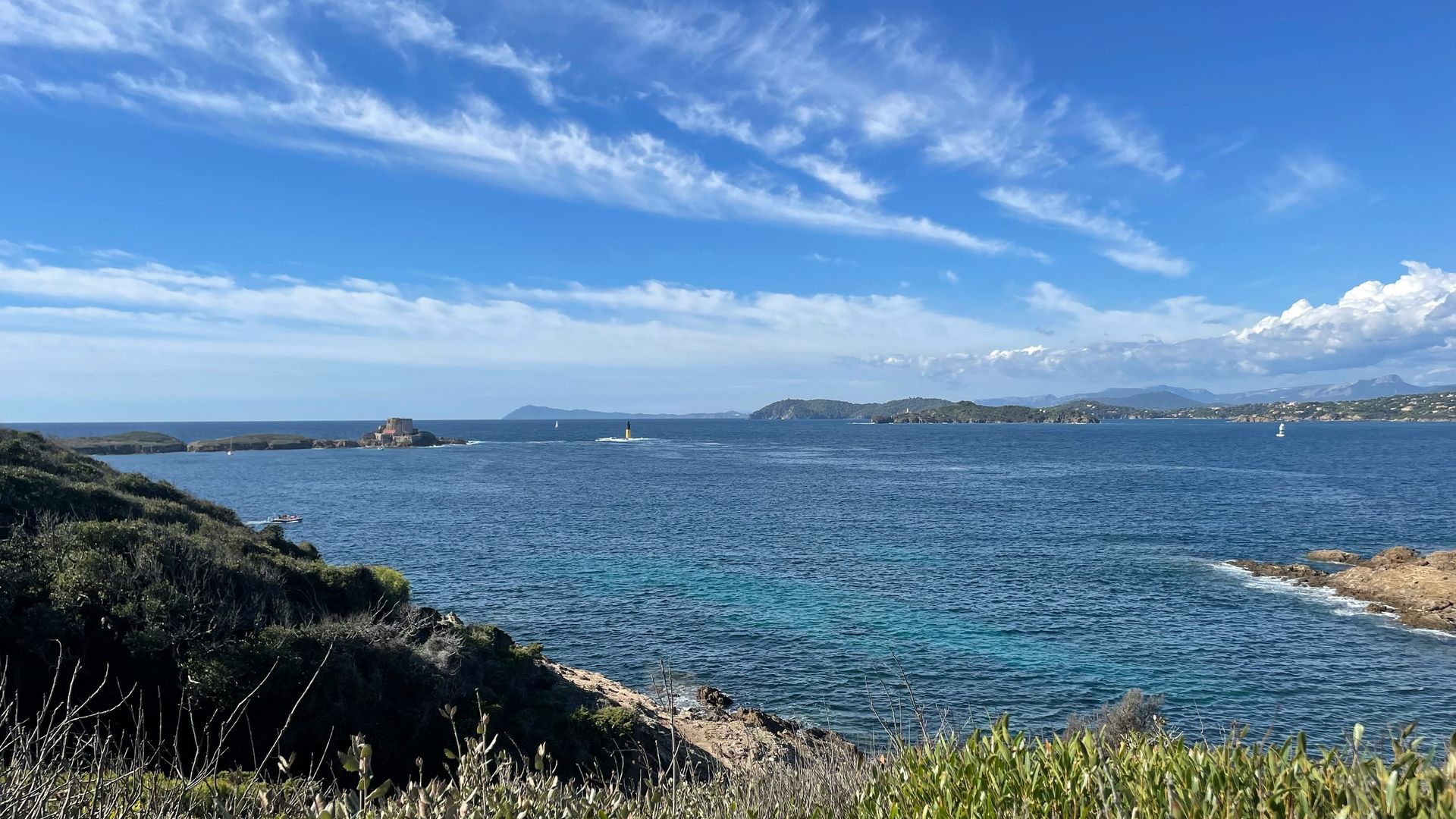
4. Île de Porquerolles keeps cars off the island and wild beaches intact along the French Riviera
Jeremy Jousse / Unsplash
Porquerolles, the largest of the three Hyères Islands accessible by ferry from Toulon or Hyères, operates without cars, which fundamentally changes the experience of moving through it. Visitors arrive at the ferry dock and proceed on foot or by rented bicycle, which sets the island's pace and keeps the narrow beaches that ring it in a condition that vehicle-accessible coastal destinations cannot maintain. The beaches themselves are wild in the specific sense that the surrounding landscape of cypress and pine trees reaches to the sand rather than giving way to the concrete and umbrella infrastructure of developed beach tourism.
The water surrounding the island presents the color that the French Riviera’s reputation promises and that the mainland’s most popular beaches now struggle to deliver, given the development that crowds their shores. An expanse of azure Mediterranean, visible from the island’s beaches and from the higher trails that cross its interior, gives the view a quality that the ferry journey from the mainland lacks, without requiring a longer trip. The island’s protected status as part of the Port-Cros National Park limits development and keeps the marine environment in a condition that gives snorkeling and swimming a clarity that urbanized coastlines lose.
The Fondation Carmignac, a contemporary art museum with its own vineyards, adds a cultural dimension to an island that might otherwise read as purely a natural destination. Wine tastings from the museum’s vineyard give visitors a specific product tied to this particular island, and the combination of contemporary art and wild coastline in the same small territory represents the kind of juxtaposition that makes Porquerolles a more complete destination than its primary identity as a beach escape suggests.
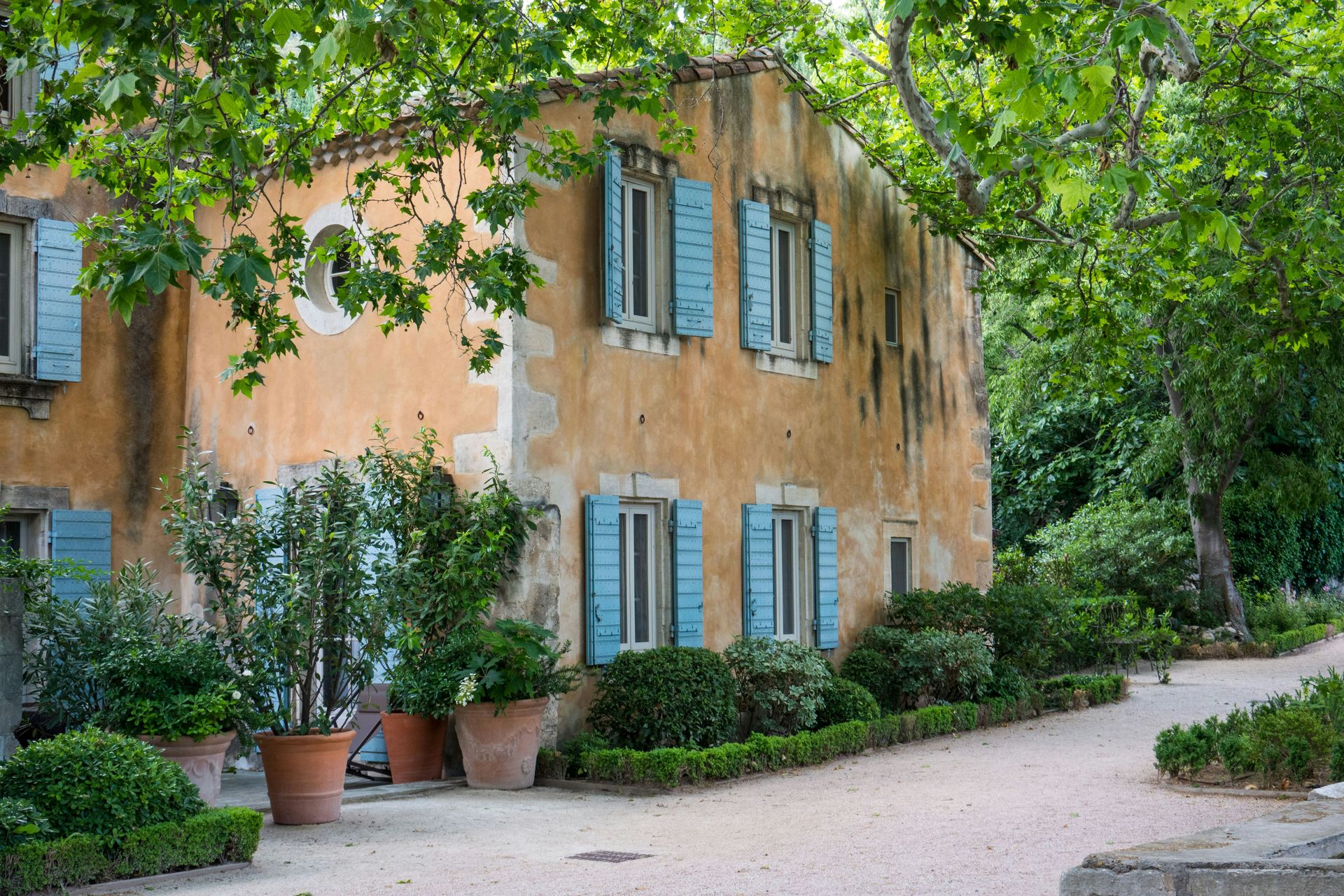
5. Les Baux-de-Provence rises from a rocky outcropping with fields of lavender below
Jean-Nicolas Fahrenberg / Unsplash
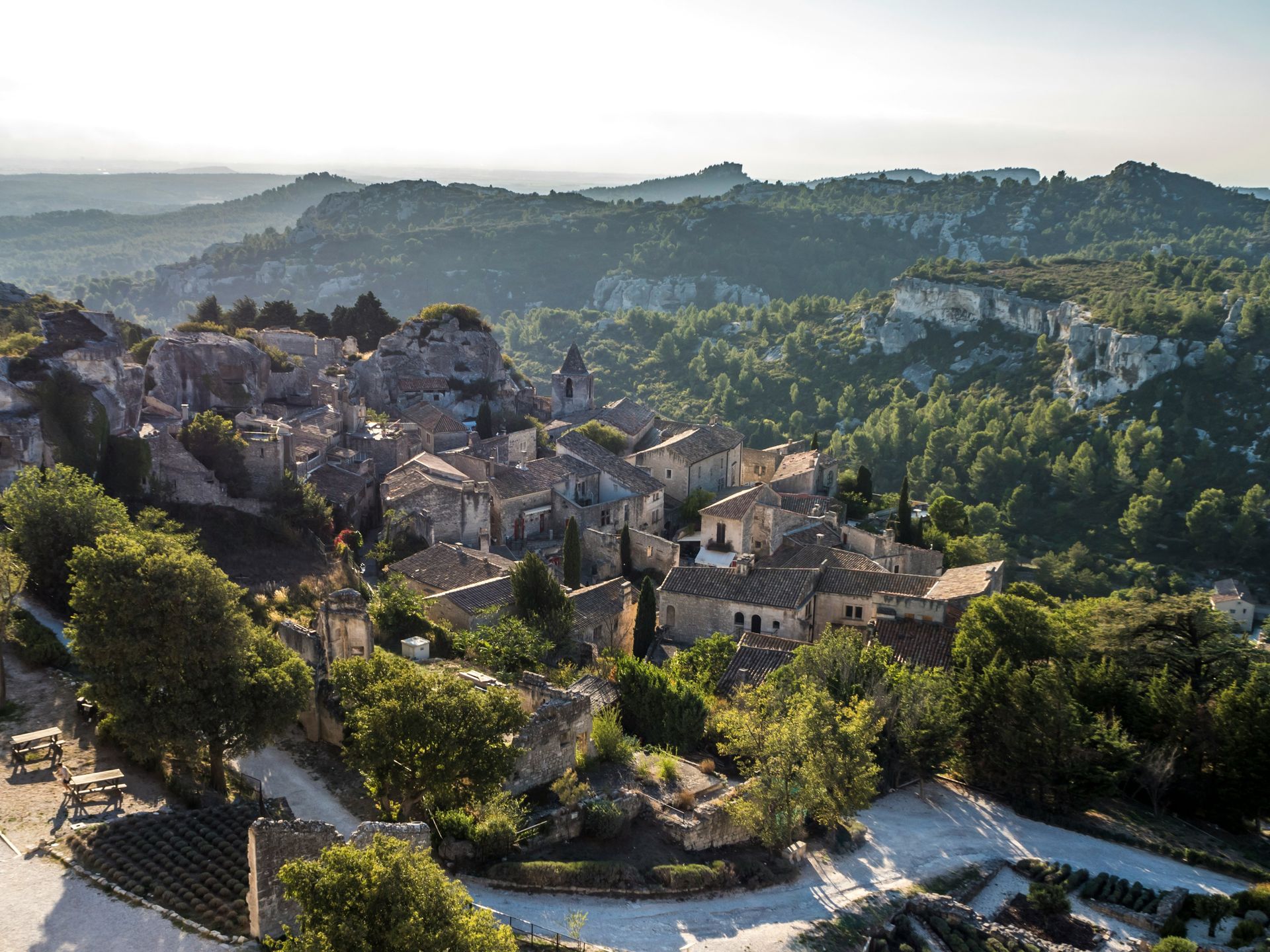
Les Baux-de-Provence occupies a position in the Alpilles mountain chain that gives it a physical drama unusual even among France’s most-recognized beautiful villages, a designation it shares with Vogüé and a handful of others approved by the association’s stringent selection process. The town’s setting on a rocky promontory above the surrounding Provençal plain gives the approach from any direction a quality of arrival that flat-country towns cannot produce: Les Baux appears in the landscape as an extension of the rock it sits on rather than as a settlement imposed upon it.
The fields surrounding the town change character throughout the year, making the timing of a visit a meaningful decision. Poppies cover the fields in April and May, giving the landscape a red-and-green register that the lavender season replaces from roughly mid-June to mid-July with the purple and grey-green that Provence is more internationally associated with. Both seasons produce fields worth visiting specifically, and the lavender’s sensory dimension — the scent that the flowers carry at peak bloom — gives the July visit a quality that photographs of the same fields in full color cannot convey.
The Carrières des Lumières, a former limestone quarry whose underground walls and floors now serve as projection surfaces for large-scale immersive art installations, gives Les Baux a cultural offering specific to this location. The projections, which change annually and have featured works based on artists including Van Gogh, Klimt, and Cézanne, use the quarry’s unusual geometry — the high white walls and the floor visible simultaneously — to create an enveloping environment that conventional gallery spaces do not attempt. The combination of the outdoor Provençal landscape and the subterranean immersive art makes Les Baux a destination that rewards a full day rather than a passing stop.
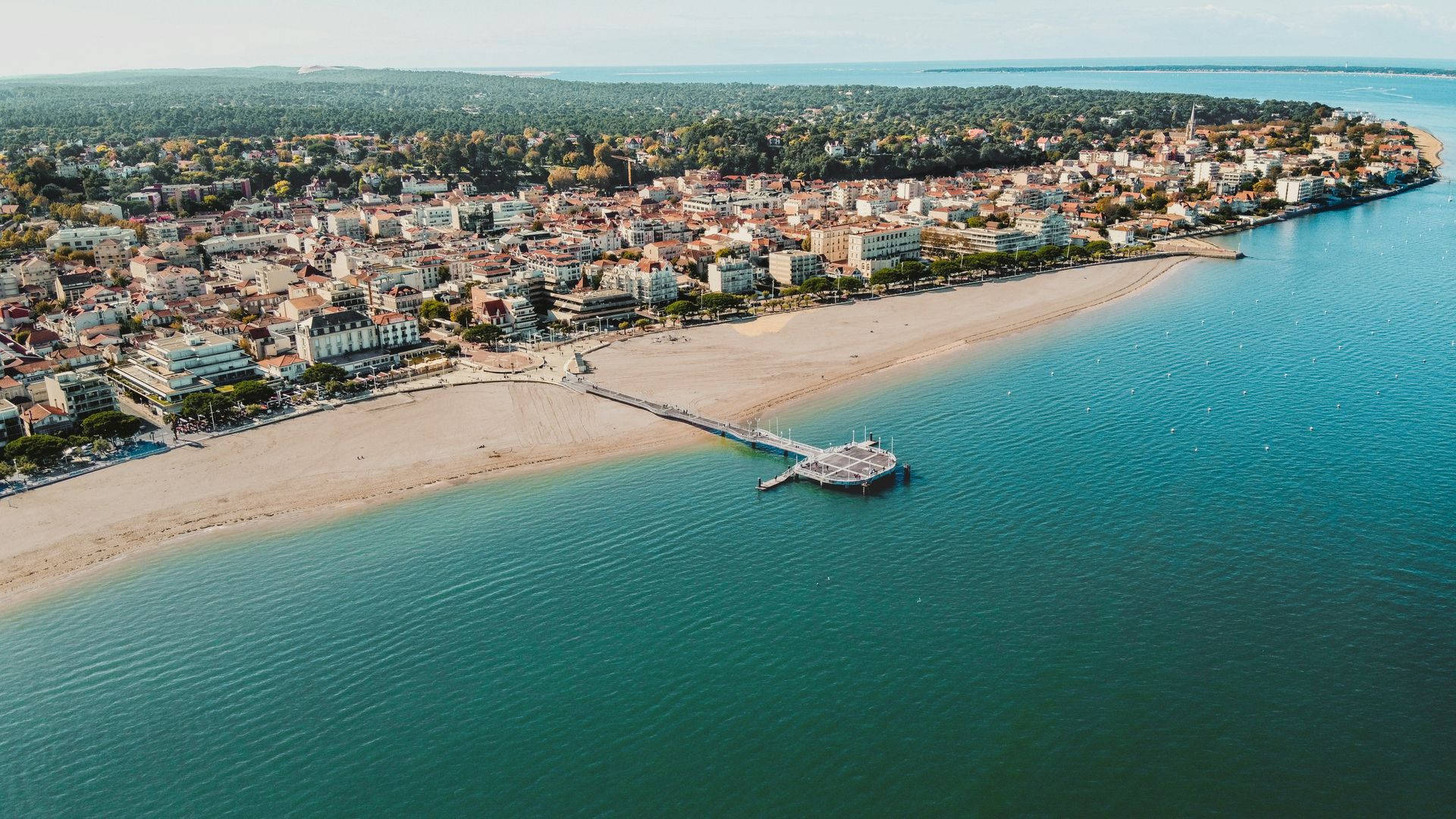
6. Arcachon sits inside a protected bay with Europe’s largest sand dune on its doorstep
Arpad Czapp / Unsplash
Arcachon occupies the protected Arcachon Bay on the Atlantic coast, 50 minutes by train from Bordeaux, in a position that combines bay swimming with access to the Grande Dune du Pilat, the largest sand dune in Europe at nearly 2 miles long. The Atlantic water inside the bay runs cooler than Mediterranean beaches in the south, which requires a certain fortitude from swimmers but keeps the beaches from the crowd density that warmer water attracts in summer. The bay’s oyster beds give the town’s restaurants a product as specific to this location as Cassis’s calanques are to its coastline.
The restaurants along Arcachon’s waterfront serve the bay’s local catch in a setting that the town’s 19th-century villa architecture frames on the landward side. The villas, built during the Second Empire period when Arcachon developed as a resort town for Bordeaux’s wealthy families, give the town a specific historical character that the more aggressively developed Atlantic coastal towns to the north and south lack. The architectural consistency of this neighborhood, combined with the promenade along the bay that cyclists and walkers share, gives Arcachon a quality of unhurried resort life that the beach towns closer to Bordeaux cannot sustain under similar visitor pressure.
The proximity to Bordeaux gives Arcachon a logistical advantage for travelers using the wine city as a base: the train journey is short enough to make Arcachon a day trip that returns to Bordeaux for dinner, or a two-night stay that makes Bordeaux the day trip. The oysters, razor clams, and sea urchins that local restaurants prepare from the bay’s harvest give the town a gastronomic reason to stay, extending the visit beyond the beach and the dune.
7. Peillon maintains extraordinary quiet within 20 miles of the French Riviera
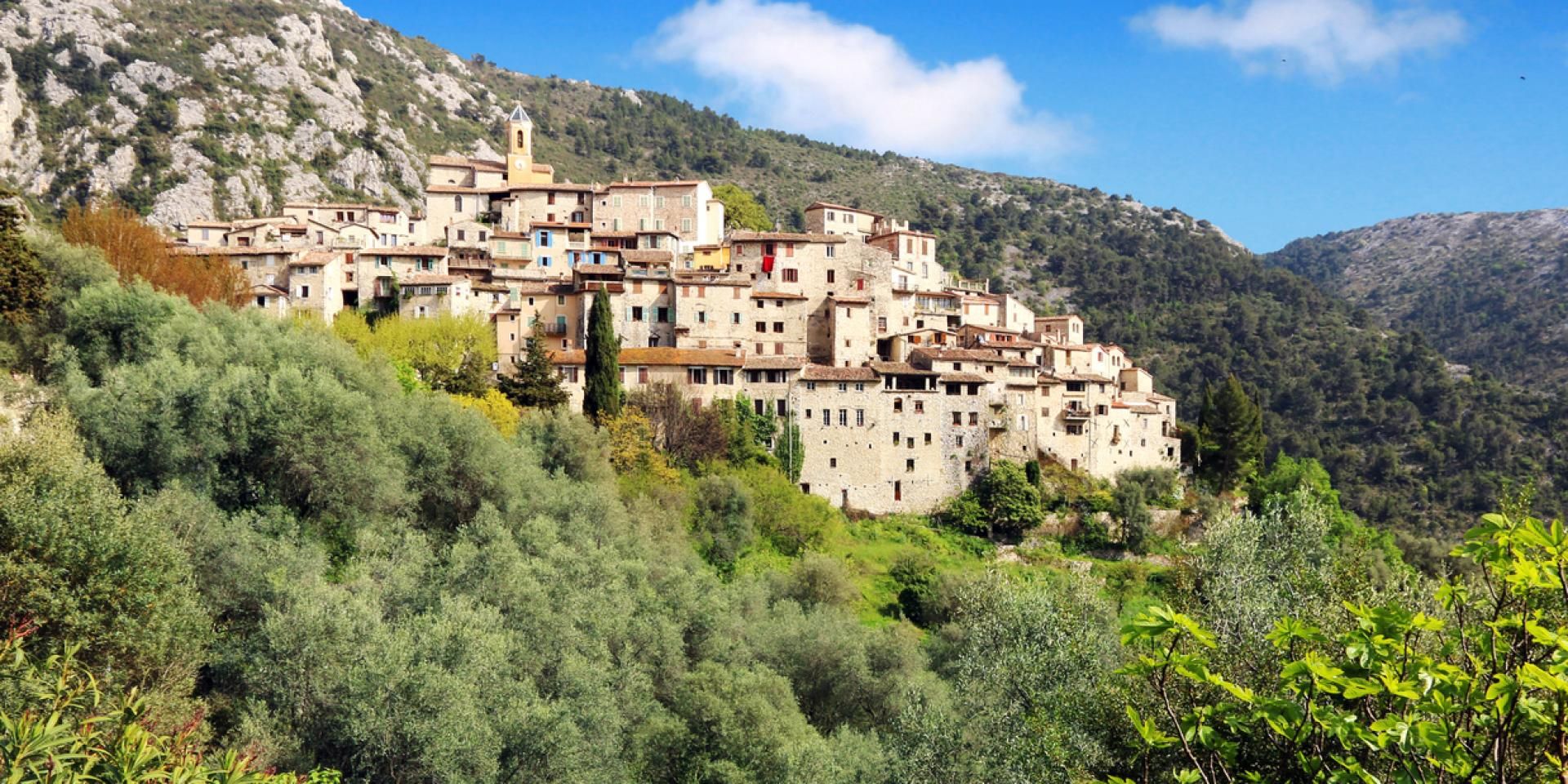
Peillon sits less than 20 miles from Nice but operates in a register entirely removed from the Riviera’s commercial energy. The car-free hilltop village is, according to the source, practically silent, which makes it one of the most counterintuitive destinations available to a traveler who has just arrived at Nice’s busy airport. The narrow, winding streets and passageways that climb toward the centuries-old Eglise Saint-Sauveur give the village a vertical character that the hilltop position makes literal: reaching the church requires ascending the village rather than crossing it.
The Saint-Roch Chapel, a few minutes’ walk from the village center, provides a viewpoint over the village itself rather than from it, giving visitors who make the short walk a perspective on Peillon’s hilltop position that the interior streets cannot supply. The view of the village against the rugged valley below reads as genuinely postcard-perfect in the way that the phrase usually misuses, which is to say that the composition from this specific point looks as though it was arranged rather than found.
The physical effort of reaching Peillon by public transport — a 40-minute semi-uphill walk from the nearest train stations — functions as a self-selecting mechanism that keeps the village in the condition its silence requires. Travelers $TRV who arrive by taxi bypass the walk but share the destination with fewer people than the proximity to Nice would otherwise deliver. The combination of extreme proximity to one of the Riviera’s major cities and genuine remoteness of character makes Peillon a destination that rewards the traveler who is specifically looking for what the Riviera’s most visited stretches have given up.
8. Revel’s Saturday market fills a 14th-century market hall with more than 200 producers
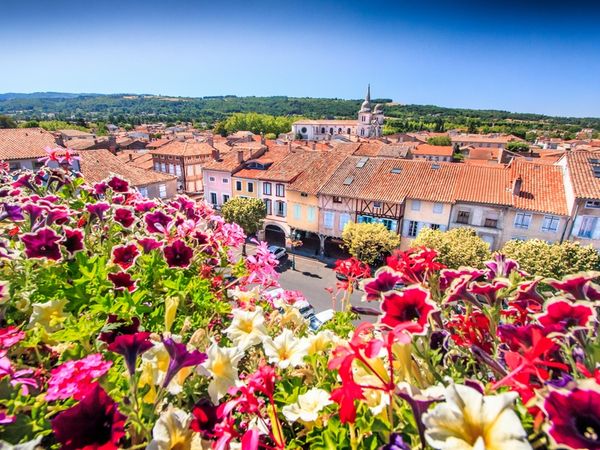
Credit: Haute-Garonne Tourism
Revel’s identity in the Midi-Pyrénées region rests almost entirely on a single weekly event: the Saturday market held in its 14th-century covered market hall, one of the largest medieval market structures in France. More than 200 producers fill the hall with seasonal produce, breads, cheeses, charcuterie, olives, tapenades, quiches, jams, and honey, which gives the food section alone a variety that most French market towns achieve only at their largest seasonal fairs. The same market extends into a second territory where artisans sell their work, and dealers pile antiques and vintage items onto tables, giving the Saturday visit a range of items to examine and consider that a purely food-focused market does not offer.
The market’s scale and the 14th-century structure that contains it give Revel a specific appointment worth building a weekend around rather than a destination to pass through. The hall’s wooden roof and the proportions of the medieval market building give the interior a quality of space that the market activity fills without overwhelming, and the Saturday morning social function of the market — the town’s residents shopping alongside visitors — gives the event a local authenticity that tourist-facing markets in more heavily visited destinations sometimes lack.
The Wood Museum, which the article identifies as genuinely interesting, showcases Revel’s marquetry and furniture-making heritage alongside contemporary pieces in exhibitions that give the town’s artisanal history a curatorial treatment. The craft tradition that the museum documents reflects a regional specialization that the Midi-Pyrénées’s timber resources historically supported, and the contemporary pieces alongside the historical collection give the museum a living relationship to its subject rather than a purely archival one.
9. Aigues-Mortes sits inside medieval walls with pink salt marshes visible just beyond them
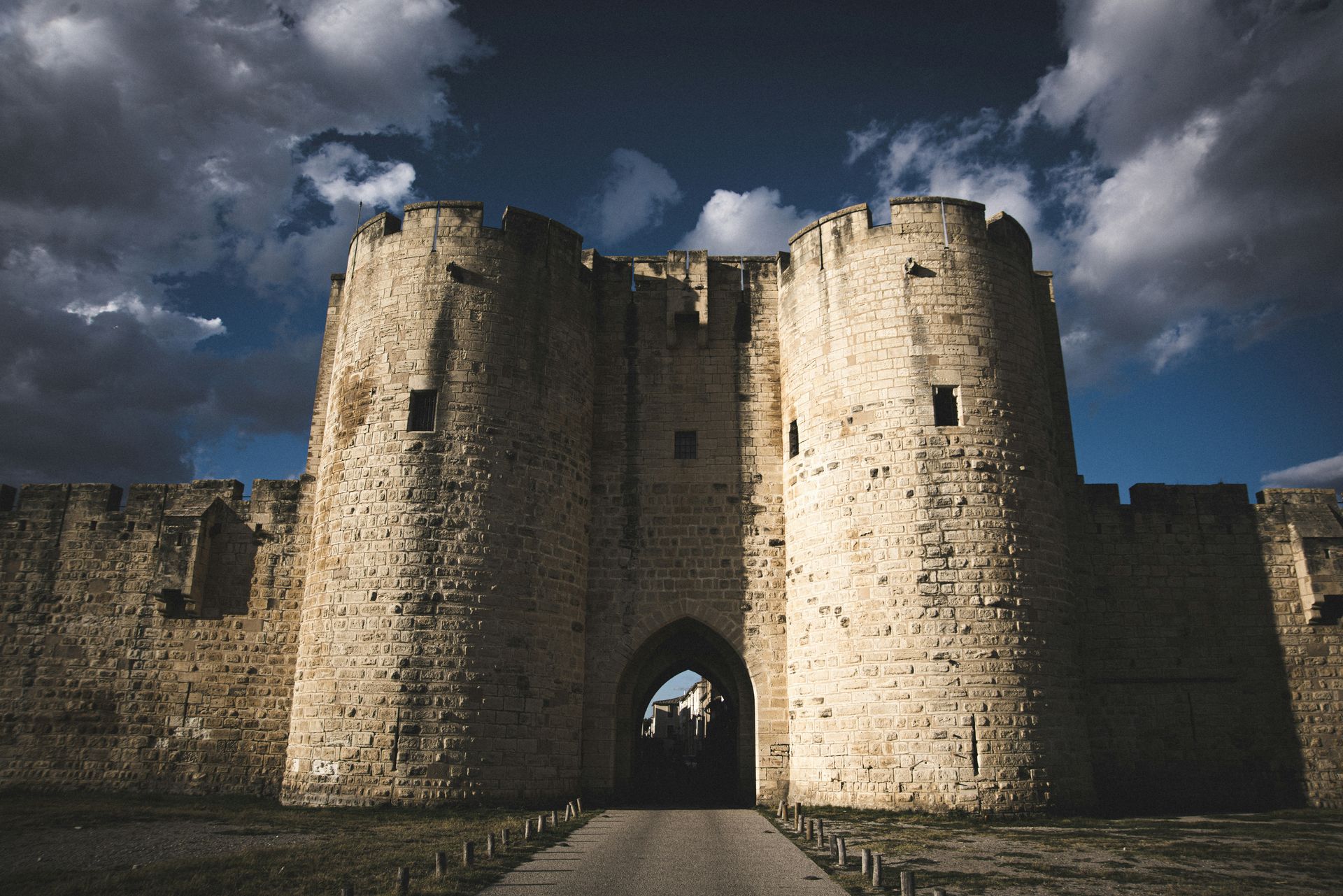
XAVIER PHOTOGRAPHY / Unsplash
Aigues-Mortes presents a dual identity that the town’s geography makes almost theatrical. Inside its well-preserved medieval city walls, narrow streets lined with boutiques and restaurants give the town the character of a small historic center, a characteristic of the Occitania region across several similar destinations. Just outside those walls, within immediate sight of the ramparts, the Camargue wetlands produce salt marshes that turn pink from the algae and crustaceans that the shallow, saline water supports, giving the view beyond the medieval walls a color entirely at odds with the stone and terracotta of the town itself.
The contrast between the enclosed medieval world inside the walls and the open, flat, vividly colored landscape outside them gives Aigues-Mortes a visual identity specific to this location. The salt marshes are photogenic in the specific sense that the pink saturation of the water is unusual enough to read as artificial in photographs while being entirely natural in origin, which gives the view a quality that travelers who have seen similar images are often surprised to find more striking in person. The town’s small train, designed for family visits through the salt marshes, provides a structured access point to the flat, wetland terrain that would otherwise require specialist footwear to navigate.
The accessibility of Aigues-Mortes by road and rail from Nîmes, Montpellier, and Arles — all within an hour — gives the town a logistical ease that medieval walled cities in more remote locations cannot match. The combination of intact medieval fortification, navigable historic center, and an immediately adjacent landscape as visually unusual as the pink salt marshes makes Aigues-Mortes a destination that justifies a specific trip rather than a detour from another destination, while remaining accessible enough to function comfortably as either.
10. Chamonix anchors Europe’s highest alpine terrain with day-trip access to three countries
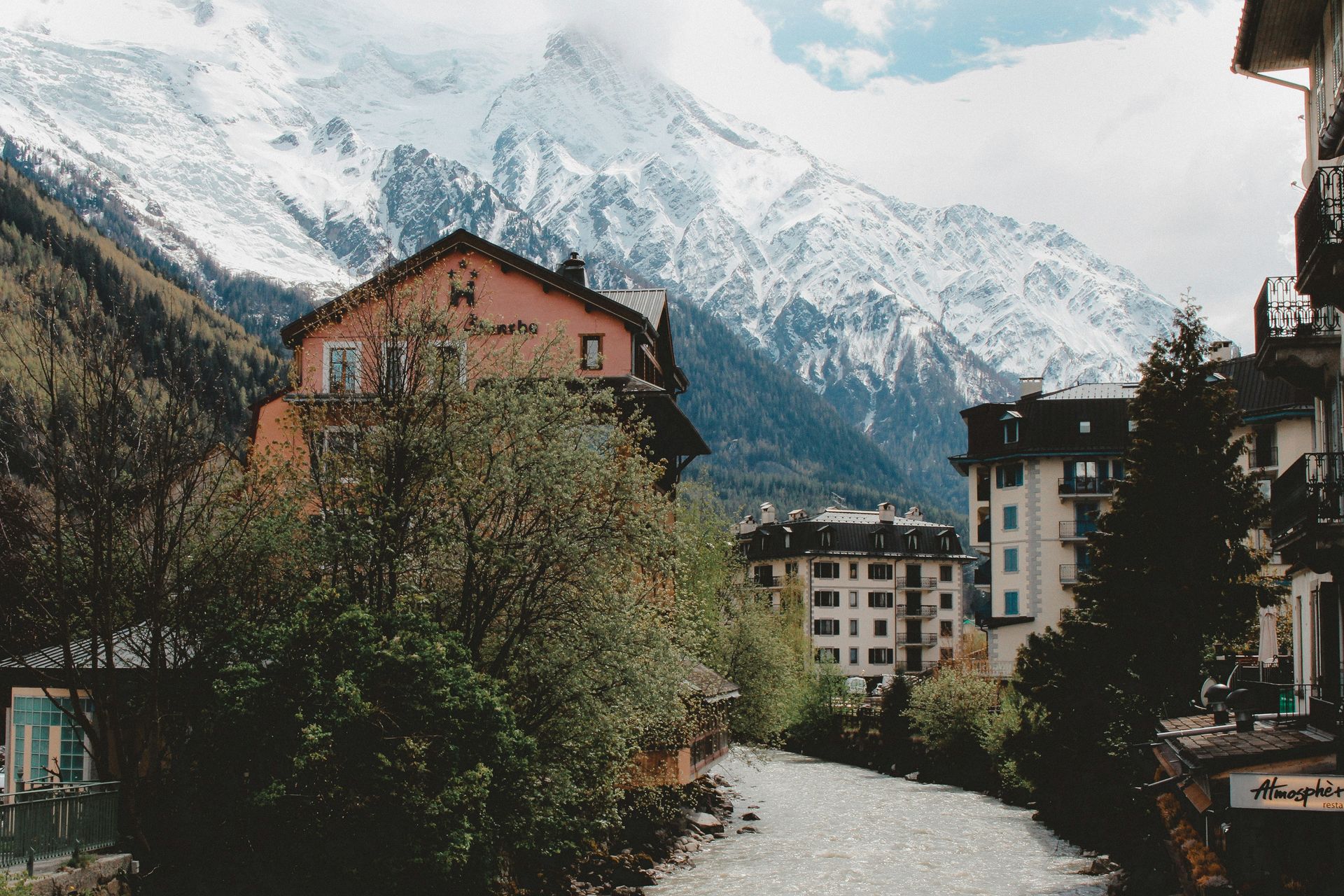
Patrick Boucher / Unsplash
Chamonix-Mont-Blanc sits at the base of Mont Blanc, the highest mountain in the Alps, in a position that gives the town access to skiing that ranks among Europe’s finest and to a summer hiking environment that the surrounding peaks define at their most dramatic scale. Unlike most of the towns on this list, Chamonix has an established international profile, which means its infrastructure reflects decades of investment in the full range of services that visitors at this volume and level of expectation require. The trade-off is that Chamonix relies on a commercial energy source specific to major mountain resorts, which distinguishes it from the quieter towns elsewhere on this list.
The gondola to the Aiguille du Midi, the jagged peak that rises above the town at 12,605 feet, gives visitors without mountaineering skills access to an elevation that the surrounding terrain would otherwise require technical climbing to reach. From the observation platform at the summit, Mont Blanc’s glacier-covered upper massif is visible at a distance that the valley floor below does not allow, and the perspective on the surrounding Alpine terrain — the peaks of Switzerland and Italy visible in clear conditions — gives the gondola ride a view that no other mechanized access point in the Alps replicates at the same height.
The town’s location at the junction of France, Switzerland, and Italy makes border crossings a logistical routine rather than an event. Day trips to Geneva by car or train, or over the Mont Blanc Tunnel to Courmayeur on the Italian side, extend the geographic range of a Chamonix base beyond the valley itself, which gives visitors who spend several days in the area access to three different national cultures and landscapes within straightforward driving distance.