
The most beautiful times of year to visit Japan, ranked
From cherry-blossom picnics and a one-million-person Tokyo fireworks crowd to Hokkaido's Olympic-caliber powder and onsen at the end of a ski day
-1920x1280.jpg)
David Edelstein / Unsplash
Japan’s captivating blend of tradition and modernity, rich culture, bustling cities, and stunning countryside offers experiences genuinely unlike anywhere else in the world. Visiting at essentially any time of year in this storied country delivers a trip worth remembering, though certain seasons bring a genuinely extra layer of magic that’s worth planning around specifically for travelers with flexible dates.
Spring brings the blossoming of the sakura, or cherry trees, transforming the country into a vision in pink and drawing blossom spotters from across the globe. Summer opens a two-month window for summiting Mount Fuji, fall ushers in the resplendent kōyō, or autumn foliage, season, and winter rewards skiers with some of the finest snow found anywhere on the planet throughout Japan’s mountain regions, particularly across the northern island of Hokkaidō.
Whether the goal involves diving into the crowded streets of downtown Tokyo or finding genuine peace among tree-cloaked mountains in rural Hokkaidō, there is a season that suits nearly any travel style, budget, or tolerance for crowds. The five periods below appear in Lonely Planet and cover the best times to visit Japan throughout the year, from the crowded cherry-blossom rush of spring to the genuinely quiet, snow-blanketed calm found across much of the country during the depths of winter. Each season rewards a slightly different kind of traveler, and matching the right time of year to a specific trip’s priorities, whether that means chasing fall foliage, skiing world-class powder, or simply avoiding the biggest crowds, matters just as much as choosing which cities or regions to actually visit. Booking accommodations and transport well ahead of any peak travel window remains genuinely essential throughout the year, since Japan’s most popular seasons draw crowds substantial enough to strain hotel availability and public transport alike, particularly around national holidays such as Golden Week and O-Bon.
1. April and May bloom with cherry blossoms and art
Sora Sagano / Unsplash
Temperatures during cherry-blossom season generally stay lovely, ranging between 60 and 72 degrees Fahrenheit, though cool nights mean packing layers remains genuinely advisable, especially in higher-elevation places such as Hokkaidō. The chance of rain showers increases steadily over these two months as summer approaches.
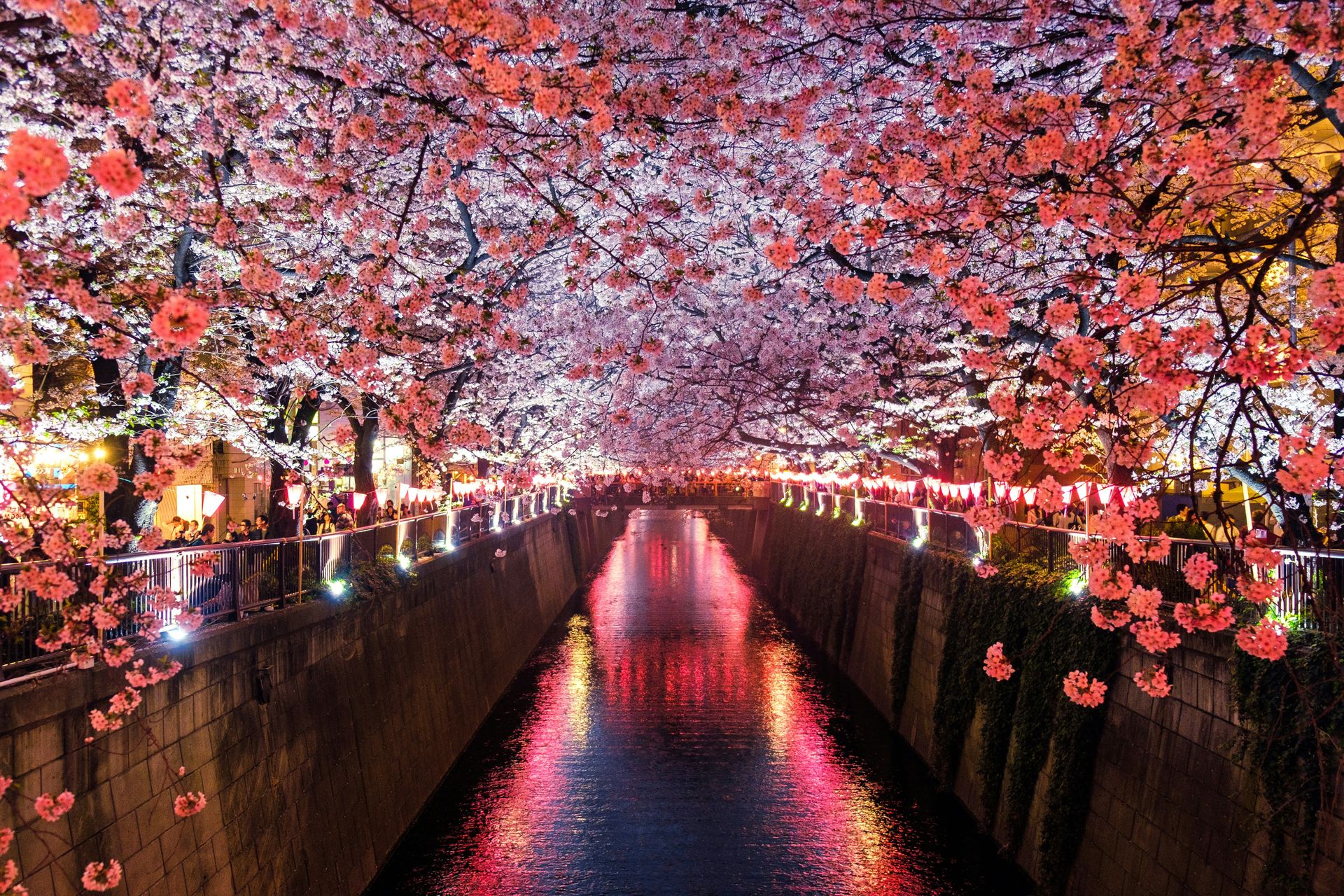
The cherry-blossom season, running from April to May, marks the peak travel period throughout Japan, and locals and tourists alike flock to parks, gardens, tree-lined brooks, and castle moats to take part in hanami, the annual ritual of observing spring blossoms that has continued for millennia. Picnicking under a canopy of cherry blossoms ranks among the most genuinely unforgettable experiences during this window, and popular seasonal foods range from cherry-blossom-flavored desserts and pastries to cherry-flavored burger buns and noodles.
The blossoms themselves arrive and depart within a mere two weeks, and weather patterns combined with local geography make the exact timing genuinely tricky to predict far in advance. Along Japan’s so-called Golden Route, a popular tourist trail running along the east coast through the center of the country, the flowers typically emerge between late March and early April, making April a fairly reliable month to book a trip around this specific spectacle.
As the last petals fall, crowd-weary travelers get little reprieve, since Golden Week arrives in early May, bringing warm, sunny weather alongside a string of national holidays. Hotel and flight prices climb considerably as crowds surge into Japan’s cities during this period, with public transport, city streets, shrines, temples, and museums all growing genuinely crowded with sightseers. In mountainous areas, hiking, mountain biking, kayaking, rafting, and camping all rank among the most popular activities, though high-altitude trails may not open until July. In the cities, this becomes the ideal season to explore by bike, take leisurely parkland strolls, or sit out in rooftop beer gardens, with spots such as the Omohara Forest bar atop Omote-sandō’s Tokyu Plaza mall offering a genuinely memorable setting for an evening drink. Tokyo’s spring sumo tournament also takes place in May, alongside the cultural explosion of Roppongi Art Night.
2. June and July climb toward alpine trails and fireworks
MIO ITO / Unsplash
Tsuyu, Japan’s rainy season, sets in toward the end of June, bringing days of light rain interspersed with plenty of genuinely lovely, clear days in between. Late-spring temperatures give way to summer heat by July, with cities reaching the low 90s in Fahrenheit, while the countryside and especially the mountains stay considerably more comfortable, with average highs around 75 degrees and lows around 50 degrees Fahrenheit.
June and July rank as the best months for hiking throughout the Japanese Alps, and nature enthusiasts flock to the great outdoors specifically during this window. Mountain escapes offer adventurous travelers a genuine way to escape the cities just as summer heat begins building throughout the lowlands. Early June stays genuinely lovely, though tsuyu sets in by the end of the month, and many Japanese hikers will call off a day in the mountains at the slightest threat of rain, meaning hiking trails usually escape the worst midsummer crowds. This same pattern makes June a genuinely good time to take advantage of cheaper hotel and flight prices before peak summer demand kicks in.
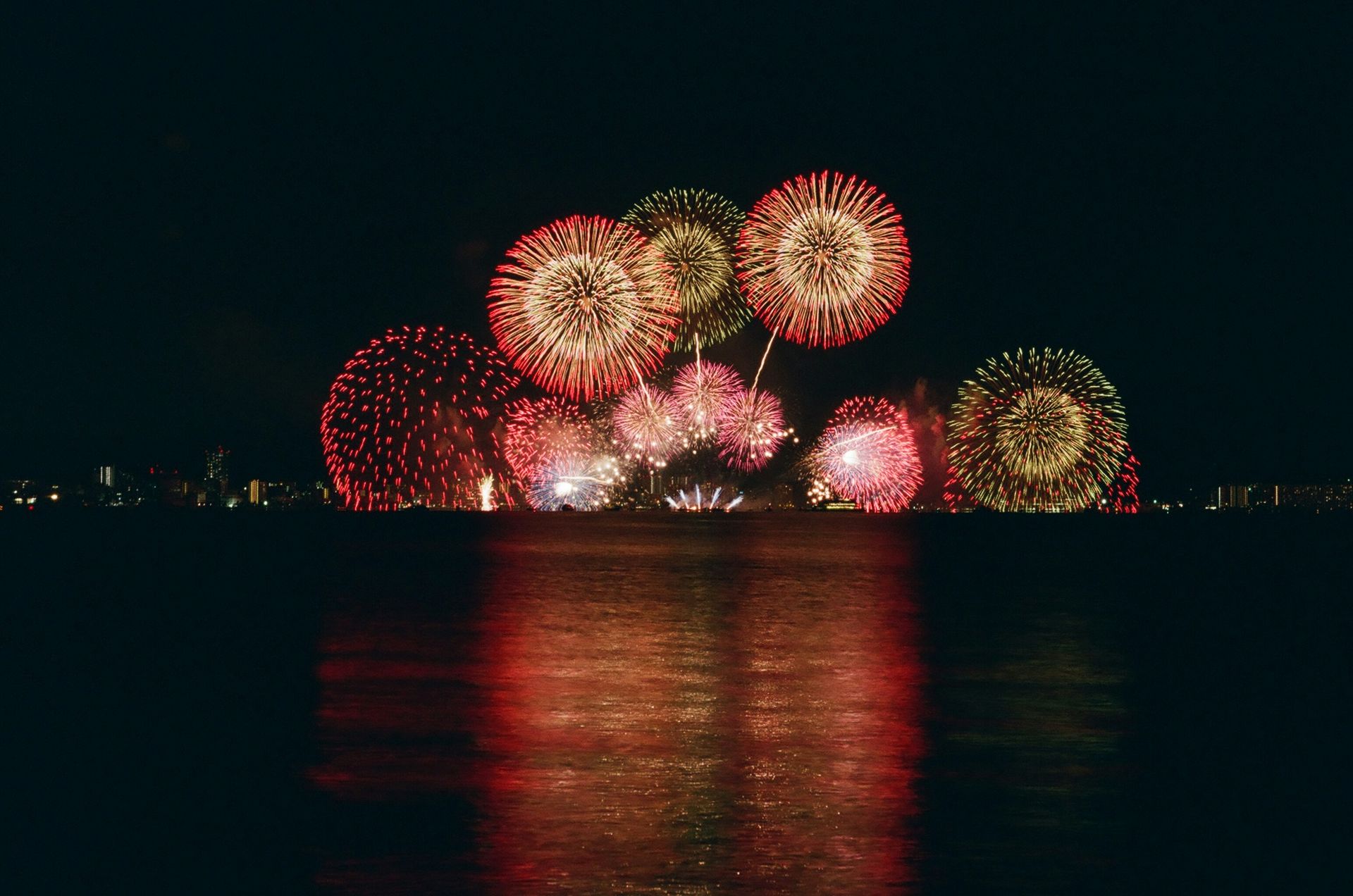
The rainy season typically passes by July, though damp, gray, gloomy skies can linger through the first couple of weeks of the month. Firework festivals become big business throughout Japan in July, with tens of thousands of rockets launched into the night skies over major cities. Tanabata, the festival of star-crossed lovers, sees locals dress in traditional kimono and yukata robes while heading out in search of romance throughout the evening.
Taking a yakatabune, or riverboat, tour during the 300-year-old Sumidagawa Fireworks Festival in Tokyo ranks among the top experiences available during this specific window, and the considerable expense proves genuinely worth it for the chance to float away from the gargantuan crowds gathered on land, which can reach up to one million people. Conditions turn genuinely hot and humid as July draws to a close, prompting savvy travelers to head toward cooler Hokkaidō or the Japanese Alps, or hit the slopes of Mount Fuji, which opens to hikers by mid-month.
3. August bakes under blistering summer heat
Priscilla Du Preez / Unsplash
Temperatures soar throughout August, sometimes reaching over 100 degrees Fahrenheit, and this period also marks peak season for typhoons throughout the country, making it genuinely worthwhile to check storm forecasts carefully before finalizing travel plans. Mid-August brings the start of the busy O-Bon, or Festival of the Dead, season, functioning as summer’s direct counterpart to Golden Week.
National holidays, colorful festivals, and blistering temperatures keep major sights genuinely crowded throughout this period, and accommodations grow both expensive and often fully booked well in advance. Since many Japanese travelers return to their hometowns or head off on domestic vacations during this window, transport throughout the country turns genuinely hectic for the duration, and travelers should book train tickets and reservations well ahead of any planned travel dates within Japan.
Travelers $TRV seeking a somewhat calmer experience can head instead to the Okinawa Islands in the far southwest, where peak scuba season opens up considerably more activities on or around the water compared with the mainland’s crowded cities, giving beach-focused travelers a genuinely worthwhile alternative to the busiest parts of the country. The world’s largest cosplay festival draws huge crowds to Nagoya City throughout August as well, so travelers hoping to attend should book accommodations well in advance to secure a room, since rooms across the city sell out quickly once the event dates approach.
Cooler mountain destinations also stay genuinely popular throughout August, and Mount Fuji hosts hundreds of thousands of hikers during its climbing season, which runs from mid-July through mid-September. Overnight summiteers should book mountain lodges well before starting their ascent, since availability during peak climbing weeks fills up quickly, particularly on the more popular Yoshida Trail. As August gives way to September, a brief lull settles across the country before activity picks back up once fall foliage season begins in earnest, offering travelers a genuinely useful shoulder season for slightly quieter, cheaper travel before the next surge of visitors arrives.
4. September to November paints the country in fall color
-1920x1280.jpg)
Su San Lee / Unsplash
The arrival of autumn in mid-September brings genuine sweater weather to Japan, with daytime highs ranging from 50 to 70 degrees Fahrenheit and lows from 40 to 60 degrees Fahrenheit. Southern Okinawa retains its subtropical climate throughout this period, while snow in northern Hokkaidō can start falling as early as late November.
Days in September stay warm, even genuinely hot at times, though considerably less humid than the peak of summer, and while an occasional typhoon still rolls through this time of year, major cities remain well equipped to handle bad weather without significant disruption. This generally makes September a great time to travel throughout Japan. Coastal towns such as Kamakura and Shimoda on the Izu Peninsula offer a genuinely perfect mix of sunny afternoons, beachfront rentals, and temperate waters, making this a great stretch for hitting the beach before the season turns.
In late September, autumn colors begin painting the mountains and northern regions in vivid tones, and this wave of color moves slowly southward across the country over the following weeks. The radiant foliage of deciduous trees, ranging from golden ginkgos to vermilion momiji, known elsewhere as Japanese maples, lures crowds toward ancient gardens and footfall-worn mountain trails throughout this period. Jazz music also fills the streets of Sendai City during the Jōzenji Street Jazz Festival around this same time.
Pleasantly warm days paired with cool evenings make October a genuinely excellent time to be in Japan, and fall foliage brings a genuine blaze of color to the Japanese Alps, providing a stunning backdrop to the region’s countless mountain trails. Travelers $TRV preferring a more urban pace can instead stroll idly along Yokohama’s fetching harbor before enjoying a few steins at the city’s annual Oktoberfest celebration.
Late November offers the most scenic window for hiking through the forests of Mount Takao and Mount Mitake on the outskirts of Tokyo, though visiting during early mornings and on weekdays specifically helps travelers avoid the heaviest weekend crush. Autumn leaves linger considerably longer than cherry blossoms do, so locals feel less urgency to rush out and view them, making leaf peeping a generally quieter experience than the spring rush to see sakura. In old daimyo, or feudal lord, gardens such as Rikugi-en in Tokyo and Kenroku-en in Kanazawa, the fiery leaves get illuminated directly after nightfall for visitors staying into the evening.
5. December to March blankets Japan in snow and festivals
Walter Dziemianczyk / Unsplash
Japan’s latitude and mountainous interior mean the country turns genuinely cold throughout winter, and Tokyo sees average daily highs in the low 50s Fahrenheit while the mountains receive ample snow alongside below-freezing temperatures. Most sights throughout Japan stay genuinely uncrowded during winter, and accommodation reaches its cheapest point of the year, with the notable exception of ski resorts, which draw dedicated crowds throughout the season.
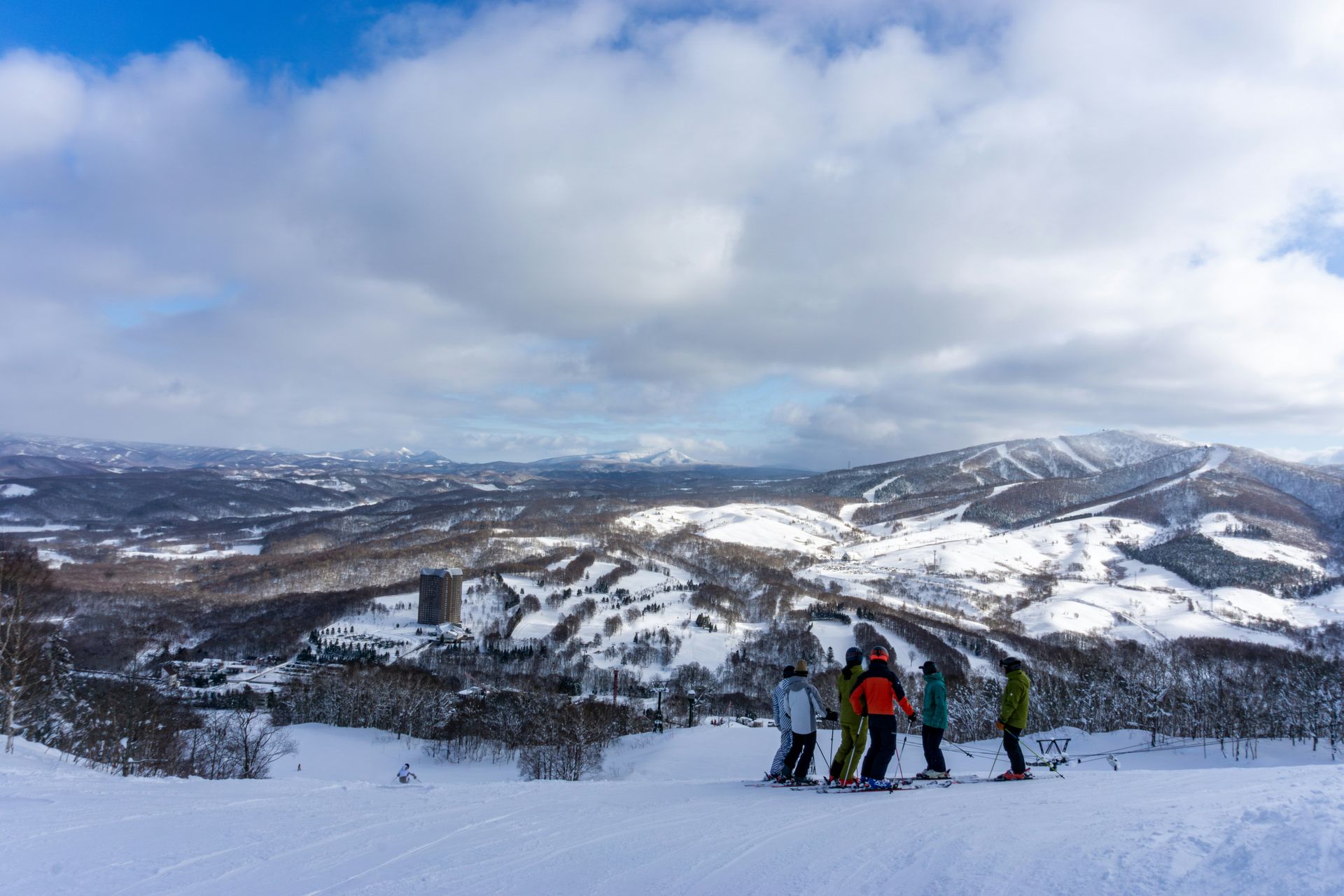
Snow enthusiasts consistently insist that Japan holds some of the finest powder found anywhere on the planet, particularly across the slopes of Hokkaidō in the country’s far north. December brings blue skies and cold temperatures across most of Japan, and bonenkai, or year-end parties, fill city bars and restaurants throughout the month, while commercial strips get decorated with seasonal illuminations and small Christmas markets sell mulled wine alongside festive trinkets.
Travelers $TRV should stick to the cities specifically around the New Year, since many Japanese businesses shut down from the end of December through early January, though temples throughout the country get genuinely busy during this same window. Local celebrations include Toshikoshi Soba, where locals eat soba noodles to usher in the new year, and Joya-no-kane, the traditional ringing of New Year bells at temples nationwide.
Japan comes back to life during the second week of January, following the lull of the holiday season, and snow blankets the mountains of Hokkaidō and the country’s northern reaches throughout this period. Major resorts such as Hokkaidō’s Niseko and Nagano’s Hakuba host Olympic-quality slopes and stay genuinely well set up for visitors who don’t speak Japanese. Capping off a ski day with a rejuvenating dip in one of Japan’s many onsen, or hot-spring bathhouses, rounds out a proper winter visit.
February ranks as the coldest month of the year, making it the ideal time to warm up with hot sake and steaming bowls of ramen. Ski slopes remain in high season throughout the month, though travelers who prefer admiring snow to skiing down it should head to Hokkaidō for the annual Sapporo Snow Festival, known locally as Yuki Matsuri, during which enormous, intricately crafted snow and ice sculptures are showcased throughout Sapporo City. Winter doesn’t grip every region equally, though, since ume, or plum trees, start blossoming in central and southern Japan by February, and travelers can seek them out in gardens such as the legendary Kairaku-en in Mito, northeast of Tokyo.
Winter wanes considerably by March, a month that typically lives up to the old Japanese adage sankan-shion, or three days cold, four days warm. Once the haru-ichiban, or first spring wind, arrives, travelers can genuinely sense better days approaching just around the corner. Festival season also gets into full swing throughout March, ranging from the Omizutori Fire Festival at Nara’s Tōdai-ji temple to the curiously transplanted Green Ireland Festival and St Patrick’s Day parade held in Tokyo in mid-March.