
The most beautiful wine destinations in the world
From port wine caves with live fado in Porto to UNESCO-recognized vineyards in Burgundy, the world's best wine destinations for every palate
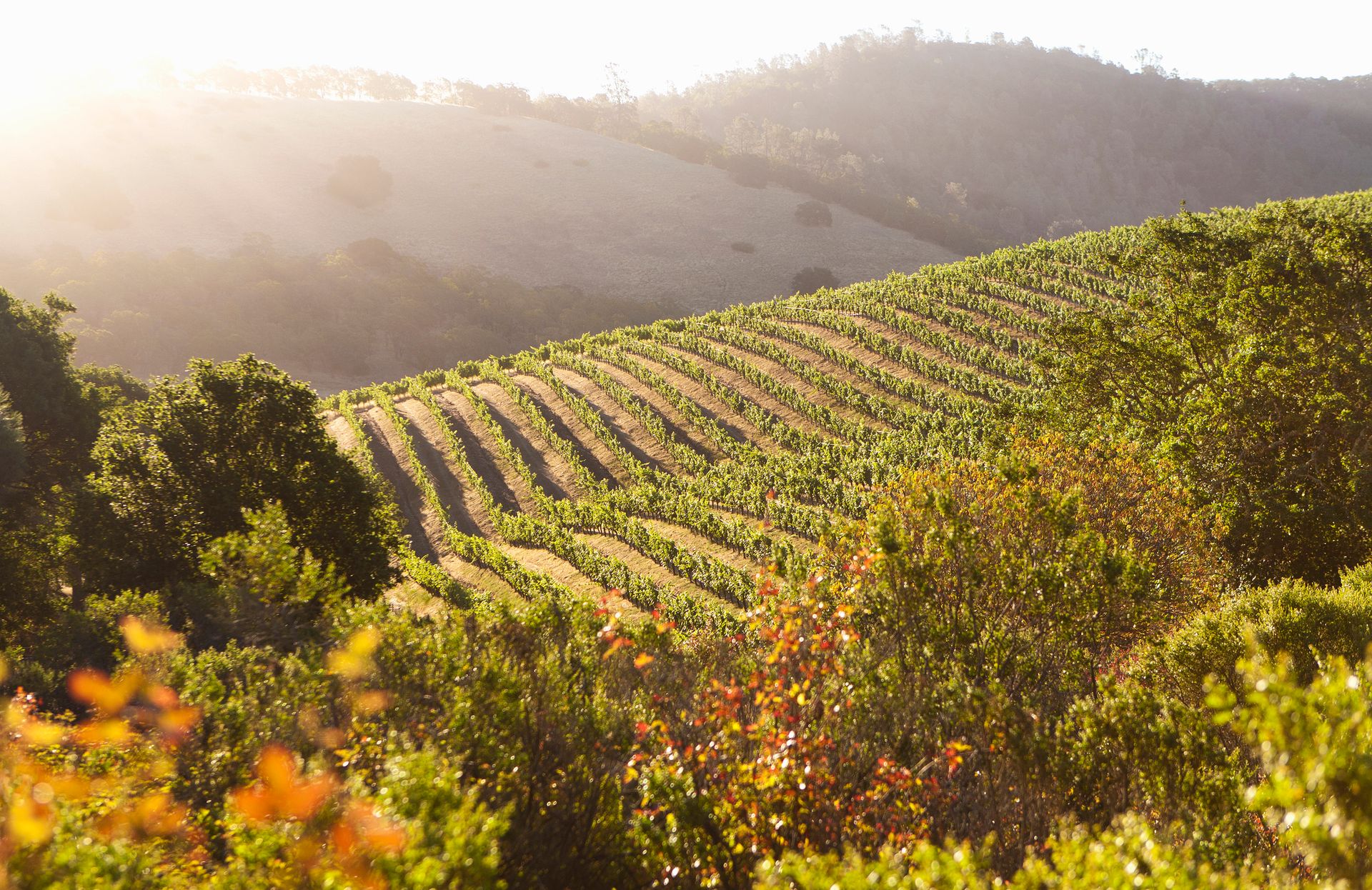
Billy Hustace / Getty Images
A wine vacation differs from a wine tasting in the way a week-long road trip differs from a day out. The wine is central, but the destination shapes the whole experience: the landscape around the vines, the food culture that evolved alongside them, the history embedded in the estates and the cellars. A great wine region offers scenery that would draw travelers regardless of what grows in the fields, and food traditions developed over centuries to complement the local glass. The combination turns what might otherwise be a series of tasting appointments into a fully realized travel experience.
The geography of wine is more varied than its stereotypes suggest. Travelers $TRV who associate wine country exclusively with France or California will find world-class regions on four continents, in climates ranging from the cool river valleys of France to the sun-drenched hillsides of the Western Cape. The style of experience varies just as much as the geography: some regions support elaborate estate visits and Michelin-starred meals, while others offer quiet rural trails, fado concerts in ancient caves, or scenic train rides through vine-covered countryside. Choosing a destination means choosing not just a varietal but a whole travel register.
The 10 destinations below come from U.S. News & World Report, which identified the best wine vacations based on wine culture, scenery, and the broader travel experience each destination offers. The full list ranges from the world's most celebrated wine regions to destinations that reward travelers willing to look beyond the famous names. Each destination on this list offers spectacular landscapes, distinctive food traditions, and cultural experiences alongside the wine, giving the glass context and making the trip worth taking on every level. Wine without geography is just a beverage. Wine in its home region, surrounded by the land and the culture that shaped it, is a reason to travel.
1 / 10
1. Tuscany celebrates Chianti with festivals every September
Francesco Riccardo Iacomino / Getty Images
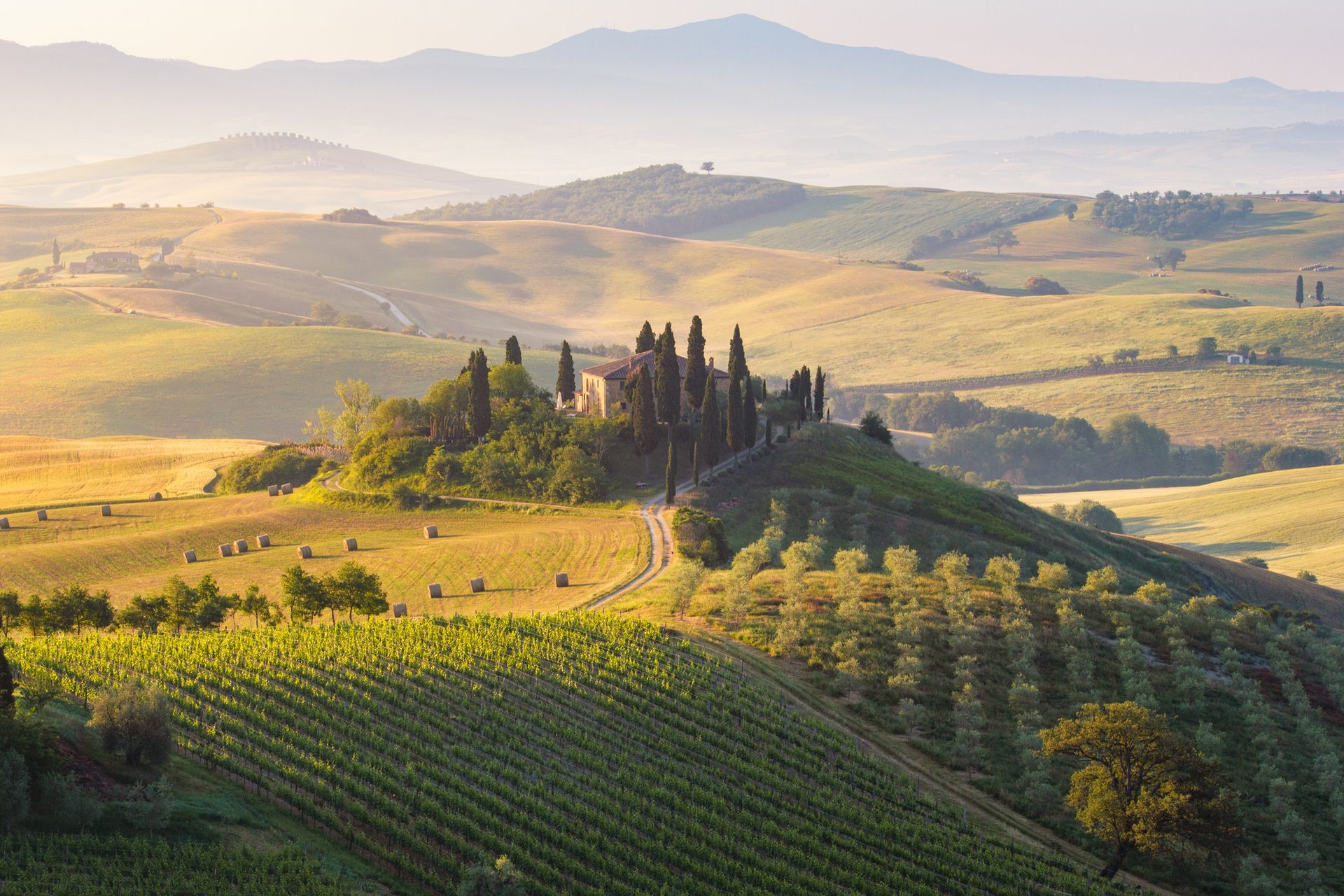
Tuscany draws wine travelers from around the world for Chianti Classico, a red wine the region has produced for centuries and that remains among the most recognized Italian wines internationally. The rolling hills, medieval castles, and dense vineyards that surround the Chianti wine zone give the destination a visual character that photographers and painters have worked to capture for generations, and the landscape itself is a significant draw alongside the wine. September brings the Impruneta Grape Festival and the Chianti Classico Expo, two regional events that bring together wine culture, local food, and seasonal atmosphere in a single travel window.
Beyond Chianti, Tuscany supports distinct wine cultures in two other notable areas. Montepulciano produces vino nobile, a full-bodied red that carries Tuscany’s classic grape character with the specific character of the town’s hillside terroir. Montalcino, southeast of Siena, produces Brunello, one of Italy’s most prestigious wines, with a reputation that draws serious collectors and casual enthusiasts alike. Both towns offer medieval architecture and vine-framed countryside together, defining the Tuscan wine travel experience at its most complete. September’s harvest season, festival programming, and mild temperatures together make it the optimal month to visit the region if the calendar allows, and the Chianti Classico Expo gives wine travelers a specific event to anchor the trip.
Castello del Trebbio, a winery housed in a former palace near Florence, offers a different perspective on Tuscany’s wine culture. The estate produces Vin Santo, a sweet dessert wine made from dried grapes, representing one of Tuscany’s older and less internationally known varietals. Visiting the winery gives travelers access to the wine in the architectural setting where it was originally produced, connecting the bottle to its history in a way a retail tasting cannot replicate. Tuscany’s diversity of wine styles, from the internationally famous Chianti to the more esoteric Vin Santo, means the destination rewards multiple visits and rewards travelers who explore beyond the region’s most famous names.
2 / 10
2. Sonoma spotlights pinot noir, zinfandel, and chardonnay
Gary Saxe / Getty Images
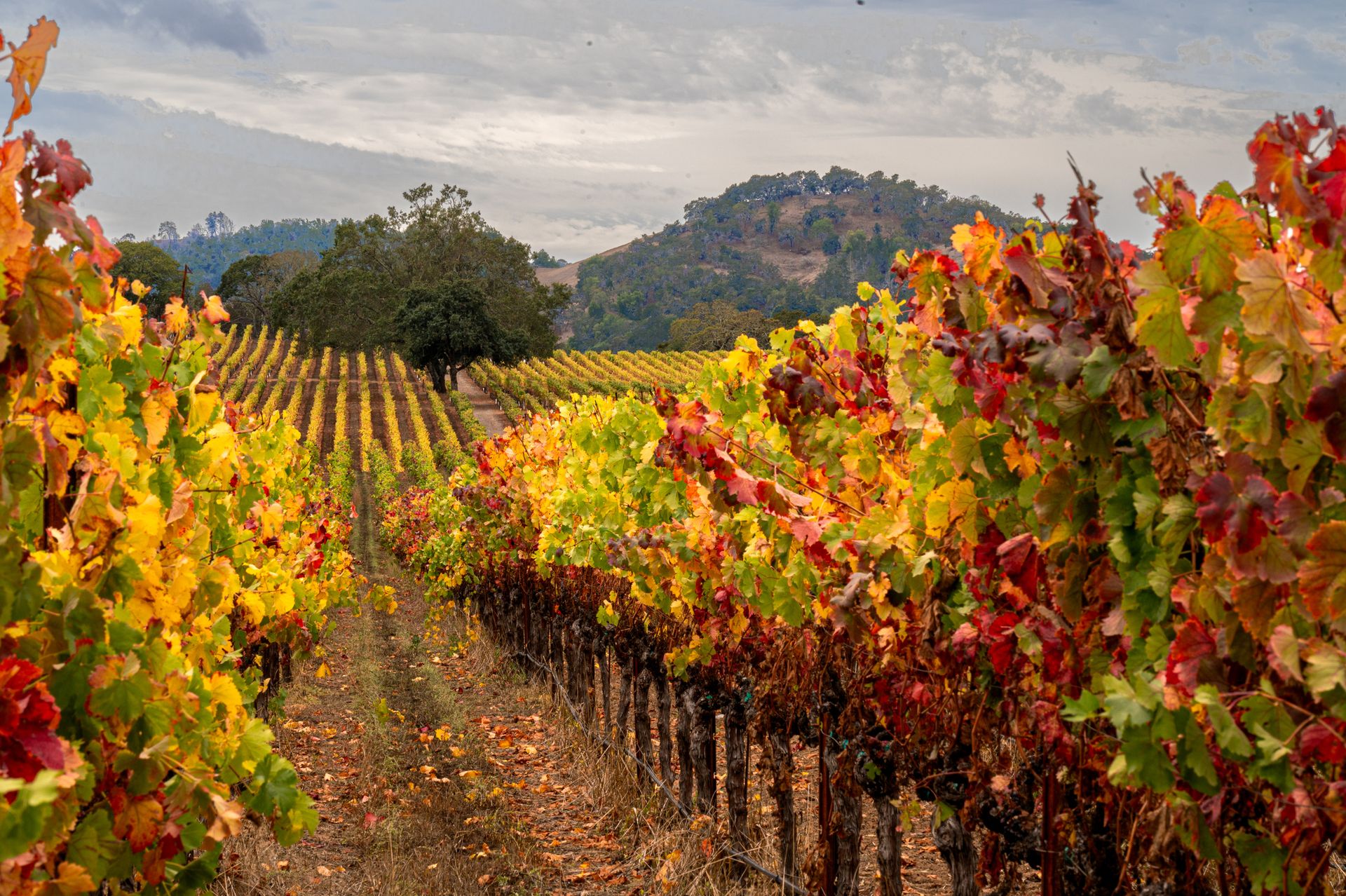
Sonoma Valley draws fewer visitors than neighboring Napa Valley and, as a result, offers a wine travel experience that feels less commercial and more directly connected to the vineyards themselves. The landscape and quality of the wine production match Napa’s, and the lower profile means shorter queues, more accessible tastings, and a more relaxed atmosphere at many of the region’s wineries. Travelers $TRV who have found Napa’s popularity a barrier to the intimate wine country experience they wanted will find Sonoma a compelling alternative.
Guided bike tours give travelers a way to move through the wine country at a pace that allows genuine engagement with the scenery. The wineries of Sonoma are close enough together that cycling between them is practical, and the physical movement through the landscape gives the countryside a more immediate presence than viewing it from a car window. Gundlach Bundschu and Jacuzzi Family Vineyards are two specific tasting destinations the source identifies as worth visiting, each with its own character and approach to the region’s varietals.
Sonoma’s wine identity centers on three grapes: pinot noir, zinfandel, and chardonnay. The cool marine influence from the Pacific Ocean to the west shapes the region’s climate in ways that particularly benefit pinot noir, a grape that struggles in warmer environments and thrives in the temperature moderation that Sonoma’s geography provides. The wine region sits within a broader California culinary culture, and the area’s restaurants and hotels reflect that context: top-tier food accompanies the wine at every level of the market, from casual farm-to-table dining to formal destination restaurants. Travelers who care as much about the food as the wine will find Sonoma one of the more complete wine vacation destinations on this list. The guided bike tour format also gives the destination direct physical engagement with the landscape, setting it apart from the wine-region-by-car model most other destinations on this list follow.
3 / 10
3. Bordeaux directs 85% of production toward red wine
Anton Petrus / Getty Images
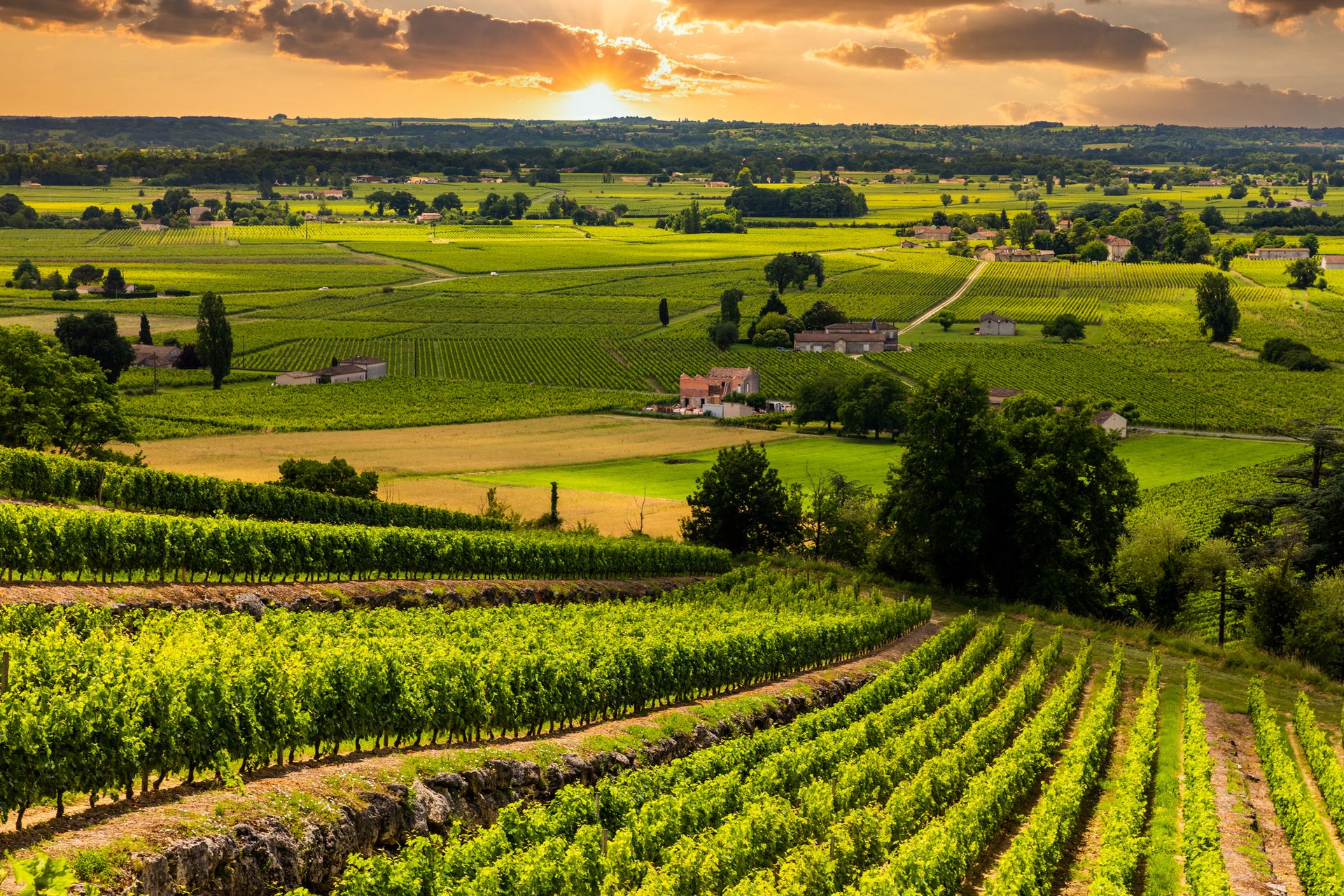
Bordeaux produces more than 85% of its wine as red, a proportion that reflects the region’s deep historical and commercial commitment to the grape varieties that have defined its reputation for centuries. The cabernet sauvignon and merlot grown on opposite banks of the Gironde estuary produce wines with distinct personalities, and the blended versions that combine both grapes represent one of wine’s most studied and debated traditions. Traveling to Bordeaux allows wine enthusiasts to drink these wines in the city and region that set the international standards wine professionals apply.
The Cité du Vin, Bordeaux’s dedicated wine museum, offers a cultural immersion in wine history and production that goes beyond what a winery visit provides. The building itself is an architectural landmark, and the museum’s exhibitions trace the global history of wine as a cultural object, not solely Bordeaux’s local production. For visitors who want to understand the broader context of what they are drinking, the museum serves as a starting point before the estate visits begin.
The region’s famous chateaus provide the other major pillar of the wine travel experience in Bordeaux. Château La Dominique, Château Mouton Rothschild, and Château Pape Clément represent different styles and histories within the Bordeaux estate tradition, and touring them gives travelers access to the production facilities and grounds that the bottles’ labels represent. Bordeaux also supports a significant Michelin-starred restaurant scene, including Gordon Ramsay’s Le Pressoir d’Argent, where the wine culture translates into food pairings at the highest level of French cuisine. World-class wine production, a major cultural museum, historic estates, and top-tier dining make Bordeaux one of the most complete single-city wine destinations on this list. Travelers $TRV who want to drink the wines that defined the world’s red wine vocabulary in the city that created that vocabulary will find no other destination on this list better calibrated to that aspiration.
4 / 10
4. Napa Valley serves 40 wines aboard a scenic valley train
Emily Kent Photography / Getty Images
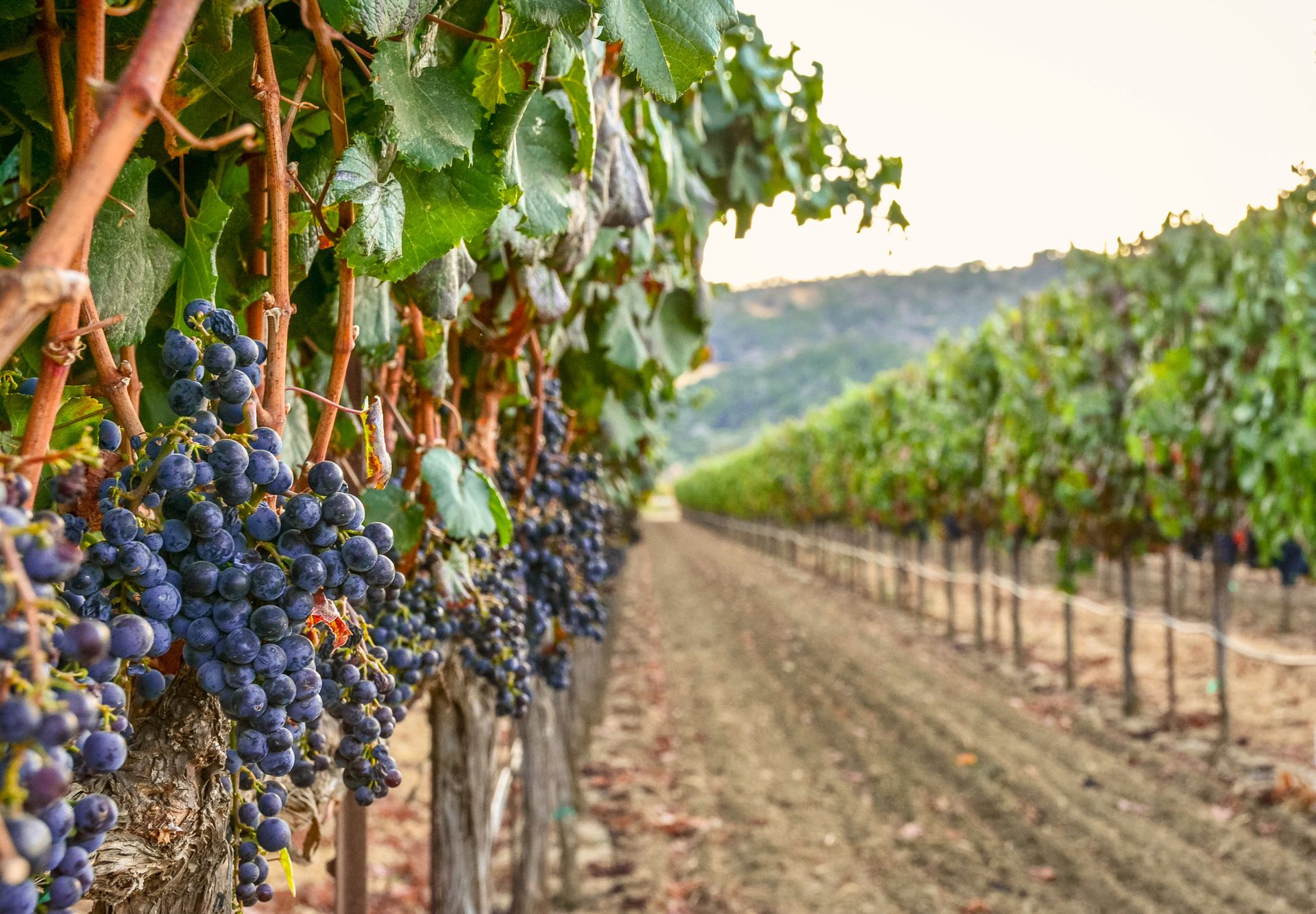
The Napa Valley Wine Train offers a wine-drinking and dining experience that no other region on this list replicates: a scenic rail journey through vine-covered hillsides with a wine list of approximately 40 selections, including cabernet sauvignon, the valley’s signature varietal. The train stops at select wineries during the excursion, giving passengers on board access to wine alongside the option to step off and explore specific estates. The format suits travelers who want to cover significant valley geography without the logistics of self-guided driving between tasting appointments.
Napa Valley sits approximately 60 miles north of San Francisco, placing it within easy reach of one of the West Coast’s major travel hubs. The valley’s terrain includes cozy caverns, scenic vineyard-covered hillsides, and more than three dozen grape varieties across its various sub-appellations and microclimates. The geographic breadth of what the valley grows gives wine-focused travelers a reason to explore beyond the most famous Cabernet Sauvignon estates and investigate the other varietals that the valley’s diverse growing conditions support.
Frog’s Leap and O’Brien Estate represent the more intimate end of the Napa experience, offering visits that the source describes as especially personal relative to the larger, more visitor-heavy operations that dominate the valley’s most trafficked wine road. A sunrise hot-air balloon ride over the valley provides a perspective on the vineyard landscape that ground-level exploration cannot offer. The view from above reveals how the vineyards relate to the hills, the fog, and the patterns of the valley floor, contextualizing the geography of where the wine comes from. The Wine Train, intimate estate experiences, and aerial perspectives together offer Napa a range of wine travel formats that most other destinations on this list cannot match. The valley’s proximity to San Francisco also makes it one of the most logistically accessible wine regions on this list for travelers arriving from major international airports.
5 / 10
5. Loire Valley crosses France’s third-largest wine region
Allard Schager / Getty Images
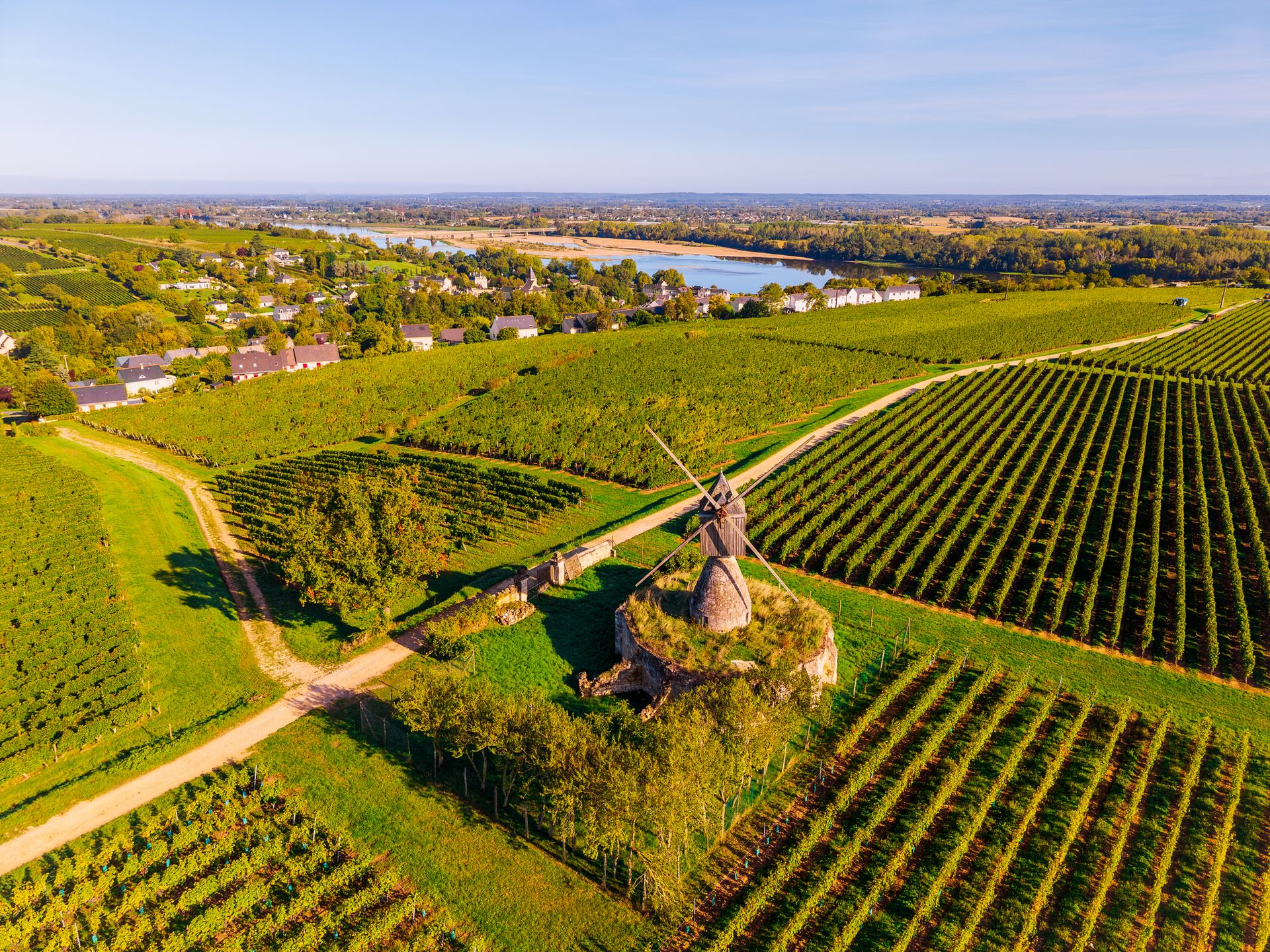
The Loire Valley constitutes France’s third-largest wine region, a scale that gives it more geographic and stylistic breadth than destinations that concentrate on a single dominant grape. The Loire River travels through the region past vineyards that produce sweet muscadets, crisp sauvignon blancs, and smoky cabernets, three stylistically distinct wine types that give the Loire a versatility most single-varietal regions cannot claim. Travelers $TRV can build an itinerary around exploring the stylistic range of the Loire’s production, moving from dry whites in one sub-region to lighter reds in another without leaving the river corridor.
Château de Chenonceau, one of France’s most famous Renaissance châteaux, houses a historic wine cellar where visitors can taste wines in an architectural setting of exceptional beauty. The château spans the Cher River on a series of arches, and the wine tasting beneath it connects the pleasure of the glass to five centuries of French history in a way that standard winery visits do not. Maison Ackerman’s troglodyte caves, carved into the tuffeau rock that underlies much of the Loire Valley, offer a different sensory experience: sparkling wines served in an underground setting carved from the same stone as the region’s castles.
The Loire Valley Wine Route gives independent travelers a structured way to explore the region’s vineyards at their own pace. The route provides an overview of the region’s most significant wine areas without requiring a guide or a predetermined itinerary. Extraordinary château architecture, troglodyte cellar experiences, and a wine route spanning the full breadth of France’s third-largest region make the Loire Valley a destination for travelers who want scenery, history, and wine in equal measure. The Loire’s muscadet, sauvignon blanc, and cabernet styles give the region a breadth of white and red wine styles that single-varietal regions cannot match, and the availability of à la carte tastings at Château de Chenonceau means travelers can visit without committing to a fixed package.
6 / 10
6. Burgundy earned UNESCO World Heritage recognition in 2015
Francesco Riccardo Iacomino / Getty Images
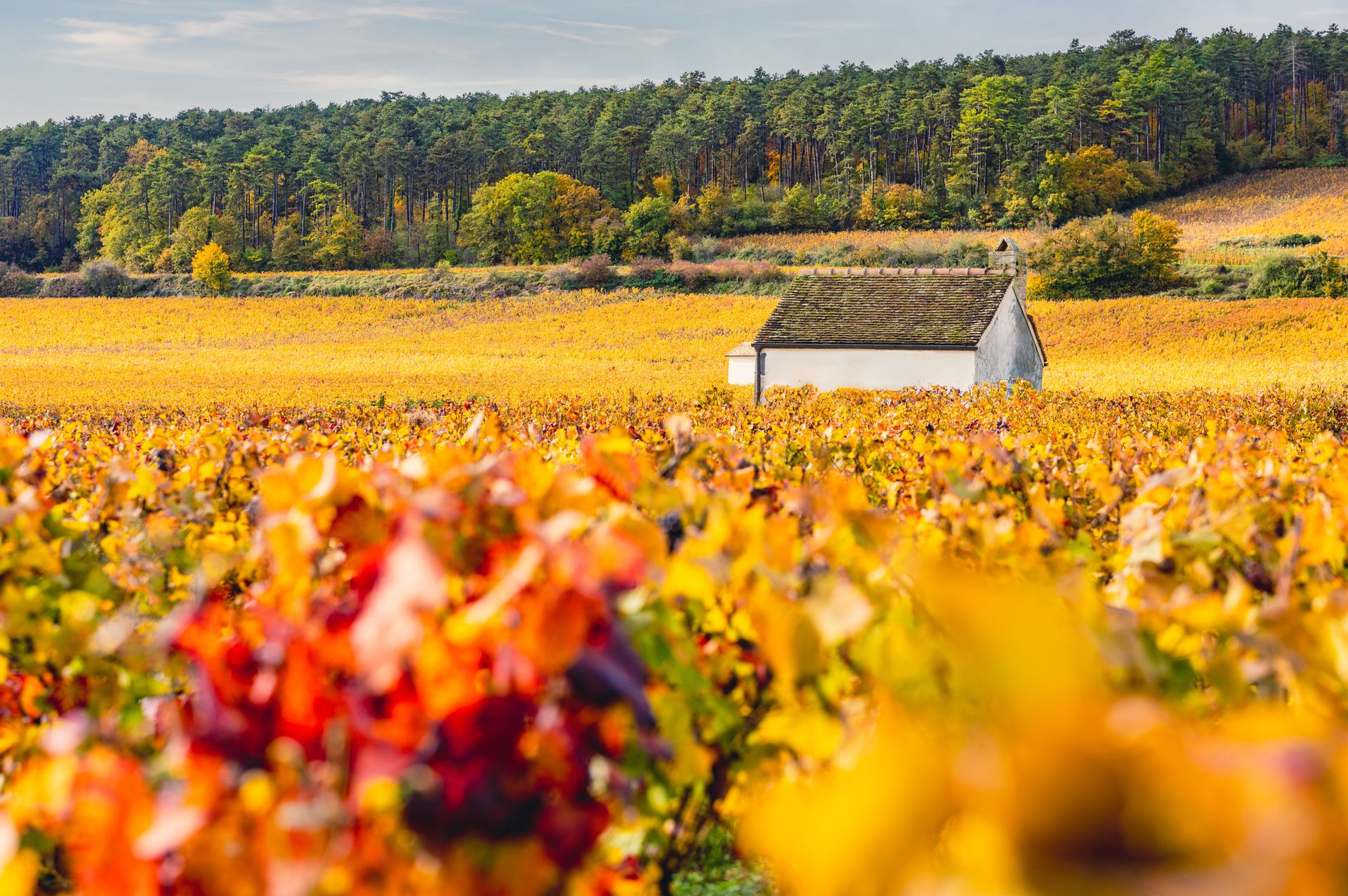
Burgundy received UNESCO World Heritage designation in 2015 for its centuries-old vineyard system, a recognition that acknowledges the cultural and historical significance of the region’s wine-making tradition alongside its agricultural output. The vineyards and medieval villages that spread across Burgundy’s countryside represent a landscape that has developed its current character over many centuries, and UNESCO status gives the region formal international recognition of what wine travelers have known for generations. Pinot noir and chardonnay, the two grapes most closely identified with Burgundy, define the regional wine identity across a spectrum of expressions from village-level wines to the most prestigious grand cru vineyards.
Michelin-starred restaurants operate throughout Burgundy, providing food pairings that draw on the same culinary tradition that evolved alongside the region’s wine production. The availability of high-level dining in a rural French setting gives Burgundy a gastronomic dimension that reinforces the wine culture without requiring a trip to a major city. Travelers $TRV who want to eat and drink at the same level of quality in the same rural landscape will find Burgundy one of the most consistently rewarding destinations on this list for that specific kind of experience.
The Grands Crus de Bourgogne Wine Route gives travelers a navigable entry point into a region whose breadth of producers, villages, and classifications can overwhelm first-time visitors. The route traces the most prestigious vineyards in the region, providing a geographic and historical framework that makes the experience of exploring Burgundy more coherent than a purely self-directed approach would. UNESCO-recognized landscapes, Michelin-starred cuisine, the world’s most famous pinot noir and chardonnay production, and a clearly delineated wine route together make Burgundy one of the most complete wine travel destinations in the world. The Grands Crus de Bourgogne Wine Route’s structure means that even a first-time visitor can navigate the region’s most prestigious vineyards without requiring deep prior knowledge of the classification system.
7 / 10
7. Willamette Valley has 700 wineries over 150 miles
Bobbushphoto / Getty Images
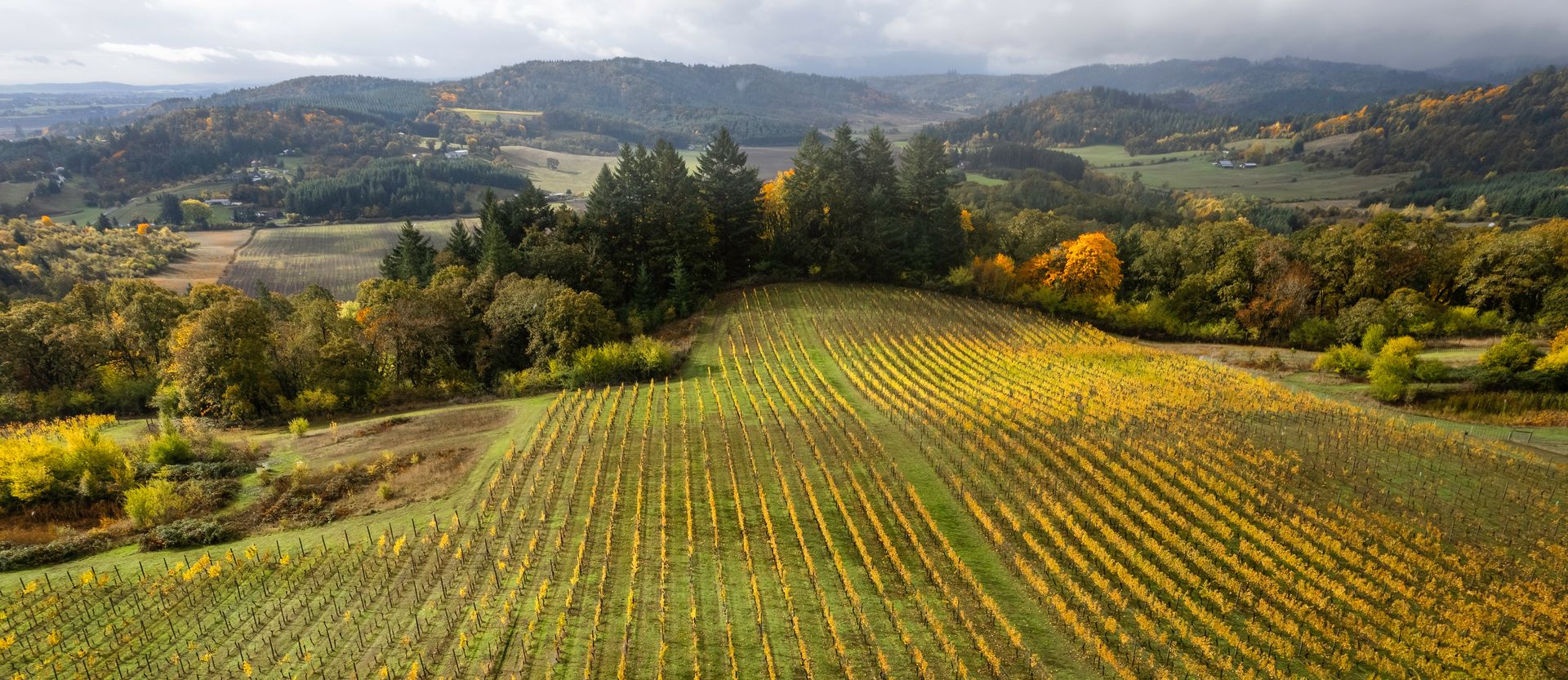
The Willamette Valley stretches approximately 150 miles between Portland and Eugene in Oregon, and its roughly 700 wineries make it one of the most densely concentrated wine regions on this list. The valley is recognized as one of the world’s premier pinot noir-producing areas, a designation it has earned through the cool climate, volcanic soils, and growing conditions provided by the region’s geography and latitude. The international reputation of Willamette Pinot Noir draws wine travelers from outside the Pacific Northwest who want to drink the varietal at its geographic source.
The range of winery types within the valley gives the destination broad appeal across different kinds of wine travelers. Brooks Wine and Stoller Family Estate operate with an emphasis on family-friendly accessibility, making them workable destinations for visitors who want to bring children or who prefer a relaxed, low-formality tasting environment. King Estate Winery and Domaine Serene represent the more formal and architecturally ambitious end of the market, offering a wine estate experience with the physical grandeur of significant investment in buildings and grounds. The diversity within a single 150-mile corridor means that a multi-day itinerary can move between very different winery personalities without covering significant distance.
Travelers $TRV based in Portland can access the Willamette Valley through organized tours that provide transportation, eliminating the logistical challenge of self-guided tastings across multiple wineries when driving is the primary option. The proximity to Portland gives the wine region an urban base with an airport, a range of accommodations, and a strong food culture, making the overall trip structure more flexible than it would be for a remote rural wine destination. The valley’s concentration of world-class pinot noir production within easy reach of a major city makes it the most accessible premium wine destination on the West Coast for travelers arriving from outside the region. The range of winery styles within the 150-mile corridor — from the family-friendly Brooks Wine to the architecturally ambitious Domaine Serene — means a multi-day Willamette itinerary can cover genuinely different experiences without repetition.
8 / 10
8. Porto anchors the world’s premier port wine culture
Francesco Riccardo Iacomino / Getty Images
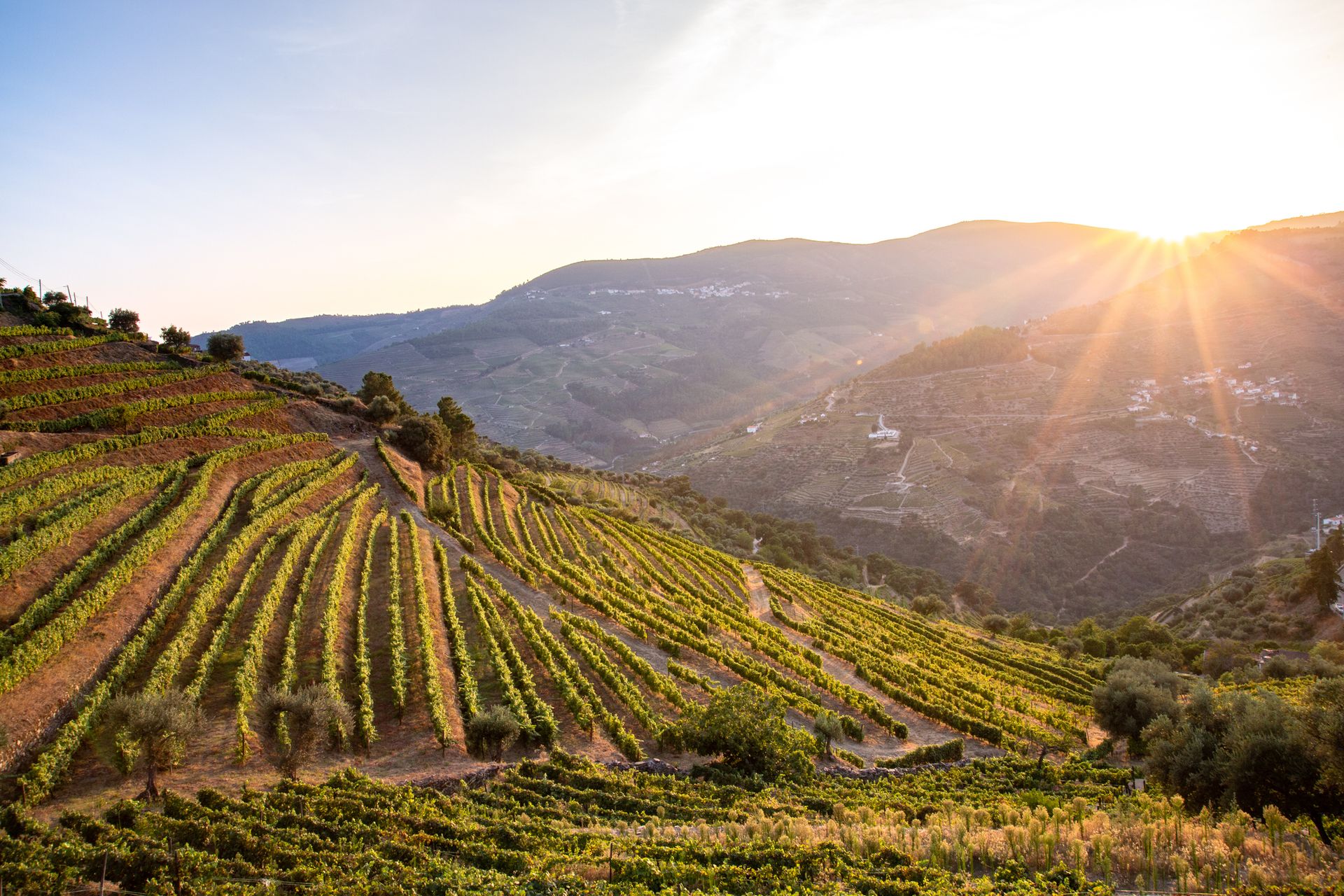
Porto sits on Portugal’s northwestern coast as the home city of port wine, one of the world’s most recognizable fortified wines, and a product so tied to this city that it carries the city’s name. No visit to Porto is complete without tasting the region’s port, and the range of port styles available — tawny, ruby, white, and vintage among them — gives dedicated wine travelers enough variation to explore across several visits without exhausting what the category offers. Port wine is the anchor of the travel experience here, and the city has built a significant tourism infrastructure around it that makes it easy to drink and understand in depth.
Graham’s 1890 Lodge offers cellar tours that give visitors access to the production facilities where some of the world’s most prestigious ports age in wood. Touring the cellars connects the experience of drinking port to the physical reality of the barrels, the humidity, and the production process in a way that drinking it elsewhere cannot. Caves Calém, a port wine lodge across the Douro River in the Vila Nova de Gaia neighborhood, pairs the cellar experience with live fado performances, the Portuguese musical tradition of melancholic songs that has UNESCO Intangible Cultural Heritage status. Drinking tawny port while listening to fado in a riverside cave delivers the kind of place-specific experience that wine travel at its best provides.
Espaço Porto Cruz, described as a grand port emporium and multimedia center, gives visitors an educational and experiential engagement with port wine that extends beyond the tasting room. The Port Wine Museum provides historical context for the wine and the trade that carried it around the world. Porto’s full wine travel offering — the cellar tours, the fado concerts, the multimedia center, and the museum — makes it the most culturally dense single-city wine experience on this list, concentrated along a compact stretch of Douro riverfront.
9 / 10
9. Cape Town stands in South Africa’s oldest wine valley
Rocky89 / Getty Images
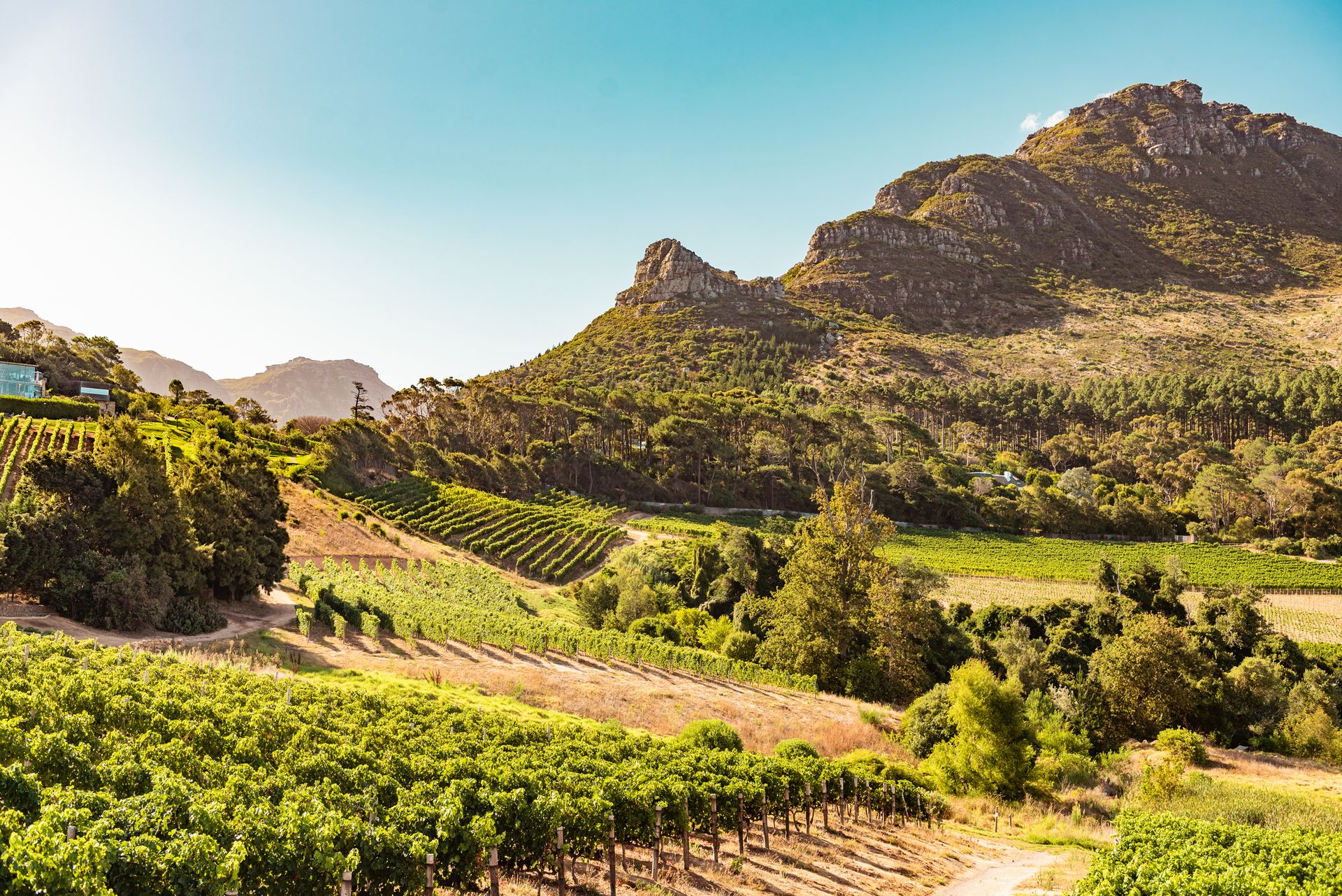
Constantia Valley, a short distance south of Cape Town, holds the distinction of being the oldest wine-making region in the Southern Hemisphere, a historical fact that gives the destination a depth of tradition extending back to the 17th century. Groot Constantia, South Africa’s oldest wine farm, sits at the heart of this history and offers visitors a direct encounter with the vineyards and estate buildings that underpin the region’s wine heritage. The estate’s age, its physical setting against the slopes of the Cape Peninsula, and the sparkling wines it produces together give Groot Constantia a visit quality that newer wineries cannot replicate.
Stellenbosch and Franschhoek, located farther inland from Cape Town, represent the two most visited wine destinations in the broader Western Cape region. Stellenbosch’s Spier Wine Farm holds a strong reputation within the South African wine community, offering a full estate experience that includes the vineyards, the winery, and the hospitality infrastructure that the farm has developed over its history. Franschhoek, settled by French Huguenot refugees in the 17th century and still bearing French architectural influence, hosts the Franschhoek Wine Tram, a hop-on, hop-off tram service that connects the valley’s wineries, simplifying self-guided visiting.
The Cape Town wine region offers travelers the chance to combine world-class wine tasting with scenery that includes Table Mountain, the Cape Peninsula, and the Western Cape landscape, making it one of the most photographed regions in Africa. Sipping sparkling wine while looking at Table Mountain provides the kind of visually dramatic context that few wine destinations anywhere can match. The accessibility of Constantia Valley from the city, combined with day-trip options to Stellenbosch and Franschhoek, gives Cape Town a wine-travel radius that rivals any other city on this list for geographic diversity within reach of a single urban base. The Franschhoek Wine Tram’s hop-on, hop-off format offers travelers a rare logistical convenience in a wine region: the ability to drink freely at multiple stops without having to manage a vehicle.
10 / 10
10. Finger Lakes outpaces all other New York wine regions
arlutz73 / Getty Images
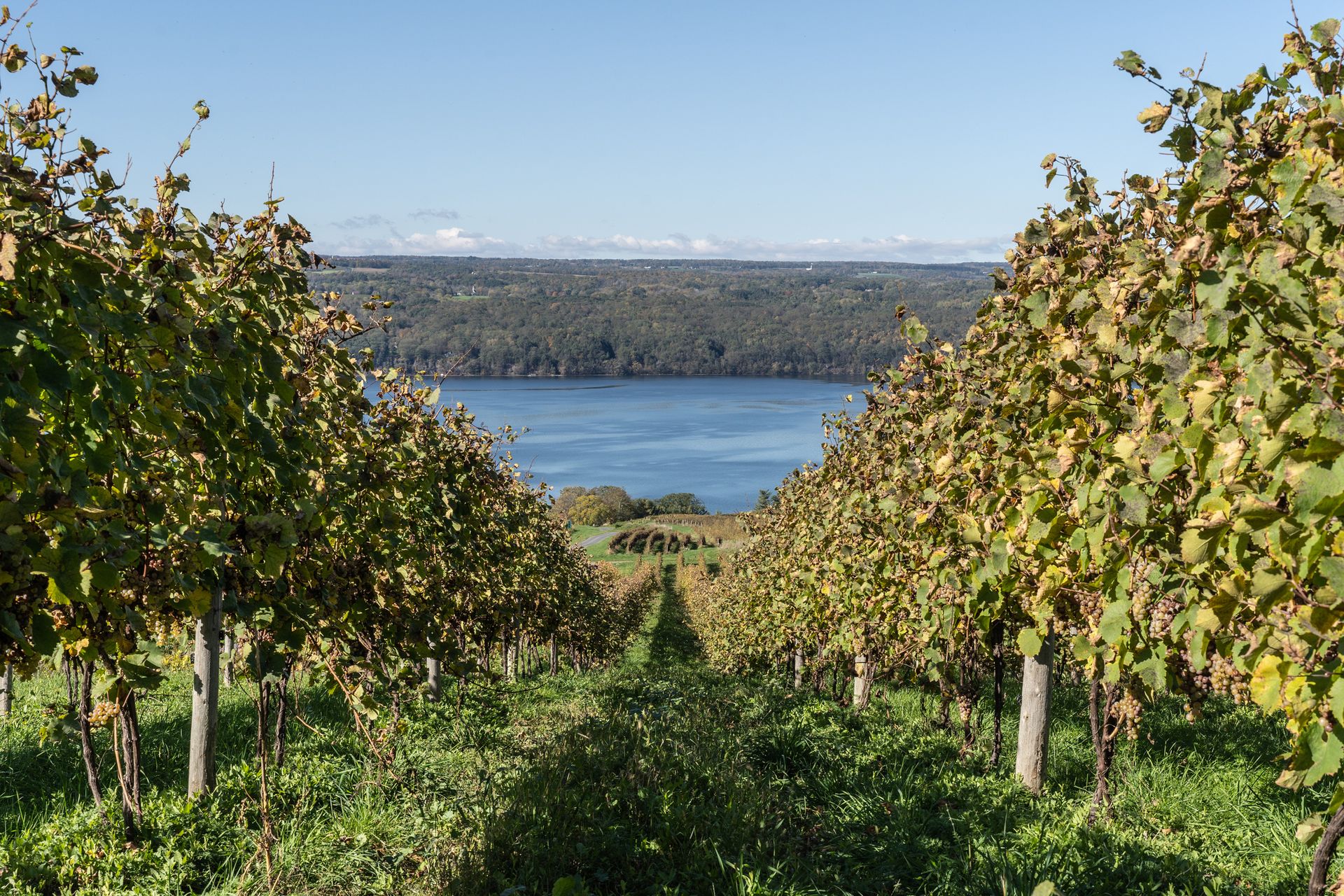
The Finger Lakes region in upstate New York produces more wine than any other area in the state, and the landscape of long, narrow glacial lakes surrounded by vineyard-covered hillsides gives the destination a physical character distinctive among American wine regions. The lakes moderate temperatures across the growing season, creating the cool-climate conditions that the region’s signature grape, Riesling, needs to develop the acidity and aromatic complexity that makes Finger Lakes Riesling internationally competitive. The Riesling produced here has attracted attention from wine critics who evaluate the varietal globally, giving the region a credibility that extends beyond its domestic reputation.
First-time visitors to the Finger Lakes will find the highest concentration of wineries clustered around Cayuga, Keuka, Canandaigua, and Seneca lakes, providing four geographic targets that organize the regional exploration into manageable segments. The lakes vary in size and character, and the wineries along each offer a slightly different experience of the same regional wine culture. Visitors who want to sample beyond Riesling can seek out gewürztraminer, a full-bodied aromatic white that the source identifies as another regional specialty, one that the cool Finger Lakes climate suits well.
Dr. Konstantin Frank Winery and Fox Run Vineyards represent two specific tasting destinations that the source recommends among the many producers operating in the region. Dr. Konstantin Frank’s legacy runs through the region’s history: he was an early champion of European vinifera grape varieties in a region where many growers had assumed only native American varieties could survive the winters. The winery carries that history alongside its current production. Fox Run Vineyards operates on Seneca Lake, one of the deepest and thermally most stable of the Finger Lakes, where the lake’s moderating effect on the surrounding climate gives the vineyard growing conditions that support quality across a range of varietals. The Finger Lakes’ position as New York’s largest wine-producing region also gives it the producer diversity that a region of its scale naturally develops, with more than enough winery variety to fill a multi-day visit.