From Clearwater's white Gulf sand and free nightly sunset parties to Curaçao's UNESCO colonial harbor
Rachid Oucharia / Unsplash
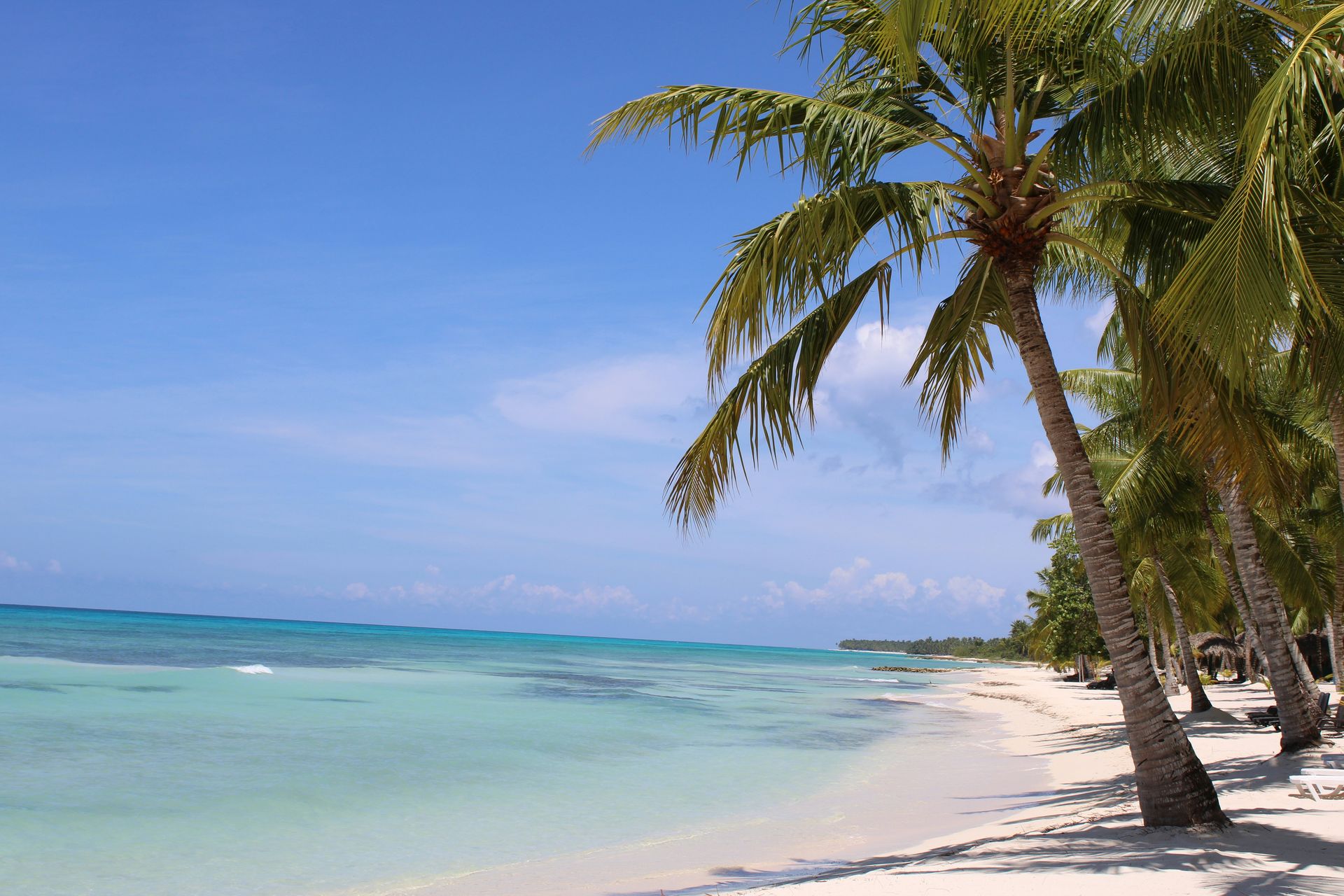
The world’s best beach destinations don’t all require a luxury budget. From the Gulf of Mexico to the Caribbean to the Pacific Coast, genuinely beautiful stretches of sand are accessible to travelers willing to do a little planning around pricing. The difference between an affordable beach vacation and an expensive one often comes down to destination choice, timing, and accommodation type, not any sacrifice in scenery or experience.
This list spans a range of destination types: some are domestic options where budget lodging is within easy reach of excellent public beaches; others are Caribbean and Mexican destinations where all-inclusive resorts drive prices down through competition; and a few are overlooked spots that sit in the shadow of more famous and more expensive neighbors. Every destination here offers genuine beach quality alongside meaningful savings opportunities.
The 10 destinations below come from U.S. News & World Report, selected for beautiful scenery, budget-friendly amenities, and accessible activities. The list mixes domestic U.S. options where budget lodging sits close to excellent public beaches, Caribbean and Mexican destinations where all-inclusive competition drives prices down, and a few overlooked spots that benefit from proximity to more expensive neighbors without sharing their price tags. Room rates and activity costs vary by season and availability at all destinations. The most consistent savings come from avoiding peak holiday weekends and summer school-break periods, which drive prices up at every destination on this list. Most of the destinations here also benefit from proximity effects: being near a famous and expensive neighbor often means sharing that neighbor’s beach quality and access infrastructure without sharing its accommodation costs. Clearwater sits near Tampa, Lauderdale-by-the-Sea near Fort Lauderdale, and Loreto near Cabo San Lucas. In every case, the lesser-known destination captures most of the appeal at a fraction of the cost.
Edgar Serrano / Unsplash
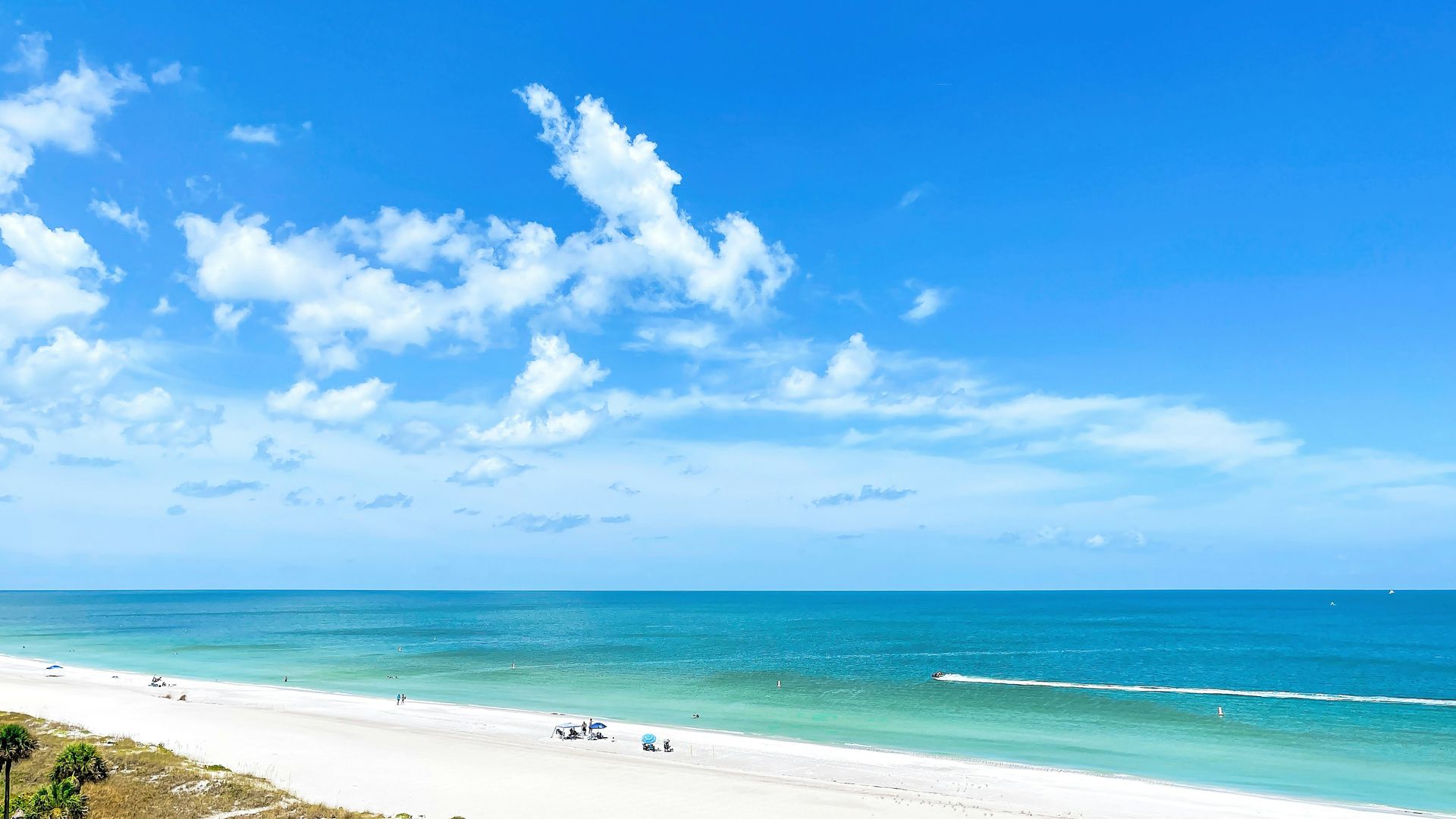
Clearwater Beach sits on a barrier island about 25 miles west of Tampa, overlooking both the Gulf of Mexico and Clearwater Bay, and it delivers the white quartz sand and calm Gulf water that make Florida beach trips worth taking without the price tags attached to Miami or Sanibel Island. The variety of bayfront motels and mid-range resorts keeps accommodation options accessible across a wider budget range than most comparable Florida beaches.
The money-saving infrastructure here is genuinely useful. The Clearwater Jolley Trolley and Clearwater Ferry provide low-cost public transportation that doubles as casual sightseeing. Pier 60 hosts free nightly sunset celebration parties on the beach, providing a consistent free anchor for the evening program. Travelers $TRV covering multiple attractions should look at the Tampa Bay CityPASS, which bundles entry to the Clearwater Marine Aquarium, the Florida Aquarium, and several other nearby venues at a discount that adds up meaningfully across a multi-day visit.
Beach quality is strong enough that the cost advantages don’t feel like a trade-off. The quartz sand is soft, the Gulf water stays calm and warm well into fall, and the views across the bay have attracted generations of Florida families who return year after year. For first-time Florida visitors trying to calibrate which destination offers the best value, Clearwater Beach consistently makes the short list. The beach stretches for nearly three miles along the Gulf side of the island, and its sand quality and calm shallow water make it particularly well-suited for families with young children. Parking along the beach can fill quickly on summer weekends, but arriving early or using the Jolley Trolley from mainland parking removes that friction entirely. The Clearwater Marine Aquarium, home to the dolphin Winter who inspired the Dolphin Tale films, is one of the area’s most distinctive paid attractions and one of the stops covered by the Tampa Bay CityPASS bundle. The aquarium’s marine rescue mission adds a conservation education component that distinguishes it from standard aquarium experiences.
Walter Alejandro / Unsplash
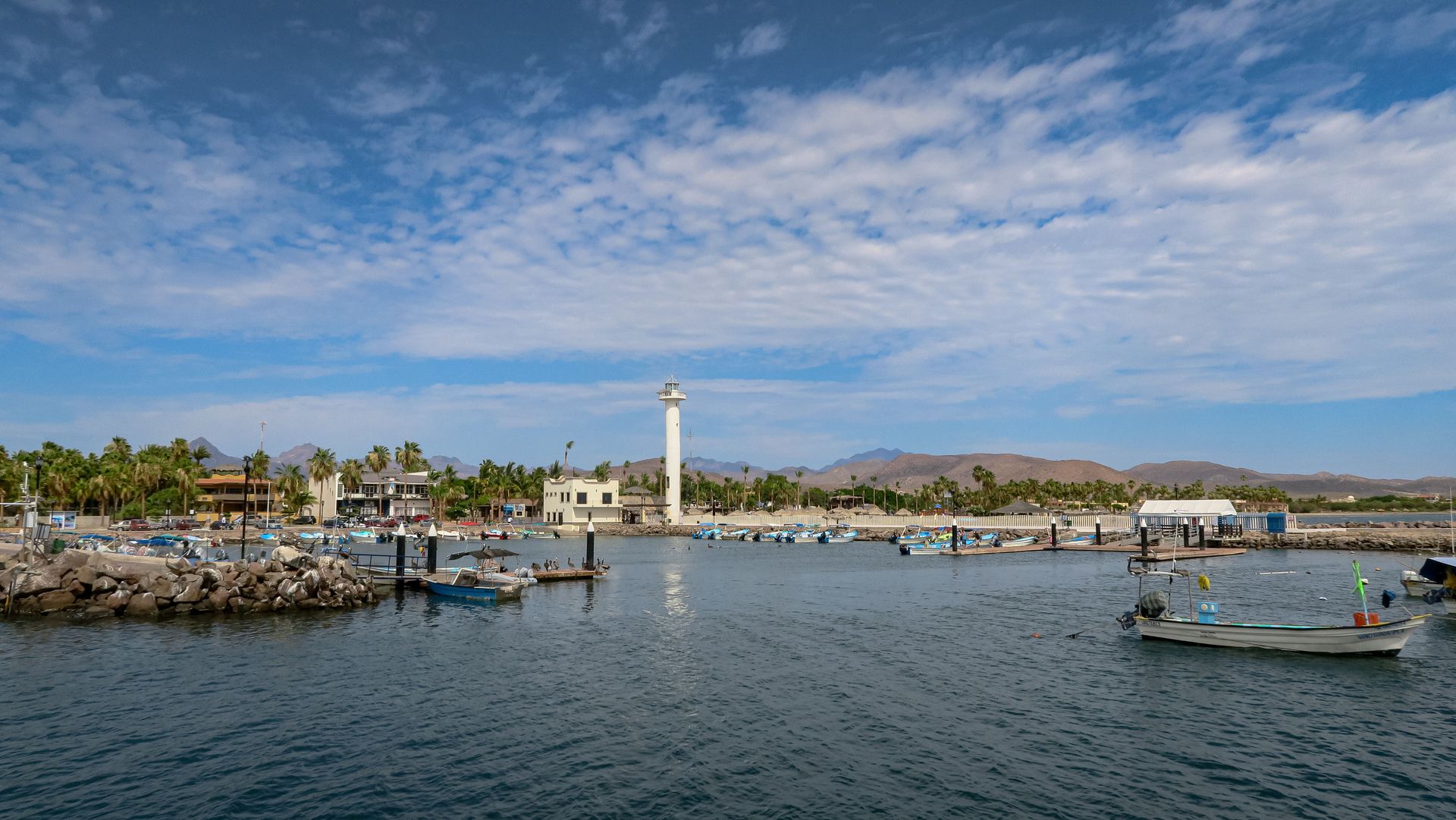
Loreto sits on Mexico’s Baja California Peninsula along the Gulf of California, and its outdoor activity, cultural history, and relative obscurity compared to Cabo San Lucas make it one of the more rewarding budget beach destinations in Mexico for travelers willing to skip the resort corridor in favor of something more authentic. The town is genuinely charming, not manufactured for tourism, with historic missions, ancient cave paintings accessible by guided tour, and warm, picturesque water suited to snorkeling and whale watching.
The price difference from Cabo is substantial. Accommodation, food, and activities are noticeably cheaper, and the lower tourist density means the experience feels less rushed and more rewarding. Boutique properties like Hotel 1697 and Hotel Oasis offer comfortable, characterful stays without resort pricing. Days spent hiking, snorkeling, or watching gray whales during the winter migration season give the trip an activity depth that many pure beach destinations can’t match.
The Gulf of California, also known as the Sea of Cortez, offers reliably calm, warm water ideal for water sports and wildlife viewing. Loreto’s position within Parque Nacional Bahía de Loreto gives the surrounding marine area significant biodiversity, and the snorkeling and diving quality rivals destinations with far higher profiles and prices. For travelers specifically interested in combining a beach trip with serious outdoor activity, Loreto makes a compelling case that few Mexican destinations at this price point can match. The whale watching season runs roughly from December through April, when gray whales migrate along the Pacific coast and enter the protected waters of the Gulf of California to calve. Tours departing from Loreto give passengers remarkably close access to whales during this period, and the experience rivals that of far more expensive destinations. Loreto’s food scene is modest but genuine: fresh fish tacos, ceviche, and grilled seafood at waterfront restaurants deliver quality that reflects proximity to the catch, not the tourism premium that inflates prices in Cabo. Travelers $TRV who learn to eat where locals eat will find Loreto’s food costs significantly below what comparable meals would cost in any major Mexican resort town.
John Prefer / Unsplash
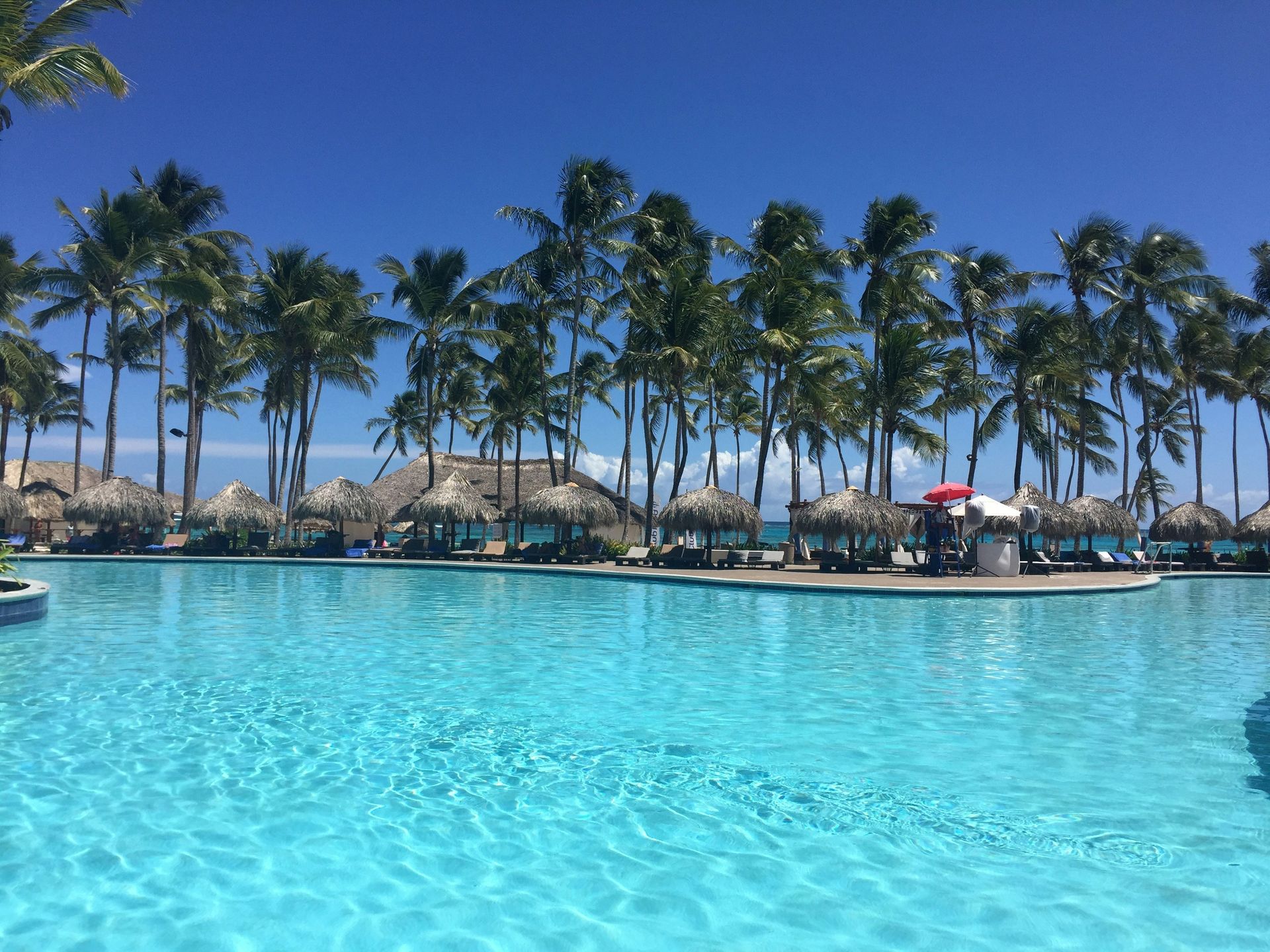
Punta Cana’s turquoise water and palm-fringed beaches consistently photograph as well as any Caribbean destination, and the concentration of all-inclusive resorts competing for the same guests drives prices down to levels that are genuinely difficult to match elsewhere in the Caribbean. Low-season deals and summer “kids stay free” offers at numerous resorts make family trips particularly affordable, and even in the peak winter season, several all-inclusive properties advertise per-night rates for two people below $200.
Occidental $OXY Punta Cana and Caribe Deluxe Princess are among the specifically cited affordable all-inclusive options, with the usual caveat that resorts farther from the beach may require a shuttle to reach the beach. The beach access trade-off is worth knowing upfront: some of the lower-priced properties compensate with excellent facilities, dining options, and activities that make the property itself the destination for much of the trip.
The beaches along the Bavaro coast, which backs most of the Punta Cana resort zone, run long and flat with calm Atlantic water. Water sports, excursions to nearby cenotes, and day trips to Saona Island are all available through resort activity desks and typically cost less than comparable excursions elsewhere in the Caribbean. For travelers whose primary goal is maximum beach quality at minimum cost, Punta Cana remains one of the most reliable options in the entire Caribbean basin. Flight access from the eastern U.S. is straightforward, with Punta Cana International Airport served by direct routes from dozens of American cities. The all-inclusive model eliminates most of the budget variability that makes other Caribbean trips difficult to plan in advance: a single upfront price covers accommodation, meals, drinks, and most activities. Excursions to nearby Saona Island, often included in package deals or available at relatively low cost through resort activity desks, add one of the Caribbean’s most photogenic day trips to an itinerary that’s already strong on beach quality. Saona’s sandbar and clear shallow water make it the kind of place that photographs better than almost any beach in the resort zone.
-1920x1081.jpg)
Wei Zeng / Unsplash
U.S. citizens don’t need a passport for Puerto Rico, and airfare from most major American cities runs significantly cheaper than to comparable Caribbean island destinations. Both factors make San Juan an unusually accessible Caribbean beach vacation for travelers who want tropical water and genuine island culture without the planning overhead of international travel. Peak winter season deals are available on stylish condos from around $100 per night, while larger amenity-packed properties like the Embassy Suites by Hilton Dorado del Mar Beach Resort offer pools, casinos, and multiple dining options at family-friendly price points.
Carolina Beach, designated with the international Blue Flag environmental certification, provides a pristine and well-managed beach close to San Juan that’s worth prioritizing over the more crowded tourist-facing strips. The beach’s certification reflects consistent water quality and environmental management standards that give swimmers and families confidence in the conditions.
Old San Juan’s walkable historic district, the El Yunque National Forest, and the island’s food culture give the trip a depth that pure beach destinations often lack. Puerto Rican cuisine, from mofongo to fresh seafood, is excellent and widely available at price points well below comparable quality in the continental U.S. For families or groups trying to combine genuine Caribbean beach quality with a manageable total trip cost, Puerto Rico is one of the strongest value arguments in the entire region. The island’s infrastructure is comparable to that of any continental U.S. destination, which removes the uncertainty around water quality, electricity reliability, and general logistics that sometimes complicate travel to other Caribbean island options. For first-time Caribbean travelers specifically, Puerto Rico offers a tropical experience with the least overall planning friction. The island’s rum distilleries, including the Bacardi facility in Cataño, accessible by a short ferry from San Juan, offer free or nominally priced tours and tastings that add a distinctly Puerto Rican cultural element to a trip that might otherwise focus primarily on the beach and the historic district.
Yansi Keim / Unsplash
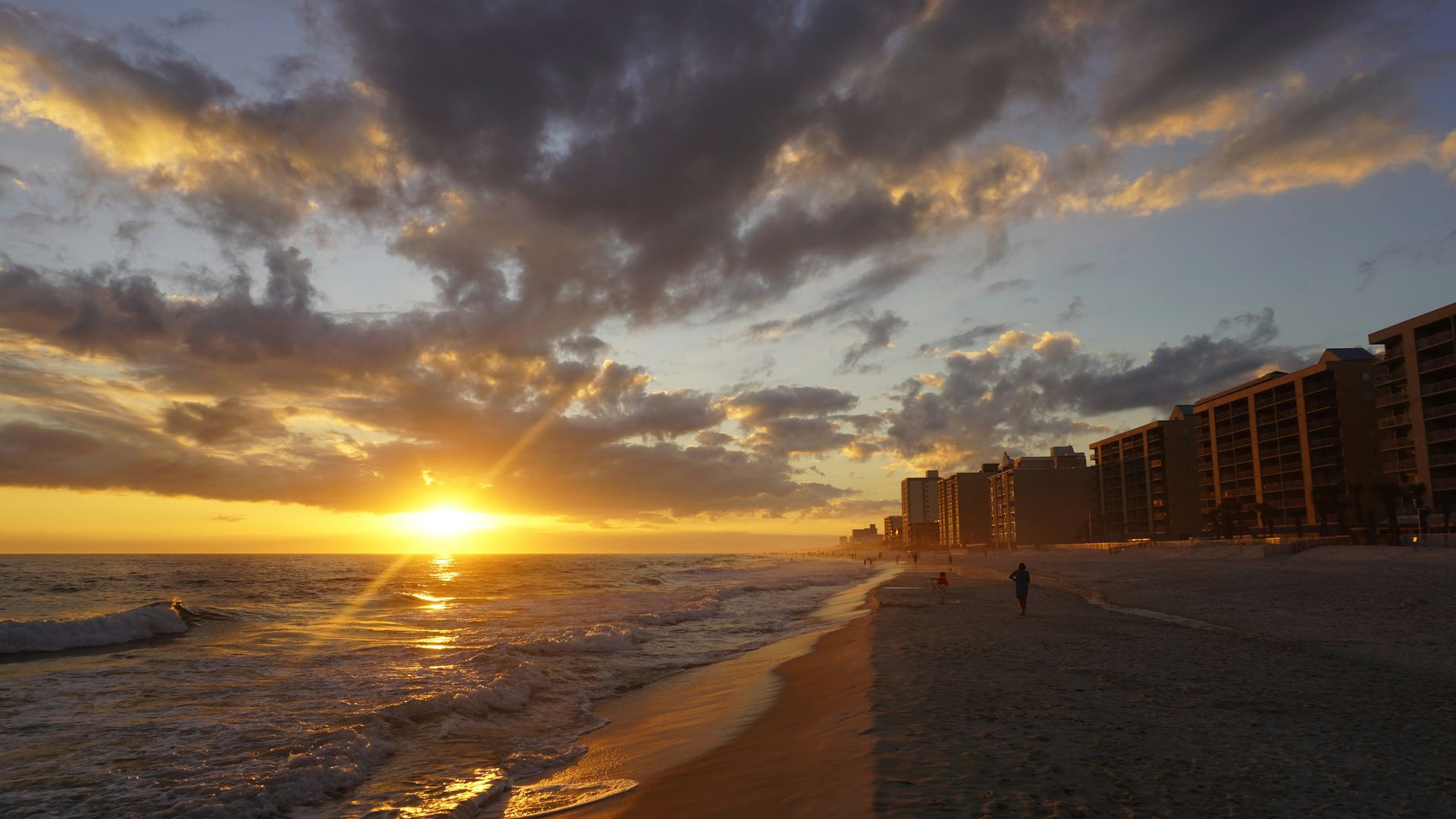
Alabama’s Gulf Coast gets significantly less attention than Florida’s, which is exactly why it belongs on a list of affordable beach vacations. Gulf Shores and Orange Beach sit on the same white sand Gulf of Mexico shoreline that defines the Florida Panhandle’s appeal, but they draw smaller crowds and lower off-season pricing. The region is a genuine outdoor destination: bird-watching, nature trail hiking, beachcombing, and kayaking the Coastal Alabama Back Bay Blueway all add depth to the trip beyond simple beach lounging.
Free and low-cost entertainment is particularly well developed here. Gulf State Park offers complimentary bike-share rentals for park exploration. The Gulf Shores Museum covers local history at no cost. The Nature Center offers wildlife education to families at no admission fee. Mini-golf and a Ferris wheel at The Wharf in Orange Beach handle the classic beach town entertainment at low cost. Seasonal lodging promotions run frequently enough that the region consistently lands on budget beach destination lists across most of the year.
The water quality along this stretch of the Gulf is excellent, with the same emerald-green clarity for which the Florida Panhandle is known. The beaches themselves are wide, and the sand is fine and white, and the lack of Florida-level tourist infrastructure actually keeps the experience more pleasant on busy days. Travelers $TRV who’ve been priced out of Destin or Panama City Beach and are looking for the same Gulf experience at a lower cost should put Gulf Shores on the list immediately. The Orange Beach area has developed a stronger restaurant scene in recent years, with fresh Gulf seafood available at waterfront spots whose prices stay in line with the destination’s overall budget positioning. Beach quality, free activities, and accessible dining together make Gulf Shores one of the most complete budget beach packages on the Gulf Coast. The annual National Shrimp Festival in Gulf Shores, held each October, draws enormous crowds for fresh Gulf seafood at reasonable prices and live music, a timing consideration for travelers who enjoy large events and one to avoid for those who prefer quieter beach access.
Yenny Wu / Unsplash
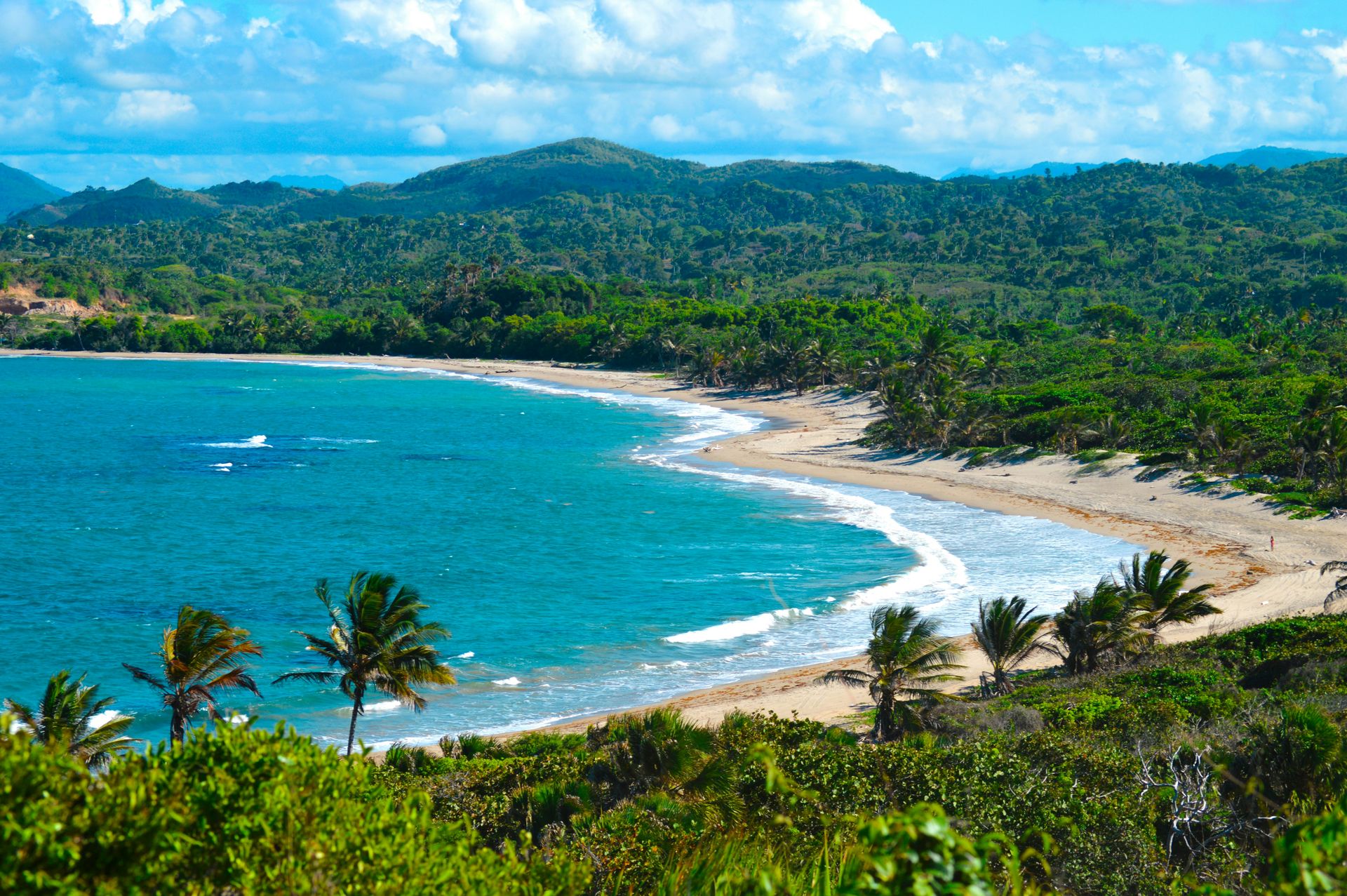
Puerto Plata on the Dominican Republic’s northern coast offers a dramatically different experience from Punta Cana: a historic port town with a windy Atlantic-facing coast that has made it a global destination for windsurfing and kitesurfing enthusiasts. The tourism infrastructure is less polished than the resort corridor in the south, which translates directly into lower prices. Guesthouses and Airbnbs with rates below $50 per night exist throughout the town, and Playa Dorada hosts a range of all-inclusive resorts covering every budget level, including the affordable BlueBay Villas Doradas.
Nearby Cabarete has built a specific identity around kitesurfing. Kite Beach is one of the sport’s most celebrated sites, drawing participants from across the world during the peak wind season, and the surrounding town has developed a lively nightlife scene that makes Cabarete worth a stop even for non-kitesurfers who want a livelier evening than Puerto Plata’s own nightlife provides.
The northern coast’s wind conditions, which make it ideal for board sports, can also make ocean swimming rougher than on the calm southern beaches, which is worth factoring into the trip plan, depending on whether active sports or leisurely beach time is the primary goal. For travelers specifically interested in kitesurfing or windsurfing, Puerto Plata and Cabarete offer some of the best access to world-class conditions at genuinely budget-level accommodation. Puerto Plata’s cable car, which ascends Pico Isabel de Torres to a summit with a Christ the Redeemer statue with views over the coast, runs at a modest cost and provides one of the most distinctive non-beach activities available at any destination on this list. The colonial center of Puerto Plata itself, with its Victorian gingerbread architecture and central fort, adds a specific historical character that the Punta Cana resort zone entirely lacks. The north coast’s February Merengue Festival draws musicians and dancers from across the country, turning Puerto Plata into one of the Caribbean’s most lively cultural destinations during that specific window. Travelers $TRV whose timing allows it will find the festival adds a genuinely memorable cultural experience to what would otherwise be primarily a beach-and-water-sports trip.
Jason Pischke / Unsplash
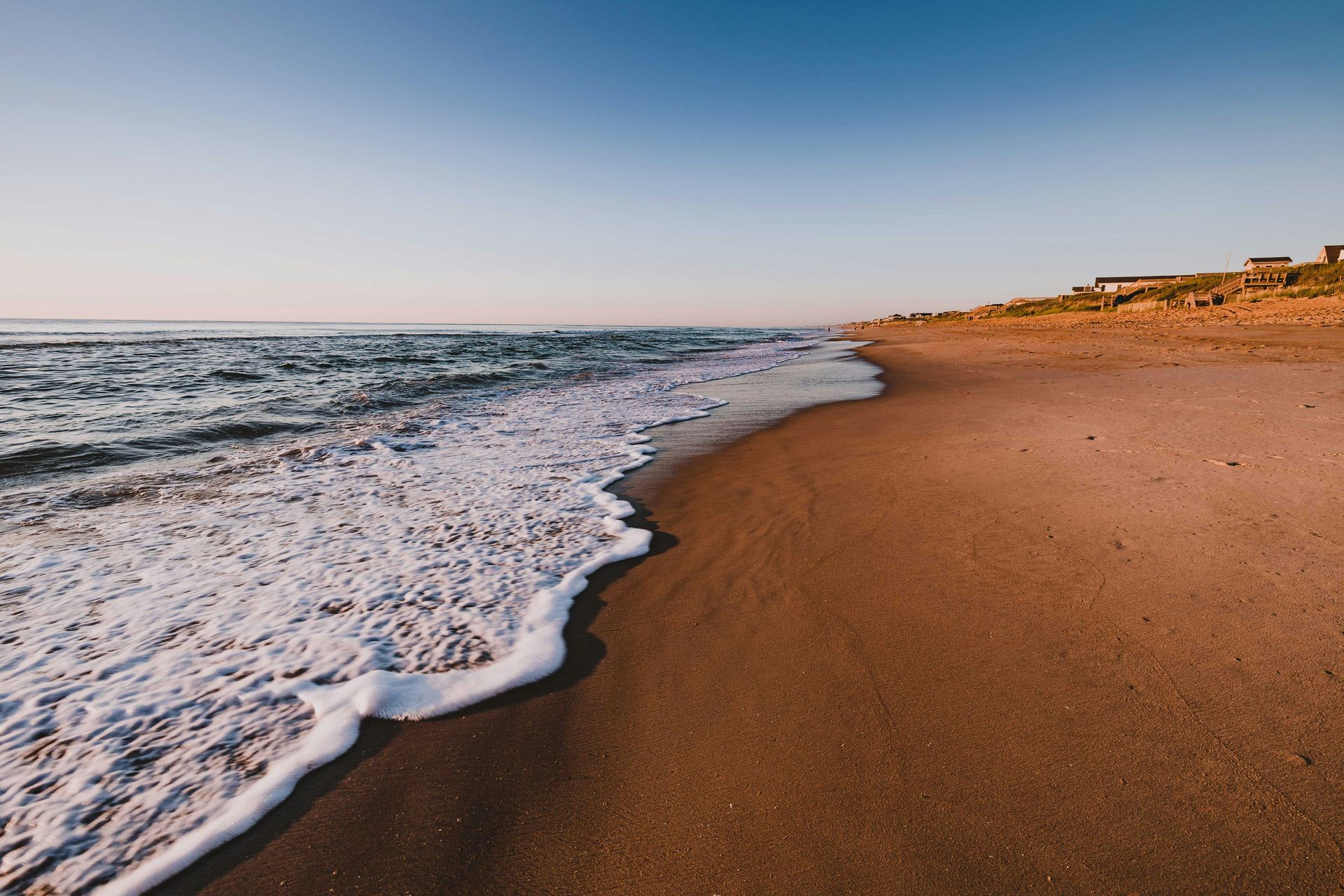
The Outer Banks is one of the more quietly underrated beach destinations on the East Coast, offering over 100 miles of actual beach along a 200-mile stretch of barrier islands without the resort pricing or crowding of comparable Florida destinations at similar latitudes. Kill Devil Hills and Kitty Hawk, where the Wright Brothers made their first successful powered flights, have popular surfing beaches alongside the Wright Brothers National Memorial. Duck’s beaches are pet-friendly. The range of accommodation types, from multibedroom vacation homes to small motels with pools, gives groups and families meaningful options for splitting costs.
The Outer Banks’ distinct character rewards travelers who want a beach experience shaped by natural features rather than resort infrastructure. The Cape Hatteras National Seashore protects long stretches of undeveloped beach that feel considerably more remote and wild than their geographic proximity to the mid-Atlantic population corridor would suggest. Wild horses roam the northern Currituck Banks in Corolla, a free wildlife encounter that’s become one of the most memorable parts of an Outer Banks trip for many visitors.
Timing matters significantly here. Summer brings crowds and higher rates, while the shoulder seasons of spring and fall offer mild weather, emptier beaches, and meaningfully lower accommodation prices. The late September and October period in particular delivers warm enough water for swimming, excellent fishing conditions, and autumn light that makes the barrier island landscape at its photographic best. The Outer Banks also has some of the strongest lighthouse photography opportunities on the East Coast, with Cape Hatteras Lighthouse and Ocracoke Lighthouse both accessible and distinctive. Cape Hatteras itself is the tallest brick lighthouse in the United States, and the climb to the top delivers views across the barrier island that make clear why this stretch of coast has captured imaginations for centuries. Ocracoke Island, accessible only by ferry and therefore somewhat more effort to reach than the northern Outer Banks communities, rewards the extra logistics with a small, quiet village and some of the most undisturbed beach on the entire East Coast seaboard, making it the strongest recommendation on the Outer Banks for travelers specifically seeking solitude over convenience.
Anand / Unsplash
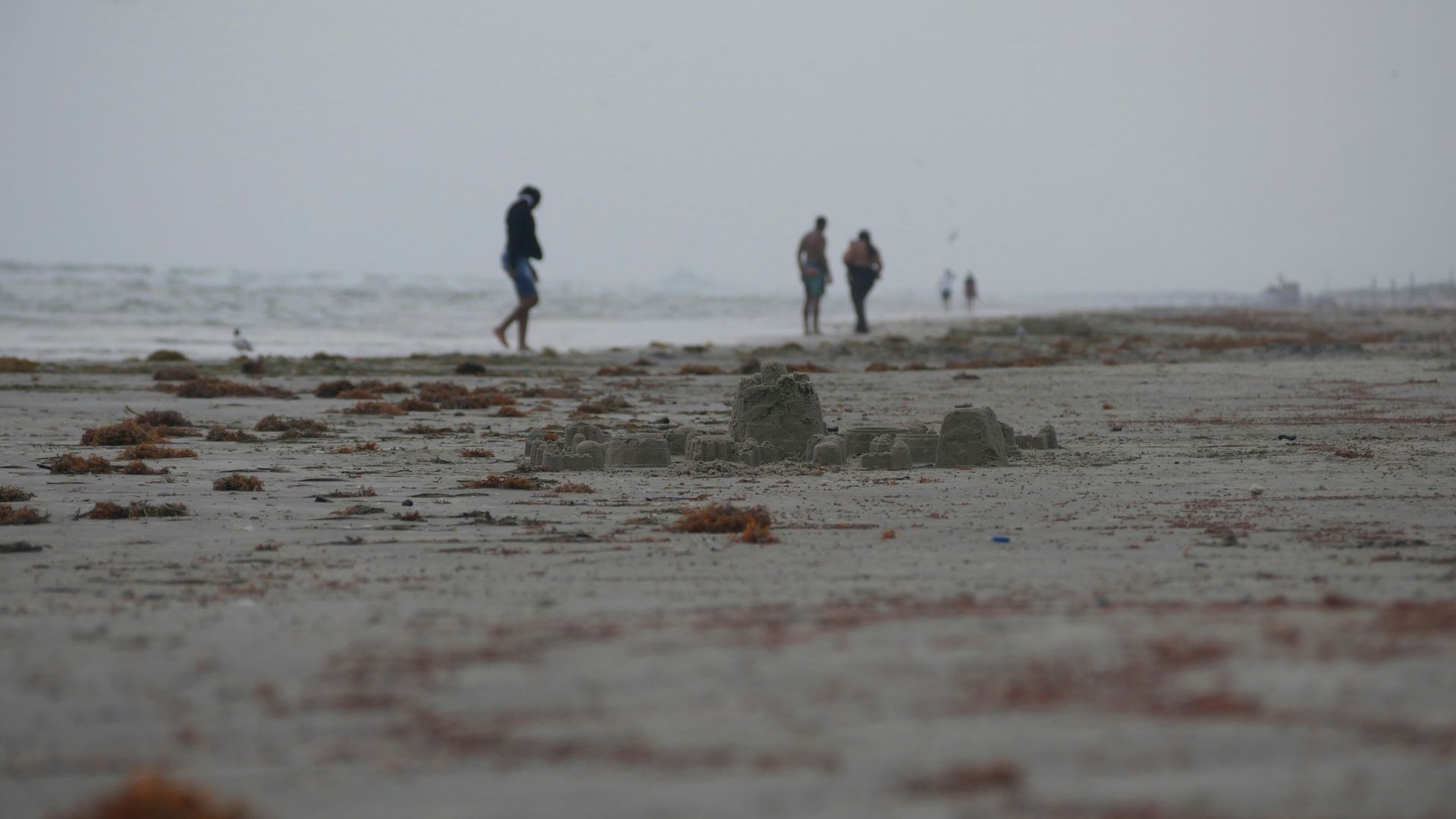
Port Aransas sits on Mustang Island, less than 40 miles east of Corpus Christi, and offers a laid-back Gulf Coast beach experience that most travelers north of Texas have never heard of. The town’s smaller scale and lower profile relative to South Padre Island and Galveston translate directly into lower accommodation prices, with quaint motels including the Tarpon Inn and Executive Keys offering discounted rates that the larger resort towns can’t match.
The activity range is broader than a small beach town might suggest. Shelling along the Gulf shoreline, fishing from the Mustang Island State Park surf, kayaking through the Intracoastal Waterway, and attending live music events at local venues all compete for a visitor’s time without requiring significant spending. Pirate-themed cruises add a family-specific entertainment option that’s become one of the town’s signature activities. The fishing culture is genuine, not tourist-performed: Port Aransas has long been a serious fishing destination, and the piers and boat charters reflect that heritage.
The Gulf water off Port Aransas stays warm enough for comfortable swimming from May through October, and the beaches on Mustang Island are wide and uncrowded relative to what the same latitude would deliver on Florida’s Gulf Coast. For travelers specifically looking for a Texas beach trip that prioritizes value and authentic small-town character over polish and resort amenities, Port Aransas is the strongest option available. The drive along Mustang Island from Port Aransas south toward Padre Island National Seashore covers some of the most undeveloped Gulf Coast shoreline remaining in Texas, and visitors with a vehicle can access stretches of beach that feel genuinely remote despite being within an hour of Corpus Christi. The Whooping Crane migration season, with birds visible at the Aransas National Wildlife Refuge from November through March, adds a specific wildlife tourism draw that brings serious birders to the area during the winter months and gives a Port Aransas trip potential beyond the standard beach and fishing activities.
High Tide Content / Unsplash
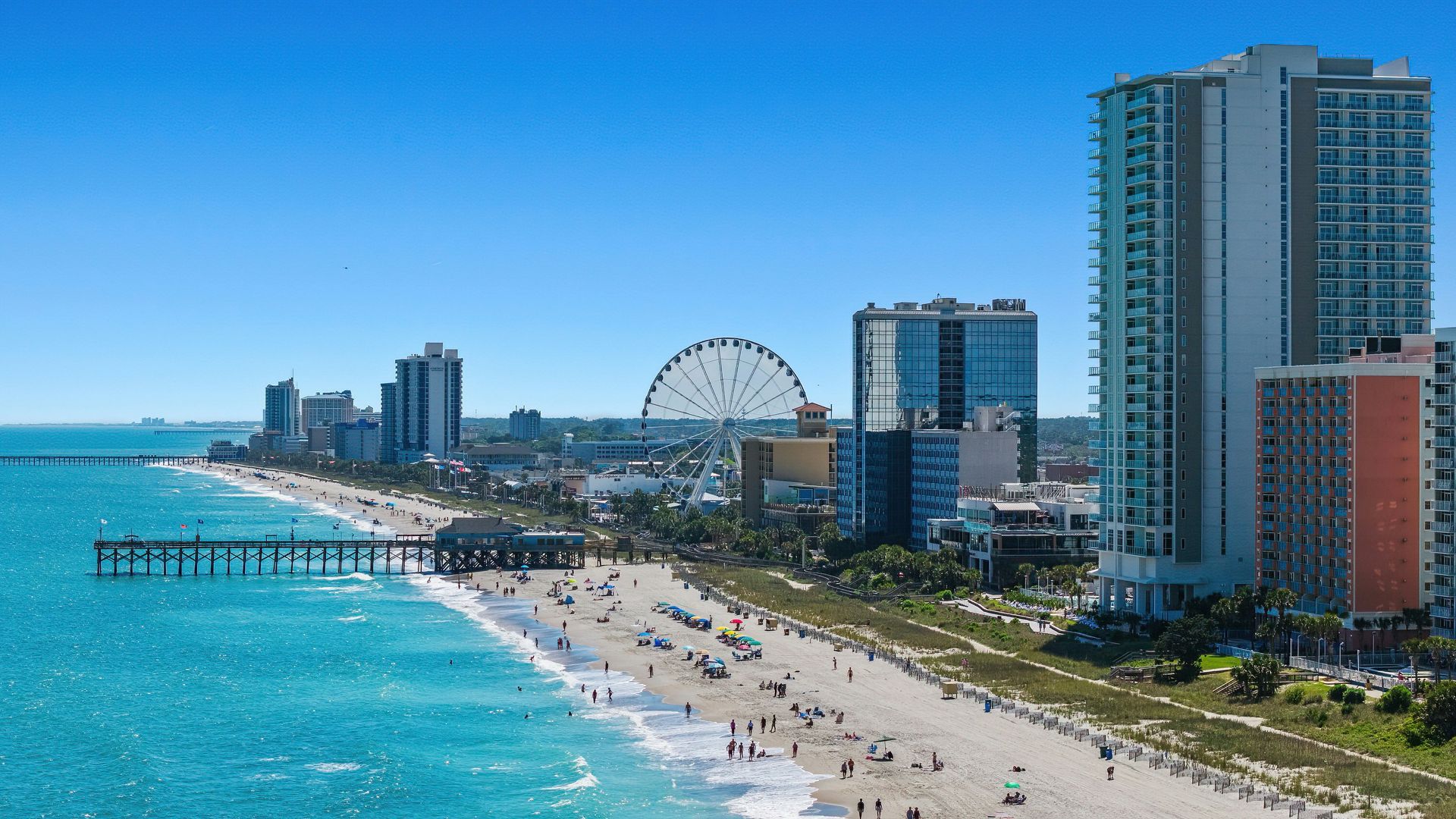
Myrtle Beach sits on South Carolina’s northern coast and consistently undercuts the state’s more upscale seaside destinations, Hilton Head and Kiawah Island among them, on accommodation and activity costs while delivering warm water, wide beaches, and a full range of outdoor activities, including golf, fishing, sailing, and water sports. Properties, including the Westgate Myrtle Beach Oceanfront Resort, advertise rates as low as $100 per night, and the competitive hotel and resort market keeps prices across the board lower than comparable coastal markets.
Free entertainment is particularly well organized during the summer months. Broadway at the Beach and Barefoot Landing both offer free live entertainment, children’s activities, and fireworks displays, giving families a full evening without significant spending. A robust free entertainment calendar, along with affordable lodging, makes Myrtle Beach particularly effective as a family beach destination for travelers whose budgets need to stretch across meals, activities, and accommodation.
The beach itself runs for miles with warm Atlantic water and a consistent swell that suits both recreational swimming and more active water sports. The Myrtle Beach boardwalk area concentrates dining, entertainment, and retail in a walkable strip that gives the destination a resort-town energy without requiring resort-level spending. For East Coast families specifically looking for maximum beach and entertainment value at minimum cost, Myrtle Beach makes the argument more directly than almost any other Atlantic destination. The area’s golf scene is another underappreciated aspect of the total value proposition: Myrtle Beach has dozens of golf courses ranging from modest to genuinely excellent, and many offer discounted rates during the shoulder seasons that make multi-round trips financially accessible for golf travelers who’d be priced out of comparable courses in coastal destinations further north. The Myrtle Beach Pelicans minor league baseball team plays home games at Pelicans Ballpark during the summer season at ticket prices that make a family outing genuinely affordable, adding an entertainment option beyond the beach that most comparable coastal destinations can’t offer.
Cole Marshall / Unsplash
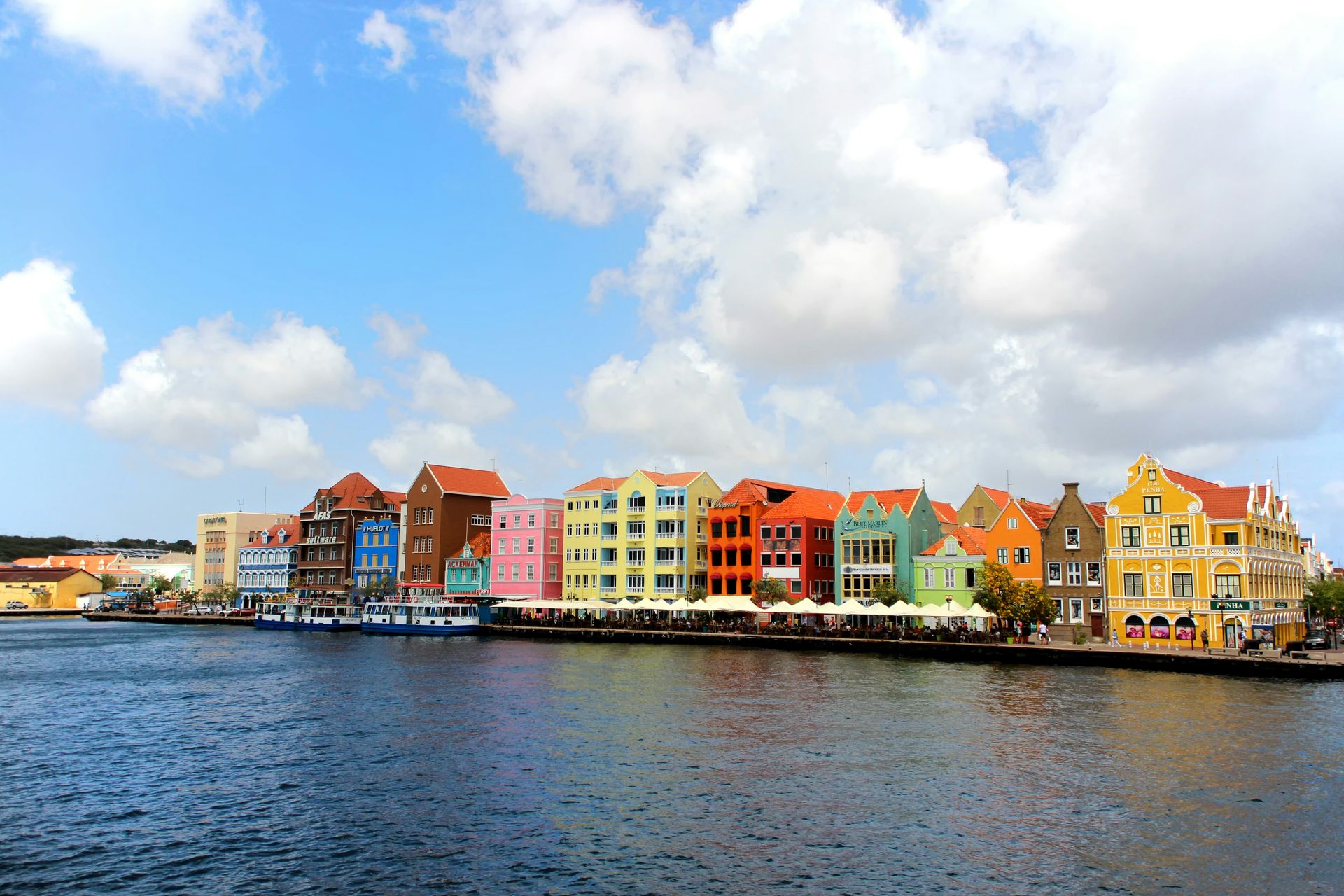
Curaçao sits outside the main Caribbean hurricane belt, and its capital, Willemstad, is one of the most visually distinctive cities in the entire Caribbean: pastel-hued Dutch colonial architecture lines canals in a UNESCO-recognized historic district whose visual appeal is matched by genuinely warm Caribbean water and white sand beaches within easy reach. Vacation rentals start as low as $60 per night, even during the winter high season, which puts Curaçao’s cost floor well below most comparable Caribbean destinations with this level of beach quality and cultural depth.
Renting a car opens up the island’s more remote cove beaches, which offer coral reef snorkeling in conditions that can rival more expensive dive destinations in the region. Hiring a boat to reach Klein Curaçao, an uninhabited island 17 miles southeast of the main island, is one of the Caribbean’s genuinely undiscovered half-day excursions, delivering a completely empty white sand beach with excellent snorkeling in water whose clarity reflects the island’s position outside the turbid coastal zones that affect other Caribbean destinations.
Curaçao’s Dutch heritage means the island’s food and drink culture has a distinct character from that of the English- and French-speaking Caribbean. The local Amstel Bright beer and Blue Curaçao liqueur are worth sampling as genuine local products, not tourist novelties, and the restaurant scene in Willemstad covers everything from Dutch-inflected European cooking to fresh seafood at waterfront spots whose prices remain modest by Caribbean standards despite the quality on offer. Curaçao’s consistent trade winds keep temperatures pleasant year-round and make the island one of the few Caribbean destinations where visiting in peak summer is genuinely comfortable, not oppressively hot, which gives it a broader seasonal window for value travel than destinations that become uncomfortably humid during those months. The island’s Curacao Liqueur Museum in Willemstad offers free tours of the historic Landhuis Chobolobo estate, where the liqueur has been produced since 1896, combining architecture, history, and a tasting in a single stop that requires no advance booking and costs nothing to enter.
