From Mackinac Island's horse-drawn carriages and century-old car ban to Halibut Cove's 90-resident Alaskan fishing village reachable only by ferry
Rorythomasoconnor / Wikimedia Commons (CC BY-SA 4.0)
Driving functions as the only practical way to get around for many travelers, and while it stays genuinely convenient most of the time, anyone who has sat through bumper-to-bumper traffic would likely relish the chance to ditch the wheels entirely and spend time somewhere smaller and more walkable, even just for a little while. Several destinations across the United States make this genuinely easy, and in many cases, walking or a bike ride is the only realistic way to get around throughout an entire visit.
From beach vacations in Michigan and New York to a remote escape in North Carolina to a fishing village in Alaska, plenty of places throughout the country keep cars all but nonexistent. Walking replaces driving in these destinations, and a genuinely slower pace of life tends to emerge once cars leave the equation entirely for the duration of a stay.
The eight destinations below appear in Travel + Leisure, covering standout car-free places recommended throughout the United States. Each one offers a genuinely different flavor of car-free living, from bustling island towns to genuinely remote wilderness escapes reachable only by boat or ferry. Booking ferry or flight tickets well in advance remains wise across nearly all of them, since access to these islands stays genuinely limited compared with mainland destinations. Checking each destination’s specific rules around visitation, since some allow day trips while others require overnight bookings or even direct approval from a resident, also helps travelers plan a genuinely realistic itinerary before committing to a specific island destination. Packing light and staying flexible with schedules also helps considerably, since ferry service to many of these islands depends heavily on weather and tide conditions that can genuinely shift a departure time with very little advance notice given.
Craig Washington / Unsplash
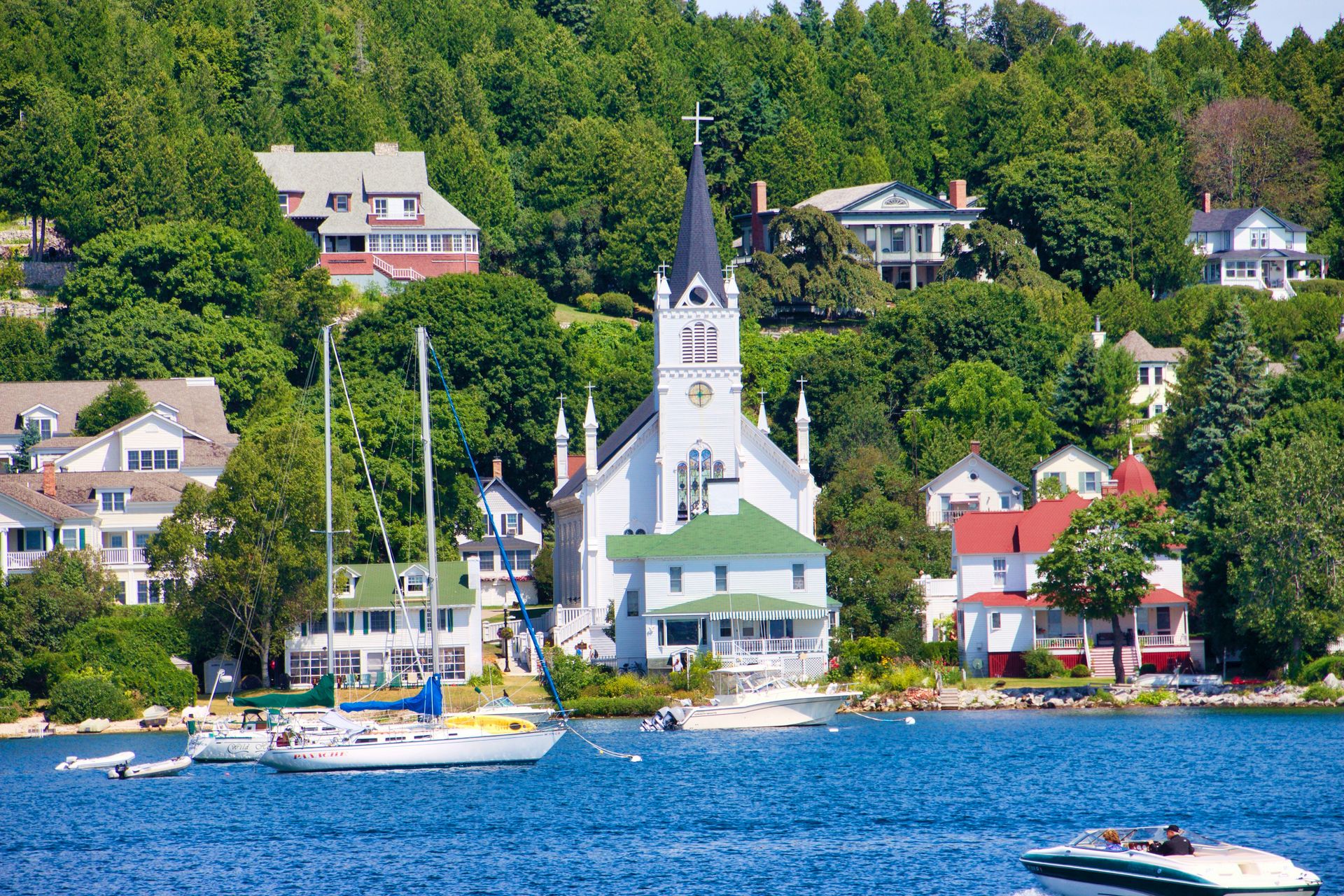
Sitting off the coast of northern Michigan, Mackinac Island has stayed genuinely car-free for more than 100 years, giving the island a distinctly old-fashioned rhythm rare anywhere else in the country. Instead of the roar of an engine, travelers hear the clip-clop of a horse-drawn carriage or the ding of a bicycle bell as they make their way toward one of the island’s many playgrounds.
Sampling some of the island’s world-famous fudge ranks among the most beloved local traditions, and shops throughout the small downtown area sell it fresh daily to visitors specifically seeking a sweet souvenir. Setting out on a hike up to Fort Holmes, the highest point on the island, rewards travelers with genuinely sweeping views across the surrounding water and mainland shoreline.
This pairing of horse-drawn transport and genuinely walkable downtown streets gives Mackinac Island a distinctly preserved, almost nineteenth-century atmosphere that feels considerably different from most modern American tourist destinations. Bicycles remain the most practical way for visitors to cover longer distances across the island beyond the compact downtown core.
Travelers $TRV planning a Mackinac Island visit should book ferry tickets and accommodations well in advance during peak summer season, since the island’s genuine popularity means both transport and lodging can sell out during the busiest travel months. Travelers should also confirm current ferry schedules from Mackinaw City or St. Ignace before finalizing plans, since crossing times can shift depending on weather and seasonal demand. The island’s historic Grand Hotel, with its famously long front porch, offers a genuinely worthwhile stop even for travelers not staying overnight, since afternoon tea remains open to day visitors. Travelers should also pack comfortable walking shoes, since covering the island on foot or bicycle requires considerably more stamina than a typical car-based day trip. A reusable water bottle also helps considerably during longer bicycle rides around the island. A light rain jacket also helps given the island’s genuinely unpredictable lake-effect weather patterns.
Credit: Bald Head Island
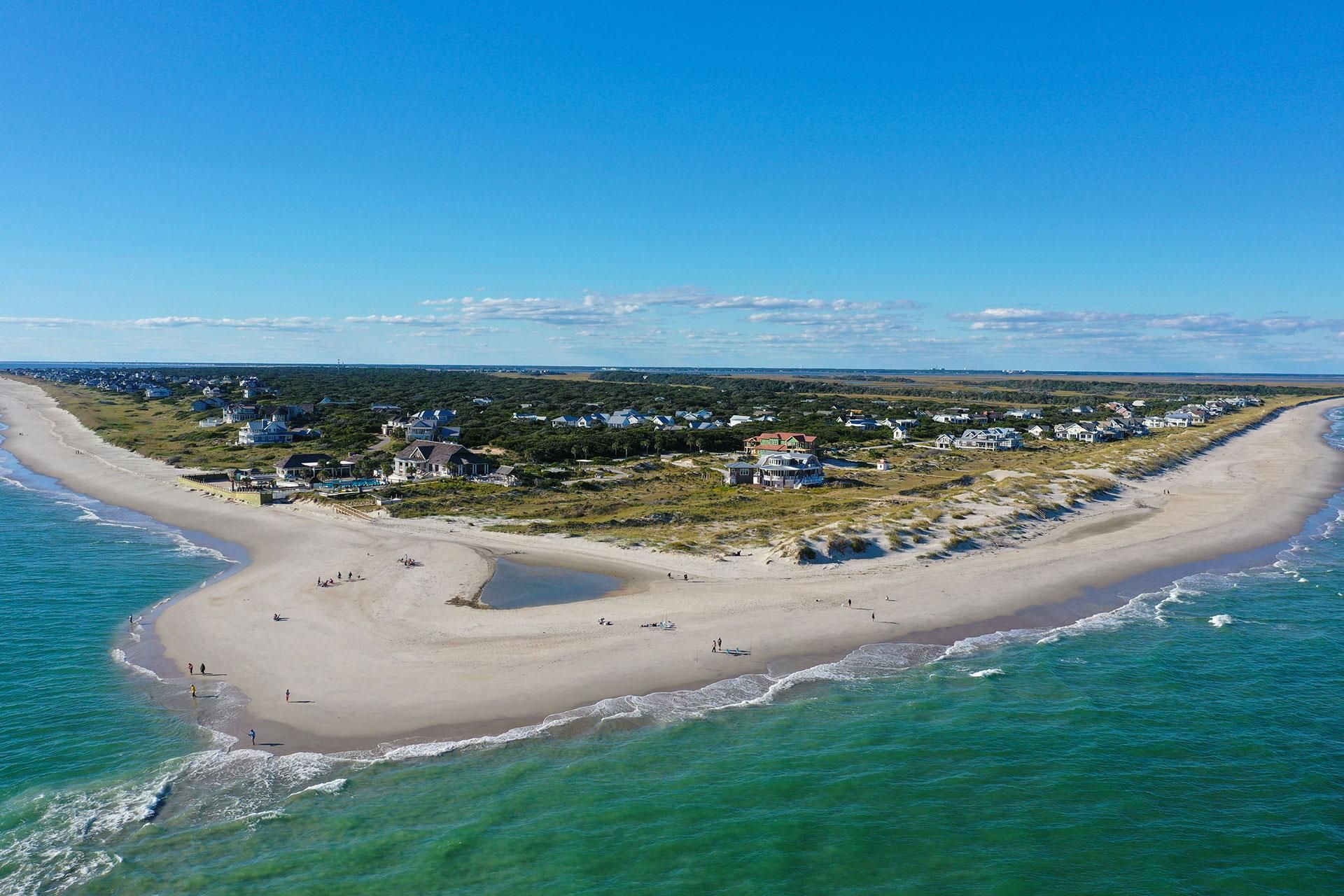
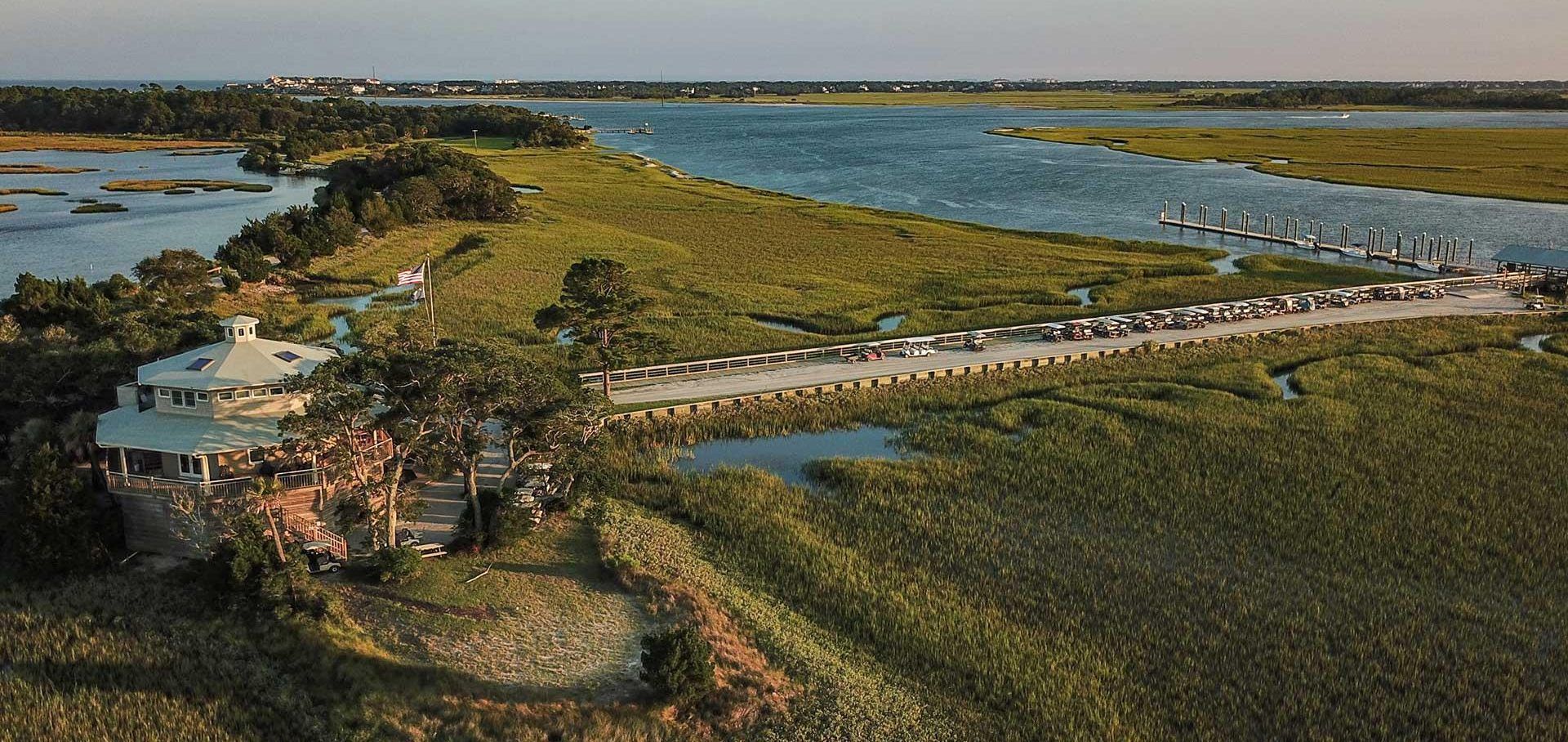
Reachable only by a 20-minute passenger ferry ride or private vessel, Bald Head Island stretches across 12,000 acres total, including 10,000 untouched acres of beach, marsh, and maritime forest preserve. This genuinely vast stretch of protected land gives the island a considerably wilder, more undeveloped character than most other beach destinations along the East Coast.
No cars exist anywhere on the island, the southernmost of North Carolina’s Cape Islands, though golf carts remain the standard mode of local transport throughout the community. The annual Fourth of July Golf Cart Parade gives visitors a genuinely festive way to experience this local transportation quirk firsthand during a peak summer visit.
This absence of cars, paired with the island’s considerable protected acreage, gives Bald Head Island genuine appeal for travelers specifically seeking a quieter, more nature-focused beach getaway than busier East Coast destinations typically offer. The maritime forest and marsh preserves throughout the island support genuinely diverse wildlife rarely encountered at more developed beach towns nearby.
Travelers $TRV planning a Bald Head Island trip should reserve golf cart rentals well ahead of arrival, since demand for these vehicles climbs considerably during peak summer weekends when the island’s limited fleet can sell out quickly. Travelers should also pack insect repellent for the maritime forest trails specifically, since the marsh and wooded preserves draw considerably more mosquitoes than the open beach areas. The Old Baldy Lighthouse, the oldest standing lighthouse in North Carolina, gives visitors a genuinely worthwhile historic landmark to climb for sweeping views across the surrounding marsh and coastline. Travelers should also bring reef-safe sunscreen for the beach, since the island’s protected waters support marine life sensitive to certain chemical ingredients. Insect repellent also helps considerably given the island’s marsh and forest terrain. A wide-brimmed hat also helps considerably given the island’s genuinely intense coastal sun exposure throughout the day. Renting a bike specifically for the trip out to the lighthouse also helps, since the walk alone can take considerably longer than expected in the island’s warm coastal humidity.
Credit: Fire Island
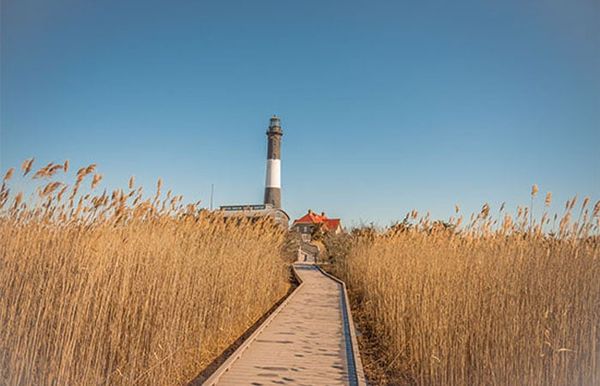
Sitting about halfway between New York City and the Hamptons, Fire Island doesn’t allow cars, and the barrier island lacks any traditional roads altogether, aside from a very limited number of driving permits issued specifically to service and emergency vehicles. Instead, narrow boardwalks stretch across beautiful beaches throughout the island, connecting homes, shops, and beach access points without any need for paved streets.
The tallest lighthouse on Long Island stands directly on Fire Island, giving visitors a genuinely worthwhile landmark to visit beyond simply relaxing on the beach. Native white-tailed deer also roam freely throughout much of the island, giving visitors occasional wildlife encounters rarely expected this close to New York City.
Fire Island holds genuine fame for its vibrant, LGBTQIA-plus-friendly communities, which celebrate an epic summer atmosphere throughout the warmer months each year. This cultural identity, combined with the island’s genuinely car-free boardwalk network, gives Fire Island a distinctly different character than most other beach destinations within reach of the city.
Travelers $TRV planning a Fire Island trip should pack lighter than usual, since navigating the narrow boardwalks with heavy luggage proves considerably more difficult than simply loading bags into a car back on the mainland. Travelers should also confirm which specific ferry terminal serves their chosen community, since Fire Island’s various communities each connect to different mainland departure points. The Fire Island National Seashore, encompassing much of the island’s protected land, offers ranger-led programs that give visitors genuine insight into the barrier island’s fragile dune ecosystem. Travelers should also bring a wagon or cart specifically for luggage, since the boardwalks make traditional rolling suitcases considerably harder to maneuver. Sunscreen also matters considerably given how exposed the beaches stay throughout the day. Comfortable sandals also help considerably given how much genuine walking the boardwalk network actually requires. Checking specific community ferry schedules ahead of time also helps, since some of the smaller Fire Island communities receive considerably fewer daily departures than the busier hubs.
Rorythomasconnor / Wikimedia Commons (CC BY-SA 4.0)
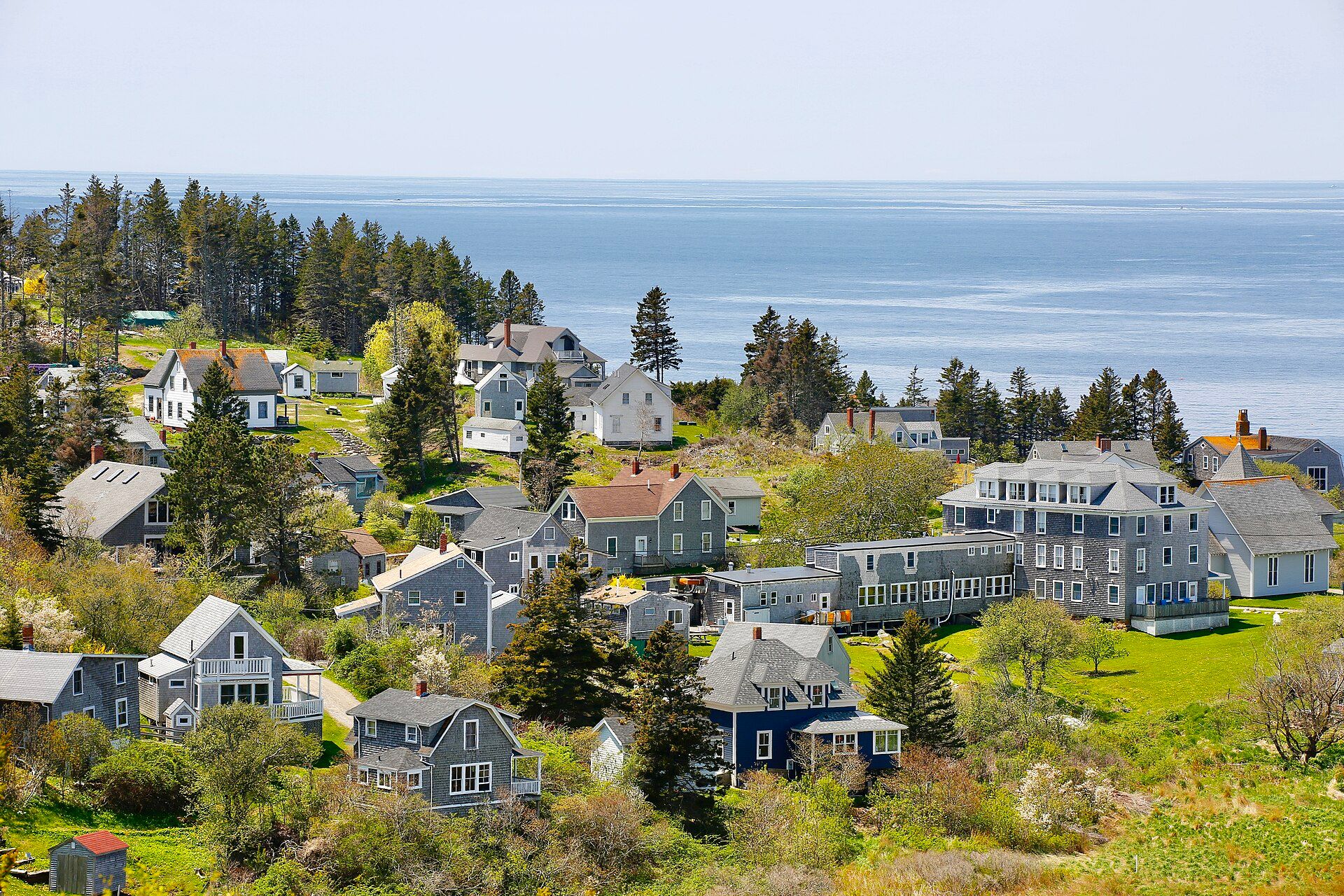
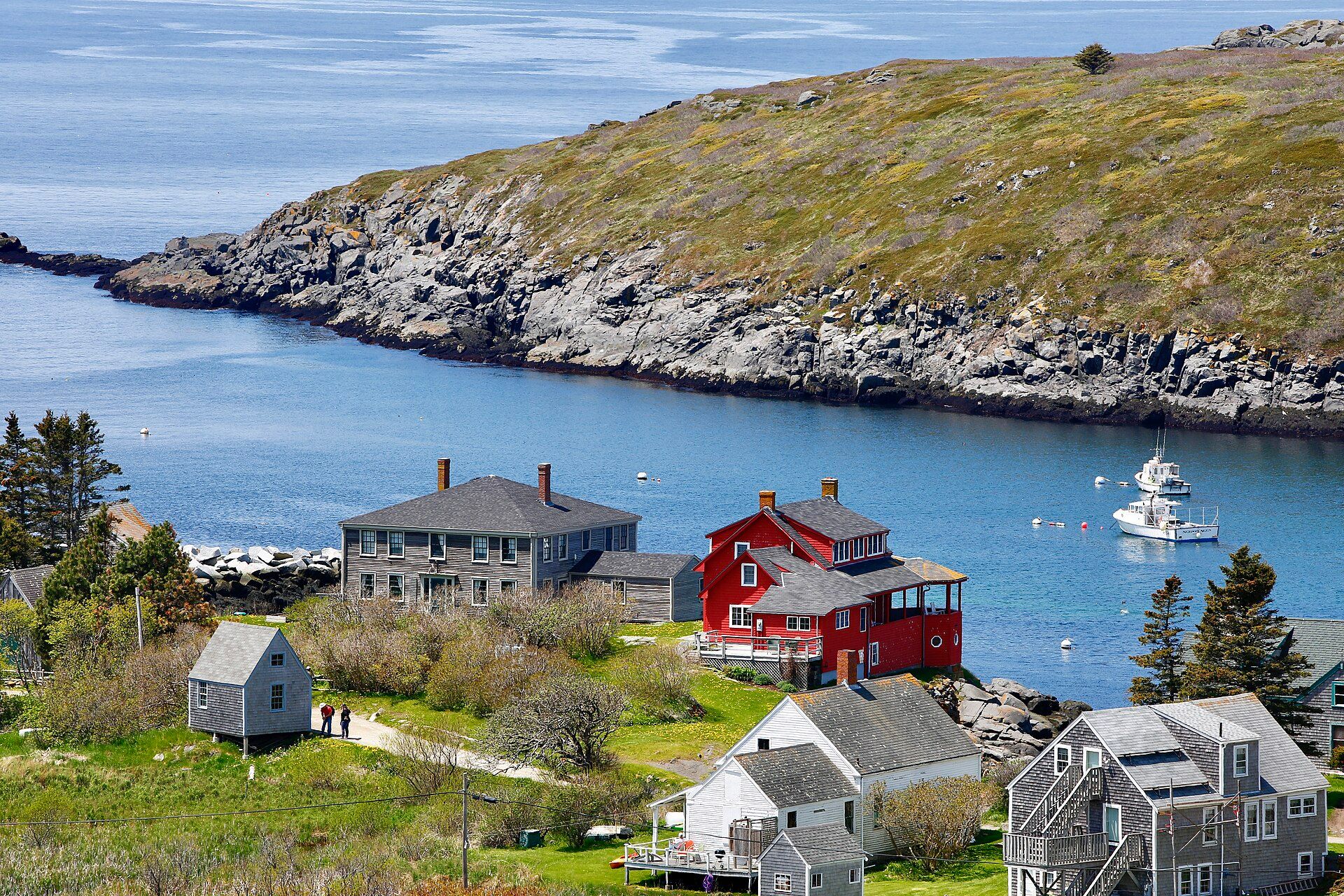
A small, secluded island off the coast of Maine, Monhegan Island allows some trucks and golf carts specifically for local businesses, though personal cars stay genuinely absent from the island altogether. Travelers $TRV leave their vehicles at mainland ferry terminals before making the crossing, giving the island a genuinely different arrival experience than most coastal Maine destinations.
Well-maintained hiking trails wind throughout Monhegan, giving visitors plenty of ground to cover on foot across the island’s rugged, forested terrain. Feasting on lobster rolls and steamed clams ranks among the most genuinely essential culinary experiences available during a visit, and washing the meal down with a craft beer brewed directly on the island rounds out a properly local dining experience.
This pairing of genuinely rugged hiking terrain and locally sourced seafood gives Monhegan Island real appeal for travelers specifically seeking an authentic taste of coastal Maine beyond more commercialized tourist towns elsewhere along the coast. The island’s small size makes it genuinely walkable in full over the course of a single day trip.
Travelers planning a Monhegan Island visit should check ferry schedules carefully before departing, since service to the island can run considerably less frequently than travelers accustomed to mainland transport might initially expect. Travelers should also book accommodations well ahead during peak summer season, since the island’s limited lodging options fill quickly once warmer weather draws more visitors. The Monhegan Museum, housed in a historic lighthouse keeper’s residence, gives visitors genuine insight into the island’s fishing and artistic history across more than a century of settlement. Travelers should also pack layers regardless of season, since Maine’s coastal weather can shift quickly even during the warmer summer months. Sturdy hiking shoes also help considerably given the island’s genuinely rugged trail terrain. A light jacket also helps considerably given the island’s genuinely cool ocean breeze throughout the summer months. Bringing cash for smaller shops and the brewery also helps, since card payment options throughout the island remain considerably more limited than on the mainland.
Credit: Little St. Simons Island
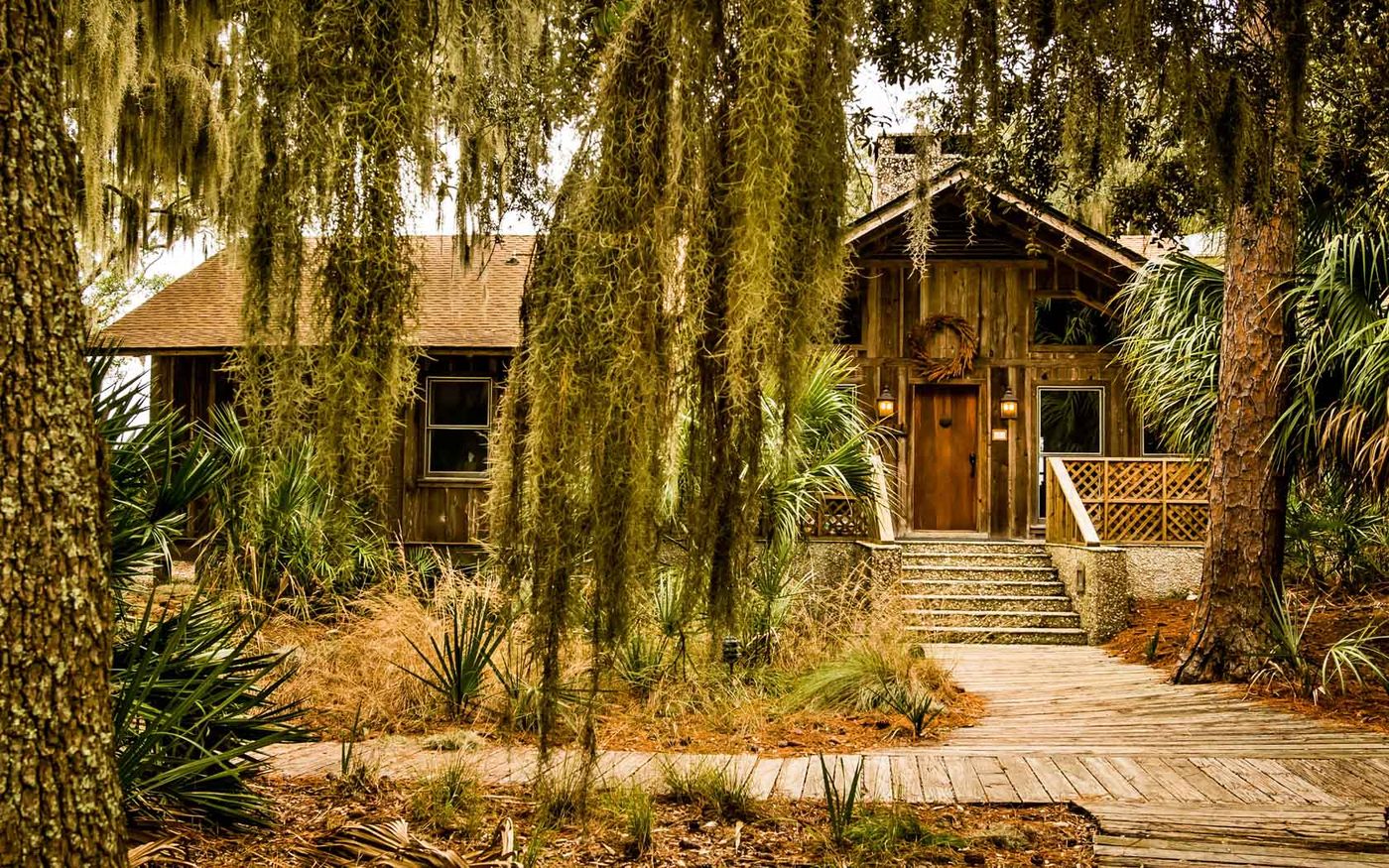
Little St. Simons Island, a barrier island off the coast of Georgia within the Altamaha River Delta, holds more than 11,000 acres of genuinely undeveloped wilderness. This considerable expanse of protected land gives the island a distinctly wild character rare among barrier islands found elsewhere along the Southeast coast.
Only accessible by boat, the island welcomes travelers for day trips built around a naturalist-guided island tour, giving visitors genuine insight into the surrounding ecosystem from someone with real expertise in the local wildlife and habitat. Travelers $TRV hoping for a longer stay can book accommodations at the island’s private all-inclusive eco-lodge, exploring the grounds while sharing garden-fresh meals with fellow guests.
This pairing of guided naturalist experiences and genuinely comfortable eco-lodge accommodations gives Little St. Simons Island real appeal for travelers specifically seeking immersive wildlife encounters without sacrificing comfort during their stay. The island’s protected status means development stays genuinely minimal compared with more commercialized barrier islands elsewhere.
Travelers planning a visit should book eco-lodge accommodations well in advance, since the property’s genuinely limited capacity means availability fills quickly during peak wildlife-viewing seasons throughout the year. Travelers should also pack insect repellent and sun protection for the naturalist tour specifically, since the island’s wilderness trails offer very little shade throughout much of the route. Birdwatchers specifically should bring binoculars, since the island’s varied habitats support a genuinely wide range of species throughout different seasons of the year. Travelers should also confirm current tide schedules before any beach walks, since parts of the shoreline narrow considerably during high tide. A reusable water bottle also helps considerably during the naturalist-guided walking tour. Binoculars also help considerably given the island’s genuinely wide variety of resident and migratory bird species. Booking the naturalist tour well ahead of a planned day trip also helps, since group sizes stay intentionally small to minimize disturbance to the island’s wildlife. Advance planning genuinely pays off in the end.
Credit: Dewees Island
Just north of Charleston, Dewees Island functions as a 1,200-acre oceanfront private escape holding no restaurants or stores anywhere on the island. Roughly 70 private homes currently exist throughout the community, and residents enjoy activities including swimming, fishing, kayaking, and tennis alongside considerably more low-key recreational options.
The barrier island stays reachable by a 20-minute private ferry ride, though Dewees functions primarily as a residential community, meaning only guests of property owners can actually visit. This genuinely exclusive access policy sets Dewees apart from every other destination on this list, none of which restrict visitation to this particular degree.
Gas-powered vehicles remain banned throughout the island, though residents and their guests can drive electric golf carts for local transportation needs. This pairing of genuine exclusivity and environmentally conscious transportation policy gives Dewees Island a distinctly different character than more publicly accessible car-free destinations elsewhere along the coast.
Travelers $TRV hoping to experience Dewees Island should specifically arrange a visit through a property owner directly, since no public tours or day-trip options exist for travelers without an existing connection to the island’s residential community. Travelers hoping to visit should reach out to a property owner well in advance of any planned trip, since the island’s private nature means spontaneous visits simply aren’t possible. The island’s nature center offers educational programs for residents and their guests, giving visitors genuine insight into the surrounding maritime ecosystem during an approved visit. Travelers should also confirm current ferry departure times with their host, since the private ferry runs on a considerably more limited schedule than public transport elsewhere. A reusable water bottle also helps considerably given the island’s warm coastal climate. Insect repellent also helps considerably given the island’s genuinely marshy, humid coastal environment throughout summer. Confirming exactly what amenities a host can provide also helps, since the island’s lack of shops means guests should plan to bring most personal items themselves. Planning ahead matters.
Credit: Halibut Cove
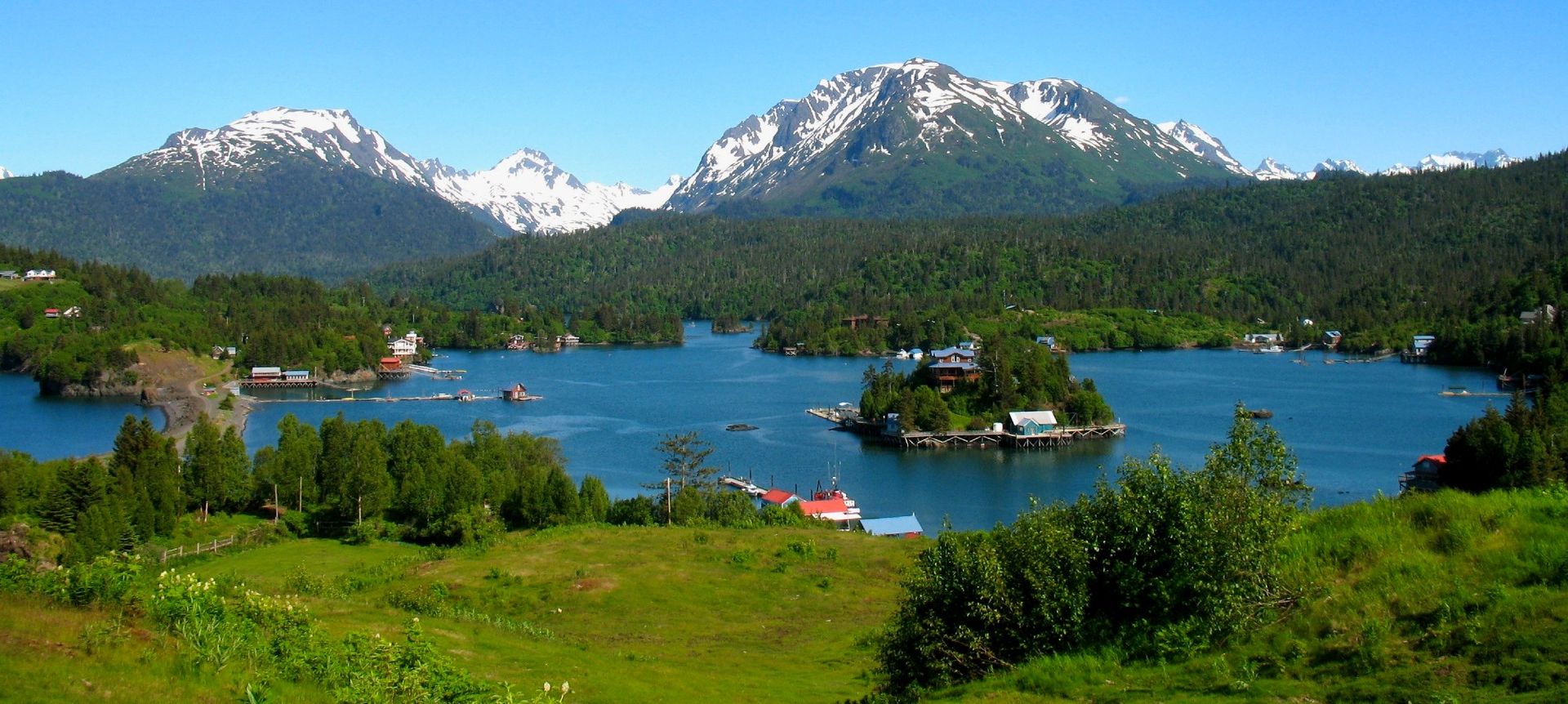
Described as isolated and quaint, only about 90 permanent residents call the Alaskan village of Halibut Cove home throughout the year. No roads lead to the village, and reaching it requires taking a ferry, giving Halibut Cove a genuinely remote character even by broader Alaskan standards.
Visitors will find an enclave of artists, craftsmen and commercial fishermen throughout the small village, giving the community a genuinely creative character alongside its working fishing industry. Two wilderness lodges and several guest houses, cabins and cottages give travelers a range of accommodation options despite the village’s genuinely small overall population.
This blend of artistic community and working fishing village gives Halibut Cove a distinctly layered identity rarely found within such a small, remote settlement. Travelers $TRV specifically interested in Alaskan art should budget time to visit local studios and galleries scattered throughout the village during their stay.
Travelers planning a Halibut Cove trip should confirm current ferry schedules well ahead of arrival, since service to this remote village can run considerably less frequently than more heavily trafficked Alaskan destinations elsewhere along the coast. Travelers should also pack warm layers regardless of season, since Alaskan coastal weather can shift quickly even during the warmer summer months. The Saltry Restaurant, a local seafood spot accessible only by boat, gives visitors a genuinely memorable dining experience built around fresh, locally caught Alaskan seafood. Travelers should also confirm gallery hours before visiting specific studios, since many artists throughout the village keep flexible, weather-dependent schedules. Waterproof footwear also helps considerably given the village’s ferry-dependent, boardwalk-heavy layout. A camera also helps considerably given how genuinely photogenic the village’s colorful waterfront buildings and boats prove. It’s genuinely worth the extra weight in a bag for the memories captured on this particular kind of trip. Booking any wilderness lodge stay well ahead of peak summer season also helps, since the village’s limited number of rooms fills quickly once fishing season draws more visitors. Early booking genuinely pays off in the end.
Credit: U.S. National Park Service
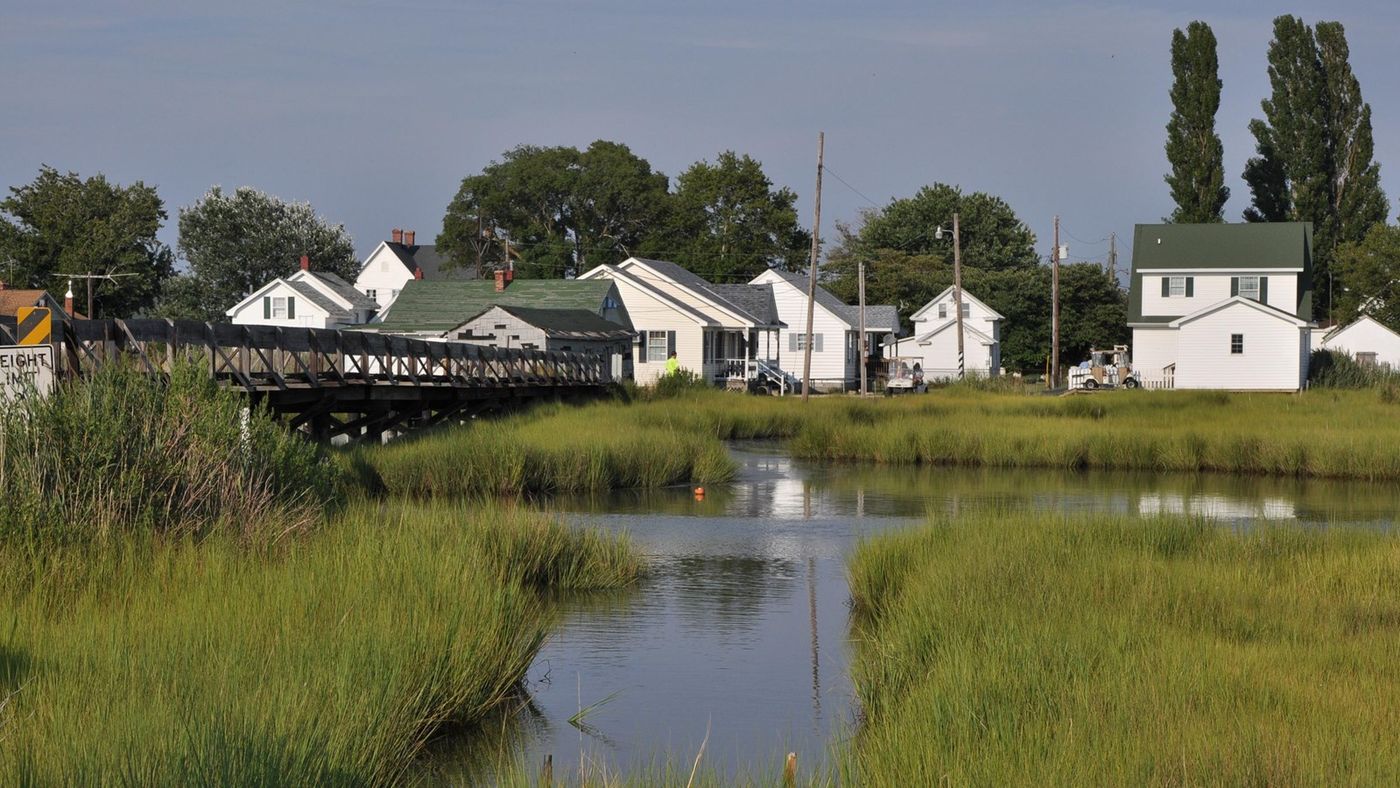
Low-lying Tangier Island sits directly on the Chesapeake Bay and stays accessible only by ferry, boat or small plane, giving it a genuinely isolated character within reach of the broader mid-Atlantic region. The island’s roads run genuinely narrow, so residents and visitors alike get around by bike, golf cart or on foot instead of by car.
Tangier holds genuine fame for its fresh blue crabs and traditional waterman way of life, giving the island a distinctly working-class maritime character compared with more purely recreational beach destinations elsewhere. Enjoying fresh seafood ranks among the most essential activities during a visit, and the island’s reputation as the soft crab capital of the United States gives seafood lovers genuine reason to visit specifically for the cuisine.
Learning more about the island’s history at the Tangier History Museum rounds out a properly informative visit, and travelers can also kayak or simply hang out on the beach for a more relaxed afternoon. This pairing of working fishing culture and genuinely welcoming tourism infrastructure gives Tangier Island broad appeal across different types of travelers.
Travelers $TRV planning a Tangier Island visit should confirm current ferry or flight schedules carefully, since the island’s remote location means transportation options stay genuinely limited compared with more accessible coastal destinations elsewhere in Virginia. Travelers should also book crab-focused restaurant reservations ahead during peak season, since the island’s small number of dining spots can fill up quickly with day-trip visitors. Watermen throughout the island still harvest crabs using traditional methods passed down across generations, giving visitors a genuinely authentic look at a fishing tradition increasingly rare elsewhere along the East Coast. Travelers should also pack sun protection for the beach and kayaking activities, since the island’s open, low-lying terrain offers very little natural shade. A hat also helps considerably given the island’s genuinely exposed, low-lying terrain. Comfortable walking shoes also help considerably given the island’s genuinely narrow, uneven pathways throughout. Bringing cash for smaller shops and seafood stands also helps, since card payment options across the island remain considerably more limited than on the mainland.
