
From Crested Butte's July wildflower meadows to a Maine coastal town where advisors say lobster rolls are among the best they've had anywhere
Richard Wise / Flickr (CC BY-NC-ND 2.0)
Summer travel in the United States does not require a passport or a transatlantic flight to deliver a genuinely memorable experience. The country’s small towns, particularly those with outdoor access, downtown charm, and a local food scene that has moved beyond the tourist-trap trap of mediocre seafood shacks and overpriced bar food, give the summer traveler a range of options that the big-city vacation and the national park camping trip each leave unaddressed. A small town at its best is a place where the outdoor program is as good as the park nearby, the restaurant is as good as anything in a city an hour away, and the pace of daily life is unhurried enough to feel like an actual break from the schedule that makes a vacation necessary.
The summer timing matters specifically for many of these destinations. Crested Butte’s wildflower season peaks in July, when the mountain meadows around the town fill with columbine, lupine, and mule’s ear sunflowers in quantities that make the Colorado high country look like a botanical garden operating at full capacity. Jackson, Wyoming’s proximity to Grand Teton and Yellowstone gives the summer visit an outdoor program that the ski season, however excellent, does not match in terms of diversity of activities. The Kennebunks in Maine offer the quintessential New England summer experience, as advisors consistently describe it as something everyone should try at least once.
The 10 small towns below appear in Travel + Leisure, with recommendations from T+L A-List travel advisors Mary Cropper of Black Tomato and Kristin Diehl. Each offers a distinct version of the summer small-town experience across the mountain West, the South, the Mid-Atlantic coast, and New England, and each is best understood as the answer to a specific question about the kind of summer the traveler is looking for.
Cora Leach / Unsplash
Jackson, Wyoming, gives the summer traveler the specific juxtaposition that A-List advisor Mary Cropper identifies as the town’s defining quality: a full day outdoors followed by an evening that does not require accepting the casual dining that most outdoor destination towns treat as the only logical conclusion to a physical day. Fly fishing, wildlife searching for elk, moose, and bears in the surrounding valleys, and scenic floats down the Snake River give the Jackson summer its activity program, and the town’s restaurant scene gives the evening its own independent reason to be there, not simply a refueling stop after the day’s exertion.
The Jackson Hole Rodeo, which Cropper describes as about as authentic as it gets, offers a cultural program specific to the Wyoming setting that the outdoor activities alone cannot provide. Rodeo is not a performance mounted for tourists in Jackson. It is a working demonstration of skills that the surrounding ranching economy actually employs, and the distinction between the genuine and the performed gives the rodeo its specific appeal to visitors who have seen enough manufactured Western atmosphere to recognize the real version.
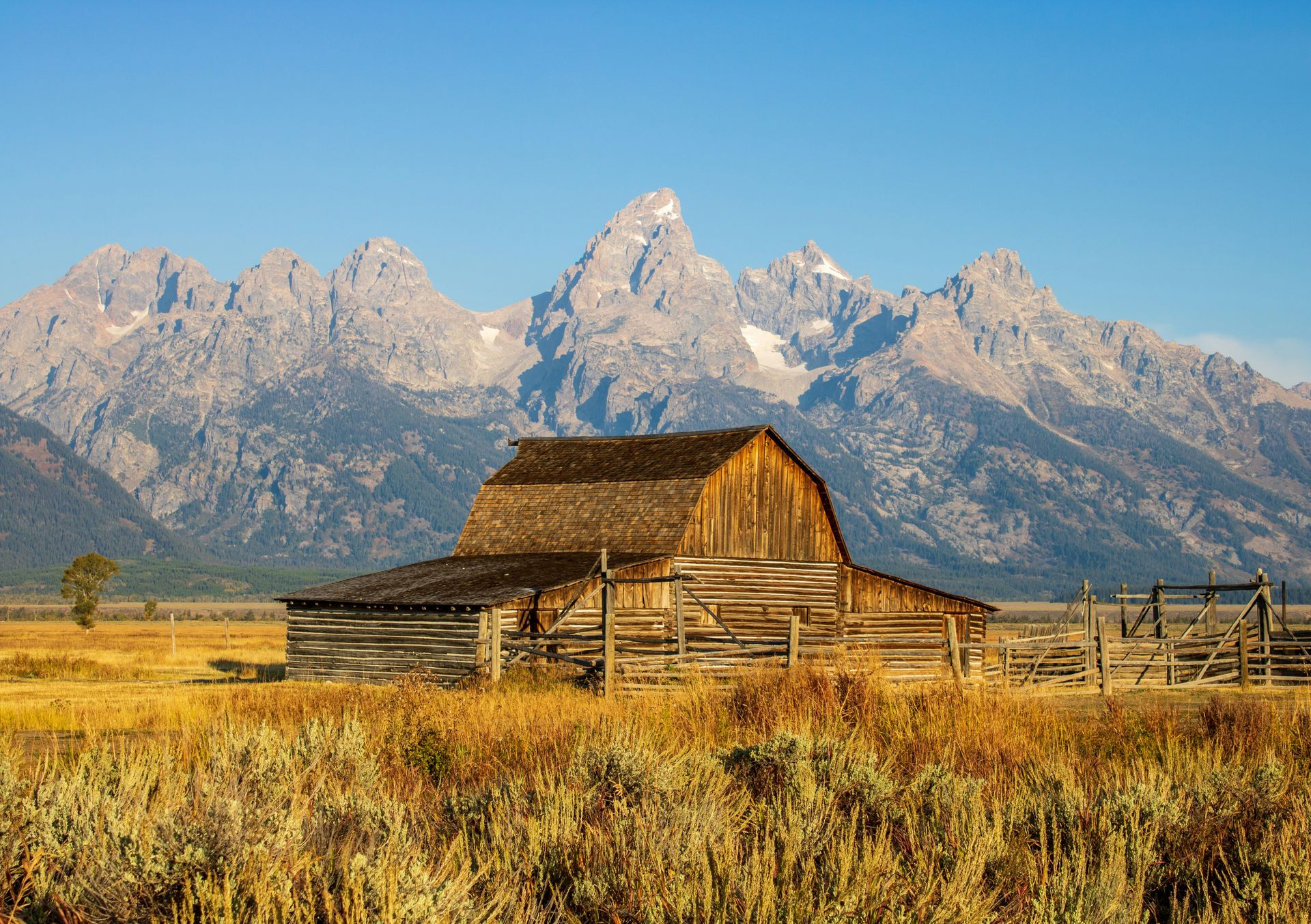
Grand Teton National Park, accessible within a short drive from town, provides the Jackson summer with its most spectacular landscape backdrop: the Teton Range’s abrupt rise from the Jackson Hole valley floor, with no foothills to soften the transition, makes the park one of the most visually dramatic in the American West. A day trip to Yellowstone from Jackson is possible for visitors who want both parks in one trip, though the distance and Yellowstone crowds make it a long day. The Wort Hotel and The Rusty Parrot Lodge and Spa offer town-center accommodation options, both placing guests within walking distance of the downtown square, whose elk antler arches and gallery row give Jackson its recognizable visual identity. The downtown square’s four antler arches, each constructed from hundreds of naturally shed elk antlers, give Jackson a visual symbol specific enough to identify the town in a photograph without any additional geographic context.
Live Kaiah / Unsplash
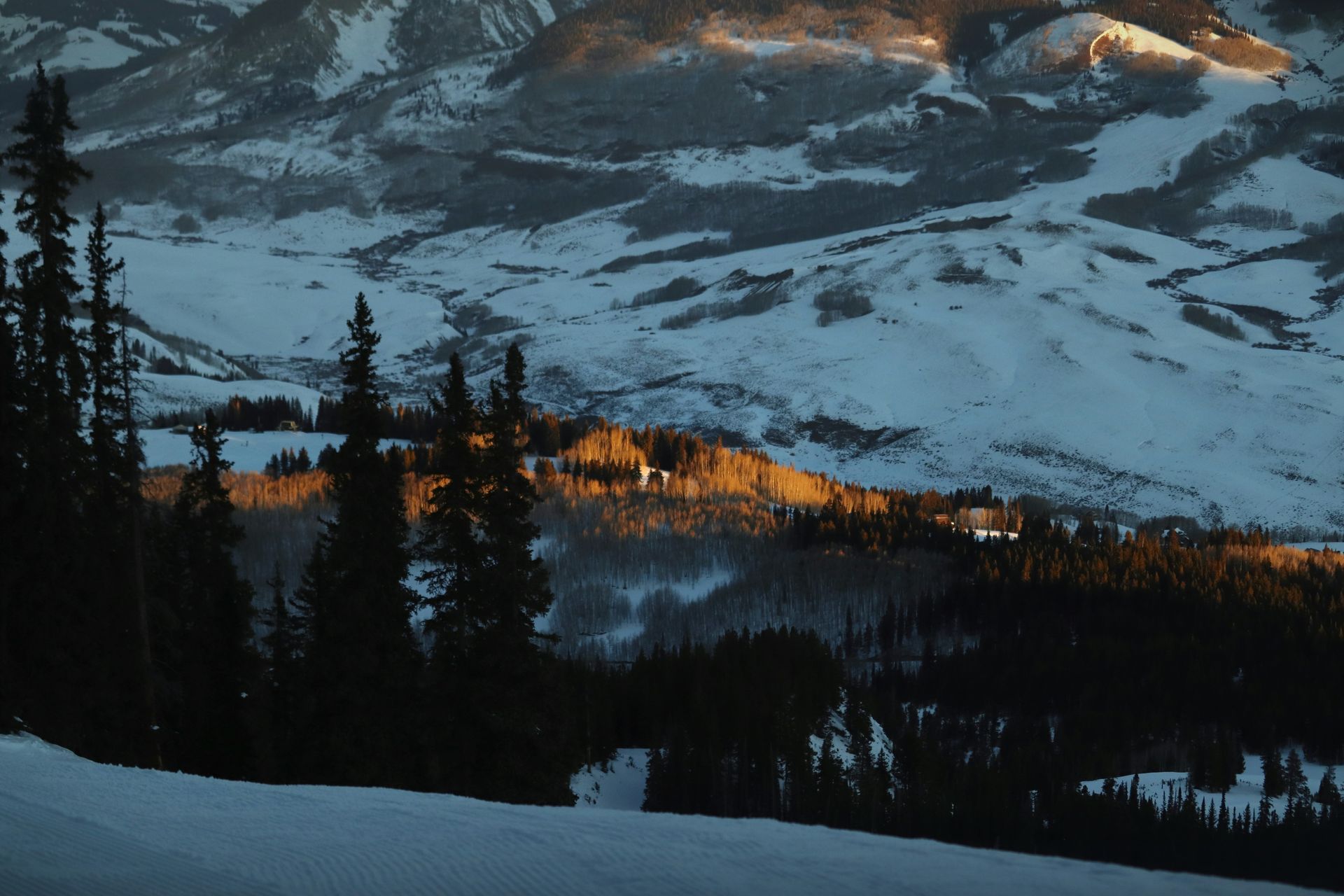
Crested Butte occupies a specific position in the Colorado mountain town landscape that A-List advisor Kristin Diehl articulates with precision: it feels like the last best-kept secret in Colorado, untouched and unhurried in ways that many mountain towns cannot replicate once they have been discovered and developed to the tourist-service density that discovery produces. The town’s Victorian-era mining architecture, preserved in the National Historic District that covers its main street, gives Crested Butte a visual character distinct from the purpose-built ski resort aesthetics of Breckenridge and Vail, and the relative difficulty of reaching it, with no major interstate runs nearby, maintains the logistical barrier that keeps the crowds at a manageable level.
Scarp Ridge Lodge, one of the Eleven Experience Lodges, gives the visit its most complete accommodation. Diehl describes it as a restored 19th-century miners’ saloon where every detail has been considered: the concierge program means guided hikes, mountain biking, fly fishing, or whitewater rafting, followed by wellness treatments and private-chef-prepared meals. The meals-after-activity sequencing is the specific structure that the mountain-town experience delivers at its best, and Scarp Ridge’s private-chef component adds a culinary quality that the standard lodge dinner does not.
July is peak wildflower season in Crested Butte, and the annual Crested Butte Wildflower Festival gives the timing a specific cultural event alongside the natural spectacle. The columbine, lupine, and mule’s ear sunflowers that fill the mountain meadows around the town are not a passive backdrop to the outdoor activities but an active component of the summer landscape that hikers and mountain bikers move through directly. The wildflower density around Crested Butte at peak season is among the most impressive in the American West, which gives the July visit a natural spectacle that the ski season, however good, does not provide. The Wildflower Festival itself, a week-long event in mid-July, offers guided wildflower hikes, photography workshops, and educational programs that are specific to the local flora, giving the cultural event a distinctly botanical character unavailable at any other Colorado mountain town festival.
Quintin Soloviev / Wikimedia Commons (CC BY 4.0)
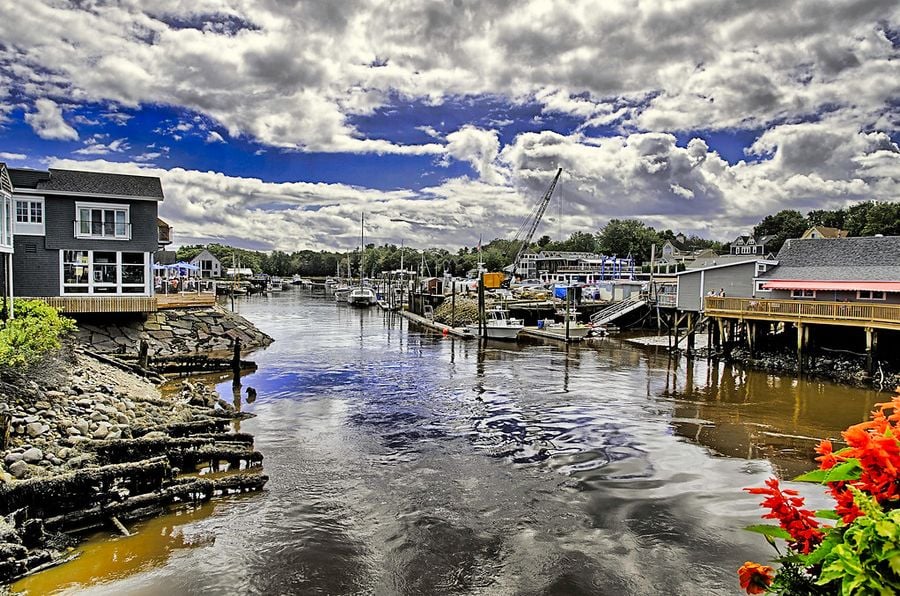
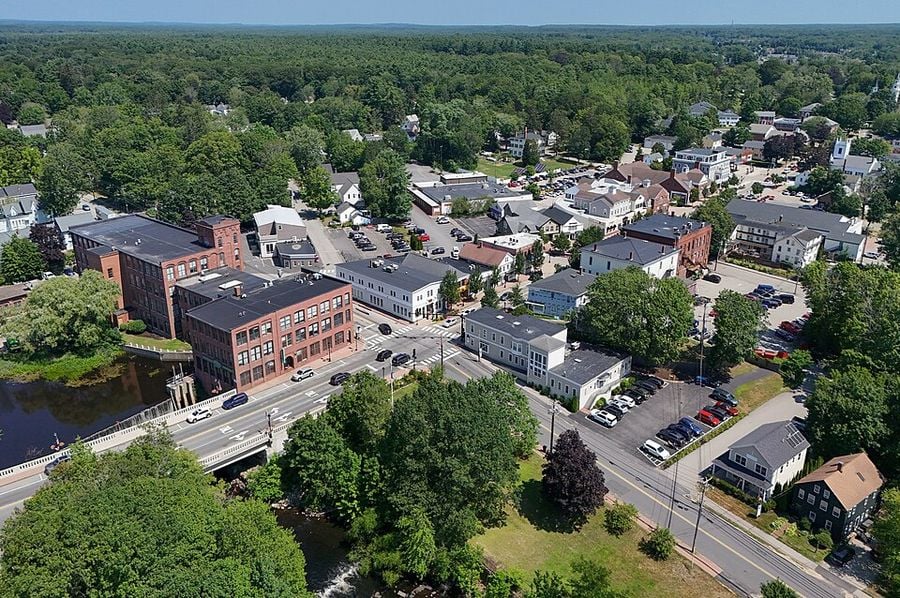
The Kennebunks, encompassing the coastal towns of Kennebunk and Kennebunkport, represent the New England summer experience that both Cropper and Diehl independently place on their lists, which is a convergence of expert opinion that reflects how reliably the destination delivers on the specific beach, food, and atmosphere combination that the New England summer vacation requires. Cropper describes Kennebunkport as a perfect place to post up for a summer, with the beach within short walking distance, a downtown area suited for dinner and drinks, and lobster rolls that she specifically identifies as among the best she has had anywhere, which is a meaningful claim from a travel advisor whose professional life involves eating lobster rolls across the Maine coast on a regular basis.
The White Barn Inn in Kennebunk gives the visit its most refined accommodation option. Diehl recommends it for its spa rituals, chef-led cooking classes in Maine cuisine, and golden-hour sailing along the coast, which together give the inn a full programming approach that treats the coastal setting as an active resource. The cooking class format is particularly suited to the Kennebunks’ food culture: learning to prepare Maine lobster, chowder, and the region’s specific seafood traditions in a kitchen that uses local ingredients gives the traveler a culinary education specific to the coast that the restaurant-only approach does not.
The Kennebunks’ position between Ogunquit to the south and Portland to the north gives the stay geographic context worth taking advantage of: Ogunquit’s Marginal Way cliff walk, Portland’s Old Port restaurant and brewery district, and the beaches of Wells and Biddeford Pool are all within easy driving distance and give the Kennebunks a day trip radius whose variety extends the coastal Maine experience beyond what the immediate area provides. Portland’s restaurant scene, which has developed into one of the most celebrated in New England per capita, gives the Kennebunks a nearby culinary benchmark, and the lobster roll excellence of Kennebunkport’s own food scene complements it.
Samantha M. / Unsplash
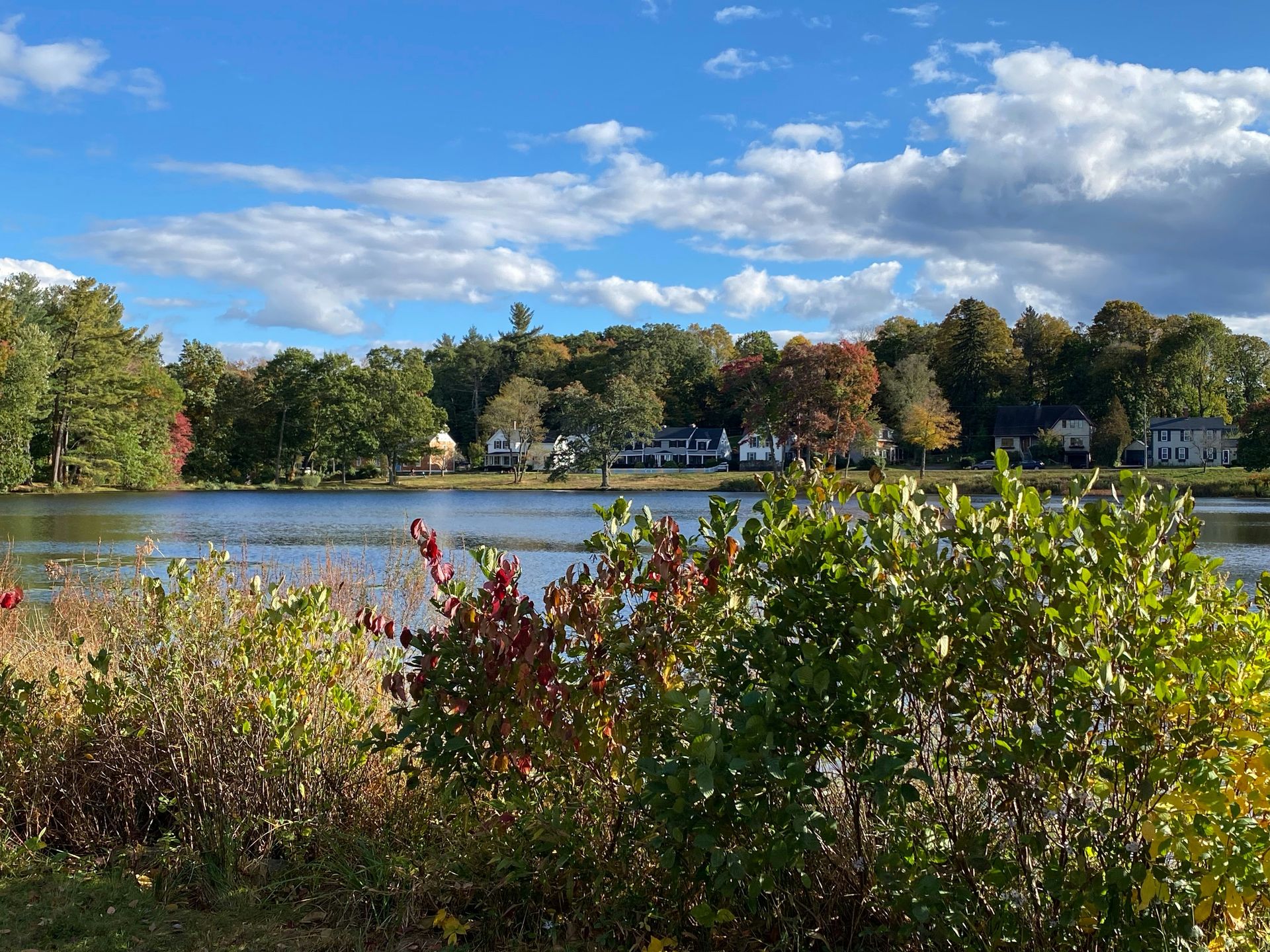
Easton, Maryland, occupies a specific niche in the Mid-Atlantic small town landscape that Diehl identifies with the precision of an advisor who has spent time eating her way through the competition. The Eastern Shore of Maryland is better known for St. Michaels and its Inn at Perry Cabin, which Diehl still recommends, but neighboring Easton has developed a culinary scene that she describes as an unassuming, under-the-radar culinary hotbed. The Bluepoint Hospitality Group, led by Paul Prager, has brought a level of restaurant ambition to the town that small Mid-Atlantic cities rarely sustain, and the results give food-motivated travelers a specific reason to drive past St. Michaels.
Bas Rouge, helmed by James Beard Award-winning chef Harley Peet, gives Easton its culinary anchor. A James Beard Award-winning chef operating in a small Maryland town is an unusual fact, and the restaurant’s presence gives Easton a dining credential that most towns ten times its size do not carry. The Stewart, a Scotch bar that Diehl describes as redefining small-town sophistication, gives the evening a secondary destination whose concept is specific and reflects the same culinary ambition that produced Bas Rouge across the street.
The Pickering Creek Audubon Center offers its outdoor program: hiking and canoe access through the surrounding marshes provide the Eastern Shore's most direct ecological encounter with the tidal wetland environment that defines the Chesapeake Bay watershed’s character. The marsh landscape, with its wading birds, osprey, and tidal creeks, adds a natural history dimension to the outdoor experience specific to this corner of the Mid-Atlantic coast. Exploring historic downtown before the day’s heat peaks offers the most comfortable way to experience the town’s architecture and independently owned retail. The historic district’s 18th- and 19th-century buildings, well-maintained without the over-polished quality that heavy tourism investment sometimes produces, give Easton a lived-in historical character, while the culinary ambition of Bas Rouge and The Stewart provides a contemporary counterpart.
Benjamin Price / Unsplash
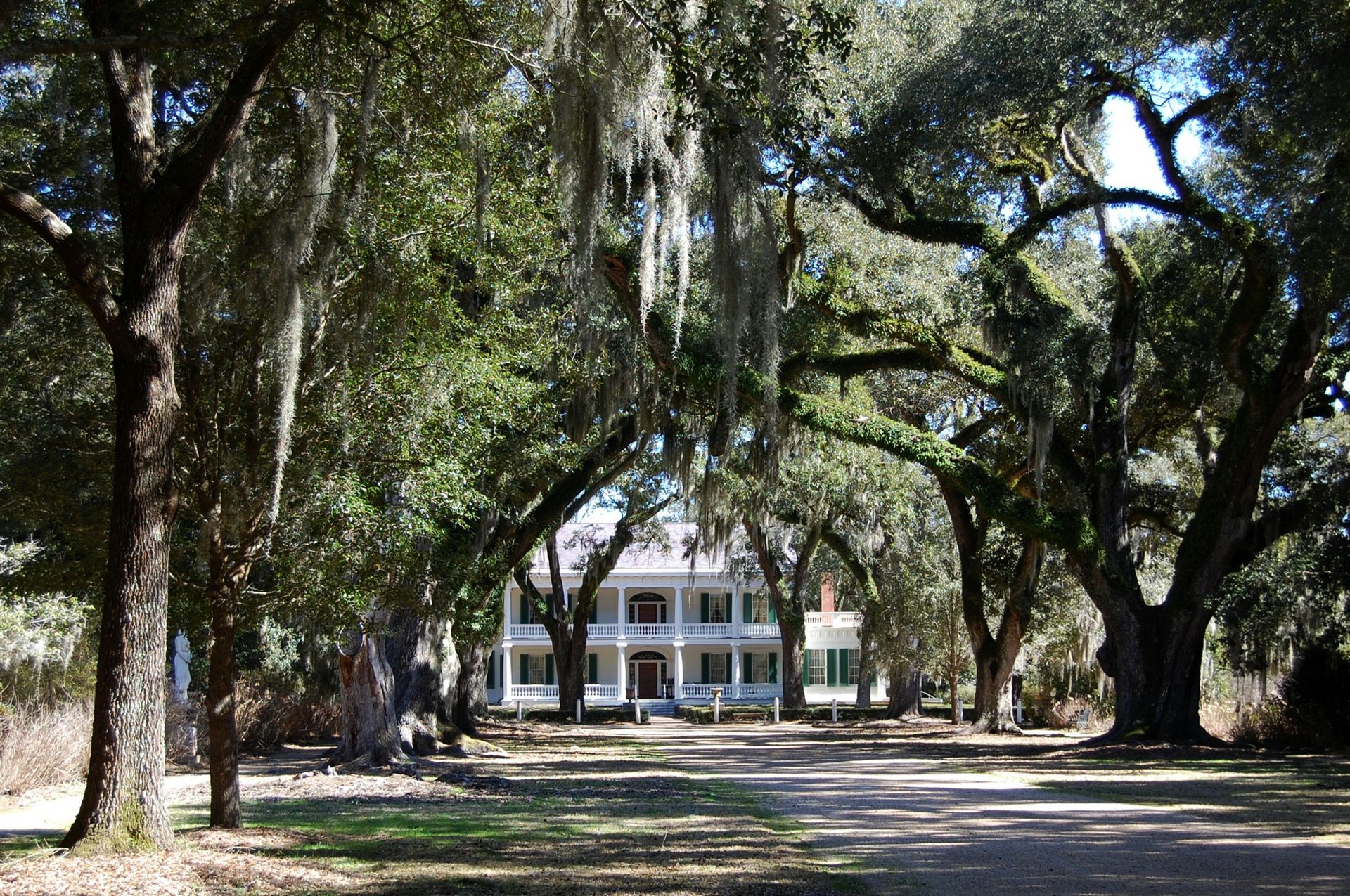
St. Francisville, Louisiana sits in the Felicianas region north of Baton Rouge, where the Louisiana landscape transitions from the swampy bayou country of the southern parishes to the loess bluffs and hardwood forests of the state’s Florida parishes, and Diehl’s description of it as a hidden gem of storybook charm and soulful Creole history beneath canopies of Spanish moss is an accurate physical description of what the town looks like on a summer morning. The Spanish moss that hangs from the live oaks lining the town’s streets gives St. Francisville its distinctive visual character, and the Creole and Antebellum plantation history preserved in the surrounding area's architecture and landscape gives the cultural program depth that the outdoor activities complement.
The heat management strategy Diehl recommends for a summer visit is practical and specific: complete outdoor activities early, before the Louisiana summer reaches full intensity, and spend the midday hours moving between the town’s air-conditioned antique shops and boutiques. The Tunica Hills Wildlife Management Area offers early-morning horseback riding through a landscape whose creek ravines and hardwood forests are specific to this part of Louisiana and unavailable elsewhere in the state. The West Feliciana Sports Park’s 5.6-mile bike path gives a less demanding alternative for visitors whose morning energy does not extend to horseback riding.
The St. Francisville Inn gives the accommodation its most locally embedded option, and Diehl specifically notes that the inn’s restaurant draws diners from across southeast Louisiana, which is the specific kind of regional reputation that indicates a kitchen operating above the standard of local loyalty and at a level that motivates the drive from Baton Rouge, New Orleans, or Hammond specifically for the meal. Deyo Supply and Sage Hill are the shopping stops Diehl recommends, both locally owned and stocked with goods that reflect the town’s specific aesthetic sensibility. St. Francisville’s modest scale, with the entire historic district walkable in an afternoon, gives the visit a completeness that larger towns require multiple days to achieve, and the inn’s restaurant reputation as a draw from across southeast Louisiana means the evening meal needs no further plan than a reservation.
Chad Madden / Unsplash
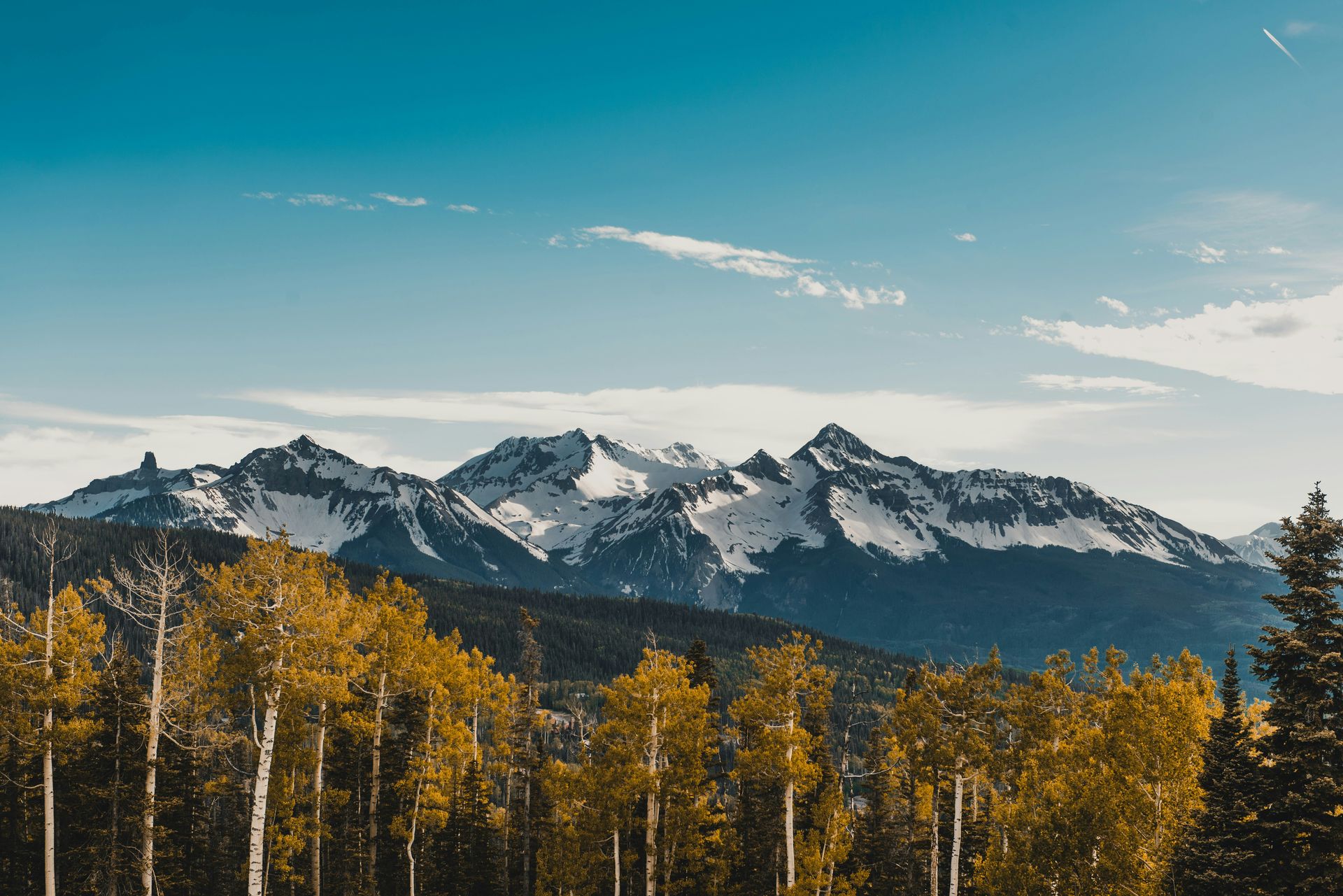
Telluride, Colorado, offers the summer outdoor enthusiast a mountain town whose elevation keeps temperatures comfortably cool, while lower-altitude alternatives to the west bake in desert heat. Cropper calls it an ideal playground for outdoor adventure, and the activity menu confirms it: biking, hiking, swimming, and paddleboarding are all accessible from the town, and the surrounding San Juan Mountains give the hiking its most dramatic Colorado scenery outside the national parks. The town’s Victorian-era architecture, preserved by its National Historic Landmark status, gives the evening walk through downtown Telluride a visual character that purpose-built resort towns cannot replicate.
The Telluride Bluegrass Festival, held annually in June, gives early-summer visitors a specific cultural event whose world-class performers and mountain setting have made it one of the most beloved music festivals in the American West. The Telluride Film Festival, held in September at the transition from summer to fall, offers the late-season visitor a second festival whose reputation among serious film culture rivals that of Sundance and SXSW in terms of the caliber of premieres and the quality of filmmaker participation. Timing a summer visit around either festival gives the Telluride trip an event anchor that the outdoor activities alone, however excellent, do not provide.
The town’s position at the end of a box canyon, accessible only by road over mountain passes or by a small regional airport, maintains a logistical barrier that keeps Telluride less crowded than the more accessible Front Range mountain towns whose highway access has produced a year-round visitor density that the summer season exacerbates. The gondola that connects the town to the Mountain Village above gives visitors free access to the ski area’s summer hiking terrain and the mountain restaurant at the top, adding an upper-elevation perspective on the San Juans that the town-level trails do not provide. The gondola ride itself, free to all visitors and offering aerial views of the box canyon and the waterfall that drops through it at the canyon’s edge, gives Telluride a no-effort scenic experience, with hiking trails at the top for those who want to continue on foot.
Alfred Schrock / Unsplash
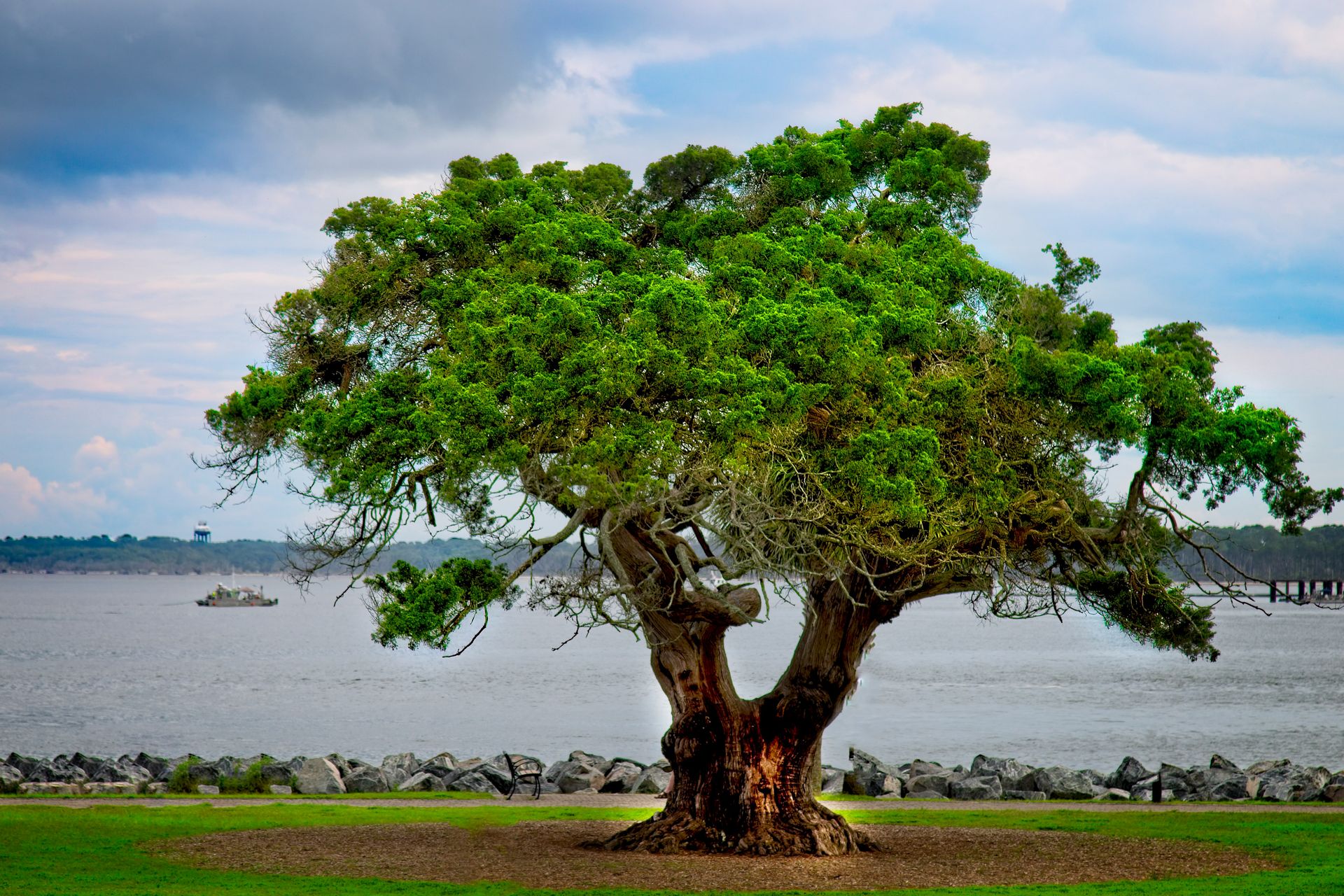
St. Simons Island, one of Georgia’s Golden Isles barrier islands, gives the family summer beach vacation its most complete southeastern version: swimming, cycling, and the specific slow pace of a barrier island community where the beach is the day’s primary event and the evening is organized around a good meal, not a full itinerary of activities. The island’s size, large enough to explore by bicycle but small enough to cross in a single ride, gives it the scale that family beach vacations benefit from, and the network of paved bike paths that extends across the island gives cycling a practical commute mode alongside its recreational appeal.
The King and Prince Beach and Golf Resort and The Inn by Sea Island offer resort accommodation options; the latter offers complimentary bicycles, making the island’s bike path network immediately accessible without the rental logistics other properties require. The family-friendly character of the island reflects the specific culture of a Georgia barrier island community, whose permanent residents have shaped the commercial landscape around quality-of-life priorities that align naturally with what vacation families want.
The food scene gives the island’s evenings their anchor. The hot chicken at Porch and the brisket at Southern Soul Barbecue are both specifically named by the article’s author as criminal to skip, which is the specific kind of personal recommendation that distinguishes a firsthand account from an aggregated list. Southern Soul Barbecue has a regional reputation that extends well beyond the island and attracts dedicated barbecue travelers who drive specifically to St. Simons for its brisket. The island’s several miles of beach, its historic lighthouse dating from 1872, and its positioning within a day’s drive of Savannah and Jacksonville give the St. Simons summer visit a depth of options that the island’s relaxed pace conceals. Jekyll Island, the neighboring barrier island accessible by causeway, offers a day-trip option for St. Simons visitors, with its historic resort district and additional beaches giving the barrier island experience a broader geographic footprint for visitors who want to cover more of the Georgia coast.
Fudo Jahic / Unsplash
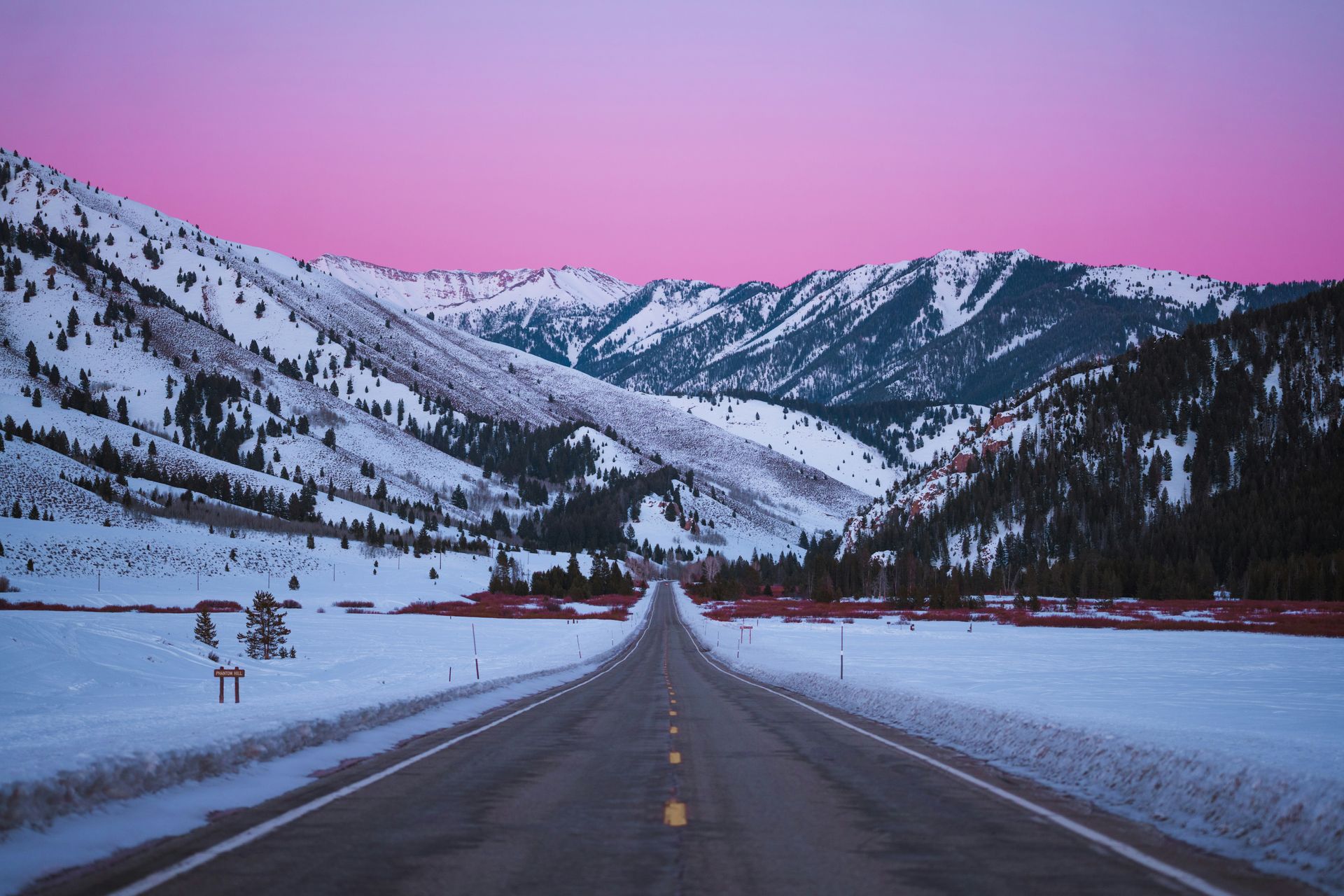
Ketchum, Idaho sits adjacent to the Sun Valley resort area in central Idaho’s Wood River Valley, and A-List advisor Kristin Diehl identifies it as the best home base for exploring the great outdoors of Sun Valley: fly fishing, rafting, biking, and horseback riding give the summer activity menu its full range, and the Limelight Hotel and the iconic Sun Valley Resort give the accommodation its range from contemporary boutique to historic mountain resort. The valley’s position in the central Idaho mountains, far from any major interstate, gives Ketchum the specific quality of remoteness that makes arrival feel like an actual arrival somewhere, not an extension of the highway.
The Wood River Trail, a paved multi-use path that runs through the valley alongside the Big Wood River, offers cyclists and walkers a flat, scenic corridor connecting Ketchum to Hailey and Bellevue without requiring mountain trail fitness. The surrounding mountains offer more ambitious hikers and bikers a vast network of trails in the Sawtooth National Recreation Area, which the trail-focused activity culture of Ketchum’s visitor population makes well-marked and actively maintained.
Stanley, Idaho, a small town 60 miles north of Ketchum over Galena Summit, gives the day trip itinerary Diehl specifically recommends as a postcard of a destination: the tiny downtown set against the dramatic Sawtooth Range and open sky gives Stanley a visual impact that its small size does not predict. The drive over Galena Summit, with its panoramic views of the Sawtooth Valley and the peaks beyond, makes the day trip a journey whose scenery justifies it on its own. The Salmon River, which begins near Stanley, offers whitewater rafters a significant river with Class III and IV rapids accessible from town. The Sawtooth Range that forms the backdrop to Stanley’s tiny downtown is among the most dramatic mountain profiles in the American West, and the visual impact of seeing a range of jagged granite peaks rising above a small Idaho town with no intervening development is something that Diehl’s postcard description captures accurately.
Nick Harris / Wikimedia Commons (CC BY 2.5)
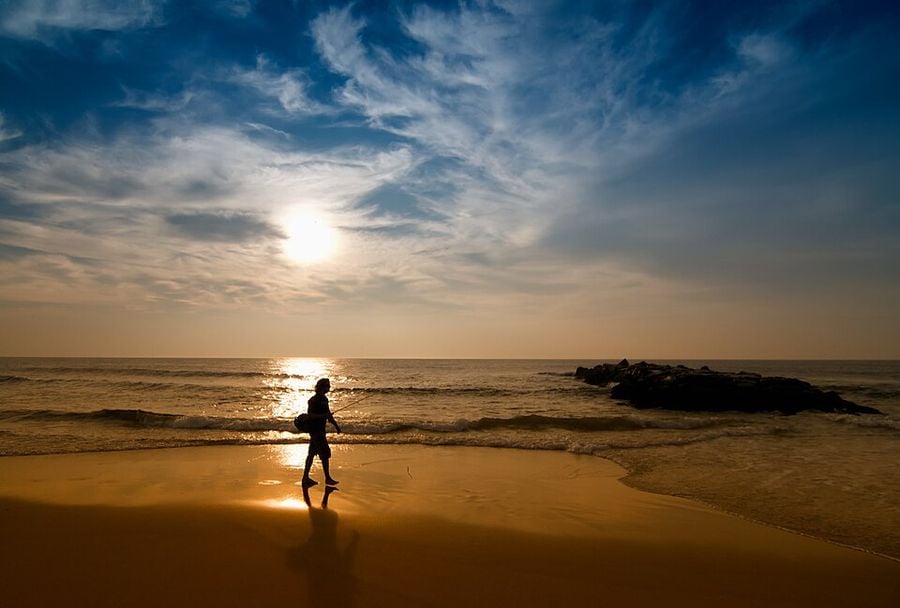
Spring Lake, New Jersey, gives the Jersey Shore summer vacation its most refined version: a lakeside and beachside small town whose grand Victorian beachfront homes, walkable downtown, and specific absence of the amusement park and nightclub infrastructure that defines the busier Shore towns give it a summer atmosphere closer to Kennebunkport than to Wildwood. The boardwalk that runs along Spring Lake’s beach is non-commercial, meaning no arcades, no rides, and no food stands interrupt the beach-to-boardwalk transition, unlike the commercial density produced by the busier Shore towns at full summer capacity.
Tom Bailey’s sandwiches and The Scone Pony’s sweet treats are the specific local food recommendations the article’s author names from personal experience, which gives the food program a firsthand specificity that the generic list of shore town restaurants lacks. The Scone Pony has developed a local following that extends beyond the summer season, reflecting a product quality that seasonal visitor demand alone cannot explain. The beach badge system, standard across the New Jersey Shore towns with their own municipal beaches, is the one practical complication: staying at The Ocean House Bed and Breakfast or the Johnson House Inn gives guests access to badge assistance that the walk-in visitor must sort out independently.
Spring Lake’s position on the Shore puts it within reasonable driving distance of New York and Philadelphia, giving it a weekend getaway radius that the longer-drive destinations on this list cannot match for metropolitan-area travelers whose summer schedule allows only two or three days away. The lake itself, after which the town is named, offers freshwater swimming and kayaking that the beach towns north and south of it do not, and the Victorian architecture lining the lakefront gives the town’s visual character its most specifically late-19th-century New Jersey expression. The non-commercial boardwalk is Spring Lake’s most distinctive physical asset relative to the busier Shore towns: its absence of concession stands and amusement infrastructure makes the boardwalk a quiet experience whose value lies in the ocean view, not the commercial activity that most Jersey Shore boardwalks layer over it.
Cameron Agostino / Unsplash
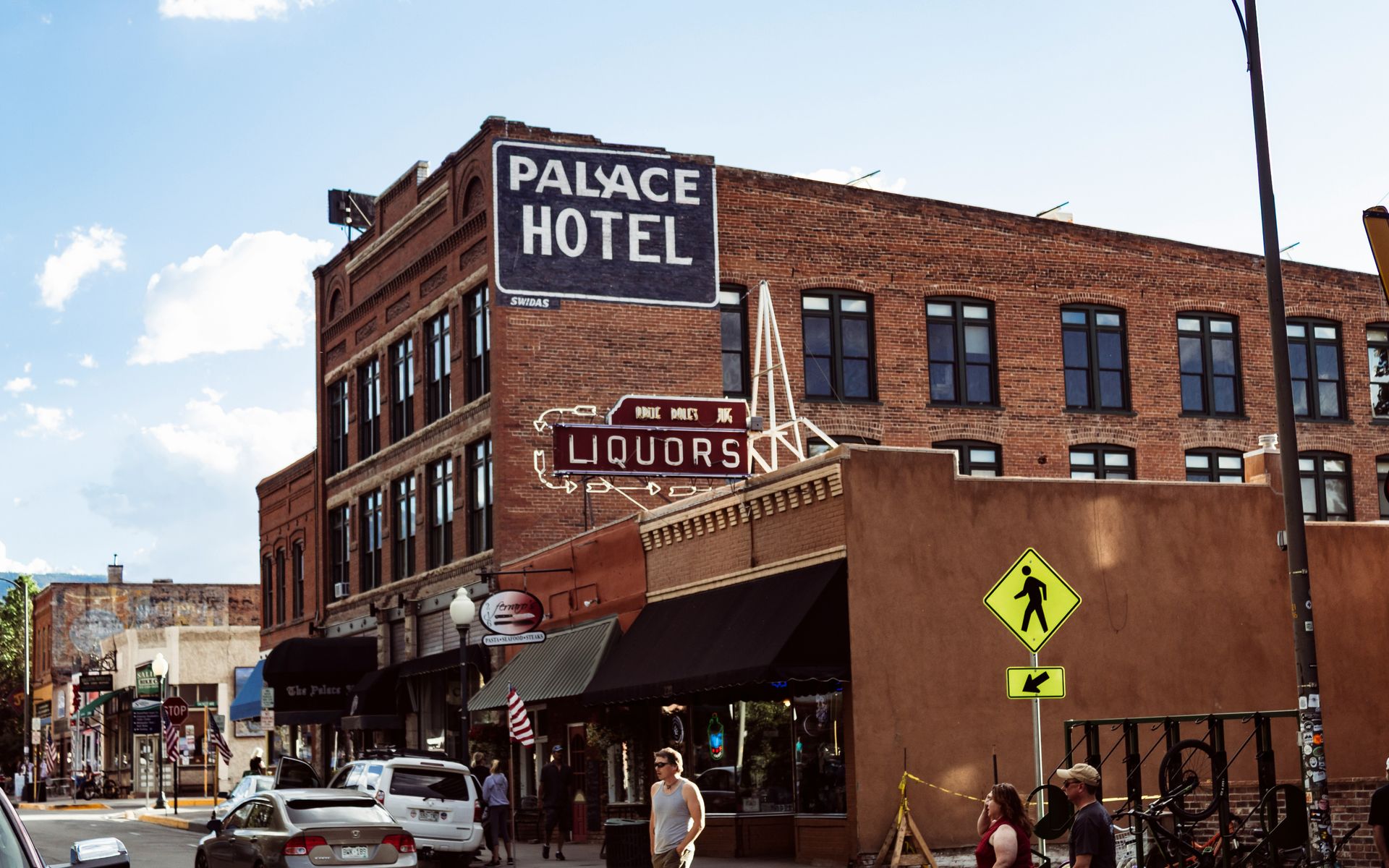
Salida, Colorado, occupies the specific niche in the Colorado mountain town landscape that Cropper identifies as similar to Telluride but with a more off-the-beaten-path character: a hidden gem, in her phrasing, that has not yet been overrun by the tourist infrastructure that the more famous mountain towns have accumulated in proportion to their fame. The town’s position on the Arkansas River, one of the most significant whitewater rivers in the American West, gives it an outdoor activity anchor specific to moving water, departing from the ski-terrain-to-summer-hiking conversion that most Colorado mountain towns offer.
The Arkansas River’s whitewater in the Browns Canyon area, designated as a National Monument in 2015, gives Salida access to some of the most accessible Class III and IV whitewater in Colorado without the shuttle logistics that more remote river sections require. The Browns Canyon stretch is the most commercially rafted section of river in the country, which gives Salida a summer activity volume that supports a guide outfitter industry with experience levels as high as any in the state. Kayakers, anglers, and tubers give the river its full recreational spectrum in the calmer stretches through town.
Cropper specifically describes Salida as brimming with art galleries, live music, and festivals, with artists filling the streets, which gives the town a cultural dimension that distinguishes it from the purely outdoor-focused mountain towns nearby. The Salida SteamPlant Event Center and the downtown gallery district give the evening program its distinct creative character, and the easygoing, no-frills atmosphere Cropper identifies as the town’s most valuable quality gives the whole experience the relaxed pace that the summer small-town vacation is supposed to deliver. The Amigo Motor Lodge in Salida or The Inn in nearby Buena Vista offer locally embedded accommodation options. The drive from Salida to Buena Vista along the Arkansas River, through the Browns Canyon National Monument, gives the two-town Chaffee County itinerary a scenic connector whose river views and canyon geology make the 25-mile drive worthwhile in its own right.