From a Honda Civic with sculpted ergonomics and direct steering to a Chevy Tahoe with power-adjustable pedals for full-size SUV access
Credit: Chevrolet
Finding the right car involves more variables than most buyers articulate clearly when they start shopping. Performance, fuel economy, cargo space, and technology get the most attention in reviews and comparison articles, but the physical fit between a driver and a vehicle shapes every moment behind the wheel in ways that specification sheets do not capture. For drivers who sit closer to the pedals than average, the variables that matter most are different: seat adjustability, forward visibility over a low hood, step-in height, steering wheel reach, and the placement of controls that are accessible without stretching. A vehicle that doesn't fit these dimensions exhausts its driver on every commute, regardless of how many stars it earns in other categories.
The vehicles that work best for shorter drivers tend to share certain characteristics. High, upright seating positions provide commanding forward visibility without requiring an elevated seat. Low hood lines keep the road visible close to the front of the vehicle. Wide adjustability ranges for the seat and steering wheel allow the driver to create a comfortable, safe position rather than settling for an approximation. Power-adjustable pedals, when available, bring the controls to the driver rather than requiring the driver to reach for them. These features are not exclusive to vehicles marketed toward shorter drivers, which is why finding the right fit requires knowing where to look across a wide range of vehicle categories.
The 10 vehicles below appear in U.S. News & World Report, ranked by U.S. News overall score. When scores are tied, the starting point in price serves as the tiebreaker. The list spans sedans, compact SUVs, a sports car, a minivan, a full-size SUV, and a compact electric SUV, giving shorter drivers a representative selection across the vehicle categories that serve different practical needs.
Credit: Honda
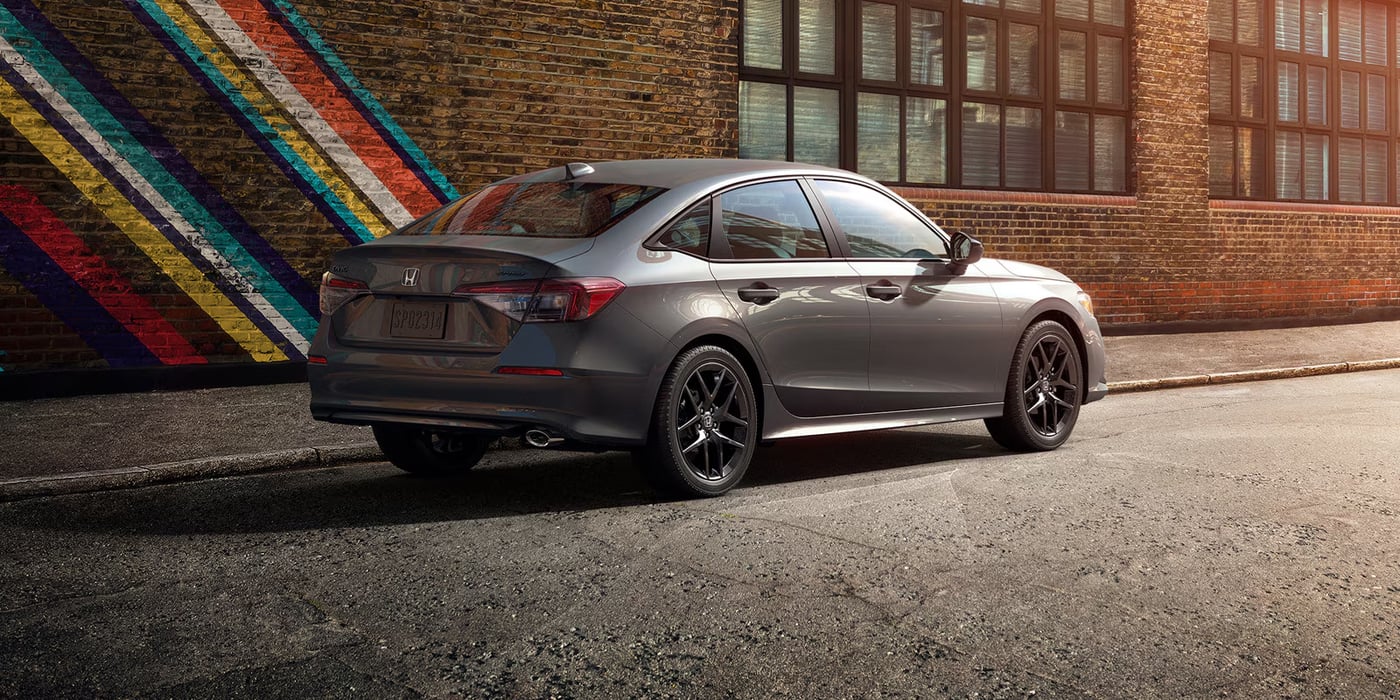
The Honda $HMC Civic earns a U.S. News rating of 9.4 out of 10 and leads the rankings with a compact profile that gives shorter drivers a seating position providing a clear view of the road, alongside dashboard controls positioned directly in the line of sight. The driver’s seat is sculpted and supportive, with ample adjustability, which allows shorter drivers to set a position that holds them correctly through longer drives rather than requiring constant physical compensation for a seat that does not quite fit. The Civic’s compact proportions might suggest a cramped interior, but the cabin feels roomy in practice.
The steering delivers direct, accurate feedback, giving shorter drivers the confidence to navigate both city traffic and tighter parking situations without the vague, over-assisted feel that some vehicles in this class produce at low speeds. Cornering inspires confidence rather than requiring effort, which is a specific quality that shorter drivers who spend time in vehicles not optimized for their position understand: the energy that goes into managing an ill-fitting car disappears when the vehicle is properly suited to the driver.
The base engine prioritizes fuel efficiency over outright acceleration, which suits the Civic’s overall character as a daily-use vehicle. The Si model delivers noticeably quicker performance for drivers who want more urgency from the powertrain. Some road noise enters the cabin at highway speeds, but the overall refinement level for the price range is strong. The Civic is available at a starting point that keeps it accessible across a wide range of budgets, which gives it a value dimension that the driving experience and ergonomic suitability reinforce.
Credit: Toyota
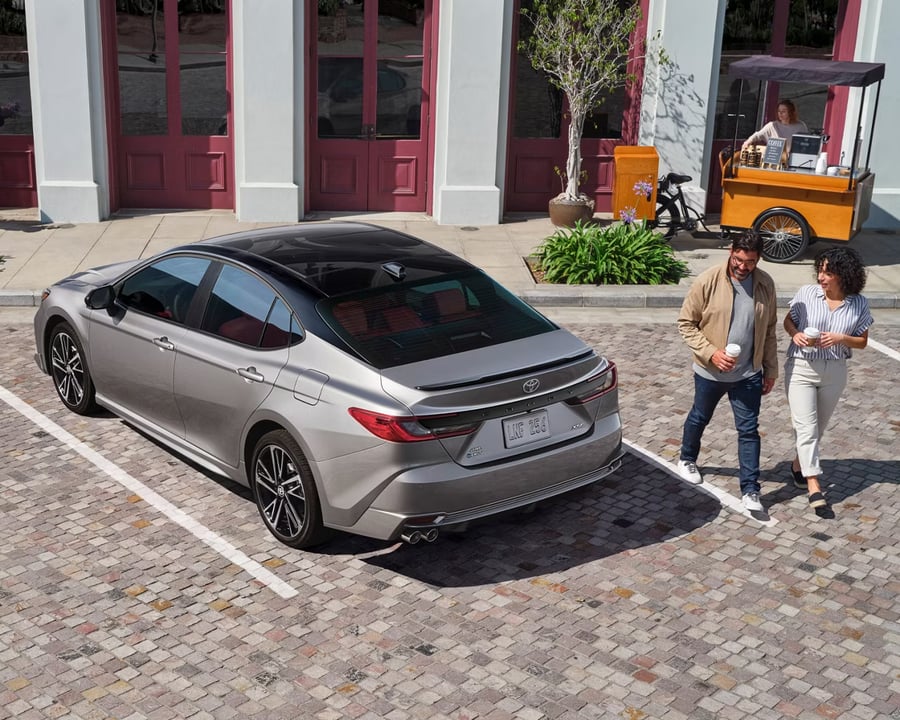
The Toyota $TM Camry earns the same 9.4 U.S. News rating as the Civic, with the tiebreaker placing it second in the rankings. Its forward visibility is described as among the best in the business, aided by slim roof pillars and a seating position that feels natural rather than elevated or compromised. The driver’s seat and steering wheel adjustability covers a wide range of heights, and the controls are clearly marked and logically placed so shorter drivers can access them without reaching. The Camry’s benchmark status in this category reflects a deliberate ergonomic design that is reinforced throughout the entire cabin layout.
The 2026 Camry comes with a hybrid powertrain as standard across all trims, which balances responsive acceleration with fuel economy ratings that make the hybrid system’s presence beneficial rather than merely compliance-driven. The ride is compliant across all models, and the cabin delivers quiet refinement that makes longer drives comfortable without sacrificing the everyday accessibility that a practical family sedan requires. For shorter drivers seeking confidence, comfort, and value in a single package, the Camry earns its benchmark designation across all three dimensions.
The combination of excellent visibility, comprehensive adjustability, logical controls, and a hybrid powertrain gives the Camry a broader case for shorter drivers than the ergonomic fit alone. The ride quality and cabin refinement mean that the correct seating position is a comfortable one for extended driving rather than merely a geometrically adequate one. The Camry’s consistent performance across these dimensions, maintained across multiple generations of the model, gives it a reliability of fit that newer models in the segment have not yet established equally.
Credit: Mazda
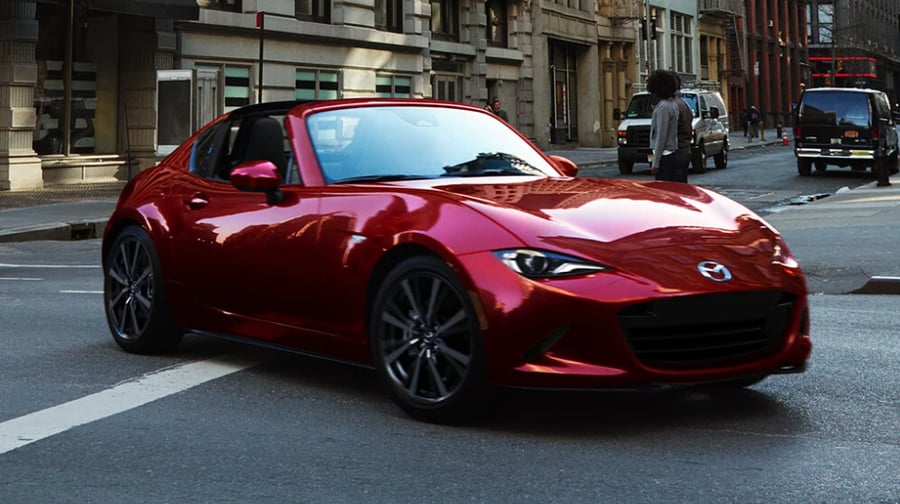
The Mazda MX-5 Miata earns a 9.3 U.S. News rating and gives shorter drivers a specific advantage in a vehicle category where fit is notoriously variable. The low-slung cockpit positions the pedals, shifter, and controls within natural reach for a shorter driver, unlike taller alternatives in the sports car segment. Visibility is surprisingly good for a roadster, where the design priorities of a low profile and dramatic styling often compromise sightlines. Entry and exit are more demanding than in taller vehicles, but the Miata’s ergonomic suitability once inside gives it an advantage over many alternatives despite that tradeoff.
The Miata's driving experience justifies the ergonomic case on its own. On winding roads, few vehicles at any price point match the Miata’s reflexes, and the lightness of the car gives it handling qualities that heavier, more powerful sports cars work harder to approximate. The engine is not powerful in absolute terms, but the car's weight makes power a secondary consideration: the steering’s connected feel and the chassis’s willingness to be pushed make the Miata genuinely engaging at speeds that keep it legal on public roads.
The tradeoffs are real and worth understanding before purchase. The trunk is small, the technology content is limited relative to comparable vehicles in other categories, and the convertible format introduces wind noise and structural compromises. For a shorter driver whose priorities align with the Miata’s specific excellence, these are known and acceptable constraints rather than surprises. Few cars deliver the combination of fun, efficiency, and engagement that the Miata provides at its starting point.
Credit: BMW
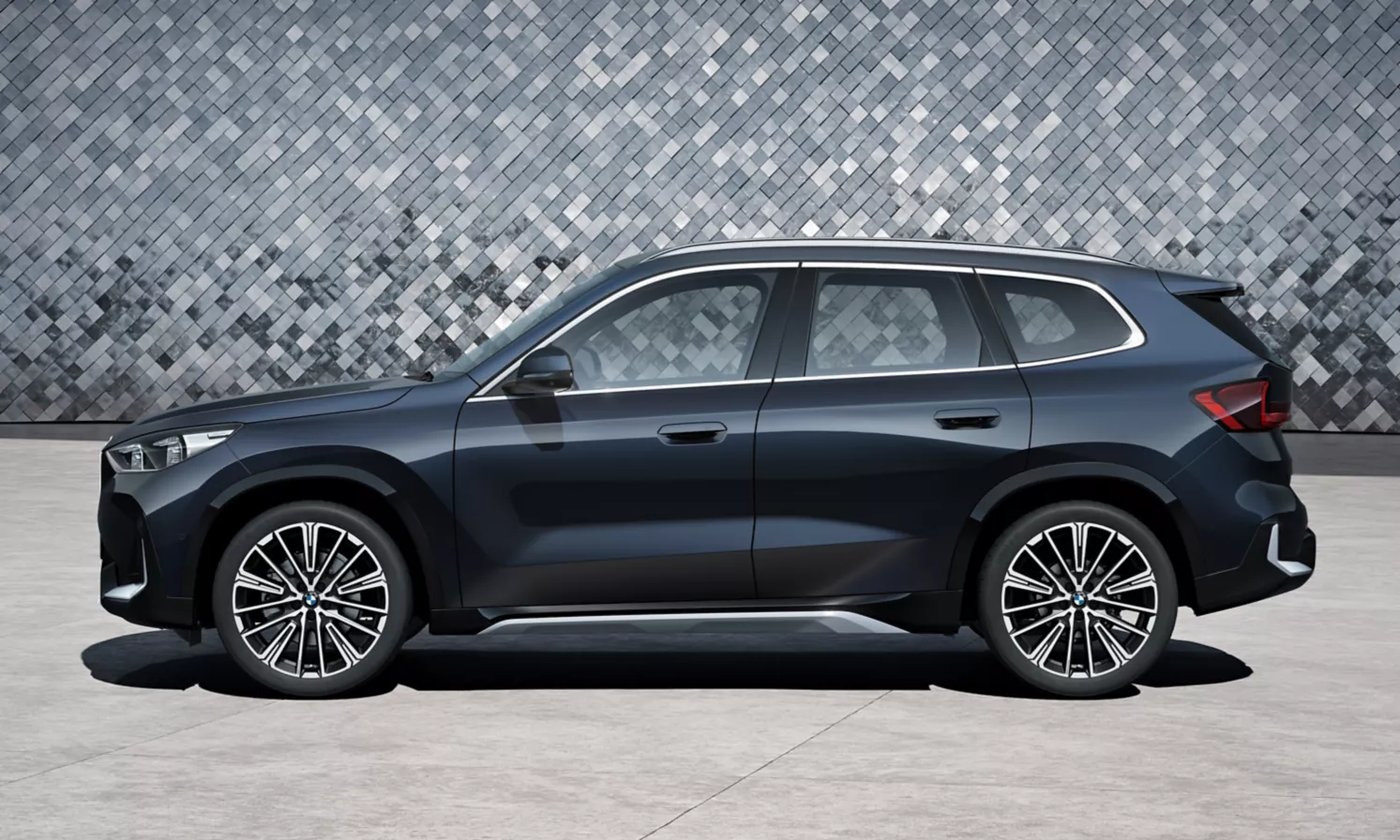
The BMW X1 earns a 9.2 U.S. News rating and gives shorter drivers access to the luxury subcompact SUV category with ergonomic credentials that the premium segment does not always prioritize. The step-in height is moderate, making entry and exit straightforward without the climbing effort required by taller SUVs. The upright seating position gives a confident road perspective, and the expansive windshield provides sightlines that the category’s typical pillar design often compromises. Front seat adjustability covers enough range to fully accommodate shorter drivers, allowing a tailored position rather than an approximation.
The X1’s handling is athletic for its size and class, with the base xDrive28i delivering rapid acceleration that the vehicle’s weight and all-wheel-drive system make usable rather than overwhelming. The ride manages firmness without becoming punishing on typical road surfaces, which gives the X1 a daily-use usability that performance SUVs in this class sometimes sacrifice for dynamic credentials. The cabin materials are premium throughout, and the standard technology content is extensive enough to make the entry-level feel genuinely well-equipped rather than stripped.
The X1’s combination of luxury interior quality, athletic performance, and ergonomic suitability for shorter drivers gives it a case that extends beyond fit alone. A shorter driver who chooses the X1 for ergonomic reasons does not have to accept any meaningful compromise in the other dimensions of the vehicle’s character to get the fit they need. The premium starting point reflects the luxury positioning, but the breadth of what the X1 delivers justifies it across the full range of the vehicle’s qualities.
Credit: Mazda
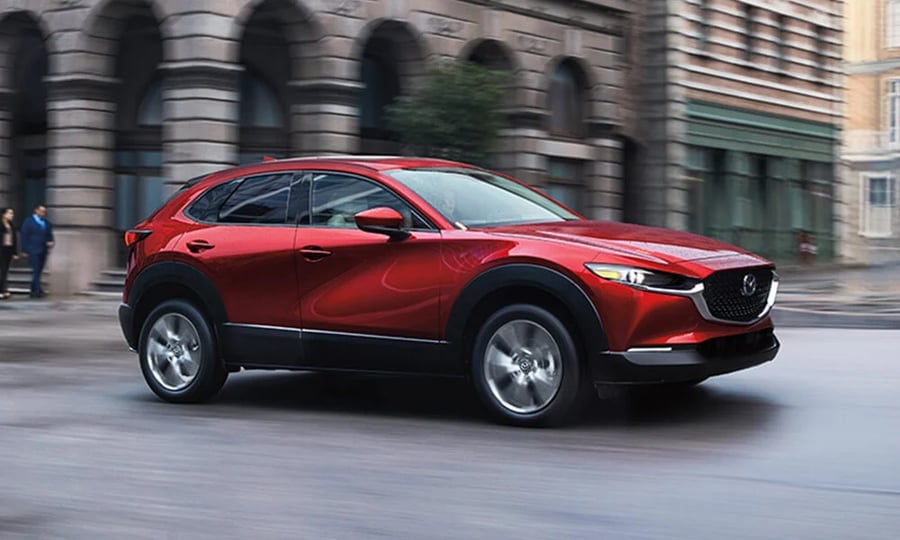
The Mazda CX-30 earns a 9.1 U.S. News rating and gives shorter drivers a subcompact crossover with an easy step-in height, excellent forward visibility, and well-bolstered front seats that hold the driver correctly in an upright position. The premium cabin quality that Mazda has built into the CX-30 across all trims gives shorter drivers who choose it for ergonomic reasons a vehicle that also delivers a material and design environment typically found in more expensive alternatives. The driving position is comfortable and commanding, the combination that shorter drivers specifically require.
The handling is agile, with a level of cornering confidence unusual in the subcompact crossover category, where ride comfort tends to be prioritized over dynamic engagement. The base engine is adequately powered, and the optional turbocharged four-cylinder gives the CX-30 a performance upgrade that transforms the driving experience for buyers who want more urgency from the powertrain. Standard all-wheel drive and a top-tier safety score give the CX-30 all-weather capability and crash protection alongside its ergonomic and handling strengths.
The limitations are honest and category-specific: rear-seat space and cargo room fall short of class leaders, and the rotary infotainment control requires adjustment for drivers accustomed to touchscreen-primary interfaces. These are trade-offs specific to the CX-30’s design priorities, which prioritize driving engagement, cabin quality, and visibility over interior spaciousness. For a shorter driver whose primary vehicle use does not demand maximum cargo or rear-seat space, the CX-30’s strengths in the dimensions that matter most for comfort and confidence outweigh the limitations.
Credit: Chrysler
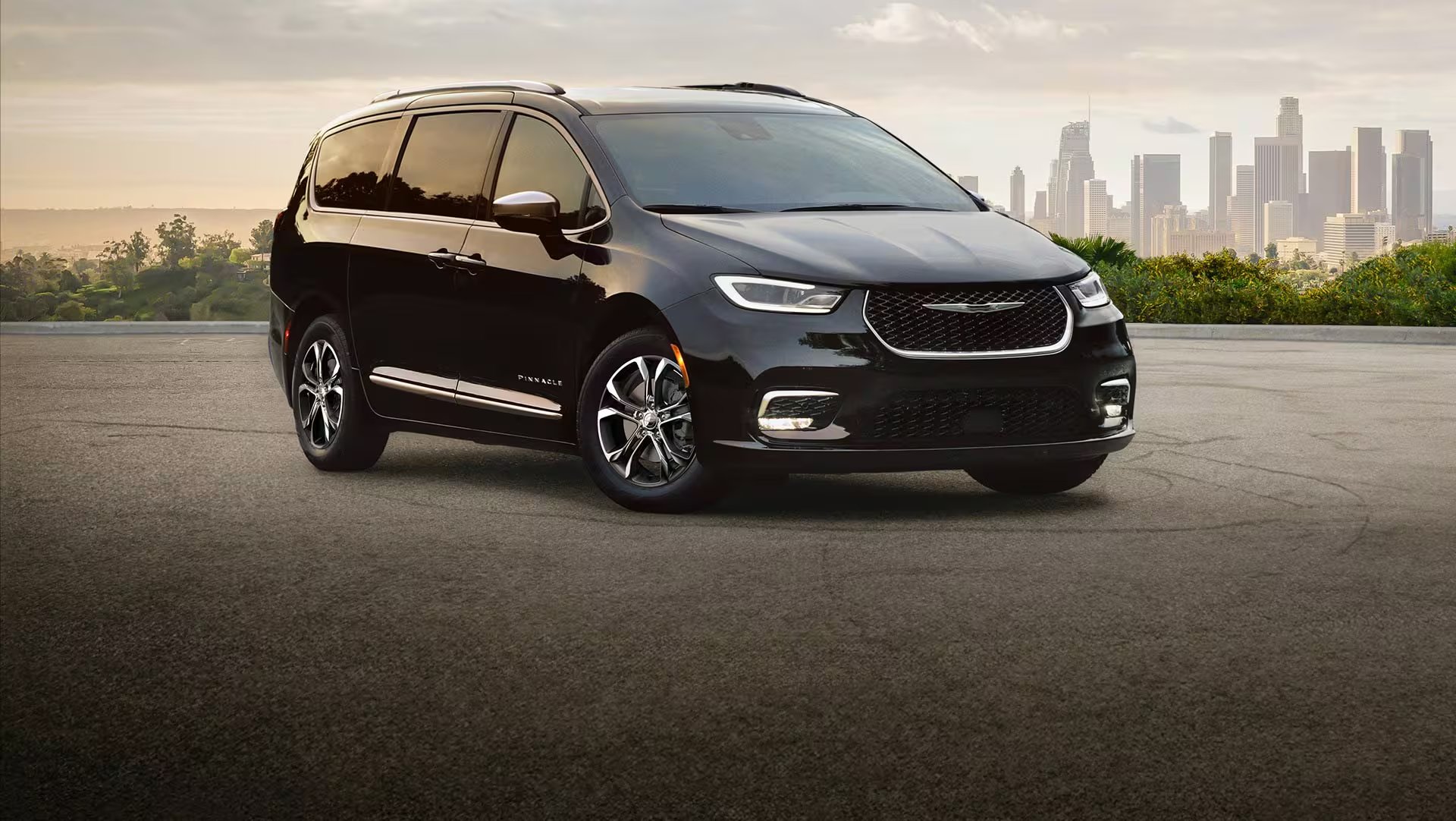
The Chrysler Pacifica earns a 9.0 U.S. News rating and gives shorter drivers the minivan option with an ergonomic configuration that the category does not always prioritize. Low step-in height, wide-opening front doors, and an upright seating position make entry and exit straightforward, and the seat controls and touchscreen are within reach for smaller drivers without stretching. The Pacifica demonstrates that minivan design can accommodate shorter drivers without the compromises that the category’s size might suggest.
The driving experience defies the expectations of a large people mover. Steering is light and responsive enough to keep the van centered without requiring constant correction, and the V6 powertrain delivers steady, sufficient power for family duty without the hesitation that underpowered large vehicles produce when merging or overtaking. The cabin stays quiet at highway speeds, which makes long trips genuinely comfortable rather than merely survivable. Fold-flat rear seats expand cargo versatility without demanding heavy lifting, which suits the practical demands of family ownership.
The Pacifica’s combination of accessibility for shorter drivers, light, manageable steering, and genuine family utility makes its case extend well beyond the ergonomic qualification. A shorter driver who needs a minivan does not have to settle for a vehicle that fits poorly to get the interior space and flexibility the category offers. The Pacifica’s specific design choices in seat height, door opening, and control placement reflect attention to accessibility that the minivan segment’s general indifference to shorter driver fit makes notable.
Credit: Kia
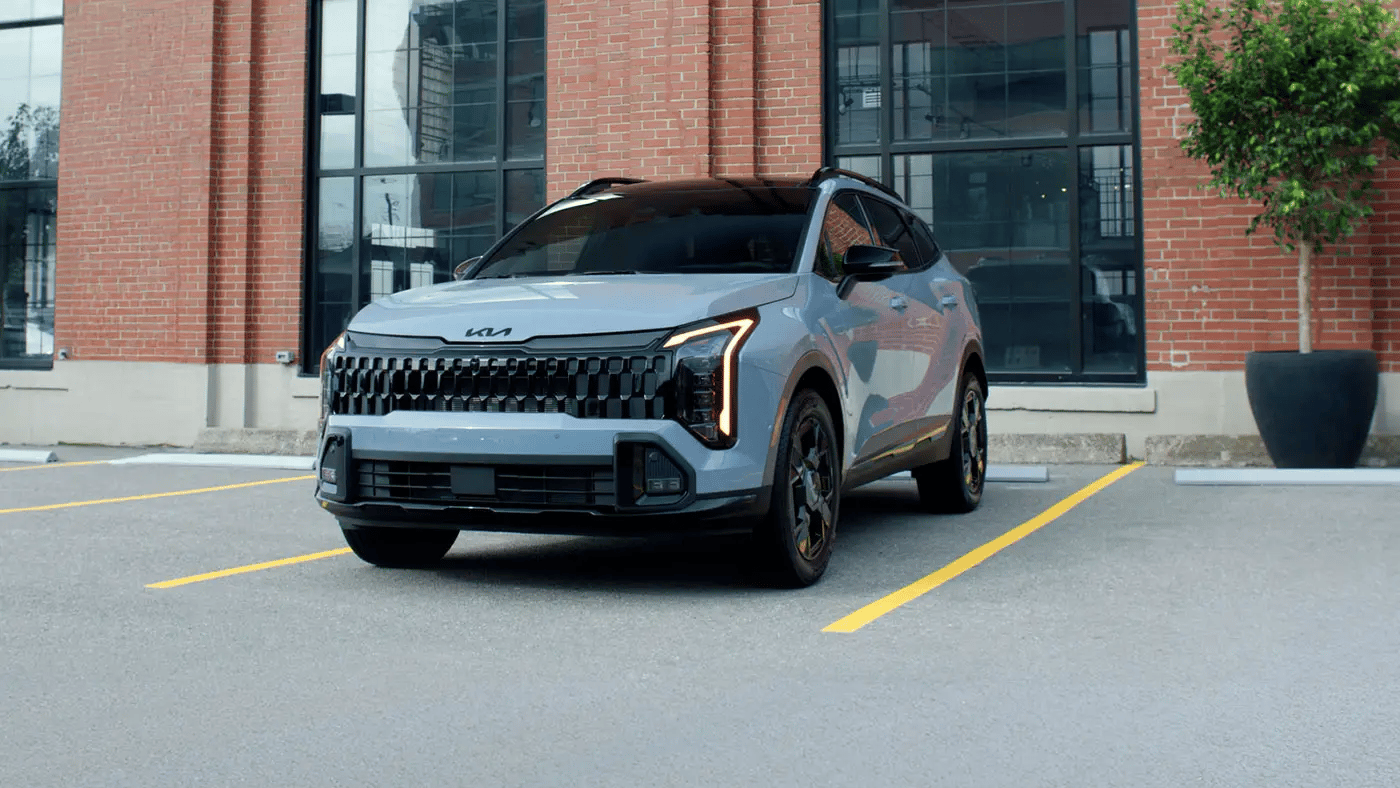
The Kia Sportage earns an 8.9 U.S. News rating and gives shorter drivers a compact SUV with a low step-in height that makes entry straightforward, a high seating position that provides solid forward visibility, and controls within easy reach across the full range of seat adjustment. The Sportage's practical dimensions give it a cargo space and cabin quality advantage over many rivals in the compact SUV category, which means shorter drivers who choose it for ergonomic reasons receive competitive class-level practicality alongside the fit.
The steering is light at low speeds, and the ride stays smooth across rough surfaces, which gives urban and suburban daily driving a quality of ease that the Sportage’s size and price suggest but that its actual road manners deliver. The engine prioritizes efficiency over performance, which gives the Sportage strong fuel economy but modest acceleration, limiting it for drivers who need urgency from the powertrain. The dual-use climate and audio control panel is a specific interface quirk that the otherwise accessible control layout makes worth noting as a learning curve rather than a dealbreaker.
The Sportage’s balance of low step-in height, high seating position, good visibility, strong cargo space, and competitive cabin quality gives shorter drivers a compact SUV that addresses the ergonomic priorities without requiring meaningful compromise in the practical dimensions that the category’s buyers typically evaluate most carefully.
Credit: Honda
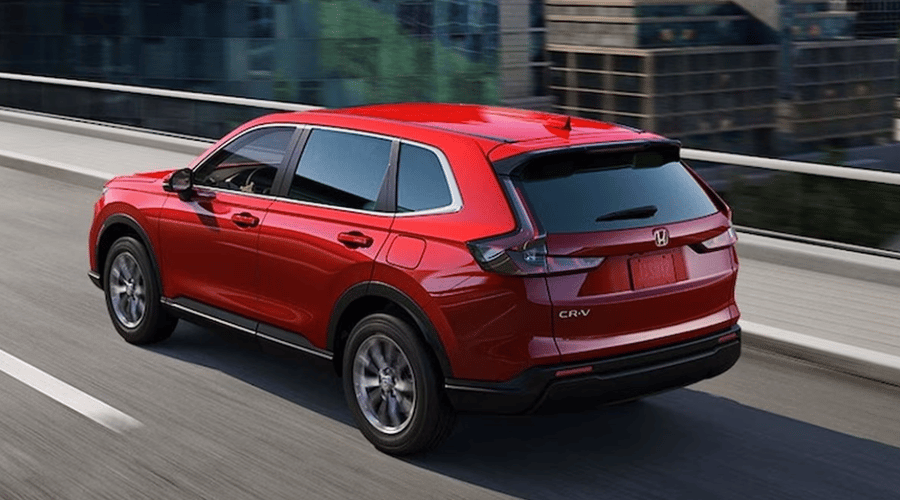
The Honda $HMC CR-V earns an 8.9 U.S. News rating and specifically addresses the visibility concerns that shorter drivers carry into larger vehicles: the high seating position, large side windows, and low hoodline work together to give the driver a comprehensive view of the road environment that the CR-V’s size might suggest would be compromised. Generous seat and steering wheel adjustability let the driver establish a position that is both comfortable and provides optimal sightlines, and the large knobs and clearly labeled buttons keep the controls accessible without requiring the driver to hunt for them visually.
The suspension is well-tuned enough to absorb bumps with a smoothness that makes the CR-V’s daily-use character one of its strongest qualities. Tight steering and minimal body lean give the CR-V a handling composure that compact SUVs sometimes sacrifice for ride comfort, and the balance between the two makes the vehicle feel confident without requiring the driver to work to keep it composed. Seating space and storage are generous, which gives the CR-V the practical interior dimensions that compact SUV buyers typically prioritize.
The engine delivers adequate rather than exciting performance, and the technology content, while easy to use, falls short of the volume offered by some rivals in the segment. For shorter drivers whose priorities are visibility, adjustability, and day-to-day comfort in a practical package, these limitations are secondary to the CR-V’s specific strengths in the dimensions that affect every drive.
Credit: Chevrolet
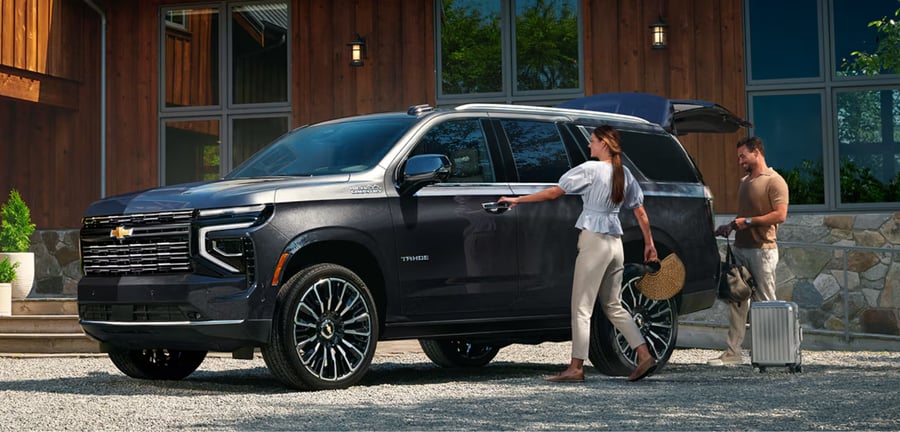
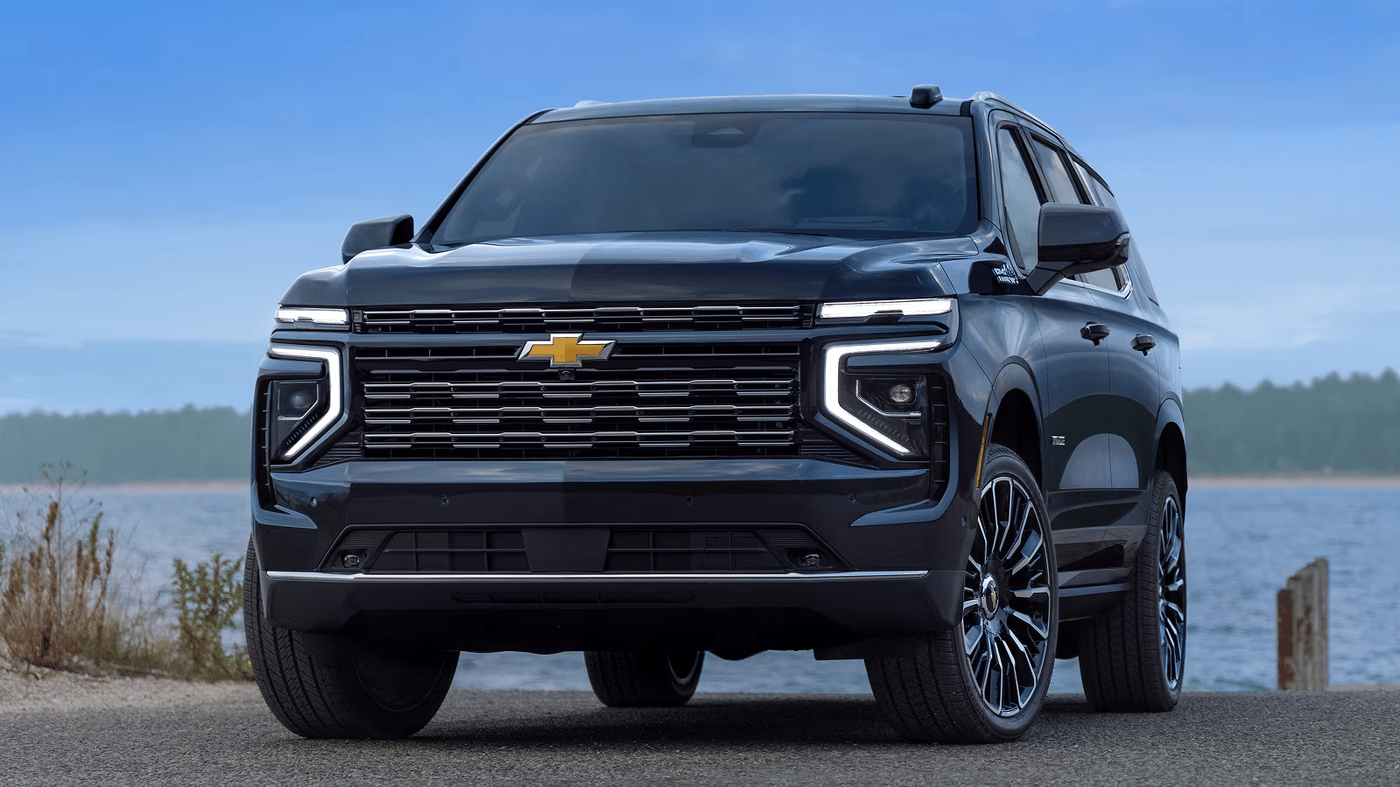
The Chevrolet Tahoe earns an 8.7 U.S. News rating and represents the full-size SUV category’s most accommodating option for shorter drivers through a combination of design choices that directly address the category’s typical accessibility challenges. A low dash and wide windshield create an open forward field of vision that the Tahoe’s height advantage over smaller vehicles amplifies rather than obscures. Wide door cutouts ease entry, and available running boards reduce the step height to a manageable level. Power-adjustable pedals and seat memory settings give shorter drivers a repeatable, tailored driving position that meets the category’s variable occupancy demands.
Despite its scale, the Tahoe manages its size with light steering assistance and body roll control that make it feel more manageable than its footprint suggests. The ride is calm across road surfaces that would generate significant secondary motion in less-refined large vehicles, and the extensive suite of driver-assistance features makes lane changes and navigation in tighter spaces less demanding. Diesel variants deliver better fuel economy, and all versions come with driver-assist technology that makes living with a large vehicle in urban and suburban environments practical rather than merely possible.
The Tahoe’s case for shorter drivers rests specifically on the combination of features that address the category’s typical barriers: power pedals, seat memory, running boards, and wide visibility. These features are common across other large vehicles, but their concentration in the Tahoe’s configuration gives shorter drivers a full-size SUV option that does not require accepting a poor fit to access the cargo capacity and passenger space the category provides.
Credit: Volvo EX30
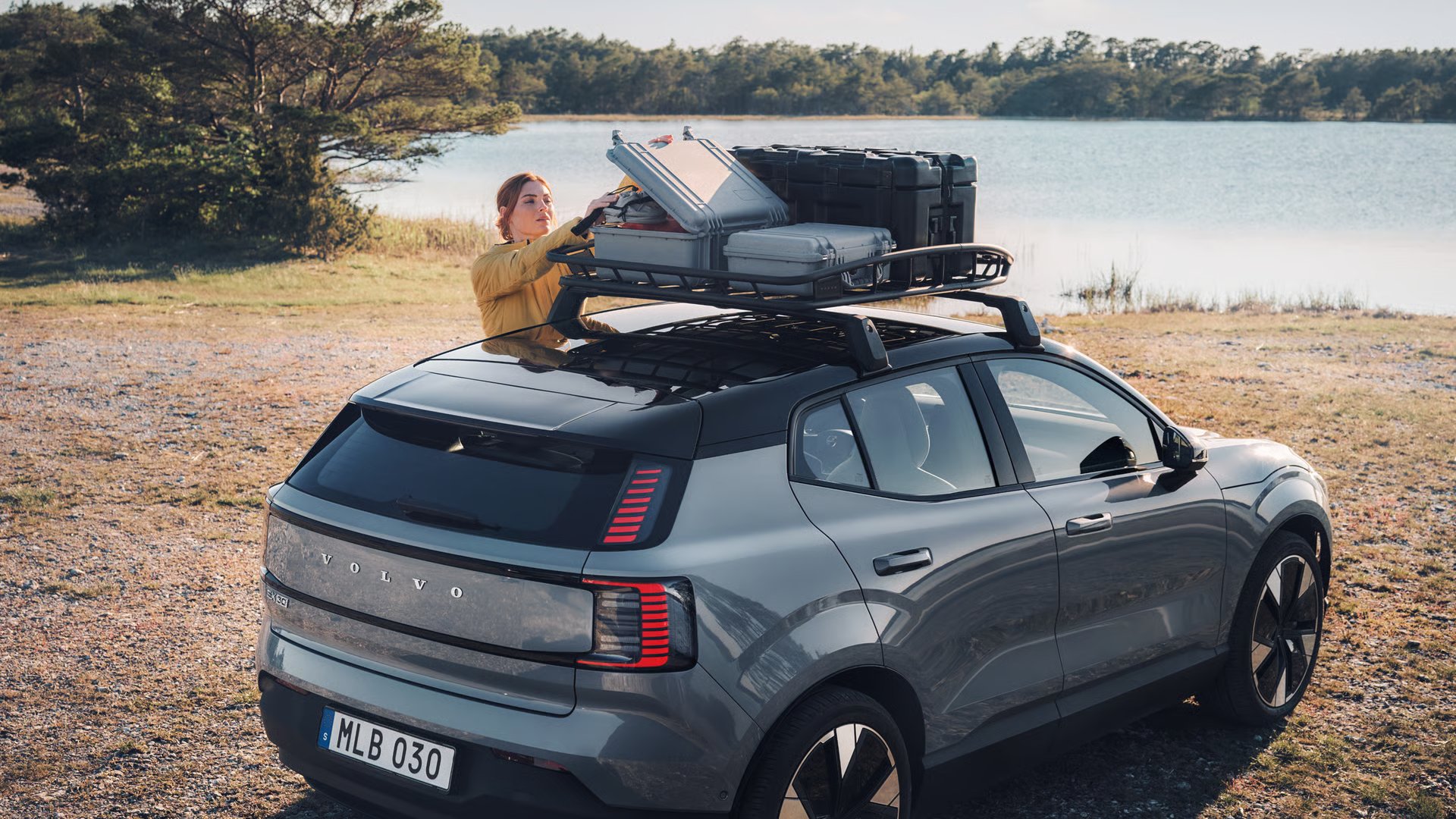
The Volvo EX30 earns an 8.2 U.S. News rating and gives shorter drivers a compact electric SUV with an upright seating position, a low hood, and generous glass coverage that together provide a confident road view without the elevated step-in of larger electric vehicles. Entry and exit are straightforward, which gives the EX30 a daily accessibility that some compact electric SUVs, whose floor-mounted battery packs raise the floor height, do not always achieve. The overall package feels oriented toward smaller driver dimensions, as the EX30’s design intent reflects.
The cabin follows a minimal approach to physical controls, relying heavily on the touchscreen for functions that most competitors distribute across physical buttons and knobs. This approach suits some drivers and frustrates others, and shorter drivers who appreciate the EX30's ergonomic suitability should evaluate the interface philosophy specifically before committing. The overall cabin quality trails some top rivals in the compact electric SUV segment, which partially reflects the starting point.
The driving experience is composed and pleasant: light steering, a gentle ride, and zippy acceleration from the electric powertrain give the EX30 the daily character that its commuter-focused identity implies. The 261-mile driving range gives the EX30 practical utility for typical daily use and shorter road trips, and the electric powertrain's acceleration from a standstill gives the compact vehicle a responsiveness that its overall size and modest performance ambitions make genuinely enjoyable in everyday driving.
