From a Honda Civic with class-leading rear legroom under $25,000 to a Ridgeline whose SUV-based ride fits downtown parking structures
Credit: Toyota
A car you spend two or more hours in every day deserves more consideration than most buyers give it. The commuter category isn’t about the most exciting car on the market or the fastest or the most prestigious: it’s about the car that makes a daily routine feel less like an obligation. The qualities that matter are consistency: a comfortable ride that absorbs the road without drama, technology that stays out of the way, fuel economy that keeps the cost-per-mile low, and enough safety technology to catch the mistakes that fatigue and distraction invite.
The cars on this list cover a range of vehicle types, from a compact hatchback to a midsize pickup truck, and a range of price points from under $25,000 to just over $43,000. Several are hybrids or electrics, which makes sense for high-mileage commuters whose fuel costs add up quickly. All of them score well on comfort, reliability, and the technology features that make everyday driving more manageable without turning the interior into a distraction.
The 10 cars below appear in U.S. News & World Report, covering the best-rated vehicles for daily driving across sedans, SUVs, and trucks. The rankings are drawn from U.S. News expert reviewer assessments and regularly updated data, which means the scores and observations cited here reflect current model-year information, not historical reputation. The list covers both electric and hybrid options alongside conventional gasoline vehicles because commuter buyers today span all three powertrain types, and the right choice depends on charging access, commute distance, and driving preferences as much as on vehicle quality. Buyers who commute fewer than 40 miles daily and have home charging access will find that the electric and plug-in hybrid options deliver the most compelling long-term cost picture, while those with longer commutes or unreliable charging access will find the conventional hybrid options most practical.
Credit: Hyundai
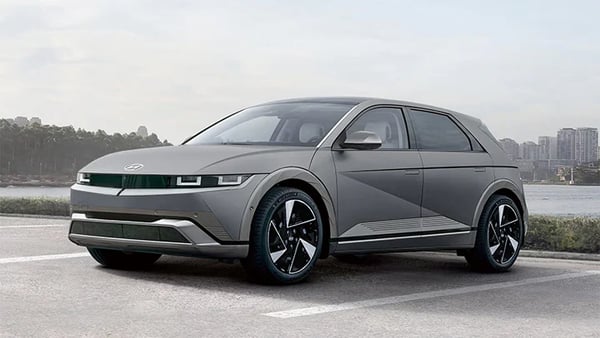
The Ioniq 5 earns its top position by delivering qualities that few electric vehicles at any price achieve simultaneously: excellent styling, an affordable starting price around $35,000, a fast-charging system, and a range that covers most commute-plus-errand scenarios without anxiety. The Standard Range model delivers up to 245 miles per charge. The Long Range version extends that to 318 miles. The vehicle uses a Tesla $TSLA-compatible charging port as standard equipment, which means access to the Supercharger network is built in.
The charging speed is the most compelling practical detail. The Ioniq 5 can charge from 10 percent to 80 percent in as little as 20 minutes at a compatible fast charger, making a charging stop during lunch or a meeting genuinely practical rather than a significant scheduling disruption. The interior uses sustainable materials and features a 12.3-inch touchscreen, wireless smartphone connectivity, and five USB ports, enough to power a full family of commuters' devices simultaneously.
Standard safety features include lane-centering assist, stop-and-go adaptive cruise control, and traffic-sign recognition, all of which address the specific failure modes of commuter driving: lane drift from distraction, stop-and-go fatigue, and speed awareness on variable-limit roads. The Ioniq 5’s U.S. News score of 9.4 out of 10 reflects the breadth of what it does well. Beyond range and charging speed, the vehicle’s ride quality and interior design are specifically praised in the full review. The 12.3-inch screen is large enough to be useful without being unwieldy, and the wireless charging keeps cables out of the center console on daily use. Hyundai offers the Ioniq 5 in Standard Range and Long Range configurations, with AWD available on the Long Range version. The AWD variant is worth considering for buyers in winter climates, where the range reduction is offset by the traction benefit on snow and ice. The Ioniq 5’s dual-motor AWD configuration delivers 320 horsepower, a meaningful performance upgrade over the single-motor FWD base version, offering genuinely quick acceleration alongside the traction advantage.
Credit: Honda
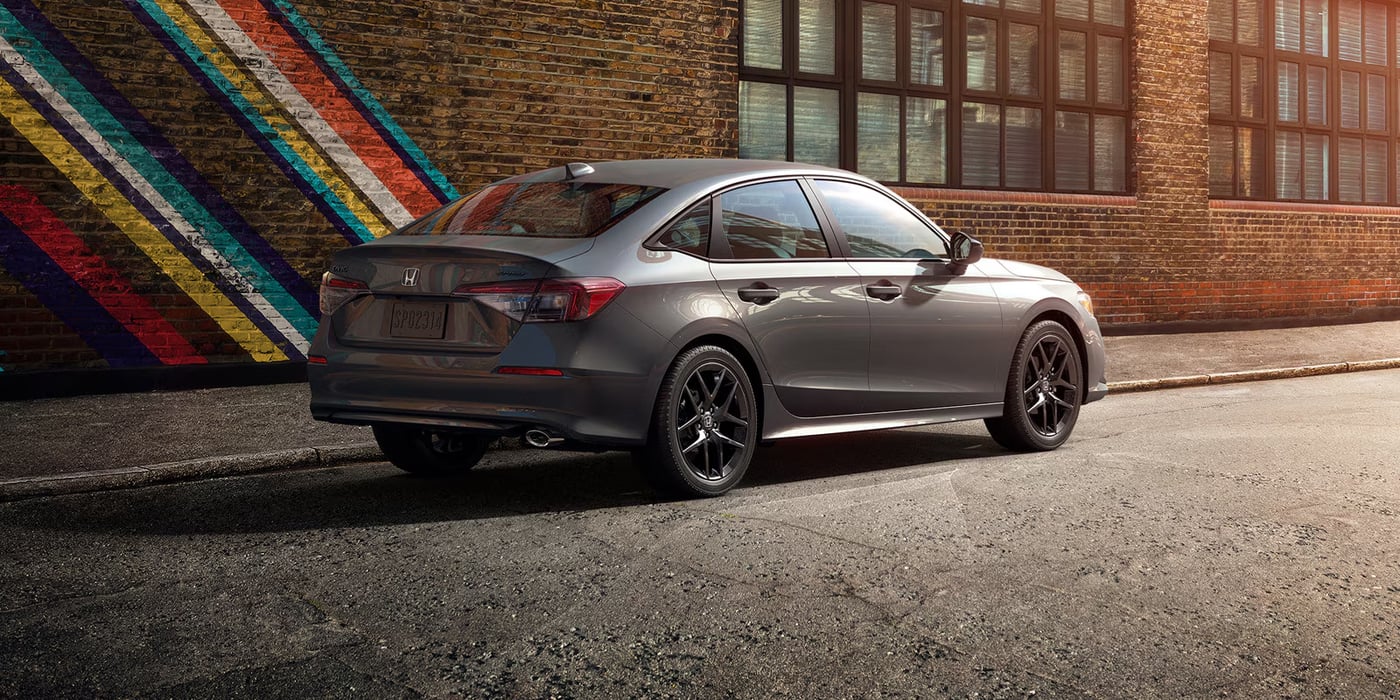
The Civic’s starting price of $24,595 makes it the only car on this list under $25,000, but the budget argument is secondary to the driving argument: the Civic is a genuinely enjoyable compact car that happens to be affordable. Expert reviewer Perry Stern specifically notes how enjoyable the Civic is to drive, with keen handling and a smooth ride that make the daily commute feel less mechanical. Fuel economy reaches 41 mpg on the highway, which is exceptional for a non-hybrid gasoline car in this segment.
A styling refresh recently updated the exterior, and the interior is well-designed and feels more upscale than the price would suggest, with useful storage cubbies throughout the cabin. The base trim’s 7-inch touchscreen is on the smaller side, and smartphone connectivity requires a wired connection at the base level. Both are worth noting for buyers who specifically prioritize large screens and wireless connectivity.
The standard safety equipment list is comprehensive, including adaptive cruise control and traffic-sign recognition. The Civic’s long-standing reliability record gives it a low long-term ownership cost, amplifying its initial price advantage: a car that doesn’t spend time at the dealer keeps the commute running and the budget intact. The Civic’s U.S. News score of 9.4 is the joint-highest on this list and reflects how well it delivers on what a commuter car needs: fuel efficiency, comfortable everyday driving, and a feature set appropriate to its price. Buyers who step up from the base trim will find wireless smartphone connectivity and a larger screen at modest additional cost. The Civic Hybrid, reviewed separately, is the variant that delivers fuel economy in the 40-plus-mpg range without the full EV commitment of the Ioniq 5. Buyers who find the base Civic’s 7-inch screen limiting should price the Sport or Sport Touring trim, where the screen and wireless connectivity step up. The Civic Si, an enthusiast variant of the same platform, is reviewed separately and is worth considering for buyers who want a more spirited version of the Civic’s character without the full sports-car premium of the Integra.
Credit: Acura
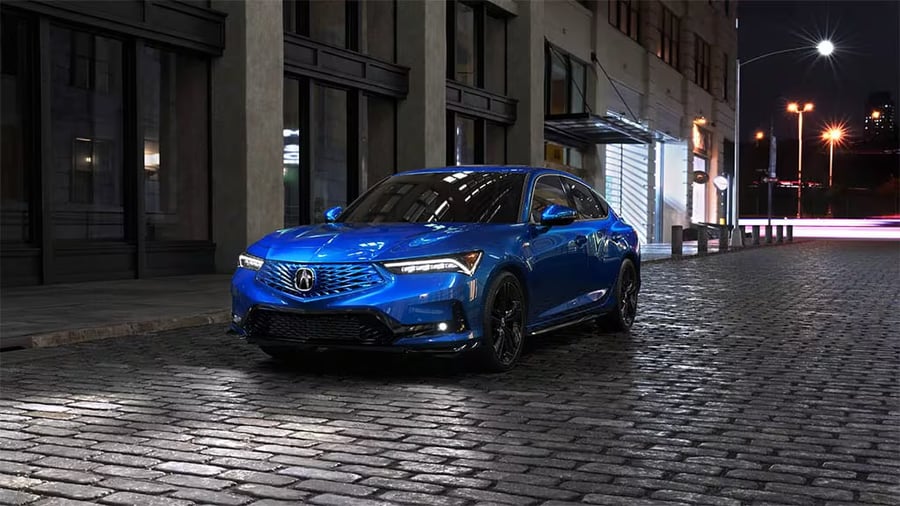
The Acura Integra occupies a specific and useful market position: it delivers the refinement and driving quality of a luxury small car at a starting price of $33,400 that undercuts most of its competition from Audi, BMW, and Mercedes. In the U.S. News luxury small car rankings, the Integra finishes ahead of all of them. Reviewer Mike Hagerty describes it as “easy to drive in traffic and a blast on the backroads,” which is the most useful single sentence that can be written about a commuter car.
The manual transmission option is rare in this category but valuable for drivers who find commuting more engaging when they’re behind the wheel. The engine delivers punchy acceleration while maintaining up to 37 mpg on the highway, which means the performance doesn’t come at an unusual fuel cost. The ride is comfortable across all conditions, and the liftback cargo area is notably spacious by the standards of this vehicle class.
The 2026 model adds wireless Apple $AAPL CarPlay and Android Auto as standard, and heated front seats are included at all trim levels. The interior storage is well-organized, and the 9-inch touchscreen is appropriately sized for the cabin. Standard safety equipment includes adaptive cruise control, traffic-jam assist, and rear cross-traffic alert. The Integra’s U.S. News score of 9.3 is strong for a luxury small car, and its class-leading position reflects how effectively it undercuts more expensive rivals without giving up the qualities that justify luxury pricing. Acura's mechanical reliability track record gives the Integra a long-term ownership proposition that matches its immediate purchase value. Acura’s warranty coverage is competitive with the mainstream brands and slightly better than most European luxury competitors, which is worth factoring into a comparison that might otherwise favor an Audi or BMW on sticker appeal alone. The Integra Type S, an even more performance-oriented variant, is reviewed separately. The Integra’s class position is worth noting specifically for buyers comparing it to the Civic at the base: the step up to the Integra delivers a meaningfully more premium experience that reflects in material quality, refinement, and performance, not merely badge prestige.
Credit: Hyundai
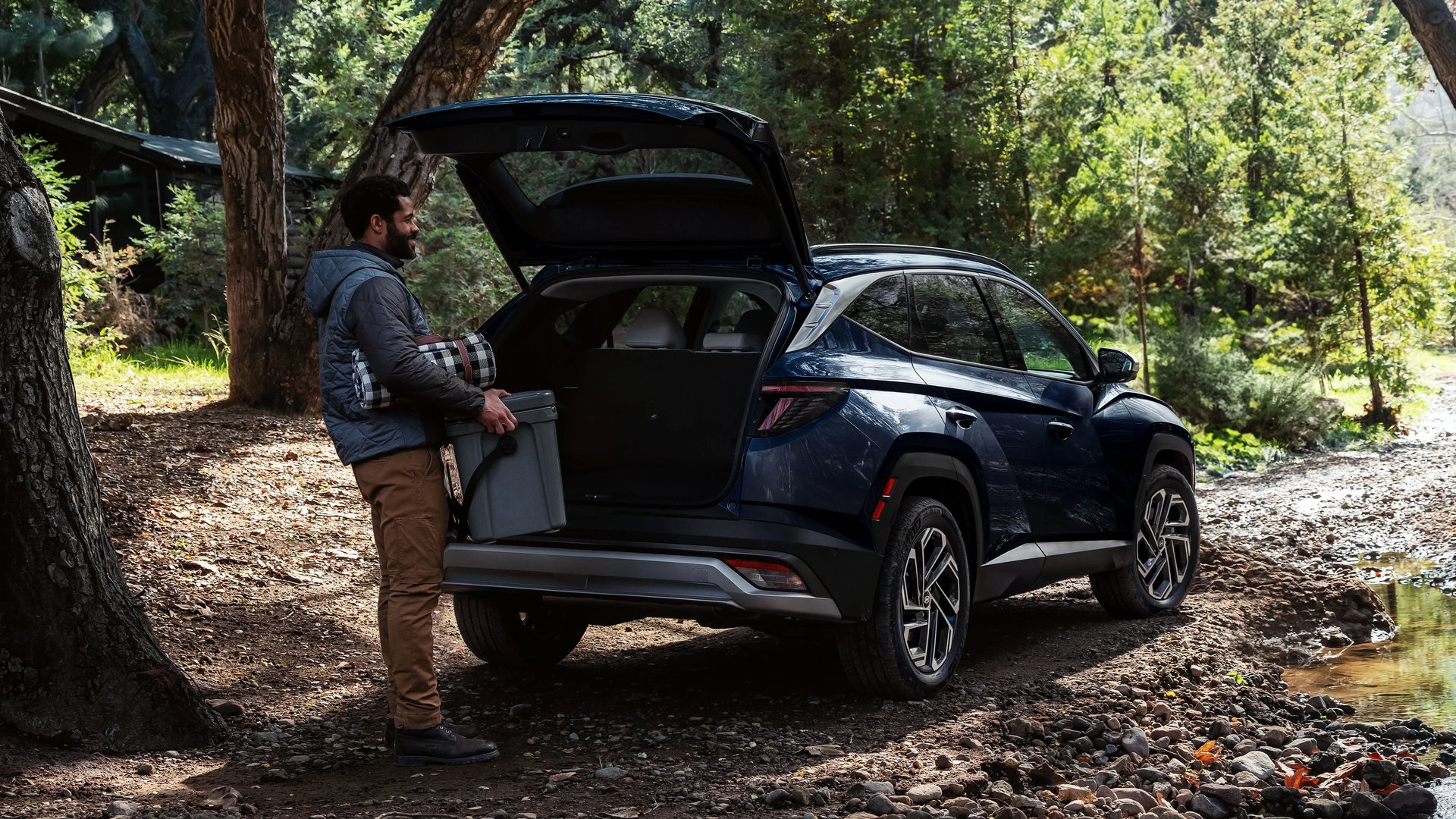
The Tucson Hybrid earned two U.S. News awards this year: Best Compact Hybrid SUV for Families and Best Compact SUV for the Money. Reviewer Robert Duffer calls it “the most compelling version of the brand’s bestselling vehicle,” which reflects how much the hybrid powertrain improves the overall package, not merely adding an efficiency feature to an existing car. The 2025 updates added horsepower alongside the comfort-tuned suspension, helping the Tucson avoid feeling sluggish despite its efficiency-focused powertrain.
The interior is modern, with a 12.3-inch touchscreen, wireless smartphone connectivity, and physical controls for the most frequently used infotainment functions, a design choice that prevents the touchscreen-only frustration that afflicts some contemporary vehicles. Adjustable regenerative braking is a rare feature in hybrids and is especially useful for drivers who want more control over how the car decelerates in urban stop-and-go traffic.
The Tucson is available in non-hybrid and plug-in hybrid configurations, giving buyers the option to choose a starting price or an extended electric range depending on their commute profile. The standard intersection-assist safety feature addresses one of the most common urban collision scenarios: the left-turn-across-traffic situation, which causes a disproportionate share of urban accidents. The Tucson Hybrid’s U.S. News score of 9.4 is the joint-highest on this list, and the two awards it earned this year reflect an unusually complete package in the compact hybrid SUV segment. Hyundai’s 10-year, 100,000-mile powertrain warranty gives buyers long-term protection that most competitors at this price point don’t match. The plug-in hybrid version of the Tucson, which adds meaningful electric-only range for short commutes, is priced higher and reviewed separately. Buyers whose daily commute is under 30 miles and who have home charging access should specifically price the PHEV before committing to the standard hybrid. The Tucson Hybrid’s combined fuel economy is competitive with other hybrid SUVs in its class, and the overall package quality, including interior space and tech features, justifies the hybrid premium over the gas-only version for most buyers who commute regularly.
Credit: Toyota
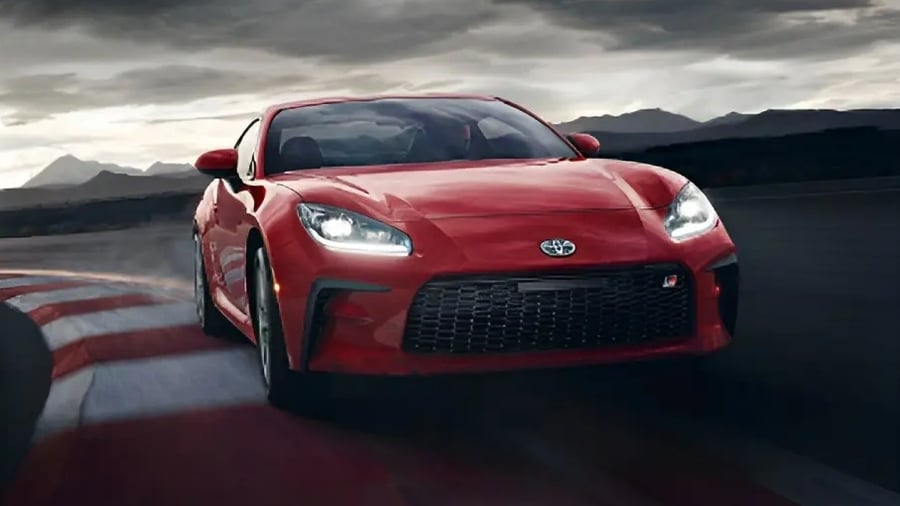
The Toyota $TM GR86 holds the top spot in the U.S. News sports car rankings and earned the title of Best Sports Car for the Money for 2026. Senior Editor Tony Markovich describes it as providing “affordable, shift-it-yourself, rear-wheel-drive enjoyment,” a driving experience most commuter cars are designed to eliminate. Drivers who commute in situations that allow engaged driving, including long highway sections, light weekend traffic, and roads with curves, the GR86 provides something the other cars on this list don’t: the experience of wanting to be on the road.
The front seats are comfortable and roomy, though the rear seats and trunk are small, as sports cars typically are. Folding the rear seats down maximizes the cargo area for drivers who occasionally need hauling capacity alongside performance. The performance was upgraded for 2025 with improved power steering, making the already sharp handling even more precise.
An 8-inch touchscreen with smartphone compatibility comes standard, and the large physical climate control knobs are the right design decision for a car whose driver should be watching the road. The standard driver-assistance suite includes adaptive cruise control, and the starting price of $30,800 is competitive for what the GR86 delivers in driving engagement. The GR86’s U.S. News score of 9.4 leads the sports car segment, and accessible pricing, genuine performance credentials, and the manual transmission option together give it a specific appeal for commuters who find conventional commuter cars actively demoralizing. The standard driver-assistance features mean the car meets modern safety standards without compromising its character. The GR86 is a two-door coupe with a manual transmission as the more engaging option, positioning it as a commuter vehicle primarily for buyers who commute alone or with a single passenger and are willing to accept a tight cargo area in exchange for the driving experience. Buyers who need back-seat space regularly should consider the GR86 a weekend car, not a primary commuter.
Credit: Mazda
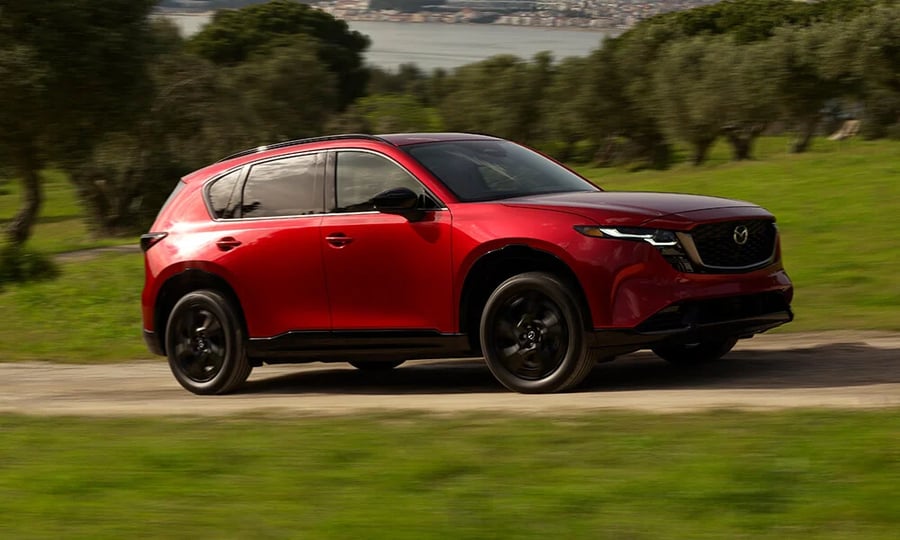
The CX-5 is fully redesigned for 2026, and reviewer John M. Vincent summarizes the result directly: it “outhandles its rivals and offers a cabin that’s a tick further upscale than the competition.” Mazda’s specific approach to suspension tuning produces a car that absorbs road imperfections without sacrificing the ability to handle more demanding roads, a balance most SUV-sized commuter cars give up in one direction or the other.
All-wheel drive comes standard, which is unusual for a compact SUV at this price point and specifically valuable in markets with significant winter precipitation. The base engine is powerful enough for everyday driving and returns up to 30 mpg on the highway. Standard stop-and-go adaptive cruise control and lane-keep assist address the two most fatiguing elements of a stop-and-go urban commute.
The interior update that came with the full redesign pushes the CX-5 toward the mainstream of the compact SUV market, which means slightly wider appeal but a slight reduction in the specific Mazda character that distinguished previous versions. The starting price is just under $30,000 with standard AWD, which represents strong value for the features and quality level the redesign delivers. The CX-5’s U.S. News score of 9.3 reflects the consistent quality that has made it one of the more reliable sellers in the compact SUV segment across multiple model years. The standard AWD is worth particular attention: competing compact SUVs typically charge a premium of $1,400 to $2,000 to add AWD, making the CX-5’s base-price inclusion a genuine cost advantage. The CX-5 is available with a turbocharged engine option at higher trim levels that delivers meaningfully more power for buyers who want a more spirited version of the Mazda experience without stepping to a larger vehicle class. The CX-5’s cargo area behind the rear seat is competitive with the compact SUV class average, and the overall interior quality, particularly the material selection and fit and finish, reflects Mazda’s positioning above mainstream competitors despite the near-mainstream pricing.
Credit: BMW
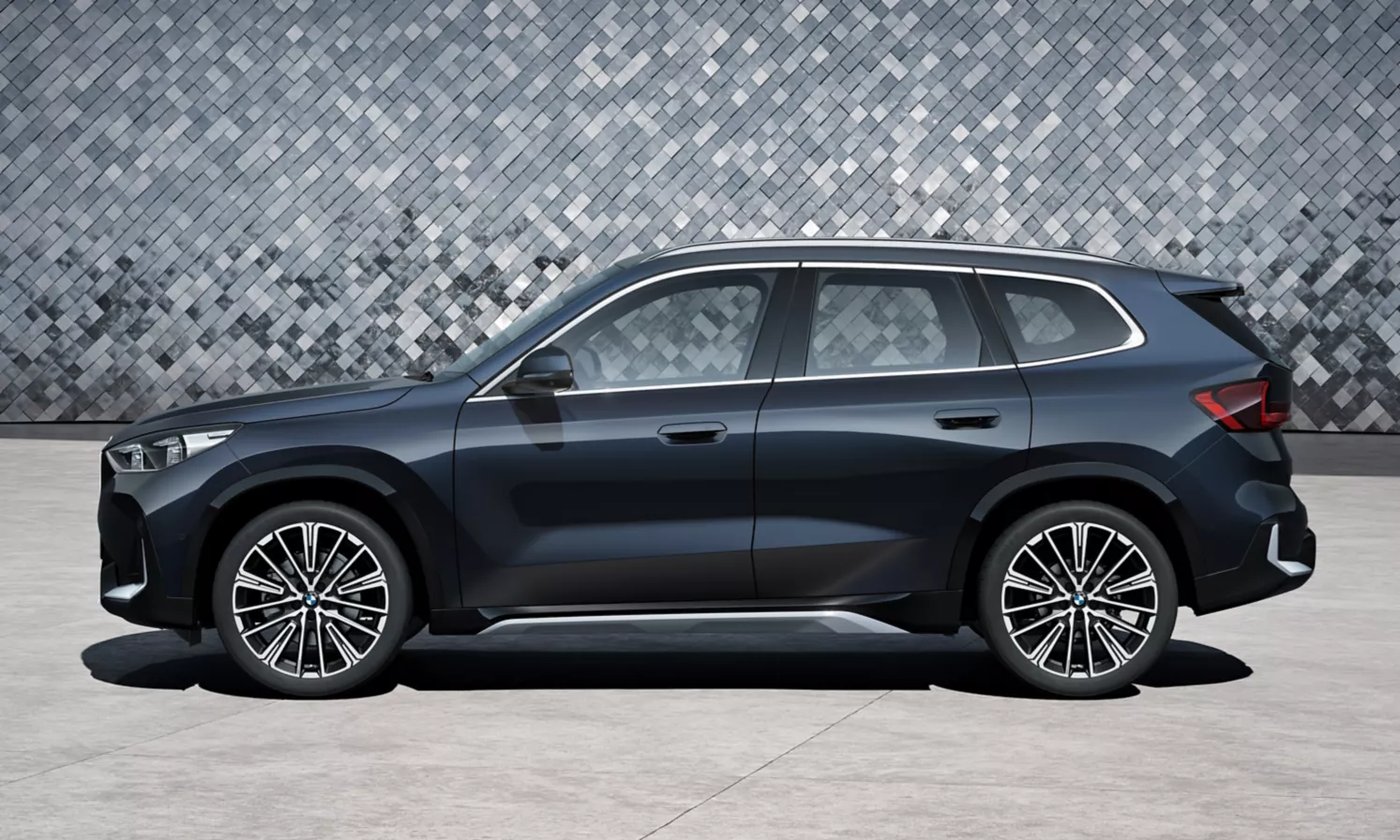
The BMW X1 is the most affordable current BMW model and, according to Managing Editor Alex Kwanten, it “delivers the engaging driving experience and premium feel expected from a BMW.” At $43,200, it’s the most expensive car on this list, but it earns the premium with cabin space nearly equal to BMW’s larger and pricier X3, a 10.7-inch touchscreen, a 10.25-inch digital instrument cluster, and athletic handling that gives the daily commute a specific character that non-luxury compact SUVs don’t provide.
Heated front seats are newly standard for 2026. Wireless smartphone connectivity and four USB ports are included. The engine provides quick acceleration, and the tuning prioritizes handling engagement without compromising a smooth enough ride for daily commuting on varied road surfaces. The X1 returns up to 33 mpg on the highway, which is above average for the luxury compact SUV class.
The standard safety feature list is extensive and includes pedestrian detection and park assist, alongside the more common adaptive cruise control and lane-keeping assistance technologies. The X1’s standing in this market is essentially that of a compact luxury SUV for buyers who want BMW quality without the X3 or X5 price, and Kwanten’s assessment suggests it succeeds on that specific brief. The X1’s U.S. News score of 9.3 leads the luxury compact SUV segment, a position that reflects both its driving quality and the value it provides relative to more expensive BMW models. The new standard heated front seats for 2026 close a gap that previously required moving up to a higher trim to address. The X1 is available in a plug-in hybrid variant, the BMW X1 xDrive30e, that adds electric range for short commutes and is worth pricing for buyers with home charging access, since the electric commuting capability can meaningfully reduce fuel costs for typical urban driving patterns. The X1’s interior technology package, including the 10.7-inch curved touchscreen and the iDrive 8 operating system, is the same system found in much more expensive BMW models, which means the software and interface quality are consistent across the BMW lineup, not a simplified version for the entry model.
Credit: Honda
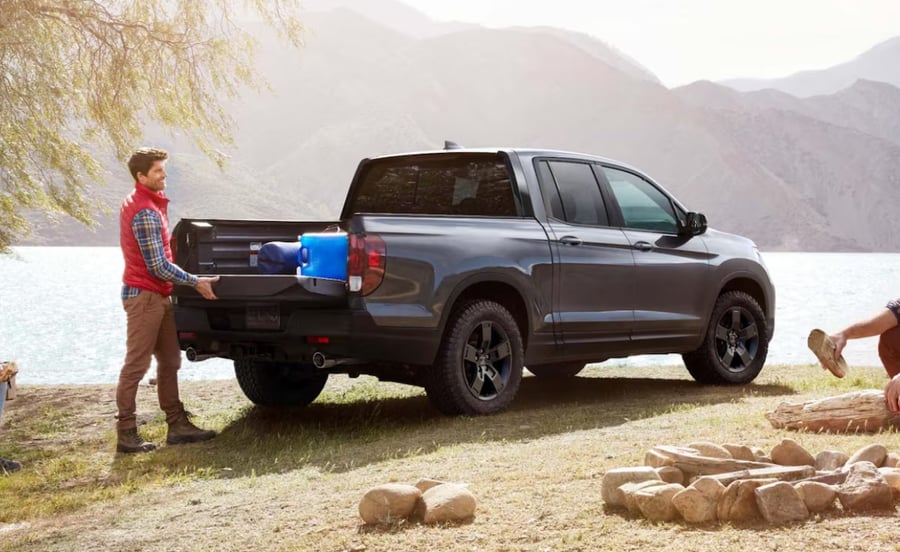
The Ridgeline tops the U.S. News midsize truck rankings and has done so consistently, which reflects how specifically well-designed it is for the actual uses most truck buyers put their vehicles to. It’s an SUV-based pickup, not a body-on-frame design, which means the ride is comfortable and smooth in a way that body-on-frame trucks at comparable prices can’t match. It fits in standard parking structures where full-size trucks don’t, which eliminates a practical downtown commuting obstacle.
The interior reads more like a well-appointed SUV than a work truck, with a 9-inch touchscreen, wireless smartphone connectivity, wireless charging, and tri-zone climate control all standard. The 5-foot-4-inch bed handles weekend practical use, including garden center trips, furniture hauling, and recreational gear, without requiring the full-size truck capability that most buyers don’t actually need.
Honda $HMC has announced that Ridgeline production will pause later in 2026 ahead of a 2028 redesign, which makes this a time-sensitive buying decision for interested buyers. Standard safety features include adaptive cruise control and rear cross-traffic alert. The starting price of $40,795 reflects the Ridgeline’s position as a premium midsize truck, not a work-truck entry price, which aligns with its actual positioning as a commuter-capable truck. The Ridgeline’s U.S. News score of 9.1 reflects its consistent top-of-class standing in the midsize truck segment. The impending production pause makes this a notable buying window: the 2026 model marks the refined end of the current generation, and buyers who want this specific model and are waiting for the 2028 redesign will need to buy now or accept a three-year gap. The Ridgeline’s in-bed trunk, a lockable, waterproof storage box built into the truck bed, is one of the most practically useful truck features available at any price point and is standard on all Ridgeline trims. It solves the security and weatherproofing problem that flatbed truck owners solve with toolboxes and covers. The Ridgeline also features a dual-action tailgate that opens conventionally downward or swings to the side, which improves access for loading items from the rear. This bed-access flexibility is a specific convenience feature that most midsize truck competitors don’t offer.
Credit: Toyota
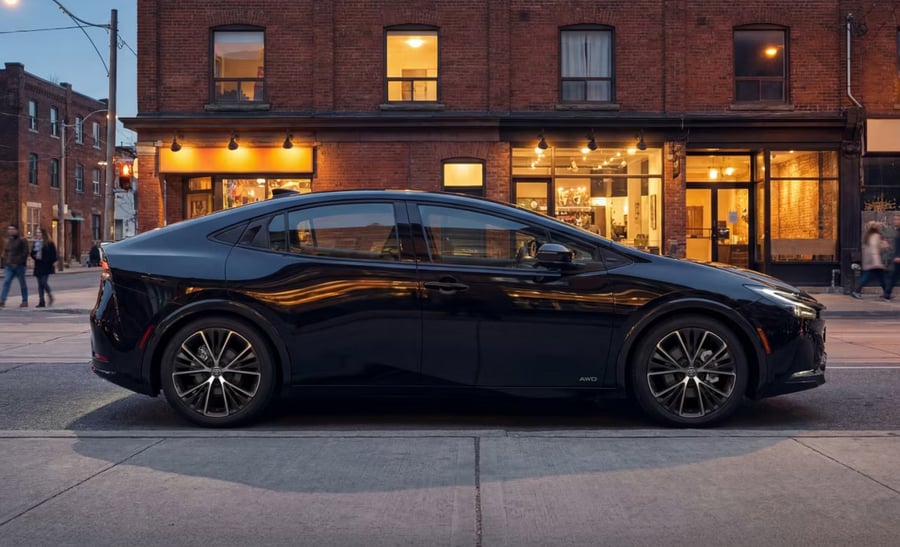
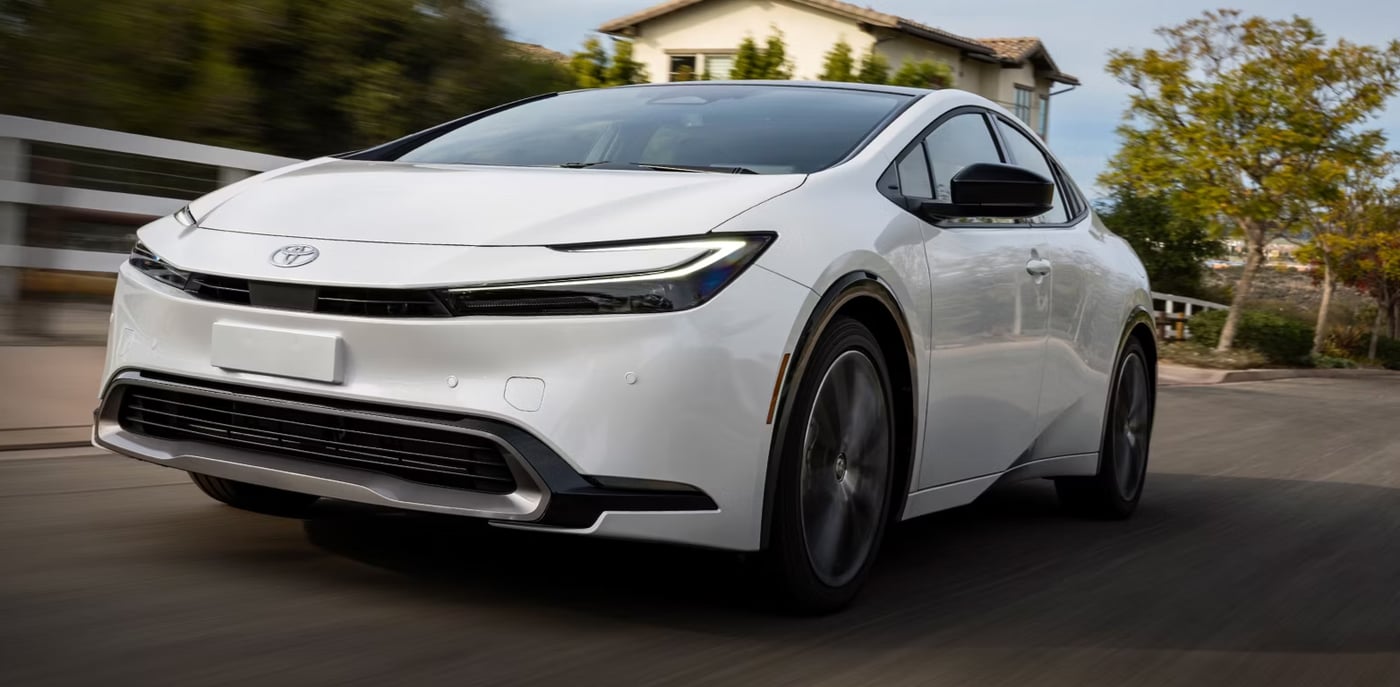
The Prius invented the hybrid commuter car segment and still leads it. The base model returns 57 mpg city and 56 mpg highway, figures that no other non-plug-in vehicle comes close to matching. The 2023 redesign transformed the car’s personality alongside its appearance: reviewer Mike Hagerty describes the result as “peppy and sleek,” with 0-to-60 taking 7.2 seconds, a comfortable ride, and handling that “borders on fun.” The previous Prius’s reputation for dull driving is no longer accurate, which is worth knowing if a previous test drive put you off the car.
The interior prioritizes durability and functionality over luxury, with roomy, supportive front seats. The rear seat is tighter than the front suggests, which is the primary interior limitation worth knowing for buyers who regularly carry adult rear-seat passengers. The standard safety equipment list is comprehensive, including adaptive cruise control and lane-keep assist.
The starting price of $28,550 represents strong value for the fuel economy and the updated driving experience. The long-term cost of ownership calculation for the Prius is particularly favorable for high-mileage commuters whose fuel costs represent a significant monthly expense: the efficiency advantage over non-hybrid competitors compounds over time and typically offsets any initial price premium within a few years of average commuting mileage. The Prius’s U.S. News score of 8.8 is the lowest on this list, reflecting its rear-seat space limitations and the interior’s lack of luxury, not any deficiency in its core commuter qualities. For buyers who primarily care about efficiency, reliability, and front-seat comfort, the Prius’s score accurately reflects a vehicle that excels at those specific criteria. The Prius is available as a plug-in hybrid, the Prius Prime, which adds significant electric range for buyers with charging access and is reviewed separately. The Prime’s electric range covers most daily commutes entirely on electricity, which makes it worth pricing before defaulting to the standard Prius if home charging is available.
Credit: Kia
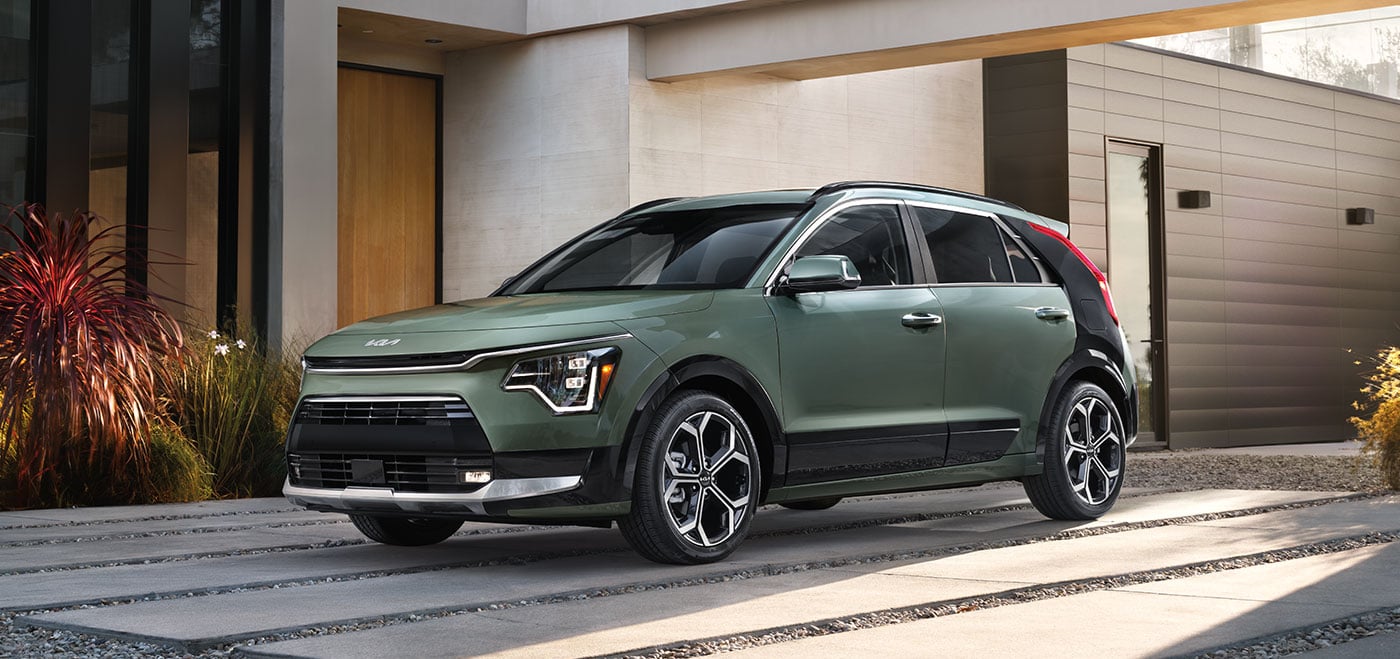
The Niro returns over 50 mpg in combined city and highway driving, which is the highest efficiency figure of any SUV-format vehicle on this list. Managing Editor Alex Kwanten describes it as “a satisfying daily driver, with decent performance, plenty of room and just enough in-car tech to make it modern,” and the U.S. News Best Subcompact Hybrid SUV for the Money award reflects how effectively the Niro delivers value at its $27,090 starting price.
The interior is notably more spacious than the Niro’s exterior dimensions would suggest, and the infotainment system is user-friendly in a way that some competitors at this price point aren’t. The tech features are adequate without being excessive, which keeps the interior from feeling dated quickly as technology advances.
The Niro doesn’t offer all-wheel drive, and some rivals deliver a more engaging driving experience, but neither limitation matters for buyers whose primary criteria are efficiency, reliability, and space. The Niro’s specific appeal is to commuters who want a fuel-efficient vehicle in SUV form without paying the hybrid SUV premium that larger, more capable models carry, and it delivers that value proposition more completely than any direct competitor currently does. The Niro’s U.S. News score of 8.6 reflects a vehicle that delivers its specific value proposition very well while acknowledging the limitations that buyers in other priority categories would notice. AWD availability and driving excitement are the two most commonly cited deficiencies. For buyers whose priorities align with the Niro’s strengths, neither limitation registers as significant in daily use. The Niro EV, Kia’s fully electric version of the same platform, is reviewed separately and is worth considering for buyers with reliable home charging. The hybrid Niro’s position on this list reflects its specific appeal to buyers who want the efficiency profile without the infrastructure commitment required by a full EV. The Niro is also available as a plug-in hybrid with added electric range and as a full EV, both reviewed separately. The three-variant lineup gives buyers multiple entry points into the same platform, depending on their charging access and efficiency goals, which is a point of flexibility in Kia’s favor relative to single-powertrain competitors.
