FG Trade Latin / Getty Images
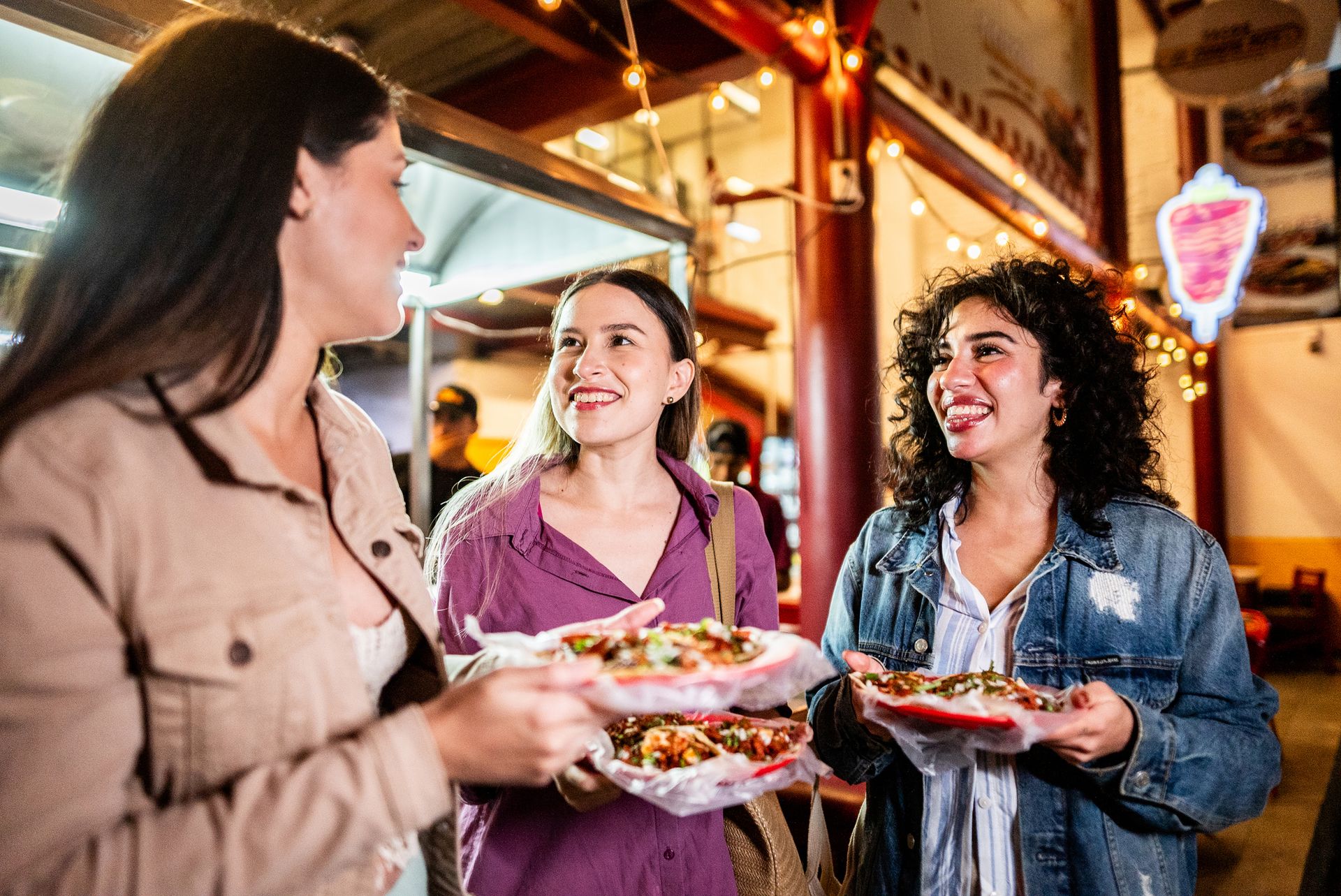
Food has become one of the primary reasons people choose a destination. The restaurant scene of a city now functions the same way that a museum district or a coastline once did. It has become the organizing rationale for the trip. Cities from New Orleans to Seattle have built tourism infrastructures around their culinary identities, and travelers increasingly structure their itineraries around what they want to eat as much as what they want to see. A food tour condenses the best of a city’s eating into a single guided walk, giving visitors the local knowledge it would otherwise take years of return trips to accumulate.
The challenge with food tours is that the experience's quality depends almost entirely on the guide and the selection of stops. A bad guide in a great food city produces a mediocre afternoon. A great guide in a moderately interesting food city can produce a memory that defines a trip. The guide functions as a local correspondent who knows which kitchen produces the dish that captures the neighborhood’s character, which family has run the same counter for three generations, and which seemingly unremarkable storefront contains the best version of something you did not know you wanted to try. The curation is the product, and the best food tours treat it seriously.
The 10 tours below come from U.S. News & World Report’s list of the best food tours across the U.S., which compiled highly regarded guided culinary experiences across some of the country’s most recognized food cities. The selection spans formats — walking and bus tours, small-group and slightly larger-group experiences — and covers a geographic range from Savannah to Seattle, from Sonoma to Chicago, and from Portland to New York City.
1 / 10
Credit: Savannah Taste Experience
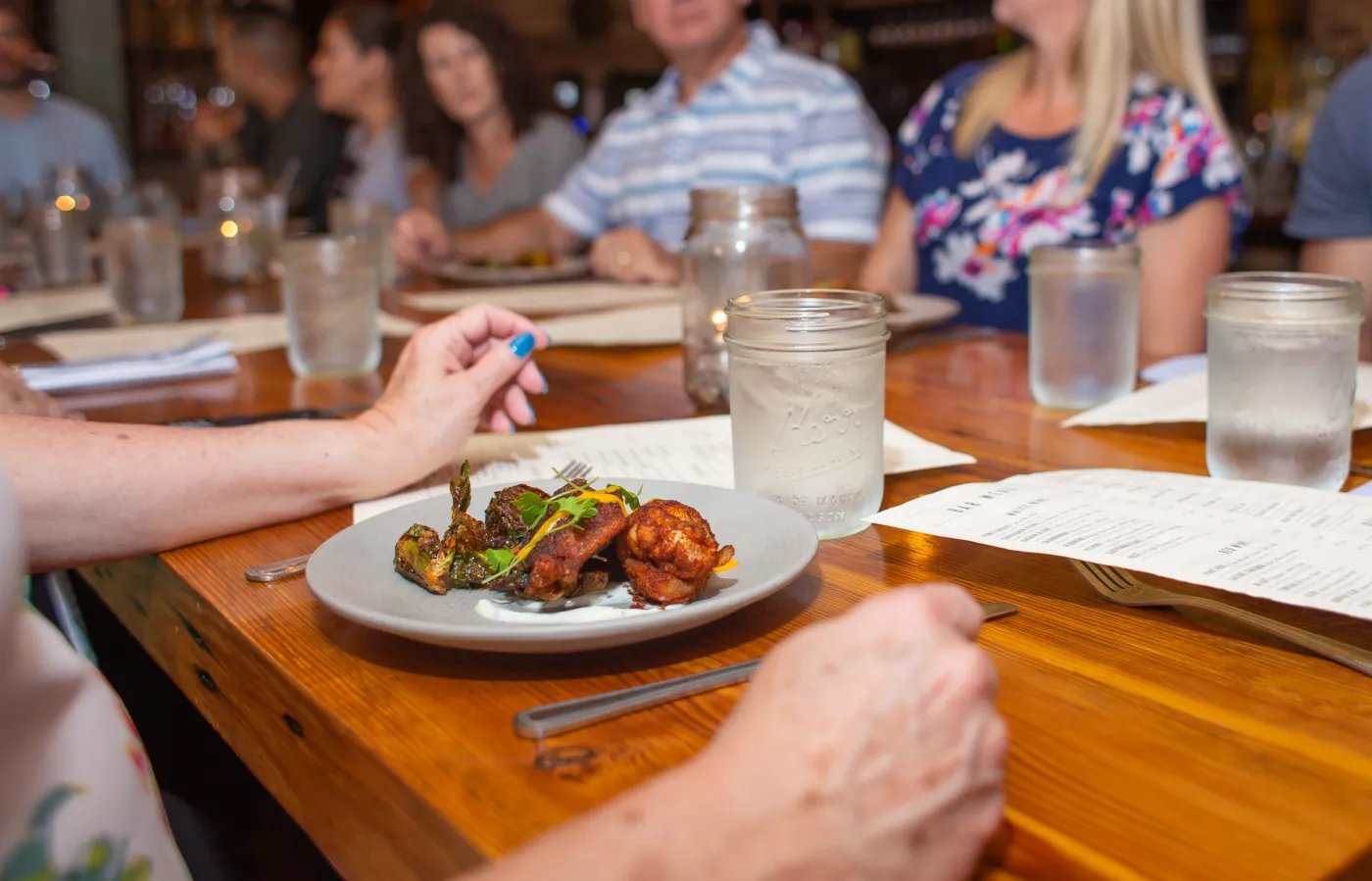
The Savannah Taste Experience First Squares Food Tour gives visitors access to five eateries and shops in three hours, a pace that leaves enough time at each stop for genuine tasting without the sense of having eaten and left before the food registers. The tour runs daily, which makes it available to travelers with fixed itineraries who cannot wait for a specific departure day. Group size is capped at 14 participants, ensuring each stop retains the intimacy that larger tour groups can disrupt.
The food selection captures Savannah’s Southern culinary identity while including some unexpected stops. Shrimp and grits, the Lowcountry staple that appears on nearly every Charleston and Savannah menu, is one of the featured dishes. The tour also includes British meat pies and pork belly doughnut sliders. These items reflect the city’s layered food history and give participants something more surprising than a straightforward Southern sampler. Savannah’s position as a port city with a long history of trade and immigration has given its culinary scene a character that the expected shrimp-and-grits narrative does not fully capture, and the tour’s inclusion of unexpected dishes acknowledges that complexity.
Recent visitors rate the tour highly, specifically citing the balance it strikes between food, local history, and neighborhood culture. Past participants describe the experience as well-paced and substantively educational alongside its culinary purpose. Food, local history, and neighborhood culture arrive together, which distinguishes the tour from experiences focused entirely on the eating. Savannah’s oak-canopied squares and historic architecture give the walking format a visual appeal that supplements the food itself. The daily availability, the five-stop format, and the mixed menu of expected and unexpected dishes give the Savannah Taste Experience a practical and culinary completeness that makes it a strong first stop for visitors who want an overview of what the city’s food scene actually contains. The 14-person cap ensures the experience remains manageable so individual participants can hear the guide clearly at each stop.
2 / 10
Credit: Sonoma Food Tour
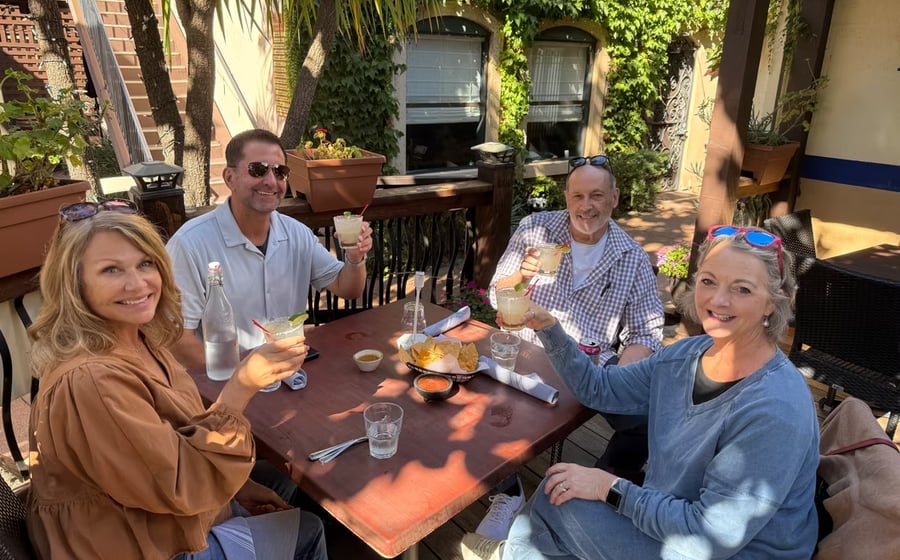
The Sonoma Food Tour Walking Food, Wine & History Tour weaves regional history and architecture into a food-and-wine-tasting experience that goes beyond the tasting-room circuit most wine-country visitors default to. The three-hour walk covers local cheeses, olive oil, and chocolates alongside the wine, giving participants a broader picture of Sonoma County’s agricultural identity than wine alone provides. Tours run Thursday through Saturday at 11 a.m., which limits availability compared to the daily-departure tours on this list but signals a smaller operation with more controlled group experiences.
Sonoma County’s culinary reputation often suffers from its proximity to Napa Valley, which attracts a higher volume of wine tourism and a larger share of media attention in California wine country. The source notes that Sonoma’s culinary scene is just as impressive as Napa’s, supported by specialty food stores, farm-to-table eateries, and tasting rooms that collectively give the county a food infrastructure of genuine depth. The guided tour format converts this infrastructure into a navigable experience for visitors who would otherwise spend their time in Sonoma choosing between options without the context to distinguish them.
Recent participants call the tour one of the highlights of their Sonoma trips, with some specifically noting the pleasure of tasting alongside other travelers. This is a social dimension that wine country visits, which tend toward private tastings and restaurant reservations, can sometimes lack. The local expert guide provides the contextual layer that elevates tasting from consumption to education, connecting each food and wine to the specific agricultural history and microclimate conditions that produced it. The Thursday-to-Saturday schedule and the three-hour format make this tour the natural centerpiece of a long Sonoma weekend, surrounded by self-directed winery visits before and after the guided walk. The Thursday-to-Saturday window also means travelers who arrive midweek can plan the tour for their first full day, leaving the rest of the visit to explore independently with the food and wine context the guide has provided.
3 / 10
Credit: Secret Food Tours
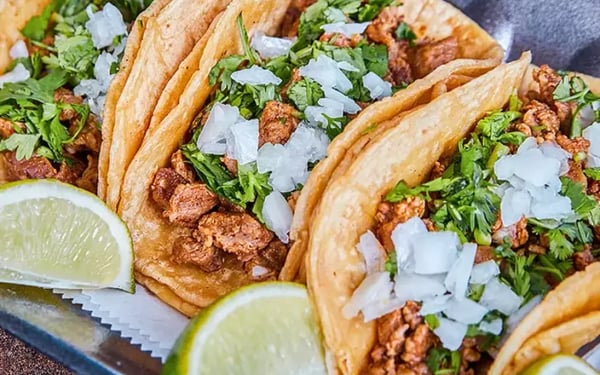
Secret Food Tours’ downtown Austin excursion runs three to three and a half hours and includes barbecue brisket, breakfast tacos, Reuben sliders, and pinto beans alongside a surprise dish that the company includes as a standing feature of its format. The surprise dish is the tour’s most distinctive structural element: it gives participants something to anticipate that they cannot prepare for, which produces a different kind of attention at each stop than a fully published menu would. A drink package is available as an optional upgrade, covering local craft beer, a sangria swirl, and an espresso martini tasting.
Austin’s food identity extends well beyond the barbecue and Tex-Mex that define its national reputation, but those two cuisines remain the most reliable entry points for first-time visitors. The downtown tour’s menu covers both anchors while adding the Reuben sliders and the mystery item, giving the itinerary a range that moves beyond the expected without abandoning the iconic. A second version of the tour covers South Congress, one of Austin’s most characterful neighborhoods, giving repeat visitors or multi-day travelers the option of a different geographic and culinary frame.
Both versions cap groups at 12 participants, which gives each stop a scale conducive to conversation with the guide and with other participants. Recent visitors consistently recommend the tour, specifically noting that the local history shared at each eatery deepens the food experience beyond tasting into genuine place-knowledge. Austin’s food scene has evolved quickly over the past decade, and the guided tour format compensates for that pace by keeping the stop selection current in a way that self-directed research from guidebooks or review aggregators often cannot. The 12-person cap, the surprise dish format, and the dual-neighborhood availability make the Secret Food Tours Austin offering the most structurally distinctive tour on this list. The optional drink package, which adds a craft beer, a sangria swirl, and an espresso martini to the tasting sequence, gives participants who want a beverage dimension a specific and curated option.
4 / 10
Credit: Music City Bites & Sites
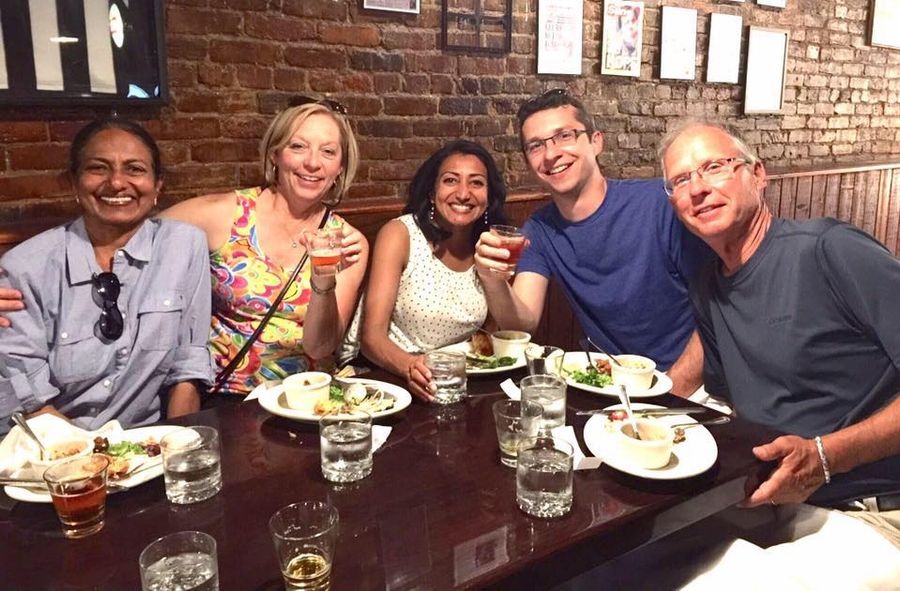
Music City Bites and Sites delivers five stops in three hours, combining tastings of Nashville hot chicken, Southern barbecue, Mexican street tacos, and bushwhacker cocktails with passes by Nashville landmarks such as Centennial Park. The tour’s integration of sightseeing and eating gives participants a geographic and cultural orientation to Nashville alongside the food. The dual-purpose format suits visitors who want an efficient overview of the city, not a deep dive into pure culinary pursuits. Tours depart at 10 a.m. and 2 p.m. daily, giving visitors two scheduling options within the same day.
Nashville hot chicken has become the city’s most internationally recognized export, and the tour’s inclusion of it anchors the itinerary in the dish that defines Nashville’s culinary identity at the current moment. The addition of Mexican street tacos reflects the city’s evolving demographic character and gives participants a food that acknowledges Nashville’s culinary range beyond the Southern and barbecue traditions. Bushwhacker cocktails — a creamy frozen drink with roots in the Gulf South bar culture — add a beverage element that introduces participants to a regional drink that most visitors encounter for the first time in Nashville or New Orleans.
The age restrictions on this tour — participants must be at least 14 to join and 21 to drink — impose a family-accessibility limitation that most other tours on this list do not explicitly. The 2 p.m. departure also makes Music City Bites and Sites the only tour on this list with a mid-afternoon option alongside a morning departure, which suits visitors who prefer not to spend their mornings on a food tour or who arrive in Nashville in time for the afternoon but not the earlier slot. The five-stop format and the daily dual-departure structure make this the most logistically flexible Nashville culinary experience currently available. Travelers $TRV who arrive in Nashville on any day of the week and want both a food tasting and a neighborhood orientation can access this tour without coordinating their schedule around limited departure days.
5 / 10
Credit: Forktown Food Tours
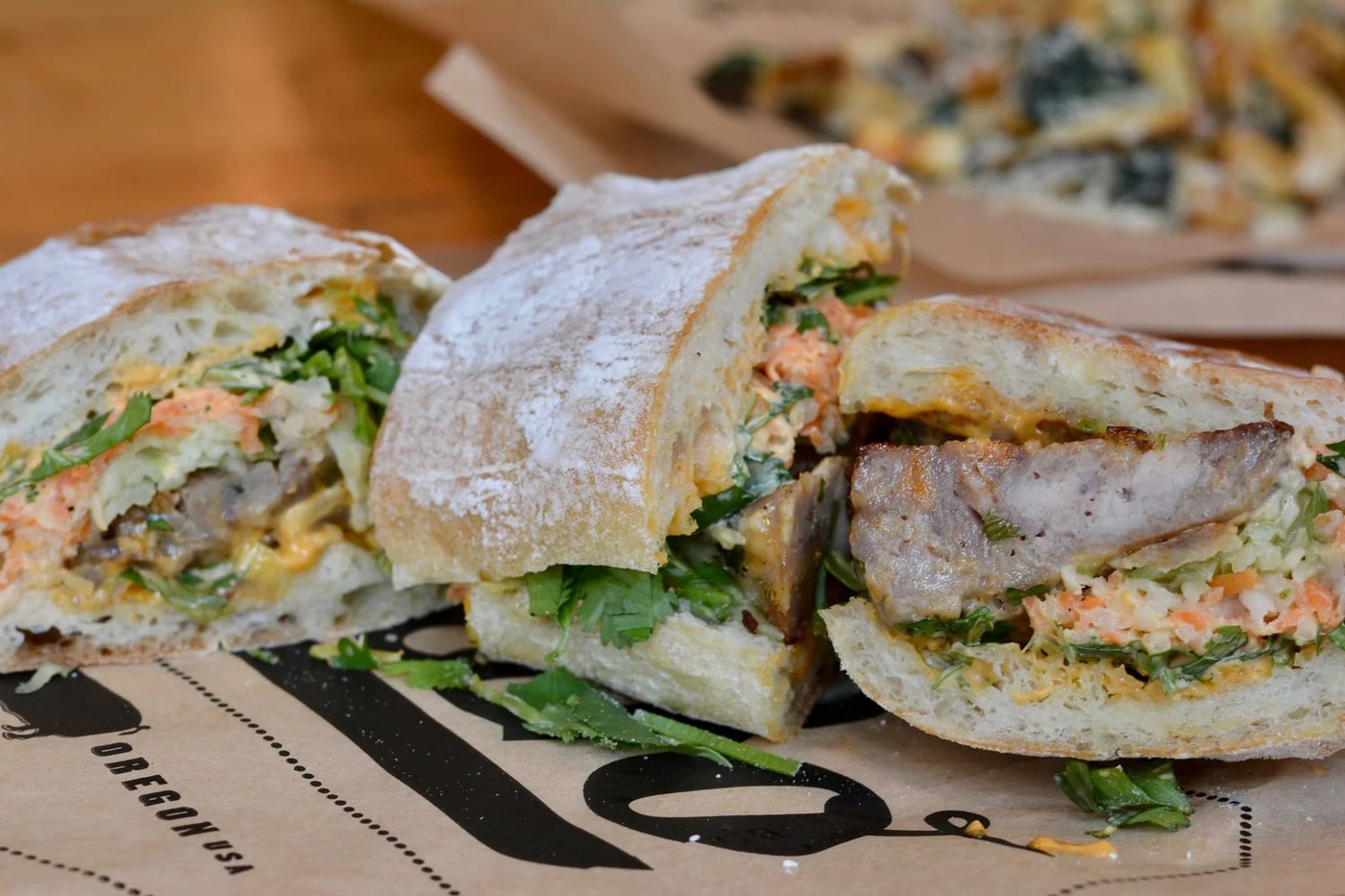
Forktown Food Tours limits its Downtown Portland walking tour to between four and eight guests, making it the most restrictively sized tour on this list. The four-stop itinerary may include a chocolate tasting, a Thai dish, or a pork meatball banh mi. The menu reflects Portland’s culinary culture of cross-cultural innovation within a single meal. The specific stops rotate, which gives the tour a different character across visits and keeps the guide’s own engagement with the material fresh, not scripted.
Portland’s culinary infrastructure gives Forktown’s curators a deep pool to draw from. The city’s food scene includes farmers' markets, multiple James Beard Award-winning chefs and restaurants, and more than 500 food trucks and carts. The density of eating options makes independent navigation difficult for visitors without local knowledge. The tour’s value is specifically the selection function: a guide who knows which of those 500-plus carts produces the most compelling version of what a particular neighborhood makes is providing a service that the volume of options makes genuinely necessary.
Forktown also offers tours on Mississippi Avenue and Division Street, two of Portland’s most culturally active corridors, along with a truffle hunt. The availability of multiple tour formats within the same company gives visitors the option to experience different neighborhoods and different food traditions across multiple days without repeating the same experience. Recent visitors praise the guides’ expertise and enthusiasm alongside the food quality, and the tour earns consistently strong reviews for its pacing — a detail that reflects the difficulty of threading four stops into two to two and a half hours without rushing any of them. The eight-person cap, the rotating menu, and the additional tour formats make Forktown the most versatile single operator on this list. A traveler who visits Portland twice in two years and books a different Forktown tour each time will experience different neighborhoods, different guides, and a different food selection, giving the operator a repeat-visit value that most food tour companies cannot offer without multiple cities.
6 / 10
Credit: Eat Seattle
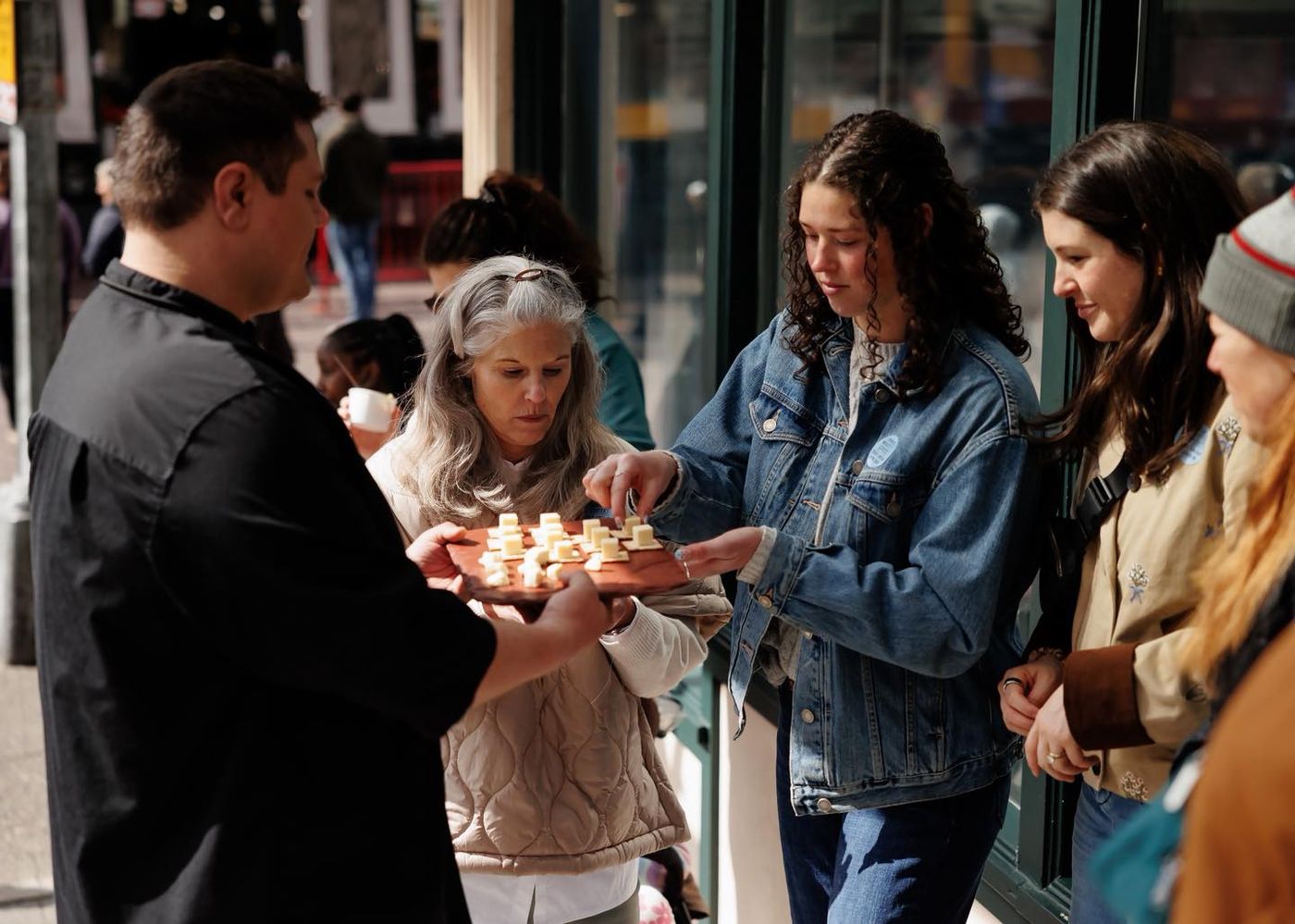
The Eat Seattle Chef-Guided Food Tour in Pike Place Market runs for two hours and costs $60 per person, making it the most affordable tour on this list by a significant margin. The small-group format features tastings of Beecher’s “world’s best” mac and cheese, clam chowder, chocolate, and other items, offering participants a focused selection of foods that define the market’s culinary identity. After the tour, participants receive a 10% discount at all of the tour company’s vendor partners within Pike Place, extending the value of the experience into an independent post-tour browsing session.
Pike Place Market is one of Seattle’s most visited landmarks and one of the most complex food environments in the American West, encompassing dozens of vendors across multiple levels and a range of food traditions that can overwhelm a first-time visitor without a guide. The chef-led format gives the tour an expert context that goes beyond the standard food-tour guide model: a working chef brings a professional understanding of ingredient quality, production methods, and culinary technique that a hospitality-trained guide typically cannot provide at the same depth.
The two-hour format makes the Eat Seattle tour the shortest on this list, which suits visitors with limited time at Pike Place or travelers who want to use the tour as an orientation before continuing on their own through the market. The post-tour vendor discount converts the experience from a closed event into an introduction to a marketplace that participants then explore on their own terms, with the knowledge the chef has provided still active. Recent visitors describe both the food and the guides as fantastic. The summary reflects the consistent quality of the market’s vendor selection alongside the added value of a culinary professional leading the walk. The post-tour 10% vendor discount extends the Eat Seattle experience, unlike any other tour on this list. Participants leave with a financial incentive to spend more time in the market and apply the guide’s knowledge to independent purchasing decisions.
7 / 10
Credit: Charleston Culinary Tours
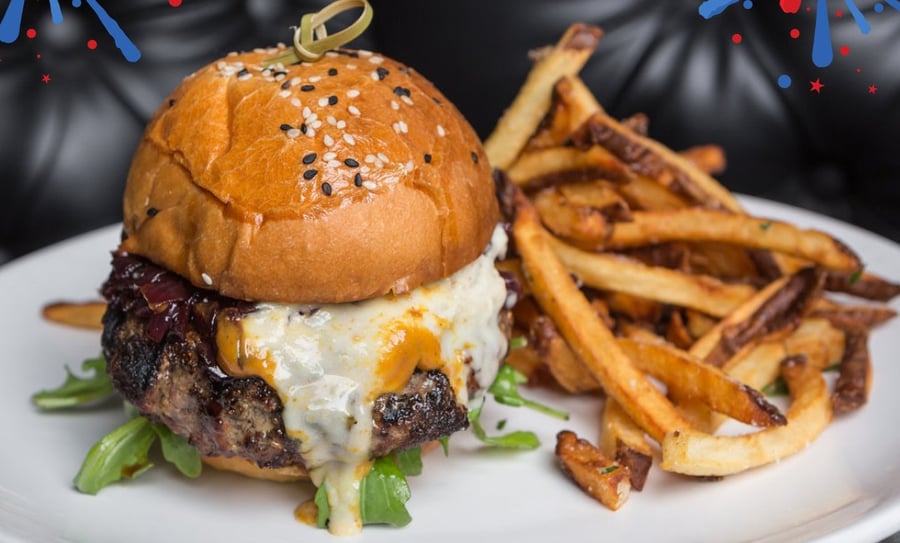
Charleston Culinary Tours’ Downtown Charleston Culinary Tour includes tastings at four restaurants in two and a half hours, giving participants a focused introduction to the city’s Lowcountry culinary tradition across multiple venues in a single guided session. Tours run multiple times daily, giving the Charleston tour the highest departure frequency of any option on this list and making it the most accessible choice for visitors whose schedules change on arrival. The walking format means comfortable footwear is a practical necessity, as the source specifically notes that Charleston’s cobblestone streets demand shoes suited to uneven terrain.
Lowcountry cuisine is one of the most regionally specific food traditions in the American South, grounded in rice-growing, seafood-harvesting, and West African culinary influences that have shaped the coastal Carolina diet over the centuries. A guided tour gives visitors the historical framework to understand what they are eating, not merely taste it, and recent participants consistently cite the educational dimension of the Charleston tour as one of its strongest attributes, alongside the food itself. The source notes that past visitors leave with substantive knowledge of local history and culture as well as a satisfying meal. The dual return characterizes the best tours on this list.
The four-restaurant format gives the tour a scope that allows for real variety across Lowcountry dishes without exceeding the time available for a focused tasting experience. The multiple daily departures also mean that the Charleston Culinary Tour accommodates last-minute planners who book on the morning of their visit — a logistical flexibility that tour operators with single or dual daily departures cannot match. The cobblestone streets give the walk a physical texture specific to Charleston’s historic district, making the route itself part of the experience in a way that flat-terrain food tours in other cities do not produce. The four-restaurant format and multiple daily departures make this the most accessible option for visitors who book the day of their arrival with no advance itinerary.
8 / 10
Credit: Visit Pasadena
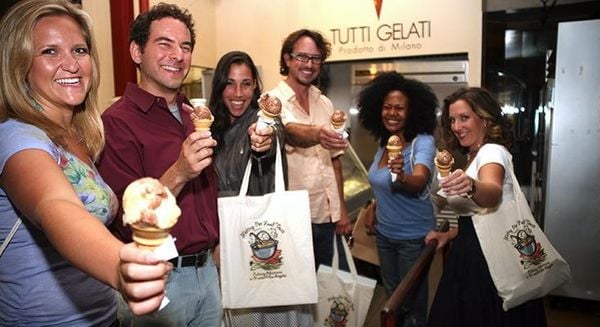
Melting Pot Food Tours’ Original Farmers Market Food and History Tour serves nine tastings in two and a half hours at one of Los Angeles’ most historically significant public markets. The items covered include doughnuts, pizza, ice cream, and other market staples, giving participants a cross-category sampling that reflects the market’s eclectic vendor mix. Tours run Wednesday through Sunday at 9:30 a.m., which concentrates availability midweek and on weekends and excludes Monday and Tuesday.
The Original Farmers Market opened in 1934 and has operated continuously since, giving it a depth of institutional history that most Los Angeles attractions cannot match. The Food and History Tour treats this history as part of the experience alongside the food, connecting each vendor to the market’s longer story and giving participants a reason to care about where they are tasting that goes beyond the quality of any individual item. Recent visitors specifically note that the tour requires less walking than comparable food tours in other cities. The market environment keeps distances between vendors shorter than in a neighborhood walking tour, which suits travelers whose stamina for extended walking limits their options at some other stops on this list.
Melting Pot also operates tours through Old Pasadena and the Latin flavors of East Los Angeles, giving the company a multi-neighborhood reach across the Los Angeles basin that extends the culinary geography available to visitors who want more than the Farmers Market. The nine-tasting format is the largest single-tour tasting count on this list, giving participants more individual items than any comparable walking experience covered here. The historical depth of the original 1934 market, nine distinct tastings, and a Wednesday-to-Sunday schedule make this tour the best single-day introduction to Los Angeles food culture available through the companies on this list. The additional Pasadena and East Los Angeles tours give the operator reach across three distinct food geographies — market, historic downtown, and Latin-influenced east side — for visitors who want more than one day of guided eating in the city.
9 / 10
Credit: Ahoy New York Tours
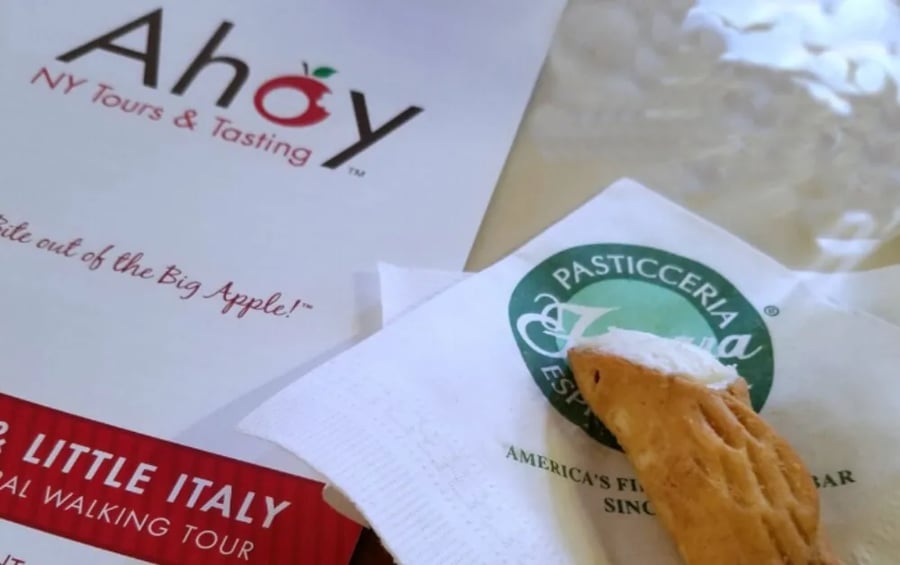
Ahoy New York Tours’ Chinatown and Little Italy Food Fest takes participants to eight locations over three hours, the highest number of stops on this list. Tastings span both seated and on-the-go formats, covering a Chinese pastry with green tea, authentic Chinese dumplings, pasta with marinara sauce, Italian cheeses and olives, and additional items across the two neighborhoods. The walking route covers about half a mile total, making it the most geographically compact tour on this list relative to the number of stops.
Chinatown and Little Italy sit adjacent to each other in lower Manhattan, and the contrast between them creates a cultural tension that a single-neighborhood experience cannot. The neighborhoods represent two distinct immigrant food traditions that have coexisted in the same few blocks for over a century, and eating in both within the same three-hour tour gives participants a compressed version of the layered immigration history that defined lower Manhattan’s culinary character across the 20th century. The source identifies this as the best food tour in New York City, a designation backed by the quality of the reviews recent participants have left.
The eight-location format and the half-mile walking distance mean the tour moves quickly between stops, which recent reviewers have enthusiastically accepted, given the quality of what is served at each location. Participants consistently praise both the guides’ knowledge and the food itself, reflecting the density of exceptional eating within the Chinatown–Little Italy corridor. The multiple daily departures make the tour accessible without advance planning, and the seated-plus-on-the-go tasting format gives participants a varied physical experience of eating across the two neighborhoods. The eight stops, the dual-neighborhood cultural scope, and the half-mile route make this the most efficiently designed tour on this list. At eight locations in half a mile, the tour delivers a stop-per-distance density that no other walking tour on this list matches, giving participants the maximum number of distinct food experiences within the most compact geographic footprint.
10 / 10
Credit: Chicago Food and City Tours
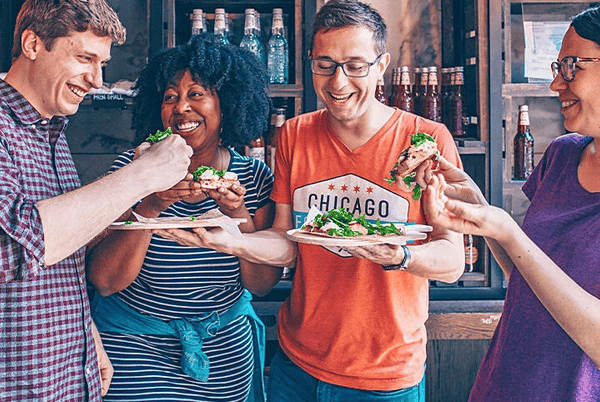
Chicago Food & City Tours offers the only bus-format food tour on this list, and the only one built around a television series: the “Yes, Chef! Chicago: A Bear-Inspired Food Tour” runs 3.5 hours and stops at the Italian beef shop that inspired the fictional restaurant at the center of the award-winning show. The tour covers Logan Square $SQ, River North, and the West Loop — three neighborhoods that collectively represent Chicago’s most dynamic current food geography — while weaving behind-the-scenes stories about the production into the culinary narrative.
The tour concludes at Margie’s Candies, which the source describes as a legendary Chicago institution, with a hot fudge sundae. The television series connection gives the tour a built-in audience among fans of the show who want to visit the locations that grounded the fictional world in the real Chicago food scene. The bus format accommodates participants who might find the walking pace of other tours physically demanding, and the neighborhood sequence — Logan Square, River North, and the West Loop — offers a broader geographic view of Chicago than a single-neighborhood walking tour.
Recent participants recommend the tour to both fans of the show and visitors with no connection to it who are simply interested in Chicago’s food culture. The source notes that the tour departs at 11 a.m. on Fridays and Saturdays only. With just two departures per week, available exclusively on weekends, this is the most restricted schedule on this list. Visitors who plan their Chicago trip around this tour should book well in advance, as the limited departure schedule concentrates demand onto a small number of available slots. The bus format, the television tie-in, and the three-neighborhood geographic range make this the most unconventional culinary experience on this list. For visitors whose interest in Chicago’s food scene was sparked by watching the show, this tour provides the most direct connection between the fictional world and the actual restaurants.
