From a Buick Encore GX with a 90 reliability score to a Corvette that hits 60 mph in 2.9 seconds on a naturally aspirated V8
Credit: Nissan
Buying a new car does not guarantee a reliable car. The assumption that newness implies dependability is contradicted by the reality that entire model lines can carry systemic defects, and individual vehicles can leave the assembly line with problems whose manifestation is a matter of when, not whether. The buyer who picks a vehicle by price and appeal alone, trusting that newness is protection enough, is taking a larger risk than the buyer who selects specifically for predicted reliability. The J.D. Power Vehicle Dependability Study gives that selection a data foundation: a 100-point predicted reliability scale whose scores sort most vehicles available in the U.S. market into four categories. Scores below 70 are considered Fair, placing a vehicle below average in terms of dependability.
The 10 vehicles below represent the highest J.D. Power predicted reliability scores in the current model year, spanning a range from a subcompact SUV to a supercar to a compact pickup. The breadth of the selection reflects a truth about reliability that brand loyalty and category assumptions obscure: the most dependable vehicles on the market are not necessarily from the brands with the strongest reliability reputations, and the vehicle whose J.D. Power score is highest is not necessarily the one the buyer would pick first on any other criterion. The Corvette is here. The Nissan Sentra is here. The BMW Z4 is here, and notably, BMW has discontinued the model for 2027.
The 10 vehicles below appear in U.S. News and World Report, sorted from highest to lowest predicted reliability score, with the lower base price used as a tiebreaker when scores are equal across multiple vehicles.
Credit: Buick
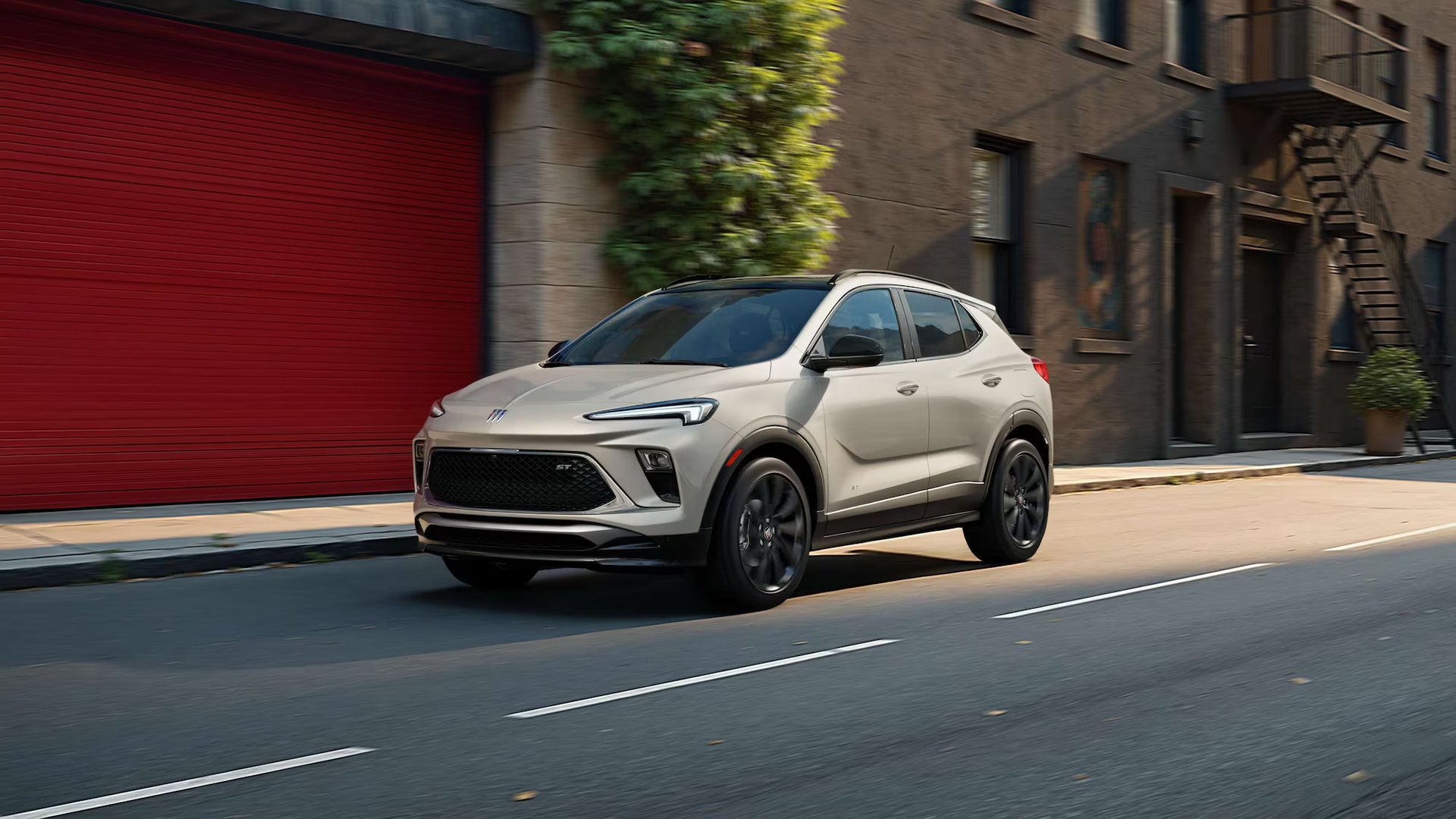
The 2026 Buick Encore GX earns the highest J.D. Power predicted reliability score on this list at 90 out of 100, placing it at the top end of the Great category and one point below the Best category’s threshold. The reliability score gives the Encore GX its primary purchase justification: U.S. News is direct in noting that this is not a standout subcompact SUV on most other measures, but the dependability credential it earns at the head of this list gives it a specific and valuable appeal for the buyer whose paramount concern is avoiding the repair shop. The fuel economy estimates of 30 miles per gallon in the city and 31 on the highway give the practical program a specific efficiency credential appropriate to the urban and suburban commuter use cases that define the subcompact SUV segment’s primary market.
The 11-inch touchscreen infotainment system and the standard forward automatic emergency braking and lane-keep assist give the base Encore GX a technology and safety baseline whose quality is above average for the subcompact SUV class. The loads of standard features that U.S. News notes give the buyer who stays at the entry trim level a more complete out-of-the-box package than many competitors provide at comparable prices.
The acknowledged weaknesses are real and specific: the base 1.2-liter turbocharged three-cylinder engine feels breathless under acceleration, as the U.S. News review describes it as wheezy under pressure; the rear seats disappoint in both space and comfort; and the starting price above $26,200 is high for the subcompact SUV segment. Reviewer Brontë Wieland’s recommendation that Buick loyalists consider the Envista instead, citing its more stylish design and lower price alongside most of the Encore GX’s advantages, gives the reliability-focused buyer a specific alternative to investigate before committing to the Encore GX’s reliability premium. The Encore GX’s warranty coverage, three years or 36,000 miles limited and five years or 60,000 miles on the powertrain, matches the standard coverage across most of its class competitors.

Credit: Chevrolet
The 2026 Chevrolet Corvette earns a J.D. Power predicted reliability score of 89 out of 100, tied for second on this list, and gives the buyer who wants the most reliable new car and the most thrilling new car a single answer whose qualities U.S. News editors find compelling enough to designate the Corvette the editor’s choice among all the reliable vehicles in this comparison. Managing Editor Alex Kwanten’s description of the Corvette as looking like an alternate-universe Ferrari $RACE and driving like one gives the vehicle’s aesthetic and dynamic program its most evocative single characterization, and the base 6.2-liter V8’s 2.9-second zero-to-60 sprint establishes the performance credential whose accessibility at the base trim level gives the Corvette its best value case.
The five optional powertrain configurations, all V8-based and two of which add electric motors for hybrid power, give the Corvette a performance range whose upper extreme, the sub-2-second zero-to-60 time of the top trims, gives the supercar comparison its most specific American benchmark. The surprising practicality that the U.S. News review notes, a smooth ride, comfortable seats, and relatively spacious cargo solutions, gives the Corvette a daily-driver case that the European supercars, whose design philosophy subordinates comfort to performance, cannot make in the same terms.
The complexity of controls and settings across the Corvette’s trim range, and the high purchase cost of the upper trims, make the ownership experience its most notable friction points. The buyer who stays near the base trim finds the cost more manageable and the complexity less overwhelming, and the base V8’s performance, while not the sub-2-second headline, gives the Corvette’s entry point a driving experience that justifies the reliability-plus-performance designation the editor’s choice represents. The Corvette’s two-year model cycle of incremental updates gives the buyer who waits for a specific powertrain or trim option a shorter wait than the traditional model-year update cycle, and the active Corvette owner community gives the new buyer an immediate network whose enthusiasm and technical knowledge give the ownership experience a social dimension specific to the American sports car’s most devoted following.
Credit: Nissan
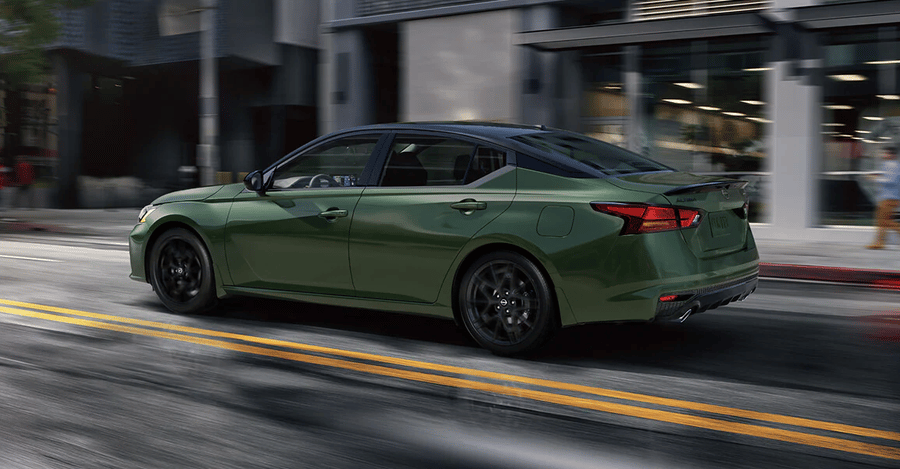
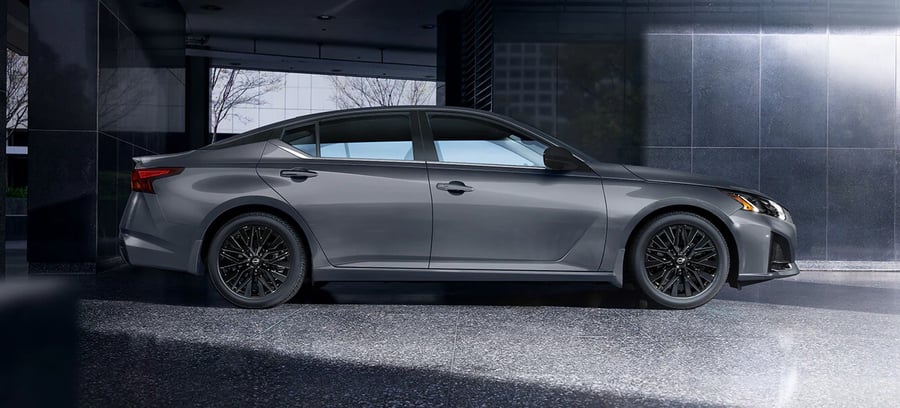
The 2026 Nissan Altima earns a J.D. Power predicted reliability score of 89 out of 100, tied for second on this list alongside the Corvette, and gives the midsize car segment its most dependable entry at a price whose economy credentials and commuter practicality give the reliability score a specific context: this is a car whose reliability credential is its defining virtue, and U.S. News is direct in acknowledging that the Altima does little else to distinguish itself in a midsize sedan class whose competitive pressure from the Honda $HMC Accord and Hyundai Sonata has left the Altima falling behind in features and value proposition.
The fuel economy estimates of 26 miles per gallon in the city and 36 on the highway give the commuter use case its most practically relevant numbers, and the spacious interior gives the driver and passengers the physical comfort appropriate to a vehicle whose primary role is covering miles efficiently and reliably without drama or mechanical anxiety. The ride quality, smooth and composed, gives the long commute the physical comfort that the Altima’s primary buyer most values.
The interior materials at the base level feel inexpensive, and the standard 8-inch touchscreen with wired smartphone integration falls short of the segment’s current best in screen size and wireless connectivity. The standard 2.5-liter four-cylinder engine feels underpowered during highway merging and passing, limiting the driving experience, whose impact depends entirely on how demanding the buyer’s typical driving environment is. The honest assessment the U.S. News source provides, that reliability is the Altima’s claim to fame, gives the buyer whose paramount concern is avoiding breakdowns a clear recommendation without overstating the case for a car whose other qualities have been outpaced by the competition. The Altima’s all-wheel-drive option, available across the lineup, gives it a specific weather-capability credential that the Honda Accord and the Toyota $TM Camry do not offer in the same terms, and that advantage gives the Altima a practical case in snow-belt markets whose winter driving conditions make all-wheel drive a meaningful decision factor.
Credit: Nissan
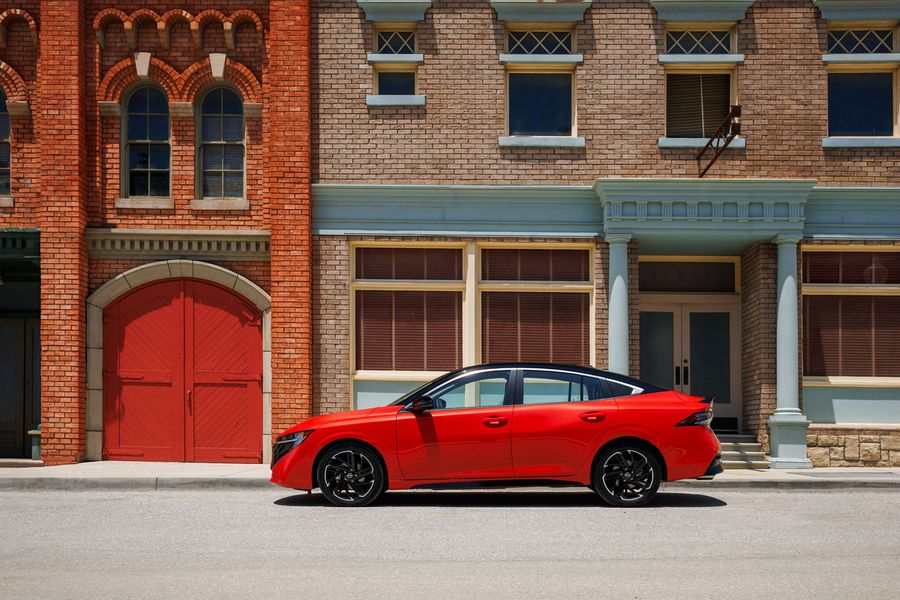
The 2026 Nissan Sentra earns a J.D. Power predicted reliability score of 88 out of 100 and is the compact car segment's most affordable and most recently redesigned entry on this list, starting around $22,600. The complete redesign for 2026 gives the Sentra its most significant exterior and interior update in years, and Managing Editor Alex Kwanten’s description of the new design as looking fancy, with its sleek styling, snazzy interior, and attractive infotainment screens, gives the redesign a quality impression that the previous generation’s more conservative appearance did not produce. The new 12.3-inch touchscreen gives the infotainment system a display that significantly upgrades the cabin’s technology presentation from the outgoing model.
The standard safety feature content gives the redesigned Sentra a specific technology credential at the base price: the comprehensive standard safety suite gives the buyer around $22,600 a dependability-and-safety combination specific to a vehicle whose value score of 9.2 out of 10 reflects U.S. News’s assessment that the Sentra delivers its feature content at a price whose competitiveness earns the Best Budget Option designation in this reliability comparison.
The powertrain carries over from the previous generation largely unchanged, a 2.0-liter four-cylinder mated to a continuously variable automatic transmission, giving the performance the same modest character the prior Sentra delivered, and the fuel efficiency has declined slightly from the previous model’s figures. The handling and ride quality are smooth and competent, giving the daily commute a composed and stress-free physical experience whose comfort exceeds the entry price’s typical expectations for the compact sedan class. The standard safety suite’s comprehensiveness gives the Sentra’s value score of 9.2 out of 10 its most specific contributing credential: U.S. News factors the safety content into the value calculation, and the Sentra’s inclusion of features that other manufacturers charge extra for at the same price gives the value score its highest single contributing factor alongside the reliability rating. The buyer who is cross-shopping the Sentra against the Honda $HMC Civic and the Toyota $TM Corolla should note that the 2026 redesign makes the Sentra a meaningfully more competitive option than the previous generation’s comparison against those same models suggested.
Credit: BMW
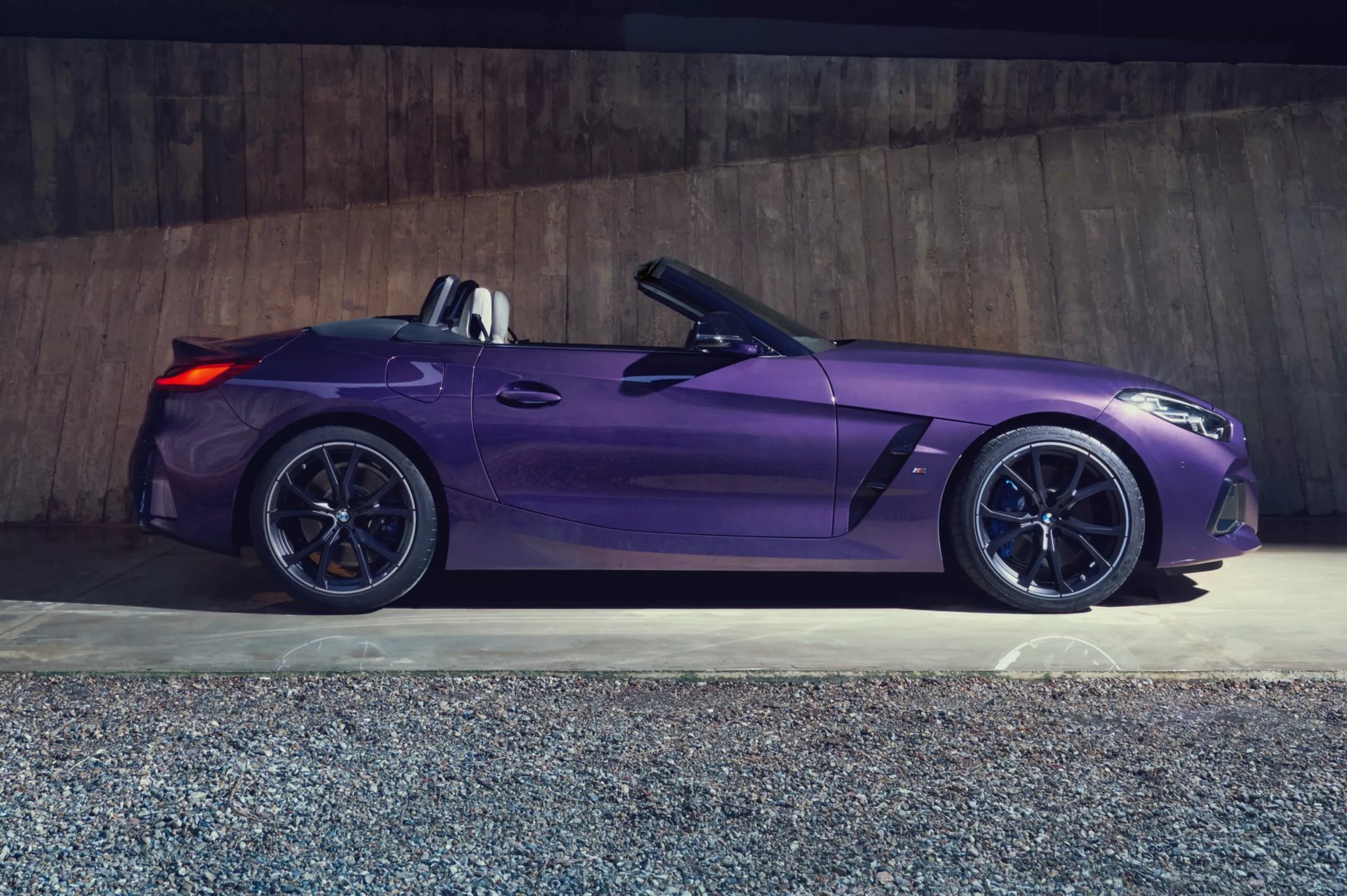
The 2026 BMW Z4 earns a J.D. Power predicted reliability score of 88 out of 100 and gives the luxury sports car category its most practically reliable option in this comparison, with the specific urgency that BMW has discontinued the model for the 2027 model year, making the 2026 production run the Z4’s last. The four-year, 50,000-mile warranty, which is longer than the three-year, 36,000-mile limited warranties most vehicles on this list carry, gives the Z4 buyer additional protection whose duration reflects BMW’s confidence in the model’s mechanical integrity throughout the coverage period. The Toyota $TM GR Supra, which U.S. News recommends as a cross-shopping companion to the Z4, is also being discontinued for 2027.
The handling and the two engine options give the Z4 its primary performance credentials, and Managing Editor Alex Kwanten’s assessment, made from the perspective of a driver measuring 6 feet 4 inches tall, confirms that the roadster accommodates larger adults in both seats with room to spare, and that the cargo and storage space is generous for the sports car format. The fantastic fuel efficiency for a sports car with genuine performance credentials gives the Z4 a total cost of ownership calculation with a per-mile fuel cost lower than the performance output might suggest.
The discontinuation gives the reliability context a specific purchase decision weight: the buyer who wants a Z4 has the 2026 model year as the last opportunity, and the high reliability score gives that final-year purchase the specific confidence that the last-year production quality has not declined from the model’s established dependability standard. The pairing of sports car performance with the highest reliability scores in the luxury sports car category gives the Z4’s final year a specific credential whose qualities the successor model’s absence cannot replicate in the same class. The Z4’s BMW warranty coverage of four years and 50,000 miles is the longest warranty on this list and gives the final-year purchase its most protected ownership window.
Credit: Chevrolet
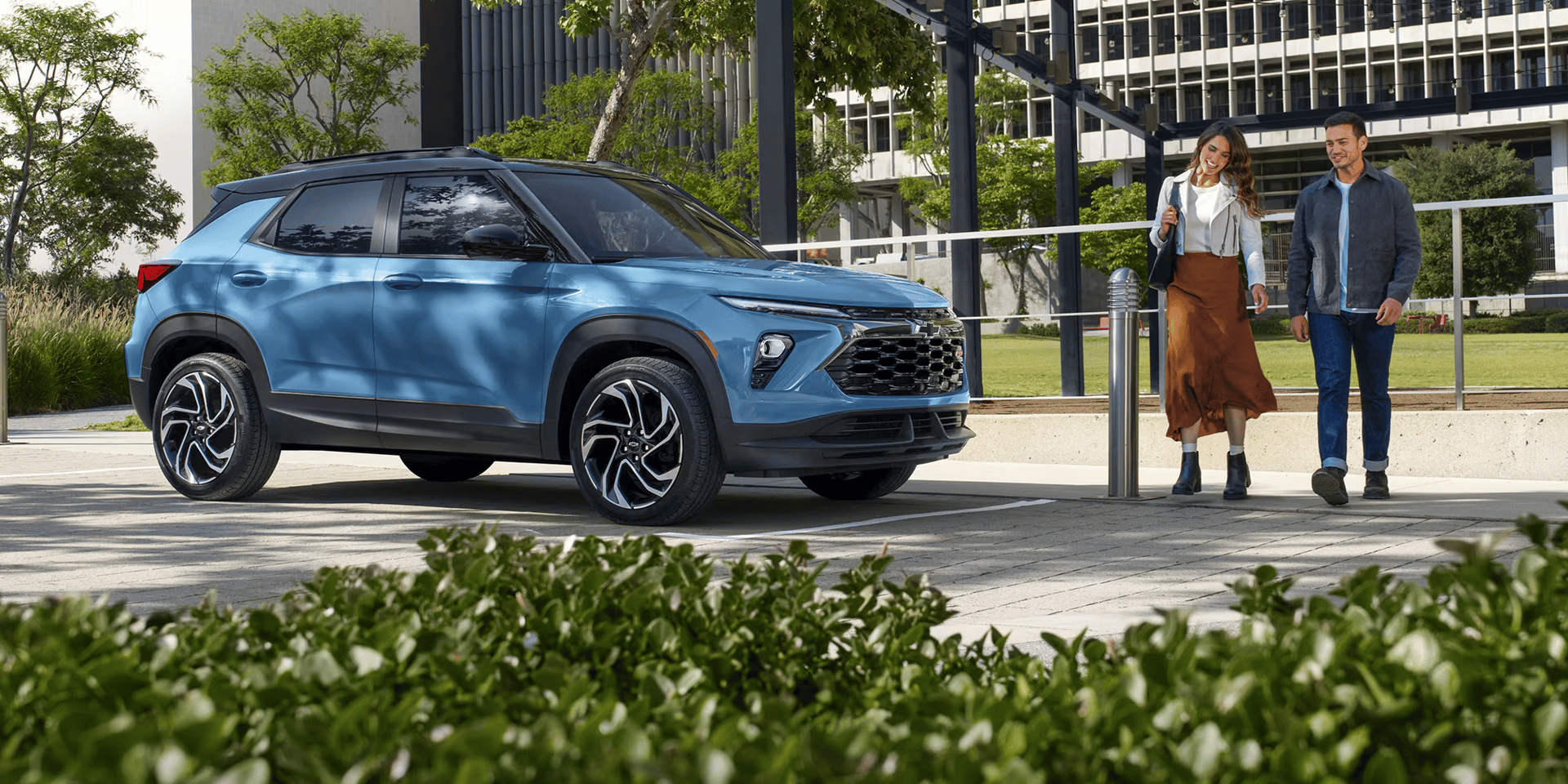
The 2026 Chevrolet Trailblazer earns a J.D. Power predicted reliability score of 88 out of 100 and offers the subcompact SUV segment a dependable, practical, urban-oriented vehicle whose name suggests a capability the vehicle does not prioritize. The turbocharged engine options are tuned for comfort in everyday driving, and the off-road capability is modest at best, making the Trailblazer’s rugged naming more of a styling association than a technical description of what the vehicle delivers on unpaved surfaces.
The cabin gives the Trailblazer its strongest specific credential in the subcompact SUV class: reviewer Brontë Wieland confirms that 39 inches of legroom in the rear accommodates tall passengers with room to spare, and the ease of entry and exit gives the ergonomics a practical quality that the more cramped competitors do not provide in the same terms. The 11-inch touchscreen infotainment system and the 8-inch digital instrument cluster give the technology program a display quality whose size and visual clarity are above the class average, and the fuel economy of 30 miles per gallon in the city and 31 on the highway gives the daily commuter a pump-visit frequency specific to an efficient subcompact powertrain.
The performance trade-off is direct: the base engine delivers leisurely, not brisk, acceleration, and the buyer who values the fuel economy and the ride comfort the Trailblazer provides accepts the modest performance as the cost of those virtues. The reliability score gives the Trailblazer its most specific competitive advantage in a segment whose alternatives include vehicles with stronger performance credentials but less dependable predicted reliability ratings. The Trailblazer’s subcompact SUV positioning gives the reliability credential its most practically relevant urban context: the subcompact SUV buyer’s daily use case, which centers on city and suburban commuting, not highway performance or trail exploration, is the driving environment where the Trailblazer’s comfort tuning and fuel efficiency give the most consistent daily reward, and the high reliability score gives that daily reward a long-term sustainability that the competing subcompact SUVs with lower reliability ratings cannot guarantee.
Credit: Hyundai
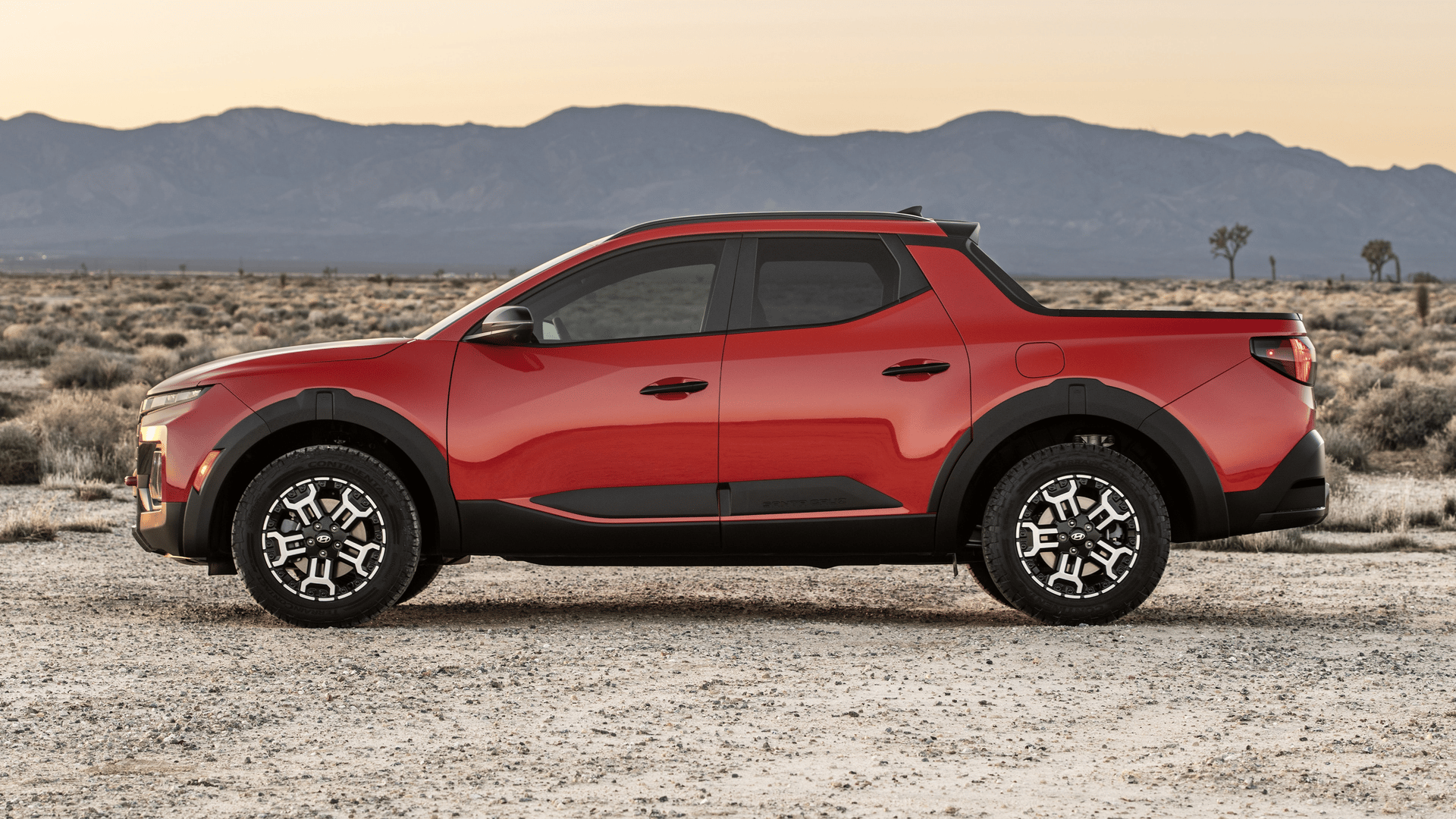
The 2026 Hyundai Santa Cruz earns a J.D. Power predicted reliability score of 88 out of 100 and is the compact pickup segment's most dependable entry,, alongside one of the most generous factory warranty packages available on any new vehicle in the U.S. market. The five-year and 60,000-mile limited warranty already exceeds most competitors’ powertrain warranty lengths, and the 10-year and 100,000-mile powertrain warranty that accompanies it gives the Santa Cruz buyer a long-term mechanical protection whose duration reflects Hyundai’s sustained confidence in its powertrain engineering across an ownership period that most buyers’ vehicle cycles do not approach. The high reliability score and the class-leading warranty together give the buyer whose primary anxiety is long-term mechanical cost the most double-covered protection on this list.
The two engine options, a naturally aspirated 2.5-liter four-cylinder and a turbocharged version, give the Santa Cruz a powertrain range appropriate to different buyers’ performance and efficiency priorities within the same vehicle format. The attractive styling gives the compact pickup a visual energy that the more purely utilitarian trucks on the market do not prioritize, and the SUV-like interior execution gives the Santa Cruz a cabin experience closer to a crossover than to a traditional truck.
The towing and hauling capabilities are modest by pickup truck standards, and reviewer Matt DeLorenzo’s characterization of the Santa Cruz as skewing toward outdoor activities, not heavy lifting, gives the compact truck’s purpose its most accurate description. The rear cabin’s cramped conditions are the program's most acknowledged limitation, and the buyer who regularly carries adult rear-seat passengers should weigh the Santa Cruz’s reliability and warranty credentials against the more spacious alternatives in the compact SUV category. The Santa Cruz’s bed, which gives the truck format its defining functional advantage over the SUV, provides a lockable storage solution that the compact SUVs on this list cannot replicate, and the bed’s availability with a tonneau cover gives the outdoor-equipment carrying program a weatherproof format specific to the pickup body style.
Credit: Ford
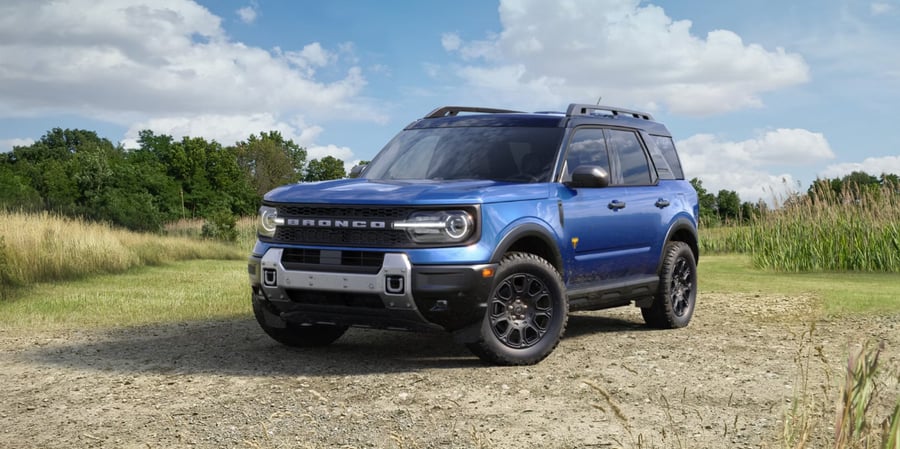
The 2026 Ford $F Bronco Sport earns a J.D. Power predicted reliability score of 88 out of 100 and is the most capable off-road entry in the compact SUV segment among the reliable vehicles on this list. The available skid plates and the locking rear differential give the Bronco Sport a specific trail capability whose mechanical foundation justifies the rugged styling that the vehicle’s design communicates and that the Chevrolet Trailblazer’s naming implies without delivering. Reviewer Perry Stern’s assessment, made during testing in dirt, mud, and snow, confirms that the Bronco Sport performed without faltering in conditions whose severity gives the off-road capability claim its most demanding field validation.
The cabin is roomy and well-crafted, and the rear seats accommodate taller adults, giving the Bronco Sport a passenger program that the more compromised subcompact SUVs on this list do not match in the same rear-seat generosity. The 13.2-inch touchscreen and the wireless Apple $AAPL CarPlay and Android Auto give the technology program a display quality and connectivity convenience that the segment’s smaller-screened competitors cannot match. The removal of wireless charging from the 2026 model year’s standard equipment is the most noted specific downgrade from the previous generation, and the buyer who relies on wireless charging should factor the absence into the comparison.
The base engine’s performance is the Bronco Sport’s most consistent criticism: Stern describes it as somewhat disappointing given the vehicle’s rugged promise, and the stiff ride, relative to competitors like the Subaru Crosstrek, makes the on-road daily commute feel firm, a byproduct of the off-road-capable chassis tuning. The buyer who needs genuine trail capability from a reliable compact SUV finds the Bronco Sport the most purpose-matched vehicle on this list. The Badlands trim, the Bronco Sport’s most capable off-road configuration, adds a more sophisticated all-wheel-drive system and additional underbody protection, elevating the Bronco Sport's off-road capability beyond the base Outer Banks. It gives the serious off-road buyer a factory-spec trail vehicle whose reliability score provides the backcountry-specific reassurance that mechanical self-sufficiency in remote locations requires.
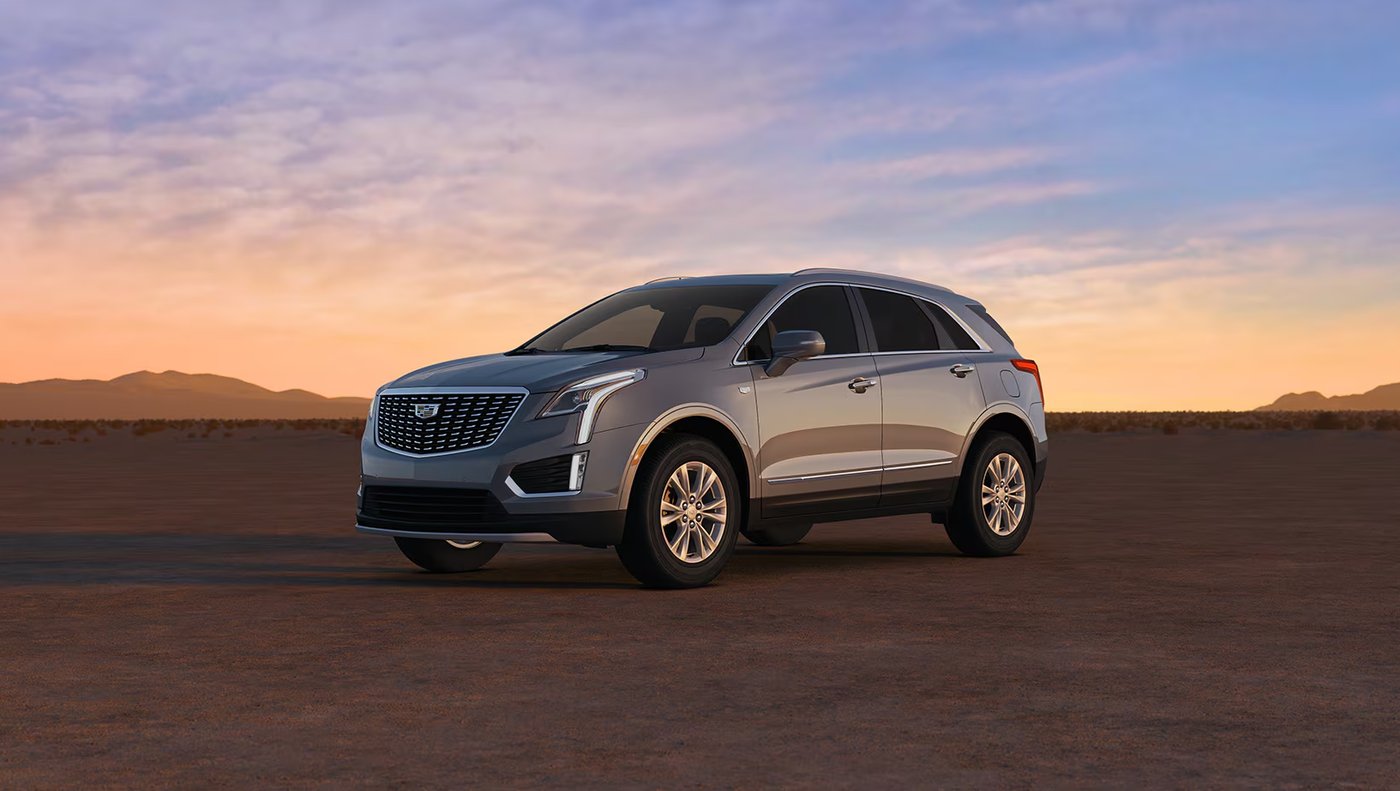
Credit: Cadillac
The 2026 Cadillac XT5 earns a J.D. Power predicted reliability score of 87 out of 100 and gives the luxury midsize SUV segment a vehicle whose safety technology inventory is the most comprehensive of any vehicle on this list, with the National Highway Traffic Safety Administration’s five-star overall safety rating and a U.S. News safety score of 9.7 out of 10, giving the safety credential its most specific institutional validation. The Safety Alert Driver’s Seat, which vibrates to warn the driver of potential hazards; forward automatic emergency braking; and front and rear parking sensors give the safety system a multi-modal warning architecture, with the physical seat vibration alert providing a channel of hazard communication unavailable from auditory-only warning systems in most competitors.
The spacious cabin and the generous cargo room give the XT5 the luxury midsize SUV format’s practical utility, and the available V6 delivers power appropriate to a vehicle whose size and premium positioning support the expectation of confident acceleration. The 8-inch touchscreen is the most frequently cited technology limitation in a segment where competitors now routinely offer larger displays, and the platform and interior design are noted as outmoded relative to the current class standard.
Managing Editor Alex Kwanten’s note that a new XT5 design has launched in foreign markets and may arrive in the U.S. in 2027 gives the 2026 model’s current state a specific context: the reliability and safety credentials that the current platform carries are substantial, and the buyer who can accept the aging interior and the smaller display in exchange for the five-star safety rating and the 87-out-of-100 predicted reliability finds the XT5 the most safety-and-reliability-concentrated vehicle on this list. The new XT5 design that Managing Editor Alex Kwanten notes is available in foreign markets and potentially arriving in the U.S. in 2027 gives the current model’s aging platform a specific context: the buyer who needs the vehicle now gets the reliability and safety credentials, and the buyer who can wait gets the updated design whose interior and technology improvements should address the current model’s most noted weaknesses.
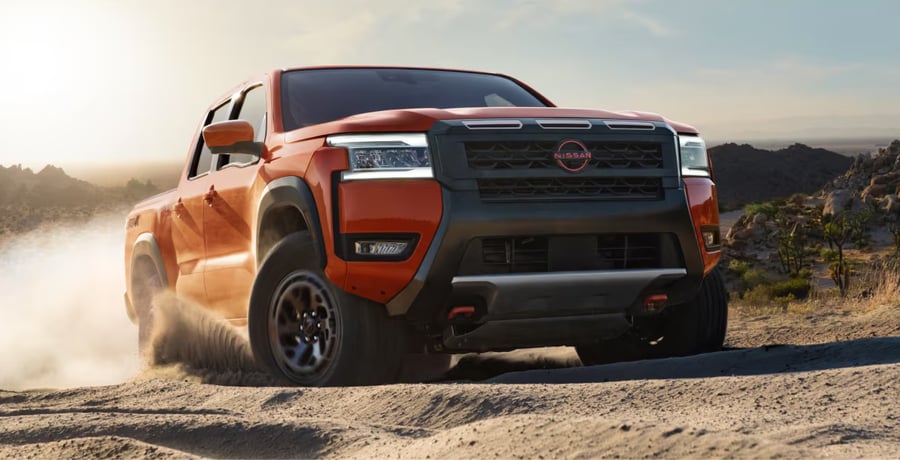
Credit: Nissan
The 2026 Nissan Frontier earns a J.D. Power predicted reliability score of 87 out of 100 and gives the midsize pickup truck segment its most dependable current entry, starting at a competitive price whose working-truck positioning gives the Frontier a specific buyer profile: the driver who needs a reliable hauler capable of real work and real towing, not the lifestyle-oriented pickup whose primary role is road commuting with occasional bed use. The strong 3.8-liter V6 delivers the powertrain's output appropriate to the 7,150-pound tow rating, which is a competitive figure in the midsize truck class and gives the Frontier trailer-pulling capability whose practical utility for the boat owner, the camper, and the contractor is specific and measurable.
The 8.6 inches of ground clearance and the front skid plates give the Frontier light off-road capability, with standard equipment that doesn't require an off-road package upgrade, giving the base buyer a foundation appropriate for gravel roads and mild trail use. The interior is comfortable enough for the daily commute, though the seat cushioning runs toward the firm side of the comfort spectrum, and the 8-inch touchscreen’s modest size is acknowledged as below the class’s current standard in display area.
Reviewer Perry Stern’s assessment of the voice interface gives the technology program its most candid evaluation: the system requires specific language patterns to function and had a hard time understanding natural speech during testing, imposing a practical limitation whose impact depends on how heavily the buyer relies on voice commands during driving. The Frontier’s U.S. News value score of 9.1 out of 10 gives the purchase decision its most favorable aggregate assessment: a capable, dependable, and competitive-value midsize truck whose reliability score gives the working truck buyer the specific assurance that the tool they depend on professionally will show up when needed every morning, every job, and across the full ownership cycle. The Frontier’s ground clearance and standard skid plates give the work truck light-duty trail capability that the buyer who occasionally needs to reach job sites on unpaved roads will find sufficient for the access requirements.
