
The most essential foods and drinks to try in Singapore
From chili crab's sweet-spicy orange gravy mopped up with mantou buns to an ice cream sandwich melting fast in a vendor's hand on Orchard Road
Ethan Hu / Unsplash
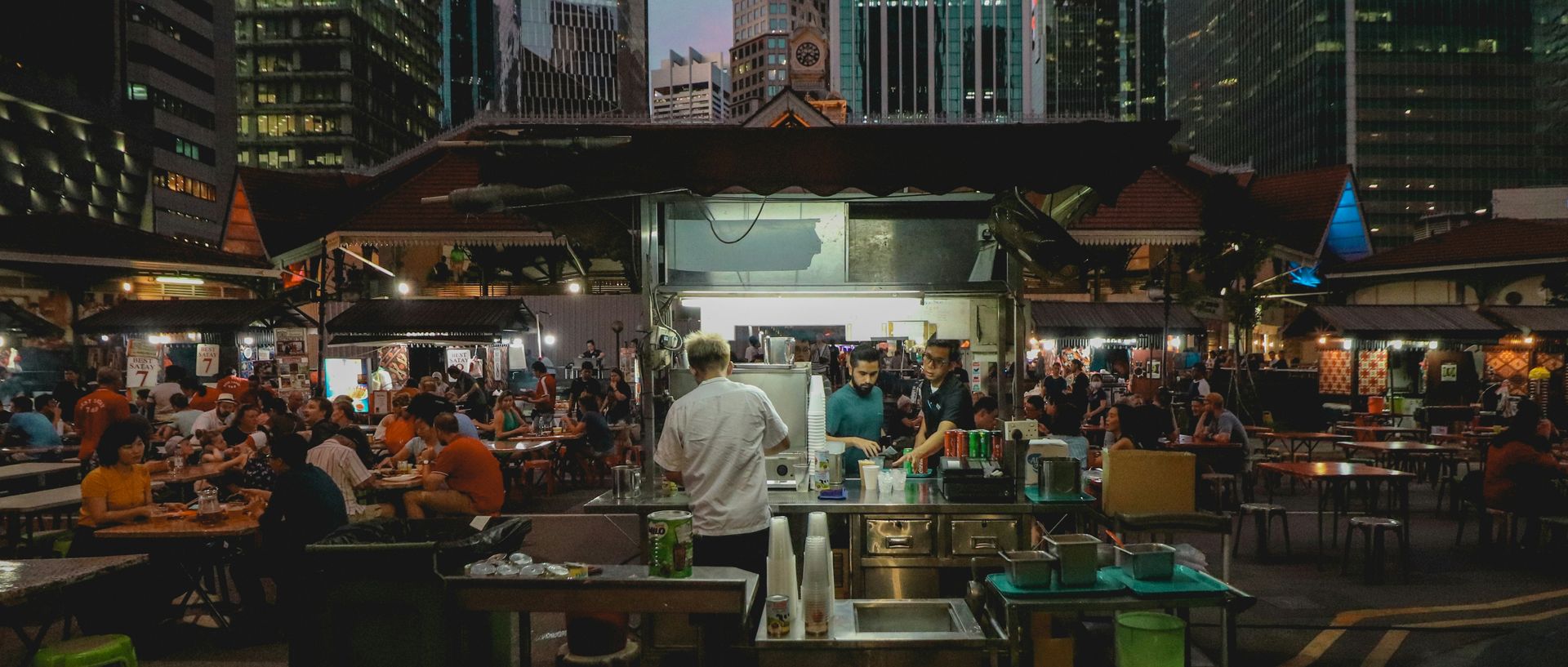
Singapore’s small size belies a genuinely enormous range of food options, and that range traces directly back to the diverse cultures that have shaped the city-state over generations. Recipes first carried over by migrants hoping to recreate a taste of home have since been remixed into uniquely Singaporean dishes, the kind that leave visitors craving another bowl or plate long after they’ve already returned home from their trip.
Genuinely good food turns up in nearly every neighborhood across the city, with options suited to essentially any traveler and any budget. Hawker centers deliver some of the cheapest and most beloved street food anywhere in the city, and these communal food courts matter so much to Singapore’s identity that UNESCO has granted them Intangible Heritage status. Visitors with a bigger budget can just as easily book a table at an award-winning fine-dining restaurant, track down a sign-free family restaurant that locals swear by, or wait in line at a hip cafe built for the Instagram feed. Vegetarian and vegan travelers also have plenty of options to eat well here, since meat-free options appear on menus throughout the city, thanks in part to long-standing Buddhist, Taoist, and Hindu dietary traditions.
The 10 foods and drinks below appear in Lonely Planet, covering some of the country’s most essential dishes and where to find them. Some come from hawker stalls that have served the same recipe for decades, while others emerged from more recent fusions between the city’s Malay, Chinese, Indian, and Peranakan communities, and a couple exists purely as beloved street snacks unlikely to appear on any formal restaurant menu at all. Working through even half of this list over a single trip gives visitors a genuinely representative taste of everything that makes Singapore’s food scene worth crossing the world to experience firsthand.
1. Hainanese chicken rice keeps things comforting and simple
Ama Journey / Unsplash
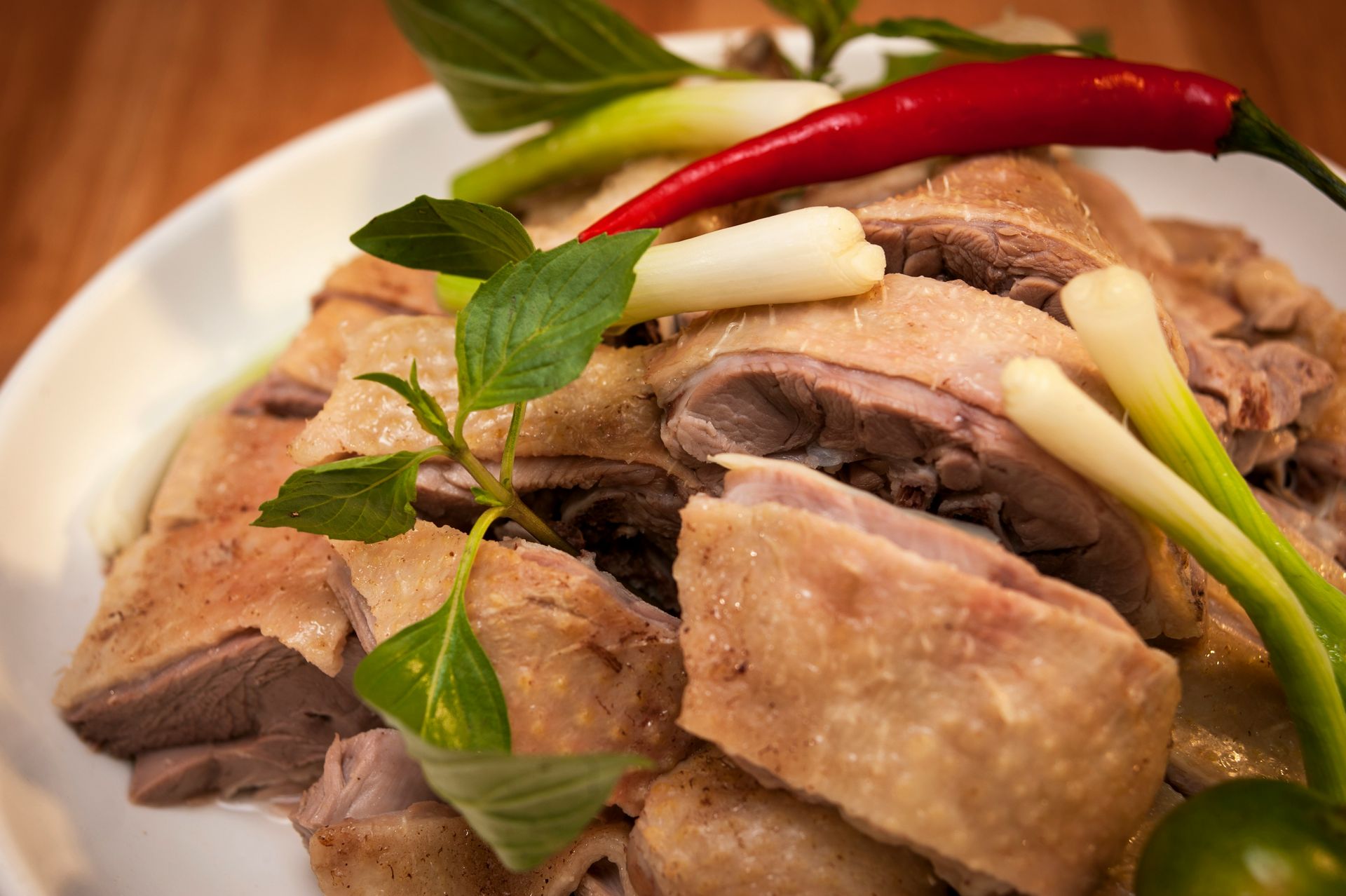
Hainanese chicken rice takes its inspiration from a dish called Wenchang chicken, and the Singaporean version features poultry that’s poached, sliced, and served at a deliberately lukewarm temperature instead of piping hot. Skipping the gelatinous skin would mean missing one of the dish’s genuine highlights, though travelers who prefer a crispier texture can order the roasted chicken version instead of the traditional poached preparation.
The fragrant rice itself carries enough flavor to serve as a satisfying meal on its own, cooked specifically to complement the chicken rather than simply serve as a neutral base. A few slices of cucumber typically garnish the plate, and diners then top everything off with their preferred ratio of dark soy sauce and a spicy, tangy garlic-chili sauce that many longtime fans consider the single most important element of the dish.
Tian Tian Hainanese Chicken Rice, located at Maxwell Food Center in Chinatown, is arguably the most famous hawker stall serving this dish in the country. The stall’s reputation only grew after its version reportedly bested a preparation from celebrity chef Gordon Ramsay in a chicken-rice showdown held years ago, cementing its status among both locals and visiting food enthusiasts.
Travelers $TRV seeking a more comfortable sit-down setting should consider established restaurants such as Pow Sing, Nam Kee, and Boon Tong Kee, all of which serve chicken rice alongside other Chinese home-cooked zi char dishes. These restaurants offer visitors a genuinely different atmosphere from that of a bustling hawker center, without sacrificing much in terms of flavor or authenticity. Few dishes anywhere in Singapore manage to feel this universally comforting while still varying so much from one stall to the next. Visitors comparing multiple stalls on a single trip often notice subtle differences in rice texture and chili sauce heat that reward repeated tastings. Ordering a small plate before committing to a full portion helps first-time visitors gauge their appetite.
2. Chili crab defines Singapore’s national identity
megawatts86 / Wikimedia Commons (CC BY-SA 2.0)
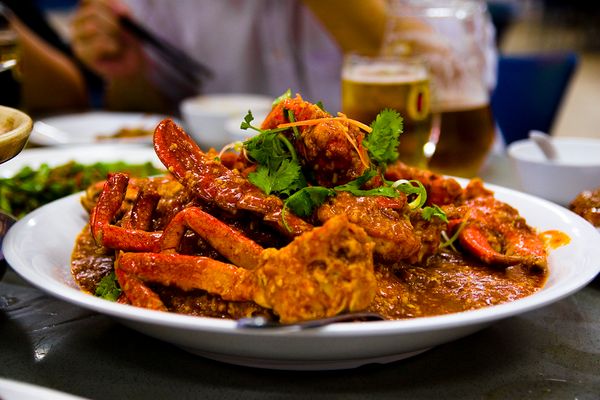
Many locals consider chili crab Singapore’s genuine national dish, and eating a proper plate demands both an appetite and a willingness to get thoroughly messy. Deep-fried, hard-shelled mud crabs arrive drenched in a thick, starchy, orange gravy that somehow manages to taste sweet, savory, sour,, and spicy all at once, a genuinely complex flavor profile that few other crab preparations anywhere in the world attempt to replicate.
Mopping up every last bit of that sumptuous sauce with fried or steamed mantou bread buns ranks among the meal’s most satisfying moments, and many diners consider the sauce-soaked bread just as memorable as the crab itself. Travelers $TRV who find chili slightly too intense should still try black pepper crab, a milder preparation that delivers a genuinely distinct flavor profile built around freshly cracked pepper rather than chili heat.
Beyond these two signature preparations, Singapore’s crab scene extends to white pepper crab, salted egg crab, and clay-pot crab soup served with thick white bee hoon noodles, giving diners genuine variety well beyond the two most famous versions. Each preparation rewards a slightly different mood or level of spice tolerance, making crab a genuinely versatile choice across multiple visits to the same restaurant.
Roland Restaurant in Marine Parade holds the distinction of creating chili crab back in the 1950s, while Long Beach Seafood first developed black pepper crab in 1962, and its UDMC outpost at East Coast Park still offers a genuinely wonderful seaside setting for the meal. Jumbo Seafood serves its own well-regarded crabs at multiple locations throughout the city, including downtown, along Orchard Road, and directly at Changi Airport for travelers squeezing in one last meal before departure. Few dishes anywhere in the region manage to balance sweet, savory, and spicy flavors this successfully within a single sauce. Visitors ordering crab for the first time should ask staff for guidance on size and pricing, since crabs are typically sold by weight.
3. Nasi padang piles on variety, family-style
D.W. Fisher-Freberg / Wikimedia Commons (CC BY-SA 4.0)
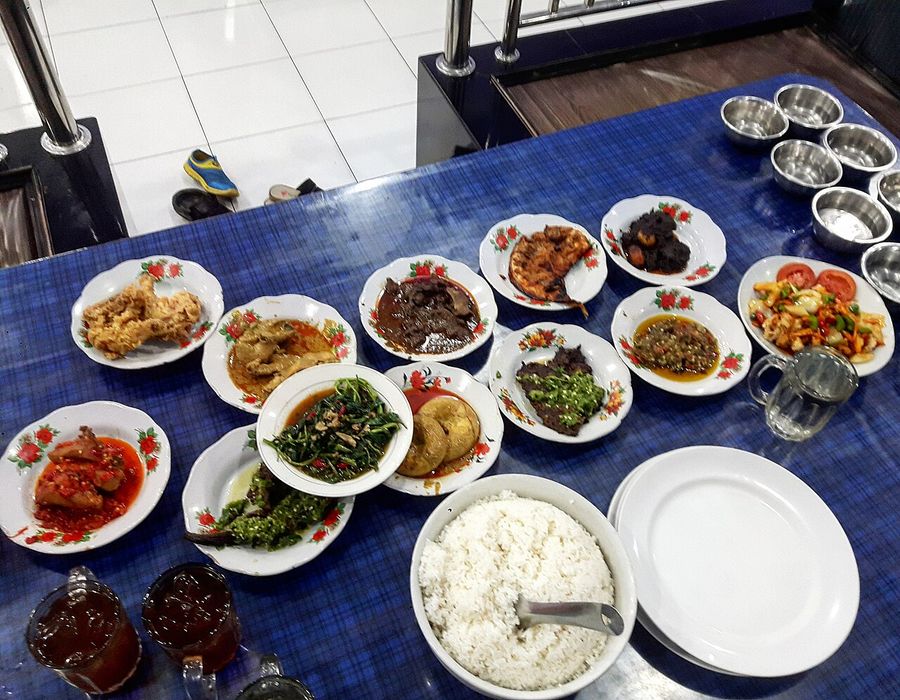
Nasi means rice in Malay, and Padang refers to the Indonesian city that the Minangkabau, among Singapore’s earliest Malay settlers, originally called home. Instead of describing a single dish, nasi padang functions as an entire dining format that delivers genuine variety, plenty of lemak coconut milk, and the fiery kick of chilies and spices throughout an entire spread of dishes.
Braised beef rendang, covered in a thick, pasty gravy, ranks among the format’s most popular offerings, alongside spicy sambal goreng, a stir-fried mix of tofu, tempeh, and green beans seasoned with a genuinely substantial array of spices. Diners typically build their own plates by selecting from multiple dishes displayed behind a counter, though some restaurants instead offer hidang, a family-style approach where multiple plates arrive together and are shared across the table.
Utensils remain available for diners who prefer them, though the customary approach is to eat with the right hand, a tradition rooted in the format’s Malay origins. Visitors unfamiliar with this style of eating should feel free to ask staff for guidance, since most restaurants genuinely welcome the question from curious first-time diners.
Kampong Gelam, one of the earliest Malay communities established in Singapore, is home to two especially well-known nasi padang restaurants that are perpetually busy with hungry crowds: Sari Ratu on Pahang Street and Hajjah Maimunah on Jalan Pisang. Travelers $TRV hoping for an even wider range of Malay food options should instead head to Geylang Serai Market or Haig Road Food Centre, both located in the eastern part of the city. Few dining formats anywhere in Singapore let a single meal cover this much genuine variety across so many distinct flavors and textures. Visitors dining in a group should specifically consider the hidang format, since sharing multiple dishes family-style tends to reveal a wider range of flavors. Arriving slightly before the typical lunch rush also helps visitors avoid the longest waits at the most popular counters.
4. Traditional breakfast sets pair kaya toast with soft eggs
mailer_diablo / Wikimedia Commons (CC BY-SA 3.0)
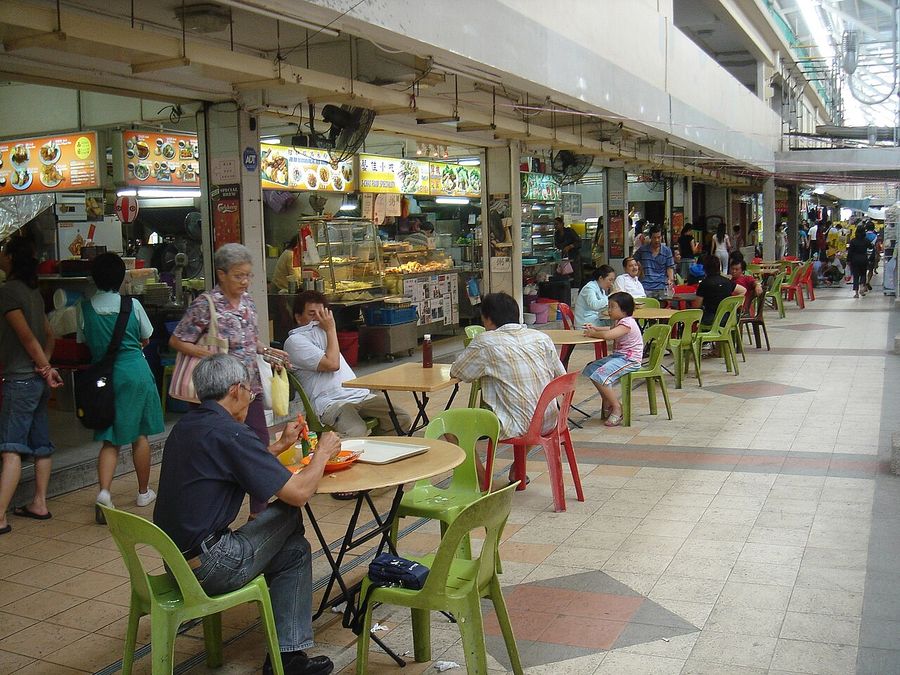
Singapore’s beloved traditional breakfast set traces its origins to Hainanese immigrants, who played a significant role in shaping the city-state’s early food scene, alongside the kopitiams, or coffee shops, that still serve this meal today. The full spread typically includes toasted bread slathered with kaya, a coconut jam, and a slice of butter, alongside a pair of soft-boiled eggs that diners crack directly into a small saucer, season with a touch of soy sauce and pepper, and slurp up together.
A steaming cup of local-style kopi (coffee), teh (tea), or teh tarik (pulled tea) rounds out the traditional set, and ordering any of these drinks correctly requires learning an entire specialized lingo built around how much sugar or condensed milk a diner actually wants. Newcomers should expect some initial confusion when first attempting to order, since the terminology genuinely takes practice to master fully.
Coffee shop drink stalls typically sell this breakfast set only during the morning hours, limiting the time visitors can order the full traditional spread at most locations in the city. Travelers $TRV hoping to eat it at any time of day should instead visit Ya Kun Kaya Toast or Killiney Kopitiam, two well-known franchises with several decades of history and outlets scattered throughout Singapore and beyond.
Visitors interested in experiencing these franchises at their most authentic should seek out their original outlets on China Street and Killiney Road, respectively. Starting a Singapore food tour at one of these original locations gives travelers a genuine sense of history before they branch out to explore the city’s broader food scene for the rest of the day. Few breakfast traditions anywhere in Southeast Asia pack this much cultural history into such a genuinely simple, affordable morning meal. Visitors unsure how to order their coffee or tea should simply ask the server for a recommendation rather than guessing at the terminology. Arriving early in the morning also helps visitors avoid the brief midday rush that many kopitiams experience.
5. Fish-head curry blends Indian and Chinese traditions
Chensiyuan / Wikimedia Commons (CC BY-SA 4.0)
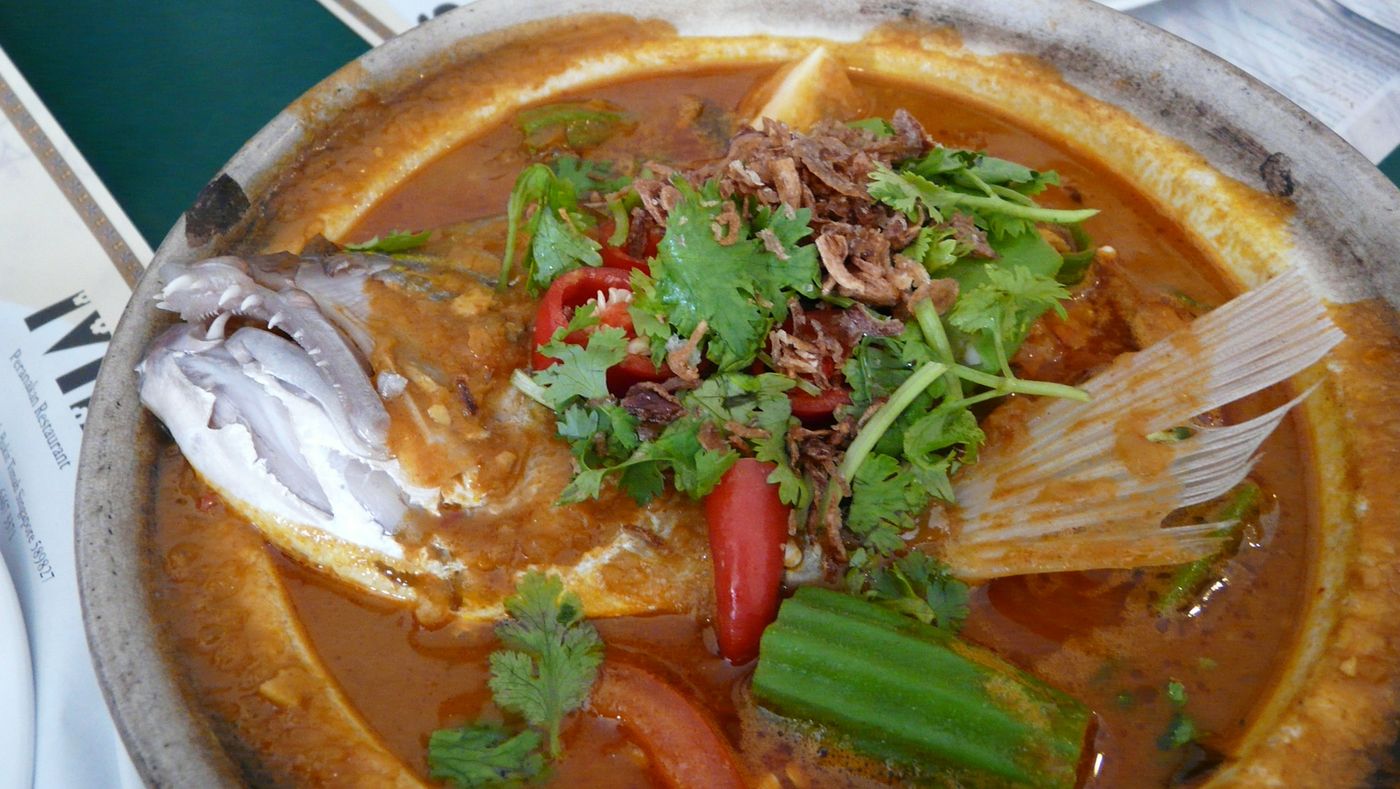
Fish-head curry stands as another uniquely Singaporean fusion creation, born from an Indian chef’s original attempt to attract a wider Chinese audience to his restaurant. This chef dunked a large ikan merah, or red snapper, fish head directly into his spicy Kerala-style curry alongside a mix of vegetables, and the resulting dish has since become genuinely beloved across the city, copied by countless restaurants and now sold in both Chinese and Indian establishments alike.
Visitors put off by the sight of bulging fish eyes should push past that initial hesitation, since dedicated fans of the dish often claim the eyeball ranks among the tastiest parts of the entire fish head. Most diners, though, agree that the cheek meat delivers the most consistently tender bite, making it a safer starting point for visitors easing into the dish for the first time.
Samy’s Curry, a longstanding establishment on Dempsey Hill, serves South Indian food on traditional banana leaves, and its version of fish-head curry runs noticeably thicker, typical of the broader South Indian style of cooking. This thicker consistency gives the dish a genuinely different character compared with other regional variations found elsewhere throughout the city.
Na Na Curry, run by a Peranakan family across several outlets, offers its own distinct range of curry options, and its sourish asam-style preparation, built around a genuinely sour and spicy flavor profile, ranks among the restaurant’s consistent best sellers. Comparing Samy’s thicker South Indian version against Na Na’s sourer Peranakan take gives visitors a genuinely instructive introduction to just how varied this single dish can become depending on who’s actually cooking it. Few dishes anywhere in Singapore illustrate the city’s broader culinary fusion quite as directly as this specific curry does. Visitors trying the dish for the first time should come prepared to share, since a full fish head typically serves several diners at once. Asking staff which curry style suits a first-time visitor best often leads to a genuinely satisfying recommendation.
6. Nyonya laksa simmers Peranakan heritage into one bowl
Yong Hui Yin / Unsplash (CC BY-SA 4.0)
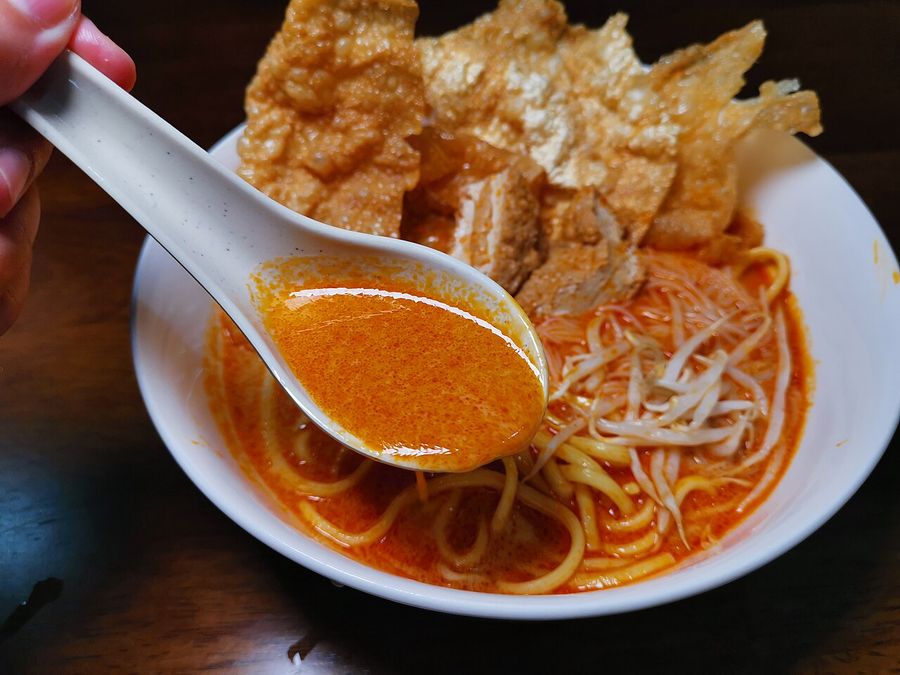
Nyonya laksa emerged from a genuine hodgepodge of cultural influences, thanks to its creators, the Peranakan community, born of intermarriage between local-born Malays and early Chinese and Indian migrants who settled throughout the region. This community’s rich traditions draw from a genuine blend of these cultures, and Nyonya laksa stands as one of its most beloved culinary results, prized well beyond the Peranakan community itself.
The dish itself consists of white rice noodles soaked in a lemak, coconut-milk-based broth flavored with a strong rempah, a hand-pounded paste made from spices and other carefully selected ingredients. Seafood such as prawns and cockles typically tops the finished bowl, and the noodles themselves are usually trimmed into shorter pieces, meant to be eaten with just a soup spoon rather than chopsticks.
Nyonya laksa is often called Katong laksa, named after the famous Peranakan enclave in eastern Singapore, where visitors can find some of the very best Peranakan food in the city. Nearly every laksa shop throughout Katong claims to serve the original, authentic version, leaving visitors to decide for themselves between well-known options such as 328 Katong Laksa and Janggut Laksa.
Sungei Road Laksa, located on Jalan Berseh, offers a genuinely rare alternative for visitors specifically seeking a bowl cooked over an open charcoal fire rather than on a conventional stove. This traditional cooking method gives the broth a subtly different depth of flavor, rewarding visitors willing to seek out this particular stall over the more famous Katong-area options. Few noodle dishes anywhere in the region manage to layer this much cultural history into a single, genuinely satisfying bowl. Visitors touring multiple laksa stalls in a single afternoon often find the subtle differences in broth and rempah more interesting than any single definitive answer. Arriving slightly outside peak lunch hours also helps visitors avoid the longest lines at the most popular stalls. Bringing a bit of patience helps too, since the most popular stalls rarely move quickly during busy lunch hours.
7. Local cocktails reinvent Singapore’s drinking scene
Credit: Raffles Hotels and Resorts
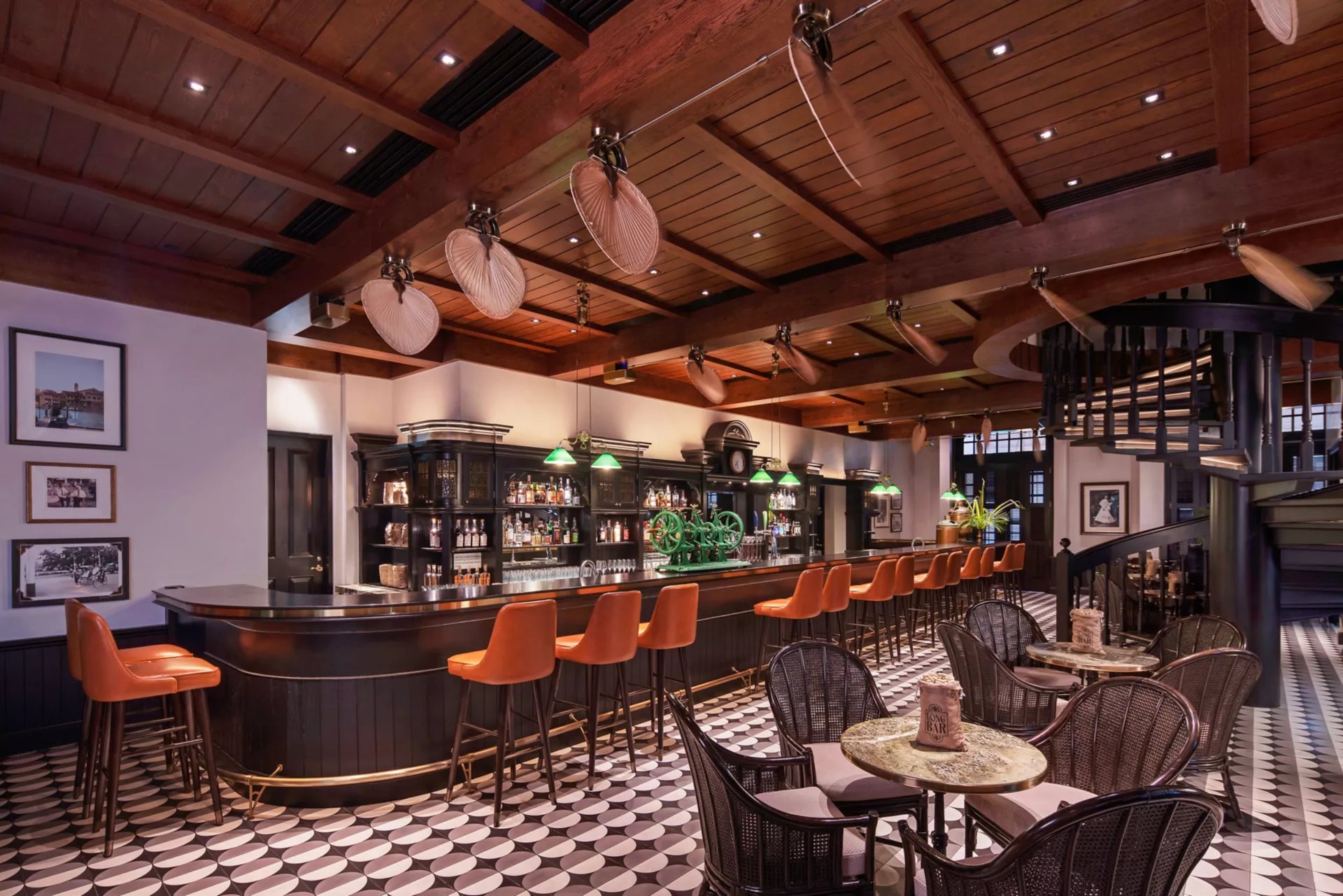
Sipping a Singapore Sling at the iconic Raffles Hotel Long Bar, complete with tossing peanut shells directly onto the floor, remains a storied tradition for visitors to the city, and few travelers regret experiencing it at least once during their trip. Still, Singapore’s broader cocktail scene has grown considerably over the past decade, and travelers who stop at just the Long Bar miss out on a genuinely thriving contemporary bar culture.
Numerous bars and individual mixologists throughout the city have earned international accolades specifically for crafting clever cocktails inspired by distinctly local flavors, transforming Singapore into a genuinely serious cocktail destination in its own right. Hidden speakeasies requiring a specific password for entry sit alongside sky-high hotel bars offering sweeping views of the city skyline, giving visitors a genuinely varied range of settings depending on the kind of evening they want.
Nutmeg and Clove, located on Purvis Street, does genuinely impressive work enhancing classic cocktail recipes with additional Asian flavors such as black plum vinegar and green barley, giving familiar drinks a distinctly local twist. Origin Bar, inside the Shangri-La Hotel, builds its cocktail menu specifically around Singapore’s own neighborhoods, drawing direct inspiration from areas such as Chinatown and Orchard Road.
Bar Stories, located in Kampong Gelam, takes a genuinely different, more personalized approach, as bartenders there craft bespoke cocktails tailored to each guest’s stated preferences rather than working from a fixed printed menu. Visitors willing to venture beyond the Raffles Hotel should include at least one of these three venues in their evening plans for a fuller picture of Singapore’s contemporary drinking culture. Few cities anywhere in Asia have developed a cocktail scene this sophisticated within such a genuinely short span of time. Visitors planning a proper bar crawl should book ahead at the more exclusive speakeasies, since limited seating fills quickly on busy weekend nights. Arriving early in the evening also helps visitors secure a good seat before the busiest after-work crowds arrive.
8. Roti prata stretches dough into endless variations
Jpatokal / Wikimedia Commons (CC BY-SA 3.0)
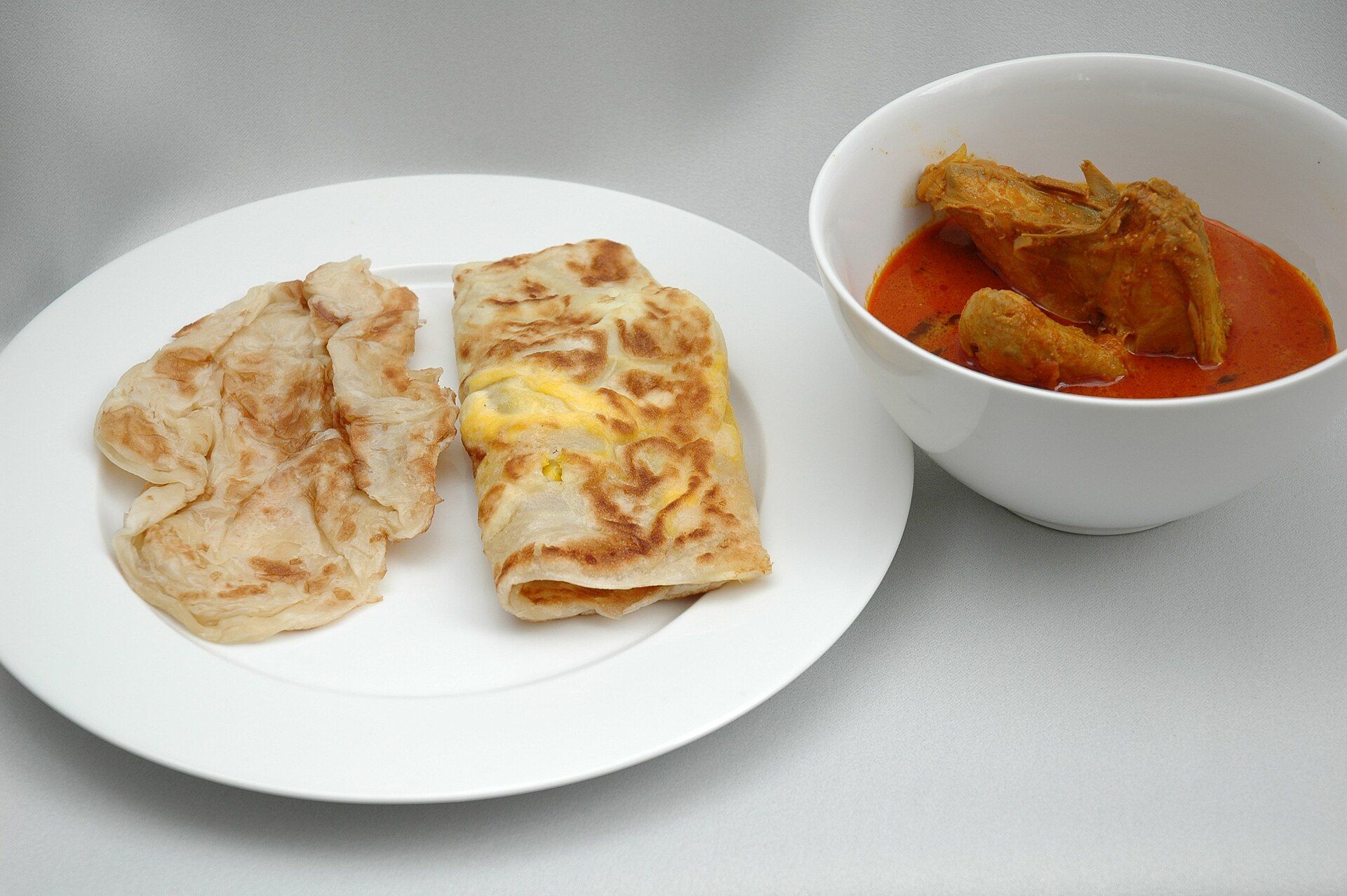
Indian cooking has long been known for its flatbreads, and Singapore has genuinely embraced roti prata as one of its own defining street foods. Kosong prata, the dish’s most basic form, consists of hand-kneaded dough that is stretched thin and fried directly on a griddle greased with ghee (clarified butter), resulting in a texture that stays crispy on the outside while remaining slightly chewy on the inside. Dipping the finished prata into curry or sugar adds an extra layer of flavor, depending entirely on personal preference.
Prata shops throughout Singapore have become genuinely creative, well beyond the standard egg-and-onion versions found at most stalls. Ingredients such as cheese and mushrooms now regularly appear on prata menus, alongside sweet versions filled with chocolate or ice cream for diners craving dessert rather than a savory meal.
Ordering a plaster prata, where the egg cooks directly on top of the dough, or a tissue or paper prata, where the dough gets stretched extremely thin and shaped into an extra-crispy cone, gives visitors two especially distinctive variations worth trying at least once. Both versions showcase just how far prata cooks can push a genuinely simple base recipe into something visually striking.
Roti prata works as a meal at any hour, though it remains most popular specifically for breakfast and late-night supper throughout the city. Mr. and Mrs. Moghan’s, a tiny prata shop along Joo Chiat Road, ranks as a genuine local favorite, while Casuarina Curry on Casuarina Road and any branch of Springleaf Prata Place offer a considerably broader range of wilder, more experimental flavor combinations for adventurous eaters. Few street foods anywhere in Singapore offer this much genuine variety from such a simple base recipe. Visitors trying multiple prata styles in one sitting should pace themselves, since even a single serving can prove surprisingly filling. Asking staff for a recommendation often leads visitors to a genuinely satisfying combination they wouldn’t have picked on their own.
9. Durian rewards the brave with a pungent flavor
Jim Teo / Unsplash
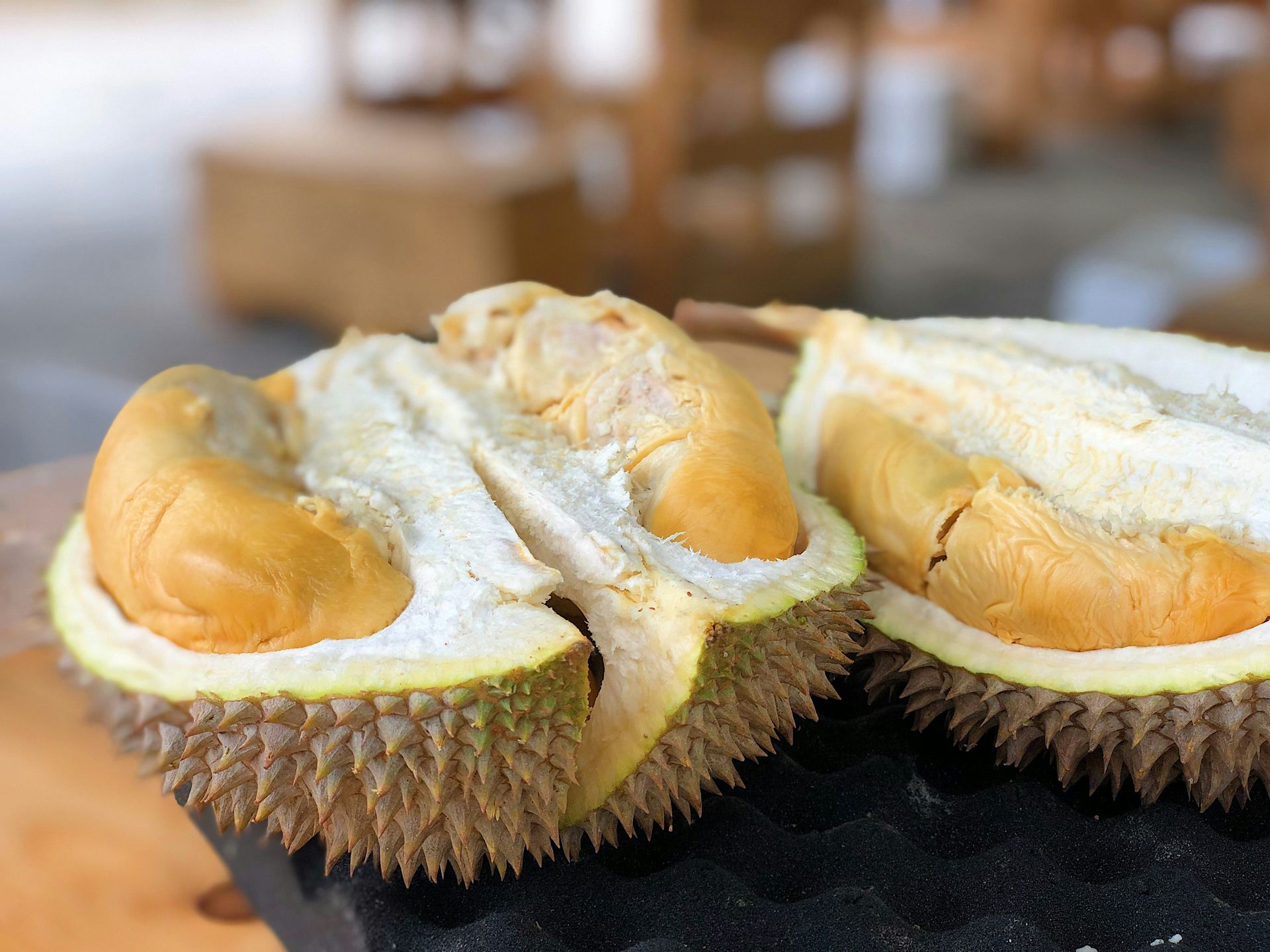
Durian has a reputation as one of the most intimidating fruits in the world, and its eye-wateringly pungent smell tends to precede any actual tasting by a considerable margin. Cracking open the fruit’s genuinely spiky shell reveals a creamy, slightly bitter flesh unlike anything else found in the wider world of fruit, rewarding visitors brave enough to push past the initial smell and actually taste it.
Durian remains available throughout the year in Singapore, though the fruit reaches peak abundance, and correspondingly its lowest prices, specifically between June and August each year. Visitors specifically hoping to try durian at its absolute best should time their trip around this seasonal window rather than settle for whatever is available at other times of the year.
The fruit’s genuinely lingering smell carries real practical consequences for where visitors can actually eat it throughout the city. Singapore bans durian entirely from public transportation and hotel rooms, meaning visitors should specifically seek out an open-air location before cracking one open, both out of courtesy to others and to avoid any potential fines or complaints.
Street vendors and dedicated durian stalls throughout the city typically let curious first-time tasters sample a small piece before committing to a full fruit, a genuinely helpful option given how divisive the flavor can prove for newcomers. Visitors unsure whether they’ll actually enjoy durian should take advantage of this sampling option before buying a whole fruit. Few fruits anywhere in the world inspire this much genuine debate among people who have actually tried it firsthand. Visitors unsure whether they’ll enjoy the flavor should start with a mild variety before committing to a stronger, more pungent cultivar. Asking a vendor which variety suits a first-time taster best often leads to a considerably more pleasant introduction. Bringing wet wipes or hand sanitizer also helps, since the fruit’s sticky flesh tends to cling to fingers afterward.
10. Ice cream sandwich cools down a hawker classic
Ypsilon from Finland / Wikimedia Commons (CC0 1.0)
The ice cream man now ranks as essentially the only mobile hawker still regularly seen on Singapore’s street corners, typically stationed at major road junctions throughout Orchard Road or the downtown core. This particular hawker tradition has largely outlasted the wider street-hawker culture that once defined much of the city, giving the ice cream sandwich a genuinely nostalgic status among longtime residents.
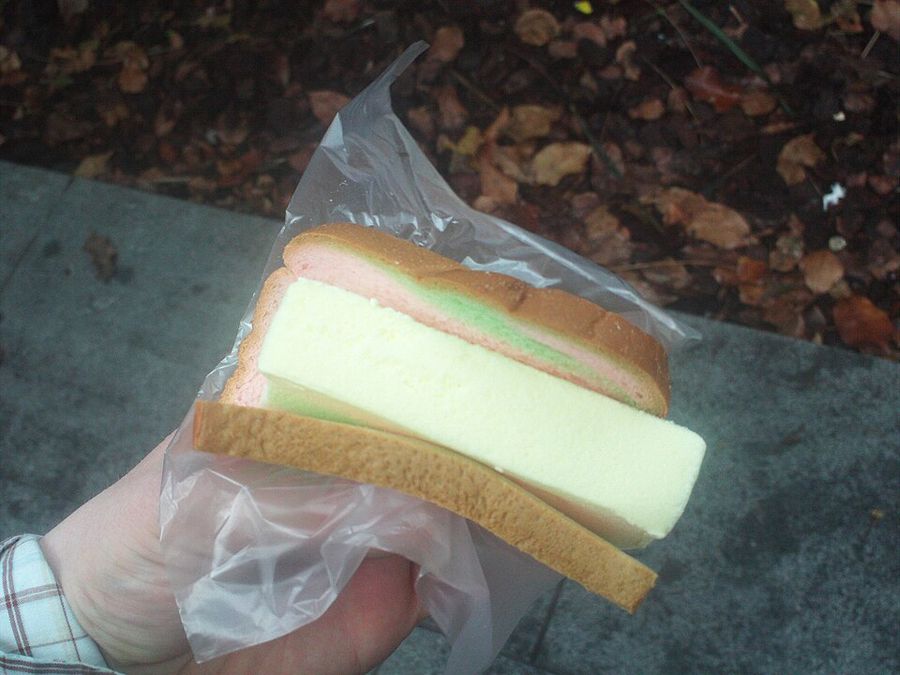
The dessert itself consists of a chunk of ice cream sliced directly off a larger block and wedged between either two pieces of rainbow-colored bread or a pair of flimsy wafers, depending on a customer’s specific preference. Eating it quickly matters considerably given Singapore’s tropical heat, since the ice cream begins melting almost the instant it leaves the vendor’s cooler.
Prices for this simple treat stay genuinely affordable, making it an easy, low-commitment way for visitors to sample a piece of everyday Singaporean street culture without needing to seek out a specific address or restaurant. Simply keeping an eye out while walking through busier parts of the city is usually enough to spot a vendor eventually.
Visitors curious about Singapore’s broader hawker history should treat a stop at the ice cream man as a small but genuinely meaningful piece of that story, connecting today’s food scene back to a simpler era before shopping malls and food courts came to dominate the city’s culinary landscape. Few other treats in Singapore offer this much nostalgia for the price of a single small purchase. Few desserts anywhere in Singapore connect quite this directly to the city’s rapidly disappearing mobile street-hawker traditions. Visitors specifically hoping to try one should keep cash on hand, since most of these mobile vendors don’t accept card payments. Asking for the bread version instead of wafers gives first-time tasters a slightly softer, more familiar texture to start with. Bringing a napkin also helps, since the treat tends to melt quickly and drip during Singapore’s tropical afternoon heat.