
The most fuel-efficient affordable cars you can buy in 2026
From a 57-MPG Prius with sportier styling than its reputation suggests to a Ford Maverick that brings hybrid efficiency to a compact pickup truck
Credit: Toyota
Hybrid technology has quietly become mainstream. What once required a premium purchase or an ideological commitment to fuel efficiency now comes standard on some of the most popular and affordable vehicles in the country. The Toyota $TM Camry, America’s best-selling passenger car for years, now arrives as a hybrid by default. The Ford $F Maverick, a compact pickup truck starting below $30,000, comes standard with a hybrid powertrain. The technology that made the original Prius feel like a niche product has spread across segments and price points to the point where choosing a hybrid no longer requires trading anything significant away.
The practical case for a high-MPG vehicle has also sharpened. Fuel costs are a continuous expense that compounds across the life of a vehicle, and the difference between a 30-MPG car and a 50-MPG hybrid is measurable in hundreds of dollars per year for a typical driver. When the hybrid premium has largely disappeared from the sticker price, the fuel savings represent a genuine financial advantage that accumulates over the ownership period rather than merely offsetting an upfront cost.
The vehicles below appear in U.S. News & World Report, ranked primarily by EPA combined fuel economy rating. The list spans compact sedans, a hybrid crossover, a compact pickup, and a subcompact crossover, covering the vehicle categories where efficiency-focused buyers most often shop.
1. Toyota Prius leads the list at 57 combined MPG
Credit: Toyota
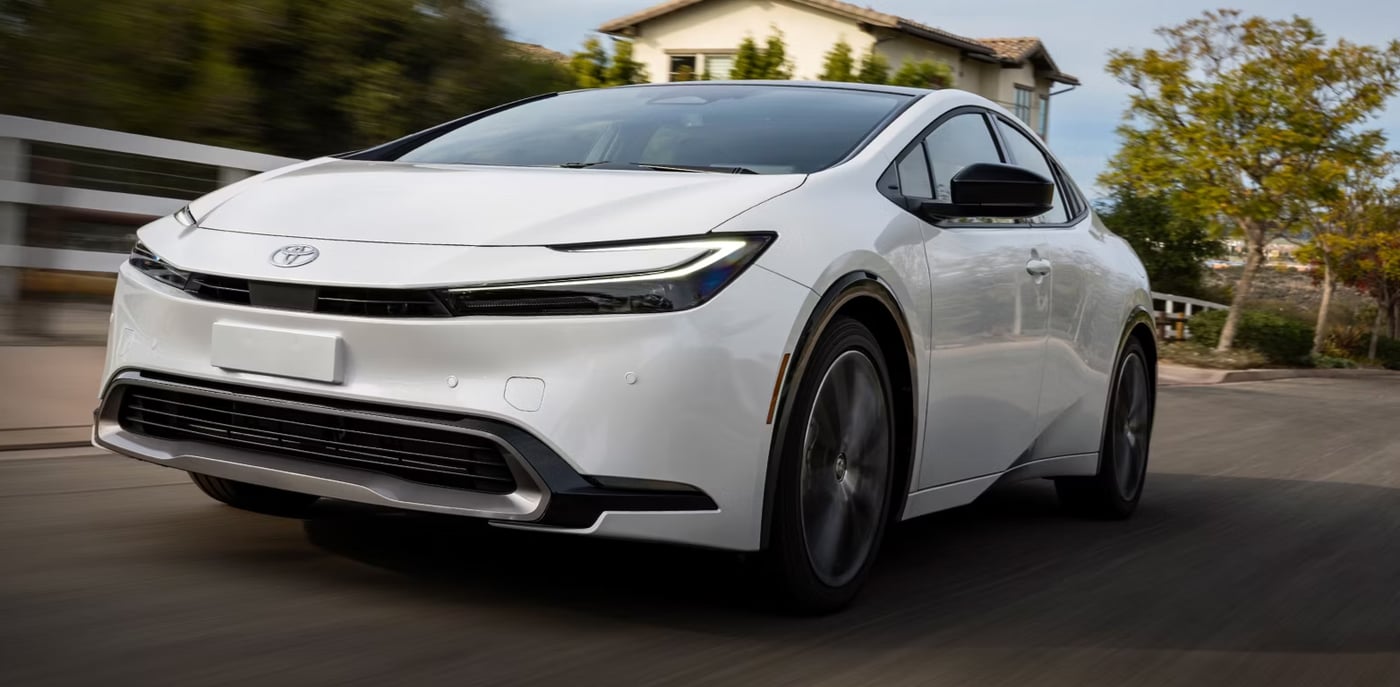
The Toyota $TM Prius holds the top efficiency rating on this list at 57 miles per gallon combined, a figure that reflects decades of hybrid development applied to a platform that the original Prius pioneered in the U.S. market. Today’s version is a substantially different vehicle from its early predecessors: sporty exterior styling, peppy acceleration, and handling that hugs the road give the current Prius a driving character that its reputation for stodgy practicality did not previously support. Contributor Mike Hagerty notes that the original Prius’s early-adopter status still shapes how people perceive the model, but the current car has moved well past the economy-appliance identity.
The four-cylinder engine and electric motor combination is available in front- and all-wheel-drive configurations, which gives the Prius winter capability that compact hybrid sedans do not always offer. The handling is genuinely good for the category, giving drivers who choose the Prius for its fuel economy a driving experience that rewards them in ways the efficiency numbers alone do not.
The primary drawback is the cabin, which feels cramped relative to other small hybrids with more conventional sedan proportions. Drivers who prioritize interior space will find the Prius tight, particularly in the rear seat. The powertrain can also become loud at highway speeds, which is worth knowing before a test drive. For drivers whose priorities align with the Prius’s strengths, those tradeoffs are well-documented and knowable in advance.
2. Hyundai Elantra Hybrid achieves 54 combined MPG with top reliability
Credit: Hyundai
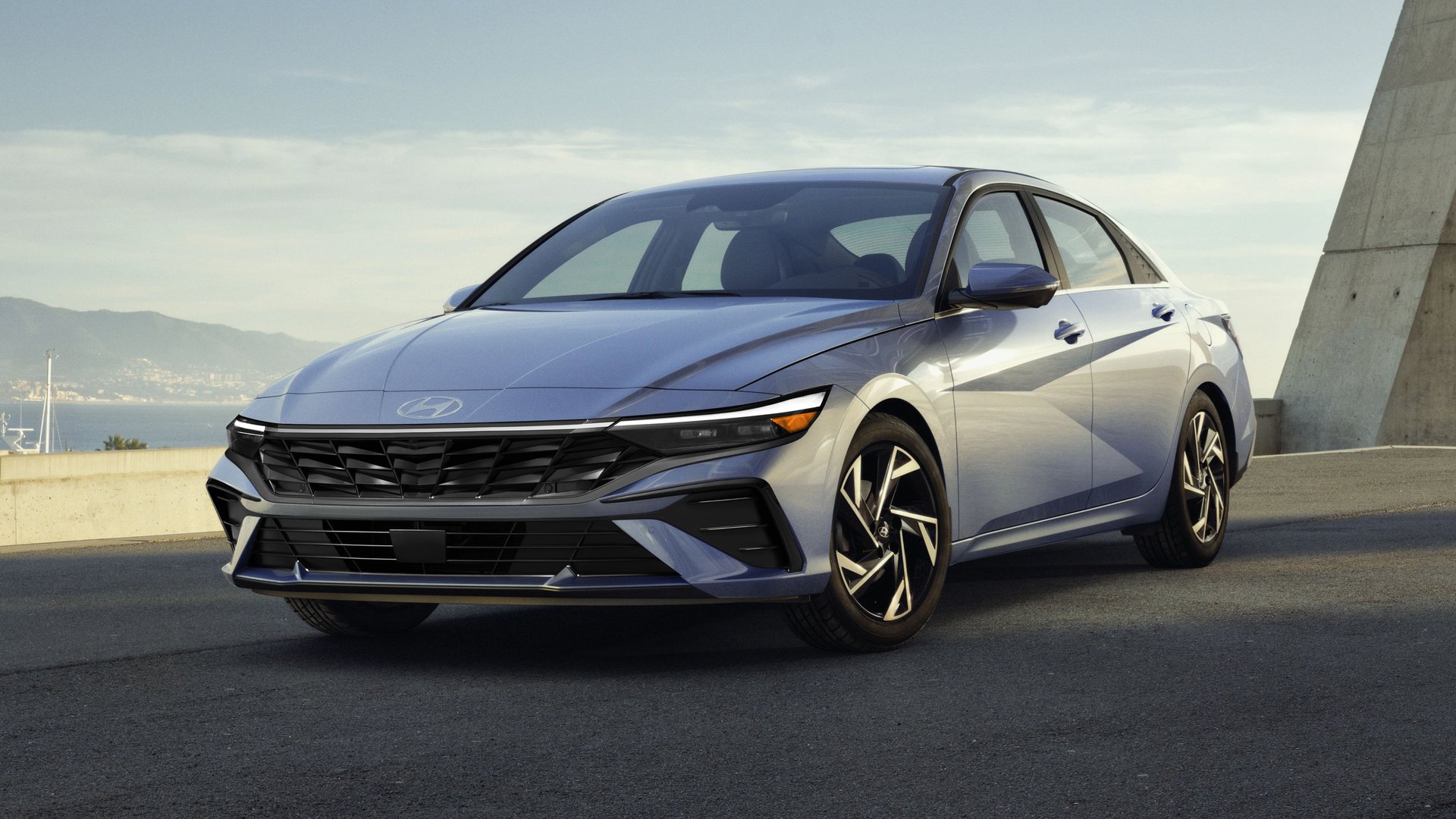
The Hyundai Elantra Hybrid earns 54 miles per gallon combined and carries a J.D. Power reliability score of 86 out of 100, placing it in the Great category alongside its gas-only sibling. The reliability score gives the Elantra Hybrid a strong long-term ownership case alongside its efficiency credentials: a high-MPG car whose dependability is uncertain yields less financial benefit than its fuel savings suggest, and the Elantra Hybrid’s J.D. Power rating removes that uncertainty. For 2026, the model wins U.S. News’s Best Compact Hybrid Car for the Money award.
Reviewer Cameron Aubernon describes the Elantra Hybrid as a car that blends in, a candid assessment that aligns with the model’s value proposition. The sporty styling elements give it visual appeal, and the driving dynamics are comfortable and easygoing, with the electric motor providing useful assistance when passing at highway speeds. The cabin is not as spacious as those in Toyota $TM and Honda $HMC alternatives at comparable prices, and the performance is similarly modest.
The four-cylinder engine and electric motor drive the front wheels in every Elantra Hybrid configuration. The combination produces a smooth, unhurried driving experience that suits the car’s character as a practical daily commuter rather than a driver’s car. The starting point is notably lower than most hybrid compact competitors, which gives the Elantra Hybrid the value standing that its award designation reflects.
3. Toyota Camry earns 51 combined MPG with the strongest safety score on the list
Credit: Toyota
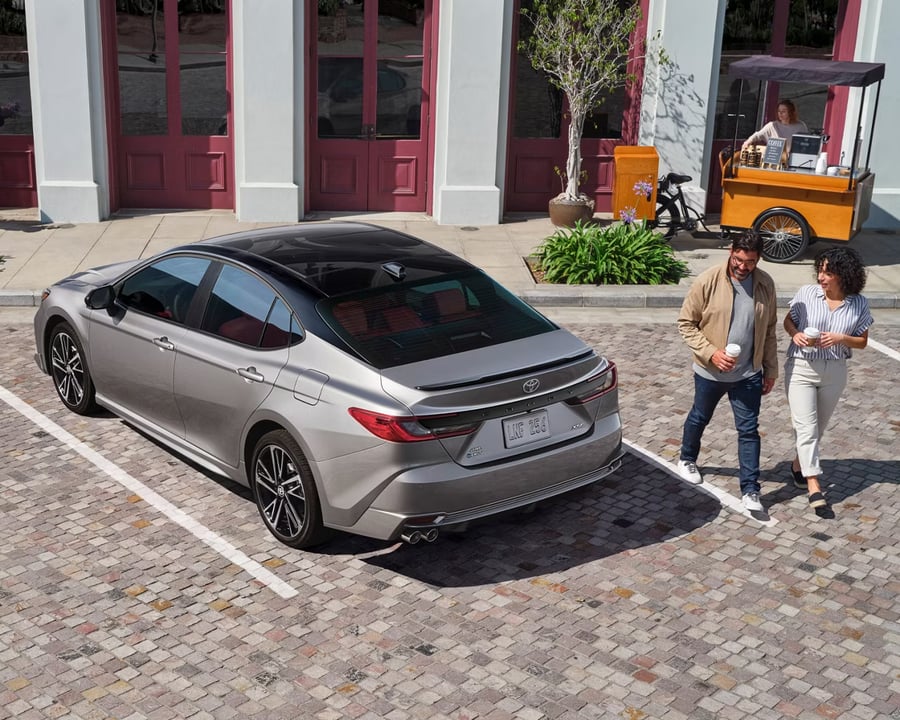
The Toyota $TM Camry earns 51 miles per gallon combined and a U.S. News safety score of 9.9 out of 10, the highest on this list by a significant margin. The safety credential gives the Camry a case beyond efficiency: it is the safest choice among affordable high-MPG options, making it the strongest recommendation for families who prioritize crash protection alongside fuel savings. It also wins U.S. News’s Best Midsize Hybrid Car for the Money award for 2026.
Expert reviewer Robert Duffer describes a car that is comfortable, quiet in everyday driving, and equipped with user-friendly infotainment and instrumentation. The Camry was fully redesigned for 2025, and the current version arrives with a hybrid powertrain as standard equipment across all trims — a four-cylinder engine and two electric motors that deliver a driving experience Duffer characterizes as punchy but noisy under hard acceleration. Front-wheel drive comes standard, with all-wheel drive available.
The overall U.S. News rating of 9.4 out of 10 is the highest on this list, which gives the Camry the strongest combined case across efficiency, safety, comfort, and value. Drivers who want the full package rather than optimizing for a single category will find the Camry the most complete answer among the vehicles here.
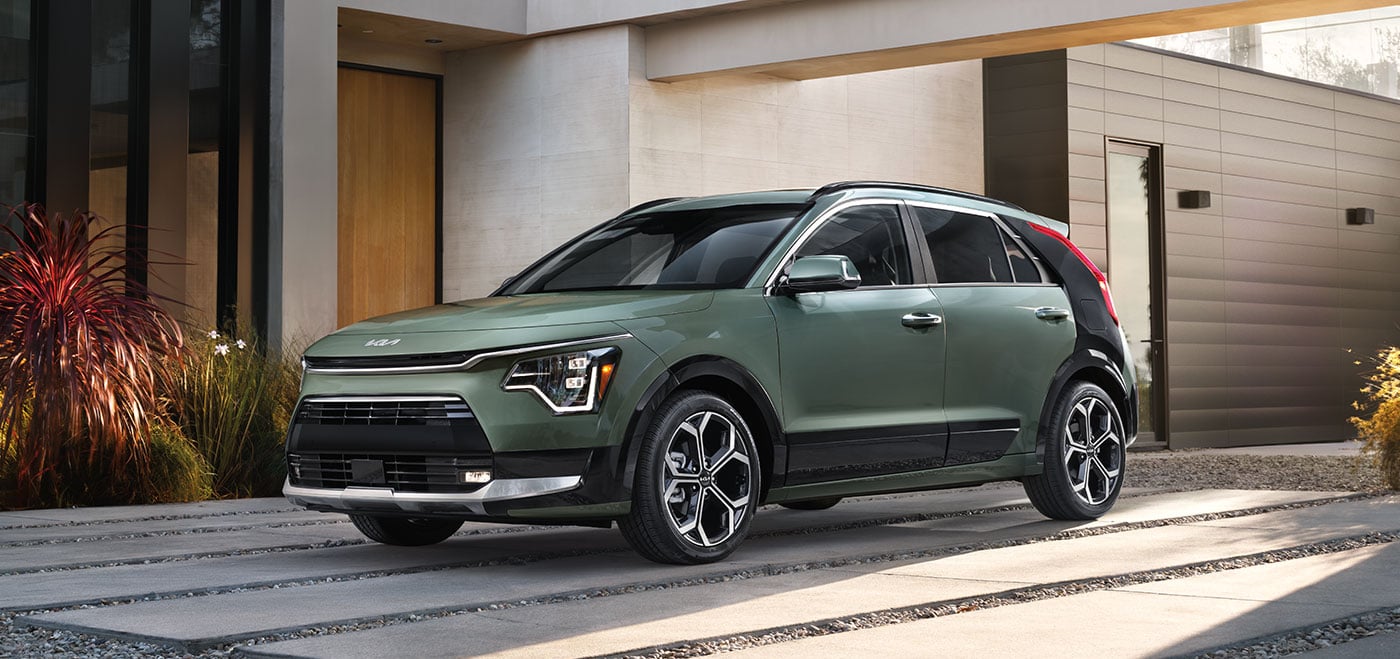
4. Kia Niro reaches 53 combined MPG in a deceptively spacious subcompact package
Credit: Kia
The Kia Niro achieves 53 miles per gallon combined in a subcompact crossover that managing editor Alex Kwanten describes as feeling more like a tall car than a small crossover. The Niro’s petite exterior footprint conceals a passenger and cargo area that outperforms its dimensions suggest, giving buyers who need interior practicality a crossover body style without sacrificing the efficiency that a larger SUV would cost them.
The Niro has been competing against bigger vehicles since it entered the market as the only hybrid subcompact crossover of its type. It now has more direct competitors, but it holds its position through consistently strong EPA ratings, a comfortable cabin, and user-friendly technology. The Best Subcompact Hybrid SUV for the Money award for 2026 reflects that competitive standing against a field that has grown since the Niro’s introduction.
Every Niro uses the same powertrain: a four-cylinder engine and an electric motor driving the front wheels. The prioritization of fuel economy over performance is clear in the driving experience, which suits buyers who want maximum efficiency from the subcompact crossover category rather than dynamic engagement. The Niro is also available in plug-in hybrid and fully electric versions, reviewed separately.
5. Hyundai Elantra Hybrid’s sibling reaches 36 MPG at the lowest starting point on the list
Credit: Hyundai
The gas-only Hyundai Elantra earns 36 miles per gallon combined and has the lowest starting price on this list, making it the best available option for buyers whose primary constraint is the upfront cost rather than monthly fuel savings. Reviewer Jasmine Sayles notes that the Elantra’s sporty styling implies performance that the four-cylinder engine does not deliver, but describes the driving experience as generally enjoyable, with a smooth ride and responsive steering.
The J.D. Power reliability score of 86 matches the Elantra Hybrid, placing both versions of the model in the Great reliability category. The Elantra also won U.S. News’s Best New Cars for Teens award for 2025, which reflects the combination of safety, reliability, and accessible pricing that makes it a practical first or family second car alongside its commuter credentials.
The front-wheel-drive four-cylinder engine is basic but efficient, and the infotainment system is intuitive and easy to navigate. Buyers who want more power without a significant efficiency penalty should consider the Elantra Hybrid, which the source reviews separately. For buyers whose budget makes the gas-only version the practical choice, the Elantra delivers solid everyday usefulness at a starting point that compact competitors rarely approach.
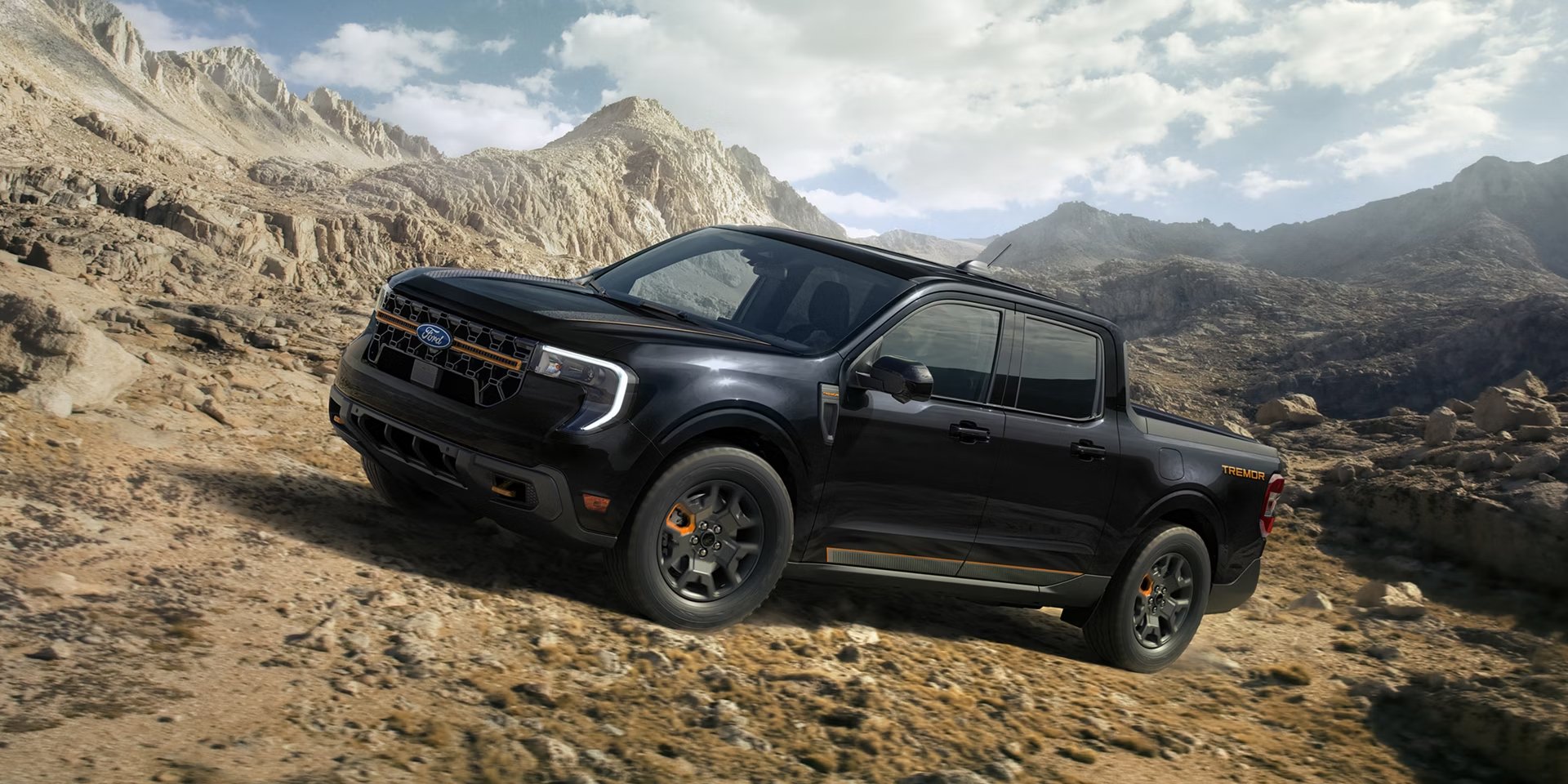
6. Ford Maverick earns 39 MPG as the most fuel-efficient pickup truck on the market
Credit: Ford
The Ford $F Maverick achieves 39 miles per gallon combined, making it the only compact pickup truck on this list, giving buyers who need truck utility access to fuel economy figures that most sedans do not approach. Vehicle Testing Editor Zach Doell describes the hybrid Maverick as accelerating smoothly and capable of city and highway driving, while noting that the engine gets noisy under heavy load. The hybrid powertrain is standard equipment on the base Maverick, so fuel efficiency comes without a premium.
The Maverick’s unibody construction distinguishes it from larger body-on-frame pickups: it is not as robust for heavy hauling or towing, but this design gives it a driving experience that feels more like a crossover than a truck, with handling characteristics that the traditional truck buyer would find unusual but that daily commuters will appreciate. The small hybrid engine is well-matched to the Maverick’s purpose as a compact truck that functions primarily as a crossover alternative.
A more powerful EcoBoost turbo-four is available for buyers who need more capability, at a cost to fuel economy. Both engines are available in front- and all-wheel-drive configurations, which gives the Maverick genuine versatility for buyers in climates or terrain that requires additional traction. For buyers who want truck practicality without truck fuel costs, the Maverick occupies a market position with no direct equivalent.
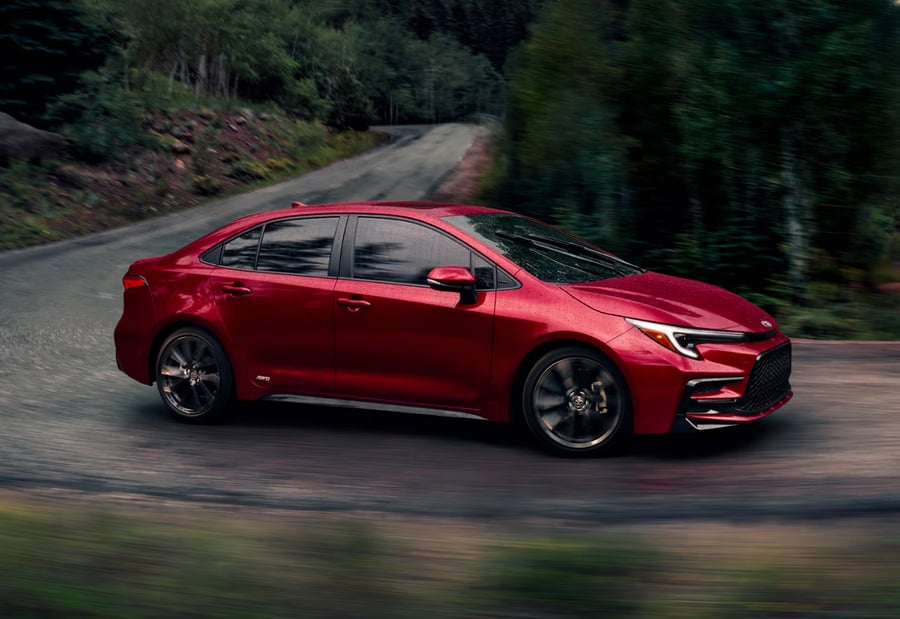
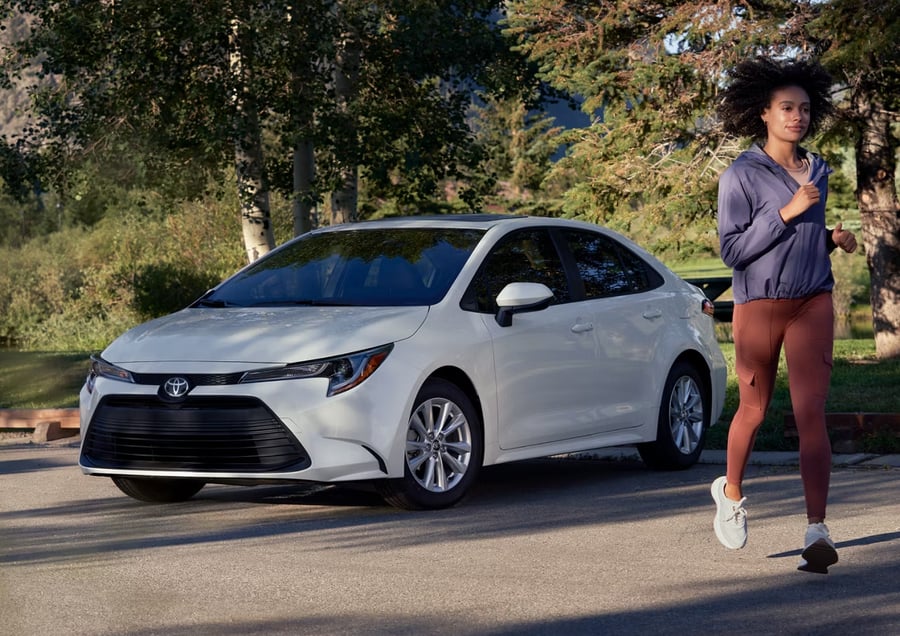
7. Toyota Corolla Hybrid delivers 50 combined MPG with improved refinement over the base model
Credit: Toyota
The Toyota $TM Corolla Hybrid earns 50 miles per gallon combined at a starting point only marginally above the base Corolla, which reviewer Mike Hagerty describes as making it a much better car overall for a modest additional cost. The hybrid version is not only more efficient than the standard Corolla but smoother and more refined on the road, with interior comfort and a feature set that Hagerty finds impressive for a compact car in this price range. The Corolla Hybrid is a finalist for U.S. News’s Best Compact Hybrid Car for the Money award for 2026.
Hagerty also notes that the current Corolla Hybrid is the best-looking Corolla he has reviewed across decades of the model’s production, which gives the efficiency argument a visual dimension that the model’s historically conservative styling did not previously offer. The car is not sporty and does not pretend to be, but the combination of good looks, strong efficiency, and road refinement gives it a case that extends beyond the fuel savings number.
The four-cylinder engine and electric motor are available in front- and all-wheel-drive configurations, which gives the Corolla Hybrid a traction option that the gas-only base model does not offer at an equivalent price point. The availability of all-wheel drive expands the Corolla Hybrid’s practical utility in winter climates and makes it a stronger cross-shop against subcompact crossovers that use all-wheel drive as a primary selling point.
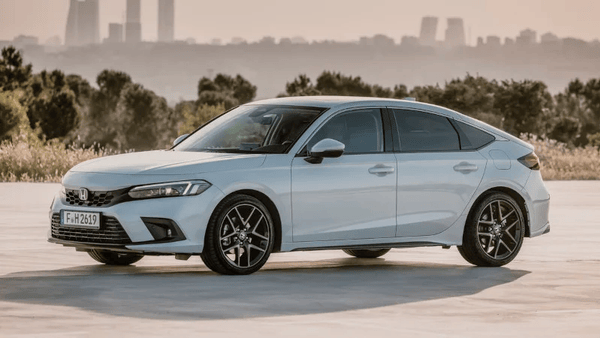
8. Honda Civic Hybrid earns 49 combined MPG with seamless hybrid integration
Credit: Honda
The Honda $HMC Civic Hybrid returns after a long absence from the market, reintroduced for the 2025 model year, and achieves 49 miles per gallon combined. Managing Editor Alex Kwanten describes it as refined and fun to drive, with consistent performance across varied road conditions. The two electric motors added to the four-cylinder engine do most of the driving work, producing a driving experience that Kwanten characterizes as quiet, quick, and more seamless than many competing hybrids in the compact class.
The Civic Hybrid starts higher than most of its direct hybrid compact competitors, and its driving experience and refinement justify that to a degree, though buyers will need to evaluate against the alternatives. The front-wheel-drive-only configuration limits traction options compared to some all-wheel-drive competitors, but the efficiency figures and driving quality give the Civic Hybrid a strong case within its specific format.
The base non-hybrid Civic also appears on this list, which gives buyers a direct comparison between the standard and hybrid versions of the same platform. The Civic Hybrid costs more but delivers 13 additional miles per gallon combined, giving buyers a clear calculation of whether the efficiency premium makes financial sense for their specific annual mileage.
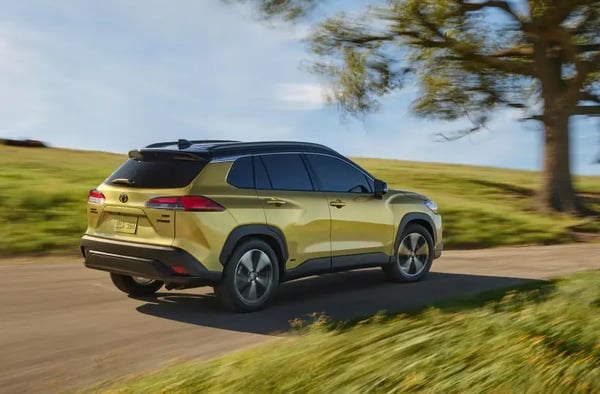
9. Toyota Corolla Cross Hybrid brings 42 combined MPG to the subcompact crossover segment
Credit: Toyota
The Toyota $TM Corolla Cross Hybrid achieves 42 miles per gallon combined as a subcompact crossover, giving buyers who prefer the higher driving position and cargo flexibility of an SUV body style access to efficiency figures that most SUVs cannot match. Senior vehicle testing editor John Vincent notes that applying the Corolla name to a crossover makes sense given the model’s intent to deliver comparable benefits to the sedan in a different body style. The gas-only Corolla Cross received complaints about its underpowered engine, and the hybrid powertrain addresses that weakness materially.
The four-cylinder and electric motor combination is not fast in absolute terms, but it performs better than the non-hybrid version in everyday driving. All-wheel drive comes standard on the Corolla Cross Hybrid, giving the model genuine all-weather capability that front-wheel-drive subcompact crossovers lack as standard. The model is a finalist for U.S. News’s Best Subcompact Hybrid SUV for the Money award, reflecting competitive pricing and a low estimated ownership cost.
Safety, comfort, and user-friendly technology are the Corolla Cross Hybrid’s primary strengths alongside efficiency. The 2026 model receives upgraded infotainment across the lineup, which improves the technology experience over previous versions. The combination of standard all-wheel drive, an improved powertrain, and updated infotainment gives the 2026 Corolla Cross Hybrid a more complete package than the gas-only version.
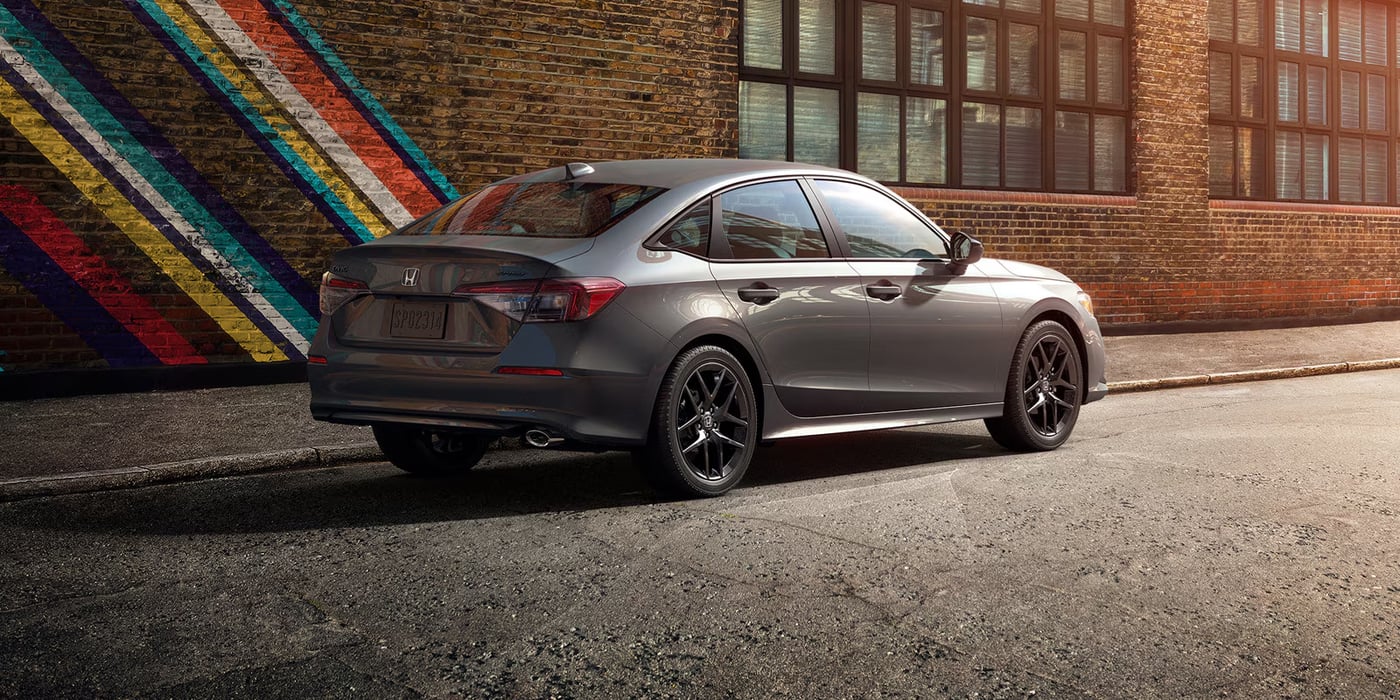
10. Honda Civic rounds out the list at 36 combined MPG with the highest overall U.S. News rating
Credit: Honda
The Honda $HMC Civic, in its standard non-hybrid form, earns 36 miles per gallon combined and carries the highest U.S. News overall rating on this list at 9.4 out of 10, which gives it a strong case as a well-rounded compact car that happens to be efficient rather than an efficiency-focused car that happens to be competent. Reviewer Perry Stern describes the Civic as an enjoyable daily driver with agile handling that compensates for the modest acceleration from the 2.0-liter four-cylinder engine. Both the sedan and hatchback body styles offer more interior space than most other compact cars.
The Civic’s advanced safety feature set is notably strong for the category and price point, giving safety-conscious buyers a compact car whose crash protection credentials match its everyday usability. The exterior and interior styling were refreshed for 2025, giving the current generation a more contemporary appearance than the previous version’s design fully achieved. The Civic is a finalist for U.S. News’s Best Compact Car for the Money award for 2026.
The comparison between the standard Civic and the Civic Hybrid on this list gives buyers a direct data point: the hybrid version costs more at the starting point and delivers 13 additional MPG combined. The standard Civic remains the stronger value for buyers whose annual mileage is modest enough that the fuel savings would not recover the hybrid premium within a typical ownership period.