From a 38-mpg Ford Maverick hybrid to a Ram 1500 with near-luxury interior quality, the most fuel-efficient trucks you can buy
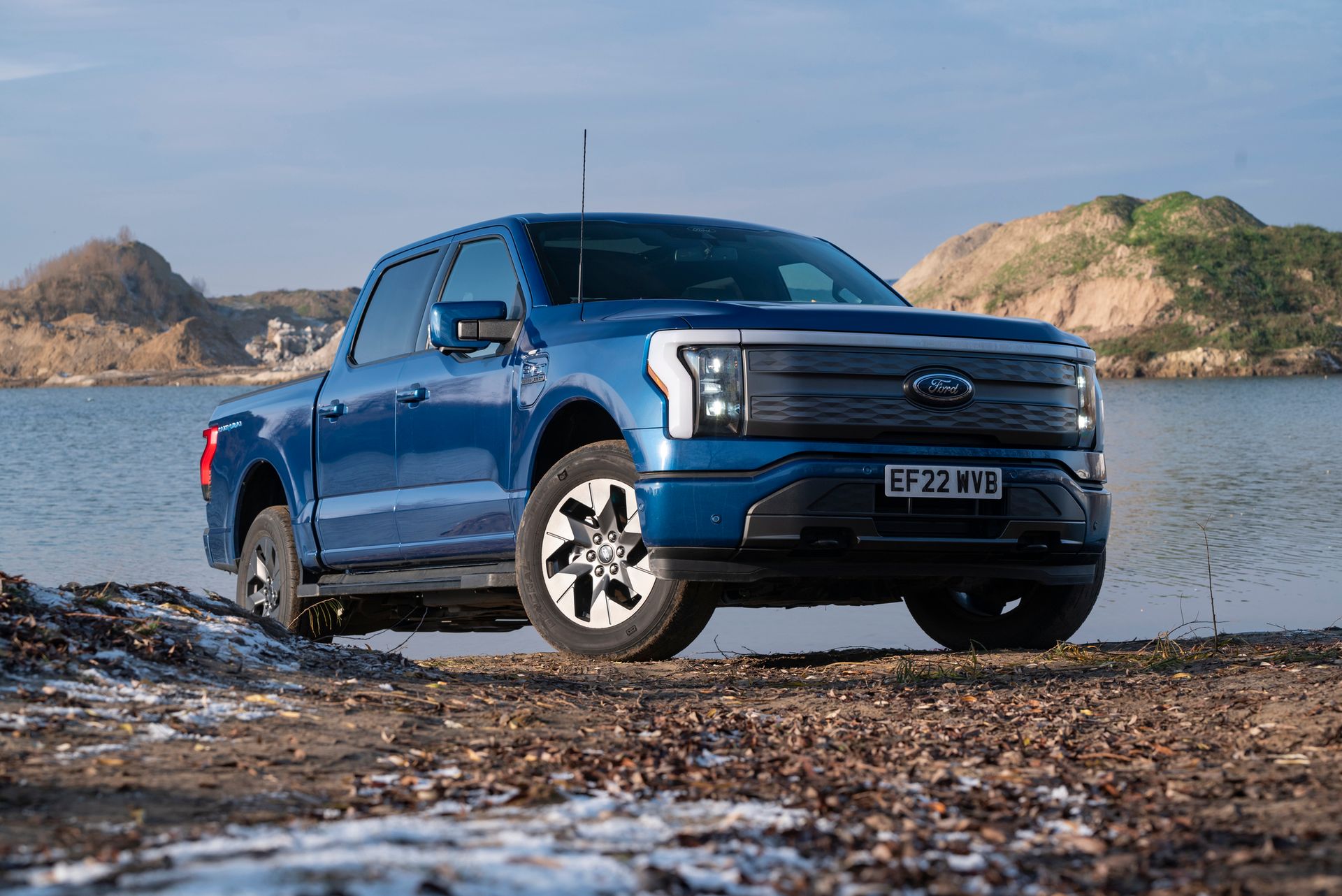
Tramino / Getty Images
Pickup trucks occupy a difficult position in the conversation about fuel economy. Their size, mass, and aerodynamic profile work against efficiency, and their core purpose — hauling heavy loads, towing trailers, and handling terrain that smaller vehicles cannot — tends to push powertrains toward higher output over lower consumption. For buyers who need a truck’s capabilities, there has historically been no way around the fuel costs those capabilities impose. Gas prices in spring 2026 are trending upward, and the question of which truck costs the least to fuel over time has become more pressing than it was a few years ago.
The market has responded. Hybrid powertrains, turbocharged engines that extract more work from less fuel, and diesel options now appear across the pickup segment in ways they did not a decade ago. Several trucks can now achieve combined fuel-economy ratings approaching 40 miles per gallon. That number would have seemed implausible for a four-door, four-wheel-drive vehicle capable of towing a trailer. Even full-size trucks, traditionally the least efficient category in the segment, now offer hybrid and diesel configurations that meaningfully reduce per-mile fuel costs relative to the purely gasoline powertrains that once dominated the segment.
The 10 trucks below come from U.S. News & World Report’s list of the most fuel-efficient trucks, which identifies the most fuel-efficient pickup trucks available to U.S. buyers across compact, midsize, and full-size segments. The list spans unibody and body-on-frame designs, hybrid and conventional gasoline powertrains, and a wide range of use cases from family daily driver to work truck to trail runner. EPA combined mpg figures are the primary efficiency metric, with ties broken by additional review criteria including safety scores, expert reviewer assessments, and owner satisfaction data drawn from multiple independent industry research sources.
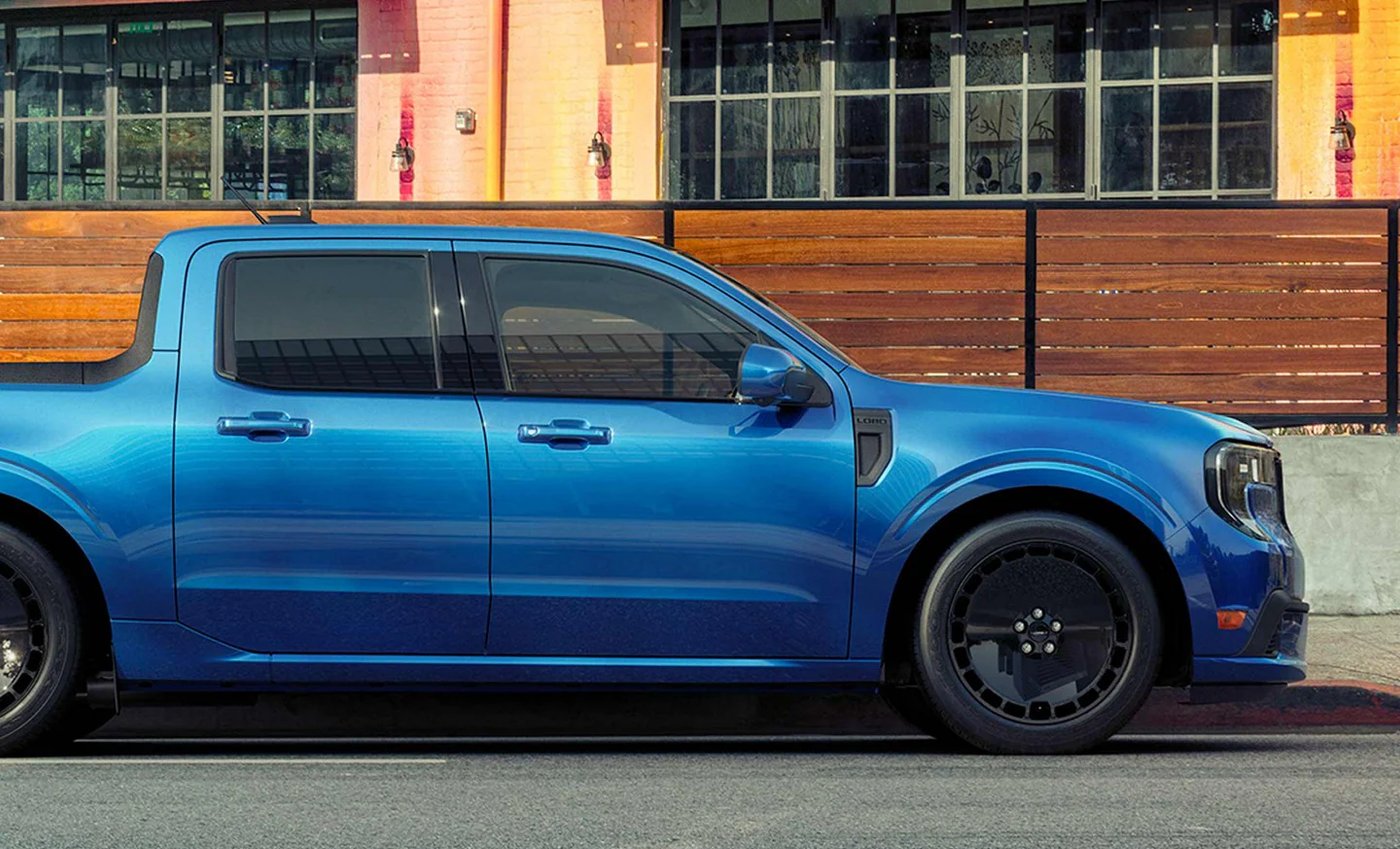
Credit: Ford
The Ford $F Maverick returns 38 mpg combined on its standard hybrid powertrain, the highest fuel economy rating of any pickup truck on this list. The Maverick is also the least expensive truck here, which means buyers who prioritize both fuel efficiency and affordability will find no competing option that matches both criteria. Editor Zach Doell notes that the Maverick’s modest price and compact stature can mislead: the truck drives smoothly enough to serve as a capable daily commuter, and its road manners are genuinely well-balanced thanks in part to a platform with proven history in other Ford vehicles.
The hybrid powertrain is standard equipment on the Maverick, not an optional upgrade, which means buyers receive peak efficiency without a premium surcharge for the technology. A turbocharged EcoBoost gasoline engine is available for buyers who want more power at the cost of some fuel economy. Both configurations come with front-wheel drive as standard, with optional all-wheel drive for buyers who need better traction in adverse conditions.
The Maverick’s efficiency advantage over the rest of this list is substantial. At 38 mpg combined, it sits in a category of its own relative to the next-closest competitors, which return figures in the mid-20s at best. For buyers who do not need the towing and hauling capacity of a full-size truck, the Maverick’s smaller footprint and standard hybrid architecture make it the most cost-effective powertrain option in the pickup segment. A buyer who drives the national average annual mileage will spend measurably less on fuel in a Maverick than in any other truck on this list, and the standard hybrid system requires no extra purchase decision to access the peak efficiency rating. The Maverick’s compact footprint also makes it easier to maneuver and park in urban and suburban environments, giving it a practical advantage in daily use that larger trucks on this list cannot match.
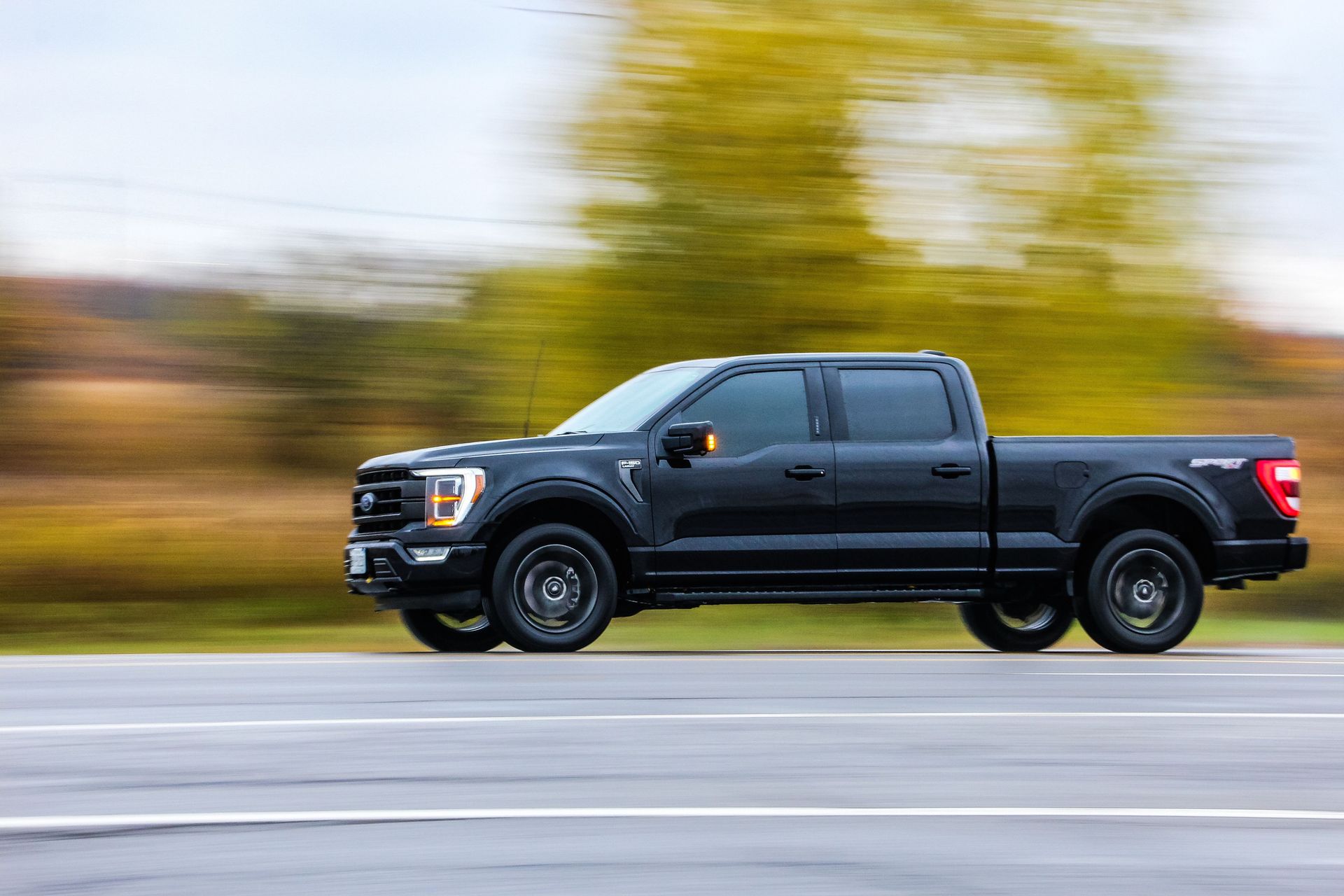
Wirestock / Getty Images
The Ford $F F-150 earns a 9.6 U.S. News rating — the highest among the trucks on this list — and wins the U.S. News Best Full-Size Pickup Truck for the Money award. The F-150’s appeal spans an exceptionally wide range of buyer profiles: a base work truck, a fully equipped family hauler, and a purpose-built trail runner are all available under the same nameplate, giving the F-150 a versatility that few vehicles in any segment can claim. The styling is broadly appealing, the cabin is comfortable, and the range of trim levels and powertrain options gives buyers precise control over their desired configuration.
The base powertrain is a twin-turbocharged V6 that moves the F-150 with urgency and handles most driving tasks without complaint. Ford builds on that foundation with three additional twin-turbo V6 configurations, one of which is a hybrid that improves fuel economy while also adding capability in certain towing scenarios. A naturally aspirated V8 and a supercharged V8 round out the lineup for buyers who want maximum output. This breadth of powertrain options is unusual in the segment and allows buyers to match their specific use case — efficiency-focused commuting or maximum towing — without switching brands.
The F-150’s 22 mpg combined rating reflects the hybrid configuration, which is not the most efficient truck on this list but represents strong performance for a full-size vehicle with the F-150’s capability envelope. Buyers who choose a gasoline-only powertrain will see lower mpg figures, making the hybrid configuration the best choice for those who want to minimize fuel costs in the full-size truck segment. The F-150’s highest rating on this list, its broadest powertrain selection, and the award designation together make it the strongest all-around pick for buyers who want efficiency and capability without compromise. No other truck on this list matches the F-150’s score of 9.6 or its range of powertrain configurations.
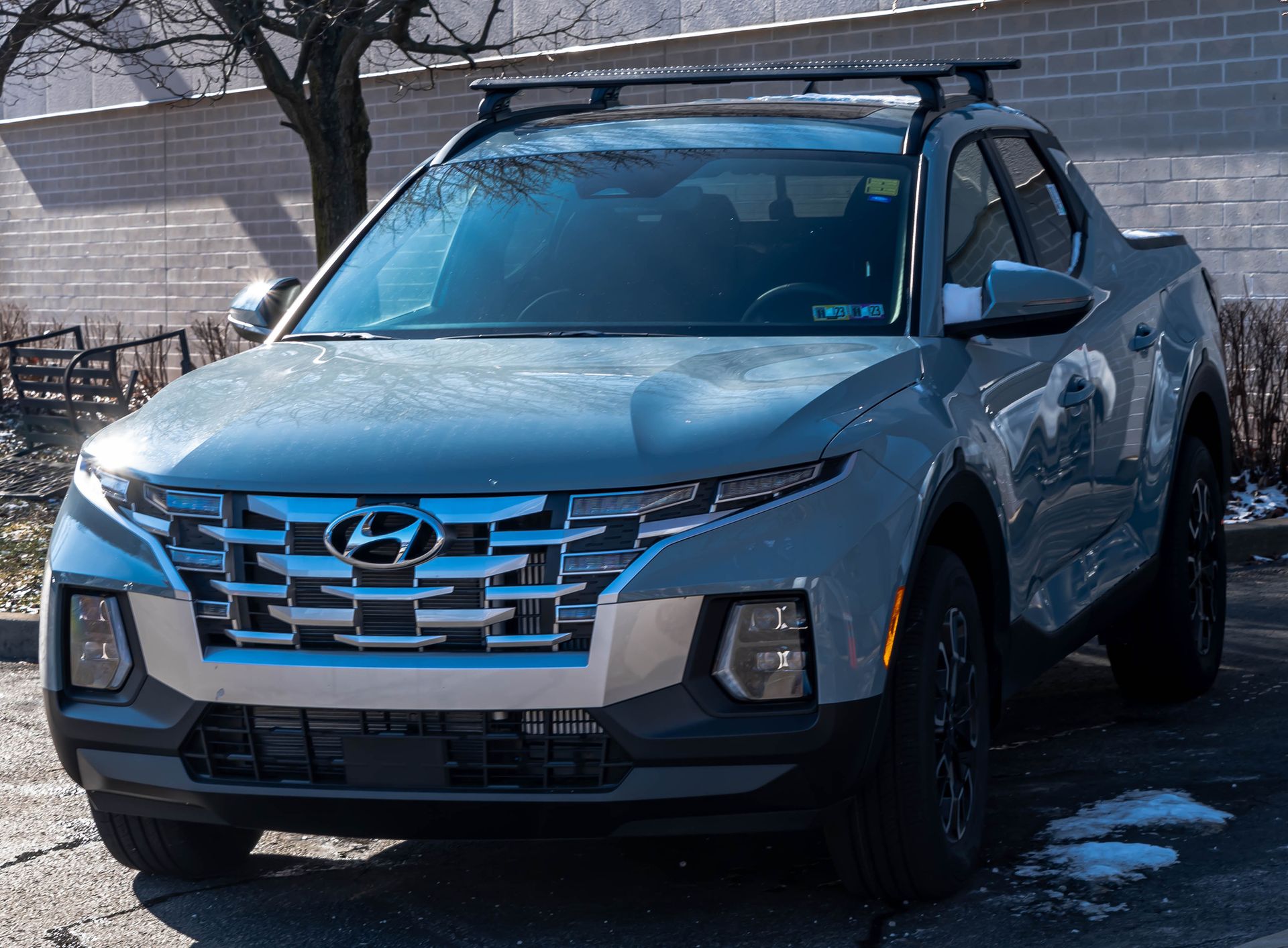
Althom / Getty Images
The Hyundai Santa Cruz achieves an 88 out of 100 on the J.D. Power dependability scale — the highest reliability score among the efficient trucks on this list — and backs that performance with Hyundai’s class-leading warranty coverage, which exceeds most competitors’ limited-warranty terms by several years. The Santa Cruz earns a U.S. News rating of 8.8 and returns 25 mpg combined, positioning it as a reliable and durable option for buyers who prioritize ownership confidence alongside fuel economy.
Reviewer Matt DeLorenzo offers a measured assessment: despite its strong reliability credentials and competitive base positioning, the Santa Cruz faces stiff competition from other unibody pickup trucks that may offer better efficiency figures or a more generous standard equipment list. The Santa Cruz’s reliability advantage is genuine and meaningful, but it does not overcome all competitive disadvantages for every buyer. Shoppers who weigh long-term ownership costs alongside purchase price will find the Santa Cruz’s J.D. Power score and extended warranty a compelling combination.
The powertrain choices include a base four-cylinder engine and an available turbocharged four-cylinder for buyers who want more output. Front- and all-wheel-drive configurations cater to both efficiency- and traction-focused buyers. The 2026 model adds mud, snow, and sand driving modes to the off-road XRT trim, extending the Santa Cruz’s terrain versatility. The Santa Cruz’s strong reliability score means fewer unexpected repair costs over the ownership period, adding a financial dimension to the dependability rating that goes beyond the J.D. Power number itself. The extended Hyundai warranty covers more years than most competitors’ limited warranties, further reducing ownership risk for buyers who plan to keep the vehicle long-term. Reviewer Matt DeLorenzo’s caveat that rivals may offer better efficiency or more standard equipment is worth taking seriously during the shopping process, but buyers who weigh long-term dependability heavily will find the Santa Cruz’s credentials on that dimension compelling and difficult to match in the segment.
Tramino / Getty Images
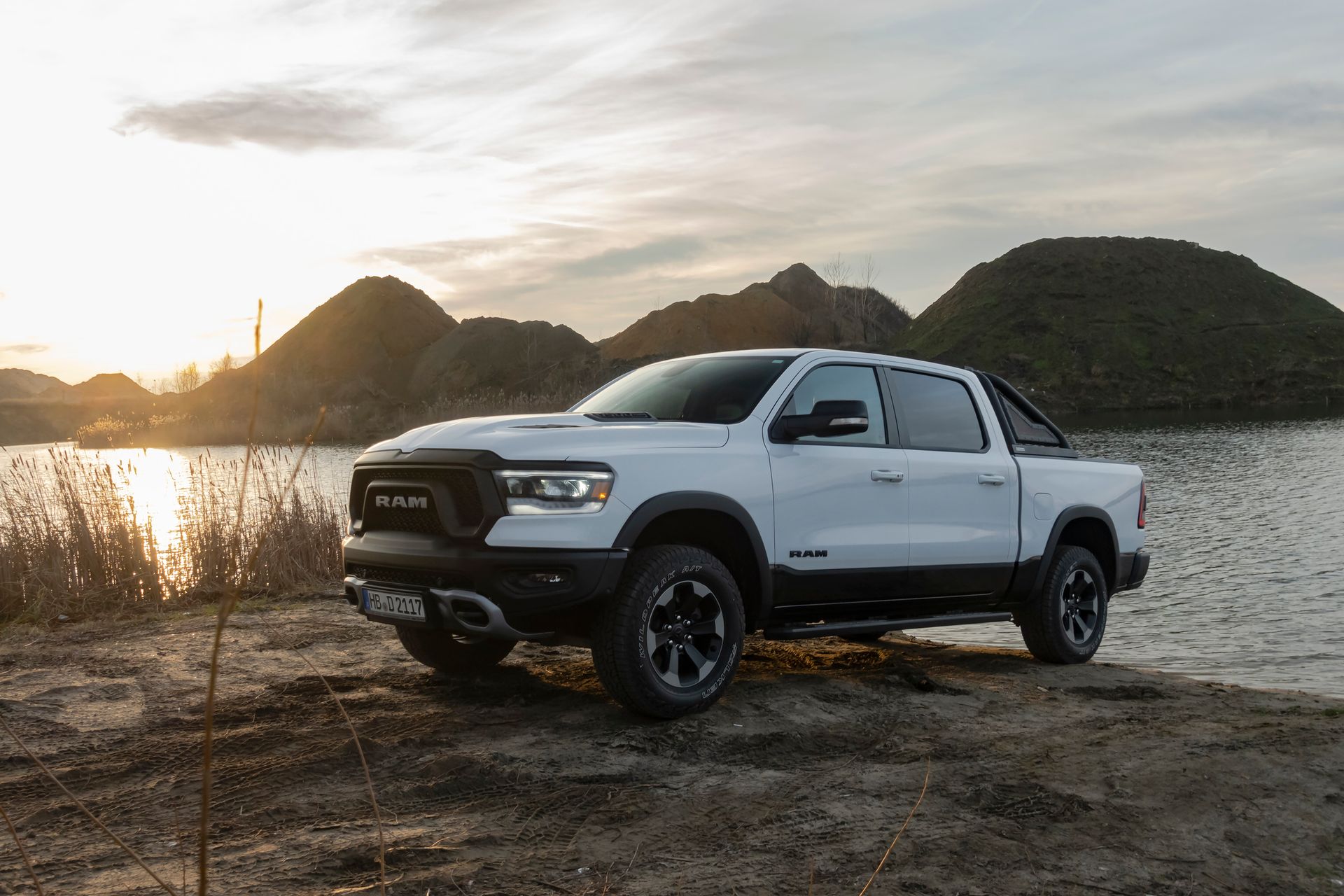
The Ram 1500 earns a U.S. News interior score of 9.4 out of 10 — the highest cabin quality rating of any truck on this list — and a 9.5 overall U.S. News rating. Senior Editor John Vincent describes the Ram 1500’s interior as capable of approaching luxury car comfort, a quality that represents a deliberate strategic departure from the utilitarian cabin norms that historically defined full-size pickup trucks. The 2025 model refresh delivered updated exterior styling, larger infotainment displays, and changes to the powertrain lineup that reinforce the Ram’s premium positioning.
Both seating rows provide spacious accommodation, and the quality of materials impresses across the trim range. The design execution is strong across multiple price points, not just in the highest trims, giving the interior score broader relevance to buyers who are not shopping at the top of the lineup. The Ram 1500 also won the 2025 Best Full-Size Pickup Truck for the Money award, pairing interior excellence with value-oriented pricing.
Vincent singles out the new inline-six-cylinder turbocharged engines as the most refined powertrain option in the full-size segment, citing quick acceleration and unusually smooth idle behavior for a truck engine. The standard V6 covers the base configuration, with the inline-six turbos available for buyers who want the best driving character the Ram offers. One notable gap in the Ram’s powertrain lineup: it does not offer hybrid or diesel options, unlike some competitors. The 23 mpg combined figure reflects a conventional gasoline powertrain, and buyers who prioritize efficiency above all else may find the Ram’s fuel economy trailing that of hybrid options from Ford $F and Toyota $TM. Buyers who accept that tradeoff will receive the most refined interior in the full-size truck segment in return, which is the core of the Ram’s value proposition. The 2025 Best Full-Size Pickup Truck for the Money award reinforces that the Ram’s premium interior quality comes at a competitive price relative to its full-size class peers.
photosvit / Getty Images
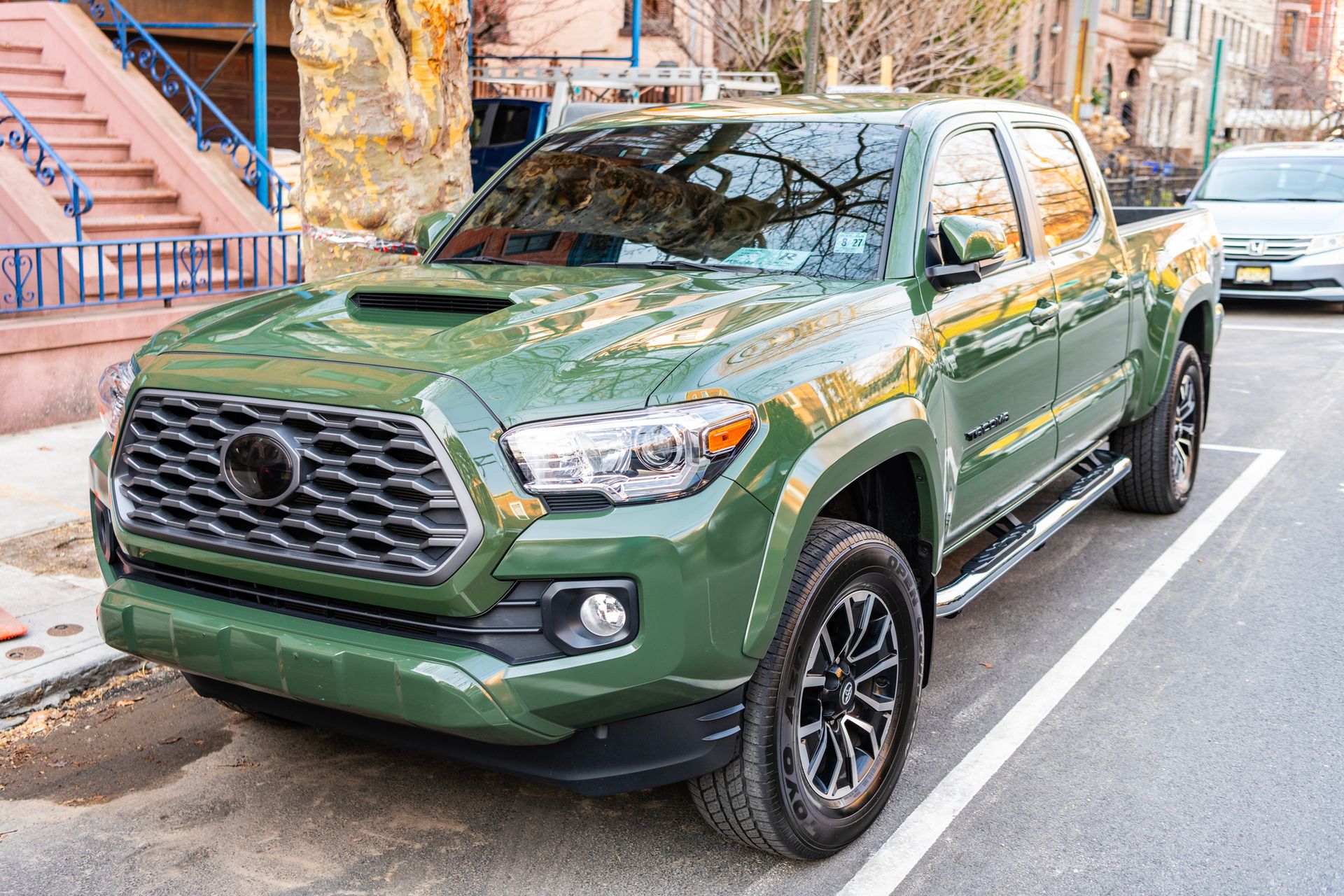
The Toyota $TM Tacoma offers more powertrain combinations, cab styles, and bed lengths than any other midsize pickup truck currently on sale, a configurability that allows buyers to specify the Tacoma more precisely for their use case than the segment typically allows. Reviewer Mike Hagerty describes the Tacoma as the most customizable midsize truck available and notes that its configuration options rival those of many full-size pickups. The Tacoma earned Toyota the Best Midsize Pickup Truck for the Money award for 2026 and returns 24 mpg combined. It earns a U.S. News rating of 8.9.
The base configuration features a turbocharged four-cylinder engine with rear-wheel drive, giving entry-level buyers access to the Tacoma’s proven truck architecture at a competitive price. Hybrid powertrain options are available for buyers who want better fuel economy. Four-wheel drive is available across configurations, and select trims include a six-speed manual transmission. The three-pedal option has largely disappeared from truck lineups, offering driving enthusiasts a mechanical engagement that most competitors no longer offer.
Hagerty describes the Tacoma as looking tough even in base form, a styling approach that has sustained the model’s popularity across multiple generations. The Tacoma’s configuration depth, award recognition, hybrid availability, and the rare manual transmission option give it a range of buyer appeals that no other midsize truck on this list assembles in the same package. The six-speed manual in particular differentiates the Tacoma from every other truck on this list, as it is the only vehicle here to offer a three-pedal driving experience. Buyers who want maximum personalization within the midsize truck segment will find the Tacoma’s configurability unmatched. The breadth of cab, bed, powertrain, and transmission choices is wider than most full-size trucks offer, let alone midsize competitors. The 2026 Best Midsize Pickup Truck for the Money award also signals that the Tacoma’s extensive option set comes at a price point that U.S. News evaluators found competitive relative to the value it delivers.
jetcityimage / Getty Images
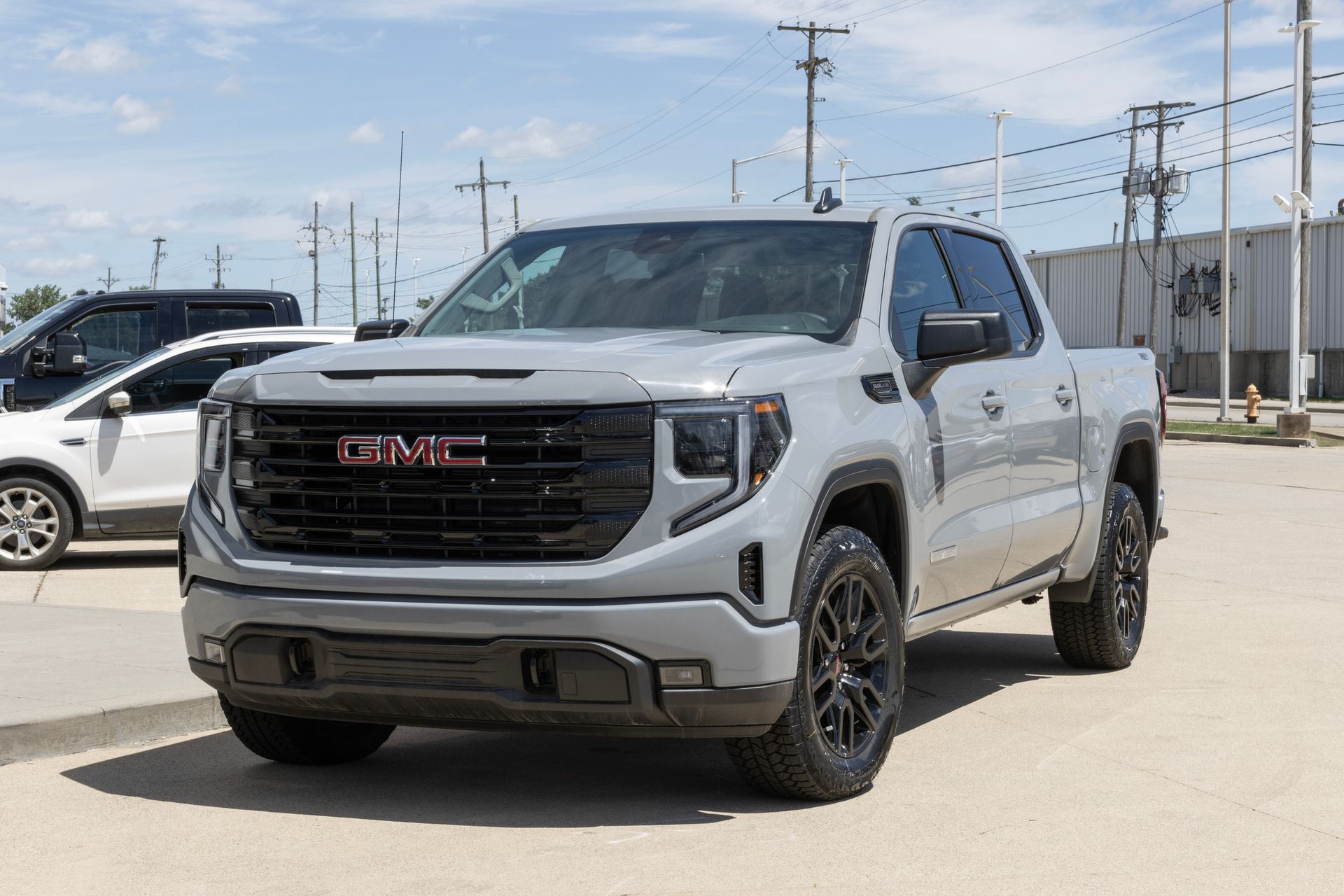
The GMC Sierra 1500 returns 24 mpg combined and earns a U.S. News rating of 9.0. Managing Editor Alex Kwanten describes it as a boldly styled workhorse that sits above many full-size competitors in terms of standard equipment and interior refinement, positioning it as the more upscale cousin of the Chevrolet Silverado within the GM family. The Sierra’s competitive pricing, given its standard equipment level, makes it a strong value proposition for buyers who want a full-size truck with premium character without paying the premium prices of luxury-branded alternatives.
Kwanten specifically identifies the Sierra’s driving dynamics as a notable strength: it handles better than most full-size rivals and delivers a smoother ride, two characteristics that distinguish the Sierra’s on-road experience from the more utilitarian feel of several competitors. The Sierra is available in a wide range of configurations, making it suitable as a dedicated work truck, a family daily driver, or a trail-running recreational vehicle, depending on the options selected.
The powertrain lineup starts with a turbocharged four-cylinder for buyers who prioritize efficiency and extends to a turbodiesel inline six-cylinder and multiple V8 options for buyers who need maximum towing and hauling capability. Rear-wheel drive is standard, and four-wheel drive is available. The Sierra’s styling, Kwanten notes, is bold and distinctive. The Sierra does not look like a generic full-size truck, and its visual confidence reinforces the professional-grade reputation the GMC brand maintains. For buyers who want a full-size truck with above-average driving manners, the Sierra makes a stronger case than its market share might suggest. The turbodiesel inline-six option also gives the Sierra a distinct fuel economy advantage over gasoline-only competitors in the full-size segment, and buyers who regularly tow moderate loads will find the diesel’s torque delivery more suitable for sustained towing than a gasoline V6. The Sierra’s full-size capability, alongside GMC’s professional-grade positioning, gives it a credibility advantage over some competitors whose brand identity skews more toward consumer lifestyle vehicles.
Tramino / Getty Images
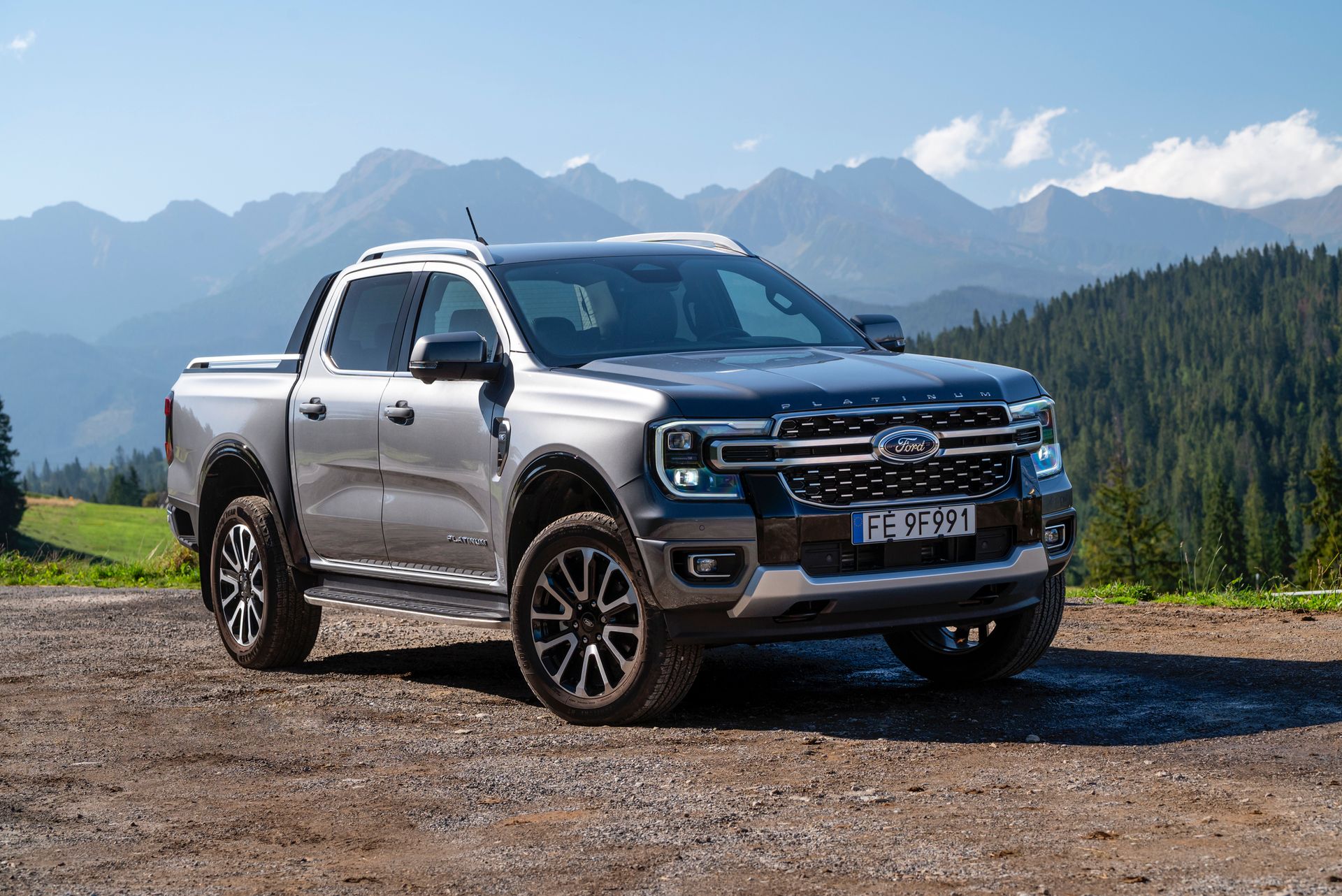
The Ford $F Ranger returns 22 mpg combined and earns a U.S. News rating of 8.5. Editor Zach Doell describes the Ranger as potentially the best option in Ford’s current truck lineup, given its balance of pricing, dimensions, and capability. Doell credits the Ranger with decades of Ford pickup experience behind its design and calls it one of the most visually appealing midsize trucks currently on sale. The Ranger’s cabin comfortably accommodates adults in both rows, and the interior design is clean and well-organized, even though most surfaces use hard materials over the softer-touch panels found in more expensive trucks.
Doell’s time driving the Ranger produced consistent observations about its on-road character: the truck handles responsively with minimal body roll in corners, and the ride is genuinely comfortable over typical road surfaces. The base turbocharged four-cylinder provides the best fuel economy and meets daily driving demands without significant complaint. Two turbocharged V6 options are available for buyers who want more power for towing or hauling.
The Ranger occupies a useful middle ground in the truck market. It offers more capability and bed space than the compact Maverick while remaining more maneuverable and easier to park than a full-size F-150. Buyers who find the F-150 too large for their primary use but need more hauling capacity than the Maverick provides will find the Ranger addresses that gap precisely. Doell’s caveat that the Ranger is not the most refined midsize truck on the market is worth noting for buyers who prioritize interior polish, as competitors offer softer cabin materials and more upscale features at similar price points. The Ranger’s core appeal is its driving character and its position in the Ford lineup alongside the Maverick and F-150. Buyers who find the F-150 too large for their primary use but need more hauling capacity than the Maverick provides will find the Ranger addresses that gap precisely, and Doell’s assessment that it may be the best option in Ford’s current truck lineup suggests the Ranger earns its place in that family on merit.
Artistic Operations / Getty Images
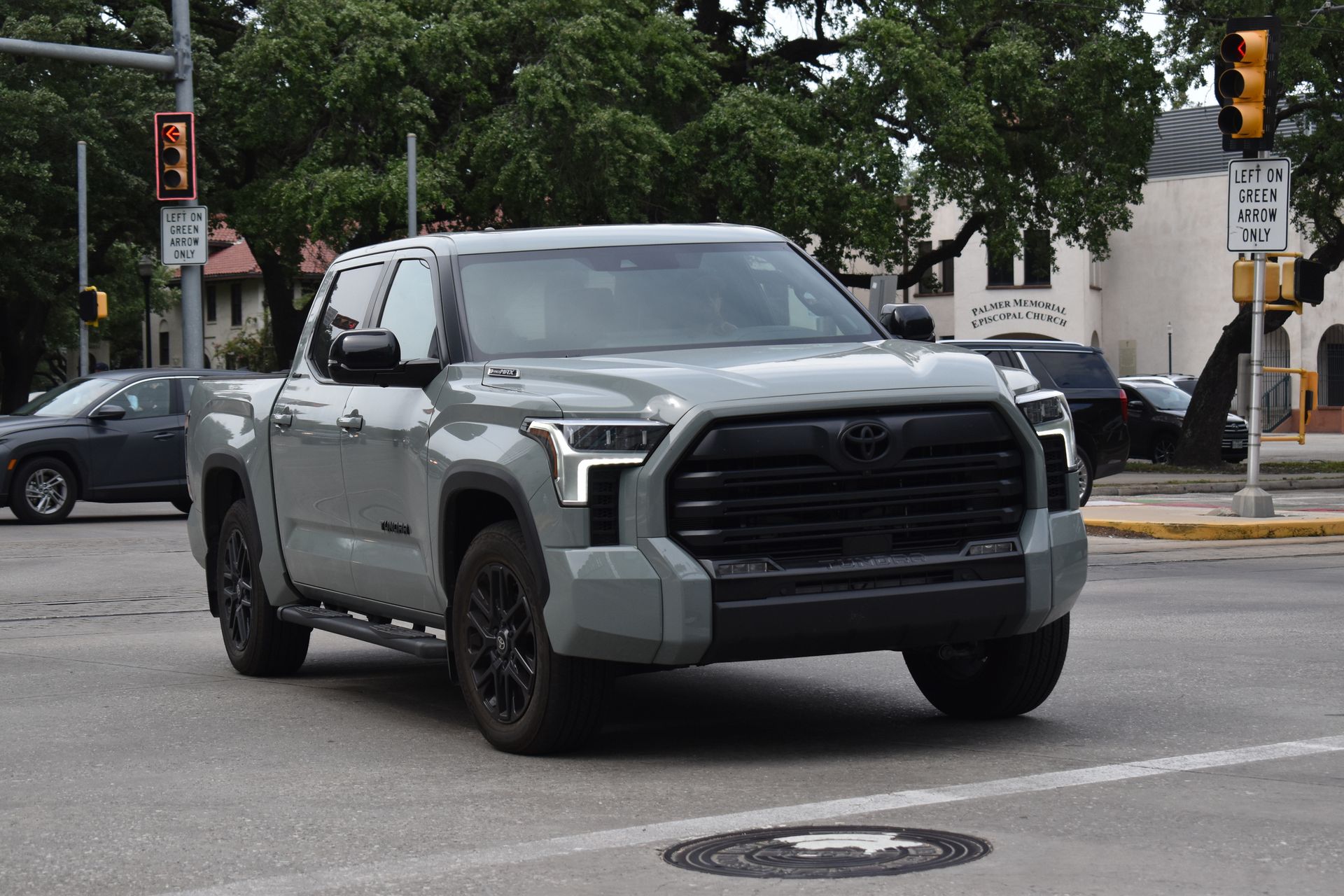
The Toyota $TM Tundra wins the U.S. News Best Full-Size Pickup Truck for Families award for 2026 and earns a 9.0 U.S. News rating. Vehicle Testing Editor Zach Doell describes the Tundra as a full-size version of the Toyota Tacoma in terms of styling approach, with a similarly wide range of configurations available across trim levels. The Tundra returns 22 mpg combined and offers strong overall value in base form, though Doell notes that options and upgrades can quickly push the price higher.
The standard twin-turbocharged V6 delivers strong acceleration even with a full passenger load and a loaded bed. Full-size trucks must handle those conditions routinely, and the Tundra manages without strain. A hybrid powertrain is available for buyers who want more efficiency or more power, depending on their priority, since the hybrid configuration in the Tundra actually improves both metrics relative to the base V6.
The Families award reflects the Tundra’s suitability as a full-size daily driver for households that need genuine truck capability alongside comfortable, livable daily transportation. The Tundra’s Toyota brand reliability reputation also contributes to its appeal for family buyers who want a truck they can depend on over a long ownership period. The 22 mpg combined rating matches the F-150’s figure, which positions the Tundra competitively in the full-size efficiency comparison. Buyers who want a full-size truck from a brand with strong long-term reliability data and a family-use award designation will find the Tundra the most directly relevant option on this list. Doell’s caution that options add up quickly is the one practical note worth heeding during the configuration process, as the base Tundra and a fully equipped example can differ significantly in final cost. Buyers who set a clear options budget before visiting the dealer will find the base Tundra’s value proposition more durable than an unconstrained configuration process would suggest.
Artistic Operations / Getty Images
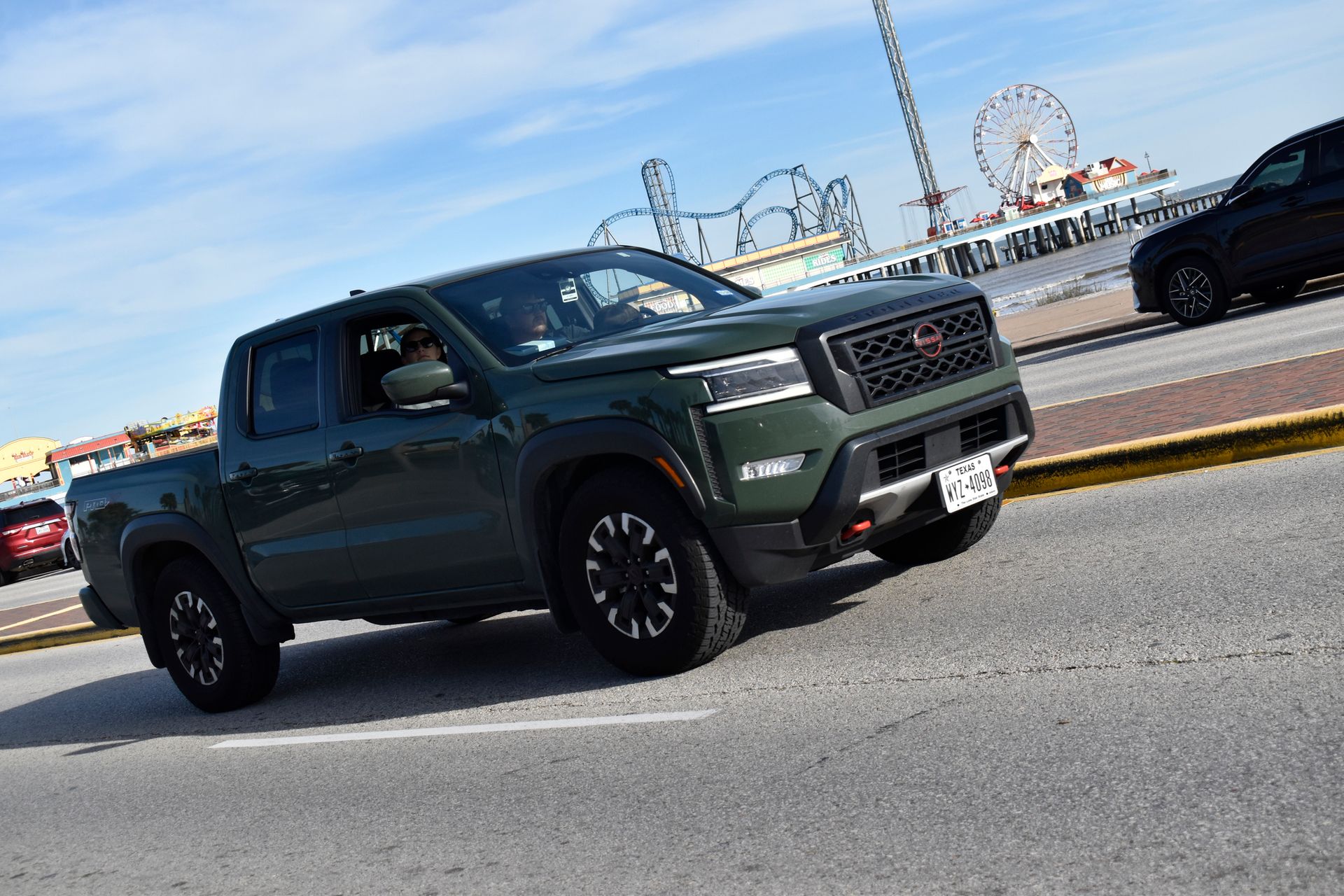
The Nissan Frontier returns 21 mpg combined and earns a U.S. News rating of 8.5. Contributing reviewer Perry Stern describes the Frontier as a surprisingly comfortable daily driver, crediting its good road manners for producing a ride quality that exceeds expectations for a body-on-frame truck of its size. The Frontier is Nissan’s only current offering in the truck market, and the brand has focused its engineering resources on getting this single model right for its intended audience.
The powertrain is a V6 engine paired with a nine-speed automatic transmission. The drivetrain configuration is traditional and uncomplicated, and Nissan has executed it well. Rear-wheel drive is standard, and a part-time four-wheel drive system is available for buyers who need off-road traction. The Frontier does not offer performance variants or powertrain upgrades beyond the base configuration, which simplifies the buying decision for buyers who know what they want. Stern notes the Frontier is quick enough for daily driving and delivers a confident ride character.
The Frontier’s traditional frame-and-powertrain architecture limits some configuration options — cab styles and bed lengths are not as varied as the Toyota $TM Tacoma’s lineup — but it also signals confidence in a proven design that suits a specific buyer type. Shoppers who want a reliable midsize truck without the complexity of hybrid powertrains, multiple engine options, or elaborate off-road packages will find the Frontier’s straightforward approach a genuine advantage over more complicated alternatives. The Frontier’s J.D. Power scores and Nissan’s truck-focused engineering on this single model make it a durable choice for buyers who prioritize simplicity and dependability. Perry Stern’s characterization of the Frontier as a “surprisingly comfortable” daily driver also signals that the truck’s traditional underpinnings do not translate into the harsh ride quality that body-on-frame construction can produce when tuned primarily for load-carrying. The Frontier’s 21 mpg combined figure is the lowest on this list, but it reflects a conventional powertrain in a class where hybrid options are increasingly common among competitors.
Different_Brian / Getty Images
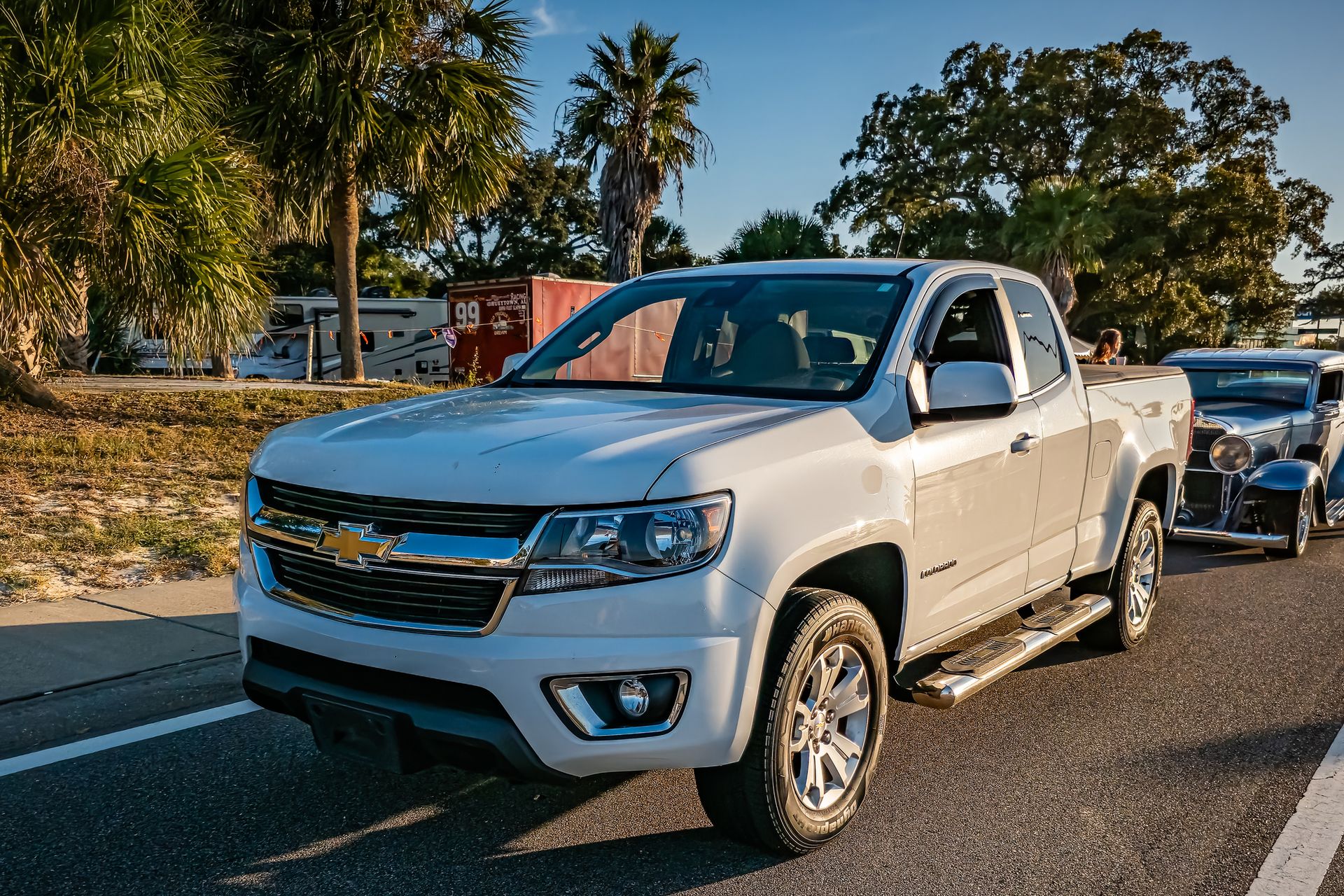
The Chevrolet Colorado returns 21 mpg combined, earns a U.S. News rating of 8.7, and carries the highest towing capacity of any midsize pickup truck in the segment. The class-leading tow rating gives the Colorado a specific advantage for buyers who regularly pull trailers. Contributing reviewer Emme Hall describes the Colorado as a truck with a powerful engine lineup and impressive infotainment displays, while noting that it offers fewer cab styles and bed lengths than some competitors.
Hall notes that the Colorado handles well and delivers a smooth ride despite its conventional body-on-frame construction, which is the design format most associated with a firm, truck-like ride quality that can feel punishing on rough pavement. Several Colorado trims are available with a lifted suspension, all-terrain tires, and a tuned off-road setup that gives the truck genuine capability off paved roads. A turbocharged four-cylinder powers lower trims, and a turbocharged V6 is available for buyers who need maximum towing and hauling output.
The Colorado’s class-leading towing capacity makes it the most capable midsize truck on this list for buyers who regularly pull boats, small campers, or car trailers. The smooth ride Hall identifies sets the Colorado apart from midsize trucks that sacrifice on-road comfort for off-road capability and positions it as a practical daily driver despite its body-on-frame construction. Buyers who want segment-best towing alongside good road manners in a midsize package will find the Colorado the most directly targeted option here, and the purpose-built off-road trims extend its appeal to buyers who want genuine trail capability alongside the class-leading tow rating. Emme Hall’s note about the impressive infotainment displays also distinguishes the Colorado from some midsize competitors, where the in-cab technology lags the current standard. The Colorado’s screen quality is a meaningful differentiator in the midsize segment at its price point, and buyers who spend significant time in the cab will notice the advantage over competitors with smaller or less intuitive displays.
