
Nevada and South Dakota lead U.S. states in gambling addiction in 2026.
Gambling disorder costs U.S. consumers over $100 billion in losses each year. WalletHub used 20 metrics to rank states by addiction severity

Westend61 / Getty Images
Gambling disorder strips workers of paychecks, drains household savings, and destabilizes families in every U.S. state. The condition touches roughly 1–3% of American adults, but the economic damage it produces runs far ahead of those clinical figures. U.S. consumers absorb more than $100 billion in betting losses every year, even as the industry recorded a revenue high of $78.7 billion in 2025.
The losses do not distribute evenly across the country. Some states expose residents to far more wagering opportunities, spend less on counseling, and carry higher compulsion rates than others. The consequences for people living inside those borders are concrete and persistent.
Dense gaming infrastructure per capita drives dependency risk more sharply than total revenue volume does. Jurisdictions with the highest absolute revenues are not the same places with the worst addiction outcomes. States that concentrate the most casinos, machines, and legal staking channels relative to their populations carry the heaviest disorder burdens. The safest areas for gamblers have stricter laws, workers who can identify problem behavior, and robust support programs. Some of the country's most susceptible populations can place wagers in convenience stores, one of multiple authorized channels operating simultaneously with minimal safeguards. Small states with dense betting networks carry compulsion burdens that dwarf those of large-revenue markets on a per-capita basis.
WalletHub ranked all 50 states on their gambling addiction levels using a dataset of 20 metrics spread across two dimensions: gambling friendliness and gambling problem and treatment. The gambling-friendliness dimension captures infrastructure density, revenue per capita, legal betting channels, and search interest. The problem and treatment dimension includes disorder prevalence, counselor availability, support programs, and arrest rates. Metrics such as self-exclusion statutes, spending on problem gambling services per capita, and employee training requirements distinguish states with robust safeguards from those with few protections. Rank 1 represents the worst addiction conditions in the country.
1. Nevada sustains the deepest betting access nationwide
Westend61 / Getty Images
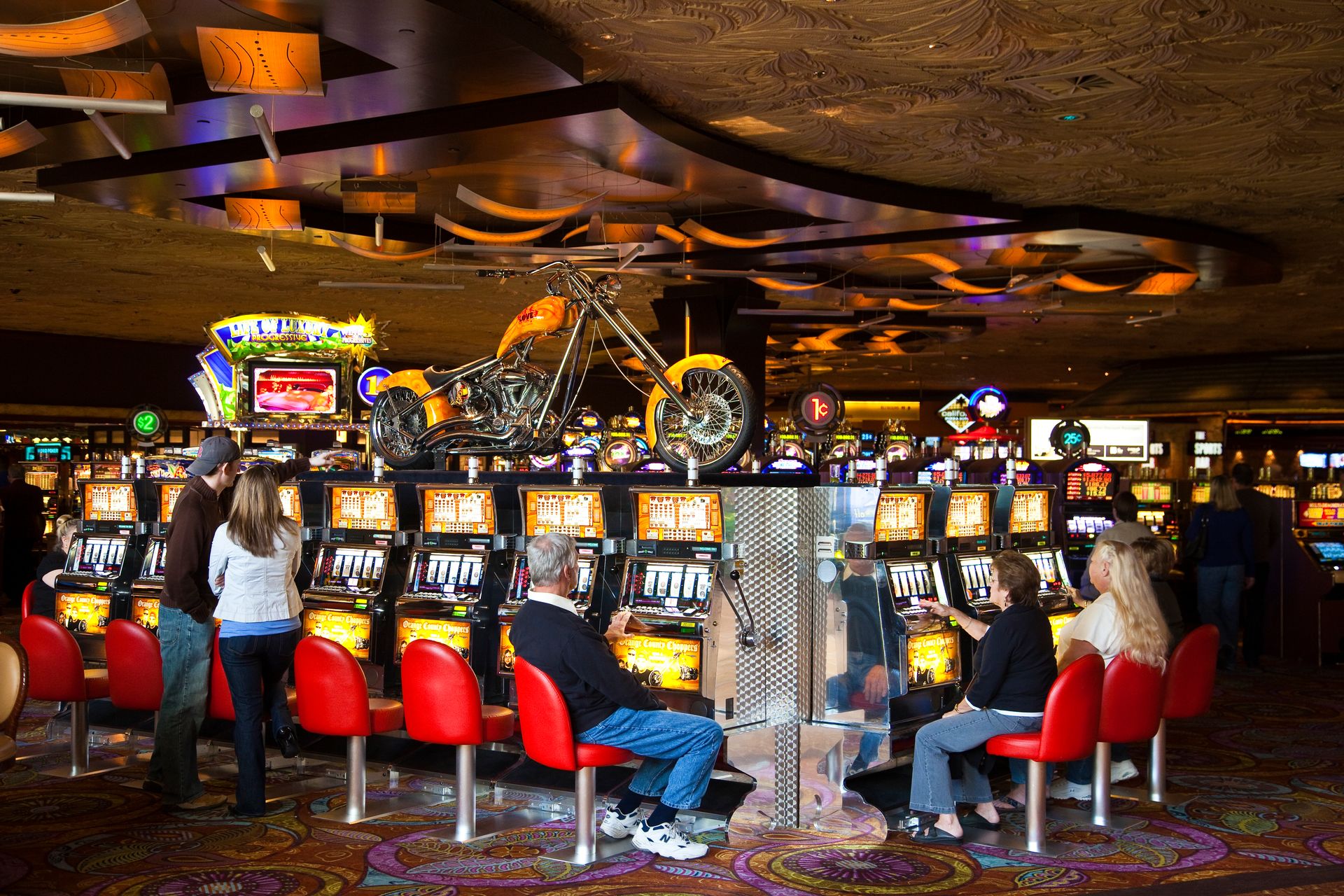
Nevada tops the list at 71.25, with its top-tier gaming infrastructure pulling in the country's highest overall revenue. It also has one of the most severe compulsion rates. Nevada is more than six points ahead of runner-up South Dakota, reflecting the density of staking options and the depth of the dependency problem between even the two worst states. Approximately 2.7% of Nevada adults carry gambling disorders, one of the worst rates in the country, and the state leads in Gamblers Anonymous meetings per capita, a direct indication of how many residents actively seek help for excessive betting.
Nevada holds first place for both casinos per capita and gaming machines per capita, giving residents and visitors the highest density of access in the country. Retail and convenience stores carry electronic gaming devices under state law, which means residents encounter wagering opportunities during routine errands. Sports and horse-race betting are both sanctioned activities, adding two more legal channels on top of the existing machine and table infrastructure. The state also records the most gambling-related arrests per capita in the country. That reflects both the sheer volume of gaming activity and the prevalence of illegal operations running alongside the licensed market.
Dense access and high disorder prevalence create a self-reinforcing cycle in Nevada. A resident who develops a compulsion faces few moments of enforced distance from betting venues in the state. Machines appear in stores, casinos operate continuously, and multiple legal platforms are available at all times. Nevada's gambling-friendliness tier of first and its problem and treatment standing of fourth confirm that the state's infrastructure density is not offset by a support system strong enough to close the gap.
2. South Dakota concentrates five legal betting channels
Richard I'Anson / Getty Images
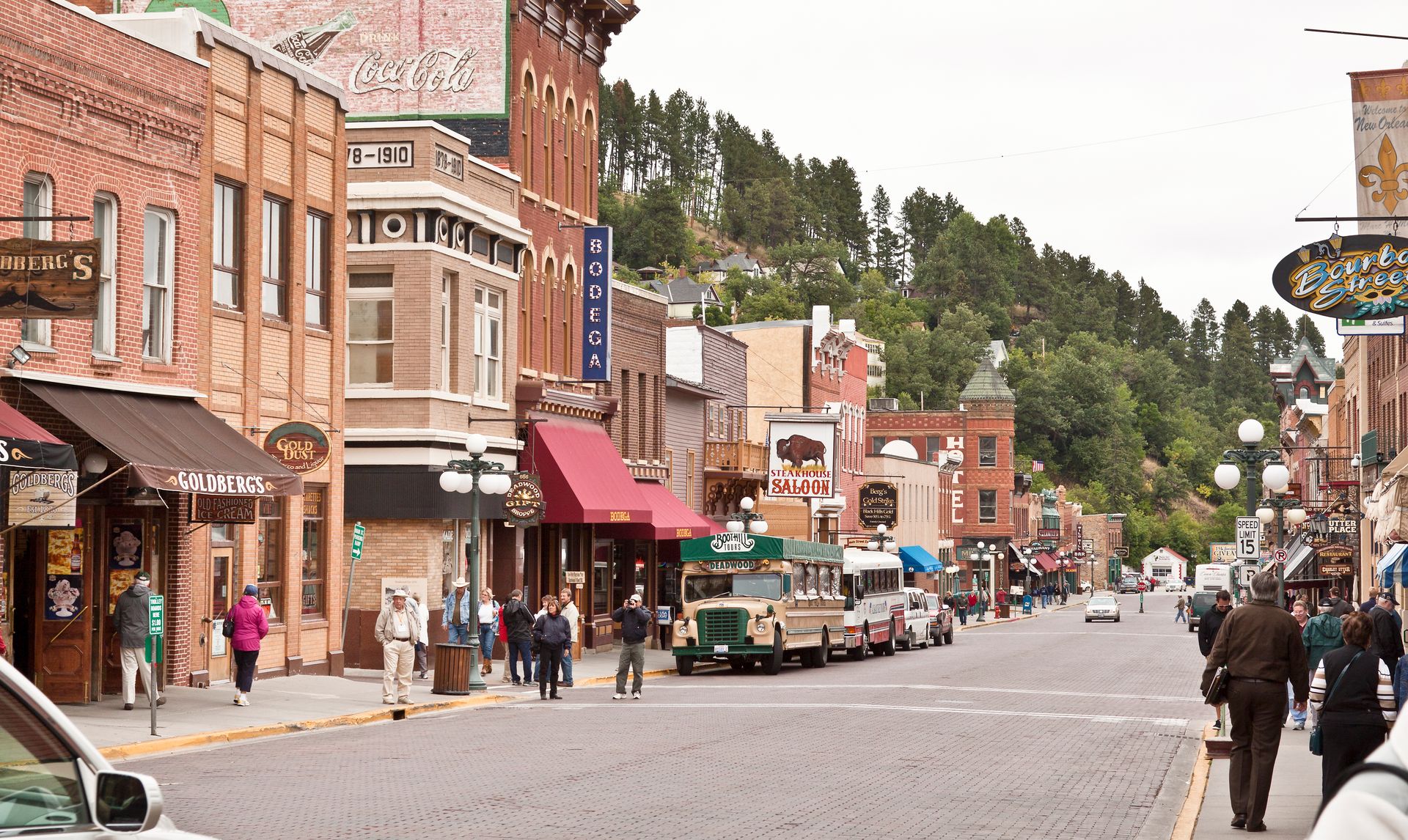
South Dakota scores 65.09 to claim second among wagering-addicted states, a total that reflects both its extraordinary gaming machine and casino density and its permissive legal framework. The state shares the top tier for casinos per capita alongside Nevada, Oklahoma, and North Dakota. That concentration carries more weight in a small-population jurisdiction, where the same infrastructure reaches a larger share of residents than it would in a larger state. South Dakota also ties for the highest gaming machines per capita, placing it alongside Nevada, Montana, and Oklahoma at the very top of that metric.
Lottery engagement adds a distinct staking channel that operates separately from casino and machine access in South Dakota. The state sits 11th for lottery sales per resident 18 and older. That's a meaningful figure given that ticket purchasing reaches residents who may never enter a casino. Fantasy sports, sports wagering, and horse-race betting are all lawful, which means a South Dakota resident has five distinct authorized forms of gambling available. Machines are also permitted in retail and convenience stores, replicating the broad availability pattern seen in Nevada.
South Dakota's problem and treatment standing of 13th sits well outside the worst quintile on that dimension, yet the state's overall score pushes it to second nationally because its betting-friendliness tier of second is so extreme. The high number of Gamblers Anonymous meetings per capita in South Dakota signals that a significant share of residents experience compulsive wagering serious enough to seek group support. Residents who develop disorders do so inside an environment where access through multiple legal channels operates continuously at high density relative to the population. Recovery resources at 13th nationally are not positioned to fully absorb that pressure.
3. Montana maintains no gambling counselors statewide
ElsvanderGun / Getty Images
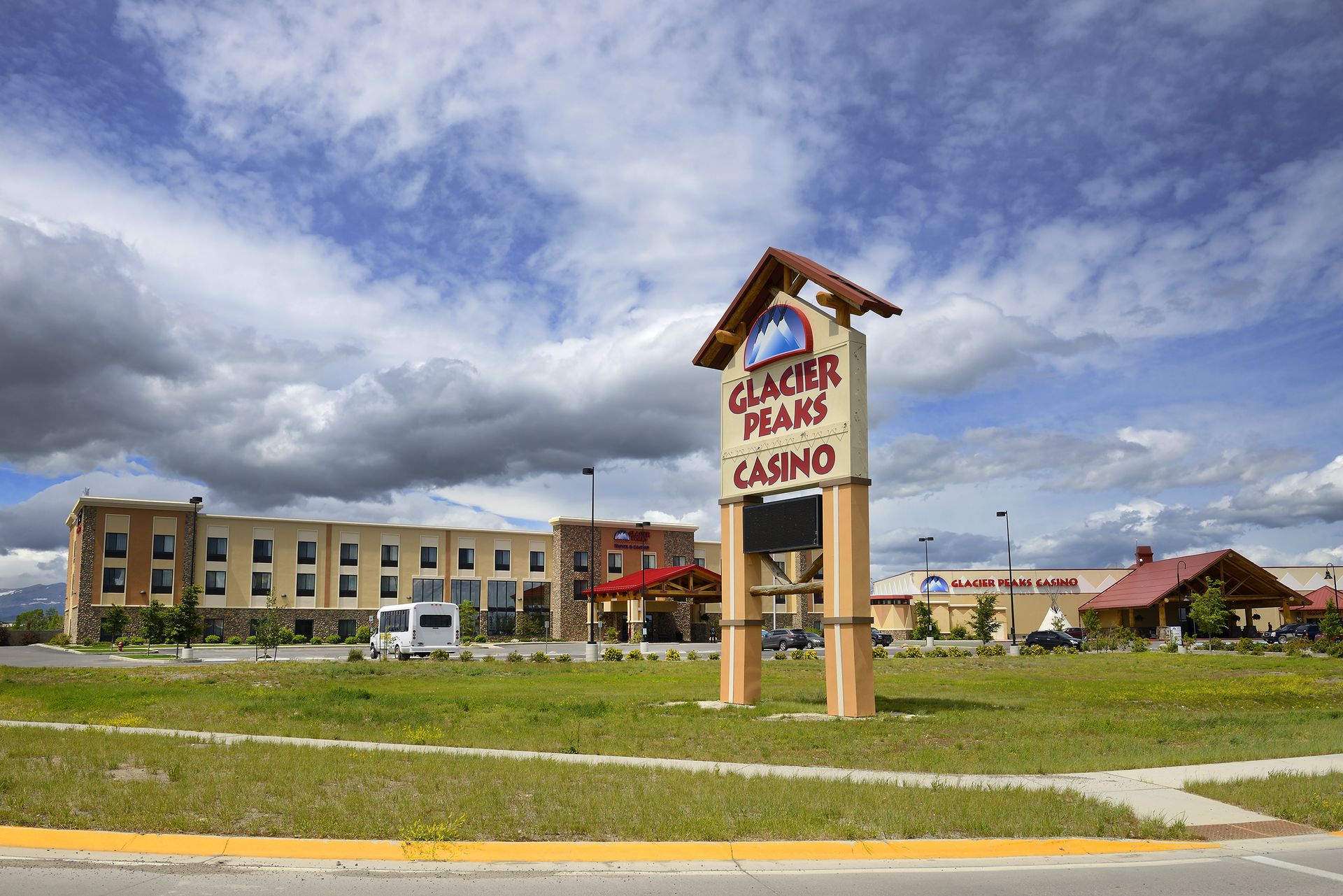
Montana, third among wagering-addicted states with a 58.39 score, has the most underdeveloped recovery environment relative to its compulsion burden of any top-five state. Approximately 2.5% of Montana residents carry gambling disorders, one of the highest rates in the country, and the state does not employ clinical counselors, or require businesses to train employees on problem or excessive activity. Those who struggle with habitual betting face a clinical landscape with fewer professional resources than almost any other state provides. Montana's problem and treatment tier of seventh confirms that its support deficits are not marginal.
Montana ties with Nevada, Oklahoma, and South Dakota for the most gaming machines per capita in the country, and the state claims the fifth spot for casinos per capita. Retail and convenience stores carry gaming machines under Montana law, so residents encounter wagering opportunities in everyday commercial environments beyond the casino floor. Sports and horse-race betting are both authorized, adding legal channels on top of the dense machine and casino infrastructure. Montana's gambling-friendliness tier of fifth confirms that its access, while not quite at Nevada's level, sits at the extreme end of the national distribution.
Montana's problem and treatment standing of seventh reflects the combined weight of its high compulsion rate and its support deficits. The absence of a professional counselor workforce removes one of the primary clinical tools available to people managing excessive wagering. Workers in casinos and gaming venues — the people most positioned to observe problem behavior early — receive no formal guidance on recognizing or responding to it because the state imposes no training requirement. Montana residents with gambling disorders face high infrastructure density and a depleted care network simultaneously.
4. Mississippi holds the worst disorder rate in the country
Lumir Pecold / Getty Images
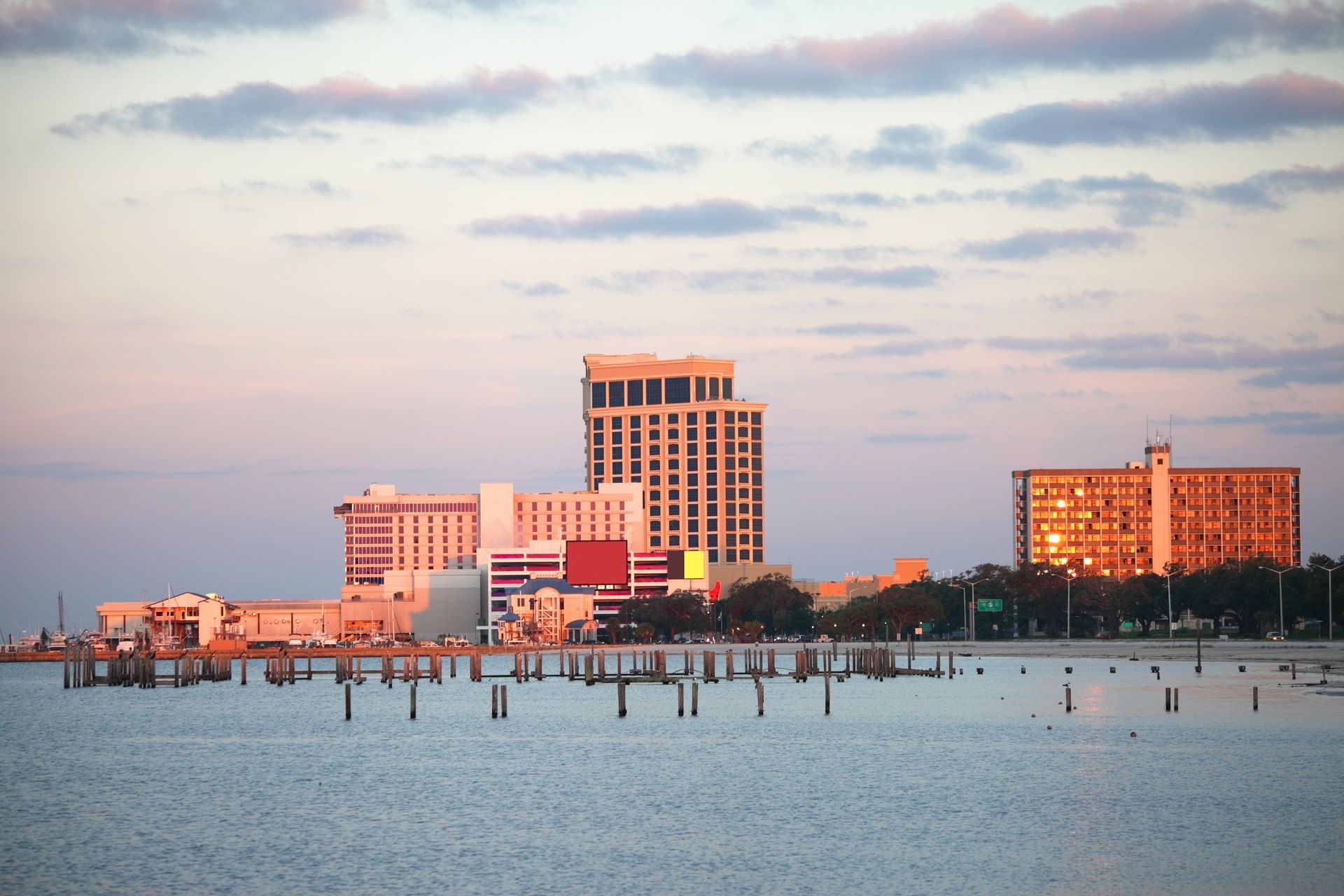
Mississippi's defining characteristic is compulsion prevalence, not infrastructure density. That contributes greatly to the country's fourth-highest score of 55.57. Mississippi ties with Minnesota for the worst rate of adults with betting disorders in the entire country, and the state holds that distinction even though it ranks 11th for gambling friendliness, well behind Nevada and South Dakota on raw reach metrics. The spread between the most-affected jurisdiction and the least, Michigan, spans eightfold, a gap that illustrates how severely dependency concentrates in specific states, driven by conditions that raw density alone does not explain.
Mississippi's problem and treatment standing of 11th puts it in the bottom tier on that dimension, meaning the state's capacity to identify and address excessive wagering does not offset its extreme prevalence rate. A jurisdiction can sit in the middle of the country on gambling friendliness and still land near the top of the addiction list when compulsion rates run at the national extreme and counseling networks trail. Mississippi demonstrates that pattern clearly: its betting environment produces disorders at the top rate nationally despite not hosting the densest raw gaming infrastructure. The absence of sufficient recovery resources allows conditions to persist and deepen once they form.
Mississippi's overall score sits more than two and a half points below Montana's, reflecting a somewhat lower gambling-friendliness contribution. The prevalence metric carries triple weight in WalletHub's scoring, which amplifies the impact of Mississippi's top compulsion rate on its final score. Residents in Mississippi face a wagering environment where adverse outcomes are, by the data, the most common in the country. Mississippi's 11th-place treatment tier provides little capacity to mitigate that burden, leaving residents without the professional counseling network that could shorten the duration or severity of their condition. Mississippi's betting-friendliness position of 11th means its infrastructure is above the national midpoint, giving the high disorder rate even less justification beyond structural failures in care and support.
5. Louisiana enters the top 5 through treatment deficits
Bob Sacha / Getty Images
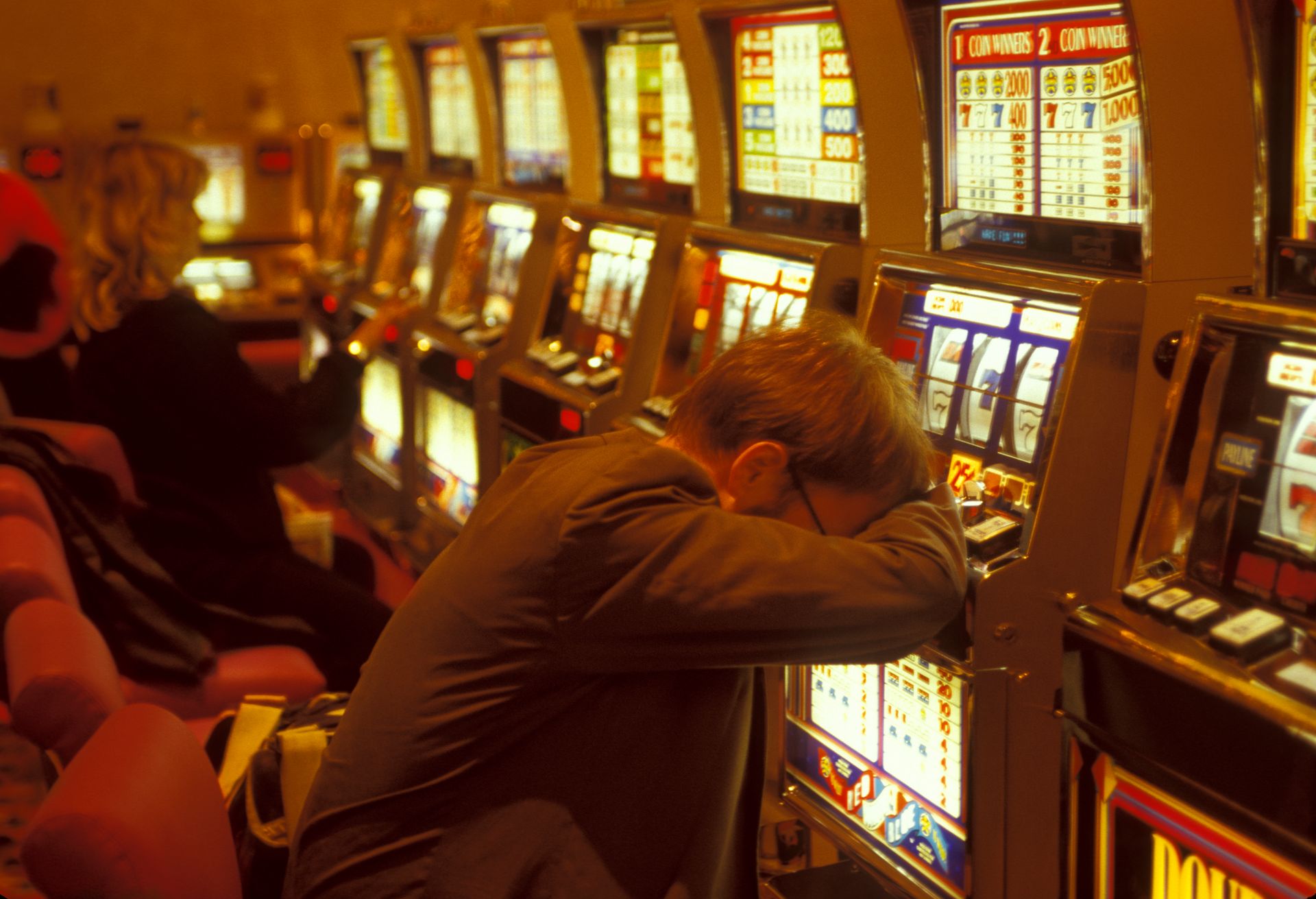
Louisiana scores 53.29 to claim fifth among wagering-addicted states, and its path to that score differs from every other top-five state. Louisiana's gambling-friendliness standing is 25th — precisely the national midpoint — meaning its betting infrastructure sits at the U.S. average. Louisiana's problem and treatment tier of sixth, however, places it among the worst states in the country for identifying, addressing, and managing compulsive disorders. The state reaches the top five because its support environment is severe enough to push the overall score above dozens of jurisdictions with far denser gaming networks.
A state with average access but near-worst recovery outcomes reveals a specific failure mode: the protective network that could reduce harm — counselors, employee training requirements, support programs, self-exclusion enforcement — is absent or underdeveloped relative to the betting activity that does exist. Louisiana residents who develop compulsions encounter a care system positioned among the six worst in the country. Disordered activity that might be identified and interrupted in better-resourced states persists longer and causes more damage in Louisiana. Louisiana's sixth-place tier on problem and treatment reflects conditions that affect residents regardless of income level or the type of staking they engage in.
Louisiana' 0.30-point margin over sixth-placed West Virginia confirms Louisiana's score is not commanding. The state's fifth-place showing demonstrates that a jurisdiction does not need to lead the country in casinos per capita or gaming machines per capita to score among the most gambling-addicted in the U.S. Louisiana's betting-friendliness standing of 25th is precisely average, yet its sixth-tier problem and treatment position pulls the overall score into the top five. Inadequate recovery infrastructure alone can carry a state into that range.