
From sargassum surges that turn beaches brown to tipping customs that vary by role, ten things every Cancún visitor should know
Carlos Fernando Bendfeldt MD / Unsplash
Cancún has a way of throwing visitors a curveball from time to time, even amid its reputation as a paradise destination. Costly car break-ins, brazen price gouging, and the occasional bout of illness all crop up often enough that seasoned travelers plan around them instead of getting blindsided. Locals in Cancún also have a genuine reputation for stepping up when visitors need help, which counts for a great deal when things go sideways during a trip.
Knowing what to expect before arrival turns a Cancún trip from a series of small crises into a genuinely smooth vacation. From seasonal timing to tipping customs to which beaches might turn brown with seaweed, a bit of preparation goes a long way in this particular corner of Mexico, and small details often make the difference between a trip that flows easily and one spent constantly recalculating.
The 10 tips below appear in Lonely Planet and cover essential things to know before visiting Cancún. They span trip planning, local etiquette and basic safety awareness, the three areas where a bit of research consistently prevents the most common frustrations travelers report after visiting this particular stretch of Mexico’s Caribbean coast. Quintana Roo, the Mexican state that includes Cancún, draws millions of international visitors each year, and the sheer volume of tourism has shaped local customs around tipping, pricing, and vendor interactions in ways that catch first-time visitors off guard more often than seasoned regional travelers. Understanding these specific patterns before arrival, instead of learning them through a frustrating first encounter, tends to make the difference between a trip remembered fondly and one remembered mainly for its avoidable friction. None of these tips requires extensive Spanish fluency or deep local knowledge, just a bit of upfront reading before boarding the plane.
Joseph Barrientos / Unsplash
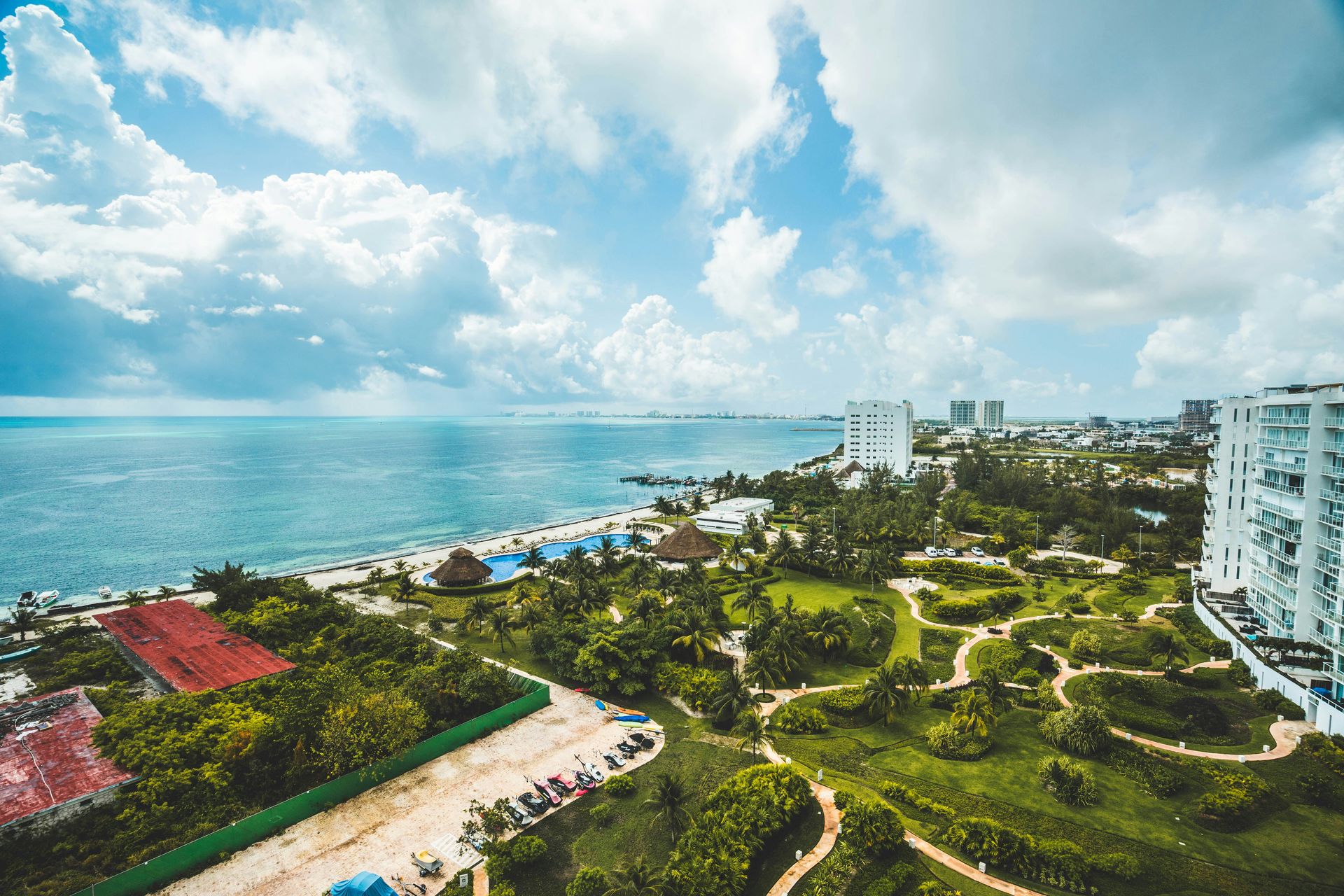
The perfect time to visit Cancún falls during the high season, running from December through April, when visitors from more northerly regions such as the United States and Europe head to the white-sand beaches for some winter sun. These months roughly overlap with the dry season, bringing fewer showers and lower temperatures, with average highs around 28 degrees Celsius, or 82 degrees Fahrenheit, throughout the stretch.
Travelers $TRV specifically drawn to festivals should book a visit around the Carnaval de Cancún, held in either February or March depending on the year. This celebration brings outdoor concerts and dancing throughout the streets of central Cancún, especially clustered around Parque de las Palapas, giving visitors a genuinely festive alternative to purely beach-focused days.
This high-season window does carry real tradeoffs, since prices for hotels and flights climb considerably alongside the pleasant weather, and popular beaches and restaurants draw noticeably larger crowds during these peak months. Travelers hoping to avoid the busiest stretches should specifically consider the edges of this window, such as early December or April, when weather stays similarly mild but crowds thin out somewhat.
Booking accommodations and flights considerably earlier than usual matters during Carnaval specifically, since this event draws both domestic Mexican tourists and international visitors simultaneously, putting genuine pressure on the city’s lodging supply during those particular weeks. Spring break, roughly mid-March through early April in a given year, brings a distinct crowd of college-age travelers to the hotel zone specifically, which changes the atmosphere at certain beach clubs and bars considerably compared with the quieter family-oriented weeks surrounding it. Hurricane season, running from June through November, sits at the opposite end of the calendar from peak season, and travelers who accept some storm risk can find considerably lower prices by booking during the quieter summer and fall months instead. Water temperatures stay warm enough for swimming year-round, typically hovering around 26 to 28 degrees Celsius, so travelers choosing the cheaper shoulder or summer months don’t sacrifice much on that front.
Aline Mendoza / Unsplash
Travelers $TRV should plan to stay at least three nights to have enough time to enjoy the beaches, food scene, and a nearby island as a genuinely bare-minimum itinerary. A week to 10 days gives considerably more opportunity to see the broader highlights of the Yucatán Peninsula, ranging from ancient Mayan ruins to the region’s famous cenotes.
Travelers who plan to do nothing else beyond relaxing at a resort should still book a dive or snorkel trip to the Museo Subacuático de Arte, an incredible underwater sculpture garden located just off the coast of Cancún. This single excursion rewards even the most resort-bound visitors with a genuinely unique experience unavailable anywhere else in the region.
Travelers with only three or four days available should prioritize a single day trip alongside beach time, since attempting to squeeze in multiple excursions on a short visit tends to leave insufficient time to actually enjoy any specific destination. This tradeoff between breadth and depth matters considerably more for a short Cancún trip than for many other destinations.
Travelers with a full week or more should specifically build in at least one inland excursion toward Mayan ruins or cenotes, since these inland attractions round out a trip that otherwise risks staying entirely beach-focused despite the region’s considerable inland cultural depth. Chichén Itzá, one of the most visited Mayan ruin sites in the country, sits roughly two and a half hours from Cancún by car, making it a genuinely feasible day trip for travelers who don’t mind an early departure and a long day of driving. Coba, a less-visited Mayan ruin site roughly two hours south of Cancún, still permits climbing its main pyramid, unlike Chichén Itzá, giving travelers with an extra day a genuinely different kind of ruins experience. Direct flights from major US hub cities such as Dallas, Miami and Houston typically run under three hours, meaning a long weekend trip doesn’t lose much of its actual time on the ground to travel alone.
Anton Lukin / Unsplash
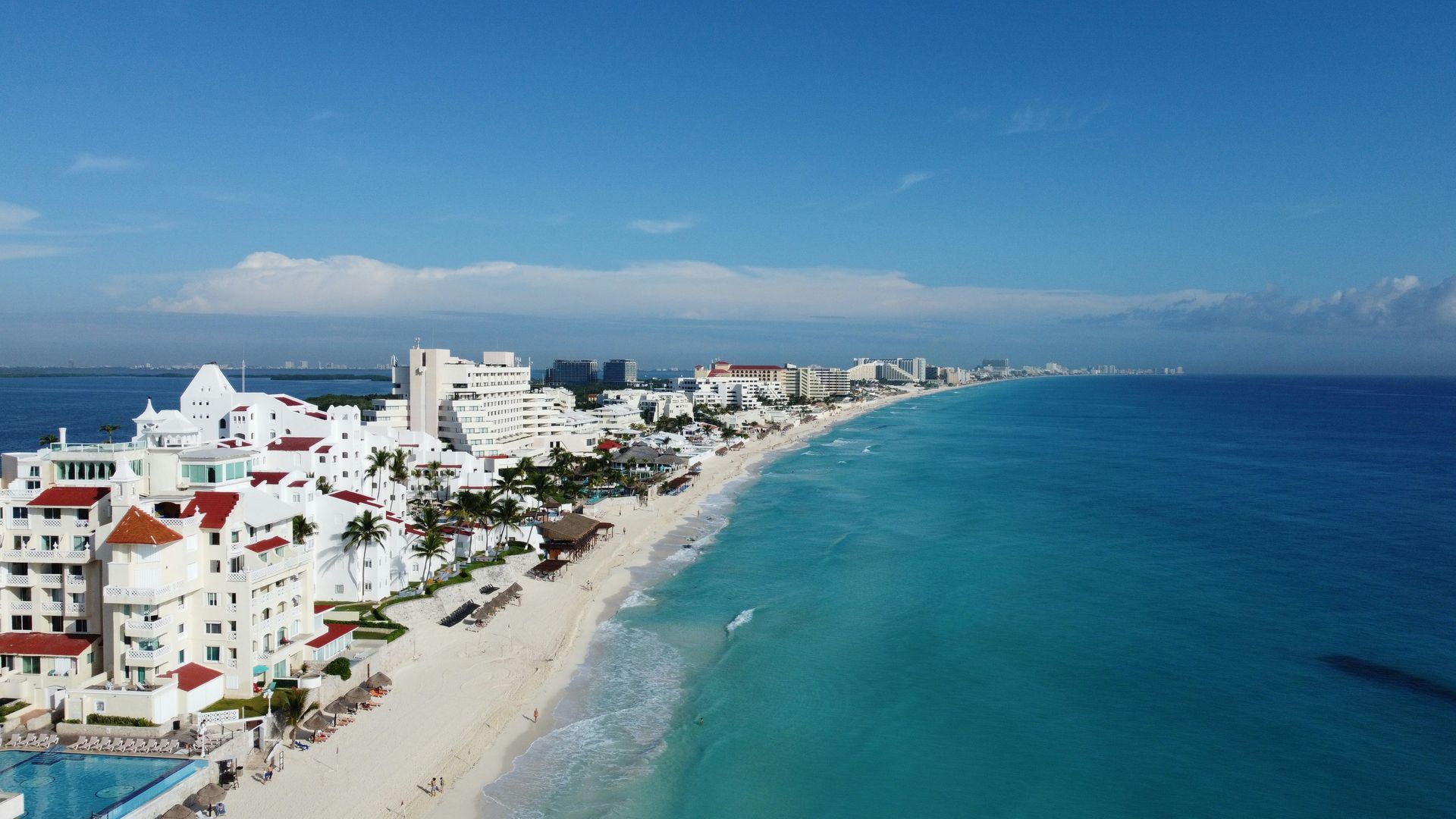
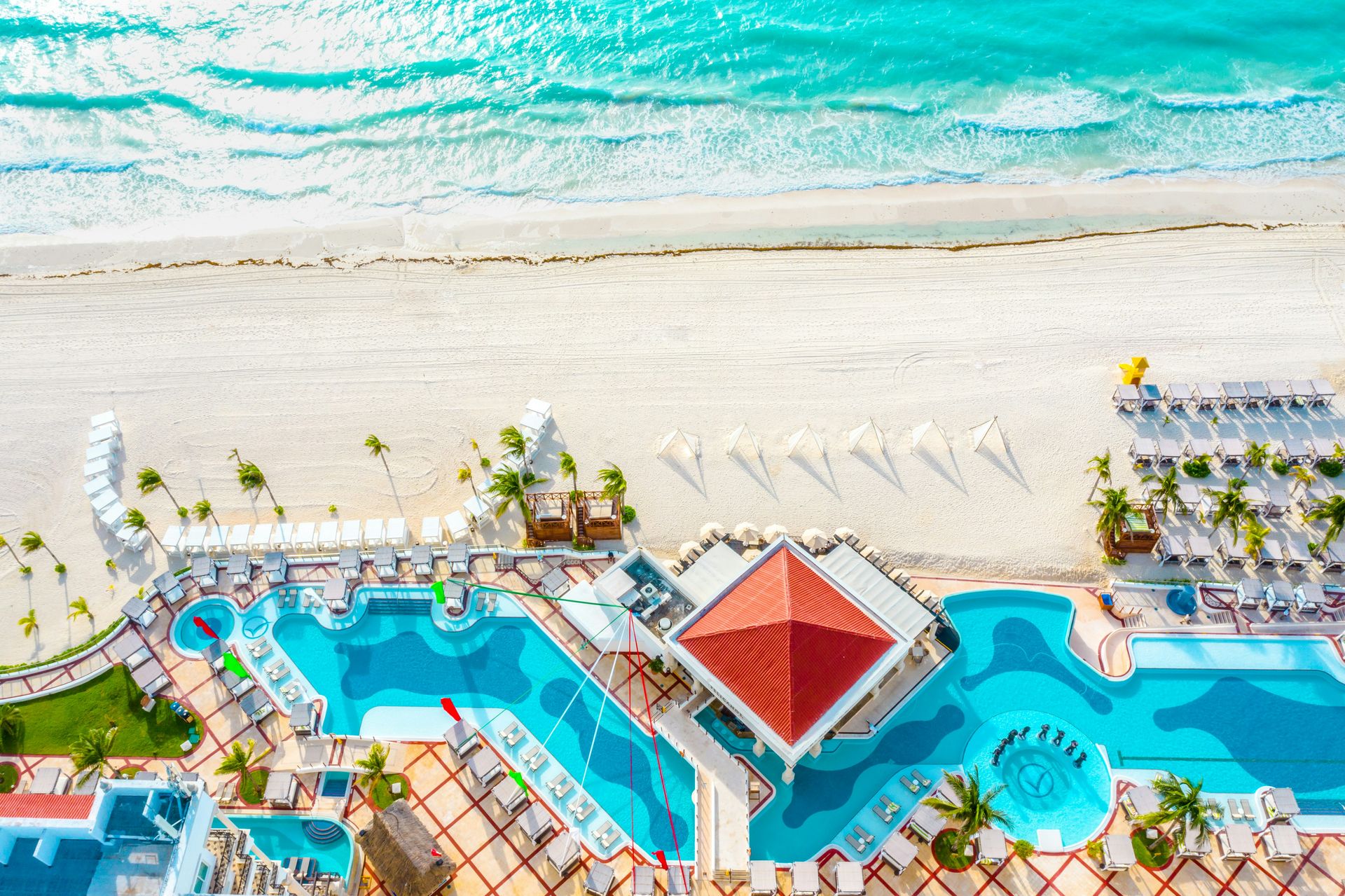
The hotel zone holds most of Cancún’s all-inclusive hotels, though high-end resorts have also started cropping up in Punta Sam and along the sublime Isla Blanca peninsula, north of downtown. The all-inclusive experience itself ranges from luxurious adults-only setups featuring above-and-beyond service, including personal butlers, down to slightly more affordable family-friendly accommodations built around kid-focused activities.
Travelers $TRV seeking a safe, self-contained environment with multiple restaurants, bottomless drinks, easy beach access, alluring outdoor pools and considerable kid-focused programming should genuinely book an all-inclusive resort specifically. This style of accommodation removes much of the daily decision-making that independent travel typically requires.
Travelers who prefer the hotel zone’s location without the meals and alcohol bundled into the price should look at hotels along the strip offering room-only rates, such as Mayan Monkey specifically. This approach gives travelers genuine flexibility to explore Cancún’s dining scene independently instead of staying tied to a single resort’s restaurants.
Travelers hoping for even more affordable hotel and hostel options should head toward El Centro instead of the hotel zone, since this downtown area holds considerably lower prices alongside a genuinely more local, less resort-driven atmosphere throughout its streets. Room-only hotels along the strip typically run considerably cheaper per night than comparable all-inclusive resorts, though travelers should factor in the added cost of eating every meal at restaurants before assuming this option genuinely saves money overall. El Centro hotels typically run 30% to 50% cheaper than comparable hotel zone properties, though guests trade beachfront access for a 10- to 15-minute bus or taxi ride each way to reach the sand. Families specifically should look for resorts advertising kids’ clubs with structured daily activities, since not every all-inclusive property offers the same level of supervised programming despite similar marketing language. Boulevard Kukulcán, the main road running the length of the hotel zone, stretches roughly 22 kilometers, meaning a resort’s specific address along this strip can add considerably to travel time toward Centro or the airport.
Braden Collum / Unsplash
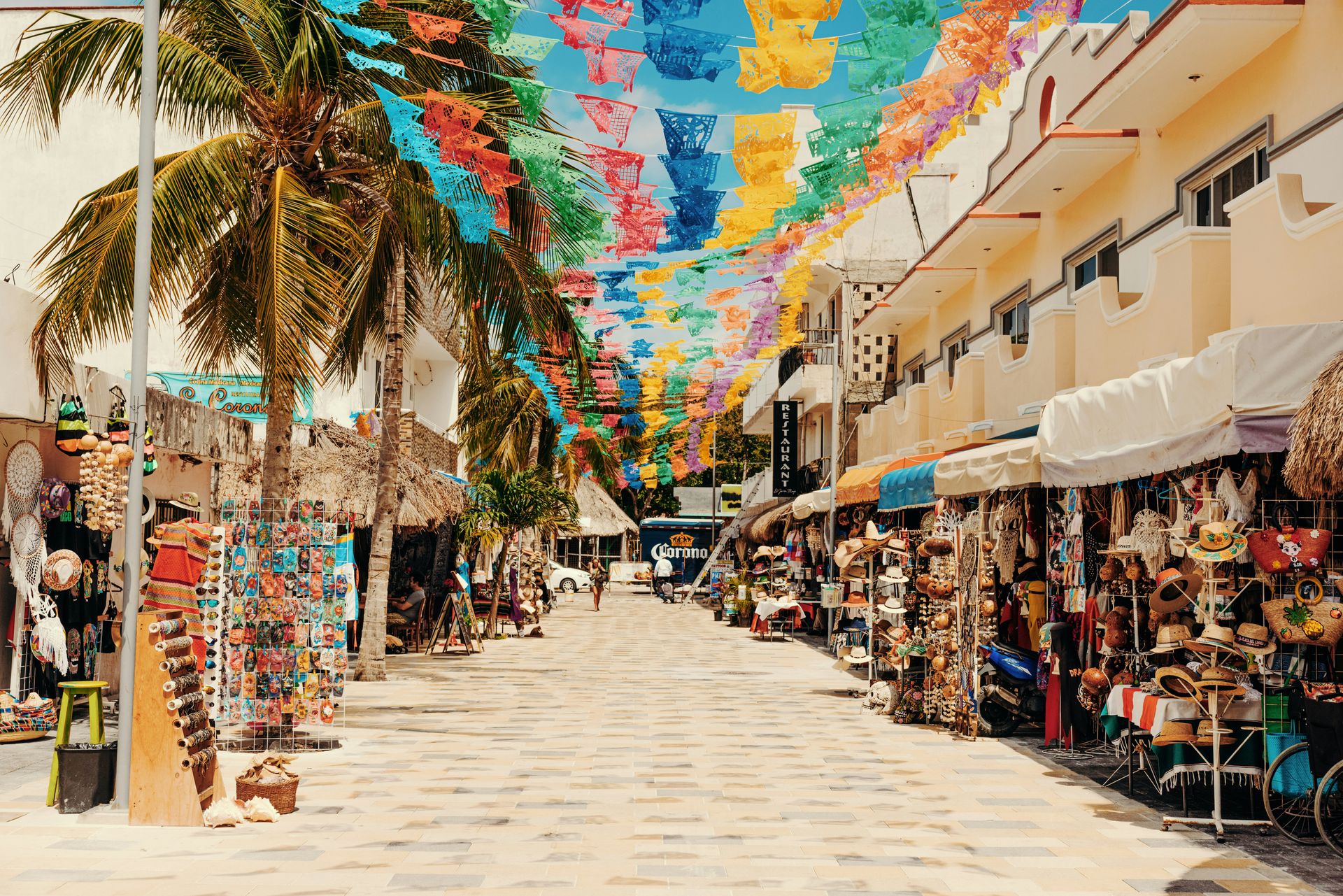
Plenty of things to do exist beyond the hotel zone with its stunning Caribbean beaches, and heading toward the bustling downtown Centro rewards visitors with genuine opportunities to mingle with locals in neighborhood cantinas and barter at traditional markets. This downtown district offers a considerably different pace and atmosphere than the resort-heavy hotel zone just a short distance away.
Visiting even just one atmospheric taco joint throughout Centro genuinely rewards the effort, giving travelers a taste of everyday Cancún life well beyond the all-inclusive buffet lines found throughout the hotel zone. These smaller, family-run spots often serve considerably more authentic regional specialties than resort restaurants typically offer.
This downtown area also holds traditional markets worth exploring specifically for souvenirs, local crafts and fresh produce, giving budget-conscious travelers genuine alternatives to the pricier boutiques scattered throughout the hotel zone’s shopping centers. Bartering at these markets, done respectfully, is part of the local shopping culture.
Travelers $TRV should budget at least half a day specifically for exploring Centro, since rushing through this district on the way to somewhere else undercuts much of what makes the area genuinely worth visiting in the first place. Mercado 28, one of the largest traditional markets in Centro, sells everything from hammocks and hand-embroidered textiles to tequila and vanilla, giving souvenir hunters a single concentrated stop worth budgeting a couple of hours for. Parque de las Palapas itself hosts a nightly gathering of food vendors and live music performances, giving evening visitors a genuinely different, more local atmosphere than anything found within the hotel zone after dark. Avenida Yaxchilán and Avenida Tulum, two of Centro’s main commercial streets, hold the highest concentration of local restaurants and shops, making them a genuinely efficient starting point for a first visit to the district. Mercado 23, a smaller, less touristy market than Mercado 28, sells groceries and household goods primarily to local residents, giving curious travelers a genuinely unfiltered look at everyday Cancún commerce.
-1920x1080.jpg)
Jorge Zapata / Unsplash
Travelers $TRV with enough time should definitely squeeze in at least one trip to see a genuinely different side of the Yucatán Peninsula beyond Cancún itself. Heading south reveals ancient ruins, jungle-set swimming holes and small fishing towns scattered along the Riviera Maya, giving visitors a considerably different landscape than Cancún’s beach-focused hotel zone offers.
Heading east instead brings travelers to Valladolid, a colonial city holding rich Maya history throughout its streets and surrounding archaeological sites. This inland city rewards visitors with genuinely different architecture and atmosphere compared with the coastal resort towns found elsewhere in the region.
Alternatively, the nearby islands of Isla Mujeres and Isla Holbox provide genuinely blissful nature escapes built around snorkeling, diving, and kayaking adventures. These islands stay considerably quieter and more low-key than Cancún’s main hotel zone, rewarding travelers specifically seeking a slower pace for at least part of their trip.
Travelers should book any specific day-trip transportation in advance during peak season, since popular excursions toward Valladolid, the Riviera Maya, or the nearby islands can fill up considerably faster during the busiest winter months. The ferry to Isla Mujeres departs from Puerto Juárez and takes roughly 20 minutes each way, making it a genuinely feasible half-day outing for travelers who want a taste of island life without committing an entire day to the trip. Isla Holbox, reachable via a roughly two-hour drive followed by a short ferry crossing, bans cars entirely on the island itself, giving visitors a genuinely quieter, golf-cart-only pace unlike anywhere else covered on this list. Renting a car specifically for a Riviera Maya day trip gives travelers considerably more flexibility to stop at smaller, less-visited cenotes along the way, compared with joining a fixed-itinerary group tour. Gran Cenote, located just outside Tulum roughly two hours from Cancún, ranks among the most photogenic cenotes in the region and stays shallow enough near its entrance to suit snorkelers of nearly any skill level.
Sandra Gabriel / Unsplash
Many Cancún service workers, namely restaurant and hotel employees, depend on tips to genuinely supplement otherwise miserable wages throughout the local hospitality industry. In restaurants specifically, leaving a 15% gratuity makes sense if service isn’t already included in the bill, though travelers should check the bill carefully, since some unscrupulous establishments have been known to tack on a service fee hoping customers unknowingly leave an additional tip on top.
Airport and hotel porters specifically tend to receive about 30 Mexican pesos per bag, while tour guides typically receive an extra 10% to 20% of the outing’s cost, or perhaps a bit more for full-day excursions specifically. Gas station attendants typically receive about 5 to 10 Mexican pesos for their assistance, a considerably smaller amount reflecting the brief nature of that particular service.
Bartenders, baristas, and taxi drivers generally don’t expect tips throughout Cancún, though they always genuinely welcome them when offered. This variation in tipping expectations across different service roles catches many first-time visitors off guard, since assuming a single universal tipping rate throughout the trip risks either under-tipping or over-tipping depending on the specific context.
Travelers $TRV should carry small-denomination pesos specifically for these various tipping situations, since breaking a large bill for a small tip proves genuinely inconvenient in the moment, particularly for quick transactions such as porters or gas station attendants. Spa staff at resorts typically expect a separate tip on top of any service charge already included in the treatment price, and 15% to 20% of the treatment cost generally lands as an appropriate amount. Housekeeping staff at resorts specifically benefit from a daily tip left in the room each morning instead of one lump sum at checkout, since different staff members often rotate through a given room across a multi-night stay. Tour guides leading multi-day excursions specifically should receive a somewhat larger cumulative tip than a single-day outing would warrant, reflecting the considerably greater total time and effort involved across the full trip.
Jose Marroquin / Unsplash
Using señor or señora, or señorita for younger women, genuinely helps throughout everyday interactions in Cancún, especially when requesting something from a local resident or service worker. This small linguistic courtesy signals genuine respect and consistently improves the tone of everyday exchanges throughout a trip.
This custom reflects a broader Mexican cultural emphasis on formal, respectful address, particularly toward people a traveler doesn’t already know personally. Skipping this small courtesy doesn’t necessarily cause offense outright, though using it consistently genuinely smooths interactions and often results in friendlier, more helpful service throughout a stay.
Travelers $TRV unfamiliar with Spanish more broadly should still make an effort to learn this specific pattern of address, even if their broader vocabulary stays limited, since this particular courtesy carries outsized value relative to how little effort it actually requires to learn and use correctly.
Combining polite address with a simple please and thank you in Spanish rounds out a genuinely respectful baseline for everyday interactions throughout Cancún, whether at a restaurant, a market stall or simply asking for directions on the street. Addressing an older stranger as joven, meaning young man, would land as genuinely odd or even slightly disrespectful, whereas señor works reliably across nearly every situation regardless of the other person’s actual age. Combining señor or señora with a simple por favor when asking a question, such as requesting directions or a restaurant recommendation, consistently produces noticeably warmer and more detailed responses from locals. Younger travelers specifically should still use señor or señora when addressing hotel staff, security guards, or other service workers, since age gaps don’t exempt anyone from this basic courtesy in everyday Mexican social custom. Restaurant servers throughout Cancún generally respond well to a friendly disculpe, meaning excuse me, paired with señor or señora when trying to get their attention across a busy dining room. Even a mispronounced attempt at Spanish generally earns genuine goodwill from locals, since the effort itself matters considerably more than perfect grammar or accent to most people a traveler encounters.
Carter Plaster / Unsplash
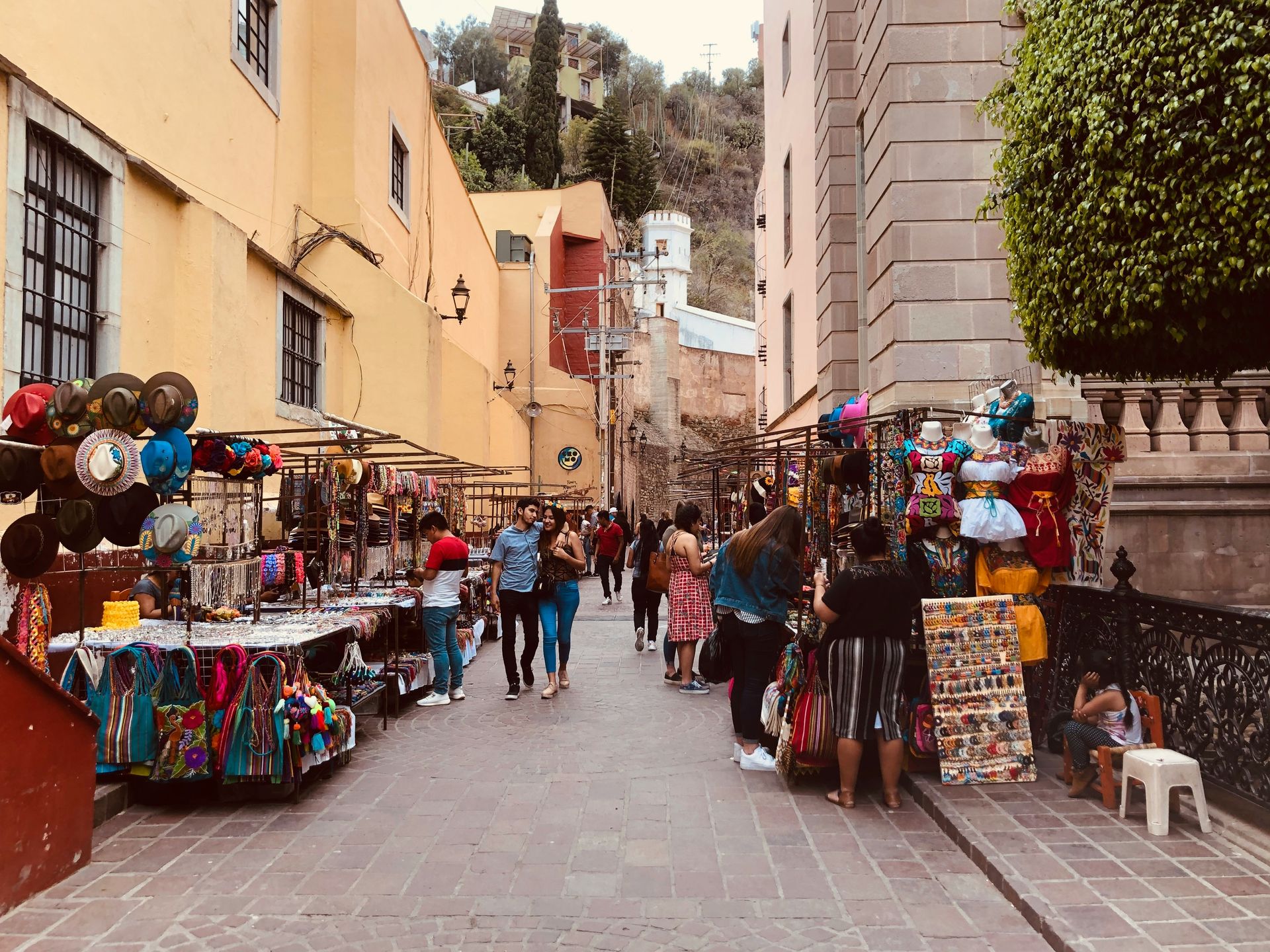
Haggling with market and street vendors throughout Cancún stays genuinely acceptable, to a certain degree, though travelers should remember that these vendors are simply trying to make an honest living through their sales. This context matters considerably when deciding how aggressively to negotiate over a specific item’s price.
Respectful haggling typically involves a modest counteroffer instead of an insultingly low one, giving both the vendor and the traveler room to meet somewhere reasonable in the middle. Pushing too hard for an extreme discount risks souring what should otherwise stay a genuinely pleasant transaction for both parties involved.
This custom applies specifically to markets and independent street vendors instead of to formal retail stores, restaurants, or hotels, where posted prices generally stay fixed regardless of a traveler’s negotiating attempts. Understanding this distinction helps travelers avoid genuinely awkward moments attempting to haggle somewhere it simply isn’t the local custom.
Travelers $TRV should approach haggling with genuine warmth and a smile instead of treating it as an adversarial transaction, since vendors throughout Cancún respond considerably better to friendly negotiation than to an aggressive, transactional tone. A counteroffer around 70% to 80% of a vendor’s initial asking price typically opens a negotiation on reasonable footing, though the final number still depends considerably on the specific item and how firmly the vendor holds their original price. Buying multiple items from the same vendor often unlocks a better combined price than negotiating each item separately, giving budget-conscious shoppers a genuinely useful strategy at Cancún’s larger markets specifically. Walking away slowly from a stall after a firm counteroffer often prompts a vendor to call out a lower price, though this tactic works best when a traveler genuinely doesn’t mind losing that specific item if the vendor doesn’t budge. Vendors selling handmade goods such as embroidered textiles or carved wood pieces generally have less room to negotiate than those selling mass-produced souvenirs, since their pricing already reflects genuine labor and material costs.
Carlos Huchim / Unsplash
Despite considerable grim news coverage about Mexico’s drug-related violence more broadly, Cancún and the wider Yucatán Peninsula stay generally considered safe for travelers. The crime problem shouldn’t get treated lightly, though drug gangs rarely target tourists specifically, especially for travelers who avoid illicit activities throughout their trip.
Keeping a close watch on drinks in bars and nightclubs matters considerably, since reports exist of some tourists getting their drinks spiked with so-called date rape drugs throughout the nightlife scene. Travelers $TRV should also avoid withdrawing money from ATMs at night specifically, and should never carry large amounts of cash throughout a trip regardless of the time of day.
This gap between sensationalized headlines and everyday reality on the ground catches many first-time visitors genuinely off guard, since broader national crime statistics don’t necessarily reflect the specific, considerably safer conditions found throughout the tourist-focused areas of Cancún itself. Reasonable street smarts, instead of outright fear, genuinely serve travelers best throughout this particular destination.
Travelers should still register with their home country’s local consulate or embassy for longer trips specifically, since this small precaution provides a genuine safety net in case of any serious emergency during an extended stay. Sticking to well-lit, populated streets after dark and avoiding unlicensed taxis specifically reduces risk considerably more than most other precautions travelers commonly worry about during a Cancún trip. Hotel zone security stays noticeably more visible than in Centro or smaller surrounding towns, reflecting the considerable resources resorts and the local tourism board specifically invest in protecting the area’s core economic engine. Travel advisories from foreign governments typically single out specific states or regions within Mexico for elevated caution, and checking these advisories directly, instead of relying on general news headlines, gives a considerably clearer picture of Quintana Roo’s actual current risk level. The tourist-focused Zona Hotelera specifically maintains a visible police presence, including a dedicated tourist police unit trained to assist visitors directly with lost documents, medical referrals or minor disputes.

Thor Tryggvason / Unsplash
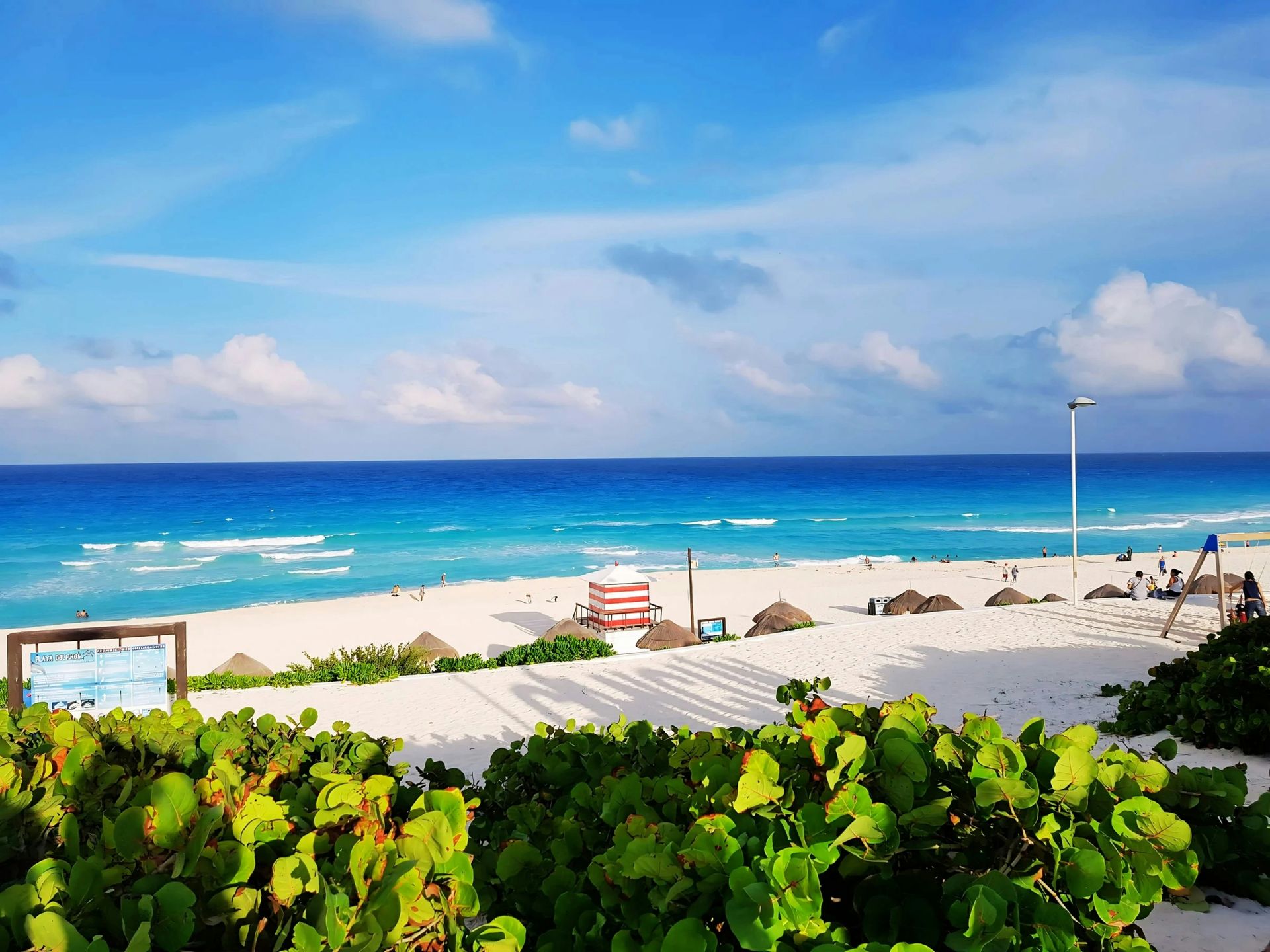
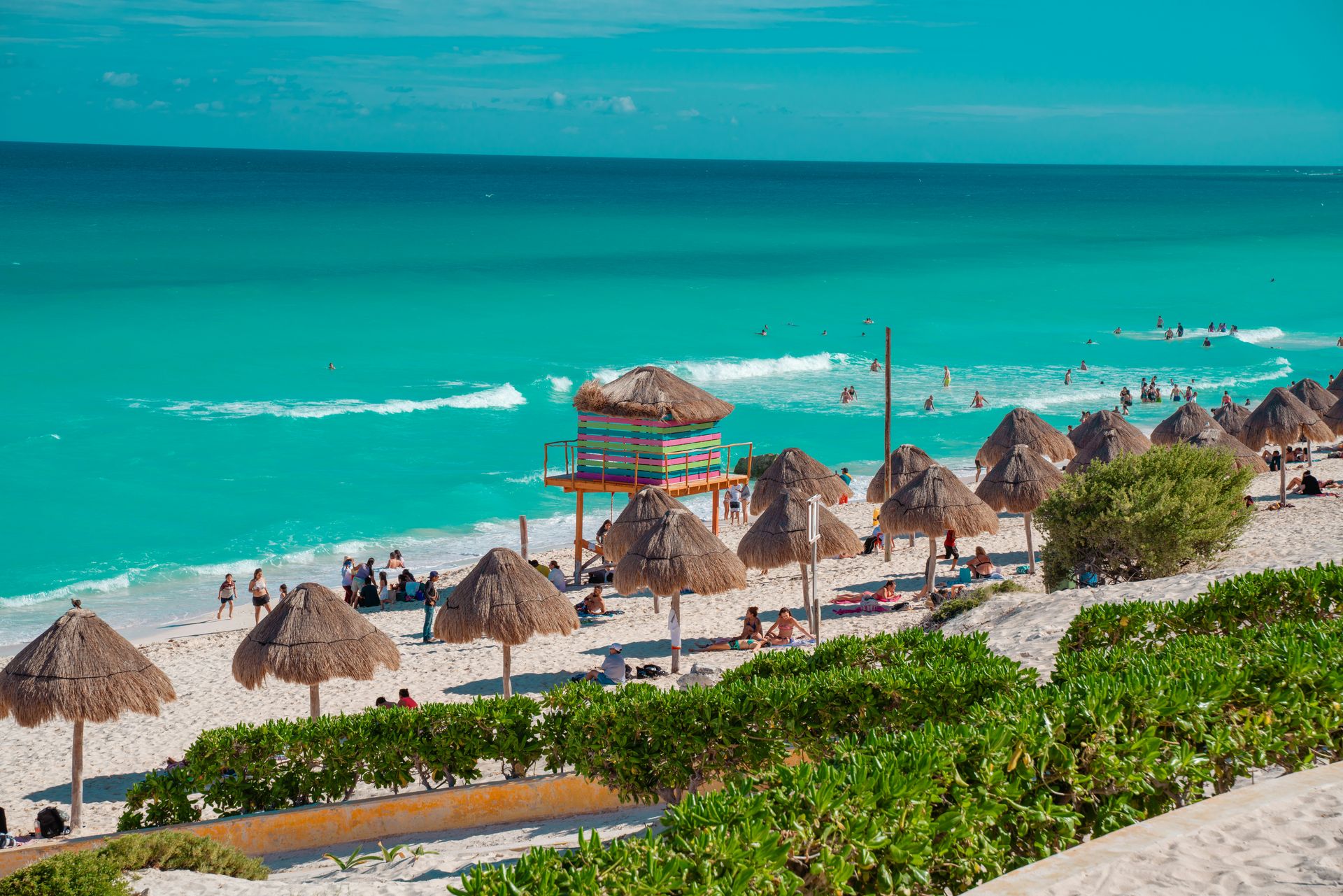
Sargassum seaweed surges, known locally as sargazo, can turn Cancún’s turquoise waters brown during certain stretches of the year, leaving mounds of smelly, decomposing macroalgae carpeted across otherwise white sand beaches. An influx of this seaweed makes swimming and sunbathing genuinely unpleasant, and travelers caught in the middle of a surge should consider spending less time at the beach specifically.
Hotel pools and cenotes, the region’s freshwater sinkholes, offer genuinely pleasant alternatives for splashing around whenever seaweed makes the ocean itself unappealing. These invasive surges occur intermittently, usually running from March through August, though timing stays genuinely unpredictable from year to year depending on ocean currents and weather patterns.
The NGO Red de Monitoreo de Sargazo posts regular updates on current beach conditions throughout Cancún and the nearby Riviera Maya, giving travelers a genuinely reliable way to check conditions before committing to a specific beach day. Checking this resource shortly before a planned beach outing helps avoid the disappointment of arriving to find a beach genuinely covered in seaweed.
Travelers $TRV visiting during the peak sargassum months should build flexibility into their itinerary, since shifting a beach day to a different date or substituting a pool or cenote outing can salvage a trip that might otherwise get derailed by unpredictable seaweed conditions. Beaches on the northern end of the hotel zone, closer to downtown, tend to accumulate noticeably less seaweed than those further south, giving travelers a specific area to prioritize during a heavy sargassum season. Some resorts specifically hire crews to rake and remove seaweed from their private beach sections each morning, so travelers prioritizing beach time during peak sargassum months should ask about this service directly when booking. Playa Delfines, one of the most popular public beaches in the hotel zone, tends to accumulate seaweed noticeably faster than smaller, more sheltered coves nearby, given its open exposure to incoming currents. Marina-adjacent stretches of the hotel zone, sheltered by breakwaters and moored boats, similarly tend to trap less sargassum than beaches facing the open Caribbean directly.