
Plan a smoother Amsterdam trip with essential tips on timing, etiquette, bookings, neighborhoods, weather, and navigating the city like a local
-1920x1280.jpg)
Adrien Olichon / Unsplash
In delightfully vibrant Amsterdam, travelers find cannabis-clouded coffee shops sitting next to cozy bars, lovely parks alongside cycling lanes aplenty, and museums so outstanding that choosing between them proves genuinely difficult. Having a real understanding of the city, the local culture, and Dutch customs in general genuinely helps make a trip considerably smoother from the moment travelers arrive, well before any specific sightseeing even begins.
Amsterdam’s compact size and famously direct local culture reward travelers who arrive prepared, since small missteps around etiquette or timing can otherwise turn an easy trip into a genuinely frustrating one. Getting a handle on practical logistics ahead of time, from booking timelines to daily business hours, pays off considerably once actually in the city and moving between neighborhoods.
The 10 tips below appear in Lonely Planet and cover essential things to know before visiting Amsterdam. Each one addresses a genuinely practical concern, from seasonal timing to local etiquette to the basic rhythms of daily business hours throughout the city. Reviewing these tips before departure, instead of learning them through trial and error once already in Amsterdam, genuinely helps travelers avoid the small frustrations that otherwise chip away at an otherwise enjoyable trip. Building a rough day-by-day plan around these practical realities, from booking windows to daily opening hours, lets visitors spend considerably more time actually enjoying the city and considerably less time untangling avoidable logistical headaches along the way. Amsterdam genuinely rewards this kind of preparation more than most European capitals, since so much of the city’s charm lies in small, easily missed details that only reveal themselves to travelers who’ve already handled the basics. Even a small amount of upfront planning genuinely goes a long way toward making that happen. A few minutes of reading now saves genuine hours of hassle later.
Anna Biasoli / Unsplash
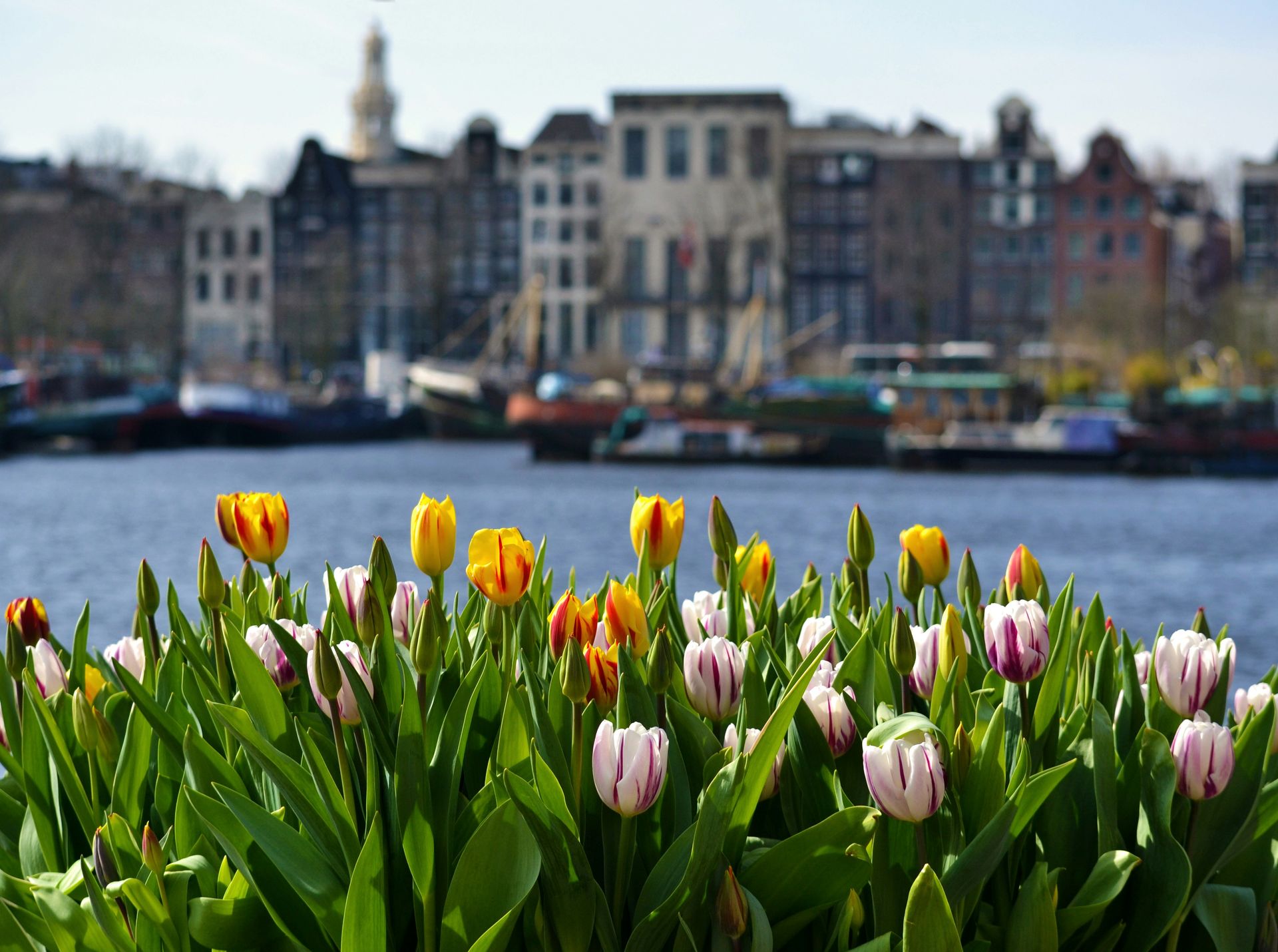
Amsterdam makes for a genuinely charming vacation at essentially any time of year, though specific seasons reward specific priorities. Travelers $TRV hoping to see tulips should visit during spring, spanning March through May, when the city’s famous flower markets and surrounding countryside burst into color.
The summer months, spanning June through August, stay genuinely packed with festivals throughout the city, giving travelers considerable cultural programming to build a trip around. September can also make for a genuinely good time to visit, since peak summer crowds thin out considerably by then while good weather tends to linger for a few weeks longer still.
Fall and winter, spanning October through February, can turn gray and dreary throughout much of the season, though accommodation prices tend to run considerably lower during these quieter months. This tradeoff between weather and cost gives budget-conscious travelers genuine reason to consider an off-season visit despite the less reliable skies.
Travelers should match their specific priorities, whether that means flowers, festivals, or lower prices, to the season that best serves those particular goals, since Amsterdam genuinely offers something worthwhile across nearly every time of year. Travelers specifically chasing tulip season should check current bloom reports before booking, since exact flowering dates shift somewhat from year to year depending on local weather conditions. The Keukenhof Gardens, roughly forty minutes outside the city, typically offer the most reliable tulip viewing during peak bloom, giving travelers a genuinely worthwhile day trip beyond Amsterdam’s own flower markets. Travelers should also check current train schedules to Keukenhof before finalizing plans, since service frequency to the gardens shifts depending on the specific point in the season. Comfortable walking shoes also help considerably for exploring the flower markets on foot. Sunscreen also helps considerably given how genuinely sunny spring afternoons in the Netherlands can turn. A hat also genuinely helps considerably during longer outdoor walks throughout the sunny flower markets. A reusable water bottle also helps.
Callum Parker / Unsplash
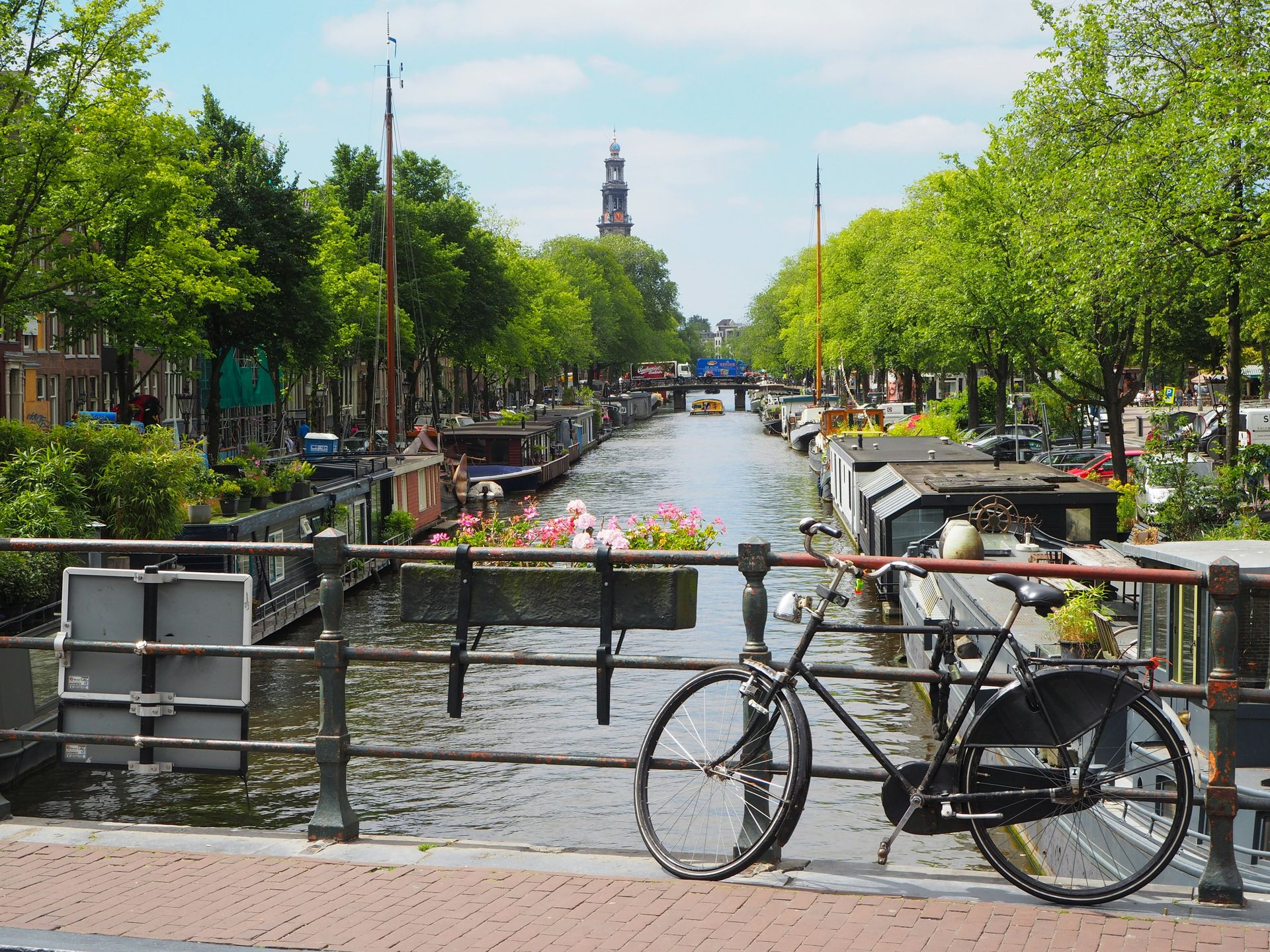
Amsterdam’s compact layout, superb cycling infrastructure and reliable public transport together make it genuinely easy to pack a lot into a limited number of days. A weekend visit works reasonably well for a quick introduction, though travelers should budget at least three days to properly see the city’s genuine highlights without feeling rushed.
This compact geography sets Amsterdam apart from many other major European capitals, where covering equivalent ground might require considerably more time or a much larger transport budget. Travelers $TRV specifically pressed for time should prioritize this efficiency when planning a broader European itinerary that includes Amsterdam alongside other cities.
Cycling specifically opens up considerably more of the city within a limited timeframe than walking alone would allow, letting even a relatively short visit cover multiple neighborhoods and attractions across a single day. This efficiency gives Amsterdam genuine appeal for travelers building a multi-city European trip around a tight overall schedule.
Travelers with more than three days available should consider day trips to nearby Dutch towns, since Amsterdam’s central location within the Netherlands makes many worthwhile destinations reachable within an hour or so by train. Travelers with only a single day available should prioritize one or two specific neighborhoods instead of attempting to cover the entire city, since rushing between districts undercuts much of Amsterdam’s genuine charm. A day dedicated specifically to museums, another to canal-side neighborhoods, and a third to a broader city overview by bike gives most first-time visitors a genuinely well-rounded introduction to the city. Travelers should also confirm current museum and attraction opening hours before finalizing a daily plan, since schedules can shift slightly depending on the specific day of the week. A reusable water bottle also helps considerably during longer days spent cycling between neighborhoods. Sturdy shoes also help considerably given how much genuine walking and cycling a full itinerary typically involves. A phone map app also helps considerably for navigating between neighborhoods. A small first-aid kit also helps.
Itay Libenson / Unsplash
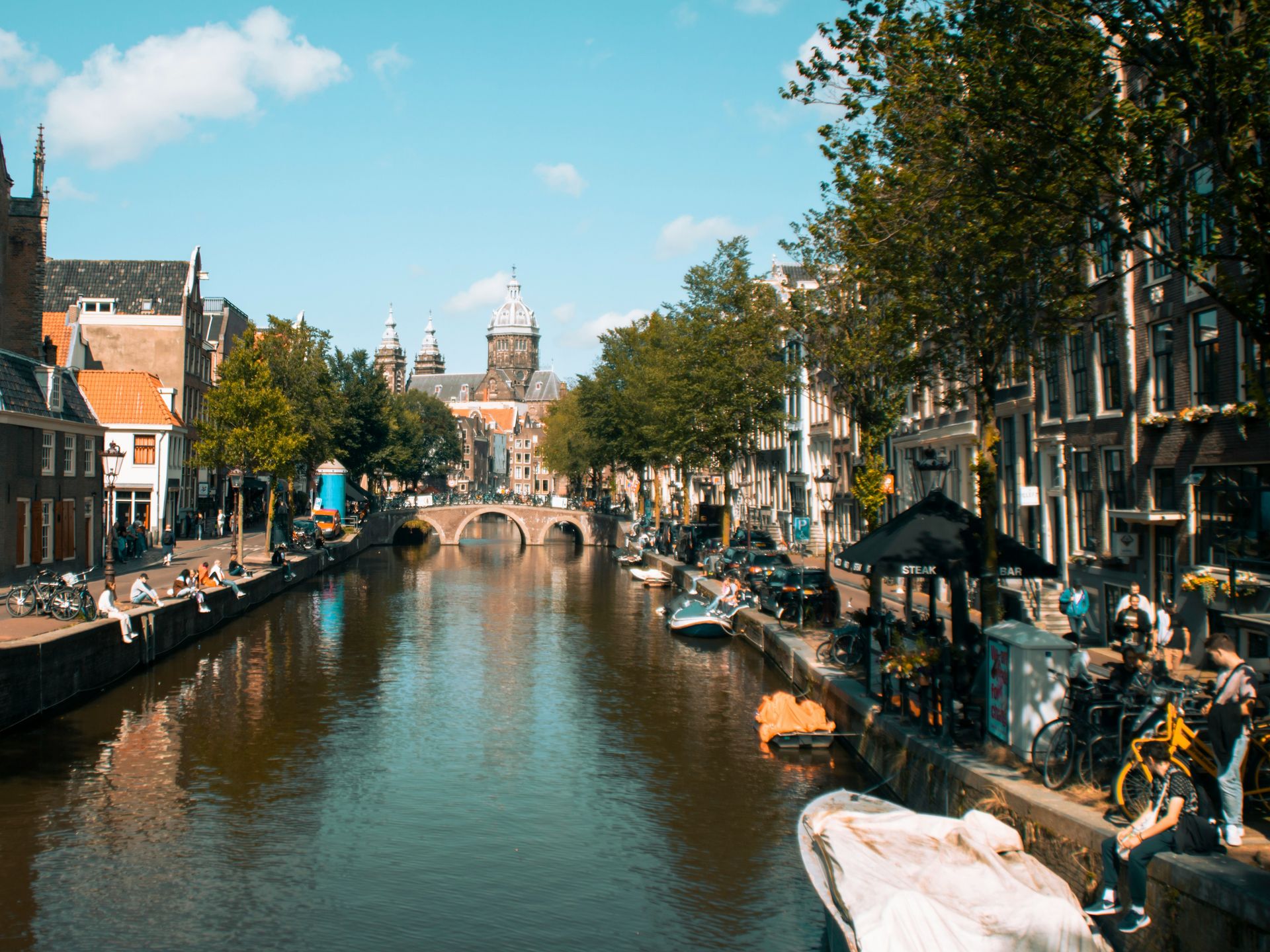
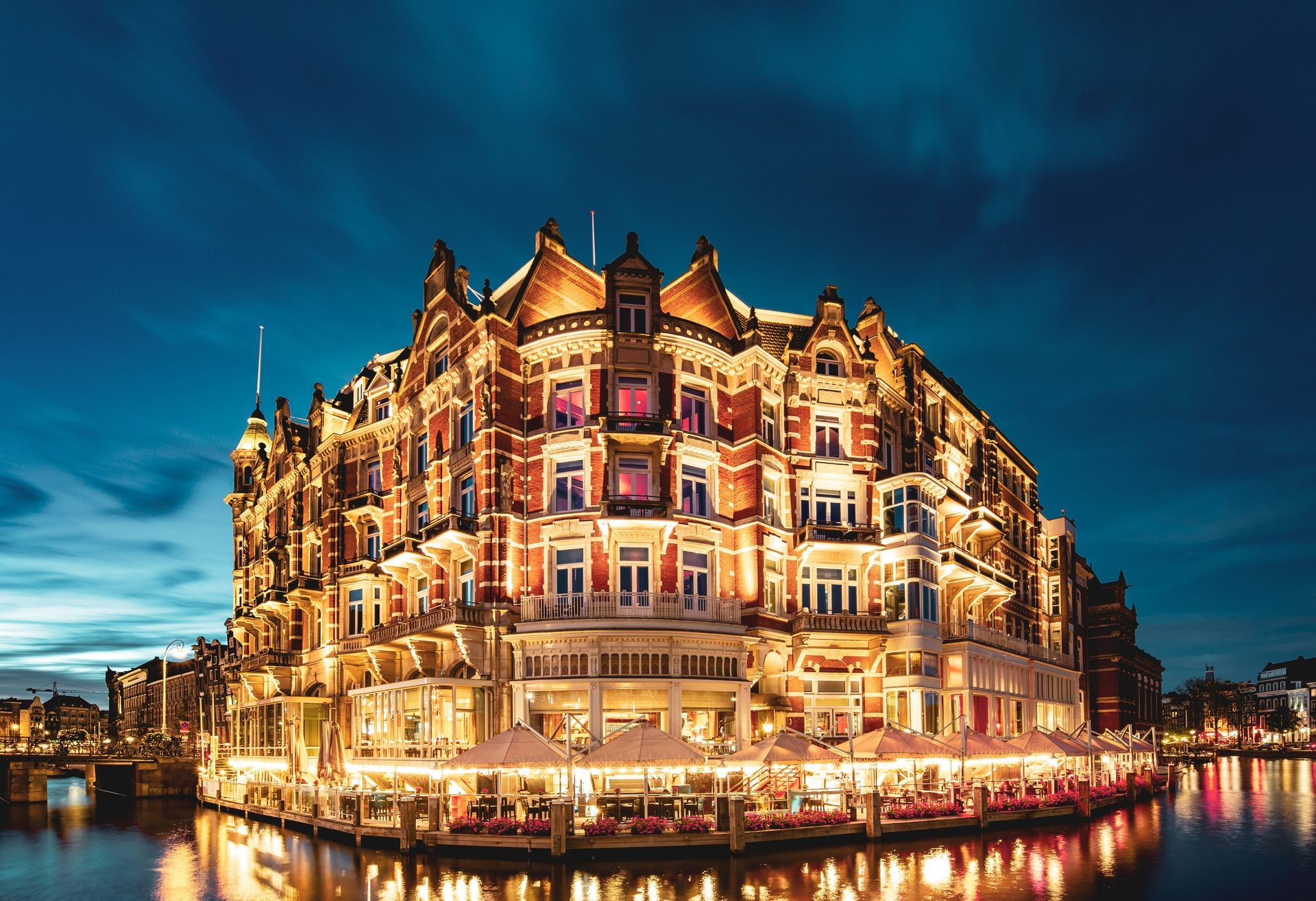
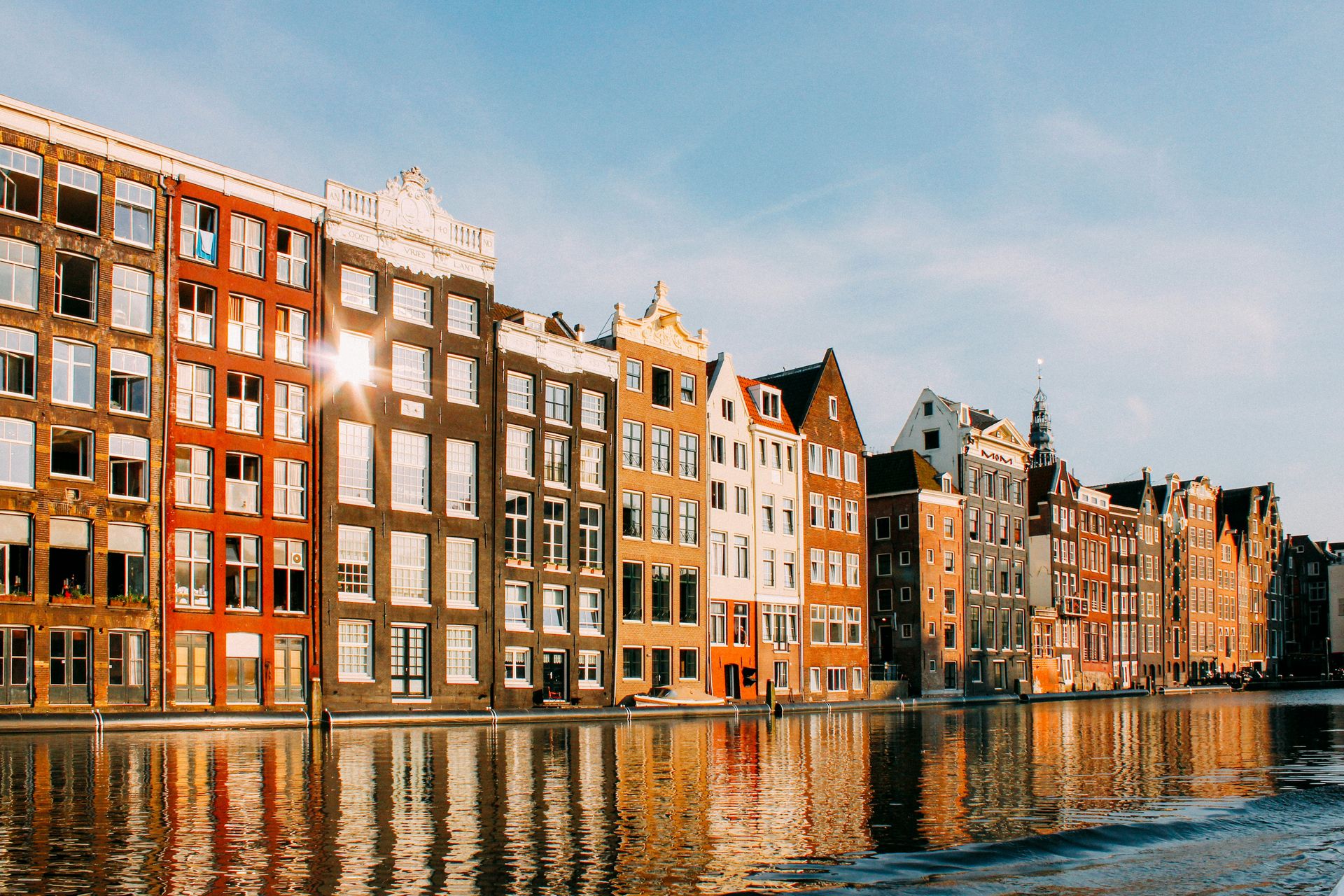
Amsterdam’s charming accommodations include wonderful spaces where architects have breathed genuine new life into old buildings throughout the city. Charm doesn’t come cheap, though, and space stays genuinely at a premium, making it worthwhile to reserve accommodations as far ahead as possible regardless of the specific season.
Travelers $TRV who love centuries-old canal houses and want easy access to bars and entertainment should find a spot in the noisy Medieval Centre, Red Light District, or busy Southern Canal Ring neighborhoods, all of which stay genuinely close to the action throughout the evening. The atmospheric Western Canal Ring and Jordaan neighborhoods sit close to popular sights while offering a somewhat calmer overall atmosphere than the busiest central districts.
Travelers seeking something considerably more peaceful should head toward the quiet residential streets of Oosterpark, which trade some central convenience for a genuinely more local, less touristy neighborhood feel. This range of neighborhood personalities gives Amsterdam genuine flexibility depending on a traveler’s specific priorities around noise and proximity to nightlife.
Booking well in advance matters regardless of which specific neighborhood a traveler ultimately chooses, since limited space throughout the city keeps demand genuinely high across every season of the year. Travelers unfamiliar with the city’s layout should study a map of these specific neighborhoods before booking, since proximity to major sights varies considerably even within a relatively compact overall city. De Pijp, a genuinely trendy neighborhood south of the center, offers a good middle ground between central convenience and a more local, less touristy atmosphere than the busiest canal districts. Travelers should also read recent neighborhood-specific reviews before booking, since noise levels and general atmosphere can shift meaningfully even within a single district depending on the exact block. A printed map also helps considerably for navigating the city’s winding, canal-lined streets. A light jacket also helps considerably given the genuine temperature swings between canal-side breezes and sheltered streets. Earplugs also help for lighter sleepers.
redcharlie / Unsplash
Amsterdam’s tourist tax adds 12.5% to the cost of accommodations per night, and this fee becomes payable directly on arrival instead of getting built into the advertised room rate shown during booking. Factoring this genuinely significant fee into an overall travel budget helps avoid an unwelcome surprise at check-in.
This particular tax structure means the final accommodation cost often runs meaningfully higher than the initial booking price alone might suggest, and travelers comparing prices across different cities should account for this addition specifically when budgeting for an Amsterdam stay. Failing to plan for this fee can genuinely throw off an otherwise carefully calculated travel budget.
Some booking platforms display the tourist tax upfront during the reservation process, while others leave it as a separate charge collected at the property itself. Confirming exactly how a specific booking handles this fee ahead of arrival helps travelers avoid genuine confusion at check-in.
This tax applies consistently across accommodation types throughout the city, so travelers can’t simply avoid it by choosing a specific type of lodging over another within Amsterdam itself. Travelers $TRV booking through third-party sites specifically should double-check whether the displayed price already includes this tax, since presentation varies considerably between different booking platforms. Some municipalities throughout the Netherlands apply slightly different tourist tax rates, so travelers combining an Amsterdam stay with visits to other Dutch cities should budget for potentially varying fees along the way. Travelers should also keep a copy of their booking confirmation handy at check-in, since some properties request proof of the originally quoted rate before collecting the tax separately. Keeping receipts organized also helps considerably when reconciling a final travel budget after the trip. A dedicated travel budgeting app also helps considerably for tracking these genuinely additional fees across multiple separate bookings. A separate, dedicated folder for receipts also helps considerably during the trip itself and shortly afterward. A backup payment card also helps, just in case.
Frans Ruiter / Unsplash
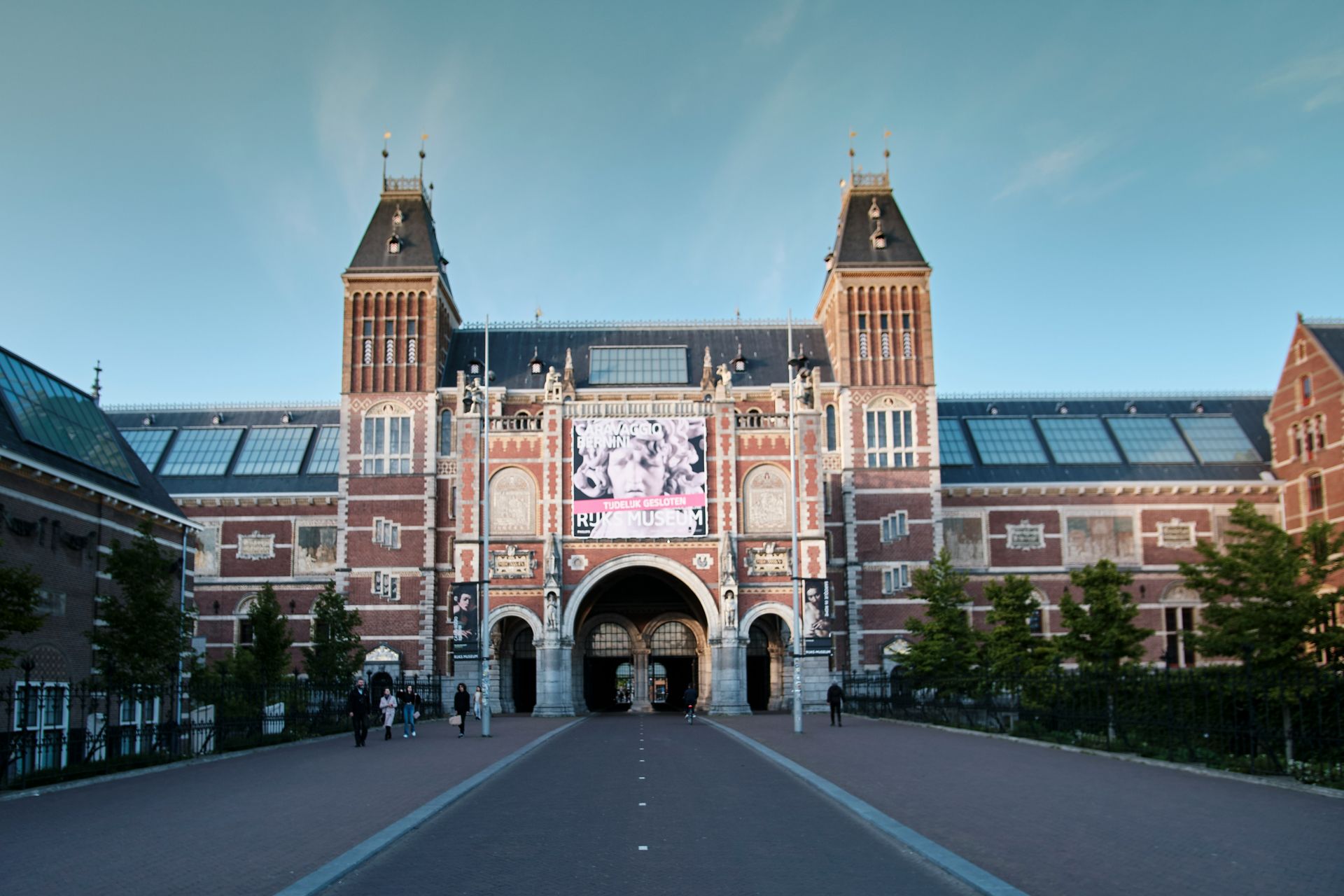
At Amsterdam’s major museums, planning for genuinely long lines matters considerably, especially during the high season spanning June through August. Timed tickets, most of which can be downloaded directly to a phone, remain available for popular sights such as the Anne Frank Huis and the Van Gogh Museum, and travelers should purchase these at least six weeks beforehand to guarantee entry.
This advance-booking requirement catches many first-time visitors off guard, since travelers accustomed to simply showing up at museums in other cities may not expect Amsterdam’s most popular sights to sell out this far ahead of a planned visit. Checking ticket availability well before finalizing other trip details genuinely helps avoid disappointment.
Museums throughout Amsterdam, beyond just the two most famous sights, also draw considerable crowds during peak season, so travelers with a specific must-see list should research advance booking requirements for each museum instead of assuming only the biggest names require early tickets.
Travelers $TRV visiting during the quieter fall or winter months should still book ahead when possible, though the considerably shorter lead time required outside peak summer season gives these travelers genuinely more flexibility than summer visitors typically enjoy. Travelers should also check whether specific museums offer combined tickets covering multiple sights, since bundling entries sometimes saves both money and the hassle of booking each museum separately. The Rijksmuseum and Stedelijk Museum also draw considerable crowds during peak season, even though they don’t always get mentioned alongside the Anne Frank House and Van Gogh Museum as must-book sights. Travelers should also download tickets to their phones ahead of arrival, since relying on hotel WiFi or spotty mobile data at the museum entrance can cause unnecessary delays. A portable phone charger also helps considerably for keeping timed tickets accessible throughout a busy sightseeing day. A backup paper printout of tickets also helps considerably in case a phone battery genuinely dies unexpectedly during the day. A dedicated lanyard or pouch for tickets also helps keep everything organized and quickly accessible.
Dana Marin / Unsplash
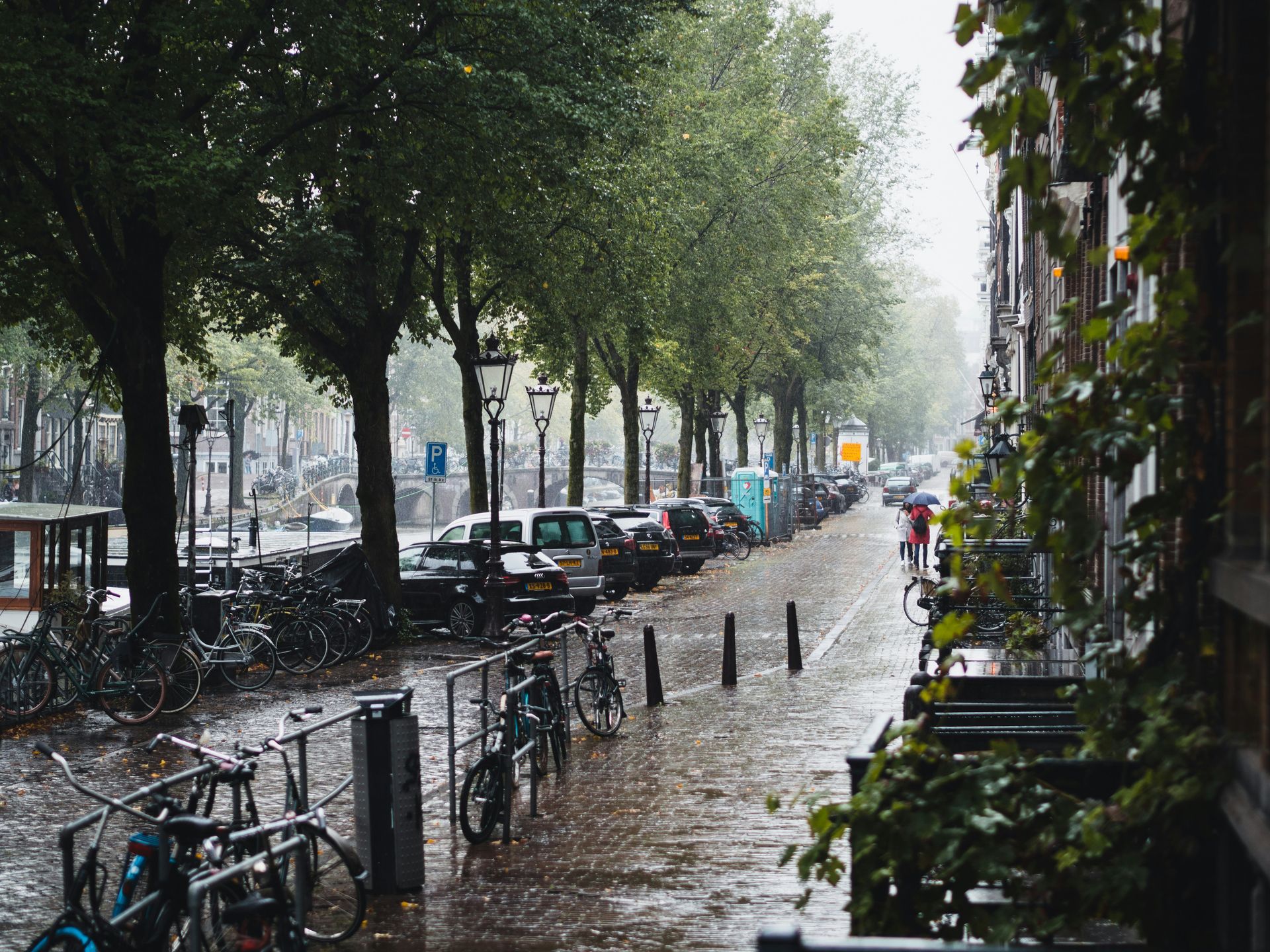
Practical clothing genuinely gets travelers far in Amsterdam, a city where people dress hip but casual, favoring jeans paired with nice sneakers or boots, and mixing and matching layers year-round since the weather stays genuinely unpredictable throughout most seasons. A light trench coat or windbreaker jacket proves essential for every season besides winter, when a proper coat and considerably warmer gear become necessary instead.
This unpredictable weather pattern means travelers packing for an Amsterdam trip should prioritize layers over any single heavy or light garment, since conditions can genuinely shift within a single day regardless of the overall season. Checking a detailed forecast shortly before departure helps travelers fine-tune exactly which layers to prioritize packing.
Comfortable, weather-appropriate footwear matters just as much as outerwear, since Amsterdam’s cobblestone streets and considerable walking or cycling distances reward practical shoes over anything purely stylish but impractical. This practical approach helps travelers avoid genuine discomfort during long days spent exploring the city.
Travelers $TRV visiting specifically during winter should budget for genuinely warm gear beyond a simple jacket, since Amsterdam’s winter climate, while rarely extreme, still brings a persistent damp cold that thinner layers struggle to handle comfortably. Travelers should also pack a compact umbrella regardless of season, since Amsterdam’s rain showers tend to arrive suddenly and often pass just as quickly. Waterproof shoes or boots also genuinely help during wetter months, since Amsterdam’s cobblestone streets can turn genuinely slick and puddle-prone after even a brief rain shower. Travelers should also pack a compact daypack specifically for carrying extra layers throughout the day, since temperatures can shift enough between morning and afternoon to require adding or removing clothing. A packable rain cover also helps considerably for protecting a daypack during sudden downpours. A compact travel umbrella also helps considerably given how quickly Amsterdam’s weather can genuinely shift without warning. A packable, lightweight tote bag also helps considerably for carrying removed layers throughout the entire day.
Javier M. / Unsplash
Lodging should be secured at least four months before a planned trip, especially for travelers visiting during summer or over a weekend, since demand during these peak periods climbs considerably faster than many travelers expect. This advance timeline gives travelers genuine flexibility in choosing from the widest possible range of accommodation options.
Seats at must-visit restaurants deserve similar advance planning, and travelers should square these away at least two weeks ahead of a planned visit to guarantee a table at the most popular spots throughout the city. Waiting until arrival to book dinner reservations at genuinely popular restaurants often means settling for less desirable time slots or missing out entirely.
This pattern of advance booking extends across nearly every popular experience in Amsterdam, reflecting the city’s genuine popularity among both leisure travelers and business visitors throughout the year. Travelers $TRV hoping to spontaneously wander into a top-rated restaurant without any prior planning should expect considerably more difficulty than in less popular destinations.
Building a rough itinerary before departure, including which specific restaurants matter most, genuinely helps travelers prioritize which reservations to lock in first when advance booking windows first open. Travelers with flexible dates should consider shifting a visit slightly outside peak weekend or summer windows, since even a few days’ difference can meaningfully improve booking availability and pricing. Popular canal cruise operators also benefit from advance booking specifically, since the most scenic evening departures during summer months tend to sell out considerably faster than daytime alternatives. Travelers should also set calendar reminders for when specific booking windows open, since some popular restaurants and tours release reservations on a fixed schedule well before the actual visit date. A shared travel calendar also helps considerably for couples or groups coordinating multiple reservations together. Saving confirmation emails offline also helps in case of genuinely spotty connectivity while traveling abroad. A shared, easily accessible document also helps considerably for group trips juggling multiple separate hotel bookings.
Maryna Nikolaieva / Unsplash
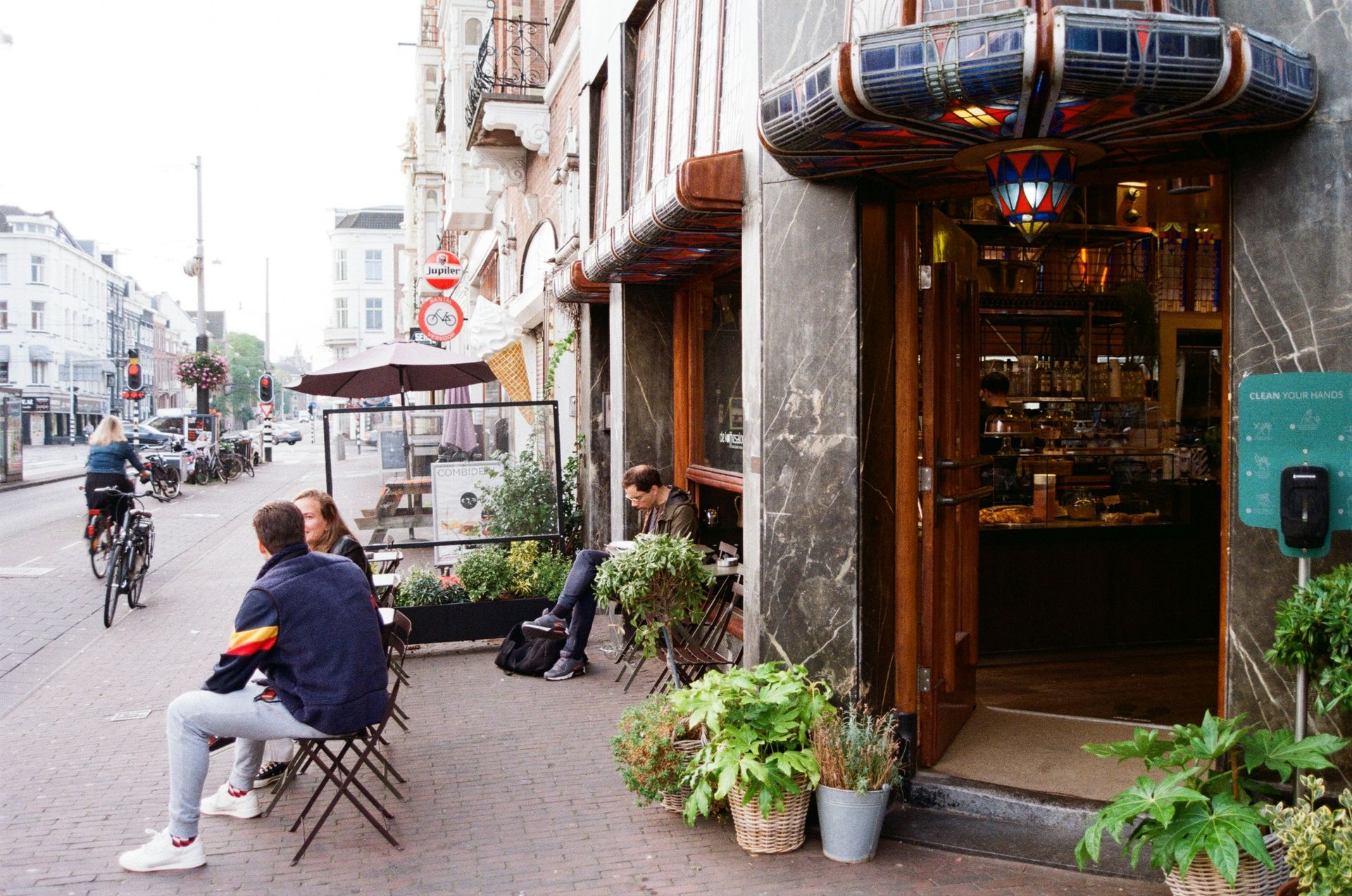
A growing number of Amsterdam’s cafes and restaurants have gone genuinely cashless in recent years, while some of the more traditional, older establishments, such as bruin cafés, or brown cafes, may not accept cards at all. Carrying a genuine mix of cash and cards throughout a visit helps travelers navigate this inconsistent payment landscape without getting caught unprepared at any single establishment.
This uneven adoption of digital payment methods reflects a broader tension throughout Amsterdam between modernizing businesses and older establishments that have deliberately kept their traditional character, including their payment practices, largely unchanged over the decades. Travelers $TRV should genuinely expect this variation instead of assuming consistency across every business they visit.
Smaller markets, older bars and certain family-run establishments throughout the city rank among the most likely places to require cash specifically, so keeping a reasonable amount of Euro cash on hand throughout a visit helps avoid awkward moments when a card gets declined unexpectedly.
Travelers relying primarily on cards should still withdraw a modest amount of cash upon arrival, since running into a cash-only establishment without any backup payment method creates genuine inconvenience that a small amount of advance preparation easily avoids. Travelers should also confirm which specific currency their card charges in advance, since dynamic currency conversion offered at some payment terminals can add unnecessary extra fees. ATMs throughout the city remain widely available for travelers who arrive without cash, though checking current withdrawal fees with a home bank beforehand helps avoid unexpectedly high charges. Travelers should also notify their bank of international travel plans before departure, since unexpected foreign transactions can sometimes trigger automatic security holds on a card. A small coin purse also helps considerably for keeping loose change organized throughout the day. A backup card from a genuinely different bank also helps considerably in case one card gets unexpectedly declined. Small-denomination bills also help considerably at smaller, genuinely cash-only local establishments.
-1920x1280.jpg)
Gio / Unsplash
Dutch locals have grown genuinely tired of Amsterdam’s reputation as a destination for bachelor parties and bad behavior, and authorities have taken real steps to curtail the effects of rowdy visitors throughout the city. Acting sensibly matters considerably for travelers hoping to avoid disapproving looks and genuinely awkward conversations with locals or authorities alike.
Smoking marijuana and drinking in public remain illegal and are considered genuinely poor etiquette by Amsterdam natives, reflecting a broader effort to distinguish the city’s actual local culture from its sometimes exaggerated tourist-driven reputation. Similarly, taking photos of sex workers throughout the Red Light District stays strictly prohibited, and violating this specific rule can lead to genuinely serious consequences.
This crackdown on rowdy tourist behavior reflects years of accumulated frustration among Amsterdam residents, who increasingly feel that certain visitor behaviors disrespect both local laws and the everyday life of people actually living in the city. Travelers $TRV genuinely respectful of these boundaries tend to have a considerably smoother experience overall.
Understanding these specific rules before arrival, instead of learning them through an uncomfortable encounter with authorities, genuinely helps travelers avoid becoming part of the exact problem locals have grown increasingly frustrated with over recent years. Travelers should also research current local regulations before their trip, specifically, since Amsterdam has continued adjusting rules around visitor behavior in response to ongoing resident complaints. Recent years have brought additional restrictions specifically targeting large tour groups and rowdy nightlife behavior throughout the city center, reflecting ongoing resident pushback against certain kinds of mass tourism. Travelers should also research current fines for specific violations before their trip, since penalties for public intoxication or other prohibited behavior can run considerably higher than visitors from other countries might expect. Reading up on local customs beforehand also helps considerably for avoiding unintentional missteps during a visit. A calm, respectful demeanor also helps considerably when interacting with local authorities or residents. A little extra patience also helps considerably during busier tourist areas.
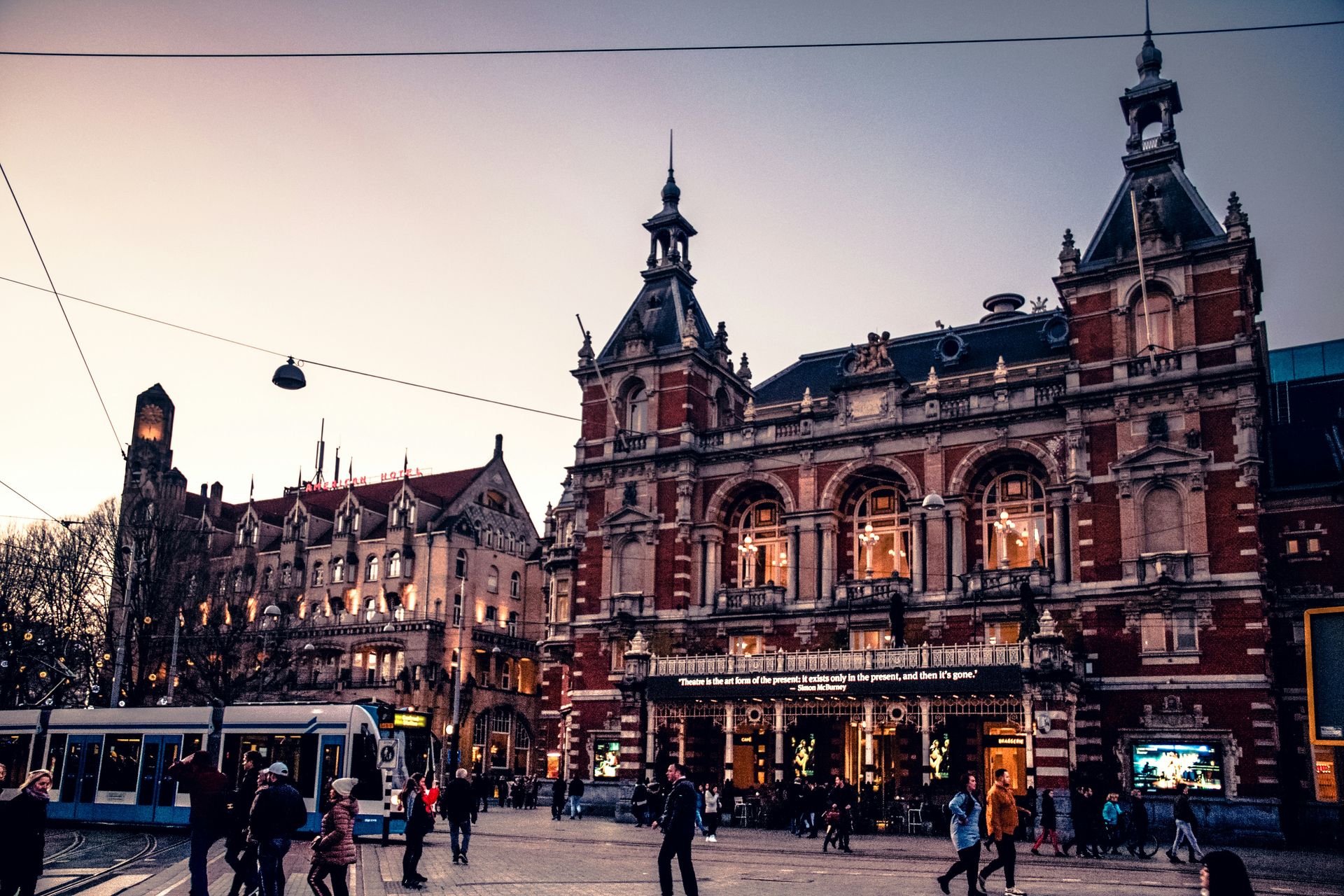
Luca Lago / Unsplash
Amsterdam’s businesses keep genuinely regular hours instead of staying open around the clock, and shops generally operate from 10am to 6pm, extending to 8pm for supermarkets specifically. Many shops and grocers don’t open on Sundays at all, except within busy tourist areas such as Nieuwendijk and Kalverstraat, where extended hours genuinely cater to visitor demand.
Coffee shops tend to open in the morning and close around midnight, giving travelers a genuinely wide daily window to visit, while bars and clubs stay open considerably later, running until 3 or 4am depending on the specific venue and night of the week. This range of operating hours across different business types gives Amsterdam genuine flexibility depending on what a traveler specifically wants to do at a given hour.
This departure from the 24/7 city stereotype surprises some first-time visitors, particularly those expecting the same round-the-clock convenience found in certain other major global cities. Planning meals, shopping, and errands around these genuinely regular hours helps travelers avoid arriving somewhere only to find it closed unexpectedly.
Travelers $TRV hoping for late-night food or shopping specifically should research which particular establishments stay open later, since assuming general 24/7 availability throughout Amsterdam will genuinely lead to disappointment on more than one occasion during a typical visit. Travelers should also check specific holiday closures before planning a day around a particular shop or restaurant, since Dutch public holidays can affect standard opening hours throughout the city. Late-night pharmacies and a handful of twenty-four-hour convenience stores do exist throughout the city, giving travelers genuine options for urgent needs even outside standard business hours. Travelers should also plan grocery shopping around specific weekday hours, since running out of essentials on a Sunday evening can prove considerably more inconvenient than in cities with more flexible retail hours. Checking a store’s specific hours online beforehand also helps considerably, rather than relying purely on general assumptions. A backup snack or two also helps considerably for evenings when nearby shops close earlier than expected.