
The most impressive aquariums in the U.S. right now
From Georgia Aquarium's 100-foot shark tunnel to a Connecticut facility where guests paint alongside resident seals
Peter Cade / Getty Images
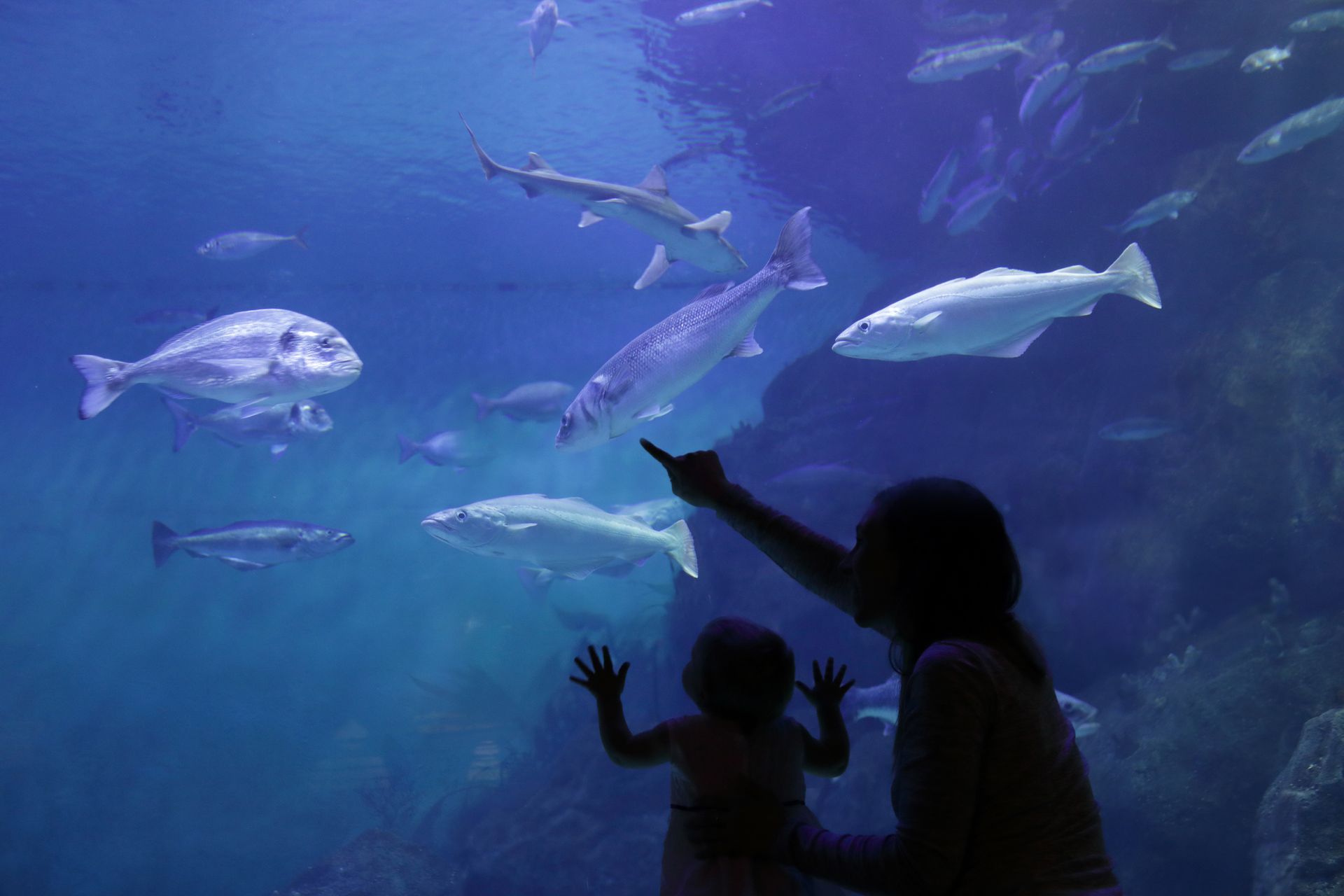
Walking into an aquarium feels like stepping through a wall. One side holds ordinary daylight, and the other holds an underwater world rendered in shifting blue light. The tanks do something no nature documentary manages: they shrink the distance between a visitor and creatures that would otherwise require an ocean voyage or a dive certification to encounter. Sea otters tumble past the glass. Jellyfish pulse in the dark. A shark drifts overhead through a tunnel, close enough to count its teeth. Aquariums have built entire architectures around these moments of contact, and the best ones in the country have refined that experience into something closer to a destination than an afternoon errand.
The U.S. aquarium landscape spans a wide range. Some facilities operate as pure entertainment venues: immersive, loud, and built for families with young children. Others run active research and rehabilitation programs that are open to the public, putting scientists and rescued animals in the same building as curious visitors. Most combine elements of both, and the differences between them shape the experience in ways that admission prices and exhibit lists don’t always capture. A first-time visitor to one aquarium and another may walk away feeling they went to fundamentally different kinds of places, even if both institutions feature sharks, touch tanks, and jellyfish exhibits.
All 16 aquariums on this list hold accreditation from the Association of Zoos and Aquariums, a body that sets and enforces minimum standards for animal welfare, care, and management. U.S. News & World Report selected the institutions below based on exhibit quality, unique experiences, and the breadth of species and programming on offer. The 10 entries below represent the most distinct and well-documented facilities on the full list of 16 AZA-accredited institutions.
1. Georgia Aquarium features a 100-foot underwater tunnel
weesen photos / Getty Images
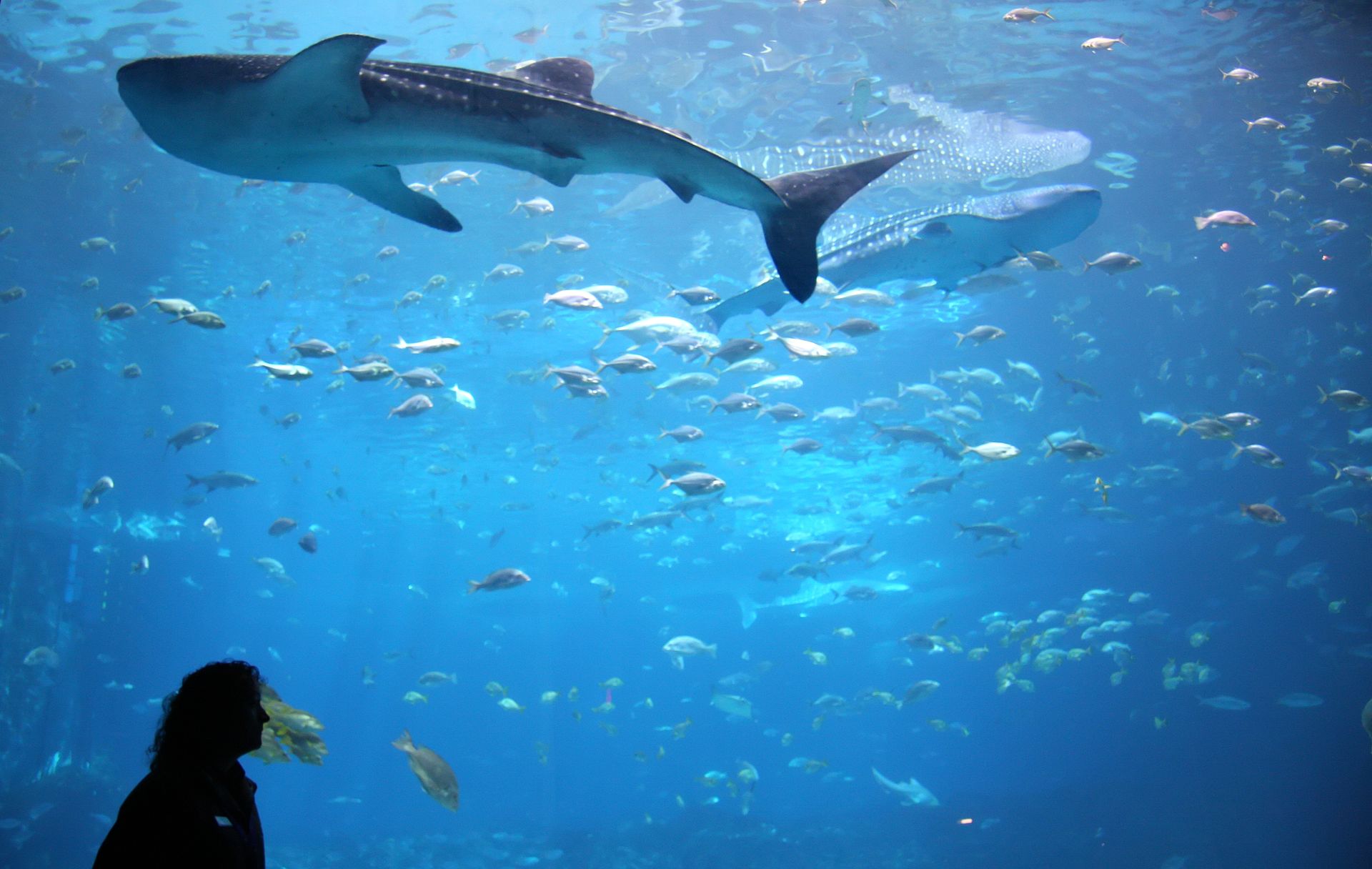
Georgia Aquarium in Atlanta anchors its visitor experience in the Ocean Voyager exhibit, a 100-foot walk-through tunnel that immerses guests in a tank displaying more than 50 species. The exhibit gives visitors a sustained, close-up view of large marine life moving through the water above and around them. A standard tank viewing window cannot replicate that spatial relationship. The aquarium’s full roster of animals extends to beluga whales, dolphins, sea lions, and penguins, covering a wider range of marine mammals than most facilities on this list.
The newly opened Explorers Cove adds an interactive layer to the experience. Two touch pools give visitors direct contact with rays and sturgeon, and an interactive technology station lets guests design their own fish and watch a digital version swim across a screen, a feature aimed at younger visitors who want to participate in the exhibit, not just observe it. The aquarium also runs ticketed dolphin and sea lion enrichment sessions that go beyond standard show formats, focusing instead on the animals’ care and the work of their handlers.
Animal encounter experiences extend the programming further. A sea otter encounter and a behind-the-scenes dolphin training session give guests direct access to animals and their care teams, with a stated emphasis on conservation education and fostering positive connections between humans and marine life. Both experiences carry an additional fee. Visitors consistently advise arriving early in the day, particularly on weekends, when crowds build quickly around the more popular exhibits. The Ocean Voyager tunnel, the interactive Explorers Cove, and the encounter programming together give Georgia Aquarium more distinct experience layers than most facilities of its kind. The tunnel alone covers more than 50 species in a single walk-through, giving visitors a sustained view of the ecosystem across a continuous walk, not a series of isolated tank panels. The early-arrival advice from past visitors reflects real crowd pressure at a facility that draws significant volume year-round, particularly on weekends when the dolphin and sea lion sessions book out.
2. Monterey Bay Aquarium houses a 28-foot kelp forest
Galen Rowell / Getty Images
Monterey Bay Aquarium in Monterey, California, runs one of the most recognized aquatic conservation programs in the country alongside a public facility that covers species from African penguins and sea otters to tufted puffins and starfish. The institution’s stated mission extends beyond exhibition to protecting California’s ocean and developing the next generation of conservation leaders, a purpose that distinguishes it from facilities oriented primarily toward entertainment. Visitors arrive at a working conservation institution that is open to the public.
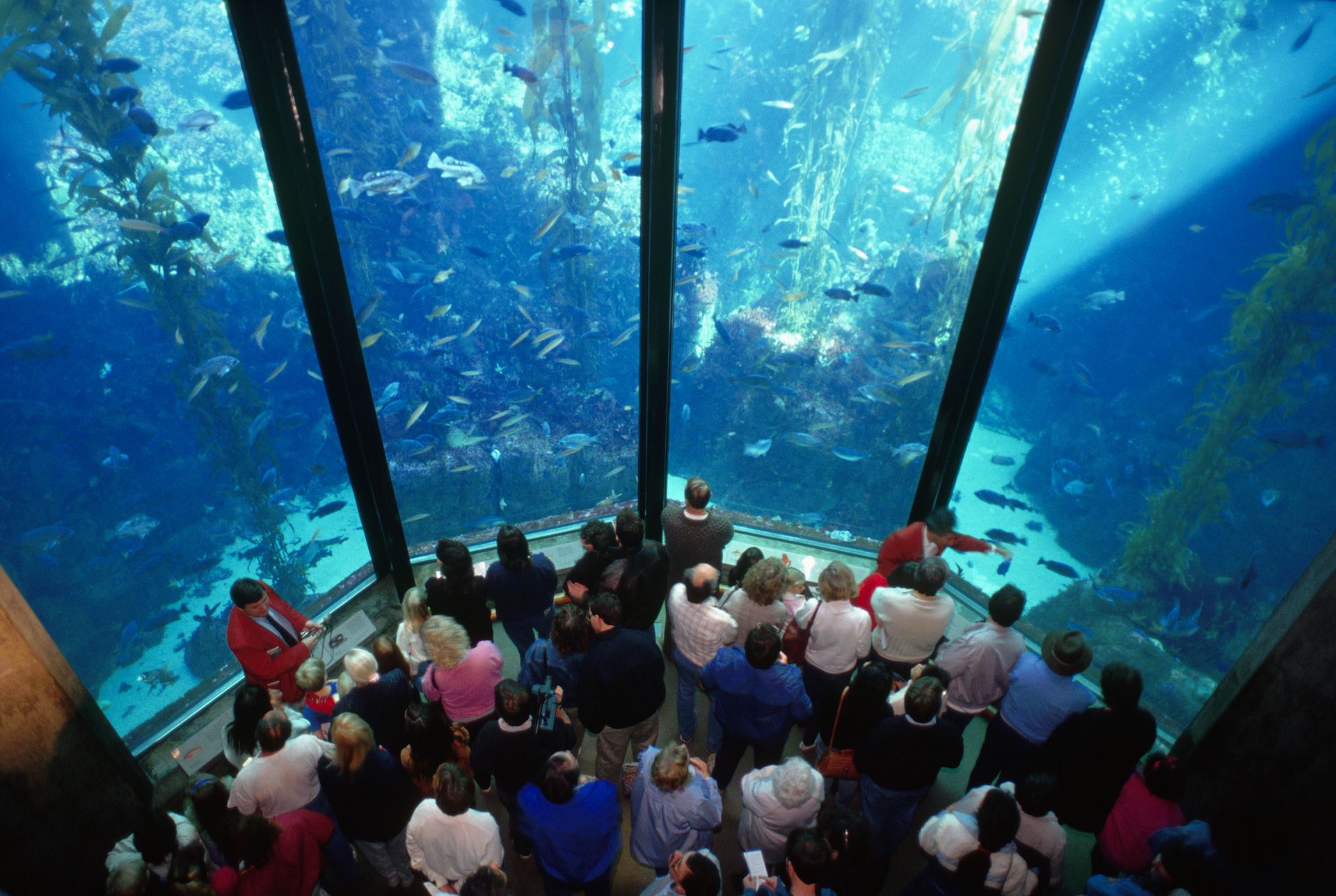
The Kelp Forest exhibit stands 28 feet tall, placing it among the tallest aquarium exhibits in the world. The scale of the structure allows the display to show kelp in something closer to its natural proportions, giving visitors a sense of the dense vertical habitat that kelp forests create in the wild. Into the Deep complements the Kelp Forest with a different kind of scale: the exhibit houses North America’s largest collection of deep-sea animals, including transparent, glowing jellyfish that represent species rarely seen at depth outside research contexts.
Feeding presentations and behind-the-scenes tours round out the programming. Sea otter and penguin feedings are scheduled throughout the day. A cafe on-site gives visitors a place to eat without leaving the building. Past visitors consistently flag the jellyfish exhibit as a highlight and warn that the facility draws large crowds, particularly during peak seasons. The aquarium’s location on Cannery Row in Monterey puts it within walking distance of the waterfront, providing a physical setting that reinforces the ocean-facing programming inside. The institution’s live webcams allow the public to observe specific animals between visits or as a planning tool before booking, extending the aquarium’s reach beyond its physical admission turnstile.
3. Adventure Aquarium holds the most sharks in the Northeast
gorchittza2012 / Getty Images
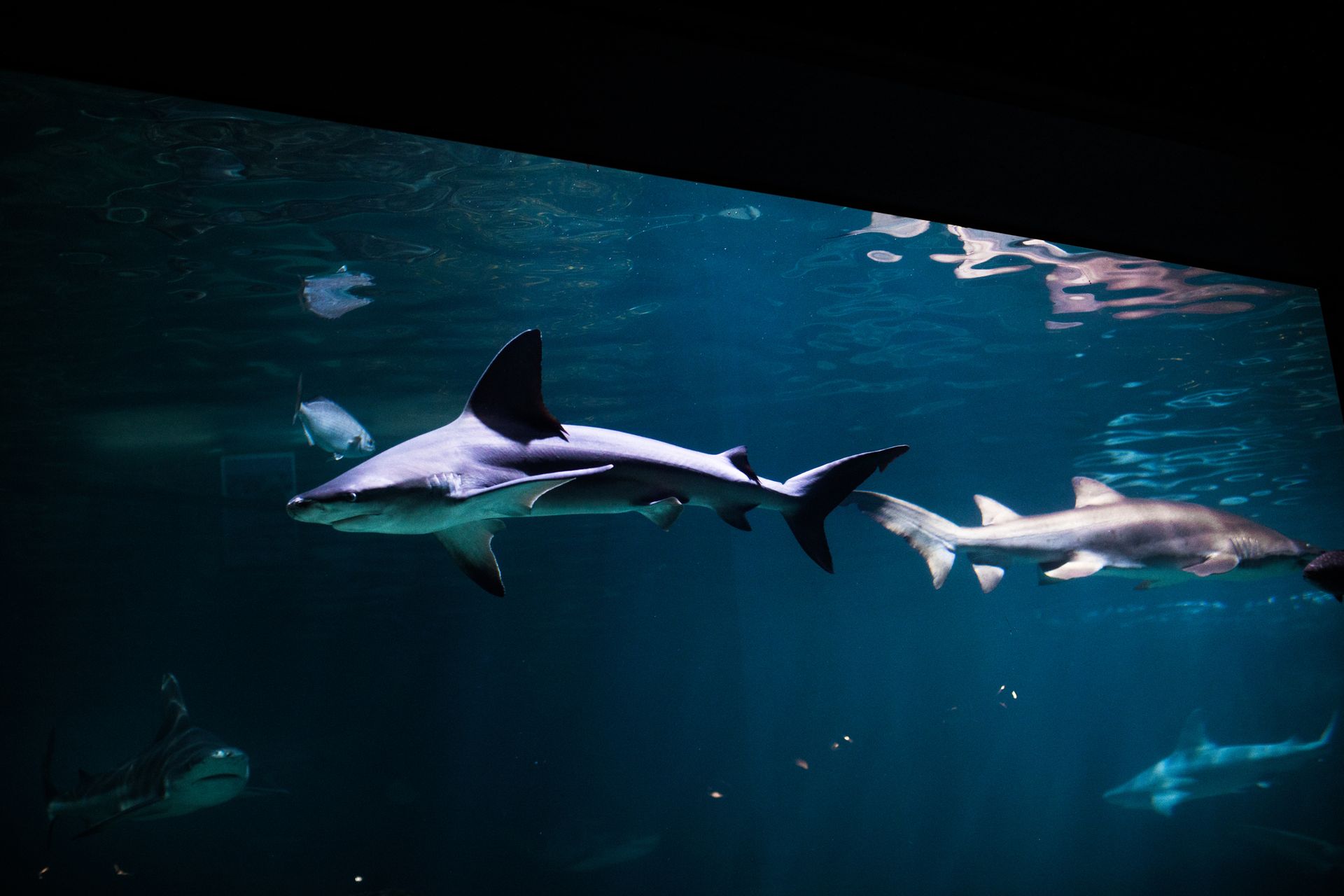
Adventure Aquarium, located on the Camden Waterfront in New Jersey, directly across the Delaware River from Philadelphia, holds the largest shark collection in the Northeast U.S. The Shark Realm exhibit contains two structures built specifically for shark viewing: the Shark Bridge, an 81-foot rope suspension bridge touted as the longest of its kind, and a 40-foot Shark Tunnel that positions visitors below the animals. Both structures give guests sustained, immersive exposure to the collection in ways that standard tank viewing does not.
The broader facility holds more than 7,000 species of fish across 2 million gallons of water. Hippo Haven adds a distinctive non-marine exhibit: guests can observe 3,000-pound hippopotamuses from above and below the waterline, a viewing configuration that makes the animals’ underwater movement visible in a way that above-water enclosures cannot. The KidZone interactive exhibits and the Penguin Park outdoor playground provide dedicated spaces for younger visitors that don’t compete with the adult-oriented shark programming.
The aquarium also houses a multisensory Piranha Falls exhibit and a 3D theater. Capacity limits apply to the facility, and advance online reservations are advisable before visiting. The shark collection’s scale, the structural commitment to immersive viewing in the Shark Bridge and Shark Tunnel, and the Hippo Haven exhibit together give Adventure Aquarium a roster of distinct offerings that set it apart from standard marine-focused facilities. Travelers $TRV coming from Philadelphia face a short crossing of the Delaware River to reach the Camden Waterfront location, making the aquarium a practical addition to a Philadelphia itinerary without requiring a significant detour. The advance reservation requirement reflects the aquarium’s capacity limits. The 7,000-species figure across 2 million gallons of water gives the facility a physical scale that matches the superlative status of its shark collection. Both numbers place Adventure Aquarium among the larger and more species-diverse facilities in the country.
4. Shedd Aquarium extends conservation to the Chicago River
Danny Cattan / Getty Images
Shedd Aquarium in Chicago carries a mission centered on compassion for animals and active conservation, and it translates that mission into programming that extends beyond the building. The aquarium offers guided summertime kayaking outings on the Chicago River, giving visitors a conservation ecotour on open water, not an indoor exhibit. The outing connects the institution’s mission to the urban waterway running through the city it occupies.
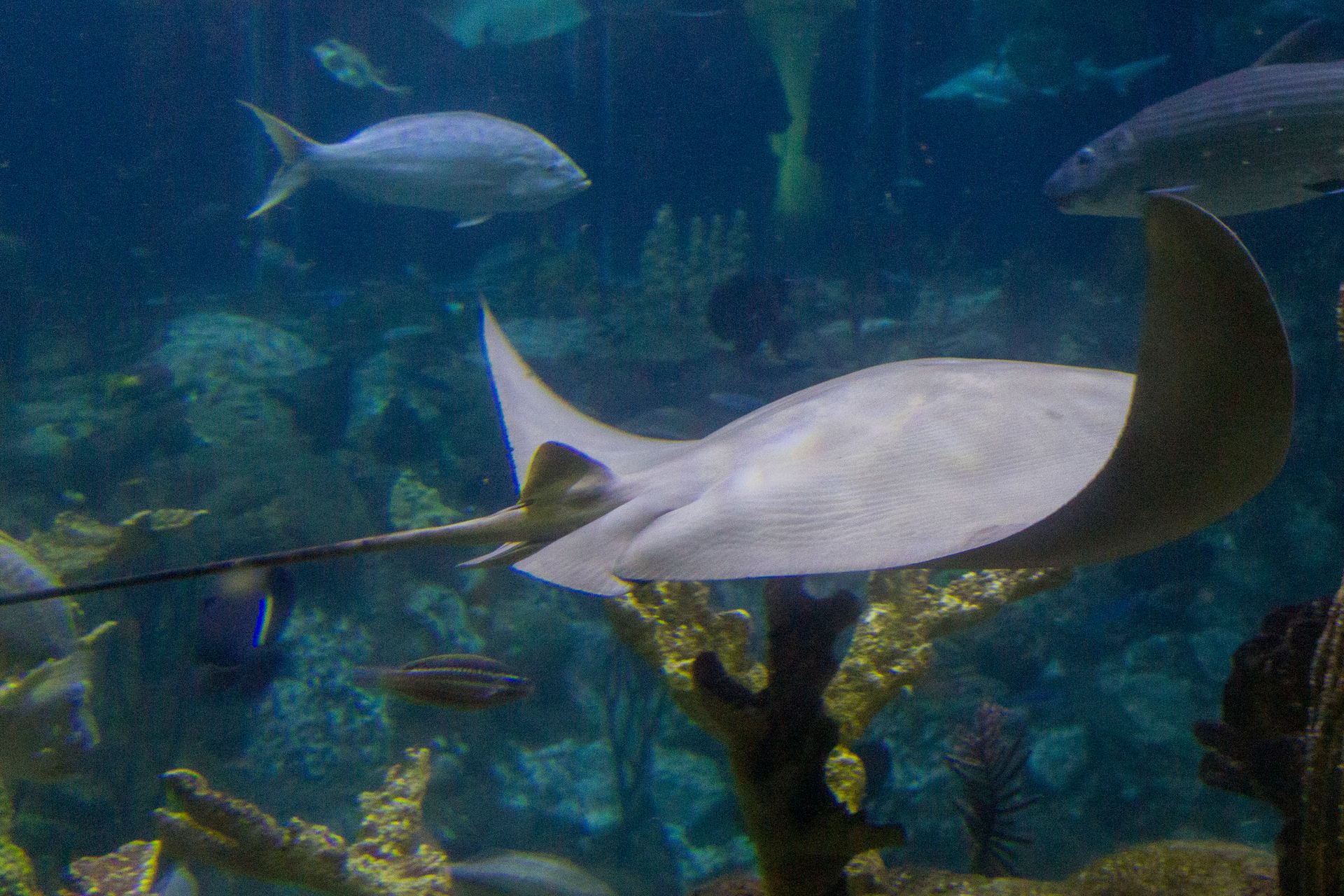
Inside the facility, the Abbott $ABT Oceanarium anchors cetacean programming, featuring Pacific white-sided dolphins, belugas, California sea lions, and sea otters, all visible from both underwater and above-water viewing areas. Animal encounter experiences are available with beluga whales, sharks, penguins, stingrays, and sea otters. The species roster for hands-on access exceeds that of most comparable facilities. The Polar Play Zone gives younger visitors a themed interactive space built around life at the North and South poles, featuring a kid-sized submarine, a touch pool for starfish, and an underwater viewing area.
The Wild Reef exhibit presents a living underwater ecosystem populated with colorful fish and sharks, distinct from the Oceanarium in both the species it contains and the habitat it simulates. A virtual reality experience allows guests to swim alongside humpback whales migrating to Antarctica or manta rays in Mozambique, an immersive format that puts Shedd’s programming in conversation with destinations far beyond the Chicago waterfront. The Polar Play Zone’s kid-sized submarine and starfish touch pool create a dedicated children’s section that operates independently of the adult-oriented Oceanarium programming, allowing families with mixed-age groups to split their time across different zones. The aquarium’s address on DuSable Lake Shore Drive places it within walking distance of Grant Park and the Museum Campus, making it a practical stop within a broader Chicago itinerary.
5. The Tennessee Aquarium is divided into two dedicated buildings
Ed Reschke / Getty Images
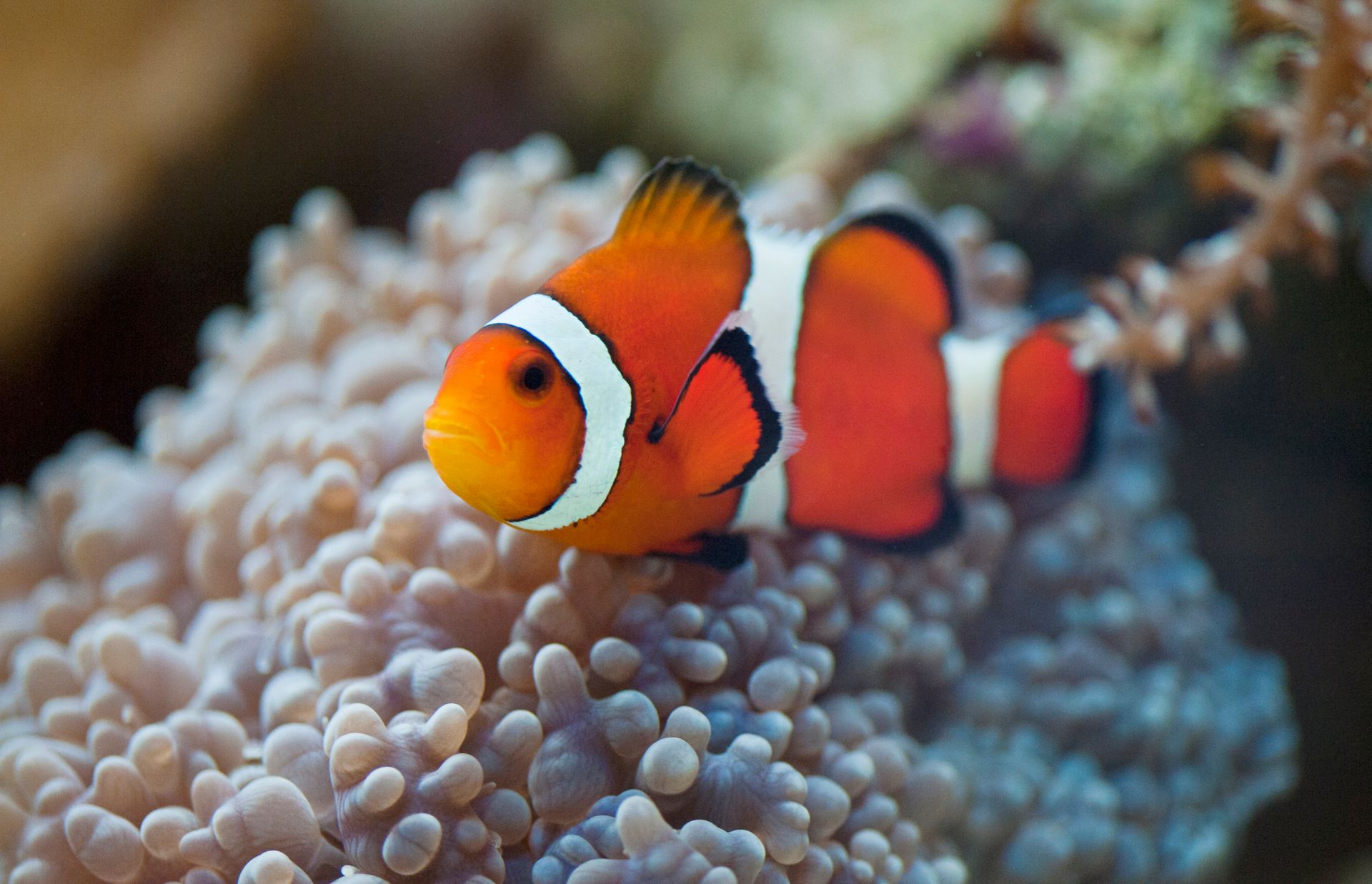
Tennessee Aquarium in Chattanooga separates its exhibits into two distinct buildings — one for freshwater species and one for ocean life — a structural decision that shapes the visitor experience from the moment of arrival. The layout allows each building to develop its habitat simulations without competing for space with the others, and recent visitors specifically cite the separation as a strength, praising both the design and the overall presentation of exhibits. The aquarium holds thousands of animals across the two buildings, including the macaroni penguin, sand tiger shark, alligator snapping turtle, hellbender, and giant Japanese spider crab.
The River Journey building features freshwater environments, including the Turtles of the World gallery, an Appalachian cove forest habitat, and the River Giants exhibit, among others. The selection prioritizes species and ecosystems specific to the region, giving the freshwater building a geographic identity rooted in the waterways of the American Southeast and Appalachian mountains. Ocean Journey takes a different approach, presenting a butterfly garden, a tropical cove habitat, and the Boneless Beauties exhibit alongside other ocean-focused displays.
The IMAX 3D Theater on the premises offers an additional screen-based programming option, separate from the exhibits. The Tennessee Aquarium Conservation Institute connects the facility to active conservation, education, and outreach work that visitors can engage with beyond the standard exhibit tour. The inclusion of the alligator snapping turtle and hellbender — both native to southeastern U.S. waterways — gives the River Journey building regional specificity that distinguishes it from freshwater exhibits built around more internationally recognizable species. Chattanooga’s location makes the aquarium one of the city’s top attractions and the most prominent freshwater-focused facility on this list. The two-building format enables it to cover both freshwater and marine ecosystems to a depth that single-building aquariums cannot match.
6. OdySea Aquarium offers a revolving aquarium experience
MysticEyeStudios / Getty Images
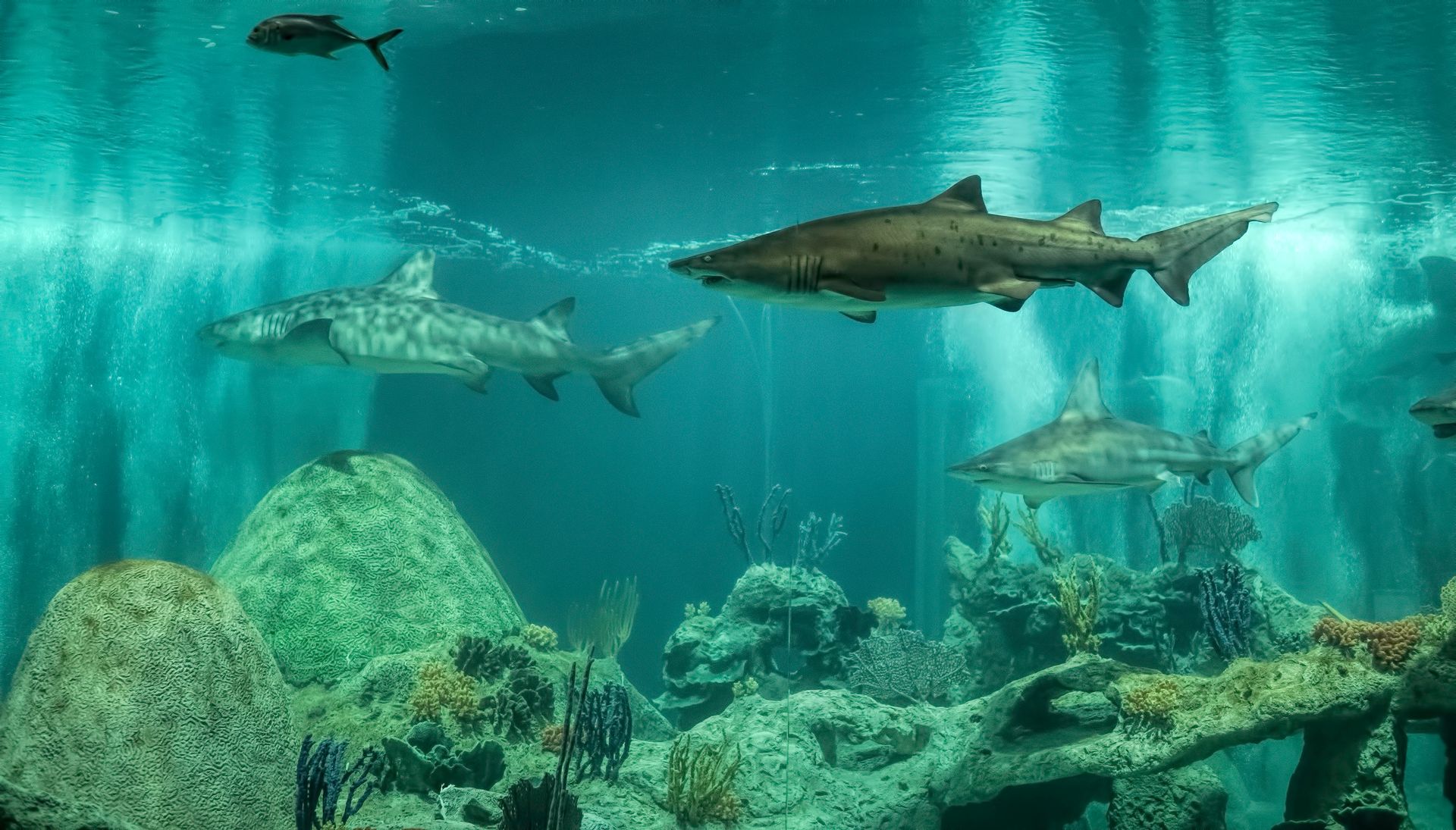
OdySea Aquarium in Scottsdale, Arizona, is located on the boundary of the Salt River Pima-Maricopa Indian Community and features more than 70 exhibits showcasing 300 species across a multilevel facility. The attraction most frequently highlighted by past visitors is the Voyager, described as the world’s only revolving aquarium experience: guests take stadium-style seats that rotate past 46-foot windows displaying sharks, sea turtles, groupers, stingrays, and sea lions during a narrated tour. The format removes the need for visitors to move through the exhibit at their own pace and instead brings the exhibit past them.
The facility’s dozen galleries include a Russian sturgeon touch exhibit, a feature so unusual that the source calls it distinct from the standard touch tank formats found at most aquariums. Special encounter experiences with penguins and sloths add programming for visitors who want direct animal access beyond the exhibit floor. The sloth encounter in particular gives OdySea a species in its programming roster that no other aquarium on this list offers.
A detail that past visitors consistently mention: OdySea replaced the mirrors above the bathroom sinks with windows into the shark exhibit. The design choice extends the aquarium’s immersive intent into a space most facilities treat as purely functional, and visitors find it memorable enough to specifically flag in reviews. Some guests found the general admission fee steep compared to their expectations. The aquarium’s more than 70 exhibits and 300 species across a dozen galleries give it enough breadth that the Voyager functions as a centerpiece within a full visit, not the entirety of one. The Voyager experience, the revolving seat format, the Russian sturgeon touch tank, and the shark-window bathrooms together give OdySea a physical and experiential identity that distinguishes it from aquariums built around more conventional exhibit configurations.
7. Aquarium of the Pacific draws 12,000 animals to one site
Nguyen Minh Tam / Getty Images
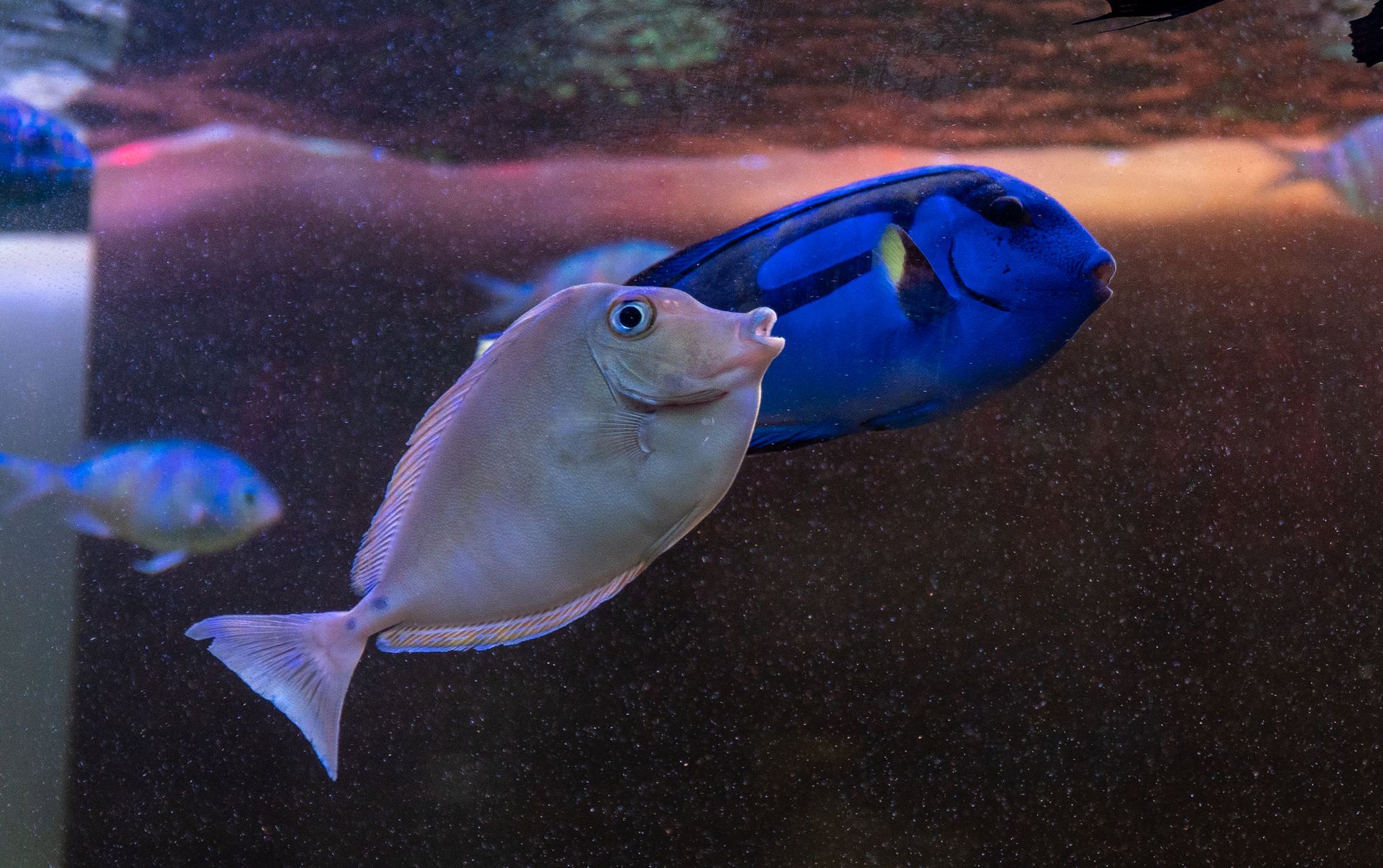
Aquarium of the Pacific in Long Beach holds Southern California’s largest aquarium designation, with more than 12,000 animals across 100-plus exhibits organized around three geographic regions: the tropical Pacific Ocean, northern Pacific waters, and the Southern California/Baja area. The regional structure gives the facility a curatorial logic that distinguishes it from aquariums organized solely by species type or habitat. Visitors move through the Pacific geographically, not taxonomically.
The Pacific Visions wing adds a technology and media layer to the experience, offering an interactive film, art, and technology environment separate from the live animal exhibits. The Lorikeet Forest aviary operates on a visitor-participation model: colorful lorikeets perch on guests’ shoulders or heads in exchange for hand-fed treats, turning a bird-watching space into an active interaction. The Molina Animal Care Center lets visitors observe what aquatic veterinary work looks like in practice, and the Our Water Future exhibit addresses fresh water sourcing and conservation, broadening the institution’s environmental scope beyond marine life.
Beyond the building, the aquarium offers naturalist-led harbor cruises to see whales, dolphins, seals, and sea lions in the open water off Long Beach, with wildlife availability varying by season. The three-region geographic structure, the Pacific Visions technology wing, the Lorikeet Forest participation format, the veterinary observation space, and the off-site harbor cruises give the Aquarium of the Pacific a programming range that makes it one of the more layered facilities on the West Coast. The naturalist-led harbor cruises depend on wildlife availability by season, making the timing of a visit a meaningful factor for travelers who want to include the open-water component. Past visitors consistently highlight the touch tanks, shows, and exhibits as the facility’s strongest in-building draws, making those areas the most advisable starting points for first-time visitors.
8. New England Aquarium operates its own ocean research arm
Connect Images / Getty Images
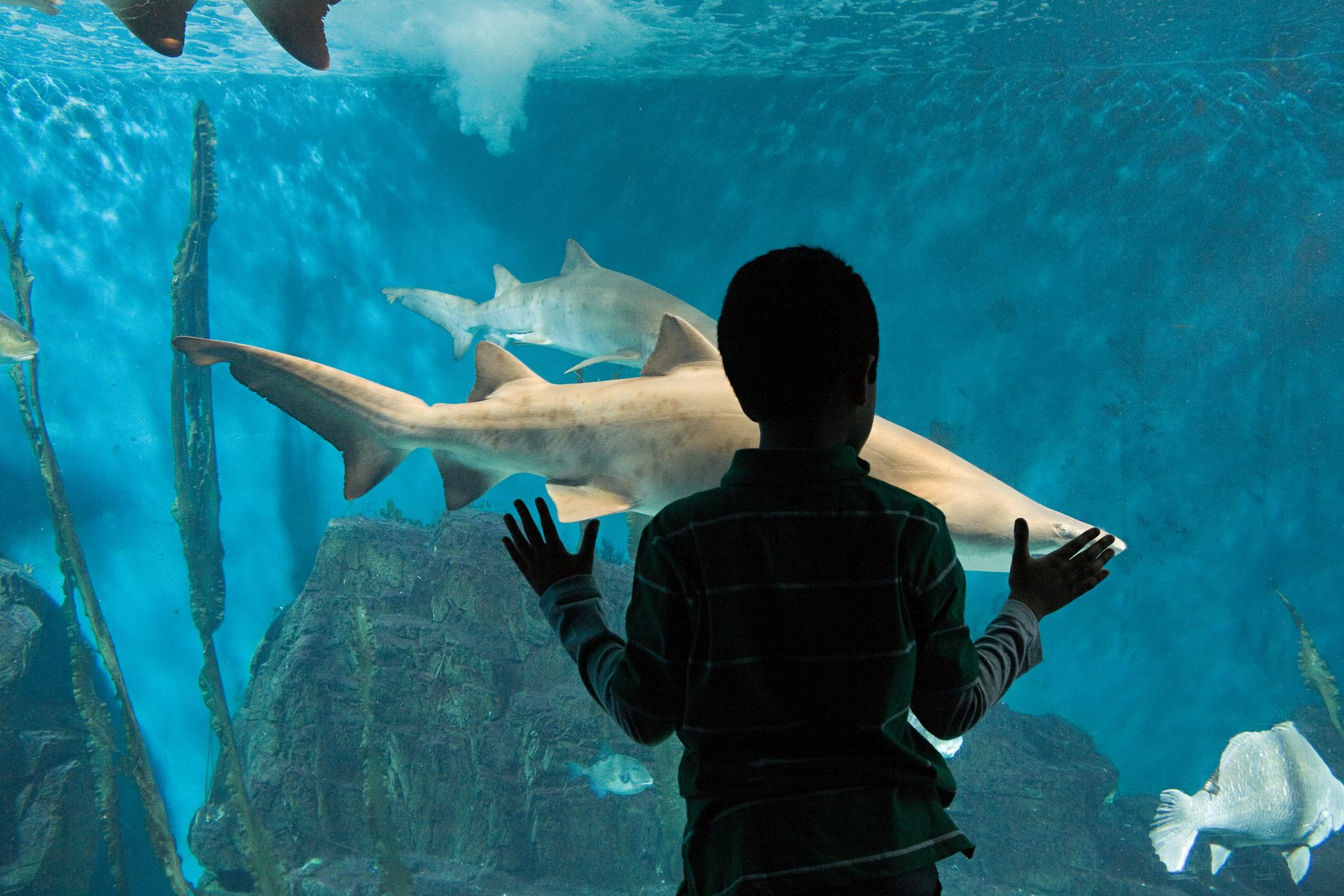
The New England Aquarium in Boston houses the Anderson Cabot Center for Ocean Life as its dedicated research division, an institutional structure that distinguishes it from facilities where conservation work is a stated value but not a permanent operational component. The Center runs active initiatives, including sea turtle rescue programs and efforts to protect North Atlantic right whales, a species whose survival depends on sustained scientific attention rather than periodic advocacy campaigns.
The public-facing exhibits include an Indo-Pacific coral reef habitat, an exhibit focused on Atlantic harbor seals, and an open-air space for seal and sea lion training. The four-story Giant Ocean Tank functions as the facility’s primary large-scale viewing structure, and the Simons Theatre houses a nearly five-story movie screen for large-format presentations. The scale of both structures gives the aquarium a vertical presence inside the building that smaller facilities cannot replicate.
Programming beyond the exhibits includes an art session with harbor seals and Boston Harbor whale- and dolphin-watching tours hosted directly by the aquarium. The harbor tour offers visitors the chance to see cetaceans in the wild, not in captivity. The programming choice aligns with the institution’s research mission and extends the aquarium’s reach to open water. The Anderson Cabot Center’s presence as a functioning research body makes New England Aquarium one of the few facilities on this list where the scientific work and the public programming share the same institutional roof, giving visitors a connection to active ocean research that purely exhibit-focused facilities cannot provide. The harbor seal art sessions offer a participation format distinct from standard animal encounter programs, placing creative activity at the center of the guest-animal interaction. Boston’s waterfront location gives the aquarium a setting that connects its indoor programming to the working harbor it overlooks.
9. Mystic Aquarium lets guests paint with resident seals
Douglas Klug / Getty Images
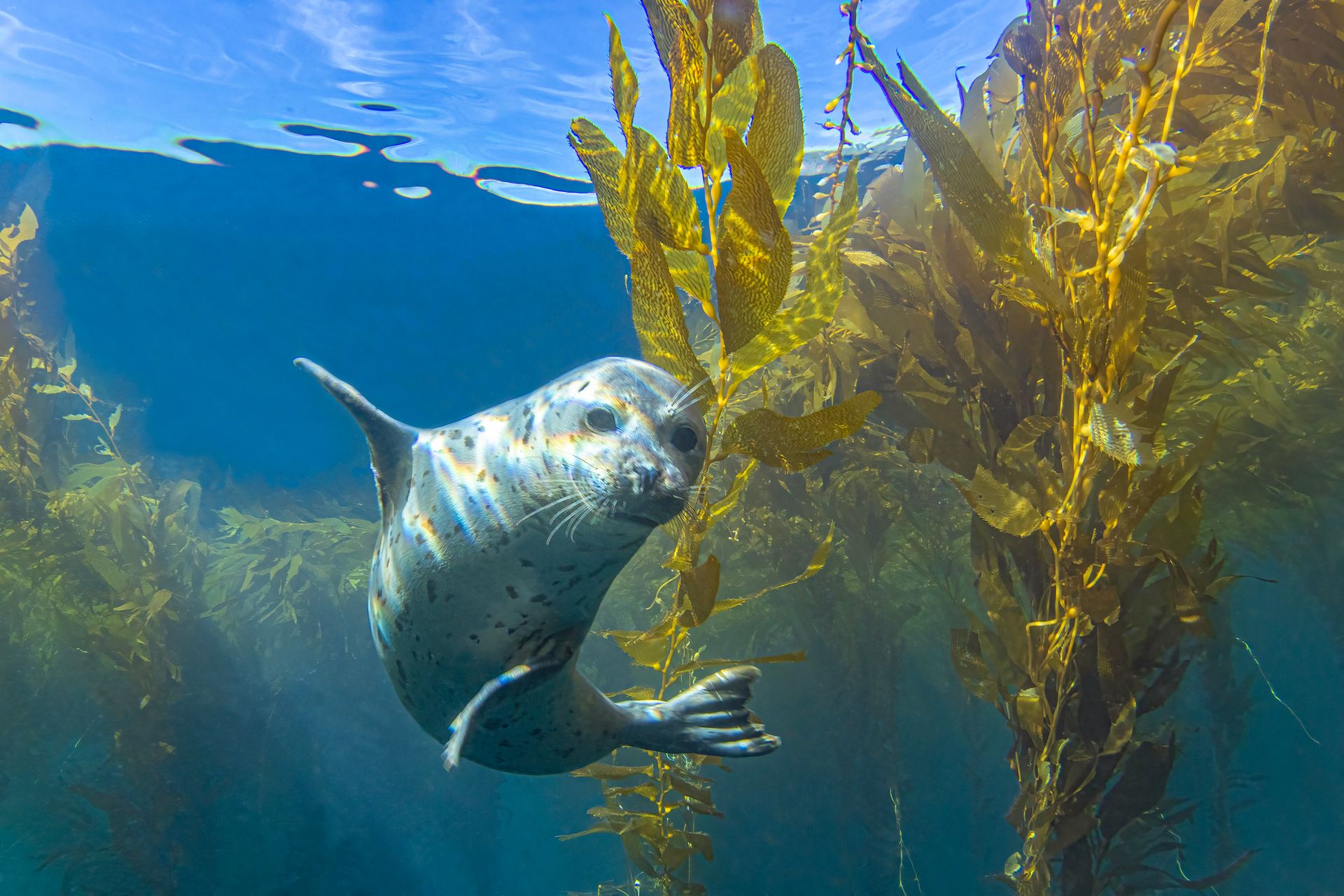
Mystic Aquarium in Mystic, Connecticut, houses more than 300 species, including African penguins, beluga whales, giant Pacific octopuses, spotted seals, and a live coral reef ecosystem. The indoor exhibit gallery centers on a 35,000-gallon tank stocked with eels, tangs, and other fish species. The Ocean Solutions gallery addresses the ocean’s role in climate science and offers a virtual interactive journey to the Northeast Canyons and Seamounts Marine National Monument.
Painting sessions with resident seals and sea lions stand out as a distinctive offering: guests book a time slot and create a painting alongside one of the animals, making it a participatory experience rather than a standard animal encounter. Encounter options include penguins, reptiles, and jellyfish, and the aquarium also runs trainer and marine biologist day programs for visitors who want structured immersion into how the facility operates behind the exhibit floor.
The Dino Seas addition adds a paleontological dimension to the aquarium, featuring two 4D movies, animatronic undersea dinosaurs, and other prehistoric marine creatures. Prehistoric and contemporary marine life in a single visit gives Mystic a programming range that most aquariums don’t attempt. The 35,000-gallon main tank in the indoor gallery gives the exhibit floor a focal point large enough to anchor an extended stay, and the live coral reef ecosystem adds a habitat type that requires ongoing maintenance and monitoring distinct from standard fish tank management. Advance ticket purchases are strongly recommended given capacity limits, and the depth of the programming — painting sessions, trainer days, Dino Seas, beluga viewing — makes Mystic Aquarium a facility that rewards a full-day visit rather than a brief stop. Some past visitors considered the admission price high.
10. Aquarium of Niagara shelters rescued animals on display
Mark Newman / Getty Images
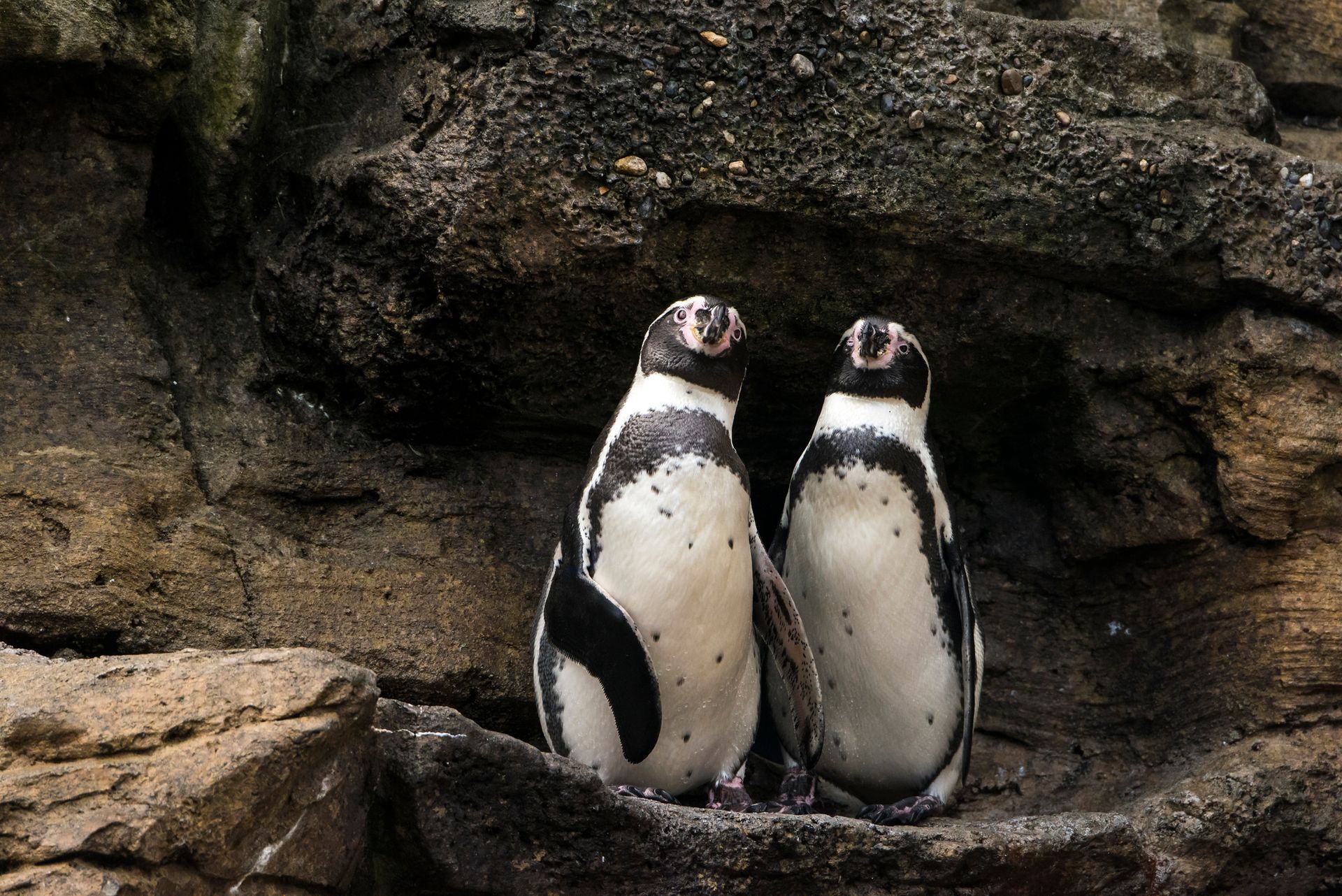
Aquarium of Niagara in Niagara Falls, New York, builds its identity around conservation and rehabilitation, displaying more than 120 animal species with an emphasis on rescues that cannot survive in the wild. The Penguin Coast exhibit houses a colony of 13 Humboldt penguins, and the facility also features more than 100 species of fish and invertebrates from fresh- and saltwater ecosystems, alongside several species of seals and sea lions. The rehabilitation focus means a meaningful share of the animals on display arrived at the facility through rescue, not collection.
The Great Lakes 360 experience, unveiled in summer 2024, added a sturgeon touch pool and 16 new exhibits covering animals from the Great Lakes and Niagara River ecosystems. The regional specificity of the expansion distinguishes the new section from generic freshwater exhibits. The Great Lakes and Niagara River represent a geographically defined ecosystem with its own species profile, and the exhibit treats that ecosystem as a subject in its own right, not a backdrop for more broadly familiar freshwater species.
Visitors note that the facility runs smaller than others on this list. The penguins and sea lions consistently draw the strongest reactions from guests. Trainer-for-a-day programs, photo opportunities, and animal encounters give the aquarium a structured experiential tier beyond standard admission. The rescue and rehabilitation mission, the Humboldt penguin colony, the Great Lakes 360 regional expansion, and the trainer programs together give Aquarium of Niagara a distinct institutional identity among the facilities on this list. The aquarium functions as a working rehabilitation center with public access, not a collection of exhibits with a conservation statement attached. The 13-penguin Humboldt colony and the seal and sea lion populations give the facility a mammal-heavy profile, distinguishing it from aquariums centered primarily on fish. The Great Lakes 360’s 16 new exhibits, added in summer 2024, represent the most recent major expansion on this list, making Aquarium of Niagara one of the freshest visitor experiences among the 10 facilities covered here.