
These are the 10 most impressive national parks in China
From Jiuzhaigou's gem-toned lakes and staggered waterfalls to Hua Shan's wooden planks bolted to a sheer cliff above a 2,000-meter drop
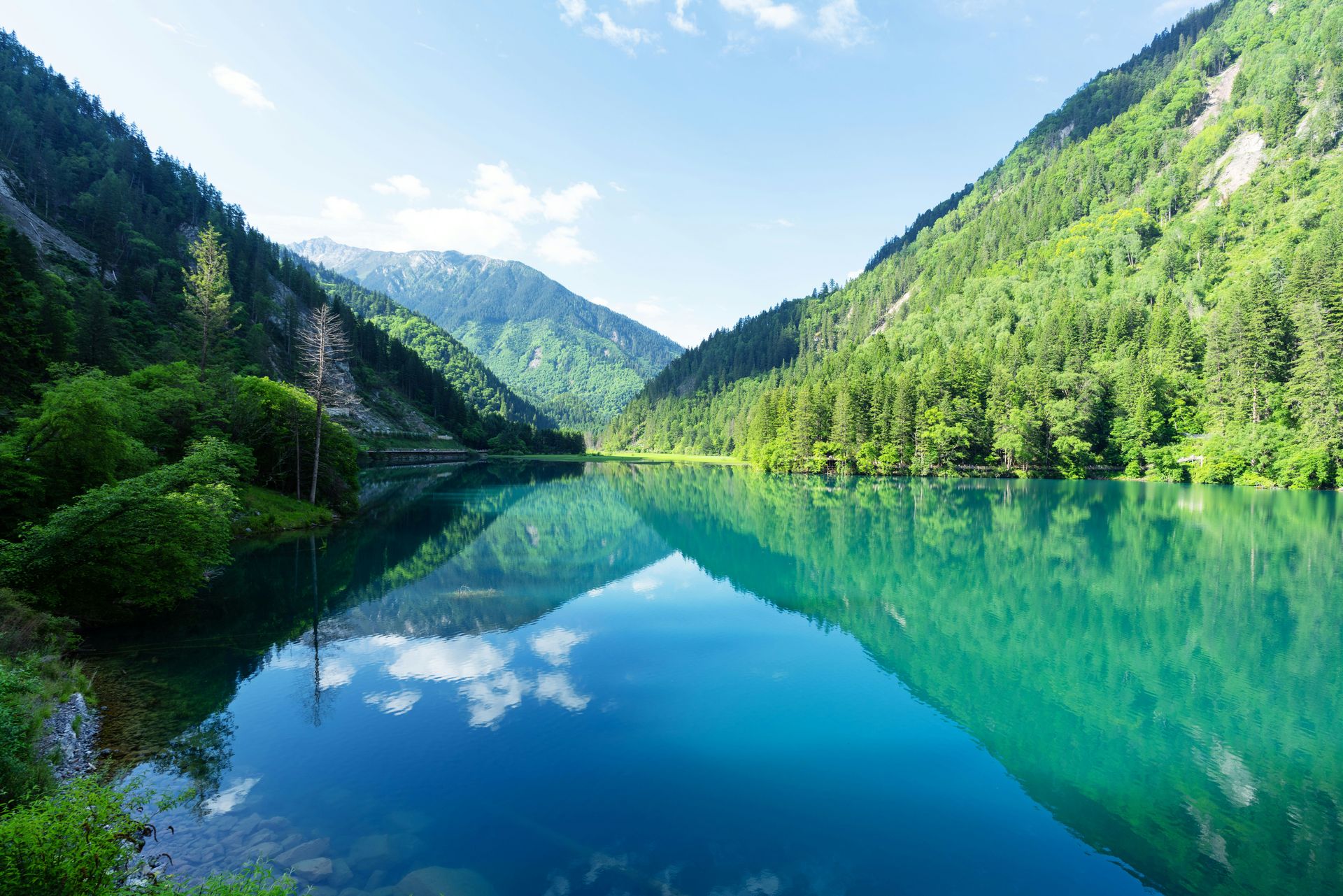
Jon Geng / Unsplash
China’s sheer size means the country encompasses nearly every landscape type on the planet, from dense rainforests and rolling grasslands to parched deserts and deep canyons carved over millions of years. Thousands of rivers wind across the country alongside more than 11,000 named mountains, known locally as shān, and much of what makes traveling through China genuinely memorable happens directly in and around these dramatic natural landscapes rather than within its famously crowded cities.
China protected its most spectacular scenery for decades through locally administered national scenic areas and nature reserves, often loosely defined and graded by a genuinely complicated tier system that varied considerably from region to region across the country. Only recently did the Chinese government begin consolidating these separate conservation zones into a coherent national park system, and in 2021, the country launched its first five official national parks, covering essential natural landscapes and wildlife habitats. Several more parks are currently under development and are expected to open in the coming years.
The 10 destinations below appear in Lonely Planet and cover official national parks alongside other essential scenic areas recommended across the country. Each one showcases a distinct facet of China’s natural and cultural heritage, from snow leopard habitats to centuries-old landscape painting traditions. Together, they cover an enormous stretch of the country, from the high Tibetan Plateau to the subtropical south. Some reward travelers chasing rare wildlife, others reward those drawn to dramatic geology or centuries of artistic tradition, and a few genuinely combine all of these threads into a single unforgettable visit. A two-week trip could realistically connect several of these parks. Even a shorter visit focused on just one or two regions still delivers a genuinely memorable introduction to China’s remarkable natural diversity.
1. Sanjiangyuan shelters Tibetan snow leopards
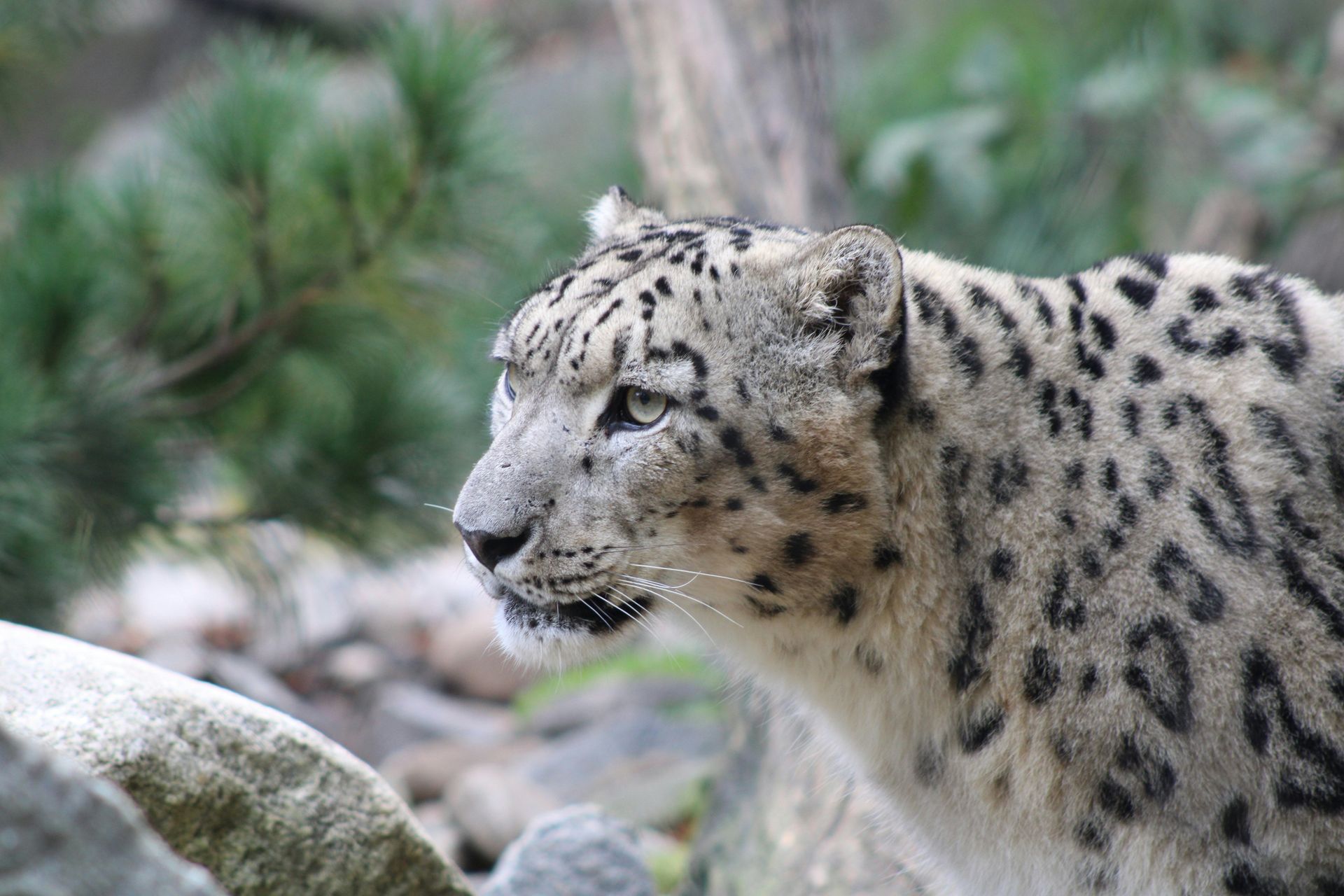
MediaEcke / Unsplash
Sanjiangyuan National Park spans vast stretches of Qinghai and Tibet, with much of its territory sitting above 4,700 meters, and the entire park measures roughly 14 times the size of Yellowstone National Park in the United States. The park lies directly across from the sources of three great rivers, the Yangtze, the Yellow, and the Lancang, taking in silent wetlands, mirrored lakes, steppe-like grasslands, and snowy mountains rising to 6,000 meters.
More than half of the park’s 190,100 square kilometers lies on the Tibetan Plateau, one of the most sparsely inhabited regions on Earth, where snow leopards, Tibetan antelopes, and wild yaks still roam freely. Tourist facilities throughout the park remain genuinely limited, though authorities have begun taking steps to improve accessibility, including demarcating key areas specifically for mandatory protection.
Adventurous travelers can arrange a wildlife-spotting trip by four-wheel drive or attempt a hike toward the source of the Yellow River along a trail that winds past grasslands, glaciers, alpine lakes, and patches of desert terrain. Arranging transport and a guide directly in Xining or the Buddhist enclave of Yushu gives visitors the most reliable way to organize this kind of trip.
Xining and Yushu function as the park’s main gateway cities, both accessible by air or overland travel, and a guided tour by four-wheel drive along National Highway 214 remains the standard way to actually reach the park itself. Visiting during the milder summer months between July and September gives travelers the clearest roads and most comfortable temperatures, and anyone planning a trip should take real steps to acclimatize to the altitude beforehand, since the park sits at an elevation where acute mountain sickness poses a genuine risk. Few destinations anywhere in the world offer this much genuine wilderness within a single, continuous protected area of comparable size. Travelers $TRV should pack for genuinely extreme temperature swings between day and night, since conditions at this elevation can shift dramatically within a single afternoon.
2. Giant Panda Park protects China’s signature species

Sid Balachandran / Unsplash
The giant panda, endemic to China, is the world’s rarest bear, with roughly 1,900 individuals living throughout the bamboo-rich forests of Sichuan, Shaanxi, and Gansu provinces. Decades of dedicated conservation and breeding efforts have moved the species off the officially endangered list, though pandas remain genuinely vulnerable and just as beloved by visitors as ever.
Giant Panda National Park brings together 67 existing reserves that collectively house more than 1,800 pandas, and consolidating these separate areas into a single coherent park aims specifically to enlarge available habitat and maximize the chances of pandas breeding across previously separated groups, helping preserve genetic diversity throughout the overall population.
The Wolong Giant Panda Nature Reserve and the Ya’an Bifengxia Panda Base, both located in Sichuan, offer visitors their best realistic chance of seeing pandas in the wild or at least in genuinely natural conditions. At Wolong, pandas live in green enclosures as part of a successful breeding program, and guided walks through the surrounding reserve provide visitors with additional context about the species. Ya’an Bifengxia offers a genuinely similar setup, where pandas can often be seen climbing through the trees of their own leafy living spaces.
Reaching Wolong from Chengdu typically involves a chartered car or bus, while Ya’an Bifengxia is accessible by bus directly from Chengdu or by train, followed by a short taxi ride. Visitors should plan trips for March through April or September through October, specifically avoiding both the cold winter months and the hot, sticky peak of summer for the most comfortable overall experience. Few conservation projects anywhere in the world have achieved this level of success within a single generation of dedicated breeding efforts. Visitors hoping for the most active panda sightings should plan their visit for the cooler morning hours, since pandas tend to rest during the hottest part of the day. Booking tickets in advance to the busier resorts also helps avoid long entry lines during peak holiday periods.
3. Wuyi Shan floats bamboo rafts through an ancient forest
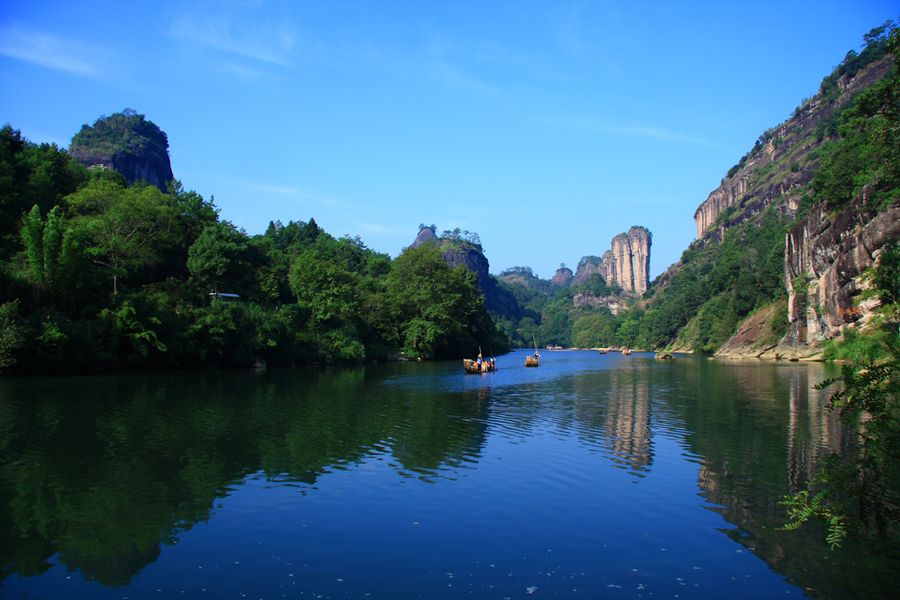
老过 / Wikimedia Commons
Wuyi Shan National Park, the smallest of the first-wave national parks, centers on the Wuyi Shan mountain range, a UNESCO World Heritage Site and Biosphere Reserve rising to 2,158 meters at the summit of Mt Huanggang. The range holds one of the world’s largest subtropical primordial forests, home to relict plant species, rare insects, and roughly 430 recorded bird species throughout its dense canopy.
Towering cliffs along the banks of the serene Nine Twist River hold hanging coffins, physical evidence of an ancient funerary custom also documented in parts of Indonesia and the Philippines. Visitors can also explore imperial ruins dating back to the first century CE, alongside remnants of temples and academies built roughly 1,000 years ago, when Wuyi Shan functioned as a genuine cradle of Neo-Confucian thought and scholarship.
Following the Nine Twist River aboard traditional curved bamboo rafts ranks among the most popular ways to experience the park, with trips departing from the western entrance at Xingcun Village and running roughly two hours to reach Wuyi Palace. Hikes toward peaks such as Tianyou and Yunü inside the Wuyi Shan Scenic Area draw their own dedicated following, alongside walks to tea gardens and caves near the park’s southern entrance.
Wuyi Shan North Train Station sits just 19 kilometers from the reserve, with shuttle buses and taxis connecting the two easily. Visitors whose rafting plans are canceled during the rainy season can instead walk the five-kilometer Streamside Trail, which follows the Nine Twist Stream directly from the Tianyou bus stop, offering an equally scenic alternative. Few parks anywhere in China combine this much natural biodiversity with such a genuinely deep layer of ancient cultural history. Visitors planning a rafting trip should book ahead during peak season, since demand for the most popular morning departure times fills quickly. Bringing a light rain jacket helps too, since sudden showers remain common throughout the humid subtropical climate. Sun protection also matters on the raft itself.
4. Northeast Tiger Park revives Amur tiger country

xy1997 / Unsplash
Northeast China Tiger and Leopard National Park sits within the Changbai Mountains along the border with Russia in Heilongjiang, and the park, together with its associated breeding center, has achieved genuine success in repopulating the surrounding forests with critically endangered Amur tigers. This magnificent animal, endemic to China, eastern Russia, and North Korea, ranks as the world’s largest feline species.
Villagers throughout the Changbai region once worshipped these huge cats as mountain gods, before poaching, wars, and development nearly drove the species to complete extinction. Today, the park protects roughly 70 Amur tigers and 80 leopards, which feed primarily on deer and wild boar throughout the surrounding forests, marking a genuine conservation turnaround for a species that once seemed destined for extinction.
Eurasian lynxes and golden eagles also prowl the park’s thick woodlands alongside the tigers and leopards, and travelers can venture out on guided hikes throughout the park, though the actual chances of spotting an elusive tiger remain genuinely remote. Further south along the China-North Korea border in Jilin, Changbai Shan Nature Reserve and its gorgeous Heaven Lake offer an equally worthwhile visit, with miles of forest trails leading to stark blue crater lakes and genuine winter skiing opportunities.
Most visitors reach the park through a guided tour, flying into the airports at Wanji or Mudanjiang and using the city of Hunchun as a practical base for exploring. Changbai Shan Nature Reserve is best reached instead from the town of Erdao Baihe, which functions as the gateway to the park’s North Slope section. Few conservation stories anywhere in Asia illustrate this kind of genuine ecological recovery as vividly as this park’s tiger population. Visitors hoping for any chance at a tiger sighting should still manage their expectations carefully, since even experienced guides rarely spot one in a single visit. Packing warm layers matters considerably, since winter temperatures throughout this part of Heilongjiang regularly drop well below freezing. Thermal socks and gloves also help considerably.
5. Hainan Tropical Rainforest hides the world’s rarest ape
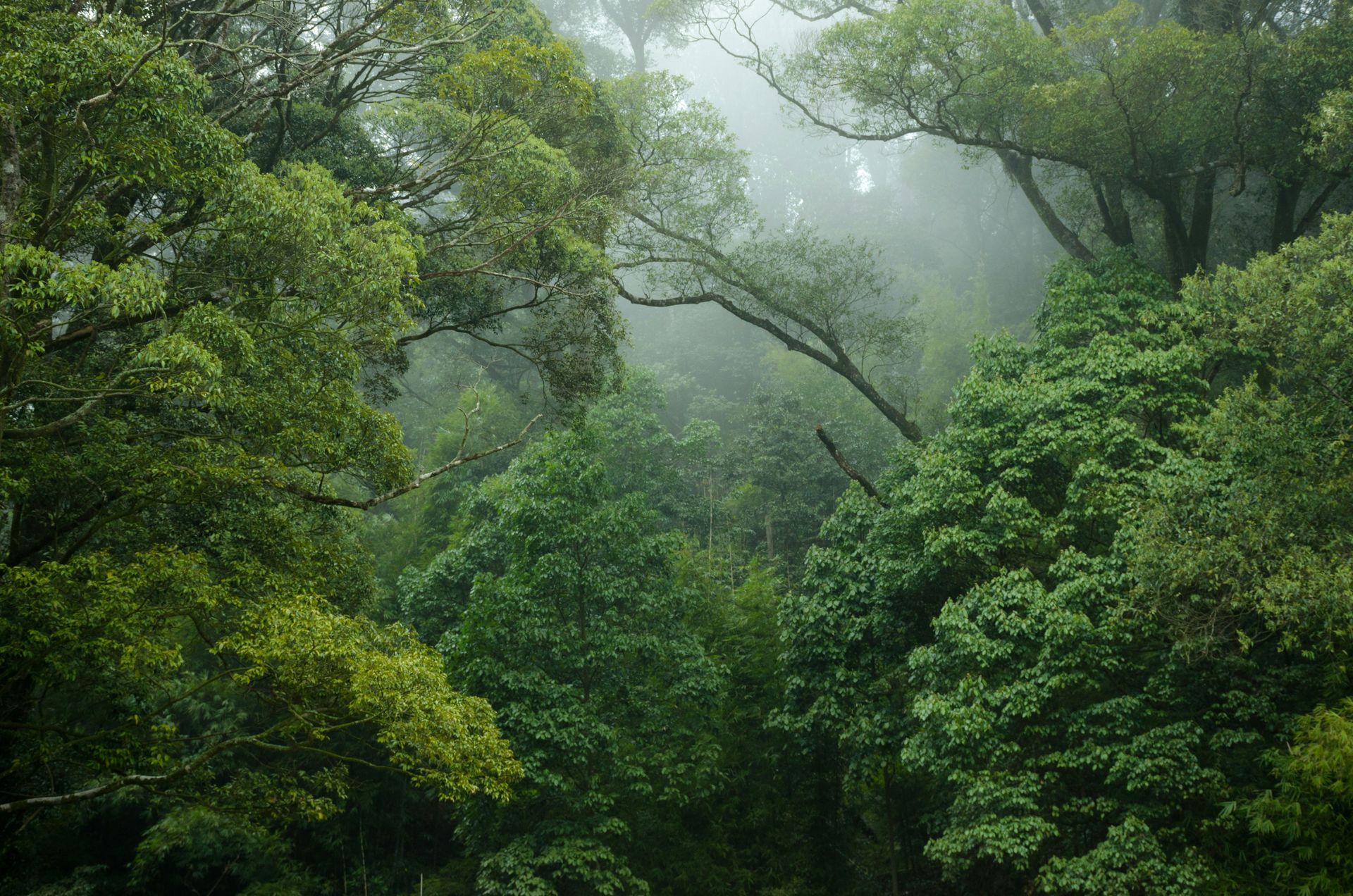
Lingchor / Unsplash
Hainan Tropical Rainforest National Park incorporates several long-established scenic areas and nature reserves throughout the southern island province of Hainan, and the park serves as home to the world’s rarest ape, the critically endangered Hainan gibbon. The park also protects roughly 39% of China’s bird species, along with thousands of distinct wild plant species scattered throughout its dense canopy.
Hainan Island has become heavily developed for mainstream tourism, yet the interior’s tropical rainforests still contain genuinely one-of-a-kind ecosystems, and this 4,269-square-kilometer park functions as the last remaining habitat for numerous endemic species of flora and fauna, including rare birds, mammals, and amphibians found nowhere else on Earth.
The conservation area covers large stretches of Hainan’s interior, and travelers based at coastal resorts can still hike through mangrove forests, visit dedicated wildlife monitoring stations and gibbon-protection zones, and stargaze once night falls, far removed from the light pollution found along the developed coastline.
Tours and shuttle buses run from various hubs throughout Hainan; travelers should head to Tongshi train station to access the Wuzhishan section of the park, or to Jianfeng train station for the Jianfeng Ling section. Hainan also offers a special visa arrangement for many nationalities, allowing visa-free visits of up to 30 days, though travelers planning to continue on to other parts of China will still need a standard visa for that portion of their trip. Few tropical destinations anywhere in Asia combine this much biodiversity with such convenient access from an otherwise heavily developed coastline. Visitors hoping to hear the Hainan gibbon’s distinctive call should arrive at dawn, since the species remains most vocal during the earliest hours of the morning. Insect repellent also proves essential given the humidity and dense vegetation throughout much of the park’s interior. Lightweight, quick-drying clothing also helps considerably in the humidity, alongside a reliable insect repellent for longer walks through the denser, more remote forest sections of the park.
6. Wulong Karst Geopark carves limestone bridges and caves
Pietro Dona / Unsplash
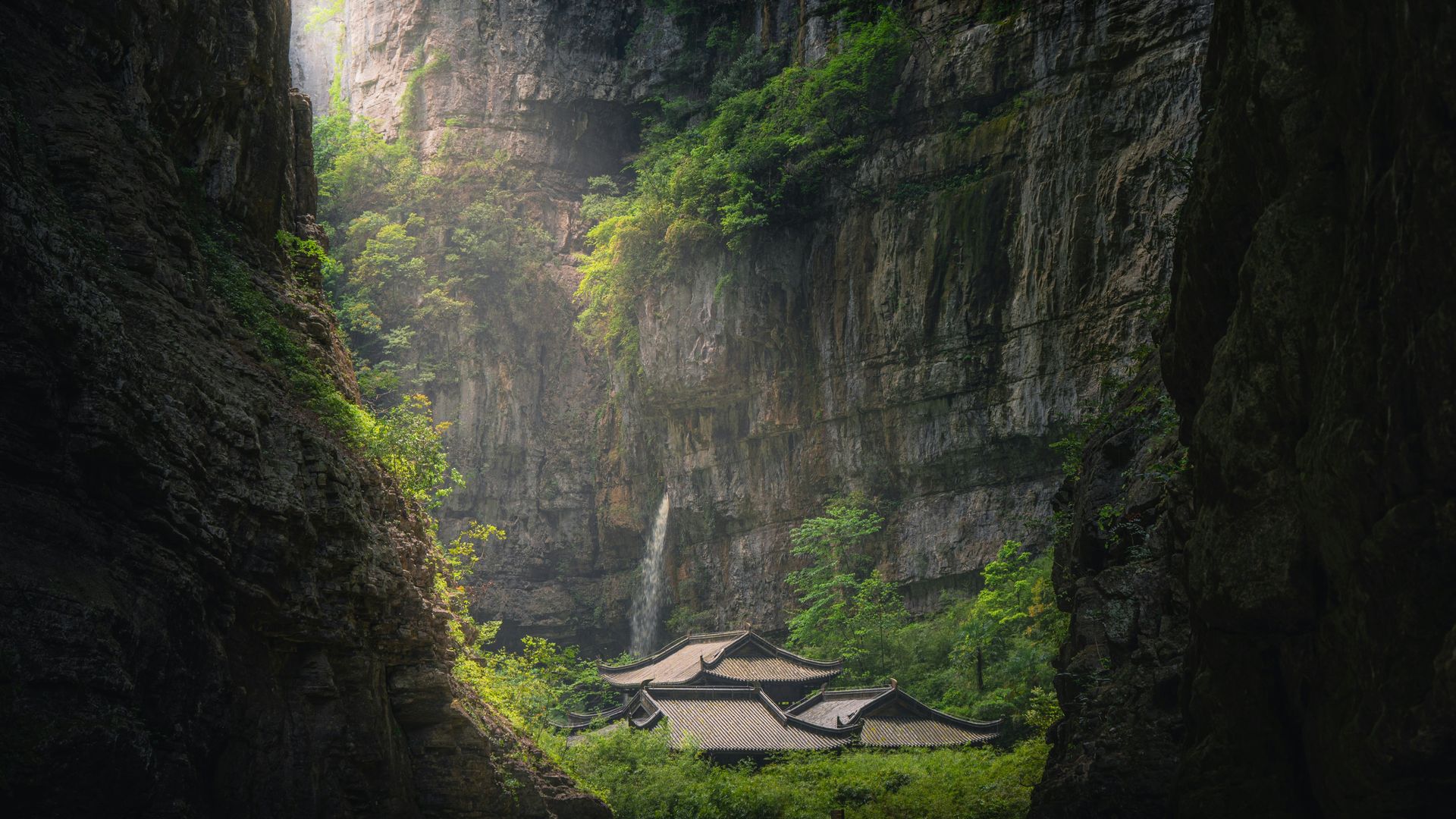
Wulong Karst National Geopark sits roughly a two-hour drive from bustling Chongqing, and the park’s genuinely cinematic scenery has already attracted major film productions, including Transformers: Age of Extinction. Part of the UNESCO-listed South China Karst landscape, the geopark encompasses three main zones, each dominated by unique, occasionally surreal rocky formations unlike anything found in more conventional mountain scenery.
The Three Natural Bridges tower above a colossal sinkhole and rank as the world’s highest limestone arches, while Furong Cave offers visitors a vast karst cavern filled with dripping stalactites and genuinely dramatic underground waterfalls. A glass elevator lowers visitors directly into Longshui Gorge for an entirely different perspective, descending into a plunging ravine carved by the flow of an ancient river over countless centuries.
Wulong remains genuinely off the radar for most foreign travelers, with the notable exception of the dedicated spelunking community, who flock specifically to this globally recognized caving destination. This relative obscurity among international visitors gives the park a genuinely uncrowded feel compared with China’s more famous natural attractions elsewhere in the country.
Limited public transportation runs from the town of Wulong itself, making a chartered taxi or an organized tour arranged through hotels in Wulong or Chongqing the easiest way to actually reach the park. Each of the park’s three zones requires separate ticketing and admission, and visitors with limited time should prioritize the Three Natural Bridges first, since that zone offers the most impressive scenery in the entire geopark. Few karst landscapes anywhere in the world combine this much dramatic scenery with such a genuinely active caving and film-tourism scene. Visitors sensitive to cold or damp conditions should pack an extra layer, since temperatures inside Furong Cave stay noticeably cooler than the surrounding surface air. Sturdy footwear also helps considerably, since several of the walkways involve uneven stone steps and occasional damp surfaces. A flashlight or headlamp also helps in the dimmer sections of the cave.
7. Jiuzhaigou Valley mirrors mountains in gem-toned lakes
Lindy Kazu / Unsplash
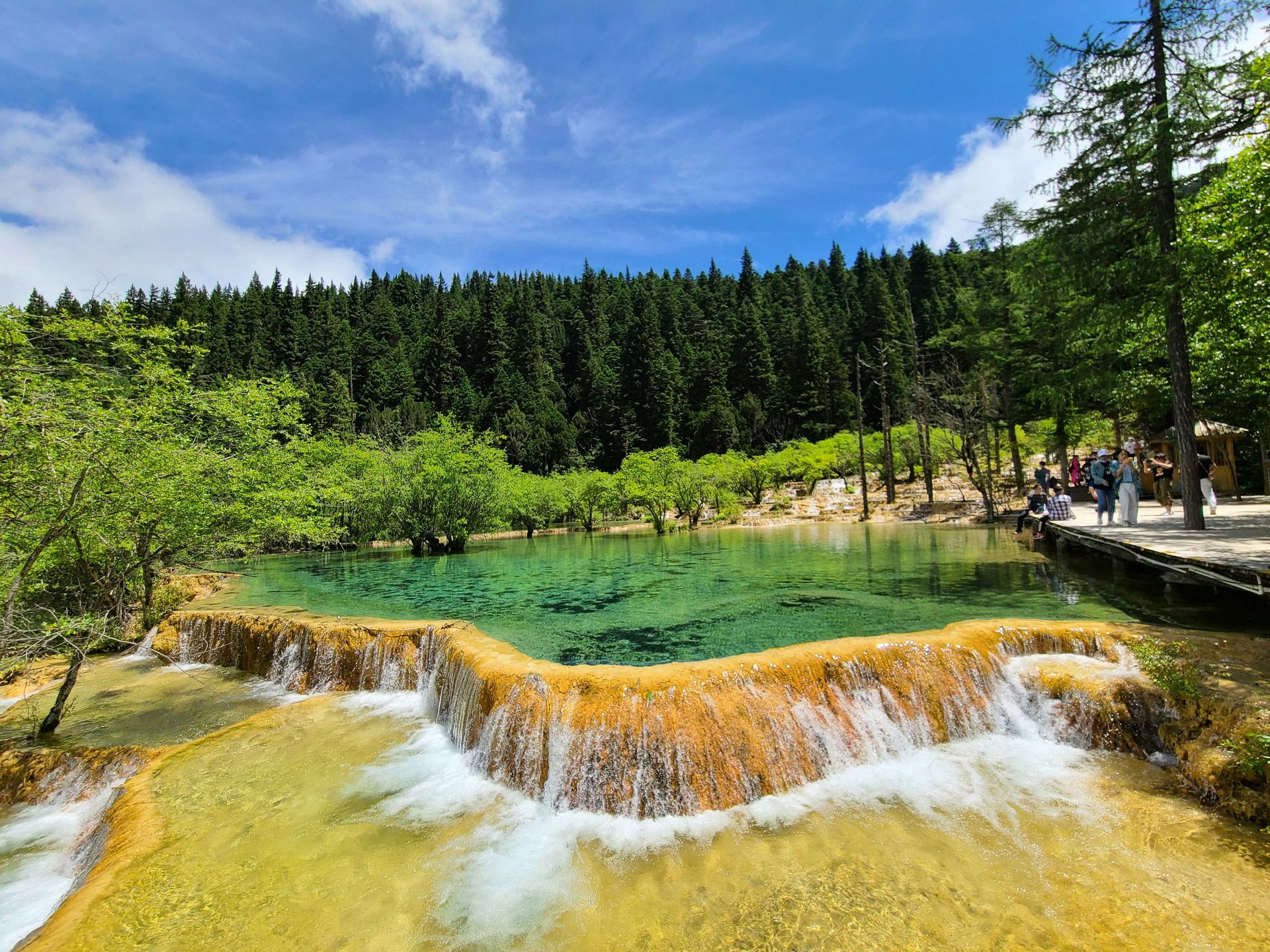
Jiuzhaigou Valley Scenic Area, a UNESCO World Heritage Site and Biosphere Reserve, ranks among China’s most celebrated natural attractions for genuinely good reason. The valley presents an almost otherworldly landscape of perfectly transparent lakes, staggered waterfalls in gem-like hues, and dark, intriguing woodlands, all set dramatically against craggy, snow-capped peaks rising in the background.
Roughly five million visitors travel to Jiuzhaigou each year specifically to hike the valley’s many trails and take in its remarkable natural beauty firsthand. The name Jiuzhaigou translates to "nine-settlement valley," referring to the nine Tibetan villages scattered throughout the area, seven of which are still inhabited today by local communities who continue their traditional way of life.
The reserve is often referred to informally as Jiuzhaigou National Park, yet it technically holds the status of a top-rated scenic area rather than an official national park under China’s newer classification system. This distinction matters mainly for administrative purposes, since the actual visitor experience remains every bit as impressive regardless of the reserve’s precise official designation.
Trains run directly to Huanglong Jiuzhai Station, from where shuttle buses carry visitors onward to the various sights throughout the valley, and the town of Songpan offers a genuinely worthwhile alternative base for travelers who prefer a quieter home base. Visiting during fall, specifically between September and November, rewards travelers with dramatic, colorful foliage that adds an extra visual dimension to the valley’s already striking lakes and waterfalls. Few natural landscapes anywhere in the world manage to look this consistently otherworldly across every single season of the year. Visitors hoping to avoid the thickest crowds should arrive as early as possible, since tour buses from Chengdu tend to reach the valley by midmorning. Bringing a portable battery pack also helps, since photographing the lakes tends to drain phone batteries considerably faster than usual. Comfortable walking shoes also help across the valley’s many boardwalks, especially for visitors covering the full network of trails in a single day.
8. Hua Shan tests daredevils on sheer cliff planks
Leon JL / Unsplash
Hua Shan, rising to 2,154 meters close to the city of Xi’an, ranks among the five sacred mountains of Taoism and simultaneously counts as one of the most nerve-wracking climbs found anywhere in China. Even taking the cable car for the initial stretch of the journey still requires navigating steep, narrow steps skirting precipitous drops, and genuinely determined daredevils can strap on a harness to traverse wooden planks bolted directly to the bare face of a sheer granite cliff.
Chinese folklore runs deep throughout Hua Shan’s history, and hermits and Taoist mystics once made their homes here, while ancient physicians traveled to the mountain specifically to forage for medicinal herbs among its slopes. According to numerous martial-arts legends, swordsmen once fought noble duels across Hua Shan’s five distinct peaks, adding a genuinely mythic dimension to the mountain’s already dramatic physical presence.
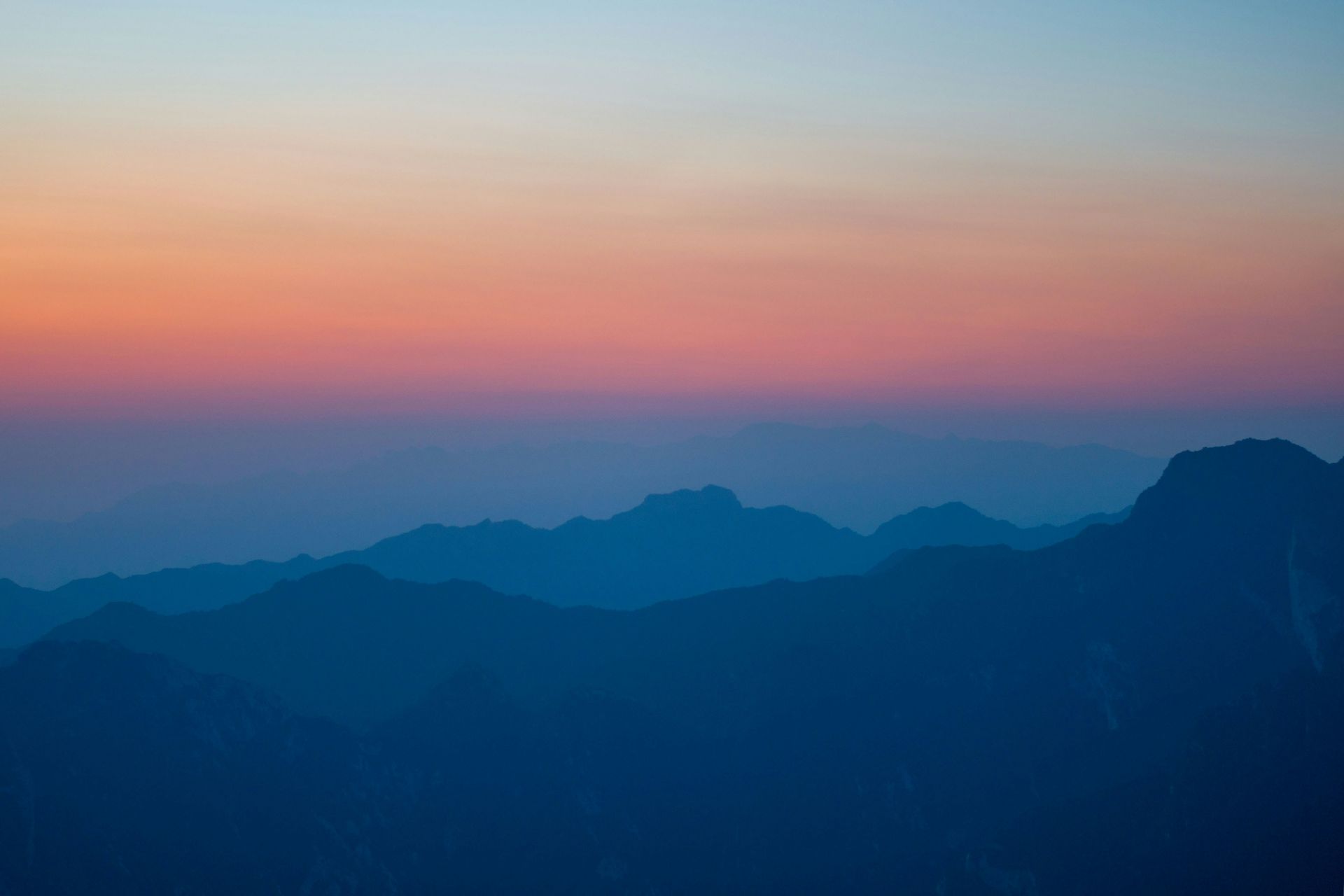
Stark, ethereal scenery paired with a genuine hint of danger draws considerable crowds to Hua Shan, including many domestic tourists who specifically make the ascent at night to catch the sunrise from the summit. Views from the top rank among the most unmatched anywhere in China, though this particular climb genuinely isn’t suited to anyone who struggles with vertigo or heights.
High-speed trains run from Xi’an to Hua Shan North station in roughly 40 minutes, with shuttle buses continuing onward to the trailheads and cable car stations from there. The mountain’s biggest single thrill waits below South Peak, where visitors can book onto the so-called Plank Walk, a 108-meter path navigated in a safety harness while perched directly over a 2,000-meter drop. Few climbs anywhere in the world combine this much genuine danger with such deep cultural and historical significance. Visitors planning the overnight ascent for sunrise should pack warm layers, since temperatures near the summit drop considerably once darkness falls. Sturdy hiking shoes with real grip also matter considerably, since several sections involve genuinely steep and uneven stone steps.
9. Zhangye Geopark paints mountains in mineral stripes
Evenson Calder / Unsplash
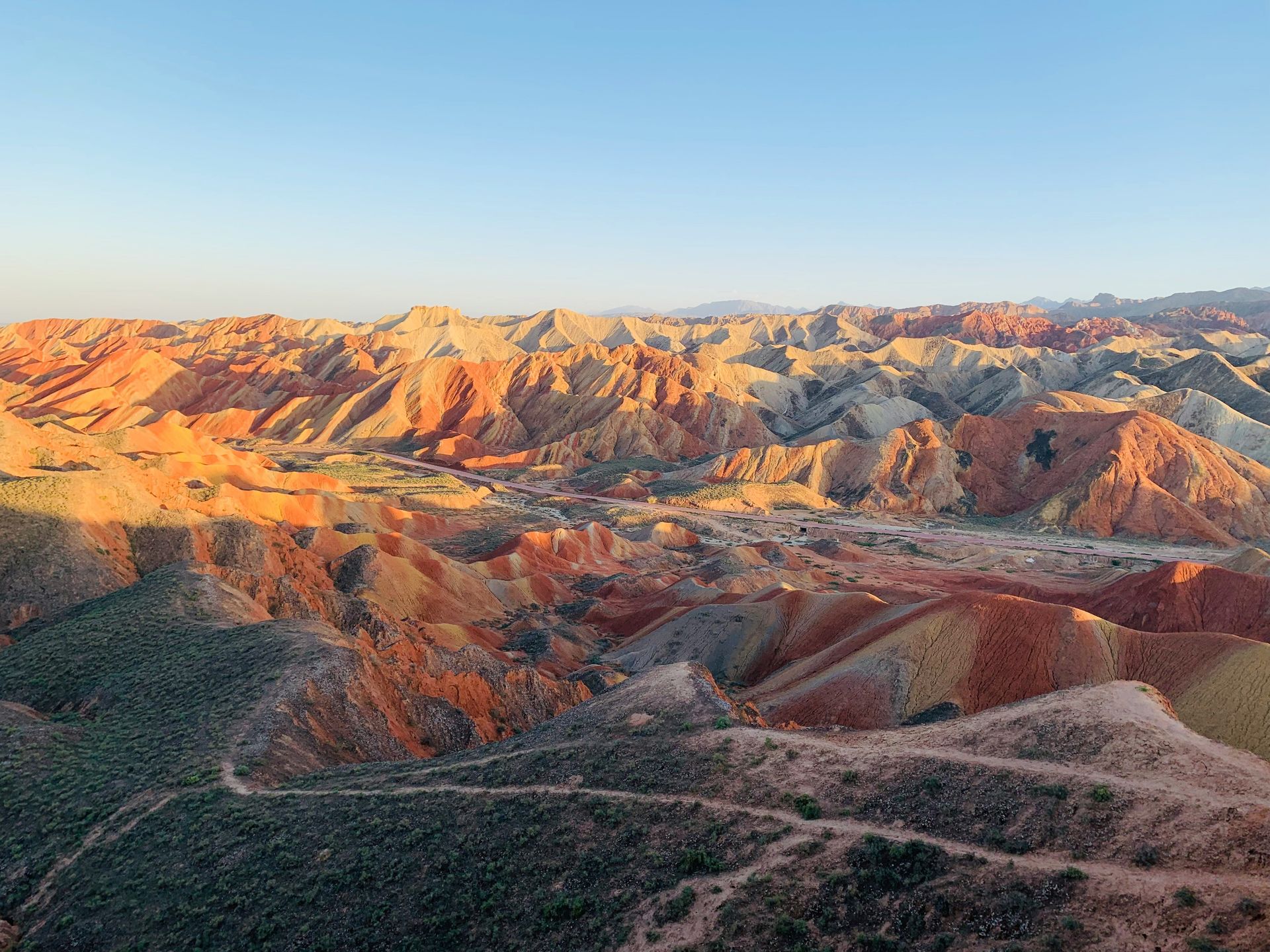
Zhangye UNESCO Global Geopark sits at the foothills of the Qilian Shan mountain range, known specifically for its striking colored mountains, painted in stripes of mineral-rich white, yellow, orange, and soft lilac Danxia deposits that create a genuinely remarkable visual effect. The geopark ranks among the most popular stops along the main route through Gansu province, and travelers can access the site directly from the town of Zhangye.
A new national park covering the broader Qilian Shan range is under development, and once fully operational, it aims to undo some of the ecological damage caused by administrative malpractice throughout the region over the past decades, restoring stressed ecosystems toward their natural state. For now, the Zhangye UNESCO Global Geopark itself remains the primary draw for most visitors passing through the area.
Snow leopards still roam these mountains freely, and the surrounding range plays a genuinely pivotal role in preventing desertification throughout the region while also supporting the conservation of glaciers and water resources along China’s western fringes. The preserve additionally encompasses a sliver of oasis that once offered refuge to travelers along the ancient Hexi Corridor trade route, connecting the site to centuries of regional trading history.
Zhangye remains accessible by both high-speed train and plane, and organized tours offer the easiest way to reach the Danxia viewing areas, which are connected via shuttle buses throughout the site. Visitors can also view the striking mountain formations from a hot-air balloon for an entirely different perspective, and choosing a clear day and a long-lens camera helps capture the Danxia formations at their most vivid from the ground-level viewing platforms. Few geological formations anywhere in the world produce colors this vivid across such a genuinely accessible viewing area. Visitors hoping for the most vivid colors should specifically visit during the golden hours around sunrise or sunset, when low-angle light intensifies the mineral hues. A polarizing camera filter also helps capture the colors more vividly.
10. Huangshan inspires centuries of scroll painting
MIGUEL BAIXAULI / Unsplash
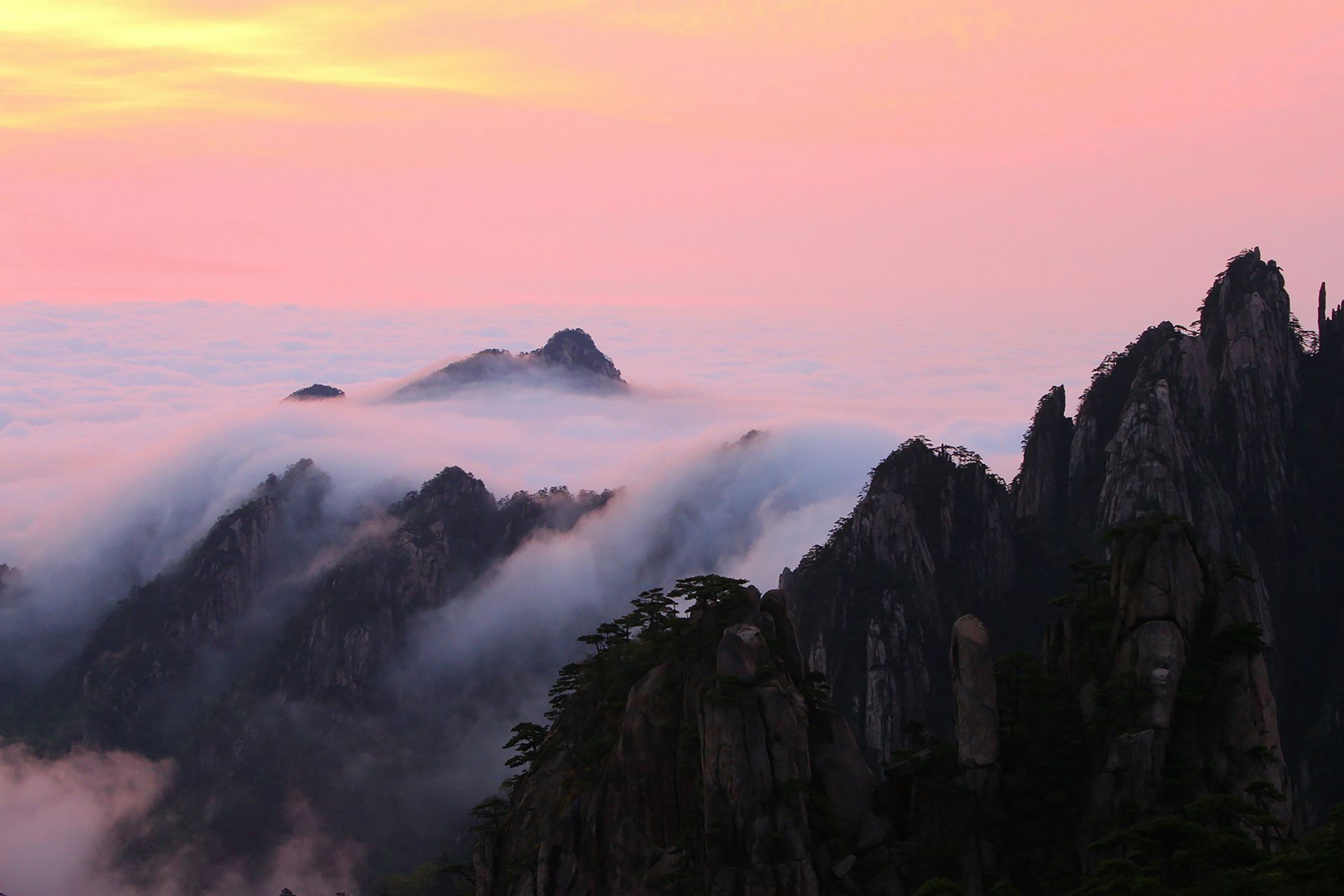
At the heart of Anhui province, Huangshan blends jagged granite peaks, Buddhist and Taoist shrines, and gnarly pines peeking through drifting fog into scenery that has seduced poets, painters, and photographers for centuries. This UNESCO-listed destination functions as a genuine cradle of the shan shui, or mountain water, school of traditional Chinese landscape painting, giving the mountain a cultural significance well beyond its physical beauty alone.
Huangshan ranks among the most visited natural sights anywhere in China, drawing roughly three million visitors each year to its maze-like walking trails, some of which run genuinely strenuous across steep terrain. Hotels at the mountain’s 1,864-meter summit make spending an actual night within the park a genuinely appealing option for visitors, and some of these properties even offer natural hot springs specifically to soothe tired feet after a long day of hiking.
The city of Huangshan functions as the primary base for visits to these frequently depicted mountains, and buses to the various sights and trails depart from the somewhat unimaginatively named Tourist Distribution Center located in the city’s Tunxi district. Timing a visit carefully matters considerably here, since the mountain’s popularity can genuinely detract from the sense of stepping directly into a living scroll painting.
Visiting during spring or fall specifically delivers noticeably quieter conditions than the busiest summer months, and travelers visiting in November occasionally witness the striking sea of clouds phenomenon, where the mountain’s peaks poke up dramatically through swirling drifts of mist below. This particular effect ranks among the most photographed sights anywhere on the mountain, and timing a visit specifically around this phenomenon rewards patient travelers with genuinely unforgettable scenery. Few mountains anywhere in the world have shaped an entire artistic tradition as directly as Huangshan has shaped Chinese landscape painting. Visitors planning an overnight stay near the summit should book accommodation well ahead, since rooms at this elevation sell out quickly during peak travel season. Trekking poles also help considerably on the steeper, uneven sections.