From Bromo's predawn crater rim above Java's lunar Sand Sea to a three-day klotok river trip past Borneo orangutans in Tanjung Puting
Stuart Jansen / Unsplash
Indonesia’s archipelago stretches more than 5,000 kilometers across roughly 17,000 islands, making it genuinely one of the world’s great destinations for memorable outdoor adventure of nearly any kind. The country has 54 national parks in total, including six recognized as UNESCO World Heritage sites, and these protected areas offer close encounters with orangutans, leopards, chattering rhino hornbills, and even Komodo dragons, scattered across landscapes ranging from volcanic craters to lowland rainforests and tropical coastlines.
Few travelers genuinely have time to visit every single park during just one trip, so narrowing the list down to a genuinely rewarding handful across Java, Kalimantan, Flores, Bali, Sumatra, and beyond makes for a considerably more manageable itinerary. Hiring a registered, reputable local guide matters in nearly every park on this list, both for safety around wildlife and for genuinely minimizing environmental impact along the trail. Taking time to vet a guide before committing pays off considerably once a hike is already underway.
The eight essential national parks below appear in Lonely Planet and cover standout hiking and wildlife destinations recommended throughout the Indonesian archipelago. Each park rewards a genuinely different kind of traveler, from dedicated birders to families with young children to visitors chasing an early sunrise over an active volcano. A trusted guide can make or break any single one of these visits. Booking well ahead of peak travel season, whether for a guide, a boat trip, or a specific overnight trek, consistently makes the difference between a smooth, memorable visit and a frustrating scramble for last-minute options once actually on the ground. Travelers $TRV with genuine flexibility in their schedules should also build in a buffer of a day or two between parks, since weather and wildlife activity throughout the region rarely follow a strict, predictable timetable.
-1920x1081.jpg)
Alessio Roversi / Unsplash
Bromo Tengger Semeru National Park in East Java genuinely rewards early risers, and catching sunrise from Gunung Bromo, Java’s most famous active volcano, typically requires leaving a hotel by 3:30am. The reward for that early start includes daybreak breaking over the Tengger Massif and the mighty Gunung Semeru, which rises 3,676 meters above the surrounding landscape and dominates the skyline throughout the entire hike.
After departing at dawn, travelers typically head to the crater rim by four-wheel drive, passing through a genuinely lunar-looking landscape known as the Sand Sea before vehicles park a couple of kilometers from the summit. From there, hikers trek across the remaining sand and climb a couple of hundred steps to reach the rim of the Bromo crater itself, where the view opens directly into the belly of an active volcano, complete with bubbling liquid, sulfur, and smoke rising from far below.
The noise emerging from the crater sounds remarkably like a jet engine, offering a genuinely visceral sense of the power sitting directly beneath a hiker’s feet at the rim. Travelers $TRV hoping to visit independently and cut costs should seek accommodation in Cemoro Lawang, the closest village to Bromo, reachable via Probolinggo and a local bemo minibus, from where hiking to the crater, the sunrise point, and other viewpoints becomes considerably more affordable than booking a full guided tour.
Travelers without a prebooked tour should carry cash for entrance fees, food, and guide costs paid directly on arrival. Morning temperatures can drop as low as 4 degrees Celsius, making warm gloves, a woolly hat, and a proper jacket genuinely essential gear, with jackets available for rent locally at a small fee for travelers who arrive underprepared for the cold. Few sunrise hikes anywhere in Southeast Asia deliver quite this much drama for such a comparatively short predawn trek. Visitors traveling independently should budget extra time for the local bemo connections, since schedules run considerably less predictably than a booked tour.

Bob Brewer / Unsplash
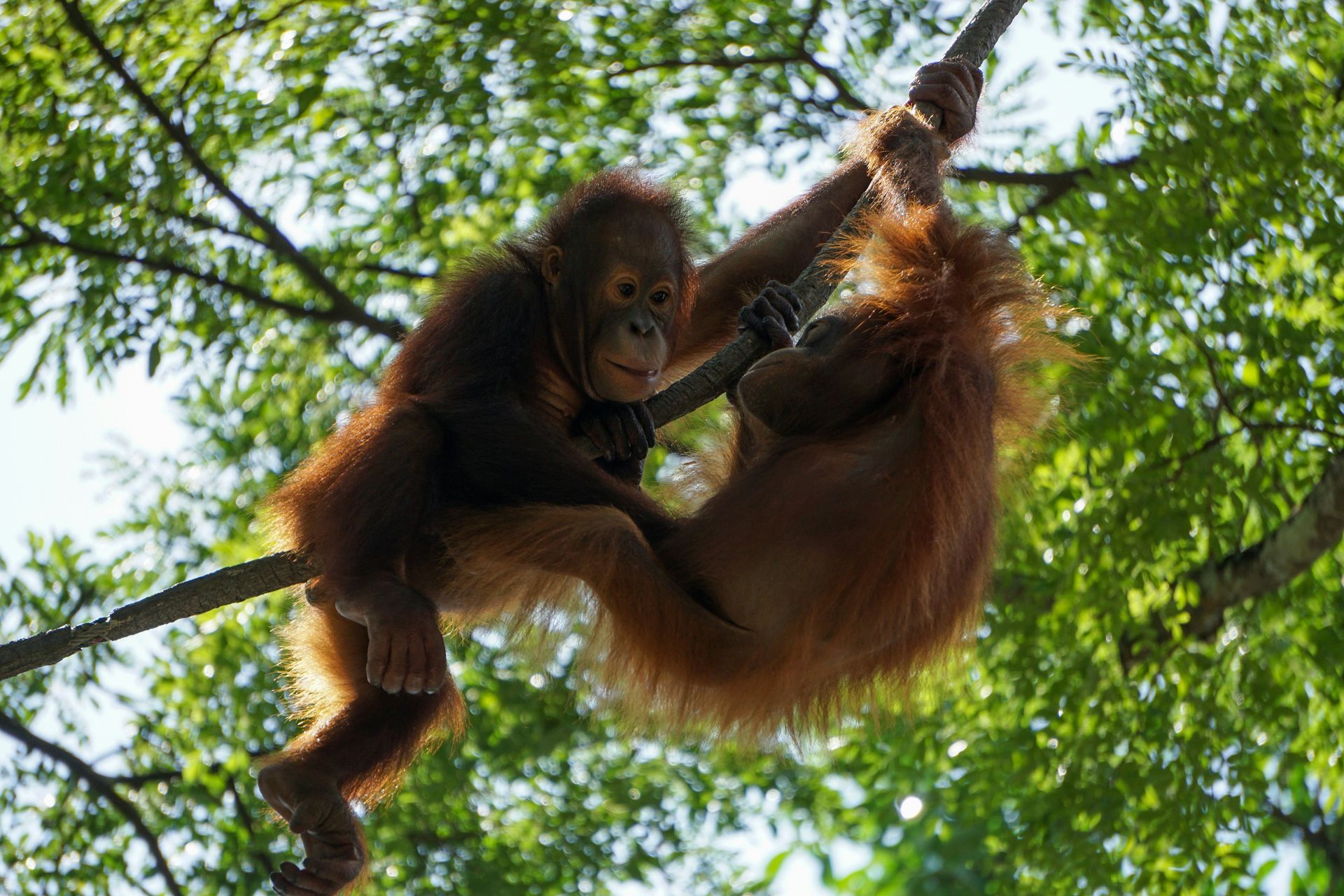
Gunung Palung, a remote 1,080-square-kilometer national park in the Indonesian province of West Kalimantan, is flanked by the Gunung Panti mountains and hosts a concentrated wildlife corridor where spotting wild orangutans in their natural habitat is almost a certainty rather than a hopeful possibility. Roughly 2,500 Central Bornean orangutans live within the park, sharing the forest with sun bears, white-handed gibbons, doe-eyed Horsfield’s tarsiers, and hilariously overactive proboscis monkeys.
As with other national parks throughout Indonesia, visitors must hire a registered guide before entering. A variety of hiking trails wind through the rainforest, passing waterfalls and rare flora and fauna en route to destinations such as the Cabang Panti Research Station and the summit of Palung Mountain itself, giving hikers genuine variety in both difficulty and scenery across a single park.
The strongest chance of actually spotting orangutans comes from guided treks of medium difficulty that follow fruit trails and droppings scattered across the forest floor, using these clues to track the animals’ nesting spots high in the surrounding trees. This tracking method reflects a genuine field research technique rather than simple luck, giving guided visitors a considerably higher success rate than independent wandering could ever achieve.
Orangutans share roughly 99% of human DNA, a fact that becomes genuinely striking once a visitor watches one moving through the canopy at close range. Travelers $TRV hoping to learn more about these remarkable primates before or after a visit can consult resources such as the United Nations Great Ape Survival Project, which documents ongoing conservation efforts throughout the region and the broader threats facing wild orangutan populations. Few parks anywhere in Borneo offer this reliable a wildlife corridor within such a genuinely compact protected area. Visitors should book a guide well in advance during peak travel months, since the most experienced trackers tend to fill their schedules quickly. Packing lightweight, breathable clothing also helps considerably, given the rainforest’s consistent heat and humidity.
Yulia Agnis / Unsplash
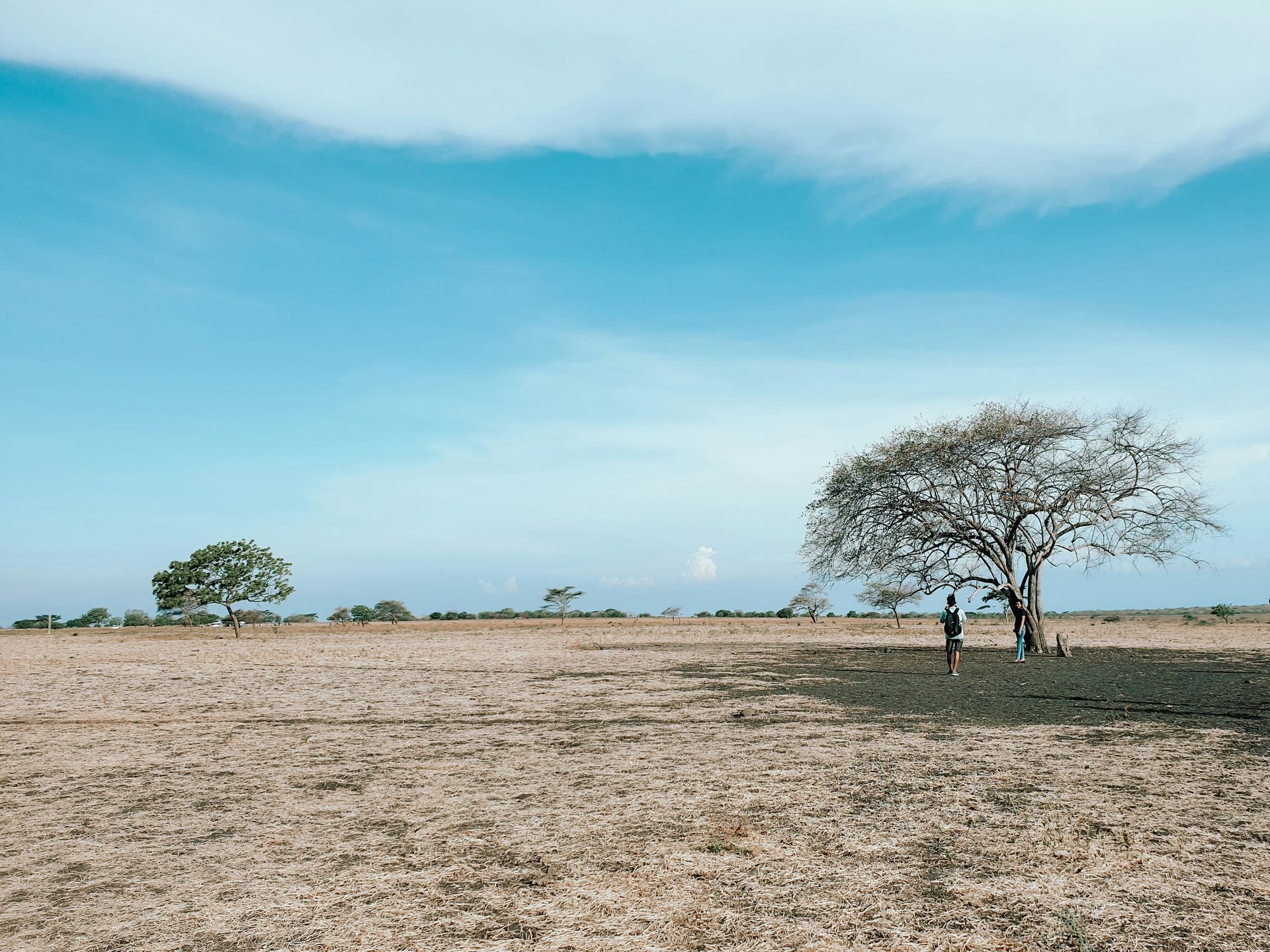
Known locally as Little Africa, Baluran National Park preserves a genuinely dramatic savannah landscape covering roughly 237 square kilometers of empty terrain in East Java, plus an additional 42 square kilometers of oceanfront coastline. The comparison to African savannah scenery holds up remarkably well once a visitor actually sees the open grassland stretching toward a volcanic backdrop.
Water buffalo turn up regularly throughout the park, alongside flocks of preening wild peacocks and the distinctive barking deer call echoing across the grassland. Roughly 56 clouded leopards live within the park’s boundaries, and while these elusive, protected cats hunt primarily at night, park rangers can authorize a special overnight trek for visitors specifically hoping to search for them.
Considerably easier species to spot include leaf monkeys, endangered Asian wild dogs, Javanese warty pigs, monitor lizards, fruit bats, squirrels and civets, and dedicated birders can track down roughly 155 recorded species throughout the park, including kingfishers, white-throated needletails, and bee-eaters. No authorized trail leads to the 1,247-meter summit of Gunung Baluran itself, so most visitors instead book several nights near the park entrance and check off bucket-list wildlife sightings on shorter walks through grassy savannah, along mangrove trails, and at Bama Beach.
Visitors heading specifically to Bama Beach should bring binoculars, a swimsuit, and a picnic lunch, since a special caged dining area there lets travelers eat without monkeys attempting to steal food directly off the table. This practical touch reflects just how habituated the park’s wildlife has become to regular visitors passing through. Few landscapes anywhere in Java feel this genuinely unexpected compared with the island’s more famous volcanic and rice-terrace scenery. Visitors hoping specifically for a clouded leopard sighting should arrange the overnight trek well ahead, since rangers need advance notice to prepare properly. Packing plenty of water also matters considerably for any visitor, since real shade remains genuinely scarce across most of the open savannah terrain here.
Credit: West Bali National Park
Designated a natural park since 1917, West Bali National Park sits at the remote western tip of the island and packs a genuine punch for visitors drawn to turquoise waters, secret beaches, hiking, and rich birdlife. Rainforest tracks, dry savannah lands, and montane forests hug two extinct volcanoes throughout the park, giving hikers a genuinely varied landscape within a single protected area.
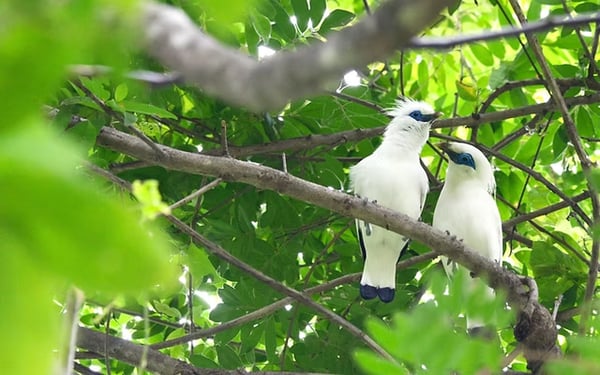
The Tegal Blunder Trail offers an easy introduction to the park, running a two- to three-hour loop with a genuinely good chance of spotting the endangered Bali starling, one of the park’s signature attractions. Kingfishers, dollar birds, and barn swallows share the skies with wild cattle, Javan rusa, Indian muntjacs, large flying foxes, and the small, notably timid leopard cat moving through the undergrowth below.
A trail west of Labuhan Lalang leads through mangrove forest on a three-hour hike toward Teluk Terima, or Terima Bay, passing several tropical beaches along the way, while another three- to four-hour hike explores the tropical savannah at the park’s heart. Guides based at the various park gates can also arrange a longer climb up Gunung Kelatakan, a 698-meter peak, along with cycling tours and overnight camping trips for visitors seeking a longer stay.
Visiting during the dry season reveals brown, sparse vegetation that actually helps with animal spotting, while the wet season turns the park lush green, though animals gain considerably more cover to hide in during that period. A genuinely worthwhile detour involves hiring a boat for a 30-minute ride to uninhabited Pulau Menjangan, or Deer Island, for calm-water snorkeling followed by a 40-minute walk past a Hindu temple to a gigantic whitewashed Ganesha statue facing the sea. Few corners of Bali feel this remote or this rewarding for visitors specifically chasing rare birdlife over beach resorts. Visitors without a guide beforehand should still arrive early at the park gates, since the more experienced guides tend to book up quickly during peak season.
rochmad setyadi / Wikimedia Commons (CC BY-SA 2.0)
Alas Purwo National Park sits on the very southeastern tip of Java within a lowland area dominated by dense forests and mangroves, and its lush interior holds ancient meditation caves still used by mystics and pilgrims today. Guides can lead visitors to these caves, which remain active spiritual sites rather than mere historical curiosities preserved solely for tourism.
The name Alas Purwo translates to First Forest, tied to local legends claiming this area was the first land to emerge from the seas at the dawn of time, and that origin story explains why numerous Hindu temples dot the surrounding forest. The caves themselves are sacred places, and many visitors make genuine pilgrimages here to spend days or even weeks praying and meditating within them, continuing a tradition that predates any modern tourist infrastructure.
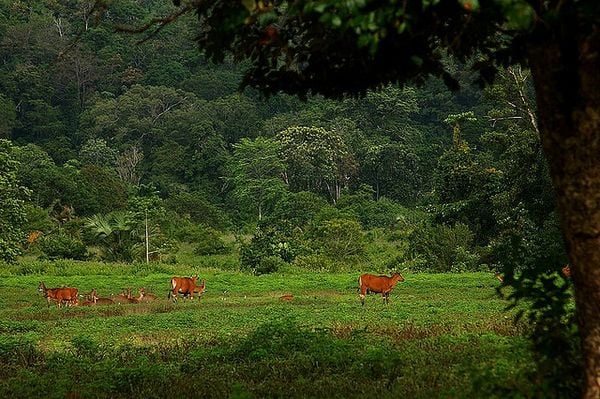
Within the park’s 80-hectare savannah zone, endangered banteng, wild cattle carrying long, curved horns, roam alongside protected populations of Javan langur, dhole, and clouded leopards. Surfers, meanwhile, already know the park for G-Land, a world-class surf break along its southern shoreline widely ranked among the best left-handed waves anywhere on the planet, while a more restful aquatic option waits in the park’s maze of colorful rock pools, visible at low tide and filled with iridescent marine life.
Spending a night in one of the park’s newer glamping tents rounds out a proper visit, and evenings there typically include a roaring beachfront bonfire alongside a locally caught seafood barbecue, with staff keeping the resident monkeys diligently away from the food throughout the meal. Few parks anywhere in Indonesia blend genuine spiritual significance with world-class surfing quite this seamlessly within a single protected area. Visitors hoping to combine surfing with the park’s spiritual and wildlife highlights should budget at least two full days to properly experience both sides of the park. Packing reef-safe sunscreen also helps considerably, given how much time visitors spend exploring the shoreline and rock pools.
Mitch Hodiono / Unsplash
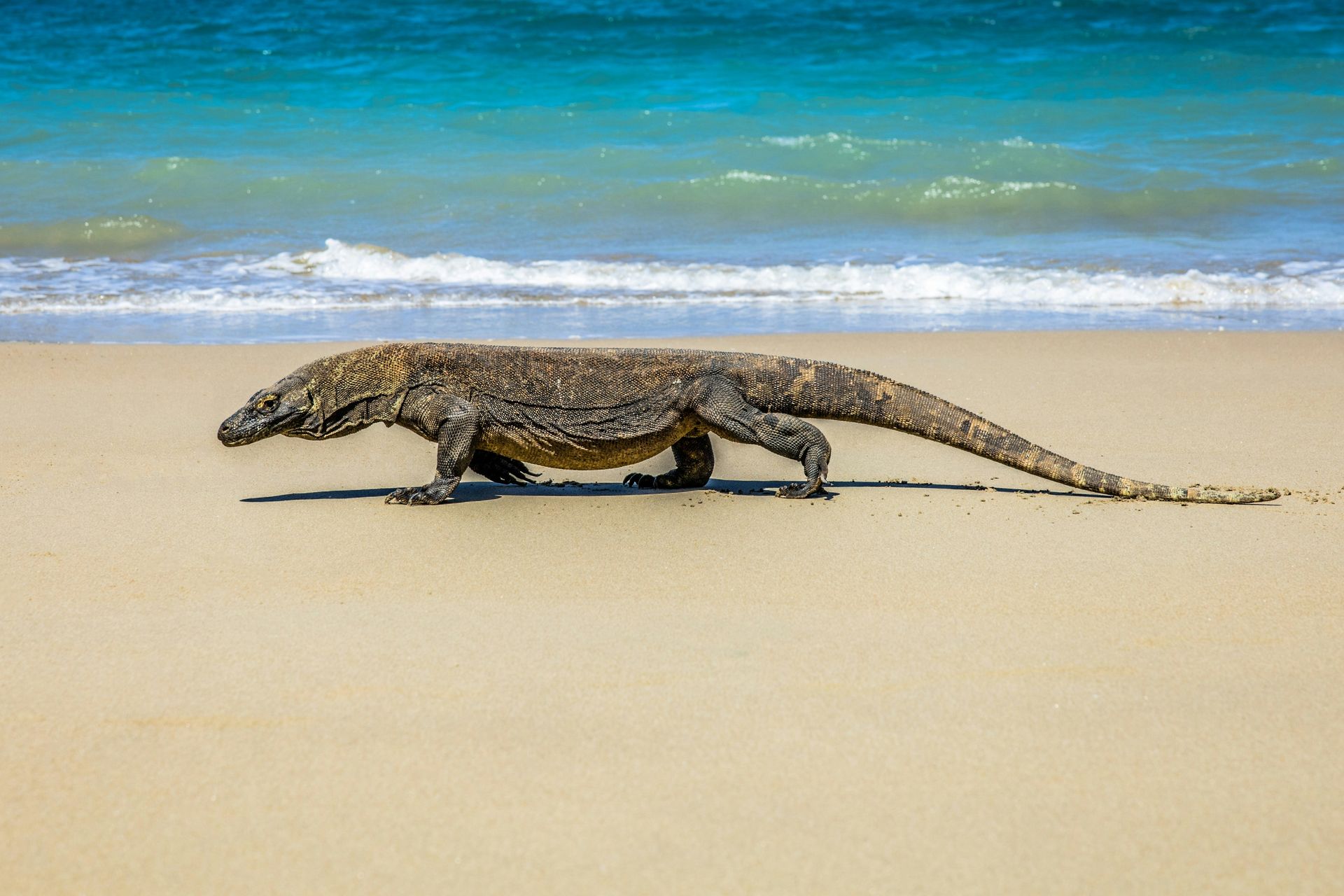
At the heart of the Indonesian archipelago, Komodo National Park spans the volcanic islands of Rinca, Komodo, and Padar, offering hiking, swimming, and snorkeling across genuinely varied terrain. Rinca holds mangrove forests and lurking saltwater crocodiles, while the waters around Komodo itself hold almost 80% of the world’s coral species and nearly 40% of all reef fish species, making the park a genuine marine biodiversity hotspot alongside its famous namesake reptile.
Hikes to the highest peaks on each island deliver superb panoramic views alongside genuine encounters with lumbering Komodo dragons, and while the world’s largest lizards show up most reliably on their namesake island, it’s not unusual to see one loafing along the jetty in Rinca as a boat pulls in. A standard day tour typically starts at compact, vertiginous Padar, where a steep 15-minute hike leads to the highest of several viewpoints overlooking scalloped bays, the island’s mountainous spine, and a sweeping marine panorama, followed by a swim at Pantai Merah, one of the park’s distinctive pink-sand beaches.
Komodo Island itself turns lush green during the short wet season between December and March, while the rest of the year leaves it a frazzled rusty tan that makes the surrounding crystal waters pop in contrast. Every visitor gets paired with a ranger carrying a forked staff specifically for keeping dragons at a safe distance throughout the walk.
Entrance to Komodo Island includes a choice of three walks: a short 1.5-kilometer route past an artificial waterhole that attracts local deer, wild boar, and dragons, a medium 2-kilometer route climbing a hill with sweeping views and cockatoo sightings, and a longer 4-kilometer route covering similar ground while escaping the peak-season crowds entirely. Staying close to an assigned guide and sticking strictly to marked trails matters considerably, since the only recent dragon attack on a person involved a tourist who wandered off alone without one. Visitors booking a multiday boat trip should confirm which specific islands and walks are actually included, since itineraries vary considerably between operators.
Thomas Gabernig / Unsplash
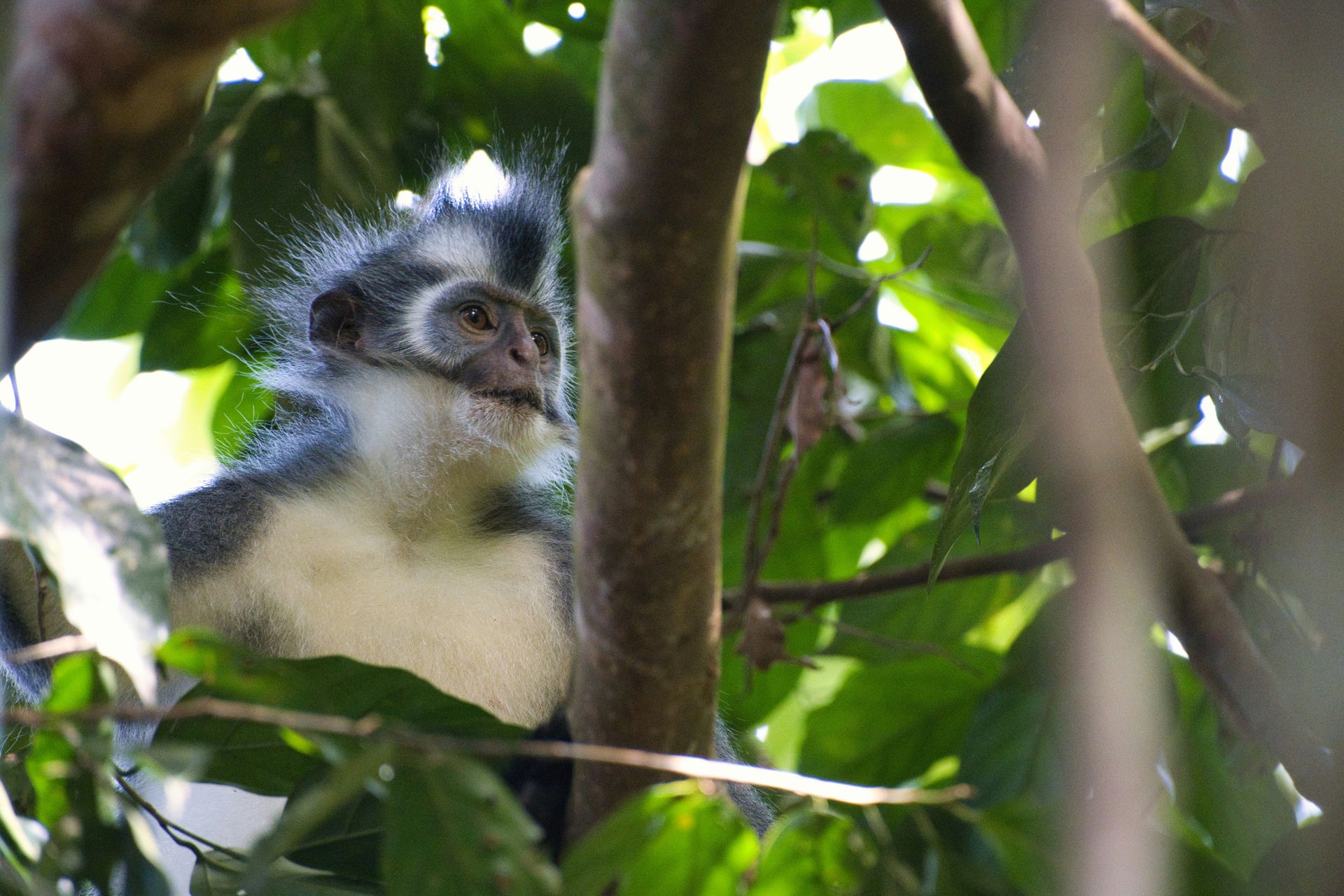
Spanning North Sumatra and Aceh provinces, the 8,300-square-kilometer Gunung Leuser National Park holds Indonesia’s wildlife big five, orangutans, tigers, elephants, rhinos, and sun bears, making it a genuine must-visit destination for dedicated wildlife enthusiasts. The park protects the largest intact area of virgin forest anywhere on the island of Sumatra, and roughly 89 endangered species call it home, turning any visit into a genuine jungle trekker’s paradise.
Sumatran tigers throughout the park remain notoriously shy and difficult to spot directly, though local women washing clothes along the riverbanks near jungle lodges will often happily point out fresh tiger footprints to curious visitors. Bukit Lawang, on the park’s edge, ranks among the best places in Sumatra to bring children, thanks to excellent accommodation, genuinely welcoming local residents, and guides well practiced at catering to hikers of every experience level and physical ability.
Hiking through Bukit Lawang in search of wildlife, sleeping overnight in the forest, and tubing down the river back to accommodation tends to turn even adults into genuinely excited kids, suggesting just how memorable the same experience becomes for actual children. Restaurants along the accommodation strip serve plenty of international food for kids not yet won over by Indonesian flavors, and asking staff to hold the spice usually works reliably.
Every hiker carries their own gear throughout the trek, since guides serve purely as guides rather than porters, making packing light genuinely important. Insect repellent with a high concentration of DEET keeps leeches at bay, though testing it on skin beforehand is important, given that some travelers react sensitively to the higher concentration. A worthwhile detour leads to Tangkahan, roughly a two-hour drive away, where tubing and swimming down the Buluh River and visiting nearby hot springs offer a more ethical alternative to the village’s controversial elephant interaction center. Few destinations anywhere in Sumatra combine this much genuine family accessibility with such a serious concentration of endangered wildlife.
Simone Dinoia / Unsplash
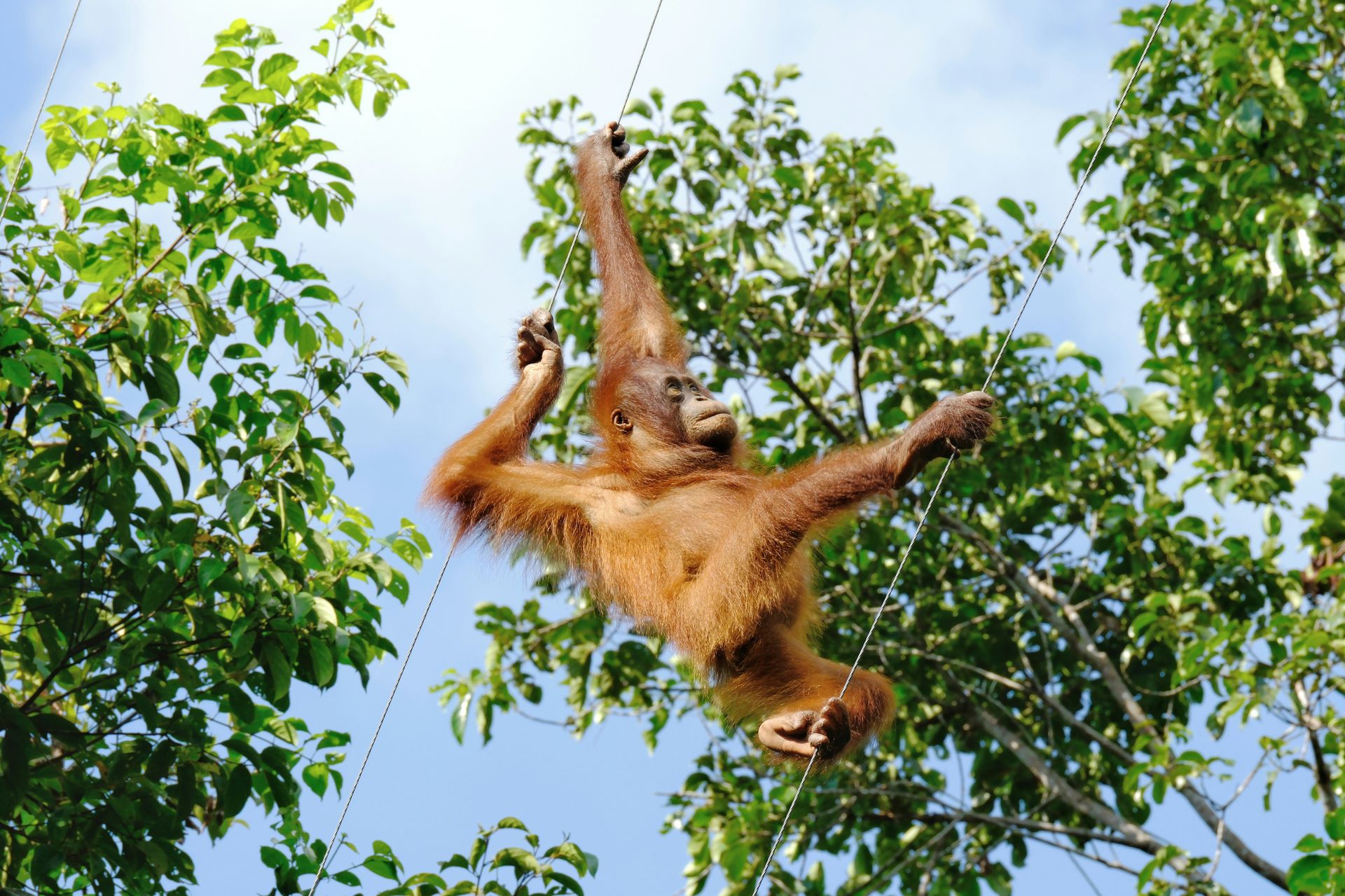
Borneo’s Tanjung Puting National Park ranks as the most popular tourist destination throughout Kalimantan, and visitors here are almost guaranteed to encounter magnificent orangutans alongside proboscis monkeys sporting their distinctive six-inch-long noses. Four separate research centers operate inside the reserve, and the park’s dedicated orangutan conservation efforts push the odds of spotting these great apes in their natural habitat to nearly 100%.
Travelers $TRV seeking the fullest experience take a klotok, or traditional houseboat, up the Sekonyer River toward Camp Leakey, a rehabilitation center founded in 1971 specifically to care for the region’s endemic primates. Stretching out on the boat’s wooden deck while cruising through peat heathlands, coastal beech forests, and marshy mangroves typically fills a full three-day trip, puttering along at roughly three kilometers per hour while hornbills swoop overhead and orangutans crash through the surrounding treetops.
On the first or second night aboard, most visitors get offered the option of a night trek with a park ranger, a genuinely illuminating way to observe nocturnal wildlife most day-trippers never see. Borneo pit vipers hang from tree branches with near certainty, while tarantulas emerge from burrows and giant forest ants scurry across the forest floor below, and travelers occasionally spot pythons or tarsiers, tiny, shy primates known for their enormous eyes.
Choosing a genuinely reputable guide throughout Indonesia matters considerably for both safety and environmental impact, and travelers should confirm certification through the Indonesia Tourist Guides Association, read recent online reviews mentioning specific guides by name, and ask directly how a prospective guide minimizes their impact on the surrounding environment before committing to a booking. Few river trips anywhere in Borneo combine this much reliable wildlife viewing with such a genuinely relaxed, slow-paced way of actually getting there. Visitors booking a multiday klotok trip should confirm exactly which research stations the itinerary includes, as coverage varies noticeably among tour operators. Packing lightweight, breathable clothing also helps considerably, given the humidity throughout the multiday boat journey.
