America's best zoos, from Oakland's pioneering elephant care to Omaha's shark tunnel and overnight safaris
Rebecca Nelson / Getty Images
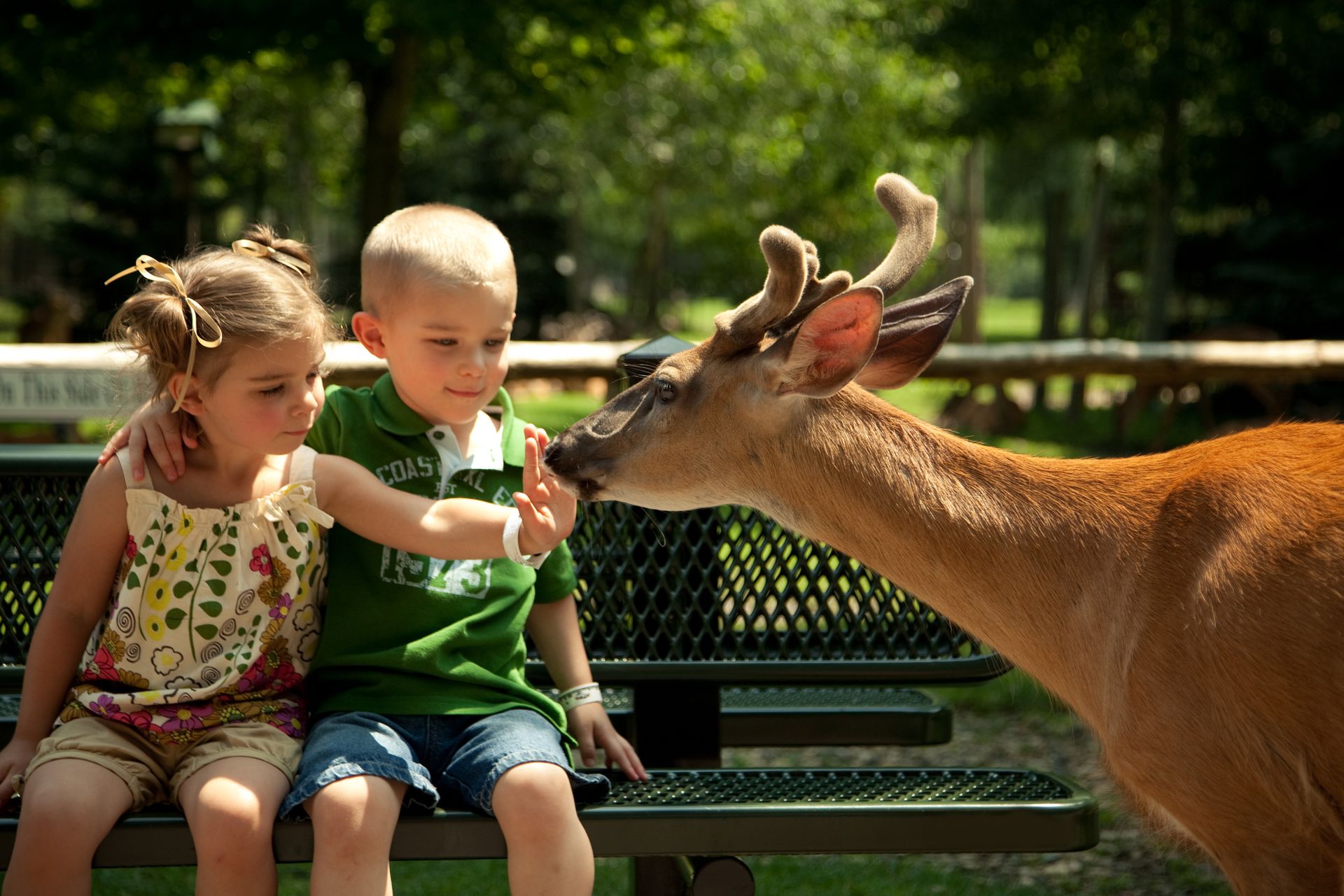
A great zoo does something that no nature documentary can fully replicate: it positions a living animal within viewing distance of a human being who has never seen one before, and it allows that encounter to produce whatever effect it produces. For a child, that effect is often wonder. For an adult, it can be a recalibration of perspective — a reminder that the world contains organisms of extraordinary variety and that many of them are in serious trouble. The best zoos leverage that encounter. They educate visitors about the species they are watching, the habitats those species depend on, and the conservation programs the institution maintains to protect animals in the wild and in captivity.
The zoo industry has moved substantially toward this model over the past several decades, but not uniformly. Some institutions still maintain enclosures that prioritize visibility over animal welfare, and the gap between the best and worst facilities can be wide. The Association of Zoos & Aquariums (AZA) accredits institutions that meet rigorous standards for animal care and conservation programming. Dan Ashe, the AZA’s president and CEO, describes accreditation as one of the strongest signals an informed zoo visitor can use when choosing where to go — it means a facility’s animal care practices, conservation commitments, and educational programs have been reviewed and approved by experts whose primary concern is the animals, not the gate revenue.
The 10 zoos below come from U.S. News & World Report’s list of the best zoos in the U.S., which identified institutions that receive favorable traveler reviews across multiple review platforms, hold current AZA accreditation, and have been evaluated by experienced veterinarians and animal care specialists. Every institution on this list carries the AZA designation, which means every dollar a visitor spends goes toward organizations that have met a defined standard of animal care and conservation engagement.
PHOTOGRAPHY BY BERT.DESIGN / Getty Images
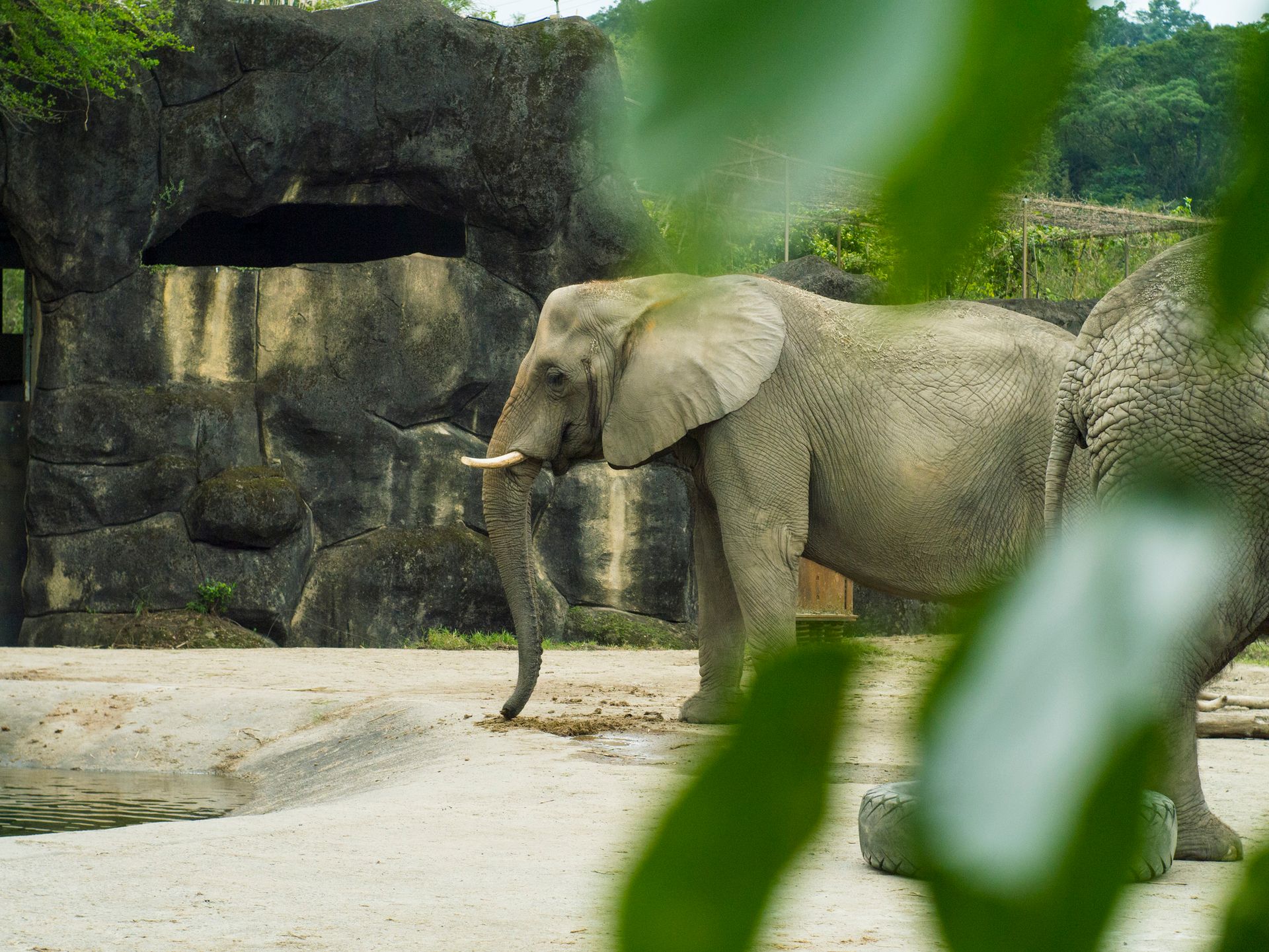
The Oakland Zoo, situated about 20 miles east of downtown San Francisco, developed the “protected contact” method of elephant husbandry in 1991. The shift in animal management philosophy has since been adopted by animal behaviorists worldwide. The method separates zookeepers and elephants with physical barriers and uses positive reinforcement to guide animal behavior, replacing the traditional reliance on discipline and direct physical contact that earlier elephant programs relied on. The Oakland Zoo’s development of this standard gives it a specific historical significance in the field of zoo animal management that most contemporary facilities cannot claim.
The zoo is home to more than 850 native and exotic species, including African lions, American alligators, and grizzly bears, all housed in large natural habitats. The Express Train to Wild Australia gives visitors access to the emus, wallabies, and wallaroos that roam that section of the property. The Sky Ride gondola affords aerial views of the animals below, and visitors consistently note the hillside layout and the gondola as distinctive features that differentiate the Oakland Zoo from flat-terrain urban facilities. A dining option at the top — The Landing Café in the Kaiser Permanente Visitor Center — sits 650 feet above sea level.
Many of the animals at the Oakland Zoo are rescues, and the institution’s conservation reach extends to California condors and mountain lions through rehabilitation and veterinary services. Managed by the Conservation Society of California, the zoo has partnered with 25 conservation organizations and invested more than $1 million to support both captive and wild animal populations. The 1991 protected contact innovation, the 25 conservation partnerships, and the $1 million investment together give the Oakland Zoo a conservation credentials profile that its visitor count and regional position do not immediately suggest for a facility of its size. The Sky Ride gondola and the hillside layout give the physical experience of the visit a spatial variety that flat-terrain urban zoos cannot replicate.
Buena Vista Images / Getty Images
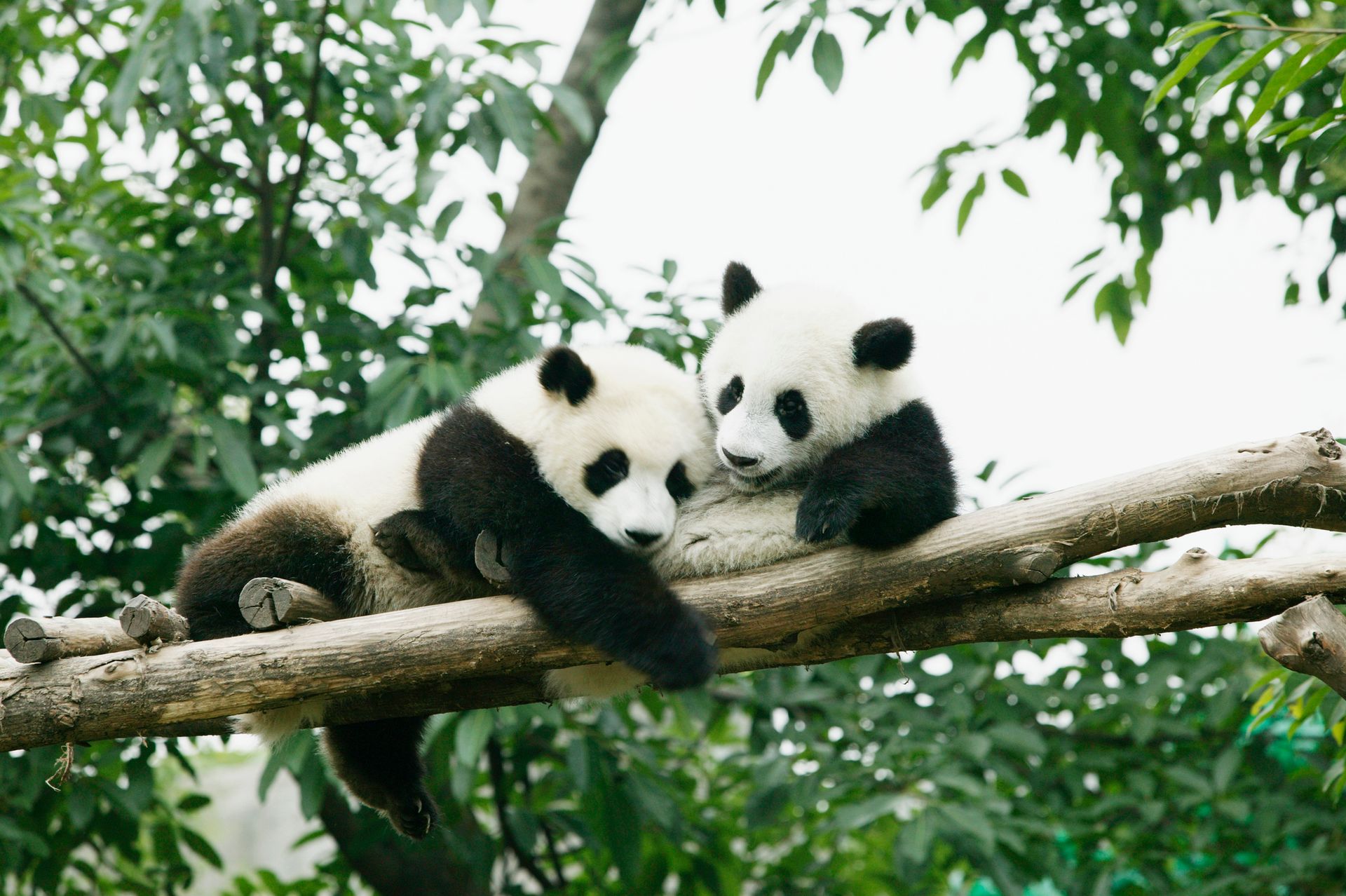
The Smithsonian’s National Zoo in Washington, D.C. — located in Rock Creek Park, about two miles northwest of downtown — was established in 1889 under President Grover Cleveland, making it one of the oldest public zoos in the United States. The institution introduced two new giant pandas to its indoor and outdoor exhibits in January 2025, replacing the two pandas that departed in 2023. The new arrivals are part of a conservation partnership with the China Wildlife Conservation Association, which the zoo describes as focused on protecting the species and their wild habitats in China.
Free admission distinguishes the National Zoo from most large American zoos, giving it a public-service character that reinforces its identity as a federal institution funded through the Smithsonian. Visitors can attend daily keeper talks, see more than 2,200 animals on display, and observe orangutans, Andean bears, Bennett’s wallabies, and California sea lions across the property. The panda exhibit draws the most sustained attention and provides the zoo’s most photogenic moment, but the institutional breadth extends well beyond the headline animals.
The work of the Smithsonian’s National Zoo & Conservation Biology Institute reaches beyond the D.C. campus through scientific studies, endangered species breeding programs, and the reintroduction of animals into wild habitats around the world. The institute functions as both a public-facing zoo and a research organization, which gives its conservation programs a scientific depth that visitor-funded zoological societies can sometimes struggle to match. The National Zoo’s free admission, its federal institutional backing, and the January 2025 panda reintroduction give it a particular relevance in 2026 for visitors who missed the earlier pandas or are visiting Washington for the first time. The partnership with the China Wildlife Conservation Association also gives the panda exhibit a conservation function that extends beyond the exhibit itself into wild habitat protection in China. The January 2025 arrivals make this the only year since 2023 that the National Zoo has had resident giant pandas, and the exhibit reopening gives the zoo a specific draw for visitors who made the trip to Washington during the years the pandas were absent.
jared lloyd / Getty Images
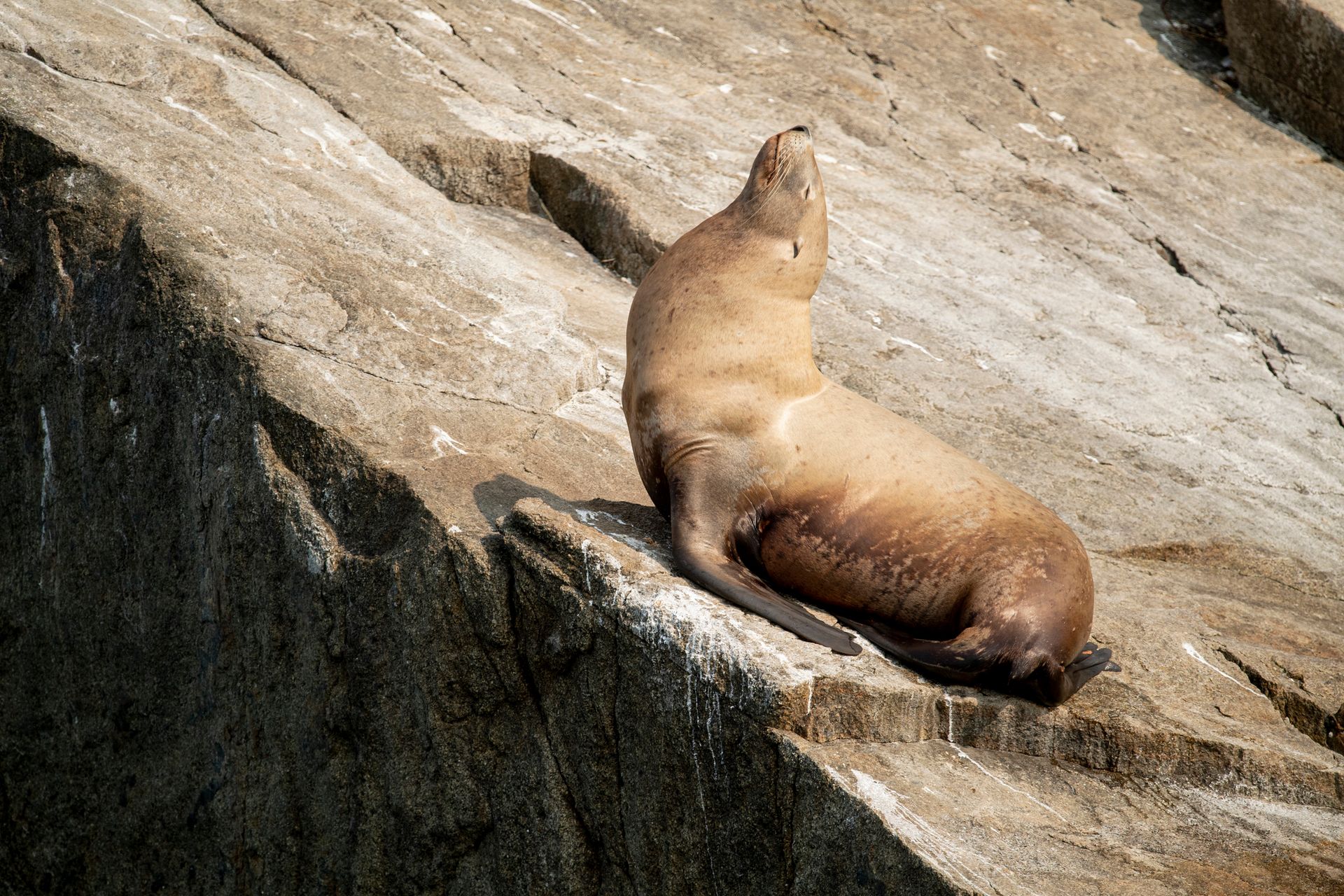
The Alaska SeaLife Center in Seward, Alaska, holds a designation no other facility in the state shares: it operates Alaska’s only authorized rehabilitation program for live-stranded marine mammals. Visitors who come to see sea lions, seals, king crabs, horned puffins, and giant Pacific octopuses are also supporting a wildlife response operation that assists abandoned, stranded, or injured marine wildlife throughout Alaska. The center also plays a critical role in oil spill response, according to Nancy Deel, the center’s marketing communications director.
The Chiswell Island Steller Sea Lion Remote Video Monitoring Project represents one of the center’s most significant long-term scientific contributions. Scientists have studied the endangered Steller sea lion population since 1998, and the 25-year project has provided continuous long-term insights and has produced multiple peer-reviewed scientific publications. A project that has sustained uninterrupted wildlife monitoring for a quarter century at a single site produces a depth of population data that shorter-term studies structurally cannot replicate.
The center’s educational programming extends ocean literacy both locally and globally, connecting visitors of all ages to the marine ecosystem through behind-the-scenes tours with care and education teams. A blind harbor seal named Papita, who was rescued and became a resident, exemplifies the center’s approach to animal welfare: her care team uses sound cues to work with her, adapting standard zoo training methods to serve an animal with a specific sensory limitation. The Alaska SeaLife Center’s live marine mammal rehabilitation, a 25-year endangered species monitoring project, and direct public engagement with Alaska’s marine ecosystem together make it the most geographically specific and ecologically grounded institution on this list. Visitors who come to see the octopuses and sea lions are simultaneously funding a wildlife response infrastructure that operates across Alaska’s coastline and has been doing so for decades. The center’s location in Seward gives it a specific relationship to the marine environment it studies: researchers here can access active wildlife populations in the surrounding Gulf of Alaska that inland facilities studying the same species cannot.
wellsie82 / Getty Images
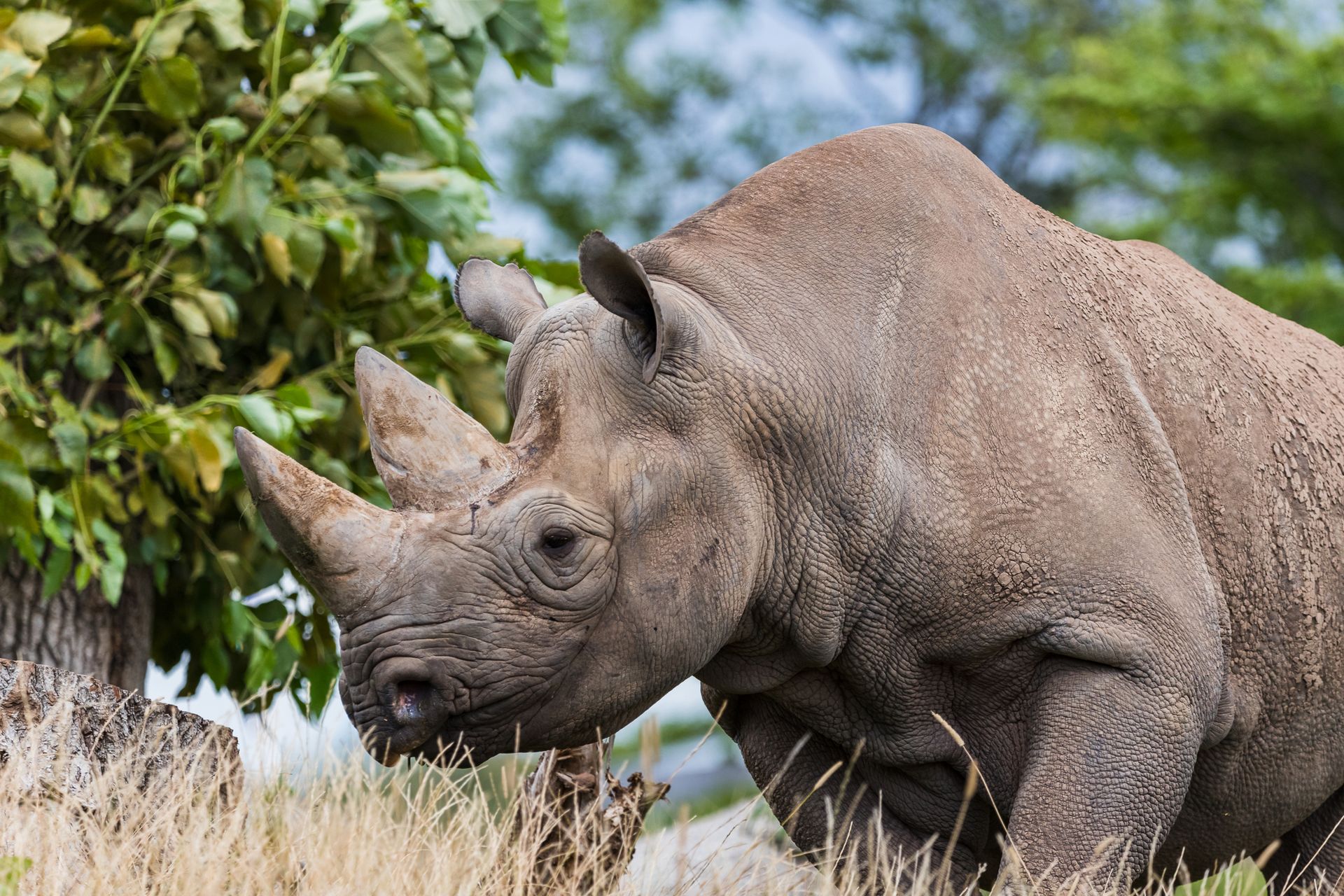
The Saint Louis Zoo in St. Louis, Missouri, received the Worldwide Conservation Award from the World Association of Zoos and Aquariums in 2022 for its research and field work in the Galápagos Islands. This is an international recognition that reflects the zoo’s conservation reach beyond its Missouri campus. The Galápagos program represents one dimension of a broader conservation operation: zookeepers have also bred and released thousands of nearly extinct snail species into French Polynesia, and the zoo’s Ozark and eastern hellbenders program is among the world’s largest amphibian reintroduction efforts.
The Saint Louis Zoo is open year-round and free to the public, giving it an accessibility profile matched by few major American zoos. The facility houses more than 16,000 animals — including western lowland gorillas, black rhinoceroses, polar bears, and Sumatran orangutans — in natural habitats that visitors consistently describe as clean and spacious. The Emerson Zooline Railroad, a 4D movie theater, and a carousel give families supplementary entertainment alongside the animal exhibits, while behind-the-scenes tours provide the deeper engagement that conservation-minded visitors seek.
A recently staged production, “Romeo and Zooliet” — developed in partnership with the St. Louis Shakespeare Festival — adds a cultural programming dimension, positioning the zoo as a civic arts institution alongside its scientific and conservation roles. The juxtaposition of a Shakespeare adaptation with a snail reintroduction program captures the Saint Louis Zoo’s character: a free urban zoo with global conservation credentials and a genuine civic programming ambition. The 2022 Worldwide Conservation Award, the snail reintroduction in French Polynesia, and the amphibian reintroduction program give the Saint Louis Zoo a conservation portfolio that its free admission and Midwestern location might lead visitors to underestimate. A zoo that reintroduces snails into Pacific island ecosystems while maintaining free public admission has made a structural commitment to conservation funding that operates independently of gate revenue. The Ozark and eastern hellbender program, described as one of the world’s largest amphibian reintroduction efforts, gives the Saint Louis Zoo a conservation operation whose scale matches institutions that charge admission and invest the proceeds.
skaman306 / Getty Images
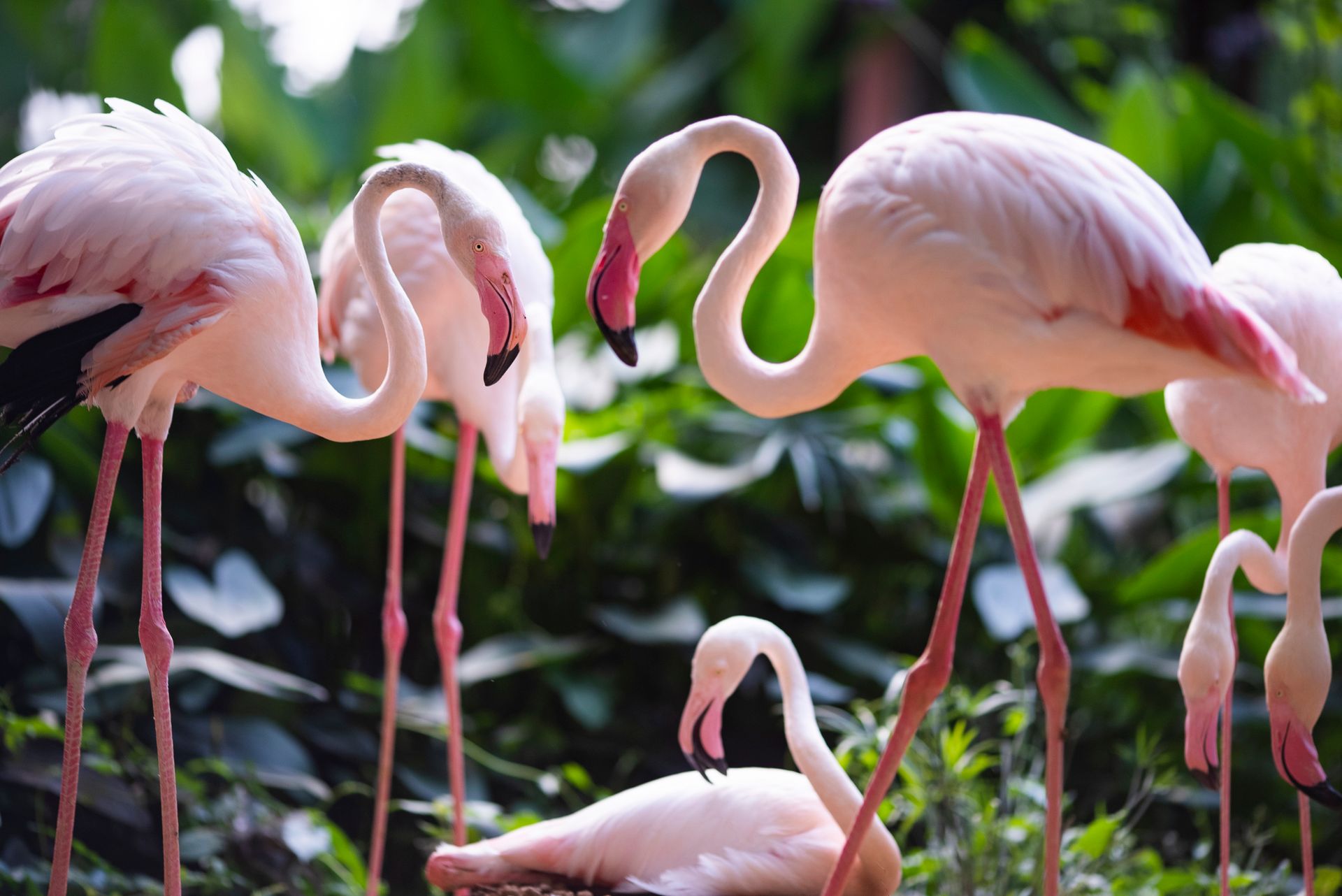
The Fort Worth Zoo in Texas, which has been educating visitors since 1909, is the oldest continuously operating zoo in Texas and one of the few American zoos to house resident bonobos — one of the four great ape species. The Fort Worth Zoo has a primate collection that includes a species most American zoos do not display, and the facility also maintains two species of rhinoceros, distinguishing its large mammal collection. The Museum of Living Art, housed within the zoo, is dedicated to reptiles and amphibians and provides herpetology with a dedicated gallery space uncommon at zoological parks.
The zoo’s lesser flamingo breeding colony holds the distinction of being the most successful in the world, which gives Fort Worth a specific species conservation credential that no other institution on this list can claim. Breeding programs for charismatic megafauna attract more institutional attention and funding, which makes the lesser flamingo colony’s record particularly notable: it reflects a sustained commitment to a species that does not generate the same public attention as pandas or elephants.
Fort Worth’s Asian elephant conservation program complements the lesser flamingo distinction and gives the zoo two globally recognized specialist credentials. Visitors consistently praise the cleanliness and design of the enclosures, and many recommend the Yellow Rose Express train as a practical way to cover the grounds. The facility’s seasonal “Boo at the Zoo” event, set for daytime Halloween celebrations with treat stations and live entertainment, extends its community engagement into programming that draws visitors outside the standard zoo visit format. The Fort Worth Zoo’s 1909 founding, its bonobo exhibit, its dual rhino species, and its world-record flamingo colony together make it the most species-specifically distinguished zoo on this list. The longevity of the flamingo colony’s breeding record reflects an institutional commitment to species-specific husbandry expertise that accumulates over decades and cannot be replicated by simply acquiring new animals.
Mint Images / Getty Images
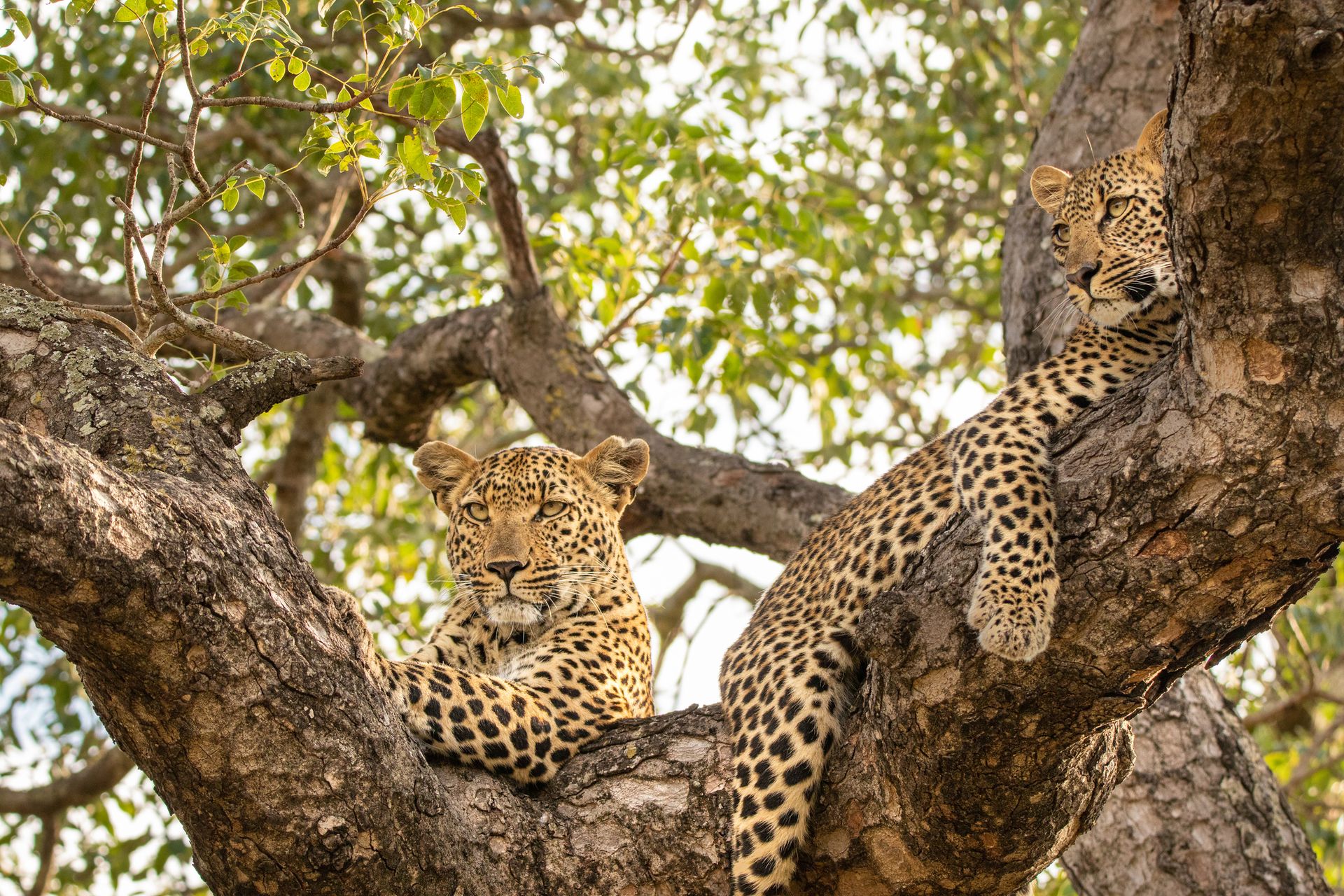
The San Diego Zoo Wildlife Alliance combines two world-famous facilities — the San Diego Zoo and the San Diego Zoo Safari Park — into a single conservation organization that operates eight conservation hubs across six continents. The scale of the alliance’s global reach distinguishes it from institutions that focus on in-country conservation: the San Diego model supports field programs for polar bears, leopards, giant otters, chimpanzees, and elephants across geographically dispersed sites, with coordination managed from California.
The zoo’s conservation history includes one of the most celebrated interventions in American wildlife history: the California condor recovery program, which began in the early 1980s when the species faced extinction. The zoo-based breeding, research, and reintroduction initiatives that started with the condor program have since expanded into a worldwide effort that the alliance describes as encompassing collaborative breeding across species and continents. Visitors to the main zoo can see the new giant panda exhibit alongside koalas, lions, hippos, and Tasmanian devils, while Safari Park guests encounter greater one-horned rhinos, gorillas, platypuses, and Matschie’s tree kangaroos in habitats modeled on each species’ native environment.
Recent guests consistently recommend planning a full day at each facility to cover the animals and explore the grounds, and many note that guided tours or scheduled animal encounters significantly improve the visit. The size of both properties means that casual visitors can miss significant sections without a structured plan. The San Diego Zoo Wildlife Alliance’s eight-continent conservation hub network, its California condor recovery legacy, and its two-property model that gives visitors more than either a single zoo or a single safari park could provide individually make it the most operationally expansive institution on this list. The Safari Park’s habitat-inspired enclosures for species such as Matschie’s tree kangaroos and greater one-horned rhinos give that facility a naturalistic depth that complements the main zoo’s broader educational programming. The alliance model — one admission supporting two properties and eight global conservation hubs — gives donors and visitors a direct financial stake in the organization’s worldwide field programs.
Aprison Photography / Getty Images
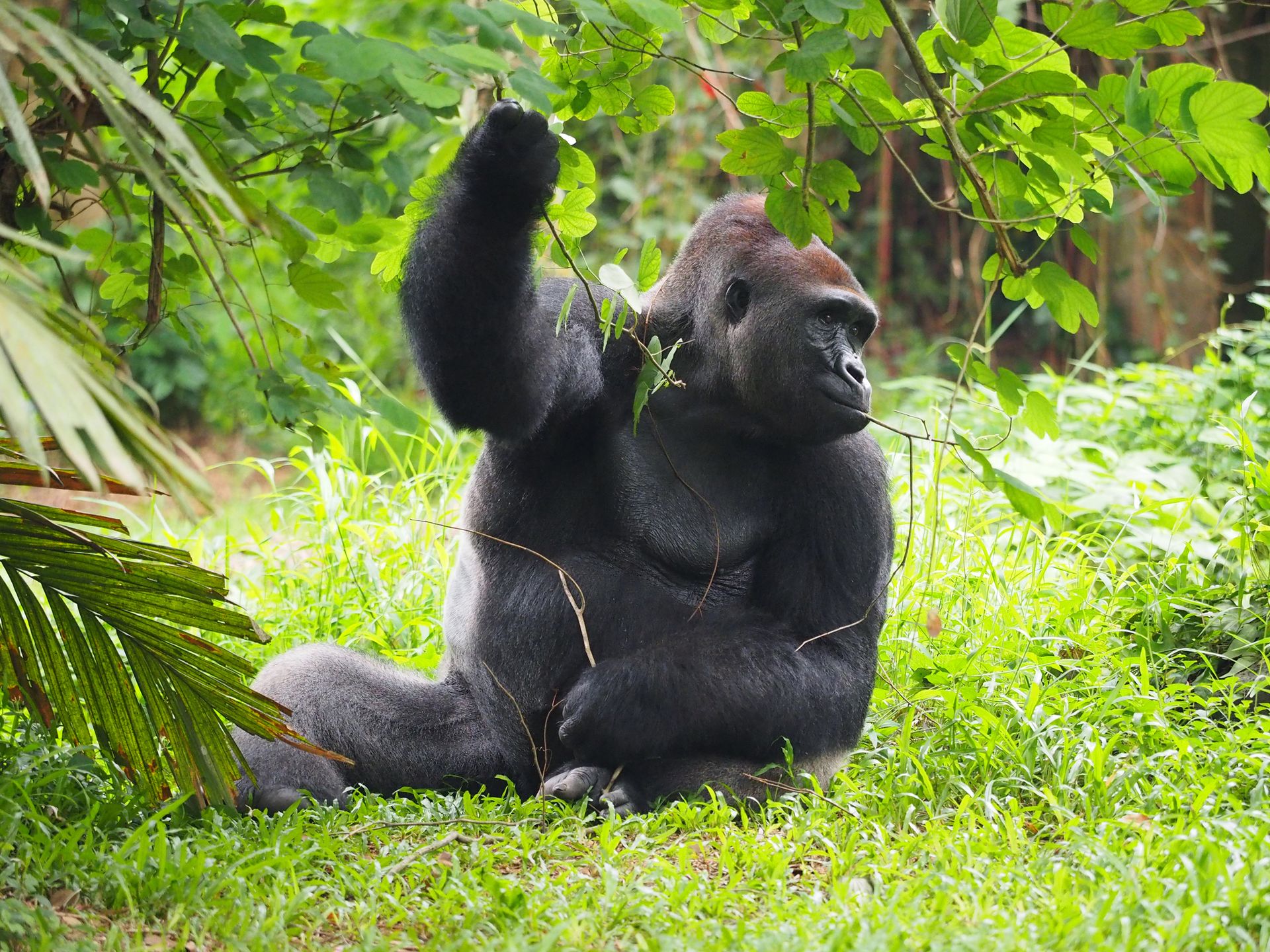
The Bronx Zoo in New York City spans 265 acres and houses more than 700 species, making it the largest urban zoo in the United States by both area and number of species. The scale creates a visitor experience challenge: the property is too large to see comprehensively in a single day, a challenge the zoo acknowledges by recommending specific must-see attractions, such as the Wild Asia Monorail and the Congo Gorilla Forest. The glass-enclosed Congo Gorilla Forest brings visitors into direct proximity with western lowland gorillas and other African animals in a rainforest environment that the facility has maintained with considerable naturalistic detail.
The zoo’s conservationists participate in saving, breeding, and reintroducing protected species worldwide, including American bison on the western Plains and Kihansi spray toads in Tanzania. The two species illustrate the zoo’s geographic range: one is a North American grassland species whose population was severely reduced through 19th-century commercial hunting, and the other is an East African amphibian whose stream habitat was disrupted by a hydroelectric dam. Connecting those two conservation cases within a single institution’s portfolio reflects the Bronx Zoo’s ambition as a conservation organization.
A new World of Darkness exhibit, which opened July 12, 2025, features more than 20 habitats highlighting nocturnal animals and the mechanisms by which they thrive in the absence of light. The exhibit expansion gives visitors who have seen the Bronx Zoo before a specific new reason to return and gives first-time visitors an additional dimension of the animal world that most zoo exhibits do not address. Travelers $TRV note that the zoo is larger than most visitors expect on arrival and delivers strong value as an outdoor destination within New York City. The World of Darkness opening adds a new conservation education dimension to the Bronx Zoo, focused specifically on nocturnal species. These animals have survival mechanisms that are poorly understood by most zoo visitors, and their habitats face specific threats from light pollution and nighttime habitat disruption.
Yann Guichaoua-Photos / Getty Images
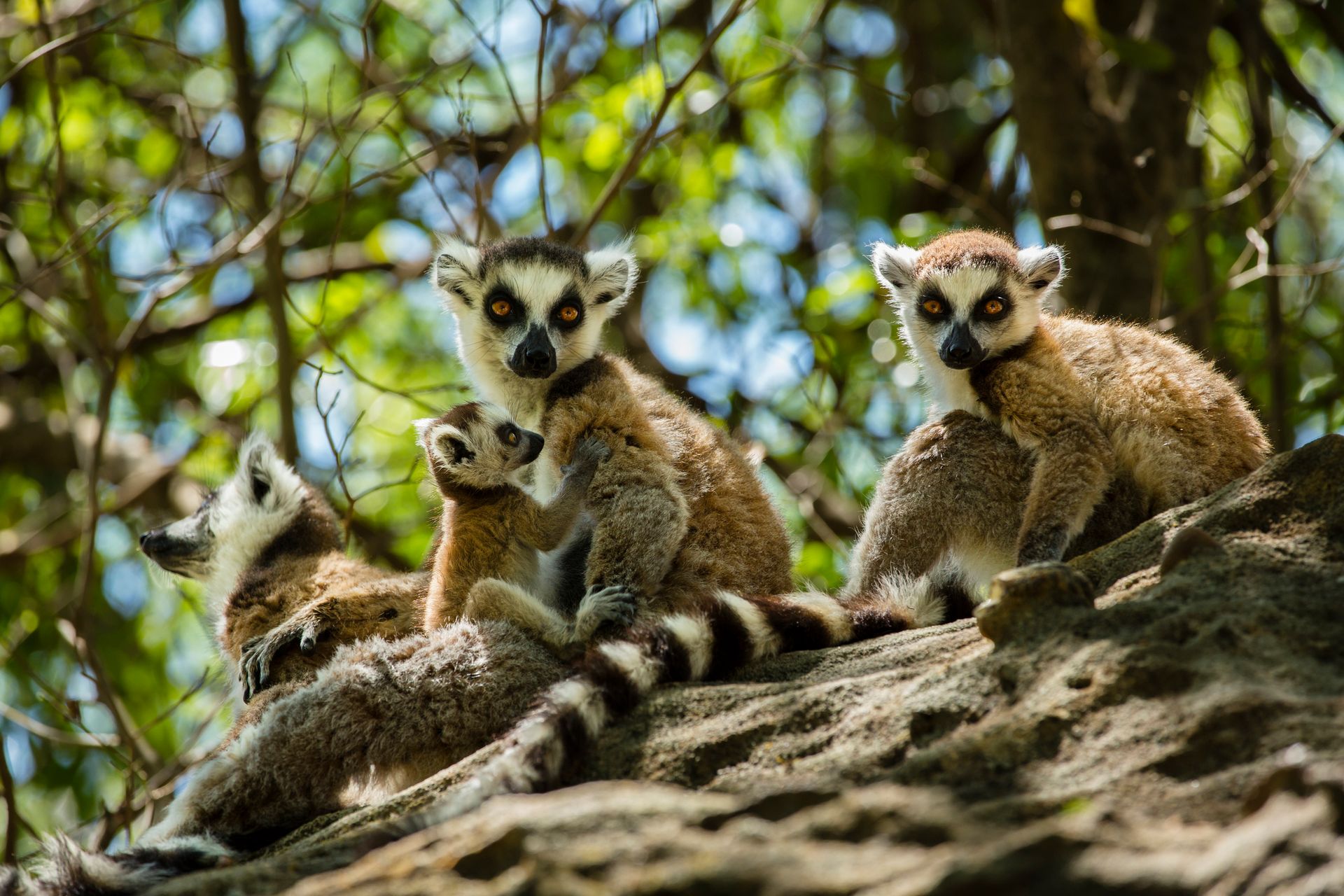
The Brevard Zoo in Melbourne, Florida, roughly 60 miles southeast of Orlando’s theme park corridor and about 30 miles southwest of the Kennedy Space Center Visitor Complex, offers a specifically Floridian zoo experience: guided kayak tours through the Expedition Africa section, where rhinos and lemurs are visible from the water. The kayak tour format gives visitors a perspective on large animals in outdoor habitats that ground-level zoo exhibits cannot produce, and the aquatic approach to an African savanna section captures something of the sensory experience of observing wildlife from a waterway in the wild.
The zoo’s open-air exhibits give families access to alligators, giraffes, and zebras in settings that visitors describe as impressive and well-shaded. A zip line experience adds an adventure element for guests who want physical activity alongside animal viewing. The train ride through the camel, antelope, and African cattle section offers visitors who cannot participate in the kayak tour an alternative mode of transport that provides a different viewpoint of different habitats.
The Brevard Zoo’s conservation mission extends to the local Florida ecosystem through a sea turtle healing center and the construction of living shorelines. The shoreline work uses natural vegetation and materials to protect coastline integrity, not engineered structures. The 2025 addition of Lua, a five-year-old female jaguar, as the newest resident, strengthens the zoo's conservation credentials at the species level by making it a current Species Survival Plan participant. The kayak safari, the sea turtle center, the living shoreline work, and the new jaguar together give the Brevard Zoo a distinctly aquatic and coastal conservation identity that differentiates it from the inland zoos on this list. The proximity to the Kennedy Space Center Visitor Complex also positions the Brevard Zoo as part of a science and education corridor on Florida’s Atlantic coast that gives visiting families a full day’s itinerary across multiple institutions in a single geographic area.
Jackyenjoyphotography / Getty Images
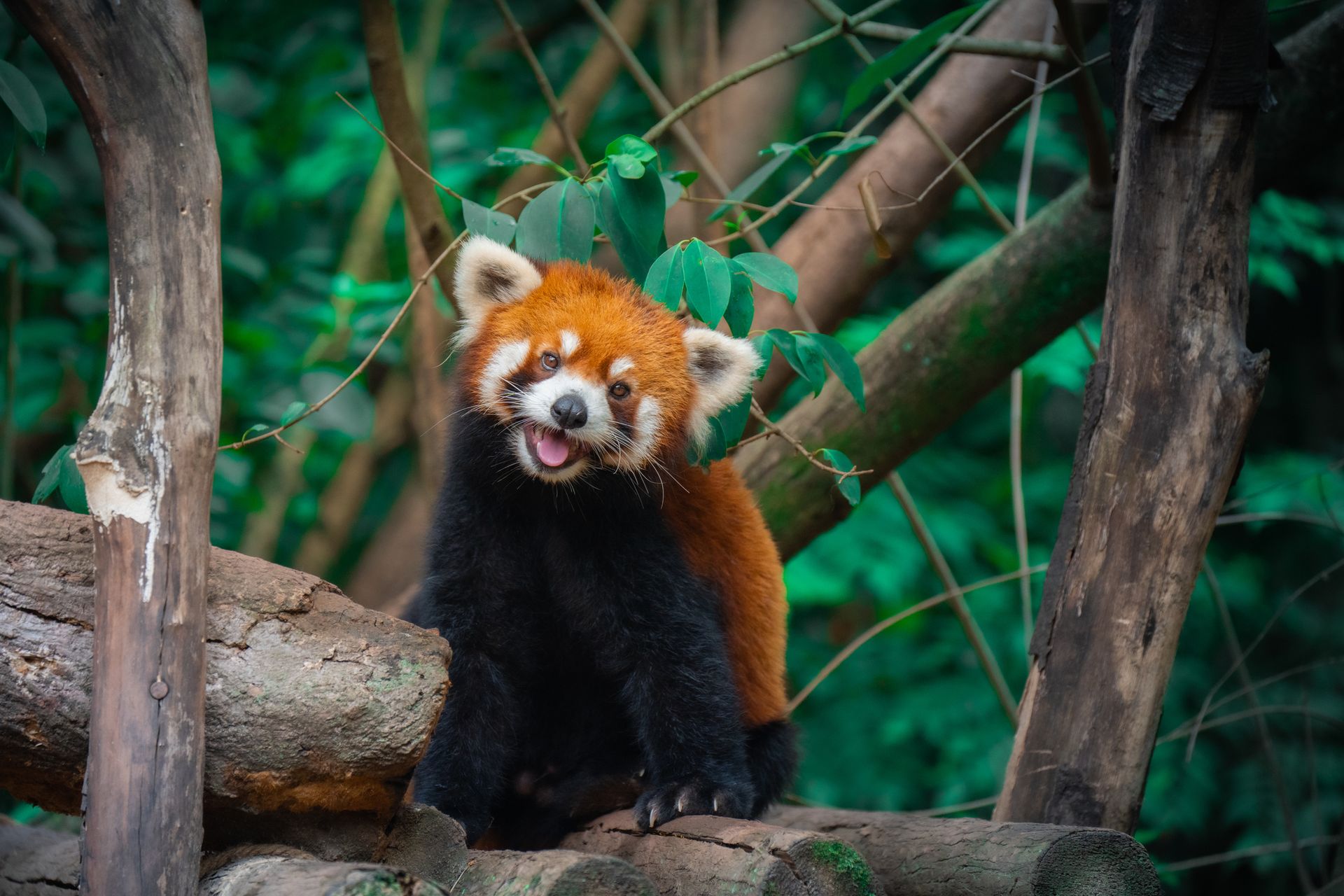
The Minnesota Zoo in Apple $AAPL Valley, Minnesota — situated on nearly 500 acres of woodlands with freshwater ponds, about 20 miles south of downtown Minneapolis — opened its Red Panda Forest in May 2025, expanding its conservation programming with a new habitat for endangered red pandas alongside red-crowned cranes and tufted deer. The zoo operates year-round, with indoor and outdoor exhibits, hosting nearly 500 species, including local wildlife such as beavers, river otters, and wolverines, alongside Amur tigers, sea otters, brown bears, and sea lions.
The Treetop Trail takes visitors 32 feet above the forest floor along a 1.25-mile elevated walking trail set on the zoo’s repurposed monorail track. The accessible design accommodates all guests and offers physical engagement with the tree canopy that flat-surface zoo paths cannot. Zoo Director John Frawley has described the zoo’s approach as nature-forward and health-focused, a framing that aligns the physical trail experience with the institution’s broader mission.
The red pandas in the new forest are part of the AZA’s SAFE — Saving Animals From Extinction — program, which gives the Minnesota Zoo’s newest exhibit a formal conservation standing within the national zoo network’s endangered species framework. Kurt Heizmann, the zoo’s director of animal care, has linked the red panda exhibit directly to support for the wild population: the goal is to build public awareness of the endangered species so that zoo engagement translates into conservation support beyond the visit itself. The Red Panda Forest’s connection to the SAFE program, the accessibility of the elevated Treetop Trail, and the zoo’s nearly 500-acre wooded setting give it a nature-immersion character that urban zoo settings cannot replicate. The two Amur tigers born at the zoo in 2024 mark a recent successful breeding event for a critically endangered species that reinforces the institutional conservation record the new Red Panda Forest represents.
Reinhard Dirscherl / Getty Images
Omaha’s Henry Doorly Zoo & Aquarium spans 160 acres of animal habitats and botanical plantings from around the world, giving visitors at one of Omaha’s top attractions a scale of immersion that distinguishes the facility from the average American zoo. The visitor-favorite Desert Dome covers three arid environments — the Namib Desert, the Red Center of Australia, and the Sonoran Desert — with native animals and plants from each region displayed in a single climate-controlled indoor space. The structure allows visitors to walk through three geographically separate desert ecosystems in sequence without leaving the building.
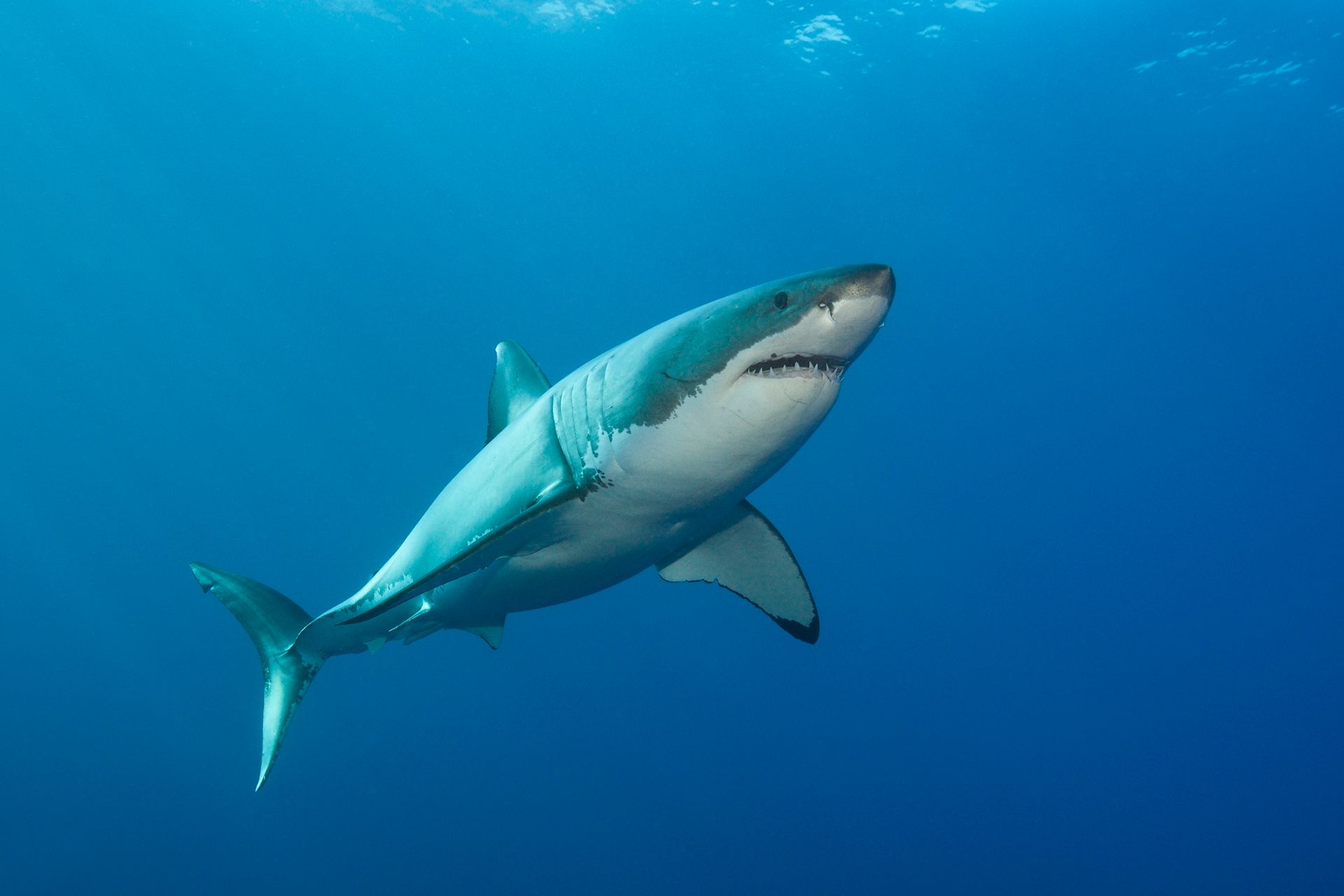
The zoo’s aquarium features a 70-foot shark tunnel through which visitors walk while marine life surrounds them on three sides, and the gorilla habitat at Hubbard Gorilla Valley uses a protective bubble design that allows guests to stand among the gorillas as the great apes move around the observation structure. The sea lion and harbor seal habitat features a 40-foot underwater viewing window, and the outdoor grasslands setting for elephants and rhinos provides large mammals with the space their natural ranging behavior requires.
The Sleeping Bag Safari experience gives visitors an overnight option: guests spend the night at the zoo and receive wildlife conservation education as part of the experience — a programming format that extends the visit beyond the standard daytime admission and gives the conservation mission a more sustained time window to engage participants. The Skyfari ride offers aerial views of the park during warmer months, offering a perspective unavailable from ground-level walking. Omaha’s Henry Doorly Zoo’s Desert Dome, shark tunnel, gorilla bubble, and overnight safari program together offer the most experientially varied visitor experience of any zoo on this list. The reproductive physiology and molecular genetics research the zoo conducts for conservation purposes also provides it with a scientific infrastructure that extends beyond animal displays into research directly supporting endangered species breeding programs worldwide.
