
From Paris's layered arrondissements and world-class museums to Dubrovnik's intact medieval walls above the Adriatic
Dan V / Unsplash
Europe’s density of remarkable destinations within a compact, well-connected geography makes it the most practical continent for multi-stop travel. The same rail network that connects Paris to Barcelona in six hours also links Amsterdam to Berlin in three and a half, Vienna to Prague in four, and London to Edinburgh in under five. Night trains, increasingly common again after decades of decline, make it possible to cover long distances without losing a day to transit. The result is that a two-week European trip can realistically anchor in three or four cities without the airports and check-in overhead that equivalent distances would require elsewhere.
The destinations on this list were chosen for variety: they span northern, southern, eastern, and western Europe, covering everything from ancient ruins to contemporary design culture, and include both the canonical cities that anchor most first Europe trips and a few that reward the traveler who’s already ticked the obvious boxes. Every destination here has a reasonable claim to being a best-in-class example of something specific, whether that’s nightlife, history, coastal scenery, or the particular pleasure of a city that functions best in winter.
The 10 destinations below appear in Lonely Planet, covering Europe’s most rewarding destinations for independent travelers. The list skews toward cities because Europe’s urban culture is where the continent’s historical density, contemporary creativity, and food and nightlife scenes concentrate most accessibly, but several entries also reflect the value of escaping those cities into surrounding landscapes and day-trip destinations. Europe’s overnight train network has expanded significantly since 2020, with new routes connecting Vienna to Paris, Amsterdam, and Rome, which makes it practical to include cities that would previously have required a domestic flight in a single multi-stop itinerary. The Eurail Pass, available in various configurations covering days of travel within a time window, remains the most flexible rail ticket structure for travelers who want to move between countries without committing to a fixed itinerary before departure.
Alexander Kagan / Unsplash
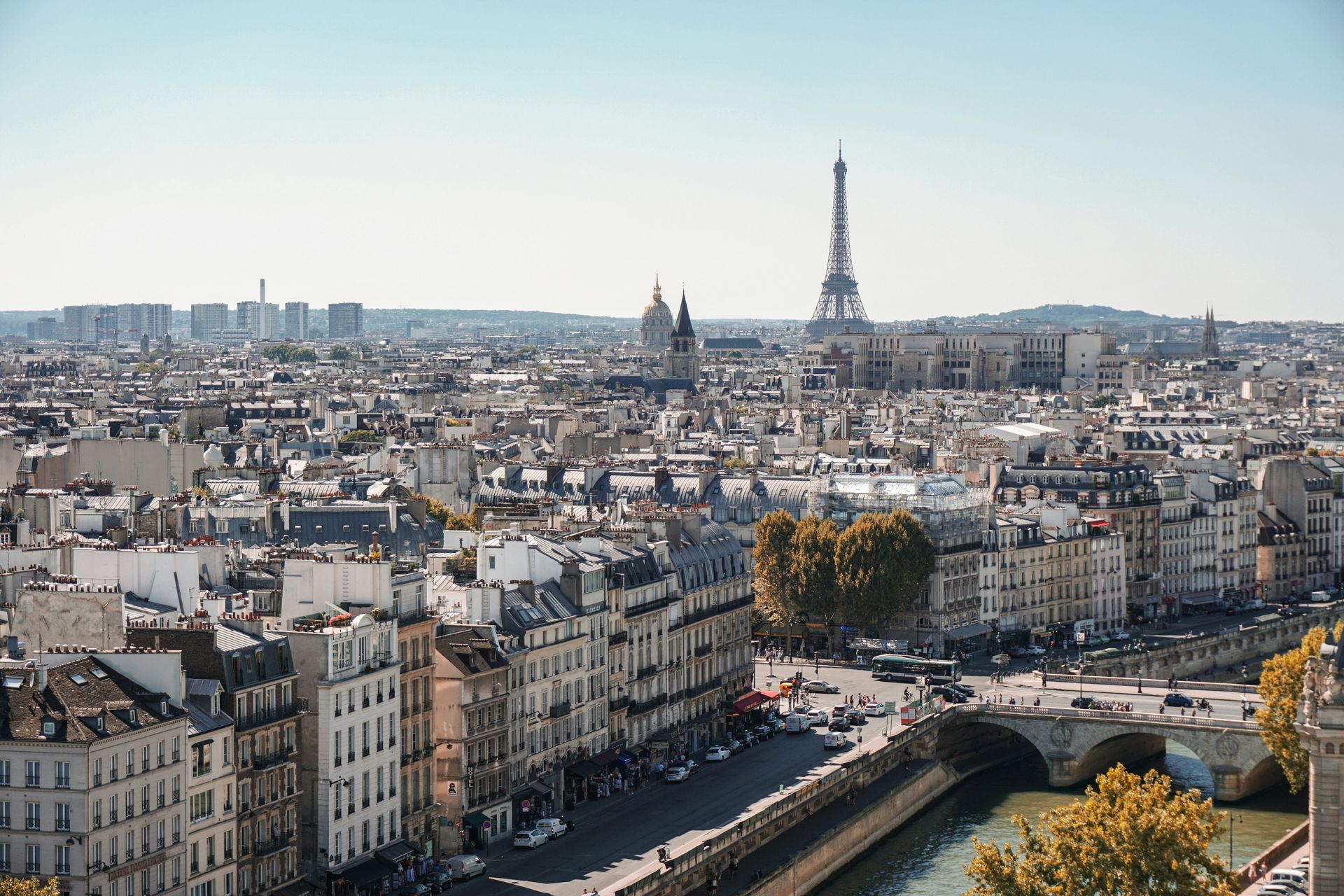
Paris has been the reference point for what a European city should be for so long that the risk of visiting is disappointment. It doesn’t disappoint. The Eiffel Tower and the Louvre are genuinely extraordinary even at their most crowded, and the experience of sitting at a pavement café with a strong coffee and a croissant while watching the city move around you remains specifically Parisian in a way that no other city has successfully replicated. The city operates well in every season: spring brings the daffodils and lower prices, summer fills the parks and squares with Parisian social life, autumn delivers the best light for photography, and winter transforms the arrondissements into a series of intimate, warm interiors.
The 20 arrondissements each carry a distinct character that rewards systematic exploration, and the neighborhoods beyond the major tourist circuits, Belleville, Ménilmontant, and the Canal Saint-Martin corridor, have their own specific pleasures that first-time visitors rarely reach. Day trips to Monet’s garden at Giverny and to the Palace of Versailles are both easily accessible by commuter rail and worth the half-day each requires.
The density of world-class museums, the restaurant scene spanning every price point, and the specific quality of Parisian street-level life make Paris the most complete city on this list. It’s worth more time than most visitors give it, and it improves significantly on subsequent visits as the city’s specific geography becomes familiar. The Louvre alone contains more than 35,000 works across 60,600 square meters of gallery space, making multiple visits not only worthwhile but necessary. The museum is best approached with a focused itinerary targeting specific wings, not an attempt at comprehensive coverage that exhausts rather than enriches. The Musée d’Orsay, housed in a converted railway station on the Seine’s left bank, is the world’s finest collection of Impressionist and Post-Impressionist painting and is worth an entire visit day on its own before the Paris itinerary moves on to the Louvre.
Mathew Schwartz / Unsplash
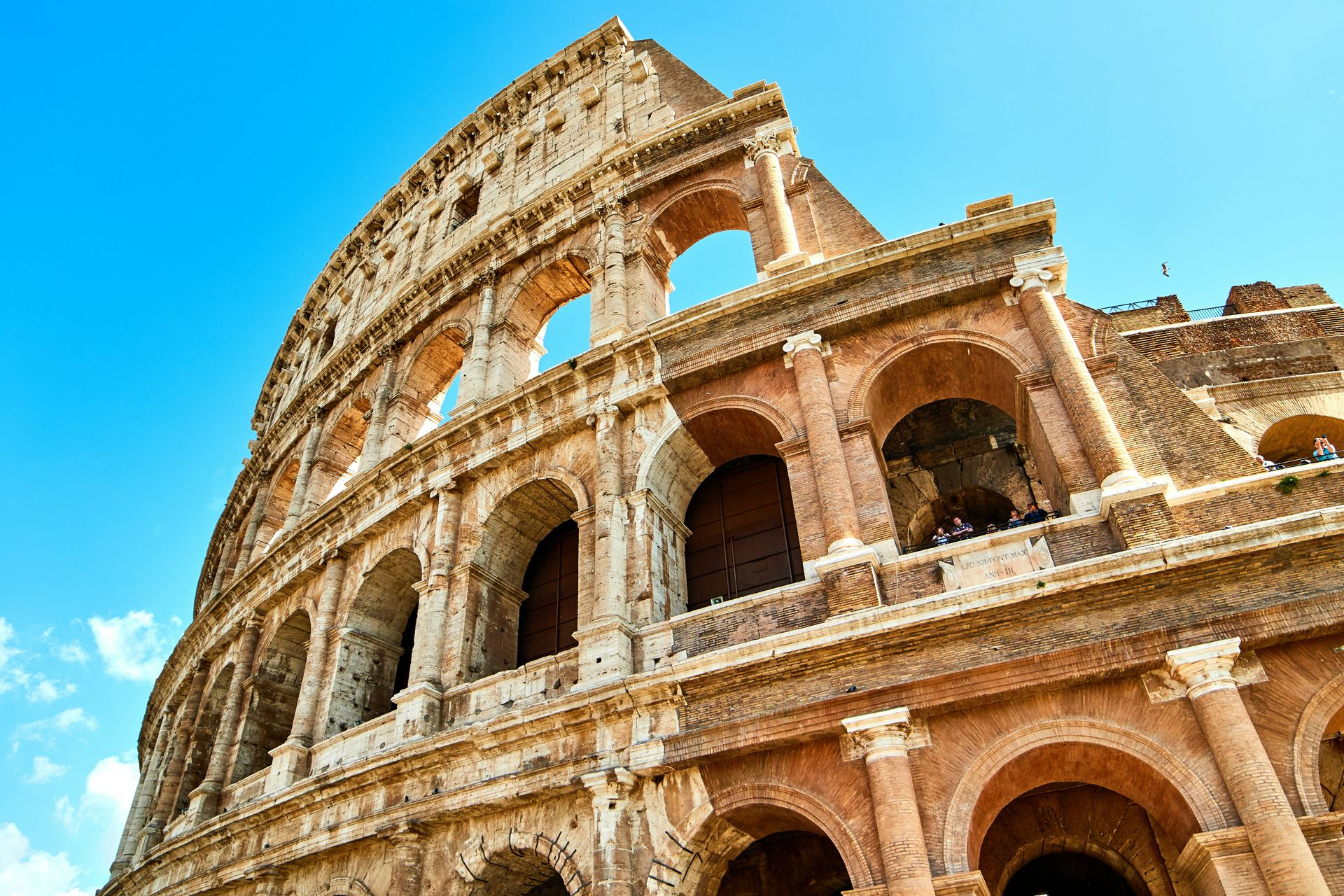
Rome is the city where the evidence of Western civilization is most visibly concentrated. The Colosseum, the Forum, the Pantheon, the Via Appia Antica, and the Vatican are all within the same urban area, and walking between them covers two millennia of architectural history in a single afternoon. The ruins of ancient Rome carry a distinct atmosphere, a sense of the ghostly weight of what happened here, that few other ancient sites do.
The city’s contemporary side is equally worth attention. Independent boutiques in neighborhoods like Prati and Trastevere sell hip handbags and handmade jewelry at prices that beat comparable shops in northern European capitals. Aperitivo culture at bars in Pigneto and Ostiense puts visitors in contact with a local social scene that the tourist-facing restaurant circuit around the Trevi Fountain never provides. The street art in San Lorenzo is among the best in any European city.
Spring and autumn are the best seasons: summer brings crowds and heat that make outdoor archaeological sites difficult to enjoy, while the shoulder seasons deliver manageable temperatures and visitor numbers that make the Colosseum and the Forum accessible without two hours of queuing. Booking the Vatican Museums in advance is worth doing regardless of the season. The Sistine Chapel, at the end of the Vatican museum circuit, is worth the entire museum entry fee on its own, and arriving by advance booking skips the street-level queue that adds two hours to an unprepared visit. The Trastevere neighborhood, across the Tiber from the historical center, is the most specifically Roman of Rome’s dining neighborhoods, with small family-run trattorie serving cacio e pepe and coda alla vaccinara in settings that haven’t been redesigned for tourist consumption. Rome’s deli culture, visible in salumerias and alimentari shops in neighborhoods like Testaccio and Prati, offers some of the city’s best lunchtime fare at prices that treat the meal as everyday sustenance, not a tourist product.
Nick Karvounis / Unsplash
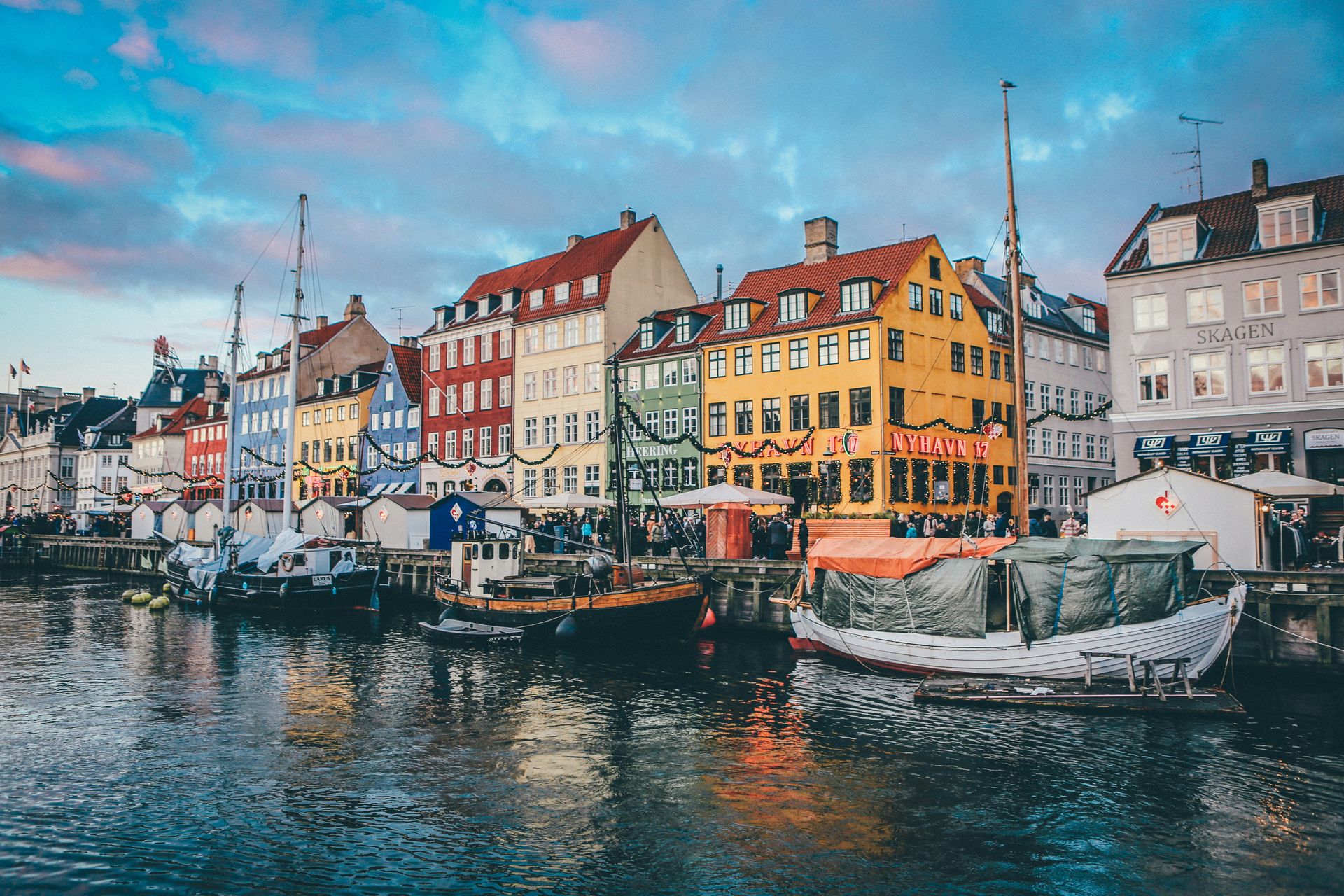
Copenhagen has become the reference point for a specific kind of European urban aspiration: sustainable, design-conscious, food-focused, and genuinely livable in a way that larger capitals sometimes sacrifice in the pursuit of scale. The restaurant scene, anchored by Noma’s influence on a generation of Copenhagen-trained chefs, offers dining at every price point that is among the most interesting in the world. The design culture permeates everything from the museum collections to the housewares shops to the way the harbor has been integrated into the city’s daily life.
The historic architecture, anchored by Rosenborg Slot and the Marmorkirken, gives the city a visual depth that its Scandinavian peers don’t quite match. The harbor district, with its mix of 17th-century merchants’ buildings and contemporary architecture like the BLOX building, captures the city’s ability to layer history and modernity without the conflict that can arise in some cities. Copenhagen works well in every season: summer for the outdoor life along Nyhavn and the beaches, winter for the hygge café culture and the Christmas markets that illuminate the old streets.
The city is genuinely expensive, but the free cultural infrastructure, cycling-friendly streets, and excellent public transit mean that a budget-managed Copenhagen visit costs significantly less than accommodation prices alone would suggest. Copenhagen’s cycling infrastructure is among the best in the world, and renting a bike for the duration of a visit provides both practical transport and a specifically local mode of engagement with the city’s geography that no other transport option replicates. Copenhagen’s Freetown Christiania, the self-governing community established on a former military base in 1971 and still operating under its own social rules, is one of the most unusual urban communities in Europe and is worth a visit for the context it provides on Danish society’s tolerance for radical self-organization. The Louisiana Museum of Modern Art, about 35 kilometers north of Copenhagen on the coast of Øresund, is one of the finest modern art museums in Scandinavia and is set in coastal landscape and gardens that make it worth the 40-minute commuter train journey from the city center.
-1920x1285.jpg)
Rafael Hoyos Weht / Unsplash
Athens risks the famous ruins overwhelming everything else the city offers, and the Acropolis genuinely earns its visit: the Parthenon, the Theatre of Dionysos below it, and the Propylaea entrance gate together constitute the most significant collection of classical Greek architecture surviving in anything close to its original context. The best strategy is to visit the Acropolis early in the morning, when the light is right, and the tourist crowds are still assembling, then spend the rest of the day in the neighborhoods below.
The contemporary city around the ruins is animated and worth spending time in. Lukumades, crisp fried dough balls with honey and sesame, sold from small, dedicated shops throughout the city, and souvlaki from the neighborhood gyros counters make up the street food circuit. The taverna culture in neighborhoods like Monastiraki and Koukaki, with outdoor seating that continues well into the evening and a menu philosophy built around shared plates of mezze, provides the social dining experience that Athens offers, as well as anywhere in the Mediterranean.
Summer heatwaves in recent years have forced closures at the Acropolis and other major outdoor sites in mid-July and August, a climate-linked development worth checking before scheduling a summer visit. Spring and autumn deliver significantly better conditions for the outdoor archaeological sites and the city’s walkable street life. The Athens Riviera coast south of the city, accessible by tram, offers a string of swimming beaches within 30 minutes of the city center, adding a coastal dimension to the urban Athens visit that most visitors don’t know to include. The National Archaeological Museum in central Athens, housing the world’s finest collection of ancient Greek art, including the Antikythera Mechanism, the world’s oldest known analog computer, is consistently undervisited relative to the Acropolis despite being one of the most remarkable museums in Europe. Cape Sounion, the cliff-top promontory 70 kilometers south of Athens where the Temple of Poseidon stands above the sea, is accessible on a direct afternoon bus and provides a sunset vista over the Aegean that few European day trips can match for dramatic effect.
Jacek Dylag / Unsplash
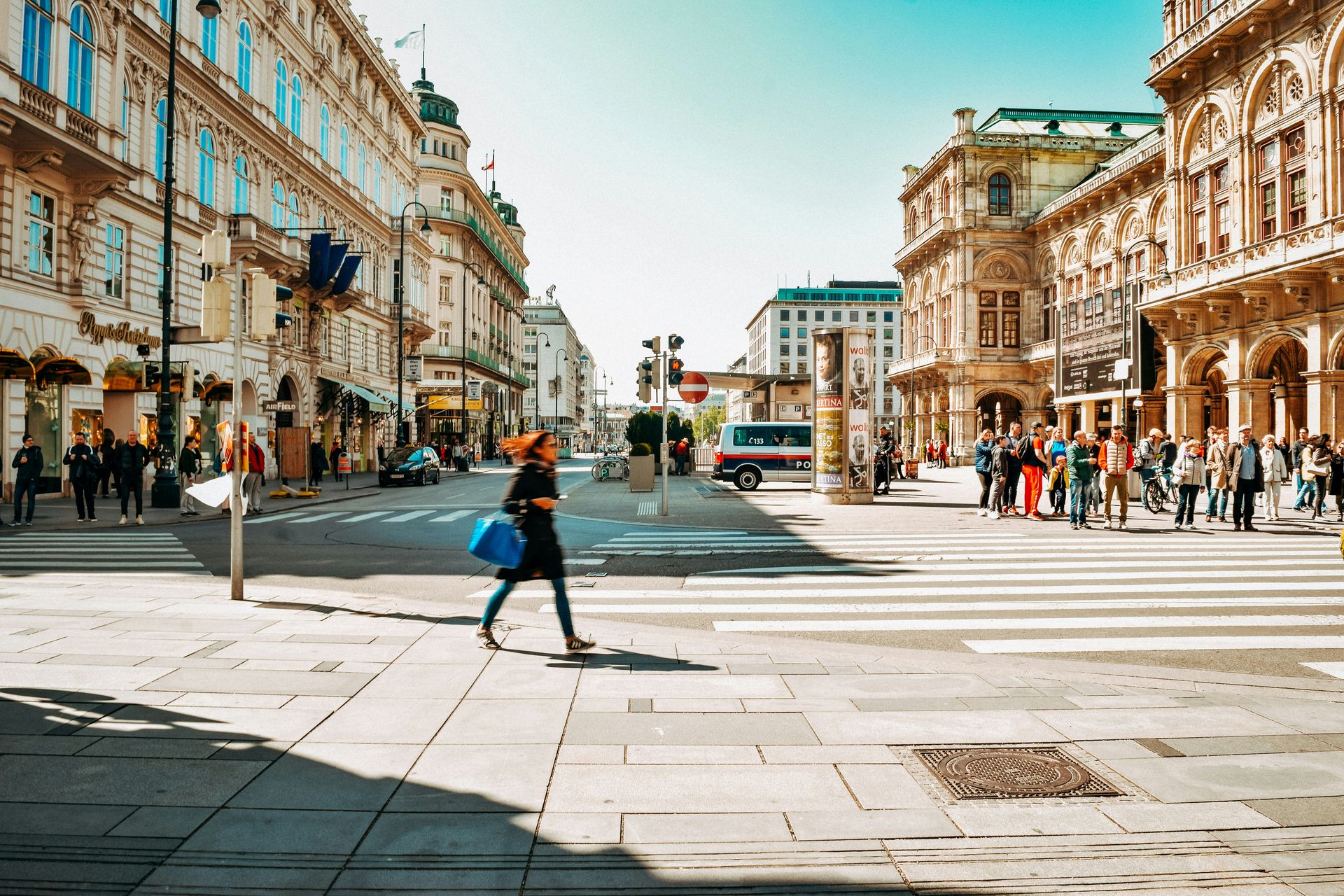
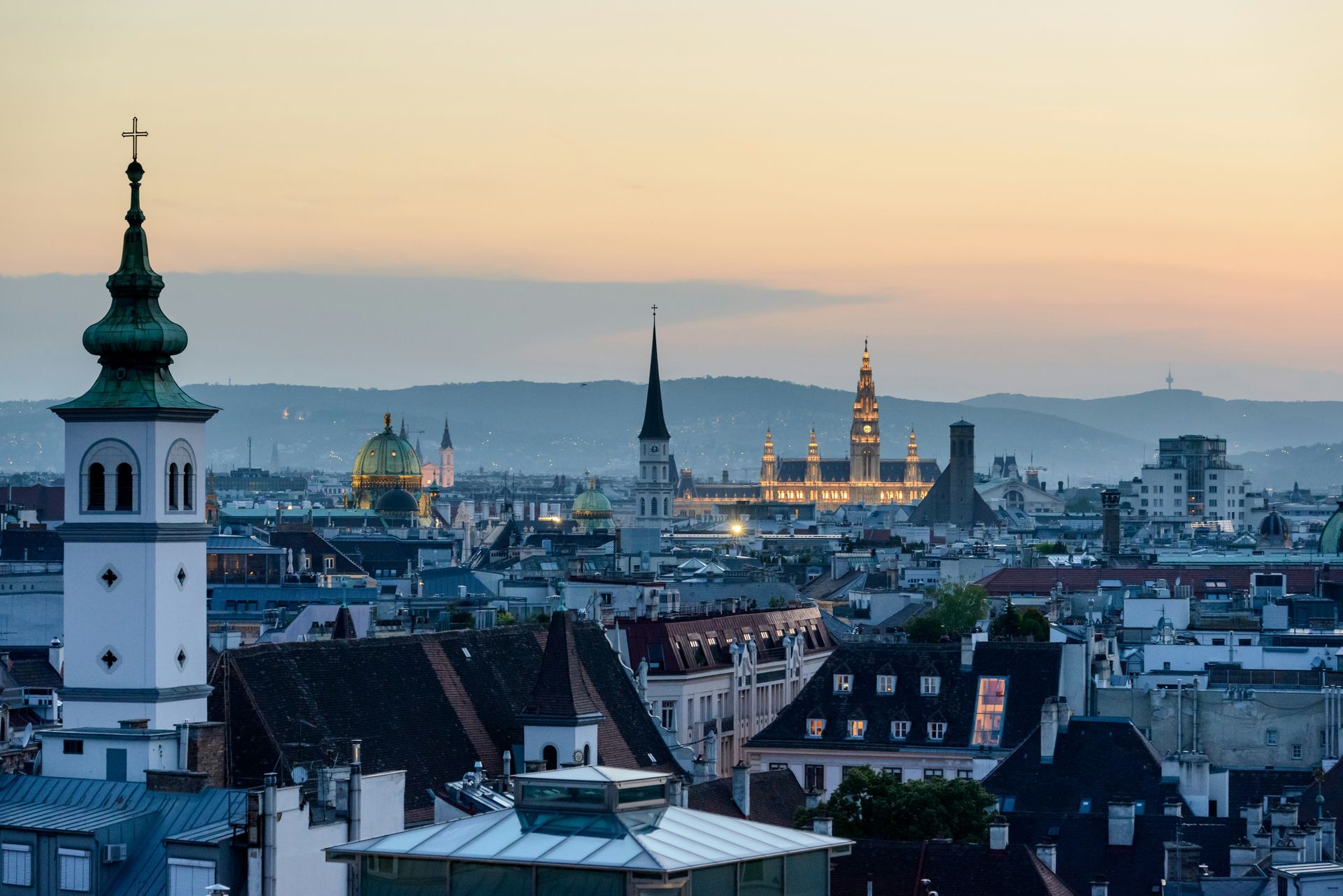
Vienna’s imperial architecture is not merely decorative: it reflects a genuine historical weight. The Hofburg Palace was the seat of the Habsburg dynasty for more than six centuries, and the treasury it contains, with its collection of imperial crowns and Habsburg insignia, conveys the reach of that empire across European history more powerfully than any textbook can. The Spanish Riding School’s Lipizzan stallion performances, running since 1572, add a living dimension to the imperial heritage that the palace’s static exhibits alone can’t match.
The Schloss Schönbrunn, a UNESCO World Heritage Site with 1,441 rooms, and the baroque Schloss Belvedere, housing the world’s largest collection of Gustav Klimt’s paintings, complete an imperial architecture circuit that no other European city can match in concentrated form. Vienna’s musical heritage, from Mozart and Beethoven to Schubert and Brahms, supports a classical concert calendar that is particularly rich during the winter months, when the opera season is at its peak.
Winter is specifically the best season for Vienna. The Christmas markets in front of the Rathaus and around the Schönbrunn Palace are among the finest in Europe; the landmark buildings are beautiful under snow, and the city’s famous coffeehouse culture, in institutions like Café Central and Café Landtmann, provides an interior life that the cold weather makes specifically attractive. Vienna’s music scene extends well beyond the Staatsoper and the Musikverein’s classical programming into a jazz, electronic, and experimental scene in smaller venues that the city’s official cultural marketing rarely highlights, but which make evenings genuinely rewarding for travelers whose musical interests extend beyond the 18th century. Vienna’s food market scene, centered on the Naschmarkt along the Wienzeile, provides both a morning produce market and an adjacent row of restaurants and café-bars that is one of the city’s most consistently enjoyable social environments regardless of the season. The Kunsthistorisches Museum, Vienna’s imperial art museum, holds one of the finest collections of Old Master paintings in the world, including the largest concentration of Pieter Bruegel the Elder’s works and a room of Velázquez court portraits that alone justifies the admission fee.
Ken Cheung / Unsplash
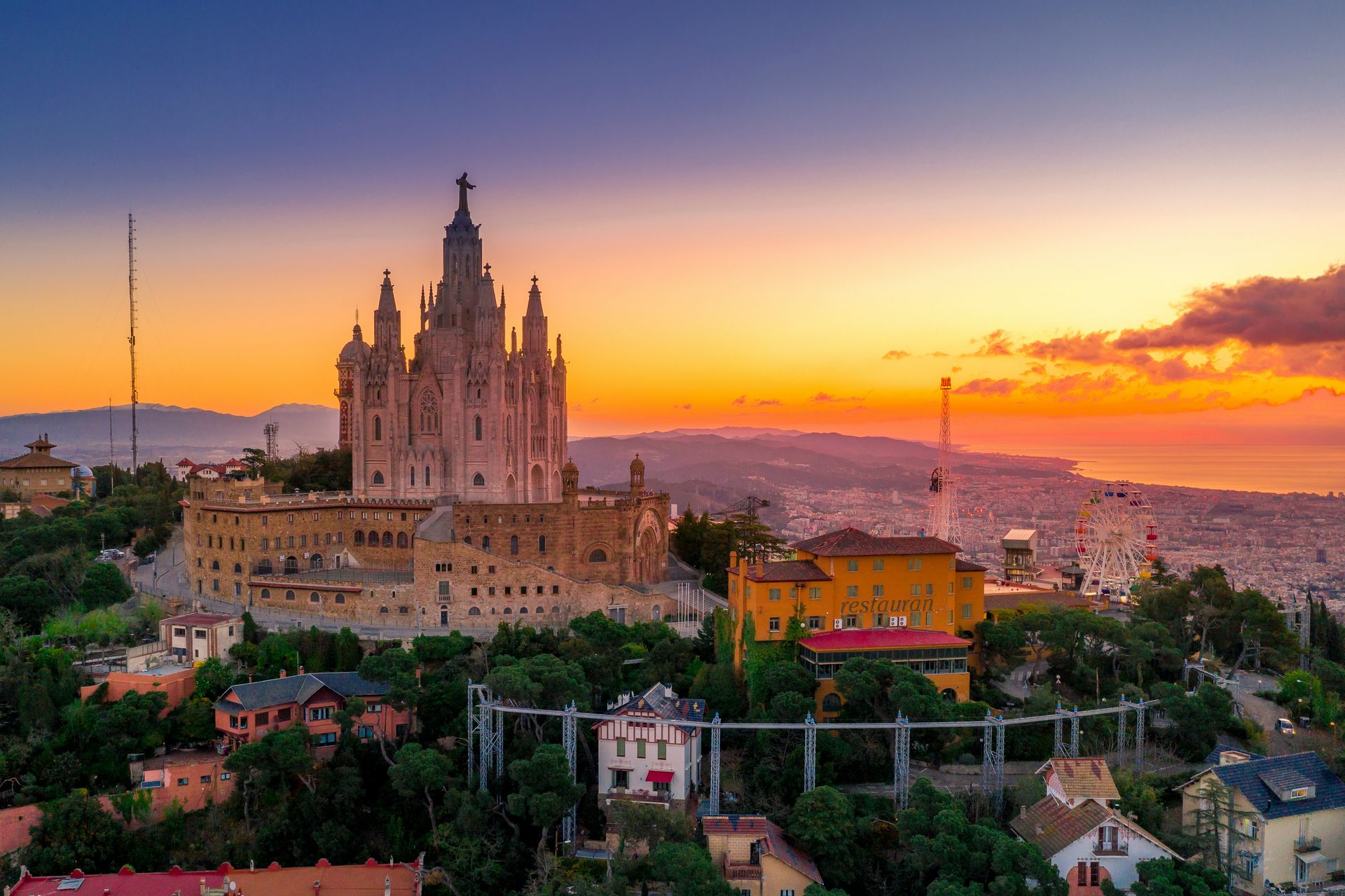
Barcelona’s architectural identity operates on two completely different registers simultaneously. The medieval Gothic Quarter, with its narrow lanes and Roman-era remnants beneath the cathedral foundation, is one of the most intact medieval urban cores in Southern Europe. Superimposed on the city’s 19th-century Eixample grid is the Modernista legacy of Antoni Gaudí, whose work ranges from the completed Casa Batlló and Casa Milà to the Sagrada Família, still under construction more than a century after Gaudí’s death and still unlike any other building in existence.
The beaches of Barceloneta and the surrounding coast, accessible by metro from the Gothic Quarter, give Barcelona a genuinely useful beach dimension that most of its cultural competitors lack. The tapas restaurant culture in El Born and the market food at La Boqueria provide a food scene that is as rewarding at the counter of a small bar as it is in the city’s roster of serious Catalan restaurants.
Overtourism has become a genuine issue in Barcelona, with the city government actively restricting tourist apartment licenses and limiting cruise ship arrivals. Visiting in spring or autumn, exploring neighborhoods like Gràcia and Poblenou beyond the main tourist circuits, and choosing accommodation that supports the local economy all help engage with the city in a way that doesn’t amplify the problem. The Picasso Museum in the El Born neighborhood, housing the largest collection of Picasso’s early work in the world, is consistently one of Barcelona’s most rewarding museum visits and is worth booking in advance to avoid queuing alongside the high-volume tourist circuits of the Gothic Quarter. The Park Güell, Gaudí’s mosaic-terraced park above the city, is better understood as a publicly accessible garden than as a museum, and the free outer areas offer the same views and Gaudí-designed landscape features as the ticketed monumental zone at no cost. The Montjuïc hill, southwest of the city center, accessible by cable car from the port or by public funicular from Paral·lel metro station, holds the MNAC national art museum with its world-class Romanesque collection, the Olympic Stadium, and Joan Miró Foundation in a cluster that provides most of a separate day from the Gothic Quarter and Eixample circuits.
Ervin Lukacs / Unsplash
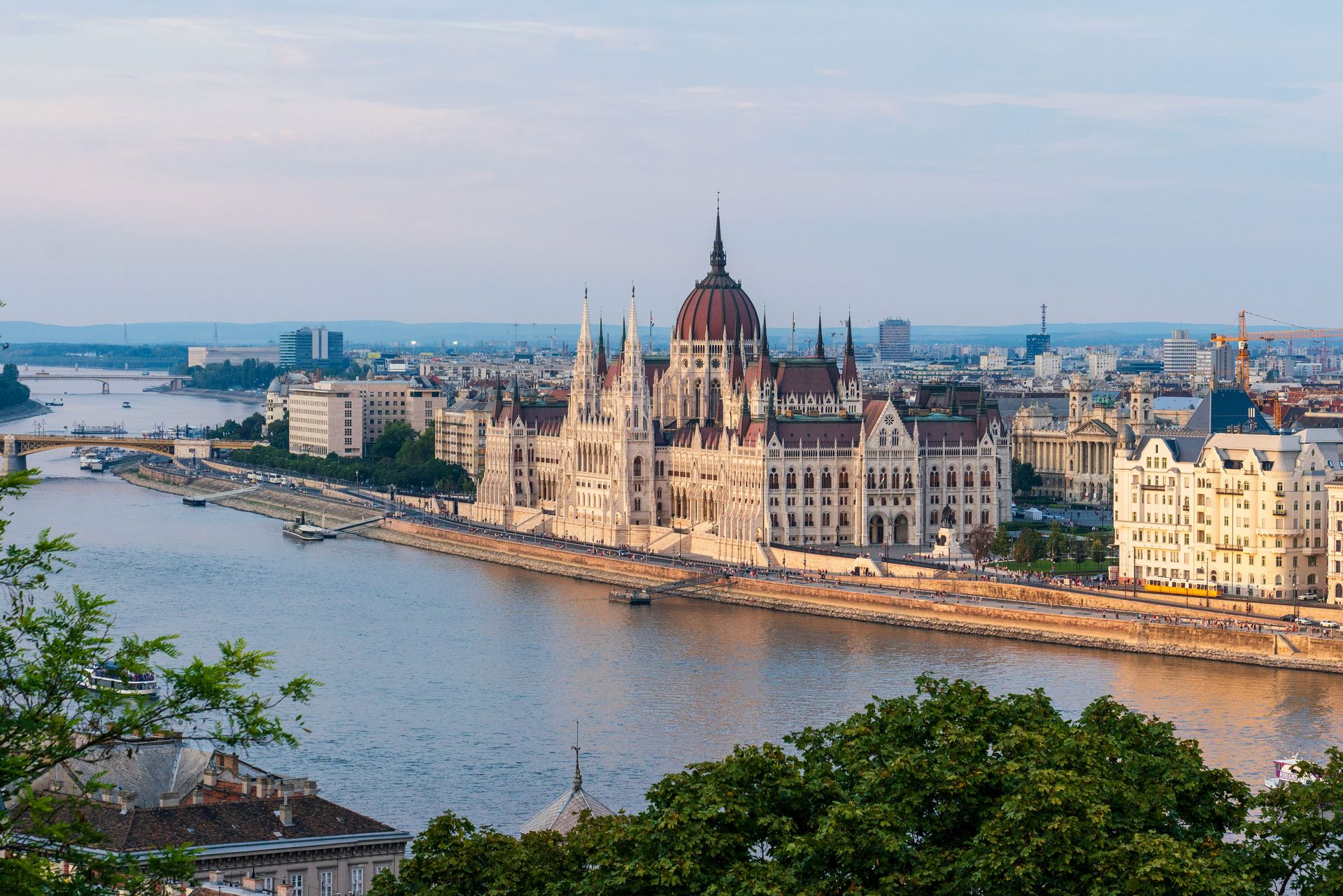
Budapest’s position straddling the Danube, with the Buda Hills rising on the western bank and the flat Pest grid spreading east, produces one of the most visually striking urban settings in Europe. The Castle Hill above Buda, with its UNESCO-listed historic district, and the Hungarian Parliament building across the river in Pest, photographed from every angle at every time of day by every visitor to the city, anchor a skyline that is genuinely as impressive as its reputation.
The thermal bath culture is Budapest’s most specific pleasure. The city sits above one of the world’s largest geothermal systems, and the historic bathhouses, including the magnificent Széchenyi Baths in City Park and the Ottoman-era Rudas Baths, offer an experience that is at once historic, physically restorative, and thoroughly local. Weekend mornings at Széchenyi, when locals use the outdoor pools as a social gathering space, produce one of the more memorable communal scenes in any European city.
The ruin bar scene, centered on the old Jewish Quarter of the seventh district and anchored by Szimpla Kert, has attracted international visitors without losing its neighborhood character, and the restaurant scene has improved dramatically in the past decade to match the quality of the nightlife. Budapest remains one of the more affordable major European capitals, making its quality-to-cost ratio among the highest on this list. The Danube Bend, the stretch of the river north of Budapest where the waterway curves through wooded hills and historic towns, is accessible on a day boat trip from the city and provides the pastoral landscape context that makes the Hungarian capital’s position on the river make geographic sense. The Budapest Jewish Quarter, centered on the magnificent Dohány Street Synagogue, the largest in Europe, adds a specific and important historical layer to a city visit that the thermal baths and ruin bars don’t. The adjacent Shoes on the Danube Bank memorial, a series of iron shoes cast on the riverbank to commemorate Jews shot into the Danube during WWII, is one of the most affecting public memorials in Europe.
-1-1920x1277.jpg)
Aayush Gupta / Unsplash
Lisbon is the most immediately welcoming European capital for travelers new to the continent, combining genuine historical depth with an accessible, friendly scale that larger capitals don’t always offer. The Alfama district, with its labyrinthine medieval alleyways, tiled building facades, and views down to the Tagus River, is the most characterful old city neighborhood in the Iberian Peninsula. Walking it without a specific destination, following the sound of fado music into small taverns and stopping at tiled viewpoints called miradouros, is the best introduction to Lisbon’s specific quality.
The city is well connected for day trips: Sintra, with its palaces built into forested hills above the Atlantic, is 40 minutes by train and is frequently cited as one of the most magical short excursions from any European city. Cascais, further along the same Estoril coastline, has excellent beaches and a village character that makes it a low-key alternative to a full beach resort stay.
Flight connections from North American East Coast cities have made Lisbon increasingly accessible as a transatlantic destination, and the city’s compact walkable geography means the first day of jet lag recovery can be spent productively on foot in a way that doesn’t require careful navigation or transit mastery. The pastéis de nata at Pastéis de Belém are worth the specific trip to the riverside Belém district. The Torre de Belém and the nearby Jerónimos Monastery, both UNESCO-listed and accessible on the same tram line from central Lisbon, are among the finest examples of the uniquely Portuguese Manueline architectural style and deserve more time than most visitors give them. The Cascais coastline west of Lisbon, accessible by commuter train in 40 minutes from Cais do Sodré station, delivers both the historic resort town of Cascais and the wilder Atlantic-facing Guincho Beach at the end of the line, which is one of the better surf and windsurf beaches accessible from any major European capital. The Lisbon wine culture, centered on wines from the Alentejo, Douro, and Lisbon regions, is accessible at dedicated wine bars throughout the Bairro Alto and Príncipe Real neighborhoods at prices that make sampling the full range of Portuguese regional wine genuinely affordable.
-1920x1280.jpg)
Adrien Olichon / Unsplash
Amsterdam’s canal city geography, with its concentric rings of waterways crossed by more than 1,200 bridges, is best understood from a boat, and a canal tour on the first day or two of any visit provides the spatial orientation that makes subsequent walking more comprehensible. The houseboats moored along every canal, the cycling infrastructure that makes bikes the default transport for residents and visitors alike, and the architectural consistency of the Golden Age merchant houses combine to make Amsterdam one of the most visually distinctive urban environments in Europe.
The major museums, the Rijksmuseum and the Van Gogh Museum, are primarily world-class and worth the queue and entry fee. But Amsterdam rewards the traveler who slows down: the brown café culture, in small neighborhood bars with wooden interiors and Belgian beer selections, provides an alternative social infrastructure to the tourist-facing bars around the Leidseplein. The Jordaan neighborhood’s independent boutiques and the De Pijp district’s food market at Albert Cuypstraat extend the city’s appeal well beyond the canal ring.
Solo travelers specifically find Amsterdam easy: the city’s famously sociable character, combined with a hostel network that attracts a diverse international traveler population, creates a social environment where being alone doesn’t mean spending evenings alone. Free ferry crossings from Amsterdam Centraal over the River IJ to Amsterdam Noord, which has developed a creative industry and food scene in former shipyard buildings, add a whole district to the accessible free itinerary. The Rijksmuseum’s permanent collection, anchored by Rembrandt’s Night Watch and Vermeer’s Milkmaid in the context of Dutch Golden Age painting, is genuinely one of the finest permanent museum collections in the world and warrants at least 3 hours to cover the highlights without rushing. The Heineken Experience, housed in the original Heineken brewery building in the De Pijp neighborhood, is one of Amsterdam’s most popular paid attractions and combines a decent industrial heritage tour with an abundant tasting program that makes it specifically enjoyable for beer-interested visitors who don’t want to limit themselves to museum visits.
Ivan Ivankovic / Unsplash
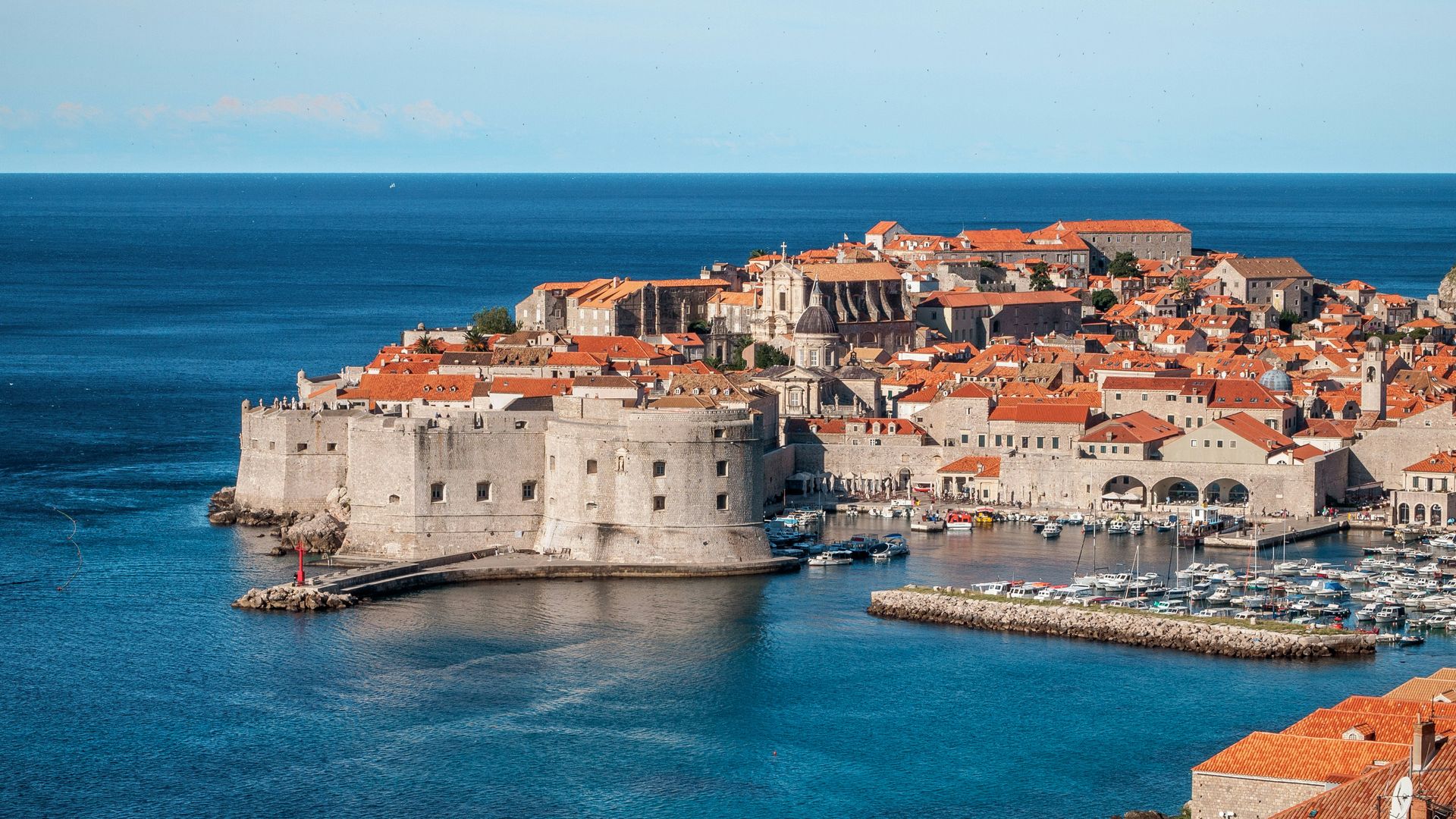
Dubrovnik’s defining feature is the historic city wall, built between the 13th and 16th centuries and still remarkably intact, which encircles a marble-paved old city of considerable architectural quality. Walking the full circuit of the walls, approximately two kilometers, takes about two hours and provides continuously changing views over the orange terracotta rooftops of the old city in one direction and the Adriatic Sea in the other. The sunset from the western section of the wall, with the sea turning gold to the west and the city warming to amber below, is one of the finest urban views in Europe.
The Game of Thrones filming that made Dubrovnik globally famous among a new generation of visitors in the early 2010s produced a significant surge in tourist numbers that has fundamentally changed the character of the old city in peak summer. The tour groups following Cersei’s walk of shame and Daenerys’s courtyard scenes now form a constant background presence during July and August. Visiting in May, early June, September, or October delivers the same medieval streetscapes and Adriatic light with a fraction of the summer crowd density.
The ferry to the car-free island of Lokrum, 15 minutes from the old city’s Pile Gate pier, provides the easiest available escape from the old city crowds. The island’s protected botanical gardens and rocky swimming spots give a half-day of genuine solitude within sight of Dubrovnik’s towers. Serious hikers can combine a Dubrovnik visit with sections of the Dalmatian coast’s Coastal Walk, which connects the city northward through a landscape of coastal villages, olive groves, and Adriatic viewpoints that no day-tripper from a cruise ship sees. The old city’s restaurant scene, despite the tourist pressure, still features authentic konoba-style tavernas in the back lanes, where local fish, simply prepared with olive oil and garlic, alongside local wine from the Pelješac peninsula across the water, produce some of the most satisfying meals anywhere on the Dalmatian coast.