
The 7 most incredible snorkeling spots in the Caribbean
From a Belize blue hole plunging hundreds of feet to an artificial reef built after a hurricane, seven Caribbean snorkel spots worth the swim
fabio / Unsplash
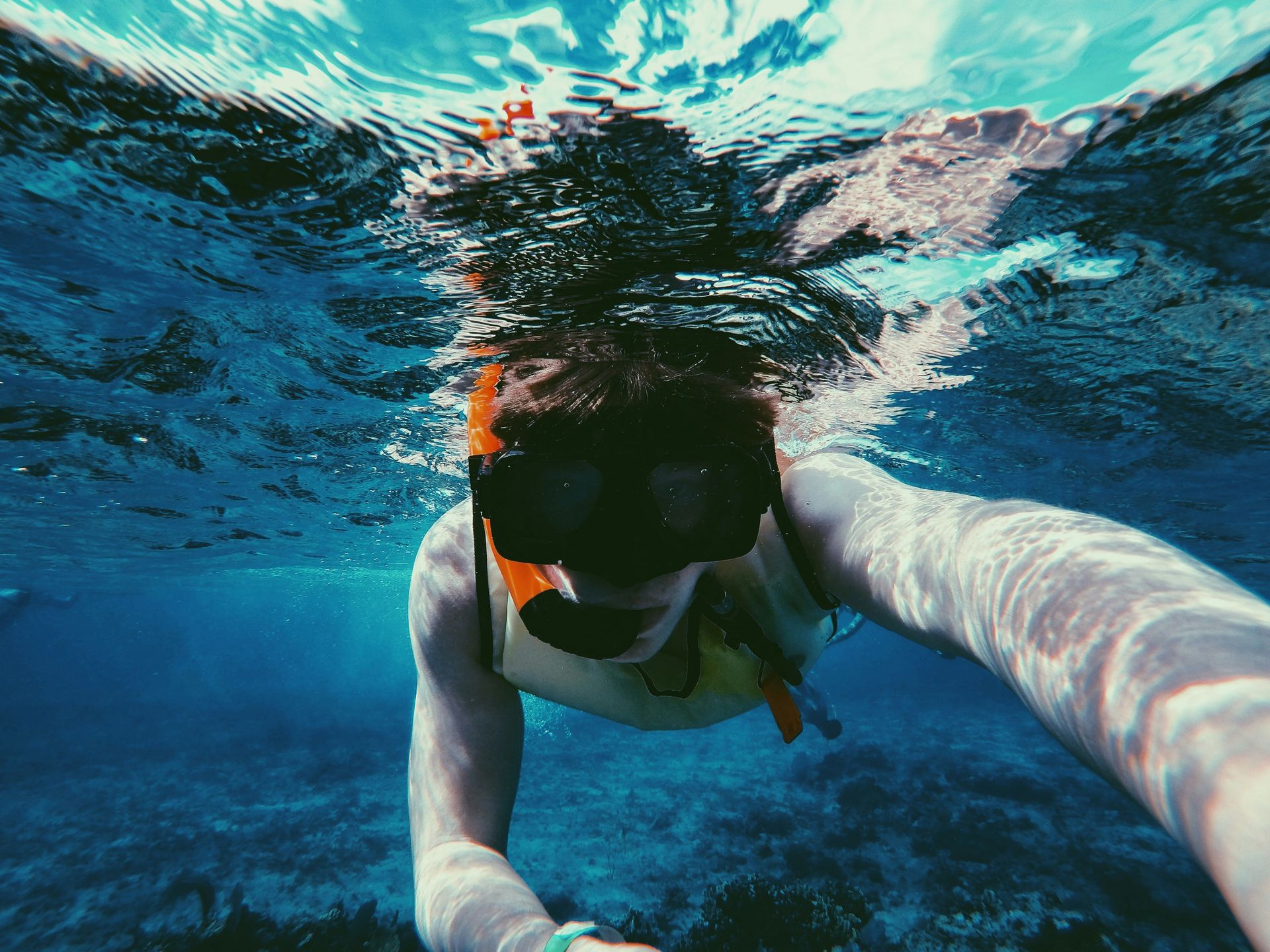
The Caribbean’s obvious draw runs through its year-round balmy waters, sunny climate and speckled beaches, though the real allure sits below the surface. Snorkelers can expect sublime encounters with marine flora and fauna unabated in color and activity, more than enough to animate a lifetime of stories once travelers finally surface back on dry land.
Beyond knowing how to swim, snorkeling has almost no barrier to entry, since salt water's buoyancy does most of the work keeping a person afloat throughout the experience. From coral-encrusted shipwrecks to entire cities of stingrays, the Caribbean offers some of the finest snorkeling found anywhere in the world, spread across a considerable range of islands and marine environments stretching from Belize to the Bahamas.
The seven spots below appear in Lonely Planet, covering the best places to snorkel in the Caribbean. They range from shallow shipwrecks accessible right off the beach to remote blue holes plunging hundreds of feet, offering snorkelers considerable variety in depth, marine life, and overall accessibility. Several destinations also carry genuine ecological or historical significance beyond their scenery alone, from an artificial reef built specifically to address hurricane damage to a protected marine park that has helped struggling fish populations recover in recent decades. Timing a visit around seasonal conditions, whether that means cooler weather for better visibility or morning hours before crowds arrive, often makes a considerable difference in how each site actually looks and feels beneath the surface. Access also varies meaningfully across this list, since some spots require nothing more than a short wade from a public beach. In contrast, others demand a chartered boat, a self-driven rental car, or a considerably long drive across an entire remote island to finally reach the calm, open, patiently waiting Caribbean water below at all.
1. Hol Chan Marine Reserve draws nurse sharks close
avas / Wikimedia Commons (CC BY-SA 4.0)
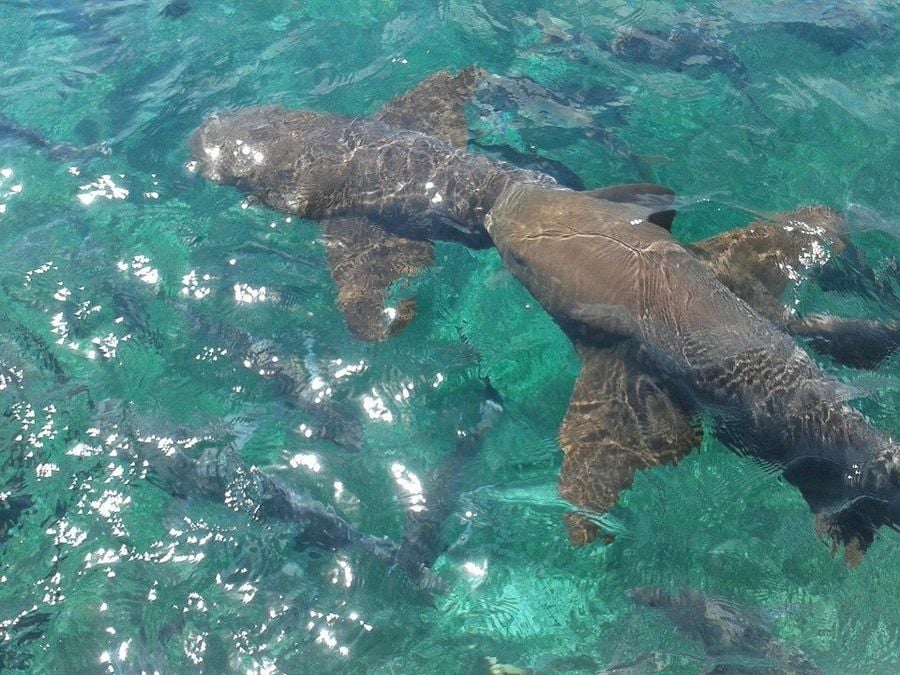
Hol Chan Marine Reserve earned its status as Belize’s most-visited snorkel site thanks largely to its role as a playground for docile nurse sharks. Located near Ambergris Caye, the reserve spans 41,706 hectares of seagrass meadows, mangrove islands, and a stretch of the Belize Barrier Reef, a UNESCO site recognized as the second-largest barrier reef in the world.
The Hol Chan channel itself is the true highlight, holding large numbers of pelagic fish alongside patches of reef that sit just deep enough that snorkelers can avoid accidentally kicking the coral below. Huge schools of horse-eye jacks, silvery permits, Bermuda chubs and stripy sergeant majors turn up reliably throughout the channel. At the same time, the reserve’s northern edge holds an elkhorn coral forest, a small swim-through tunnel and a ledge favored by larger fish passing through.
Most tours combine a Hol Chan snorkel with a stop at waist-deep Shark Ray Alley for considerably larger swarms of marine life, or a visit to the incredibly active Mitchell Rocks, which sit just south of the reserve boundary. This particular pairing of a protected channel and considerably more chaotic nearby sites gives Hol Chan real range for snorkelers hoping to sample multiple distinct marine environments within a single outing.
Cold fronts typically stir up sediment elsewhere along the coast. However, they have the opposite effect inside Hol Chan itself, making cooler weather the best time to explore underwater visibility at this particular site. Belize designated Hol Chan as its first marine protected area back in 1987, giving the reserve considerable seniority among the country’s now much larger network of protected coastal zones. Travelers $TRV should book a tour operator that limits group sizes, since a smaller boat lets guides point out specific marine life more effectively than a crowded vessel typically allows. A waterproof case also protects gear from the salt spray common on the short boat ride out. A short strap for a mask also prevents an expensive piece of gear from sinking if it slips.
2. Curaçao’s Tugboat Beach sinks divers into wreck life
Credit: Curaçao
The pristine blue Caribbean Sea hugs all three of the ABC islands. However, Curaçao’s Tugboat Beach conveniently packages shore access, wreck diving, underwater statues and whimsical coral formations into a single compact location. The island’s southeastern side offers genuine shelter from trade winds and strong currents, giving snorkelers considerably calmer conditions than more exposed stretches of coastline nearby.
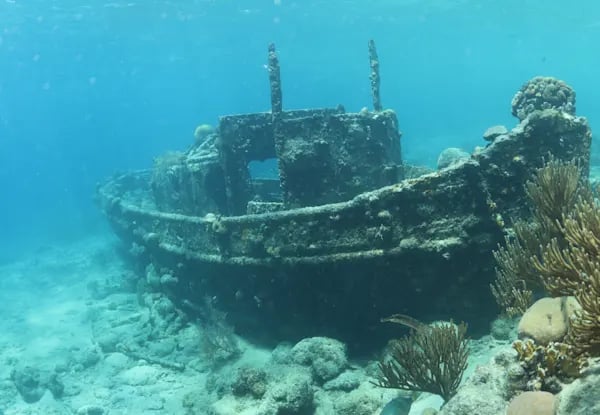
The intentionally sunk tugboat itself measures 30 feet and sits only 100 yards from shore at a depth of just 15 feet, though it teems with critters, tawny tube sponges and moray eels despite its modest size and shallow position. Swimming a minute or two further brings snorkelers to an underwater cliff functioning as a perfect hiding spot for squid, octopus and the occasional sea turtle, all seemingly unbothered by the hum of a towering resident oil rig nearby.
Fins stay optional at this particular site, and travelers can pick up a free snorkel map of the bay simply by asking staff at any nearby beach bar. This particular pairing of a shallow wreck and a considerably deeper cliff drop-off gives Tugboat Beach real range for snorkelers of varying comfort levels within a single short swim.
Parking and admission stay free at Tugboat Beach. However, snorkel gear rentals carry a tourist tax, and water shoes aren’t included despite the beach itself running coral-rubbled and pebbly underfoot. Curaçao’s considerable distance from the main Atlantic hurricane belt gives the island notably reliable diving and snorkeling conditions throughout most of the year, unlike destinations further north that face seasonal closures. Travelers $TRV should bring an underwater camera if possible, since the wreck’s shallow depth makes it considerably easier to photograph than deeper dive sites elsewhere on the island. Checking the housing seal beforehand helps prevent a ruined trip due to an unexpected underwater leak. The wreck’s shallow depth means even snorkelers uncomfortable with deeper dives can still explore most of the structure comfortably. This particular accessibility makes the wreck a popular training spot for beginner divers earning their first certification.
3. Anse Chastanet opens a reef just off the sand
Credit: Anse Chastanet
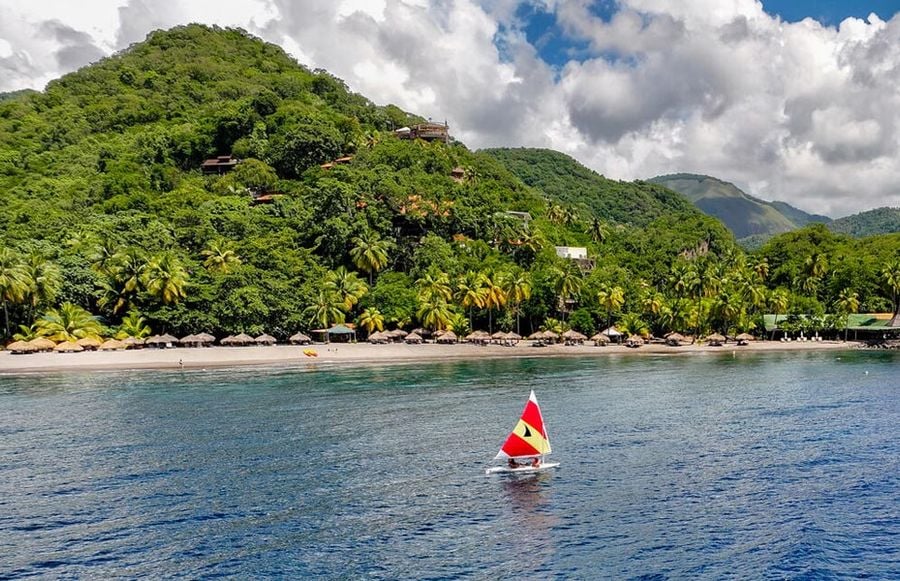
Powdery soft and entirely free to access, St. Lucia’s beaches offer considerable bliss for snorkelers, and Anse Chastanet ranks among the island’s best hideaways for the activity. The beach sits calmest along the island’s leeward side, letting snorkelers swim just minutes from shore to a fringing reef holding giant sponges, hundreds of angelfish, massive coral-lined boulders and the occasional sea turtle.
Anse Chastanet stretches roughly 400 meters, making it well-suited for a drift snorkel, with clearly marked buoys separating zones tied to different highlights along the reef. Travelers $TRV hoping for more of a thrill can join a nighttime snorkel, offered every other night at this particular beach, giving visitors a distinctly different way to experience the same reef after dark.
This particular pairing of easy shore access and considerable reef variety within a single manageable swim gives Anse Chastanet real appeal for snorkelers ranging from complete beginners to more experienced visitors hoping for a longer drift. The clearly marked buoy system also helps less confident swimmers stay oriented without needing a guide.
Hawksbill turtles lay eggs directly on this beach, and hatchlings typically appear between September and October, giving visitors during this particular window a genuine chance to witness the process firsthand. The beach sits below Anse Chastanet’s own hillside resort, giving day-trippers and overnight guests alike direct access to the same stretch of protected reef without needing a boat to reach it. Travelers should check the current buoy positions with a lifeguard before swimming, as seasonal storms occasionally shift the marked zones separating sections of the reef. A quick chat with staff at the resort desk usually clears up any confusion before heading out. Morning light also penetrates the water more evenly at this hour, making colors along the reef considerably easier to distinguish. Sunlight filtering through the shallows also brings out the boulders’ natural texture considerably more than the harsher midday glare typically allows visitors to appreciate.
4. Grenada’s sculpture park submerges art in coral
Hugh Whyte / Unsplash
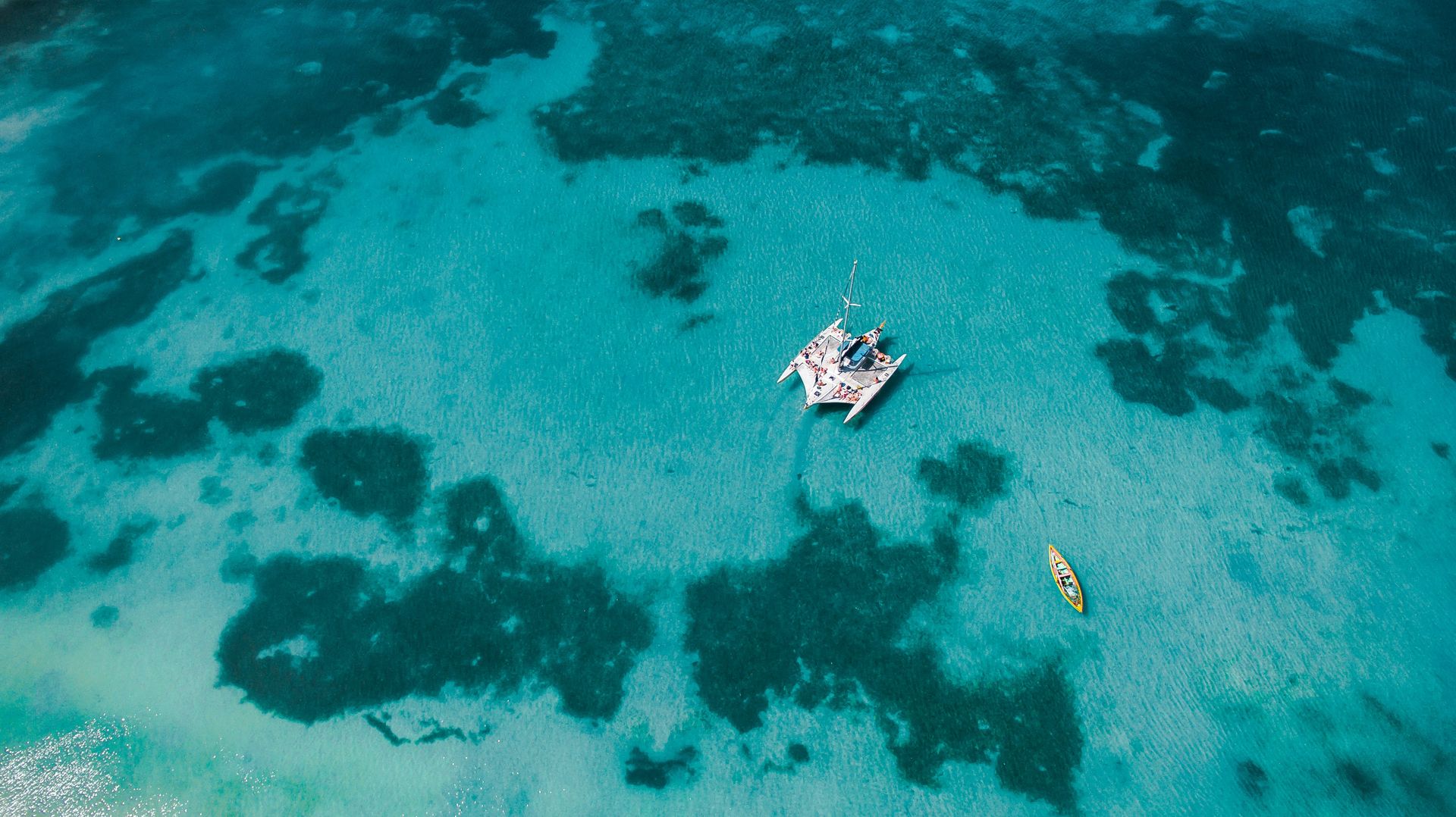
Grenada’s underwater sculpture park highlights the fragility of reef systems alongside the broader threat climate change poses to marine ecosystems throughout the region. Hurricane Ivan struck Grenada in 2004 as a Category 3 storm, devastating areas including Molinere Bay, and two years later the government partnered with British sculptor Jason deCaires Taylor to build an artificial reef atop the resulting barren sands.
The collaboration produced roughly 75 sculptures made from pH-neutral cement and steel, strategically placed downcurrent of one another and now draped in tunicates, gorgonian coral, and reef-building stones after years of continuous marine growth. Traveler favorites include the iconic outstretched arms of the Christ of the Deep and a traditional foulard-wearing Grenadian woman proudly flaring her skirt. However, the Vicissitudes sculpture, a circle of 26 hand-holding children standing tall as if on guard, ranks as perhaps the most photographed piece in the entire park.
Only chartered boats can access the park, which typically departs from Coconut Beach, and the sculptures remain visible from the surface, even though overall visibility and depth can vary considerably, reaching up to 40 feet depending on conditions. Studying the pockmarked details covering each sculpture requires free diving or scuba gear, since surface snorkeling alone doesn’t reveal the same level of texture.
This particular blend of environmental storytelling and genuine artistic craftsmanship gives Grenada’s sculpture park real standing among the Caribbean’s most distinctive snorkeling destinations, well beyond a typical reef or wreck dive. Sculptor Jason deCaires Taylor has since built similar underwater installations in destinations including Cancún and the Canary Islands. However, Grenada’s park holds real historical significance as one of his earliest large-scale projects. Travelers $TRV should book a charter well in advance during peak season, since limited boat capacity means popular departure times from Coconut Beach can fill up considerably faster than expected. Comparing a few operators beforehand also helps travelers find one that matches their specific budget and schedule. Marine biologists have documented steady coral growth across several sculptures, suggesting the artificial reef has succeeded at its original ecological goal.
5. Starfish Point scatters color across shallow sand
Credit: Cayman Islands
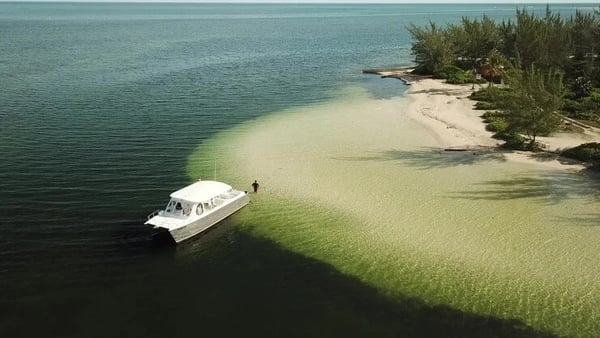
Visitors come to Starfish Point for one thing above all else: the red cushion starfish scattered across the sandy shores and seagrass beds of this particular stretch of Grand Cayman coastline. Other fish pass through only briefly, but the sun-dappled, brick-hued, studded invertebrates themselves make this site a reliable highlight regardless of what else is swimming past that day.
The size and number of visible starfish vary naturally depending on ocean currents and water temperature. However, there’s reliably more than a handful present to enchant visitors on any given day. Non-snorkelers can enjoy Starfish Point too, since the free parking lot sits directly on the shorefront and ankle-deep water in some spots requires no gear or swimming skill at all to get a close look.
Public restrooms and shaded areas are available on-site, though no food or drink vendors operate directly at Starfish Point, so travelers should plan to stop by nearby Kaibo or Rum Point for meals. This particular pairing of guaranteed wildlife and minimal gear requirements gives Starfish Point real appeal to families and casual visitors, as well as more dedicated snorkelers.
Starfish Point stays safely secluded during morning hours, before the busier Stingray City tour groups arrive, and travelers seeking options closer to town should consider Wreck of the Cali or Smith Cove instead. Marine biologists caution visitors against removing starfish from the water, even briefly, since prolonged exposure to air can significantly stress or injure these invertebrates despite their sturdy appearance. Travelers $TRV should observe the starfish without touching them whenever possible, since even brief handling can transfer oils and bacteria that affect these sensitive invertebrates over time. Keeping hands and fins a respectful distance away lets everyone enjoy the sight without causing harm. Bringing a mesh bag also helps keep loose gear organized during the short walk from the parking lot. This particular etiquette matters considerably more here than at busier tourist beaches, since the site’s calm shallows make handling tempting for unaware visitors.
6. Montego Bay eases beginners into shore snorkeling
Credit: Visit Jamaica
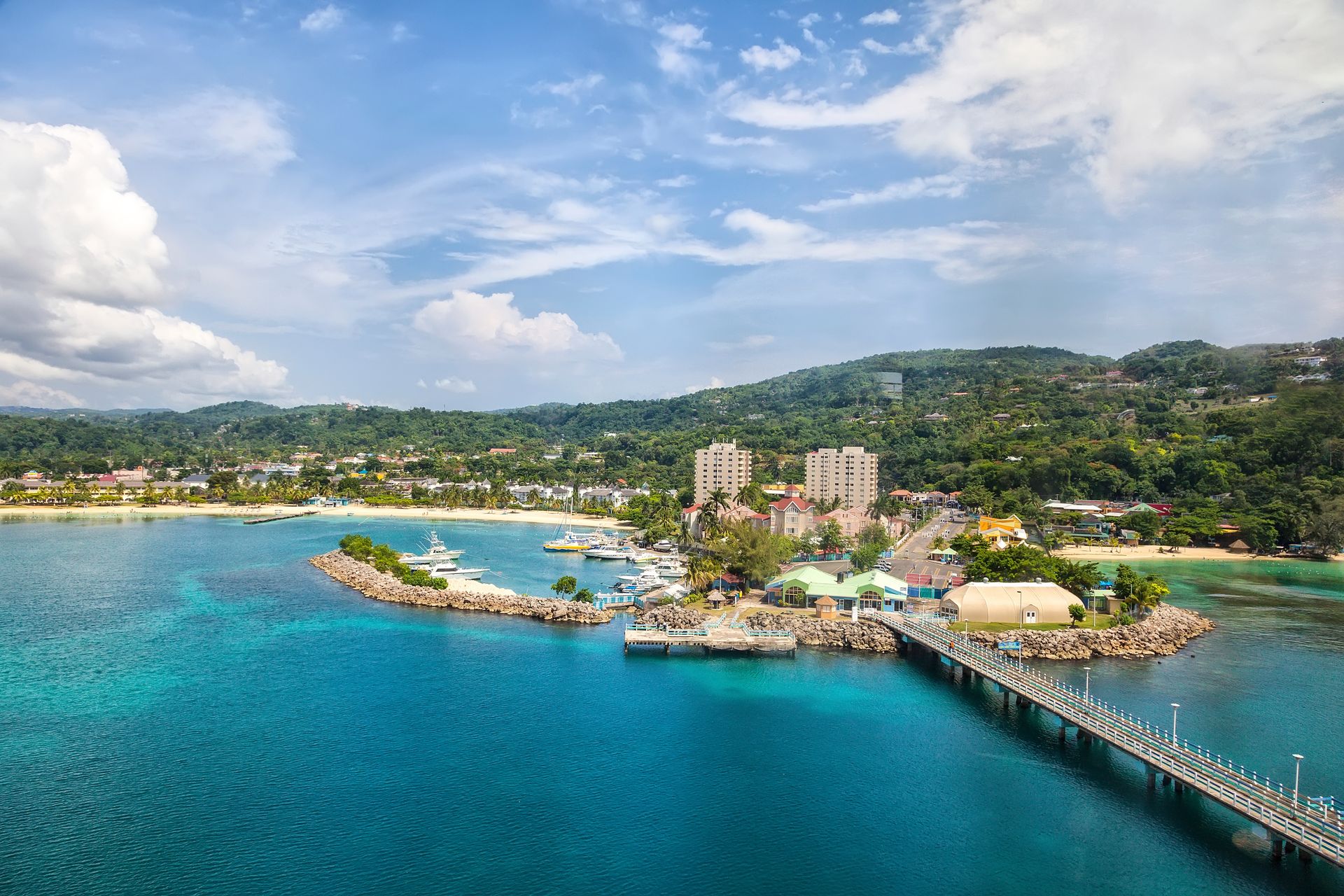
Jamaica’s reputation for beautiful beaches extends directly into the water at Montego Bay Marine Park, a notably excellent destination for snorkelers of varying experience levels. Airport Reef draws considerable attention for its stingray-filled caverns, while Beer Star offers less-frequented reefs sitting further from shore for travelers hoping to avoid the busiest crowds.
The five-mile Doctor’s Cave Beach functions as an excellent introduction to shore snorkeling, reachable by a short wade or a simple pier jump into the water below. The site’s protected status combined with a cement pier draws in sheltering juvenile marine life, and crabs, stingrays, parrotfish, pufferfish and angelfish all rank among the most common sights, while the venomous, visually striking lionfish deserves admiration strictly from a comfortable distance.
Choosing a non-cruise-ship day considerably reduces crowds at Doctor’s Cave Beach, giving travelers a noticeably calmer experience in the water without the added congestion large ship arrivals typically bring. This particular pairing of protected marine life and easy shore access gives Montego Bay real standing as one of the Caribbean’s most approachable snorkeling destinations for families and first-timers alike.
Onsite ticket booths charge between $6 and $10 for entry; this fee includes parking and basic amenities. Travelers $TRV visiting seasonally should also consider the nearby Glistening Waters at Falmouth, known for bioluminescent nighttime snorkeling. Montego Bay Marine Park became one of Jamaica’s earliest protected marine areas, established directly to curb overfishing and coral damage that had degraded much of the surrounding reef throughout previous decades. Travelers should apply reef-safe sunscreen before entering the water, since standard sunscreen chemicals can damage the same coral formations that make the protected marine park worth visiting in the first place. Packing a reusable bottle also helps, since few vendors sell drinks directly on the protected beach itself. The park’s protected status means fishing stays prohibited throughout the immediate area, a restriction that has helped juvenile fish populations recover considerably over recent decades. This particular no-fishing zone has become something of a model cited by conservationists studying similar marine protection efforts elsewhere in the Caribbean.
7. Andros Island plunges snorkelers into a blue hole
Rs3 / Wikimedia Commons (CC BY-SA 3.0)
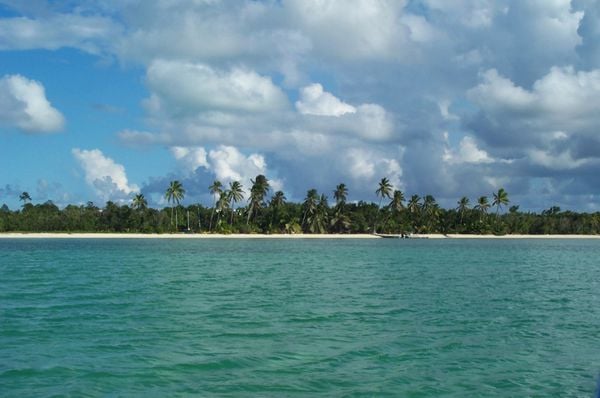
Andros Island in the Bahamas holds the highest concentration of underwater caves and sinkholes found anywhere in the world, and the island also claims the third-largest fringing barrier reef, trailing only slightly behind Belize’s considerably longer stretch. Like its fellow CARICOM member Belize, the Bahamas boasts its own celebrated Blue Hole in the form of Dean’s, ringed by grassy cliffs and a sandy beach offering surprisingly excellent snorkeling conditions.
Reef fish school around the brim of the hole’s inky 663-foot center, while stingrays, turtles and crabs frequent the shallower seagrasses surrounding the main formation. Snorkelers can easily lose track of time exploring the considerable range of colors on display, from mottled red crawfish to starkly different shades of salty blue water shifting throughout the site.
Dean’s Blue Hole stays free and easily accessible, though travelers need to arrange their own transportation to reach it, since no organized shuttle service currently covers the route. This particular pairing of dramatic underwater geology and considerably accessible entry gives Andros Island real standing among the Caribbean’s most unique snorkeling destinations.
Travelers $TRV should arrive early for the quietest, most serene experience at the site, since Dean’s Blue Hole draws considerably larger crowds later in the day once word spreads among nearby resort guests. Andros Island’s considerable network of inland and marine blue holes has drawn scientific expeditions for decades, since these formations offer researchers real insight into underwater cave systems rarely accessible elsewhere in the world. Travelers should bring their own snorkel gear and supplies, since Dean’s Blue Hole sits far enough from town that no rental shops or vendors operate directly at the site itself. Renting a car in Nassau ahead of the ferry crossing simplifies the whole trip considerably. The drive itself passes through considerable stretches of undeveloped coastline, giving travelers a genuine sense of the island’s sparse population well before reaching the water. Few other Bahamian islands offer this particular pairing of accessible geology and consistently clear water within a single easy day trip.