
From the Taj Mahal's color-shifting marble at sunrise to Meghalaya's living root bridges grown over generations across jungle rivers
-1920x1280.jpg)
Julian Yu / Unsplash
India rewards travelers with a genuinely staggering range of experiences within a single country, from snow-capped Himalayan peaks in the north to palm-fringed tropical beaches in the south. Few destinations anywhere in the world pack quite this much geographic, cultural and culinary diversity into one place, and no single trip could realistically cover everything the country holds within just a few weeks.
Planning a trip around a handful of specific regions genuinely serves travelers better than attempting to see the entire country in one visit, since India’s sheer scale means even domestic travel between highlights can take considerable time. Each of the experiences below rewards travelers with a genuinely distinct side of India, whether that means ancient temples, colonial history or simply a stretch of quiet coastline far from the more heavily touristed circuits.
The 10 experiences below appear in Lonely Planet, covering the best things to do throughout India. They range from the classic Golden Triangle circuit to genuinely remote corners such as Northeast India and the Andaman Islands, giving travelers considerable range across both well-established and rarely visited parts of the country. Domestic flights connect most of these regions relatively affordably, letting travelers combine several destinations from this list within a single multi-week trip instead of confining themselves to a single state or circuit. Travelers $TRV with limited time should prioritize regions that share a similar climate and travel style, since jumping between vastly different terrain, such as Ladakh’s high mountains and the tropical Andaman Islands, within a single short trip risks spending more time in transit than actually exploring each destination properly. Booking key transport and accommodation well in advance also helps considerably, since India’s most popular sites draw considerable demand throughout the peak winter travel season each year.
Aditya Siva / Unsplash
Delhi, Agra and Jaipur together form the Golden Triangle. This classic introductory circuit rewards first-time visitors with a genuinely rich sampling of Mughal and Rajput history within a single, manageable loop. Agra’s Taj Mahal, built by Emperor Shah Jahan in the seventeenth century as a mausoleum for his wife Mumtaz Mahal, ranks among the most recognizable buildings anywhere in the world, and its marble facade genuinely shifts color throughout the day depending on the angle of sunlight.
Delhi itself splits into Old and New sections, with Old Delhi’s crowded lanes around Chandni Chowk offering genuinely chaotic street food and the Red Fort’s imposing sandstone walls. At the same time, New Delhi’s wide colonial-era boulevards hold India Gate and the presidential residence. This contrast between old and new gives Delhi considerable range for travelers interested in both centuries-old heritage and the modern capital’s administrative core.
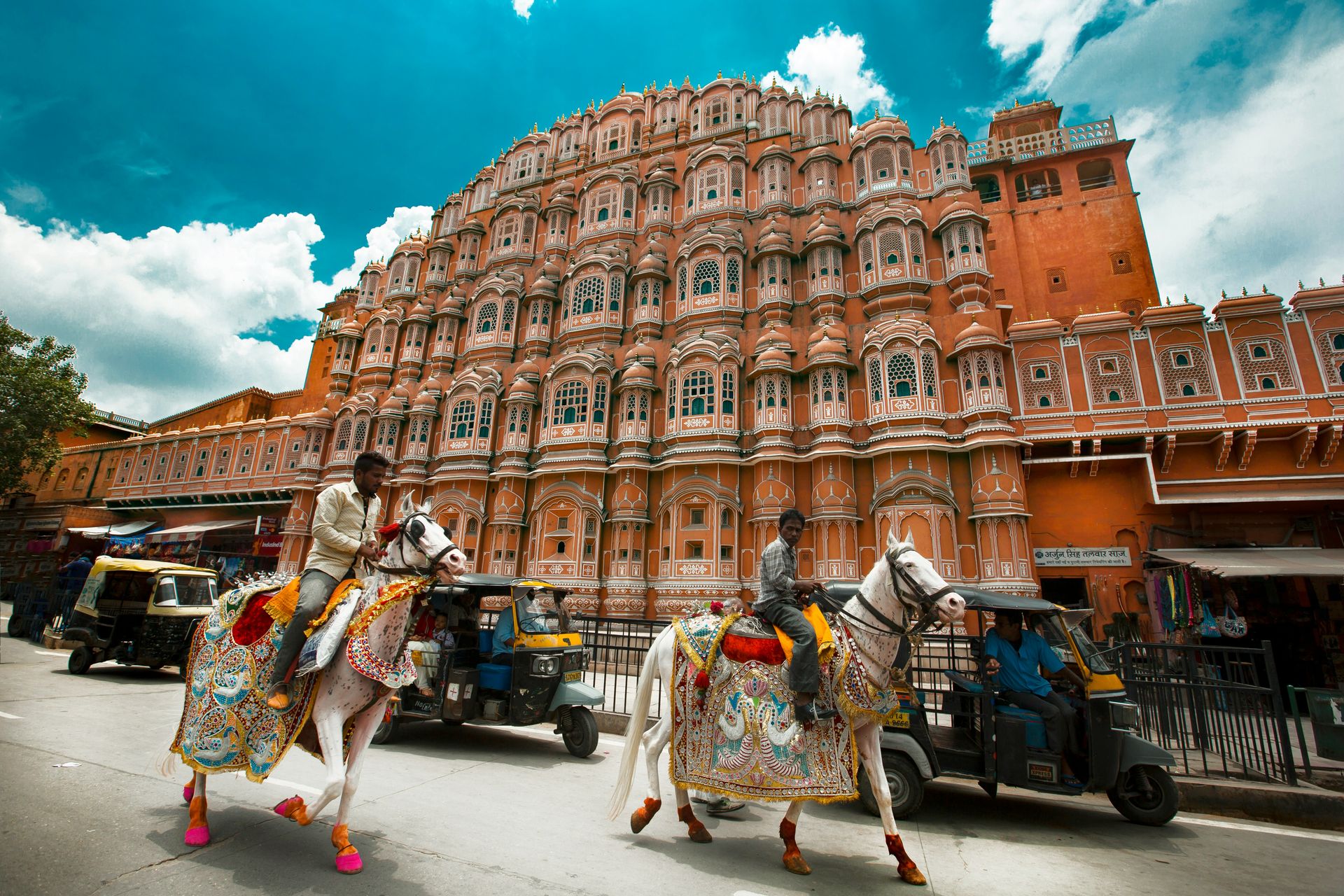
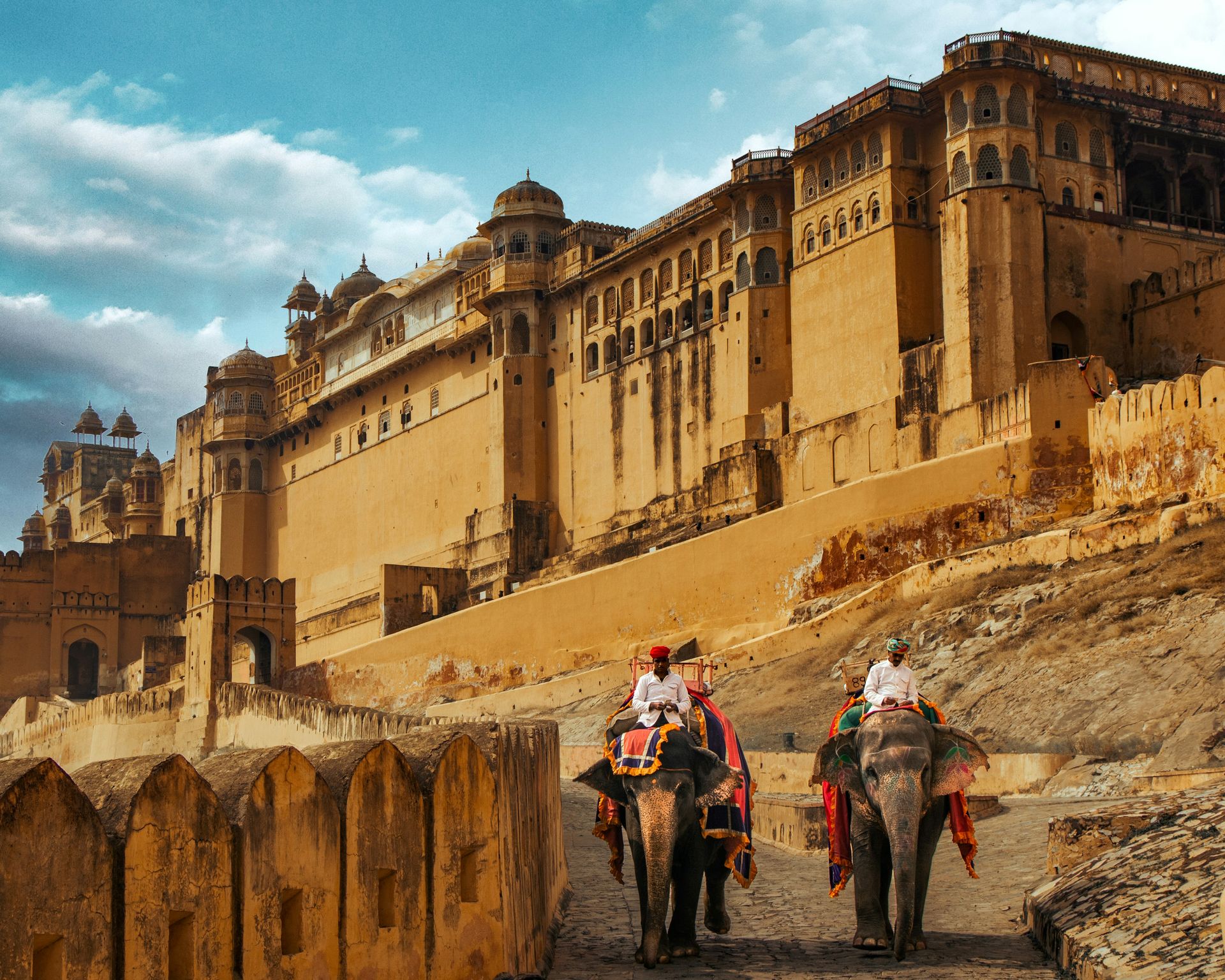
Jaipur, known as the Pink City for the rosy-hued buildings throughout its historic quarter, rounds out the triangle with the Amber Fort, City Palace and the distinctive honeycomb facade of the Hawa Mahal, or Palace of Winds. This particular blend of desert-state architecture gives Jaipur a genuinely different character than either Delhi or Agra, despite sitting just a few hours from both by road or rail.
Travelers $TRV should budget at least a week to properly explore all three cities without rushing, since each destination holds enough historic sites to fill two or three full days on its own easily. Travelers should book Taj Mahal tickets for sunrise specifically, since the earliest entry slot genuinely rewards visitors with both softer light for photography and considerably thinner crowds than the middle of the day. Hiring a private driver for the full Golden Triangle circuit often proves more comfortable than relying purely on trains between cities, since a car allows genuine flexibility to stop at smaller sites along the route between Delhi, Agra and Jaipur. Comfortable walking shoes also help considerably given how much ground exploring the Red Fort and Amber Fort genuinely covers.
Mayur Sable / Unsplash
Beyond Jaipur, the desert state of Rajasthan holds a considerable concentration of hilltop forts and palaces built by rival Rajput clans over several centuries. Jodhpur’s Mehrangarh Fort towers above the blue-painted old city below, giving the fort’s name, the Blue City, genuine visual drama when viewed from the ramparts at sunset.
Udaipur, often called the City of Lakes, offers a considerably more romantic atmosphere, with the City Palace and Lake Palace both reflected in the still waters of Lake Pichola below. This lakeside setting gives Udaipur a genuinely different character than the more rugged, desert-facing forts found elsewhere throughout the state.
Jaisalmer, sitting deep within the Thar Desert near the Pakistani border, rewards travelers willing to make the longer journey with a genuinely golden sandstone fort still inhabited by families living within its ancient walls. Camel safaris into the surrounding dunes give visitors a chance to experience the desert landscape directly, often culminating in an overnight camp under genuinely clear, star-filled skies.
Travelers $TRV moving between these Rajasthani cities should budget considerable time for road or rail travel, since distances between major forts often stretch several hours even along well-maintained highways. Travelers hoping to see Jaisalmer’s fort at its most striking should time a visit for late afternoon specifically, since the golden sandstone genuinely glows most vividly as the sun begins to set over the surrounding desert. Travelers should pack layers even during warmer months, since desert nights throughout Rajasthan, particularly during camel safari camping trips, can turn considerably colder than daytime temperatures might suggest. A reusable water bottle also helps considerably given how much walking exploring these hilltop forts genuinely requires. A camera with a wide-angle lens also helps considerably for capturing the sheer scale of these hilltop fortifications. Sunscreen also matters considerably given how intense direct desert sun genuinely becomes throughout a full day of fort exploration. A dust mask also helps considerably during the drier winter months when desert winds pick up.
Nature Photographer / Unsplash
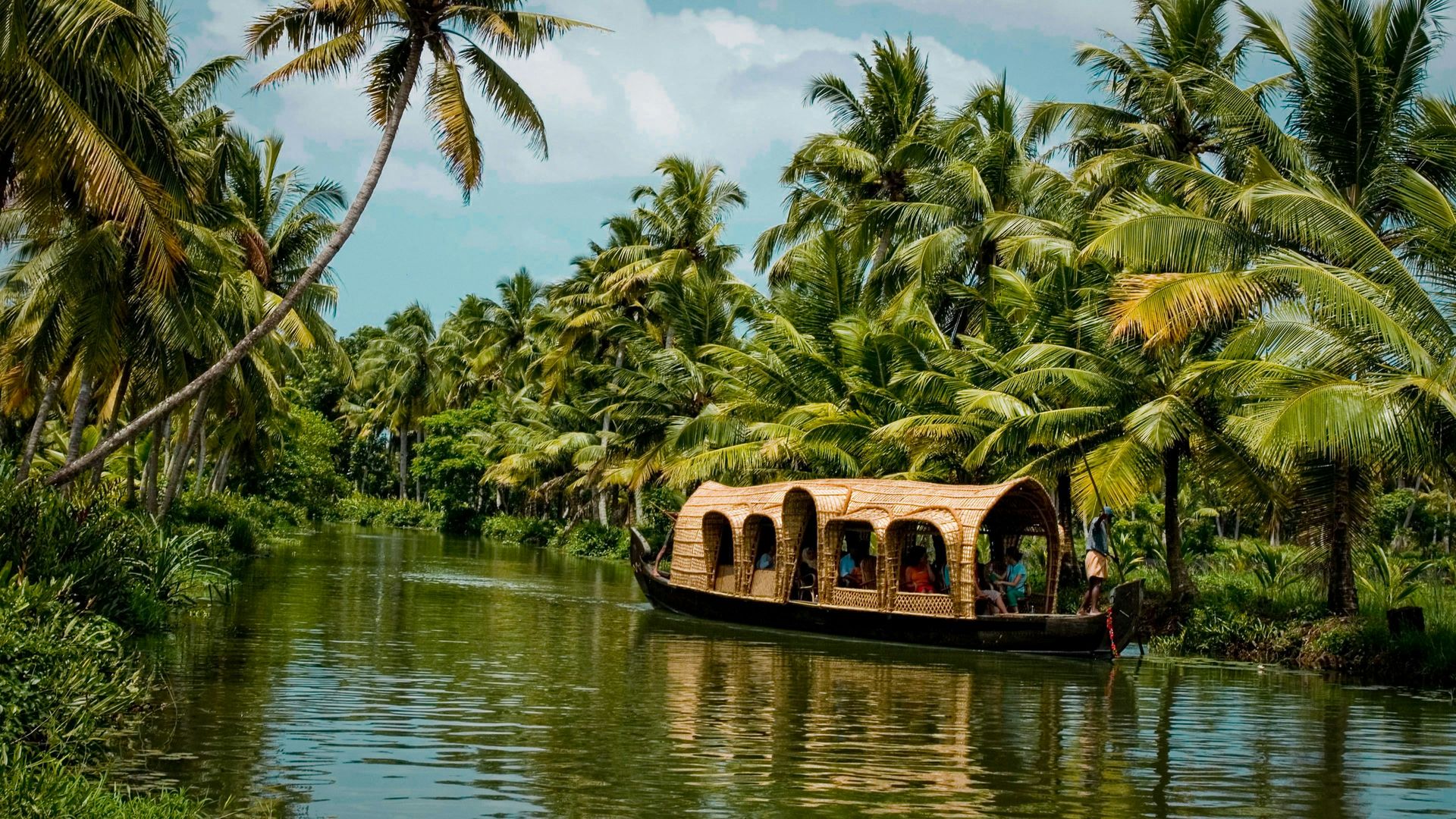
In the southern state of Kerala, a network of interconnected canals, rivers and lakes known as the backwaters offers a genuinely different pace of travel compared with India’s busier northern circuits. Traditional houseboats, originally used to transport rice and spices, now carry travelers slowly past palm-lined banks, rice paddies and small fishing villages throughout multiday journeys.
Alleppey, often called the Venice of the East, serves as the main gateway for backwater houseboat trips, and spending a night aboard one of these traditional vessels rewards travelers with a genuinely peaceful alternative to India’s more frenetic urban destinations. Onboard chefs typically prepare fresh Keralan cuisine throughout the journey, giving travelers a genuine taste of the region’s distinctive coconut-and-spice-driven cooking style.
Kerala’s hill stations, including Munnar with its rolling tea plantations, offer a genuinely cooler climate escape from the tropical heat found throughout the coastal backwater region. This contrast between languid backwater cruising and the considerably more energetic hill-station scenery gives Kerala real range within a single state.
Travelers $TRV should visit during the cooler months between November and February specifically, since Kerala’s monsoon season brings genuinely heavy rainfall that can disrupt both houseboat schedules and hill-station visibility. Travelers booking a houseboat should confirm whether the vessel includes air conditioning specifically, since Kerala’s tropical humidity can make an un-air-conditioned cabin genuinely uncomfortable overnight. Travelers should also consider a shorter day cruise instead of a full overnight stay if budget or time runs limited, since even a few hours on the water genuinely captures much of the backwaters’ distinctive atmosphere. Insect repellent also helps considerably given how close the houseboat route stays to still, mosquito-friendly waterways. A light rain jacket also helps considerably given how quickly weather can shift throughout the tropical backwater region. A reusable water bottle also helps considerably given the region’s genuinely warm, humid tropical climate throughout most of the year. Motion sickness remedies also help considerably for travelers unaccustomed to extended time on slow-moving water.
Pratish Srivastava / Unsplash
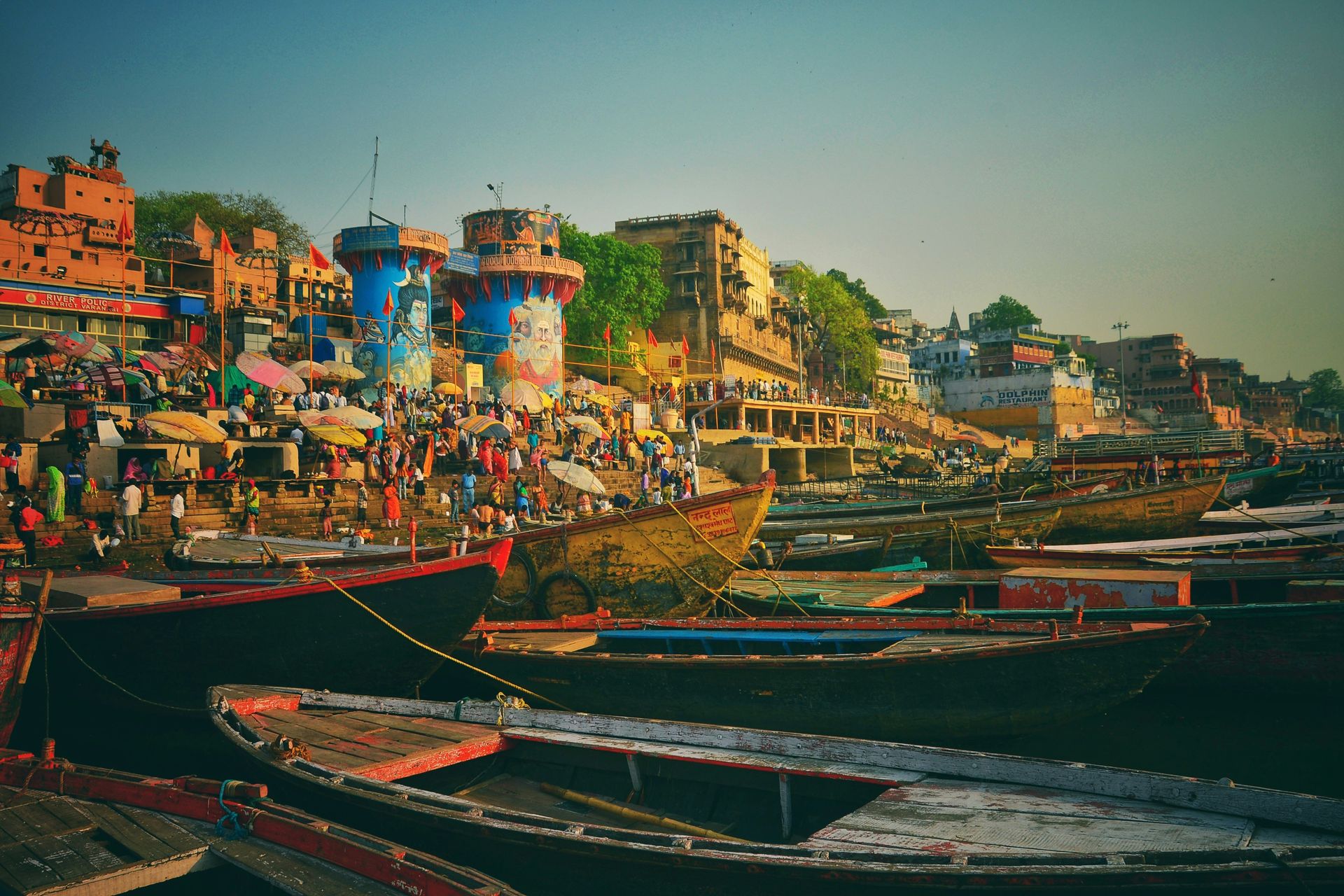
Among the oldest continuously inhabited cities in the world, Varanasi sits along the banks of the Ganges River and functions as one of Hinduism’s most sacred pilgrimage sites. The city’s ghats, stone steps leading down to the river, host daily rituals ranging from morning prayers to evening aarti ceremonies, where priests wave large flaming lamps in choreographed unison as crowds gather along the riverbank.
Sunrise boat rides along the Ganges reward early-rising travelers with a genuinely atmospheric view of the ghats waking up, as pilgrims bathe in the sacred waters and cremation fires burn at the specific ghats designated for that purpose. This direct proximity to both daily life and death gives Varanasi a profoundly atmospheric feel unlike anywhere else on this list.
The narrow lanes of the old city hold countless small temples, spice shops, and silk weaving workshops, rewarding travelers willing to wander without a fixed itinerary. Sarnath, located just outside Varanasi, marks the site where Buddha delivered his first sermon after achieving enlightenment, giving history-minded travelers a genuinely significant Buddhist pilgrimage site within easy reach of the Hindu holy city.
Travelers $TRV should approach the ghats respectfully and ask permission before photographing cremation ceremonies specifically, since these rites hold deep personal and religious significance for the families involved. Travelers should hire a small rowboat with a local guide specifically for the sunrise river ride, since these smaller boats can navigate closer to individual ghats than larger tourist vessels typically allow. Travelers should also visit the ghats in the late evening specifically, since the Ganga Aarti ceremony at Dashashwamedh Ghat draws considerable crowds and offers a genuinely different atmosphere than the quieter morning ritual. Modest clothing also helps considerably given how much respect the ghats and surrounding temples genuinely warrant from visitors. A reusable water bottle also helps considerably given how much walking the old city’s narrow lanes genuinely requires. Small bills also help considerably for offerings and boat fares throughout the ghats.
Speedy Sandy / Unsplash
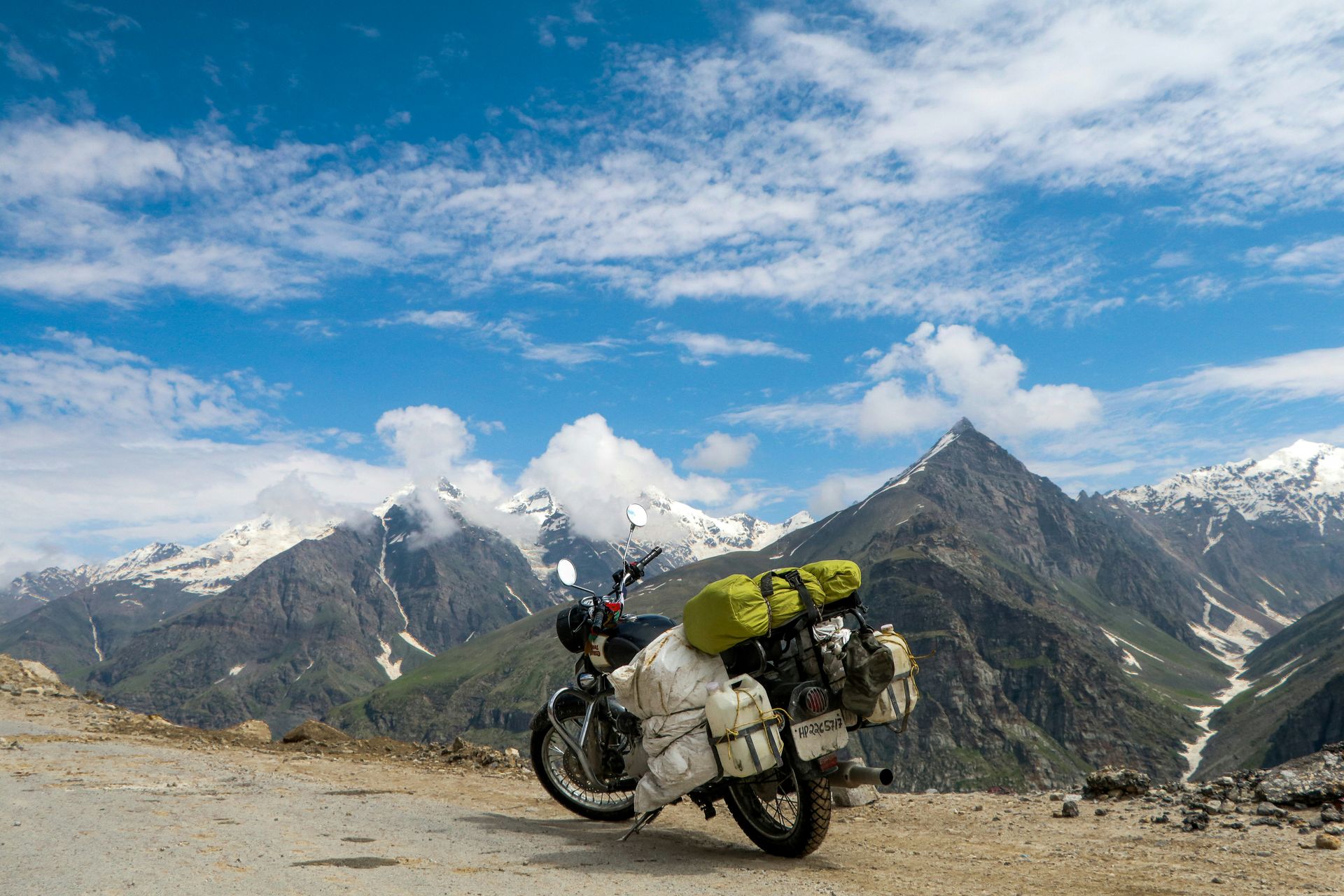
Along India’s northern border, the Himalayan foothills of Himachal Pradesh and the high-altitude desert region of Ladakh offer genuinely dramatic mountain scenery well beyond India’s more commonly pictured tropical or desert landscapes. Ladakh’s Buddhist monasteries, perched dramatically on hilltops throughout the region, reflect centuries of cultural exchange with neighboring Tibet, and the town of Leh serves as the primary gateway for exploring the surrounding valleys.
Trekking routes throughout Ladakh range from moderate multiday hikes to considerably more demanding high-altitude routes crossing mountain passes above 17,000 feet, rewarding experienced trekkers with genuinely remote, otherworldly scenery. Travelers $TRV should budget several days for altitude acclimatization upon arrival in Leh, since the town sits above 11,000 feet and altitude sickness poses a genuine risk for unprepared visitors.
Further south, the hill stations of Himachal Pradesh, including Manali and Dharamshala, offer a considerably more accessible mountain escape, with Dharamshala specifically holding genuine significance as the home of the Tibetan government-in-exile and the Dalai Lama’s residence. This blend of accessible hill-station tourism and genuinely remote high-altitude trekking gives the broader Himalayan region real range depending on a traveler’s specific appetite for adventure.
Travelers hoping to trek in Ladakh specifically should visit between June and September, since the region’s high mountain passes stay snowbound and largely impassable throughout the rest of the year. Travelers planning a Ladakh trek should hire a local guide familiar with the specific route, since weather and trail conditions throughout the high-altitude passes can shift considerably faster than in lower-elevation destinations. Travelers should also carry sufficient cash throughout Ladakh, since ATMs and card payment options remain considerably scarcer in the region’s more remote valleys and trekking routes. A water purification method also helps considerably given how limited bottled water access stays throughout Ladakh’s more remote trekking routes. Sunscreen also helps considerably given how intense UV exposure genuinely becomes at Ladakh’s considerable elevation. A headlamp also helps considerably for early starts on longer trekking days throughout the region.
alexey turenkov / Unsplash
Once a Portuguese colony until 1961, Goa retains a genuinely distinct character compared with the rest of India, visible throughout its whitewashed churches, Portuguese-era architecture and even the local cuisine’s use of vinegar and pork, ingredients considerably less common throughout the rest of the country. This colonial legacy gives Goa a genuinely different cultural texture than any other destination covered in this list.
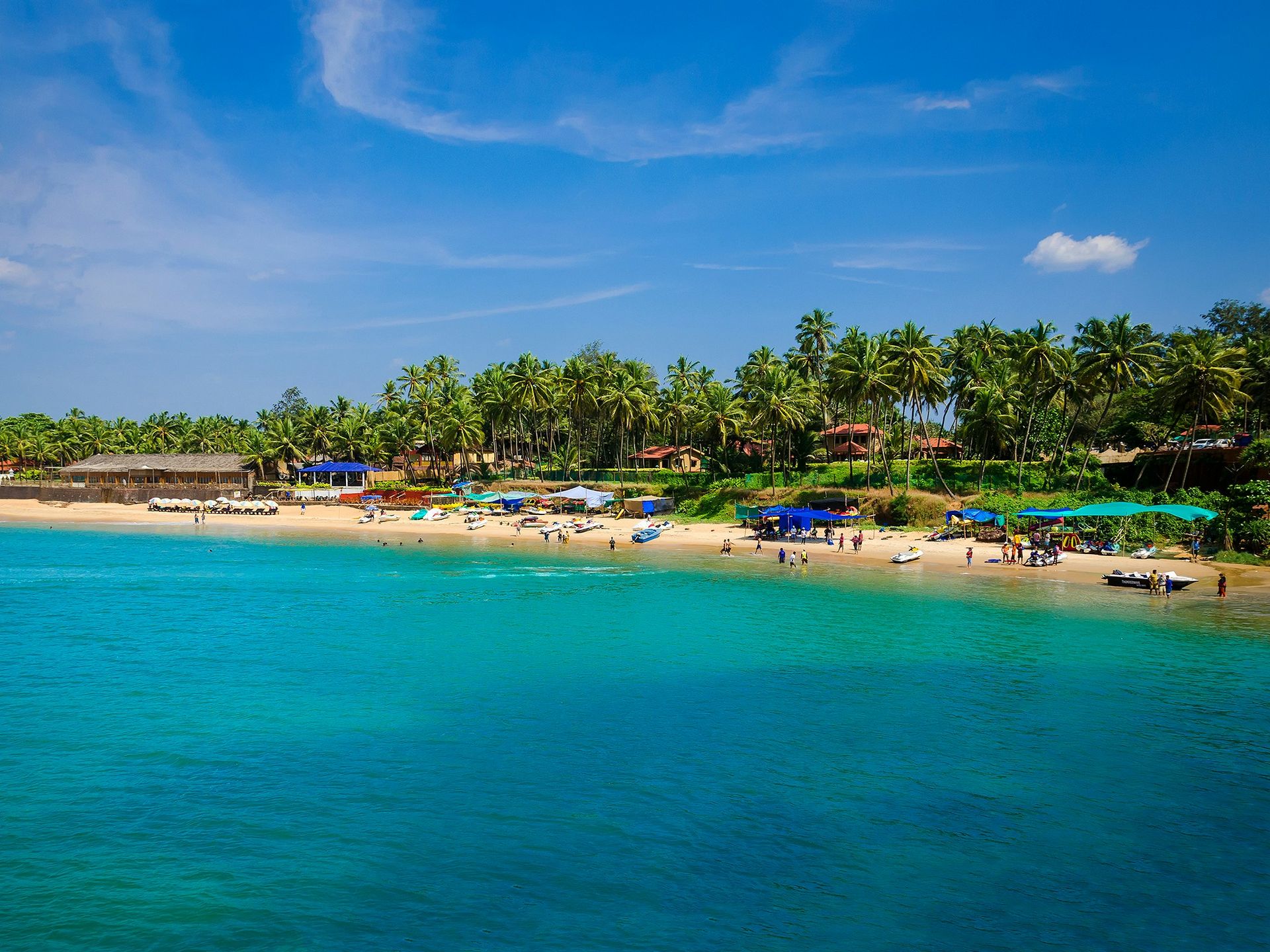
North Goa’s beaches, including Baga and Calangute, hold a genuinely lively atmosphere with beach shacks, water sports and considerable nightlife drawing both domestic and international visitors. South Goa instead offers a considerably quieter, more upscale alternative, with beaches such as Palolem and Agonda rewarding travelers seeking relaxation over the livelier party scene found further north.
Old Goa’s UNESCO-listed churches, including the Basilica of Bom Jesus, which holds the remains of St. Francis Xavier, give history-minded travelers a genuinely worthwhile inland stop beyond the coastline itself. This religious architecture reflects centuries of Portuguese colonial influence layered directly onto the surrounding Hindu and Indigenous Goan culture.
Travelers $TRV should visit Goa between November and February specifically, since the state’s monsoon season brings genuinely heavy rainfall and rough seas that make beach activities considerably less enjoyable throughout the middle of the year. Travelers should rent a scooter specifically to explore Goa’s smaller, less-visited beaches, since the state’s considerable coastline holds several quiet coves that remain genuinely difficult to reach without independent transport. Travelers specifically interested in the region’s culinary heritage should try vindaloo and xacuti, two dishes reflecting genuine Portuguese influence blended with traditional Goan spices and preparation methods. Reef-safe sunscreen also helps considerably given how much time beach-focused itineraries throughout Goa genuinely spend in direct sun. A rented scooter helmet also matters considerably, since local traffic laws genuinely require one regardless of how short a specific ride might seem. A reusable water bottle also helps considerably given how much time beach-hopping between North and South Goa genuinely involves. A dry bag also helps protect valuables during water-based activities.
Sonika Agarwal / Unsplash
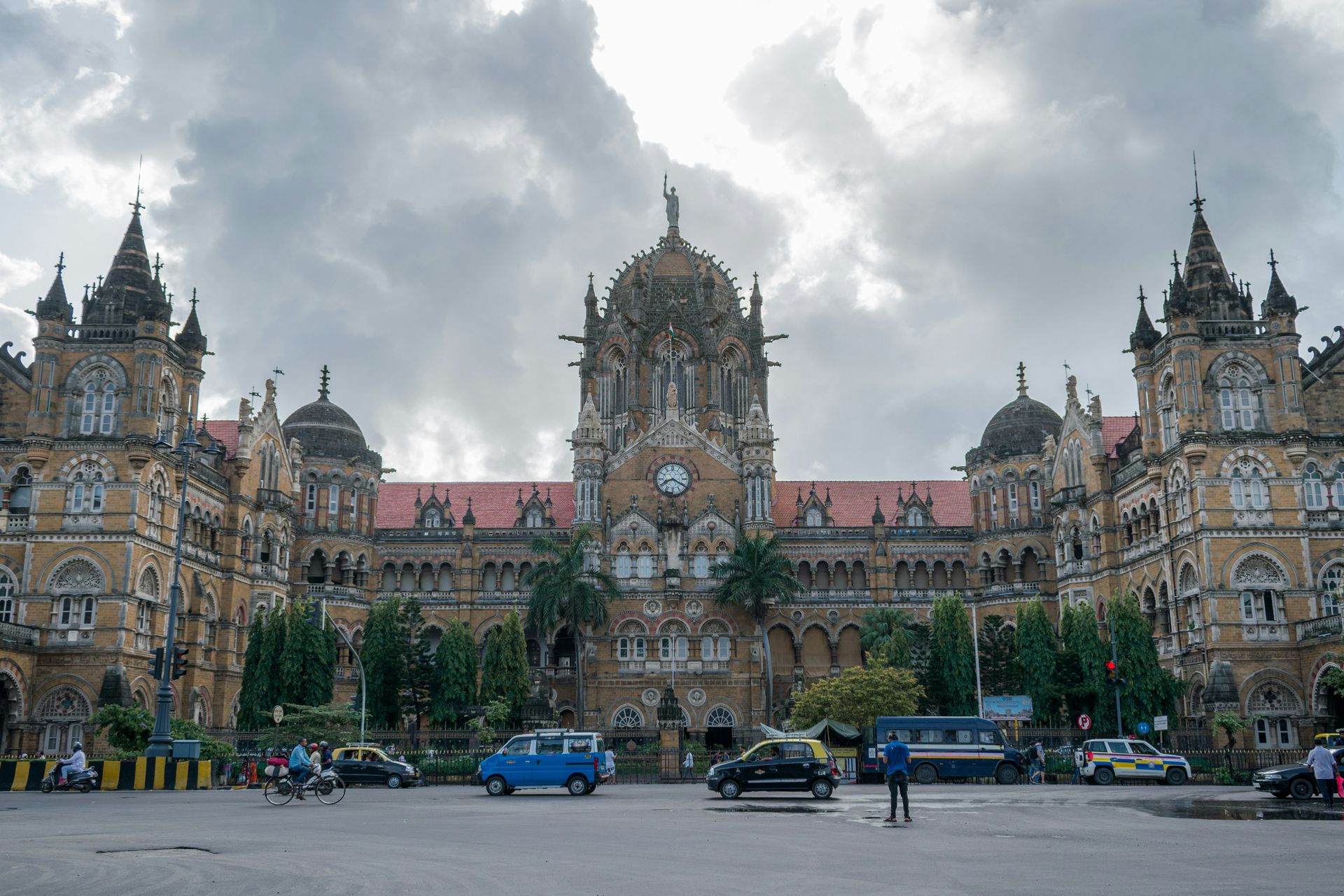
India’s largest city and financial capital, Mumbai holds a genuinely distinct energy compared with the country’s other major destinations, blending Victorian-era colonial architecture with the considerable modern hustle of the Indian film industry. The Gateway of India, an arch built to commemorate a royal visit in 1911, sits directly across from the historic Taj Mahal Palace hotel, giving visitors a genuinely striking waterfront landmark along the Arabian Sea.
Marine Drive, the curving boulevard hugging Mumbai’s coastline, rewards evening strollers with genuinely beautiful sunset views and a distinctly urban energy well different from India’s more rural or historic destinations. Elephanta Island, a short ferry ride from the Gateway of India, holds ancient rock-cut cave temples dedicated to the Hindu deity Shiva, giving history-focused travelers a genuinely worthwhile day trip from the city center.
Travelers $TRV specifically interested in Bollywood, the prolific Hindi-language film industry based in Mumbai, can book studio tours or attend a live filming, giving fans a genuine behind-the-scenes look at one of the world’s largest film industries by output. This blend of colonial history, coastal scenery and contemporary entertainment culture gives Mumbai considerable range within a single sprawling metropolis.
Travelers should budget extra time for Mumbai’s considerable traffic congestion when planning a daily itinerary, since distances that look short on a map can genuinely take much longer to cover than in less densely populated Indian cities. Travelers should visit the Gateway of India specifically in the early morning, since the site draws considerably heavier crowds by midday once both tourists and vendors fully arrive at the waterfront. Travelers should also try Mumbai’s iconic street food, such as vada pav and pav bhaji, both genuinely essential dishes reflecting the city’s considerable working-class culinary tradition beyond its upscale restaurant scene. Comfortable walking shoes also help considerably given how much ground exploring Marine Drive and the colonial district genuinely covers. A portable phone charger also helps considerably given how much navigation and photography a full day exploring the city genuinely involves.
Priya Singh / Unsplash
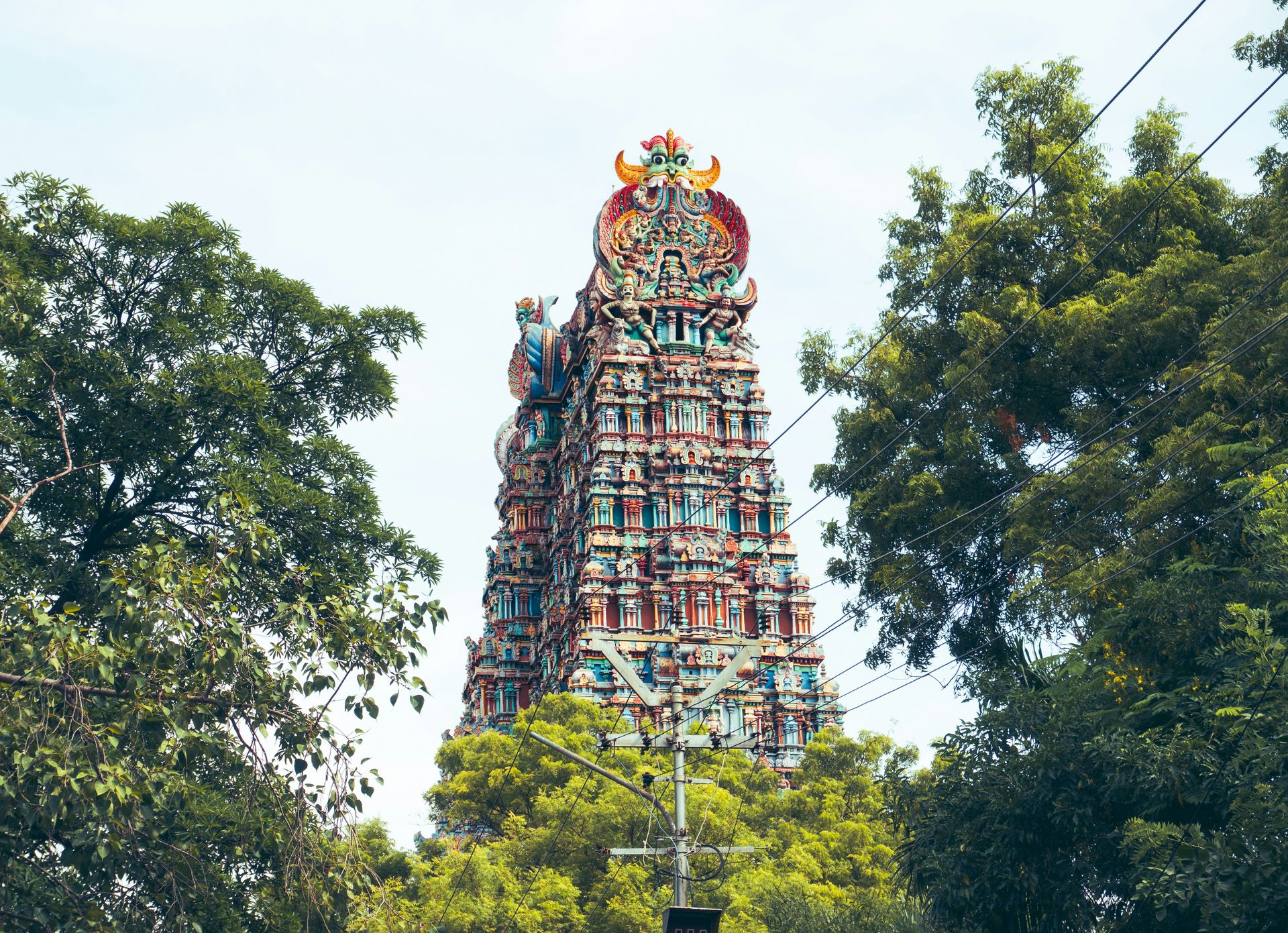
Throughout Tamil Nadu and neighboring Karnataka, towering temple gopurams, or gateway towers, covered in intricately carved and painted deities mark some of India’s most significant Hindu pilgrimage sites. Madurai’s Meenakshi Amman Temple, dedicated to the goddess Meenakshi, holds thousands of sculpted figures throughout its towering gopurams, rewarding visitors with genuinely overwhelming visual detail at every turn.
Hampi, the ruined capital of the once-powerful Vijayanagara Empire, scatters hundreds of stone temples, royal structures and boulder-strewn landscapes across a considerable area in Karnataka, giving history-minded travelers a genuinely atmospheric archaeological site well suited to slow, unhurried exploration. This UNESCO World Heritage site rewards visitors willing to rent a bicycle or scooter to cover the ruins’ considerable spread properly.
Mysore’s opulent Mysore Palace, illuminated with nearly 100,000 lightbulbs during weekly evening displays, gives travelers a genuinely dazzling contrast to the more weathered, ancient stonework found at Hampi and Madurai. This range between still-functioning royal architecture and genuinely ancient ruins gives South India’s temple circuit considerable historical depth for travelers with a full week or more available.
Travelers $TRV should dress conservatively when visiting active temples specifically, since many sites enforce modest dress codes and some restrict entry to non-Hindu visitors at their innermost sanctums. Travelers should visit Madurai’s Meenakshi Amman Temple specifically during the early morning or evening puja ceremonies, since these ritual times reward visitors with a genuinely more immersive atmosphere than a purely daytime sightseeing visit. Travelers should also budget time for Thanjavur’s Brihadeeswara Temple specifically, a UNESCO-listed Chola-era site whose towering vimana, or temple tower, ranks among the tallest of its kind anywhere in India. A hat also helps considerably given how much walking between temple complexes exposes visitors to direct sun throughout the day. A reusable water bottle also helps considerably given how much walking a full day between temple complexes genuinely involves. Comfortable sandals also help considerably, since many temples require removing shoes entirely before entering the inner courtyards.
Omkar Rane / Unsplash
Comprising eight states connected to the rest of India by a narrow land corridor, Northeast India holds a genuinely distinct cultural and geographic character shaped by proximity to Myanmar, Bhutan and Tibet instead of the subcontinent’s more commonly visited core. Meghalaya’s living root bridges, grown over generations by training the roots of rubber fig trees across rivers, rank among the region’s most genuinely unique natural and cultural attractions.
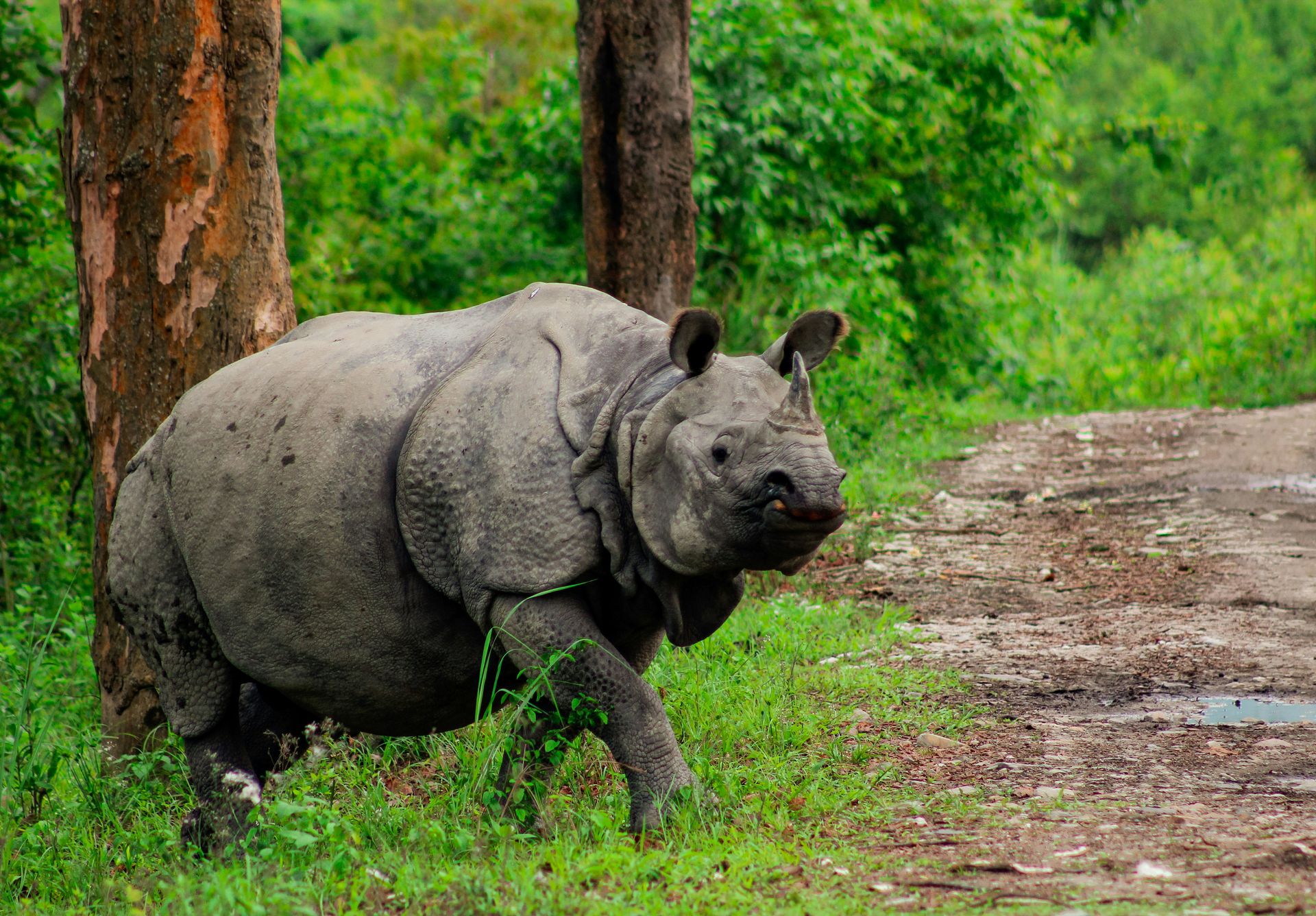
Assam’s tea plantations and Kaziranga National Park, home to a significant population of the endangered one-horned rhinoceros, give wildlife-focused travelers genuine reason to visit this considerably less-trafficked corner of the country. Nagaland’s annual Hornbill Festival, celebrating the region’s many distinct tribal cultures through traditional dance, music, and craft displays, rewards travelers who time a visit around this particular December event.
This considerable ethnic and linguistic diversity across the Northeast’s eight states gives the region genuine appeal for travelers seeking an India experience well outside the more heavily touristed Golden Triangle or Rajasthan circuits. Permits remain required for certain areas throughout the region, so travelers should research specific entry requirements well before finalizing an itinerary.
Travelers $TRV should budget extra time for travel throughout the Northeast specifically, since the region’s mountainous terrain and limited infrastructure mean journeys between destinations often take considerably longer than similar distances elsewhere in India. Travelers hoping to see Meghalaya’s living root bridges should budget a full day for the hike specifically, since reaching the most impressive double-decker bridge near Nongriat village requires descending and climbing thousands of steps. Travelers should also research current road conditions before finalizing an itinerary, since monsoon rains throughout the region can genuinely wash out mountain roads and delay travel between destinations for days at a time. Sturdy hiking shoes also help considerably given how much walking reaching Meghalaya’s living root bridges genuinely requires. A portable charger also helps considerably given how limited electricity access stays throughout some of the region’s more remote villages. A basic first-aid kit also helps considerably given how far some villages sit from proper medical facilities.
Deepak Kumar / Unsplash
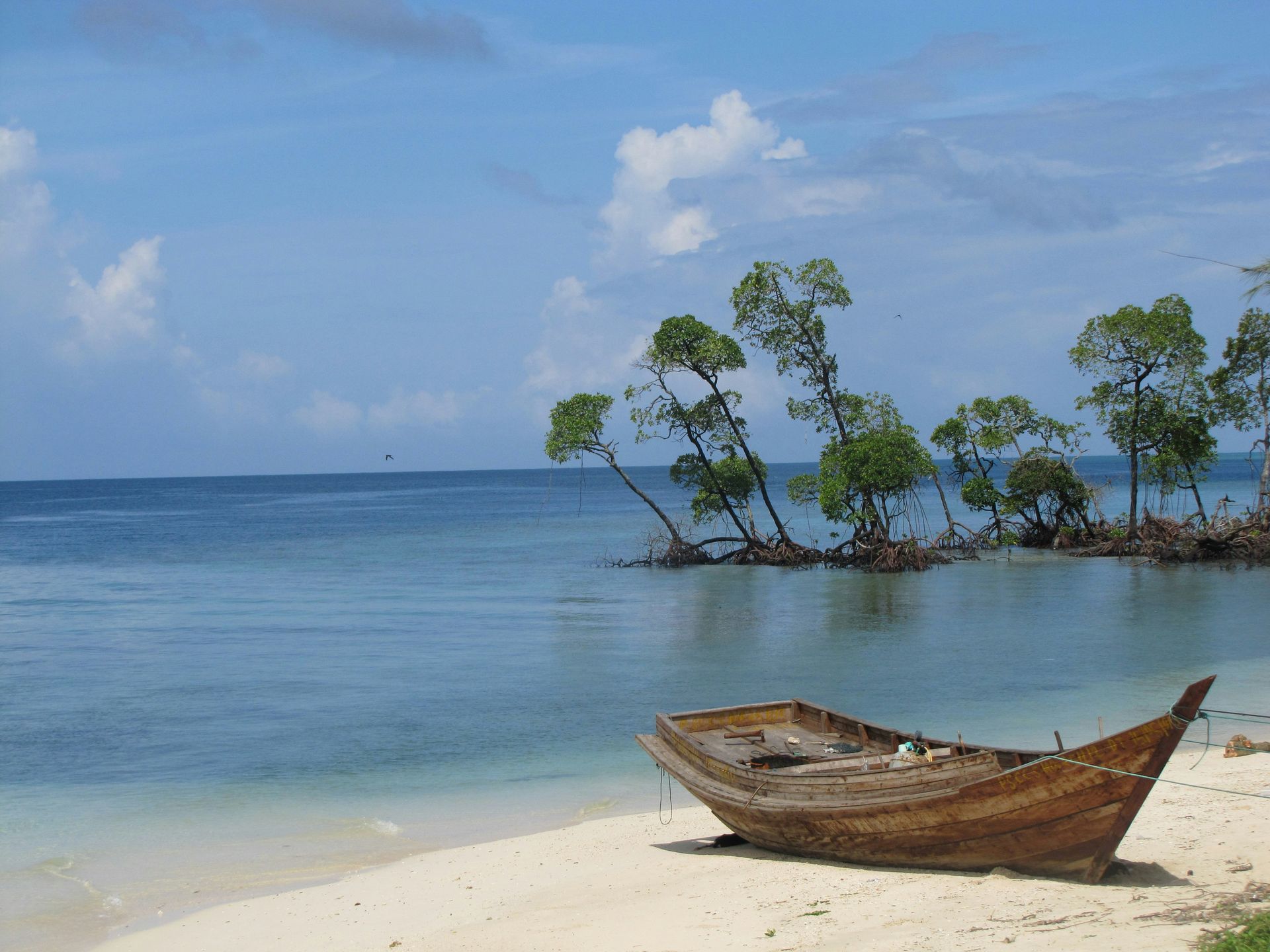
Sitting in the Bay of Bengal considerably closer to Thailand and Myanmar than to mainland India, the Andaman Islands reward travelers with some of the clearest water and healthiest coral reefs found anywhere in the country. Havelock Island, officially known as Swaraj Dweep, ranks as the archipelago’s most popular destination, holding Radhanagar Beach, once named among Asia’s best beaches by international publications.
Diving and snorkeling throughout the Andamans reveal genuinely vibrant coral reefs and marine life considerably less disturbed than more heavily trafficked diving destinations elsewhere in Asia. Neil Island, officially Shaheed Dweep, offers a considerably quieter alternative to Havelock, rewarding travelers seeking a slower island pace away from the archipelago’s busier tourist hub.
Port Blair, the archipelago’s capital, holds the Cellular Jail, a former British colonial prison used to detain Indian independence activists, giving history-minded travelers a genuinely sobering historical stop before heading onward to the outer islands’ beaches. This blend of colonial history and pristine natural scenery gives the Andamans considerable range beyond beach relaxation.
Travelers $TRV should book inter-island ferry tickets well in advance during peak season, since limited daily departures between the Andaman Islands can sell out considerably faster than travelers accustomed to mainland India’s more frequent transport options might expect. Travelers should book diving excursions well ahead of arrival specifically, since Havelock Island’s limited number of dive operators can fill their daily slots quickly during the archipelago’s peak season. Travelers should also pack reef-safe sunscreen specifically, since the archipelago’s coral reefs remain genuinely healthier and more sensitive to chemical runoff than more heavily developed diving destinations elsewhere. A dry bag also helps considerably for protecting electronics during inter-island ferry crossings throughout the archipelago. A waterproof phone case also helps considerably for safely carrying essentials during boat transfers between the archipelago’s islands. A hat also helps considerably given how intense direct sun genuinely becomes while island-hopping throughout the archipelago. Motion sickness remedies also help considerably for longer ferry crossings between the outer islands.