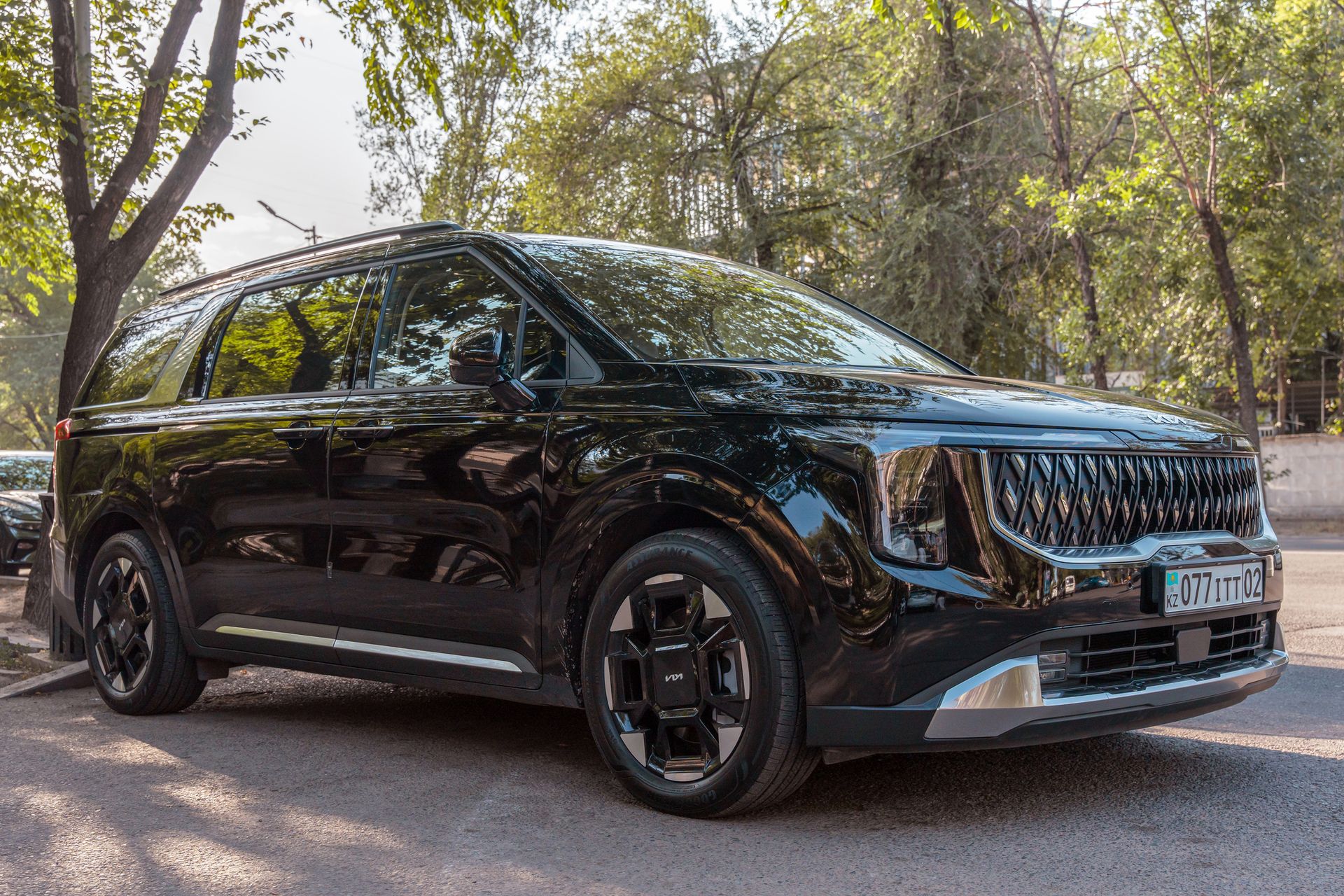
Roman Nurutdinov / Getty Images
A minivan carries a reputation it has never fully deserved. The category has spent decades absorbing jokes about suburban domesticity while quietly becoming one of the more practical and comfortable segments in the automotive market. Parents who drive minivans tend to stay loyal to them precisely because nothing else does the job as well. The sliding doors, the low floor, the flexible seating, and the sheer interior volume produce a family vehicle that three-row SUVs consistently struggle to replicate despite their popularity. The stigma and the reality have always been at odds.
What has changed in recent years is the quality of the interior. Automakers still selling minivans recognized the segment needed to justify itself against the wave of premium three-row SUVs that were drawing buyers away, and they responded by upgrading their cabins substantially. Nappa leather, ventilated seats, heated rear rows, panoramic roofs, premium audio systems, and hands-free door operation have all migrated from luxury vehicles into minivans, making the interior quality argument increasingly difficult to dismiss. A well-equipped minivan in 2026 delivers both practicality and comfort, often at a price point that undercuts comparably appointed three-row SUVs.
U.S. News ranks the seven vehicles below by their Interior & Comfort scores, which cover fit and finish, seating comfort, and features. U.S. News & World Report assembled this list to show how much the segment has elevated its interiors, with emphasis on the features and amenities of each model’s highest trim levels. Price ranges reflect the full trim lineup from base to fully loaded. The scores weigh factors including fit and finish, seating comfort, and the breadth of available features, all areas where the minivan segment has made its most dramatic gains over the past decade. Buyers who approach these vehicles with expectations shaped by older minivans will find a segment that has genuinely changed.
1 / 7
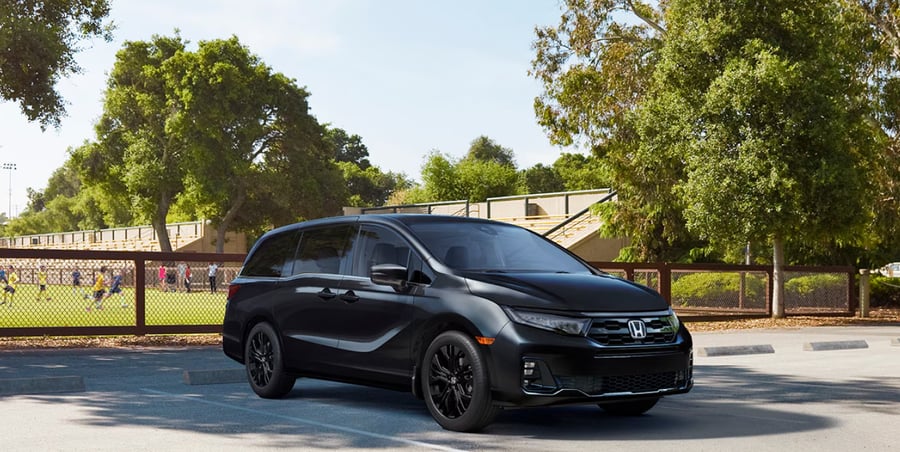
Credit: Honda
The 2026 Honda $HMC Odyssey holds the top Interior & Comfort score among minivans at 8.9 out of 10, and its cabin quietness is a primary reason for that standing. Honda engineered substantial insulation into the Odyssey’s structure, producing a cabin that absorbs road and wind noise at a level unusual for the segment. The Odyssey also claims one of the roomiest interiors in its class, with enough width and headroom to seat adults comfortably in all three rows, a genuinely useful capability for families that regularly carry more than two rear passengers.
Luxury materials appear across the lineup, not just at the top. Standard features include leather upholstery, heated front seats, and Honda’s Magic Slide second-row seats, which shift laterally to allow passengers to step through to the third row without removing the seat. The top Elite trim adds ventilated front seats, a hands-free power liftgate, and Honda’s CabinWatch camera system, which lets the driver monitor rear passengers without turning around. The price range runs from $42,795 to $51,695.
Reviewer Mike Hagerty notes that the Odyssey’s infotainment system functions adequately but has started to feel dated against rivals that use larger screens and more advanced interfaces. The observation points to a meaningful tension in the Odyssey’s profile: the cabin comfort and materials quality are strong enough to justify its position at the top of this list, but the technology layer has not kept pace. Buyers who prioritize quietness, passenger comfort, and interior refinement over the latest screen technology will find the Odyssey squarely aligned with their needs. The Magic Slide second-row seats deserve particular attention for families who frequently move between the second and third rows: the ability to shift the seat laterally without removing it saves meaningful time on a busy travel day and reflects the kind of functional detail that makes the Odyssey’s Interior & Comfort score credible. Those who expect the infotainment to match the rest of the cabin’s quality should compare it directly against rivals before deciding.
2 / 7
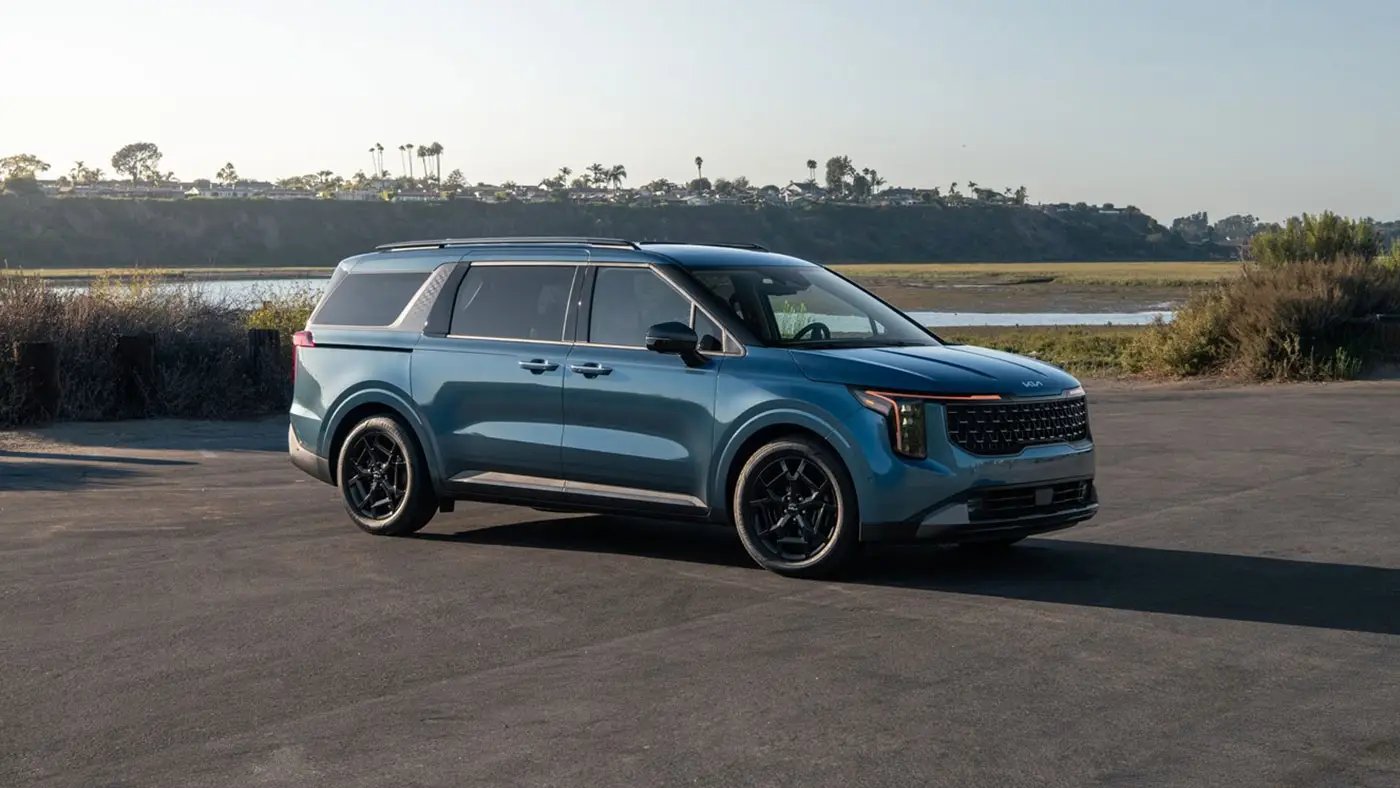
Credit: Kia
The 2026 Kia Carnival earns an Interior & Comfort score of 8.8 out of 10 and presents one of the more impressive cabins in the minivan segment. Reviewer Adrian Taylor describes the seating comfort as comparable to what passengers would expect in a chauffeured luxury SUV. The Carnival’s interior design and material quality set it apart within the category, and the spaciousness extends to all three rows, with large sliding doors that make access easy for passengers of all ages. The price range runs from $36,990 to $51,090.
Taylor notes that the Carnival performs well even in base form, with a strong feature set and a warranty that undercuts most competitors’ entry-level pricing. Moving to the top SX Prestige trim adds an optional dual-screen rear entertainment system and a second-row configuration that pairs heated and ventilated seats with footrests, an amenity more commonly associated with business-class travel than family minivans.
Two genuine weaknesses temper the Carnival’s appeal. Fuel efficiency falls short of the segment’s more economical options, and cargo space shrinks when second-row captain’s chairs replace the standard bench. Buyers who frequently carry the maximum passenger load and cargo simultaneously will find the captain’s chair configuration a significant constraint. The Carnival’s overall profile makes it one of the more compelling value propositions in the segment: strong luxury credentials at a competitive base price, with the SX Prestige’s footrests and ventilated rear seats available at a cost that still undercuts many fully loaded rivals. Buyers should account for the efficiency and cargo trade-offs that come with the captain’s chair configuration before committing. The dual-screen rear entertainment system in the SX Prestige adds another layer of comfort for longer trips, giving rear passengers a dedicated viewing setup instead of a shared screen or a personal device propped against the seat in front. The Carnival’s warranty coverage, which Taylor identifies as competitive even at the base trim, extends the value case beyond the purchase price.
3 / 7
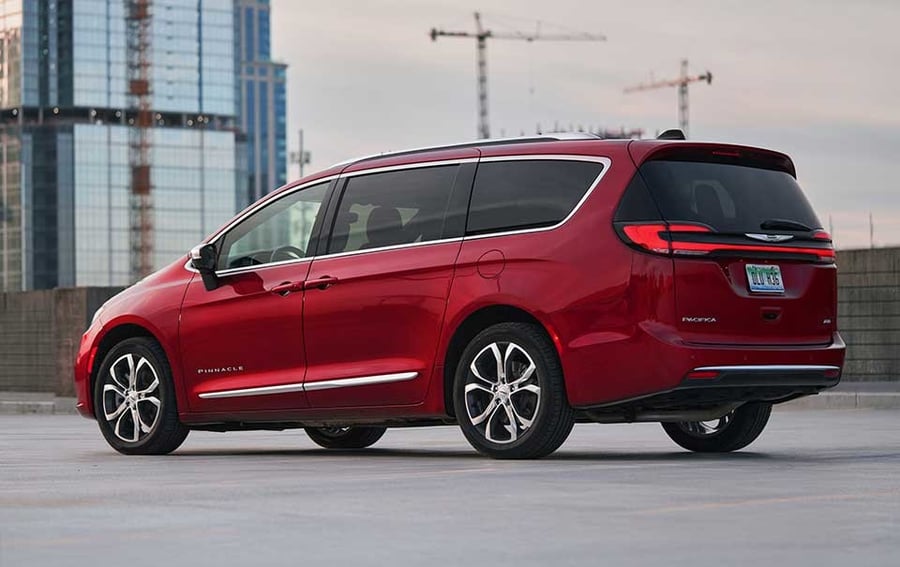
Credit: Crysler
The 2025 Chrysler Pacifica Hybrid holds an Interior & Comfort score of 8.7 out of 10 and occupies a unique position in the minivan market as the only model available with a plug-in hybrid powertrain. The PHEV setup contributes directly to the cabin experience: the electric drive delivers notably smooth, quiet operation, giving the Pacifica Hybrid a ride quality that aligns more closely with luxury vehicles than that of conventional minivans. The price range runs from $51,055 to $59,785, placing it at the premium end of the segment.
The top Pinnacle trim illustrates how far the Pacifica Hybrid takes its interior ambitions. Nappa leather upholstery comes with matching throw pillows, and hands-free sliding doors let passengers board without having to operate them. The feature list across the broader lineup is extensive enough that test driver Kristin Shaw calls the Pacifica Hybrid “a stellar road trip machine,” capable of carrying everyone from newborn children to centenarian great-grandparents in comfort.
One genuine limitation affects the Pacifica Hybrid’s practicality. The plug-in battery pack sits beneath the floor, which limits the seating configuration flexibility available in the gas-only Pacifica. Buyers who rely on fold-flat seating or specific second-row layouts will find fewer options here than in the non-hybrid version. Chrysler also discontinued the Pacifica Hybrid for the 2026 model year, making the 2025 the last available new example. Buyers interested in the PHEV variant need to act on the remaining 2025 inventory, as there is no 2026 replacement. The Pacifica Hybrid’s PHEV powertrain gives it a dual advantage: it is more efficient than the gas-only Pacifica in everyday driving, and it produces the smooth, quiet ride that makes the van feel more refined at highway speeds. The throw-pillow detail on the Pinnacle trim’s Nappa leather upholstery reads as a minor touch, but it signals the level of attention Chrysler paid to making the top trim feel genuinely upscale. No other minivan on the market currently combines a plug-in powertrain with that level of interior finishing, which gives the Pacifica Hybrid a distinct identity even as its production window closes.
4 / 7
Paul Gorvett / Getty Images
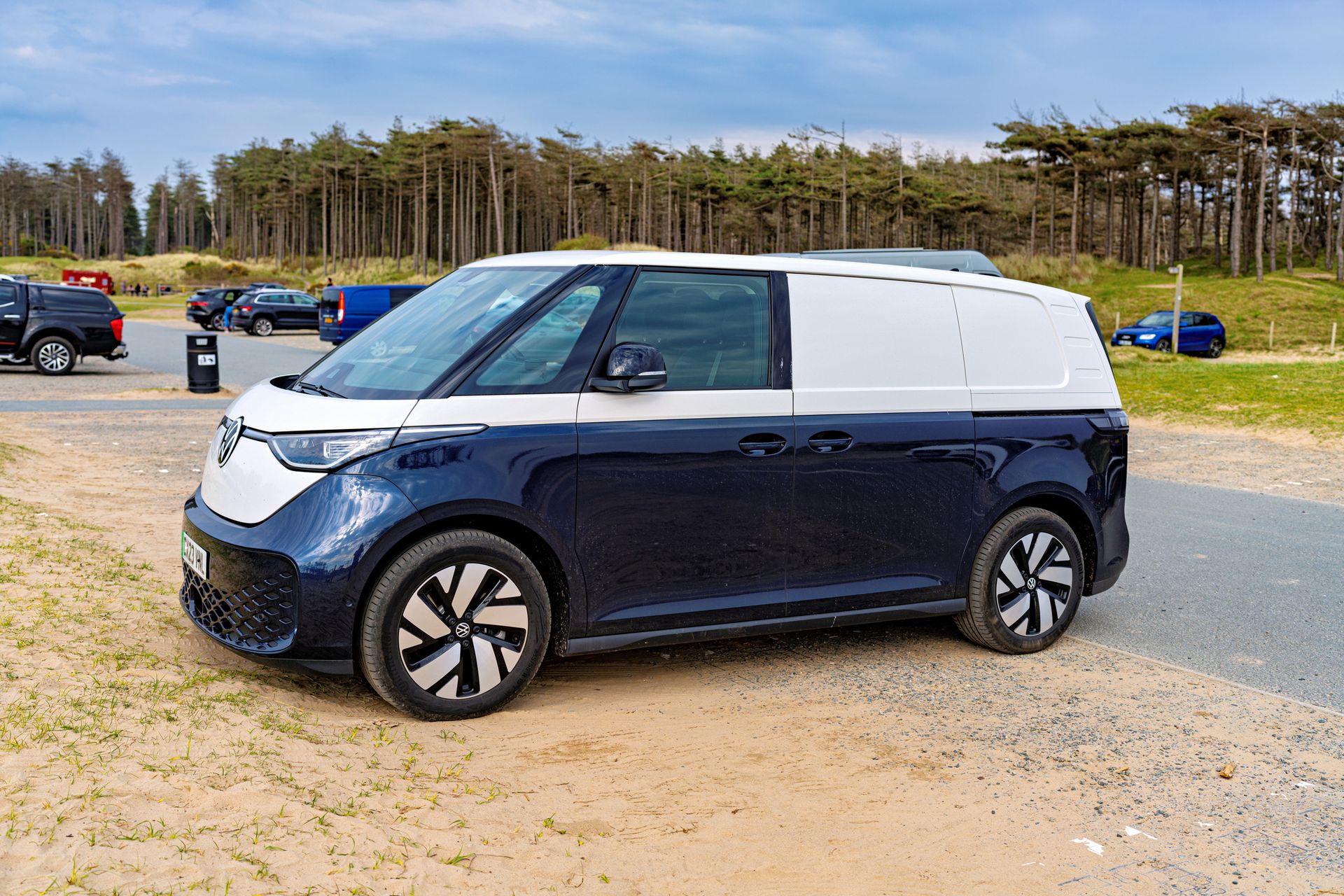
The 2025 Volkswagen ID.Buzz earns an Interior & Comfort score of 8.5 out of 10 and stands out from every other vehicle on this list as the only fully electric minivan. Its price range runs from $59,995 to $69,995, making it the most expensive entry here. The top 1st Edition trim with all-wheel drive and dual motors pushes toward the upper end of that range. Despite the premium, the ID.Buzz delivers features that justify the designation as a luxury vehicle: front seats with massage, heat, and ventilation are standard in the top trim alongside hands-free sliding doors and a hands-free liftgate.
The 1st Edition also features a panoramic roof that works with the van’s large windows to create an unusually bright, open cabin atmosphere. The seating layout gives each passenger meaningful personal space. Compared to minivans that cram in as many passengers as possible, the ID.Buzz’s roomier configuration feels genuinely luxurious by contrast. The design also earns praise that few minivans attract: the rounded silhouette, candy-colored paint options, illuminated badging, and LED light bars give the ID.Buzz an exterior identity that the source identifies as a notable exception to the rule that minivans cannot look distinguished.
Volkswagen paused ID.Buzz production for 2026 to prepare for the 2027 model year, meaning buyers considering the van are shopping for a 2025 vehicle. The pause signals that the 2027 version may arrive with further refinements, but it also creates a gap in availability for buyers ready to purchase now. The ID.Buzz’s electric powertrain, massage-equipped seats, and exterior design give it a profile unlike any other vehicle in the minivan segment. Buyers who want the format’s practicality alongside an interior and driving experience that genuinely reads as luxurious will find the ID.Buzz the most distinctive option on this list. The 2027 model, which Volkswagen is currently preparing, may refine the formula further, but the 2025 already establishes the van as a credible luxury proposition on its own terms.
5 / 7
Credit: Toyota
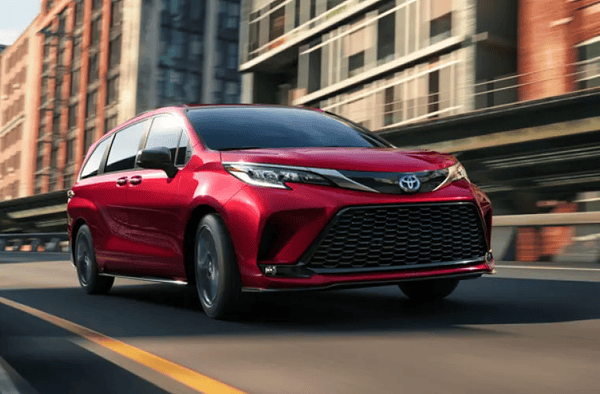
The 2026 Toyota $TM Sienna has an Interior & Comfort score of 8.4 out of 10 and offers two amenities that feel more at home in a high-end motorhome: a built-in vacuum cleaner and a refrigerator. Both features are available on the Sienna alongside wireless Android Auto and Apple $AAPL CarPlay, which come standard across the lineup. The price range runs from $40,420 to $57,810, and every trim level includes a hybrid powertrain. The Sienna is hybrid-only across the board, a distinction it holds alone among conventionally styled minivans in this segment.
The top Platinum trim adds leather upholstery, heated seats in both the first and second rows, hands-free power-sliding doors, and a driver intercom system. The intercom lets the driver communicate with rear passengers without turning around or raising a voice over road noise, addressing one of the more familiar frustrations of driving a vehicle full of children. The Sienna also comes standard with wireless charging, and its standard hybrid efficiency and available luxury features make the Platinum trim a compelling all-in-one package.
The Sienna’s hybrid-only powertrain means buyers do not have to choose between an efficient and an inefficient version. Every Sienna is the fuel-efficient one. The refrigerator and vacuum cleaner represent the kind of features that seem trivial until a family actually needs them on a long trip, at which point they become the features that define the vehicle. A cold drink on demand and the ability to clean up a spill without stopping are modest conveniences on paper, but they signal the practical thoughtfulness Toyota applied to the Sienna’s design. The hybrid-only powertrain structure also removes the fuel efficiency calculation from the buying process entirely. Every Sienna buyer gets the efficient version by default, and the savings on fuel compound across the Sienna’s ownership period in a way that a conventional engine cannot replicate. The Platinum trim’s driver intercom, refrigerator, and vacuum together make the Sienna the most domestically functional vehicle on this list.
6 / 7
Credit: Kia
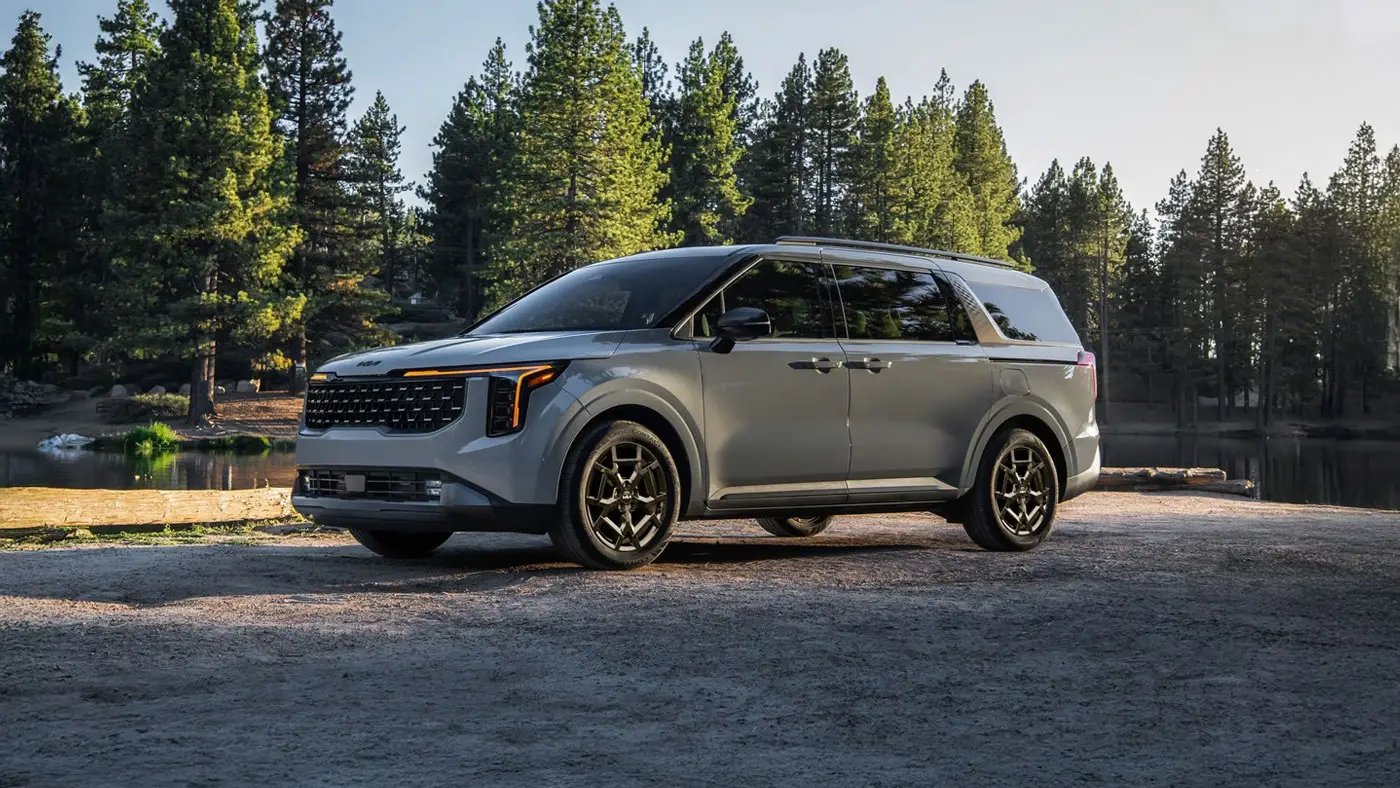
The 2026 Kia Carnival Hybrid earns an Interior & Comfort score of 8.0 out of 10 and addresses the one consistent criticism of the gas-powered Carnival: its fuel efficiency. Senior Vehicle Testing Editor John M. Vincent confirms the fix worked, reporting that the Carnival Hybrid exceeded EPA estimates during testing in a driving mix weighted toward highway miles. The price range runs from $40,990 to $53,090. Vincent’s characterization of the Carnival Hybrid as a successful evolution of the basic minivan design reflects both the quality of the underlying vehicle and the extent to which the hybrid system improves it.
The interior quality carries over from the non-hybrid Carnival. The top SX Prestige trim features plush leather upholstery and an available second-row configuration that swaps the bench for a pair of reclining heated and ventilated captain’s chairs with leg rest extensions. A camera and intercom system lets parents monitor and communicate with rear passengers without interrupting driving. The optional Rear Seat Entertainment package adds a pair of displays to keep rear passengers occupied on longer trips.
The Carnival Hybrid also delivers a smooth and comfortable ride that Vincent describes as extremely spacious. The hybrid powertrain contributes to that comfort by reducing the engine intrusion that can make conventional minivans feel less refined at highway speeds. Buyers who considered the gas Carnival but hesitated over its fuel consumption will find the Hybrid variant resolves that concern while preserving the interior quality and passenger-focused features that made the standard Carnival appealing in the first place. The efficiency gain does not require any meaningful sacrifice in passenger comfort or cabin luxury. The Carnival Hybrid’s smooth ride, which Vincent confirms, reflects the hybrid powertrain’s contribution to the overall driving experience: the electric assist reduces the engine’s workload at everyday speeds, which cuts the mechanical intrusion that makes some minivans feel coarse on long highway runs. Families who prioritize a calm, quiet cabin for extended travel will find the Carnival Hybrid’s powertrain upgrade as meaningful as the fuel savings it produces.
7 / 7
Credit: Crysler
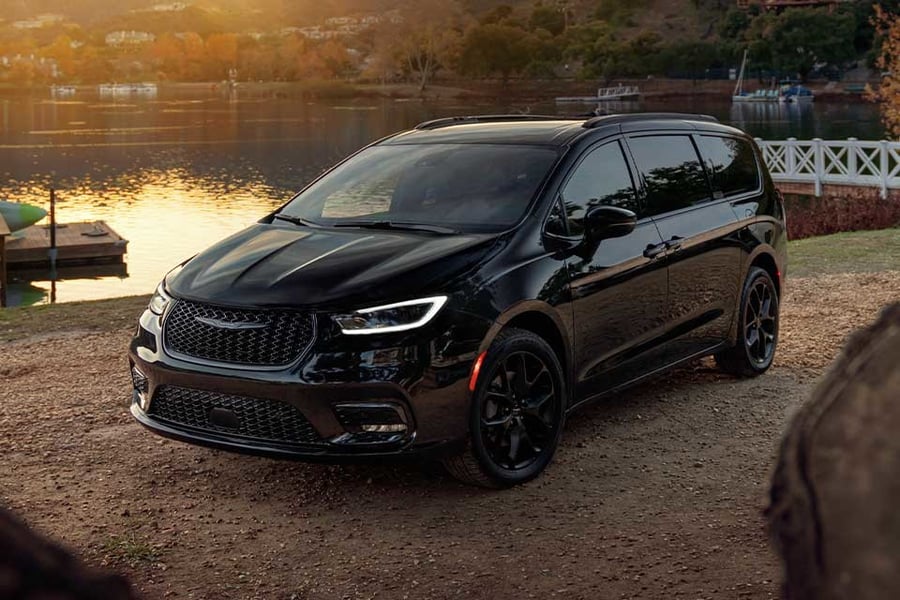
The 2026 Chrysler Pacifica earns an Interior & Comfort score of 7.5 out of 10 and carries a feature list that extends well into luxury territory at the top Pinnacle trim. Reviewer Jill Ciminillo notes that the quilted Nappa leather seats, interior trim accents, and smooth powertrain made her forget she was driving a family vehicle during extended time in the van. The Pacifica’s price range runs from $43,645 to $57,940, and the Pinnacle trim justifies much of that premium with its 19-speaker Harman Kardon audio system, one of the more capable sound setups available in any family vehicle.
The Pinnacle trim also includes hands-free sliding side doors, rear entertainment displays, and a vacuum cleaner. Second- and third-row passengers each have meaningful legroom, and sunshades add a refined touch that acknowledges rear passengers as occupants, not just cargo to be transported. Standard features across the lineup include heated front seats and a heated steering wheel, ensuring the comfort package begins at the base trim without requiring a significant step up.
Ciminillo identifies one genuine weakness: buyers who want large screens and sophisticated connectivity features may find the Pacifica’s infotainment setup too conservative for their expectations. The observation mirrors what Hagerty noted about the Honda $HMC Odyssey. Both vehicles deliver strong cabin comfort but carry infotainment systems that feel behind the current curve. The Pacifica offsets that infotainment limitation with features that technology-focused rivals do not offer. Stow 'n Go fold-flat seating — where both second- and third-row seats fold directly into the floor without removal — remains one of the more practically useful features in the minivan segment, and optional all-wheel drive gives the Pacifica winter capability that no other minivan on this list provides. Buyers who prize cargo flexibility and all-season traction over screen size will find the Pacifica a more capable vehicle than its Interior & Comfort score alone suggests.
