From a private island in the Seychelles with just 11 villas to a one-day private jet trip to Antarctica for a Champagne picnic on the ice
Credit: Raj Palace
There is a category of travel that exists entirely outside the constraints that shape most trip planning. No budget spreadsheet, no points redemption strategy, no searching for the best rate. When money is genuinely not a factor, the question shifts from what can I afford to what is actually worth experiencing, and the answer opens up a set of destinations, properties, and itineraries that most travelers never seriously consider. These are places where the cost of entry ensures solitude, service, and access that conventional tourism cannot manufacture, regardless of how far in advance a reservation is made.
The properties and experiences in this category share certain qualities. Private islands with fewer than a dozen villas. Suites are measured in thousands of square feet rather than hundreds. A chef who cooks for your group alone. A game ranger who tracks animals with you exclusively. A private jet that lands on a continent most people never visit. These are not upgraded versions of standard travel experiences. They are structurally different in the way they eliminate friction, crowd, and compromise from the act of going somewhere.
The 10 experiences below appear in Travel + Leisure, drawn from a global list of 21 that covers private islands, mountain chalets, safari lodges, luxury trains, and one trip that reaches the most remote continent on Earth. Each entry earns its place through what it offers that money alone cannot replicate at a lower price point: access, exclusivity, and the specific quality of being somewhere that very few people ever go.
Credit: Pikaia Lodge
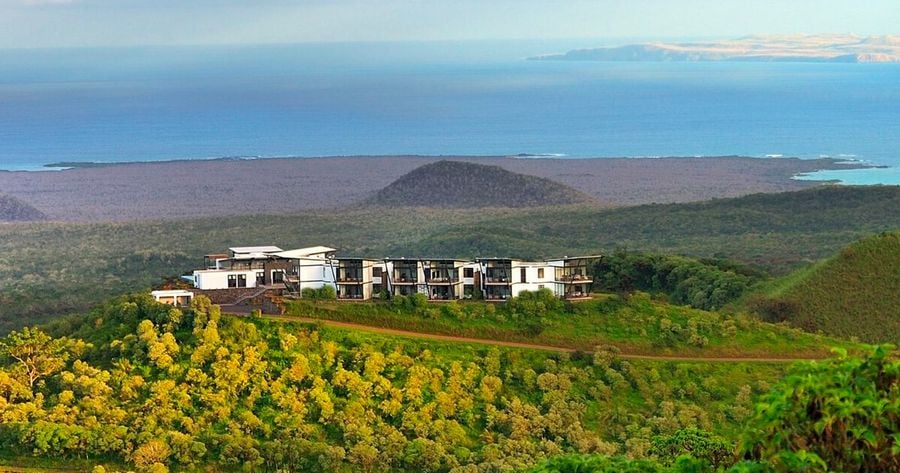
The Pikaia Lodge sits on Santa Cruz Island, the geographic center of the Galápagos archipelago, on an island chain that Charles Darwin documented and that has remained one of the world’s most significant natural environments since. The lodge describes its design philosophy as built for environmentally conscious, physically active, and adventurous travelers, which accurately sets expectations: this is not a property where the experience centers on the accommodation. It centers on what the surrounding islands contain.
Giant tortoises wander the lodge’s facilities, giving guests direct encounters with one of the Galápagos’s most iconic species without requiring a separate excursion. The lodge’s restaurant sits on the edge of a volcanic crater, a dining setting that the surrounding islands could produce and that few properties anywhere in the world replicate. The Galápagos’ protected status limits visitor numbers and development across the archipelago, which gives the lodge a natural exclusivity that its physical design builds on rather than compensates for.
The Galápagos’s wildlife operates on a fundamental indifference to human presence that visitors find immediately disorienting and then extraordinary. Marine iguanas, blue-footed boobies, Galápagos penguins, and sea lions occupy the same spaces as travelers without the flight response that wildlife in most other environments shows, creating encounter conditions no other destination on Earth replicates. Darwin recognized the archipelago as a natural laboratory for understanding the mechanisms of evolution, and the density and variety of endemic species that the islands still hold give that assessment contemporary relevance. A week at Pikaia Lodge, with superior pool suite accommodations, starts at around $29,000.
Credit: North Island
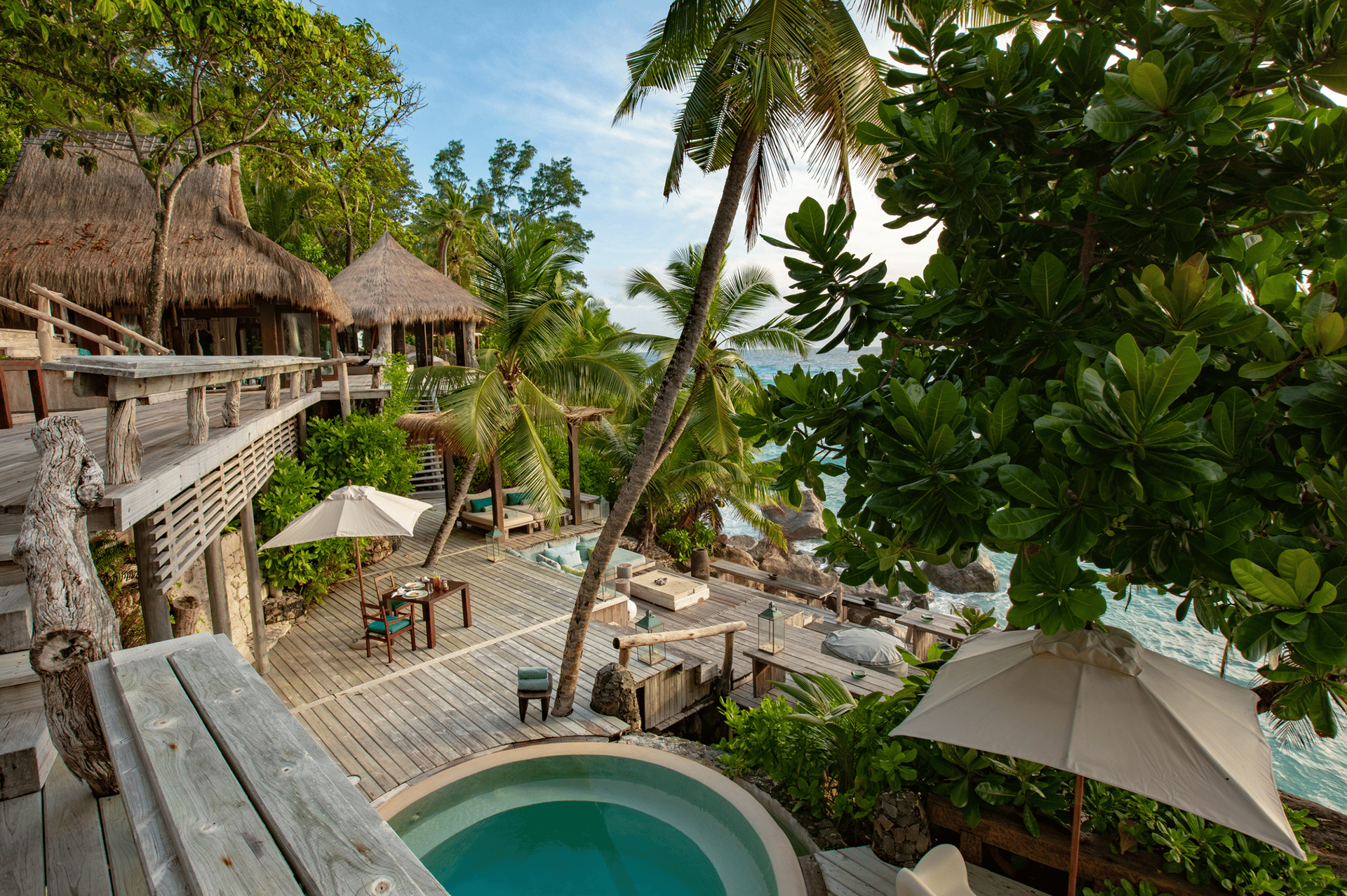
North Island in the Seychelles operates at a scale designed to maximize the distance between guests and the rest of the world. Eleven villas occupy the private island, ensuring the beach, reef, and surrounding Indian Ocean remain uncrowded regardless of when a guest visits. The property has attracted the kind of travelers who specifically need privacy at a level that even exclusive resort environments cannot guarantee: George and Amal Clooney have stayed here, and Prince William and Kate Middleton are reported to have honeymooned on the island.
Villa North, the resort’s most exclusive accommodation, spans 8,000 square feet across a series of wooden decks, with a private plunge pool, a firepit area, and direct beach access, giving the villa a physical connection to the ocean that the island’s coral-fringed setting amplifies. At around $15,000 per night, Villa North represents the upper limit of what the property offers, though the island’s fundamental proposition — private beach, protected reef, Indian Ocean horizon, and 10 other villas as the only neighbors — applies across all accommodation categories.
The Seychelles archipelago’s location in the western Indian Ocean gives North Island an environmental context that the accommodation enhances rather than defines. The reef systems surrounding the island support marine life that guests can access directly from the villa’s beach, and the island’s conservation program actively works to restore native vegetation and wildlife affected by earlier agricultural use. Staying here is participation in an ongoing ecological restoration as much as a luxury holiday, which gives the experience a dimension that the physical setting alone cannot provide.
Credit: White Desert
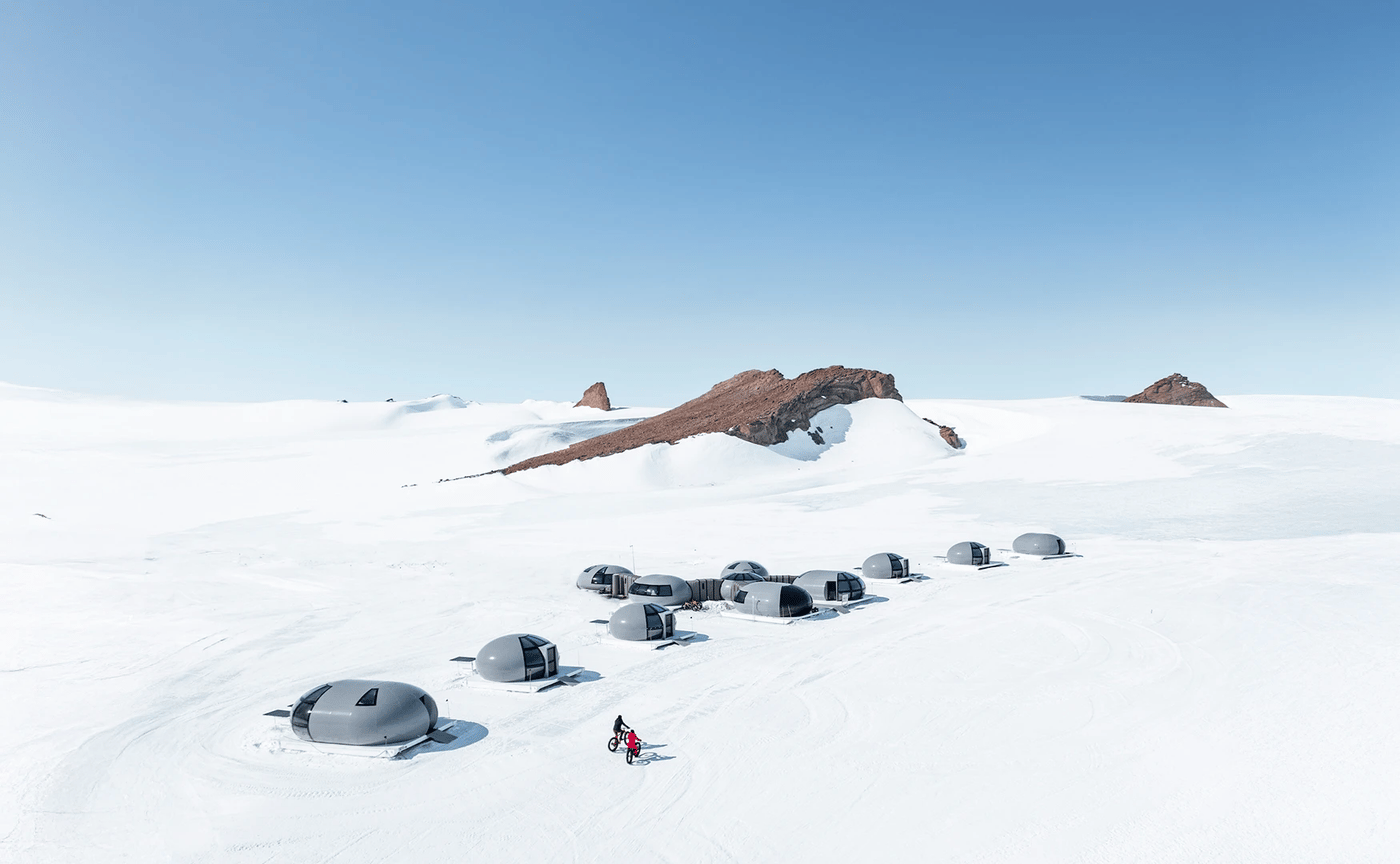
White Desert’s Antarctica day trip operates on a premise that requires reading twice: a private jet departs Cape Town, flies five hours to the most remote continent on Earth, gives passengers three hours to explore, serves a gourmet Champagne picnic on the ice, and returns to Cape Town within a single day. The entire experience lasts less than 24 hours and costs around $16,500 per person, making it one of the most expensive single days in the travel market and, for travelers who want to reach Antarctica without a multi-week expedition commitment, one of the only practical options.
Antarctica’s extreme environment is the experience. The continent holds 90% of the world’s ice, supports no permanent human population, and produces weather conditions and landscapes that no other destination approaches. Three hours on the ice, even after a 10-hour round trip by private jet, gives travelers a direct physical encounter with an environment that photographs have circulated globally but that almost no one has stood inside. The Champagne picnic that White Desert serves on the ice is a logistical marvel alongside a culinary experience: food prepared and served in a place where humans have no business eating lunch.
The day trip format suits travelers for whom time constraints, rather than budget constraints, limit what is possible. Expedition cruises to Antarctica require two weeks or more, and the scheduling demands of that commitment prevent many potential travelers from reaching the continent, regardless of budget. White Desert’s day trip removes the time barrier while maintaining the budget one, which identifies the specific audience it serves with unusual clarity.
Credit: Royal Portfolio
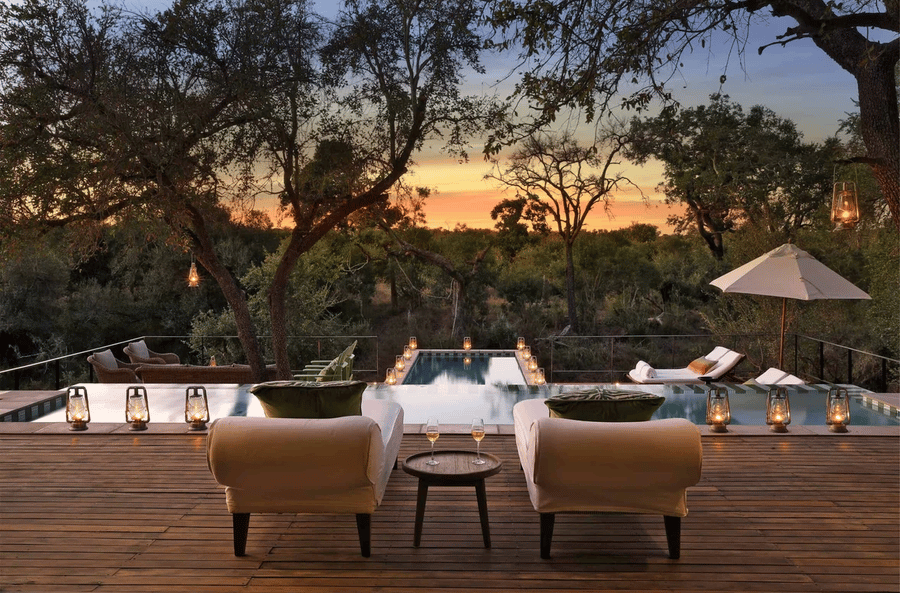
The Africa House at Royal Malewane in South Africa operates as a self-contained safari property within the broader resort, with six rooms, a designated chef, and a private game ranger who tracks the Big Five exclusively for the group in residence. The air-conditioned rooms feature four-poster beds, and the property’s spa provides massage treatments after days spent in the South African bush. Accommodations start at around $33,600 per night for the full house, which accommodates up to 12 guests and includes a private game ranger, a chef, and safari infrastructure.
The Big Five — elephant, lion, leopard, buffalo, and rhinoceros — define the safari vocabulary, but the Royal Malewane’s location in the greater Kruger area gives guests access to a wildlife density that the national park’s protected status sustains. The private game ranger relationship differs structurally from the group game drive format that most safari properties use: a ranger tracking animals exclusively for one group can move on the animal’s timeline rather than managing the experience for multiple parties with different tolerances for waiting, discomfort, and risk.
A designated chef preparing meals for the group gives Africa House a culinary dimension that camp dining typically lacks. The combination of a bush environment and genuinely elevated food represents a specific luxury that the safari category has developed as a competitive response to clients who want both the wilderness and the table experiences simultaneously. The two do not naturally coexist, and it is Africa House’s staffing model that enables them to coexist successfully.
Credit: Virgin
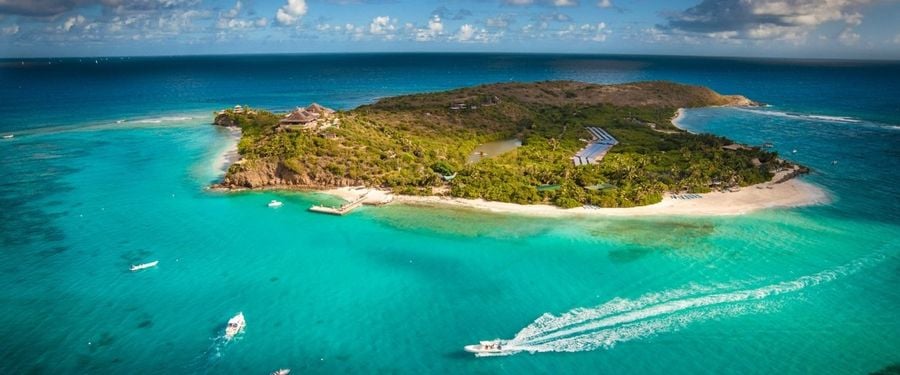
Necker Island in the British Virgin Islands is available for exclusive use at around $150,000 per night, accommodating up to 56 adults and 14 children on Richard Branson’s private island. Barack Obama has stayed here. The island’s wildlife includes diverse species across its 74 acres, and the property provides scuba, waterskiing, and sailing equipment for guests to explore the surrounding British Virgin Islands waters at their own pace. Exclusive use means the island operates entirely for the booking party during their stay, offering the property privacy and flexibility that no resort environment, however exclusive, can replicate.
The British Virgin Islands’ sailing waters rank among the most celebrated in the Caribbean, and Necker Island’s position within the archipelago gives guests direct access to conditions that sailing enthusiasts seek specifically. The island’s facilities span beaches, pools, and indoor spaces that reflect decades of development by an owner who uses the property personally and has invested accordingly. The combination of a fully staffed private island, extraordinary sailing conditions, and a provenance that includes some of the world’s most recognizable guests gives Necker Island a specific character that purpose-built luxury resorts cannot manufacture.
The option to book a room rather than the entire island is available to travelers whose group does not fill the entire accommodation or whose budget does not reach the exclusive-use level. Individual room bookings introduce the possibility of sharing the island with other guests, fundamentally changing the nature of the experience. The exclusive-use proposition is what makes Necker Island the specific experience it is, and the economics of that proposition — spread across a group of 70 — distribute more manageable than the nightly total suggests.
Credit: Chalet Zermatt Peak
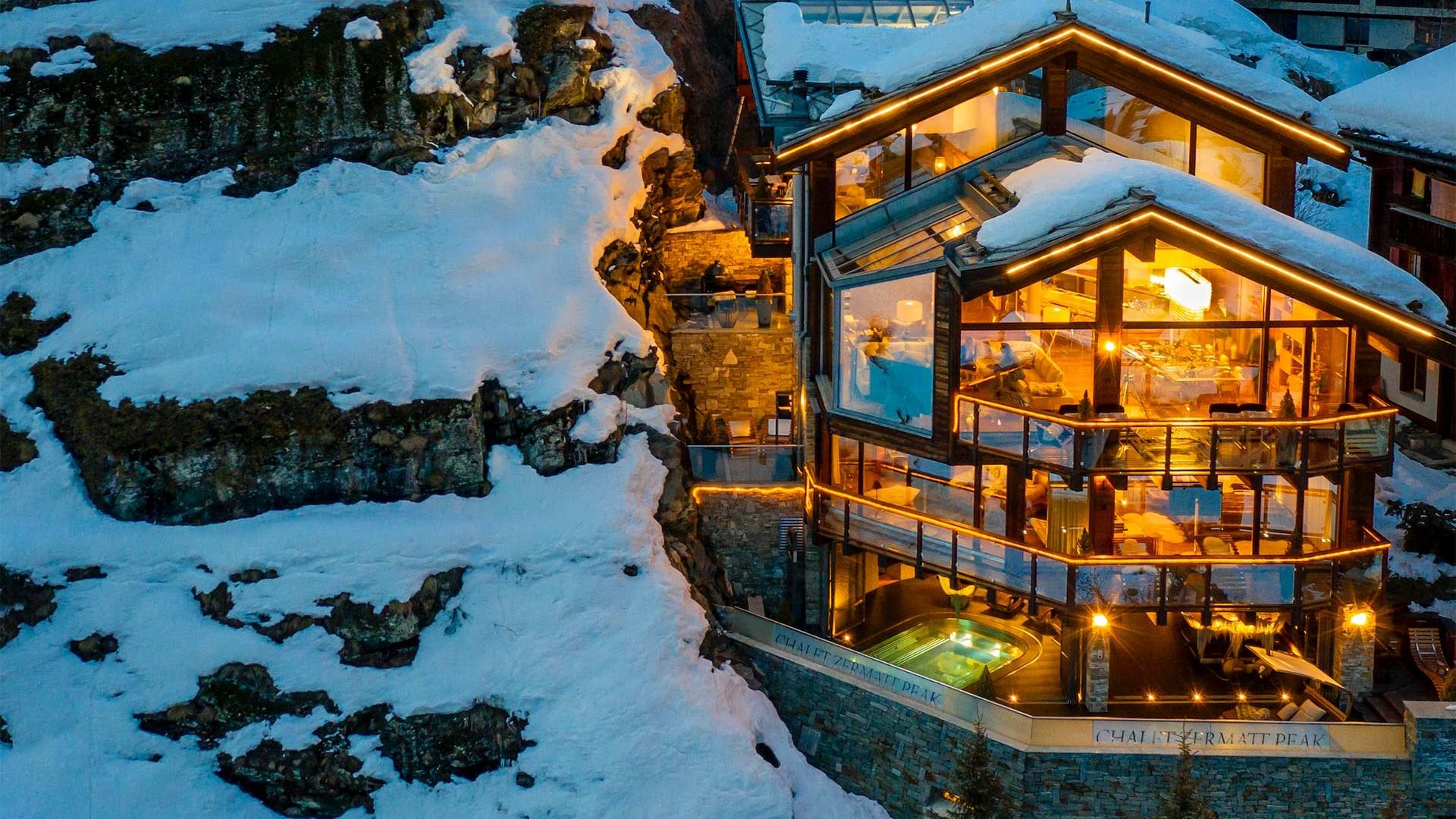
The Chalet Zermatt Peak accommodates up to 10 adults and three children in a five-room chalet in Zermatt, with a gourmet chef preparing meals and masseuses providing daily treatments as standard inclusions. A week’s stay starts at around $87,000 and can exceed $120,000 at peak times of year, which places it among the most expensive weekly rentals available in the Alpine ski market. The Matterhorn, the most recognized mountain silhouette in the Alps, provides the backdrop that the chalet’s location above Zermatt makes available from the exterior spaces.
The Zermatt ski area’s car-free village gives the resort a character that larger Alpine destinations with road access cannot replicate. Arrivals happen by train or electric vehicle, which keeps the village atmosphere at a scale and pace that the ski infrastructure surrounding it would otherwise disrupt. The Chalet Zermatt Peak’s position within this environment gives guests ski access without the logistical friction that self-catering or hotel-based accommodation in a ski resort typically requires: a chef who prepares meals on the group’s schedule and masseuses who treat the muscle fatigue generated by a day of skiing at altitude.
The chef and wellness staff inclusions are not amenities added to an accommodation experience. They are structural components of how the chalet functions as a property, and their daily presence shapes the rhythm of a stay in a way that on-demand services, however available, do not replicate. A group of 10 sharing the weekly cost arrives at a per-person figure that begins to compete with the per-night rates of individual suites at the most exclusive Alpine hotels, giving the chalet format a value argument alongside its privacy one.
Credit: Six Senses
The Dhahab, a restored Omani dhow operated by Six Senses Zighy Bay, takes guests sailing through the Musandam fjords, stopping at secluded fishing villages and private bays that are accessible only by water. The vessel comes with its own private chef and accommodates day trips as well as overnight stays. A seven-hour day trip to Lima Bay and back for up to three guests costs around $5,600, making it one of the more accessible entries on this list, given the experience it offers.
The Musandam Peninsula, a detached exclave of Oman separated from the country’s main territory by the United Arab Emirates, is one of the Arabian Peninsula’s least-visited yet most dramatic coastal environments. The fjords that carve into the peninsula’s limestone mountains extend for dozens of kilometers, reaching depths and widths that give the landscape a scale more commonly associated with Norway than Arabia. Fishing villages accessible only by boat occupy coves within the fjords, maintaining a way of life that the surrounding region’s rapid development has largely bypassed.
The dhow format is specifically suited to the Musandam environment. Traditional Omani dhows have operated these waters for centuries as trading vessels between the Arabian Gulf and the Indian Ocean, and sailing through the fjords aboard a restored version of that vessel connects the journey to the region's geographic and commercial history in a way a motor boat does not. The private chef aboard removes the last logistical concern from a day spent on the water, leaving nothing to manage beyond choosing which bay to anchor in next.
Credit: Raj Palace
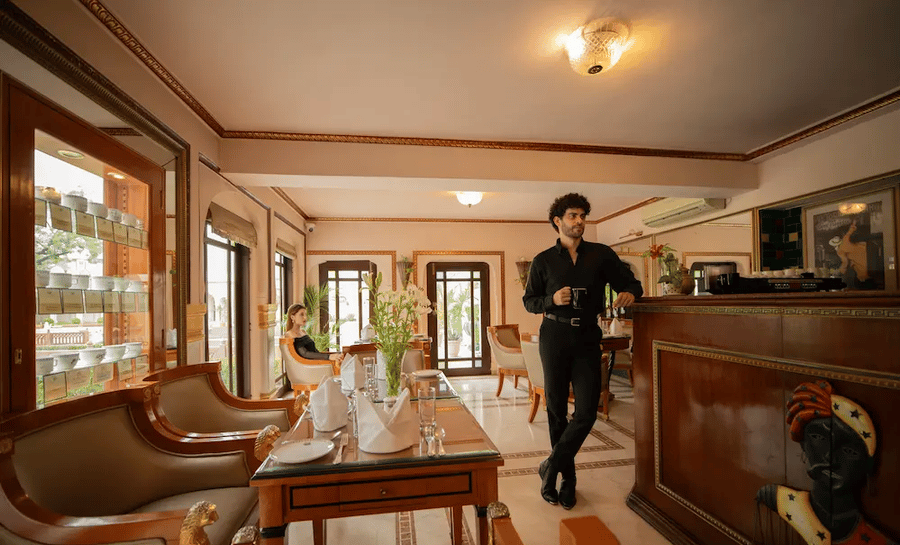
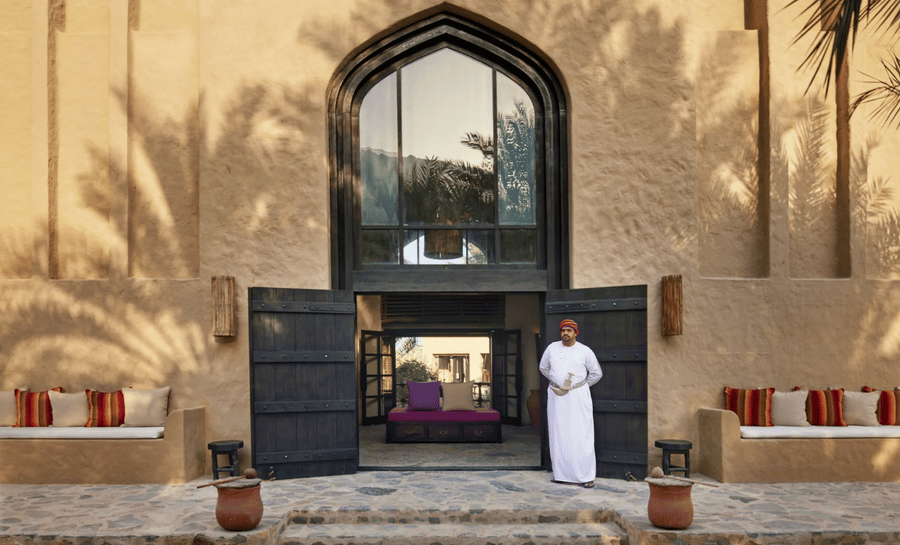
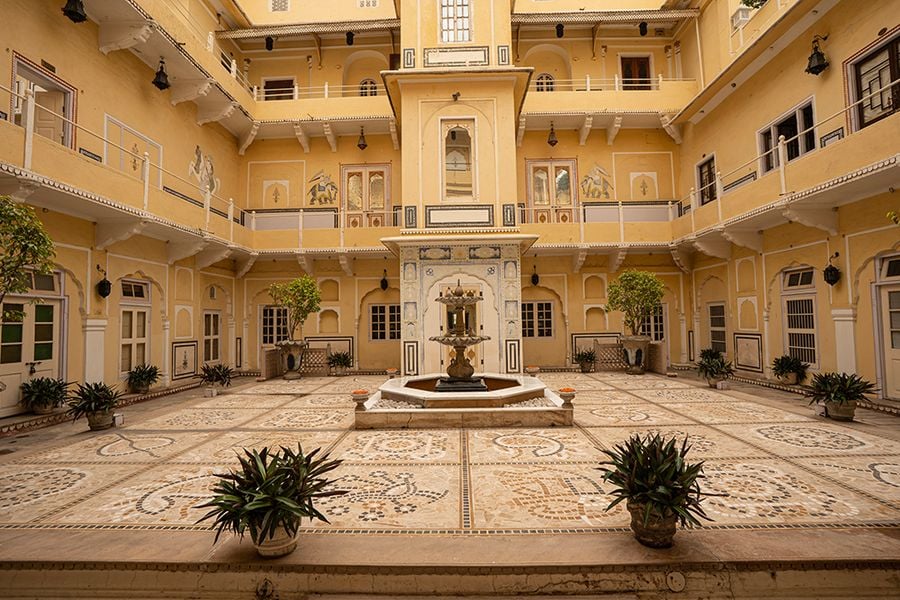
The presidential suite at The Raj Palace in Jaipur spans four floors with a private entrance, a private elevator, and a rooftop terrace with a Jacuzzi and panoramic views over the city. The second floor holds a private museum displaying a former king’s throne, giving the suite a cultural dimension that no purpose-built luxury hotel room can manufacture. Staying here for around $17,700 per night places a guest inside a property whose history predates the hotel category by centuries, in a city that served as the capital of the Jaipur kingdom from 1727.
Jaipur’s place within Rajasthan’s travel landscape gives the Raj Palace a geographic context that amplifies the historical experience the suite provides. The Pink City’s architecture — palaces, havelis, and city walls built in the distinctive rose-colored sandstone that gives Jaipur its nickname — surrounds the property, with the rooftop terrace looking out over the streetscape. The private museum’s inclusion of a former king’s throne within the suite’s floor plan is the detail that sets this accommodation apart from other luxury suites that occupy historic buildings, which do not integrate the building’s history into the guest experience.
Rajasthan’s palace hotel category is well developed, with several former royal residences converted into luxury properties across the state. The Raj Palace’s presidential suite earns its position at the top of that category through the combination of scale, the private museum, and the rooftop Jacuzzi terrace, which offers a variety of experiences within a single booking that most hotel suites, however large, do not.
Credit: Marriott
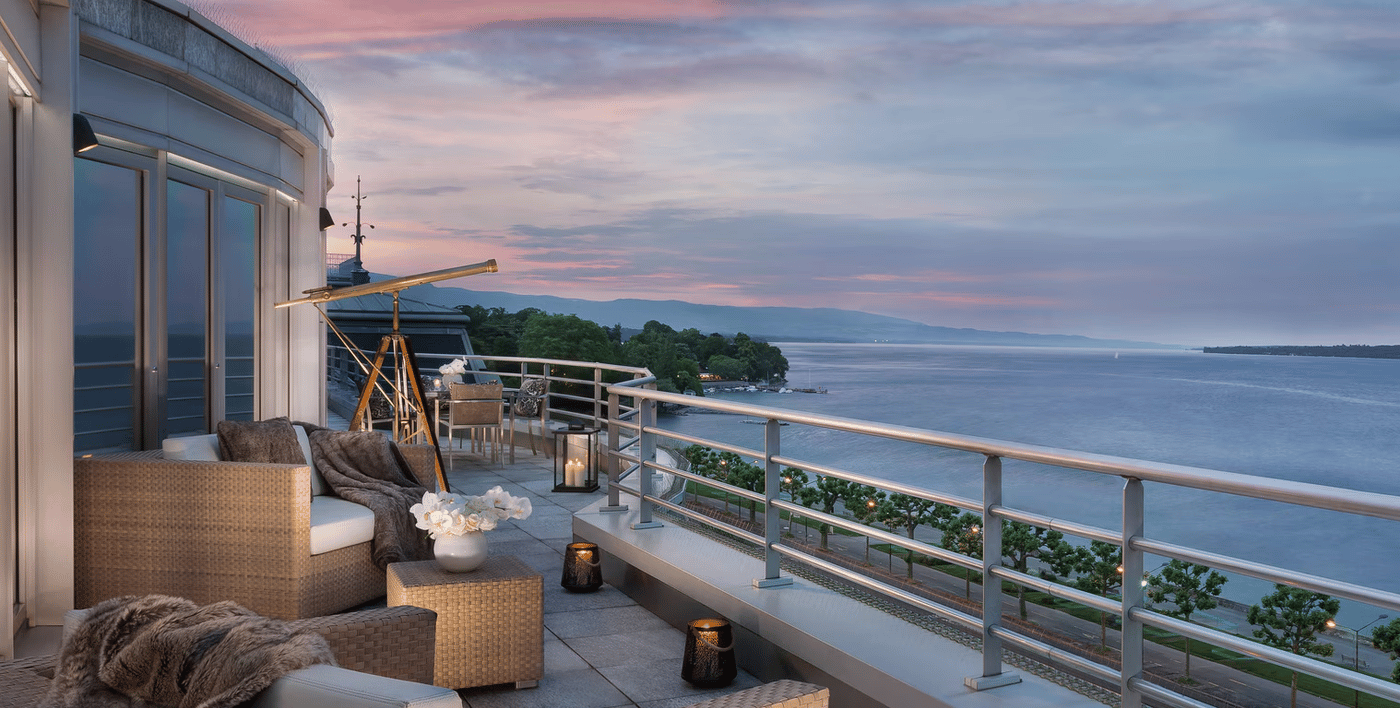
The Royal Penthouse Suite at the Hotel President Wilson in Geneva is frequently cited as the most expensive hotel suite in the world, spanning over 5,500 square feet across 12 rooms, with rates between $80,000 and $100,000 per night. The wraparound terrace that crowns the suite frames views of the Alps over Lake Geneva, a panorama that the hotel’s lakefront position in one of Europe’s most scenic cities makes possible and that the terrace’s wraparound configuration makes continuous. The suite is also the largest hotel suite in Europe by floor area, a distinction that the room count and square footage support without qualification.
Geneva’s position at the intersection of Swiss financial culture and international diplomacy gives the Hotel President Wilson a guest history reflected in the pricing of its presidential suite. The lake setting, the mountain backdrop, and the city’s particular combination of discretion and luxury infrastructure have made Geneva one of the world’s most consistent destinations for the category of traveler this suite attracts. The Lac Leman views from the terrace change character throughout the day as Alpine light shifts from the sharp clarity of morning to the softer tones of late afternoon, giving the terrace a quality of observation that rewards time spent on it rather than simply photographed from it.
The 12-room configuration gives the suite a functional range that covers work, entertainment, sleeping, and outdoor living in separate spaces, rather than the compressed arrangement most hotel suites, however expensive, require. At this price level, the question is not whether the suite justifies the cost but whether the cost matters to the person booking it — a distinction that defines the entire category this list represents.
Credit: Golden Eagle Luxury Trains
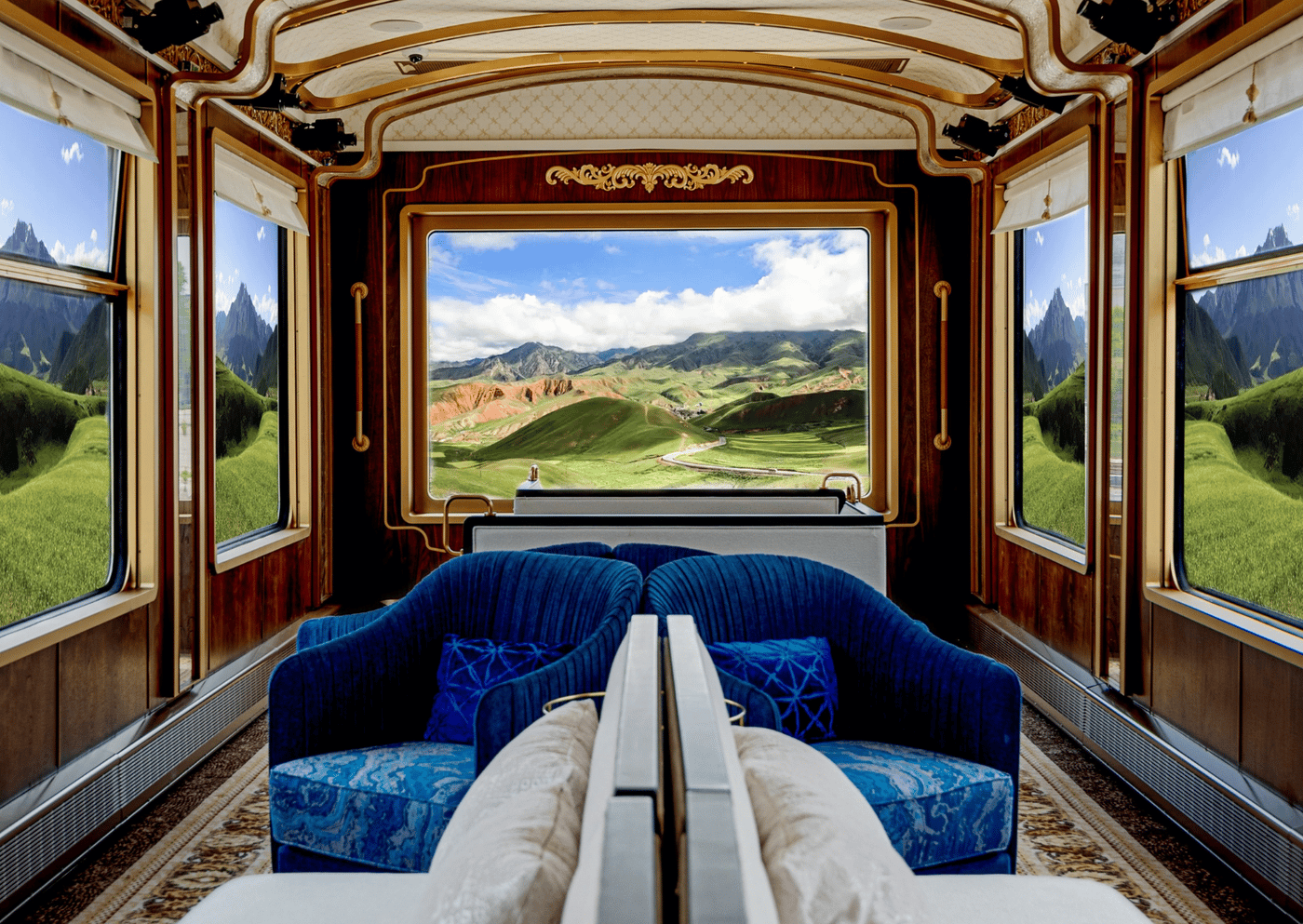
The Golden Eagle train, formerly known as the Golden Eagle Trans-Siberian Express, ceased Russian operations following the war in Ukraine and now runs journeys across Central Asia ranging from 8 to 16 days. The onboard accommodation rivals a hotel in the quality it delivers: heated bathroom floors, laundry service, a bar car with a baby grand piano and a resident pianist, and sleeping quarters that treat the train as a destination rather than a means of transport. A 16-day journey starts at around $35,000 per person, spreading the cost across more than two weeks of travel through some of the world’s most historically significant and least-visited terrain.
Central Asia’s Silk Road cities — Samarkand, Bukhara, Khiva, and the others that the trade route connected across centuries — give the Golden Eagle’s itinerary a cultural density that the train format is uniquely suited to deliver. Arriving in these cities by train, waking up each morning in a different position along a route that merchants and diplomats traveled for millennia, gives the journey a historical coherence that flight-based itineraries covering the same cities cannot replicate. The train’s movement through the landscape is part of the experience rather than the inconvenient interval between destinations.
The bar car’s baby grand piano and resident pianist give the Golden Eagle a social space that the compressed corridors of conventional train travel do not produce. Passengers who spend 16 days aboard develop relationships with the train, its staff, and each other that the hotel format, where guests come and go independently, structurally prevents. The journey’s length is not a constraint to be minimized, but a condition of the experience, and the Golden Eagle’s onboard quality is what makes that length a pleasure rather than an endurance.
