Marina Labato / Unsplash
The travel industry’s vocabulary of relaxation is largely exhausted: “escape,” “recharge,” “unwind,” and “disconnect” have been applied to so many destinations and experiences that they have lost their descriptive precision. What actually makes a destination relaxing is more specific and more varied than the marketing language suggests. For some travelers, relaxation is the Blue Lagoon’s geothermal water in an Icelandic lava field, where the mineral content and temperature produce a specific physiological response that a hotel pool cannot replicate. For others, it is the silence of Nordfjord’s slow boat cruise, where the scale of the surrounding landscape reduces the passengers’ problems to their appropriate size. For others still, relaxation requires the active engagement of a hike, not the passive absorption of a poolside afternoon, and Banff’s crystalline mountain lakes provide the most beautiful possible setting for it.
The common element is not the activity type, latitude, or price point, but the specific quality of a place that gives the visitor permission to be fully present in it. The Whitsunday Islands’ Whitehaven Beach demands attention in a way that makes the phone an irrelevant object. Ise Shima’s Shinto shrine asks something of the visitor that the resort pool does not, and the asking produces a quality of engagement that is its own form of rest. Ha Long Bay’s limestone karsts rising from green water offer passengers a visual environment whose scale and strangeness render the ordinary concerns of daily life temporarily irrelevant.
The 10 destinations below appear in Travel + Leisure, drawn from a list spanning Iceland to Vietnam. They represent the full range of what a peaceful vacation can look like, from geothermal soaking in a lava field to a Shinto shrine maintained in silence for 1,300 years.
1 / 10
Daniel Schoibl / Unsplash
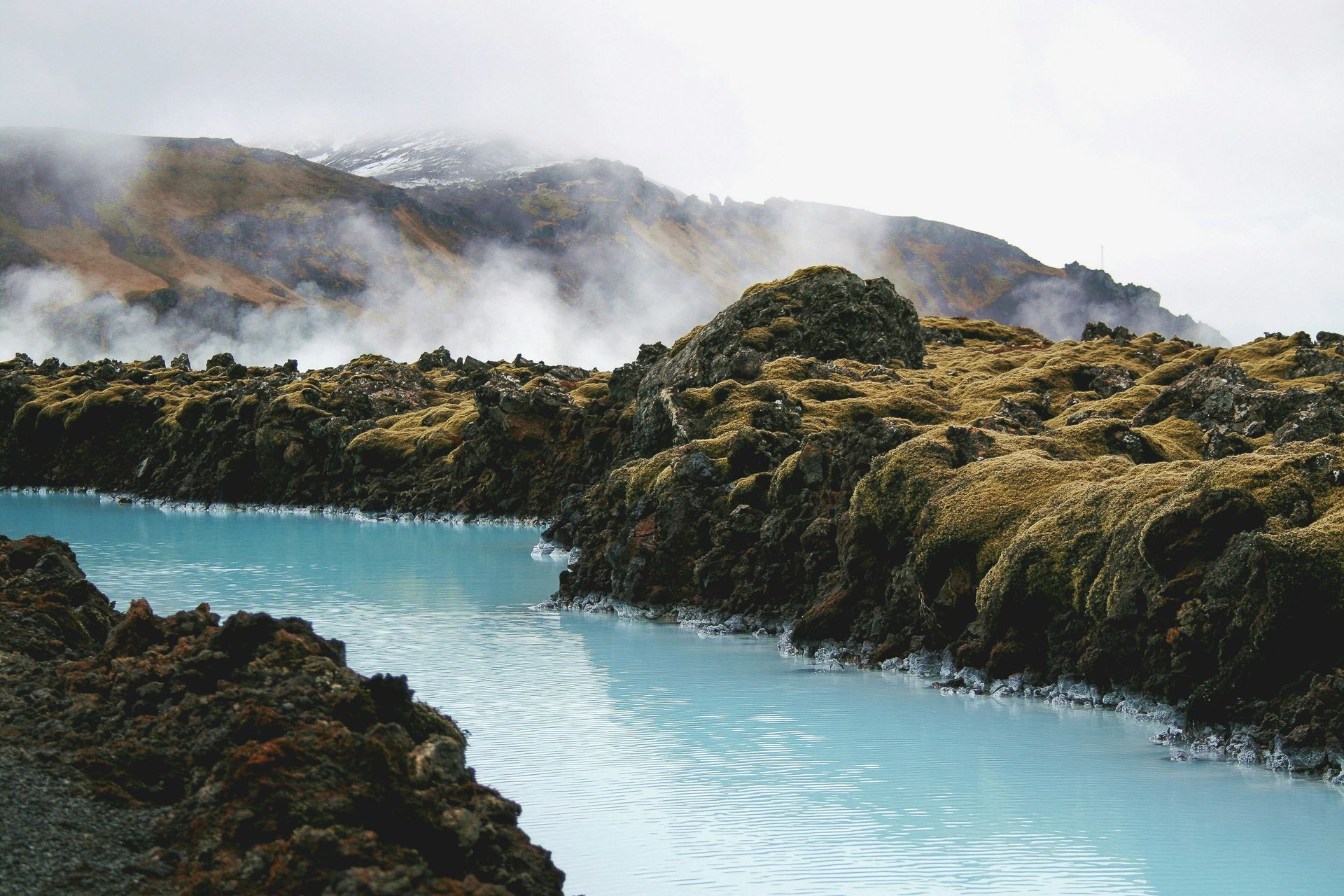
The Blue Lagoon is Iceland’s most visited single attraction, and the popularity is earned: the geothermal pool set in a Reykjanes Peninsula lava field gives the soaking experience a physical and visual environment whose specific character, the pale blue mineral water surrounded by black volcanic rock with steam rising in all conditions, produces a sensory distinctiveness that no artificially heated pool can approach. The water’s mineral content, silica, and sulfur from the geothermal source give the skin a specific softness that regular pool water does not produce, and that the Blue Lagoon’s reputation for restorative properties is grounded in.
The popular route involves booking a session at the main lagoon facility, which operates on timed entry and includes algae and silica mud masks provided at stations in the water. The attached luxury resort offers visitors who want to avoid peak crowds a more private alternative: the Lagoon Suite provides direct water access from the room, allowing soaking at the quiet hours of early morning or late evening, when the main facility’s visitors have thinned out. The transfer from Reykjavik takes approximately 50 minutes, and the proximity of the Reykjanes Peninsula to the airport means the Blue Lagoon can serve as the first and last stop of an Iceland itinerary without consuming a travel day.
The broader Icelandic landscape that surrounds the Blue Lagoon gives the visit its most productive extension: the empty volcanic landscapes of the Reykjanes Peninsula, the Gulfoss waterfall, the Geysir geothermal field, and the Þingvellir National Park that forms the Golden Circle route give the driver willing to spend two or three days near Reykjavik a natural program whose scale and emptiness amplify the restorative quality of the geothermal soak. The Reykjanes Peninsula’s recent volcanic activity, with eruptions visible from the road in some seasons, gives the landscape an immediacy that the visitor encountering hot lava fields for the first time will find both unsettling and extraordinary.
2 / 10
Elena Emmy / Unsplash
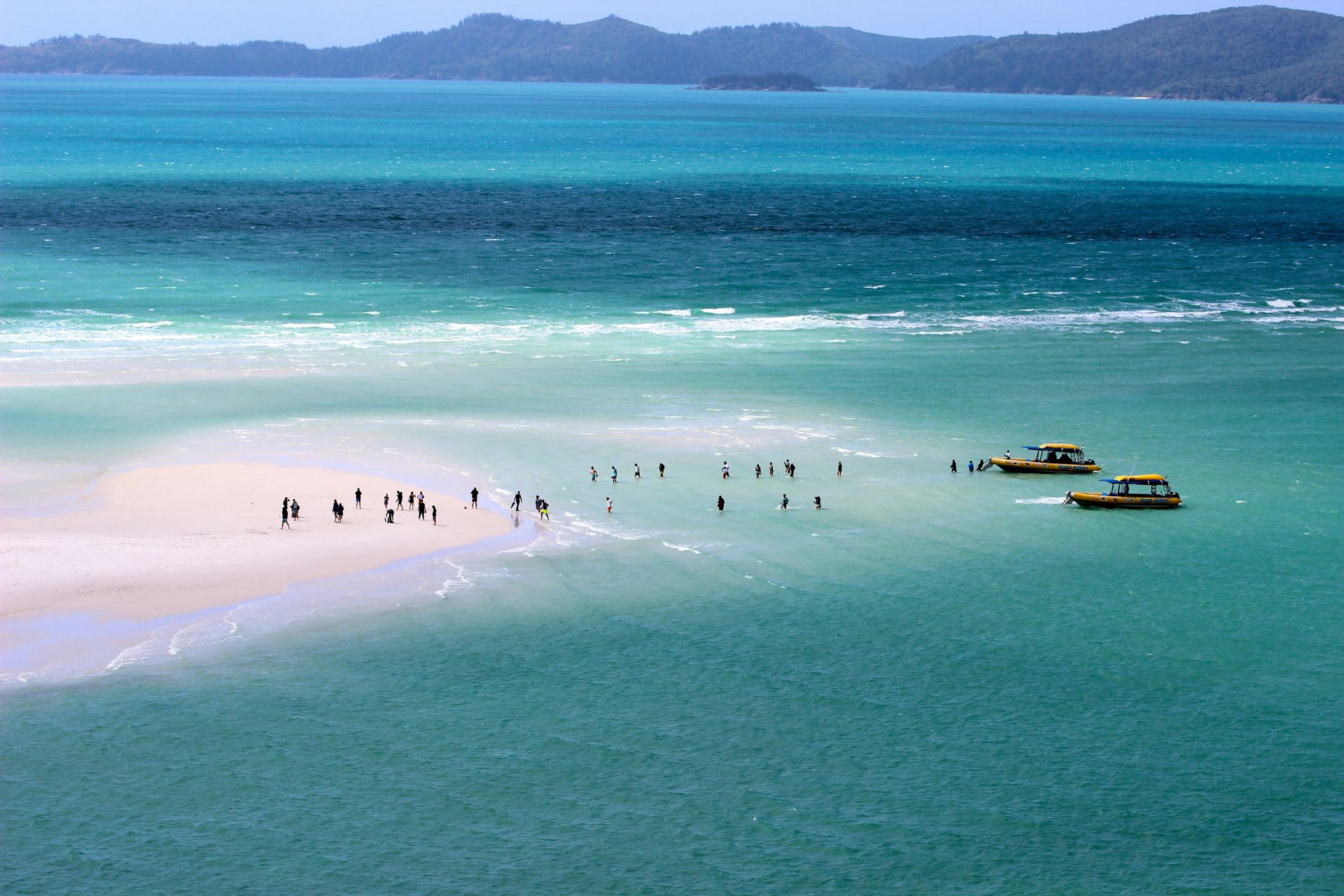
Whitehaven Beach on Whitsunday Island in the Great Barrier Reef Marine Park is composed of 98 percent pure silica sand, a mineral purity that gives the sand its distinctive powdery texture and brilliant white color, and no other beach in Australia matches this concentration. The absence of the calcium carbonate that makes most white-sand beaches cream-colored gives Whitehaven a brightness in direct sunlight that photographs consistently underexposed in the attempt to capture it accurately, and the beach’s seven-kilometer length along Whitsunday Island’s eastern shore gives the walker room to find genuine solitude even during the peak summer season.
Hill Inlet, the tidal inlet at the northern end of Whitehaven Beach, gives the visit its most photographically distinctive feature: the shifting tidal patterns move the pure white sand through the shallow turquoise and emerald water in patterns that change with each tide cycle, producing an aerial view that has become one of the most recognizable natural color patterns in Australian coastal photography. The lookout at Tongue Point, above the inlet, offers visitors on foot the best available view of the swirling sand and water patterns below.
Access to Whitehaven requires a boat or seaplane from Airlie Beach on the Queensland coast, which adds logistics but also filters the visitor population to those specifically motivated by the beach’s qualities. The surrounding Whitsunday Islands, which range from fully developed resort islands to uninhabited national park land, offer a multi-day water-based exploration program that the specific perfection of Whitehaven alone does not require but that the island group’s variety rewards. Hamilton Island, the most resort-developed of the group, gives the visitor who wants the full service of a hotel alongside Whitehaven’s beach access the most practical base, and the resort’s connections to the sailing and boat tour operators that access Whitehaven give the visitor’s logistics their most streamlined, well-connected, and operationally convenient overall structure for a two-day or longer Whitehaven and island group visit.
3 / 10
Jake Houglum / Unsplash
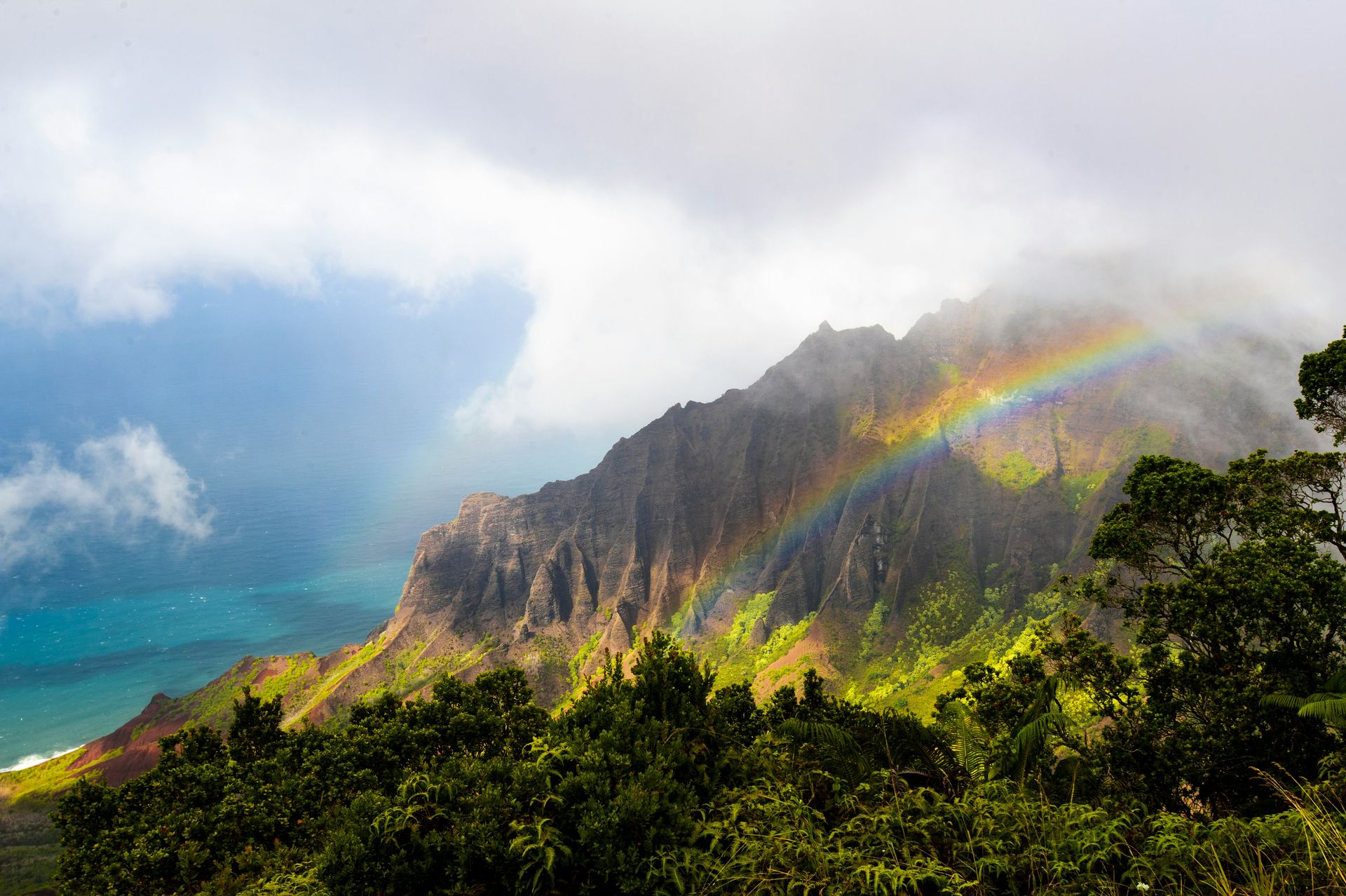
Kauai is the oldest of the main Hawaiian Islands geologically, and the erosion that its age has produced gives it the most dramatic landscape in the archipelago: the Nāpali Coast’s fluted cliffs and sea caves, the Waimea Canyon whose size and red-rock color give it the Grand Canyon comparison that Hawaii Visitors Bureau uses reliably, and the emptier beaches whose quieter character reflects the island’s resistance to the scale of tourism development that Maui and Oahu have absorbed. Lumahai Beach, familiar from the Bali Hai scenes in the South Pacific film, gives the visitor willing to walk the path to it a beach whose black volcanic rock framing and curving sand give it a specific dramatic character that the manicured resort beaches lack.
The Nāpali Coast cruise, offered by operators including Holo Holo Charters, gives the visitor a perspective on the island’s most inaccessible landscape from the water: the sea caves, the waterfalls descending from the ridge above, and the sheer green cliff faces give the boat passenger a view of geological formation in progress that no land-based vantage point provides on the same scale and intimacy. The sunset light on the Nāpali cliffs from the water provides the early evening cruise with its most visually intense experience.
Koloa Landing Resort on the south shore gives the family-oriented stay its most complete Kauai version: the sprawling grounds, the full aquatic facility, and the room and suite sizes appropriate to multi-generational travel give the property a specific appeal for the family that wants the Kauai natural experience without the logistical constraints of the smaller boutique properties. The south shore’s consistent sunshine, which the trade winds give a more reliable weather pattern than the wetter north shore, gives the resort beach access its most dependable daily conditions. The north shore’s lush, dramatic landscape, accessible by the Kuhio Highway through the Hanalei Valley, gives the more adventurous visitor a version of Kauai whose waterfalls, taro paddies, and the Nāpali Coast trailhead give the driving day a natural program of specific richness.
4 / 10
Sébastien Jermer / Unsplash
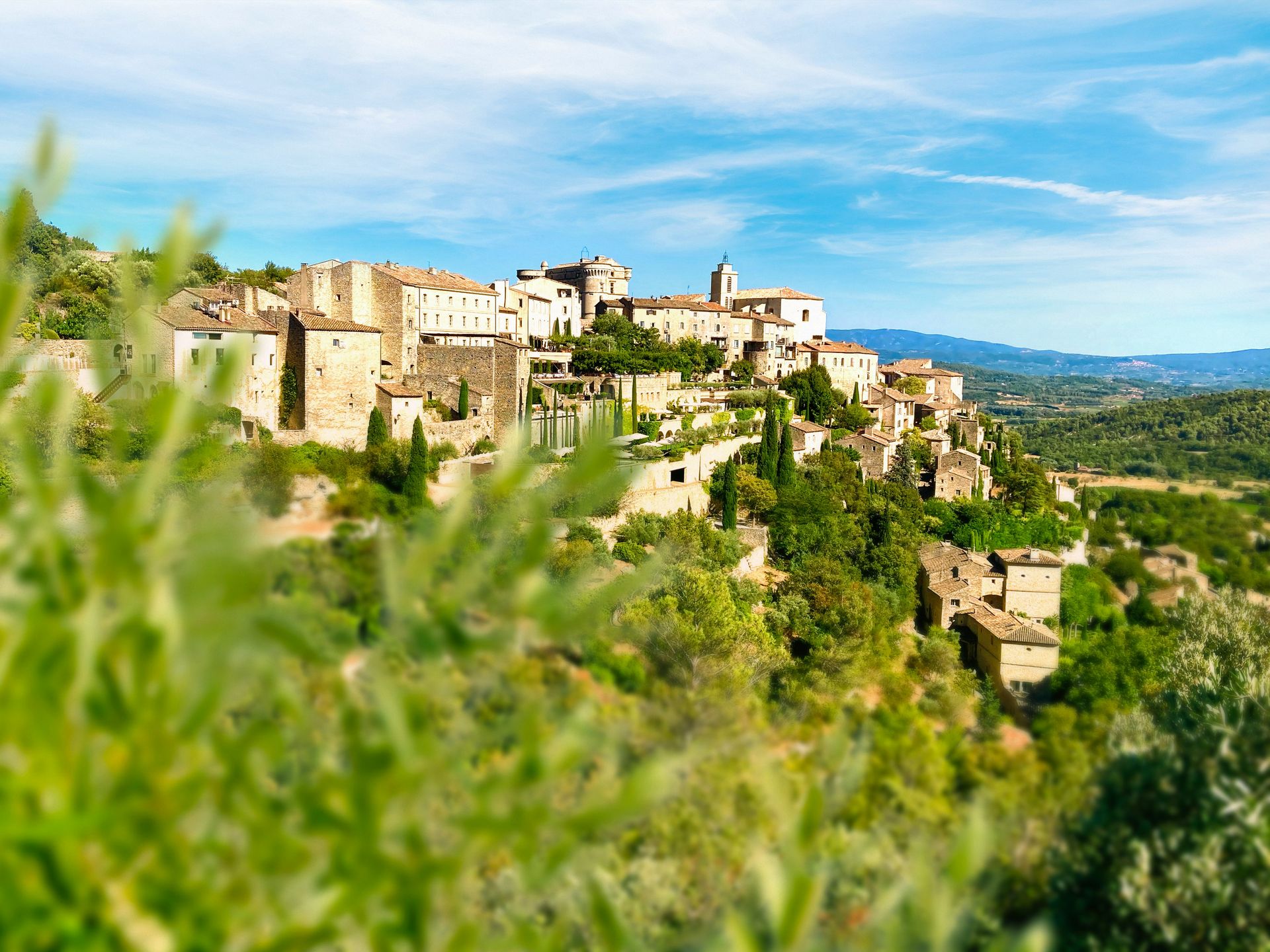
Provence is the French region whose landscape, light, and culinary tradition have produced more paintings, poems, and tourism campaigns than any other rural area in Europe, and the productivity of that creative response reflects something real about the place: the lavender fields in bloom from late June through early August, the morning light on the limestone plateau, and the specific quality of the late afternoon shadow on the Alpilles give the visitor with open eyes a visual program that demands no museum entrance fee and no guided tour. The wildflower-covered garrigue, the pine forests, and the olive groves that cover the land between the major towns give the drive from village to village its continuous visual pleasure.
Avignon’s Palais des Papes, the Luberon hilltop villages of Gordes, Roussillon, and Les Baux, and the Roman monuments at Arles and Nîmes give the cultural program its concentrated anchors. The wine production of the southern Rhône, including Châteauneuf-du-Pape and the Gigondas and Vacqueyras villages, gives the food and wine program a quality appropriate to the region’s reputation, and the olive oil, the fresh herbs, and the summer tomatoes that define Provençal cooking give the market shopping at any of the region’s Tuesday and Saturday markets a specific daily pleasure.
The Coquillade Provence Resort and Spa in the Luberon, surrounded by lavender fields and vineyard terraces, gives the relaxation program its most directly Provençal setting: the spa, the pool, and the grounds give the resort stay a landscape integration specific to the garrigue and the olive groves that its rooms overlook, and the driving access to the Luberon villages from the property gives the active day its natural complement to the restful evening. The Luberon honey, the truffle hunting in autumn, and the weekly village markets, whose seasonal produce changes with the agricultural calendar, give the Provence stay a food-focused daily rhythm whose simplicity and quality lend it a specific restorative quality that the city vacation format cannot replicate.
5 / 10
-1920x1280.jpg)
David Wirzba / Unsplash
Banff National Park in the Canadian Rockies gives the landscape-as-relaxation premise its most extravagant possible argument: Lake Louise, whose glacier-fed waters achieve a turquoise color through the rock flour that the meltwater carries into suspension, sits beneath Victoria Glacier and the surrounding Continental Divide peaks in a setting that has been making visitors stop and stare in silence since the Canadian Pacific $CP Railway built its first hotel on the lake shore in 1890. The color of the water is not a photographic enhancement but a genuine optical effect of the suspended glacial silt, and the best viewing is in the morning when the light hits the lake’s eastern shore before the afternoon crowds arrive.
The Lake Agnes Tea House hike, a moderate 3.5-kilometer climb from the Lake Louise shore to a fully operational cafe perched on a mountain lake above the valley, gives the active visitor a goal whose practicality, a pot of tea and a slice of cake above the treeline, makes it one of the most satisfying short hikes in the Canadian Rockies. The tea house has no road access, so its supplies are carried up by helicopter and horse, and the effort required to reach it on foot makes the destination its most appropriate achievement. The view of Lake Louise from the ridge above, with the Fairmont Chateau rising from the tree line beside the turquoise water, gives the hiker a perspective that the lake-level walkways deny them.
The Fairmont Banff Springs, the turreted castle hotel that gives the town of Banff its most recognizable roofline, gives the luxury stay its most specifically Canadian Rockies context: the hot springs pools, the spa, and the views across the Bow Valley give the property a relaxation program whose landscape setting is the primary amenity and whose Victorian grandeur gives the experience a historical character specific to the mountain railway resort tradition. The Johnston Canyon hike, accessible from Banff by shuttle, offers the day trip's most accessible waterfall.
6 / 10
Ximonic, Simo Räsänen / Wikimedia Commons (CC BY-SA 3.0)
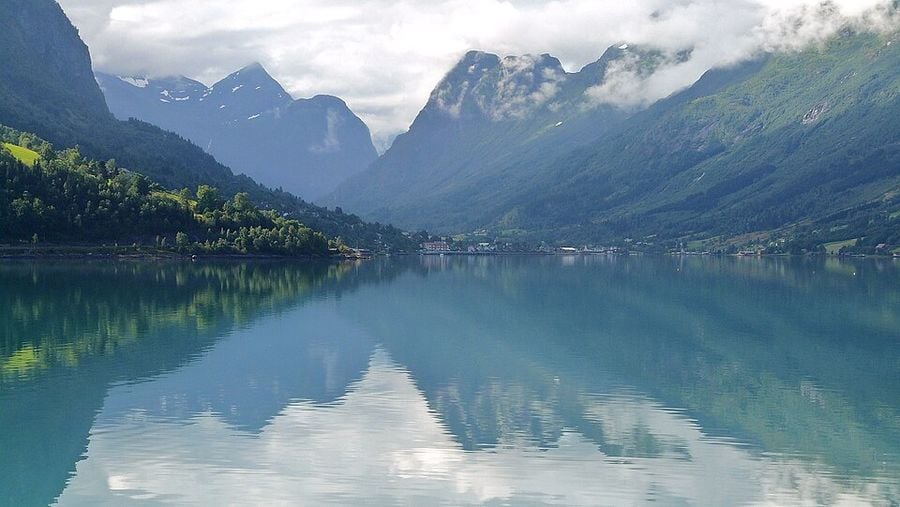
Nordfjord in western Norway is one of the country’s most scenically concentrated fjords: a single two-hour pleasure cruise on the fjord gives the passenger views of glaciers, mountain ridges, the Jostedalsbreen ice cap descending toward the valley floor, and the open Norwegian Sea at the fjord’s mouth, which is a landscape range that a full day’s driving in most countries could not assemble in the same continuous experience. The fjord’s specific scale, wide enough to give the passenger room from the cliff walls but narrow enough to make the surrounding terrain feel present, gives the cruise a physical relationship with the landscape that the wider fjords do not produce at the same intensity.
The Briksdal Glacier, an arm of the Jostedalsbreen whose accessible path allows visitors to approach the glacier’s snout without mountaineering equipment, offers the fjord its most tangible glacial encounter. The walk to the glacier takes approximately 45 minutes from the car park, passing through a landscape of waterfalls and birch forest whose seasonal character, lush green in summer and golden in autumn, gives the approach a specific beauty that justifies the walk independently of the ice at its end.
The winter visit to Nordfjord adds the possibility of the northern lights to the already extraordinary visual program: the fjord’s dark sky conditions and the cloud-free windows that the mountain weather systems occasionally provide give the aurora a viewing environment whose landscape setting, the lights reflected in the still water of the fjord between the silhouetted mountain walls, produces an image specific to Norway’s fjord geography. The ski resort at Stryn, in the Nordfjord region, offers a winter visit with and an active alpine program alongside aurora and glacier elements. The Briksdalbreen glacier retreat, which has receded significantly over recent decades and given the landscape around its snout a raw, newly exposed appearance whose geological freshness distinguishes it from the stable alpine terrain above, gives the glacier visit a specific contemporary dimension: the landscape is visibly changing, and the walk to the ice gives the visitor a direct encounter with a geological process whose pace and scale are comprehensible in real time.
7 / 10
Jeremy Bishop / Unsplash
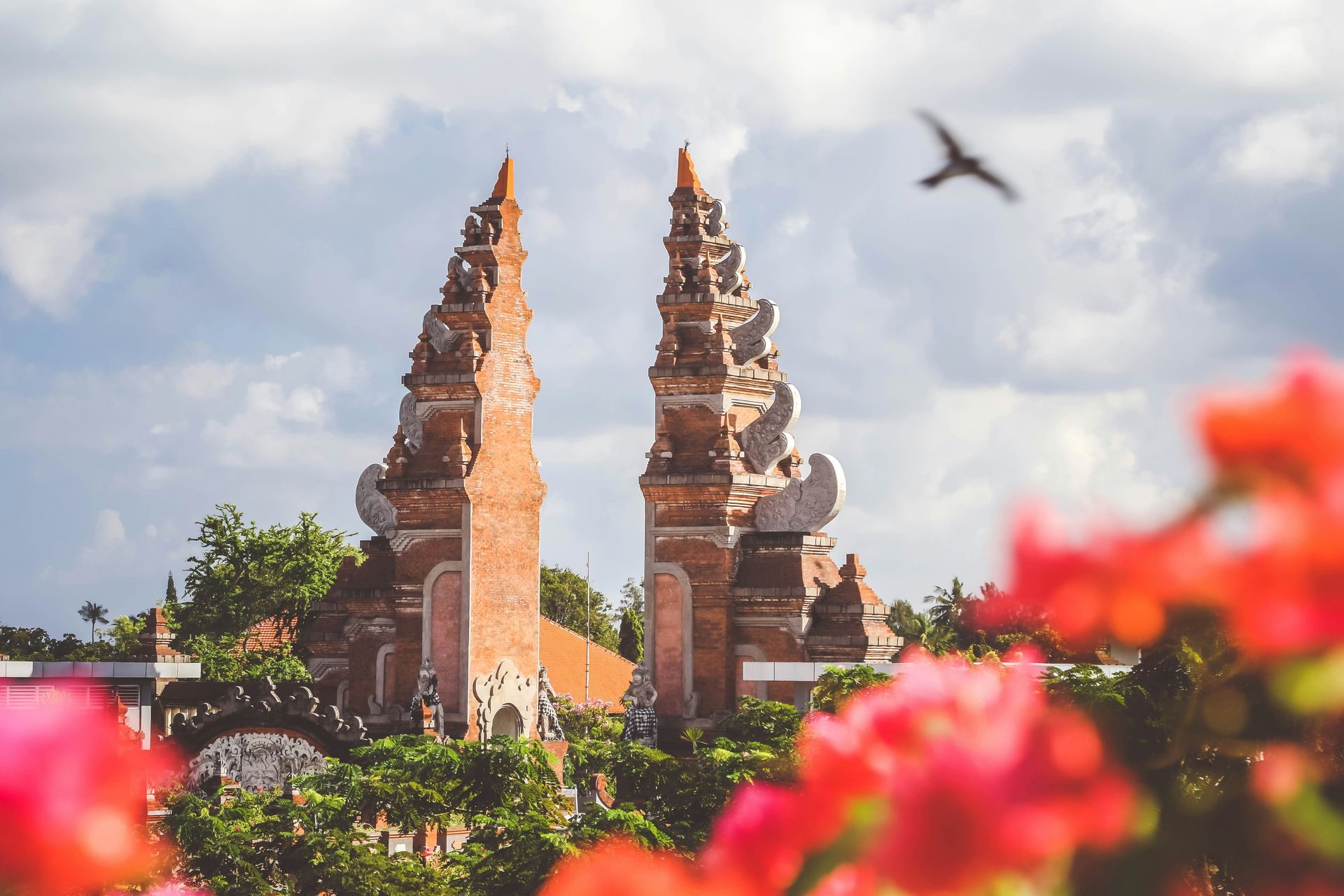
Bali is the island that the global wellness and yoga retreat industry has made its most recognized single address, and the reputation reflects a genuine convergence of landscape, philosophy, and commercial infrastructure that no other destination of comparable size has assembled in the same terms. The Ubud inland area, where the rice terraces of the Tegallalang valley and the forest temples provide the retreat culture with its most visually compelling setting, offers the yoga and meditation programs their most authentically Balinese environment. The coastal Canggu, whose beach-break surf and café culture have given the digital nomad and wellness traveler a distinct alternative social environment to the inland retreat, offers the island its most contemporary relaxation expression.
The Hindu temple tradition gives Bali its most specific cultural dimension: the island’s more than 10,000 temples, from the sea temple at Tanah Lot whose setting on a rock stack in the surf gives it the most photographed Balinese silhouette, to the mother temple of Pura Besakih on the slopes of Mount Agung, give the cultural program a religious and artistic depth that the beach and yoga dimensions do not alone provide. The daily temple offerings, the incense, the gamelan music audible from the roads, and the seasonal ceremony calendar give Bali’s daily environment a spiritual texture specific to this island’s relationship with the Hindu cosmology it has maintained for centuries.
Sanur Beach on the island’s southeast coast, where the shallow water and the reef give the swimming conditions their most reliably calm character, and where the sunrise over the water gives the early morning its most specifically Balinese peaceful moment, gives the visitor who wants a quieter beach alternative to the Seminyak and Kuta resort zones their most rewarding option. The beachside cycling path between Sanur’s hotels and restaurants gives the beach strip a low-speed, low-noise access corridor that the morning bicycle ride along the coast makes into one of the most pleasant daily rituals available at any Indonesian beach destination.
8 / 10
digitalbyter / Unsplash
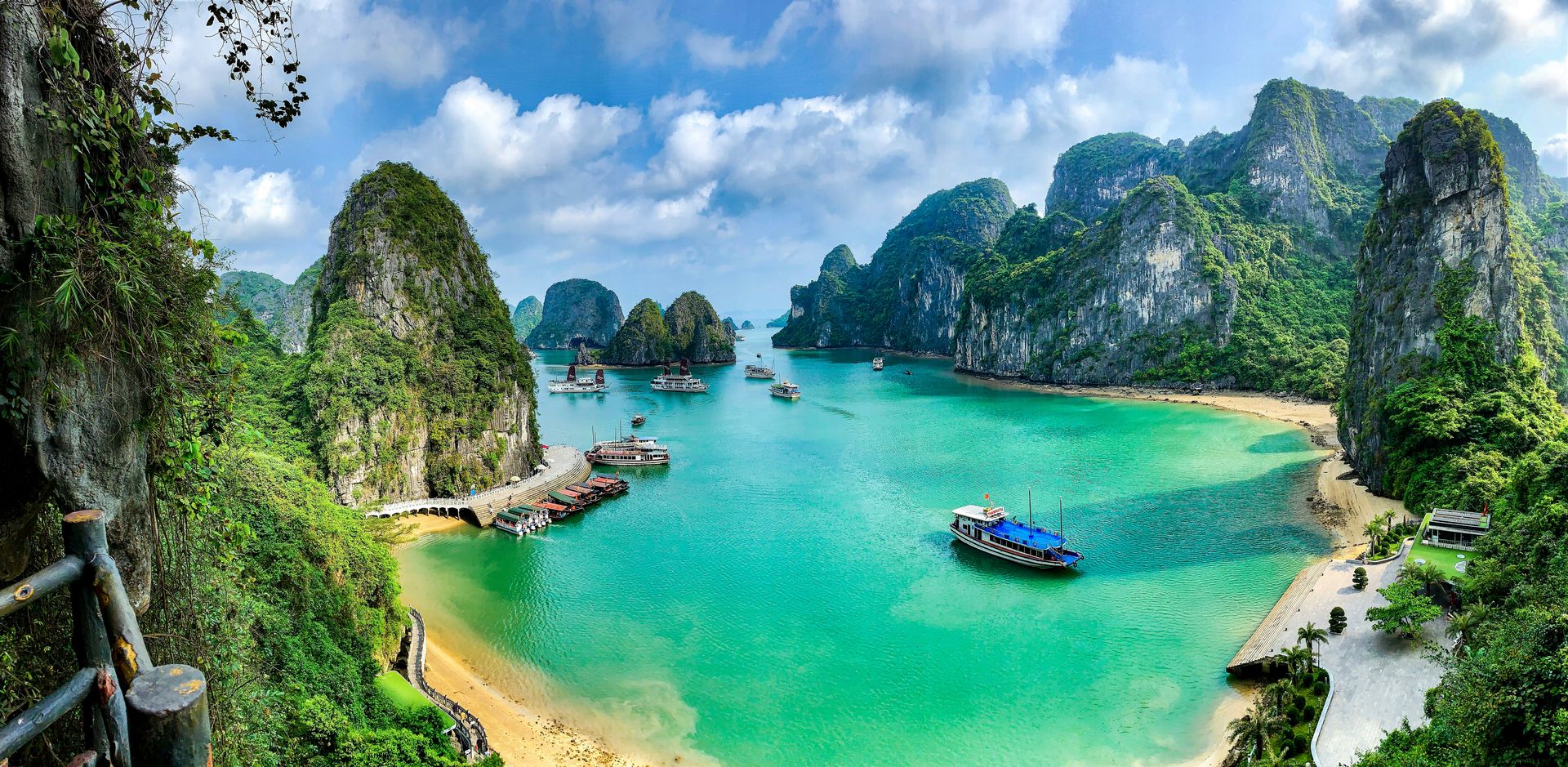
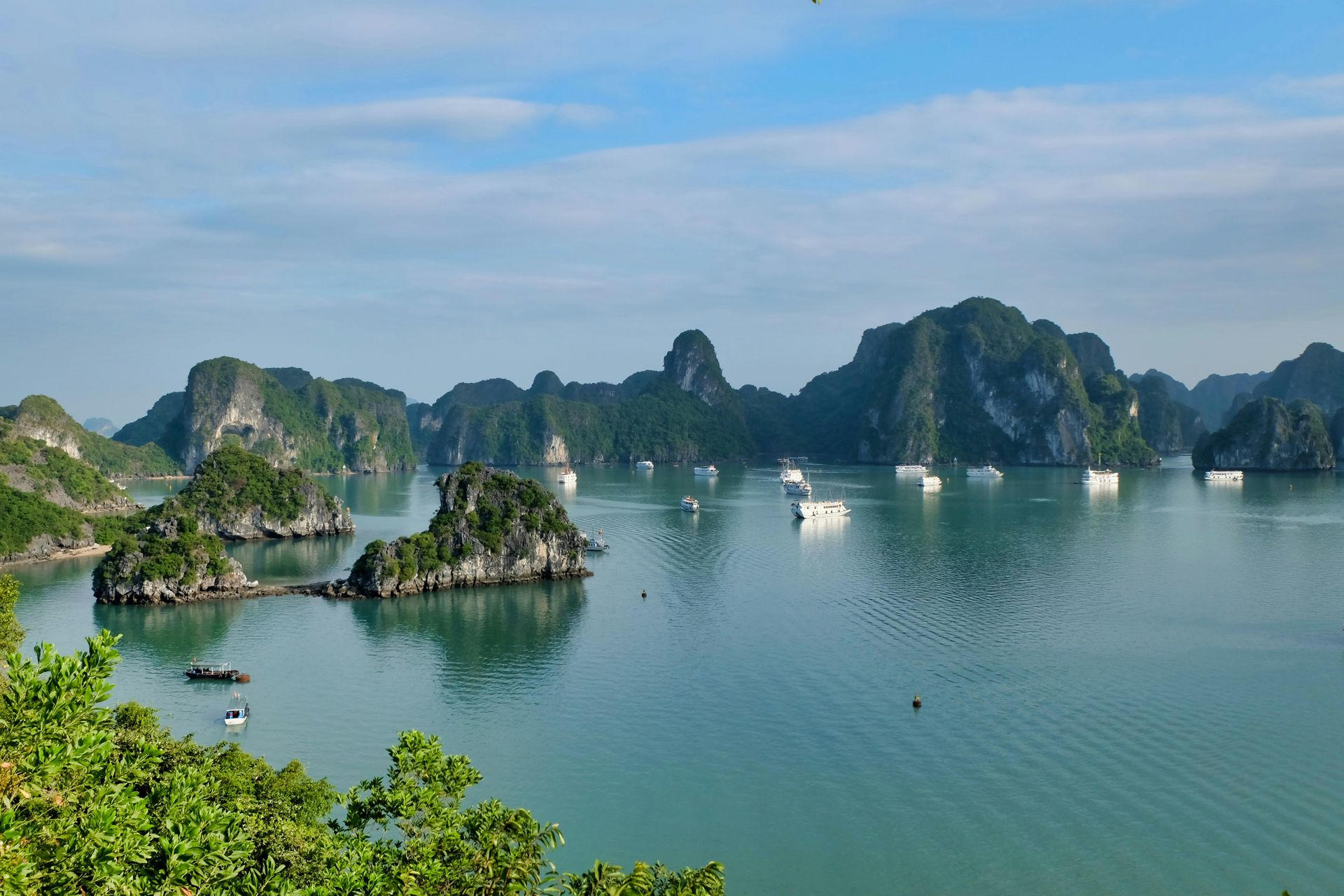
Ha Long Bay in northeastern Vietnam is a UNESCO World Heritage Site whose 1,600 limestone karst islands rise from the emerald water of the Gulf of Tonkin, in formations that range from isolated pinnacles to complex cave systems whose scale and interior beauty make the boat-based tour's most extraordinary single excursion. The karsts were formed over 500 million years of limestone dissolution and sea-level change, and the result is an archipelago whose island shapes, vertical walls, arched bridges, and hollow mountain interiors give the water surface visual complexity that changes with every shift in angle and light.
The boat tour format is not merely convenient but structurally correct for Ha Long: the bay’s thousands of islands are accessible only by water, and the overnight cruise that many operators offer gives the visitor the experience of waking up surrounded by the karst landscape in the early morning light, when the water is still and the mist sits between the islands in a way that the midday bustle of the popular bay removes. Kayaking through the narrower channels and cave passages that tour boats cannot navigate provides the active component with its most intimate engagement with the karst landscape.
The operator-arranged logistics, which can include kayaking excursions, visits to specific limestone islands and their cave systems, and guided coastal forest hikes, give the tour a program density that removes planning anxiety from the visit. The bay is a 3.5-hour drive from Hanoi, and the overnight cruise operator’s bus transfers to and from the capital give the logistical program a self-contained structure that is itself a form of the relaxation the destination provides. The fishing villages that float on the bay’s surface, whose residents have lived on the water for generations in houseboats anchored among the karsts, give the boat tour a human cultural dimension that the purely geological program of cave visits and karst viewing does not provide, and the interaction with the kayak guides who navigate the narrower passages between islands gives the active component its most specifically local character.
9 / 10
Tom Swinnen / Pexels
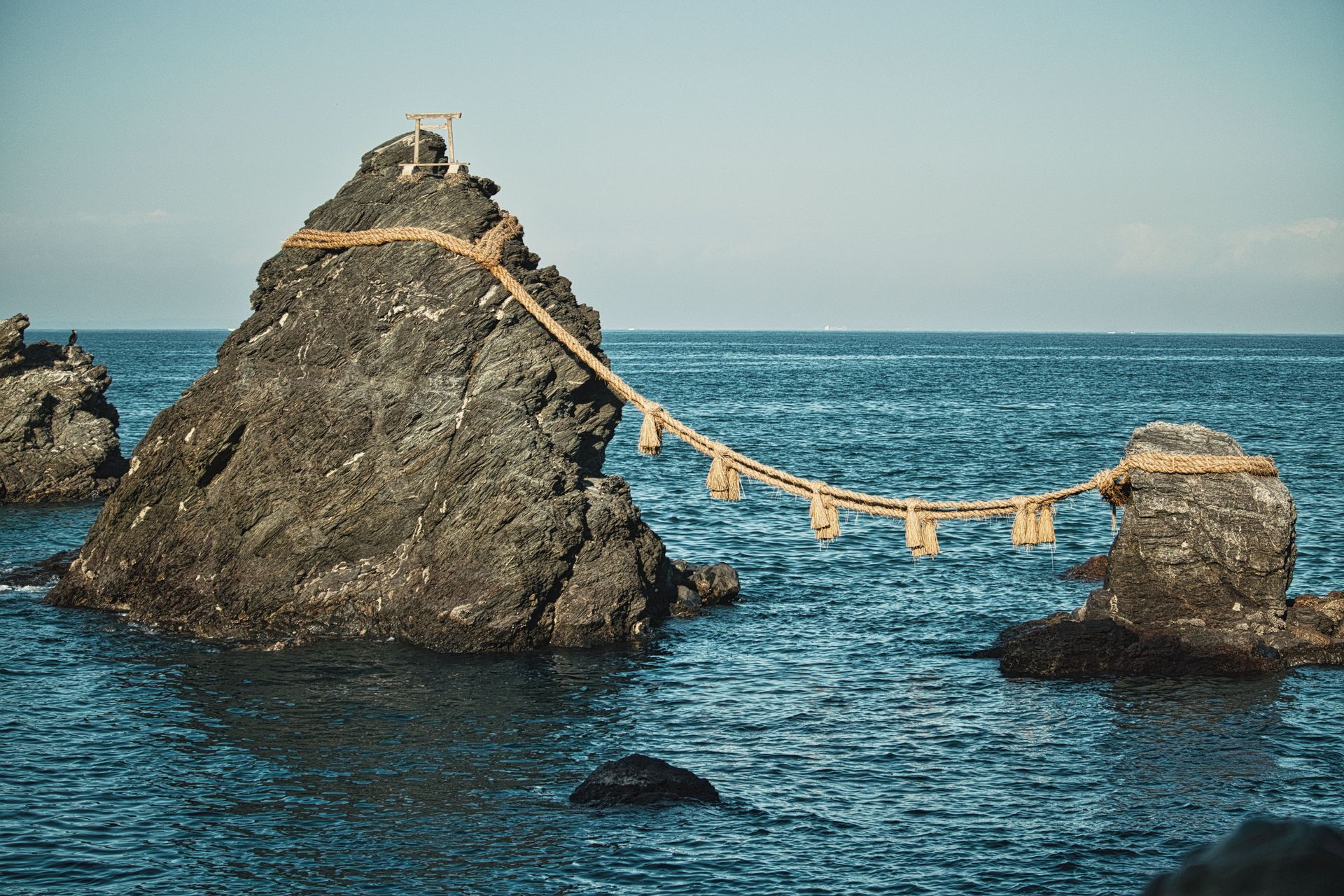
Ise Shima National Park sits on the Ise Peninsula east of Osaka on the Pacific coast of Honshu, and its primary attraction is Ise Jingu, the most important Shinto shrine in Japan and one of the most sacred sites in the country’s religious tradition. The shrine complex is dedicated to Amaterasu Omikami, the sun goddess, and the two principal shrines, the Naiku inner shrine and the Geku outer shrine, are connected by a 10-minute bus ride through the forested grounds that give the approach a transitional quality appropriate to a sacred site. The cypress forest that surrounds both shrines, planted in the specific dense, unpruned form that the shrine’s keepers maintain, gives the walk through the grounds a shade and a silence specific to the managed forest character of the sacred space.
The ritual of rebuilding: Ise Jingu’s two principal shrines are completely rebuilt every 20 years in a tradition called Shikinen Sengu that has been practiced continuously for 1,300 years. The rebuilt shrine, constructed in the exact same form as its predecessor, using cypress timber from the shrine’s own forests, gives the complex a freshness that belies its age and offers the visitor the paradox of an ancient institution whose physical expression is always new. The most recent rebuilding was completed in 2013, and the next is scheduled for 2033.
The surrounding park’s pearling culture, whose oyster cultivation in Ago Bay has given Mie Prefecture its most internationally recognized agricultural product since Mikimoto Kokichi developed cultured pearl production here in 1893, adds a maritime and commercial dimension to the visit alongside the shrine’s spiritual program. The Ama divers, the traditional breath-hold fishing women whose diving tradition has been practiced in this bay for more than 2,000 years and whose UNESCO recognition in 2016 gave the tradition its formal international acknowledgment, give the cultural program its most specifically regional human dimension and a connection to the traditional coastal culture of the Shima Peninsula.
10 / 10
Nikos Kavvadas / Unsplash
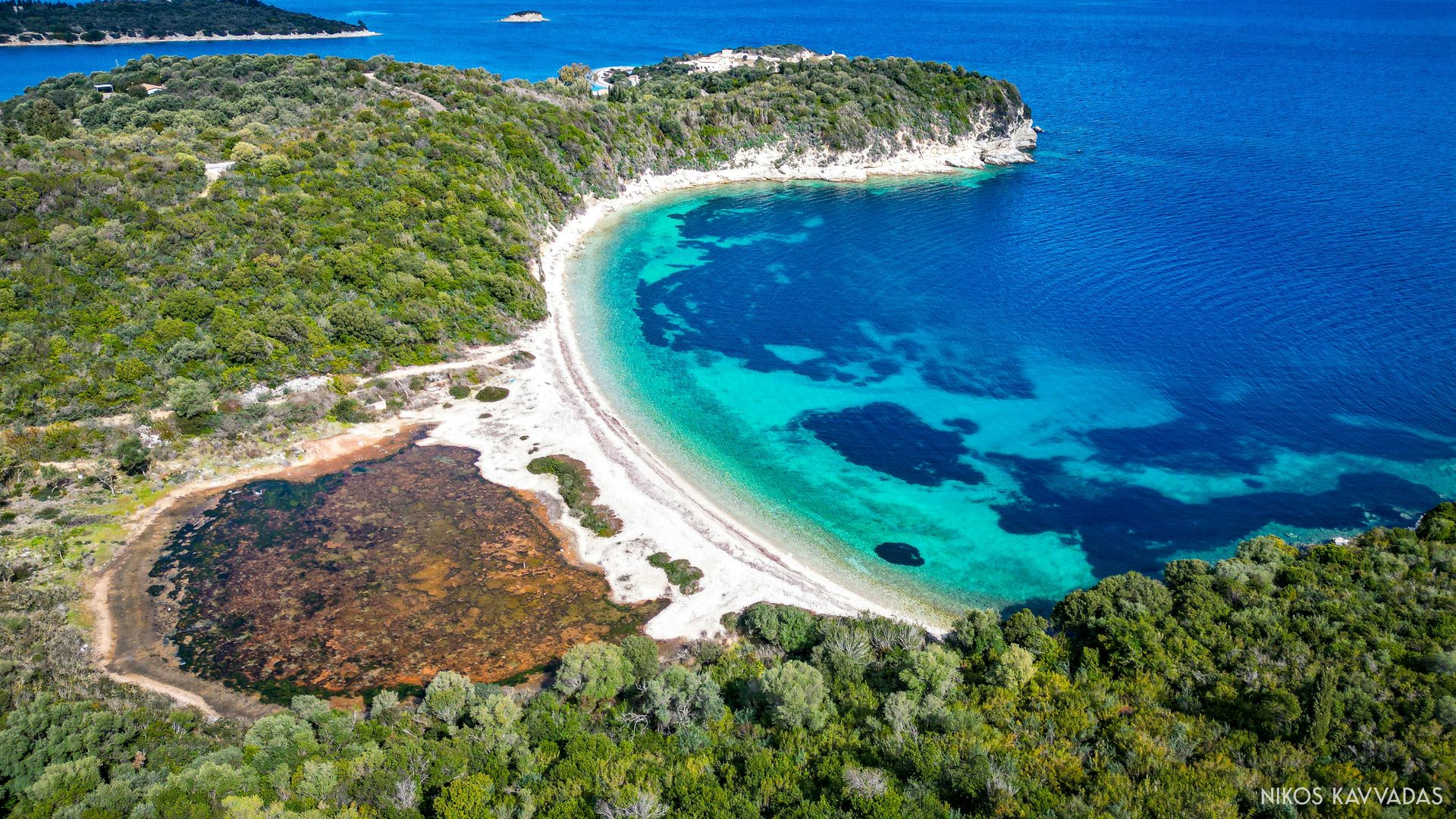
The Ionian Islands lie off Greece’s western coast in the Ionian Sea, separated from the Aegean by the Greek mainland, and their geographic separation from the Cyclades and Dodecanese islands that constitute the most heavily trafficked Greek island circuits gives them a specific quality: less visited, less developed in the infrastructure of mass tourism, and retaining a distinctly Italian-influenced architectural character from the centuries of Venetian rule that the Aegean islands do not share. The most sought-after quiet on the island of Paxos, the smallest of the main Ionian Islands, comes from what is absent: few large resorts, no international airport, and a holiday home and villa rental culture that has kept the commercial tourism infrastructure small and the character of the villages intact.
Zakynthos gives the Ionian group its most dramatically situated single beach: Navagio Beach, also known as Shipwreck Beach for the rusting hull of the MV Panagiotis that ran aground there in 1980, sits at the base of 200-meter vertical limestone cliffs accessible only by boat from the port of Porto Vromi or by viewing from the cliff-top lookout. The white sand and turquoise water of the enclosed cove give the beach its conventional beauty, and the rusting ship hull stranded in the sand gives it the specific story that makes it one of the most photographed locations in Greece.
The Ionian Islands’ sailing circuit, connecting Corfu in the north to Lefkada, Ithaca, Kefalonia, and Zakynthos in the south, offers the visitor arriving by charter boat the island-hopping experience in its most self-directed form. The prevailing northwest meridional wind that blows through the Ionian in summer gives the sailing reliable conditions whose predictability has made the Ionian one of the most popular sailing circuits in the Mediterranean for the recreational sailor. The anchorage at Fiscardo on the northern tip of Kefalonia, whose Venetian-era waterfront and surrounding turquoise bay give it a setting that the island’s larger resort towns have traded for commercial capacity, gives the sailing visitor a final destination that the land-based visitor requires a specific effort to reach and that rewards the effort proportionally.
