
From a fully redesigned Hyundai Palisade with the list's top reliability score to a BMW X7 with first-rate materials and a sub-six-second sprint
Credit: Chevrolet
A three-row SUV carries a different set of expectations than any other vehicle category. It is, by definition, a vehicle that others depend on: children, passengers, and the household schedule that move people from place to place on a timeline that cannot accommodate an unexpected trip to the dealership. Reliability matters in any vehicle, but it matters more here, where the consequences of a breakdown extend beyond inconvenience to the people in the back seats.
Predicting how a vehicle will hold up over time is inherently uncertain, but J.D. Power’s predicted reliability ratings provide a structured methodology for estimating which models are more likely to require unscheduled repairs. The scoring system runs on a scale of 100, with scores of 91 to 100 considered the Best, 81 to 90 in the Great category, 70 to 80 Average, and anything below 70 Fair and below average. Every vehicle on this list falls within the Great range, meaning none have earned a Best designation, but all clear the Average threshold by a meaningful margin.
The rankings below draw from U.S. News & World Report, which uses J.D. Power predicted reliability ratings as the primary criterion and applies each model’s U.S. News value score as a tiebreaker when two vehicles share the same reliability rating. The result is a list that covers three-row SUVs across a range of segments and starting points, from mainstream family haulers to a luxury flagship, with reliability performance as the thread that connects them.
Credit: Hyundai
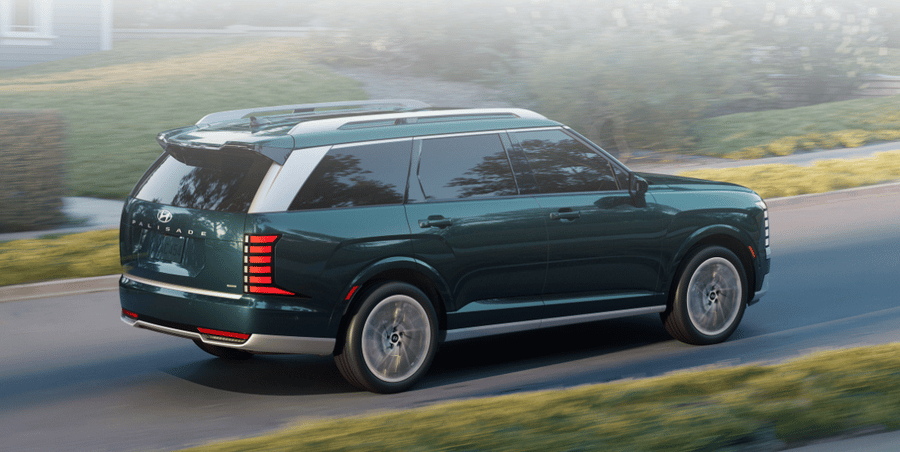
The Palisade earns a J.D. Power predicted reliability score of 84 out of 100 alongside a U.S. News value rating of 8.7 out of 10, giving it the strongest combination of reliability and value among the vehicles in this ranking. The 2026 model marks a complete redesign, producing a vehicle that is slightly larger than its predecessor, adds an off-road-oriented trim to the lineup, and introduces a hybrid powertrain option while retaining the qualities that have kept the Palisade among the highest-rated midsize SUVs for multiple years. The redesign did not compromise the vehicle’s character: the ride remains comfortable if somewhat firm, and the handling reflects the SUV’s size without feeling cumbersome.
Senior Vehicle Testing Editor John M. Vincent’s assessment of the interior pulls no punches: the oval-themed horizontal design is interesting and upscale, with materials and build quality that he describes as the work of a luxury automaker. The third row accommodates adults without feeling squeezed, which sets the Palisade apart from several competitors on this list, where the rearmost seats suit children better than grown passengers.
The Palisade Hybrid, introduced alongside the redesign, carries the same overall character as the non-hybrid version, with a more powerful, more efficient powertrain. Hyundai backs both versions with a five-year, 60,000-mile limited warranty, a 10-year, 100,000-mile powertrain warranty, and, for the hybrid, a matching 10-year, 100,000-mile battery warranty. The combination of a comprehensive warranty structure and the list’s highest reliability score gives buyers a strong foundation for confident long-term ownership.
Credit: Subaru
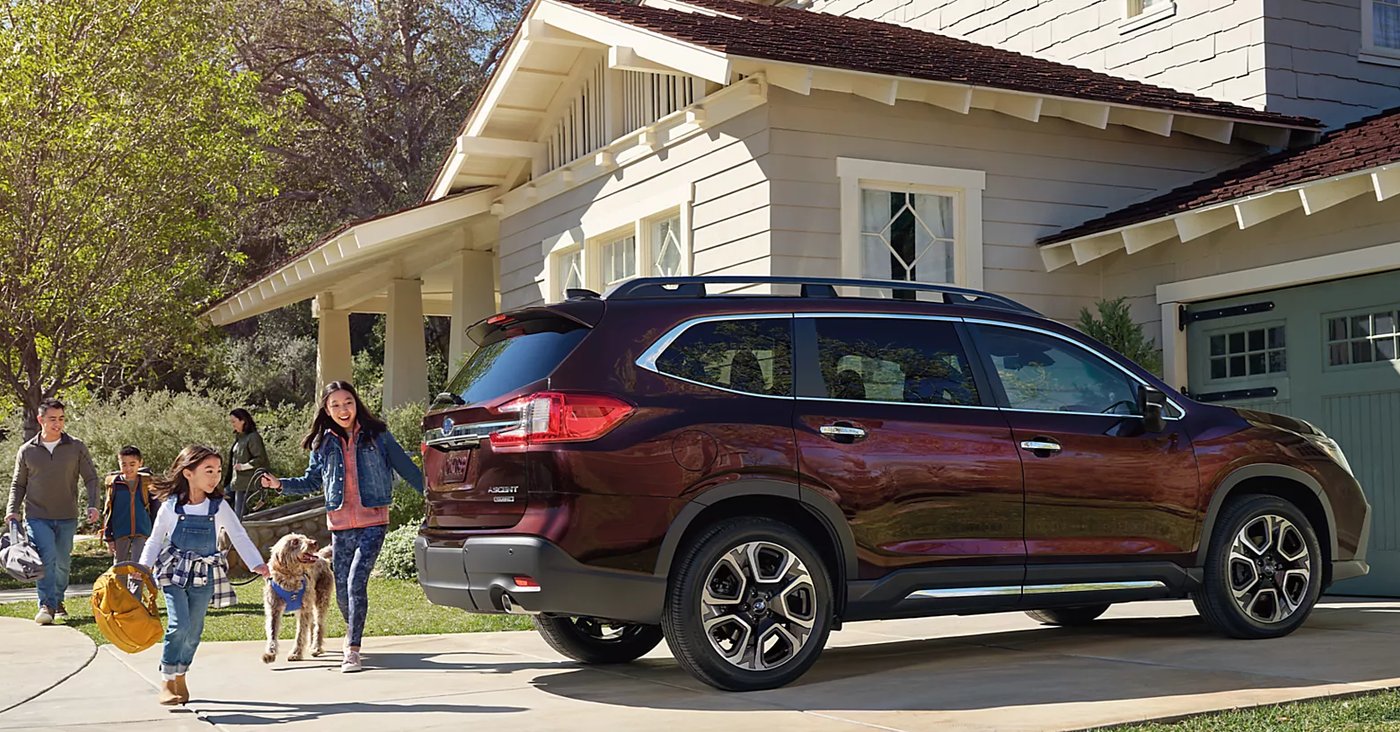
The Subaru Ascent ties the Palisade with a J.D. Power predicted reliability score of 84, and its safety score of 9.8 out of 10 is the highest of any vehicle in this ranking. U.S. News applies the value rating as a tiebreaker when reliability scores are equal, which places the Ascent second behind the Palisade’s 8.7 value rating against the Ascent’s 7.9. On the safety dimension alone, however, no other three-row SUV on this list matches what the Ascent delivers.
Autos Managing Editor Alex Kwanten identifies the Ascent’s defining characteristics as practical, user-friendly, and packed with safety gear, with an all-wheel-drive system that comes standard and provides genuine off-road capability without requiring a trim upgrade. The vehicle seats up to eight and delivers comfortable space across the first two rows, though the third row is better suited to children than adults. Performance is modest rather than quick, but the road manners are composed, and the driving experience is predictable, as a vehicle used primarily for family transportation should be.
The Ascent’s warranty coverage includes a three-year, 36,000-mile limited warranty and a five-year, 60,000-mile powertrain warranty, which falls short of Hyundai's packages but reflects Subaru’s standard coverage across its lineup. For buyers whose primary concerns are reliability and safety in that order, the Ascent delivers the strongest combined performance on both dimensions of any vehicle in this ranking.
Credit: Chevrolet
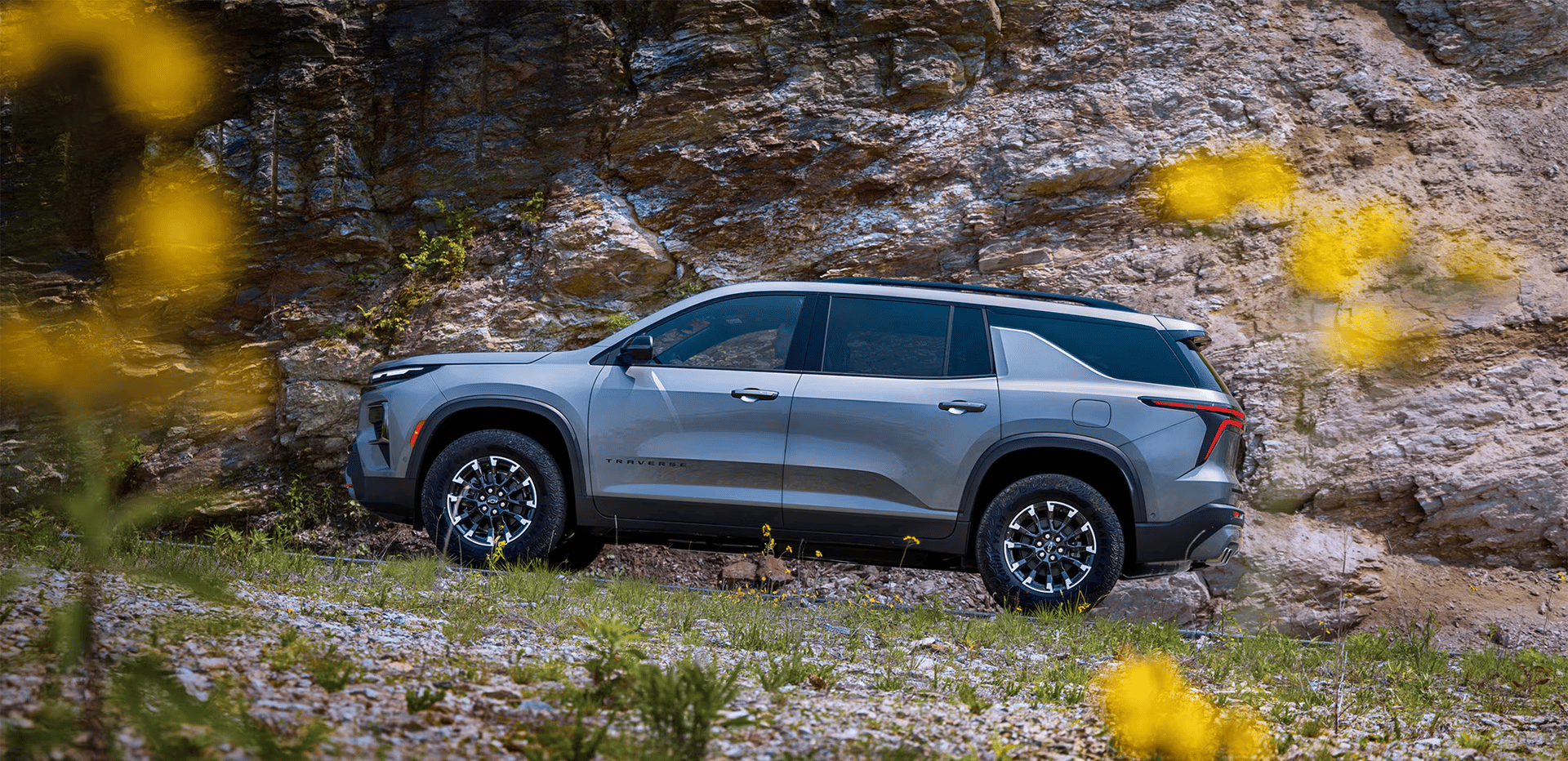
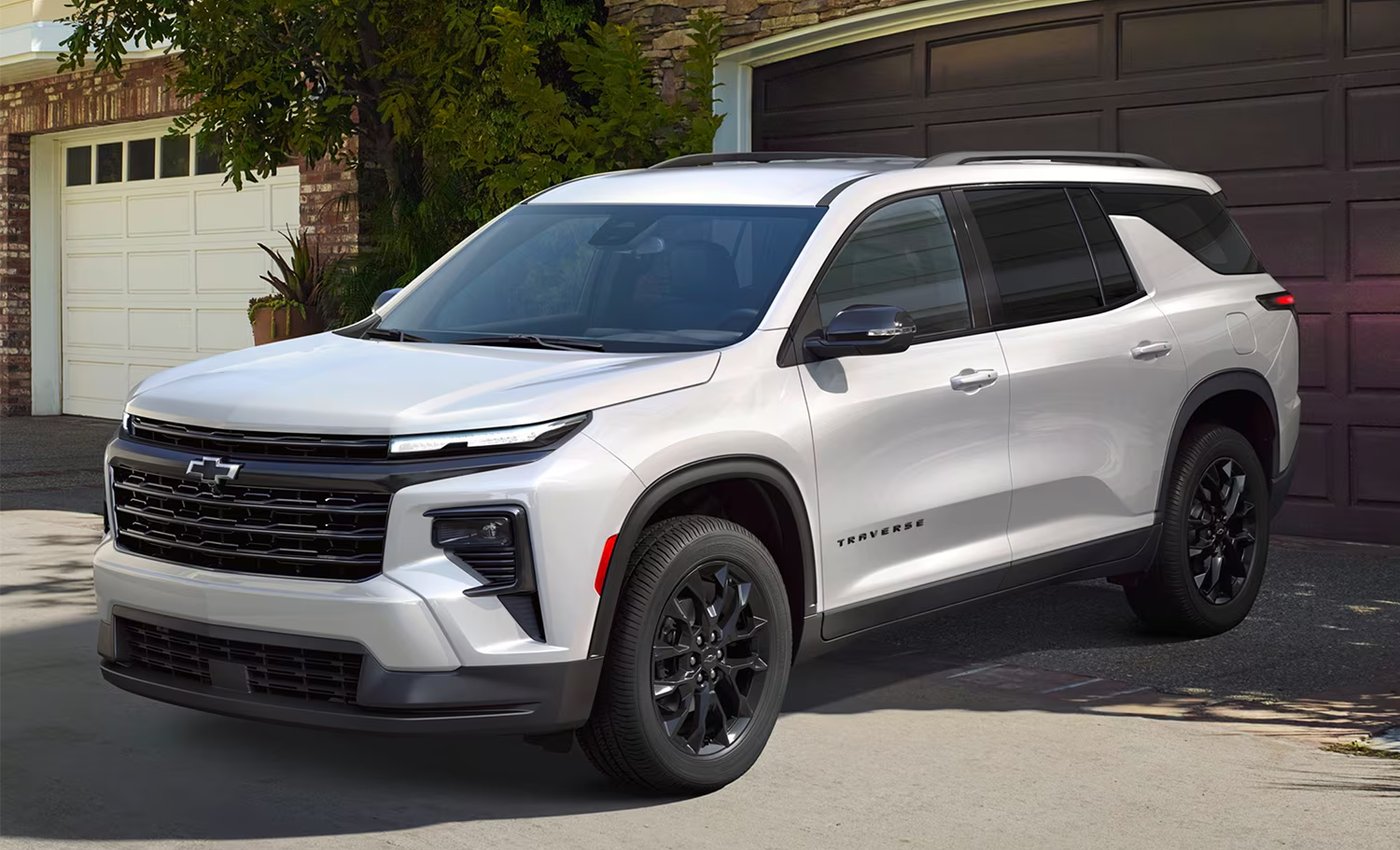
The Chevrolet Traverse earns a J.D. Power reliability score of 83, one point below the Palisade and Ascent, alongside a U.S. News value rating of 7.7. Reviewer Jill Ciminillo describes the Traverse as a prime candidate for an urban environment that also excels at highway cruising, which positions it as a genuinely versatile vehicle rather than one optimized for a single use case. Adults can ride comfortably in the third row, which is not universal among the vehicles in this ranking, and the infotainment system is intuitive enough to operate without a learning curve.
The cargo capacity is the Traverse’s most distinctive quantitative strength: a maximum of 97.6 cubic feet with seats folded and 22.9 cubic feet with all rows in place. Both figures sit at or near the top of the midsize SUV class, and the standard hands-free power liftgate provides cargo access that buyers who load and unload regularly will appreciate. The cabin material quality spans a range from high- to low-end, depending on the interior section, but the overall effect reads as pleasant rather than inconsistent.
The Traverse seats up to eight passengers and provides a comfortable ride across city streets and highway travel with equal composure. The limited warranty covers 36,000 miles for three years, with a five-year, 60,000-mile powertrain warranty. For buyers who prioritize cargo utility and adult-friendly third-row seating alongside strong reliability, the Traverse makes a practical case that the other vehicles in this ranking largely do not replicate.
Credit: Dodge
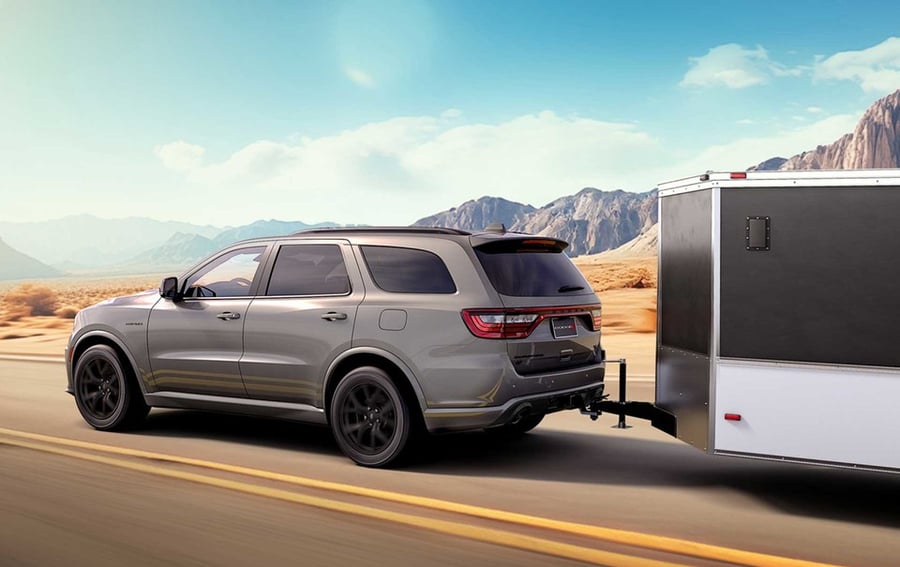
The Dodge Durango earns a J.D. Power reliability score of 83 and tows more than almost every other midsize SUV in the class, a capability that the vehicle’s V8 engine options make possible and that Dodge has used as a primary marketing differentiator. Reviewer Mike Hagerty characterizes the Durango’s positioning directly: Dodge has sustained the model’s sales performance by offering high-output V8 engines and marketing the result as a muscle car with family SUV capabilities. The fuel economy that results from this approach is poor by class standards, representing a real ownership cost for buyers who cover significant mileage.
The interior is well-built, and the infotainment interface is intuitive, giving the Durango a cabin experience that compares reasonably well against the class despite the vehicle’s age relative to more recently redesigned competitors. The design and technology feel less current than those of several rivals, and the interior’s upscale quality falls short of what some competing vehicles in the same segment now offer. For buyers who are not towing, the Durango’s case rests primarily on its reliability score and the subjective appeal of an SUV with genuine V8 performance.
The towing capability that anchors the Durango’s identity among three-row SUVs has no close rival among the vehicles on this list, and buyers who need maximum towing alongside three rows of seating will find the Durango the most capable option available in the segment. The three-year, 36,000-mile limited warranty and five-year, 60,000-mile powertrain warranty provide standard coverage, unlike the extended terms offered by Hyundai’s lineup.
Credit: Toyota
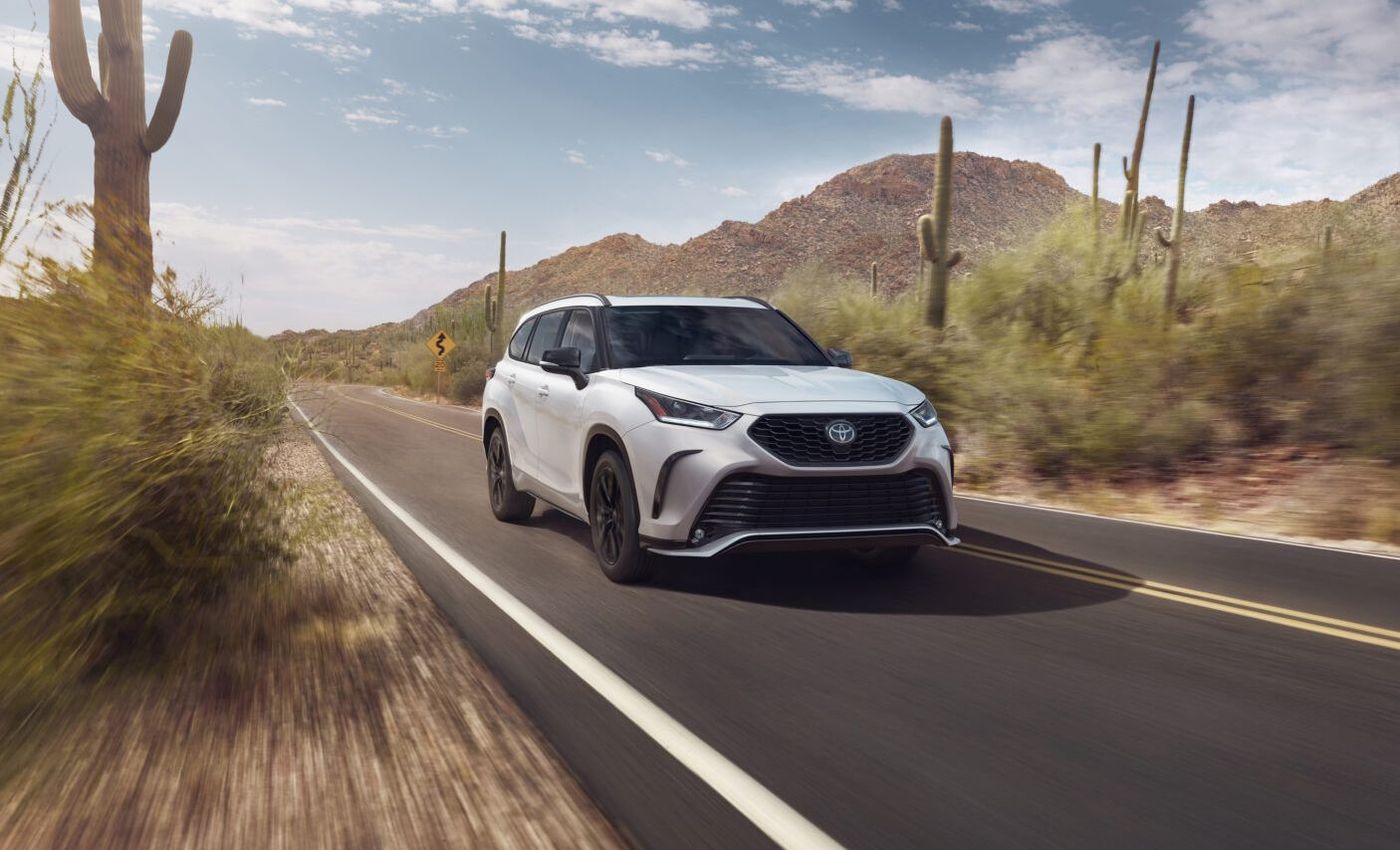
The Toyota $TM Highlander has a J.D. Power reliability score of 82 and a U.S. News value rating of 8.8, the second-highest on this list. Reviewer Brontë Wieland describes the Highlander as a family hauler that feels most at home on city streets, providing comfort and nimble maneuvering in an environment where most three-row SUVs feel oversized. The first two rows accommodate up to eight passengers in comfort, and the cabin is well-built with a user-friendly infotainment system. Cargo capacity maxes out at 84 cubic feet, which suits the family-hauler role the vehicle plays.
The driving character prioritizes a cushioned ride over engaging handling, which reflects the design priorities that the Highlander’s target buyer has historically preferred. Power is adequate for most situations, but it doesn't deliver the performance of the Durango’s V8 or the urgency of the Palisade's hybrid powertrain. The base Highlander with standard all-wheel drive achieves fuel economy that ranks well for the class, and the hybrid variant returns substantially better combined efficiency, giving buyers a choice between acceptable and notably good fuel economy within the same model family.
The Highlander Hybrid offers extended warranty coverage for its battery and hybrid components, including a 10-year, 150,000-mile hybrid battery warranty and an eight-year, 100,000-mile hybrid component warranty, in addition to the standard three-year limited and five-year powertrain terms. The combination of Toyota’s reliability reputation, a strong value score, and the hybrid model’s fuel efficiency makes the Highlander a defensible choice for buyers who want long-term dependability in a package that prioritizes comfort.
Credit: Toyota
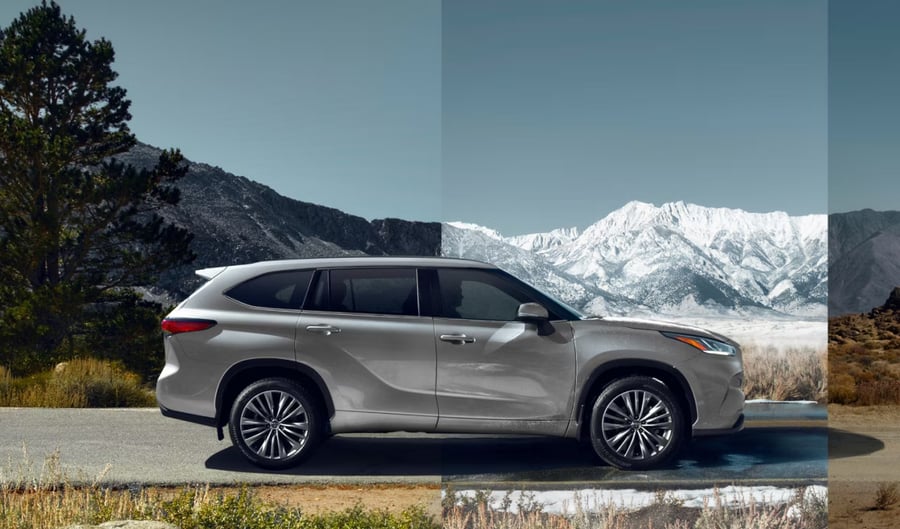
The Grand Highlander earns the same J.D. Power reliability score of 82 as the standard Highlander, and it has a U.S. News value rating of 8.2. Reviewer Jill Ciminillo describes the Grand Highlander as a great value, noting that its standard amenities make the vehicle feel like a steal given what it delivers. The “Grand” designation translates into a bigger vehicle with three rows of spacious seats and the same smooth ride and strong fuel economy ratings as the standard Highlander, stretched across a longer wheelbase that benefits rear-seat passengers most.
The Grand Highlander and its hybrid variant have already surpassed the standard Highlander in U.S. News’s overall quality rankings despite being newer to the market. The hybrid model achieves fuel economy that improves on both city and highway figures compared to the non-hybrid, and plenty of standard technology and safety features come with the base configuration rather than requiring trim upgrades. The infotainment system carries the same user-friendly character as the standard Highlander, giving the Grand Highlander a cabin technology experience that avoids the learning curves some competitors present.
The warranty structure mirrors the standard Highlander: three years and 36,000 miles for the limited warranty, five years and 60,000 miles for the powertrain, and extended hybrid component coverage for the Grand Highlander Hybrid. For buyers who have identified the Highlander family as their target but want the most space and the highest overall quality within that lineage, the Grand Highlander makes the stronger case.
Credit: BMW
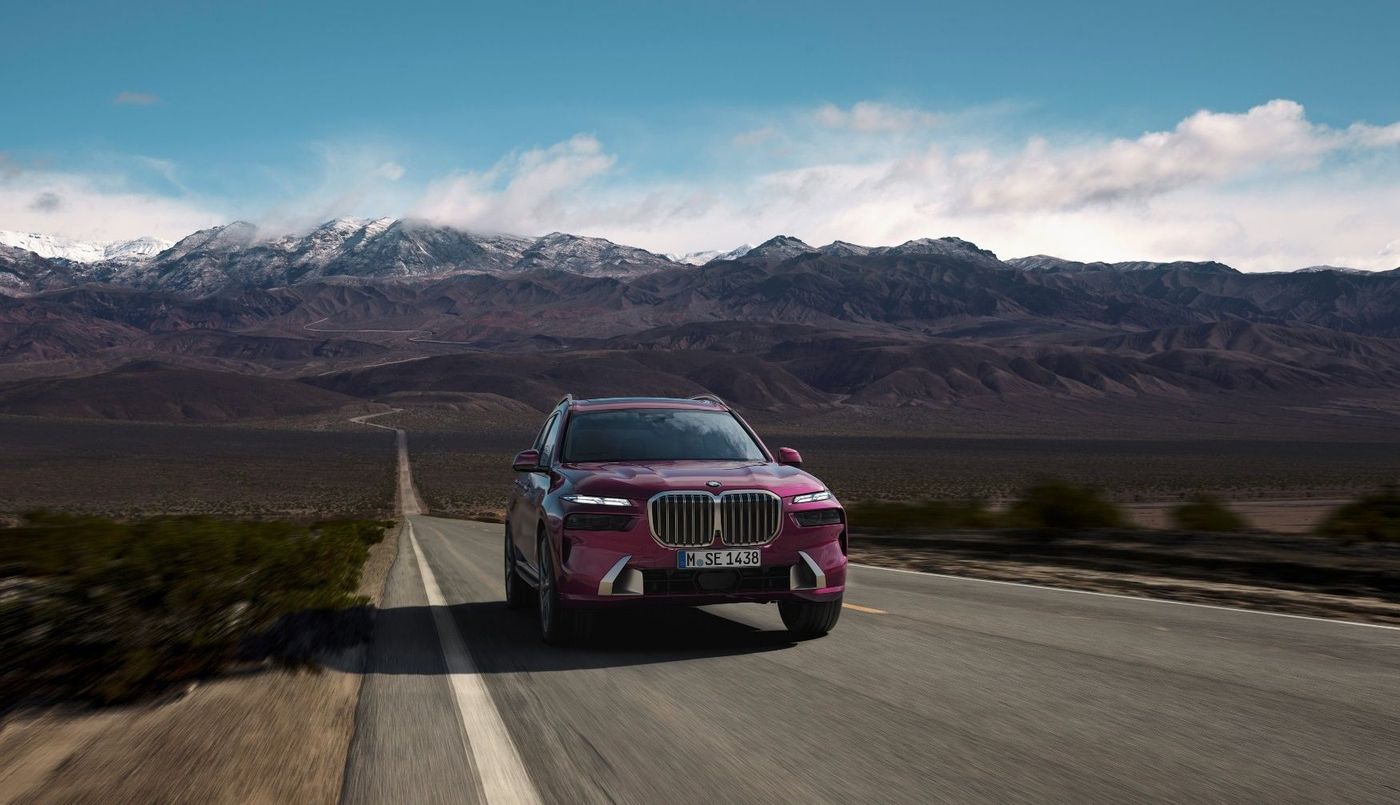
The BMW X7 carries a J.D. Power reliability score of 81 alongside a U.S. News value rating of 5.9, the lowest on this list, which reflects the operating costs that the vehicle’s luxury segment positioning generates rather than a deficiency in what it delivers. Reviewer Mike Hagerty describes the seats as comfortable, supportive, and well-designed, even in the base trim, with materials and workmanship that he characterizes as first-rate. The interior quality gives the X7 a cabin environment that no other vehicle in this ranking can match, and the driving dynamics further differentiate it.
Every X7 powertrain is quick, with the slowest configurations covering the standard acceleration benchmark in under six seconds. Handling is composed for a vehicle of this size, and the ride quality provides the comfort that a luxury SUV at this level demands. Third-row roominess and cargo space fall short of some competitors, which represents a practical tradeoff that buyers who prioritize the driving experience and interior refinement over maximum utility accept knowingly when choosing the X7 over a more family-oriented alternative.
The four-year, 50,000-mile limited warranty is the most generous standard coverage on this list and includes BMW’s roadside assistance for the same term. For buyers who want a three-row SUV that delivers a genuinely premium experience without accepting the reliability penalty that luxury vehicles often carry, the X7’s score of 81 places it within the Great category alongside all other vehicles in this ranking.
Credit: Jeep
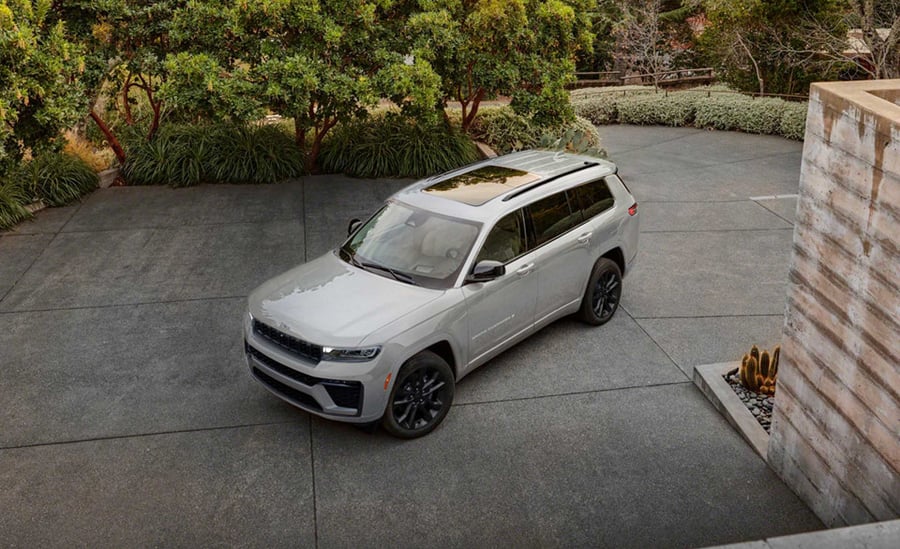
The Jeep Grand Cherokee L earns a J.D. Power reliability score of 81 and leads the vehicles at this score level by U.S. News’s value tiebreaker with a 7.1 rating. Managing Editor Alex Kwanten describes the turbocharged four-cylinder engine, which became optional for 2026, as a potent powerplant that helps the Grand Cherokee L keep pace with newer three-row family SUVs, addressing a competitive concern that the V6 powertrain alone did not fully resolve. The vehicle handles fairly well for its size, and the ride is smooth, as the Grand Cherokee nameplate has historically delivered.
The plush, supportive seats and the legroom they provide across all three rows give the Grand Cherokee L the most comfortable passenger experience in this ranking. The transition from the two-door Grand Cherokee to the extended Grand Cherokee L fulfilled the longstanding demand of buyers who loved the original but needed more space, and the L adds interior refinement and styling alongside the additional seating capacity. Cabin quality varies by trim level: lower configurations have notably more basic interiors despite starting above some rivals, and fuel efficiency across the lineup falls short of class standards regardless of powertrain.
The three-year, 36,000-mile limited warranty and the five-year, 60,000-mile powertrain warranty are standard coverage, unlike the extended terms Hyundai offers. For buyers who commute modest distances, do not need maximum fuel economy, and want the most comfortable seating experience available in a reliable three-row SUV, the Grand Cherokee L delivers that combination more directly than any other vehicle in this ranking.
Credit: Hyundai
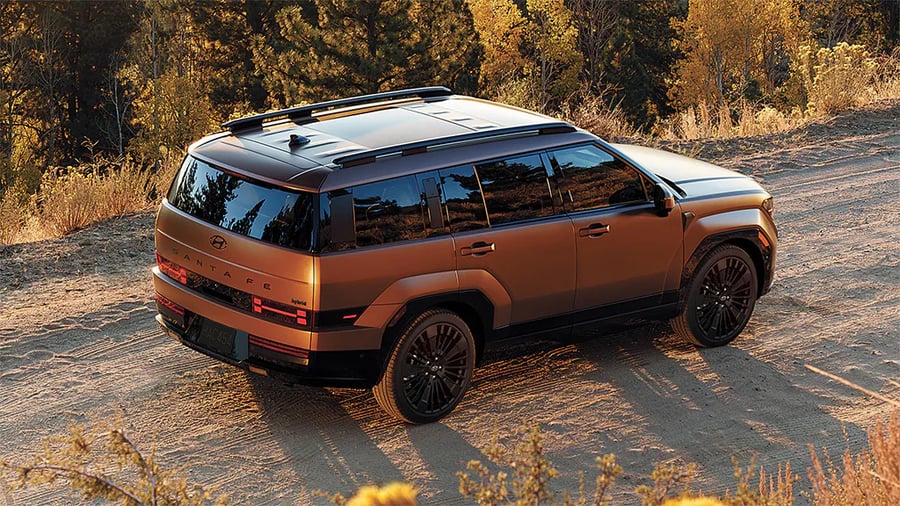
The Hyundai Santa Fe earns a J.D. Power reliability score of 81 and carries a U.S. News value rating of 9.6, the highest on this list. Vehicle Testing Editor Zach Doell describes a vehicle that accelerates swiftly, rides comfortably, handles reasonably well, and returns good fuel economy for a family hauler, which covers the practical dimensions of daily use without identifying a specific area of excellence. The interior is roomy and well-built, the seats are comfortable, and the cargo space is decent, giving the Santa Fe a complete package that the value score reflects accurately.
The third row’s limited legroom and climate controls that require some familiarization are the two specific shortcomings the review identifies, neither of which affects the vehicle’s core functionality as a family hauler for buyers who use the third row for children or occasional adult passengers on shorter trips. The Santa Fe Hybrid offers improved efficiency at a modest additional cost, maintaining all the standard model’s strengths while delivering better fuel economy ratings for buyers who cover significant highway mileage.
Hyundai backs the Santa Fe with a five-year, 60,000-mile limited warranty and a 10-year, 100,000-mile powertrain warranty, with matching hybrid battery coverage for the Santa Fe Hybrid. The combination of the highest value score in this ranking, a solid reliability score, and Hyundai’s industry-leading warranty structure makes the Santa Fe the strongest choice for buyers whose primary criterion is getting the most out of their ownership investment over the full term of the vehicle.
Credit: Honda
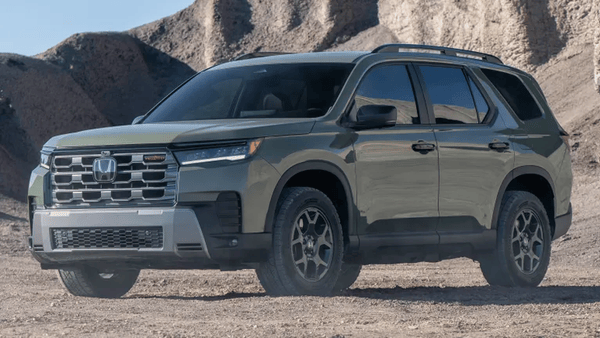
The Honda $HMC Pilot earns a J.D. Power reliability score of 81 and a U.S. News value rating of 7.2. Senior Editor Tony Markovich’s assessment of the seating highlights comfortable, supportive front seats alongside second-row captain’s chairs that nearly match the front seats for accommodation quality, with adjustable fore-and-aft positioning that gives rear passengers control over their legroom. The review positions the Pilot as a vehicle that does not generate excitement but performs the family vehicle role with undeniable competence, which aligns with the Honda brand’s broader reputation for functional dependability.
The 2026 refresh directed its changes primarily at interior technology. A 12.3-inch touch screen now comes standard alongside a 10.2-inch digital instrument cluster, replacing the smaller screens of previous models. A Wi-Fi hotspot and a power liftgate were added to the standard features list, giving the refreshed Pilot a technology baseline that brings it up to date with rivals who added these features in earlier model years. The V6 powertrain predates the turbocharged four-cylinders used by several competitors, but it delivers adequate power for a vehicle that prioritizes comfortable family transport over performance.
The three-year, 36,000-mile limited warranty and five-year, 60,000-mile powertrain warranty reflect Honda’s standard coverage terms. For buyers who have historically trusted Honda’s reliability record and want a three-row SUV that has received meaningful updates for 2026 without a full redesign, the Pilot represents a familiar and dependable choice within a competitive segment.