
From a $34,995 Cadillac CT4 to a 911 that matches Lexus on reliability, the luxury cars least likely to let you down
MarioGuti / Getty Images
Luxury cars are supposed to be better than their mainstream counterparts in every measurable way. More power, richer materials, more features, more refinement. The premium pricing that luxury buyers accept implies a higher standard across every dimension of the ownership experience. Reliability should be part of that premium. A vehicle that spends time at the dealership service center is not delivering on the promise of its category, regardless of how good it looks or how well it drives when it is working. The luxury buyer who chooses a vehicle with poor reliability often discovers that the ownership experience does not justify the purchase price.
The reality is that luxury vehicles vary widely in predicted reliability, just as mainstream vehicles do. Some luxury manufacturers have built a reputation for dependable long-term ownership over decades. Others produce vehicles that are celebrated for their performance or interior quality but generate more than their share of warranty and repair claims. The disparity matters for buyers who intend to keep their vehicle beyond the warranty period, and it also affects resale value. Vehicles with strong reliability reputations hold their value better in the used market. Choosing a luxury vehicle with strong reliability scores is one of the clearest ways a buyer can protect the financial investment of a premium purchase.
The 10 vehicles below come from U.S. News & World Report’s list of the most reliable luxury cars, which identifies luxury models with the highest J.D. Power predicted reliability scores. Scores range from 91–100 (Best) to 81–90 (Great) to 70–80 (Average) to 0–69 (Fair and below average). When vehicles share a reliability score, the one with the stronger value rating — based on cost-of-ownership factors including expected repair bills — appears higher on the list.
Artistic Operations / Getty Images
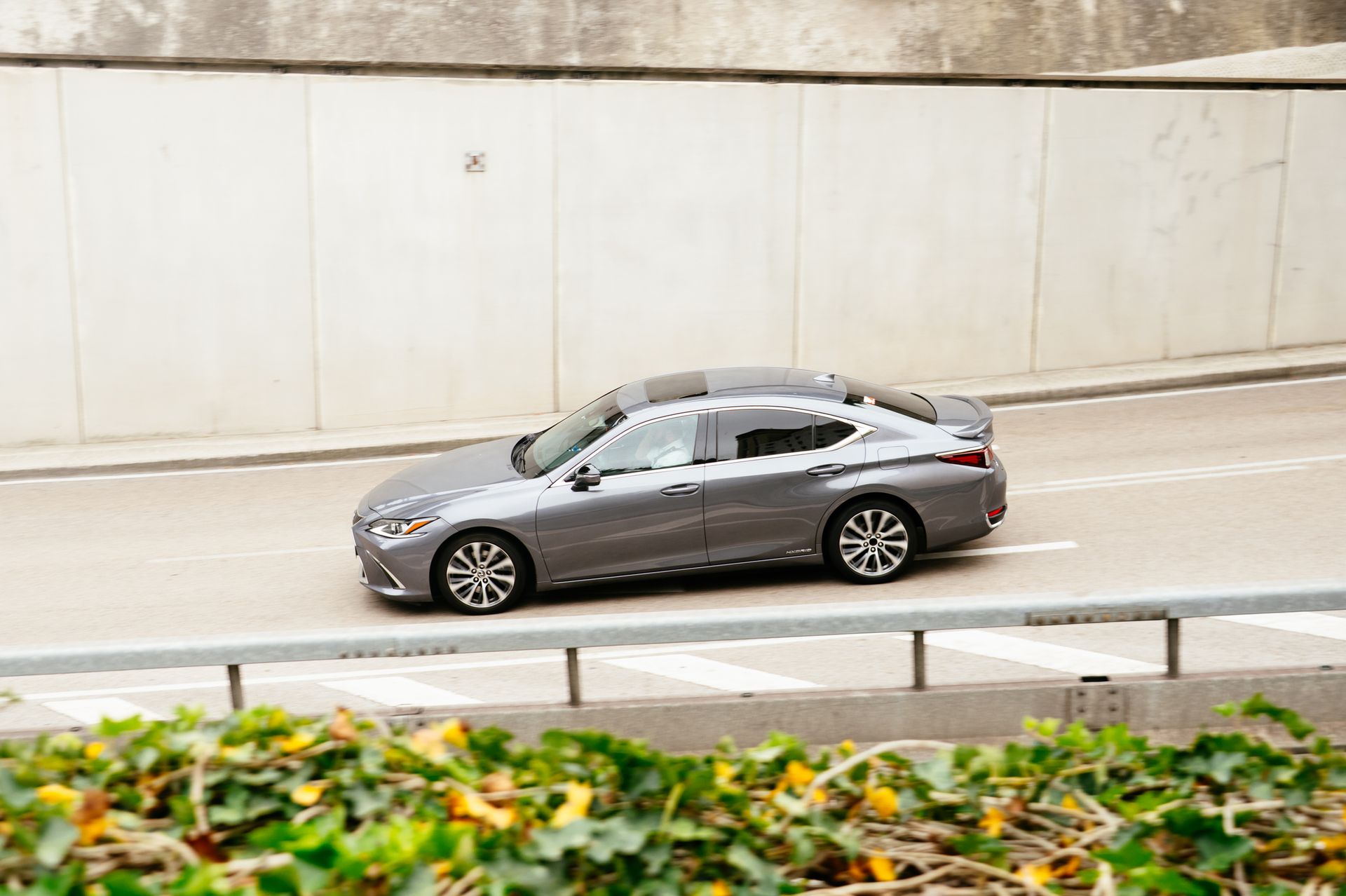
The 2025 Lexus IS earns a 91 out of 100 J.D. Power predicted reliability score, the highest on this list, alongside a value score of 7.9 out of 10. It backs the standard Lexus warranty of four years or 50,000 miles bumper-to-bumper and six years or 70,000 miles on the powertrain. The reliability score alone would justify its position at the top, but the IS offers more than just dependability: its handling is described as impressive, and it delivers that driving engagement without sacrificing ride comfort.
The IS is a small luxury sedan that competes in a class that includes more technologically advanced rivals. Several competitors offer more modern infotainment systems, larger trunk capacity, and quicker acceleration. The IS’s trunk is smaller than what many buyers in the segment expect, and some competitors deliver better fuel economy alongside more spirited powertrain performance. The IS is not the class leader in any of those dimensions.
What the IS delivers is a well-built interior with comfortable seats, engaging road behavior, and a reliability score that beats every other vehicle on this list. The IS also carries the Lexus brand’s long-established reputation for low ownership costs, as reflected in the 7.9 value score. Buyers who want a small luxury sedan they can own with confidence for a long time and are willing to accept a smaller trunk and an older-generation infotainment interface in exchange will find the IS the strongest argument on this list. Lexus backs the IS with warranty terms that are competitive for the segment, and the 91 predicted reliability score suggests the warranty will rarely need to be invoked. The IS’s position at the top of this list makes it the clearest single recommendation for buyers whose primary concern is long-term dependability in a luxury small sedan. The two-vehicle Lexus presence at positions one and two on this list also confirms that the brand’s reliability reputation applies specifically to its smaller sedan lineup, not just to its larger and more expensive models.
jetcityimage / Getty Images
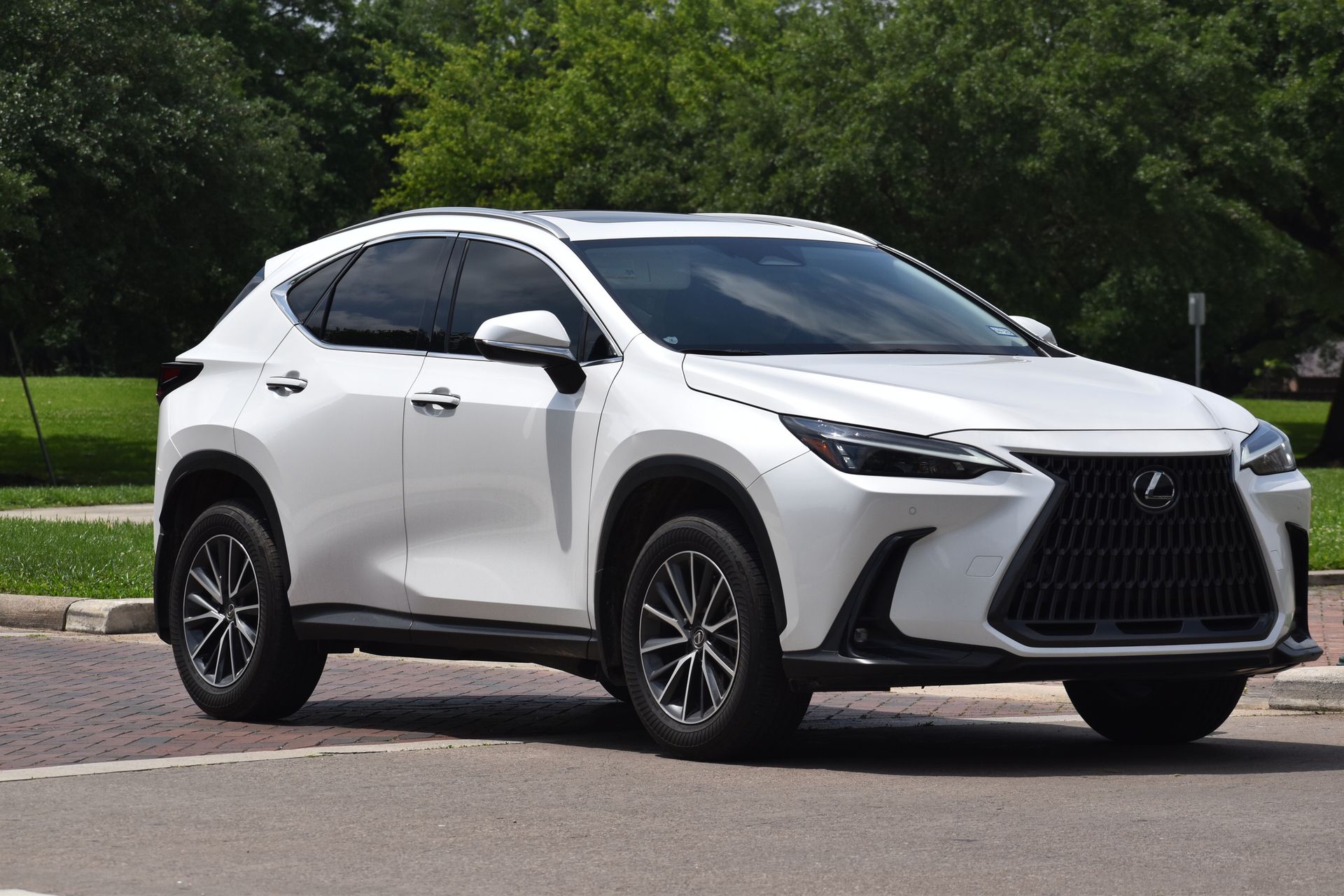
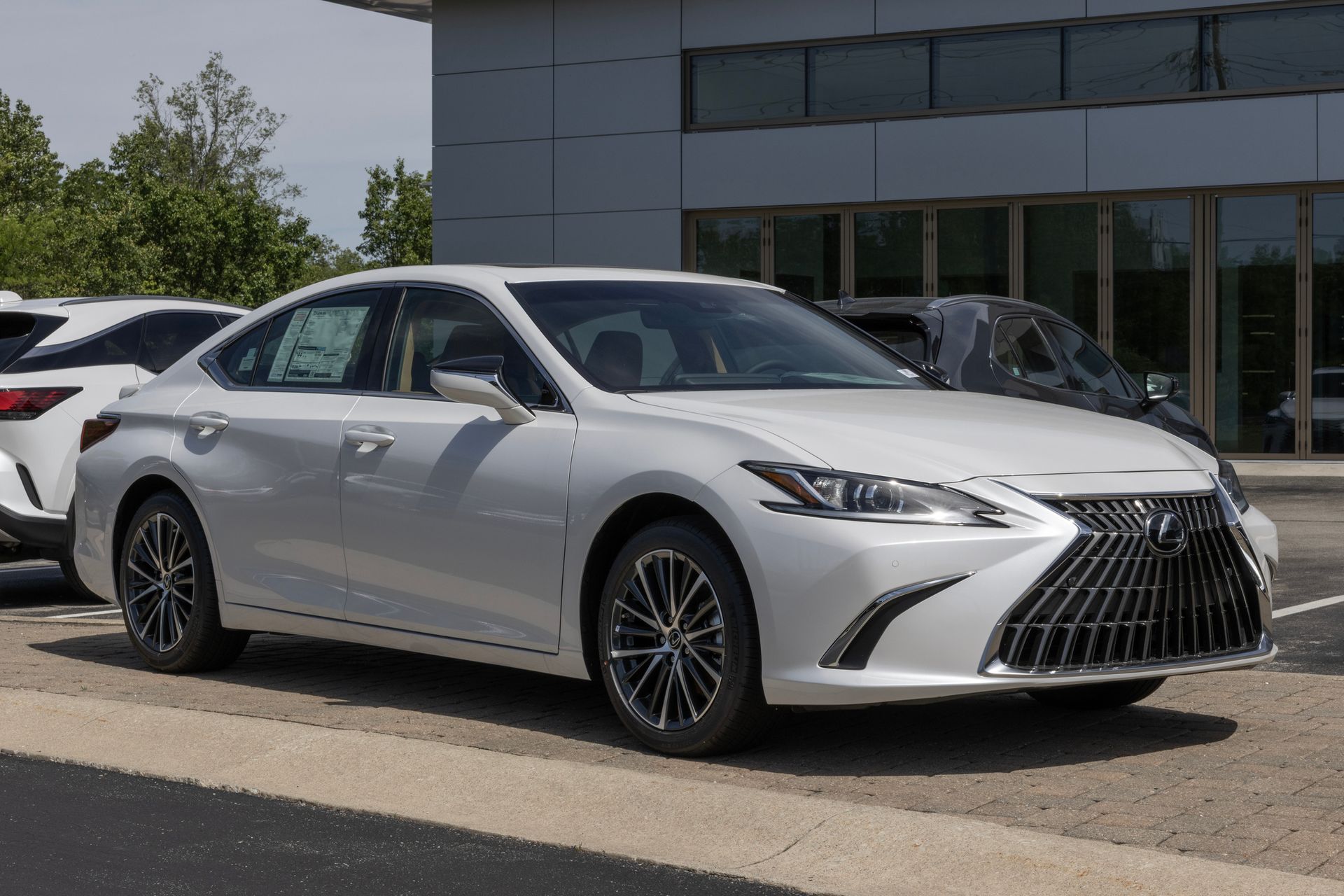
The 2025 Lexus ES earns a predicted reliability score of 89 and a value score of 9.2 out of 10. The 9.2 is the highest value rating on this list. The ES carries the same Lexus warranty as the IS: four years or 50,000 miles bumper-to-bumper, six years or 70,000 miles on the powertrain. Its overall U.S. News rating reaches 8.9 out of 10, and with a starting price just above $42,000, it is the most affordable vehicle on this list relative to what it delivers. The source describes it as a Goldilocks vehicle: reliable, well-rated, and priced at the value end of the luxury sedan market.
The ES is not a performance-oriented vehicle in base form. The standard 203-horsepower four-cylinder engine produces adequate power without genuine excitement, and the suspension is tuned for a soft, floating quality that suits long-distance cruising more than spirited driving. The powertrain lineup includes the ES 350, which gains a much livelier V6 engine, but that trim is only available with front-wheel drive. The base ES 250, by contrast, comes with all-wheel drive. Buyers who want the V6's performance must give up the traction benefit of all-wheel drive, and vice versa.
The ES Hybrid is also available and reviewed separately, earning its own predicted reliability score of 88 out of 100. At two points below the standard model, it still falls well within the Great category. For buyers seeking the quietest, most relaxed ride in the luxury midsize sedan segment, alongside Lexus’s reliability reputation, the ES offers the most complete value on this list. The 9.2 value score is the statistical expression of that case, placing the ES well ahead of every other vehicle here on the cost-of-ownership dimension. The ES is also the most affordable vehicle on this list in absolute terms, reinforcing its position as the entry point for buyers who want reliable Lexus ownership without paying the premiums that larger or more powerful vehicles command.
Credit: Cadillac
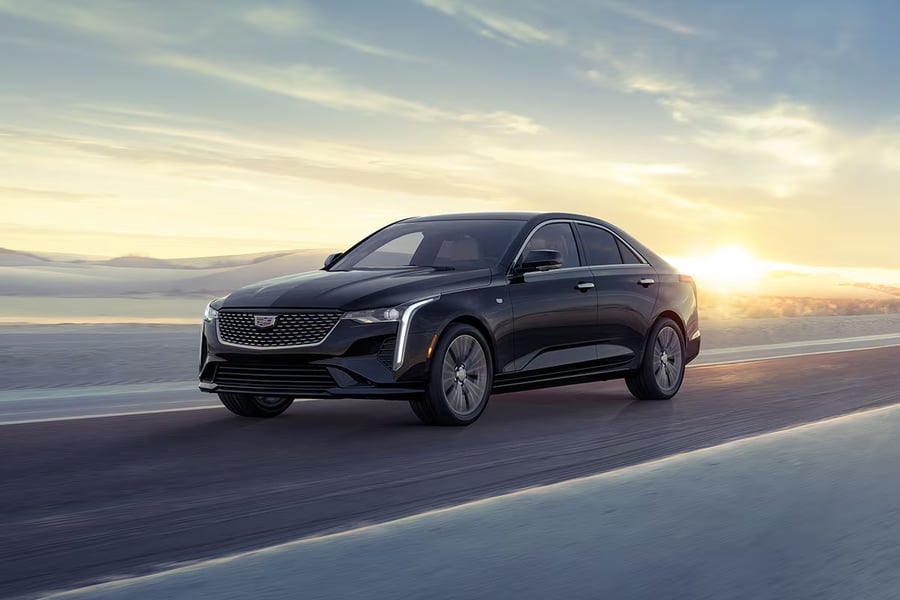
The 2025 Cadillac CT4 earns an 86 predicted reliability score and has the lowest starting price on this list, at $34,995. The warranty matches many competitors at four years or 50,000 miles bumper-to-bumper and six years or 70,000 miles on the powertrain. Its value score is 7.6 out of 10. The CT4 handles well, and its reliability rating is strong. Those are the two most genuinely positive things the source has to say about it.
The interior is the CT4’s most significant competitive weakness. The cabin quality falls well short of most luxury small-car competitors, and the trunk is extremely small at 10.7 cubic feet. The source describes it as one of the smallest trunks among sedans currently on the market. Rear-seat passengers face a constrained environment because of a sloping roofline that reduces headroom. The infotainment system is described as mediocre. The CT4 sits near the bottom of the luxury small car class rankings, and its shortcomings in the interior and trunk explain its position.
The CT4’s strongest argument is the starting price. At $34,995, it gives budget-conscious luxury buyers access to Cadillac’s brand and the CT4’s driving dynamics and reliability at a cost that most luxury small car competitors cannot match. A buyer who prioritizes minimal ownership costs, including both purchase price and reliability score, and who can accept the interior quality and trunk size shortfalls will find the CT4 a rational choice. The price advantage is real and substantial. Buyers who regularly carry rear passengers or luggage, or who spend significant time in the cabin and care about interior refinement, will find the CT4’s limitations harder to overlook, and those buyers are better served by spending more for a competitor with more competitive interior quality. The CT4’s 86 reliability score still places it in the Great category, which means its ownership cost advantage is genuine. Buyers who focus on repair bills and operating costs above cabin aesthetics will find the CT4 does exactly what its reliability score promises.
Sue Tatcher / Getty Images
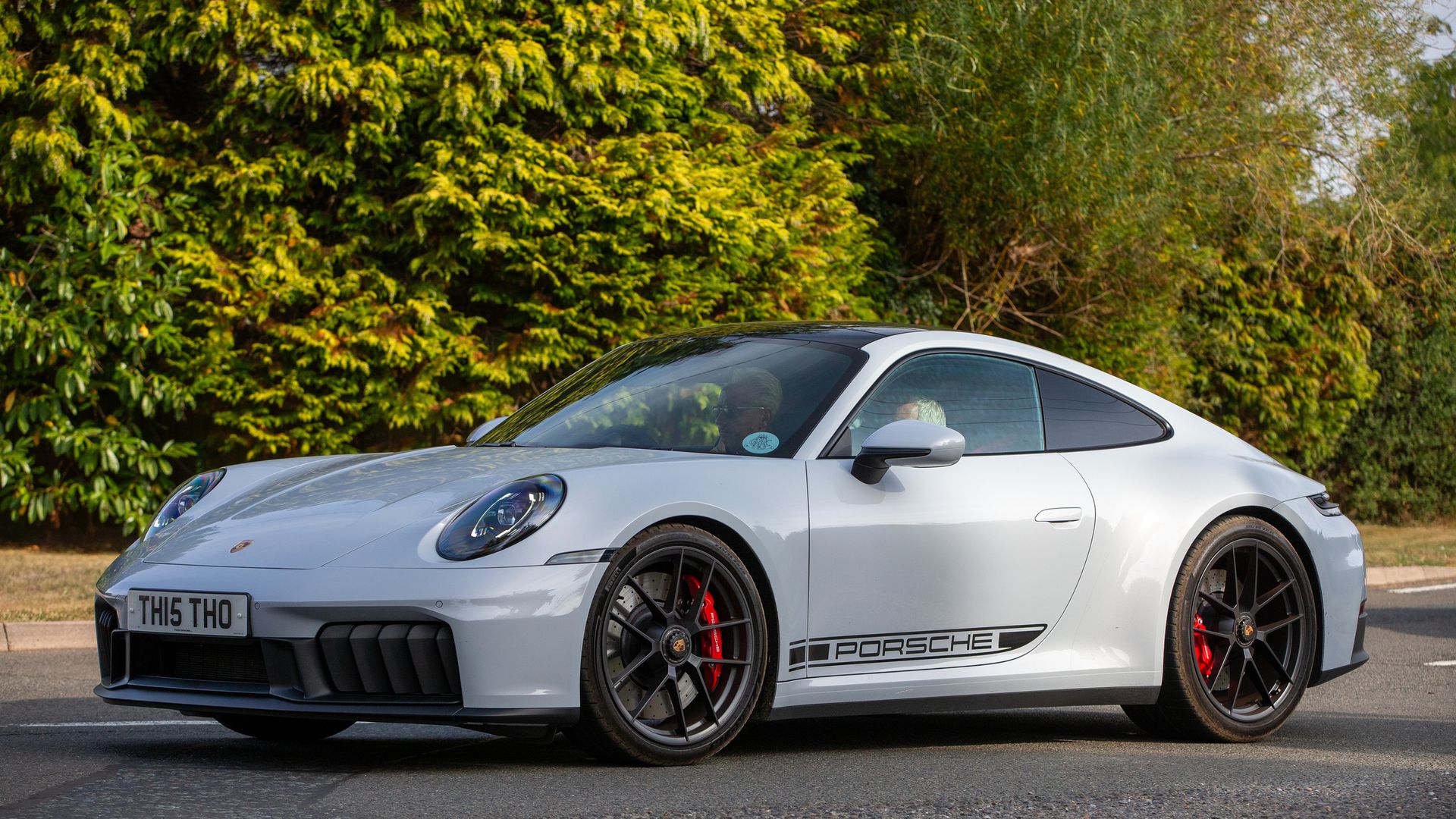
The 2025 Porsche 911 earns a predicted reliability score of 91 out of 100, tying the Lexus IS for the highest mark on this list. The 911 Carrera starts at $120,100, and options push the Turbo S and GT3 RS models to well over $250,000. The Turbo 50 Years special edition carries an MSRP of $261,100. Its value score is 6.2 out of 10, the second-lowest on this list, which reflects those prices accurately. The 911 is not a value proposition.
The 911 is what the source calls a best-in-class performance machine in the most relevant sense: it offers blink-and-you-miss-it speed, breathtaking agility, and a driving character that enthusiast communities consistently identify as one of the finest in automotive history. The performance envelope at the top trim levels is extraordinary. What is more surprising — and more directly relevant to this list — is that Porsche has produced that performance alongside a reliability score that rivals the most dependable vehicles in the Lexus lineup.
The 911’s four-year or 50,000-mile bumper-to-bumper warranty matches its powertrain coverage, which is shorter than the Lexus warranty terms but consistent with the broader European luxury segment. For buyers who can absorb the six-figure purchase price and the operating costs that accompany a Porsche, the 911’s position on this list represents a specific and rare outcome: a vehicle that tops its class in performance and matches the class leaders in reliability simultaneously. Most performance-focused vehicles trade some reliability for their capabilities. The 911 does not make that trade. The Turbo 50 Years special edition’s $261,100 sticker price also shows that Porsche buyers operate in a pricing tier where the warranty period is only one dimension of total ownership costs. Scheduled maintenance, insurance, and tire costs all contribute significantly to the total, and buyers should account for them when evaluating the 911 against more affordable alternatives on this list.
Credit: Cadillac
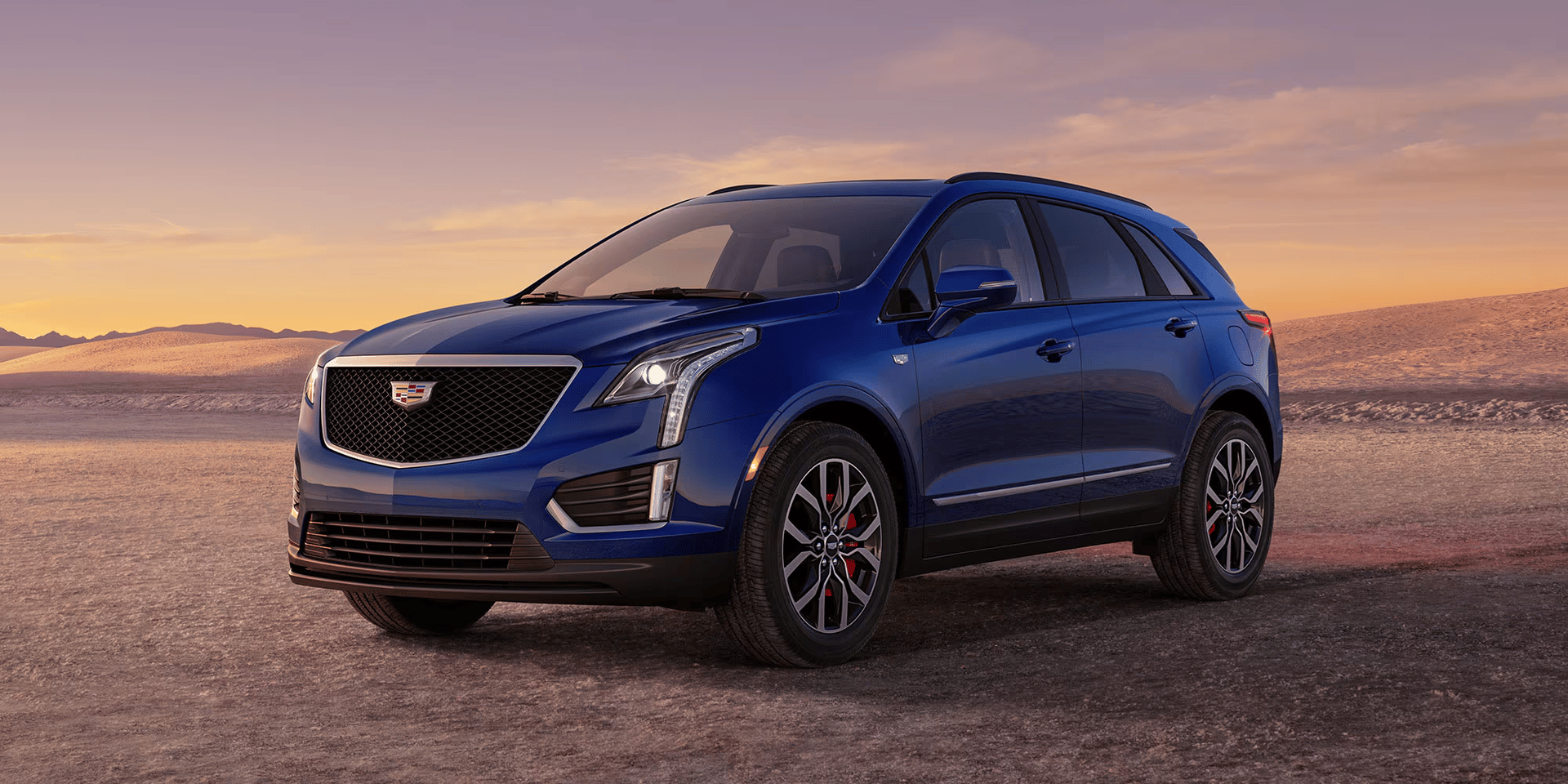
The 2025 Cadillac XT5 earns an 87 predicted reliability score and a value score of 7.8 out of 10, backed by a four-year or 50,000-mile bumper-to-bumper warranty and a six-year or 70,000-mile powertrain warranty. The XT5 starts at $44,295. A test driver describes it as “a relaxing place to spend time, and the big doors make loading and unloading kids easy,” which captures the vehicle’s family-oriented character. Cargo space is generous: 30.2 cubic feet behind the second row, expanding to 63 cubic feet with the rear seats folded flat.
The powertrain lineup presents trade-offs. The standard turbocharged four-cylinder produces competent but unremarkable output. The optional V6 adds a meaningful power upgrade at 310 horsepower, but the source identifies a clunky transmission behavior and excessive noise at higher speeds as downsides of that choice. Neither powertrain makes the XT5 a driver’s SUV.
The interior is where the XT5 falls short of most luxury midsize SUV competitors. The design is described as dated, and the infotainment touchscreen is notably small for the class. The XT5 does not deliver the interior refinement that buyers expect from a vehicle in the luxury segment, and its classmates offer more modern technology and a more upscale cabin. The XT5’s reliable track record, cargo capacity, and accessible starting price give it a specific appeal for buyers who want a luxury-badged family SUV they can own without anxiety about repair bills. Its 87 reliability score places it solidly in the Great category, meaning owners can reasonably expect fewer unplanned service visits than the class average. Buyers who need maximum cargo utility in a reliable package will find the XT5 the most directly relevant option on this list, even if its interior presentation does not match that of the most refined competitors in the luxury midsize SUV segment. The 30.2-to-63 cubic feet cargo range gives the XT5 practical loading flexibility that complements its reliability score and makes it the strongest choice for buyers whose primary use case is regularly carrying children and equipment.
Artistic Operations / Getty Images
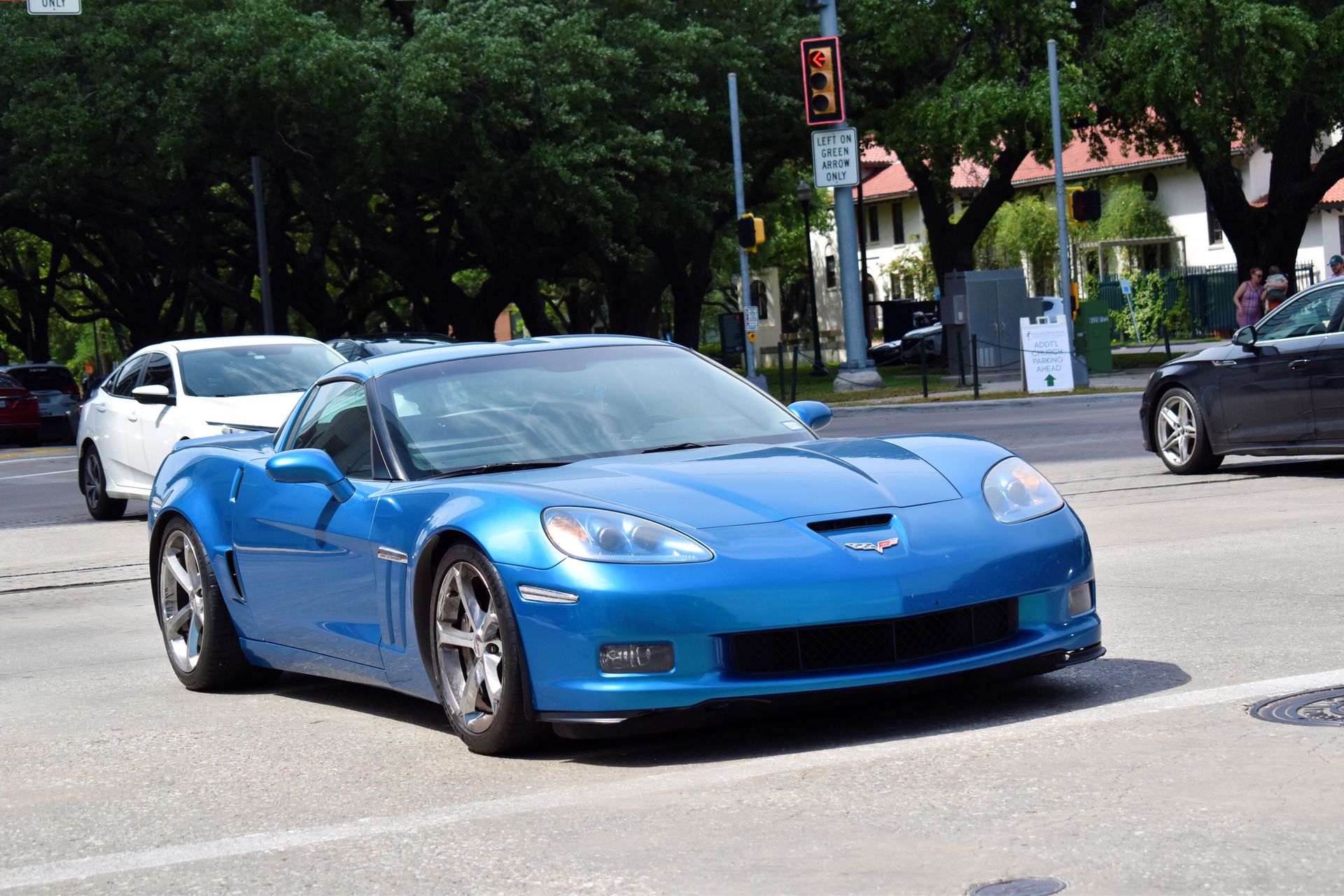
The 2025 Chevrolet Corvette earns a predicted reliability score of 89 — placing it in the Great category — and a value score of 8.0 out of 10. It carries a three-year or 36,000-mile bumper-to-bumper warranty and a five-year or 50,000-mile powertrain warranty, both shorter than the Lexus and Cadillac vehicles on this list. The Corvette adopted its current mid-engine layout over five years ago, and the source notes that the design still feels fresh and properly expresses the high-end sports-car character that Chevrolet has long claimed for the nameplate. Blistering acceleration is available across all three powertrain options, and the handling is described as buttoned-down, making the Corvette genuinely rewarding to drive hard through corners.
A test driver reports that “the ride is remarkably composed … I felt very comfortable with the steering and handling while navigating twisty roads,” which underscores that the Corvette delivers performance without the harshness that plagues some sports cars at lower speeds. The interior is stylish and well-built, with front seats that provide adequate head- and legroom. In a sports car package, that is a meaningful accomplishment. Cargo capacity reaches 12.6 cubic feet, more than most sports cars offer.
The Corvette’s 89 reliability score is the notable finding for buyers who associate American performance cars with uncertain long-term dependability. The midengine generation has maintained a strong reliability profile, giving the Corvette credibility in cost-of-ownership discussions it did not previously have. For buyers who want a genuinely thrilling sports car they can own with reasonable confidence in its mechanical dependability, the Corvette is the only vehicle on this list built specifically to deliver that experience. The 8.0 value score reflects the Corvette’s competitive positioning against similarly priced European sports cars with less favorable reliability histories, and buyers who compare on total cost of ownership will find the Corvette’s case strengthens further once long-term repair costs are included in the analysis.
Brandon Woyshnis / Getty Images
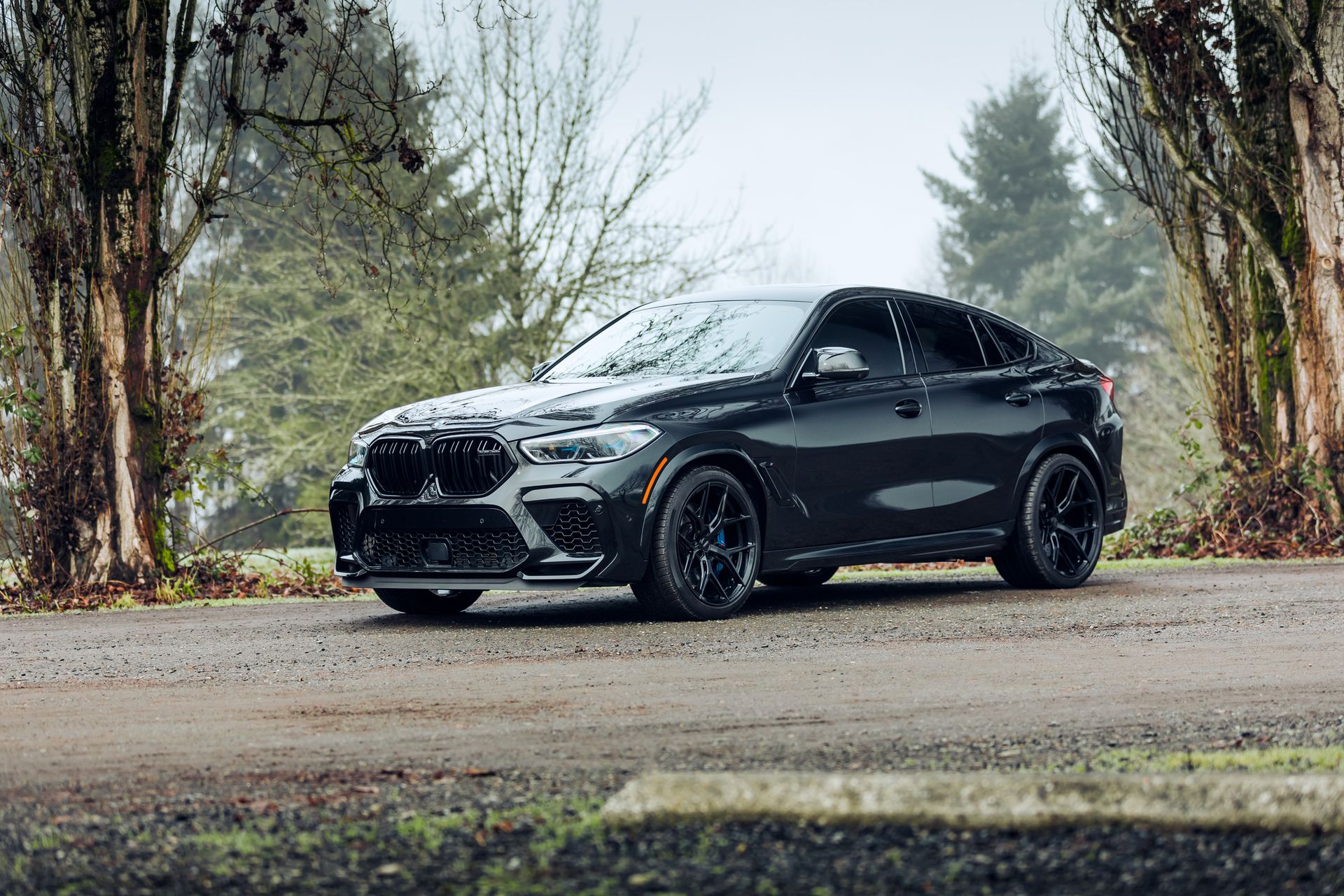
The 2025 BMW X6 earns a predicted reliability score of 89 and a value score of 6.4 out of 10, backed by a four-year or 50,000-mile warranty covering bumper-to-bumper and powertrain components. The X6 was among the earliest SUVs to adopt a fastback roofline, and the source’s expert describes it as “still one of the best as it enters the 2025 model year.” The styling remains distinctive, and the SUV delivers strong performance from every engine option in the lineup, alongside handling that surpasses most rivals in driver engagement. Fuel economy is described as good for the class.
The interior is stylish and built with quality materials, featuring a comprehensive feature set. The front seats are supportive and comfortable. The fastback roofline that gives the X6 its distinctive exterior profile reduces rear headroom, creating significant constraints for taller rear-seat passengers. Cargo capacity falls below the class average, which is a predictable consequence of the coupe-influenced body shape.
The X6 occupies a specific niche: it is the choice for luxury SUV buyers who want performance, style, and reliability in a package that prioritizes visual distinctiveness over maximum rear-seat and cargo practicality. The source frames the X6 as delivering on BMW’s style, performance, and luxury positioning simultaneously, with the reliability score adding a fourth dimension that luxury sports SUV buyers do not always expect. Buyers who want maximum cargo room or the most comfortable rear-seat environment should look elsewhere on this list. Buyers who prioritize driving character alongside reliability in a visually striking package will find the X6 the most complete expression of that priority here. The X6’s 89 reliability score also places it above several German luxury competitors that share its performance and style profile but carry lower predicted reliability ratings, which gives the X6 a meaningful ownership-cost advantage within its immediate competitive set that the sticker price alone does not reveal.
DarthArt / Getty Images
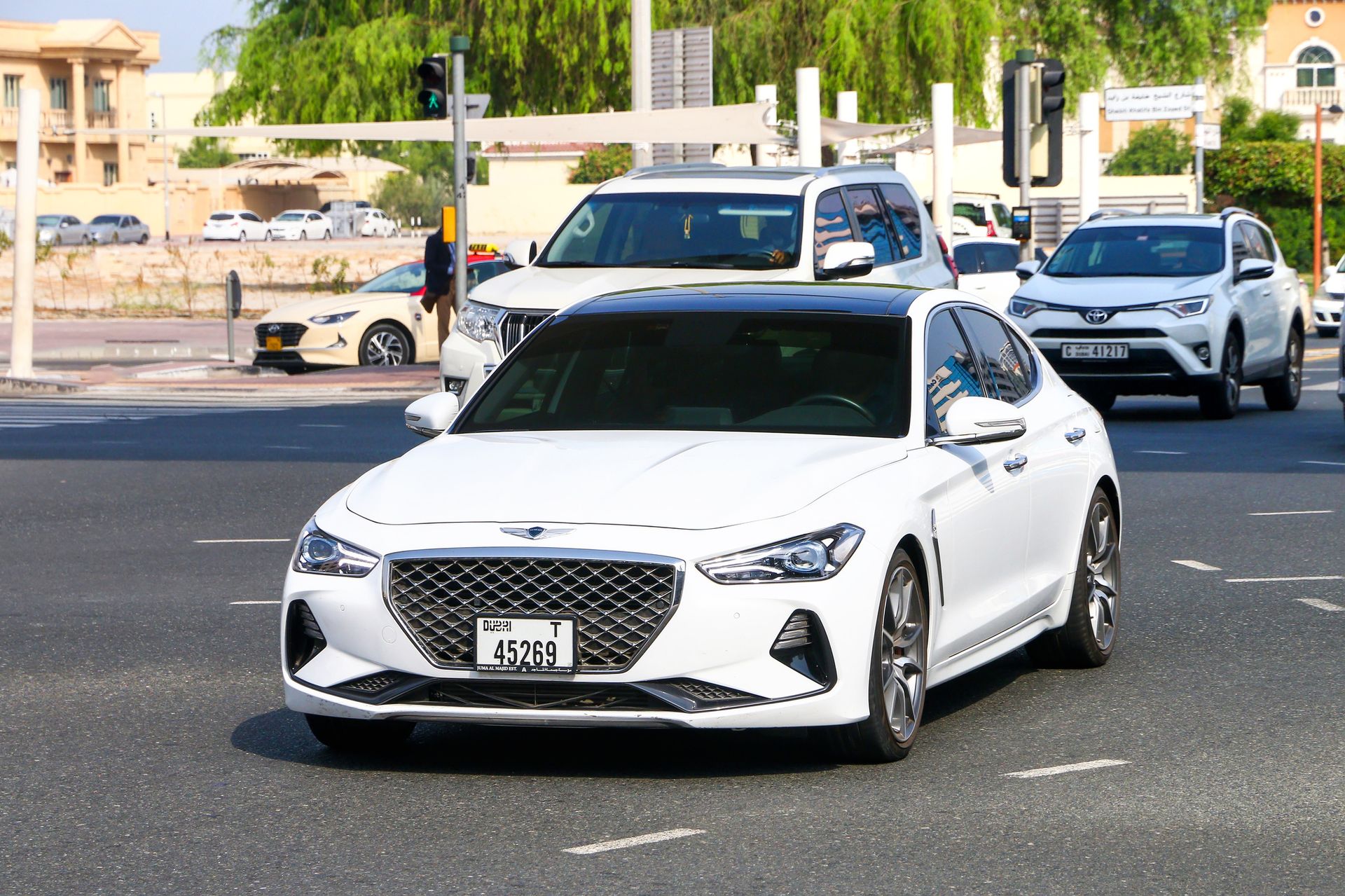
The 2025 Genesis G70 earns a predicted reliability score of 87 and a value score of 8.5 out of 10. The warranty terms are the most extensive on this list: five years or 60,000 miles bumper-to-bumper, and 10 years or 100,000 miles on the powertrain. No other vehicle in this group offers warranty coverage that approaches those figures, which gives the G70 a long-term ownership security advantage that the reliability score alone does not fully capture. The G70 is a small luxury sedan described as stylish and capable across nearly every dimension: powerful, composed in handling, comfortable on the road, and decent in fuel economy for the class.
Vehicle Testing Editor Zach Doell describes the G70’s interior as “genuinely luxe with quality materials, sterling build quality, and a layout that has aged beautifully since the car’s 2019 debut.” The front seats deliver comfort for tall occupants, and the cabin’s material quality matches or exceeds several established European competitors. The G70’s interior represents a meaningful achievement for a brand that many American buyers are still discovering.
Genesis occupies an unusual position in the luxury car market: a brand with a relatively brief independent history in the premium segment that has quickly developed a reputation for quality and value that more established competitors struggle to match. The G70’s 10-year powertrain warranty is the single most buyer-friendly warranty term on this list, and, combined with its 87 reliability score, it gives the G70 a strong case for long-term ownership confidence that outperforms vehicles with higher sticker prices. Buyers who are unfamiliar with Genesis and therefore skeptical should note that a strong reliability score alongside an industry-leading warranty gives the G70 a safety net that removes much of the risk associated with choosing a newer brand. The 10-year powertrain warranty effectively extends the period during which Hyundai, Genesis’s parent company, bears financial responsibility for the drivetrain, which is the most expensive component of any vehicle to repair or replace. For buyers who plan to own their vehicle for eight or more years, the G70’s warranty terms give it a financial advantage over every other vehicle on this list.
D. Lentz / Getty Images
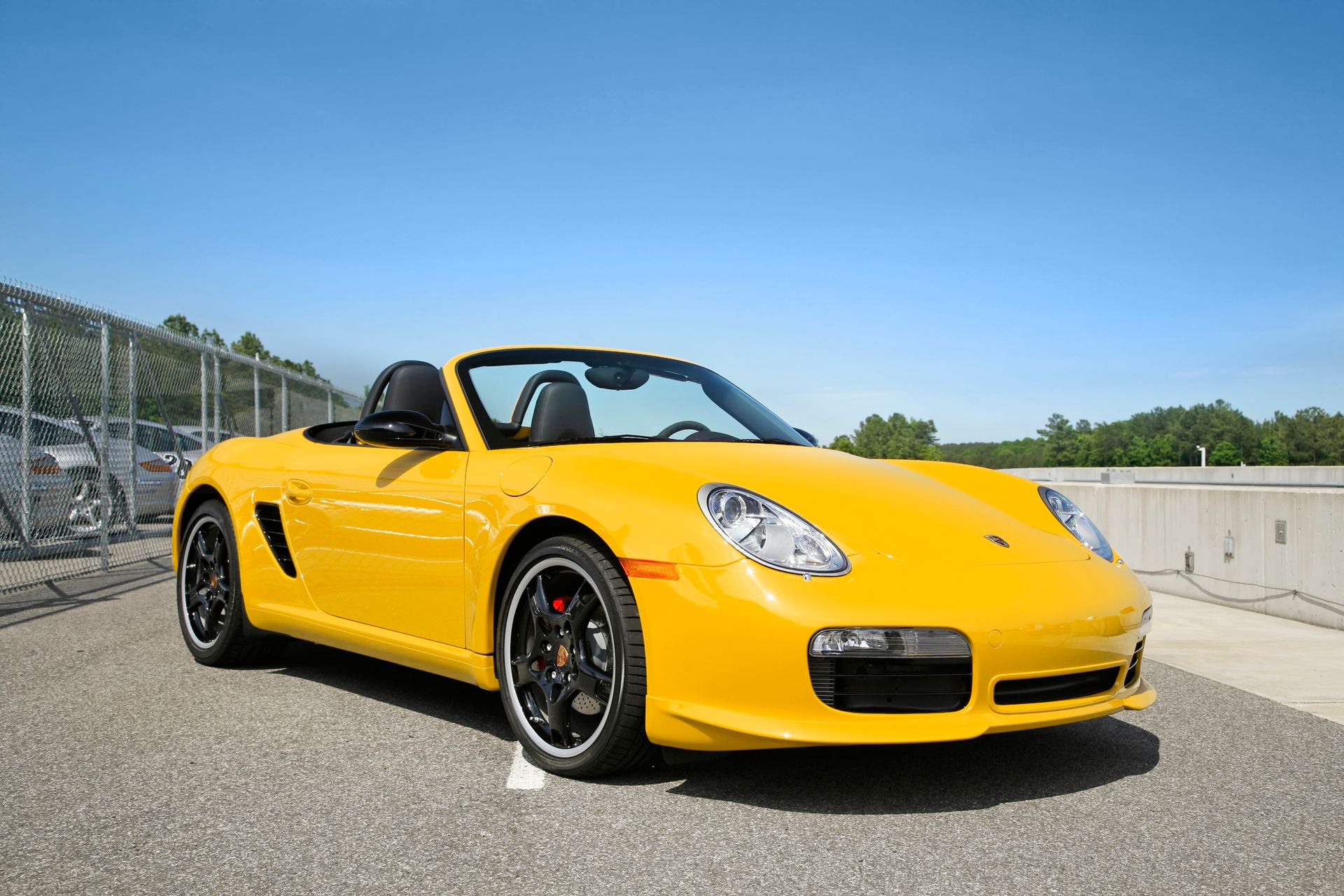
The 2025 Porsche Boxster earns an 86 predicted reliability score and an overall U.S. News rating of 9.3 out of 10, with a value score of 7.9. Its four-year or 50,000-mile warranty covers both the bumper-to-bumper and powertrain terms. The Boxster is a convertible sports car with handling that the source describes as exceptional, making it the vehicle on this list for buyers who specifically want open-air driving alongside Porsche reliability. Multiple powertrain options are available, and even the base engine reaches 60 mph from a standstill in under five seconds. The fastest available configuration completes the same run in approximately 3.5 seconds.
The Boxster’s only practical limitation is cargo space, and the source frames the limitation without ambiguity: anyone who needs meaningful cargo capacity should look elsewhere. The Boxster is a two-seat sports car with storage sufficient for light travel, not a practical commuter or family vehicle. The convertible roof and performance character are its defining attributes, and buyers who want those qualities will find little to criticize.
The 9.3 U.S. News overall rating places the Boxster as one of the most comprehensively excellent vehicles on this list by the overall score measure, not just on reliability. The Boxster demonstrates that Porsche’s reliability reputation extends to its roadster lineup as well. For buyers whose lifestyle accommodates a two-seat convertible as a primary or secondary vehicle, the Boxster’s 86 reliability score and 9.3 overall rating represent a compelling argument for choosing Porsche’s most driver-focused and accessible model. The Boxster also makes an argument for the broader Porsche value proposition: buyers who want open-air Porsche performance can access it at a price well below that of the 911, without sacrificing the reliability that makes the 911 exceptional for its class. The convertible format does add to the Boxster’s total cost of ownership through higher insurance rates and additional maintenance points, and buyers should factor those costs into their comparison against the Cayman and other closed-roof alternatives on this list.
A_Columbo / Getty Images
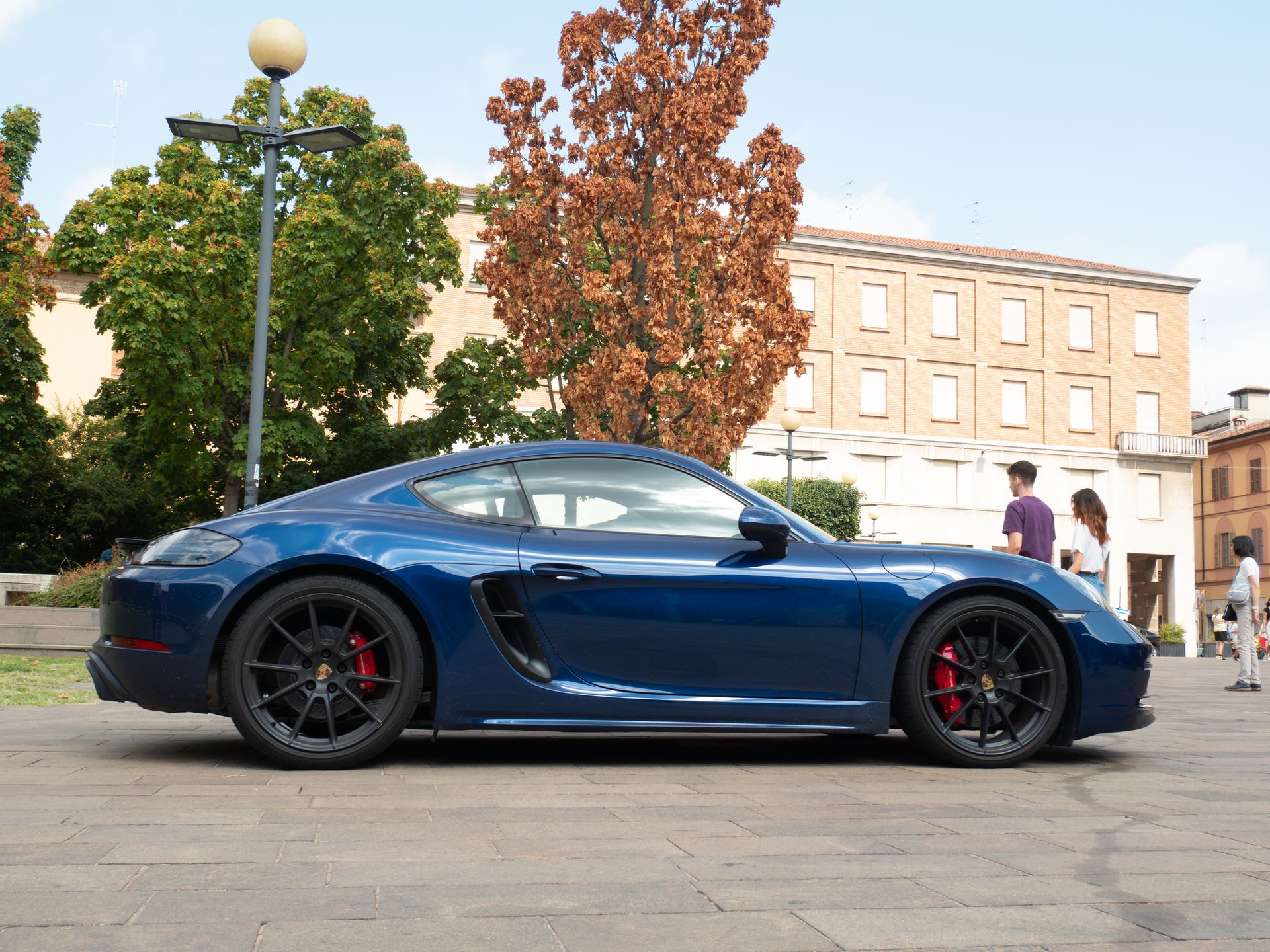
The 2025 Porsche Cayman earns a predicted reliability score of 86 and a value score of 7.8 out of 10. Its four-year or 50,000-mile warranty covers both bumper-to-bumper and powertrain terms. The Cayman is structurally related to the Boxster but delivers its performance with a fixed roof, making it the choice for buyers who want Porsche sports-car dynamics without a convertible. Base models are available starting just above $70,000, which the source describes as competitive for the luxury sports car segment. Top trims deliver class-leading performance with top speeds approaching 200 miles per hour.
The Cayman provides a 5.2-cubic-foot front trunk for additional storage — described as modestly practical — and delivers decent fuel economy for a sports car in its category. The source draws a comparison between the Cayman and the 911 that positions the Cayman as the more accessible entry point into Porsche’s sports car range: smaller, more nimble, and less expensive, while still delivering the quality and driving precision that make the 911 the benchmark in its segment. The Cayman does not surpass the 911 in outright performance, but it matches the larger car’s fundamental character at a lower price point.
The Cayman’s position as the third Porsche on this list reinforces what the 911 and Boxster entries already suggest: Porsche has built reliability into its sports car lineup without compromising the performance character that defines the brand. A reliability score of 86 across three distinct Porsche models in different body styles and price tiers demonstrates a systematic engineering approach to dependability, not an isolated result. Buyers who want Porsche’s sports car driving experience at the most accessible price on this list will find the Cayman the most practical starting point. The Cayman also argues that Porsche’s reliability record is not confined to a single, expensive flagship but extends across the brand’s full sports car portfolio, giving buyers confidence in the nameplate regardless of which model they choose.