From Antarctica's record 120,000 visitors on blue-iceberg seas to a Vanuatu island with no residents, hotels, or infrastructure
william pietermans / Unsplash
Remoteness is not a single quality. For some travelers, it means geographic distance: the pure fact of being thousands of miles from the nearest significant human settlement. For others, it means logistical complexity: the number of flights, boats, and overland vehicles needed to reach a destination. For a third category, it means consequence: places where infrastructure disappears, where weather conditions dictate daily outcomes, and where self-reliance becomes a practical requirement, not a philosophical preference. The most genuinely remote destinations satisfy all three definitions simultaneously, and the travel experts consulted for this list draw on all three frameworks when identifying the destinations that qualify.
The rewards of remote travel are proportionate to the difficulty. Travel advisor Christopher Gioitta, founder and CEO of Parea Travel, notes that remoteness requires both geographic distance and logistical complexity working together. Greg Pearson, founder and CEO of Focus Point International, adds the consequence dimension: truly remote places are where help is not minutes away, where communication becomes unreliable, and where the traveler’s preparation determines the outcome of the trip. Both perspectives appear in the destinations here.
These nine destinations come from Travel + Leisure’s selection of the most remote places on Earth that are worth visiting, based on input from Gioitta, Pearson, and other travel experts who specialize in high-consequence and difficult-to-reach destinations worldwide. The nine destinations span seven countries across six continents, from polar ice to Pacific archipelagos, and the difficulty of reaching each one matches the specific reward it delivers to visitors willing to invest the time and planning the journey requires. Remote travel, both Gioitta and Pearson emphasize, carries a proportionate responsibility: arriving at destinations this far from conventional infrastructure means carrying a matching level of preparation, respect for local communities, and genuine, well-prepared self-reliance.
Cassie Matias / Unsplash
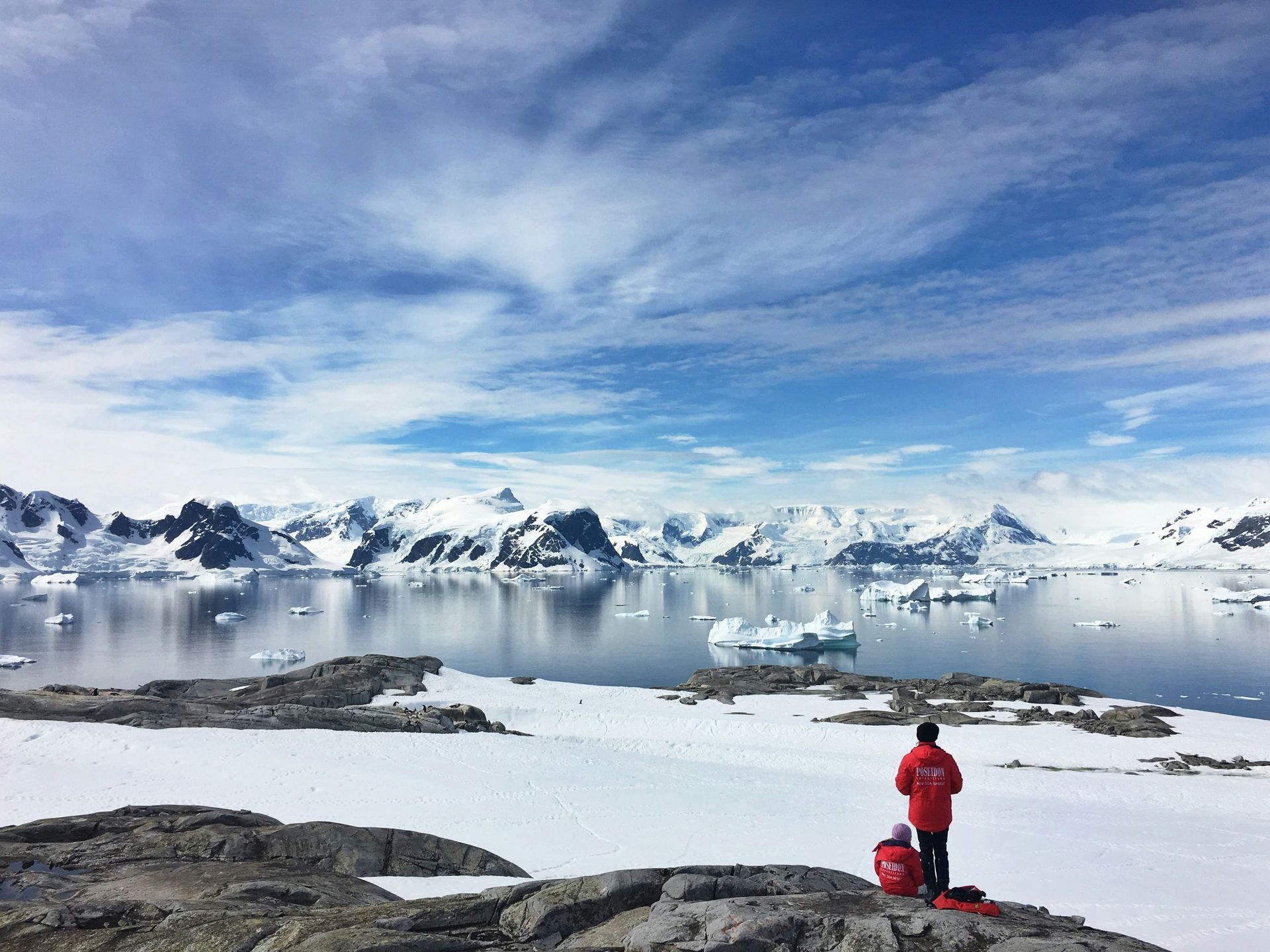
Antarctica, according to travel expert Kevin Jackson, co-founder of EXP Journeys, is the destination that sets the standard for remote locations. The continent has no permanent resident population, faces rough seas around its coasts, and experiences some of the most extreme weather on the planet. Despite those barriers, the International Association of Antarctica Tour Operators reported that more than 120,000 visitors traveled to Antarctica from 2023 to 2024, a record high, reflecting a sustained increase in the number of expedition vessels operating there to meet growing demand.
Jackson recommends flying from Punta Arenas, Chile, to reduce the amount of time spent crossing the Drake Passage by sea. A newer option, described as “fly the Drake,” allows travelers to skip the ocean crossing entirely and fly directly to the ice. For visitors who want a highly curated experience, White Desert offers luxury stays accessible only by private charter, though Gioitta notes the cost for White Desert starts at an extremely high per-person figure. On any version of the trip, the destination delivers what Gioitta describes as giant blue icebergs, penguins, whales, and more.
The record visitor numbers reflect an important shift in how travelers reach Antarctica. Once the exclusive domain of scientific expeditions and a small number of wealthy adventurers, Antarctica has developed a structured tourism sector with multiple access formats across a range of price points. For travelers who approach the continent with appropriate preparation and through IAATO-affiliated operators, the experience represents the clearest available encounter with a wilderness that has no equivalent anywhere else on the planet. The IAATO framework that governs visitor conduct in Antarctica also means that the experience, though commercialized, operates within a conservation framework designed to minimize the impact of those 120,000 annual visits. IAATO membership requires operators to follow specific protocols on wildlife interaction, waste management, and site access, providing the Antarctica experience with a conservation framework that most remote destinations lack.
Hans-Jurgen Mager / Unsplash
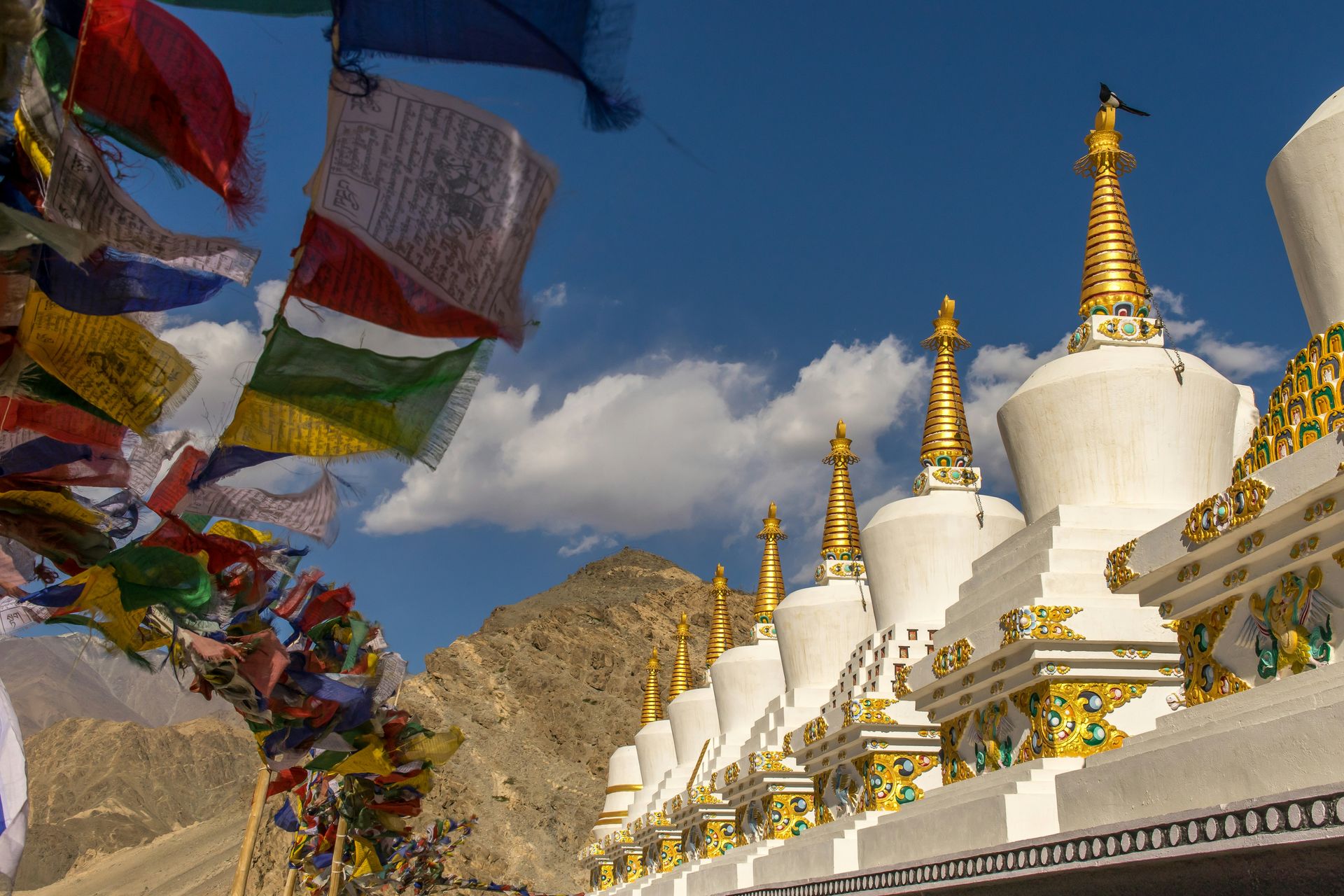
Ladakh, in the Indian Himalayas, is sometimes called “Little Tibet” for the visual and cultural resemblance to the Tibetan plateau that its landscape and monastic architecture produce. Pearson describes snow-capped peaks, ancient monasteries perched on cliffsides, and turquoise alpine lakes that together create a landscape that feels suspended between Earth and sky. The old town of Leh serves as the central hub from which travelers explore the monasteries in the surrounding area, many of which appear to hang from mountaintop cliffsides, as Pearson describes, in a way that seems to levitate.
Flights into Leh, followed by overland travel, make the region accessible, but the altitude shapes the experience in ways travelers consistently underestimate. Many areas exceed 11,000 feet, and conditions can change rapidly. Pearson is direct about the requirements: acclimatization is not optional, and neither is a plan for medical support or evacuation in the event of altitude-related illness. He frames this not as fear-mongering but as the practical preparation that allows travelers to fully enjoy the journey.
The monasteries of Ladakh are among the most spectacular examples of Himalayan Buddhist architecture in the world, and their physical inaccessibility is part of what preserved them from the disruptions that affected more accessible religious sites elsewhere in the region. Landscape scale, monastic heritage, and high-altitude challenge together make Ladakh a destination where the effort of reaching it is inseparable from the experience of being there. The higher the elevation, the fewer visitors there are and the more intact the landscape and cultural environment travelers encounter. Ladakh’s festival calendar, which includes the winter Dosmoche festival and the summer Hemis festival, also gives visitors who time their travel appropriately access to monastic ceremonies held in the actual historical contexts where these traditions developed. The Indus Valley landscape surrounding Leh also rewards exploration beyond the monastery circuit: the river valleys and high-altitude wetlands host bird and wildlife species found nowhere else at comparable elevations.
2H Media / Unsplash
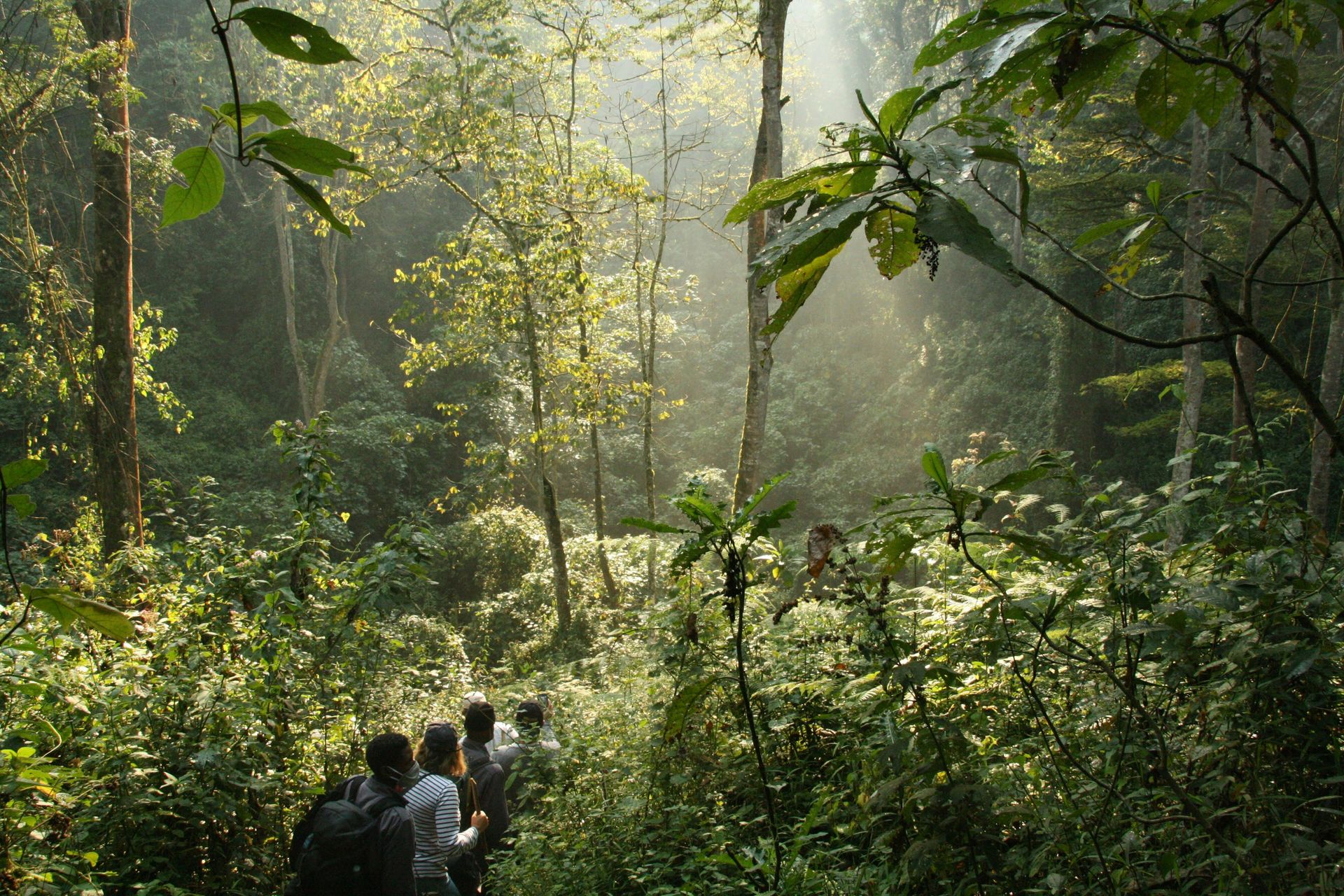
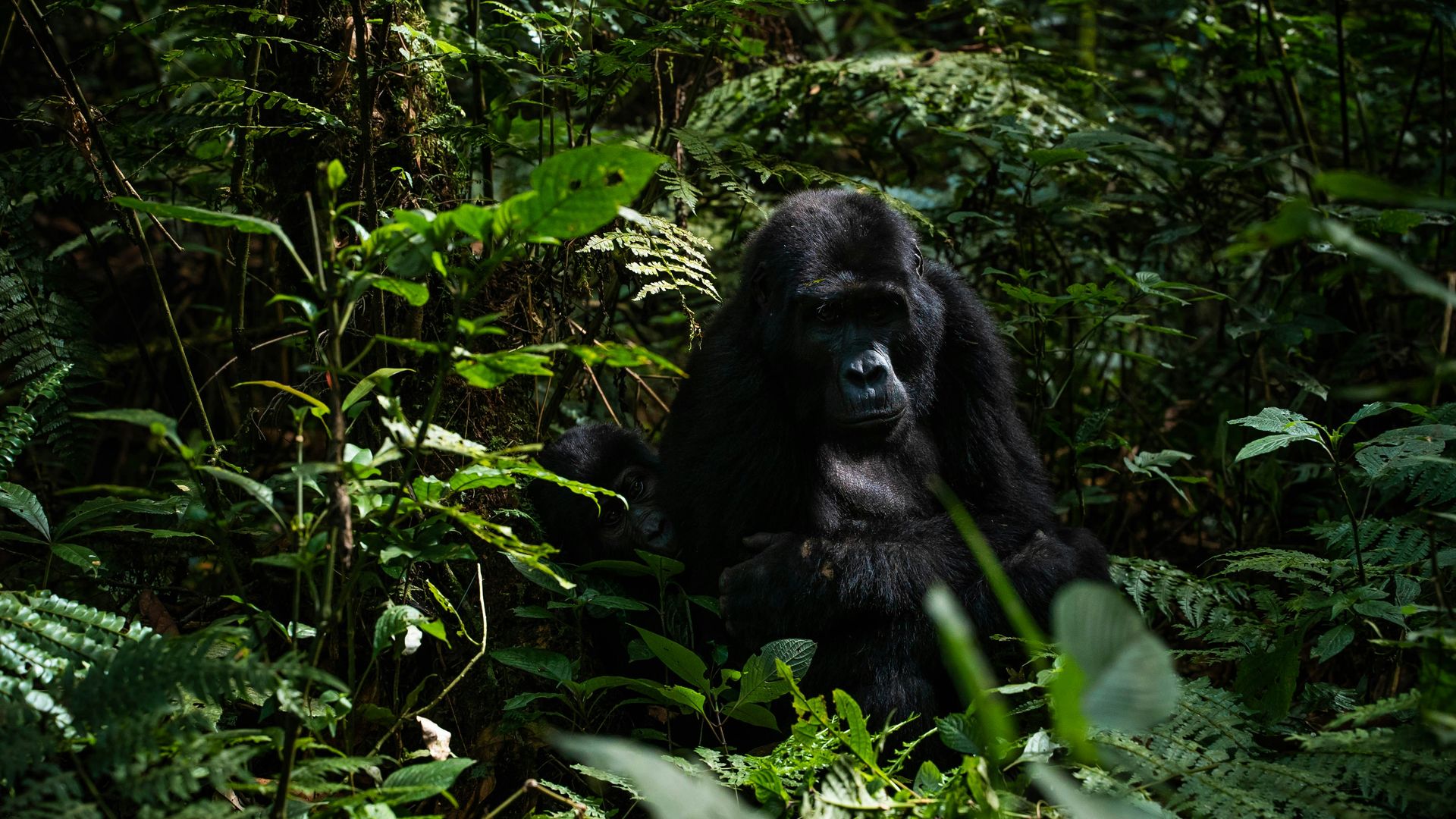
Bwindi Impenetrable National Park in southwestern Uganda is home to approximately half of the world’s population of mountain gorillas, making it one of the most significant wildlife conservation areas on the planet. Reaching the park from Kampala, Uganda’s capital, requires either a flight or a roughly 10-hour drive. The park’s designation as impenetrable reflects the rainforest's density, which Luca Franco, CEO and founder of Luxury Frontiers, describes as predating modern civilization and so biologically rich that it inspires genuine humility in visitors.
Visitors must hold a gorilla tracking permit to enter the forest and encounter the gorillas, and a guide escorts all visitors throughout the experience. The permit system reflects the conservation framework that has helped make Bwindi’s gorilla population relatively stable despite the historical pressures on mountain gorilla survival worldwide. The guide requirement also means that visitors benefit from expert interpretation of what they are seeing and why the ecosystem functions the way it does.
Franco frames the gorilla encounter as one of the most perspective-altering experiences available in travel: the privilege of encountering these animals in their actual habitat, within a forest that looks and functions much as it has for millennia, produces a shift in the visitor’s sense of human significance within the natural world that zoo encounters or wildlife documentaries cannot replicate. Genuine wildlife rarity, ecosystem integrity, and the physical effort of tracking through dense mountain forest together give Bwindi a specific depth that more accessible safari destinations do not match. The gorilla tracking experience typically lasts one hour, with the gorillas once located, a time limit set by conservation protocol to minimize stress on the animals. The forests outside the gorilla trekking zones are also home to chimpanzees, forest elephants, and more than 350 bird species, giving Bwindi a broader biodiversity context than the headline gorilla attraction alone represents, and a multi-day stay at one of the lodges near the park boundary gives visitors time to explore the forest’s other dimensions.
Snowscat / Unsplash
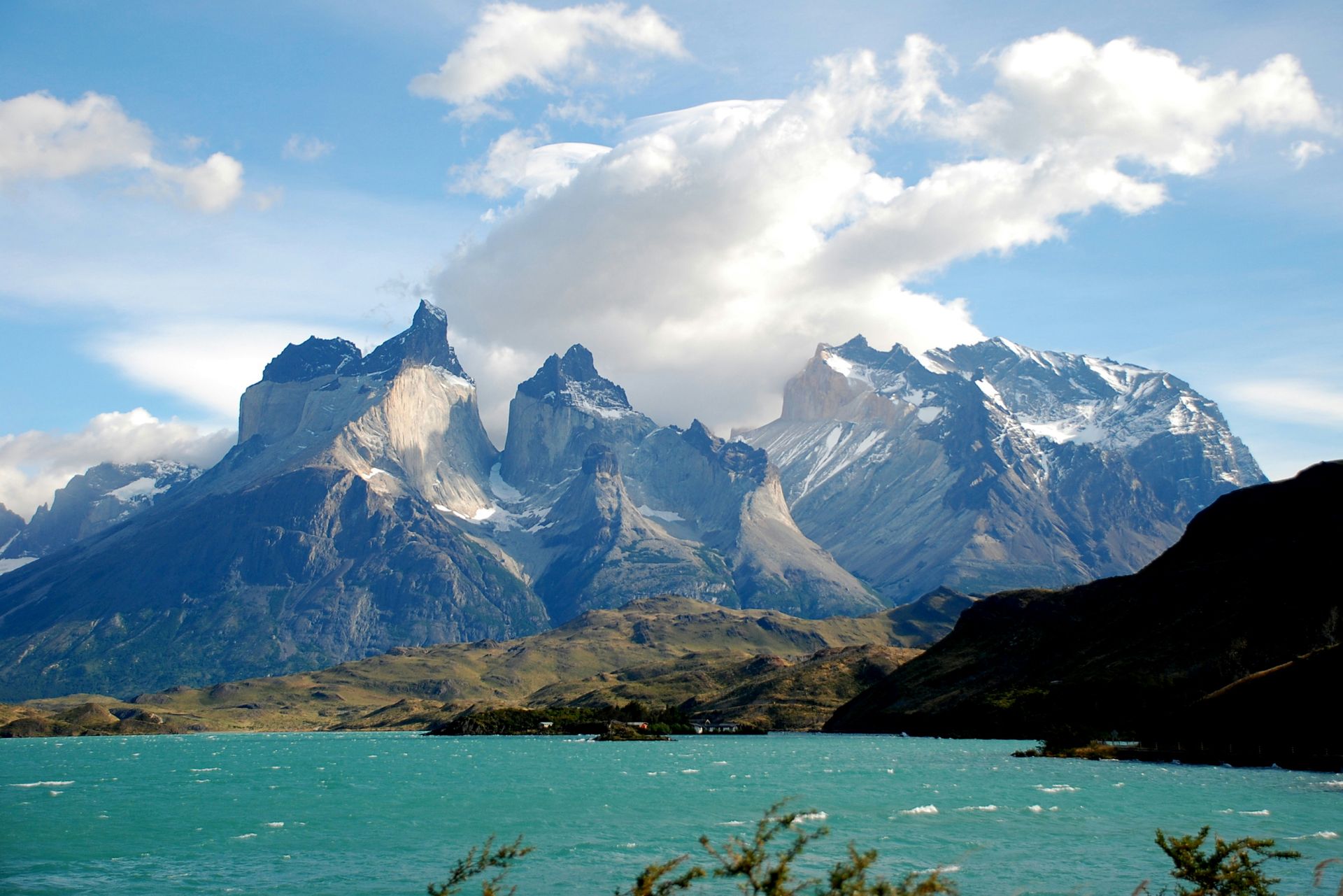
Torres del Paine National Park in Chilean Patagonia delivers what Pearson calls some of the most iconic trekking terrain in the world: granite towers rising dramatically above turquoise glacial lakes, with wind conditions that make the landscape’s authority over visitors physically felt. Established trekking circuits, the W Trek and the full O Circuit, give nature enthusiasts and photographers structured routes through the park, with wildlife including pumas, Andean condors, and guanacos encountered along the way.
The practical challenge of Torres del Paine is not the distance from access points but the speed and severity of weather changes once inside the park. Pearson notes that weather fronts can arrive within hours, trails can become hazardous, and immediate assistance is not available in the deeper sections of the park. He specifically recommends satellite communication tools, route sharing, and thoughtful pacing as the practical measures that transform Patagonia from unpredictable to genuinely empowering. Visitors who arrive with those tools and habits convert the park’s remoteness from a liability into a defining element of the experience.
The visual drama of Torres del Paine comes from a specific geological combination: the granite towers, the glacial lakes in their distinctive turquoise color produced by suspended glacial flour, and the Patagonian sky with its rapidly changing light. Photographers consistently cite the park as one of the most compelling subjects in the Southern Hemisphere, and wildlife, trekking, and landscape photography together reward extended visits that the single-day crossing cannot accommodate. The best months for the O Circuit are October through April, when conditions are most manageable, though the W Trek can be completed in a narrower window with less gear and preparation. Refugio bookings fill quickly for the peak Patagonian season, so early planning is essential for anyone considering the full O Circuit. The Torres del Paine basecamp at Paine Grande is the starting point for both circuits and provides a practical orientation point for first-time visitors to Patagonian backcountry trekking.
Corey Simoneau / Unsplash
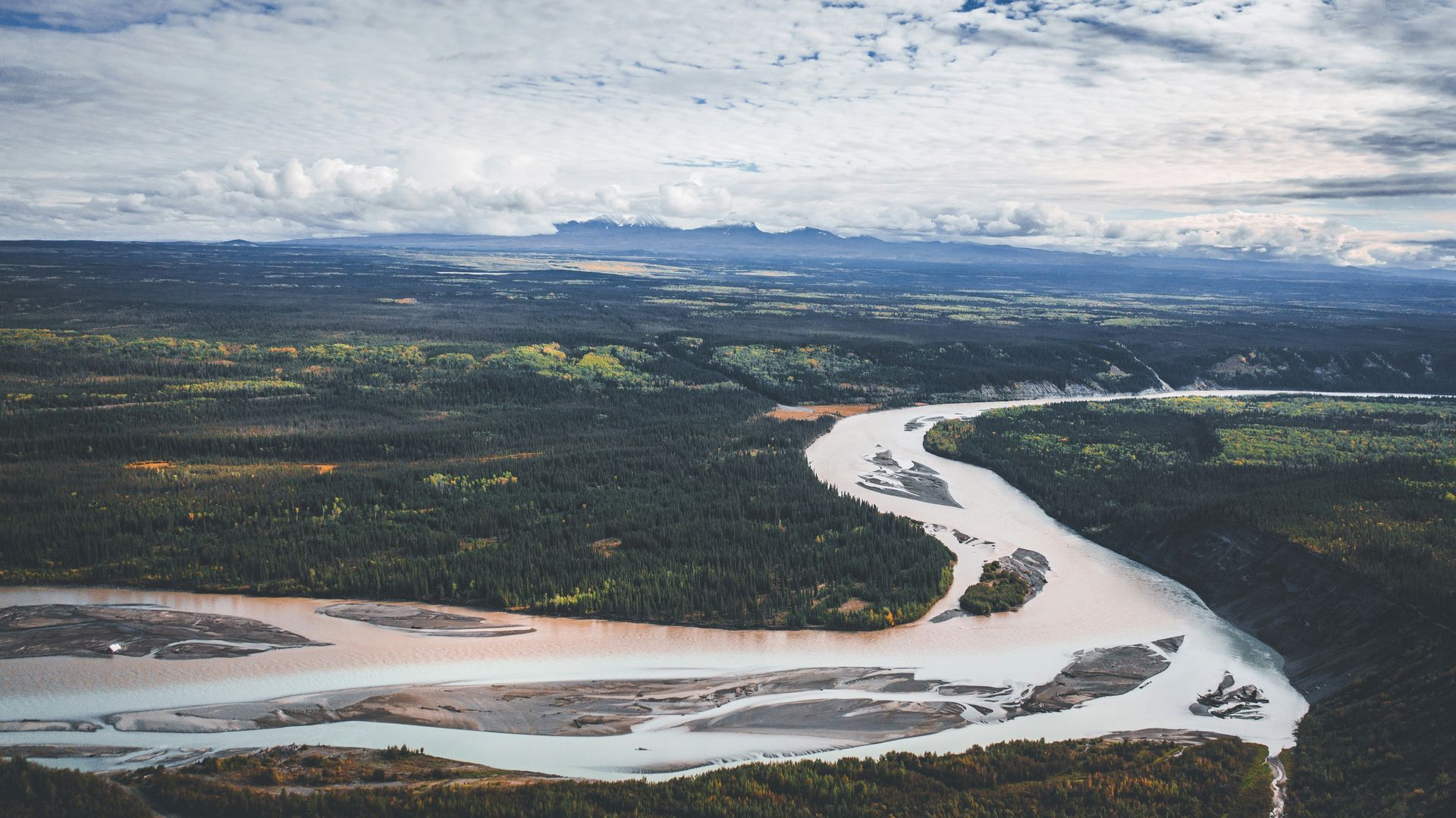
Wrangell St. Elias National Park in Alaska is one of the largest national parks in the United States, and Jackson describes it as containing an incredible amount of empty wilderness. The Ultima Thule Lodge provides access to the park’s most remote sections using Piper Super Cub two-seat planes to transport guests to landing sites that no conventional vehicle can reach. Jackson notes that these planes can land almost anywhere, giving guests access to isolated terrain that road networks and conventional aircraft cannot reach.
The park is open year-round, but summer offers two specific draws that the other seasons do not: the midnight sun, which extends usable daylight well beyond what visitors from lower latitudes expect, and the wildflower blooms that transform the alpine meadows into landscapes that belie the region’s reputation for severity. Winter visits offer a different quality of isolation, with the snow covering the landscape in a uniform whiteness that amplifies the sense of being genuinely far from anything.
Wrangell-St. Elias’s scale is difficult to convey solely through description. The park covers more than 13 million acres, an area larger than Switzerland, and contains the largest concentration of glaciers in North America. The bush plane access that the Ultima Thule Lodge provides is not a luxury supplement to a conventional park visit but the primary means by which the park’s actual scale and wilderness character become experientially real. From the air, the glacier systems and the mountain ranges extend in every direction to the horizon. The glaciers of Wrangell-St. Elias includes the Bagley Icefield, one of the largest subpolar icefields in North America, and the Hubbard Glacier, which has been advancing while most glaciers in Alaska have been retreating. This dynamic glaciological context gives Wrangell-St. Elias's scientific significance, alongside its wilderness character, a character the park’s geographic remoteness has helped preserve from casual visitation that road access would bring.
Thomas Griggs / Unsplash
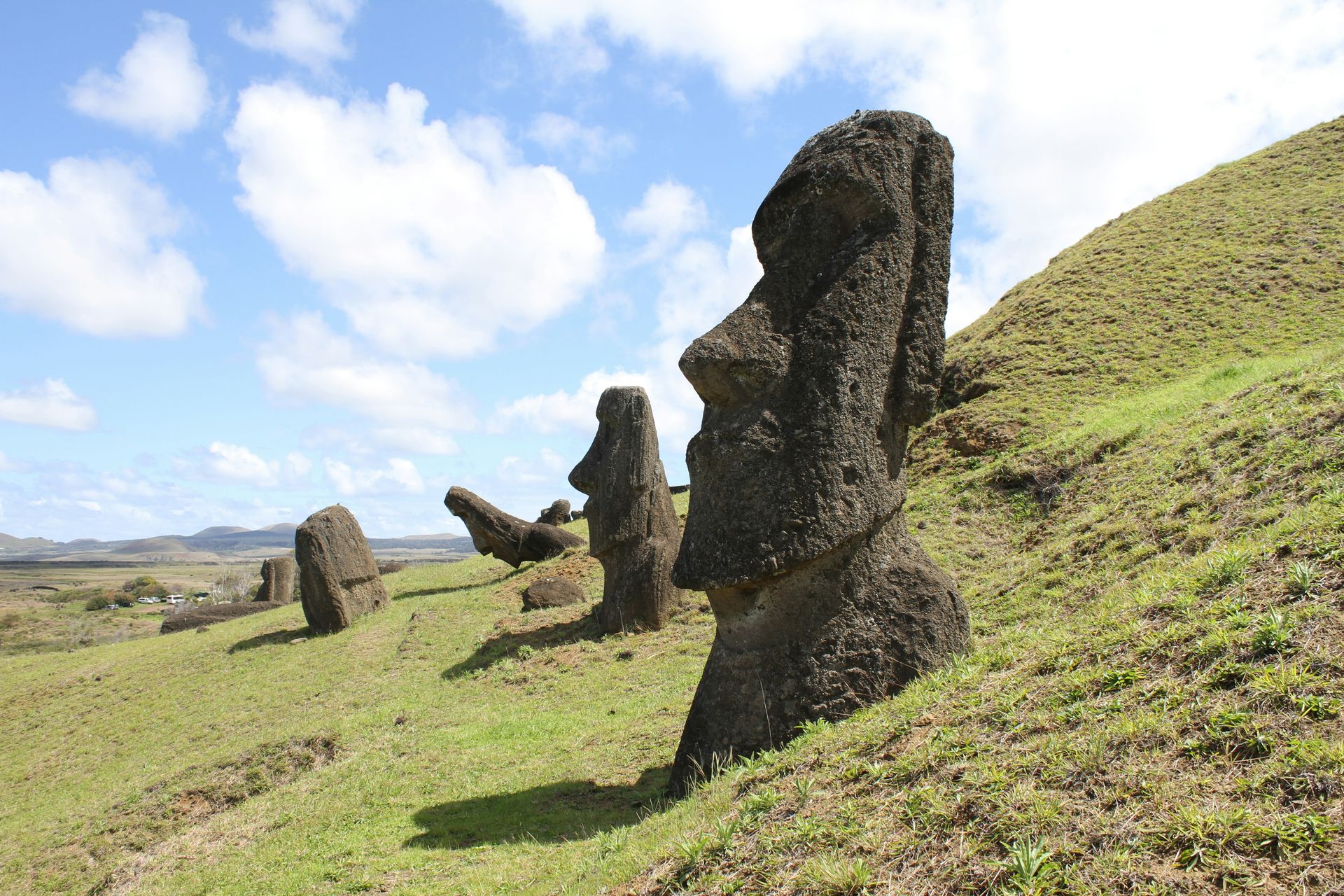
Rapa Nui, known internationally as Easter Island, sits more than 2,000 miles west of the South American coast, making it one of the most isolated permanently inhabited places on Earth. The island’s stone moai statues, carved by the Indigenous Rapa Nui people, give it a specific archaeological identity that makes it instantly recognizable despite its extreme remoteness. Reaching the island from North America requires approximately 10.5 hours to Santiago, followed by another 5.5 hours to Rapa Nui itself, a total travel commitment that Jackson recommends framing as part of a broader Chilean itinerary.
Jackson specifically suggests combining Rapa Nui with Santiago and the Atacama Desert, the driest non-polar desert in the world, and one of the most striking landscapes in South America. This approach converts what would be a single-purpose long-haul journey into a multi-destination trip through some of Chile’s most extraordinary environments, which distributes the travel time investment across a richer overall experience.
The moai themselves reward the journey. Approximately 900 statues of varying sizes are spread across the island, with the most photographed groupings at Ahu Tongariki on the southeastern coast, where 15 moai face inland from a ceremonial platform. The island’s volcanic landscape, the Pacific horizon visible from every elevation, and the active ongoing relationship between the Rapa Nui people and their archaeological heritage give the destination a quality distinct from purely scenic remote locations. The Rapa Nui people continue to maintain active cultural and spiritual relationships with the moai and the ceremonial platforms, which gives the archaeological visit a living cultural dimension that purely uninhabited archaeological sites lack. The island also supports a small but active local economy based on tourism and fishing, and the visitor experience of Rapa Nui benefits from engagement with the local community rather than a purely archaeological orientation that the moai photographs alone might suggest to prospective visitors who know the island only through photographs of the moai.
Sheila C / Unsplash
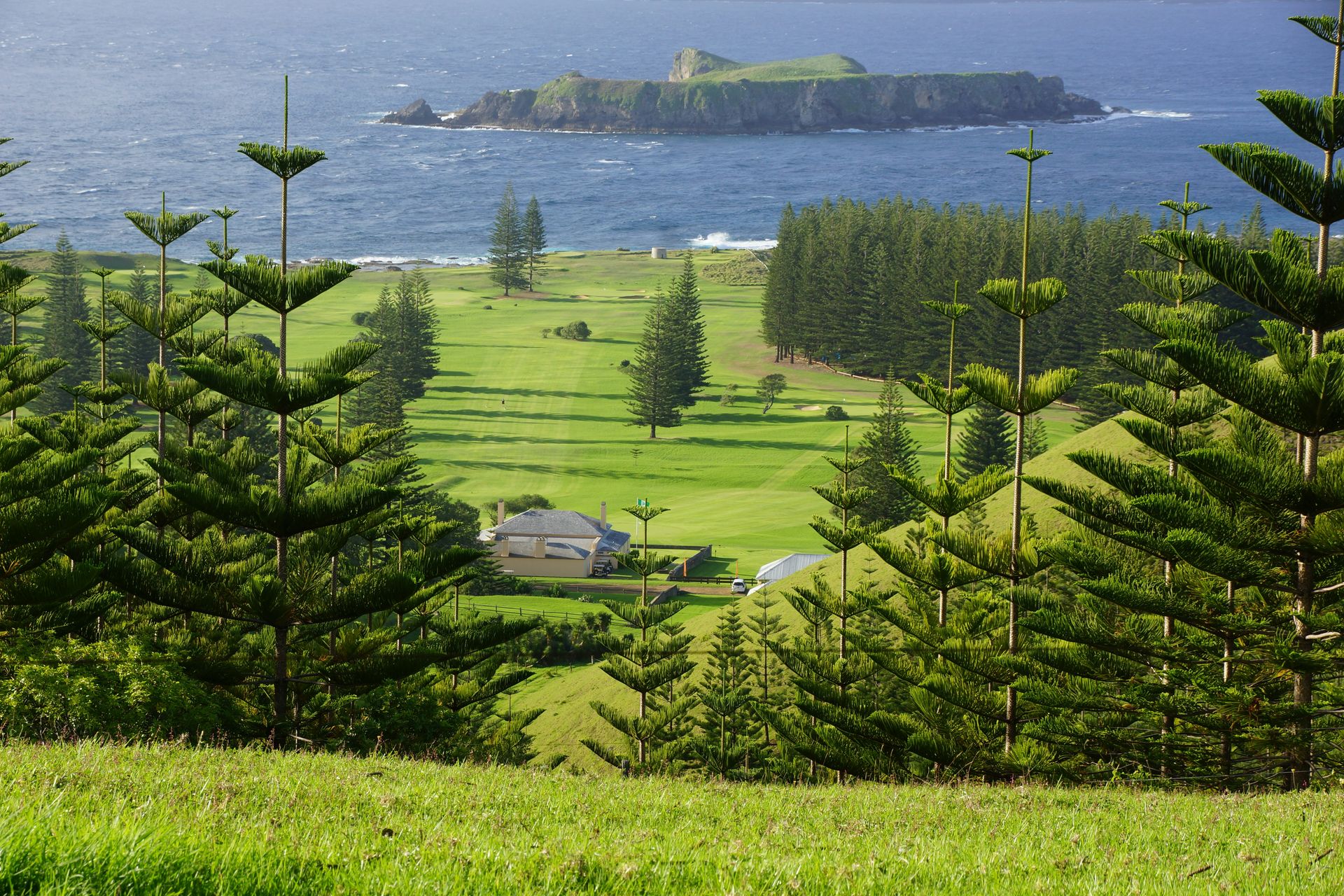
Norfolk Island is an external territory of Australia located in the southwestern Pacific Ocean between Australia and New Zealand. The island’s Kingston and Arthur’s Vale Historic Area, known as KAVHA, forms part of the UNESCO World Heritage-listed Australian Convict Sites, giving Norfolk Island a specific heritage significance alongside its natural beauty. The island is also home to the native Norfolk pine, a species found nowhere else in the world.
Access is the defining practical reality of Norfolk Island. Gioitta describes a tiny airport with very limited weekly flights from mainland Australia, and he notes that the surrounding waters can be rough enough to prevent boat arrivals altogether. Restricted flight schedules and sea conditions that regularly preclude maritime access together mean the island is sometimes inaccessible for extended periods, concentrating the visitor experience on those who successfully arrive.
For those who make it, Gioitta describes feeling like stepping back in time. The island’s dramatic coastal cliffs are hikeable, rare birds are present in environments less disturbed by human activity than on more accessible islands, and the general atmosphere reflects a place that its physical inaccessibility has kept more intact than many Pacific island destinations of comparable historical significance. The KAVHA site preserves the convict-era architecture and settlement patterns, giving the island’s colonial history a legible physical presence. The island’s small local community also gives Norfolk Island a character that larger, more visited Pacific destinations have lost to the anonymity of mass tourism. The island’s weekly flight schedule means visitor numbers stay low relative to Pacific destinations with direct international connections, and the pace of life on Norfolk Island reflects a community that high tourism volume has not reshaped. The community’s involvement in tourism through guesthouses, guided walks, and local produce markets gives visitors a more textured experience than purely landscape-focused island visits provide.
Sam Power / Unsplash
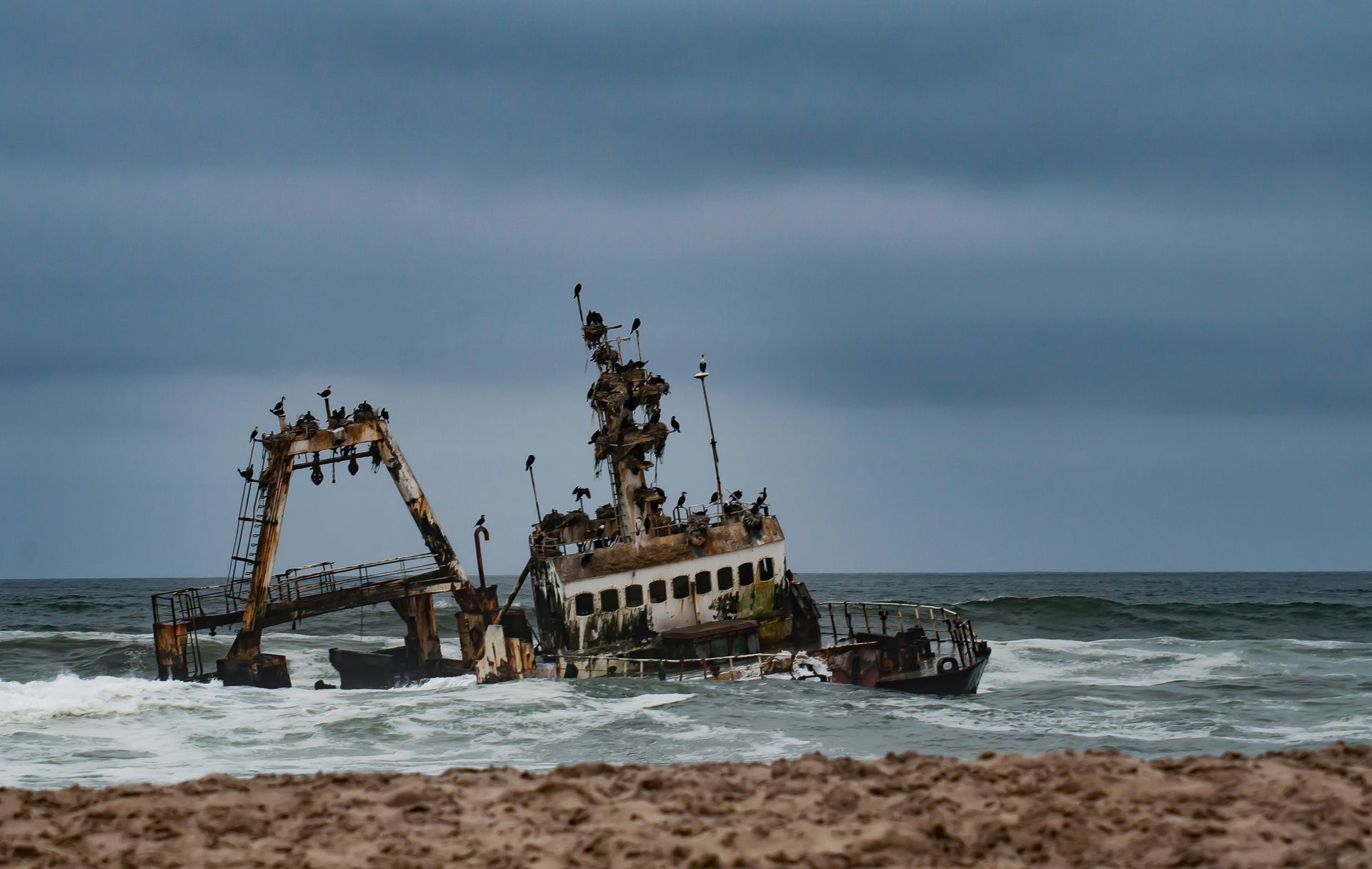
The Skeleton Coast of Namibia is where the Namib Desert meets the Atlantic Ocean, a region Pearson describes as one of the starkest landscapes on Earth. Shipwrecks line the shoreline, accumulated over centuries by heavy fog, treacherous sea conditions, and the difficulty of navigating the coast before modern navigation aids. Vast sand dune fields extend inland for miles with no visible infrastructure, and the wildlife that survives there has adapted to conditions that are extreme even by desert standards. Cape Fur Seals are among the most notable: large colonies occupy the shoreline, feeding on the cold Benguela Current’s abundant fish populations.
Pearson strongly recommends accessing the Skeleton Coast via guided safari flights with well-trained pilots who are familiar with the region’s challenging weather conditions. He is explicit that this is not a self-drive destination for visitors without significant prior experience in comparable environments: distances are immense, recovery resources are sparse, and weather conditions shift without reliable warning. The appropriate preparation, he explains, converts this high-consequence environment into a life-changing experience, not a dangerous one.
The visual quality of the Skeleton Coast is unlike any other wilderness environment. The shipwrecks embedded in the sand, the fog that rolls in from the Atlantic, the seals on the shore, and the dunes extending inland all exist in a composition that Pearson describes as beautifully unfinished. It is a landscape that looks provisional, as if natural processes are still deciding what form it should take, and the quality of light through the coastal fog gives it an atmosphere that more photogenic, but less finished, landscapes cannot replicate. The park’s northern section, which is not open to self-drive visitors at all, can be accessed only by air, which means the guided safari flight is not merely convenient but the only legitimate means of access to the most ecologically sensitive sections of the park, where ground-based access is simply not permitted.
Troy Wilkins / Unsplash
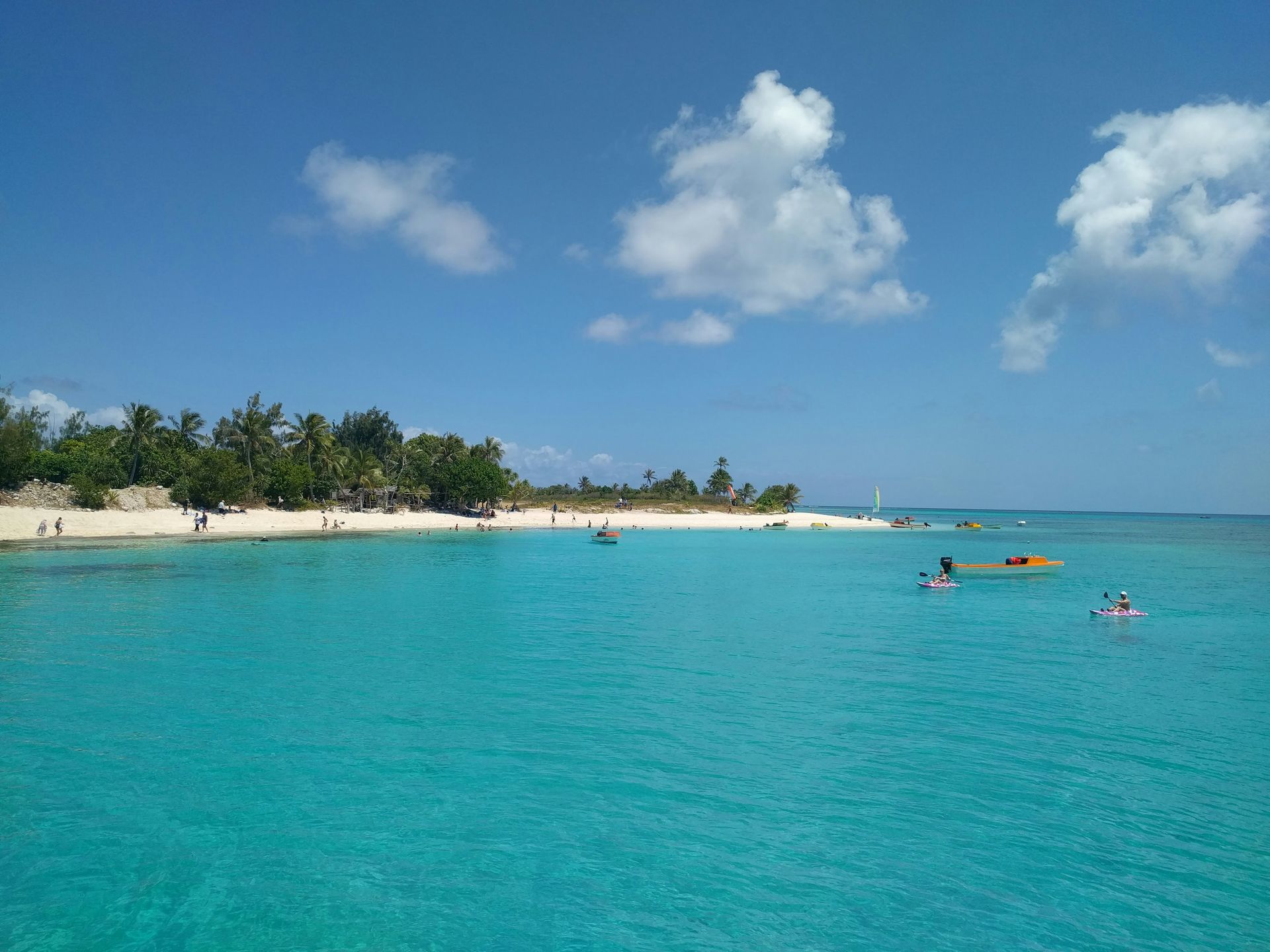
Mystery Island is one of the approximately 80 islands that make up Vanuatu, a small Pacific nation located east of Australia. The island has no permanent residents, hotels, or infrastructure. Gioitta notes that most travelers reach Mystery Island by cruise ship, and that the experience of arrival is consistent with the name: intensely blue water, white sandy beaches, and an environment that feels like genuine wilderness, not a managed tourist destination.
The contrast between the cruise ship and the island it delivers visitors to is itself part of the experience. The ship carries the infrastructure of modern travel, and stepping off it onto Mystery Island means moving from that infrastructure into an environment that has none of it. Gioitta describes it as feeling like the real-life version of Cast Away, which captures the specific quality of arriving at a place where the absence of human modification is the defining characteristic.
Vanuatu as a whole remains significantly under-visited relative to its geographic neighbors, and Mystery Island is the extreme version of what the archipelago offers more broadly: Pacific landscapes and ecosystems that the regional tourism infrastructure has not yet absorbed. For travelers whose approach to remote destinations centers on encountering places where human presence stays genuinely minimal, Mystery Island represents one of the cleaner versions of that experience available through a conventional cruise itinerary. The cruise ship format also means that Mystery Island is accessible to travelers who could not arrange independent passage to Vanuatu, extending the remote destination experience to a broader range of visitors than independent passage would permit. The broader Vanuatu archipelago, including the islands of Espiritu Santo and Tanna, home to the active volcano Mount Yasur, also offers remote Pacific experiences for travelers who want to extend their trip beyond a single cruise stop when embedded in a longer South Pacific itinerary.
