From Szentendre's Serbian baroque churches to Eger's Bull's Blood wine cellars and Pécs' fourth-century painted underground tombs
Bence Balla-Schottner / Unsplash
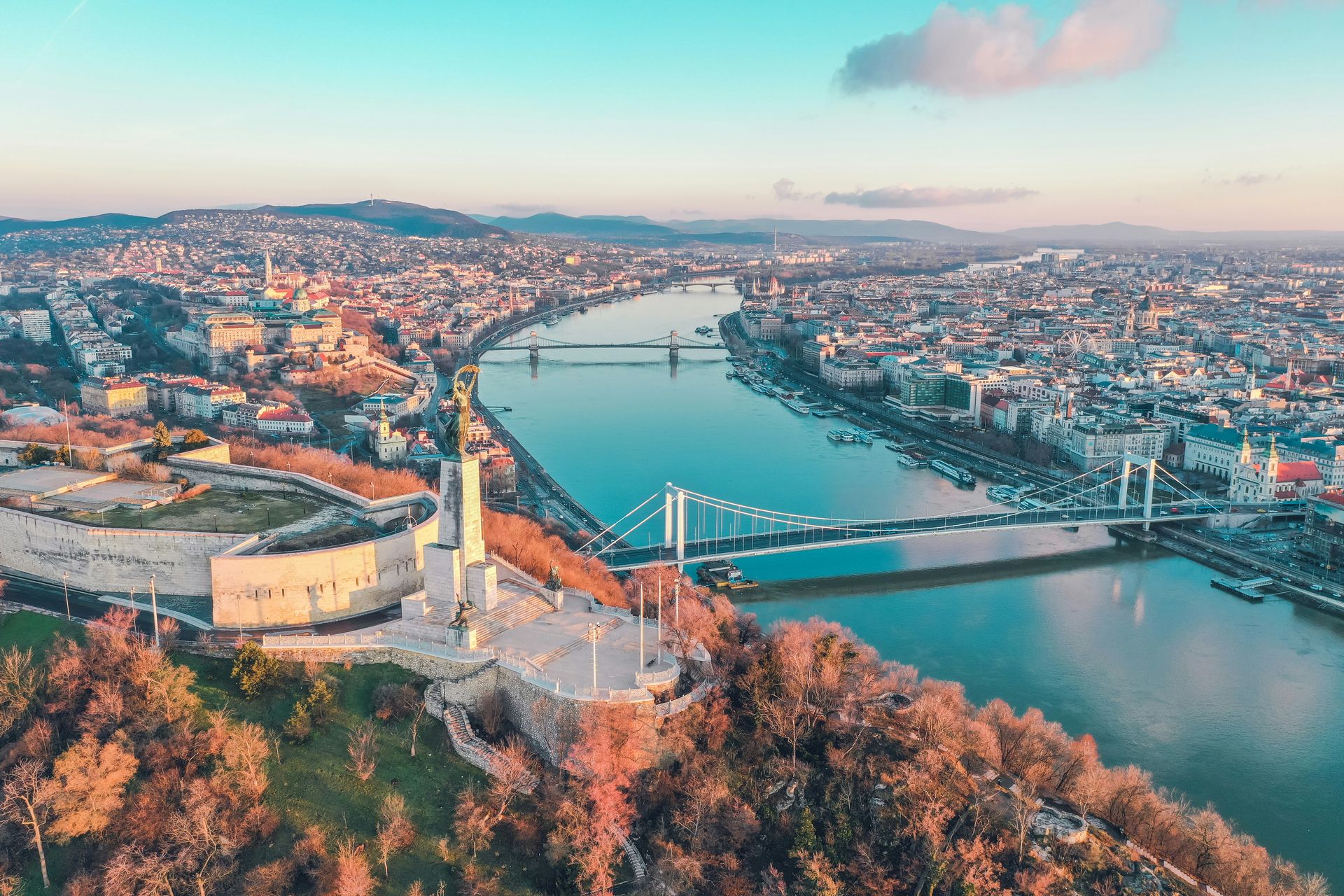
Hungary’s capital holds genuinely enough attractions to fill an entire week, though venturing beyond Budapest rewards travelers with a considerably different side of the country. Excellent train and bus connections radiate outward from the capital, making it genuinely easy to explore medieval castles, thermal spa towns and lakeside resorts without needing to relocate accommodations for a single night away from the city.
Hungary’s compact size means most of these destinations sit within two hours of Budapest by public transport, giving travelers genuine flexibility to combine a day trip with a full day back in the capital afterward. Each destination below rewards visitors with a distinctly different facet of Hungarian history and culture well beyond what Budapest itself can offer within its own city limits.
The 10 day trips below appear in Lonely Planet, covering the best day trips from Budapest. They range from medieval river towns along the Danube Bend to a UNESCO-listed folk village to Hungary’s largest lake, giving travelers considerable variety across a single compact country. Wine, thermal spas and distinctive regional architecture run through several of these destinations, giving travelers genuine reason to plan a multi-day trip combining several stops instead of treating each as a purely isolated day excursion. Grouping nearby destinations, such as pairing Szentendre with Visegrád along the same Danube Bend route, or Kecskemét with Szeged along a shared southern rail line, genuinely maximizes the value of a single day spent away from Budapest. Hungary’s rail network, largely built out during the late nineteenth century under Habsburg rule, still radiates from Budapest in a pattern that makes many of these specific destinations considerably easier to reach directly from the capital than from one another. This centralized rail design reflects the country’s historical development as a rail hub for the broader Austro-Hungarian Empire, a legacy still visible in the grand nineteenth-century station buildings found throughout Budapest itself.
Tícia Vesztergombi / Unsplash
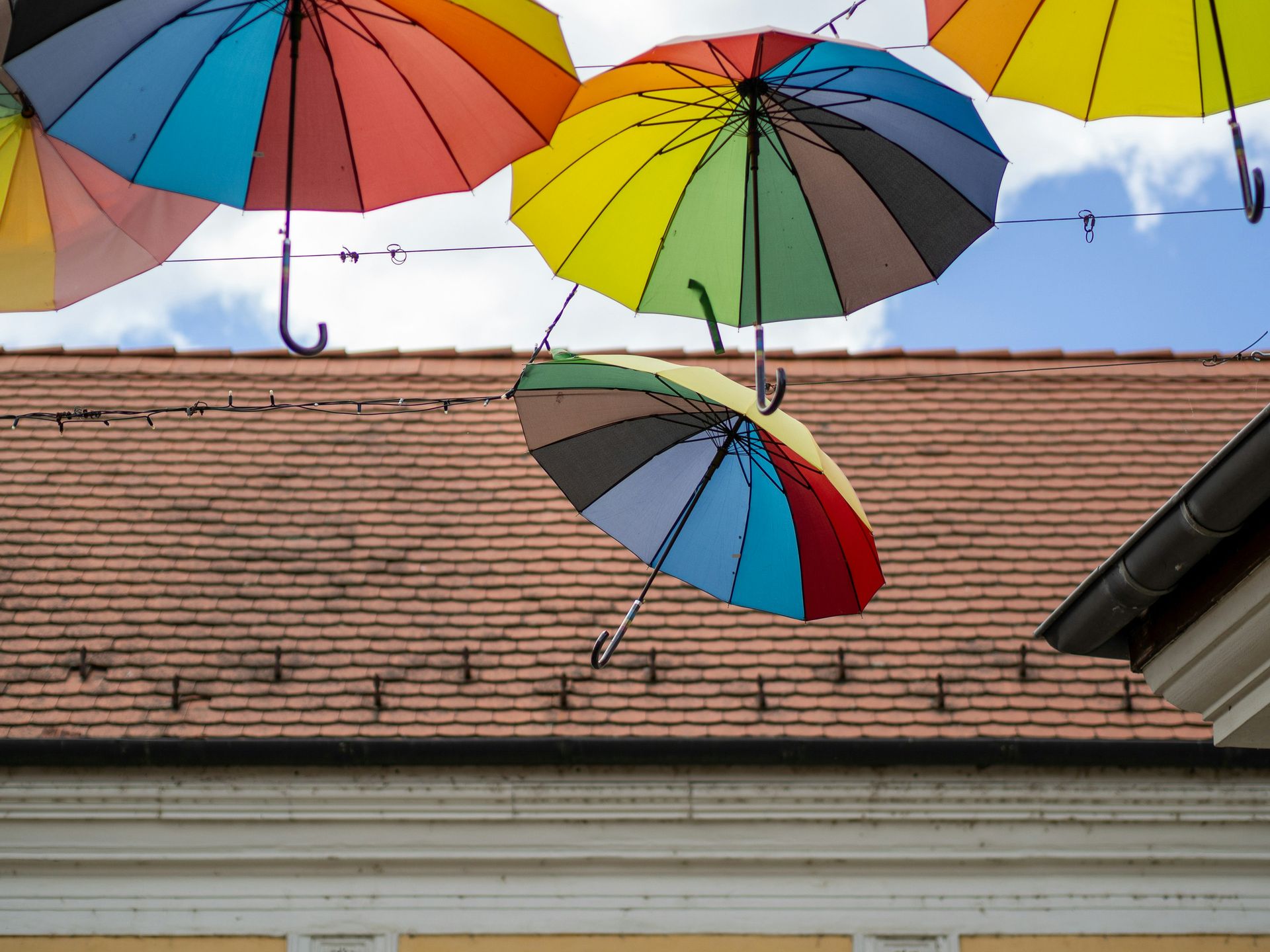
Sitting along the Danube Bend just north of Budapest, Szentendre has drawn Hungarian artists for more than a century, giving the small riverside town a genuinely bohemian character distinct from the capital’s grander imperial architecture. Serbian merchants and artisans fleeing Ottoman advances settled the town during the seventeenth century, and their considerable cultural legacy remains visible throughout Szentendre’s Orthodox churches and colorful baroque houses today.
The Margit Kovács Museum, dedicated to one of Hungary’s most celebrated twentieth-century ceramicists, holds a genuinely extensive collection of the artist’s distinctive figurative sculptures throughout several rooms of a preserved historic building. Fő Tér, the town’s main square, stays lined with galleries, craft shops and cafés, rewarding visitors with an easy, walkable afternoon well suited to browsing instead of a rigid sightseeing itinerary.
Szentendre’s open-air Skanzen museum, located just outside the town center, reconstructs traditional Hungarian village life through relocated historic buildings gathered from across the country’s various regions. This considerable open-air collection gives visitors genuine insight into rural Hungarian architecture and daily life well before the country’s twentieth-century industrialization transformed the countryside.
Travelers $TRV can reach Szentendre easily via the HÉV suburban railway departing from Batthyány tér in Budapest, making this particular day trip genuinely simple to arrange without needing a car or guided tour. Travelers should also visit the Blagovestenska Church specifically, one of several surviving Serbian Orthodox churches that reflect the town’s genuine seventeenth-century immigrant history. Travelers should also try lángos, a traditional Hungarian fried bread topped with sour cream and cheese, available from several street vendors scattered throughout the town’s main square area. The town’s Serbian community arrived largely in waves following the Ottoman retreat from Hungary during the late seventeenth century. Though most families eventually returned to Serbia or assimilated into Hungarian society, the considerable architectural and religious legacy they left behind still defines much of Szentendre’s historic core today. The Serbian Ecclesiastical Art Collection specifically holds icons and vestments rescued from the town’s several Orthodox churches, giving visitors a concentrated look at religious art that once decorated buildings scattered throughout the surrounding area.
Roland Barkóczi / Unsplash
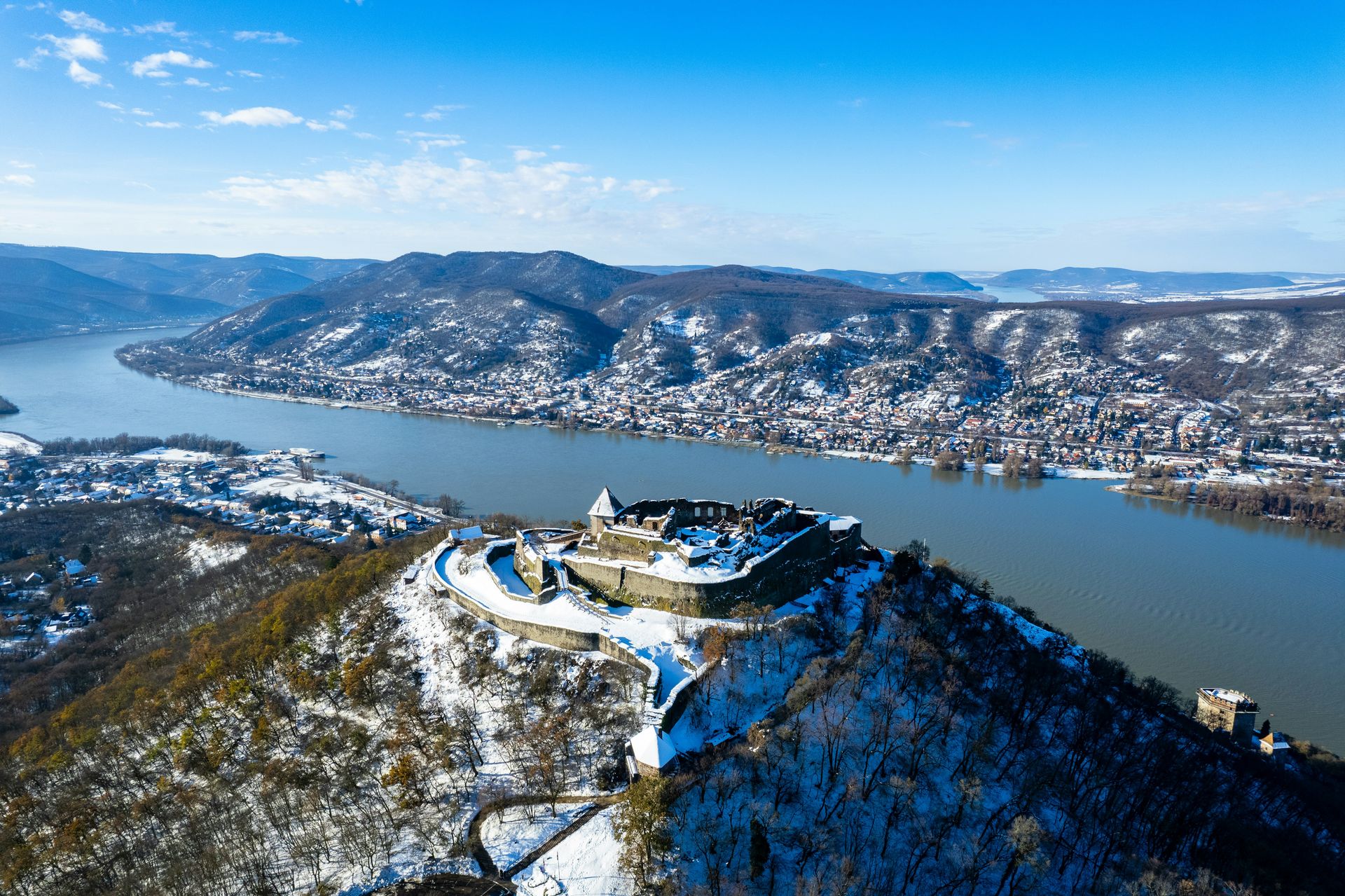
Perched dramatically above a sweeping bend in the Danube River, Visegrád holds the ruins of a medieval royal palace and citadel that once served as one of the most important seats of power in fourteenth-century Central Europe. King Charles Robert and later King Matthias Corvinus both maintained lavish royal residences here, and the site’s genuine historical significance rivaled Buda Castle itself during Hungary’s medieval golden age.
The Visegrád Citadel, perched on a steep hill overlooking the river, rewards visitors willing to make the climb with sweeping panoramic views across the Danube Bend, considered among the most photographed river vistas in Hungary. This particular viewpoint has drawn painters and photographers for generations, giving Visegrád genuine visual fame well beyond its considerable historical significance alone.
The reconstructed Royal Palace, largely rebuilt following extensive archaeological excavation during the twentieth century, gives visitors genuine insight into the opulence of Hungary’s medieval royal court, including a reconstructed Renaissance courtyard and fountain. This restoration effort reflects decades of dedicated archaeological work uncovering a palace that had been largely buried and forgotten following the region’s later Ottoman occupation.
Travelers $TRV should budget a full day for Visegrád specifically, since climbing to the citadel and exploring the Royal Palace both reward considerably more time than a rushed morning visit would allow. Travelers hoping to skip the steep uphill walk to the citadel should confirm current shuttle bus schedules, since a seasonal minibus service genuinely helps visitors reach the summit without the considerable climb. Travelers should also visit the Solomon Tower specifically, a well-preserved medieval keep sitting closer to the riverbank than the main citadel, giving history-focused visitors an additional fortification to explore. The site’s archaeological excavation, begun in earnest during the 1930s under the direction of Hungarian archaeologist János Schulek, gradually uncovered a palace complex that had been buried and largely forgotten for centuries following the Ottoman occupation and subsequent Habsburg neglect of the site. Local legend holds that Queen Elizabeth once threw the country’s royal crown into the Danube from the citadel to keep it from falling into rival hands, a story that, whether entirely accurate or not, reflects the site’s genuine symbolic weight within Hungarian national memory.
Minek Neked / Unsplash
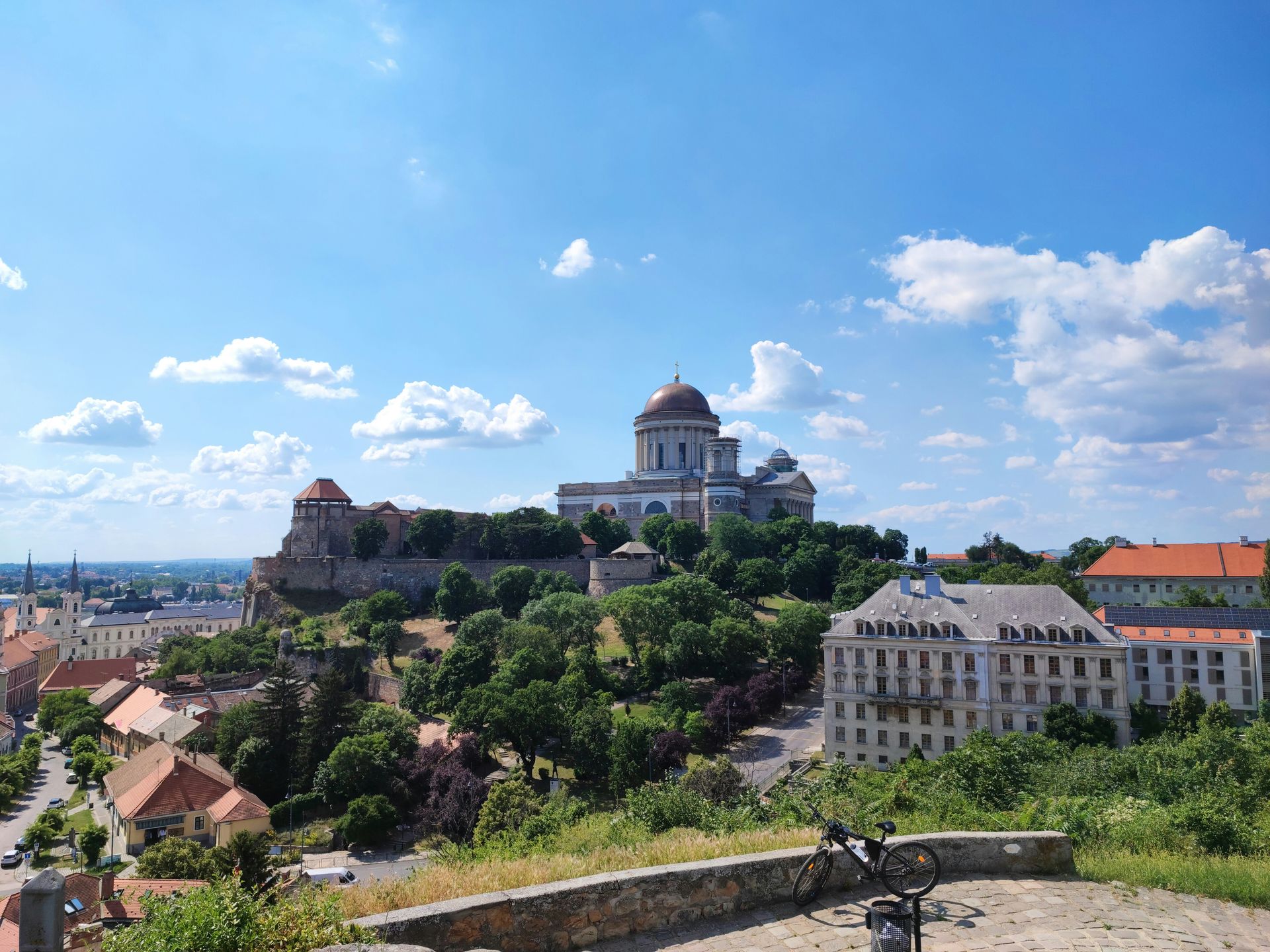
Sitting directly on the Danube across from Slovakia, Esztergom served as Hungary’s first capital and remains the seat of the country’s Roman Catholic Church, giving the town genuine religious and historical significance unmatched by nearly any other Hungarian destination. Esztergom Basilica, the largest church in Hungary, dominates the town’s skyline and ranks among the largest ecclesiastical buildings found anywhere in Central Europe.
King Stephen, Hungary’s first Christian king, received his crown in Esztergom around the year 1000, giving the town a genuine claim to being the birthplace of the Hungarian state itself. This considerable historical weight gives Esztergom a significance well beyond its current status as a relatively modest provincial town along the Danube.
The Mária Valéria Bridge, connecting Esztergom to the Slovakian town of Štúrovo across the river, gives travelers the genuinely unusual opportunity to walk between two countries within a single afternoon excursion. This bridge, destroyed during World War II and not rebuilt until 2001, symbolizes the considerable historical connection between Hungary and Slovakia throughout this particular stretch of the Danube.
Travelers $TRV should climb to the basilica’s dome for sweeping views across both the Hungarian and Slovak sides of the Danube, rewarding the considerable number of stairs with one of the best panoramas along this stretch of the river. Travelers should also visit the Christian Museum housed within the basilica specifically, since it holds one of Hungary’s most significant collections of medieval religious art outside Budapest itself. Travelers should also explore the ruins of the former royal palace adjacent to the basilica specifically, giving visitors genuine insight into the site’s earlier medieval history before the current basilica’s construction. The current basilica, completed in 1869, replaced a considerably older medieval cathedral destroyed during the Ottoman occupation, and its construction took decades to complete, reflecting the immense scale of the project relative to the town’s modest size. The town’s former royal palace, largely in ruins for centuries, has undergone considerable archaeological restoration since the twentieth century, gradually revealing sections of the medieval residence where Hungary’s earliest kings once held court.
Biro Zoltan / Unsplash
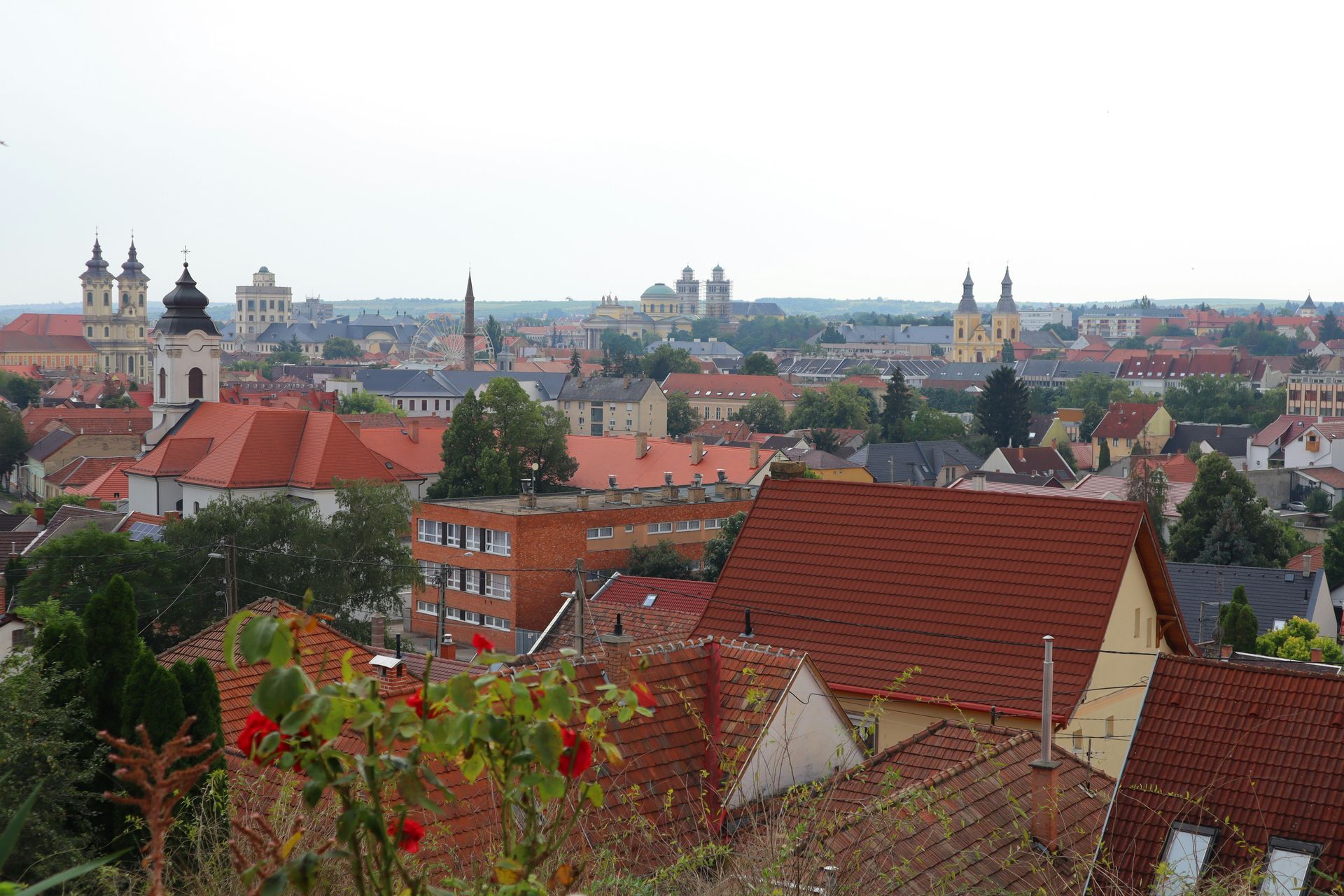
Famous for its distinctive red wine known as Bull’s Blood, or Egri Bikavér, Eger holds a genuinely well-preserved baroque old town beneath a hilltop castle that famously withstood a considerable Ottoman siege in 1552. This historic military victory, achieved despite Hungarian forces being vastly outnumbered, remains a genuine point of national pride still celebrated throughout Hungarian history and culture today.
Eger Castle, overlooking the town from its hilltop position, gives visitors genuine insight into the fortress’s considerable defensive history through preserved walls, underground passages and a small museum detailing the famous 1552 siege. The Valley of the Beautiful Women, a considerable network of wine cellars carved directly into the surrounding hillside, gives visitors genuine access to dozens of small family-run wineries offering tastings within easy walking distance of one another.
Eger’s thermal baths, fed by naturally warm mineral springs, rank among Hungary’s most beloved spa destinations outside Budapest itself, giving weary travelers a genuinely relaxing way to end a day of castle exploration and wine tasting. This pairing of military history, wine culture and thermal bathing gives Eger considerable range for travelers interested in multiple distinct Hungarian traditions within a single destination.
Travelers $TRV should budget time for both the castle and the Valley of the Beautiful Women specifically, since rushing through either shortchanges the genuine depth Eger offers across its historical, culinary and thermal attractions. Travelers should also visit Eger’s minaret specifically, the northernmost surviving Ottoman minaret in Europe, giving history-minded visitors genuine insight into the town’s considerable Ottoman-era heritage. Travelers should also visit the town’s baroque Lyceum building specifically, home to a historic camera obscura offering genuinely unique panoramic views projected onto a screen within a darkened tower room. The 1552 siege, in which a garrison of roughly 2,000 Hungarian defenders reportedly held off an Ottoman force many times their size, remains one of the most celebrated military victories in Hungarian history, commemorated in the nineteenth-century novel “Egri Csillagok” that Hungarian schoolchildren still read today.
Krisztián Reischl / Unsplash
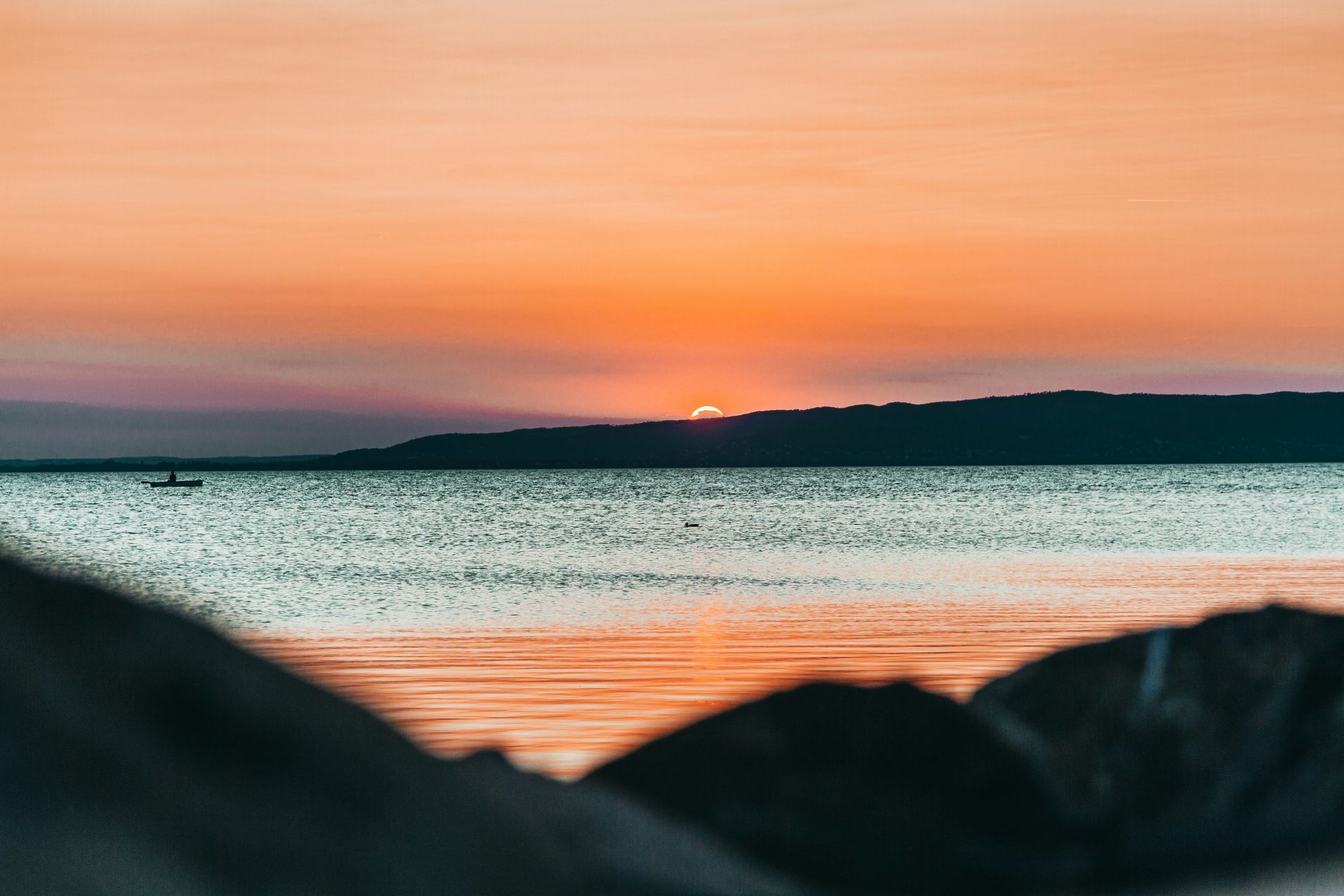
Known affectionately by Hungarians as the nation’s inland sea, Lake Balaton stretches across roughly 48 miles, ranking as the largest lake found anywhere in Central Europe. The lake’s northern shore holds the Tihany Peninsula, a genuinely striking volcanic landscape covered in lavender fields and topped by a historic Benedictine abbey overlooking the water below.
Balatonfüred, one of the lake’s most established resort towns, has drawn Hungarian visitors seeking thermal spa treatments and lakeside relaxation since the eighteenth century, giving the town a genuinely long-established tourism tradition compared with some of Balaton’s more recently developed resort areas. This considerable spa heritage reflects the region’s naturally occurring mineral springs, believed for centuries to hold genuine therapeutic properties for visitors specifically seeking cardiac and respiratory treatment.
The lake’s southern shore holds a livelier, more youth-oriented atmosphere, with towns such as Siófok drawing considerable summer crowds for beach clubs and nightlife well into the evening hours. This contrast between the quieter, more historic northern shore and the considerably livelier southern shore gives Lake Balaton genuine range depending on a traveler’s specific vacation priorities.
Travelers $TRV hoping to visit Lake Balaton as a genuine day trip should focus on just one specific town or the Tihany Peninsula alone, since the lake’s considerable overall size makes attempting to see multiple shoreline destinations within a single day genuinely impractical. Travelers should also visit the Tihany Abbey’s crypt specifically, which holds the remains of King Andrew I, giving the peninsula genuine historical significance beyond its celebrated lavender fields and views. Travelers should also sample halászlé, a traditional Hungarian fisherman’s soup made with paprika and freshwater fish, available at numerous restaurants throughout the lake’s various shoreline towns. The lake’s considerable shallow depth, averaging only around 10 feet, allows the water to warm quickly during summer months, and this same shallowness historically made Balaton prone to freezing solid enough during harsh winters for locals to cross on foot or by horse-drawn sleigh.
Linda Gerbec / Unsplash
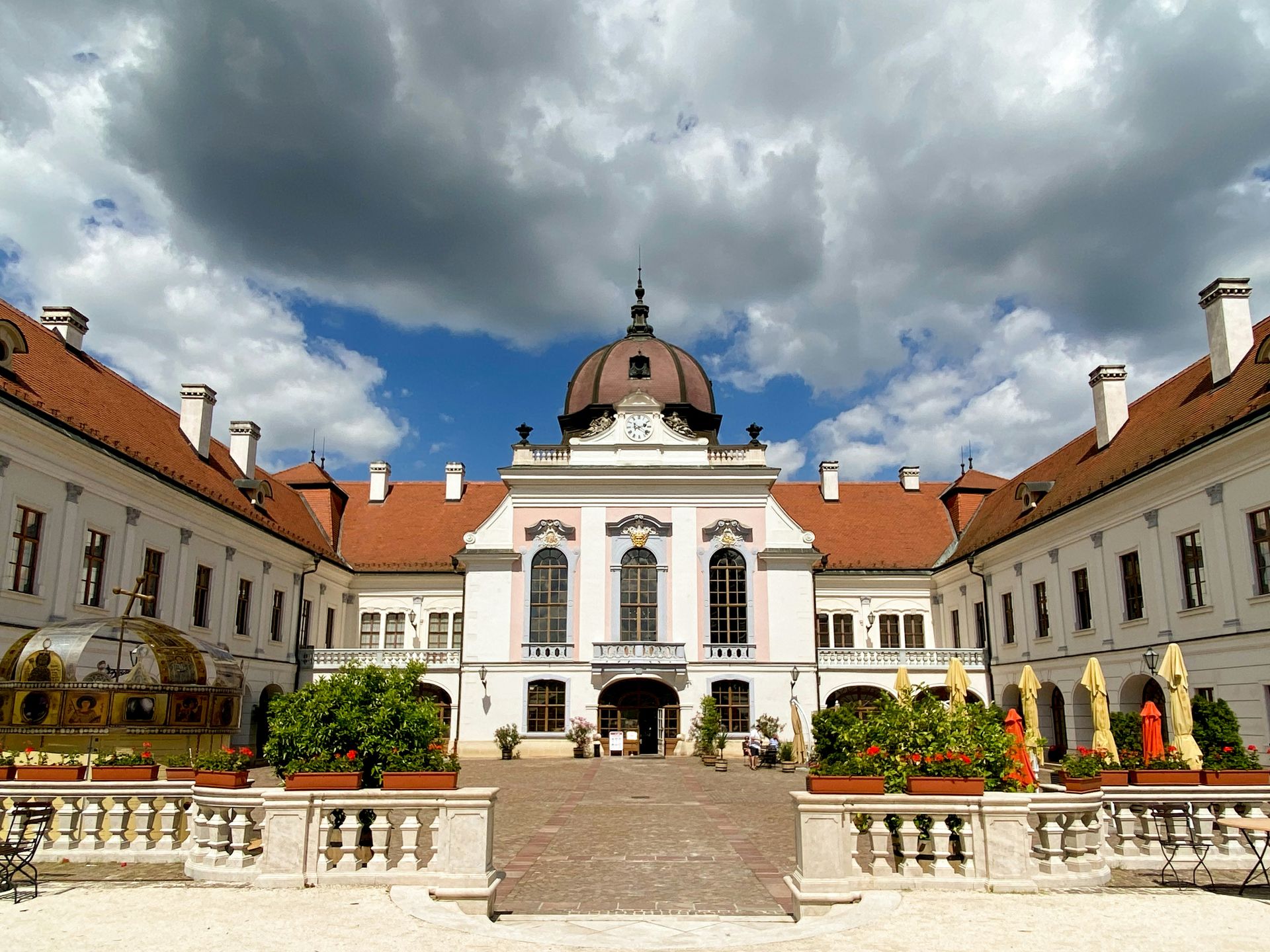
Just northeast of Budapest, Gödöllő holds one of the largest baroque palaces in Hungary, built in the eighteenth century for the powerful Grassalkovich family before later becoming the favorite royal residence of Empress Elisabeth, affectionately known throughout Hungary as Sisi. The empress reportedly preferred Gödöllő considerably over Vienna’s more formal Habsburg court, giving the palace genuine emotional significance within the broader story of Austro-Hungarian royal history.
The palace’s considerable state rooms, restored following decades of neglect during the communist era when the building served as a Soviet barracks and later a retirement home, now give visitors genuine insight into the opulent lifestyle of Hungary’s royal court during the Austro-Hungarian Empire’s height. This restoration effort, ongoing since the 1990s, has gradually returned Gödöllő to something genuinely approaching its original nineteenth-century grandeur.
Sisi’s personal apartments within the palace hold particular fascination for visitors, since the empress genuinely spent considerable time at Gödöllő specifically to escape the formal constraints of Viennese court life and pursue her well-documented love of horseback riding throughout the surrounding parkland. The palace’s baroque theater, one of the few surviving court theaters of its kind in Europe, occasionally hosts performances that give visitors a genuinely immersive sense of period entertainment.
Travelers $TRV should book a guided tour specifically for the palace’s most historically significant rooms, since Gödöllő’s considerable size means self-guided exploration alone can miss much of the genuine historical context available through a knowledgeable guide. Travelers should also stroll through the palace’s considerable surrounding gardens specifically, since these grounds reflect the same landscaping traditions that made Gödöllő genuinely appealing to Sisi during her frequent visits. Travelers should also visit the palace’s riding hall specifically, since Sisi’s genuine passion for horsemanship shaped much of the estate’s original layout and considerable equestrian facilities. The palace fell into considerable disrepair during the twentieth century, serving first as a Soviet military barracks following World War II and later as a retirement home, before a dedicated restoration foundation began the gradual work of returning individual rooms to their original nineteenth-century appearance starting in the 1990s.
Kfbs06 / Wikimedia Commons (CC BY-SA 3.0)
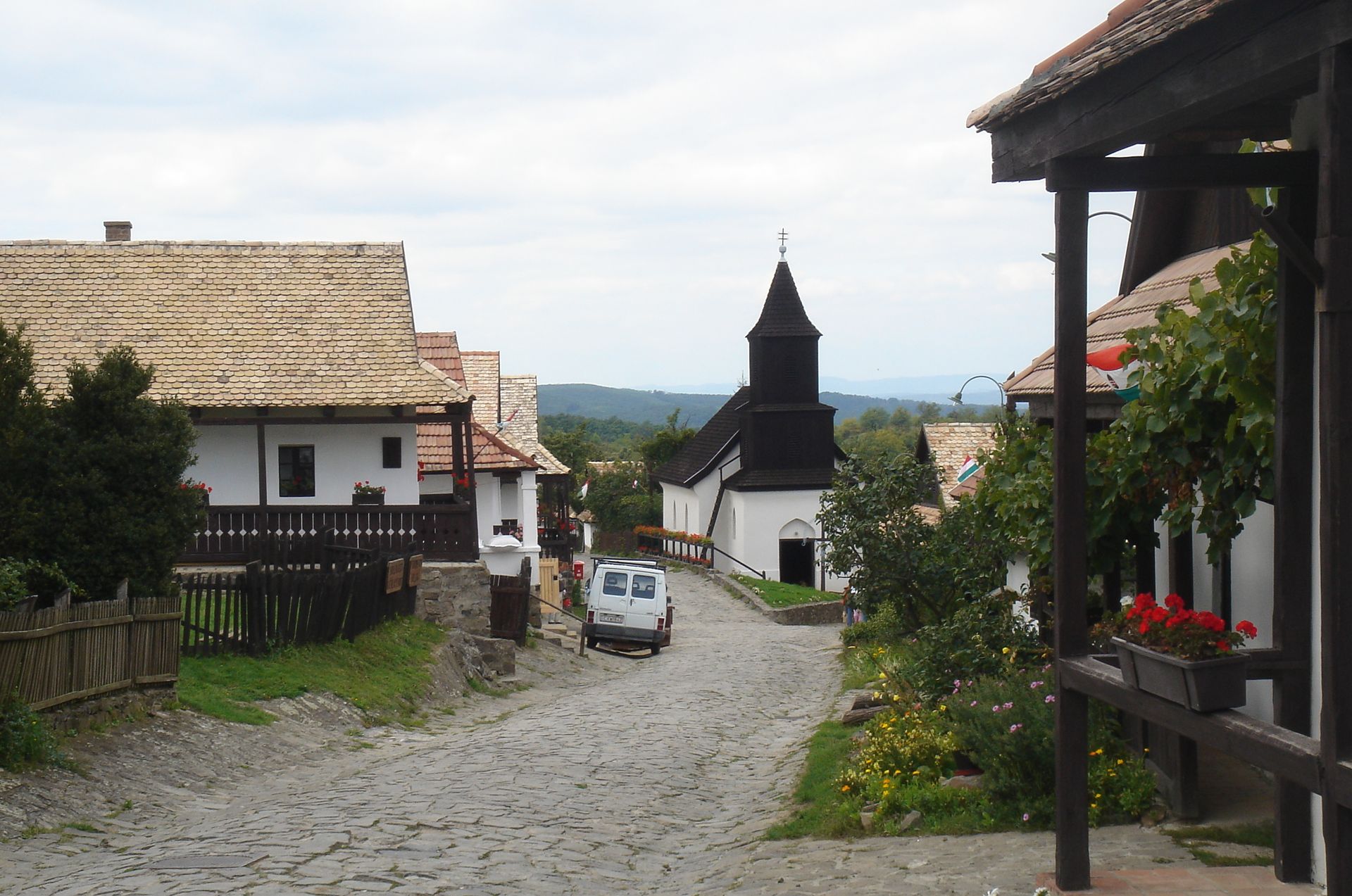
A UNESCO World Heritage village in northern Hungary, Hollókő preserves the traditional architecture and folk culture of the Palóc people, an ethnic Hungarian subgroup with genuinely distinct customs, dress and dialect compared with the broader Hungarian population. The village’s whitewashed, thatched-roof houses, arranged along a single winding street beneath a medieval castle ruin, remain largely unchanged since their reconstruction following a considerable fire in 1909.
Hollókő Castle, perched on a hill above the village, dates back to the thirteenth century and offers visitors genuinely sweeping views across the surrounding countryside from its restored towers and walls. This medieval fortress, though modest compared with grander Hungarian castles such as Visegrád, gives Hollókő considerable historical depth beyond simply its well-preserved folk architecture.
The village’s Easter celebrations, when Palóc women wear elaborately embroidered traditional costumes throughout religious processions and folk performances, draw considerable numbers of visitors specifically hoping to witness this genuinely well-preserved cultural tradition firsthand. Several houses throughout the village now function as small museums, giving visitors genuine insight into traditional Palóc weaving, pottery, and domestic life.
Travelers $TRV should visit Hollókő specifically during a weekend or holiday period, since folk demonstrations and traditional craft displays run considerably more often during these times than on quieter weekdays throughout the rest of the year. Travelers should also try local Palóc cuisine specifically at one of the village’s small restaurants, since traditional dishes reflect genuinely distinct culinary customs compared with mainstream Hungarian cooking. Travelers should also visit the small Postal Museum housed within one of the village’s traditional houses, giving visitors genuine insight into rural Hungarian communication history alongside the folk architecture. The village earned UNESCO World Heritage status in 1987, becoming one of the first sites in the world recognized specifically for preserving an entire traditional settlement pattern instead of simply a single monument or building. A fire in 1909 destroyed much of the original settlement, and villagers rebuilt using the same traditional techniques and materials, meaning the buildings visitors see date largely to this early twentieth-century reconstruction instead of to the medieval period itself.
Anna Spoljar / Unsplash
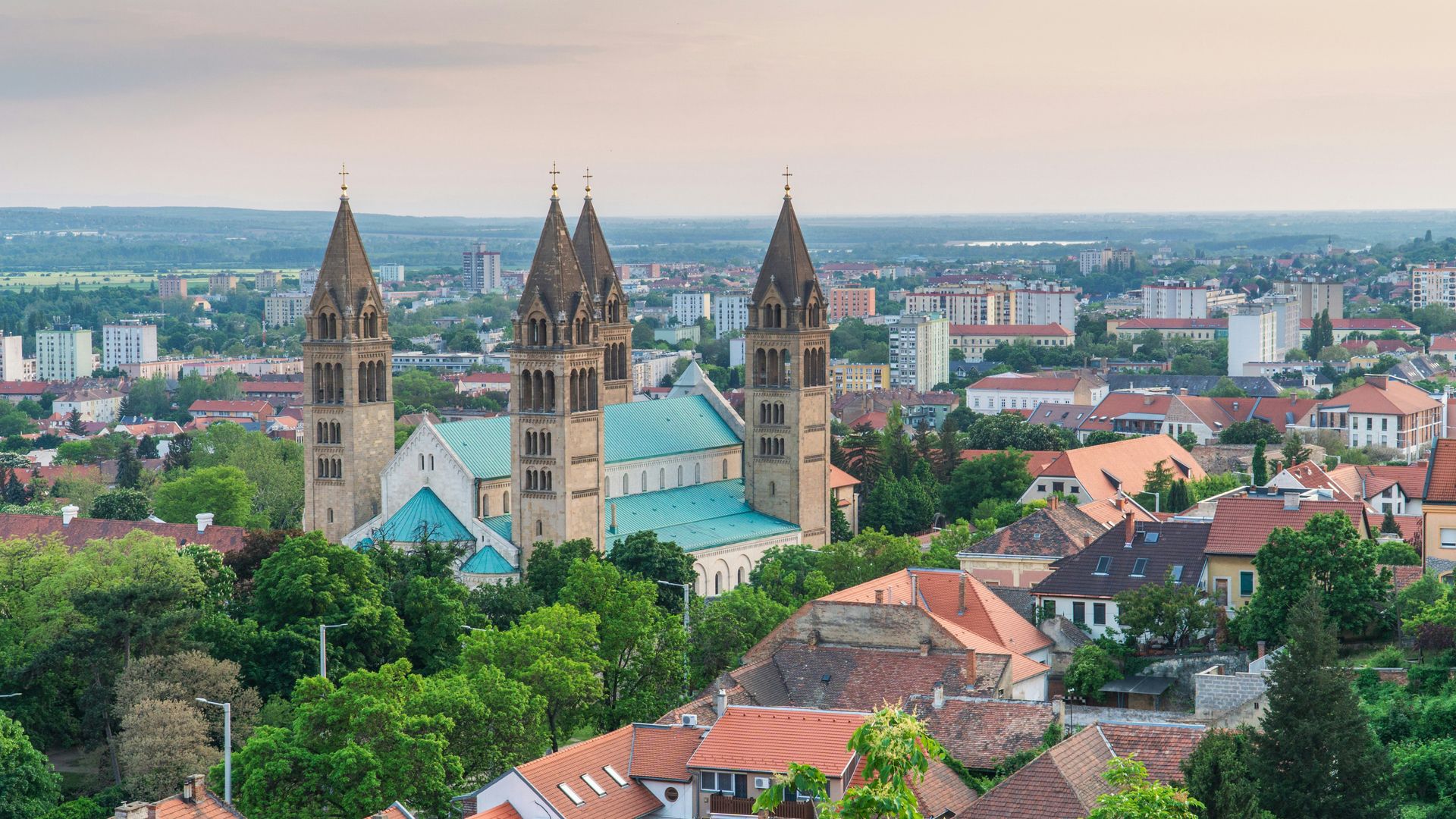
In southern Hungary near the Croatian border, Pécs holds a UNESCO-listed early Christian necropolis, a considerable network of decorated burial chambers dating back to the fourth century, giving the city a genuine claim to some of the oldest Christian architecture found anywhere in Central Europe. These underground tombs, elaborately painted with biblical scenes, remained genuinely well preserved for centuries beneath the city’s later Ottoman and Habsburg-era development.
The city’s considerable Ottoman heritage remains visible throughout Pécs, specifically at the Mosque of Pasha Qasim, a former Ottoman mosque later converted into a Catholic church while retaining its distinctive dome and considerable Islamic architectural details. This layering of early Christian, Ottoman, and later Habsburg-era architecture gives Pécs genuine historical depth spanning nearly two thousand years within a single compact city center.
Pécs also holds genuine fame as the birthplace of the Zsolnay porcelain factory, whose distinctive eosin-glazed ceramics decorate buildings throughout Hungary, including notable landmarks in Budapest itself. The Zsolnay Cultural Quarter, occupying the factory’s former industrial buildings, now gives visitors genuine insight into the considerable artistic legacy this specific porcelain tradition has left throughout Hungarian design and architecture.
Travelers $TRV should budget a full day for Pécs specifically, since the considerable distance from Budapest, roughly two and a half hours by train, makes a genuinely rushed visit far less rewarding than dedicating adequate time to explore the city’s layered history properly. Travelers should also visit the Csontváry Museum, dedicated to Hungary’s celebrated post-impressionist painter and offering art-focused visitors another compelling stop within Pécs’s already considerable cultural offerings. Travelers should also visit Pécs Cathedral, a notable Romanesque structure with four distinctive towers, giving the city’s skyline genuine architectural drama beyond its Ottoman-era mosque. The necropolis remained largely forgotten for centuries until systematic excavation began during the nineteenth century, gradually revealing dozens of individual burial chambers whose painted walls had survived remarkably well given their considerable age and long burial beneath the modern city.
Credit: Szeged Tourinform
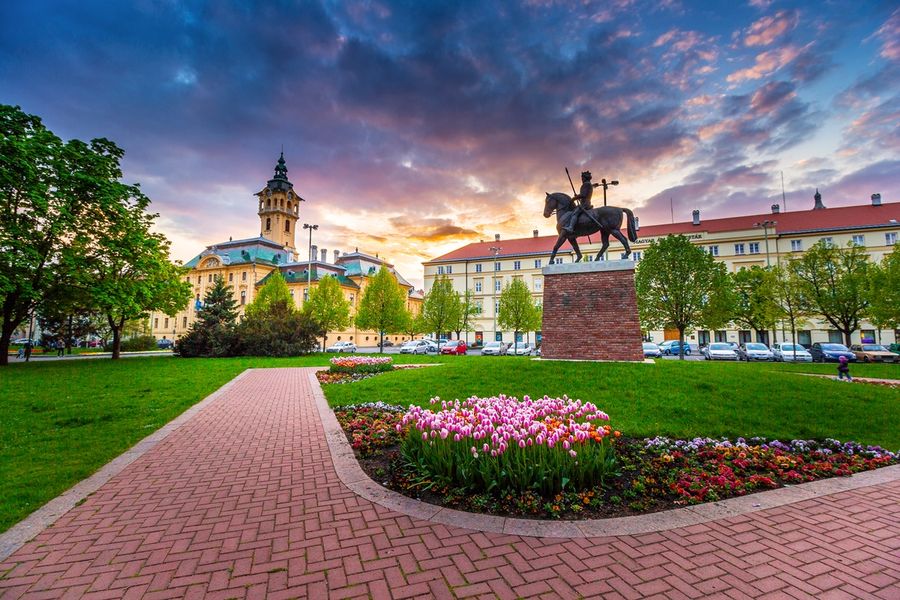
Rebuilt almost entirely following a catastrophic 1879 flood that destroyed much of the original town, Szeged today holds a genuinely striking collection of Art Nouveau architecture constructed during the subsequent reconstruction boom, giving the city a distinctly unified architectural character compared with many older Hungarian towns. This considerable rebuilding effort, funded partly through international aid following the disaster, gave Szeged the opportunity to redesign itself according to the fashionable architectural styles of that particular era.
Szeged holds genuine fame throughout Hungary as the country’s paprika capital, and the Pick Museum, dedicated to the region’s famous salami and paprika production, gives food-focused visitors genuine insight into this considerable culinary tradition. The city’s Votive Church, an imposing twin-towered cathedral built to commemorate the devastating 1879 flood, dominates the skyline and hosts the annual Szeged Open-Air Festival, one of Hungary’s most significant summer cultural events.
The Reök Palace, a genuinely striking example of Hungarian Art Nouveau architecture featuring flowing, organic curves inspired by underwater plant life, ranks among the city’s most photographed buildings. This particular structure exemplifies the considerable architectural creativity that flourished throughout Szeged’s post-flood reconstruction period.
Travelers $TRV should visit Szeged specifically during the summer festival season if timing allows, since the Votive Church’s considerable square hosts open-air performances that give the city genuine additional cultural energy beyond its already impressive architecture. Travelers should also cross the Belvárosi Bridge specifically for genuinely sweeping views of the Tisza River and the city’s considerable riverside architecture from the opposite bank. Travelers should also visit the New Synagogue, a genuinely striking Art Nouveau building that reflects the city’s historically significant Jewish community before World War II. The 1879 flood, which destroyed all but a few hundred of the city’s buildings, prompted an international relief effort that included funding and expertise from several European capitals, and grateful city planners later named several of Szeged’s rebuilt boulevards after the foreign cities that contributed to the reconstruction.
Credit: Tourinform Kecskemét
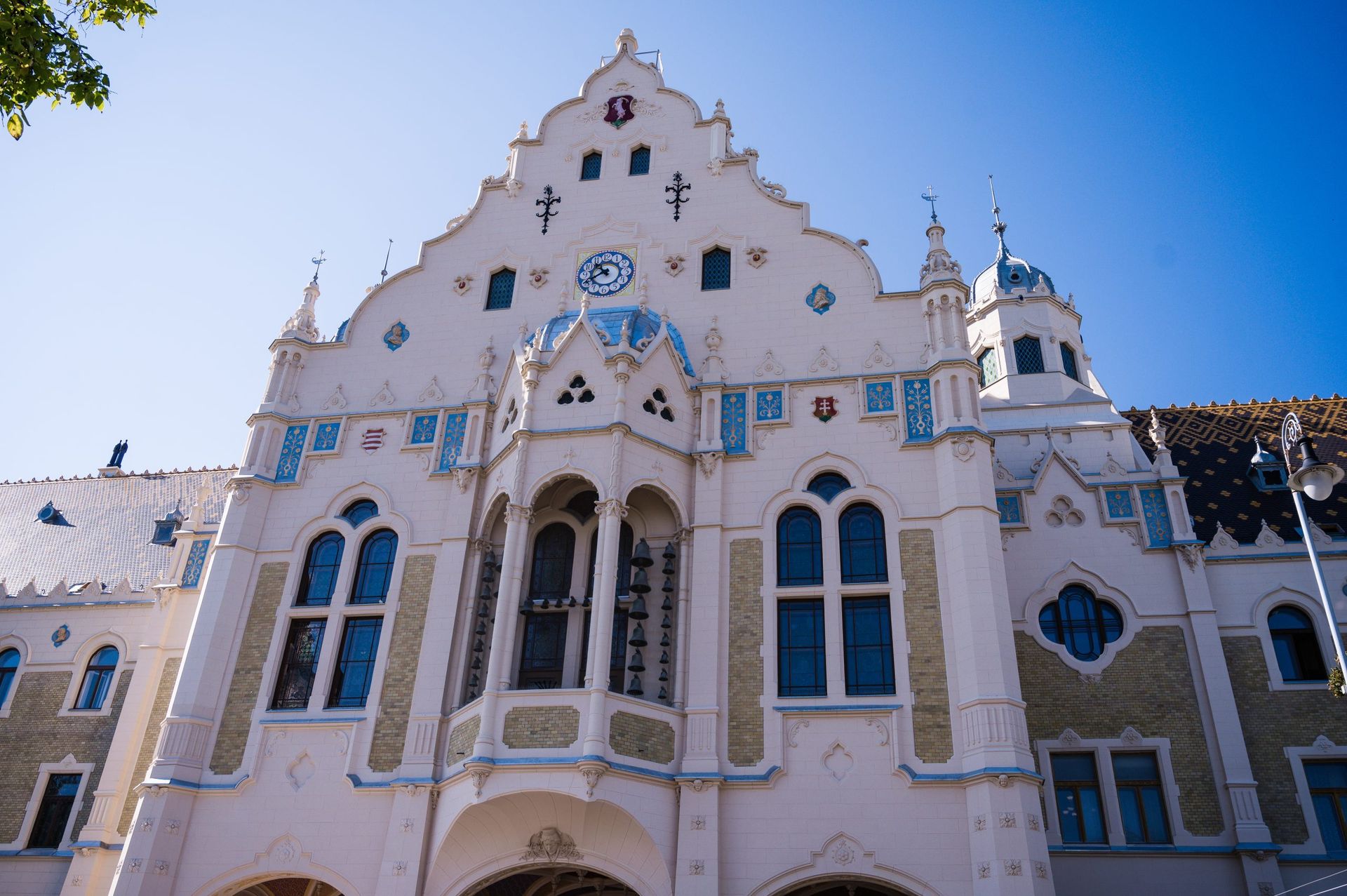
Between Budapest and Szeged, Kecskemét holds a genuinely impressive concentration of Art Nouveau and Zsolnay-decorated buildings throughout its compact historic center, giving the city considerable architectural interest despite its relatively modest size compared with Hungary’s larger urban centers. The Cifra Palace, its facade covered in colorful Zsolnay ceramic tiles and flowing organic ornamentation, ranks among the finest examples of Hungarian Art Nouveau architecture found anywhere in the country.
Kecskemét holds genuine significance as the birthplace of composer Zoltán Kodály, one of Hungary’s most celebrated musicians, and the Kodály Institute throughout the city continues his considerable legacy of music education based on the composer’s own influential teaching methods. This musical heritage gives Kecskemét genuine cultural depth beyond simply its striking architectural facades.
The city also holds genuine fame for its fruit brandy, or pálinka, particularly apricot varieties grown throughout the surrounding sandy agricultural region, giving food and drink enthusiasts another distinct reason to visit beyond the architecture and music alone. Local distilleries throughout the area offer tastings that give visitors genuine insight into this considerable regional culinary tradition.
Travelers $TRV should combine a Kecskemét visit with genuine time to wander the compact historic center on foot, since much of the city’s considerable architectural charm reveals itself gradually through smaller side streets instead of concentrating purely around the main square alone. Travelers should also visit the Kecskemét Planetarium, one of the largest in the region, giving science-focused visitors an unexpected addition to the city’s otherwise architecture- and music-focused attractions. Travelers should also visit the Naive Art Museum specifically, one of the few institutions in Hungary dedicated entirely to self-taught folk artists, giving Kecskemét genuine additional cultural depth. Kodály grew up partly in the surrounding region, and his influential music education method, still used in schools throughout Hungary and adopted in modified form by educators internationally, drew heavily on the folk melodies he collected from villages throughout the countryside surrounding Kecskemét. The city’s considerable sandy soil, generally poor for most crops, proved genuinely well suited to apricot orchards, and this agricultural specialization eventually made Kecskemét synonymous with Hungarian pálinka production nationwide.
