
From Carnaval's seven-wave New Year's Eve beach tradition to the Amazon's dry season, when to visit Brazil depends on what you're chasing
-1920x1203.jpg)
Raphael Nogueria / Unsplash
In the largest country in South America, something fabulous seems to be happening at nearly any given moment throughout the year. Before settling on when to visit Brazil, though, deciding where matters just as much, since this country’s sheer size covers an enormous range of climates and regional character, from Rio de Janeiro’s iconic beaches to the Amazon $AMZN River’s dense jungle waterways.
Home to diverse climates and seasons, Brazil holds many dream destinations, each with its own weather systems and rainy and dry seasons. Travelers $TRV hoping to attend one of the country’s legendary festivals should know that nobody parties quite like Brazilians, rain or shine, regardless of the specific season chosen for a visit. Overall, peak season runs from December through March with the best weather and the largest crowds, while May through September brings considerably cooler temperatures during the low season.
The six windows below appear in Lonely Planet, covering the best times to visit Brazil throughout the year. Each window rewards a genuinely different kind of traveler, whether that means chasing the biggest festivals, seeking out the calmest beaches, or timing a rainforest trip around the driest, most navigable conditions. Brazil’s sheer geographic scale means the same calendar month can bring drastically different weather depending on whether a traveler heads toward the tropical north or the considerably cooler south, so matching a specific region to a specific season matters just as much as choosing the trip’s overall timing. Travelers with flexible schedules should also weigh how much a specific festival, such as Carnaval or New Year’s Eve, factors into their priorities, since these events can reshape prices and crowd levels far beyond what a simple weather forecast alone would suggest to a first-time visitor planning ahead.
Desert Morocco Adventure / Unsplash
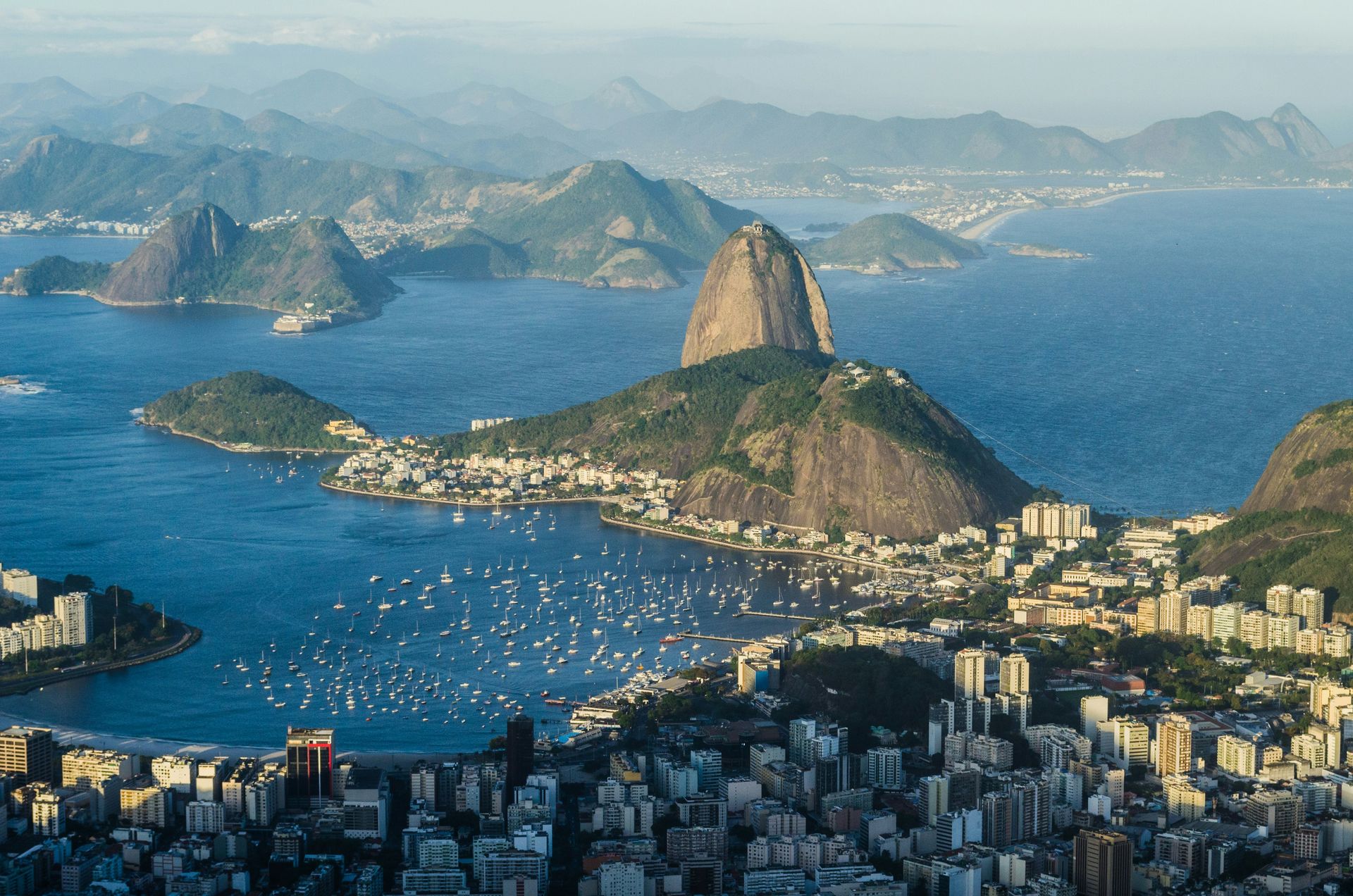
Temperatures during October and November typically range between 70 and 80 degrees Fahrenheit, with increasing humidity and a greater chance of rain as the weeks progress. October marks the end of the country’s dry season, while November ushers in the beginning of the rainy season across much of Brazil.
Brazil doesn’t stay warm year-round everywhere, and some regions can turn quite wet and chilly during the middle of the year, catching first-time visitors genuinely off guard if they assume tropical weather applies uniformly across the entire country. Getting the best weather while avoiding the hordes who fill up the beaches once children are out of school for peak season makes October or November a genuinely smart window to consider.
This shoulder-season timing rewards travelers willing to accept a slightly higher chance of rain in exchange for considerably smaller crowds at popular beaches and attractions. Prices for accommodations and flights also tend to stay lower during these two months compared with the more heavily trafficked peak season that follows.
Travelers $TRV specifically hoping to combine pleasant weather with genuine breathing room at popular sites should prioritize October over November, since the drier conditions earlier in the month give slightly more predictable planning for outdoor activities. Travelers should pack layers regardless of destination during this specific window, since the transition between dry and rainy seasons can bring genuinely unpredictable swings in both temperature and precipitation within a single day. This window also works well for travelers hoping to combine a Rio de Janeiro city visit with a separate side trip, since museums and cultural sites throughout the city stay considerably less crowded before peak-season demand fully arrives. Comfortable walking shoes also help considerably given how much sightseeing this milder weather genuinely encourages across a typical itinerary. A compact umbrella also helps considerably given the genuinely increased chance of rain showers arriving without much warning. A light rain jacket also rounds out a well-prepared packing list for this specific window.
Pedro Menezes / Unsplash
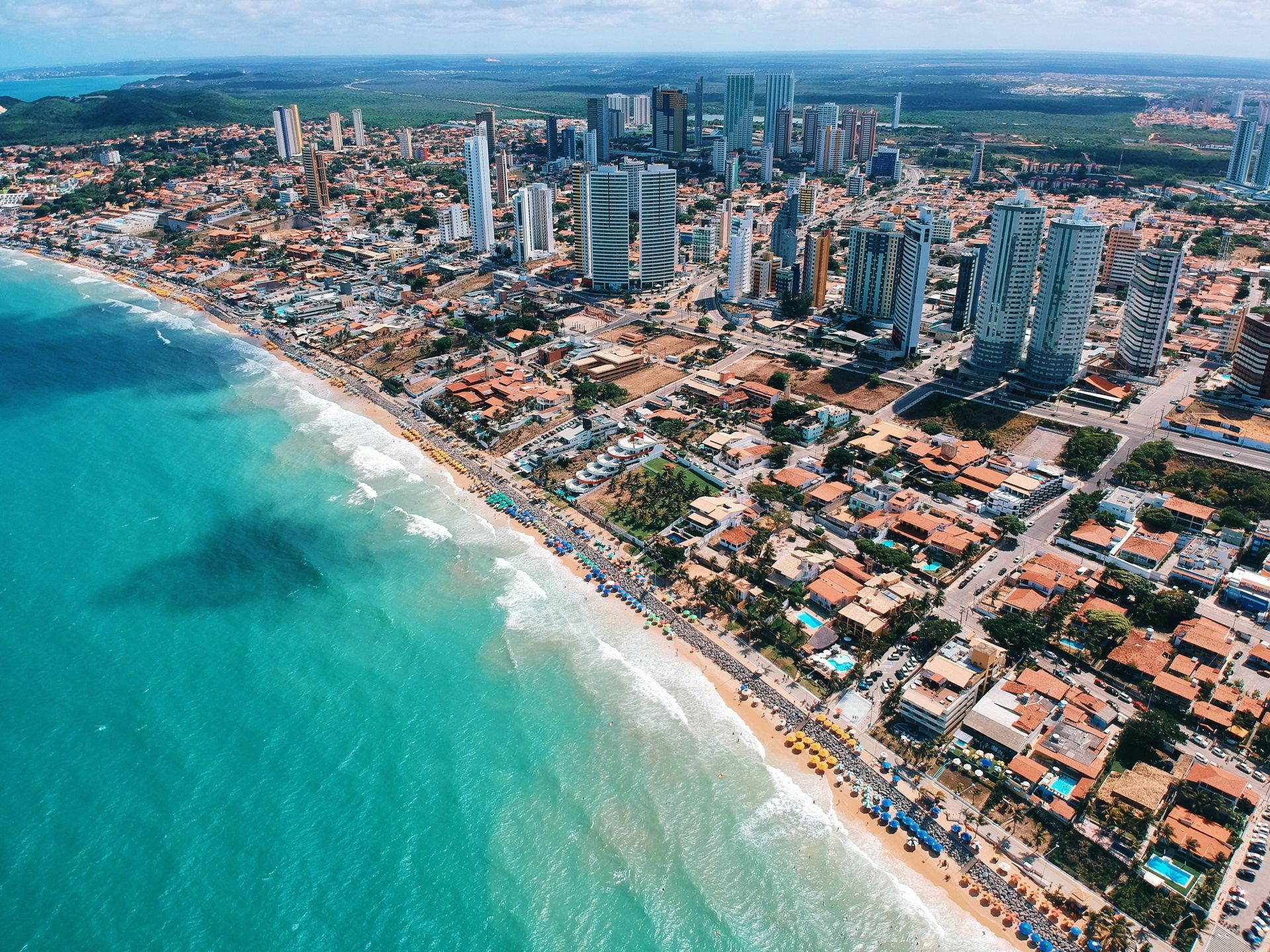
Travelers $TRV crossing the equator to reach Brazil should remember that the seasons run flipped compared with the Northern Hemisphere, so arriving between December and March delivers genuine summertime weather. Temperatures during this stretch typically range between 81 and 84 degrees Fahrenheit, with even hotter conditions found throughout the northern parts of the country.
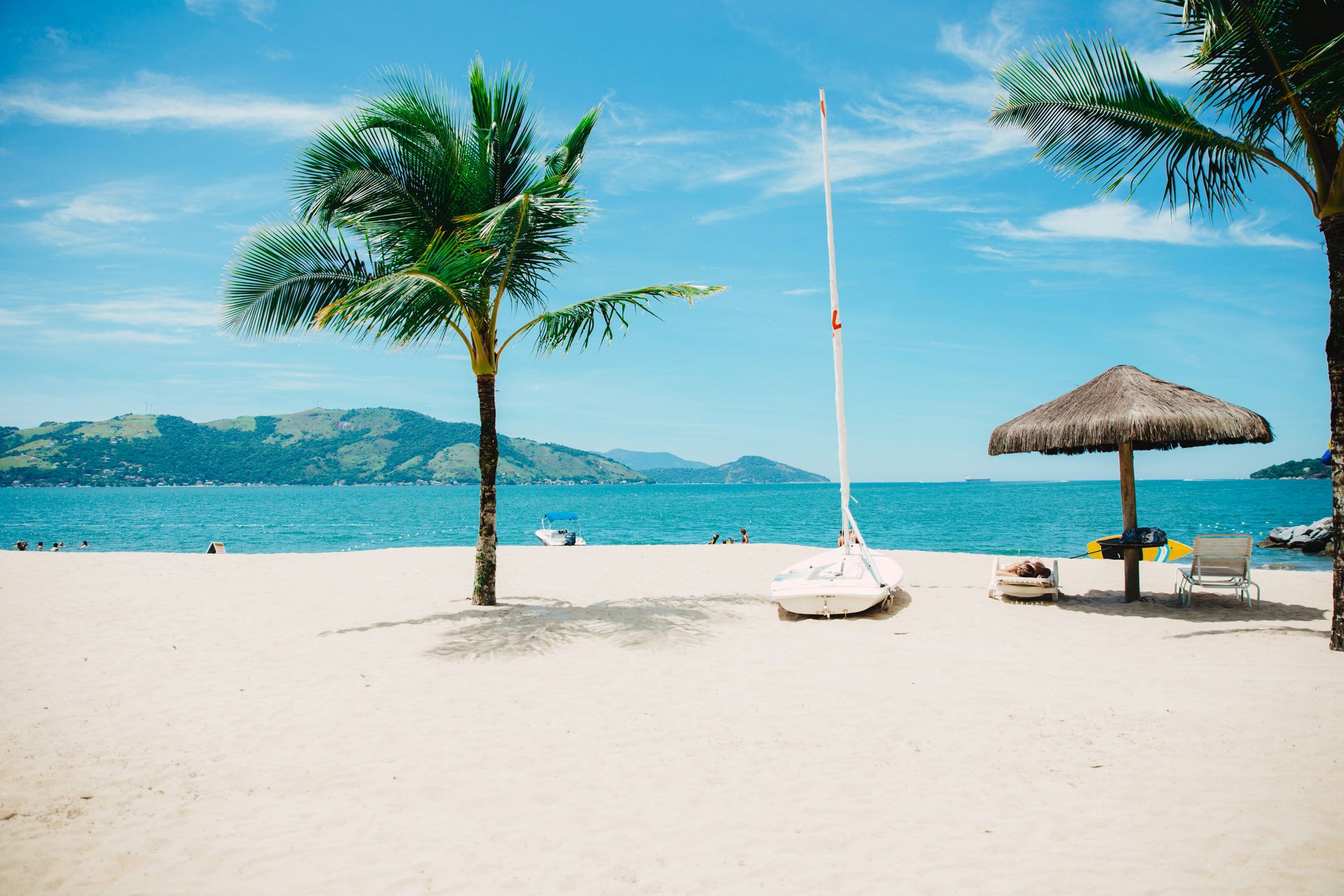
With more than 6,400 kilometers, or roughly 4,000 miles, of coastline, Brazil offers plenty of beaches to choose from during this peak season. Beaches surrounding Rio de Janeiro specifically tend to run crowded with both foreign tourists and Brazilian vacationers, so travelers seeking a quieter coastal experience should look further afield.
Traveling further north to the city of Bahia rewards visitors with deep Afro-Brazilian history worth experiencing firsthand, while the northeastern state of Ceará shows off its own unique nordeste culture set against a backdrop of otherworldly sand dunes. These northern regions tend to run hotter, with average high temperatures reaching between 87 and 90 degrees Fahrenheit during summer.
Travelers who enjoy summer weather without the extreme heat found in northern regions should head to the beautiful beaches of Florianópolis instead, a coastal city located on a large island offering plentiful, long, sandy beaches considerably cooler than their northern counterparts. Travelers hoping to avoid the most crowded stretches of coastline should research specific neighborhoods within Rio de Janeiro itself, since beaches such as Ipanema and Copacabana draw considerably heavier crowds than quieter stretches slightly further from the city center. Travelers should also book beachfront accommodations several months ahead specifically for this window, since the most desirable hotels along popular stretches of coastline routinely sell out well before the actual peak season begins. Reef-safe sunscreen also matters considerably given how much time beach-focused itineraries during this window typically spend directly in the water and sun. A reusable water bottle also helps considerably given how much time this warm-weather window genuinely encourages spending outdoors. Aloe gel also helps soothe skin after inevitable extra sun exposure during long beach days.

Christian Panta / Unsplash
Expect warm, sunny summer weather throughout December and January, a stretch that transforms how Brazilians celebrate the holiday season entirely compared with colder Northern Hemisphere traditions. In Brazil, Santa Claus, or Papai Noel, wears Havaianas, and the country’s warm weather during December means Brazilians typically celebrate the holiday season with churrasco, or grilled meat, on the beach, or at minimum by the pool.
Children stay out of school for summer vacation during this window too, meaning the country’s big vacation spots tend to run considerably more crowded than during quieter months. This overlap between holiday celebration and school vacation compounds the overall festive energy found throughout Brazilian beach towns and major cities alike.
Getting to the nearest beach becomes essential for celebrating Brazil’s favorite New Year’s Eve tradition specifically. At midnight, people run into the sea to jump over seven waves, making a wish on each one as fireworks illuminate the sky above the crowded shoreline.
Travelers $TRV hoping to participate in this specific New Year’s Eve tradition should arrive at a beach town well before midnight, since the most popular stretches of sand fill considerably beyond normal capacity as the countdown approaches. Travelers unfamiliar with the tradition of jumping seven waves at midnight should ask locals for guidance on the specific etiquette, since different regions sometimes add their own small variations to this widely shared New Year’s Eve custom. Restaurants and shops throughout major cities may keep genuinely limited hours on the actual holidays themselves, so travelers should confirm specific opening times in advance instead of assuming normal business operations continue uninterrupted. A lightweight swimsuit genuinely doubles as appropriate holiday attire throughout this specific window, given how thoroughly Brazilian Christmas traditions center around the beach instead of indoor gatherings. Sunscreen also matters considerably given how much beach time this specific holiday tradition genuinely involves for most families. A reusable tote bag also helps considerably for carrying beach gear to and from holiday gatherings.
VENUS MAJOR / Unsplash
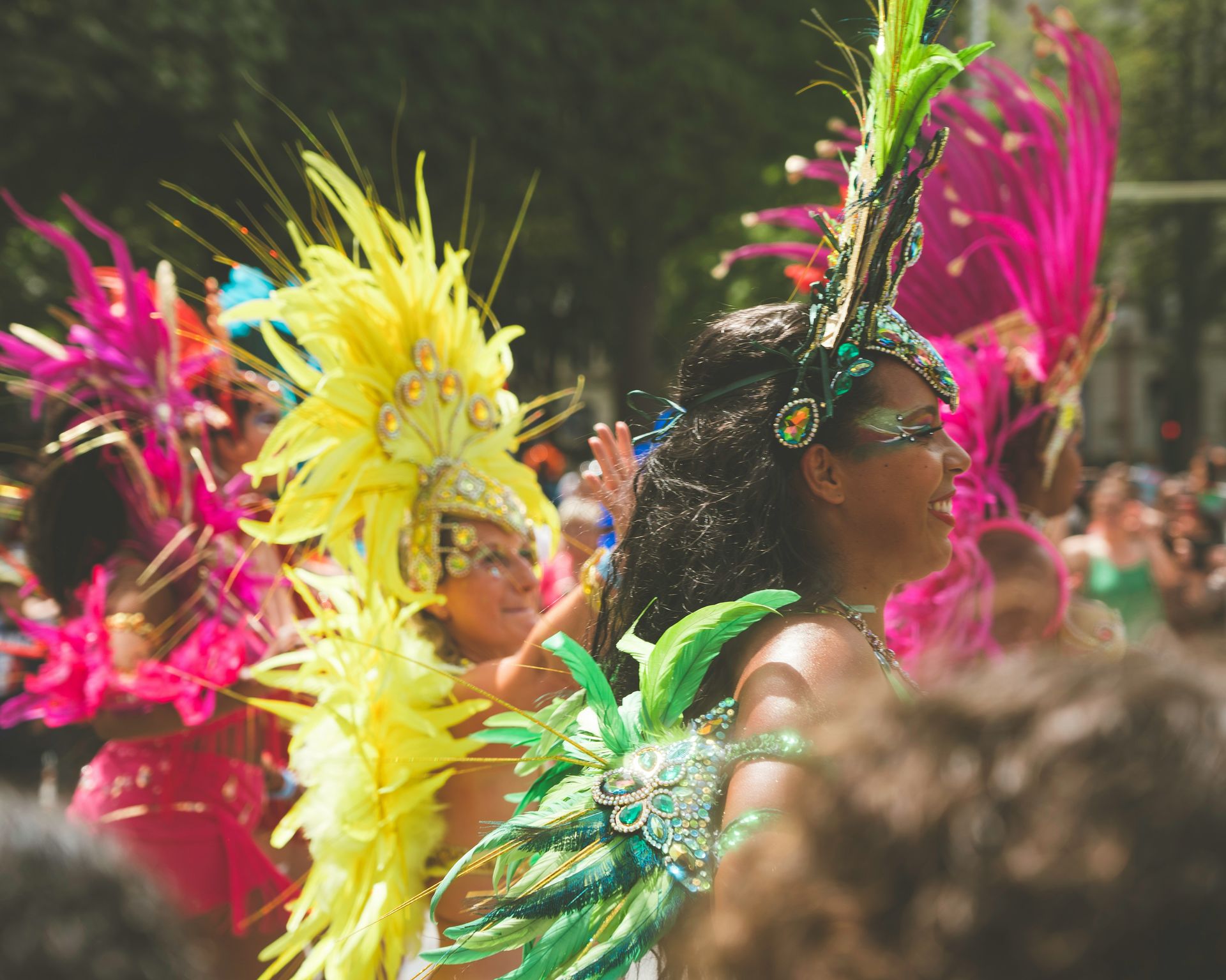
February and March run hot and humid and bring a considerable amount of rain to Brazil, with February typically ranking as the hottest and sunniest month, often surpassing 90 degrees Fahrenheit. Brazil’s Carnaval dates depend on the religious calendar and always precede the week before the Catholic holiday of Ash Wednesday, with the week-long festivities usually falling in February and sometimes stretching into early March.
Rio’s Carnaval ranks as the most famous celebration in all of Brazil, though travelers ending up anywhere else in the country can still find local celebrations, usually featuring their own distinct spin on the broader festa. Considerable excitement builds in the days leading up to Carnaval week, making an early arrival worthwhile for travelers hoping to soak up the buzz as each city prepares to break out into song and dance while drenched in color.
Prices climb considerably higher across the board during this window, from airline tickets to accommodations, reflecting the massive demand this single festival period generates throughout the entire country. Travelers $TRV should book well in advance if targeting this specific window, since availability shrinks alongside rising prices the closer Carnaval actually approaches.
Crowds throughout this period reach genuinely overwhelming levels in the most popular cities, so travelers specifically seeking a calmer festival experience should research smaller regional celebrations away from Rio’s massive parades. Travelers specifically hoping to watch Rio’s famous Sambadrome parade should book tickets considerably in advance, since this particular event draws demand from around the world well before the actual festival dates arrive. Travelers uninterested in the biggest parades should consider smaller cities such as Olinda or Salvador specifically, both of which host genuinely beloved street celebrations with a considerably more intimate, walkable atmosphere than Rio’s massive Sambadrome parade. Comfortable, breathable clothing also helps considerably given how much dancing and walking a typical Carnaval itinerary genuinely involves across several consecutive days. A small waterproof bag also helps protect personal items during the frequent rain showers this specific window brings.
Elif Ilkel / Unsplash
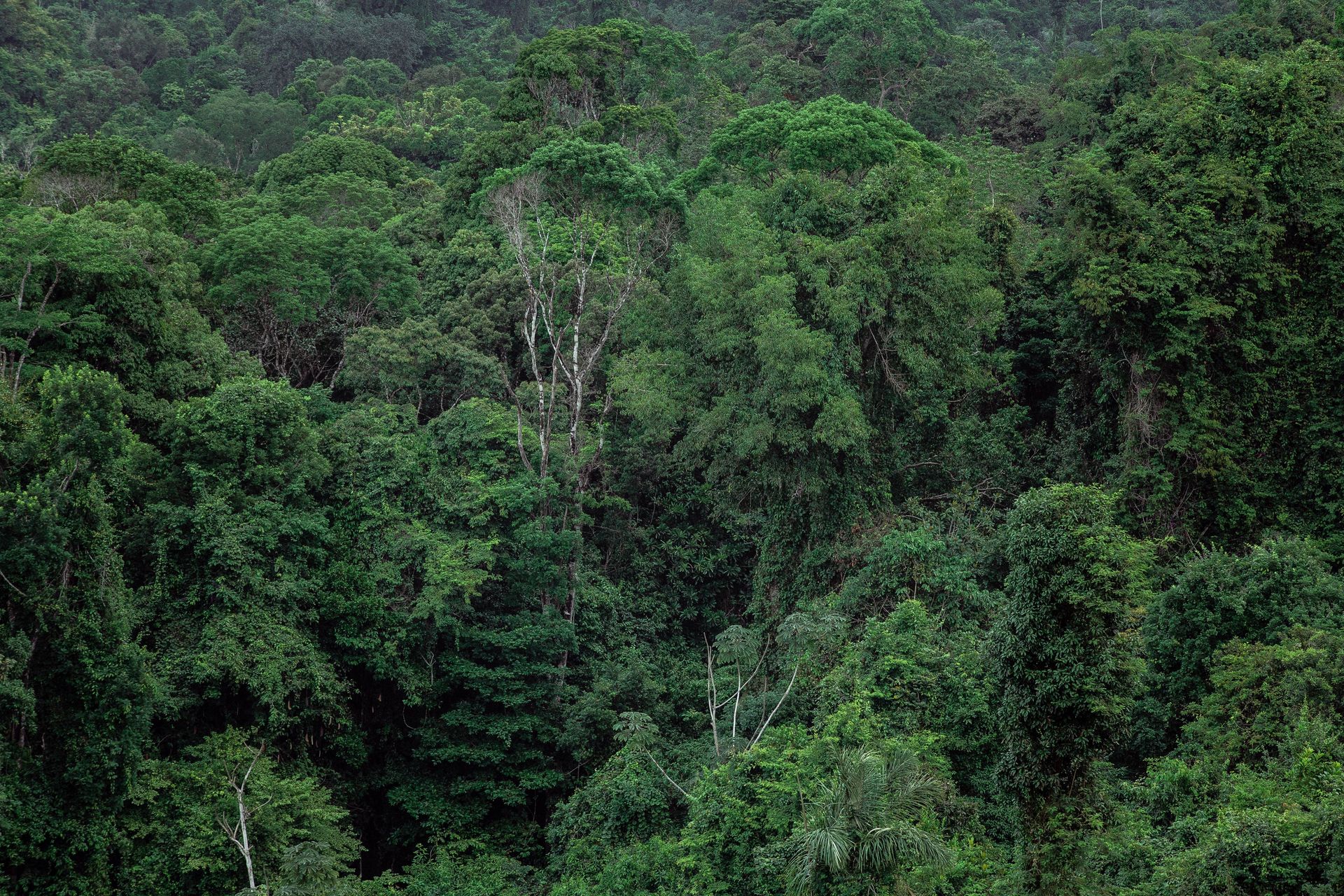
July through September rank as the dry, cooler months in the Amazon $AMZN, while October through December brings back considerable humidity and rain to the rainforest. In a place as dense and mysterious as the Amazon, having the weather genuinely on a traveler’s side matters considerably, and the best time to visit falls during this dry season between July and December, when hiking trails stay more accessible and low water levels work in the traveler’s favor.
The word dry shouldn’t fool anyone completely, though, since this remains the world’s largest rainforest, and rainfall stays genuinely constant regardless of whether the calendar technically calls it dry or wet season. Conditions during this particular window simply prove preferable over the wet season, when considerably heavier rains can create genuinely dangerous conditions for travelers attempting river excursions.
This window ranks as the best specifically for a river adventure, since navigable water levels and more stable trail conditions both favor visitors hoping to explore deeper into the rainforest than fair-weather tourism typically allows. Wildlife viewing also tends to improve during drier stretches, since animals concentrate more predictably around remaining water sources.
Travelers $TRV planning an Amazon river trip specifically should book well ahead of the July through September window, since this stretch draws the heaviest demand among travelers specifically targeting the rainforest’s most favorable conditions. Travelers should pack genuinely waterproof gear regardless of the specific month chosen, since even the driest stretch of the rainforest’s calendar still delivers regular rainfall that catches underprepared visitors off guard. Travelers booking a river cruise or lodge stay during this window should confirm current water levels directly with their specific operator, since even within the broader dry season, exact conditions can shift depending on the particular tributary being navigated. Binoculars also help considerably for spotting wildlife along riverbanks during the specific low-water conditions this particular season creates. Insect repellent also helps considerably given how persistent mosquitoes genuinely stay throughout the rainforest regardless of the specific season.
Elizeu Dias / Unsplash
May through September mark autumn and winter in Brazil, bringing more mild, dry weather overall, though temperatures can range considerably from 40 to 70 degrees Fahrenheit depending on a traveler’s specific proximity to the equator. This considerable range means packing appropriately requires genuine research into the specific region being visited instead of assuming uniform conditions countrywide.
During Brazil’s winter, beach crowds genuinely disappear, even though weather tends to be a bit more damp and cloudy throughout the southern regions. With the exception of July, when many children get another month off from school and families take time away together, travelers will find considerably better rates at beachfront hotels during this window, though conditions may prove too cold to enjoy an actual swim or suntan.
Travelers $TRV who do visit during these specific months should consider a northern destination that stays warm year-round, letting them still benefit from the broader low-season slowdown without sacrificing beach weather entirely. This strategy gives budget-conscious travelers genuine access to lower prices without the discomfort of the coldest southern conditions.
This window rewards travelers prioritizing value and genuine solitude over guaranteed warm-weather beach days, since the tradeoff between lower prices and cooler temperatures matters more here than during any other stretch of the Brazilian calendar. Travelers specifically prioritizing warmer water during this cooler stretch should research northern coastal towns near Natal or Fortaleza, since these destinations stay considerably warmer year-round than the southern beaches near Rio de Janeiro or Florianópolis. Travelers specifically interested in wildlife viewing during this cooler stretch should consider the Pantanal wetlands, since the drier winter months actually concentrate animals more predictably around remaining water sources throughout that particular region. A warm jacket also helps considerably for travelers specifically visiting southern regions during this cooler stretch of the calendar. Layered clothing also helps considerably given how much temperatures genuinely swing between morning and afternoon during this cooler stretch. A compact travel umbrella also helps considerably given the increased cloud cover typical of this cooler stretch.