The best budget European honeymoon destinations, from Corfu's cobblestone beaches to Porto's riverside wine lodges
amriphoto / Getty Images
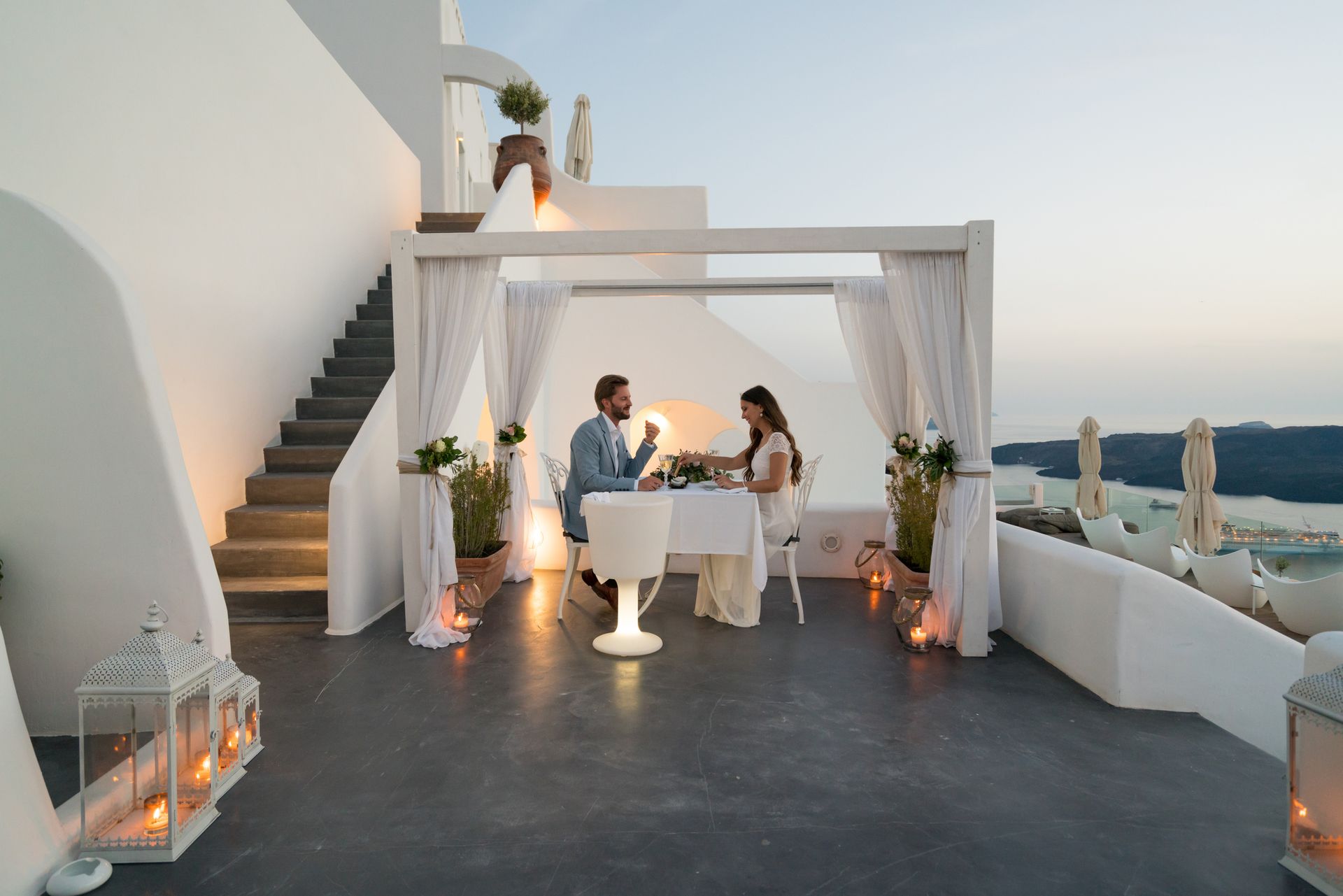
A European honeymoon has a reputation for being expensive that discourages many couples before they have looked at the actual numbers. Paris, Santorini, and the Amalfi Coast dominate the mental image of a romantic European trip, and those destinations are genuinely expensive. Europe contains dozens of destinations that offer cobblestone streets, historic monuments, extraordinary food, and the quiet-café ambiance of those famous places at a fraction of the price. Budget-conscious couples who look past the obvious marquee choices find a continent organized for romance at every price level, where a gelato on a Roman piazza, a sunset viewed from a Greek hilltop, or a glass of port in a Portuguese wine-cellar courtyard costs far less than the equivalent moment in the cities that appear on every honeymoon shortlist.
The financial stakes of a honeymoon are different from those of an ordinary vacation. Couples planning a wedding frequently arrive at the honeymoon booking stage with depleted savings and a strong incentive to avoid adding credit card debt to what is already a significant life expense. The honeymoon is the trip most couples want to remember, which creates an emotional pressure to spend in ways that the budget may not support. Choosing a destination where hotels cost less than $150 a night, where the best free attractions anchor the itinerary, and where local restaurants charge tourist-market prices for food and wine that a comparable city in France or Italy would price at three times the amount gives couples the memory they want without the financial hangover.
The 10 destinations below come from U.S. News & World Report’s ranking of the best cheap European honeymoon destinations, which evaluated each location based on the opinions of industry experts, editors, and everyday travelers. The list spans the Greek islands, Italian cities, French Riviera towns, Spanish archipelagos, Eastern European capitals, and a Portuguese coastal city, covering beach destinations, cultural capitals, and mixed itineraries at a range of geographic positions across the continent.
Nick Brundle Photography / Getty Images
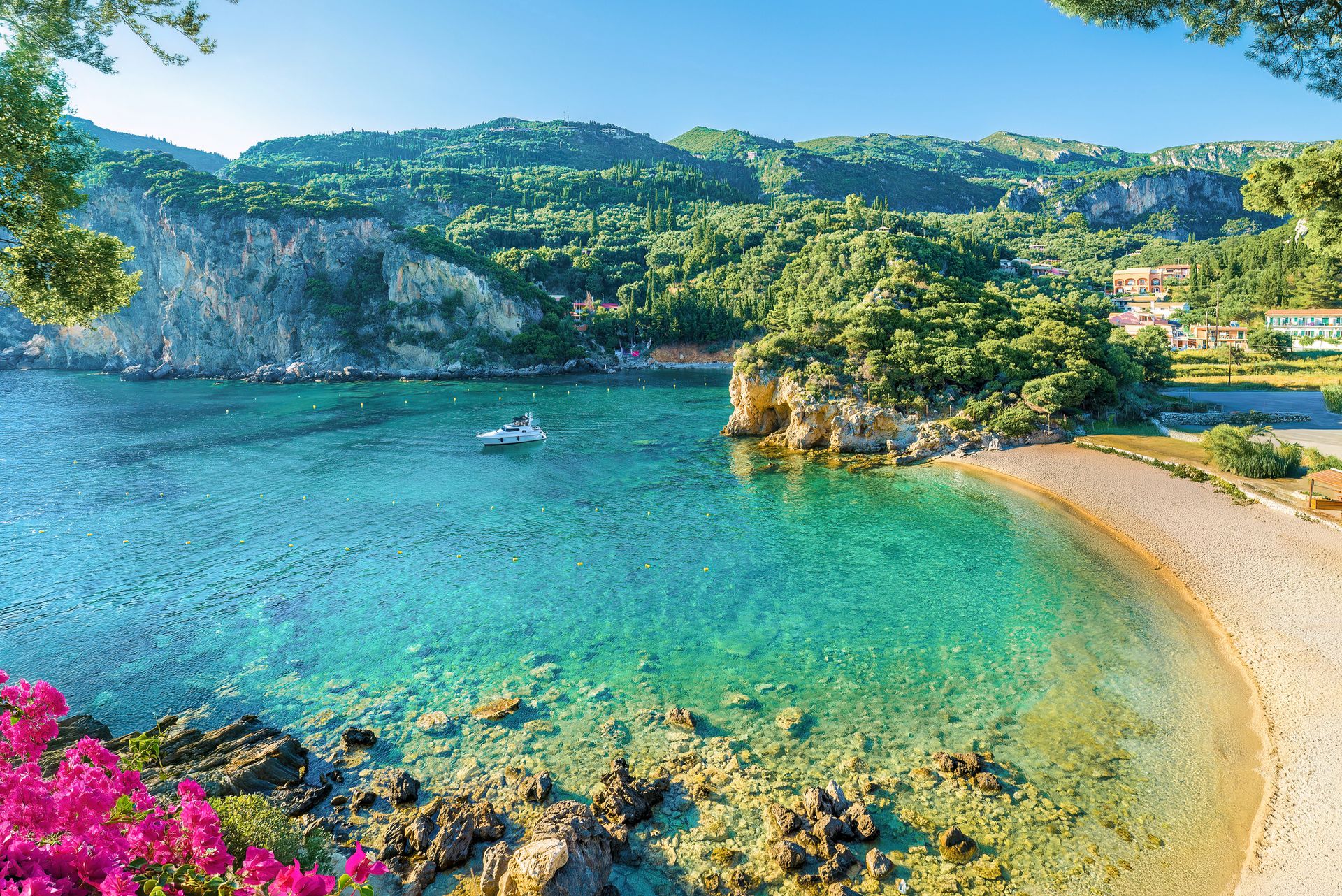
Corfu, one of the Ionian Islands off the northwestern coast of Greece, gives couples the visual drama and warm-water beaches of the Greek islands without the price premium that Santorini — the dominant brand name in romantic Greek travel — commands. The island’s more than 130 miles of coastline include numerous free public beaches, which eliminates a category of daily spending that resort destinations in more heavily marketed parts of the Mediterranean routinely charge for. The cobblestone streets of Corfu Town, the island’s Venetian-influenced capital, provide the wandering-in-narrow-lanes experience that defines the best of European island tourism without the tour-group density that Santorini’s Oia and Fira generate in high season.
Accommodations in Corfu Town include vacation rentals and resort properties priced under $150 a night, a rate that would buy a budget-tier room in Santorini without a sea view. The lush interior landscape — olive groves, cypress trees, and green hillsides descending to the water — gives the island a different visual character from the stark white-and-blue Cycladic architecture that dominates Greek island imagery, and Venetian, French, and British architectural influences layered in the town reflect a colonial history that gives Corfu a cultural specificity beyond pure beach appeal.
The island’s scale and road network make independent exploration practical without a guided tour. Couples with a rental car can reach the northern beaches, the olive forests around Paleokastritsa, and the view from the Byzantine Old Fortress within a single day, giving a multi-night stay a rich enough activity calendar to sustain the trip without requiring expensive excursion bookings. Corfu’s status as the most affordable and least touristically saturated of the well-known Greek island destinations makes it the best entry on this list for couples who want the Greek islands specifically but need to stay well below the Santorini price floor. The island’s lush green landscape, unlike the stark terrain of the Cyclades, also adds visual variety that rewards exploration beyond the beaches.
FilippoBacci / Getty Images
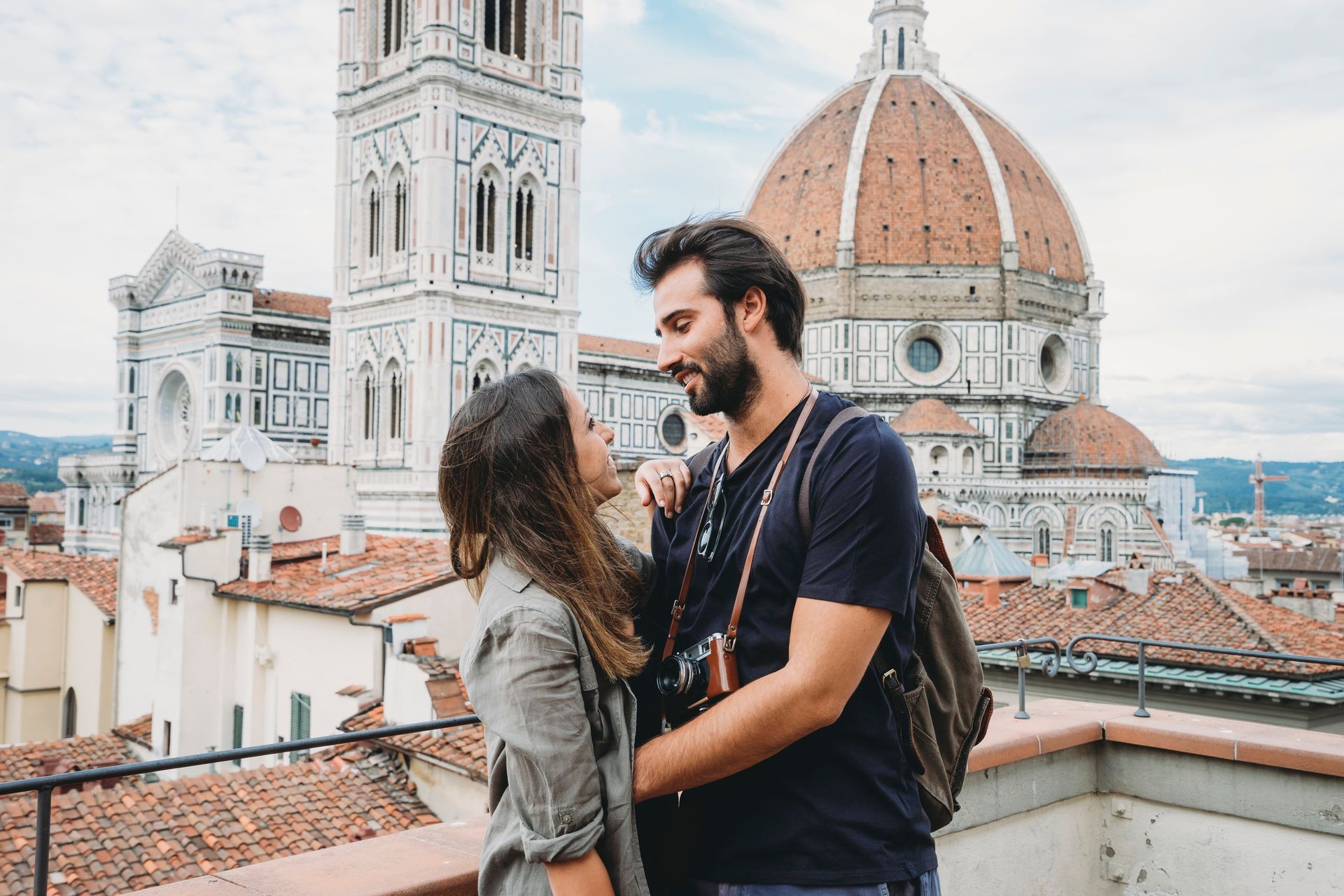
Florence’s reputation as a city of overwhelming artistic density — the Uffizi, Michelangelo’s David, Brunelleschi’s dome — does not fully convey how much of its essential character is available to visitors who simply walk through it. The historic center itself is the attraction: the Piazza della Signoria, the Ponte Vecchio, the Oltrarno neighborhood, and the lanes of the Santa Croce district deliver the visual rewards of Renaissance urban design without a ticket or a reservation. Free walking tours led by local guides give couples a structured introduction to the city’s history and neighborhoods at a price — typically a tip-based model — that makes them accessible to nearly any budget.
Booking lodging on the outskirts of the historic center reduces accommodation costs substantially while keeping central Florence within reach by foot or tram. Neighborhoods such as Campo di Marte and the area around the Cascine park offer comfortable, independent hotel properties and vacation rentals at rates that hotels directly on Piazza della Repubblica or within view of the Duomo cannot match. The distance from the center in most cases amounts to 15 to 25 minutes on foot or a single tram stop, which makes the saving genuinely proportionate to the minor inconvenience.
Florence’s culinary culture works in the budget traveler’s favor as well. The Mercato Centrale in San Lorenzo sells fresh produce, cheese, cured meats, and prepared food at market prices, and the Tuscan tradition of simple, ingredient-forward cooking means that a trattoria lunch of ribollita, pici al ragù, and house wine in the Oltrarno delivers the essential Florence dining experience at a cost well below what the same quality meal would carry in Rome or Venice. Florence’s art-per-square-foot ratio, its walkability, and the availability of free-tour infrastructure make it the most intellectually rewarding cheap honeymoon destination on this list.

Francesco Riccardo Iacomino / Getty Images
Rome offers a density of free world-class attractions that no other city on this list matches: the Spanish Steps, the Trevi Fountain, the Pantheon, Santa Maria della Vittoria chapel, the Colosseum’s exterior, and dozens of piazzas and churches sit within walking distance of one another and require no ticket to appreciate from the street or to enter. Couples who spend a day moving between these sites on foot encounter more concentrated beauty and historical weight than a week in many European capitals would produce, and the entire experience costs nothing beyond food and transport.
Wine in Italy is routinely priced below still water and soft drinks at restaurants and wine bars, particularly when ordered by the carafe from the house selection. A couple celebrating a honeymoon in Rome can drink well — and locally — for a fraction of what a single bottle of wine costs at a comparable quality level in France or the United Kingdom. The Porta Portese flea market, held on Sunday mornings in the Trastevere neighborhood, gives couples a low-cost browse through antiques, vintage clothing, and unique goods that serves as both an activity and a potential source of meaningful souvenirs without the markup of tourist-facing souvenir shops.
The cost of meals in Rome can vary enormously by location, and the gap between a tourist-trap restaurant within 200 meters of a major sight and a neighborhood trattoria two streets away is often 40% to 60% in price for equivalent quality. Couples who invest an hour in identifying neighborhoods where Romans eat — Prati, Pigneto, and the residential parts of Trastevere — consistently eat better for less than those who eat at the first available table near the Trevi Fountain. Rome’s volume of free landmarks, inexpensive wine culture, and the accessibility of its genuinely affordable restaurant scene make it the most financially forgiving major Italian city for a budget honeymoon.
xbrchx / Getty Images
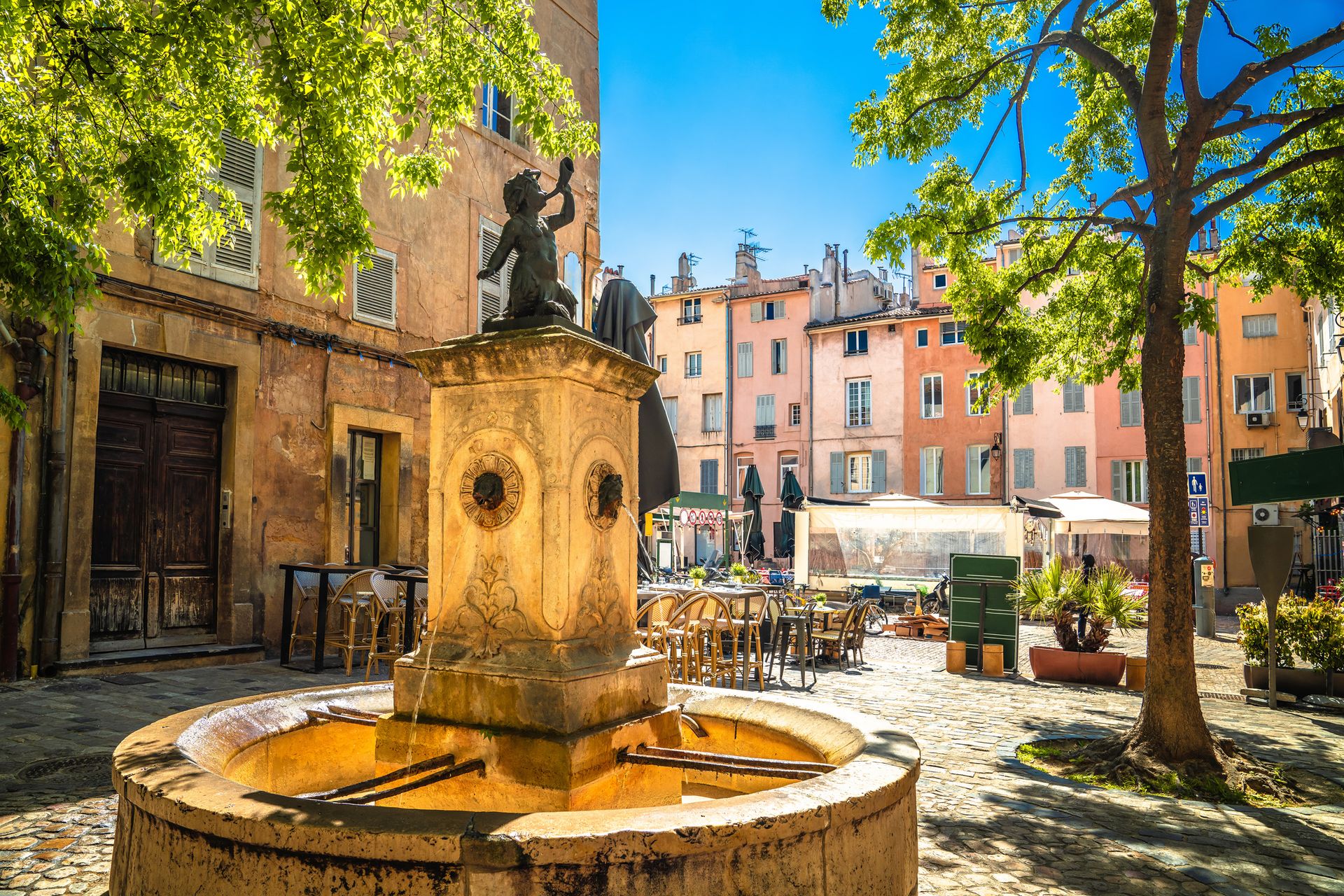
Aix-en-Provence, a small university town in the south of France, roughly 20 miles north of Marseille, suits spring honeymooners particularly well through the overlap of pleasant temperatures — highs in the 50s, 60s, and 70s in April and May — and the lower hotel rates that precede the region’s summer surge. The town’s café-lined streets, local markets, and intimate scale give it a Provençal character that Cannes and Nice carry in diluted form because of their size and tourist infrastructure. Spring also brings the fields of lavender and sunflowers in the surrounding countryside into early bloom, adding a day-trip dimension that summer visitors enjoy at full price and high heat.
Aix works well as part of a longer southern France itinerary, giving couples flexibility in how they allocate their accommodation budget. Staying in Aix while taking day trips to Nice, Cannes, or Cassis spreads the cost across a more affordable base while preserving access to the French Riviera’s best-known beaches and waterfront dining scenes. The town’s own casual dining options — market lunches of charcuterie, cheese, and rosé assembled from the Marché Richelme stalls, or a two-course lunch menu at a side-street brasserie — deliver the essence of southern French food culture at prices well below the waterfront restaurants of Saint-Tropez or Monaco.
The university population sustains a range of affordable café and bar options throughout the year, and the town’s museums — including the Atelier Cézanne, where the painter spent his final years — carry reasonable entry fees. Aix-en-Provence’s role as a genuine working town, not a purpose-built resort, gives it an authenticity that destination travelers who spend their honeymoon in a heavily commercialized coastal village sometimes miss. For couples whose honeymoon priorities center on culture, food, and market mornings over beach days, Aix delivers more per dollar than any other French destination on this list, and the university-town atmosphere sustains a social energy year-round that the Côte d’Azur’s beach resorts produce only in the summer months when prices peak.
Andrea Comi / Getty Images
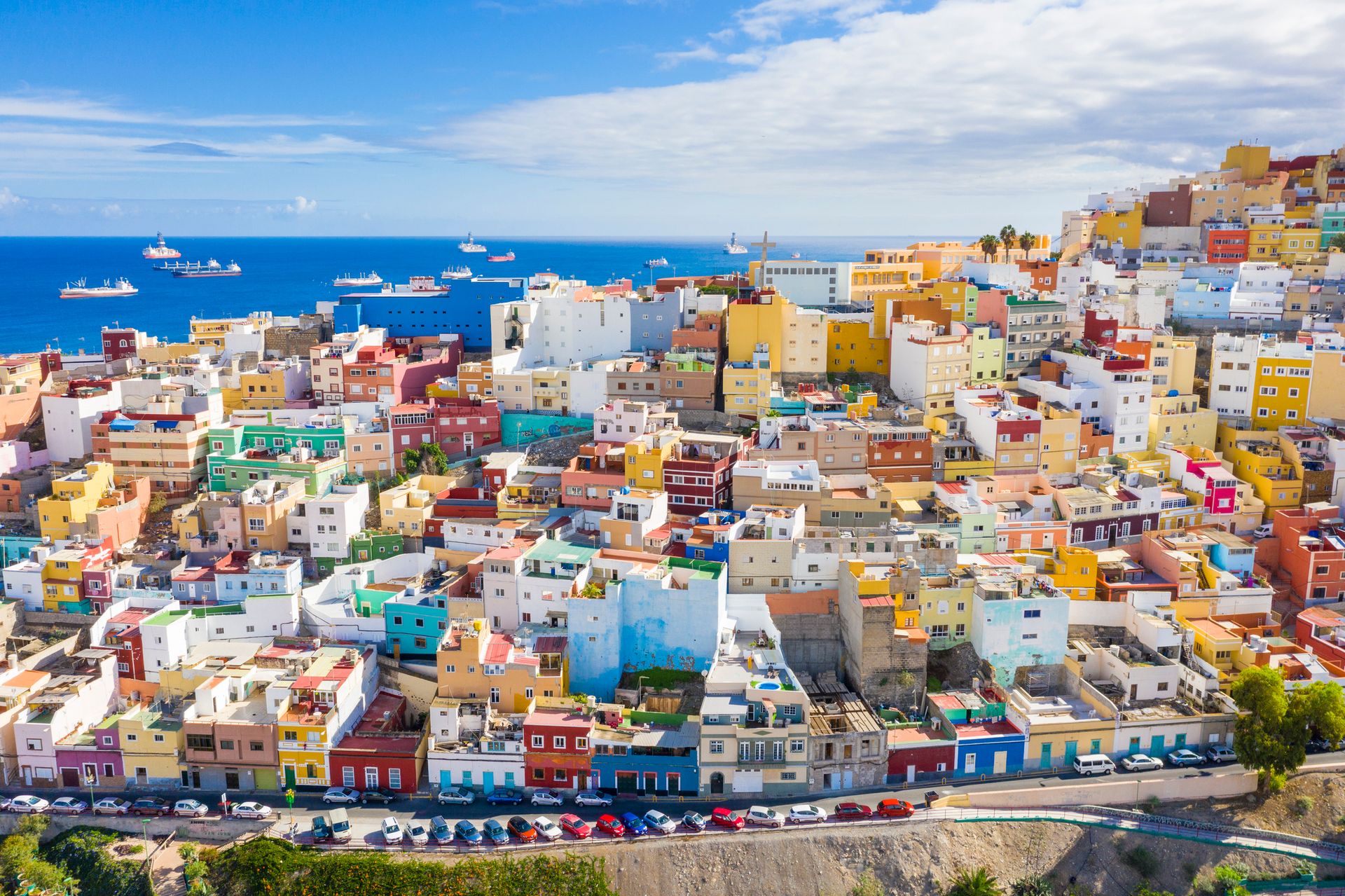
The Canary Islands, a Spanish archipelago off the northwest coast of Africa, experience average high temperatures in the high 60s and low 80s year-round, making them one of the few European beach honeymoon destinations that work in January as well as July. The year-round window eliminates the price premium that Canary Island travel would otherwise incur if it were restricted to the summer peak season, and couples who visit in the shoulder months of October through February find lower accommodation rates than the late-spring and summer crowds encounter.
Gran Canaria, the most geographically diverse island in the archipelago, offers couples a free natural landmark: Roque Nublo, a volcanic rock formation that rises to nearly 5,500 feet above sea level in the island’s mountainous interior and is accessible via hiking trail, with no entrance fee. The island’s beaches — Playa de Maspalomas, Playa del Confital, and Playa de las Canteras among the most celebrated — are all free to use, which removes the beach access and sun-lounger rental costs that Italian and French Riviera beaches frequently charge. The diversity of Gran Canaria’s landscape, from sand dunes at the southern tip to pine forests in the center, gives couples a physically varied destination within a single island’s footprint.
The archipelago’s position outside the Schengen Area’s typical tourist pricing pressures and its status as a Spanish destination keep restaurant and grocery costs below those of an equivalent Mediterranean island in Greece or Italy at comparable quality. Couples who base their stay in Las Palmas de Gran Canaria — the island’s capital and a genuine city with its own cultural life — find accommodation, dining, and nightlife options across a wider price range than the purely resort-oriented southern coast. The Canary Islands’ year-round viability, free beach infrastructure, and lower overall cost of living make them the most seasonally flexible beach honeymoon destination on this list.
Cavan Images & Liza Zavialova / Getty Images
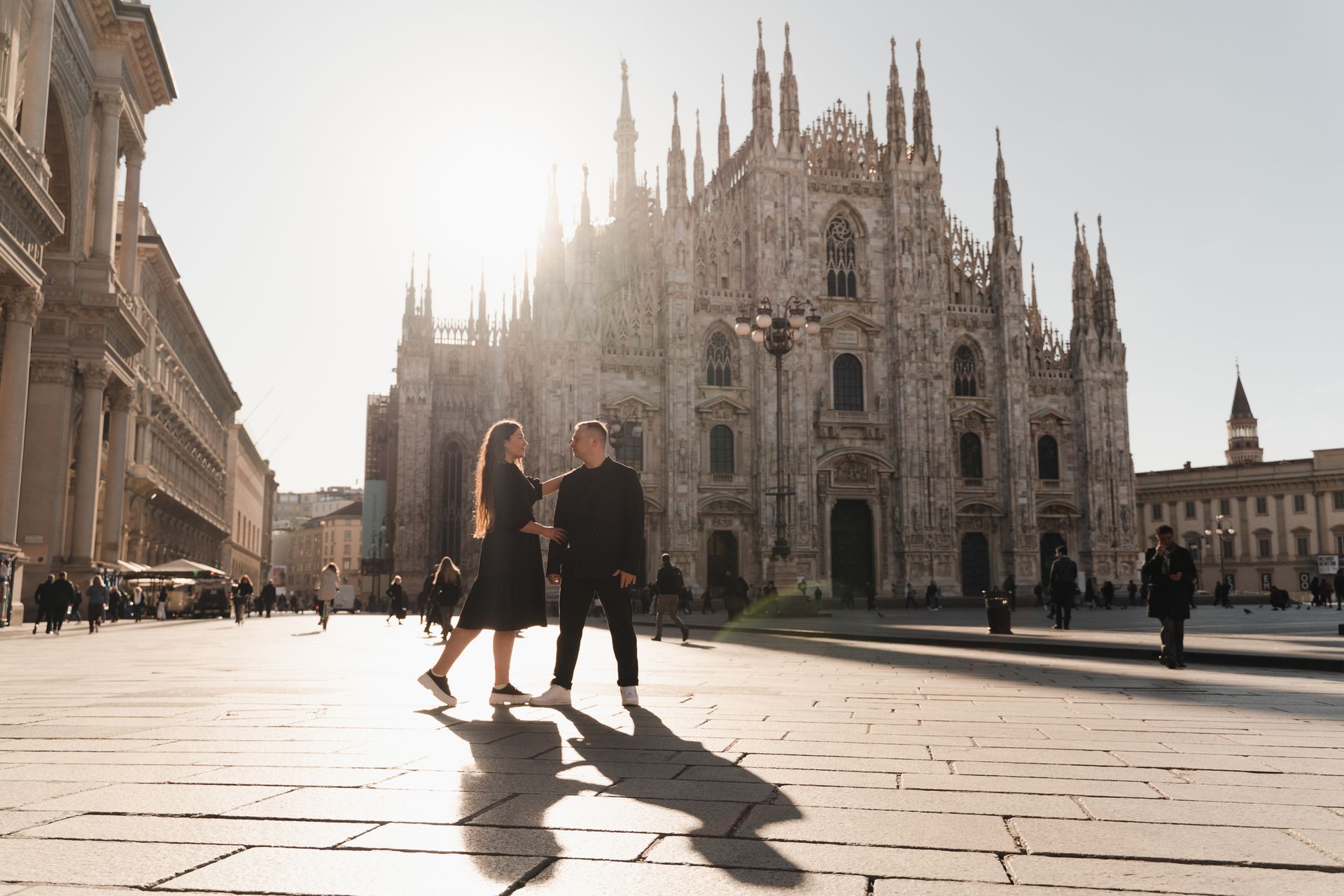
Milan occupies the highest rung of Italian fashion and design culture, and couples who visit find a city where walking its streets and piazzas amounts to a sustained engagement with one of the world’s most self-consciously stylish environments. No ticket is required. People-watching in the Brera neighborhood, strolling through the Galleria Vittorio Emanuele II, and walking through the Navigli canal district on an evening when the bars spill onto the towpaths give couples a genuinely cosmopolitan honeymoon atmosphere without paying a single entry fee.
The paid attractions in Milan include Leonardo da Vinci’s “The Last Supper” at Santa Maria delle Grazie, which requires advance booking and carries an entrance fee, but the free access to the Duomo’s piazza, the Sforzesco Castle grounds, and the public parks of Sempione gives couples enough landmark-adjacent content to fill days without spending on entries. Apartment hotels, bed-and-breakfasts, and vacation rentals in the neighborhoods surrounding the central tourist zone offer per-night rates substantially below the luxury hotels of the fashion district, and the city’s excellent metro system makes the central sights accessible within minutes from almost any residential area.
Milan’s food culture rewards budget travelers who eat where office workers eat: aperitivo culture — the early-evening tradition of ordering a drink and receiving a buffet of snacks — is common at many neighborhood bars, where a fixed per-drink price effectively delivers a light meal alongside the cocktail. The tradition emerged as a genuinely local custom and still functions that way in bars outside the tourist corridors. Couples who time an evening aperitivo at a Navigli or Isola neighborhood bar, followed by a modest dinner at a trattoria, spend less than a single drink at a hotel bar in the central fashion district while experiencing a more authentic version of Milanese social life. The aperitivo model, specific to Milan among Italian cities, gives the city’s budget travelers a locally distinctive low-cost meal format unavailable in Florence or Rome.
Sigfrid Lopez / Getty Images
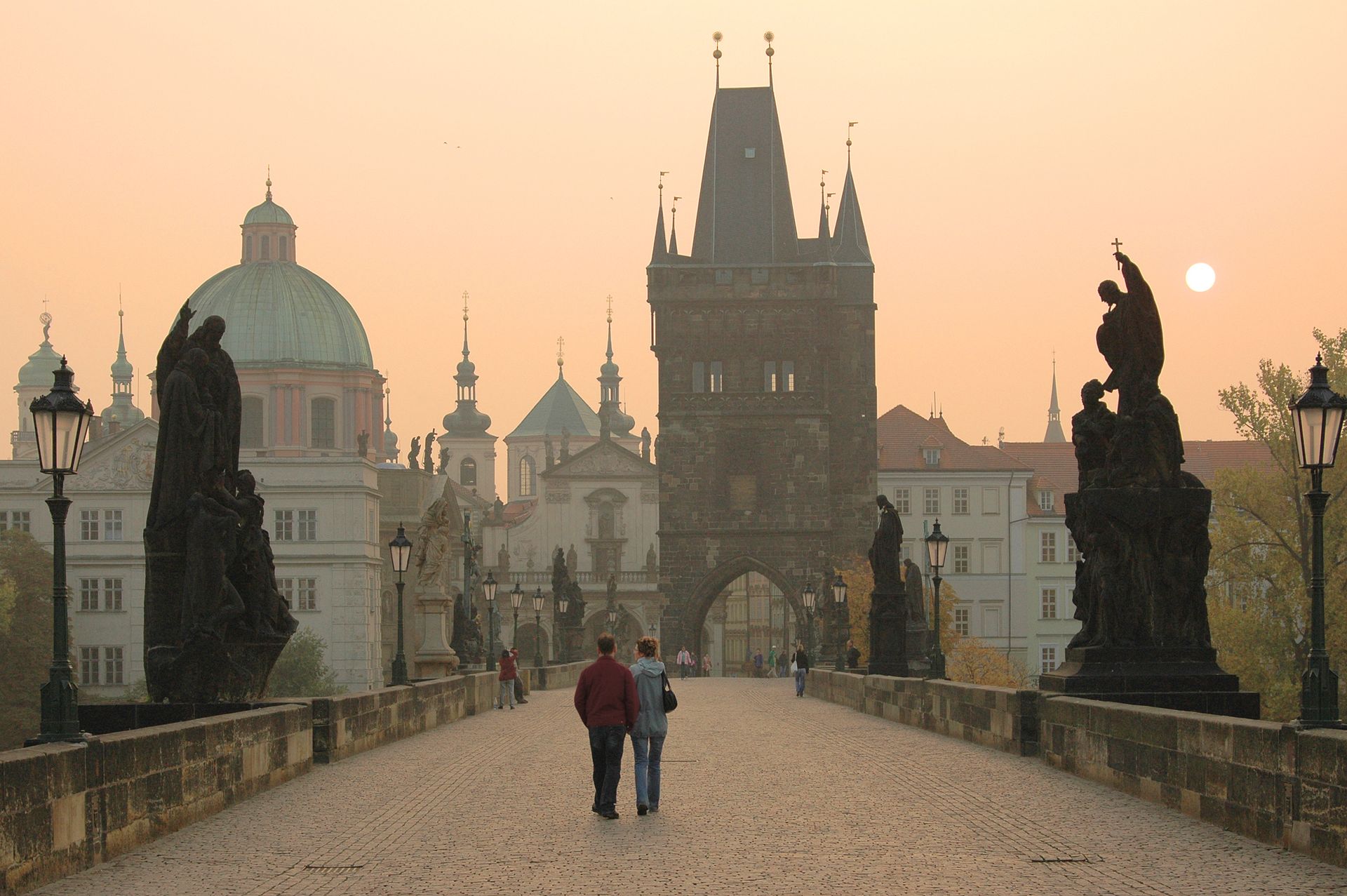
Prague’s physical environment — the Gothic spires of Prague Castle rising above the Vltava, the honey-gold glow of the Charles Bridge at dusk, the medieval astronomy of the Astronomical Clock — provides one of the most cinematically romantic urban settings in Europe at a price point that undercuts Vienna, Paris, and Rome substantially. Hotel rates in Prague are among the lowest of any European capital city for comparable quality, and the city’s compact, walkable historic center eliminates the transport costs that navigating larger European capitals can accumulate over a multi-night stay.
Letná Park, perched on a plateau above the Vltava with views across the river and the castle district, offers couples a free outdoor space where the visual reward for 20 minutes of uphill walking is a panoramic vantage point over the city that most tourists experience from a paid viewpoint. The Old Town Square $SQ’s medieval and Baroque architecture, the Jan Hus Memorial, and the Astronomical Clock’s hourly mechanical figures provide a sustained free spectacle that occupies an afternoon without requiring tickets. Prague Castle’s grounds are free to enter, though the interior sites carry individual admission fees.
Beer in Prague is priced lower than a soft drink in most Western European cities, making the Czech Republic’s famous brewing culture genuinely accessible as a daily recreational pleasure, not a budget line item to manage. Couples who want wine over beer will find Czech wines — particularly the Moravian whites — available at restaurant prices that undercut equivalent quality in France or Italy. Prague’s street food culture, with trdelník pastries and svíčková beef dishes available at market stalls throughout the historic center, gives couples a low-cost way to eat well between visits to the city’s landmarks and positions Prague as the most affordable Central European capital on this list. The Astronomical Clock performance, the Charles Bridge at dawn before tourists arrive, and the view from Letná Park together give the itinerary a romantic visual arc that requires no admission fees.

boggy22 / Getty Images
Vienna delivers one of the richest concentrations of free Baroque and Habsburg imperial architecture in Europe, with St. Stephen’s Cathedral, the exterior and grounds of Schönbrunn Palace, and the Ringstrasse boulevard’s monumental public buildings all accessible without an entrance fee. The royal gardens of Schönbrunn, where the palace grounds and the formal garden parterre are free to walk, give couples a setting of imperial grandeur that the palace’s interior charges to enter but does not require for the essential outdoor experience.
The Naschmarkt, Vienna’s most famous open-air food market, runs along the Wien River channel between the Ringstrasse and the Linke Wienzeile every day except Sunday. The stalls sell Austrian produce, cheeses, cured meats, international ingredients, and prepared food at market prices, and the café-restaurant hybrid vendors that anchor the market’s edges serve breakfast and lunch at rates below the neighborhood restaurants immediately surrounding the site. Couples who build a Naschmarkt morning into their itinerary cover food shopping, a cheap meal, and a genuine piece of Viennese daily life.
Budget accommodation is most accessible in the districts beyond the Ringstrasse — the inner boulevard that encircles the historic center — where independent hotels and pension-style guesthouses offer comfortable rooms at rates that the historic-center hotels charge only for their least desirable inventory. The city’s U-Bahn metro system makes the Ringstrasse sites reachable from outer districts in under 15 minutes at a single-fare cost that caps the daily transport budget predictably. Vienna’s café culture, where a single coffee order traditionally purchases an afternoon of seating and free newspaper access, gives couples a way to spend slow, romantic hours in a historically intact Viennese interior without ordering more than they want. For couples who prioritize palace architecture, café culture, and free urban spectacle, Vienna delivers more per euro than any other Central European capital on this list, and the Naschmarkt’s daily market provides an alternative to restaurant dining that reduces the food budget without sacrificing the quality of the culinary experience.
Dado Daniela / Getty Images
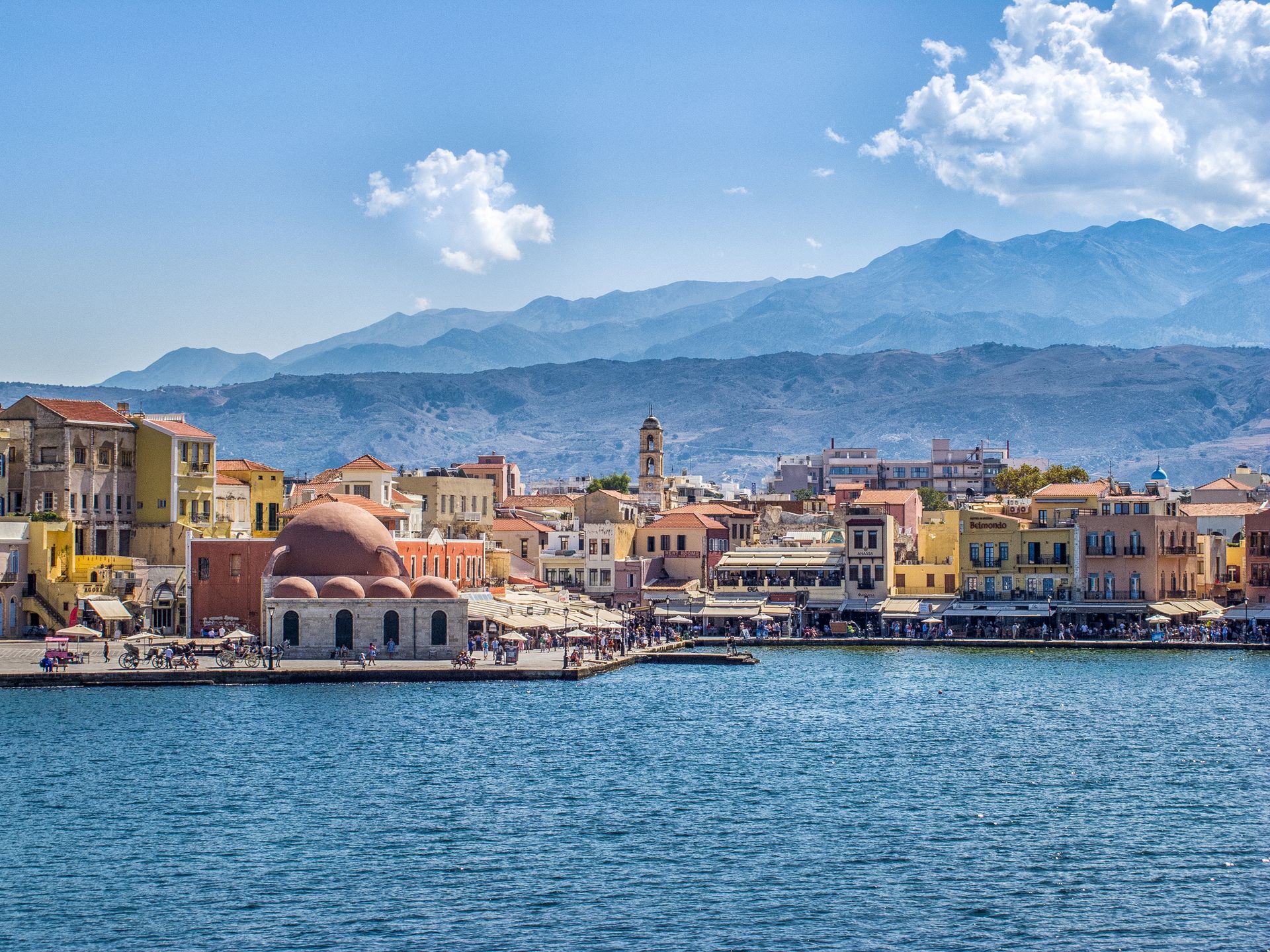
Crete, Greece’s largest island, combines a coastline of genuinely beautiful beaches with a local dining culture built around ingredients served in local tavernas at prices well below what the same dishes cost in the tourist restaurants of Athens or the resort zones of Santorini. Fresh seafood, Greek salad, stuffed grape leaves, tzatziki, and bread anchor the taverna menu. Eating at a taverna rather than a hotel restaurant or a tourist-facing seafront venue significantly reduces the daily food budget and typically improves food quality, since taverna kitchens serve a local clientele whose loyalty depends on consistency.
Elounda and Chania are the two areas the source identifies as prime bases, each offering an abundance of affordable resort properties, vacation rentals, and bed-and-breakfast options with sea views. Chania’s Venetian harbor, with its lighthouse and the surrounding lanes of the old city, provides the island’s most photogenic urban setting. The honeymoon backdrop costs nothing to walk through, and the nearby restaurants and bars keep prices competitive because of the density of options surrounding the harbor. Elounda, on the northeastern coast, offers a quieter alternative, with access to the ruins of Spinalonga Island and the calmer beaches of the Gulf of Mirabello.
Crete’s size gives couples a practical reason to choose it over smaller Greek islands. The internal road network, though demanding in the mountainous interior, allows independent exploration by rental car across dramatically different landscapes within a single day. The White Mountains in the west, the Samaria Gorge (one of Europe’s longest gorges), the Minoan ruins of Knossos near Heraklion, and the palm-fringed beaches of the south coast all lie within the island’s single geography, giving couples a more varied itinerary than most smaller Greek islands can sustain across a week-long stay. Elounda’s quieter pace and proximity to the Spinalonga island ruins give this northeastern corner of Crete a honeymoon character distinct from the livelier beach resorts of the north coast.
Nick Brundle Photography / Getty Images
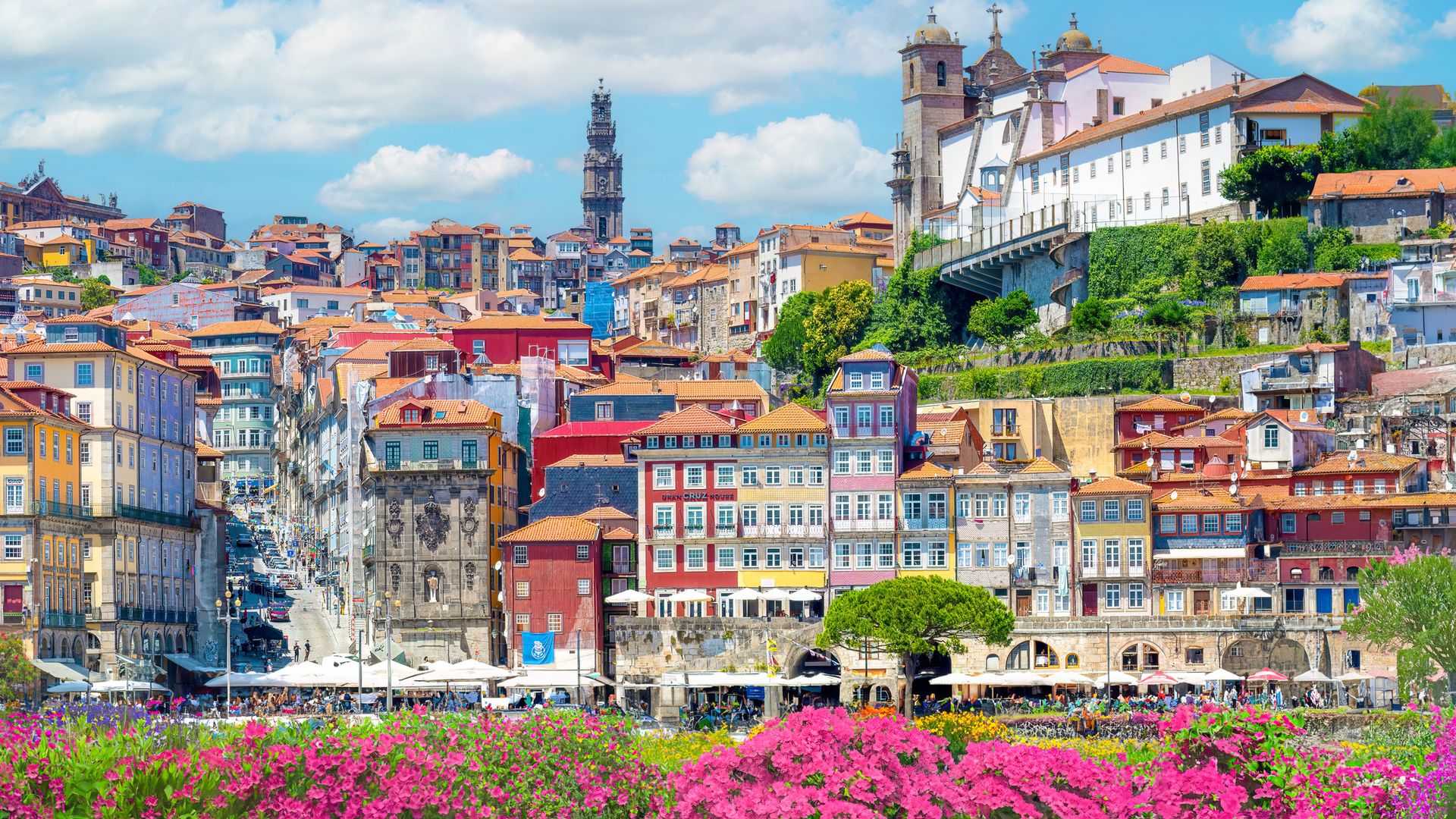
Porto, Portugal’s second city, gives couples a coastal-adjacent destination where the primary cultural attraction — port wine — costs far less to experience through a flat-fee winery tour than it would through individual purchases in a wine bar. A structured tour across several wine lodges in the Vila Nova de Gaia district, just across the Douro River from Porto’s historic center, covers multiple tastings at a per-person cost that scales efficiently for couples who want variety and context alongside the wine itself. The Douro River waterfront, the Ribeira district’s tiled facades, and the Dom Luís I bridge are all free to walk and photograph.
Porto’s tourism board website offers deals and discounts on the city’s paid attractions, giving couples a way to reduce costs on museum admissions and cultural events without relying solely on free access. The Livraria Lello bookshop, one of the most photographed bookstores in the world, charges a small entry fee redeemable against a purchase, making it accessible to couples with a genuine interest in books, not just a photo stop on a walking tour. The Casa da Música concert hall hosts events at a range of price points, and the city’s network of azulejo-tiled historic churches — São Bento station’s famous blue-and-white tile murals being the most celebrated — are free to enter.
Porto’s position on the Atlantic coast gives couples access to beaches within a short commute: Matosinhos, the nearest ocean beach, is reachable by metro from the city center in under 20 minutes at a single-fare cost. The city’s food culture favors the budget traveler: a francesinha, Porto’s iconic sandwich in a beer-and-tomato sauce, costs a few euros at a traditional café and constitutes a full meal. Port wine by the glass at a riverside café in the Ribeira costs a fraction of what equivalent fortified wine from France or Spain costs in comparable settings, giving couples a high-quality local luxury at low local prices. Porto’s wine culture, free visual attractions, and Atlantic beach access within transit range make it the most geographically versatile cheap honeymoon destination on this list.
