From a pastry class in Paris before boarding in Lyon to a kayak through the Gorges de l'Ardèche gorge
Muntinus / Unsplash
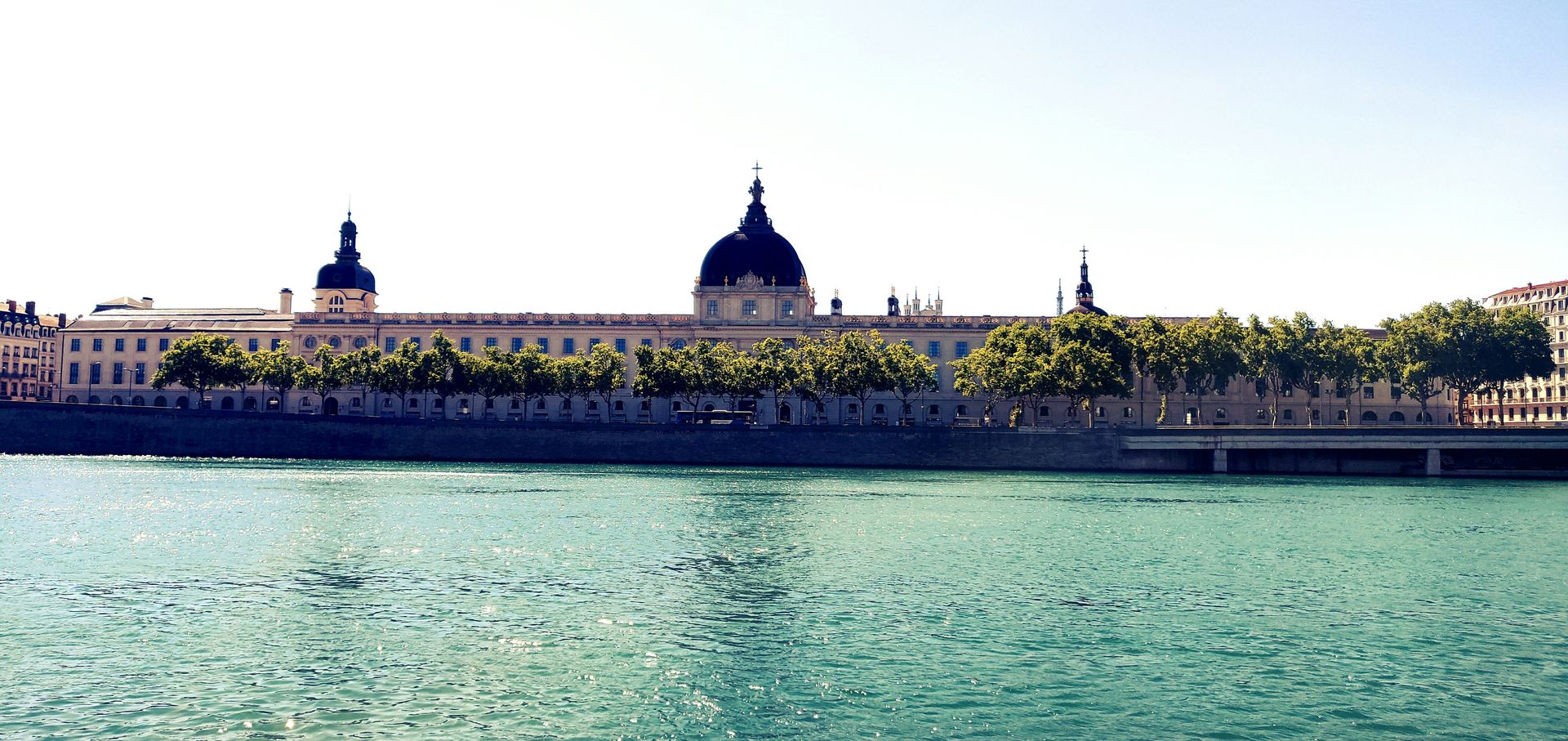
The Rhône River moves through some of France’s most storied terrain. Originating in the Swiss Alps, it travels more than 500 miles past vineyard-covered hillsides, medieval villages, and fortresses before meeting the Saône in Lyon and continuing south to the Mediterranean. The civilizations that built along its banks left behind Roman amphitheaters, Gothic cathedrals, papal palaces, and wine traditions that have defined regional identity for centuries. Vincent van Gogh found enough in the landscape around Arles to produce some of his most recognizable work. The Rhône’s towns and the culture they carry have been compelling travelers for a very long time.
River cruising suits the Rhône’s geography well. The waterway connects destinations that reward slow travel, and the ship handles the logistics that independent travel between these towns would require: transfers, accommodation, and the sequencing of a route that puts the right places in the right order. Most Rhône itineraries sail between Lyon, widely regarded as the food capital of France, and Arles or Avignon in the south, stopping at smaller towns along the way where guided excursions give passengers direct access to the wine, food, history, and landscape that define each location. The format concentrates a significant amount of southern France into a week or so of travel without the pressure of self-directed navigation.
The seven itineraries below appear in U.S. News & World Report, covering the range of what Rhône River cruising offers in 2026 and 2027. The selection spans cruise lengths, onboard styles, and excursion philosophies, from active adventure formats built around kayaking and hiking to food-focused sailings that begin with a pastry class in Paris. Each itinerary serves a different kind of traveler, and the differences between them are specific enough to make the choice meaningful.
Credit: Viking Cruises
Viking’s eight-day Lyon & Provence itinerary sails between Avignon and Lyon with stops in Arles, Viviers, Tournon, and Vienne, covering the core Rhône route in both directions and giving passengers a complete picture of the river’s southern half. Seven guided tours are included in the fare, along with Wi-Fi, all onboard meals, port taxes and fees, enrichment lectures, and select beverages, which means the primary decision-making during the cruise involves choosing how to spend time ashore rather than calculating what each excursion adds to the total.
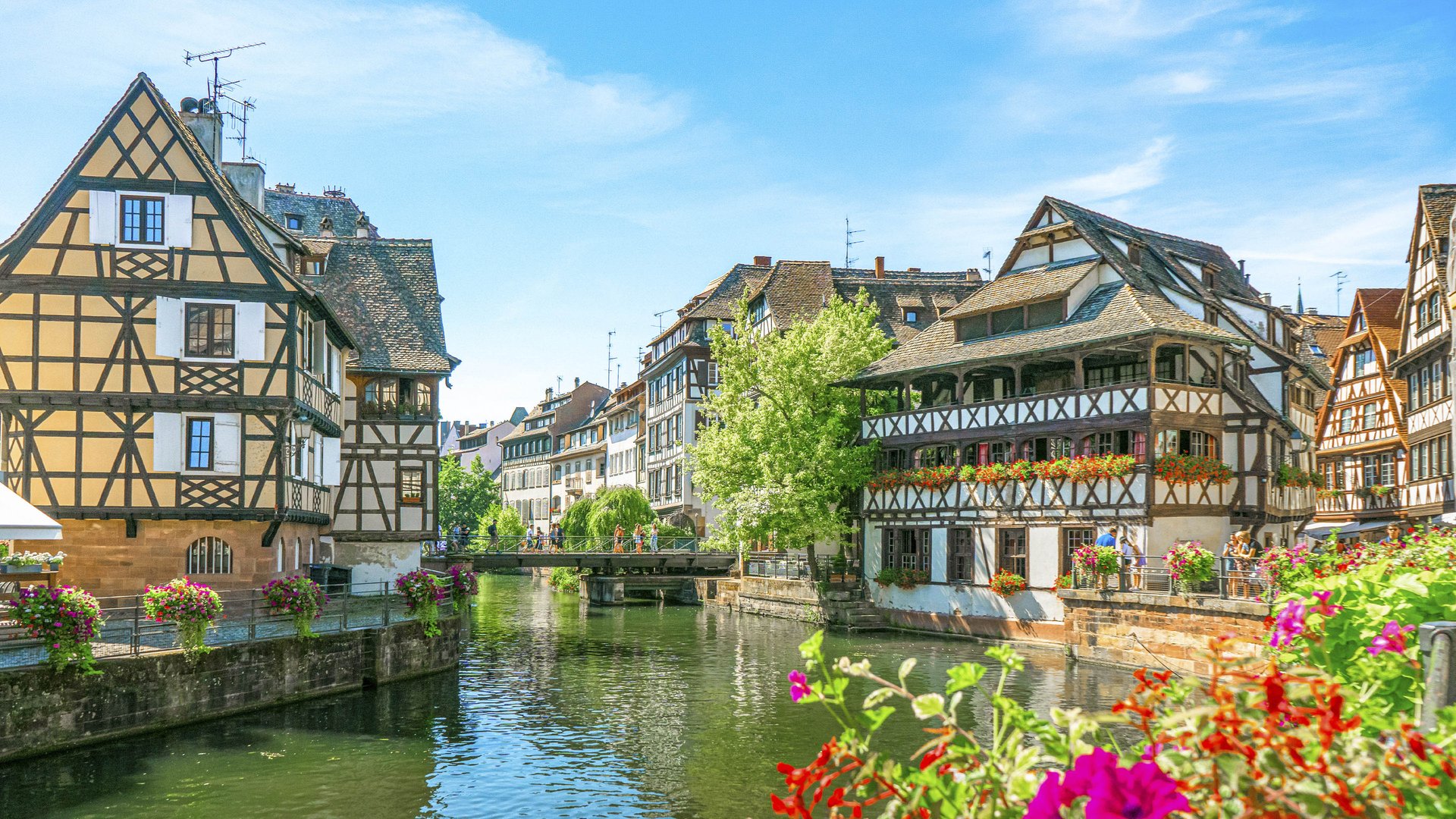
Arles anchors the southern end of the itinerary with two distinct appeals: Gallo-Roman ruins that place the town within a history stretching back two millennia, and a Provençal market that gives the same town a vivid contemporary character. Viviers, smaller and less internationally known, offers the 12th-century St. Vincent Cathedral along cobblestone streets that carry the medieval scale the town never outgrew. Tournon contributes to the Train de l’Ardèche, a heritage railway that moves through the gorge terrain above the river at a pace suited to the scenery. Vienne closes the southern portion of the route with the Temple of Augustus and Livia, one of the best-preserved Roman temples in France.
Lyon, where the itinerary concludes, concentrates more culinary and architectural significance per square kilometer than almost any other French city outside Paris. The Basilica of Notre Dame, the St. Jean Cathedral, and the medieval province of Beaujolais occupy the final day’s excursion options, though Lyon’s food market culture and its status as the origin point of French gastronomy reward any time a passenger spends wandering outside the structured tour.
Pre- and post-cruise extensions to the French Riviera and Paris are available for travelers who want to frame the river sailing within a broader France itinerary. The adults-only format of the cruise gives the onboard atmosphere a distinct character that families traveling with children would want to consider before booking.
Credit: Amawaterways
AmaWaterways’ seven-night Colors of Provence itinerary departs Lyon and sails south to Arles, framing the journey through Old Europe around the medieval abbeys, Gothic cathedrals, and wine regions that give the Rhône corridor its cultural density. The Beaujolais wine region anchors the Lyon departure with a private tasting at a traditional winery, giving passengers an immediate introduction to the agricultural identity of the land the ship will move through over the following week.
Vienne and Tournon follow, each offering a specific experience unavailable elsewhere on the route. Vienne’s Mount Pipet provides a physical ascent that rewards the effort with panoramic views over the surrounding vineyards and the river below. Tournon splits its excursion options between a steam train ride through the hillside terrain above the Ardèche gorge and a wine and chocolate tasting at the Château de Tournon, a combination that reflects the particular abundance of the Rhône Valley’s agricultural and architectural inheritance.
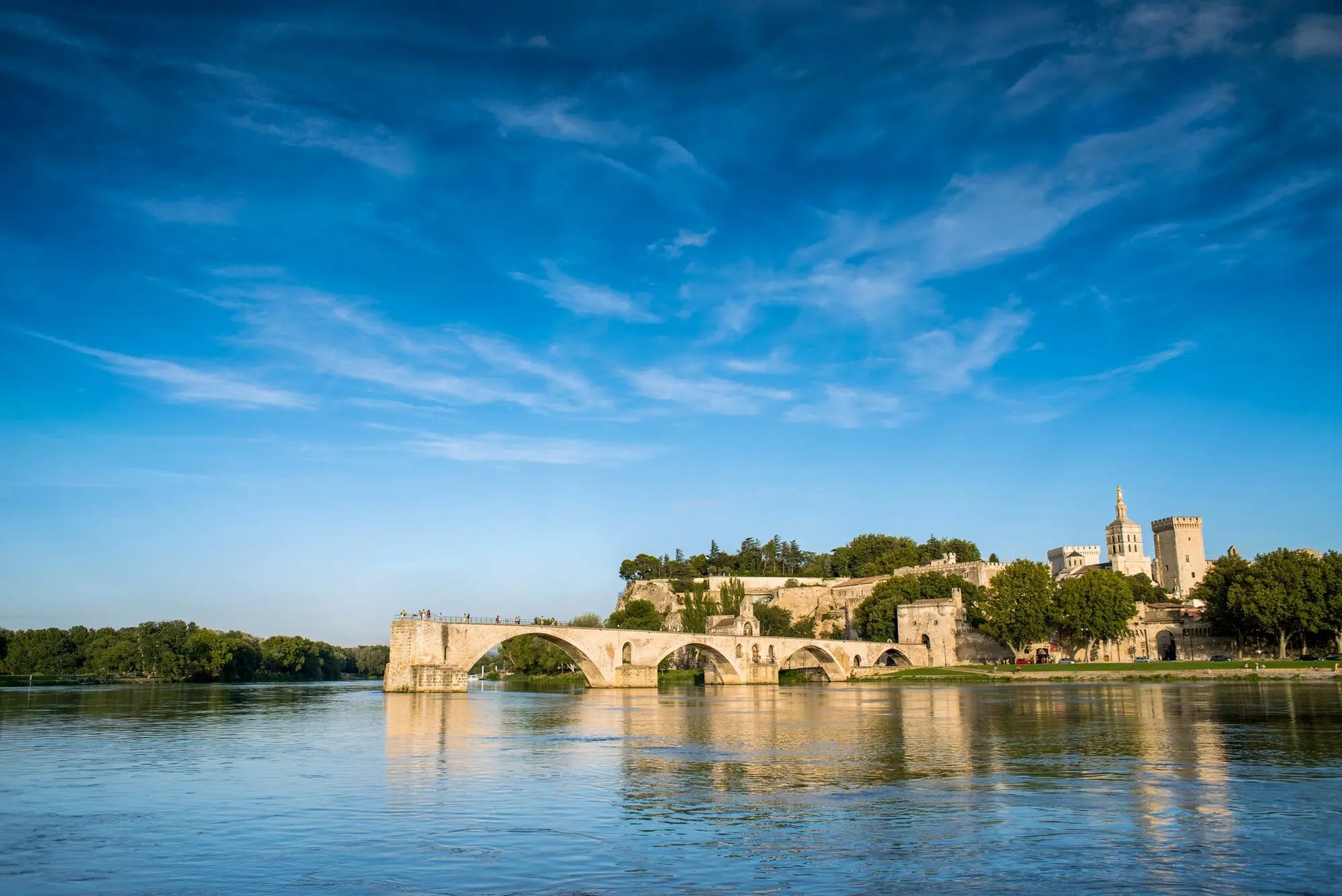
Avignon carries the heaviest historical weight of any stop on the itinerary. The Pont Saint Bénézet and the Palais des Papes, both UNESCO World Heritage Sites, place the City of the Popes within a medieval narrative that the papal relocation from Rome in the 14th century set in motion. The scale of the Palais des Papes, in particular, is visible from the river well before the ship docks, giving the approach to Avignon an arrival quality that the itinerary effectively builds toward.
Arles closes the sailing in the landscape that van Gogh documented obsessively during the 14 months he spent there in 1888 and 1889. The ancient theaters and underground galleries that predate his time in the city by more than a millennium add an archaeological dimension that the painting associations alone cannot provide. A post-cruise extension to Barcelona for three nights is available for passengers who want to continue south after the sailing ends.
Credit: Avalon Waterways
Avalon Waterways builds its eight-day Active and Discovery itinerary around a dual-track excursion model that gives passengers at every port a choice between an active option, a discovery option, and standard sightseeing. The cruise sails from Lyon to Arles, and the framework applies at each stop, meaning the same sailing serves a solo traveler who wants to kayak through a gorge and a companion who prefers a guided walk through a chocolate factory, without either having to compromise on what the ship offers.
The active excursions reach terrain and experiences that standard sightseeing formats cannot access. A guided hike through the Nature Reserve of Cirque d’Estre moves through protected wilderness above the river. Kayak trips in the Gorges de l’Ardèche and at Pont du Gard, the highest elevated Roman aqueduct in the ancient world, put participants on the water in two of the Rhône region’s most dramatic natural and architectural settings. A guided bike ride through Camargue National Park covers terrain home to hundreds of bird species in a wetland environment distinct from anything else on the route.
Discovery excursions match the active options in specificity. A culinary walk through Lyon provides a structured entry point into the city’s food culture for passengers who want guidance through the market and restaurant landscape. A tour of the Valrhona Chocolate Factory and Museum reveals an industrial and agricultural process that the finished product in most chocolate shops does not. A visit to an authentic Provençal farmhouse to observe essential oil production and a painting workshop in van Gogh’s techniques give the discovery track a range that covers food, craft, and art in the same sailing.
The format rewards travelers who want an active holiday without committing entirely to a physically demanding program. The option to choose between an active and a discovery excursion at each port allows the trip's energy level to vary day by day, which suits itineraries of this length better than a fixed-intensity program would.
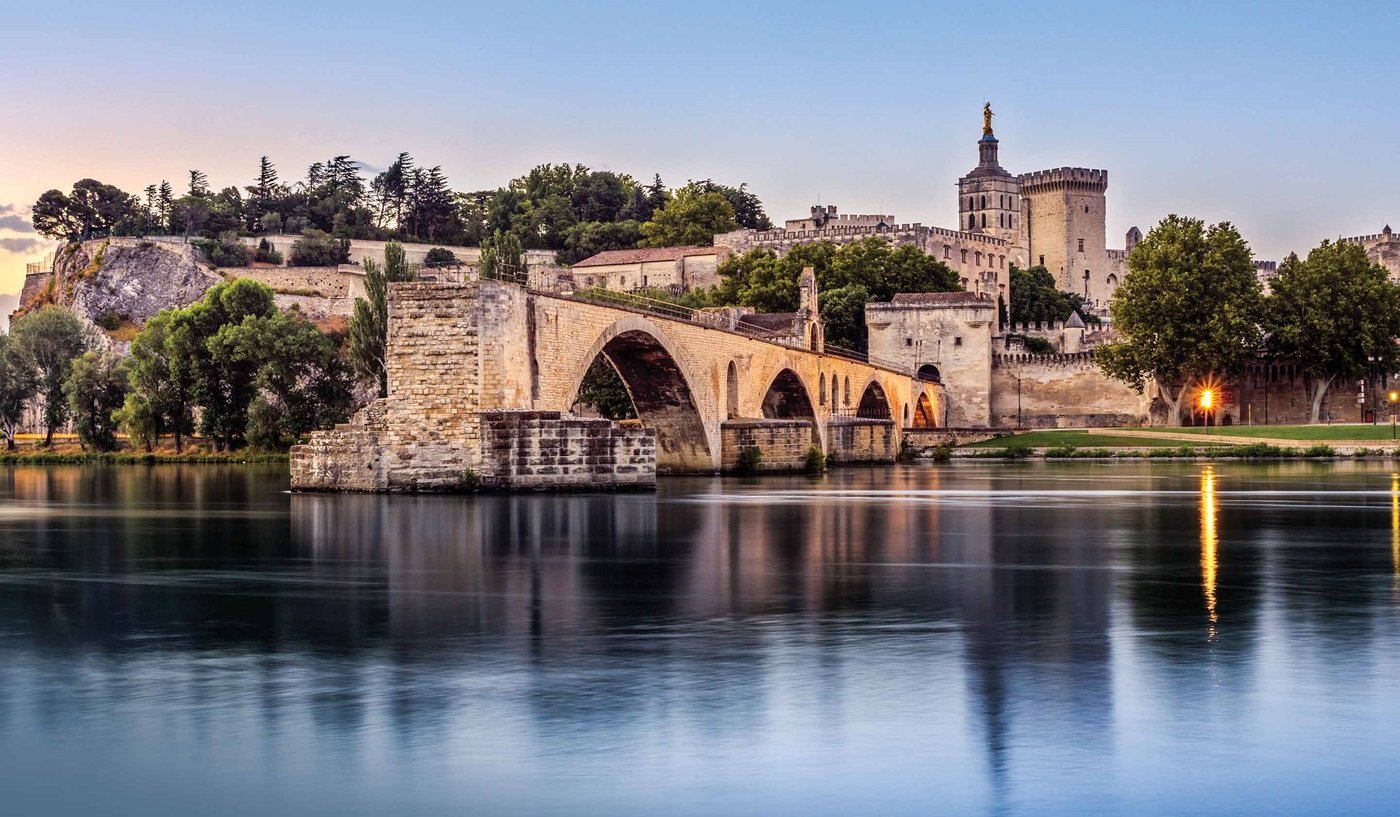
Credit: Tauck
Tauck’s Savoring France itinerary extends the Rhône River cruise into a 10-day experience that begins in Paris and builds toward the river through a sequence of culinary encounters designed for travelers whose primary interest is France’s food and wine culture. Two nights in Paris open the journey with dinner at Fouquet’s on the Champs-Elysées and a pastry class at Le Cordon Bleu Paris, one of the most recognized culinary schools in the world. A walking and tasting tour of French flavors in the city adds a broader gastronomic context before a train through the French countryside delivers passengers to Lyon and the start of the seven-night river sailing.
The food-focused programming continues throughout the cruise. Les Halles de Lyon, the indoor food market that has operated since 1850, offers a tasting of fresh breads, cheeses, and regional specialties, giving the Lyon stop a market-based structure alongside the architectural and historical options the city offers. A private wine tasting in the Beaujolais countryside moves the experience out of the city and into the agricultural land that produces the wine. A special lunch of farm-grown specialties at a private ranch in La Camargue adds a pastoral dimension that the urban and village stops do not replicate.
The Duchy of Uzès contributes a different register: a tour, reception, and dinner in a setting that places the gastronomic experience within a historic aristocratic context. A hike through vineyards in Tain-l’Hermitage grounds the wine education in the physical landscape that the vines occupy, giving the area’s wine history a geographical specificity that a tasting alone would not convey. The sequence across the full 10 days builds a picture of French food and wine culture from its Parisian institutional expression through its regional agricultural roots.
The itinerary suits travelers who want cultural depth alongside gastronomic experiences and have enough time to do justice to a program that extends significantly beyond the standard seven- or eight-day Rhône format.
Credit: Uniworld River Cruises
Uniworld’s eight-day Burgundy and Provence sailing moves through the Rhône and Saône rivers between Arles and Lyon aboard the 158-guest S.S. Catherine, with select sailings incorporated into the Generations Family Program that adds family-focused activities to the standard itinerary. Including all meals, beverages, bicycles, and Nordic walking sticks in the fare gives the cruise a logistical completeness that eliminates the per-excursion cost calculations some river cruise formats require.
The excursion program covers both artistic and historical ground in its specific stops. A Van Gogh painting class in Arles connects the town’s most famous seasonal resident to a hands-on creative experience rather than a passive museum visit. The 2,000-year-old Pont du Gard Roman Aqueduct in Avignon offers a direct physical encounter with ancient engineering that photographs of the structure cannot substitute for. A scenic stroll and wine tasting in the twin riverside cities of Tournon and Tain-l’Hermitage pairs the landscape with the Rhône Valley’s wine culture, using the walking pace to let both register properly.
Lyon closes the itinerary with a bike tour along the Rhône, which gives the city’s riverfront a different experiential quality than a walking tour does. The physical movement of cycling along the water gives passengers a relationship to the city’s geography that slower, more static formats do not, and Lyon’s riverside infrastructure suits this format well.
Pre- and post-cruise extensions significantly expand the geographic scope. A three-day pre-cruise extension on the Mediterranean coast adds a coastal dimension before the river sailing begins. Post-cruise options include time in Paris, Athens, or a combined Athens and Santorini itinerary, giving passengers who want to extend their European trip a range of directional choices after the Rhône sailing ends.
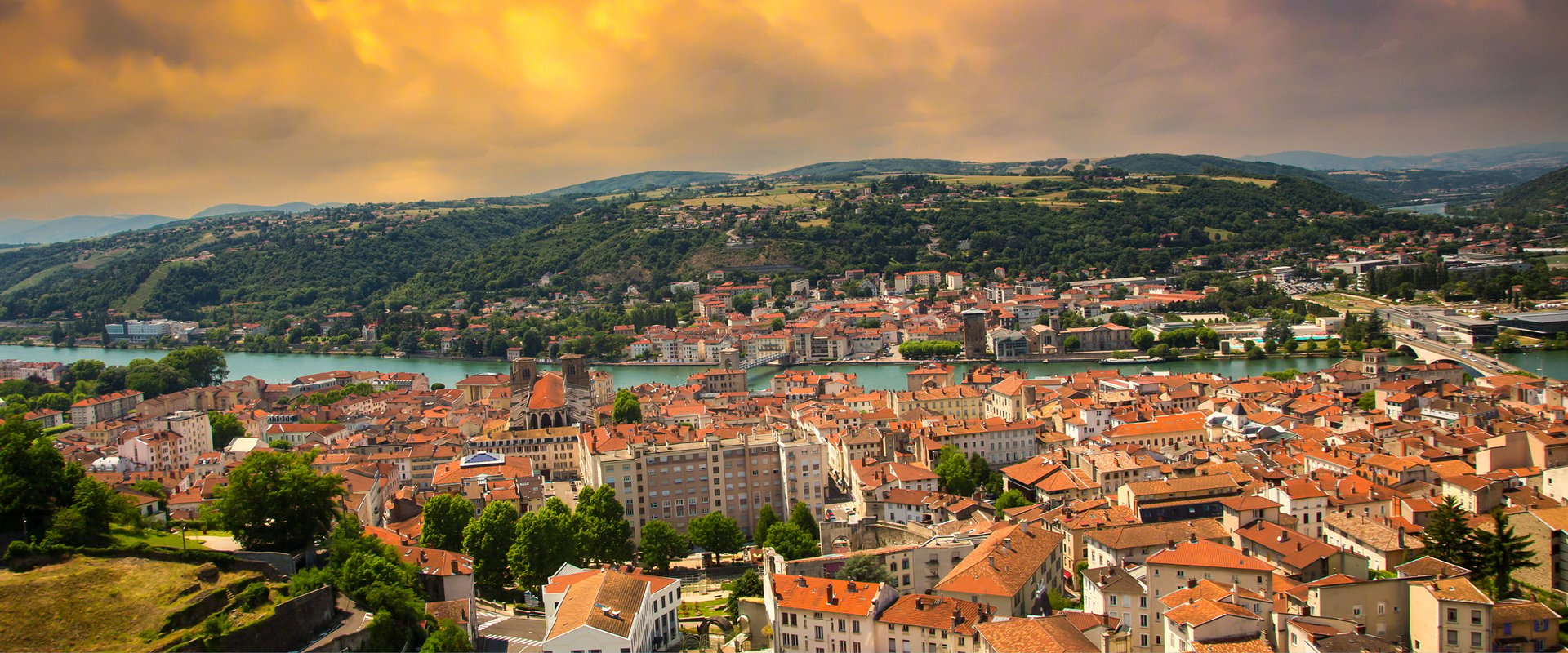
Credit: Emerald Cruises
Emerald Cruises’ eight-day Sensations of Lyon and Provence itinerary sails the Rhône from Arles northward through Avignon, Viviers, and Tournon before transitioning to the Saône for the final stretch to Lyon, covering both rivers in a single itinerary that gives passengers a more complete picture of the waterway system than a Rhône-only route provides. The stop in Mâcon on the Saône adds a Beaujolais wine tasting in a location that the Rhône-only itineraries typically do not reach.
Each port of call structures its excursion around the destination’s most significant historical or cultural asset. The 2,000-year-old Arles Amphitheatre opens the sailing with Roman architecture on a scale that establishes the historical register for the entire journey. The Palais des Papes in Avignon, a UNESCO World Heritage Site, gives the city's papal history a physical presence that its reputation only partially prepares visitors for. Viviers offers the colorful buildings of Old Town along streets that carry the small-town character of a medieval river settlement that larger destinations have long since outgrown.
Tournon contributes a 16th-century castle that adds a Renaissance layer to the predominantly medieval and Roman historical content of the surrounding stops. Lyon closes the itinerary with a walking tour that includes the Basilica Notre-Dame de Fourvière, the hilltop basilica whose white stone exterior is visible from across the city and whose interior reflects the architectural ambition of late-19th-century French Catholic architecture.
The Emerald Star-Ship format positions the cruise at the contemporary end of river-cruise vessel design, with a sun deck, pool, and interior spaces that reflect more recent investment in passenger comfort than older river-cruise fleets can match.
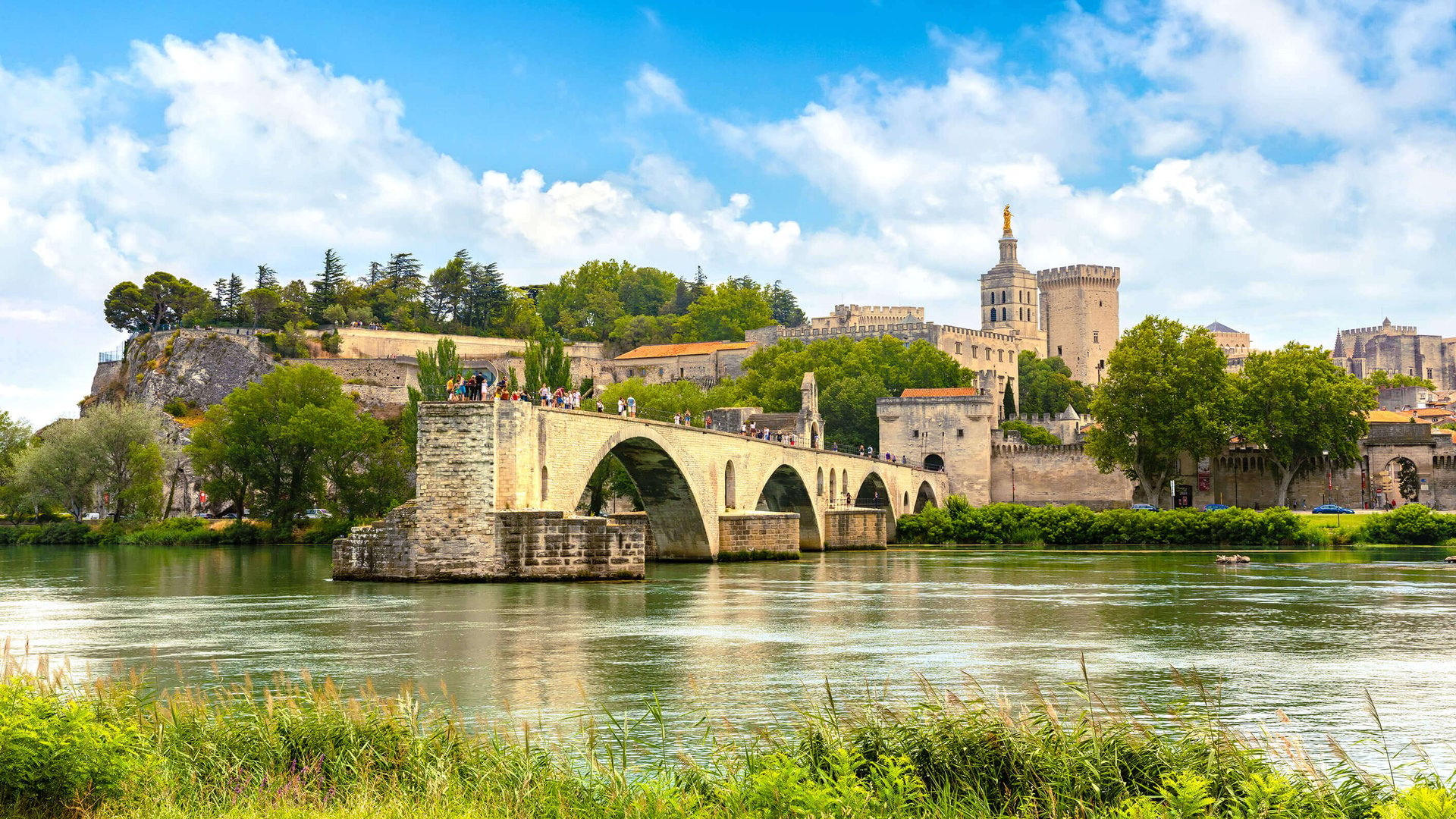
Credit: Riverside Luxury Cruises
Riverside Luxury Cruises’ four-day Scenes of Southern France itinerary compresses the southern section of the Rhône into a shorter format that suits travelers with limited time or those who want to extend an existing France trip with a river component. The 110-guest Riverside Ravel sails between Avignon, Arles, and Tarascon before returning to Avignon, covering the Rhône Delta alongside the three ports in a sailing that delivers butler service in every suite and daily hors d’oeuvres as standard features of the onboard experience.
Avignon opens the journey with a guided walk through a city whose medieval walls, papal palace, and historic bridge constitute one of the most concentrated collections of significant architecture along the Rhône. The guided walk gives first-time visitors a structured introduction to a city that rewards the orientation before independent exploration. Arles follows with an excursion program that offers more variety than most ports of this size: a tour and tasting at a traditional olive oil mill, a visit to a French manade to see where Camargue horses are raised, and a perfume-making experience at an authentic farmhouse in Provence give passengers three distinct windows into the agricultural and artisanal life of the region.
The Rhône Delta scenic cruising section of the itinerary gives passengers an extended period of river observation that the port-focused format of the rest of the sailing does not replicate. The Vista Deck, identified as the optimal vantage point for this section, positions passengers above the waterline with unobstructed views of the delta’s flat, wide landscape as the river spreads toward the Mediterranean. The terrain of the delta differs substantially from the gorge-and-vineyard scenery of the northern Rhône, and the transition gives even a four-day sailing a sense of geographic progression.
Tarascon closes the port stops with the 12th-century Church of St. Martha and a moated castle, products of the medieval fortification culture of the lower Rhône. Complimentary transfers to the Avignon train station, airport, or a central hotel after disembarkation give the itinerary a logistical completeness that a short sailing particularly benefits from.
