The most spectacular solar eclipse cruises you can book in 2026 and 2027
From a NASA astronaut aboard Crystal Serenity to a 28-day Holland America voyage covering 15 ports across two continents
clickhere / Getty Images
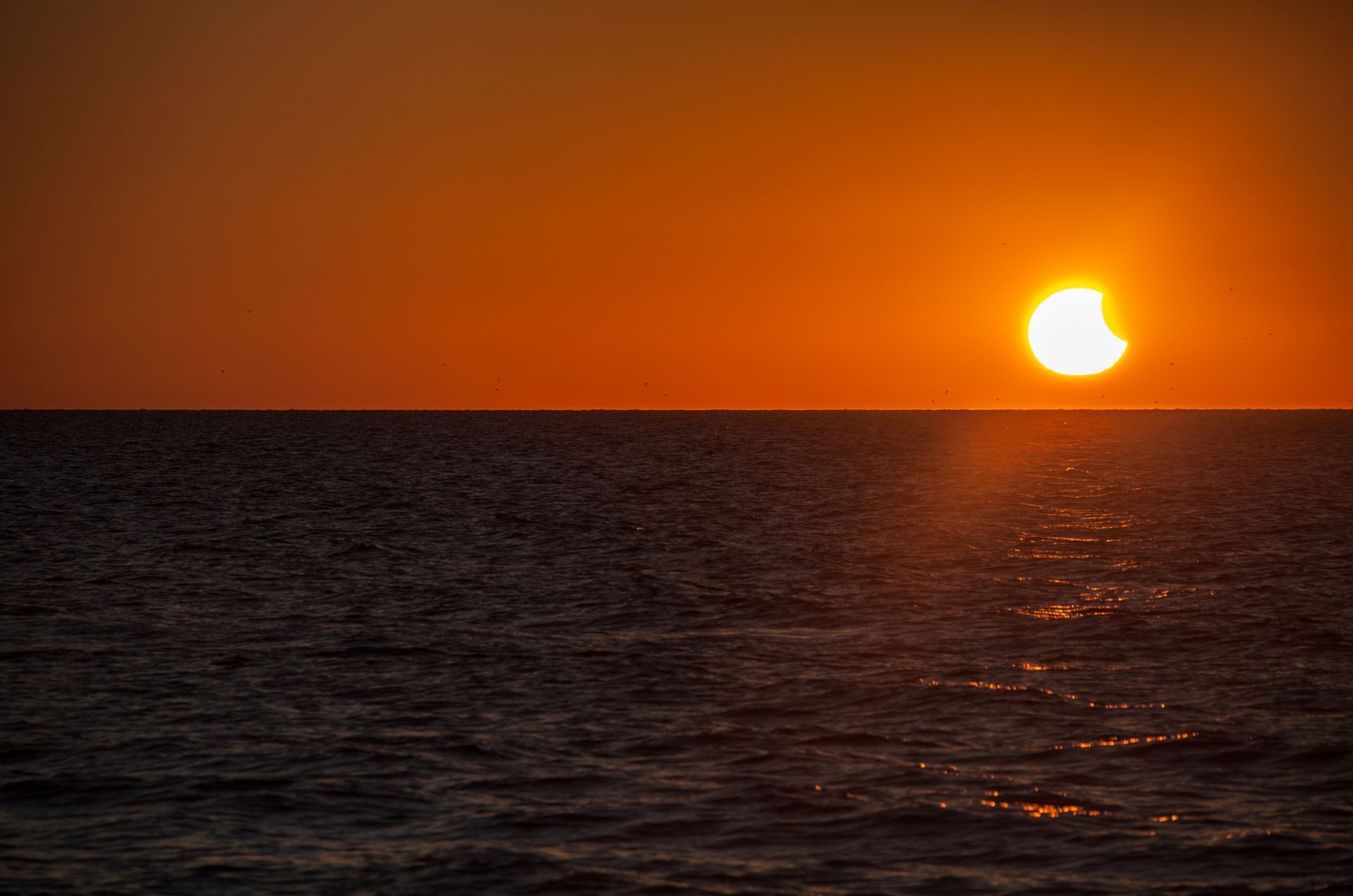
A total solar eclipse delivers one of the natural world’s most disorienting experiences. For a few minutes, the moon moves between Earth and the sun with precise alignment, daylight drains away, temperatures drop, and the sun’s outermost atmosphere — known as the corona — appears against a suddenly dark sky. It is a spectacle that requires no scientific background to appreciate and no special equipment to witness, yet it consistently produces an emotional response in those who see it that photographs and descriptions fail to convey.
Watching a total solar eclipse from the deck of a cruise ship adds a dimension that land-based viewing rarely provides. Open-ocean horizons eliminate the obstructions created by buildings, trees, and terrain. Crowd density, which defines the experience at many popular land-based viewing spots, shrinks to the size of a passenger manifest. The ship itself becomes a mobile viewing platform that cruise lines can position with greater flexibility than any fixed location allows, adjusting course for clearer skies when weather threatens to interfere. Beyond the celestial moment, the surrounding context — days at sea, port calls at destinations that would otherwise require a separate trip, and onboard programming from astronomers and scientists — gives the experience a narrative structure that a single-day land excursion cannot provide.
Two total solar eclipses are coming in consecutive summers, and U.S. News & World Report has identified the standout cruise sailings aligned with each. The 2026 eclipse crosses Europe on Aug. 12, following a path from the Arctic through Iceland and ending over northern Spain, with totality lasting just over two minutes. The 2027 eclipse arrives on Aug. 2 and crosses Spain, Morocco, and North Africa, delivering nearly 5 minutes of totality near southern Spain and Gibraltar, and over 6 minutes further east. The longer duration makes it the more dramatic of the two events. The eight sailings below span both years, multiple cruise lines, and a wide range of ship sizes and onboard styles.
1 / 8
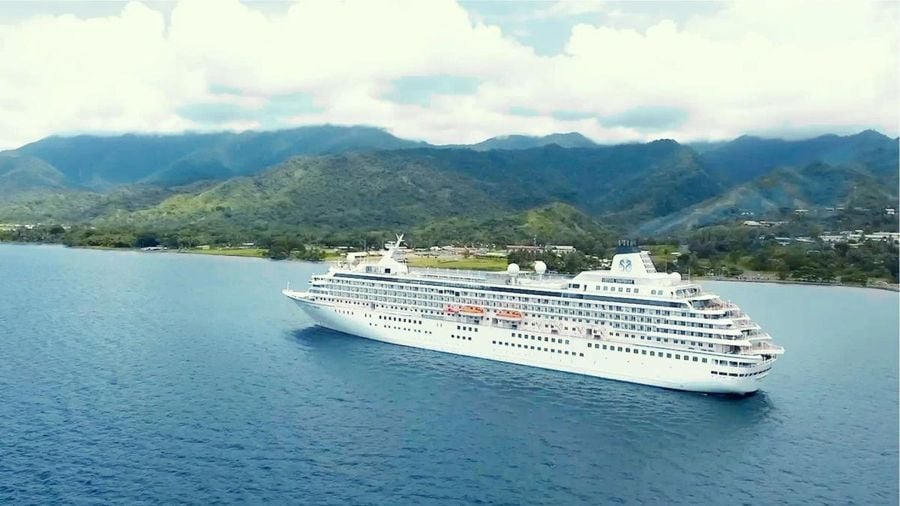
1. Crystal Serenity carries a NASA astronaut to the eclipse
Credit: Crystal Cruises
Crystal’s 11-night sailing in August 2026 aboard Crystal Serenity departs Amsterdam and ends in Lisbon, combining a Northern Europe and Iberian itinerary with a dedicated solar eclipse viewing day at sea. Port calls include Saint-Malo, Brest, and Montoir-de-Bretagne in France; Bilbao and La Coruña in Spain; and Oporto and Lisbon in Portugal. The route offers passengers a sequence of historic coastal cities and Atlantic scenery that serves as a substantial journey in its own right, with the eclipse experience as the climax of the voyage.
The speaker lineup separates this sailing from most eclipse cruises. NASA astronaut Dr. Jeffrey Hoffman joins the voyage alongside scientist Dr. Michael Atalay and eclipse chaser Lori Bremner to provide expert perspectives on the solar event and the science behind it. Bremner’s presence as an eclipse chaser adds a dimension that purely academic programming lacks: she brings the perspective of someone who has organized her travel around eclipses, offering practical and experiential insight alongside the scientific content.
Crystal’s standard luxury features operate throughout the voyage. The line maintains a staff-to-guest ratio of nearly 1:1, which provides a level of personal attention unusual even within the luxury cruise segment. Butler service is available at that ratio throughout the ship. Dining includes the only Nobu restaurant currently operating at sea, giving passengers access to a brand with international recognition in a setting that no land-based Nobu location can replicate. The eclipse viewing opportunity, the expert speaker roster, and the underlying luxury infrastructure give Crystal’s 2026 sailing a layered appeal that extends well beyond a single celestial event. The 11-night duration also gives passengers enough time at sea and in port to form the kind of familiarity with a voyage that shorter eclipse sailings cannot develop. The speakers become regular presences aboard, not one-time performers, and the eclipse arrives as the conclusion of a sustained journey.
2 / 8
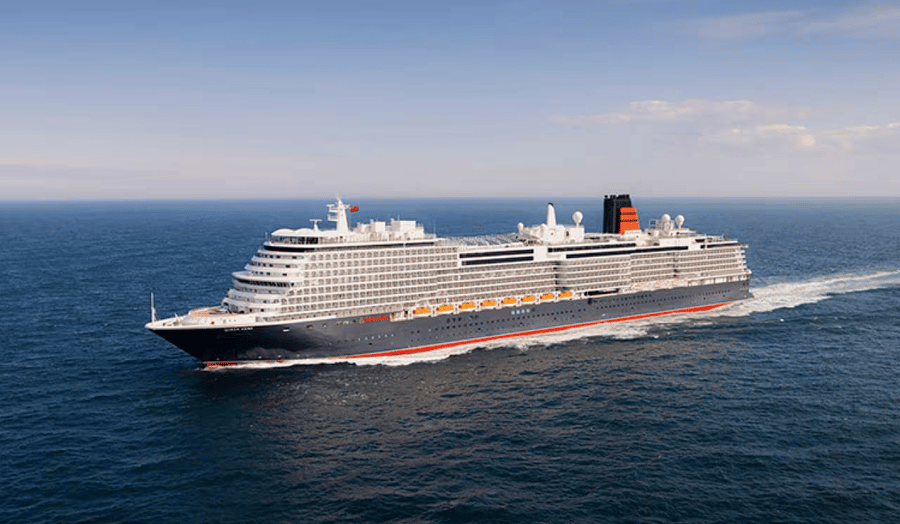
2. Queen Anne departs La Coruña during the eclipse window
Credit: Cunard
Cunard’s seven-night sailing in August 2026 operates round-trip from Southampton aboard Queen Anne, the line’s newest ship, routing through the Bay of Biscay to three Spanish ports — Bilbao, La Coruña, and Gijón — with an additional stop in Cherbourg in France’s Normandy region. La Coruña serves as the eclipse-day destination on this itinerary, giving passengers a full day to explore the Galician port city before returning to the ship for the celestial event.
La Coruña’s attractions give passengers substantive shore time before the evening eclipse. The city’s Old Town features churches and historic landmarks, including the Tower of Hercules, an ancient Roman lighthouse that still stands on the cliffs above the harbor. The Picasso House Museum, where the painter spent his formative years, adds a specific cultural draw that many visitors to northern Spain miss. The port city’s character — maritime, historic, and distinctly Galician — gives the pre-eclipse day a travel experience grounded in the region’s identity.
Queen Anne’s scheduled late-evening departure from La Coruña positions the ship on the water as the eclipse approaches, allowing passengers to watch from the deck as the light changes and the ship moves out to sea. Eclipse glasses give safe viewing of the partial phases leading up to totality. Cunard’s signature programming accompanies the voyage throughout: formal gala evenings and traditional afternoon tea operate on the standard Cunard schedule, grounding the eclipse experience within the line’s established onboard culture. The city’s daytime attractions, the ship’s departure timing relative to the eclipse, and Cunard’s formal atmosphere together give this sailing a specific character that distinguishes it from the other 2026 options on this list. Queen Anne’s status as Cunard’s newest ship also gives passengers access to the most current iteration of the line’s design and amenities, making the 2026 eclipse sailing aboard her a debut of sorts for passengers who have not yet sailed on the vessel.
3 / 8
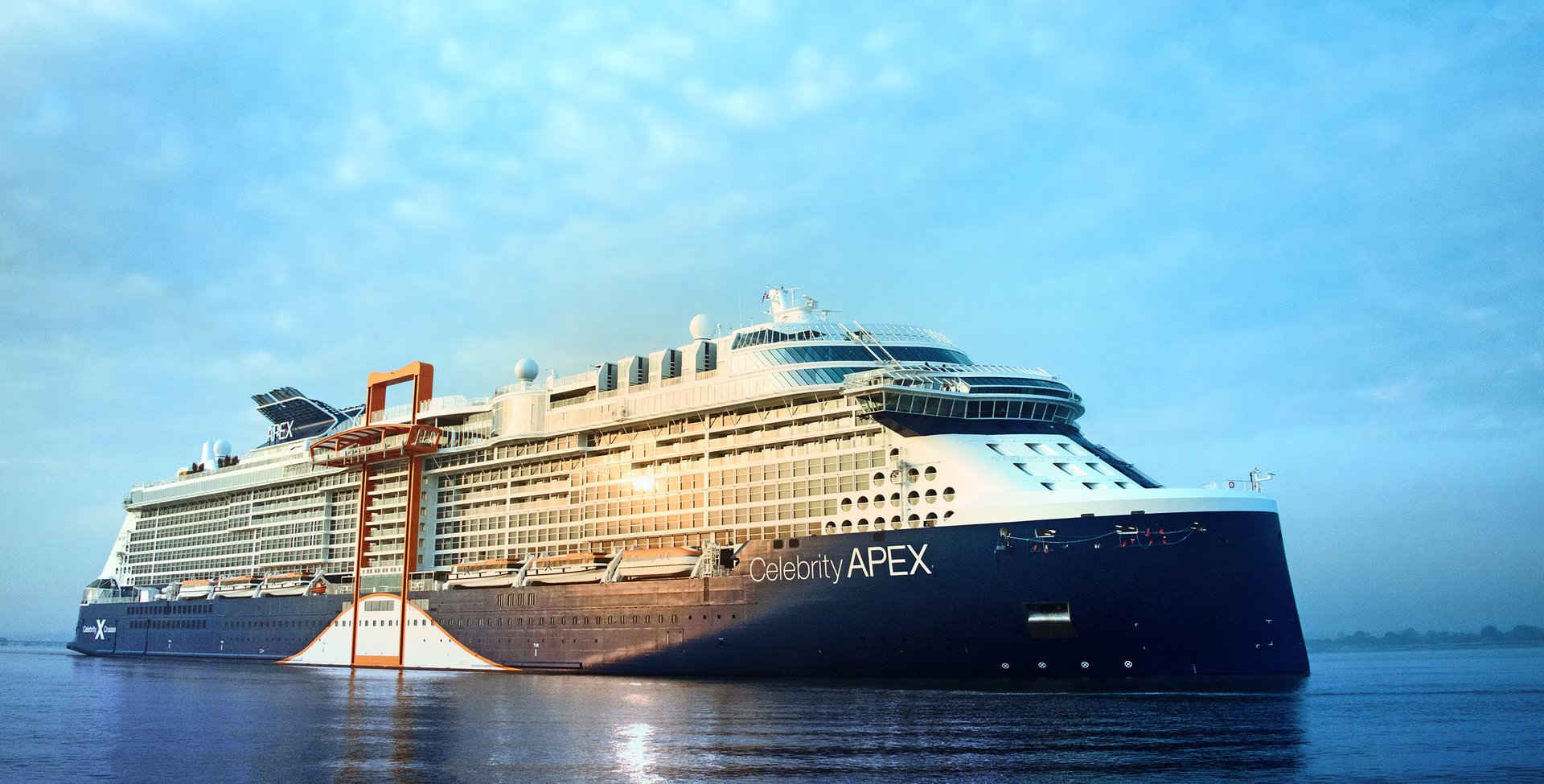
3. Celebrity Apex opens its deck design for eclipse viewing
Credit: Celebrity Cruises
Celebrity’s 14-night round-trip sailing from Southampton in August 2026 aboard Celebrity Apex circles the coasts of Portugal and Spain, with port calls including Barcelona, Ibiza, Lisbon, and Bilbao. On eclipse day, the ship docks in La Coruña until late afternoon, giving passengers daytime access to the same Galician port city that the Cunard itinerary visits. The ship’s departure from port in the late afternoon positions it on the water as the eclipse approaches in the evening.
Celebrity Apex belongs to the line’s Edge class, a ship design built around outward-facing architecture and open-air public spaces. The Magic Carpet, a floating venue cantilevered off the ship’s side, changes elevation and function throughout the voyage, and the Rooftop Garden provides a lush open-air gathering space at the top of the ship. Both the Magic Carpet and the Rooftop Garden become viewing platforms for the eclipse that evening, providing passengers with outdoor spaces purpose-built for the unobstructed horizon access required for eclipse viewing. The ship’s design philosophy, which prioritizes the relationship between passengers and the surrounding sea and sky, aligns directly with what eclipse watching from a ship demands.
Celebrity will host astronomers on board to lead guest activities during the eclipse. The 14-night duration gives the sailing more total sea time and port access than the shorter Cunard itinerary, reaching ports like Barcelona and Ibiza that the Cunard route does not include. Passengers who want a longer Mediterranean circuit alongside the eclipse experience and who want a ship whose architecture specifically supports outdoor gathering and horizon viewing will find the Celebrity Apex sailing to be the appropriate choice from the 2026 options on this list. The 14-night format also means passengers spend more time absorbing the Iberian and Mediterranean context of the 2026 eclipse path, with ports like Barcelona and Ibiza giving the voyage a broader geographic reach than the week-long alternatives.
4 / 8
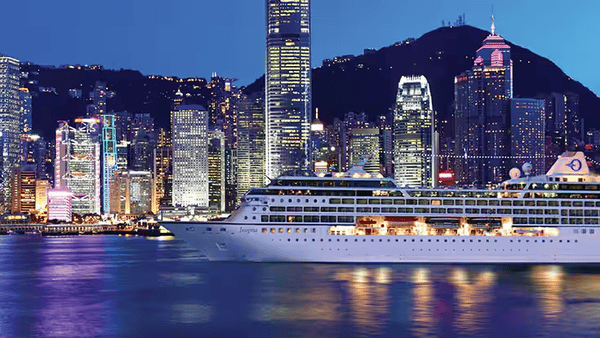
4. Oceania Insignia caps the voyage at under 700 guests
Credit: Oceania Cruises
Oceania’s 12-day August 2026 sailing aboard Oceania Insignia traces a route from Reykjavik, Iceland, through the British Isles before ending in Southampton. The ship carries fewer than 700 passengers, a capacity that shapes the entire voyage. With Cork as the only major city on the itinerary, the route prioritizes rugged Irish shorelines and picturesque coastal villages over urban port calls. Irish stops include Killybegs, Galway, and Dingle, giving the itinerary a geographic focus on the Atlantic coast of Ireland that larger ship itineraries in the region rarely attempt.
Eclipse day on this sailing centers on Bantry, a harbor town along Ireland’s southwest coast. Oceania brings passengers into port at Bantry for the day, then takes the ship out to sea off the coast of Glengarriff for the viewing moment, positioning the vessel for a prime sightline of the eclipse. The approach reflects the flexibility that a smaller ship offers: Insignia can access harbors and coastal positions that a larger vessel cannot, and the eclipse-viewing strategy takes advantage of that capability.
Dr. Jerry Krassner, known as “The Wizard of Stars,” leads the eclipse-focused programming aboard Insignia through talks, Q&A sessions, and stargazing events throughout the voyage. The small-ship atmosphere carries into the culinary programming: Oceania’s team will prepare celestial-themed food for eclipse day, including star-shaped sandwiches and half-moon empanadas. The food detail signals the depth of eclipse theming on this sailing, where the event shapes the onboard experience well beyond the moment of totality itself. Passengers who want an intimate ship, an Irish coastal route, and eclipse programming that extends into the dining experience will find Oceania Insignia the most specific fit on this list. The small-ship capacity also means that Dr. Krassner’s talks and Q&A sessions take place in settings where passengers can interact directly with the presenter, creating a more personal educational experience than a large-ship lecture theater can offer.
5 / 8
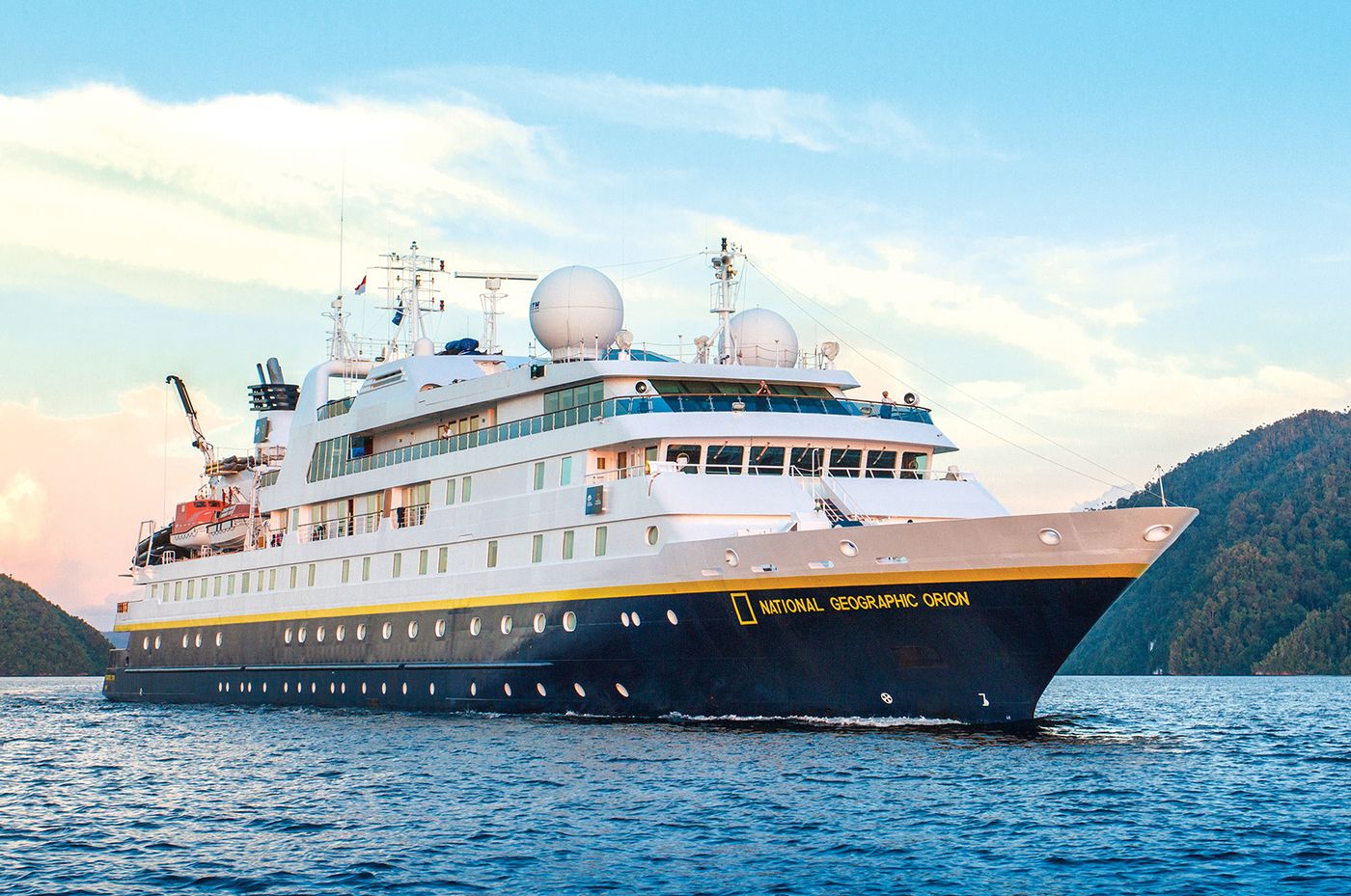
5. National Geographic Orion steers into Gibraltar totality
Credit: National Geographic
National Geographic-Lindblad Expeditions’ 13-day sailing from late July to early August 2027 carries just 102 guests aboard National Geographic Orion, making it the smallest ship on this list by a wide margin. The expedition cruise style shapes every element of the voyage: an onboard team of veteran naturalists with backgrounds in wildlife biology and climate science leads talks and interprets what passengers observe both at sea and on shore. The 2027 eclipse day centerpiece arrives when the ship reaches the Strait of Gibraltar, where the vessel navigates into the path of totality between Europe and North Africa.
The itinerary begins in the Azores, then crosses toward Morocco and continues through southern Spain to Barcelona. Along the way, passengers have access to experiences that standard cruise itineraries cannot include: wildlife watching in Spain’s Columbretes Islands, a protected marine area, and a private visit to the Alhambra palace in Granada. The Alhambra access represents a specific logistical achievement, as the palace operates under strict visitor limits that make private access exceptional. Both the Columbretes wildlife visit and the Alhambra private tour reflect the expedition model’s capacity to access places and experiences that larger-scale cruise programming cannot.
After the eclipse over the Strait of Gibraltar, the ship continues to Tangier for an overnight visit, giving passengers time in Morocco beyond the eclipse-day context. The Strait of Gibraltar’s position between two continents gives the eclipse viewing moment a geographic framing unlike any other point on the 2027 path of totality. Passengers watch the event from waters that separate Europe from Africa, in a passage that has defined maritime history for millennia. The 102-guest capacity ensures the onboard community during this event is small enough that the experience retains an intimate, expedition-style character, rather than the scale of a large-ship production. The expedition team’s naturalist backgrounds in wildlife biology and climate science also mean that the eclipse fits within a broader scientific context throughout the voyage, rather than being treated as a single entertainment highlight.
6 / 8
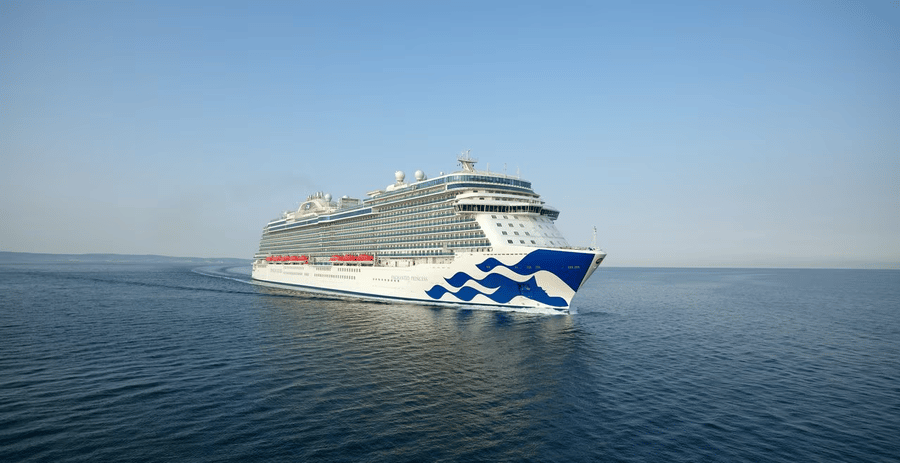
6. Enchanted Princess gives guests eclipse glasses on deck
Credit: Princess Cruises
Princess Cruises’ two-week round-trip sailing from Civitavecchia in late July 2027 aboard Enchanted Princess spends its first week moving through the western Mediterranean, calling on northern Italy, France, Spain, and Gibraltar before setting up for the eclipse. The ship positions itself for prime viewing at sea following the Gibraltar port day. Gibraltar sits within one of the strongest sections of 2027’s eclipse path, where totality lasts close to five minutes. After the eclipse, the itinerary continues through consecutive sea days to Sicily and Naples before returning to Rome.
Eclipse glasses go to all passengers for the event, allowing safe viewing of the partial phases on the ship’s upper decks. The practical details matter: viewing the sun during partial eclipse phases without proper eye protection can cause permanent damage, and a cruise line that provides glasses removes a planning burden from passengers and ensures that the entire ship participates safely. Princess pairs the glasses distribution with onboard astronomer commentary, stargazing social events, and eclipse-inspired cocktails, providing eclipse day with a full programming schedule that runs alongside the celestial event itself.
The Enchanted Princess carries the ship’s signature amenities throughout the voyage: The Catch by Rudi seafood restaurant, the Good Spirits at Sea bar, and the glass-floored SeaWalk, a walkway that extends beyond the ship’s hull and gives passengers a view straight down to the water below. The SeaWalk’s positioning at the ship’s edge makes it a compelling platform for observing the horizon during the eclipse, adding a physical thrill to the visual spectacle. Passengers who want eclipse viewing from a large Mediterranean itinerary cruise with strong onboard amenities and a fully organized eclipse-day program will find Princess the most conventional — and accessible — option among the 2027 sailings on this list. The round-trip structure from Rome also simplifies logistics compared to itineraries with different start and end cities, which may appeal to travelers who prefer to fly in and out of the same airport.
7 / 8
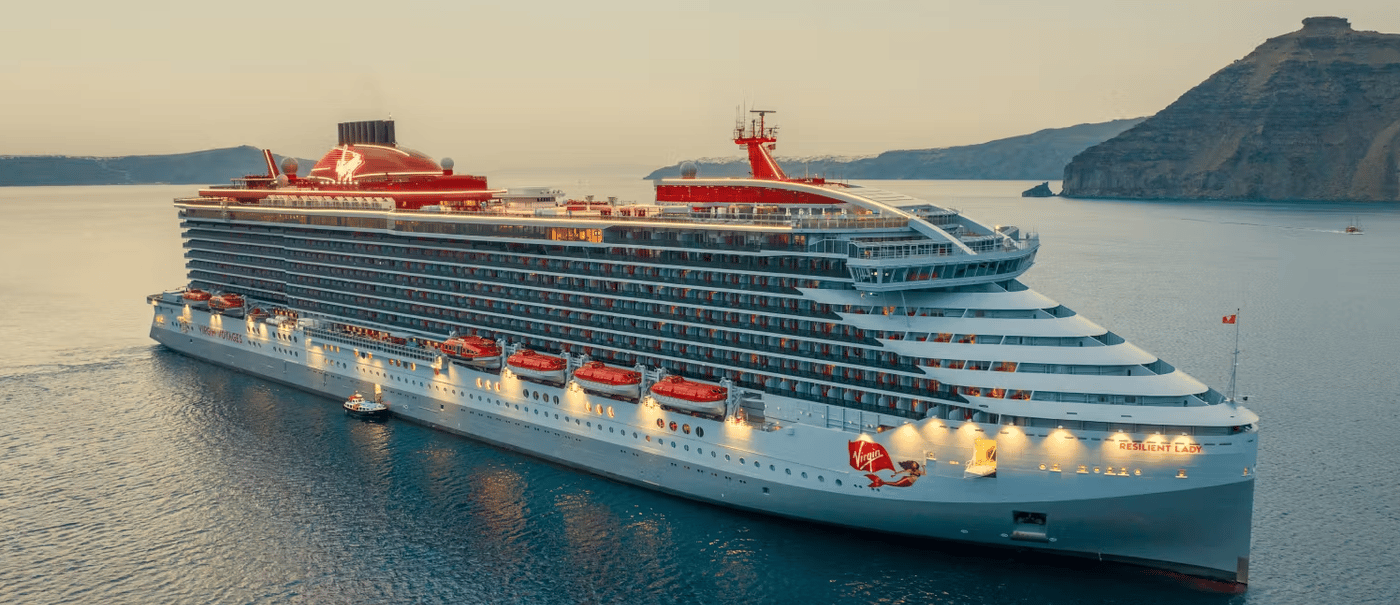
7. Resilient Lady frames the eclipse as a full voyage event
Credit: Virgin Voyages
Virgin Voyages runs an 11-night Solar Eclipse Voyage in late July 2027 aboard Resilient Lady, departing from Barcelona. The eclipse treatment on this sailing spans the entire voyage, not focusing on a single day: themed programming, special guests, workshops, observation stations on the upper decks, cosmic-inspired cuisine, and live music build throughout the trip toward the eclipse event itself. The itinerary visits Malaga and Cadiz in Spain — with Cadiz offering access to Seville and its royal palace — before the ship reaches the eclipse corridor near southern Spain and Morocco. From there, the voyage continues to Funchal, Portugal; Tangier; and Valencia before returning to Barcelona.
The eclipse-viewing options reflect Virgin’s design-forward approach to the onboard experience. Passengers can watch from the red hammock, a signature feature of the line’s private balcony cabins, giving the moment a personal, aesthetically distinctive setting alongside the ship’s outdoor deck options. The ship’s swanky outdoor spaces also serve as communal viewing areas during the event itself.
Virgin Voyages operates an adults-only model, and the onboard atmosphere — shaped by nightlife, entertainment programming, and design-conscious public spaces — gives this eclipse sailing a social and experiential texture different from any other option on this list. The eclipse event fits naturally within that culture: it becomes one more spectacle in a voyage built around spectacle. It does not arrive as a singular event grafted onto a conventional cruise. Passengers who want eclipse viewing combined with an atmosphere built around nightlife, live music, and a design-forward ship will find Resilient Lady the most stylistically distinct option among all eight sailings covered here. The 11-night itinerary covers significant Iberian geography alongside the eclipse, visiting Malaga, Cadiz, Funchal, Tangier, and Valencia in a sequence that gives the voyage substantive port content on either side of the celestial event, so the eclipse does not arrive in isolation from a broader itinerary.
8 / 8
8. Nieuw Statendam covers 15 ports on a 28-day eclipse trip
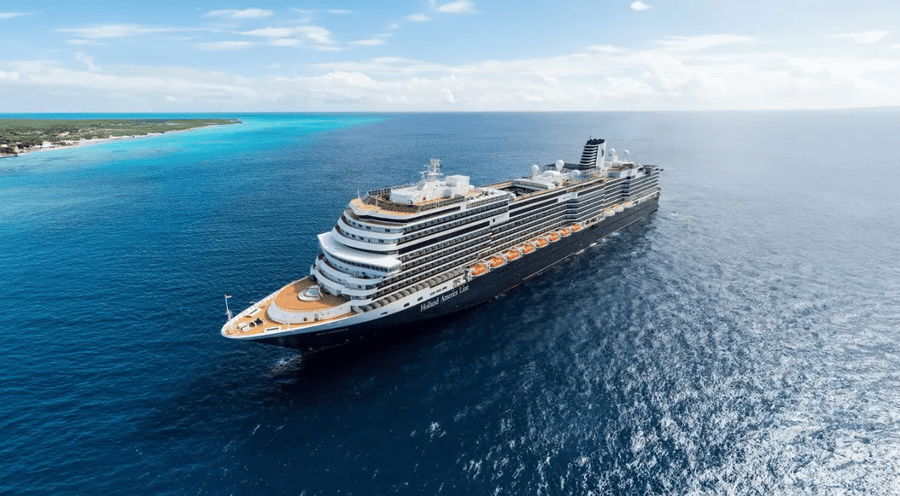
Credit: Holland America
Holland America’s 28-day sailing in summer 2027 aboard Nieuw Statendam runs from early July through early August, departing Dover and calling on 15 ports across northern Europe, the Iberian Coast, and the western Mediterranean before returning north. The itinerary includes overnight stays in Tilbury near London and in Barcelona, and builds shore excursions around astronomical and historical landmarks: Stonehenge, Barcelona’s Montjuïc Observatory, and the Alhambra appear among the listed shore excursion options.
Eclipse day takes place at sea off the coast of Gibraltar and Morocco, and Holland America notes that its captains will adjust the ship’s position to pursue clear skies if weather interferes with viewing. The captain-positioning flexibility responds to the fundamental uncertainty of eclipse viewing: cloud cover can eliminate the experience entirely, and a cruise line that commits to adjusting course for clear conditions gives passengers a meaningful advantage over passengers on sailings committed to fixed positions. Onboard lectures from scientific experts, themed activities, and provided eclipse glasses accompany the event.
The 28-day duration and 15-port count give this sailing a scope that no other option on this list approaches. The voyage encompasses northern Europe, the Iberian Peninsula, and the Mediterranean in a single continuous journey, with eclipse day arriving near the end of a nearly month-long arc of travel. Holland America’s onboard venues include the Grand Dutch Cafe, the Rolling Stone Lounge, B.B. King’s Blues Club, and specialty dining from Iron Chef Masaharu Morimoto, giving passengers a varied cultural and culinary program across the voyage’s extended duration. Passengers who want to combine the 2027 eclipse with the most comprehensive cruise itinerary available will find Holland America’s 28-day sailing the only option that matches the celestial event to a journey of genuinely epic scale. The Stonehenge shore excursion and the Montjuïc Observatory visit signal Holland America’s intent to orient the full voyage around astronomical and historical themes, not just the eclipse day itself.
