From Crater Lake's 144-foot clarity record to Michigan's Torch Lake, where limestone turns the water Caribbean turquoise
Peter Hulce / Unsplash
Water clarity isn’t an officially defined scientific category, and researchers measure it using tools such as Secchi disks alongside broader assessments of turbidity, yet some lakes still consistently stand out for their exceptional transparency year after year, regardless of how the measurement is framed. Many of these lakes share a few key traits, since deep, cold, and nutrient-poor water tends to limit algae growth and allows sunlight to penetrate considerably farther below the surface than a typical warm, shallow lake elsewhere in the country.
Setting the science aside, clean, crystalline water simply inspires an almost irresistible urge to dive straight in the moment a visitor actually sees it in person. Whether a visitor wants to swim, paddle, fish, or simply admire the mirror-like beauty from shore, these lakes reward the trip regardless of which specific activity draws someone there in the first place, and each one offers a genuinely different regional character worth experiencing.
The 10 lakes below appear in Travel + Leisure, which highlights some of the clearest lakes across the United States. Each one delivers a genuinely different setting, from volcanic craters to glacier-carved valleys to limestone-tinted shorelines that look almost tropical. Checking seasonal access and water temperature before a trip helps set realistic expectations for both. Some of these lakes stay warm enough for a comfortable swim by midsummer, while others sit at high enough elevation, or hold deep enough cold water, that even a brief dip requires real commitment from anyone brave enough to try it. Planning a trip around the specific activity a traveler cares most about, whether that means swimming, paddling, or simply photographing the water, ultimately matters far more than trying to visit every single lake on this entire list within just one summer.
Varadh Jain / Unsplash
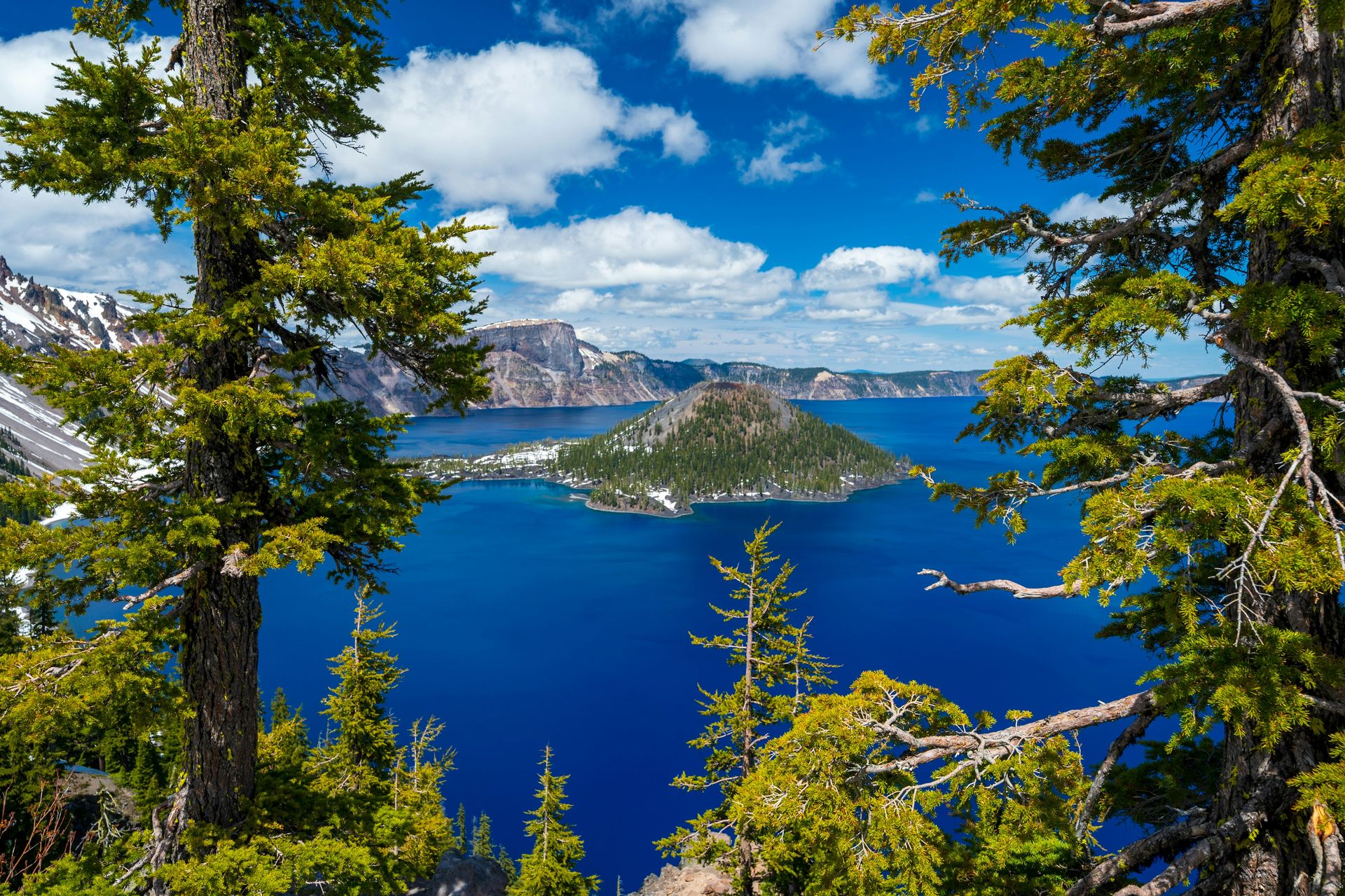
Crater Lake formed within the collapsed caldera of the ancient volcano Mount Mazama following a massive eruption roughly 7,700 years ago, and the lake maintains its exceptional clarity in part because no rivers flow into it, with rain and snowmelt as the primary sources of water. This lack of incoming sediment helps create the kind of visibility that has made Crater Lake something close to a gold standard for lake clarity throughout the United States.
Scientists have measured average Secchi depths of roughly 100 feet over decades of monitoring, with a record of 144 feet on an especially clear day. Visitors can swim at Cleetwood Cove, though reaching the shoreline requires a genuinely steep 1.1-mile hike each way, and swimming is also possible at Wizard Island for travelers booked on an official boat tour, since private watercraft aren’t permitted anywhere on the lake.
Crater Lake and the Cleetwood Cove Trail remain closed to swimmers, boaters, and hikers until 2029 while construction work continues throughout the area. During this closure, visitors can still view the lake from various points along Rim Drive and other park trails, and checking the Crater Lake National Park website before a visit gives travelers the most current information on when full access might return.
Even without direct water access during this period, the rim views alone still capture much of what makes Crater Lake genuinely remarkable, since the lake’s deep blue color remains visible from numerous overlooks scattered around the caldera’s edge. Travelers $TRV planning a trip around swimming should factor this closure into their timeline and consider one of the other lakes on this list until full access resumes. Few lakes anywhere in the country combine this much geological drama with such consistently exceptional water clarity across decades of monitoring. Checking the park website regularly during the construction period helps travelers plan around whatever access remains available at any given time.
Philippe Gauthier / Unsplash
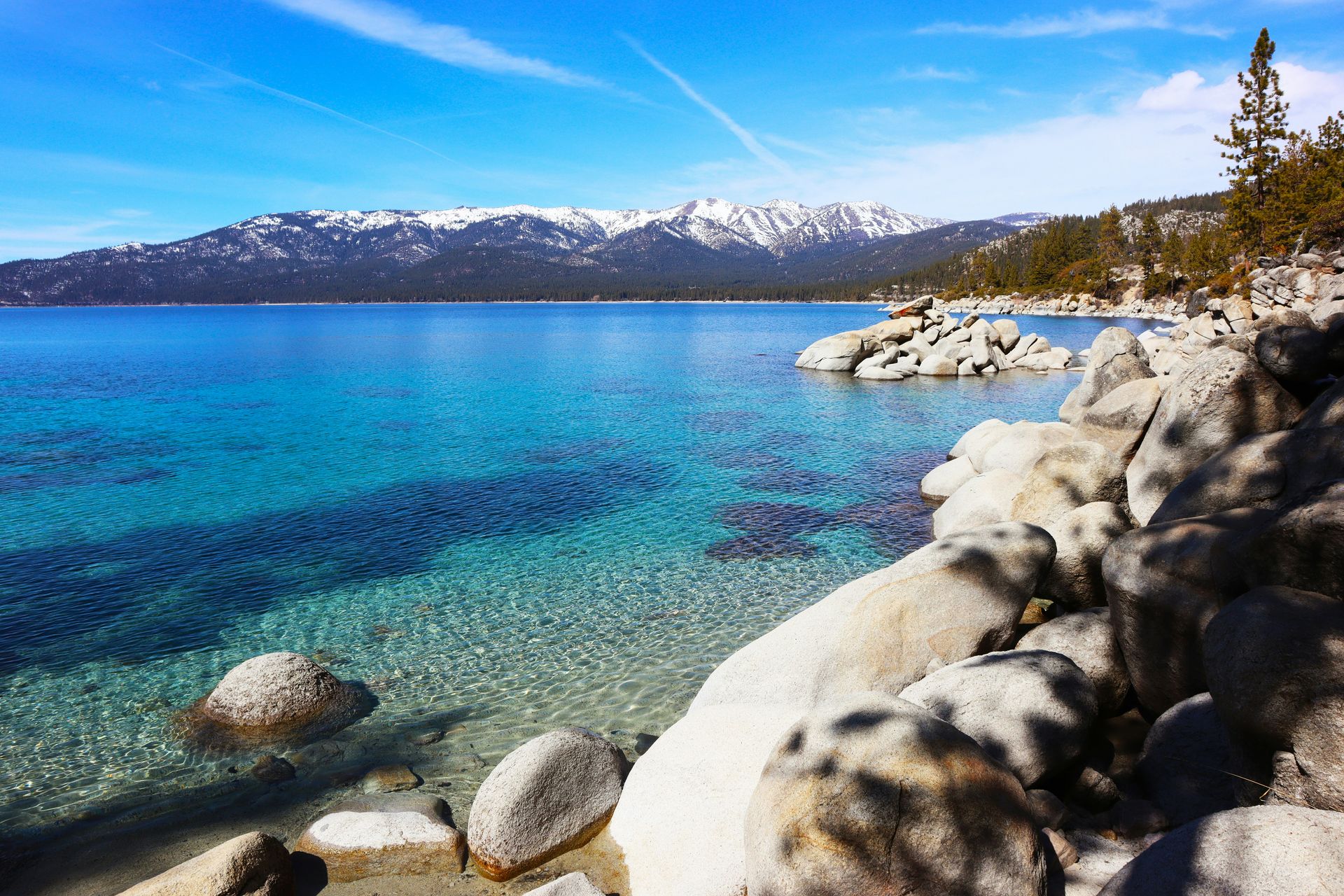
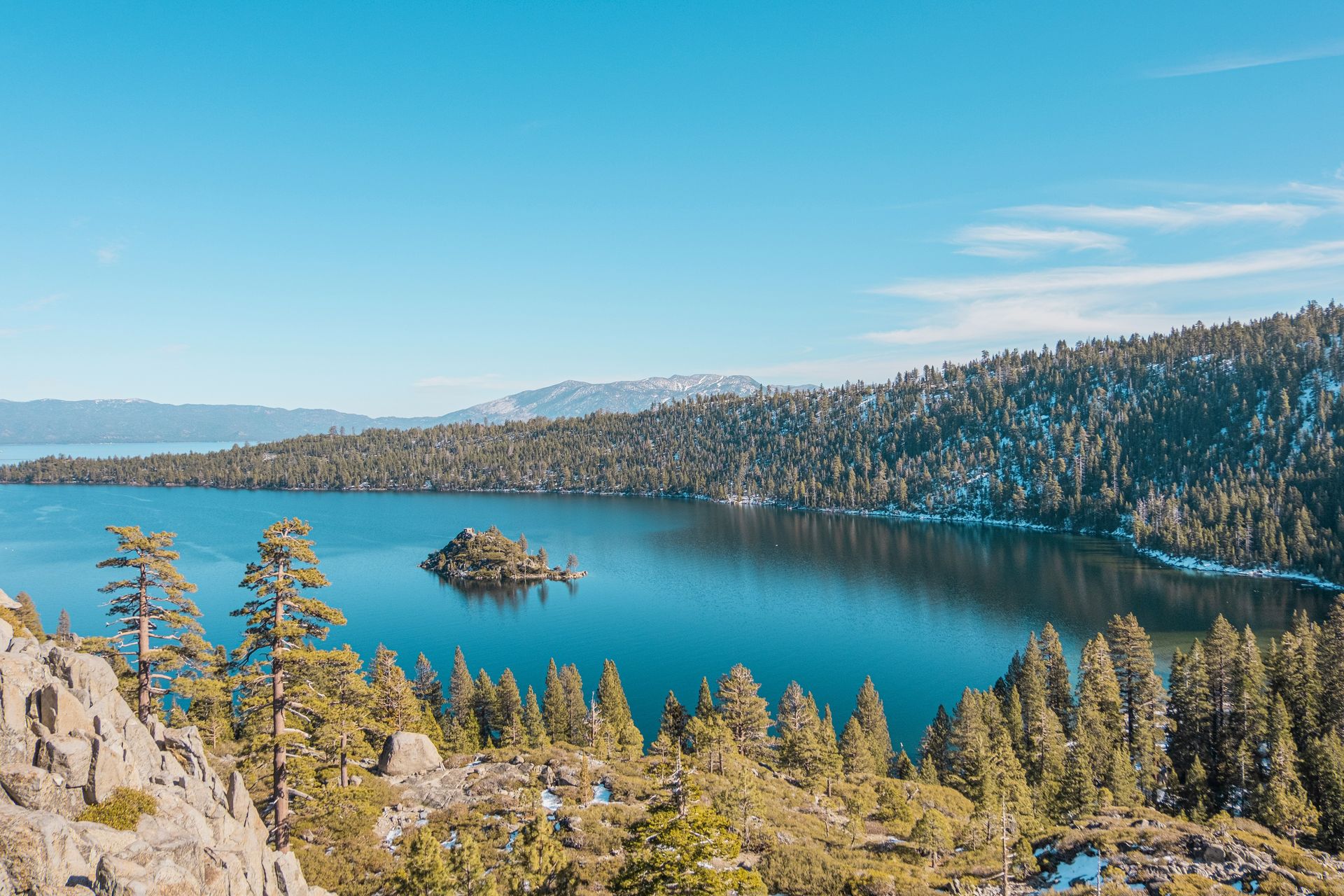
Lake Tahoe’s famously blue water has drawn scientific attention for nearly 60 years, and ongoing clarity measurements now average roughly 100 feet across that extended monitoring period. These annual readings help researchers track the lake’s overall ecological health, making Tahoe one of the most thoroughly studied lakes in the world while also confirming its status as one of the clearest.
The lake’s famously blue alpine appearance comes from exceptionally pure water flowing directly in from the surrounding Sierra Nevada mountains, feeding a genuinely enormous body of water that offers virtually endless recreational options. Quiet morning paddleboard sessions and full-day kayak excursions along granite-lined coves both count among the most popular ways to actually experience the lake up close.
Visitors planning to swim should prepare for genuinely chilly water, since temperatures peak around 70 degrees Fahrenheit even at the height of summer, considerably cooler than many other popular US swimming lakes. This chill traces directly back to the same cold, clear mountain water that gives Tahoe its famous transparency in the first place, making the temperature something of an unavoidable trade-off for that clarity.
Lake Tahoe’s sheer size, straddling the border between California and Nevada, means visitors can find genuinely different experiences depending on which shore they choose to explore. The California side tends to draw slightly larger crowds around its most famous beaches, while quieter coves scattered throughout the Nevada side often deliver a more peaceful paddling experience for visitors willing to explore beyond the most obvious access points. Few alpine lakes anywhere in the country have been studied this thoroughly while still delivering such consistently rewarding recreation for visitors. Booking accommodation well ahead of a summer trip also helps, since Tahoe’s popularity has grown considerably over the past several decades. Packing a wetsuit also helps visitors plan an extended swim rather than a quick dip. Sunscreen also matters, given how intense the alpine sun can feel at this elevation.
Alex Newton / Unsplash
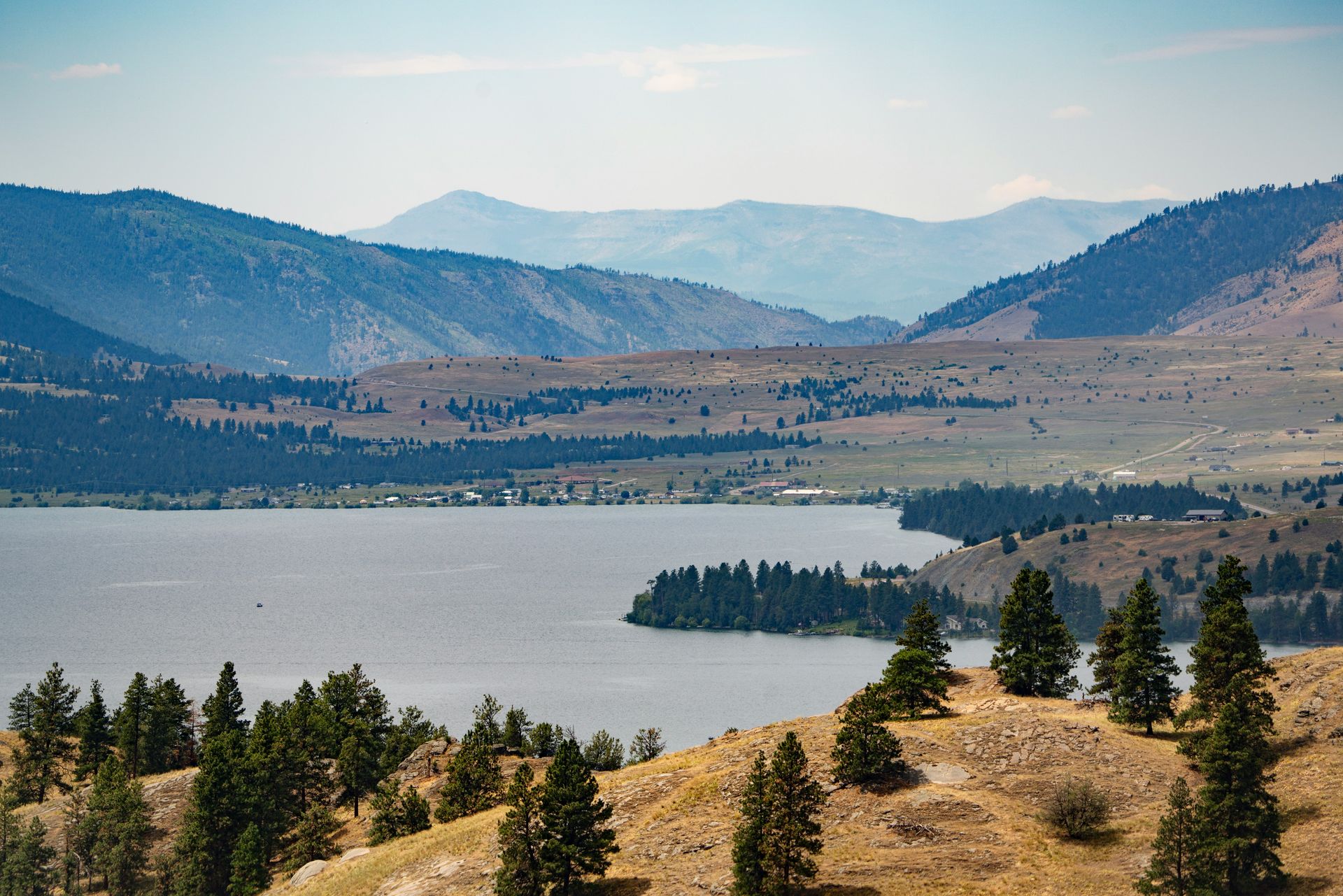
Flathead Lake ranks as the largest natural freshwater lake west of the Mississippi River, and it also happens to rank among the clearest lakes found anywhere in the country. Snowmelt from the surrounding Rocky Mountains feeds the lake heavily, keeping it consistently cold and oligotrophic, meaning it holds relatively low nutrient levels that actively discourage algae growth throughout the year.
Covering more than 200 square miles with 185 miles of surrounding shoreline, Flathead Lake offers genuinely ideal conditions for longer kayaking expeditions that would feel cramped on a smaller body of water. Countless public access points scattered around the shoreline invite swimmers throughout the summer months, giving visitors plenty of flexibility in choosing exactly where to get into the water.
Boating on the lake typically requires a conservation license, and travelers bringing their own kayak or paddleboard from outside Montana must complete an aquatic invasive species inspection before launching their equipment. Nonresident paddlers must also purchase a Vessel AIS Prevention Pass specifically, though visitors who rent equipment locally generally find that outfitters handle these requirements automatically as part of the rental process.
Planning ahead for these specific permit and inspection requirements saves considerable hassle once a visitor actually arrives at the lake, ready to get on the water. Travelers $TRV unfamiliar with Montana’s aquatic invasive species rules should build extra time into their arrival day to handle any necessary inspections before heading out, rather than assuming they can launch immediately upon arrival. Few lakes west of the Mississippi combine this much sheer size with such consistently clear, cold water throughout the summer season. Renting a kayak or paddleboard locally remains the simplest way to get on the water without having to navigate Montana’s permit requirements on your own. Arriving early in the day also helps secure a spot at the more popular public access points. A cooler with cold drinks also helps on longer summer outings across the water. Sun protection genuinely matters as well, given the exposure.
Jesse Collins / Unsplash
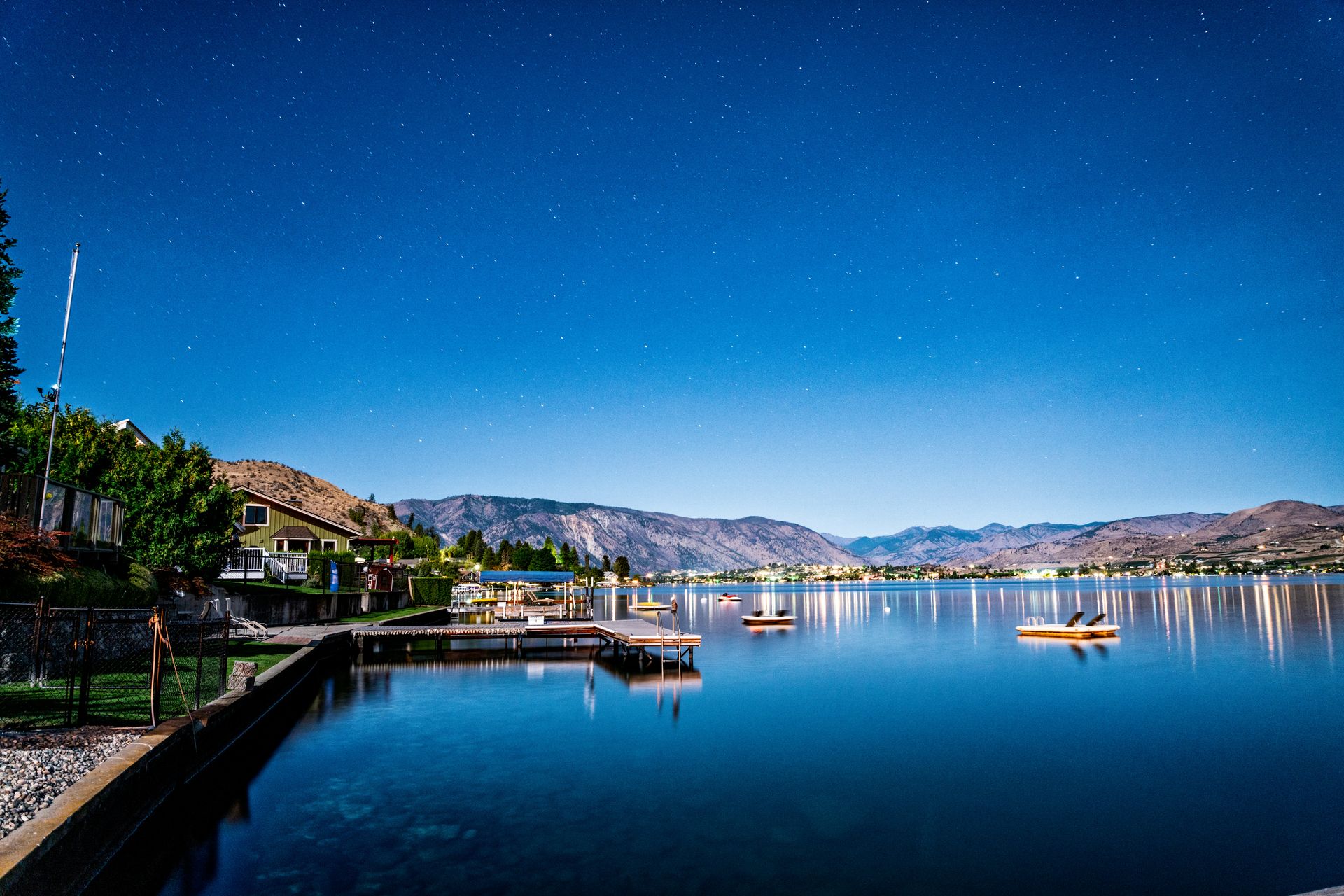
Glaciers carved Lake Chelan as the last Ice Age drew to a close, leaving behind the longest and deepest natural lake found anywhere in Washington state. Both historic water quality data collected during the 1980s and more recent monitoring conducted by the Institute for Watershed Studies classify Lake Chelan as a genuinely oligotrophic lake, consistent with its remarkably clear, vivid blue appearance.
Paddlers exploring the lake’s nearly 50-mile length can often see deep below the surface as they travel, and swimming remains popular throughout summer despite water that stays refreshingly, sometimes shockingly cool, thanks to depths exceeding 1,400 feet in the lake’s deepest sections. This pairing of surface clarity and considerable depth gives Lake Chelan a character genuinely different from that of shallower lakes elsewhere on this list.
An especially memorable excursion involves taking a kayak or the passenger ferry toward the remote community of Stehekin, accessible only by boat, plane, or hiking trail and entirely cut off from any standard road access. This genuine remoteness gives Stehekin a distinct character among Washington destinations, rewarding visitors willing to commit to the boat or ferry journey required to actually reach it.
Visitors planning a full day around the ferry to Stehekin should check the schedule carefully in advance, since service frequency varies with the season and demand. Building in enough time to explore Stehekin once there, rather than treating the ferry ride itself as the main event, gives travelers a fuller sense of how isolated this particular corner of the lake genuinely feels. Few lakes in Washington pair this much depth with such consistently clear surface water across such a genuinely long, narrow basin. Packing warm layers for the boat ride also helps, since temperatures on the open water can feel noticeably cooler than on land. A reusable water bottle also helps considerably on longer ferry rides to Stehekin. Binoculars help spot wildlife along the shoreline.
Don B / Unsplash
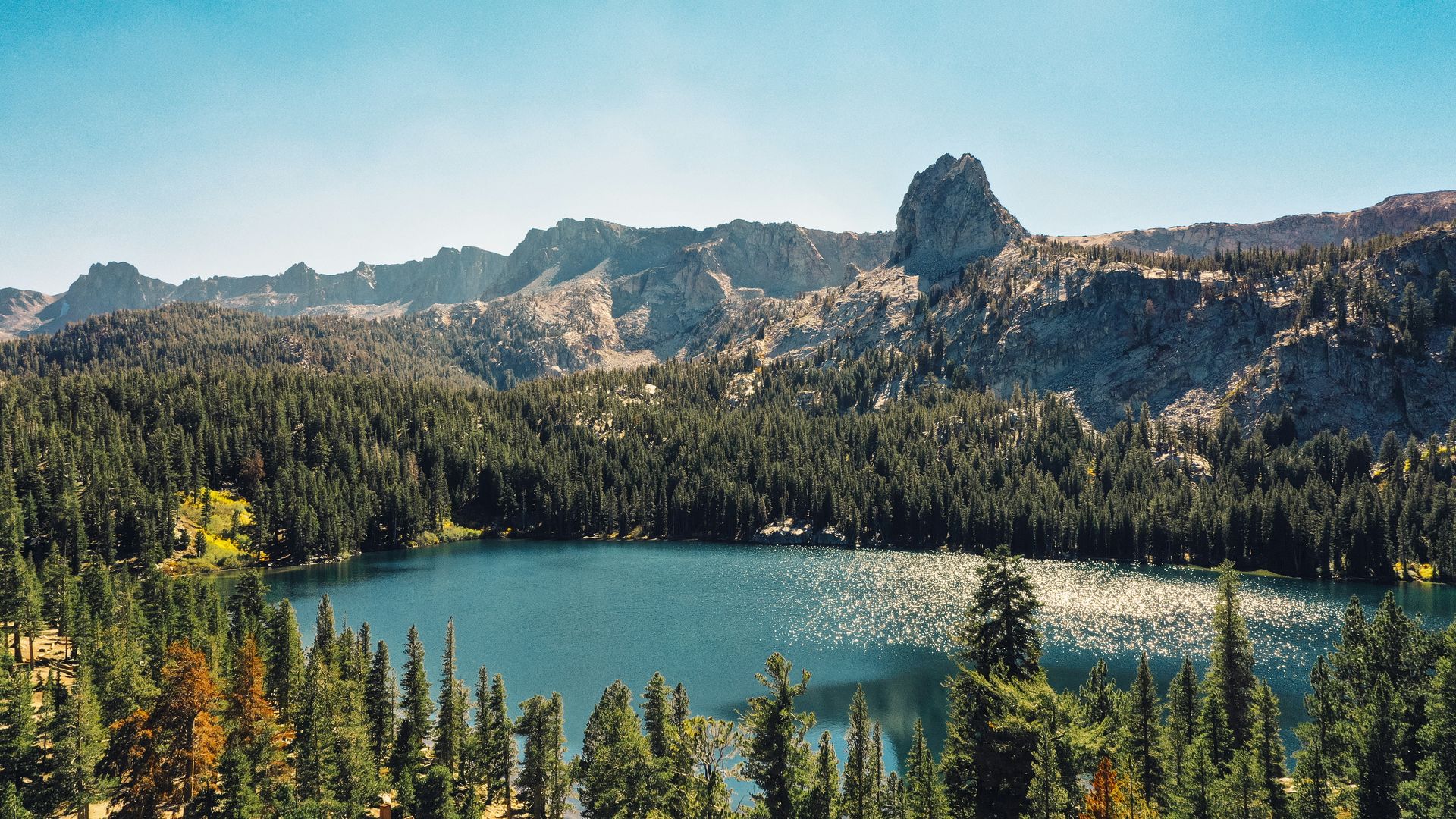
Nicknamed the Queen of American Lakes, Lake George has long been celebrated for its exceptional water quality and remarkable clarity, stretching 32 miles through the southeastern Adirondacks. Mountain streams feed the lake directly, and a largely forested watershed along the shoreline helps keep the water genuinely clean by limiting runoff and sediment from reaching the lake.
New York State classifies much of Lake George as AA-Special, meaning the water tests pure enough for drinking after basic disinfection, a genuinely rare distinction among lakes of this size. The cutting-edge Jefferson Project continues to monitor the lake through an extensive network of sensors, specifically designed to better understand and protect its ecosystem for future generations of visitors and researchers alike.
Visitors benefit directly from all of this ongoing scientific work, which translates into genuinely crystal-clear conditions for swimming, kayaking, and paddleboarding throughout the lake. Exploring the island-dotted Narrows offers one especially scenic way to experience the lake’s clarity firsthand, while a simple dip at Million Dollar Beach gives more casual visitors an easy, accessible way to enjoy the same water quality without committing to a longer paddling trip.
Travelers $TRV planning a summer visit should expect genuine crowds at the most famous access points, particularly Million Dollar Beach, given the lake’s well-established reputation throughout the Northeast. Exploring some of the quieter coves accessible only by kayak or small boat offers a noticeably more peaceful experience than the busiest public beaches typically offer during peak season. Few lakes in the Northeast combine this much historical reputation with such rigorously documented, ongoing water quality monitoring. Renting a kayak directly from one of the lake’s many outfitters remains the easiest way to reach the quieter, less crowded coves. Arriving early on summer weekends also helps secure parking at the most popular beach access points. A waterproof phone case also helps protect devices during any paddling excursion. Sunscreen genuinely matters quite a great deal here, too, given the consistently strong lakeside summer sun that beats down most afternoons.
full frame / Flickr (CC BY-NC-ND 2.0)
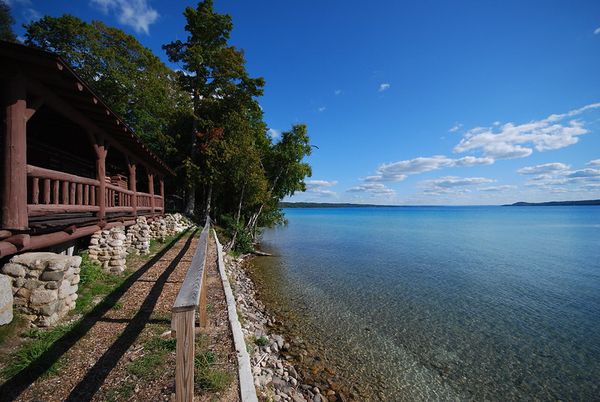
At first glance, Torch Lake looks considerably more like a tropical lagoon than a typical Midwestern lake, and its vivid turquoise color comes specifically from finely ground limestone suspended throughout the water, creating a genuinely Caribbean-like appearance that regularly goes viral on social media during summer months. This visual similarity to tropical waters draws visitors who might not otherwise consider a Michigan lake for a beach-style vacation.
The lake’s transparent water makes Torch Lake a genuine favorite for kayaking and paddleboarding, letting paddlers peer down at sandy bottoms and submerged logs scattered far below the surface. Swimming ranks equally popular here, particularly at the renowned Torch Lake Sandbar, where shallow, crystal-clear water creates a natural gathering spot that draws crowds each summer specifically for its social, sandbar-party atmosphere.
Visitors should prepare for considerably cooler temperatures than those of a typical tropical destination, since Torch Lake rarely warms much beyond the low 70s Fahrenheit, even during the height of summer. This temperature difference sometimes surprises first-time visitors expecting genuinely warm, Caribbean-style water simply because of how the lake looks in photos shared online.
The Torch Lake Sandbar draws a lively boating crowd on summer weekends, making weekday visits a better choice for travelers seeking a quieter, less crowded experience on the water. Visitors specifically seeking solitude should also explore the lake’s quieter northern and southern ends, away from the sandbar’s concentrated social scene, for a noticeably calmer paddling experience overall. Few lakes in the Midwest deliver this much visual drama while still requiring visitors to adjust their temperature expectations considerably. Booking a boat rental well ahead of a summer weekend also helps, since demand around the sandbar climbs considerably during peak season. Bringing water shoes also helps considerably, given the sandy, occasionally rocky lake bottom. A cooler with cold drinks also helps considerably during long sandbar afternoons.
Dave Hoefler / Unsplash
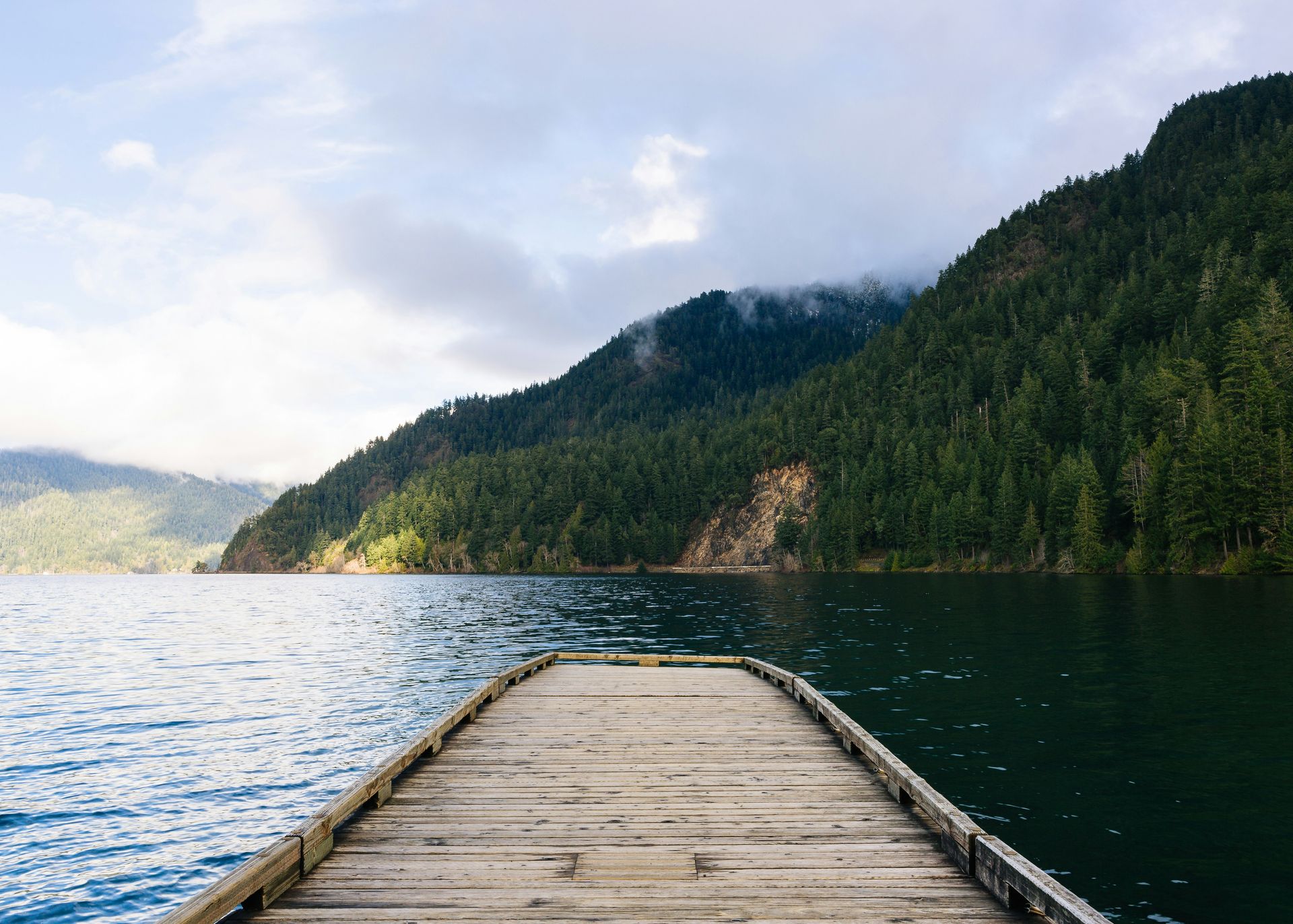
Nestled within Olympic National Park, Lake Crescent owes its extraordinary clarity to an unusual pairing of geology and chemistry working together throughout the surrounding watershed. This deep, glacier-carved lake naturally remains low in nitrogen, a nutrient that would otherwise fuel algal growth, allowing sunlight to penetrate far below the surface and giving the water its genuinely striking sapphire-blue color.
Visibility throughout the lake is often measured at 60 feet or more, making Lake Crescent one of the clearest lakes in the Pacific Northwest. The lake’s calm coves and densely forested shoreline create genuinely ideal conditions for kayaking and paddleboarding, letting paddlers explore quiet inlets that feel considerably more remote than the lake’s relatively easy access might initially suggest.
Swimmers can cool off after a longer hike at spots such as Fairholme Beach or East Beach, both offering genuinely convenient access points along the lake’s shoreline for visitors combining a hike with a swim on the same day. This pairing of hiking and swimming makes Lake Crescent a genuinely efficient stop for travelers exploring Olympic National Park’s broader trail network during a single visit.
Visitors staying overnight near the lake should book accommodation well in advance during peak summer months, since Lake Crescent’s popularity within Olympic National Park has grown considerably in recent years. Arriving early in the day also helps secure parking at the more popular beach access points before crowds build throughout the afternoon. Few lakes within a national park combine this consistently clear water with such genuinely convenient access from nearby hiking trails. Checking current water levels and trail conditions before a visit also helps, since access to certain beach areas can shift seasonally. Packing a swimsuit alongside hiking gear also helps, since many visitors combine both activities in a single day. A reusable water bottle also helps considerably on longer hikes around the shoreline. Bug spray genuinely helps too, especially near the tree line.
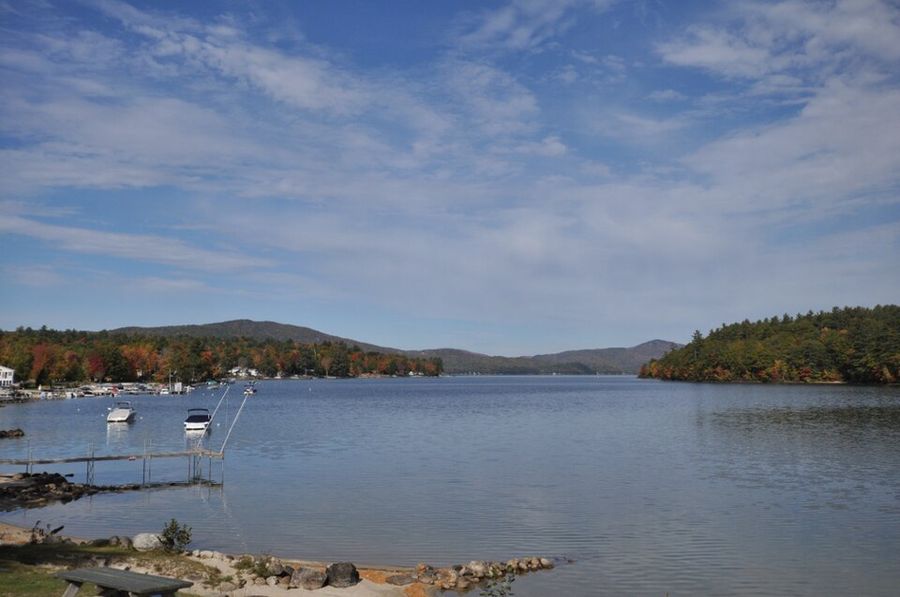
Magicpiano / Wikimedia Commons (CC BY-SA 4.0)
Unlike many of New England’s busiest lakes, Newfound Lake has managed to retain an unusually pristine ecosystem alongside exceptionally clear water throughout its entire shoreline. Cold springs feed the lake directly, and decades of dedicated conservation efforts have helped it earn a reputation as one of New Hampshire’s cleanest lakes among both researchers and longtime visitors alike.
Long-running monitoring through the University of New Hampshire’s Lakes Lay Monitoring Program has documented the lake’s genuinely outstanding water quality over many years, with high transparency that lets swimmers and paddlers see far below the surface throughout most of the lake. The lake’s undeveloped shoreline and consistently quiet atmosphere make it particularly well-suited for kayaking and stand-up paddleboarding, especially during the calm morning hours when surrounding hills reflect across the water like a genuine mirror.
Public beaches at Wellington State Park and Newfound Lake Town Beach both offer some of the best freshwater swimming found anywhere in the state, giving visitors without their own boat or paddleboard an easy, accessible way to enjoy the lake’s clarity directly from shore. These public access points stay considerably less crowded than comparable beaches on more famous New England lakes, rewarding visitors who specifically seek out Newfound Lake over better-known alternatives.
Travelers $TRV hoping to experience the lake at its most peaceful should plan an early-morning visit, since the calm, mirror-like conditions that make Newfound Lake so photogenic tend to fade once the wind picks up later in the day. Weekday mornings in particular offer the best pairing of good light and minimal boat traffic across the water. Few lakes in New England manage to stay this uncrowded while still offering such consistently excellent water quality for swimmers and paddlers. Renting a kayak from a nearby outfitter remains the easiest way to explore the lake’s quieter coves without bringing your own equipment. A light jacket also helps during cooler early-morning paddling sessions out on the water.
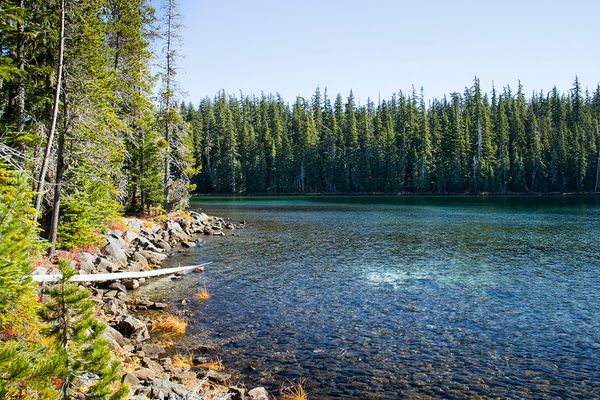
Bonnie Moreland / Flickr
Few lakes anywhere in America can genuinely rival Waldo Lake for sheer purity, since the surrounding watershed contributes remarkably little sediment or nutrient runoff into the water. This near-total absence of incoming pollutants allows the lake to achieve extraordinary transparency, with Secchi readings approaching 120 feet under ideal conditions, placing Waldo Lake among the clearest bodies of water in the country.
On calm days, kayakers and paddleboarders can often see submerged logs and boulders resting far below the surface, giving the water an almost artificial-looking clarity that surprises many first-time visitors. Strict restrictions on gas-powered boats across the lake create an unusually quiet paddling experience, removing much of the engine noise and wake disturbance that affects many other popular recreational lakes in the region.
Swimmers should prepare for a genuine shock when they actually enter the water, since this high-elevation lake might not reach 60 degrees Fahrenheit even at the height of summer. This cold water temperature reflects the lake’s elevation and the same lack of nutrient-rich runoff that gives it such remarkable clarity in the first place, making the two qualities genuinely inseparable.
Travelers $TRV hoping to fully appreciate the lake’s near-total quiet should plan a weekday visit specifically, since the restriction on gas-powered boats already keeps noise levels low, but weekend crowds can still add up around the more popular access points. Bringing a wetsuit, or at least mentally preparing for genuinely cold water, helps first-time swimmers avoid an unpleasant surprise on their first dip. Few lakes anywhere in the country combine this much genuine quiet with such consistently extraordinary water clarity throughout the season. Checking current road conditions before the drive also helps, since the access route can close temporarily during heavy snow years. Packing extra layers for the drive also helps, since temperatures at this elevation can shift quickly. A thermos of something warm also helps after a cold morning swim.
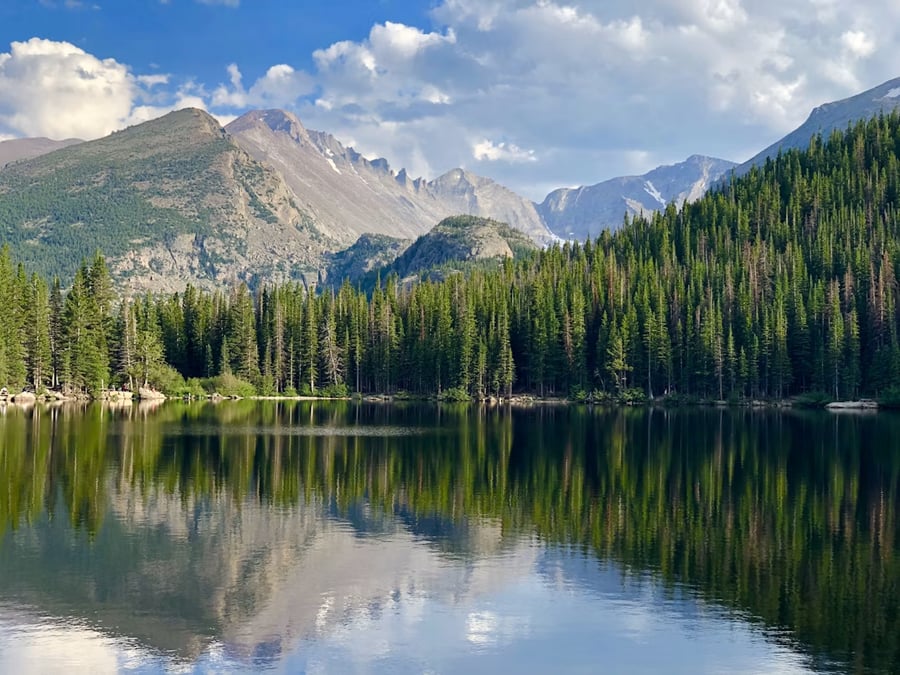
Vinson Pham / Unsplash
Bear Lake’s nickname, the Caribbean of the Rockies, genuinely earns its place, since the water’s tropical aquamarine color comes from tiny suspended calcium carbonate particles reflecting sunlight throughout the lake, much like the similar effect seen at Michigan’s Torch Lake. This shared coloring mechanism links two otherwise very different lakes into a small, distinctive category of American bodies of water known specifically for this striking tropical appearance.
The lake’s broad, relatively shallow shoreline and sandy beaches make Bear Lake one of the West’s most popular destinations for swimming, especially at North Beach State Park and Rendezvous Beach, both offering easy, family-friendly access directly into the water. Marinas scattered around the lake rent everything from paddleboards to jet skis, giving visitors genuine flexibility in how they choose to spend a day on the water, regardless of their preferred pace or activity level.
Straddling the border between Utah and Idaho, Bear Lake allows visitors to approach from either state, depending on where their broader trip starts. Both sides of the lake offer comparable access to beaches and water activities, so the choice mostly comes down to which specific access road and nearby town best fit a traveler’s overall itinerary.
Visitors touring the area in summer should specifically save room for one of the region’s famous raspberry shakes, since the Bear Lake Valley grows a celebrated crop of raspberries that has become almost as much of a local attraction as the lake itself. Stopping at one of the valley’s roadside stands for a shake makes a genuinely fitting way to cap off a day spent swimming or boating. Few lakes straddling a state border offer this much shared access and consistent water quality regardless of which side a visitor chooses to explore. Booking accommodation on whichever side of the lake best matches a traveler’s broader itinerary simplifies planning considerably.
