From an outdoor art museum in Minas Gerais to a reef-protected northeastern coast with reliable sun from September through November
Raphael Nogueira / Unsplash
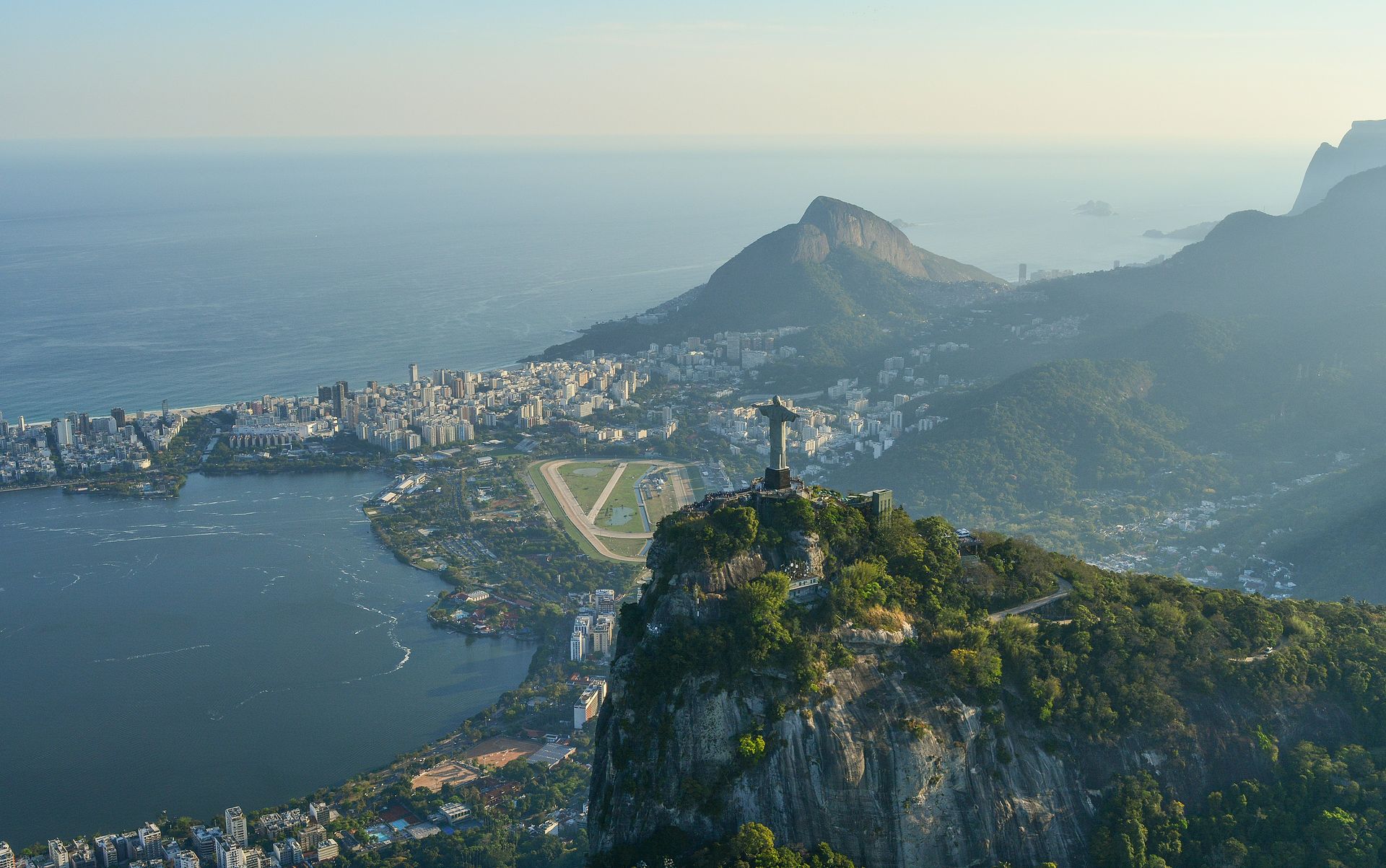
Brazil is larger than the continental United States, which means that the three or four destinations that appear in every travel feature on the country — Rio de Janeiro’s Christ the Redeemer, the beaches of Bahia, and Iguazú Falls — represent a vanishingly small fraction of what the country actually contains. The gap between Brazil’s canonical tourist circuit and the full range of experiences the country offers is wider than in almost any other major travel destination, partly because of Brazil’s physical size, partly because of the diversity of its ecosystems, and partly because the domestic travel market has developed destinations that the international tourist infrastructure has not yet absorbed into the standard itinerary.
Brazil contains six major biomes, each with its own wildlife, landscape character, and ecological distinctiveness. It has a contemporary art museum that requires two full days to see properly, set within 140 acres of botanical gardens. It has a stretch of coastline whose natural barrier reef keeps the water calm enough for reliable swimming in conditions that the country’s more famous southeastern beaches cannot consistently provide. It has an ancient savannah ecosystem, older than the Amazon $AMZN in its current form, that most international travelers have never heard of. It has a plateau region of quartz-veined rock and dramatic waterfalls that the country’s esoteric subculture has turned into a destination for seekers of ley lines and, apparently, extraterrestrial contact. The Brazil that exists beyond the Christ the Redeemer photograph is one of the most compelling destinations in the world for travelers who know where to look and are willing to look beyond the obvious.
The five destinations below appear in Travel + Leisure, drawn from the recommendations of a Travel + Leisure A-List travel advisor who specializes in Brazil and whose itineraries specifically seek the country’s authentic experiences beyond the overcrowded landmarks.
Charles Betito Filho / Unsplash
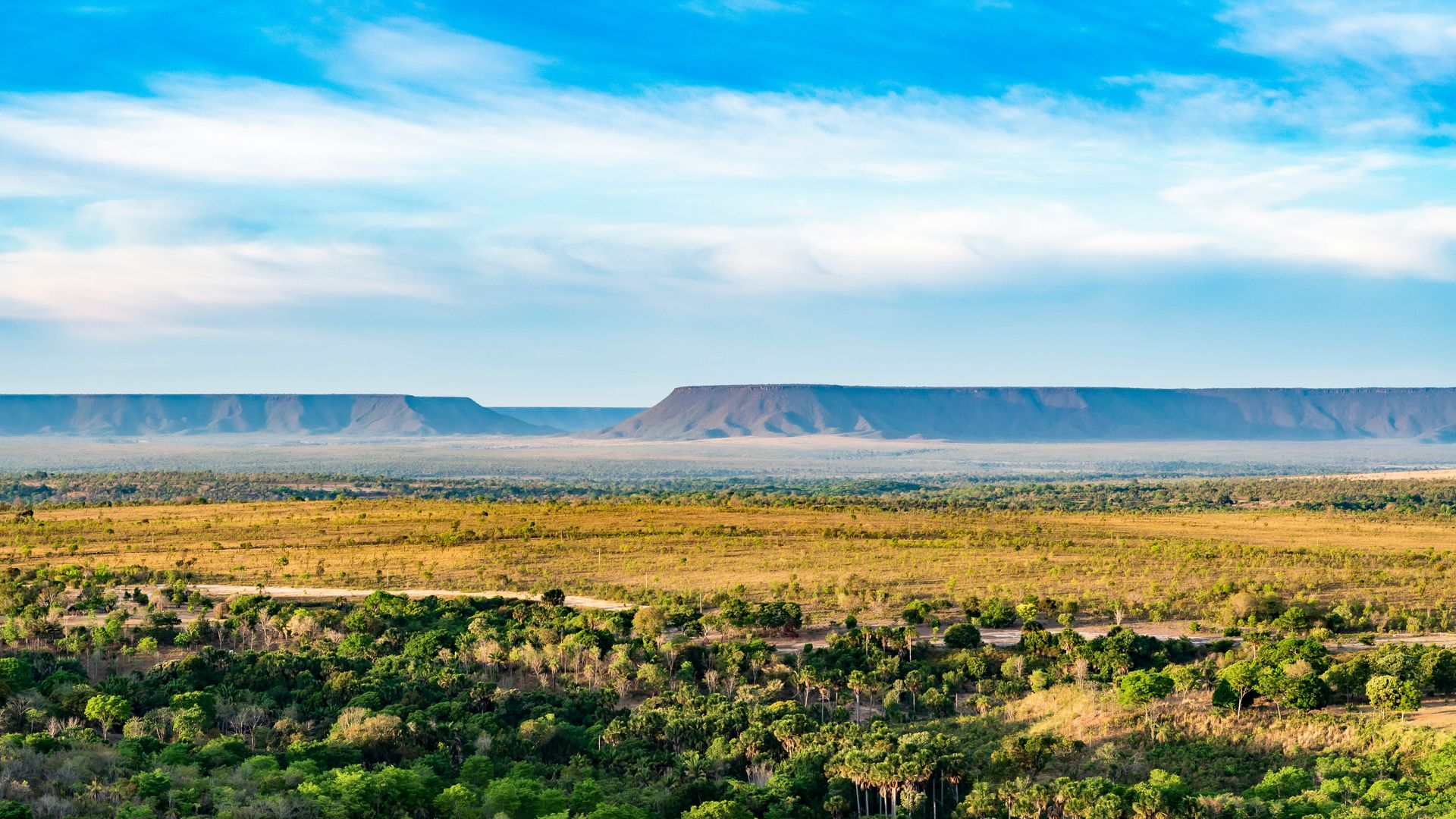
The Cerrado is South America’s ancient tropical savannah, a biome that covers roughly a quarter of Brazil’s total land area across the central plateau and that predates the Amazon $AMZN rainforest in its current ecological configuration by millions of years. Despite this scale and antiquity, the Cerrado is almost entirely absent from international coverage of Brazil, which overwhelmingly focuses on Amazonia and the Pantanal when discussing Brazil’s natural environments. The Cerrado’s wildlife is genuinely extraordinary: maned wolves, giant anteaters, giant armadillos, and tapirs are among the species that the biome supports in concentrations not found elsewhere in South America outside the Pantanal. The specific adaptations that Cerrado wildlife has developed to the savannah’s seasonal extremes — a pronounced dry season followed by flooding rains — give the ecosystem a biological interest that the more famous rainforest and wetland environments do not replicate.
The Cerrado is also Brazil’s most threatened biome, a condition that gives a visit there a conservation urgency alongside the wildlife interest. The savannah sits at the heart of Brazil’s agricultural expansion, and the conversion of Cerrado habitat to soy, cotton, and cattle has made it one of the most biodiverse regions on earth, yet with the least habitat protection relative to its ecological value. The lodges and private reserves that have developed in the Cerrado to serve international wildlife tourism represent a direct economic argument for conservation that land conversion cannot easily match, giving the tourism itself a structural role in the biome’s survival.
Trijunção Lodge offers luxurious safari-style lodging with immersive access to the Cerrado landscape, including guided wildlife walks and night drives that the nocturnal habits of the maned wolf and giant armadillo make particularly productive after dark. The Skybeds at Trijunção, described as the first of their kind in South America, allow guests to sleep in open-air beds directly beneath the Cerrado’s night sky, surrounded by the savannah’s sounds and the extraordinary star visibility that the biome’s distance from urban light pollution makes available. The combination of luxury infrastructure and genuine wilderness access gives Trijunção a positioning within the Cerrado that the destination’s international obscurity makes all the more remarkable.
Fernando Dantas / Unsplash
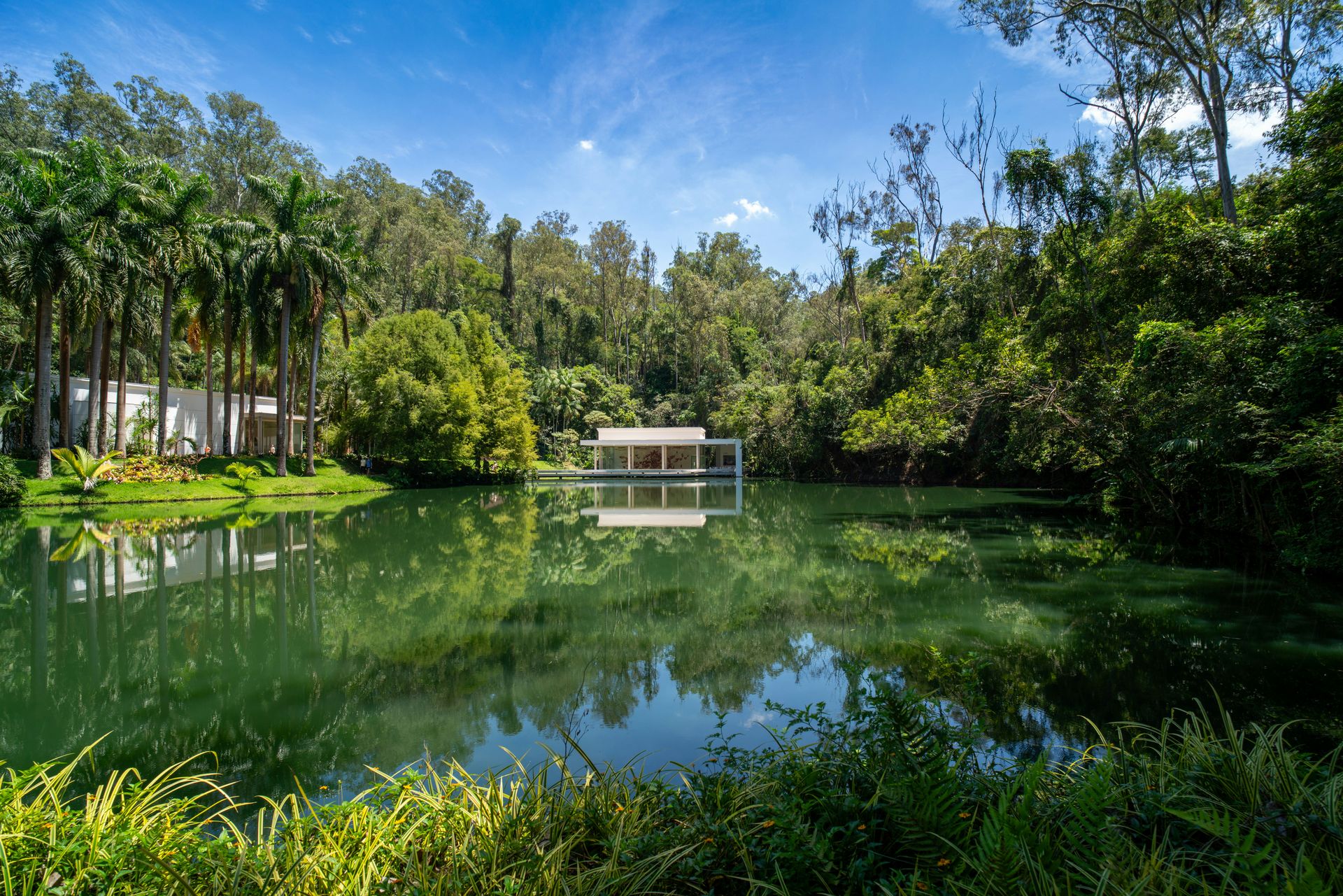
Inhotim, located in the state of Minas Gerais in southeastern Brazil, is one of the largest open-air contemporary art museums in the world: 140 acres of designed botanical gardens containing permanent pavilions and site-specific installations commissioned from global contemporary artists, including Yayoi Kusama, whose work at Inhotim represents one of the most significant permanent installations in her career, alongside Brazilian artists of international standing, including Adriana Varejão and Hélio Oiticica. The combination of botanical garden quality and contemporary art ambition gives Inhotim a hybrid character that conventional museum visits, confined to interior gallery spaces, cannot produce. Walking between pavilions through a curated landscape with sculpture and architecture emerging from the vegetation gives the experience a spatial dimension that changes what encountering art means.
The scope of the collection requires at least two full days to engage with meaningfully, which the advisor identifies as a practical minimum rather than a suggestion for leisured visitors. The Clara Arte Hotel, located within the park itself, gives serious visitors the accommodation proximity to make an extended engagement with the collection logistically natural: staying within the museum grounds allows early morning and late afternoon visits when the light on the landscape and the pavilions changes dramatically and when the day visitor crowds have not yet arrived or have already departed. The hotel’s minimalist design and sweeping views give the accommodation a curatorial coherence with the collection it is positioned within.
The combination with curator-led tours and private studio visits in Rio de Janeiro and São Paulo gives the Inhotim experience a broader art travel itinerary that positions the museum within the context of Brazil’s contemporary art ecosystem rather than as a standalone destination. Brazil has produced some of the most significant artists of the late twentieth and early twenty-first centuries, and the studio visit circuit that the advisor mentions gives engaged art travelers a way into that production at the source. For travelers whose primary interest is contemporary art at the highest level, Inhotim is one of the strongest arguments for a visit to Brazil, independent of the country’s natural attractions.
Marcela Pacheco / Unsplash
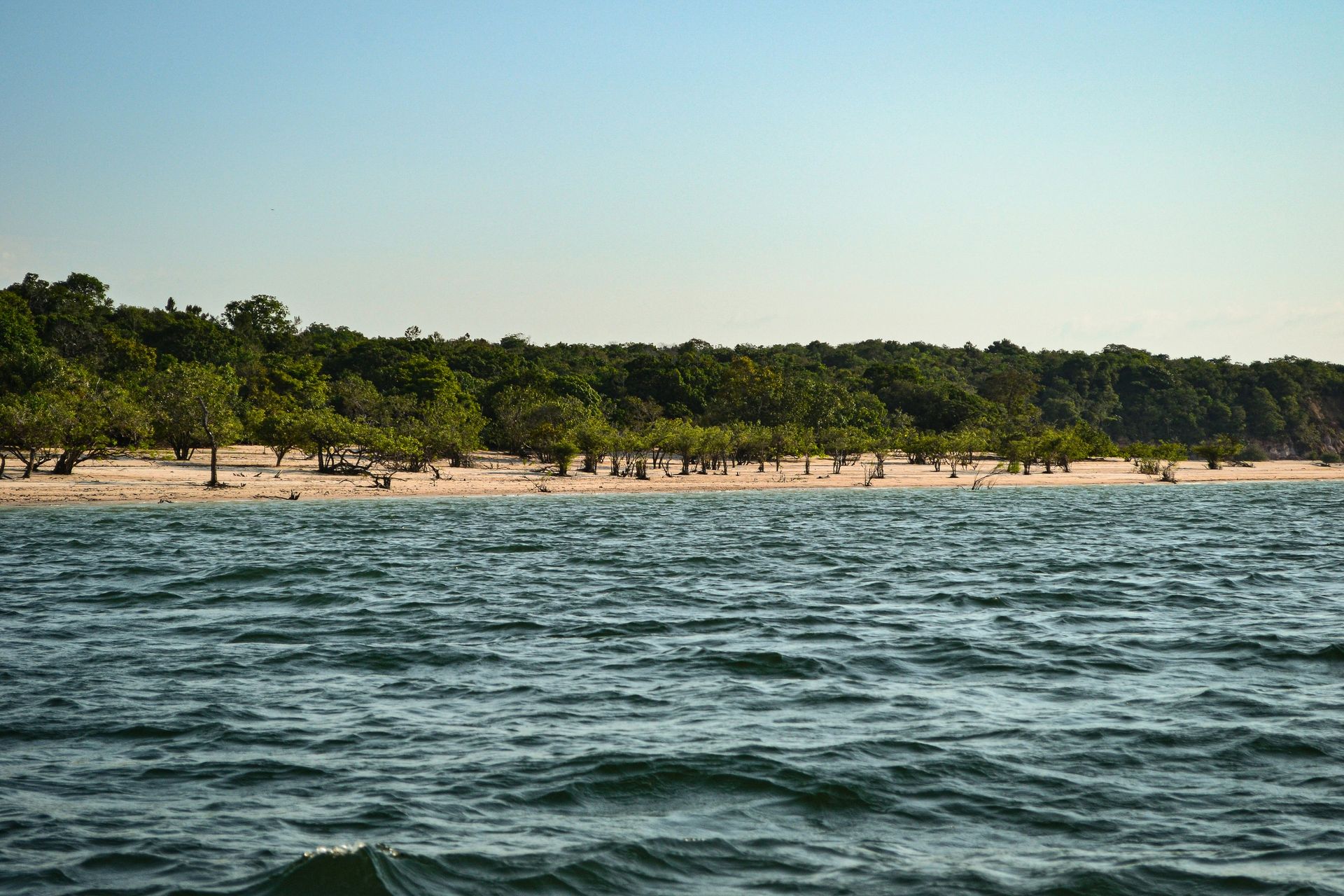
Alter do Chão sits where the Tapajós River meets the Amazon $AMZN in the state of Pará, a position that gives it a beach environment — white sand, clear water, dramatic jungle backdrop — that the Caribbean of the Amazon designation captures accurately in terms of visual character while understating the specific quality of being within the Amazon basin rather than simply resembling it aesthetically. The town itself is small, laid-back, and organized around the river beach culture produced by water level fluctuations: when the river recedes between August and December, it reveals the most dramatic version of the sandbar and beach formations that give the town its visual identity. The advisor specifically recommends visiting during this window as the most enchanting period, when the exposed beaches are at their largest extent, and the water clarity is at its peak.
The most comfortable and purposeful way to explore the Alter do Chão region is aboard a private luxury riverboat, which the advisor describes as a floating boutique hotel with personalized service, expert guides, and chef-prepared meals. The riverboat format gives the Amazon exploration a geographic range and a quality of access that land-based accommodation cannot provide: drifting through the mirror-flat waters of the Tapajós and its tributaries, reaching hidden beaches and isolated forest communities that road access does not serve, gives the visit a discovery quality that the more heavily visited sections of the Amazon mainstream have lost. The expert guides aboard these vessels provide wildlife and ecological encounters with a depth of interpretation that transforms observation into understanding.
The Amazon basin’s scale means that even popular entry points like Manaus receive a fraction of the visitor numbers that equivalent natural attractions in other regions generate, and Alter do Chão, as a secondary destination within the basin, is genuinely uncrowded by any standard of comparison. The combination of the Caribbean beach aesthetic with the Amazon ecological context, accessible most completely by private riverboat during the dry season months, gives Alter do Chão a travel experience specific to this geography that no other destination on earth replicates.
J. Balla Photography / Unsplash
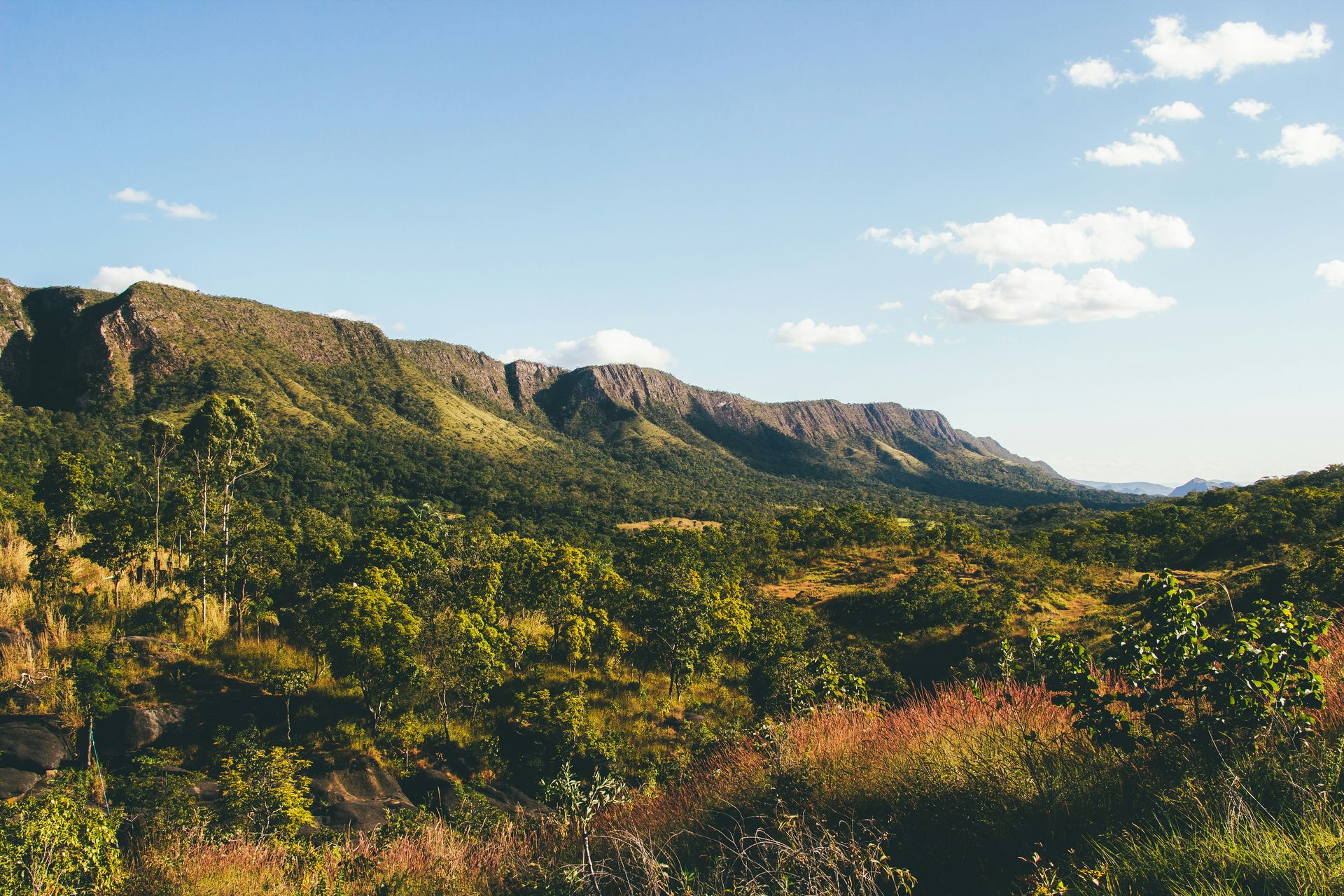
Chapada dos Veadeiros National Park occupies a high plateau in the state of Goiás in central Brazil, a landscape of quartz-veined rock formations, crystal-clear river pools, and dramatic waterfall descents that create an exceptional hiking environment with a visual character specific to the ancient crystalline geology of the Brazilian Shield. The quartz that runs through the hiking trails reflects and refracts light in ways that give the landscape a specific luminous quality at certain times of day, and the waterfalls that the plateau’s rivers produce as they drop off its edge give the most popular hiking circuits a destination reward that justifies the physical effort of reaching them. The national park protects the most dramatic terrain, and the guided hiking programs available in the region calibrate route difficulty and duration to suit groups from casual walkers to serious multi-day trekkers with overnight camping.
The cultural identity of Chapada dos Veadeiros extends beyond the landscape into an esoteric dimension that makes the region genuinely distinctive within Brazil’s travel geography. The town of Alto Paraíso, the main gateway to the park, has developed a community of spiritual seekers drawn by the region’s reputed ley lines and UFO sightings, and the town even features a “discoporto” — a marked landing strip for flying saucers — whose presence reflects the blend of earnestness and self-aware humor that the local culture has developed around these traditions. Whether a visitor approaches this dimension with belief, curiosity, or amusement, it gives the destination a human cultural texture that purely scenic national parks do not provide.
Luxury accommodation in the Chapada is limited, which the advisor acknowledges as a genuine consideration. The solution for groups seeking exclusivity is a fully serviced private villa in Alto Paraíso, specifically arranged by the Dehouche travel agency, which offers the quality and privacy that public lodging options in the region cannot match. The guided hike customization included in the villa arrangement gives different fitness levels within a group their own appropriate itinerary, from gentle waterfall circuits that can be completed in an afternoon to multi-day treks with camping beneath the Cerrado sky that test endurance and reward it with nights of exceptional stargazing.
Matheus Augusto Candido / Unsplash
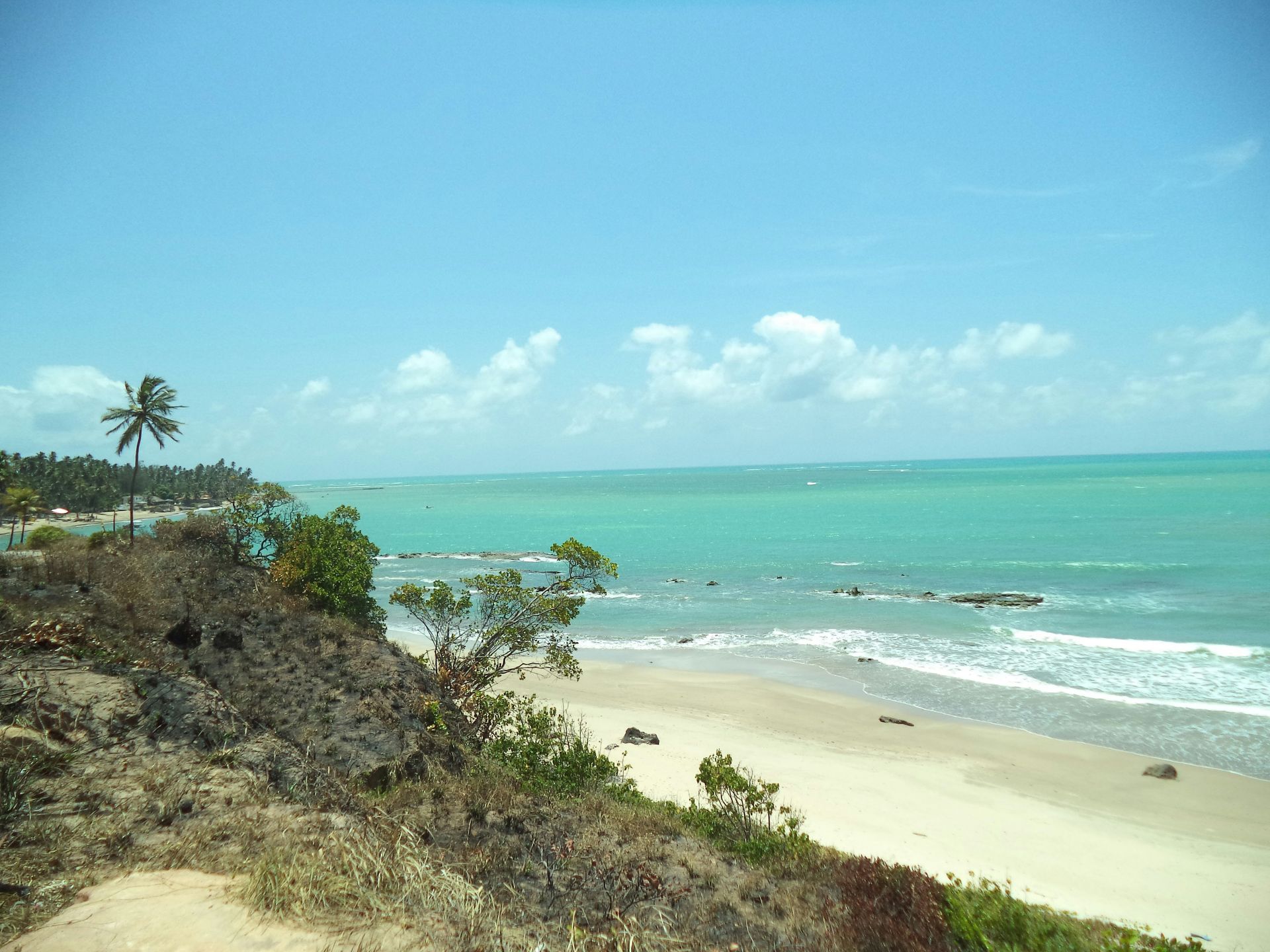
Alagoas, a small northeastern state whose coastline sits north of Bahia, occupies the specific geographic position that gives it its primary practical advantage over Brazil’s more famous beaches: the natural barrier reef that runs along the Coral Coast keeps the water calm and warm in conditions that the open-ocean beaches of Rio and the southeastern coast cannot guarantee, and the state’s warmer, drier climate from September through November makes it a reliable beach destination during months when the southeast’s weather is less predictable. For travelers who want to build a beach itinerary around the certainty of conditions rather than hoping the weather cooperates, Alagoas offers Brazil's most dependable coastal window during this shoulder period.
The reef itself is one of the longest natural barrier reef systems in South America, and the calm, turquoise, tide-pool-studded waters it protects give the Alagoas coastline a swimming environment that the rough surf of famous Brazilian beaches regularly interrupts. Coconut groves line the beach behind the sand, and sandbars extending into the calm sea give the landscape the visual character that photographs of Brazil’s northeastern coast represent in their most appealing versions. The state receives far fewer international visitors than Bahia, despite offering comparable or superior swimming conditions, which give the coastline a quietness that Bahia’s most famous beach towns have largely lost to their own success.
Casa Brasileira, the advisor’s preferred property in the region, is a boutique hotel with private access to Patacho beach, offering guests a beach experience that the private access specifically protects from the day visitor density that public beach access would introduce. The combination of the reef’s calm water, the Coral Coast’s September-to-November reliability, the coconut grove landscape, and a boutique property with private beach gives Alagoas the strongest case on this list for travelers whose primary motivation is the beach rather than wildlife, art, or adventure. The state’s relative obscurity on the international travel circuit is the condition that makes all of these qualities available without the compromises that Bahia’s most famous beach towns now require of their visitors.
