From Sardinia's undiscovered coastline before luxury hotels arrive to Uganda's gorilla treks in Bwindi forest, destinations to visit before everyone else does
Teodor Kuduschiev / Unsplash
Every destination that is now overcrowded was once a discovery. The Amalfi Coast was known primarily to Italian travelers and a handful of Northern European visitors before the package holiday industry found it. Santorini was a quiet Cycladic island before the overwater infinity-pool photograph made it the world's most recognizable sunset backdrop. The process by which a place moves from discovery to discovery to designation to destination to destination to crowded destination is predictable enough that travelers who know what to watch for can identify the next Amalfi Coast before the second luxury hotel opens.
The signals are consistent: a destination begins appearing in advisor recommendations before it appears in mass media coverage, new luxury infrastructure appears in an area where only basic accommodation existed before, flight access improves with new direct routes, and travelers who have been there start describing it as the thing they want to show their friends before everyone else gets there. These are the conditions that define the destinations on this list.
The advisors consulted for this piece are specialists who watch destination development as a professional discipline. When they describe a place as on the brink, they mean something specific: the window in which a traveler can visit before the experience is materially changed by the arrival of volume tourism is still open, but it will not remain open indefinitely. The advice is practical: these are places to book now, before the second luxury hotel becomes the twentieth and the cobblestone streets require timed entry.
The 10 destinations below appear in Travel + Leisure, drawn from a larger list of under-the-radar recommendations from A-List travel advisors. Each is identified by the advisor who recommended it, and each carries a specific timing argument: the window is open, but the advisors are watching it close.
Ivan Ragozin / Unsplash
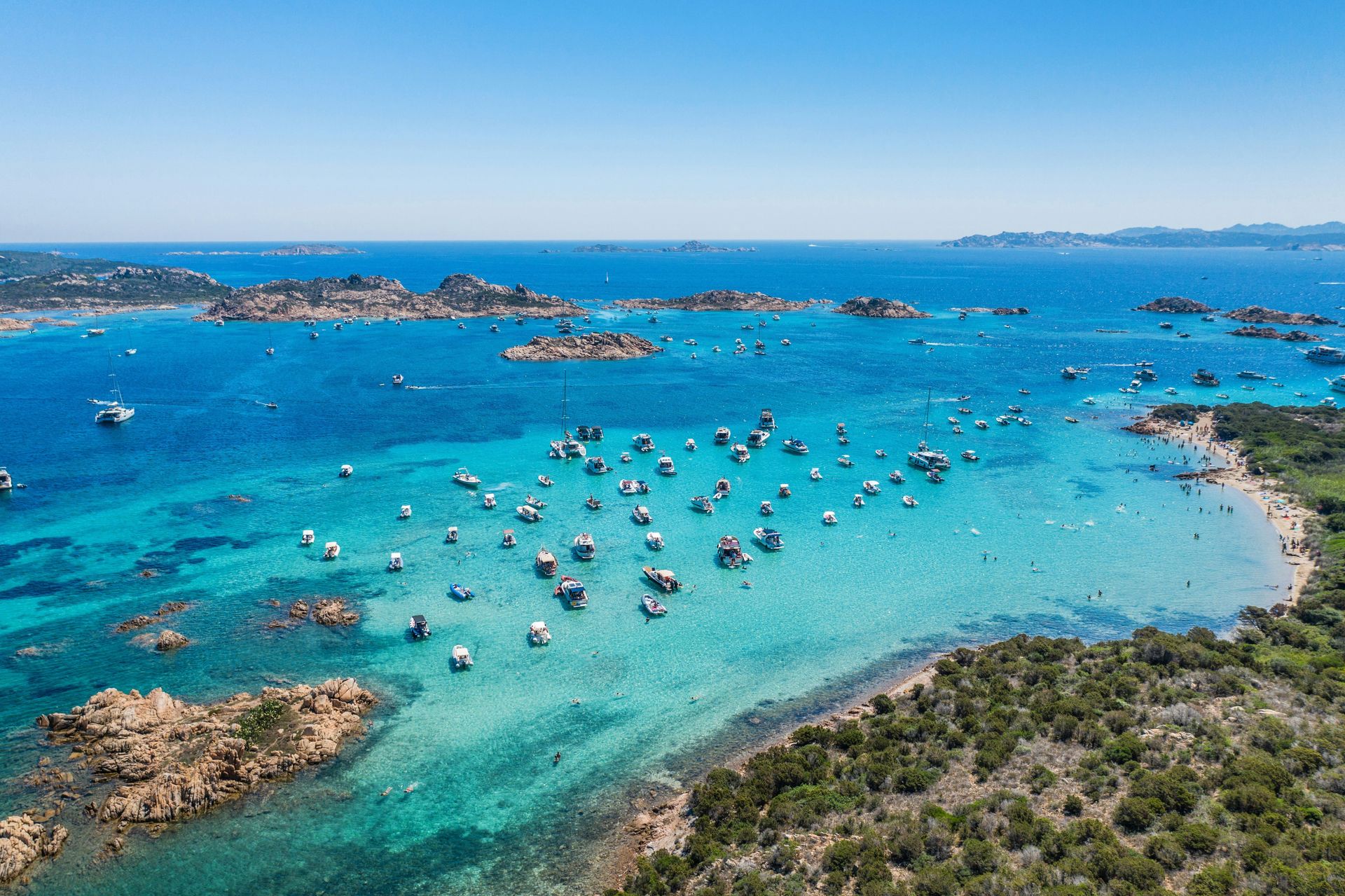
Sardinia has long served as the domestic Italian answer to the question of where to go when the mainland’s popular coast gets too crowded: its beaches rival or surpass the Amalfi Coast and the Cinque Terre in visual quality, its hiking trails cross a wild interior landscape that the island’s rugged geology produces, and its food and wine culture reflects centuries of Sardinian rather than mainland Italian tradition. The island’s specific geographic character, its granite coastline, prehistoric Nuragic ruins, and the distinctive emerald and turquoise colors of its northern Costa Smeralda and southern beaches give it a sensory identity that the more famous Italian coastal destinations approach but do not replicate.
The moment that defines Sardinia’s current position in the destination development cycle is the arrival of large luxury resort infrastructure, which has been limited until recently. “Big luxury resorts are just starting to appear, so travelers should experience the island’s laid-back charm before it gets too crowded,” says Angela Adto Tepper of AZA Luxury Travel. The laid-back character that Tepper identifies as worth experiencing before it changes is specific to destinations at this stage: the local businesses that serve a primarily domestic market have not yet been displaced or overshadowed by international hotel brands, the beaches are still accessible without reservation systems, and the overall pace of the island has not yet accelerated to meet the throughput demands of mass tourism.
For travelers who already know Italy through Rome, Florence, Venice, and the Amalfi Coast, Sardinia offers a version of the country that feels genuinely different: less art history and more geological and prehistoric history, less urban density and more wild coast, less performance for international visitors and more the actual daily life of an Italian island whose culture has developed in relative isolation. The ferry connections from the Italian mainland and air service from major European cities give access without requiring complex routing, and the current moment — when luxury infrastructure is arriving but has not yet arrived in volume — is the specific window that Tepper’s recommendation is timed to.
Constanza S. Mora / Unsplash
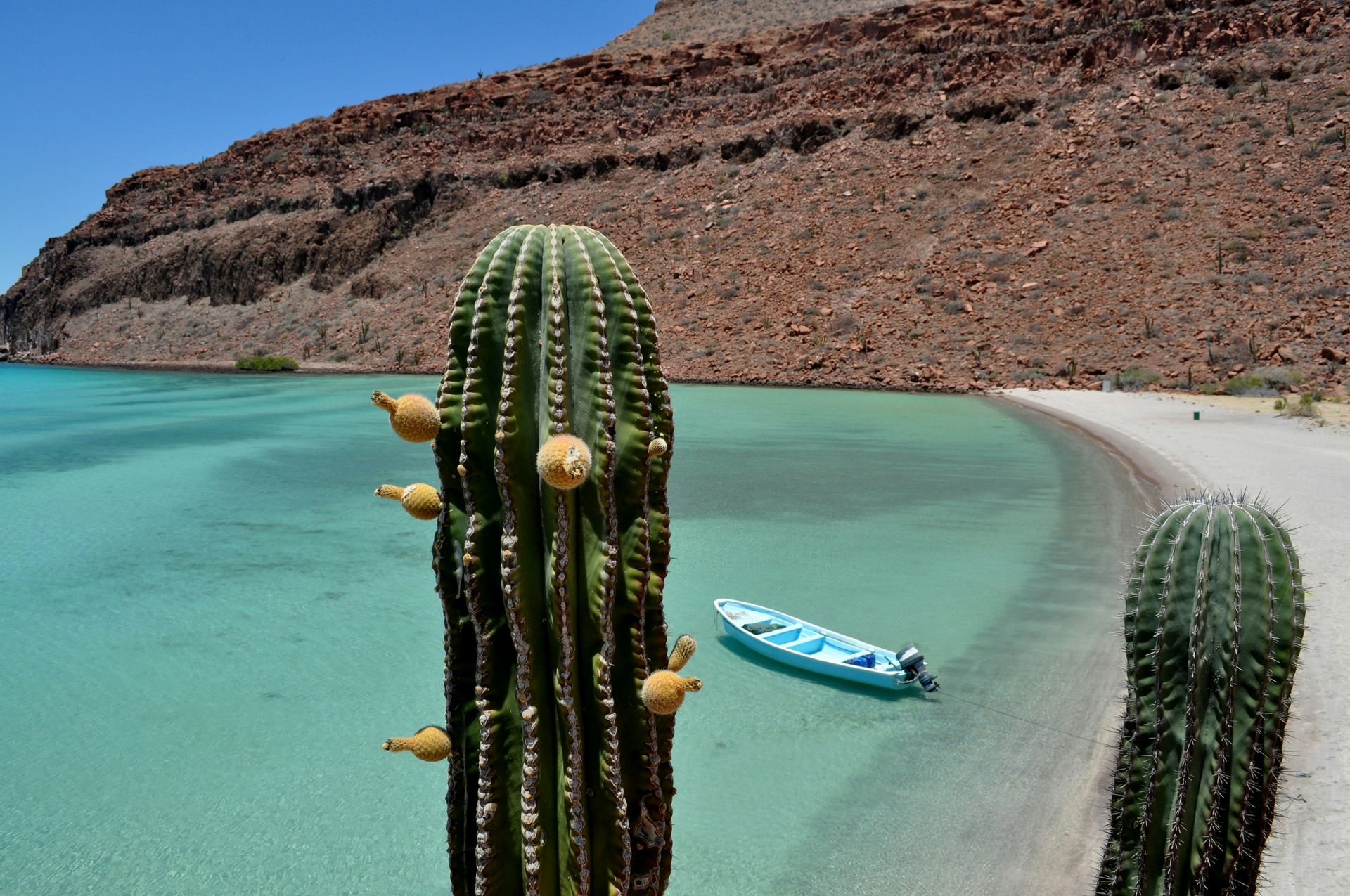
The Baja California peninsula gives Mexico a geographic and cultural dimension that the Caribbean resort coast and the colonial highland cities do not provide: a 1,200-kilometer peninsula of desert, Pacific coastline, and Sea of Cortez waters that contains within it some of the most significant whale migration habitat in the world, an emerging wine region whose quality rivals Napa at a fraction of the recognition, and small coastal towns whose character reflects the peninsula’s specific frontier remoteness from mainland Mexico and California simultaneously. “The exceptional wines and cuisine of the north are a closely-held secret among southern Californians, but new luxury hotels like Banyan Tree are drawing attention,” says Zachary Rabinor of Journey Mexico.
Valle de Guadalupe, the wine-producing valley in the northern Baja that has developed into Mexico’s most important wine region, gives travelers a culinary and wine tourism experience specifically different from anything else in Mexican travel: outdoor restaurants built from local materials serving wine from vines planted in desert soil, with a looseness of form and casualness of aesthetic that the Napa Valley’s more established tourism economy has largely outgrown. The atmosphere of a wine region still discovering itself gives Valle de Guadalupe an energy that regions further along the development curve cannot recreate.
Laguna San Ignacio, a protected bay in central Baja, is one of the world’s most significant whale-watching locations: gray whales use the lagoon as a calving ground each winter, and the population has become habituated to respectful boat presence in ways that allow face-to-face encounters with animals that approach the boats voluntarily. The coastal towns of La Paz, Todos Santos, and Loreto give the peninsula a human geography of distinct character, each with its own cultural identity and pace. The entire peninsula is accessible by direct flight from several U.S. West Coast cities, giving Baja California one of the most practical access profiles of any under-the-radar destination on this list — a place that Southern Californians have known about for decades and that the rest of the country is only now beginning to discover through the same kind of advisor-to-traveler channel that Rabinor represents.
Dragisa Braunovic / Unsplash
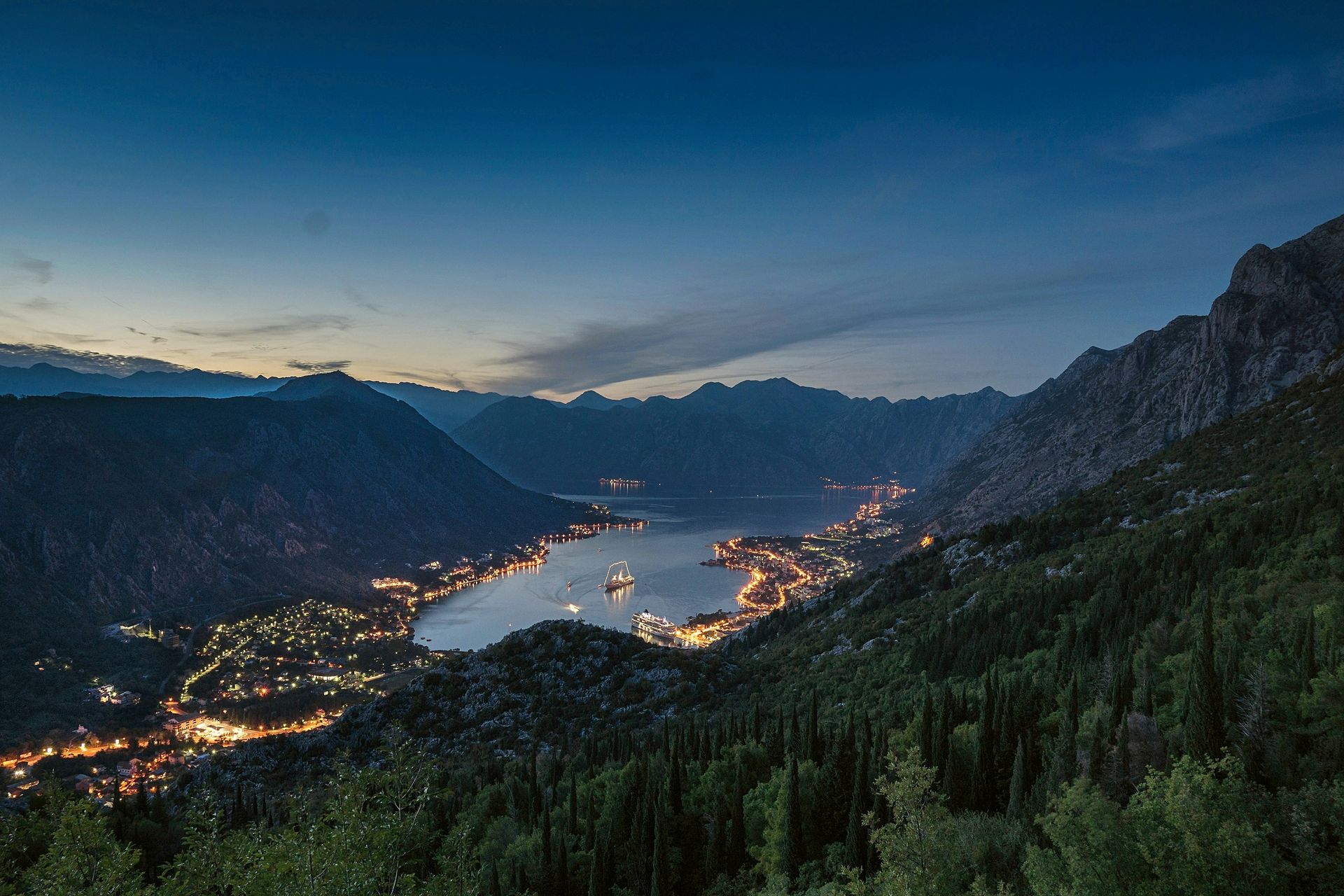
Montenegro is the Adriatic destination that the most adventurous travelers from Croatia’s coastal visitors have started finding when they decide to continue south: the Bay of Kotor, the deeply indented inlet ringed by limestone mountains that descends to the historic walled city of Kotor, gives the country an entry point of such visual drama that first-time visitors consistently describe the arrival by boat or by road through the mountain pass above the bay as among the most striking approaches to any destination in the Mediterranean. “Montenegro has the drama of the Amalfi Coast, the heritage of Croatia, and the laid-back charm of the Mediterranean — all without the crowds,” says Dasha Westerfield of River Oaks Travel.
The medieval towns within the bay, including Kotor, Perast, and Herceg Novi, give the cultural program a depth of Venetian and Byzantine heritage that the coastline’s natural spectacle would be sufficient to justify visiting on its own. The morning hours in Kotor’s old town, before the cruise ship day visitors arrive from the main Adriatic ports, give the city’s marble streets and cat population — Kotor has a specific historical relationship with cats that has become a minor cultural identity — a quiet that the afternoon crowd density eliminates. Sailing through the bay’s seemingly untouched inner channels in the afternoon gives the destination a maritime dimension that the road-based Amalfi experience cannot replicate.
The luxury hotel development that Westerfield notes is quietly beginning gives travelers a timing indicator that the destination development cycle consistently produces: when serious luxury brands identify a destination as worth investing in, the window in which that destination feels undiscovered is shortening. Montenegro’s relatively straightforward access from Western European airports and its position as an easy extension of a Croatia itinerary give it practical accessibility alongside the scenic and cultural depth, which is precisely the combination that accelerates a destination from discovery to overcrowded, which is why the advisor’s recommendation to go now rather than later carries genuine urgency.
Oleksandr Konstantinov / Unsplash
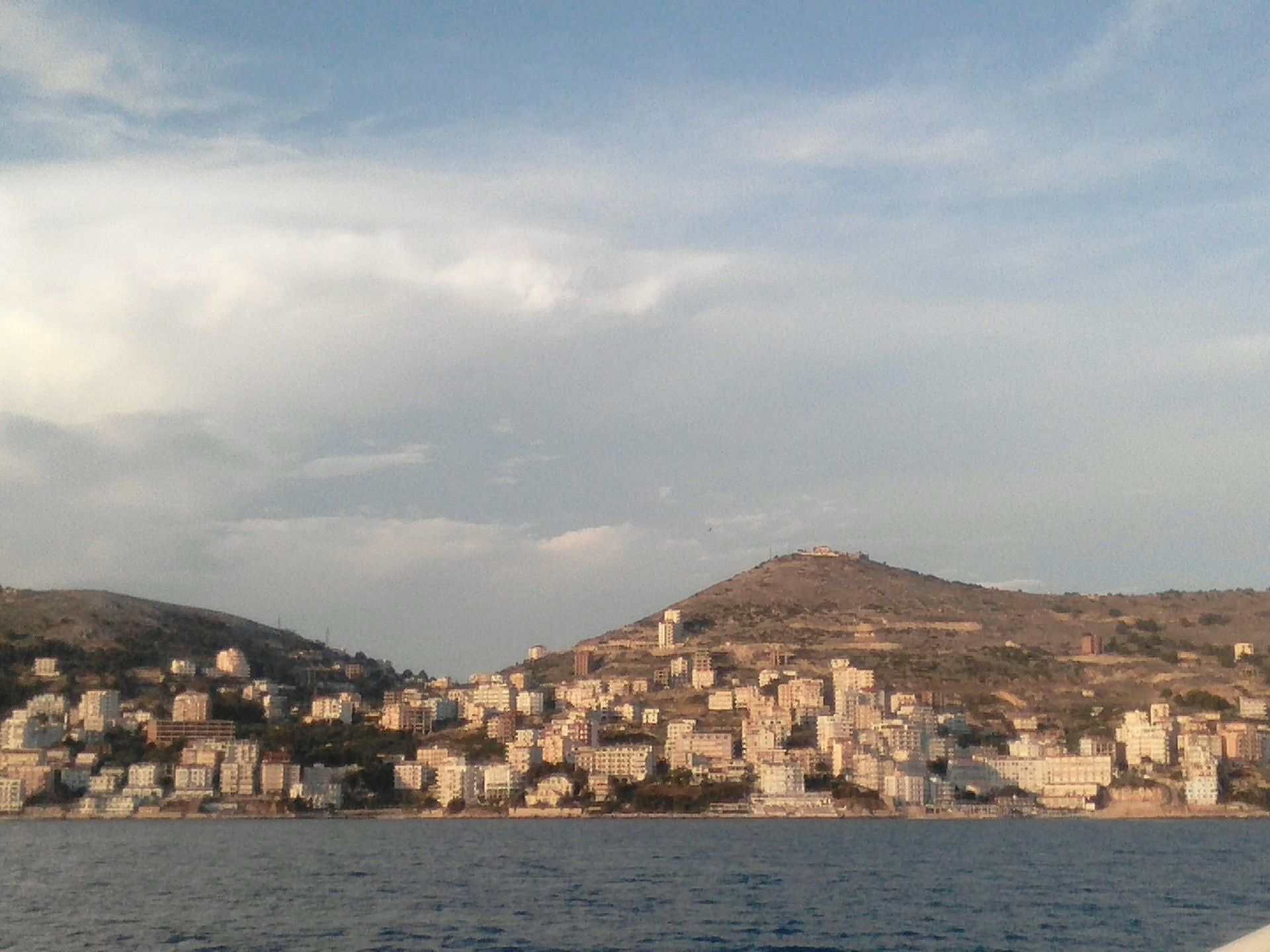
Albania’s entry into European travel consciousness has accelerated over the past five years, driven by the unique combination of Adriatic and Ionian coastlines and a price point that Mediterranean destinations cannot match. “Albania’s stunning beaches along the Ionian Sea rival the Amalfi Coast (minus the crowds), while charming mountain villages like Theth offer untouched beauty,” says Kristin Winkaffe of Winkaffe Global Travel. The Albanian Riviera, the stretch of the Ionian coast from Sarandë to the Greek border, offers Mediterranean beach quality — clear water, pebble and sand beaches, dramatic clifftop village settings — in conditions that the Amalfi and the Croatian Dalmatian coast provided to travelers who arrived 30 years ago.
The mountain dimension of Albania gives the country a second landscape of equal quality: the Accursed Mountains in the north, accessible through the village of Theth via a road that has only recently been paved, contain hiking terrain that rivals the Julian Alps and the Dolomites in drama while receiving a fraction of those ranges’ visitors. The traditional stone houses with defensive towers, the glacial lakes, and the walking trails that connect villages give the mountain region a specific character rooted in Albanian highland culture rather than in tourism infrastructure.
The food culture that Winkaffe identifies as wildly underrated gives Albania a culinary reason to visit alongside the beaches and the mountains: fresh Ionian seafood, homemade rakia, and a farm-to-table ethos that predates the term in the Albanian countryside give the eating a specificity to place that tourist-oriented coastal restaurants elsewhere have diluted. The warmth of the people that Winkaffe specifically notes is a consistent observation across independent traveler accounts of Albania, reflecting a country that has not yet developed the transactional relationship with visitors that over-touristed destinations inevitably produce. Albania’s infrastructure has improved rapidly in recent years, with new road connections making the riviera more accessible and the coastal towns more navigable, but the essential character of the destination, the local markets, the fishing boats hauled up on the beach, the family-run restaurants without menus in English, remains intact in ways that the next decade of tourism development will change.
Yosi Bitran / Unsplash
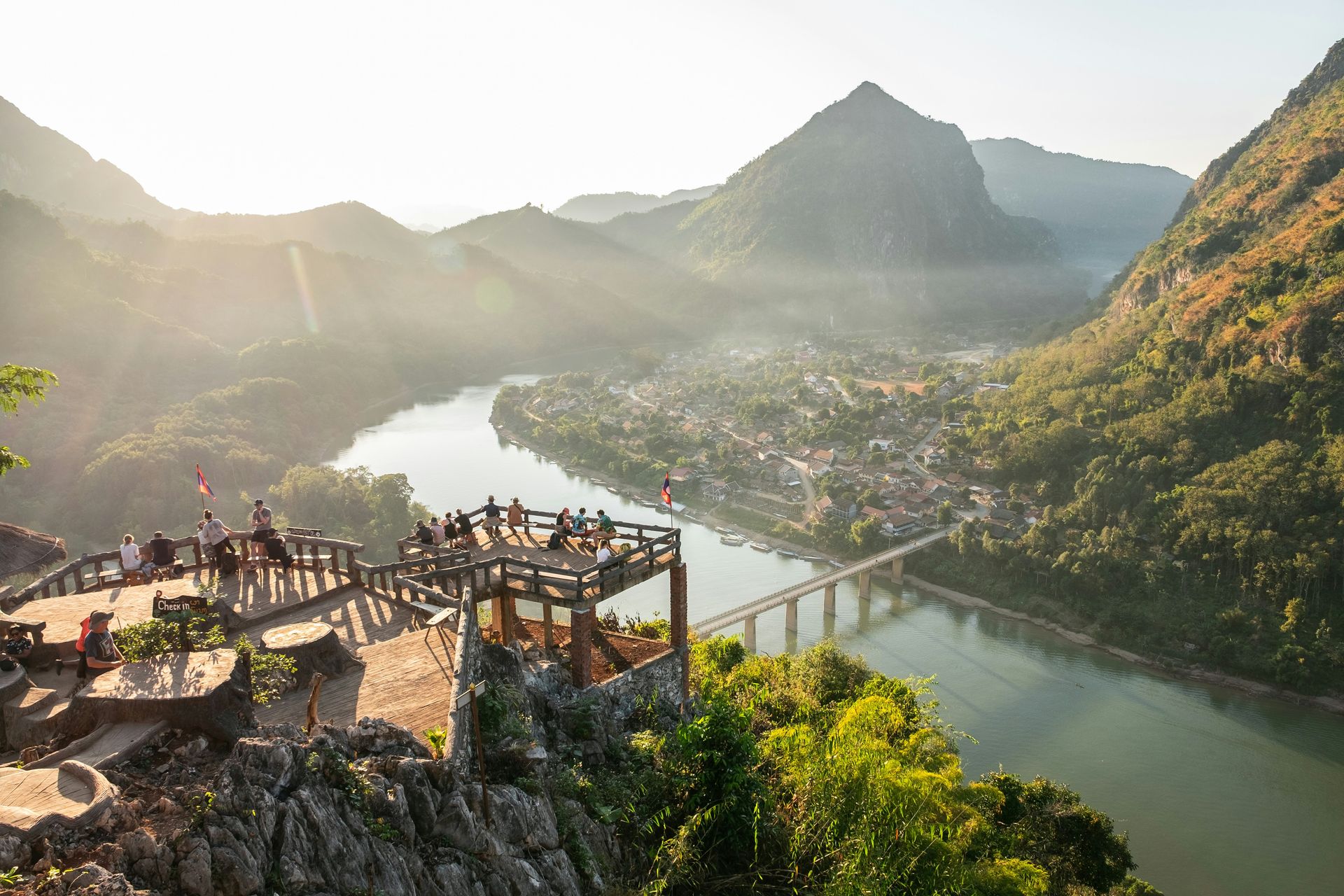
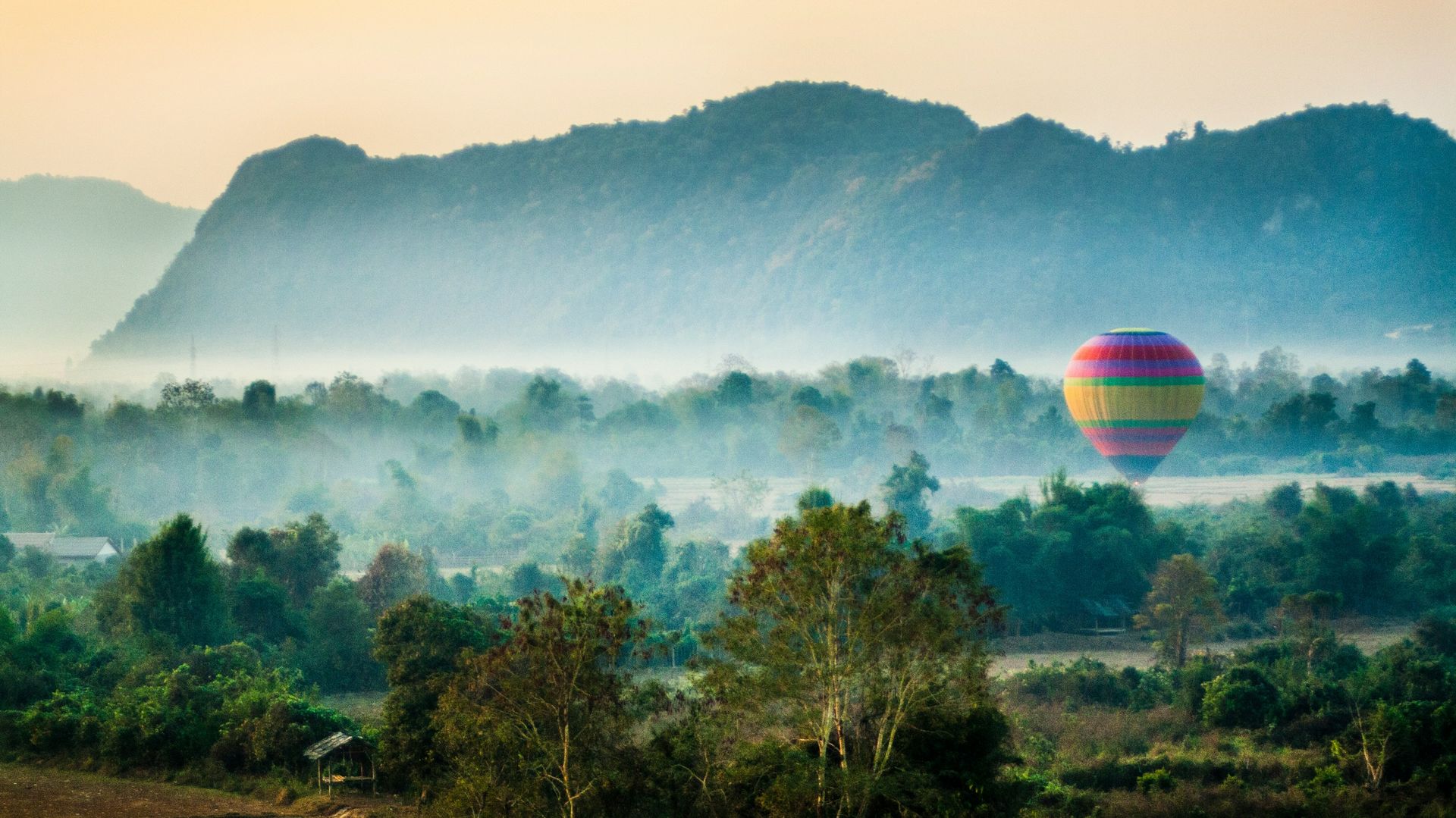
Laos occupies a geographic position between Thailand, Cambodia, Vietnam, and China, making it a natural next step for travelers following the standard Southeast Asia circuit, one most itineraries skip in favor of returning to Thailand or adding Bali. “Laos has beautiful landscapes full of mountains, waterfalls, and caves, and its cities are full of outstanding Laotian restaurants and French boulangeries,” says Bob Preston of GlobeBley. The French colonial heritage reflected in the boulangeries gives Laos a visual and culinary layer that the other Mekong countries share to some extent, but that Laos has preserved more fully in the architectural character of towns like Luang Prabang, where colonial buildings alongside Buddhist monasteries give the urban landscape a layered cultural complexity.
Luang Prabang, a UNESCO World Heritage city at the confluence of the Mekong and Nam Khan rivers, gives travelers one of Southeast Asia’s most intact historic town environments: the monastic culture is active and visible in the daily alms-giving ceremony at dawn, when monks in saffron robes receive offerings from locals and visitors along the main street, and the temple architecture is dense enough that wandering the old town for an afternoon produces encounter with significant Buddhist art and architecture in nearly every direction. The town’s position on a peninsula between two rivers gives it a geographic definition and visual setting that Thailand’s or Vietnam’s more developed tourist towns lack, as they have been surrounded by commercial expansion.
The landscapes beyond Luang Prabang give Laos a range of natural experiences that the town’s cultural depth complements rather than exhausts: the Kuang Si waterfall cascades through a series of turquoise pools into the jungle below, accessible by a short tuk-tuk ride, and the remote provinces of southern Laos contain cave systems and karst landscapes of extraordinary scale that organized adventure tourism has only begun to access. The country’s slower development pace relative to its neighbors gives natural environments a condition of relative preservation that Thailand’s equivalent landscapes lost years ago to the tourism volume Laos is just beginning to receive.
Aaron Santelices / Unsplash
Bhutan’s specific approach to tourism is the defining characteristic of the destination: a policy of high-value, low-impact tourism, implemented through a sustainable development fee that all international visitors pay, deliberately limits visitor volume, and funds the conservation and cultural preservation that gives Bhutan its primary appeal to travelers who choose it. “Bhutan is one of the last truly untouched destinations, where culture, spirituality, and sustainability aren’t curated for tourists — they’re lived daily,” says Jason Oshiokpekhai of Global Travel Collection. The distinction that Oshiokpekhai draws between culture performed for visitors and culture lived daily is the essential one for destinations at the apex of the authenticity spectrum.
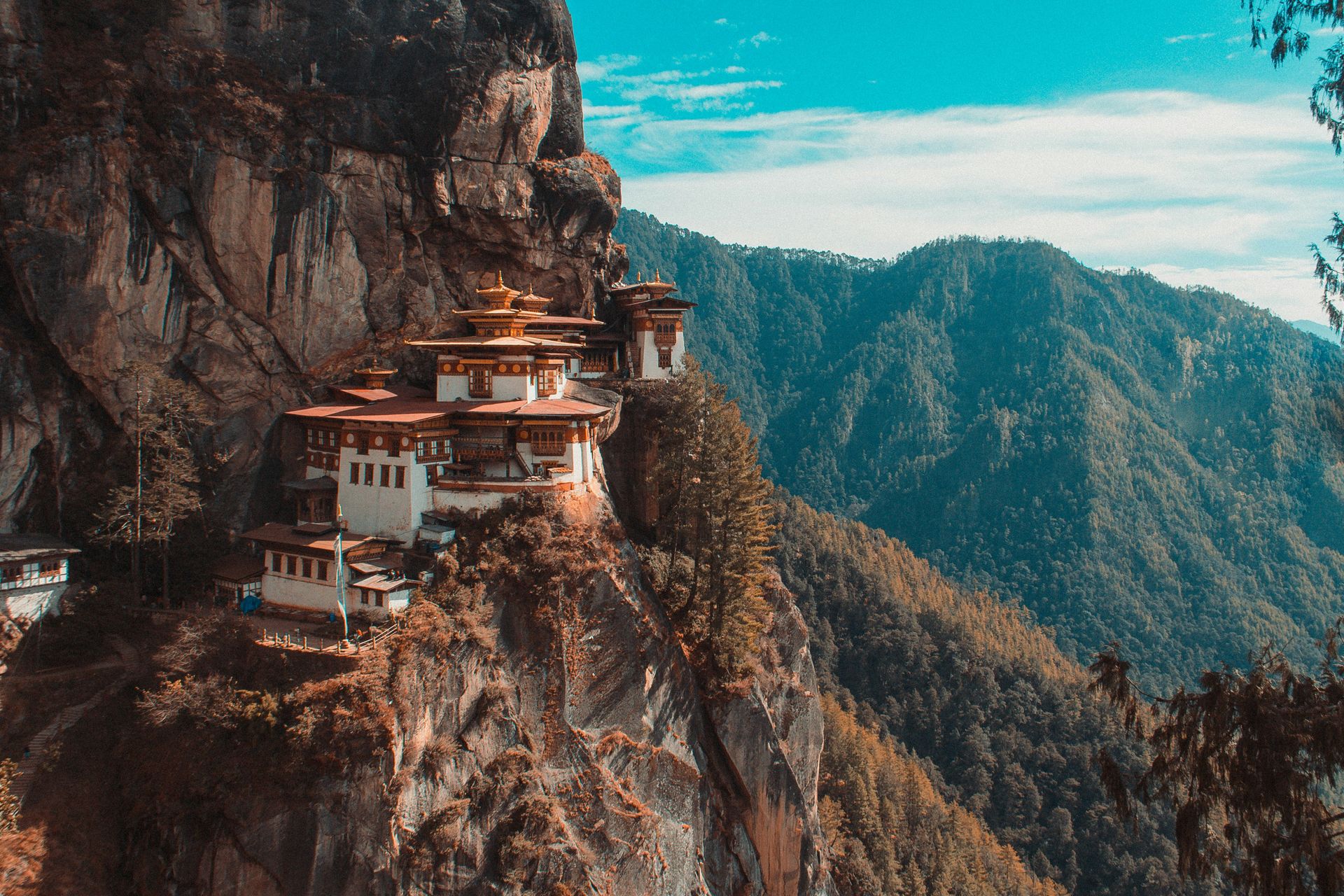
The Paro Taktsang monastery, the Tiger’s Nest, built into a cliff face at 3,120 meters above sea level, is Bhutan’s most recognized image and one of the most spectacular religious sites in Asia: the walk to the monastery, through blue pine forest and prayer flag-lined paths, gives the approach to the destination the character of a pilgrimage rather than a tourist attraction, which is appropriate given that the site is an active center of Vajrayana Buddhist practice rather than a heritage museum. The dzongs, the fortress-monasteries that serve as administrative and religious centers in each of Bhutan’s valleys, give the country a consistent architectural identity that no other nation in the Himalayan region has preserved at equivalent completeness.
The high-end lodge infrastructure that has developed within Bhutan’s tourism model, including Six Senses, Amankora, and Gangtey Lodge, gives travelers the quality of accommodation and guided access to cultural experiences that the sustainable development fee is designed to fund and that positions Bhutan as a destination where the cost of travel directly underwrites the preservation of what makes the destination worth visiting. The policy model gives the destination a structural protection against the overcrowding that erodes the authenticity of unprotected destinations, which is why Bhutan remains genuinely untouched rather than merely described as such. Unlike the other destinations on this list, where the advice is to visit before the crowds arrive, Bhutan is a destination whose policy prevents the crowds from arriving by design — making it the one case on this list where the window stays open indefinitely, as long as the tourism policy holds.
-1920x1212.jpg)
Neven Krcmarek / Unsplash
Slovenia gives travelers one of the highest densities of distinct landscape types per square kilometer available in Europe: the Julian Alps with their glacier-carved peaks and Lake Bled’s island church, the Karst plateau with its underground cave systems, the Adriatic coastal town of Piran with its Venetian architecture, and the capital Ljubljana with its medieval castle and riverside cafe culture are all within a two-hour drive of each other. “What’s truly special is the variety of activities offered in such a compact area: alpine adventures, wine tasting, wellness retreats, and the Adriatic Sea are all within a couple of hours’ drive,” says Laura Asilis of Travelwise.
Lake Bled, the glacial lake with the island church and the castle perched on a cliff above it, has become Slovenia’s most recognizable image and has begun attracting the visitor volume that Instagram recognition generates. The destinations immediately around Bled — the Soča River valley with its improbably turquoise water and First World War history, the Triglav National Park’s alpine hiking, the Bohinj Lake’s quieter version of the Bled landscape without the crowds — give travelers who arrive already knowing Bled a route beyond it into less-visited terrain of equal or greater quality.
Ljubljana, regularly ranked among Europe’s most livable cities, gives Slovenia a capital that serves as both a practical base for the country’s outdoor activities and a destination in its own right: the pedestrianized old town along the Ljubljanica River, the triple bridge, the castle views, and the cafe culture that the riverside gives a specific setting all give the city a character that the more famous capitals of Prague, Vienna, and Budapest overshadow only because Slovenia is smaller and less on the standard Central European circuit. Slovenia’s EU membership, the euro currency, and the high English proficiency of the population give it a practical accessibility for American travelers that former Yugoslav destinations were historically slower to develop. The country’s compact size means that a ten-day trip can cover all of its major landscape types without the internal flight connections that larger countries require, which gives Slovenia a specific efficiency of experience that the destination development narrative of “go before everyone else does” applies to in the most literal logistical terms.
Erik Mclean / Unsplash
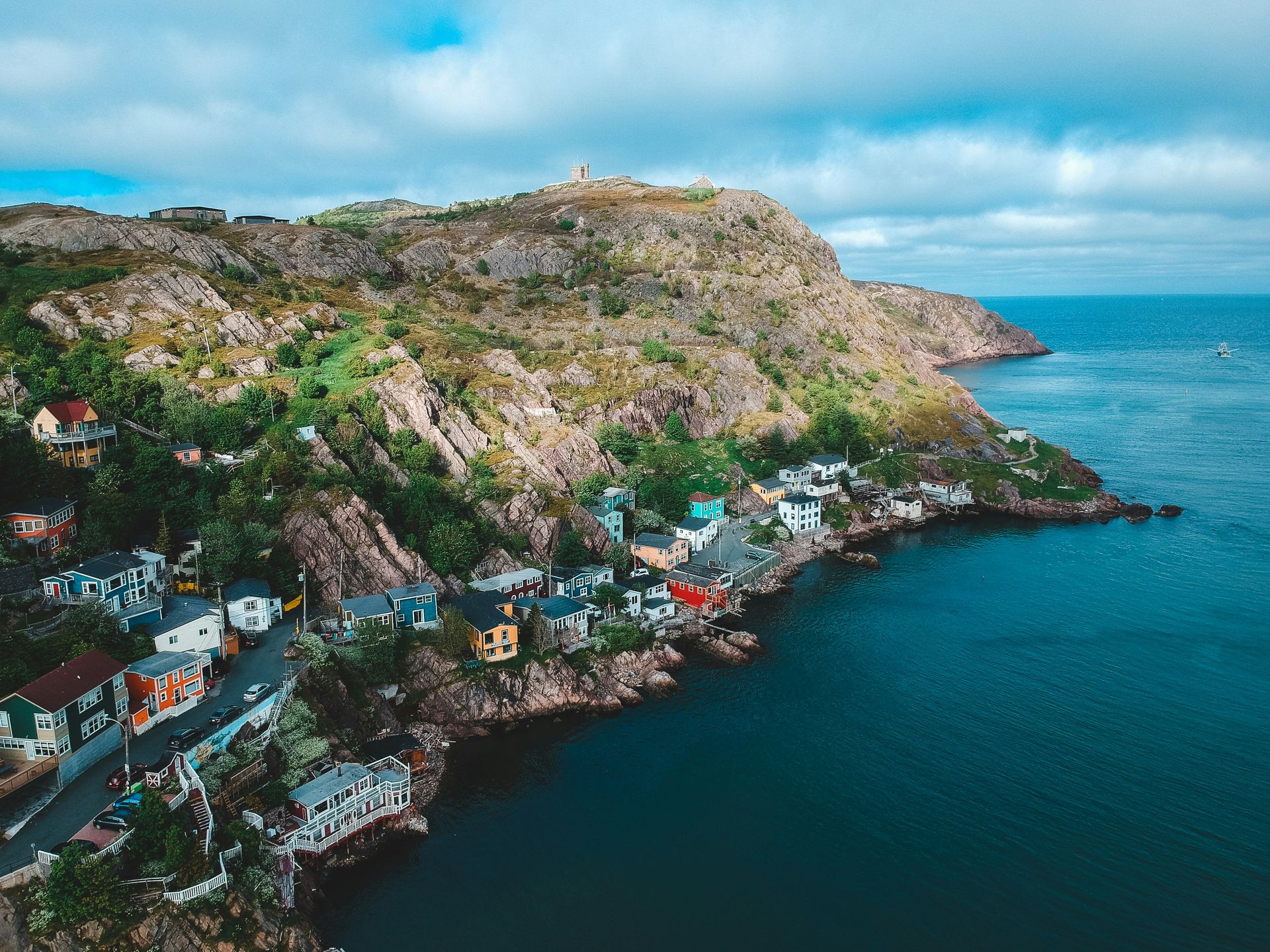
Newfoundland and Labrador, Canada’s easternmost province, occupies a geographic position that gives it the distinction of being one of North America’s most scenically dramatic and culturally distinct regions while remaining essentially unknown to the international visitors who concentrate on Toronto, Vancouver, Quebec City, and the Rocky Mountains. “As the easternmost part of the country, it’s full of stunning landscapes and beautiful cities like St. John’s that are still relatively tucked away,” says Marc Telio of Entree Canada. The city of St. John’s, with its brightly painted row houses climbing the hill above one of the best natural harbors in the North Atlantic, gives the province a capital of genuine character whose visual identity is unlike any other city in Canada.
The natural environment of Newfoundland gives the province a landscape program that the mountain-focused Canadian tourism circuit does not replicate: iceberg season in spring and early summer, when bergs calved from Greenland’s glaciers drift south along the Labrador coast and ground offshore, gives the province a natural spectacle available nowhere else in North America at comparable accessibility. The Torngat Mountains in northern Labrador, a remote range accessible only by charter flight or boat, give serious wilderness travelers a destination whose scale and wildness the more visited Canadian parks cannot match.
The culture of Newfoundland, shaped by centuries of cod fishing, Irish and English settlement, and geographic isolation that preserved dialect, music, and social traditions that mainland Canada long ago absorbed into a more homogenized national culture, gives the province a human character specific enough to be a travel reason independent of the landscape. The Trans-Canada Highway across the island, with its stops at the reconstructed Viking settlement at L’Anse aux Meadows, the dramatic cliffs of the Tablelands in Gros Morne National Park, and the historic outport fishing villages of the Bonavista Peninsula, gives a road trip itinerary of genuine depth. For American travelers whose bucket list tends toward international destinations, Newfoundland offers a reminder that the most culturally foreign experience available from a North American departure point is sometimes in the next country rather than on the next continent.
-1920x1280.jpg)
David Tip / Unsplash
Milos, the volcanic Cycladic island accessible by a 40-minute flight or a 2.5-hour fast ferry from Athens, is at the moment in the destination development cycle when the advisor community has identified it as the destination to visit now, before the development that is visibly arriving transforms the experience. “Milos is on the brink of becoming Greece’s next ‘It’ island. For now, its lunar-like coastlines, secret coves, and authentic Cycladic spirit are beautifully unspoiled. Multiple high-end properties are being built, so now’s the time to experience the raw, serene glory before the secret is out,” says Christos Stergiou of TrueTrips.
The landscape of Milos is the specific thing that the volcanic geology produces and that distinguishes the island from its more famous Cycladic neighbors: the same volcanic activity that created the island has given the coastline its extraordinary variety of color and form, with ochre, white, grey, and green cliffs sheltering coves of extraordinarily clear water that the underwater geological formations give a brightness and color intensity that sandstone and granite coastlines do not produce. Beaches like Sarakiniko, whose white volcanic rock formations create a lunar surface above turquoise water, give Milos a visual identity that no photograph fully captures without the visitor’s position within the landscape.
The village of Plaka, perched above the bay with views of the surrounding islands, and the colorful fishing village of Klima, where the boatshed doors open directly onto the water, give the island a human geography of authentic Cycladic character that Santorini’s transformation has made memories rather than the current reality there. The catacombs of Milos, the largest early Christian catacombs outside Rome, give the island a historical dimension that the beach landscape alone does not suggest. The window Stergiou identifies is real and measurable in the construction cranes currently visible on the island’s hillsides — the experience of Milos in 2025 and 2026 is qualitatively different from what it will be in 2028 or 2030, and the traveler who goes now visits a different island from the one that will exist after the high-end properties currently under construction have opened and begun drawing the international visitor volume that Santorini’s saturation has been redirecting southward.
Keith Kasaija / Unsplash
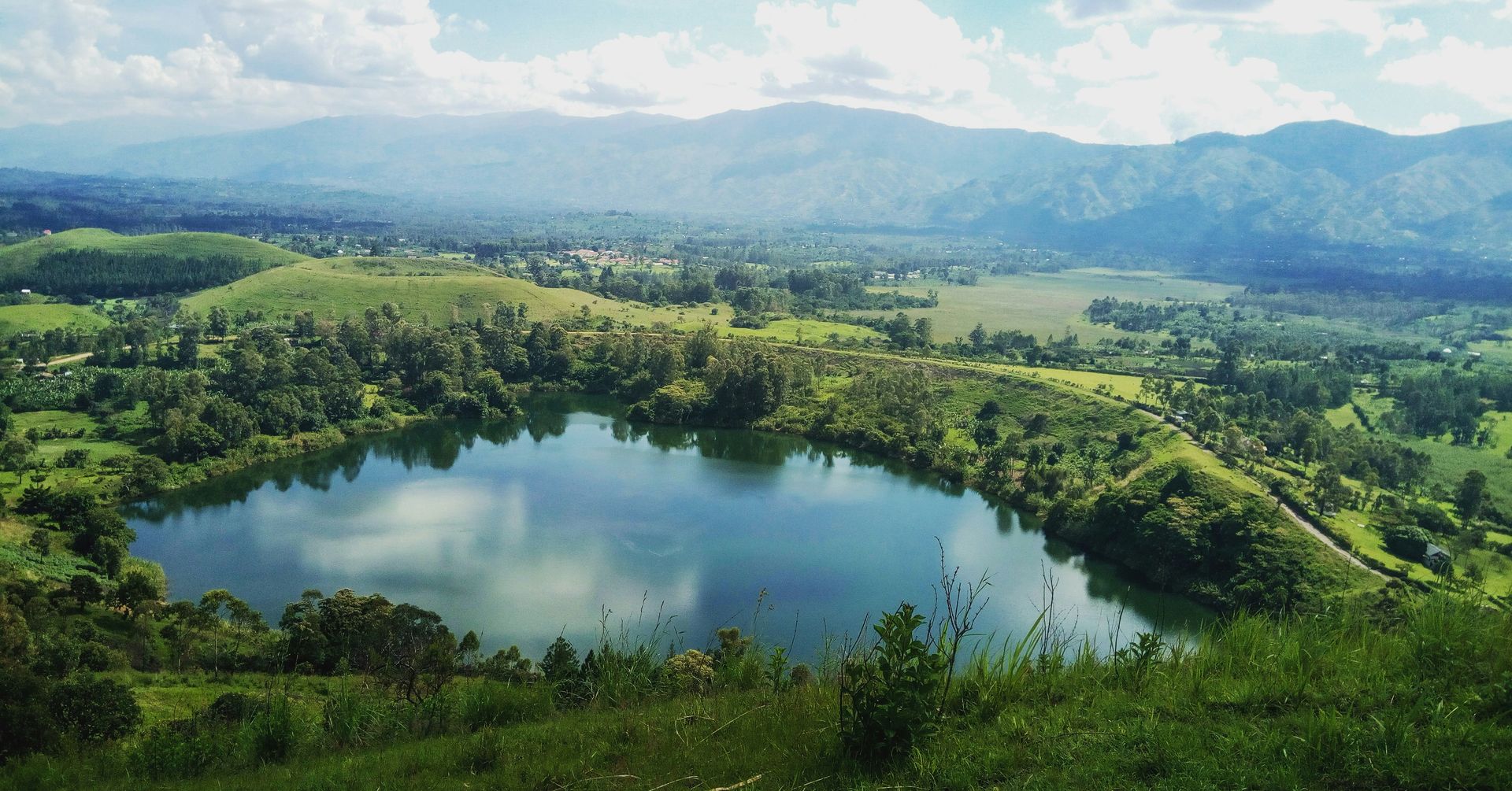
Uganda holds a specific wildlife credential that gives it a compelling argument for safari travelers who have already visited Kenya, Tanzania, or South Africa: the country contains approximately half of the world’s remaining mountain gorilla population, making it one of only three countries where gorilla trekking is possible and one of the two most accessible for international travelers from North America and Europe. “Uganda is emerging as an exciting destination that blends unique wildlife and top-tier accommodations. The opening of Erebero Hills in 2026 exemplifies this trend, offering luxury amid breathtaking mountains and forests,” says Candice Heckel of Africa Endeavours.
The gorilla trekking experience in Bwindi Impenetrable National Park gives the Uganda safari a specific and irreplaceable wildlife encounter: an hour spent in close proximity to a habituated mountain gorilla family group, in dense cloud forest at high altitude, produces the kind of wildlife encounter that travelers consistently identify as the most significant of their safari experience across multiple Africa trips. The encounter’s emotional register, which most participants describe as connection rather than observation, reflects the evolutionary proximity of the two species and the behavioral complexity that this proximity makes legible in a naturalistic setting.
Beyond gorillas, Uganda gives the safari traveler chimpanzee trekking in Kibale Forest, the tree-climbing lions of Queen Elizabeth National Park, the bird diversity of the Albertine Rift Valley, and the source of the Nile at Jinja. The Bwindi and Virunga landscapes give the country a mountain and forest character that the savannah-dominant safari nations do not replicate, and the new luxury accommodation development that Heckel identifies as the leading indicator of destination emergence is beginning to match the wildlife quality with hospitality infrastructure that makes the experience accessible to travelers whose comfort expectations the pioneer lodge format could not always meet. Uganda is, at the moment, East Africa’s most celebrated safari destination, occupied in the early 1990s: the wildlife is extraordinary, the lodges are improving rapidly, and the visitor numbers have not yet reached the levels that require managing the experience rather than simply having it.
