The world's most epic cruise itineraries, from chasing solar eclipses over Iceland to spotting elephants on an African river safari
David C Tomlinson / Getty Images
A ship changes the way the world is organized. On land, the distance between Paris and Normandy is a logistical obstacle. A train journey, a rental car, a succession of transfers separate the city from its most historically consequential nearby landscape. On the Seine, it is the scenery itself, unfolding at river pace through medieval town centers and impressionist landscapes that road travel passes too quickly to absorb. The same logic applies everywhere cruising intersects with itinerary design: the Nile is not just a route between Cairo and Aswan but a living artifact of the civilization it sustained, and the Norwegian coastline is not merely the background to a Scandinavian tour but the geographical argument for why the Viking world existed where it did. Cruising makes geography legible in a way that other forms of travel rarely achieve.
The range of what a cruise now encompasses has expanded well beyond the Caribbean resort-at-sea format that defined the category for most of the 20th century. Expedition vessels cross the Drake Passage to Antarctic ice fields. Luxury riverboats the size of a large house navigate the Chobe on safari. Small sailing yachts tuck into Greek harbor towns too shallow for conventional cruise ships. Eclipse chasers book specific dates specifically to be at sea when the path of totality passes over open water. The decision of which itinerary to book has become as consequential as any other travel planning choice, because the range of experiences now available at sea spans the whole arc of what travel can mean. The spectrum runs from the purely scenic to the genuinely transformative, and the ship type, the route, and the operator all shape which end of that spectrum a particular voyage inhabits.
The 10 itineraries below come from U.S. News & World Report’s collection of epic cruise itineraries for 2026 and beyond, which draws on input from cruise veterans and industry executives to identify the world’s most compelling sailings across boat tour, river cruise, expedition, and ocean cruise categories. The list spans destinations across six continents and includes astronomical events, UNESCO World Heritage Sites, wildlife safaris, access to Formula One races, and ancient archaeological wonders.
Credit: Virgin Voyages
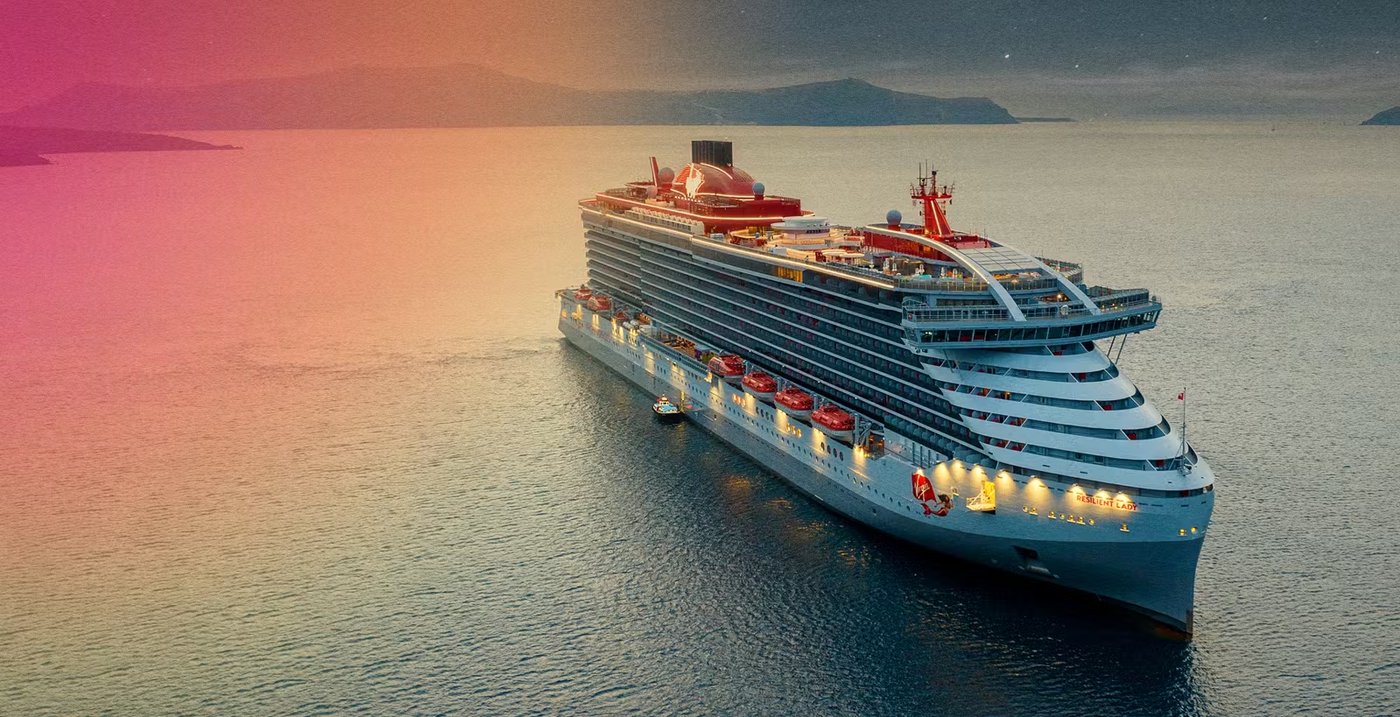
Total solar eclipses in August 2026, August 2027, and July 2028 give cruise passengers a rare opportunity to experience one of astronomy’s most dramatic events from the deck of a ship on open water. Virgin Voyages’ 15-night Eclipse in the Land of Fire and Ice itinerary departs round-trip from Portsmouth, U.K., in 2026 aboard Valiant Lady, with port calls in Dublin, multiple stops in Iceland, and both Glasgow and Edinburgh in Scotland. The eclipse itself occurs while the ship is at sea, giving passengers a 360-degree horizon view of totality without obstruction from land or buildings.
The number of cruise lines offering eclipse itineraries gives eclipse chasers multiple options across the three-year window. Celebrity Cruises, Holland America Line, Princess Cruises, Cunard, Azamara, Quark Expeditions, Atlas Ocean Voyages, Crystal, and PONANT all offer eclipse sailings in 2026 or 2027, spanning the full range from large mainstream vessels to small luxury expedition ships. Guest lecturers in scientific fields and special programming aboard these sailings give the astronomical event an educational context beyond the visual spectacle.
The decision of which eclipse cruise to book depends on factors beyond simple destination preference. The path of totality for each eclipse follows a specific geographic corridor across the Earth’s surface, and cruise lines position their ships within that corridor to maximize the duration of the blackout. A 15-night itinerary like Virgin Voyages’ Iceland sailing layers the eclipse into a multi-port experience that offers worthwhile ports of call regardless of cloud conditions on the day of the event. The 2026 and 2027 eclipses represent back-to-back annual opportunities in a short window, making this a two-year eclipse cruise-planning window that will not recur until the next cluster of total eclipses reaches accessible maritime corridors. The eclipse cruise category also demonstrates how astronomically predictable events generate premium travel demand years in advance. Early booking across all the lines offering eclipse programming is rewarded by better cabin selection before availability tightens in the months before each event.
Credit: Avalon Waterways
Avalon Waterways’ Taste of Egypt With Jordan tour runs 14 days and combines a pre-cruise hotel stay in Cairo with four nights aboard the 51-stateroom MS Farah on the Nile, inter-destination flights, and a concluding land segment that carries travelers from Egypt into Jordan. The itinerary covers Cairo’s major ancient sites, a Nile cruise through Upper Egypt’s archaeological heartland, and the Petra and Dead Sea experiences that make Jordan one of the most archaeologically significant destinations in the Middle East. River cruise lines, including National Geographic-Lindblad Expeditions, Viking, AmaWaterways, and Uniworld River Cruises, also offer Nile itineraries for travelers who want different ship sizes or formats.
The Cairo segment gives travelers access to the Sphinx and the Great Pyramid of Giza, as well as the museum housing Tutankhamen’s treasures. The Tutankhamen collection is the world’s most famous assemblage of ancient Egyptian artifacts and establishes the archaeological baseline before the Nile cruise begins in Luxor. The Luxor departure opens the Valley of the Kings and Valley of the Queens, two burial complexes that together hold some of ancient Egypt’s most elaborate royal tombs. In Aswan, passengers board a felucca — a traditional wooden Egyptian sailboat — to experience the Nile at water level, as travelers have for centuries.
The tour’s concluding Jordan segment adds Petra, the ancient Nabataean city carved into rose-red sandstone cliffs, alongside the Roman ruins of Jerash and the extraordinary sensory experience of floating in the Dead Sea’s hypersaline water. The geographic range of the Avalon itinerary — from the Giza plateau to the Jordanian desert — gives the 14-day package a density of UNESCO-recognized heritage sites that no land-only tour of the same duration could cover with the same logistical efficiency. The river cruise component specifically delivers the Nile as a living landscape connecting Upper Egypt’s monuments in the way that ancient Egyptians themselves traveled between them.
Credit: AmaWaterways
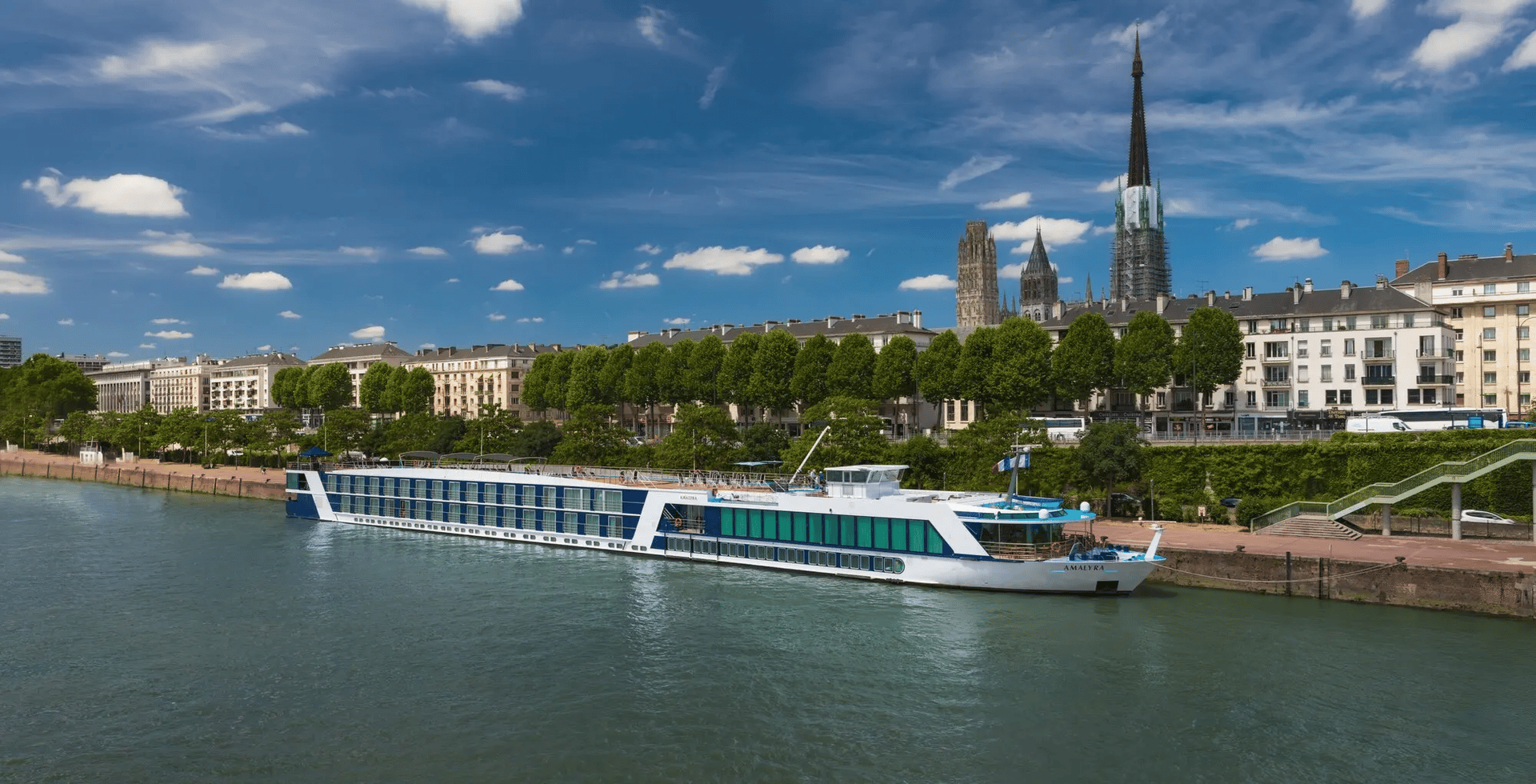
A Seine River cruise begins in one of the most celebrated cities in the world and uses the river as a vehicle for exploring French history, from the Belle Époque of Parisian museums and dining to the catastrophic military history of June 6, 1944. After a few days in Paris, passengers sail past the Eiffel Tower as the ship departs the city and proceeds downriver toward the Normandy beaches where Allied forces landed on D-Day. The proximity of cultural Paris to the somber beaches of Normandy — both accessible on the same river route — gives the Seine cruise a tonal range that few comparable itineraries match.
The medieval city of Rouen occupies a significant place on the itinerary between Normandy and Paris. Richard the Lionheart received the title Duke $DUK of Normandy in Rouen, and it was also there that Joan of Arc was executed in 1431. Rouen is one of the most historically layered stops in France for visitors whose interests extend beyond battlefield history. The source frames these two historical associations as dual reasons to linger in a city that tourism beyond the Seine cruise circuit rarely prioritizes at the same level as Paris.
Giverny, where Claude Monet lived and created the water garden that inspired his most famous paintings, completes the Seine itinerary before the ship returns to Paris. The source notes that the gardens should be visited in full bloom, which aligns with the ideal timing for the Seine cruise: spring and early summer. AmaWaterways, Viking, and Avalon Waterways all offer Seine itineraries from Paris to Normandy, and all include French wine and cheese in their descriptions of the journey’s onboard culture. For travelers who want a European river cruise that engages equally with art history, military history, and literary landscape, the Seine combines those dimensions into a single eight- to ten-day sailing. The French wine and cheese that all operators include in their Seine itinerary descriptions are a reliable indicator that the onboard experience reflects the region's culinary culture. Not all European river cruises maintain this standard with equal consistency, and the Seine operators’ explicit emphasis on it gives first-time river cruisers a useful baseline for comparing what the French itinerary promises against competitors on other rivers.
Credit: AmaWaterways
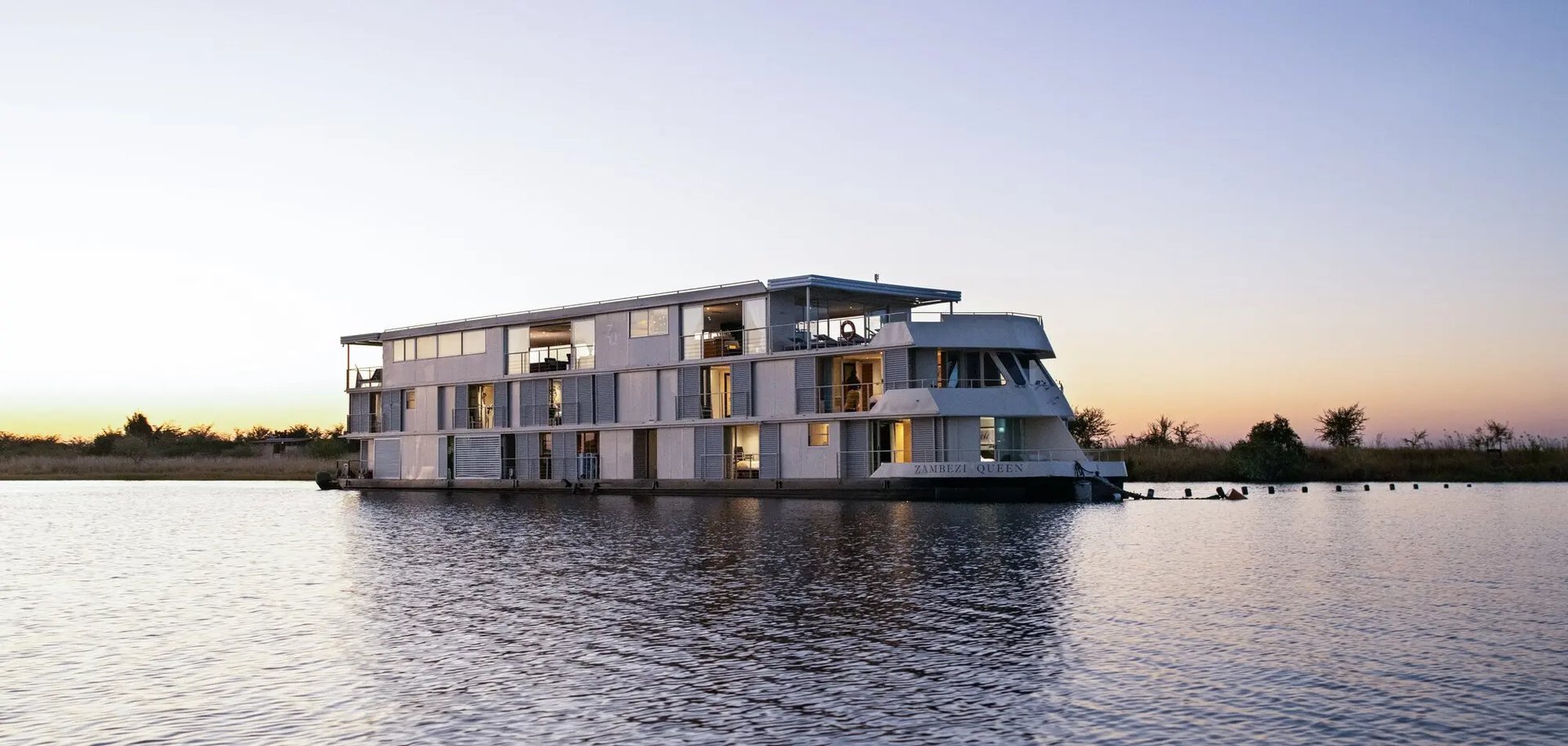
AmaWaterways’ River & Rails of Africa itinerary runs 13 nights and begins in Cape Town before a flight to Victoria Falls and the Namibian border, where passengers board the Zambezi Queen for a multi-night safari cruise along the Chobe River. The Zambezi Queen carries just 28 passengers, offering a wildlife-viewing experience with the intimacy larger vessels cannot provide. Open sightlines from every window on the ship allow continuous observation of the riverbank and surrounding landscape without the obstructed views that enclosed or corridor-style ships produce.
The Chobe River segment includes safari excursions into Chobe National Park, which the source identifies as hosting one of the largest wildlife populations in Africa. Elephants, buffalo, zebras, giraffes, and blue wildebeest are among the species the itinerary offers the opportunity to observe. River-based viewing from the Zambezi Queen and land-based game drives into the park give the Chobe segment a dual perspective. Animal behavior at the waterline and the broad savanna landscape accessible only by vehicle together produce an experience that neither format delivers as fully on its own.
After the river cruise, the itinerary boards the Rovos Rail luxury train for a progression through Hwange Game Reserve, the village of Gwanda, and the Polokwane Nature Reserve before a final transfer to Johannesburg. The Rovos Rail component provides a land-based wildlife and landscape experience that extends the safari beyond the river without duplicating it. For travelers who want an African safari but prefer a ship-based starting point and the intimacy of a 28-passenger vessel over land camp logistics, the AmaWaterways itinerary constructs one of the most structurally varied adventure trips on this list. Azamara and Silversea offer African cruise options for travelers who prefer larger ocean ships. The Rovos Rail component — one of the world’s most celebrated luxury trains — also offers a land-travel experience with its own bucket-list reputation, independent of the river safari that precedes it.
Credit: Avalon Waterways
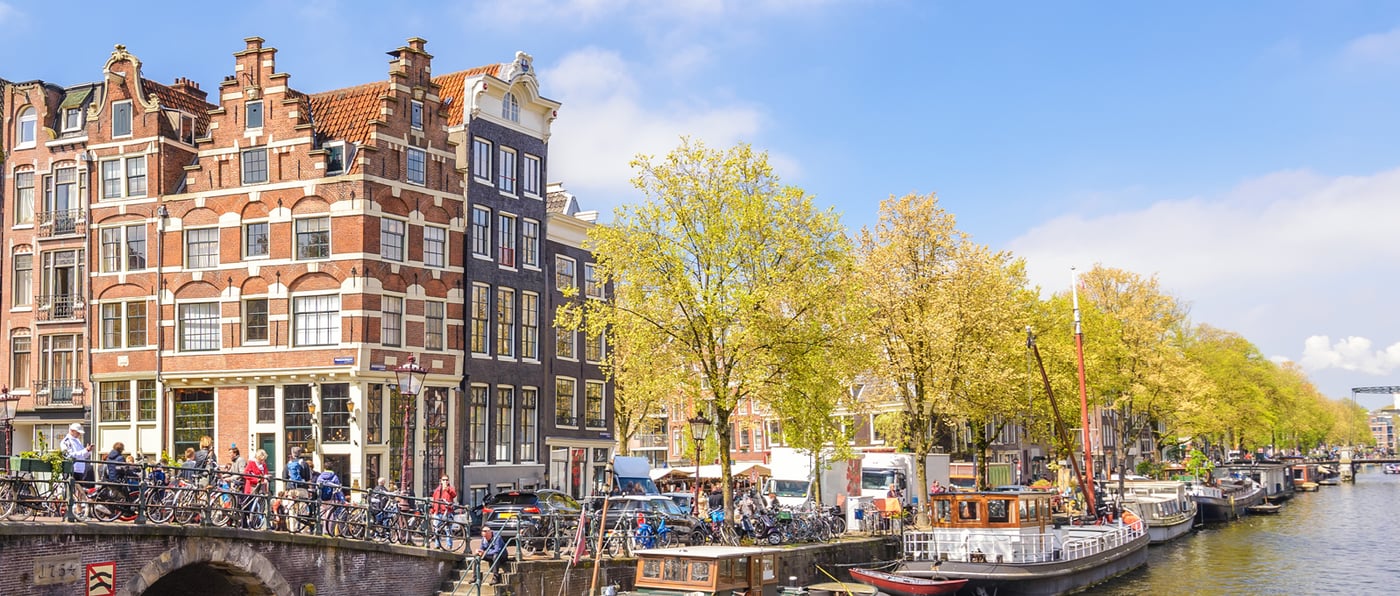
The tulip season in Holland and Belgium runs from mid-March to mid-May, with peak bloom typically occurring in mid-April. River cruises on the Dutch and Belgian canal system are designed around this window, and passengers travel between European cities shaped by Dutch, Flemish, and German cultural traditions, with windmills punctuating the countryside between urban stops.
Keukenhof Gardens in Lisse, accessible as an excursion while ships are docked in Amsterdam, gives the tulip cruise its most concentrated floral spectacle. The garden’s displays of the Netherlands’ signature flower attract visitors from across Europe and give the Amsterdam stop a destination within a destination. Avalon Waterways’ eight-day Tulip Time in Holland & Belgium sails from Amsterdam to Brussels in April 2027, and Viking and Uniworld offer comparable itineraries through the tulip season on similar routing.
For travelers who prefer the size and amenities of an oceangoing ship, Windstar Cruises’ Star Pride makes the journey round-trip from Amsterdam with a stop in Bruges. The ocean-cruise option adds a city known for its canal network, medieval architecture, and chocolate culture to the tulip itinerary without requiring a river ship format. The source frames the tulip-bloom timing as the primary scheduling driver for this itinerary, making the mid-April window the optimal booking target. The springtime context also gives this cruise a weather character distinct from the summer river cruises that dominate the European season: cooler temperatures, lower crowds, and a landscape in active seasonal transition. The bloom itself has a short window — historically peaking over a span of weeks — which makes the tulip cruise one of the most calendar-specific itineraries on this list and one of the hardest to reschedule if a booking falls outside the peak dates. Keukenhof Gardens, which closes its seasonal run in mid-May, makes the same timing argument: visiting Holland’s most famous floral spectacle and the surrounding canal cities on the same trip requires a level of scheduling precision that the tulip cruise format handles automatically by being built into the itinerary design.
Credit: Viking Cruises
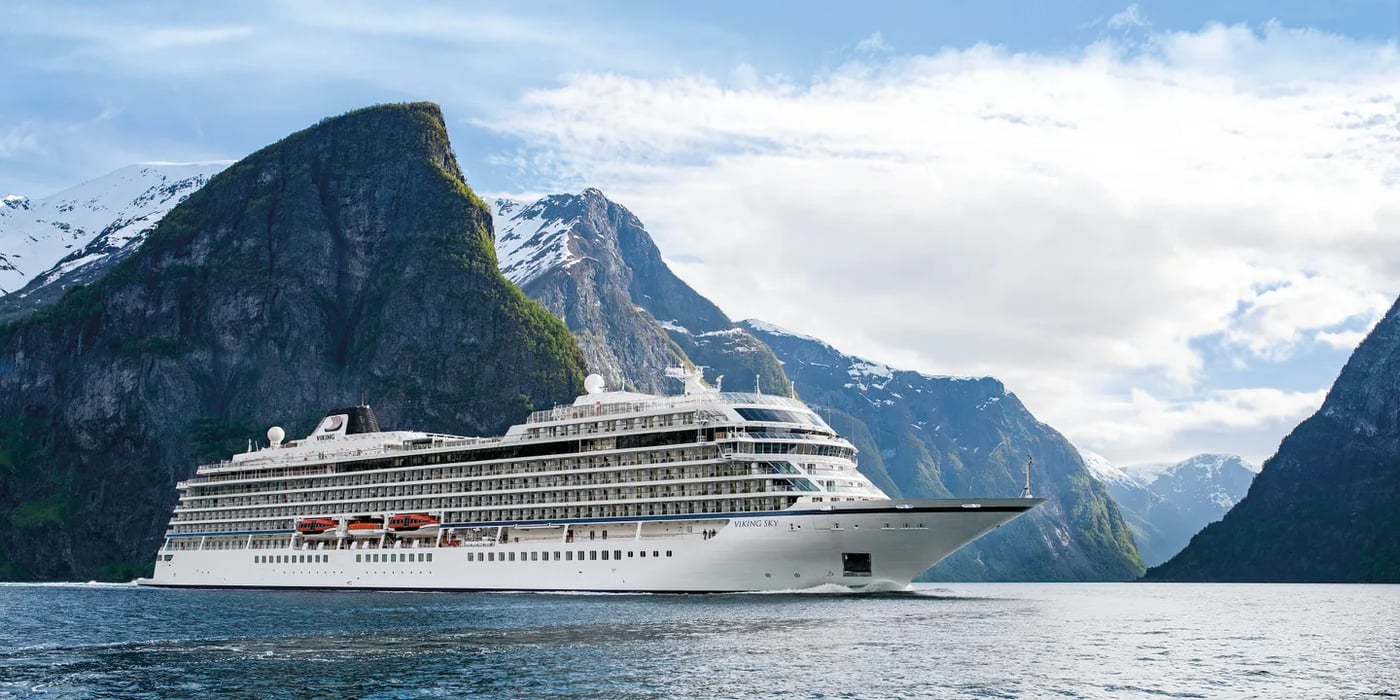
Viking Ocean Cruises’ 15-day Viking Homelands itinerary visits six countries across the Scandinavian and Baltic regions, including Sweden, Norway, and Denmark, following what the source describes as the original trade routes of Viking explorers. Torstein Hagen, Viking Cruises’ chairman and CEO, describes the itinerary as one of the line’s signature offerings, framing the routing through Norwegian fjords, Baltic Sea cities, rural historical sites, and ancient Viking settlements as a journey through the geographical and cultural origins of Viking civilization.
The itinerary’s structure around Viking trade routes gives it a historical coherence that destination-collecting Scandinavian itineraries often lack. Moving through the same waterways and port cities that Viking merchants and explorers used in the ninth and 10th centuries connects contemporary travel to a historical geography described by the region’s museums and archaeological sites, but sailing — specifically — activates this mode of understanding. A traveler who approaches Stavanger or Bergen from the sea arrives at these Norwegian cities with the same spatial relationship to the fjord landscape that made them significant Norse settlements in the first place.
The Norwegian fjords portion of the itinerary gives the Viking Homelands route its most visually distinctive geography, as the fjords are among the most globally recognizable natural landscapes in northern Europe. The source quotes Hagen describing the itinerary as a personal offering. It travels through his home country of Norway and through the homelands of the original Viking explorers whose culture gave the cruise line its identity. Viking Homelands is one of the few itineraries on this list built as much around a cultural and historical argument as around scenic variety, and the CEO’s personal endorsement gives it an institutional credibility that generic Scandinavia cruise brochures rarely carry. The routing along Viking trade routes also gives the itinerary a narrative through-line that connects each port of call to a larger story about the civilization that operated these waterways more than a thousand years ago.
Credit: Windstar Cruises
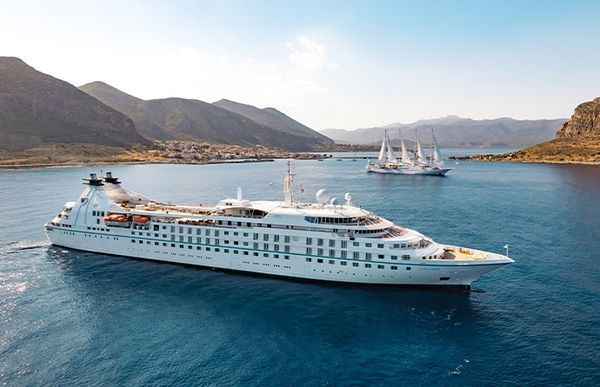
Windstar Cruises offers a seven-day Monaco voyage aboard a small yacht that includes port calls in Rome and Portofino in Italy alongside exclusive access to Prix du Monde events and Formula One races in Monte Carlo. The small-ship format gives passengers docking access and a social experience at race weekend that large cruise vessels cannot provide at Port Hercule, Monaco’s historic harbor, which has limited berth capacity for ships above a certain size. The yacht-scale access to Monaco during race weekend is the itinerary’s defining commercial proposition.
Explora Journeys takes the Monaco race access one step further in June 2026, with Explora I positioned in what the source describes as a prime Port Hercule location during the star-studded event. The cruise line offers passengers the option to purchase Grandstand Tickets or Formula One Paddock Club seats, which include access to VIP Hospitality. The Paddock Club access, in particular, gives the Explora Journeys itinerary a presence inside the race infrastructure that even Monaco residents cannot easily obtain. Booking this cruise converts a standard luxury sailing into a Formula One hospitality package with floating accommodation at Port Hercule. The prime berth location during race weekend puts the ship within sight of the circuit, turning the balcony into a grandstand that moves with the ship’s position in the harbor.
The mix of Italian cultural ports and Monégasque racing access gives the Monaco cruise a dual identity suited to travelers who want both the cultural register of Mediterranean sailing and the sports-event energy of the Grand Prix circuit. Portofino’s harbor, Rome’s antiquity, and Monte Carlo’s race weekend represent three entirely different registers of Italian and Monégasque cultural life within a seven-day format. For travelers whose bucket list combines Mediterranean sailing with Formula One racing in a single trip, the Windstar and Explora Journeys offerings represent the most direct path to both in a compact itinerary.
Credit: Regent Seven Seas
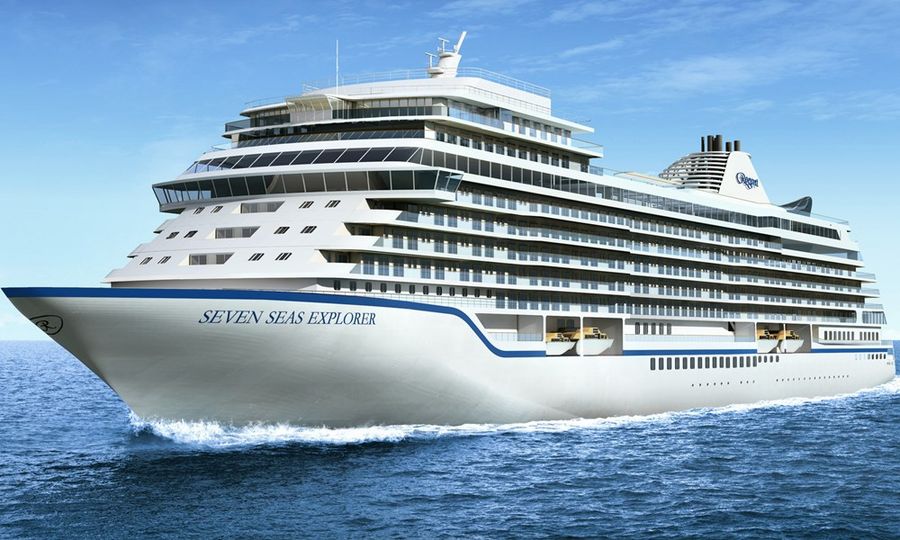
Regent Seven Seas Cruises’ Canal to Coral Reefs voyage runs 28 nights aboard Seven Seas Splendor, departing Panama City, Panama, in January 2027 for Papeete, Tahiti. The routing from the Panama Canal to French Polynesia covers one of the most geographically remote stretches of the Pacific Ocean, reaching the volcanic island landscapes of Tahiti and its surrounding archipelago after crossing the equator and navigating the vast open water between the Americas and the South Pacific island chains. Jason Montague, chief luxury officer at Norwegian Cruise Line $NCLH Holdings, describes the South Pacific as one of the destinations he most wants to visit personally.
The French Polynesian portion of the itinerary delivers what Montague describes as the dramatic topography of the volcanic islands. Geological forces produced the steep green peaks, clear lagoons, and coral reef systems that make French Polynesia one of the most visually distinctive environments on the planet. The ship's perspective on these islands gives passengers a view of the volcanic topography from the water, approaching each island the way 19th-century explorers first encountered them, rather than arriving by air into infrastructure designed to minimize the transition from plane to hotel. The water approach also gives the ship’s position a geographic logic that connects the Panama Canal’s Pacific exit to the French Polynesian archipelago as a single oceanic journey, not two separate destinations bolted together by a long itinerary.
The 28-night duration distinguishes the Canal to Coral Reefs voyage from most cruise itineraries on this list by the scale of the time commitment it requires. A nearly month-long sailing aboard a luxury vessel suits a specific type of traveler. Extended time at sea is the point, not an inconvenience to manage between port days. Regent Seven Seas operates on an all-inclusive model, which gives the 28-night format a financial legibility that helps travelers compare the total cost against alternative approaches to a South Pacific trip. The routing through the Panama Canal also gives the voyage a transit experience that the itinerary’s French Polynesian destination does not provide.
Credit: Avalon Waterways
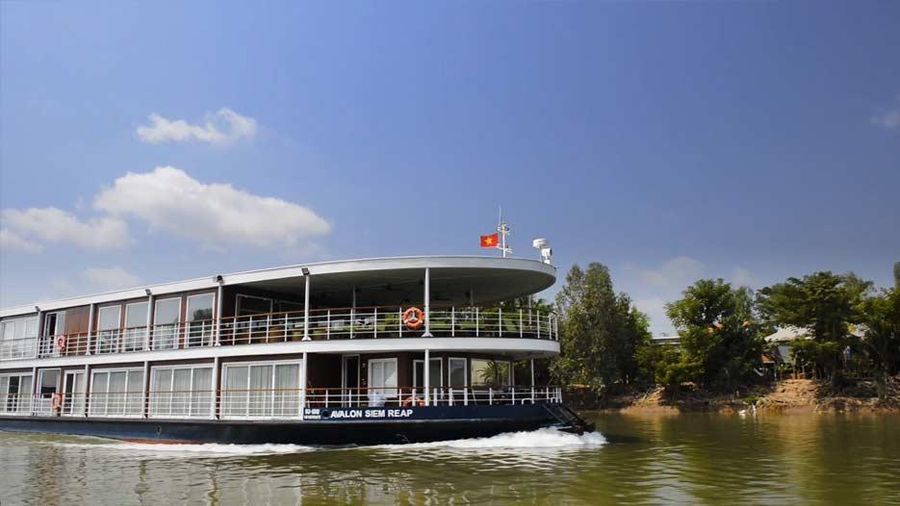
Angkor Wat in Cambodia, the largest religious structure in the world and a temple complex encompassing more than 1,000 individual buildings, represents one of the most compelling archaeological and architectural destinations accessible from the Mekong River cruise circuit. Ho Chi Minh City, the ancient capital of Hanoi in Vietnam, Siem Reap’s gateway to Angkor Wat, and the Mekong River itself together give Southeast Asia cruises a density of cultural and historical material that few other river cruise regions in the world approach at the same depth.
Mekong River cruise lines offering these itineraries include Uniworld, Viking, Avalon, and AmaWaterways, which, together, offer a wide range of ship sizes, price points, and itinerary structures. The Mekong River format offers travelers a slower, more immersive engagement with Vietnam and Cambodia’s riverside communities than the land-based tour circuit does. Pulling up to market towns, villages, and temple complexes from the water contextualizes the region’s landscape and culture, treating the river as connective tissue among the stops rather than a transit mechanism between them.
Ocean cruise lines also serve the Southeast Asia market, appealing to travelers who prefer larger ships or want to include additional regional ports beyond the Mekong corridor. Regent Seven Seas Cruises, Seabourn, and Crystal offer luxury ocean sailings in the region, while Norwegian Cruise Line $NCLH, Princess Cruises, and Holland America Line serve the broader Southeast Asia market on larger vessels. The range of formats — from intimate river ships navigating the Mekong to large ocean liners calling at regional port cities — makes Southeast Asia one of the most format-flexible cruise destinations on this list, where the choice of ship type significantly shapes the experience of the same underlying geography. A traveler who wants to see Angkor Wat and ride the Mekong through Cambodia and Vietnam but prefers a large ship can book a Princess or Holland America itinerary; one who wants a 16-passenger river vessel can book through AmaWaterways or Viking. The archaeological destination is the same; the experience of reaching it is not.
Credit: Hurtigruten
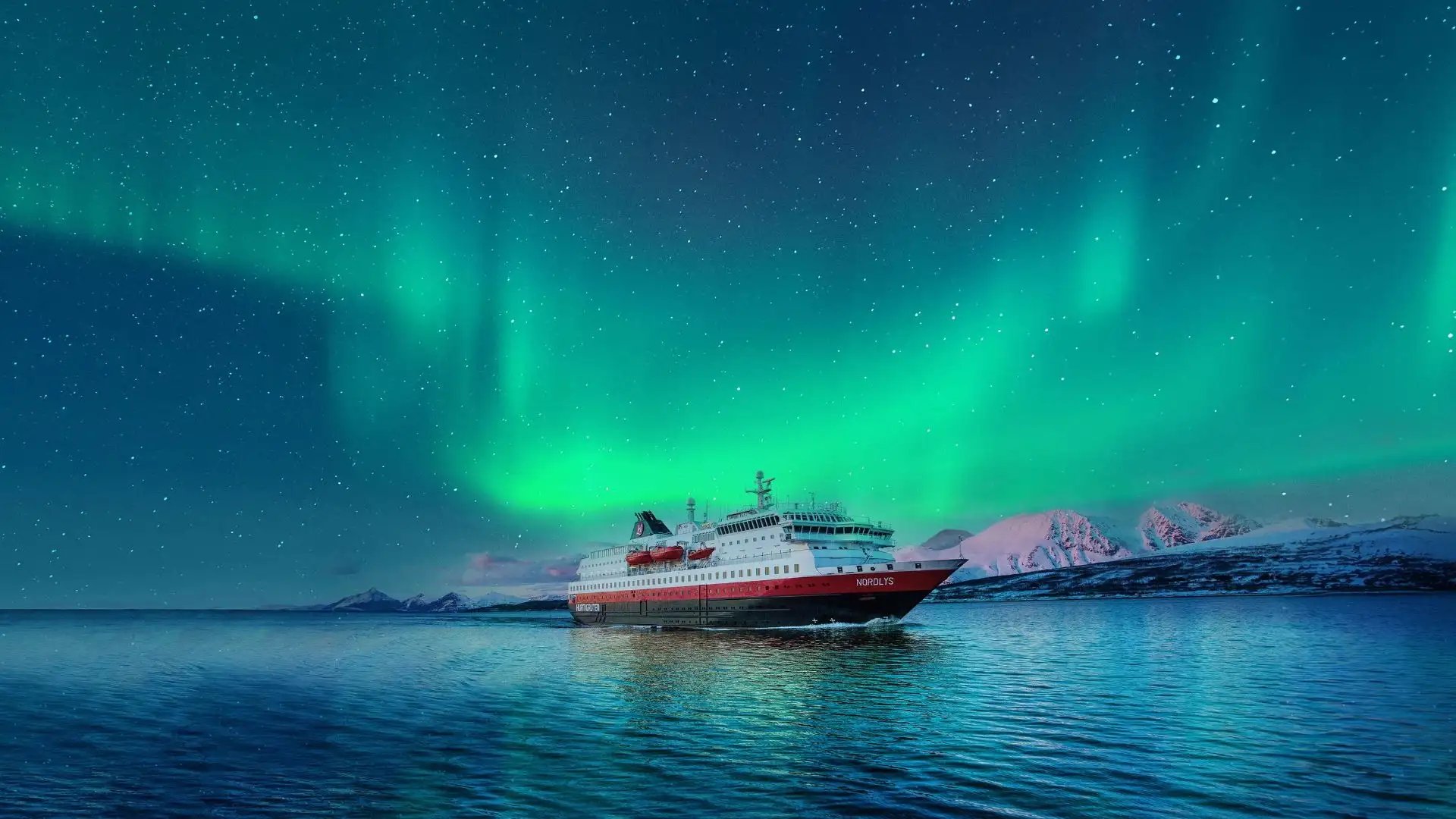
Hurtigruten’s coastal Norway cruises include a northern lights guarantee valid through 2028: travelers who take an 11-night or longer voyage between September 20 and March 31 and do not see the aurora borealis receive a complimentary rebooking. The guarantee is specific about conditions. The aurora is real but unpredictable, and the dates and minimum voyage length are the structured commitment that makes the promise commercially meaningful. No other itinerary on this list offers a comparable performance guarantee tied to a natural phenomenon, and the guarantee structure inverts the usual risk allocation for weather-dependent travel: the tour operator absorbs the consequences of the aurora failing to appear by offering rebooking at no additional cost.
Quark Expeditions offers an alternative Arctic northern lights experience through the 14-day Under the Northern Lights: Exploring Iceland & East Greenland voyage, departing in mid-September 2026 aboard Ultramarine, a Polar Class 6 expedition ship. The routing through Iceland and East Greenland gives the Quark itinerary an ice-capable vessel specification and a geographic reach into Greenland that Hurtigruten’s Norwegian coastal route does not include. Polar Class 6 certification means Ultramarine is built to navigate moderate first-year ice, extending the expedition’s access to Arctic environments beyond coastal Norway sailing conditions.
Explora Journeys’ newest ship, Explora III, debuting in summer 2026, adds a third option for Arctic sailing with departures to Reykjavík from Southampton in September 2026 and May 2027. The A Journey through Nordic Discoveries & Geothermal Wonders itinerary calls at three Icelandic ports, Greencastle, Ireland, and the Isle of Lewis, Scotland. The September 2026 departure falls within Iceland’s northern lights viewing window, which begins in September as the nights lengthen. The three operators — Hurtigruten with its guarantee structure, Quark with its Polar Class expedition ship, and Explora Journeys with its newly debuted luxury vessel — give Arctic northern lights cruisers in 2026 and beyond a range of ship formats and itinerary structures from which to find the one that matches their tolerance for expedition conditions versus luxury amenities.
