-1920x1283.jpg)
Sam Ferrara / Unsplash
Sometimes a trip turns out so unbelievably good that the food feels life-changing, the overall vibe feels immaculate and the memories stay genuinely unforgettable long after returning home from the journey. Travelers $TRV who experience this kind of trip often end up ruined in the best possible way, since no matter where else they travel afterward or how perfect any other adventure turns out, a persistent urge to return to that one specific destination never quite fades over time.
These destinations vary enormously from person to person, and the reason behind any given attachment can take countless different forms depending on individual circumstances. Sometimes it's the place where someone fell in love with a partner, or fell in love with travel itself, or the destination they escaped to after a difficult moment that ultimately helped put them back together. Whatever the specific reason, the pull to return tends to stay remarkably persistent regardless of how much time actually passes.
This phenomenon turns out to be considerably more common than most travelers realize. The eight destinations below appear in Lonely Planet, covering places that staff members and fellow travelers describe as having ruined all others for them. Each entry reflects a genuinely personal connection instead of a simple ranking of the world's best destinations. Reading through all eight offers a genuine sense of just how differently travel can shape someone's sense of home away from home. None of these destinations claim to be objectively better than any other place in the world, only that they left an unusually deep mark on the specific person describing them. This distinction matters, since chasing someone else's ruined destination rarely delivers quite the same magic as discovering one's own. The real value lies in staying genuinely open to wherever that discovery eventually happens.
1 / 8
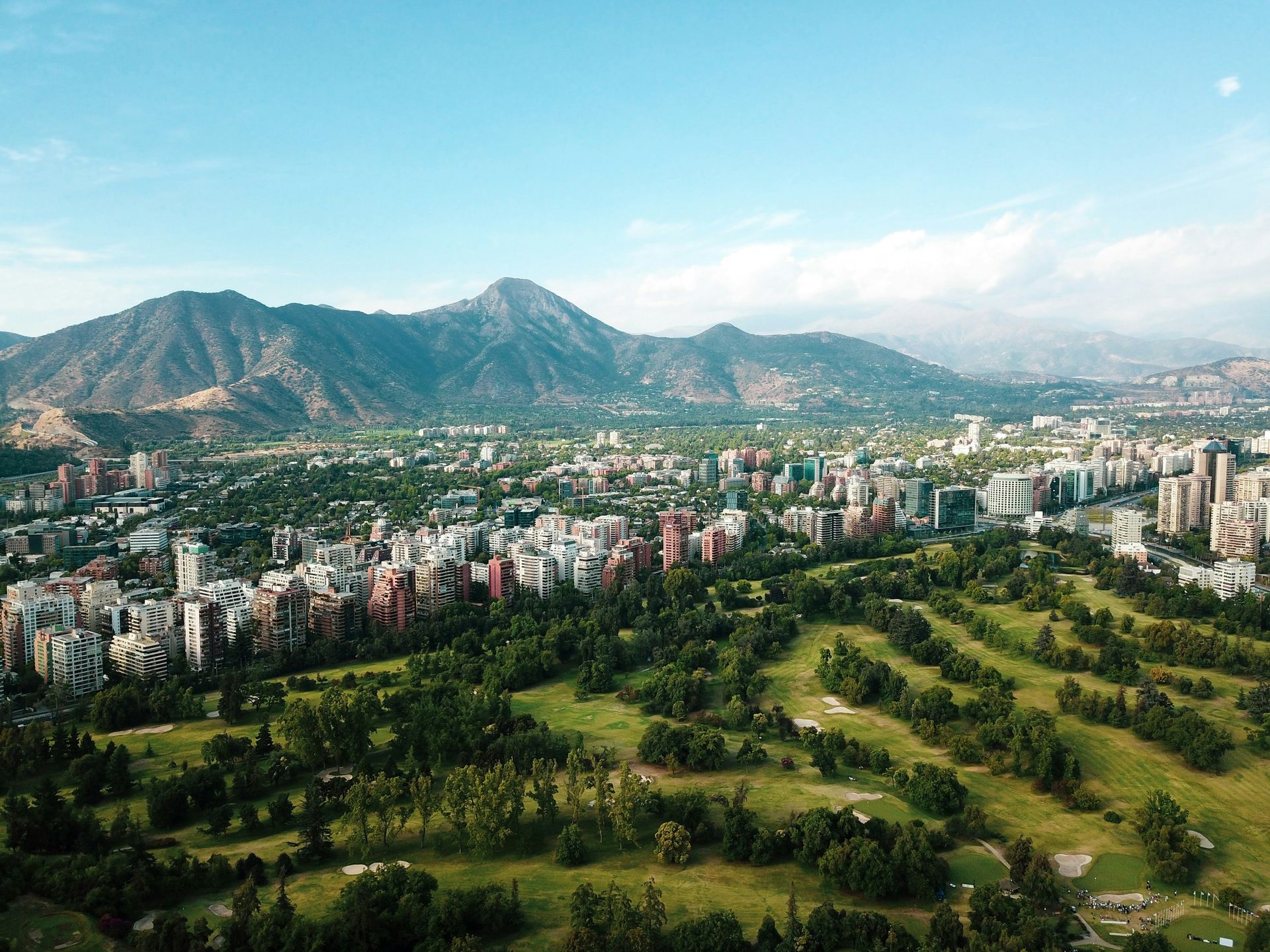
Francisco Kemeny / Unsplash
Santiago, Chile, and the endless adventures scattered around it stay genuinely unforgettable for travelers who spend real time exploring the surrounding region. Skiing the high Andes Mountains with the crystal blue Laguna del Inca visible below offers a genuinely dramatic alpine experience, and aprés-ski traditions built around pisco sours and empanadas give the day an equally memorable finish once the skiing wraps up.
Exploring the streets of Santiago itself alongside the nearby Maipo Valley, the birthplace of Chilean wine, rounds out a genuinely well-balanced regional itinerary that mixes urban culture with world-class wine tourism. The sheer variety packed within just a few hours of the capital city genuinely surprises first-time visitors who expect a single-focus trip instead of this much combined range.
Santiago's proximity to Patagonia adds yet another layer of appeal for travelers with extra time to extend their trip further south. This pairing of accessible mountain adventure, established wine culture and gateway access to some of South America's most dramatic wilderness gives Santiago genuine staying power in the memory of travelers who visit.
Travelers $TRV planning a Santiago-based trip should budget at least a few extra days specifically for the Maipo Valley wineries, since rushing through this region risks missing much of what makes Chilean wine culture genuinely distinct from other South American wine regions. Renting a car for the Maipo Valley portion of a trip gives visitors genuine flexibility to hop between wineries at their own pace, instead of relying on a fixed group tour schedule. Ski season throughout the high Andes typically runs from June through October, giving travelers a genuinely wide window to combine snow sports with wine country visits in the same trip. Travelers should book ski rental gear ahead during peak weekends, since popular resorts near Santiago can run short on equipment during the busiest parts of the season. Layered clothing helps considerably given how much temperatures shift between the mountains and the valley.
2 / 8
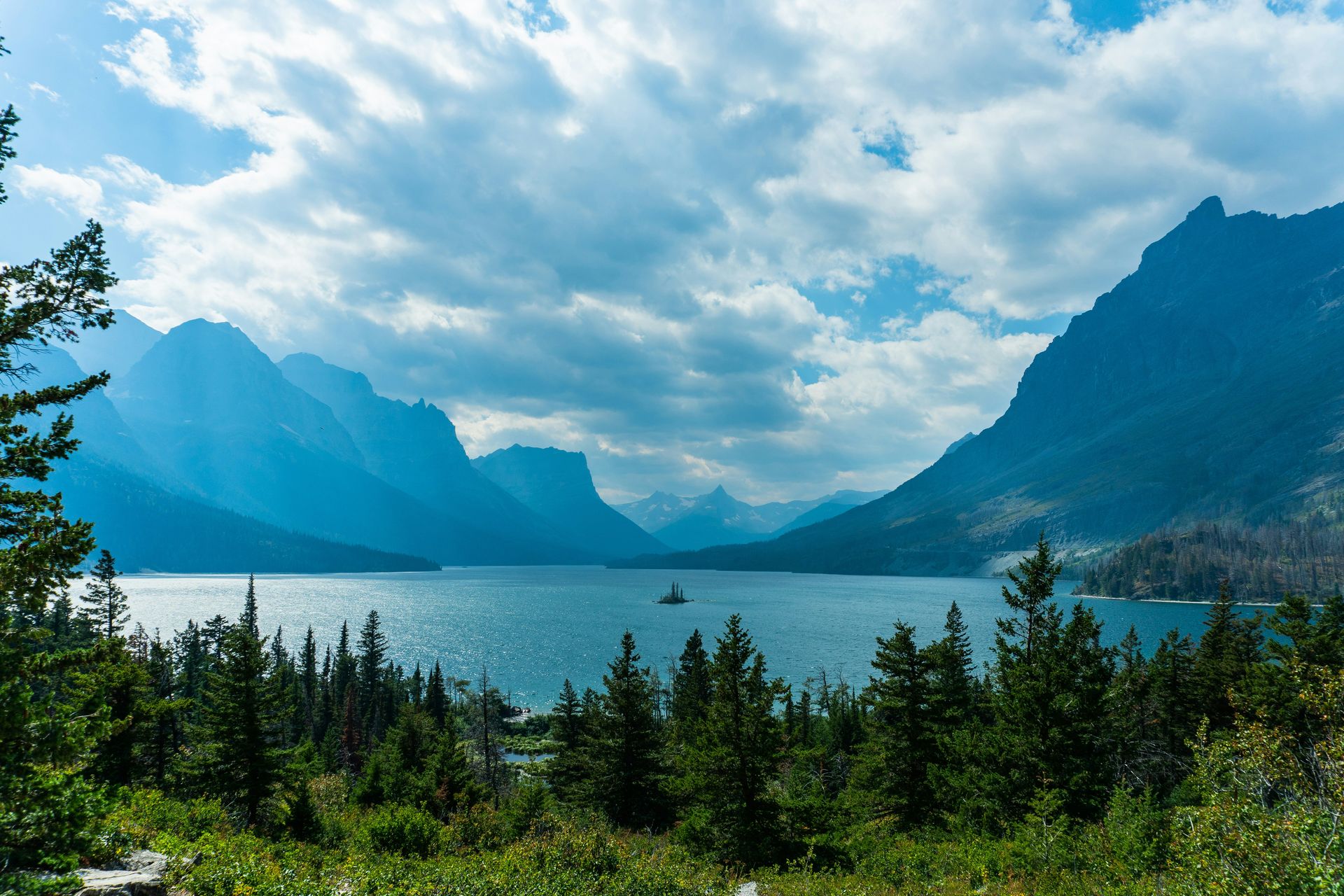
David Morris / Unsplash
Montana in summer stands out as the destination that first made travel feel like a genuine adventure instead of a chore, or at least made it feel uncomplicated in a way few other trips manage. Returning to Montana repeatedly tends to reawaken a persistent outdoorsy itch that demands regular scratching, whether that means spending days on or in freshwater lakes, following winding trails on foot or bike, or simply taking a long, scenic road trip through the state's open landscapes.
Visitors don't need to specifically target Yellowstone or Glacier National Park to experience Montana's genuine magnificence, since the state's broader landscape delivers dazzling scenery essentially everywhere a traveler happens to look. This lack of a single required destination gives Montana a genuinely relaxed, flexible appeal for travelers who prefer wandering without a rigid itinerary.
Freshwater lakes scattered throughout the state offer swimming, paddling and simply relaxing along the shore, while winding trails reward hikers and mountain bikers with consistently rewarding views regardless of which specific route they happen to choose. This range of accessible outdoor activities gives Montana genuine appeal for travelers with wildly different fitness levels and outdoor interests.
Travelers $TRV planning a Montana summer trip should build in genuine flexibility instead of an overly rigid schedule, since much of the state's appeal comes specifically from the freedom to wander and stop wherever scenery or curiosity happens to lead. Travelers without their own gear can rent kayaks, bikes and camping equipment from outfitters scattered throughout the state's smaller towns, making a spontaneous outdoor day genuinely easy to arrange. Small towns scattered throughout the state offer genuinely welcoming bases for exploring nearby trails and lakes, often at a fraction of the cost charged closer to the more famous national parks. Wildlife sightings throughout the state, including elk and the occasional black bear, add a genuine sense of adventure even to a relatively short roadside stop. Sunscreen matters even on overcast days given the elevation throughout much of the state.
3 / 8
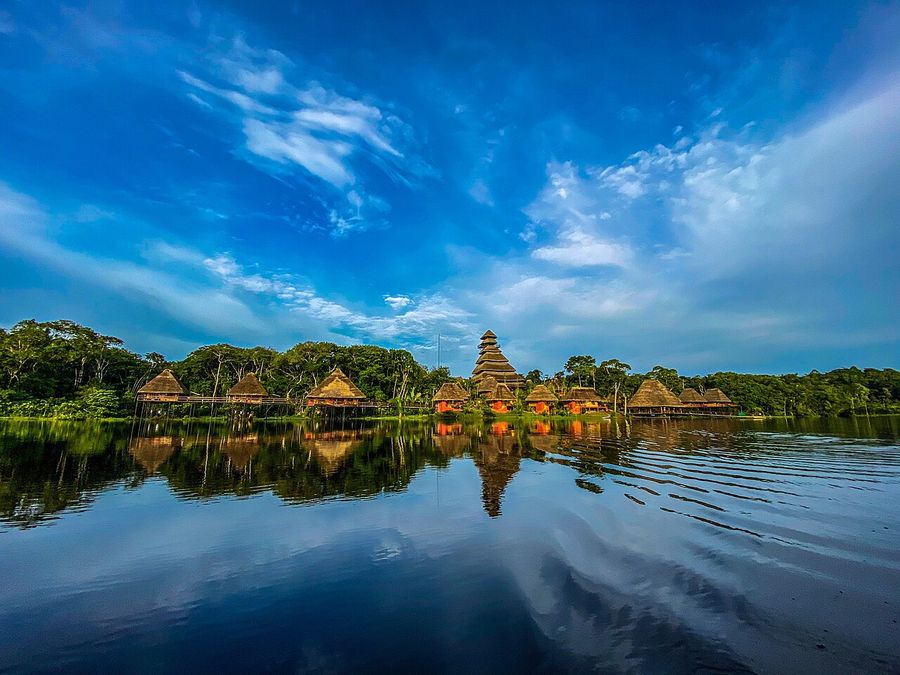
Añangu / Wikimedia Commons (CC BY-SA 4.0)
Yasuní National Park, or more broadly the Amazonian region of Ecuador, delivers an arrival experience genuinely powerful enough to bring first-time visitors to tears, since the reality proves roughly a thousand times more striking than any photo or video could ever convey. Staying at an eco-lodge after months of backpacking rewards visitors with mornings spent watching spider monkeys swing directly outside their window, an experience genuinely difficult to replicate anywhere else in the world.
Taking a paddle canoe out across glassy, still water and hearing nothing but birds, monkeys and occasional raindrops offers a genuinely rare kind of sensory reset for travelers accustomed to constant background noise elsewhere. This pairing of complete visual immersion and near-total quiet gives Yasuní a genuinely restorative quality well beyond typical wildlife tourism.
The region's food adds yet another memorable layer to the experience, and travelers consistently describe the overall stay as a chance to genuinely relax, breathe deeply and fall back in love with travel itself after a long stretch of more conventional backpacking. This restorative effect ranks among the most commonly cited reasons travelers specifically return to Amazonian Ecuador instead of exploring elsewhere in South America.
Travelers $TRV planning a Yasuní trip should book directly through an established eco-lodge well in advance, since access to the deeper Amazon $AMZN rainforest requires logistics considerably more involved than a typical guided tour elsewhere in Ecuador. Travelers should pack lightweight, quick-drying clothing specifically for the humidity, since standard travel clothing tends to stay damp and uncomfortable throughout much of the rainforest stay. Booking a multiday stay instead of a single-night visit gives travelers considerably better odds of spotting the region's more elusive wildlife, since animal activity shifts noticeably from day to day. Travelers should also bring a dry bag for electronics, since sudden rain showers throughout the rainforest can arrive with very little warning. Insect repellent remains essential throughout the entire stay in this environment. A wide-brimmed hat also helps during any daytime paddling excursions.
4 / 8

Nick Castelli / Unsplash
Santa Fe, New Mexico, delivers a genuine dream-come-true experience built around fresh fall air throughout its lovely parks, a genuinely queer local history, and a strong ongoing presence of Indigenous culture woven throughout the city's identity. This layered pairing of natural beauty and cultural depth gives Santa Fe a character considerably richer than a typical Southwestern tourist stop.
A literal mile of art galleries throughout the city gives visitors genuinely endless browsing, and the sheer concentration of galleries within such a compact downtown core makes Santa Fe a genuinely serious destination for art lovers instead of a casual afterthought. Hordes of unique vegetarian restaurants scattered throughout the city round out the experience, giving plant-based travelers considerably more variety than most similarly sized American cities typically offer.
Santa Fe's Indigenous heritage runs genuinely deep throughout the region, and numerous nearby pueblos and cultural sites give visitors real opportunities to engage respectfully with living traditions instead of purely historical exhibits. This ongoing cultural presence gives Santa Fe a genuinely different character than cities that treat Indigenous history as a purely museum-based subject.
Travelers $TRV planning a Santa Fe trip should visit specifically during fall for the crisp air and changing colors throughout the surrounding parks, though the city's art galleries and food scene stay genuinely rewarding regardless of which season a traveler chooses. Visiting nearby pueblos requires respecting posted photography restrictions and any specific visitor guidelines, since these communities remain living, active settlements instead of open-air museums. The city's annual Indian Market each August draws artists from across the region, giving visitors a genuinely rich concentration of Indigenous art and craft within a single weekend. Travelers should also budget time for the city's historic Plaza, a genuinely central gathering point surrounded by centuries-old adobe architecture worth exploring on foot. A light jacket helps considerably once the sun sets and desert temperatures drop. Sunscreen matters even in fall given the elevation and clear skies.
5 / 8
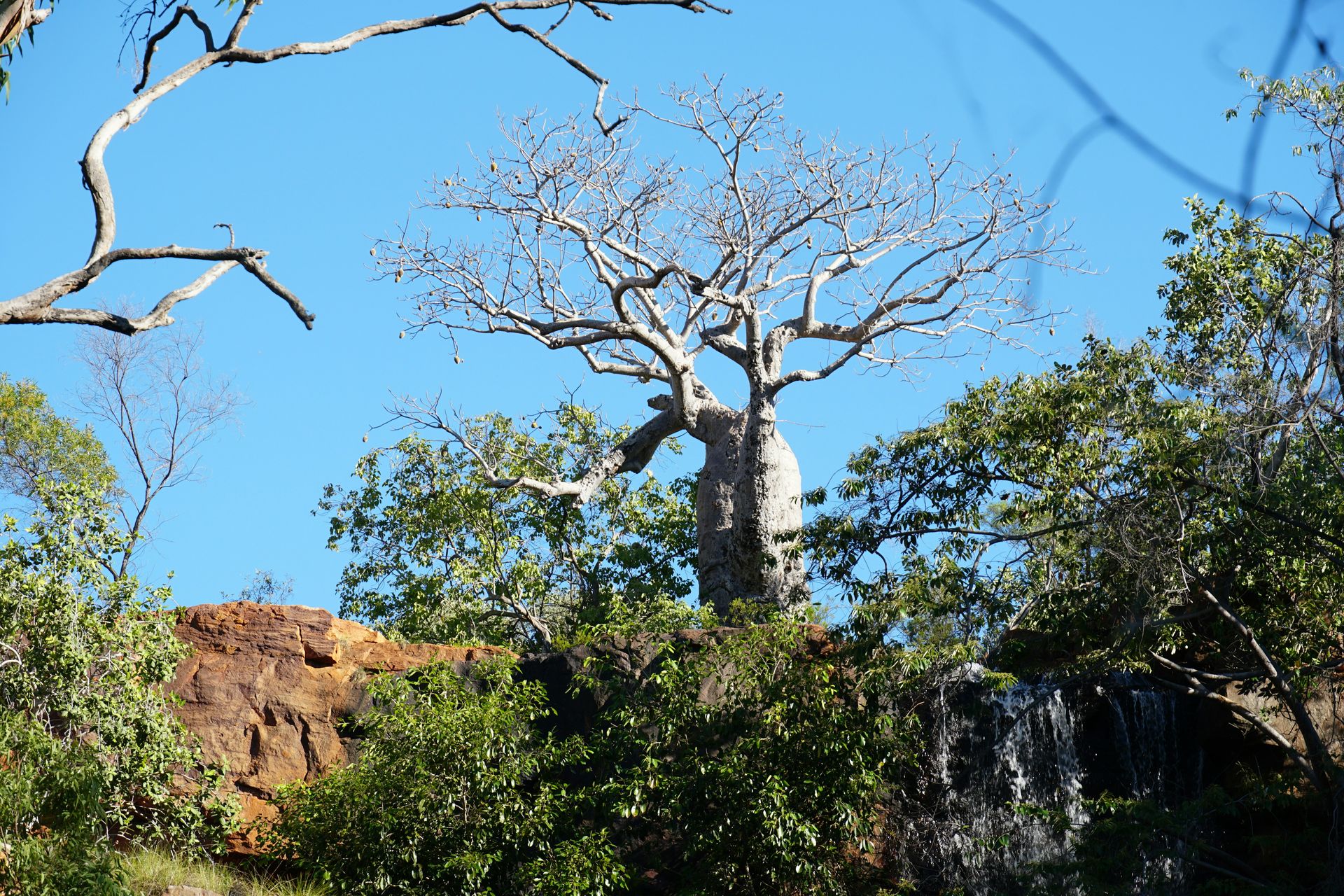
Sheila C / Unsplash
El Questro Station, in Western Australia's Kimberley region, delivers scenery genuinely striking enough to appear in dreams long after a visit ends. A stark contrast of rich red earth, lush green vegetation, flocks of white corellas and hidden waterfalls gives the region a feel genuinely unlike the rest of sunburnt Australia, almost like a geographic anomaly tucked within the country's broader landscape.
Crocodiles inhabit the region's waterways, while native Livistona palm trees and iconic boab trees define much of the surrounding vegetation, giving the Kimberley a genuinely distinct botanical character compared with more familiar Australian outback scenery. Ancient Aboriginal rock paintings scattered throughout the region add a genuinely deep historical layer, connecting the landscape directly to tens of thousands of years of continuous human presence.
This pairing of dramatic geology, unusual wildlife and ancient cultural heritage gives the Kimberley genuine appeal for travelers seeking something considerably more remote and distinct than Australia's more famous coastal or urban destinations. Few other regions anywhere in the country combine this much visual drama with such a genuinely different ecosystem.
Travelers $TRV planning a Kimberley trip should book accommodation and any guided tours well in advance, since the region's remote location and genuinely limited infrastructure mean availability stays considerably tighter than more accessible parts of Australia. Travelers should confirm current road conditions before driving into the region independently, since many routes throughout the Kimberley require a genuine four-wheel-drive vehicle during the wet season. Flying into Kununurra or Broome typically serves as the most practical entry point for visitors without their own off-road vehicle, connecting to guided tours throughout the wider region. Travelers should pack for genuinely extreme temperature swings, since desert nights throughout the region can turn considerably colder than the intense daytime heat might suggest. A reliable water supply matters enormously given how remote much of the region actually is. A wide-brimmed hat also genuinely helps considerably given the intensity of the outback sun.
6 / 8
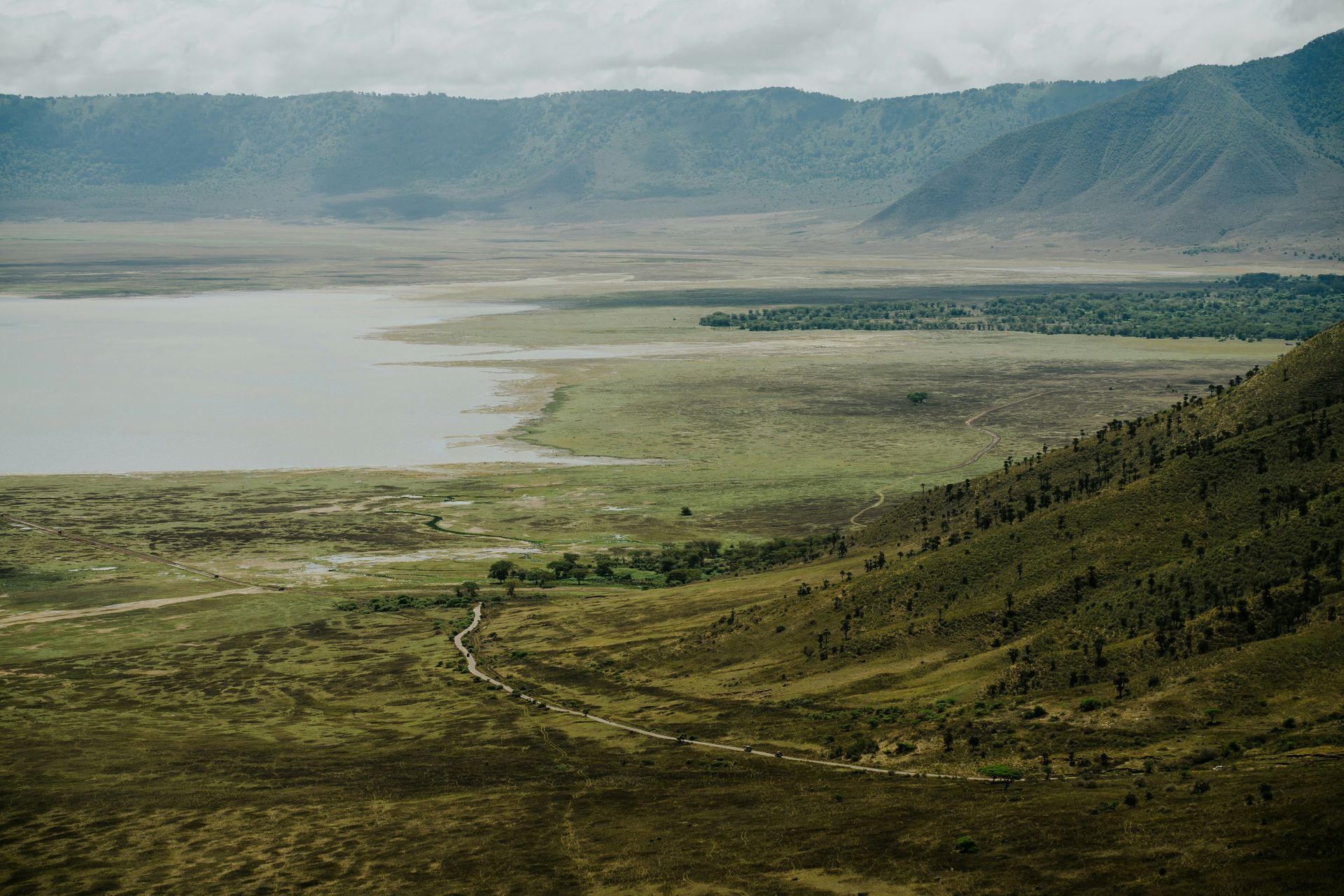
Matthew Stephenson / Unsplash
Ngorongoro Crater ranks as the world's largest unbroken and unflooded volcanic caldera, and the sheer abundance of animals visible everywhere a visitor looks feels genuinely overwhelming in the best possible sense. Roughly 25,000 individual animals live somewhat trapped within this caldera, which measures just 12 miles across, creating conditions genuinely reminiscent of Eden within a remarkably compact geographic footprint.
This concentration of wildlife within such a contained space gives Ngorongoro genuinely unmatched game-viewing odds compared with wider, more dispersed safari destinations elsewhere in East Africa. Zebras and wildebeest graze alongside countless other species throughout the crater floor, giving visitors a genuinely dense wildlife experience within a single day's exploration.
The crater's unique geology, formed by a collapsed volcano instead of typical erosion, gives the landscape itself a genuinely distinct character well beyond the wildlife alone. This pairing of dramatic geological history and concentrated animal life makes Ngorongoro a genuinely one-of-a-kind destination unlike anywhere else on the safari circuit.
Travelers $TRV planning a Ngorongoro visit should book a guided game drive with an experienced local operator, since navigating the crater floor and actually spotting the full range of resident wildlife benefits considerably from expert local knowledge of animal movement patterns. Visitors should dress in layers for a game drive, since temperatures inside the crater can swing considerably between the cool morning descent and the warmer midday hours. Combining a Ngorongoro visit with time in the neighboring Serengeti gives travelers genuine range across two distinct East African ecosystems within a single broader safari itinerary. Travelers should also budget for the crater's separate conservation fees, which typically apply in addition to any broader Tanzania park entry costs. Binoculars help considerably for spotting wildlife scattered across the wider crater floor. A warm layer also helps for the early morning descent into the crater, since the drive down typically begins well before sunrise most mornings, when temperatures up at the crater rim stay genuinely quite cold.
7 / 8
-1920x1280.jpg)
allPhoto Bangkok / Unsplash
Every single moment spent in Cambodia stays genuinely memorable, and the people, food and culture throughout the country consistently rank among the most rewarding aspects of travel anywhere in Southeast Asia. Bird-watching on Tonlé Sap Lake ranks among the single best and most memorable travel experiences available anywhere in the country, giving nature-focused travelers a genuinely rewarding way to spend a quieter day away from the more famous temple sites.
Cambodia's food scene rewards travelers willing to explore beyond the most obvious tourist restaurants, and regional specialties throughout the country reflect a genuinely distinct culinary tradition shaped by centuries of history and more recent cultural exchange. This depth of culinary experience gives Cambodia genuine appeal well beyond its famous Angkor temple complex alone.
Cambodia's people consistently leave a lasting impression on visitors, and the genuine warmth encountered throughout the country tends to stick with travelers considerably longer than any single sight or activity. This human element ranks among the most commonly cited reasons travelers describe wanting to return to Cambodia specifically instead of exploring a new destination instead.
Travelers $TRV planning a Cambodia trip should budget time beyond the standard Angkor Wat circuit specifically, since experiences such as lake-based bird-watching reward visitors with a genuinely different, quieter side of the country beyond its most famous ruins. Travelers interested in birdwatching specifically should visit Tonlé Sap Lake during the dry season, when water levels concentrate wildlife into smaller, more visible areas of the lake. Siem Reap functions as the most practical base for combining temple visits with a Tonlé Sap Lake excursion, keeping both major attractions within comfortable striking distance of the same hotel. Travelers should also try to learn a few basic Khmer phrases before arriving, since locals consistently respond warmly to even small efforts at the local language. Sun protection matters considerably given how much time a lake excursion involves outdoors. A hat also helps considerably during the warmer midday hours on the water.
8 / 8
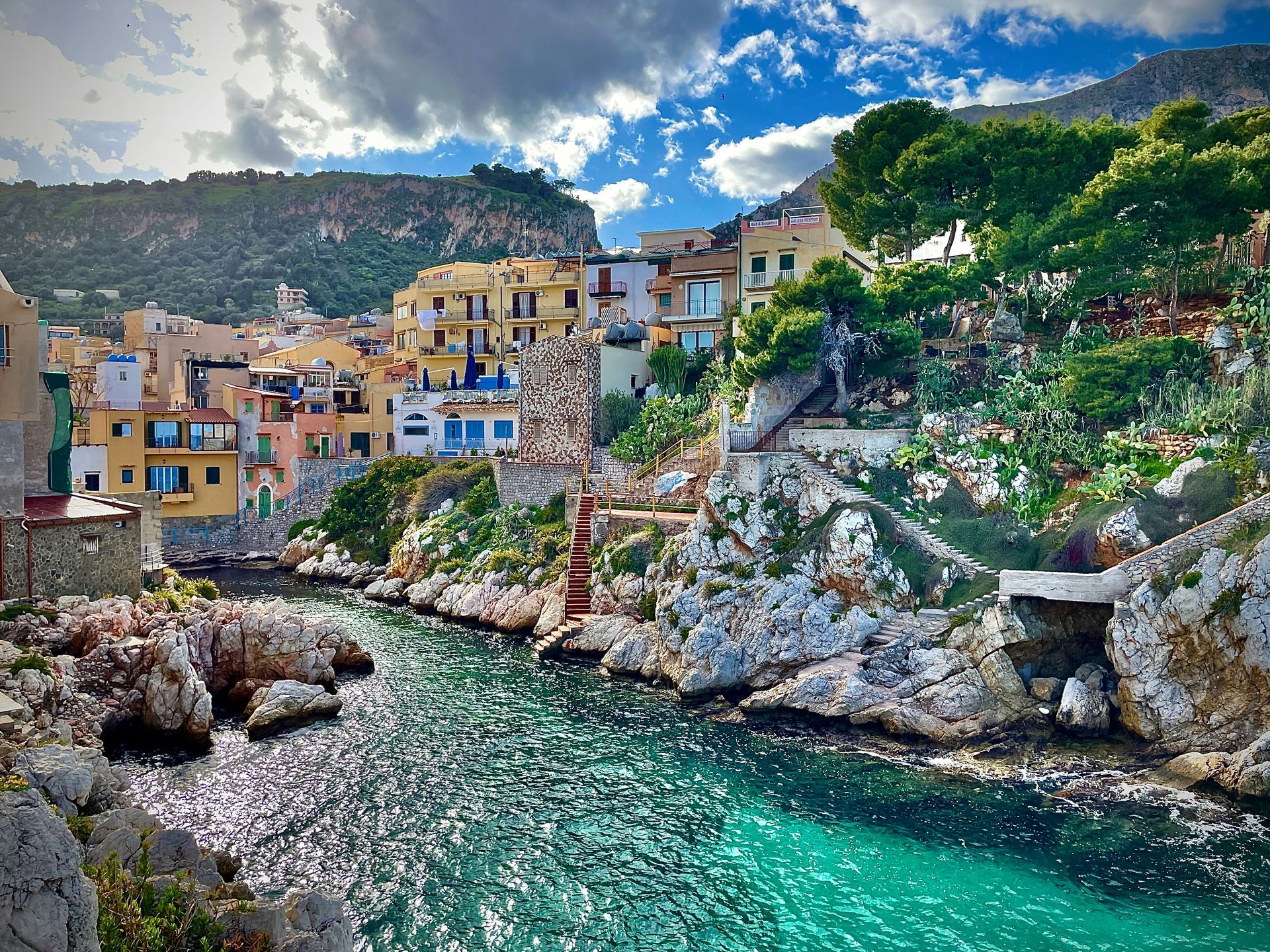
Raymond Petrik / Unsplash
Sicily, Italy, sticks in the memory of travelers who visit, and the island's genuine beauty ranks among its most immediately obvious draws for first-time visitors. Beyond the scenery itself, though, the island's people leave an equally lasting impression, and a lost purse forgotten in a mountaintop café, later recovered fully intact thanks to the honesty of hotel owners and café staff alike, illustrates just how genuinely kind Sicilians can be toward visiting travelers.
Sicily's coastline delivers some of the best views found anywhere, rewarding travelers who base themselves along the coast while still making time for day trips up into the island's mountainous interior. This pairing of dramatic coastal scenery and equally rewarding inland exploration gives Sicily genuine range for travelers with varied interests within a single trip.
Visiting Sicily during college years, as many travelers first do, tends to leave a particularly lasting impression, and the memory of both the island's beauty and its people's genuine kindness often sticks with travelers for years afterward. This pairing of aesthetic beauty and genuine human warmth ranks among the most commonly cited reasons Sicily continues drawing repeat visitors back specifically.
Travelers $TRV planning a Sicily trip should keep valuables secured but shouldn't let overly cautious instincts prevent genuine engagement with locals, since the island's reputation for kindness toward visitors appears to hold up consistently across countless individual traveler experiences. Renting a car remains the most practical way to explore both the coast and the mountainous interior within a single trip, since public transport between smaller towns runs considerably limited. Visiting during the shoulder seasons of spring or fall rewards travelers with genuinely comfortable temperatures, avoiding both the crowds and intense heat that define much of the Sicilian summer. Travelers should also sample the island's street food specifically, since Sicilian arancini and cannoli rank among the most memorable bites available anywhere on the island. Comfortable walking shoes help considerably given how much of the island rewards exploring on foot.
