
From Golden Gai's tiny bars and old-school nightlife in Shinjuku to Yanesen's temple-lined lanes where old Tokyo survives intact
-1920x1280.jpg)
Pema G. Lama / Unsplash
Tokyo layers futuristic, sky-grazing towers directly against low-slung wooden buildings and glowing lanterns that recall the city’s older past, and no single walk through the capital could ever hope to capture everything the sprawling city genuinely has to offer a curious visitor. Sumo wrestling, kabuki theater, cutting-edge contemporary art, and giant robot statues can all genuinely turn up within a few blocks of each other, and the only real way to make sense of that range is to explore the city one neighborhood at a time instead of trying to see all of Tokyo in a single sweep. Each neighborhood carries its own distinct identity, and visitors who commit to exploring a handful of them in depth tend to walk away with a far richer sense of the city than those who try to cram every famous sight into one long, exhausting itinerary that spans too many distant districts.
Tokyo’s sheer scale means visitors genuinely need to be selective about how they structure each and every day of a visit, since even a public transportation network as smooth as Tokyo’s still takes real time and effort to navigate between distant, sprawling parts of the city. Pairing two neighborhoods that sit close together tends to produce a far more satisfying day than trying to cover distant districts back to back, since half a day spent commuting leaves far less time for actually exploring shops, temples, museums, and restaurants once a visitor finally arrives at their destination for the day, tired and with fewer daylight hours left to enjoy it.
The 10 neighborhoods below appear in Lonely Planet, covering central business districts, shopping streets, nightlife hubs, and quieter residential pockets scattered across the sprawling city, each recommended here for offering a genuinely different Tokyo experience.
Anton Cherednichenko / Pexels
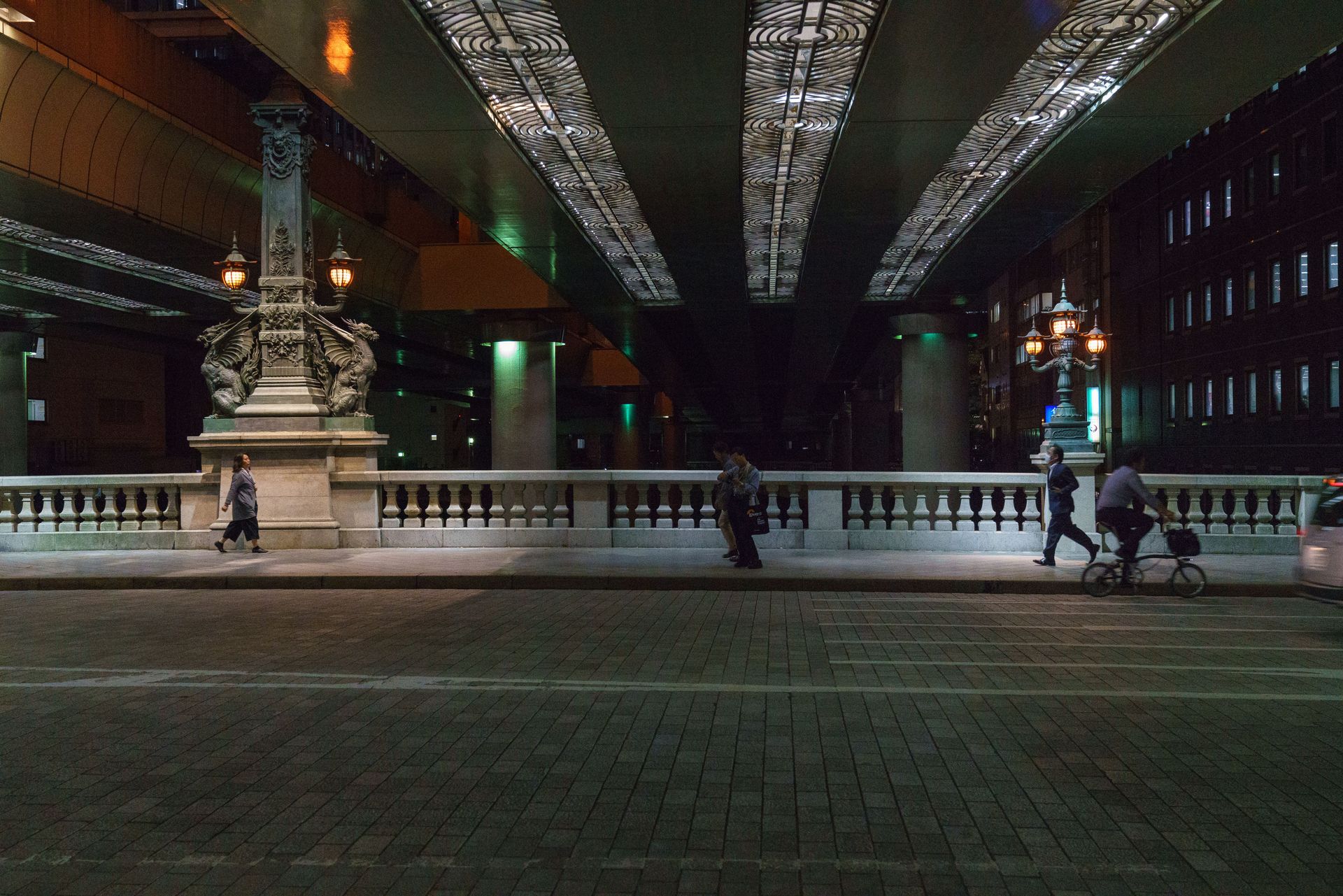
The Imperial Palace draws most first-time visitors to this part of Tokyo, and the historic complex, along with its surrounding streets, easily fills an entire day for anyone interested in exploring at a relaxed pace. Immediately east of the palace, the high-powered business district of Marunouchi has transformed over the past decade, with a wave of new and renovated buildings now housing upscale hotels, shops, and restaurants that give the area a noticeably more polished feel than it had a generation ago.
Tree-lined Naka-dōri has become one of the most pleasant streets to walk in the entire city, connecting Tokyo Station’s ornate red-brick facade to Yūrakuchō while passing the dramatic architecture of the Tokyo International Forum along the way. Historic Nihombashi, the bridge from which all distances to Tokyo are officially measured, rewards visitors with a morning or afternoon spent browsing the elegant Mitsukoshi and Takashimaya department stores alongside the Coredo Muromachi shopping and dining complex.
Food options cluster densely around the area’s major landmarks. The Shin-Marunouchi Building and the KITTE Marunouchi shopping complex both pack in extensive restaurant options, while Tokyo Station itself serves millions of travelers daily with quick meals and bentō boxed sets perfect for train journeys or a picnic in the Imperial Palace East Garden. Nihombashi’s status as the site of Tokyo’s original fish market for 300 years still shows in its concentration of venerable gourmet food shops and restaurants that continue to draw food-focused visitors today.
As primarily business districts, Marunouchi and Nihombashi don’t offer much of a nightlife scene, though scattered bars and casual pub-restaurants give visitors somewhere to unwind after a day of sightseeing. Given the prestige of having Tokyo Station and the imperial family as neighbors, accommodation here tends toward the upscale, ranging from a luxurious traditional ryokan experience to hotels conveniently located near the neighborhood’s major department stores, giving visitors a range of options depending on whether they prioritize atmosphere or shopping access.
AXP Photography / Pexels
Ginza stands as Tokyo’s most polished neighborhood, a luxury fashion center filled with chic department stores, art galleries, and exclusive restaurants that ranks alongside Fifth Avenue and the Champs-Élysées among the world’s most famous shopping strips. The district’s compact size makes it easy to spend a full day moving between luxury boutiques and more accessible shops without needing to travel far between stops.
Beyond shopping, Ginza supports a strong scene of small commercial art galleries and creative spaces sponsored by major corporations such as Sony $SONY, Nissan, and Mitsubishi. Kabukiza, the city’s dedicated kabuki theater devoted to Japan’s centuries-old tradition of dance-drama, draws visitors with its striking facade, a contemporary reimagining of a traditional Japanese theater, and its rooftop garden alone justifies a visit even for travelers with no particular interest in the performances themselves, offering quiet views over one of the city’s busiest shopping streets.
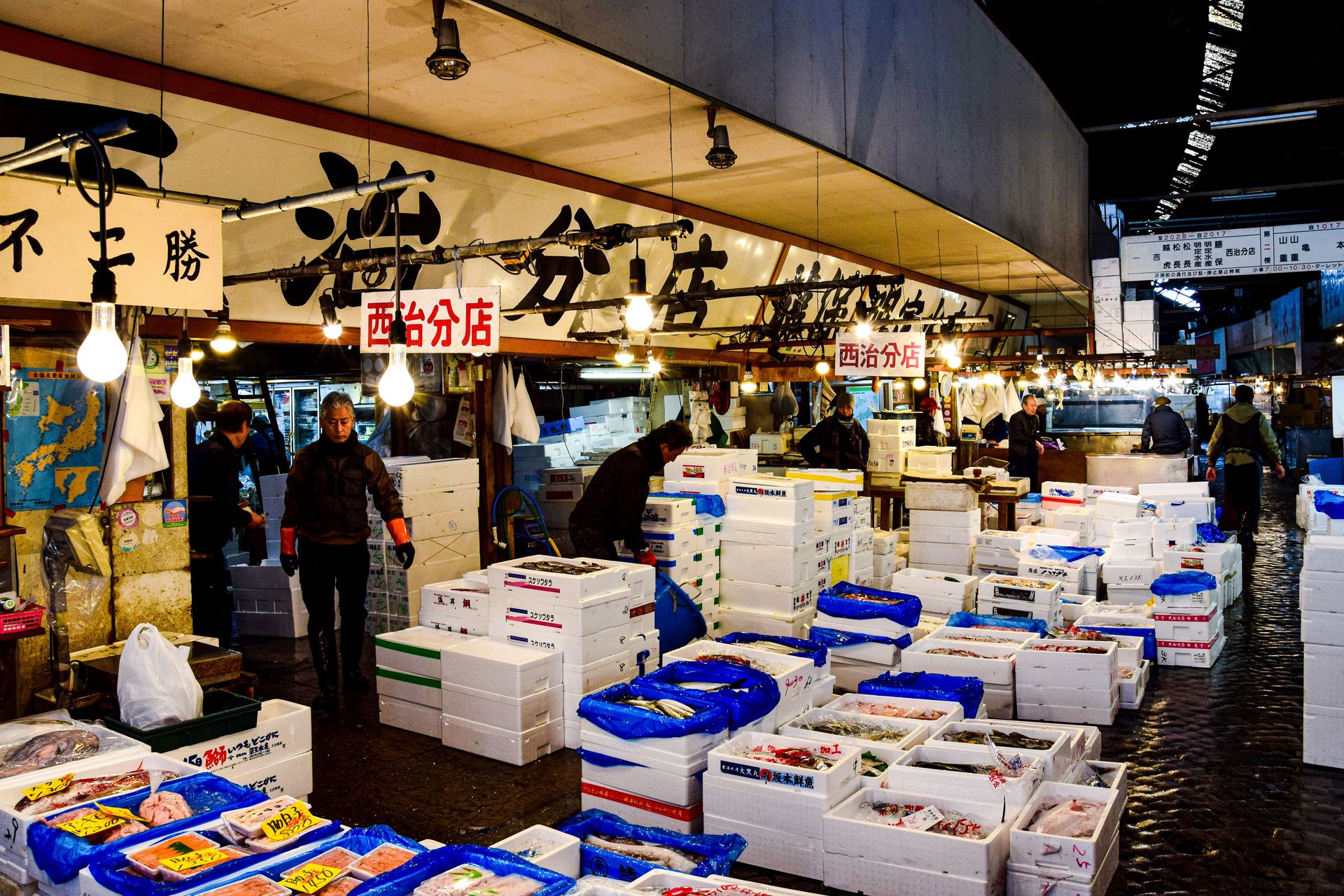
The famous wholesale fish, fruit, and vegetable market, once located at nearby Tsukiji, relocated across Tokyo Bay to Toyosu in 2018, but the area around the old marketplace remains well worth visiting for its dense concentration of food-related businesses. Ginza is particularly known for high-end sushi counters, though budget-conscious visitors can still find plenty of affordable dining options, including quality ramen bars, tucked among the pricier establishments that dominate the neighborhood’s reputation.
Ginza’s smallest and most exclusive bars can drain a visitor’s budget quickly, assuming a visitor can even gain entry, but more affordable places to drink exist as well, particularly under the railway tracks stretching from Yūrakuchō to Shimbashi, a stretch known locally for its cheap, unpretentious izakaya tucked beneath the train lines. Accommodation in Ginza generally reflects the neighborhood’s prestigious reputation, with deluxe hotels and boutique properties dominating the options, though a handful of business hotel chains and capsule hotels give budget travelers a way to stay in the area without overspending, proof that even Tokyo’s most polished neighborhood still has room for a modest budget.
note thanun / Unsplash
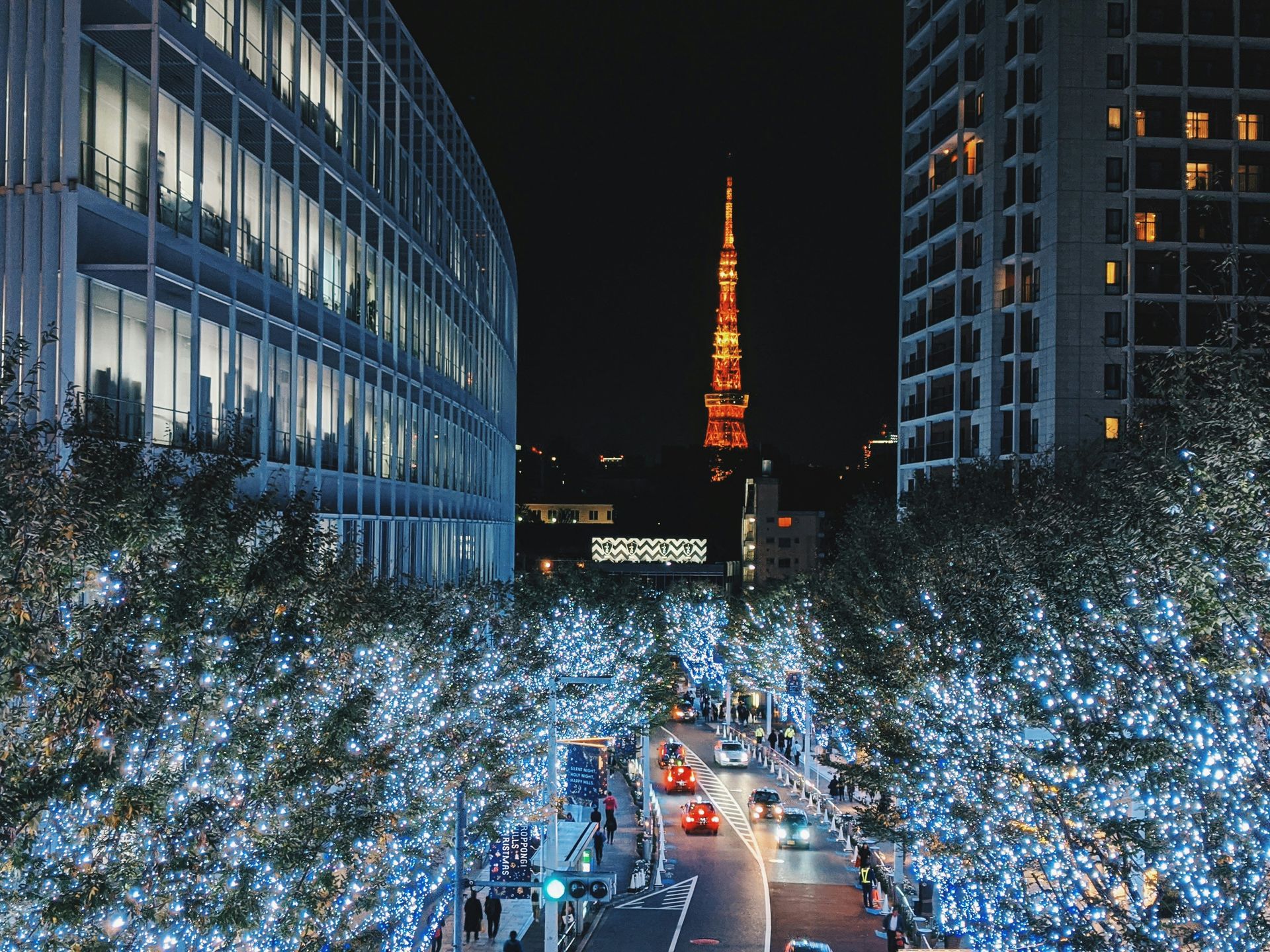
Roppongi has built its reputation almost entirely around nightlife, anchored by the chic Roppongi Hills and Tokyo Midtown complexes, which house several excellent art museums, including the prestigious Mori Art Museum, a major draw for art-focused visitors passing through the neighborhood during daylight hours. To the south, the unmistakable Tokyo Tower rises in nearly the same International Orange color as San Francisco’s Golden Gate Bridge, with a couple of venerable temples nearby rounding out the neighborhood’s daytime attractions for visitors who arrive before the evening crowds take over.
A short walk northeast leads to sophisticated Akasaka, whose proximity to Japan’s parliament in Nagatachō gives its bars and lounges an upmarket cachet that sets them apart from Roppongi’s louder nightlife scene. Akasaka also hosts a major Shintō shrine, an imperial palace, and several Japanese gardens, offering visitors a quieter cultural counterpoint within walking distance of Roppongi’s busier streets and neon-lit entertainment districts.
Both neighborhoods pack in restaurants serving Japanese and international cuisine alike, and budget-conscious visitors shouldn’t assume the area is entirely out of reach, since the Roppongi Hills and Tokyo Midtown complexes both include plenty of affordable eating options suited to a range of tastes and travel budgets. Once the sun goes down, though, bars and nightlife take over as the area's defining feature, drawing crowds that stay out well past midnight most nights of the week, regardless of the season.
Visitors looking for a base with strong transport connections and a genuine wealth of eating, drinking, and shopping options find Roppongi and Akasaka genuinely hard to beat. High-end travelers can splurge at a historic luxury hotel, while plenty of mid-range business hotels serve visitors working with a more modest budget, giving the area accommodation options across a fairly wide price range despite its generally upscale reputation, and making it a practical choice regardless of whether nightlife or daytime sightseeing tops a visitor’s priority list for the trip.
Susann Schuster / Unsplash
Ebisu and Meguro function as gateways into a series of residential districts, some artsy, some upscale, some genuinely both, where Tokyo takes on a noticeably more human scale than the city’s busier central neighborhoods. The sights here run smaller and generally draw fewer crowds than those found in central Tokyo, and excellent art museums, including the city’s dedicated photography museum and the Tokyo Metropolitan Teien Art Museum, reward visitors willing to slow down and explore at a genuinely unhurried pace.
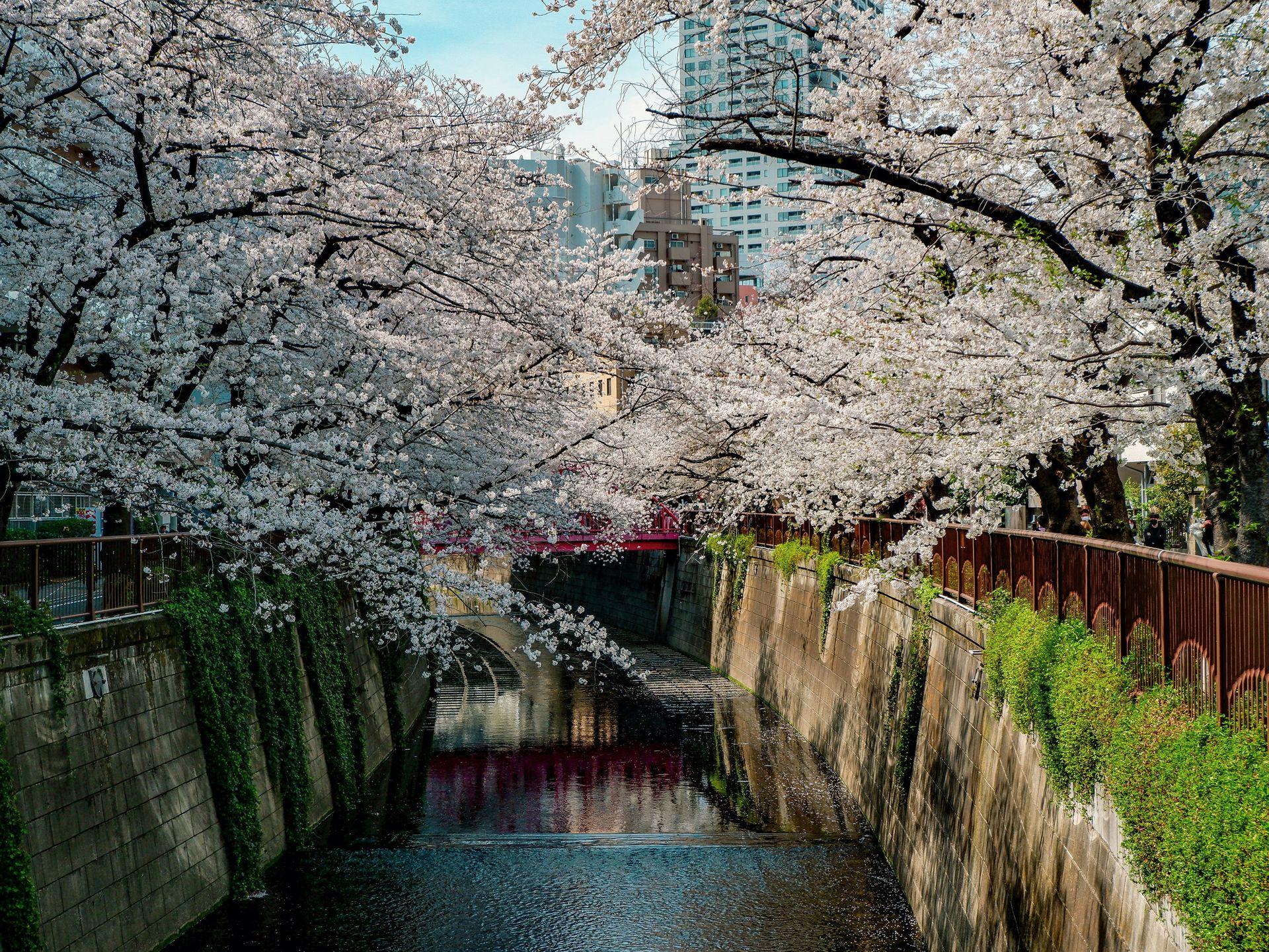
Trendsetting boutiques fill Daikanyama and Naka-Meguro, making this area worth setting aside for a day when a visitor wants to take it easy rather than rushing between major sights. A stroll along the cherry tree-lined canal, Meguro-gawa, gives visitors a genuinely peaceful break from the pace of central Tokyo, particularly rewarding during cherry blossom season when the canal’s full length blooms in pink from bank to bank.
Ebisu’s dining and bar scene comes alive after dark and stands out enough to justify a visit even for travelers who skip the neighborhood’s daytime sights entirely. This represents one of the few times visitors to this generally quiet area encounter real crowds, since popular restaurants and bars fill up most nights of the week, particularly with young professionals drawn to the neighborhood’s compact, often standing-room-only bars that make bouncing between venues part of the fun and part of the neighborhood’s charm.
Both Ebisu and Meguro sit on the convenient Yamanote train line, giving visitors an easy way to avoid the overwhelming crowds and disorienting sprawl found in busier hubs such as Shinjuku and Shibuya, just a few stops away. Accommodation ranges from standard business hotels to a stylish boutique property near the station and comfortable capsule accommodations, making the area a genuinely practical base for travelers who want quiet residential surroundings without sacrificing easy access to the rest of the city, particularly for anyone who values a calmer evening over constant nightlife.
Jezael Melgoza / Unsplash
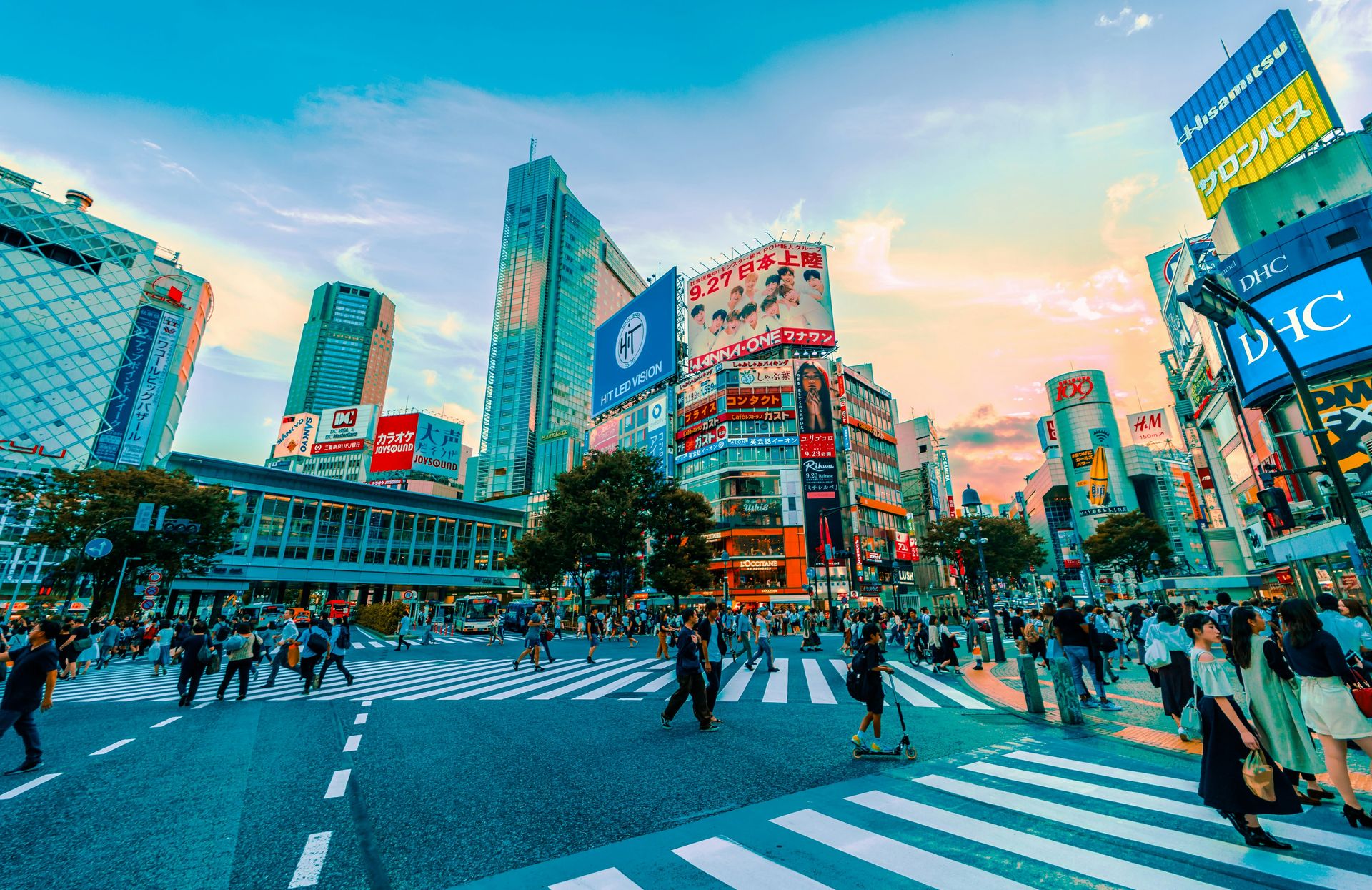
Shibuya announces itself immediately through sheer sensory overload, the continuous flow of people, glowing video screens, and a tangible buzz that culminates at Shibuya Crossing, widely regarded as the neighborhood’s most famous attraction. The district is currently undergoing a massive transformation, visible in new developments such as Shibuya Stream, a skyscraper complex marking the junction of two once-buried Tokyo rivers now brought back into the open, a redevelopment project that has genuinely reshaped much of the area’s skyline in just a few short years.
Shibuya rewards a late start more than almost any other neighborhood on this list, since it functions above all as an entertainment district that truly comes alive well after dark instead of at midday. Dance clubs, live music venues, and movie theaters all cluster within the area, and while weekends draw the biggest crowds, visitors from across Tokyo fill Shibuya’s bars and karaoke parlors, some staying open until dawn, on any given night of the week.
If you’re keen to immerse yourself in urban Tokyo’s nightlife and youth culture at the same time, Shibuya makes an excellent base thanks to its excellent transport links connecting to virtually every other part of the city within minutes. Shibuya Center-gai serves as the neighborhood’s food hub, packed with fast-food joints, cheap izakaya, or Japanese pub-eateries, and chain restaurants aimed squarely at a younger crowd looking for a quick, affordable meal between shopping trips and late-night outings that stretch well past midnight most weekends.
Accommodation in Shibuya spans a genuinely wide range of styles and budgets. Boutique hotels sit alongside flash-packer hostels and cabin-style capsule accommodations, while dorm-style hostel rooms give the most budget-conscious travelers an entry point into one of Tokyo’s most energetic neighborhoods, one that rarely feels quiet regardless of the hour or day of the week. This range of options makes Shibuya accessible to nearly any type of traveler, regardless of how much of the budget they want to dedicate to lodging.
Joshua Chun / Unsplash
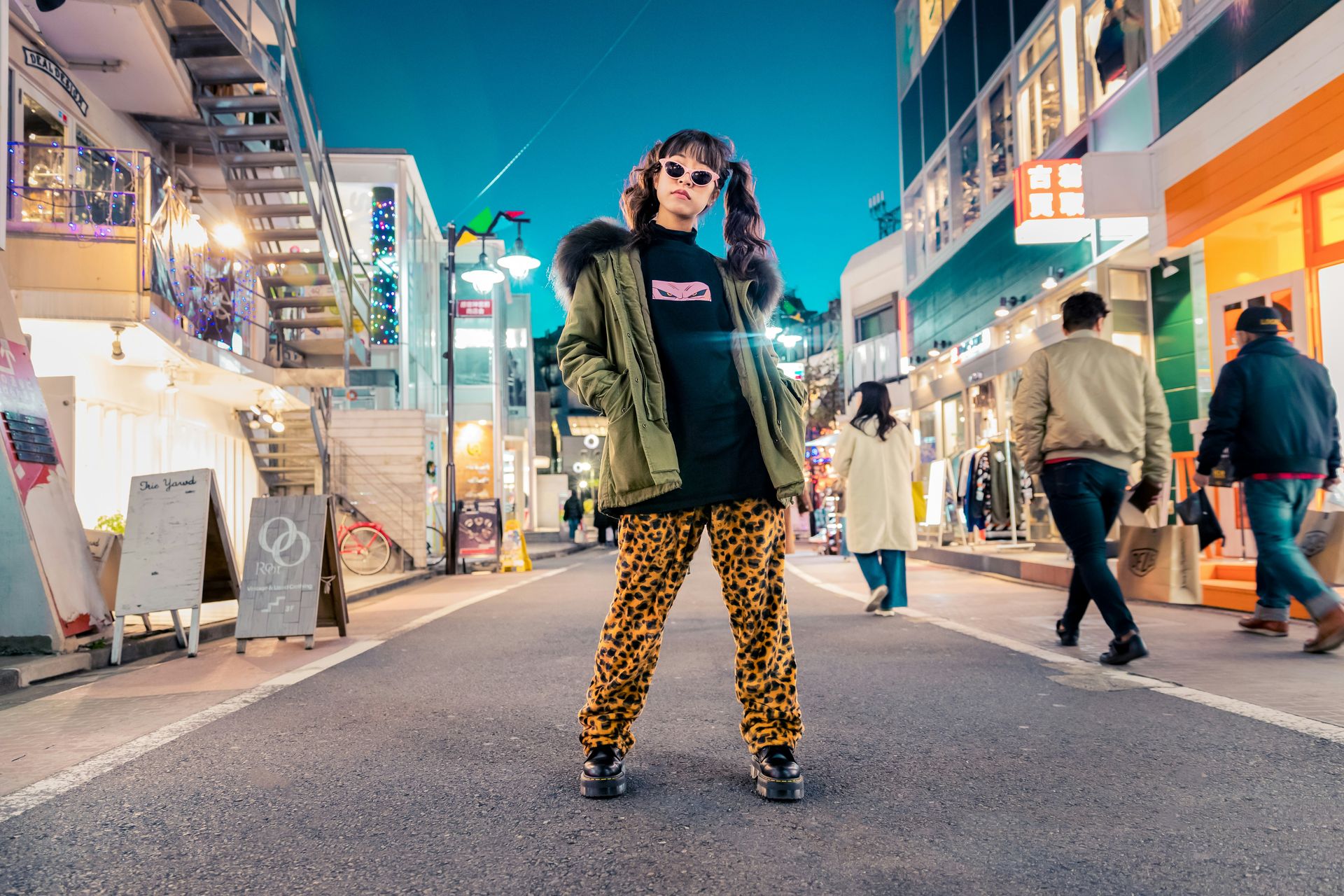
Harajuku draws enormous crowds thanks to the grand Meiji-jingū shrine, dating to the early 20th century, and the adjacent Yoyogi-kōen, one of the city’s most popular parks and a favorite gathering spot for picnics and street performers alike. The neighborhood also functions as Tokyo’s real-life catwalk, a world-renowned fashion destination where the ultra-stylish and those still working on their look come specifically to browse and be seen by fellow fashion enthusiasts and curious onlookers alike.
Neighboring Aoyama serves as a shopping and dining district for the city’s fashionable elite, and many boutiques throughout both neighborhoods, along with those lining Omote-sandō, the boulevard connecting them, carry designs from influential architects. Harajuku rewards visitors who arrive early, since Meiji-jingū can get genuinely crowded later in the day, and an early arrival gives visitors the best chance at experiencing the shrine’s serene atmosphere as its designers originally intended, before tour groups fill the surrounding paths.
Shopping draws locals just as much as tourists to this part of Tokyo. Harajuku has become known as the neighborhood where foreign franchises open their first Tokyo locations, typically drawing significant media attention and long lines of curious shoppers eager to be among the first through the door. Aoyama hosts boutiques from major Japanese fashion brands, while edgier looks turn up in the winding side streets branching off Omote-sandō, and the trendy Takeshita-dōri shopping strip fills with young, fashion-conscious crowds by late afternoon.
Both neighborhoods offer plenty of inexpensive lunch spots spanning a wide variety of cuisines, fitting given their reputation as trendy shopping destinations. Both areas grow noticeably quiet once shops close for the evening, and while a handful of spots stay lit after dark, finding them requires some local knowledge. Limited accommodation options in Harajuku and Aoyama themselves mean many visitors base themselves in nearby Shibuya instead, which offers considerably more choice while remaining close enough for an easy day trip back into either fashion-forward neighborhood.
Ryan Rios / Unsplash
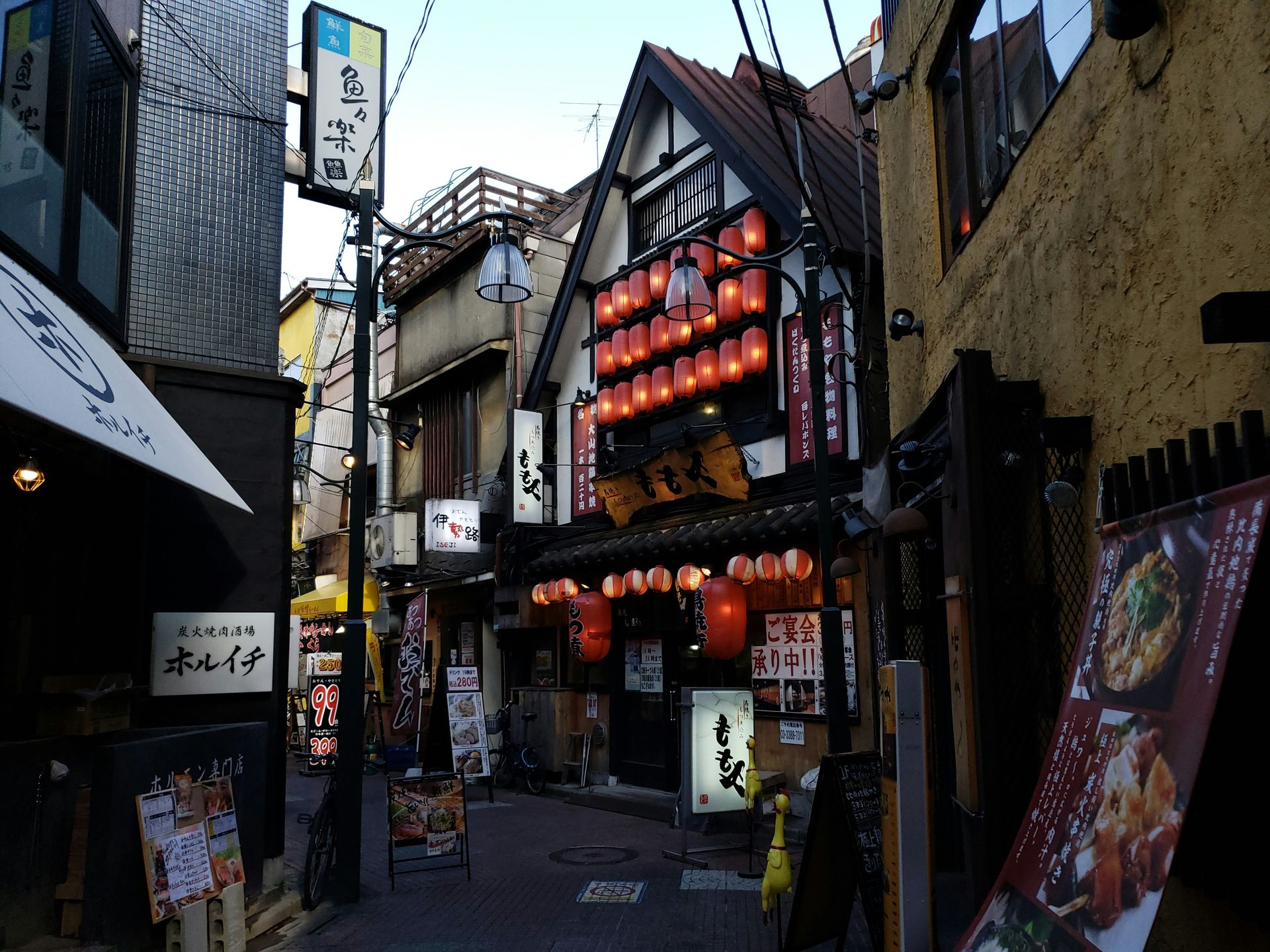
Developers built the neighborhoods west of Shinjuku as commuter towns during the economic boom of the 1960s, connecting them to central Tokyo via the Chūō train line. Today, these districts feel like genuine time capsules of mid-20th-century architecture and urban planning, largely untouched by the redevelopment reshaping much of central Tokyo. Neighborhoods such as Nakano, Kōenji, Asagaya, and Nishi-Ogikubo draw a devoted following among counterculture types who specifically reject the constant construction and upward growth that define Tokyo’s city center.
Each of these neighborhoods has cultivated its own distinct identity over the decades. Nakano has become especially popular with otaku, fans of anime and manga culture, while Kōenji, just one train stop away, attracts street artists and social activists who give the neighborhood a noticeably different character despite the short distance between them, illustrating just how quickly Tokyo’s local identity can shift from one train stop to the next.
Since these are largely residential districts, few splashy must-see attractions exist here beyond the enchanting Ghibli Museum, dedicated to Japan’s most celebrated animated film studio. Exploring West Tokyo works better as an exercise in understanding how everyday Tokyoites experience their own city, rather than checking off a list of major sights as a visitor might in more central neighborhoods packed with famous landmarks.
These residential neighborhoods might look sleepy on the surface, but each maintains its own nomiyagai, a local eating and drinking area that draws residents out in the evenings. Kōenji stands out among the Chūō line neighborhoods for having the most going on after dark, with shops staying open late alongside a strong lineup of restaurants, bars, and live-music venues. Staying out west can save visitors money on accommodation compared with more central neighborhoods and offer a more genuinely local experience, though the often-crowded Chūō line adds a small time cost to reaching hubs such as Shinjuku and Marunouchi, a trade-off worth weighing against the lower nightly rates.
Alexander Schimmeck / Unsplash
Shinjuku functions almost like a genuine city within Tokyo itself, having developed during the latter half of the 20th century into something practically synonymous with the capital as a whole. The scale of this post-war development remains genuinely staggering, with more than three million people passing through Shinjuku Station every single day, making it one of the busiest transit hubs anywhere in the world and a genuine feat of urban planning and engineering in its own right.
Clustered in and around this enormous train station are many department and electronics stores, which make easy work of shopping for souvenirs, plus plenty of restaurants and food courts serving every kind of cuisine imaginable. On the station’s east side, the grassy oasis of Shinjuku-gyoen offers a welcome break for anyone who picks up snacks from a department store’s basement food hall beforehand. Shinjuku works exceptionally well as a day-to-night destination, and starting in the skyscraper district of Nishi-Shinjuku after 10am, once the morning rush clears, gives visitors the clearest chance to spot Mt Fuji from the free observatories atop the Tokyo Metropolitan Government Building on a genuinely clear morning.
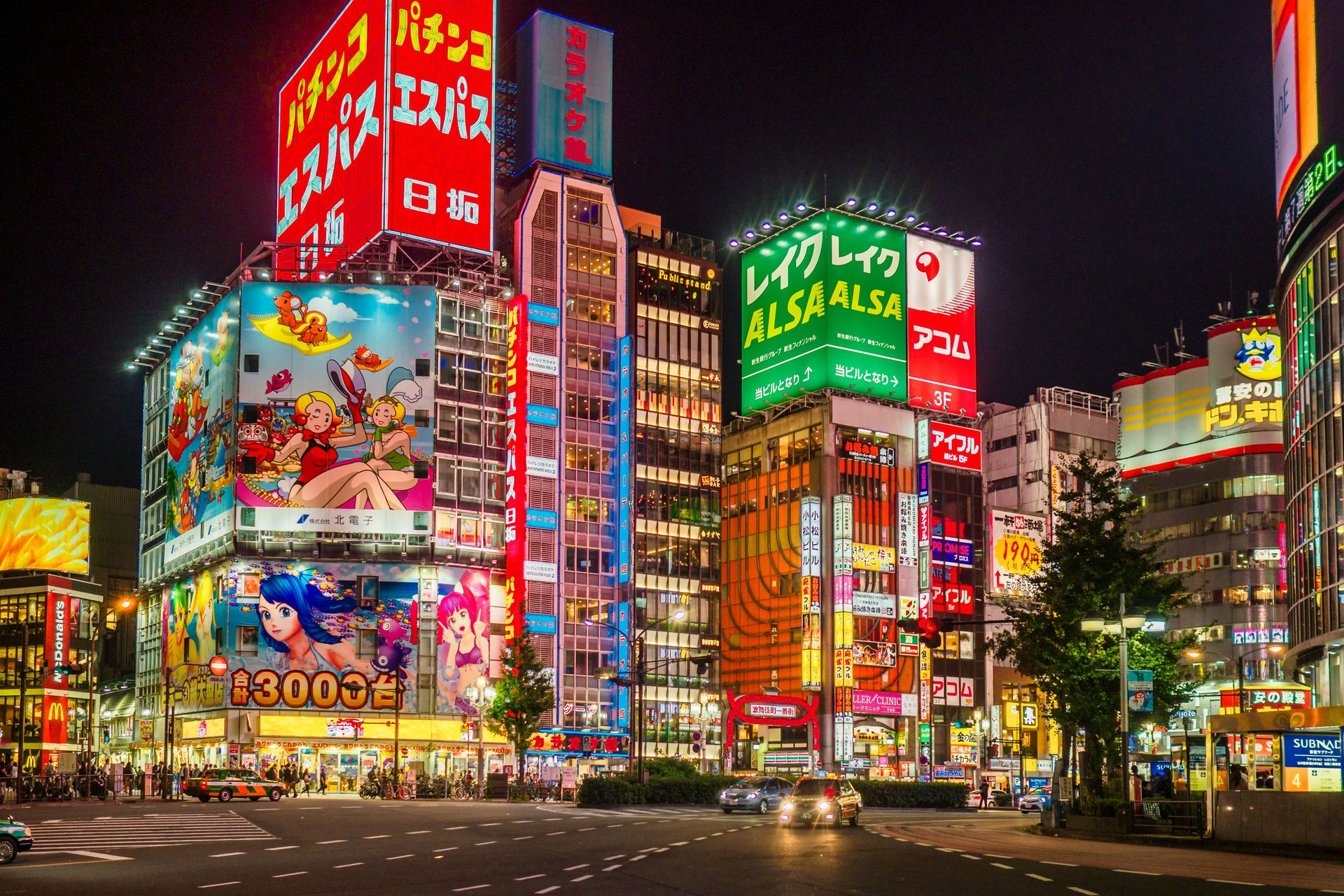
Shinjuku’s east side, home to the city’s largest nightlife district, transforms dramatically once natural light finally gives way to neon after dusk each evening. Countless bars, izakaya, karaoke parlors, and music venues keep the area buzzing until dawn, and while Friday nights draw the heaviest crowds, Shinjuku stays lively every single night of the week, with an enormous spread of dining options to match nearly any craving or travel budget.
The neighborhood contains several distinct sub-districts worth knowing about individually. Shinjuku-nichōme serves as Tokyo’s LGBTQ+ enclave, Shinjuku-sanchōme fills with izakaya popular among commuters heading home, and the tiny bars of Golden Gai draw artists, musicians, and increasingly curious travelers looking for a slice of old-school Tokyo nightlife. Yasukuni-dōri runs through the middle of it all, lit up with countless glowing signs, and accommodation here spans every price level, from hostel reading rooms to a sky-high luxury hotel.
Sebastian Kurpiel / Unsplash
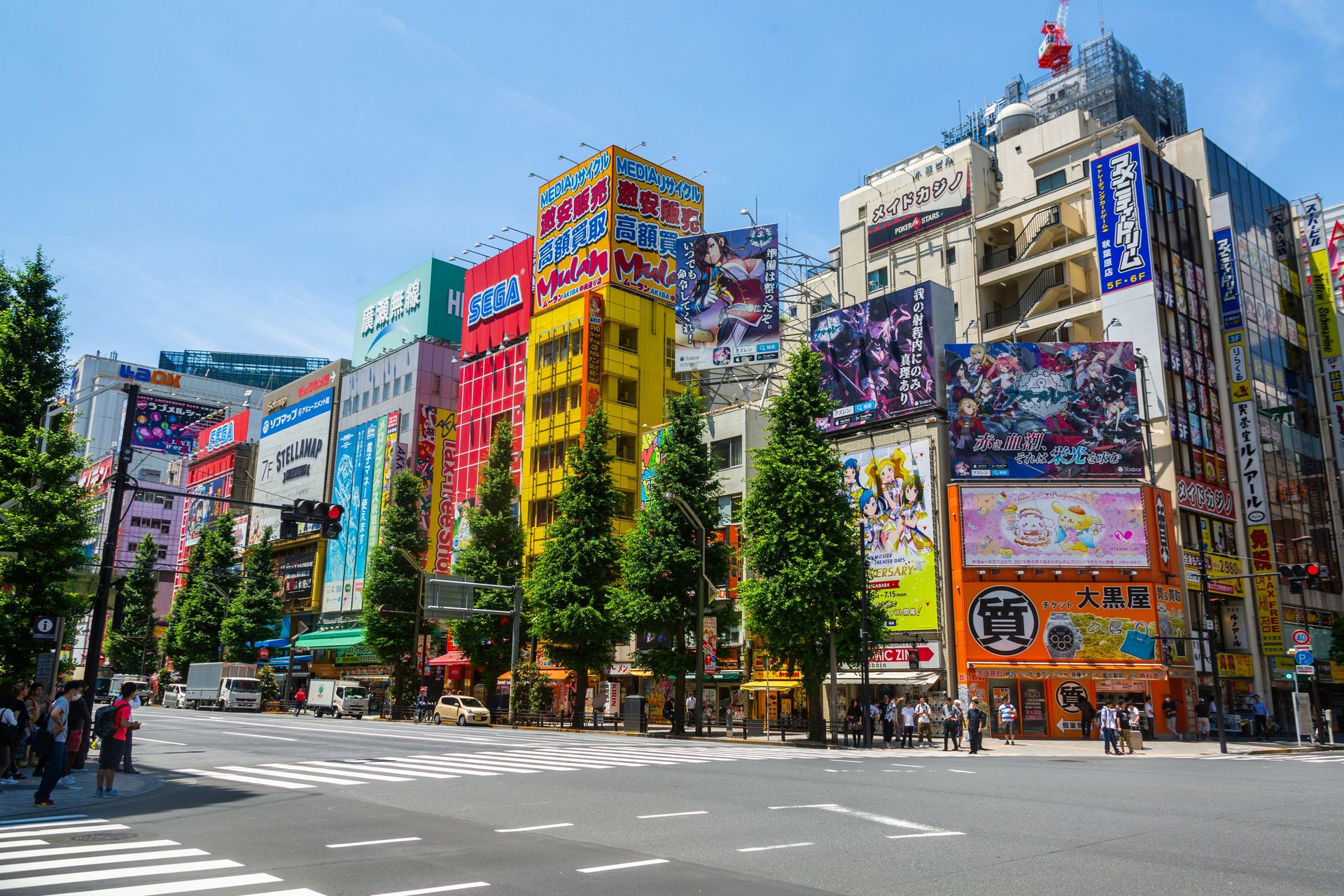
Kōrakuen and Akihabara occupy a stretch of central Tokyo running alongside Soto-bōri, the former outer moat of historic Edo Castle, and the Kanda River, one of the city’s main waterways. To the west sits the charming old geisha district of Kagurazaka, along with the Kōrakuen area, home to the gorgeous traditional garden Koishikawa Kōrakuen and the Tokyo Dome baseball stadium. Further east, the bookstores of Jimbōchō, the traditional restaurants of Kanda, and the electronics, pop culture, and craft emporiums of Akihabara round out the area’s range, giving visitors a genuine cross-section of old and new Tokyo within a single walkable stretch.
Kagurazaka is home to many exclusive, extravagantly priced restaurants, though attractive, affordable options exist alongside them. Once a busy geisha teahouse district, Kagurazaka has become one of the most atmospheric parts of the city for an evening wander, with plenty of appealing cafes and bars tucked into its narrow, lantern-lit lanes that feel worlds away from Akihabara’s neon glow just across the river.
Akihabara draws a very different crowd, built around electronics shopping and Japan’s pop culture industries, and the contrast between Kagurazaka’s old-world charm and Akihabara’s neon-lit modernity captures something essential about how thoroughly Tokyo layers its past and present within a single compact area. Visitors moving between the two districts in a single day experience a genuine whiplash of atmosphere that few other neighborhood pairings in the city can match, making the combination one of the more surprising day trips available anywhere in Tokyo.
This entire area offers central locations with strong transport connections and a solid range of eating and nightlife options. Budget and midrange accommodations dominate the local options, including a futuristic hotel staffed partly by robot receptionists and a capsule-style hostel dormitory near Akihabara, giving visitors a genuinely wide range of ways to experience this particular corner of Tokyo without needing a luxury budget, whether they prioritize the area’s historic gardens or its pop culture emporiums.
Koukichi Takahashi / Unsplash
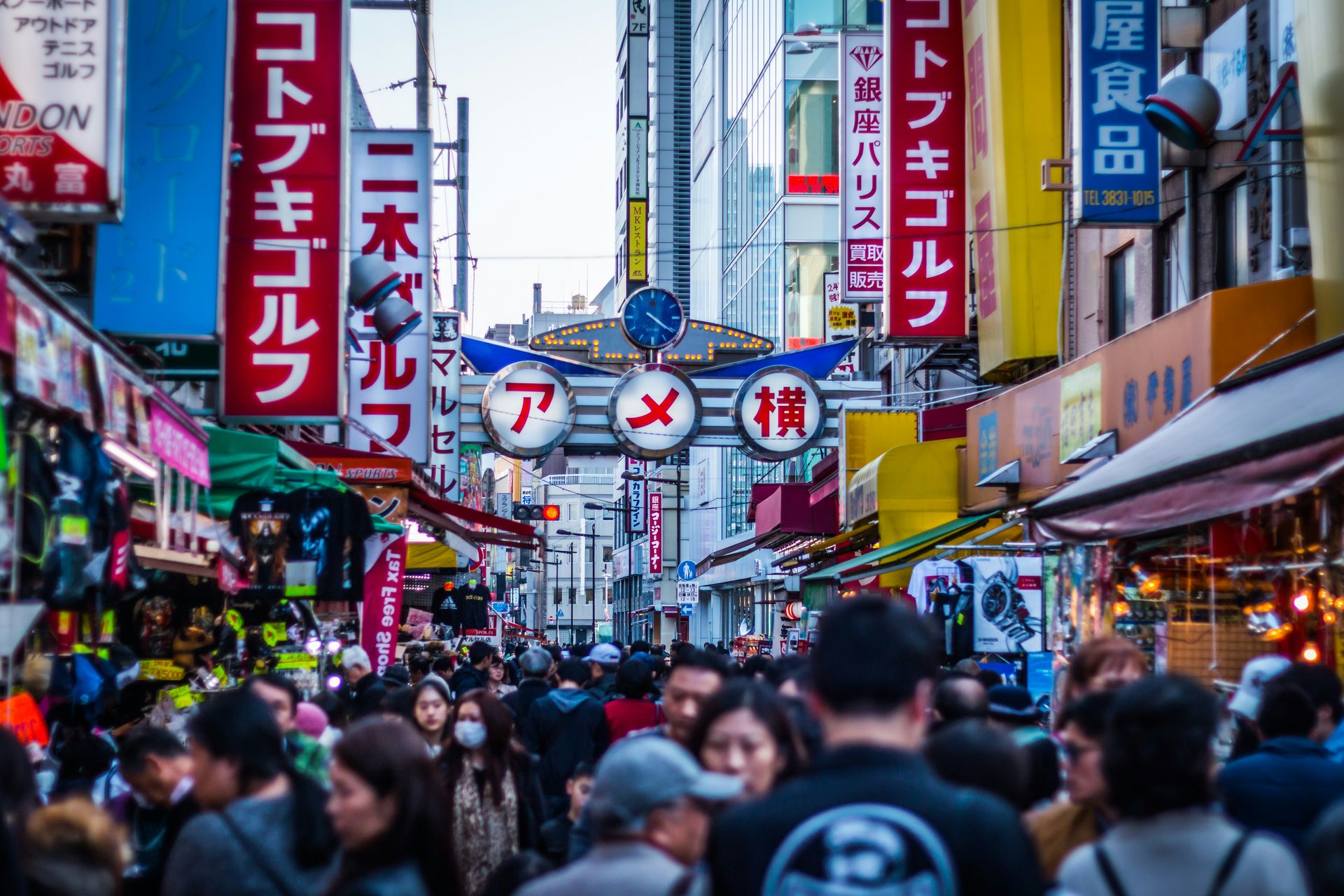
Ueno functions as the cultural heart of Tokyo, and its central park, Ueno-kōen, holds the city’s greatest concentration of museums, including the Tokyo National Museum, making the area an essential stop for any visitor with even a passing interest in Japanese art and history. The neighboring areas of Yanaka, Nezu, and Sendagi, collectively known as Yanesen, feel like a charming pocket of the city where time seems to have stopped several decades ago, offering a quiet contrast to Ueno’s museum-going crowds just a short walk away and a genuinely different pace within the same broader district.
Rikugi-en, an 18th-century strolling garden in the nearby Komagome area, transports visitors even further back in time than Yanesen’s already old-fashioned streets. The garden’s careful landscaping and seasonal plantings reward visitors willing to walk a bit further from Ueno’s main museum cluster, offering a genuinely different pace than the busy park at the neighborhood’s center, particularly during autumn foliage season when the grounds draw their own dedicated crowd of visitors.
Ueno itself isn’t much of a culinary destination, though some lovely traditional restaurants operate in and around the park, and Yanesen holds its own genuine share of quality dining options as well. With the exception of the area immediately surrounding Ueno Station, these districts stay pretty quiet after dark, though Yanaka does have a handful of hip hangouts for visitors who know where to look among its narrow, temple-lined streets and quiet residential lanes.
As one of Tokyo’s major transit gateways, Ueno offers a solid concentration of business hotels for practical, well-connected stays near the busy train station. Yanesen holds Tokyo’s best selection of ryokan, including a family-run property with a genuinely welcoming atmosphere that has become a longtime favorite among repeat visitors returning year after year, while a budget-friendly hotel and hostel option near Ueno Station rounds out the accommodation choices for travelers prioritizing museums and old-Tokyo atmosphere over nightlife, giving this quieter corner of the city options across nearly every budget level.