From Scotland's capital, to an area with over 50 whiskey distilleries and a prehistoric site that predates Stonehenge
Connor Mollison / Unsplash
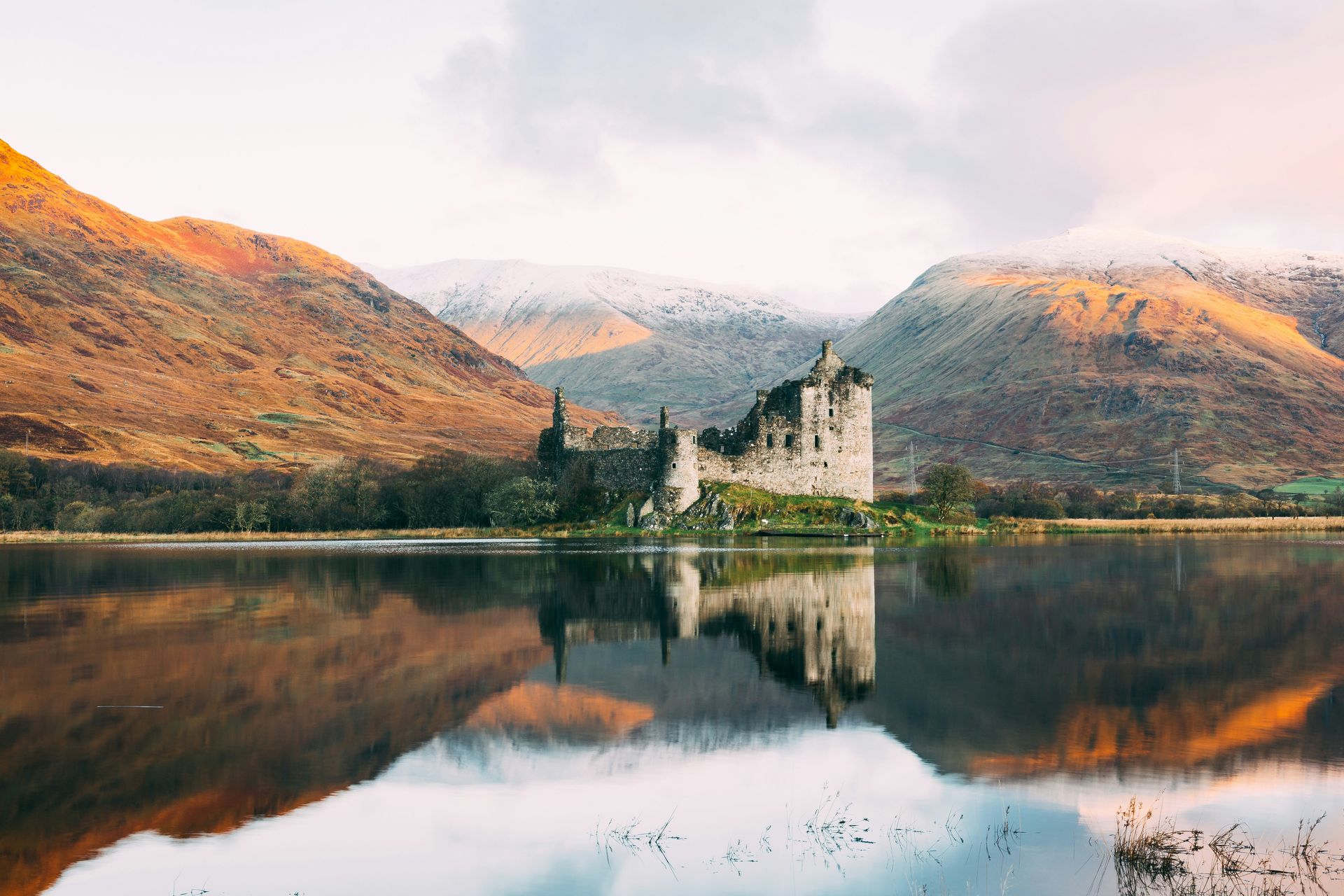
Scotland’s landscapes are as dramatic as its reputation, but the country rewards travelers who look past the postcard versions of its highlands and lochs. A week spent moving between Edinburgh’s layered history, the Isle of Skye’s otherworldly geology, the Shetland Islands’ seabird colonies, and the whisky distilleries of Speyside covers a range of experiences that few countries of comparable size can match. The challenge isn’t finding something extraordinary: it’s narrowing down what to prioritize.
The destinations on this list span Scotland’s full geographic range, from Orkney’s Neolithic villages to the Scottish Borders’ ruined abbeys, and its full experiential range, from long-distance hiking and scenic road trips to whisky tasting and world-class golf. Several are within easy reach of Edinburgh or Glasgow and work as day trips or short overnight detours. Others, particularly Shetland and the North Coast 500, require dedicated time and planning that pays off with experiences unavailable anywhere else in the British Isles.
The destinations below appear in Lonely Planet, covering Scotland’s most rewarding places from the Borders to the northern islands. The list deliberately omits a few of the country’s most obvious attractions to make room for places that reward the extra effort of getting there, and each entry includes practical details about timing and approach that can make the difference between a memorable visit and a frustrating one. Scotland’s weather is genuinely unpredictable at any time of year, and packing for rain regardless of the forecast is the single most useful practical habit to develop before arriving. The country’s hostel network is extensive and well-maintained, covering most of the destinations on this list, including Skye, Glencoe, and the Borders, making budget travel through Scotland more practical than the country’s reputation for expensive accommodation might suggest.
Connor Mollison / Unsplash
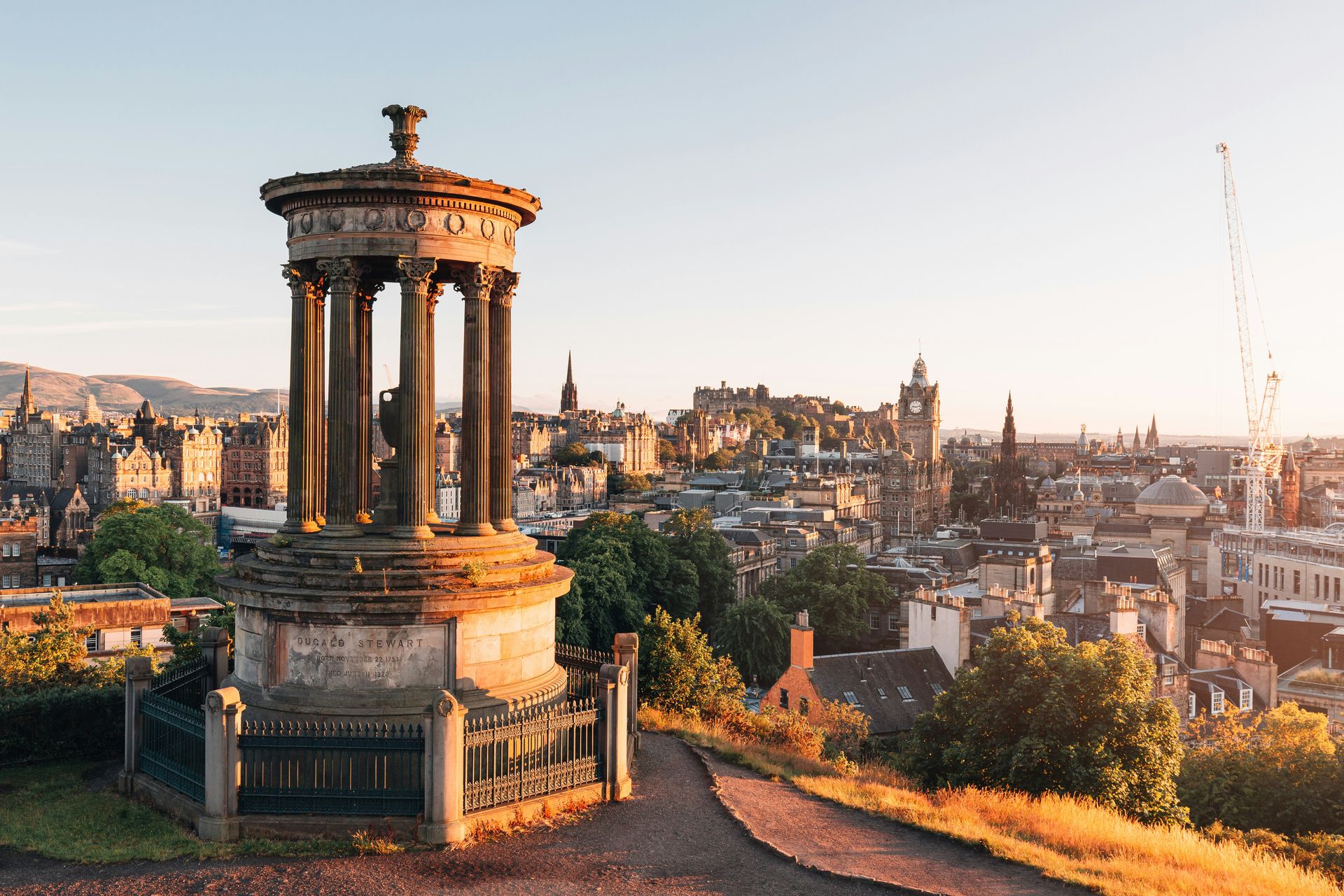
Scotland’s capital earns its fame for summer festivals, but the city is genuinely worth visiting at any time of year. Spring brings the Old Town silhouetted against blue sky and daffodils. Winter delivers a different kind of beauty, fog catching the spires of the Royal Mile, rain on cobblestones, and the warm glow of pub windows. The festival season, particularly August’s Edinburgh International Festival and Fringe, fills every available accommodation months in advance, and prices spike accordingly. Visitors planning festival trips need to book early and budget for premium rates.
The city’s core attractions hold up regardless of season. A majestic 12th-century castle overlooks the Old Town from its volcanic crag. The National Museum of Scotland is world-class and free. The modern art galleries are excellent. The historic sites, including the underground vaults and the Palace of Holyroodhouse, range from atmospheric to genuinely eerie. Arthur’s Seat, the extinct volcano rising from Holyrood Park, offers panoramic city views on a walk that takes about 45 minutes from the park entrance and rewards the effort with a perspective on Edinburgh’s geography that no street-level view can match.
The concentration of excellent restaurants, whisky bars, and live music venues across the Old and New Towns means evenings in Edinburgh are as well-supplied as afternoons. The city is a natural base for day trips to Stirling, the Scottish Borders, and the Firth of Forth’s coastal villages, making it the most practical anchor point for a first Scotland trip. The city is also considerably more affordable outside August, when the festival premium inflates accommodation prices across the entire city. A May or October visit delivers Edinburgh at its most livable: good weather odds, manageable crowds, and pricing that leaves room for the excellent restaurant and whisky bar scene. The Royal Mile’s whisky shops stock an extraordinary range of independent bottlings unavailable elsewhere, and an hour of browsing and tasting in the better ones provides an education in Scottish regional whisky styles that dedicated distillery tours often cover less efficiently.
martin bennie / Unsplash
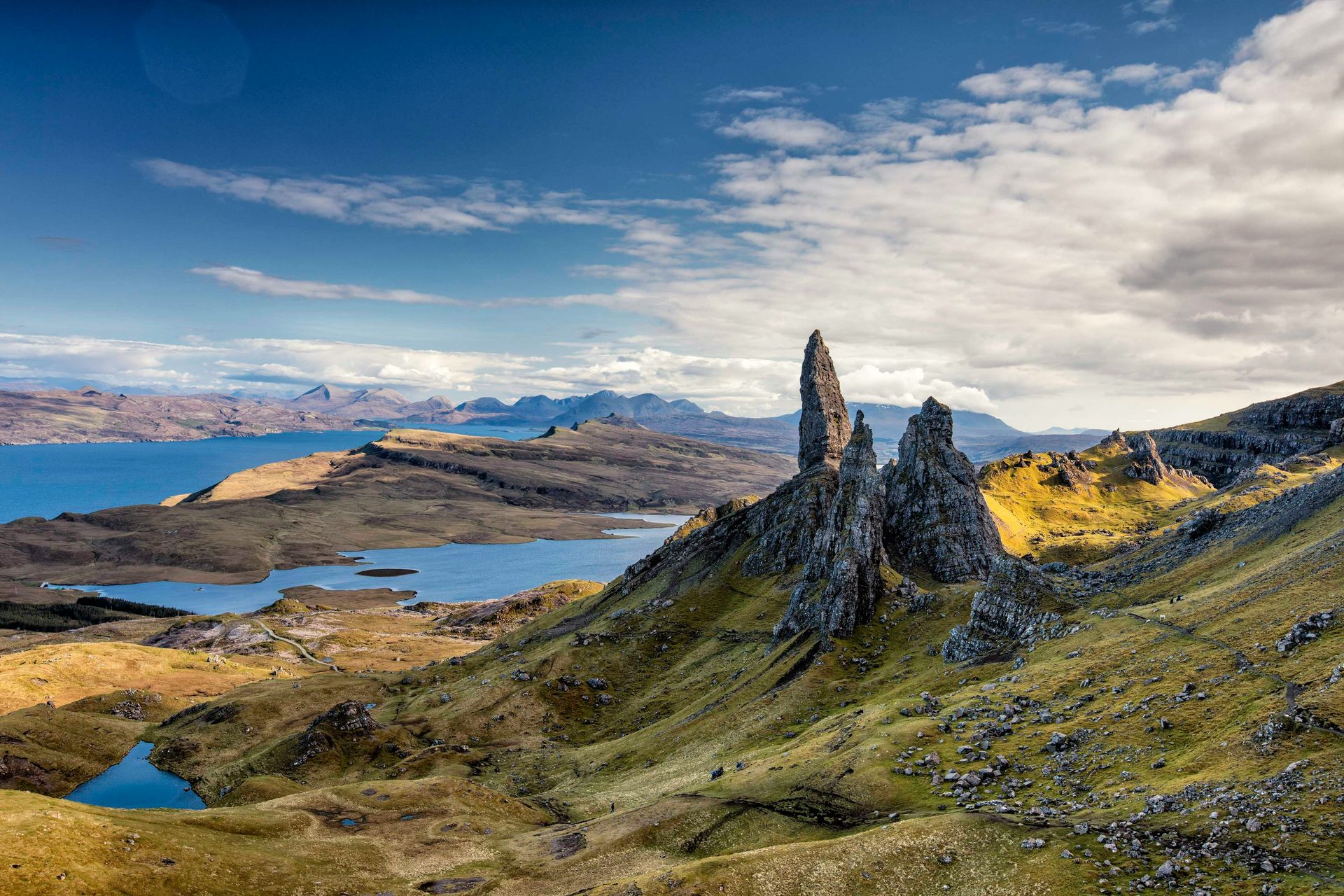
In a country famous for dramatic scenery, Skye operates at a different level. The Cuillin mountain range produces a jagged, dark skyline unlike anything else in the British Isles. The Old Man of Storr and the Quiraing create bizarre pinnacle formations that seem to belong to a different geology entirely. Neist Point’s sea cliffs offer views across the Minch that justify the drive to the island’s westernmost tip alone. Photo opportunities present themselves constantly and from almost every angle.
The island is also one of Scotland’s best places to see golden eagles, which soar above the Cuillin and the moorlands that stretch between the ranges. The seafood, particularly at the smaller restaurants in Portree and Carbost, is exceptional and often comes straight off the boats working the surrounding waters. The convivial pub culture, anchored by spots like the Stein Inn on Loch Bay, provides the social warmth that makes evenings on the island genuinely pleasant after days of exposure to its more elemental qualities.
Skye’s popularity concentrates at Portree, Dunvegan, and the Trotternish peninsula, and finding quiet requires moving beyond these centers, not avoiding the island. The island’s further corners, the Sleat peninsula in the south and the remote headlands near Waternish, consistently deliver solitude alongside scenery. Weather changes rapidly and without warning: the Lonely Planet writer advises packing waterproof layers and midge repellent, and both are essential, not merely precautionary, for summer visits. The island’s single main road links the major sites but leaves the interior moorland and the quieter peninsulas accessible only by the smaller roads that branch from it. Hiring a car is the most practical approach for covering the island’s spread, and two full days is the realistic minimum for doing so without feeling rushed. The ferry from Mallaig on the mainland or from Sligachan on the island to Raasay provides access to a smaller, quieter island that offers Skye visitors an additional perspective on the Inner Hebrides without requiring a significant detour from their itinerary.
-1920x1439.jpg)
Christian Lendl / Unsplash
The North Coast 500 starts and ends in Inverness and loops through some of the finest roadside scenery in Europe. The route takes in the lochs and golf courses of the east coast, the remote cliffs and beaches of Cape Wrath, the rugged peaks of the Assynt region, and the desolate beauty of Torridon before returning south. The entire circuit covers roughly 500 miles and takes most travelers a week at a relaxed pace, with enough stops to reward the unhurried approach the landscape demands.
The specific attractions along the route deserve individual attention. The Smoo Cave near Durness is a geological oddity worth the short detour. Balnakeil Beach, close to the northern tip at Durness, is a sweep of white sand that would feel more at home in the Caribbean than the Scottish far north. Eilean Donan Castle, near Kyle of Lochalsh on the return leg, is one of Scotland’s most photographed buildings and earns its reputation. The traditional hospitality in the region’s rural pubs and old crofting villages is genuinely warm in a way that more heavily touristed parts of Scotland sometimes lose.
Overtourism has become a real issue on the NC 500 in recent years, with locals reporting strain on infrastructure and natural areas. Traveling in shoulder seasons, avoiding peak summer weekends at the most photographed viewpoints, and supporting local businesses rather than commercial tour operators are the most practical ways to engage with the route without contributing to its degradation. The route’s least-visited sections tend to be the most rewarding: the stretch from Tongue to Durness along the far north coast passes through some of the most genuinely empty and ancient-feeling landscape in Europe, with the Torridonian sandstone mountains providing a backdrop that feels more geologically primordial than anything else in the British Isles. The NC 500’s driving times are consistently longer than the distances suggest because the single-track road sections require stopping and reversing for oncoming traffic, and any itinerary built on optimistic driving estimates will fall behind within the first day.
Gary Ellis / Unsplash
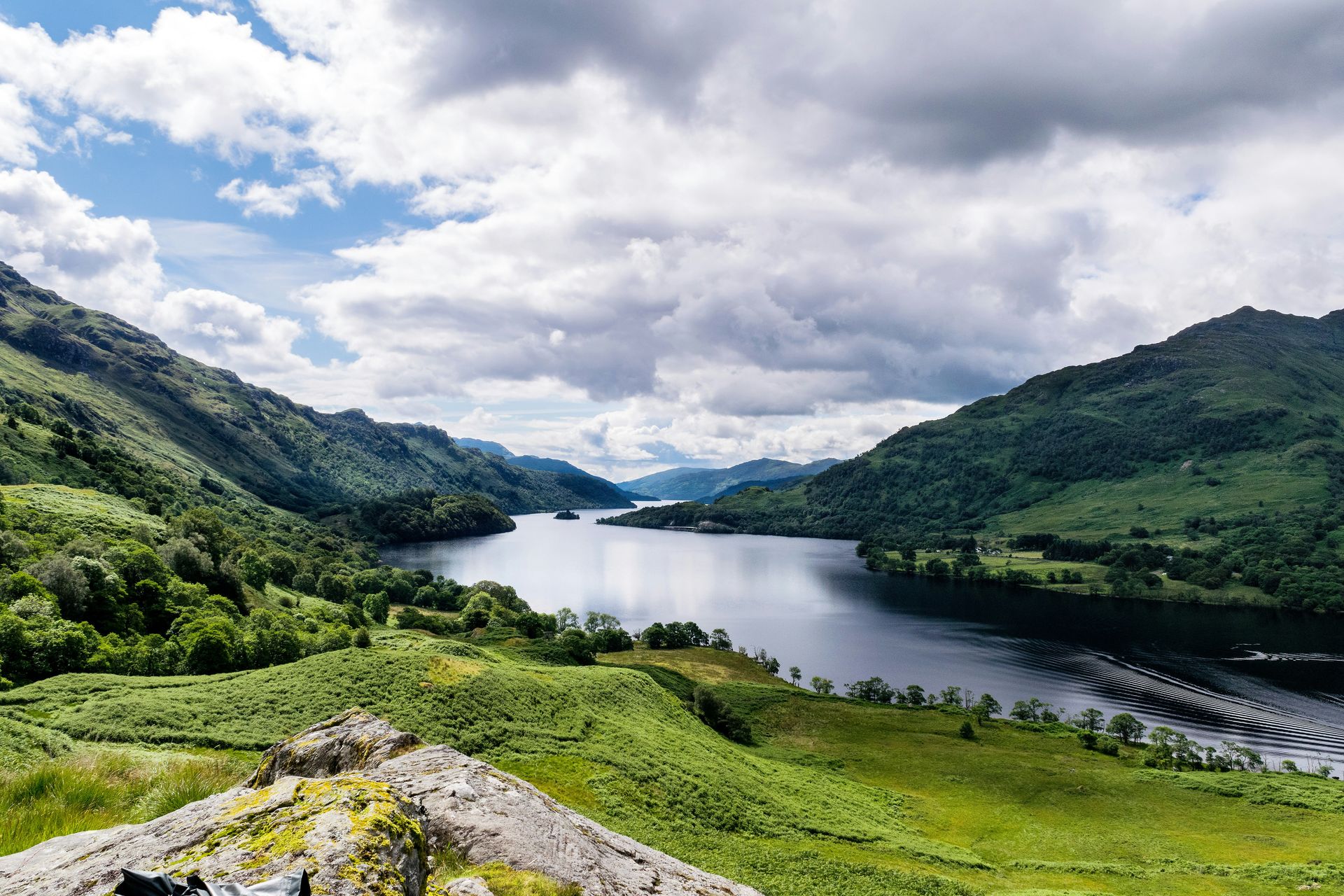
Loch Lomond’s proximity to Glasgow is one of its most significant practical advantages: less than an hour’s drive from the city center puts visitors at the edge of Scotland’s first national park, among the most scenic landscapes in the country. The loch itself changes character as it runs north: broad and island-studded in the south, its shores clothed in bluebell woods, it narrows to a fjord-like trench enclosed by mountains. Both sections have their own appeal, and the contrast between them makes a full north-to-south experience of the loch considerably more rewarding than staying at either end.
The Ben Lomond summit, at 974 meters, is accessible via the Tourist Route: a well-maintained 7-mile round-trip that takes about five hours and delivers the panoramic Highland views the peak is known for. The summit is a genuine Scottish mountain experience without the technical skill required by the more challenging Munros, making it the most accessible serious hillwalk in this part of the country.
Day-tripping from Glasgow is possible and popular, but staying overnight in one of the villages along the western shore, Luss in particular, removes the time pressure and allows for the slower exploration of the loch’s lesser-known corners. The Loch Lomond and The Trossachs National Park extends well beyond the loch itself, and the Trossachs section to the east, with its own series of lochs and forested hills, rewards travelers who treat the park as more than just a backdrop for Loch Lomond. The village of Luss on the western shore, which has appeared in several Scottish television productions, has the kind of photogenic stone cottages and loch views that tend to draw large numbers of visitors on summer weekends. Arriving early in the morning or visiting midweek avoids the worst of the congestion at this specific village. The West Highland Way long-distance path passes along the loch’s eastern shore and can be walked in sections as day walks accessed from the car parks along the eastern road, which is a more solitary experience than the popular tourist areas on the western side.
Credit: VisitScotland
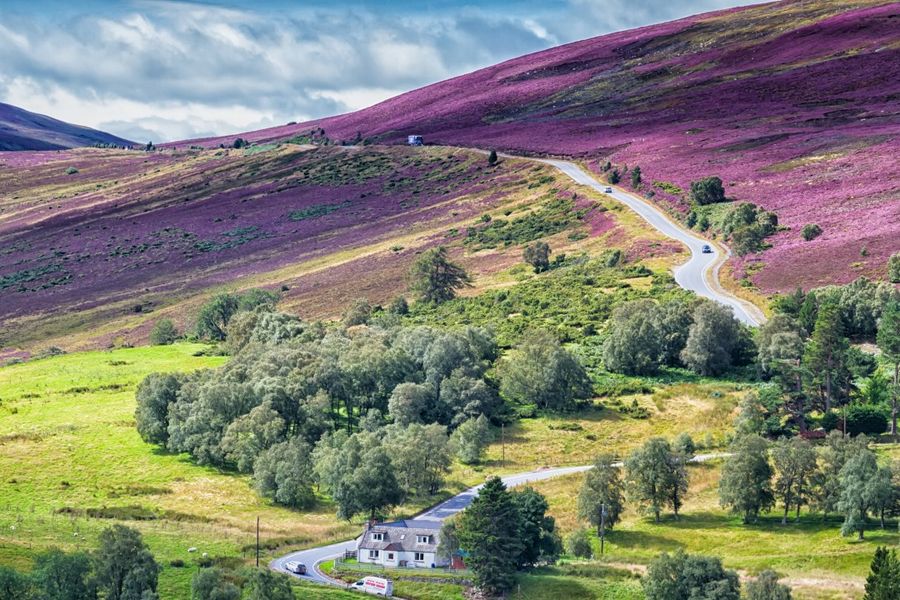
Scotland’s most celebrated whisky region concentrates its 50-plus distilleries in the valleys of Speyside, where fruity, lightly spiced drams have been produced for more than 500 years. The Gaelic phrase uisge beatha, meaning “water of life,” is the etymological origin of the word whisky, and Speyside’s water sources, combined with its climate and the skill of generations of distillers, have made the region the standard against which other Scotch whisky styles are measured.
The Malt Whisky Trail is a self-guided circuit connecting the most visitor-friendly distilleries, with information available at the Whisky Museum. The Balvenie Distillery is particularly worth prioritizing: it retains a traditional malting floor where barley is still processed by hand, a process most distilleries abandoned decades ago for industrial efficiency. The smell of malting barley alone makes the visit memorable. Dufftown, in the heart of the region, hosts the Spirit of Speyside Whisky Festival twice a year, which is worth timing a trip around for visitors whose primary interest is whisky.
Speyside’s appeal extends beyond the distilleries. The River Spey itself is one of Scotland’s finest salmon rivers, and the valleys and forests surrounding it are excellent walking country. The Speyside Way long-distance path runs 65 miles from Buckie on the Moray coast to Aviemore, passing through the heart of the distillery country and connecting to the Cairngorms National Park at its southern end. The Glenlivet and Glenfarclas distilleries, both within easy reach of the Speyside Way, are among the most visitor-friendly on the trail and offer excellent tasting programs without requiring advance booking outside the busiest summer months. The Spirit of Speyside Festival in May is the larger of the two annual events and typically includes distillery open days and events not available to the public at other times of year, such as access to warehouses, cask tastings, and distillery processes that standard tours don’t cover. The Speyside cooperage at Craigellachie is the only working cooperage open to visitors in Scotland, where skilled coopers repair and build the oak casks that give Scotch whisky much of its color and flavor, and the 30-minute demonstration is a genuine production process, not a staged performance.
Andrew Burridge / Unsplash
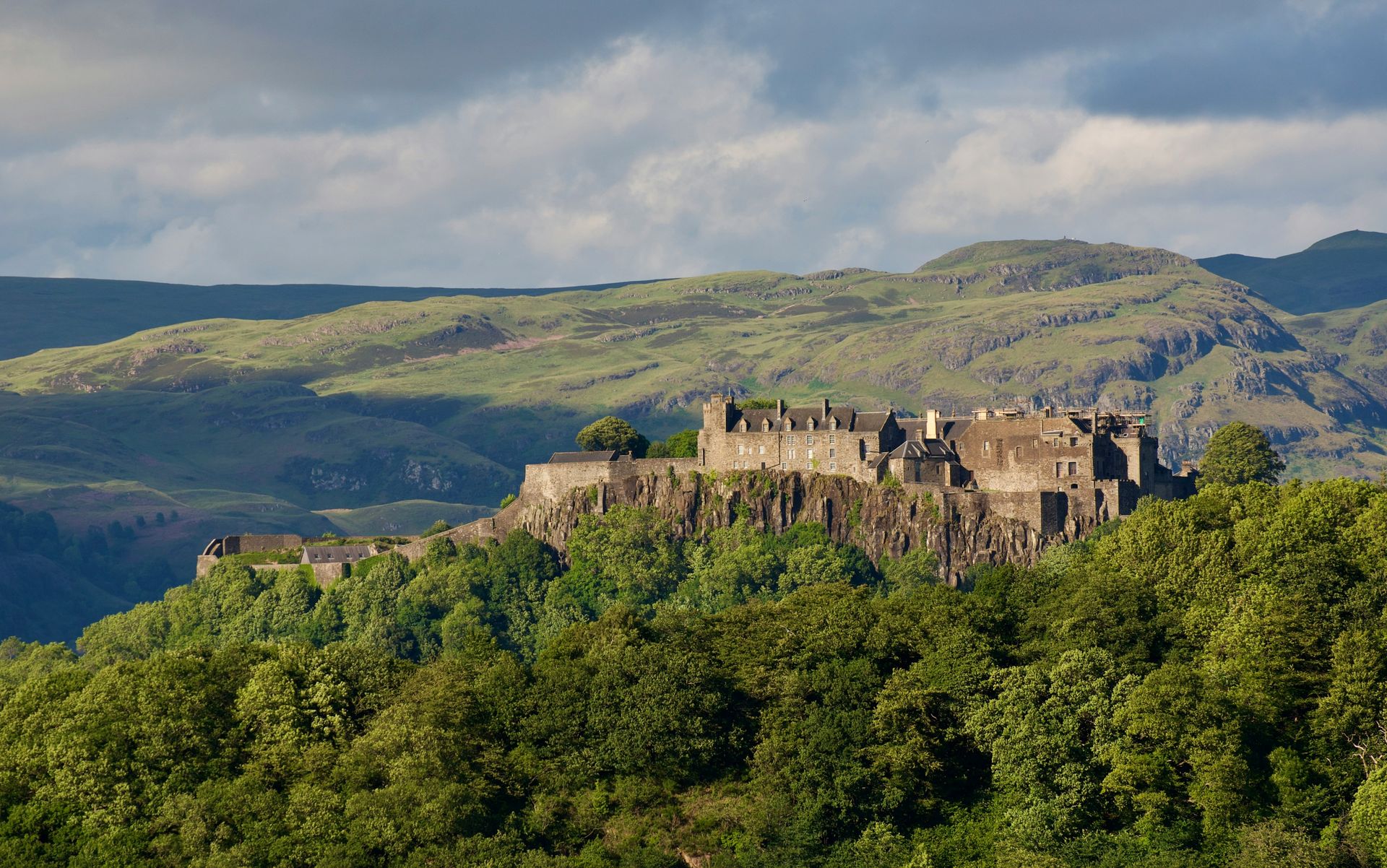
Stirling Castle sits atop the plug of an extinct volcano, its position so impregnable that it served as one of Scotland’s most strategically important fortifications across centuries of warfare. The castle was bombarded by the Warwolf, a giant English siege engine, in the 14th century. It came under attack during the 1745 Jacobite rising. Its troops fought at the Battle of Bannockburn, the decisive Scottish victory portrayed at the end of Braveheart, just a few miles south. The history embedded in its walls is genuinely consequential, not merely decorative.
The Old Town, spreading down from the castle ramparts, is a treasure trove of preserved historic architecture, with cobbled streets and buildings that feel less visited than Edinburgh’s, and proportionally more rewarding given the lower crowd density. The views from the castle ramparts stretch to the Highlands on clear days, providing the geographic context that explains why control of this position mattered so much across so many centuries of Scottish history. The Stirling Smith Art Gallery and Museum, in the town below, is worth an hour for its collection of local history and Stirling burgh records.
The Lonely Planet writer advises afternoon visits for the castle itself. Day-trippers from Edinburgh and Glasgow tend to arrive in the morning, and those arriving around 4 p.m. can find the main spaces significantly quieter before closing. The Wallace Monument, the Victorian tower commemorating William Wallace, visible from the castle, is a short bus or taxi ride from the town center and provides a different perspective on the same landscape. The town of Stirling itself, below the castle, has a genuine local character that Edinburgh’s more tourist-saturated center sometimes loses. The independent shops and cafes along King Street and Murray Place reflect a working Scottish market town that happens to have one of the country’s finest castles at the top of its hill. The Bannockburn Heritage Centre, a short bus ride from Stirling town center, covers the 1314 battle that is perhaps the defining event in Scottish national history, with interactive exhibits that communicate the tactical and political stakes of the confrontation more effectively than the ground itself, now suburban farmland, can.
Kristin Snippe / Unsplash
The Scottish Borders are among Scotland’s most consistently overlooked regions, bypassed by travelers heading directly from Edinburgh to the Highlands. That oversight yields rewards for those who stop: fewer crowds, more authentic local character, and a landscape of rolling hills, river valleys, and market towns that offers a quieter version of Scotland’s appeal, without the dramatic peaks that draw the largest visitor numbers.
The ruined abbeys are the region’s strongest single attraction. Gothic Melrose Abbey, founded in 1136 and destroyed by English forces multiple times before being left as a ruin in the 16th century, is the finest of the four great Border abbeys and is worth a significant amount of time for anyone with an interest in medieval architecture and history. Jedburgh, Kelso, and Dryburgh abbeys complete the quartet, and a leisurely two-day circuit connecting all four covers some of the most historically layered landscapes in southern Scotland.
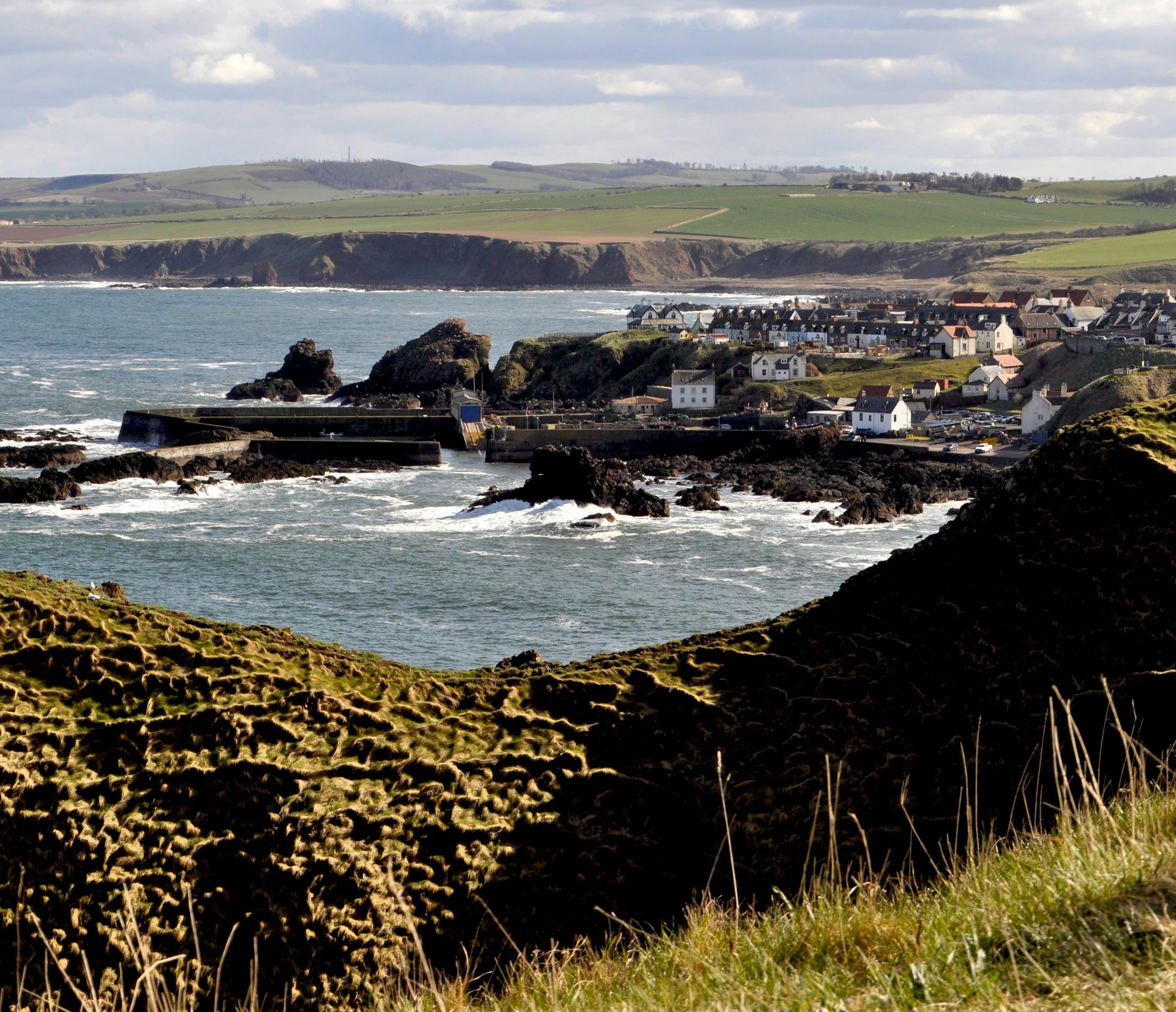
Beyond the abbeys, Traquair House is Scotland’s oldest inhabited house, brewing Jacobite Ale and harboring a concealed room that once hid Catholic priests during the Reformation. St Abb’s Head nature reserve on the coast provides seabird colonies and dramatic cliff walking. The mountain bike trails at Glentress and Innerleithen draw riders from across Scotland for their technically demanding descents, and the River Tweed’s salmon fishing has attracted serious anglers for generations. The Borders Abbeys Way, a 65-mile waymarked route connecting the four great abbeys through the region’s river valleys and hill paths, provides the best slow-travel framework for getting to know the landscape between the abbey towns at a pace that reveals its character, not just its highlights. The town of Peebles, on the River Tweed near the western end of the Borders, has one of the best selections of independent bookshops and specialty food shops in southern Scotland and serves as a pleasant base for exploring the surrounding countryside without the tourist infrastructure of the abbey towns. The Tweed Valley Forest Park, covering a large area of forest and hills between Peebles and Innerleithen, provides some of the most technically demanding and scenically rewarding mountain biking in Scotland and has built an international reputation among serious riders that brings visitors to the Borders specifically for the trails.
Neil and Zulma Scott / Unsplash
Perthshire sits in Scotland’s geographic heart and delivers a concentration of the country’s natural abundance that no other single region quite matches. Picturesque towns surrounded by flowering meadows, malt-scented distilleries, centuries-old trees in riverside forests, and salmon-leaping rivers all exist within easy driving distance of each other. The Lonely Planet writer describes a feeling of nature’s bounty here that no other part of Scotland matches, and the description holds.
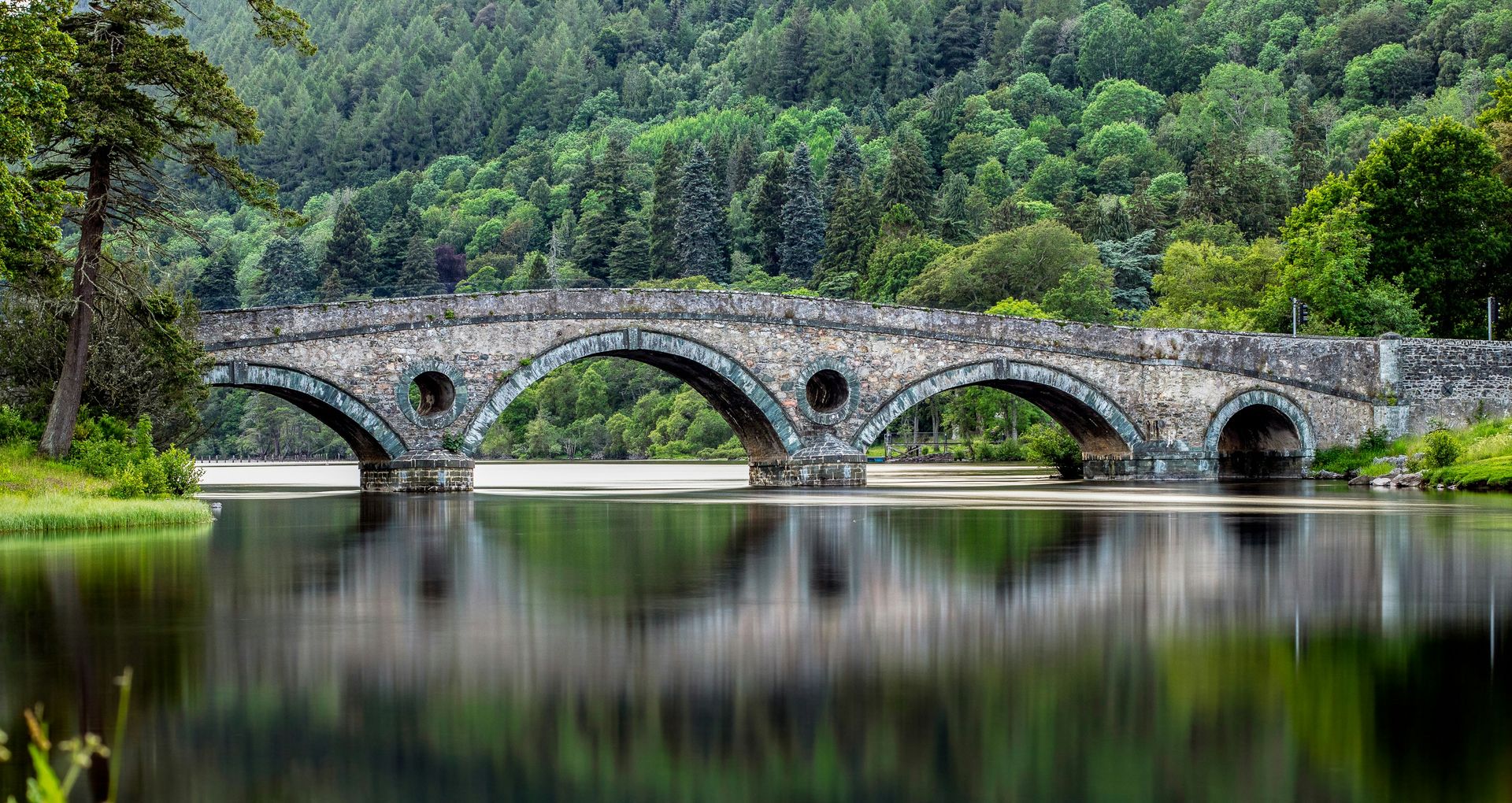
The blue-gray lochs and their weather reflections, the surface shifting from silver to pewter to near-black as clouds move overhead, give the landscape a dynamic visual quality that makes it worth extended time, not a quick drive-through. Killiecrankie Gorge, where the River Garry cuts through a steep wooded ravine north of Pitlochry, is one of Scotland’s most dramatic non-mountain landscapes and accessible from a pleasant riverside walk. The Hermitage near Dunkeld, a woodland trail leading to Ossian’s Hall and the spectacular Braan Falls, is another concentrated natural experience in a small geographic area.
The Snow Roads Scenic Route, a 90-mile driving circuit between Blairgowrie and Grantown-on-Spey passing through Braemar and Ballater, covers two high mountain passes and a series of landscape artworks at viewpoints along the route. The passes at Glenshee and the Lecht are ski centers in winter and open moorland in summer, offering a distinctive type of Scottish upland scenery that the more visited Highland routes don’t always reach. Pitlochry itself, the most central Perthshire town, makes a practical base with an unusually good range of accommodation and restaurants for its size, a Festival Theatre running productions from spring through autumn, and immediate access to river walks and the fish ladder at the Pitlochry Dam. The salmon observation window at the Pitlochry Dam visitor center, where Atlantic salmon can be watched swimming upstream through the fish pass during the autumn migration, is one of the more unexpectedly moving wildlife experiences available in the central Highlands. The autumn color in Perthshire, particularly in October when the larches turn gold, and the lower woodland takes on its full seasonal range, is one of Scotland’s most underappreciated natural spectacles and coincides with good walking conditions and the end of the main tourist season’s crowding.
-900x675.jpg)
Bewahrerderwerte / Wikimedia Commons (CC BY-SA 4.0)
Skara Brae’s most striking quality is its immediacy. Most prehistoric sites require substantial imaginative effort to picture as living settlements. Skara Brae, preserved in coastal sand dunes for 5,000 years, requires almost none. The stone furniture, built-in dressers, beds, storage cisterns, and hearths, is intact and in position inside the clustered stone houses, and the domestic scale of the settlement produces a visceral connection to its Neolithic inhabitants that larger, more abstract ancient monuments don’t.
The site is older than Stonehenge and the Pyramids of Giza, which adds to its preservation value. It was discovered in 1850 when a storm stripped the dune covering that had protected it for millennia, and the excavation revealed one of the most complete Neolithic village sites in Europe. The adjacent Skaill House, a 17th-century laird’s residence, and the visitor center put the site in historical context, and the cliff-top setting above the Bay of Skaill adds a geographic drama that suits the ancient scale of what’s being viewed.
Getting to Orkney requires a ferry from Scrabster, Aberdeen, or Gill’s Bay, or a flight from Inverness or Edinburgh. Renting a car on the island is the practical way to reach Skara Brae and the other major Orcadian sites, including the Ring of Brodgar stone circle and the Stones of Stenness, both part of the Heart of Neolithic Orkney UNESCO World Heritage Site. Roads are generally good throughout Orkney, though many are single-carriageway with passing places. Orkney’s Ring of Brodgar and the Stones of Stenness, both within easy distance of Skara Brae, form part of the Heart of Neolithic Orkney UNESCO designation and are genuinely worth the time required to see all three sites in a single full day on the island’s western Mainland. Orkney’s Italian Chapel, built by Italian prisoners of war from scrap materials in the 1940s, is a remarkable piece of craft and cultural history on Lamb Holm and adds a very different historical dimension to an Orkney itinerary already dense with prehistory.
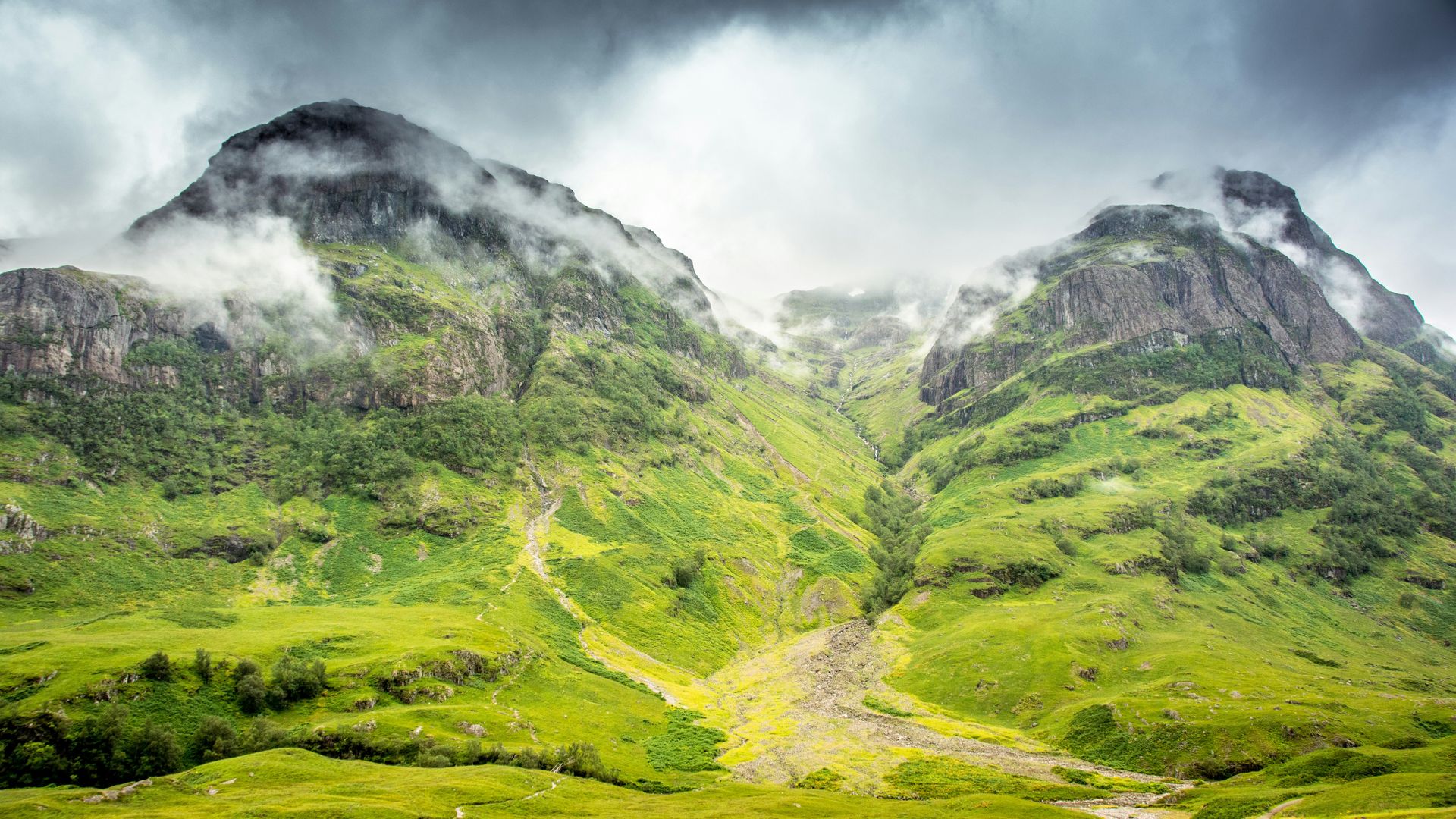
Luis Mayoral / Unsplash
Glen Coe is Scotland’s most famous glen and the one that most fully captures both dimensions of the Highland character: the spectacular and the melancholy. The valley’s mountains, the Three Sisters rising from the valley floor in a serrated wall of rock, produce some of the most dramatic glen scenery in the country. The River Coe runs through the valley floor, past ancient cliffs and boggy moorland, and the whole landscape has a grandeur that makes the two-hour drive from Edinburgh feel well worth it.
The history adds a different quality to the visit. In February 1692, soldiers of the Campbell clan murdered 38 members of the MacDonald clan here, with dozens more dying in the snow as they fled into the surrounding mountains. Many of the glen’s finest walks follow the escape routes taken by the fleeing survivors, including the path to the Lost Valley, a hidden plateau above the valley floor that sheltered those who reached it. The Glencoe Visitor Centre at the glen’s western end tells the full story and is the right starting point for any serious engagement with the site’s history.
Glencoe village, at the western end of the glen, offers accommodation, a good local museum, and access to the valley’s extensive walking trails. The Clachaig Inn, a traditional Highland pub in the glen itself, is one of the most atmospheric places to eat and drink in this part of Scotland, providing the kind of warmth that the surrounding landscape makes genuinely welcome. The Three Sisters viewpoint, accessible by a short walk from the A82 road through the glen, delivers the most immediately arresting view of the valley’s main mountain wall and is the most effective single stop for visitors with limited time. The full Lost Valley walk, at roughly four miles round-trip, rewards anyone with the fitness and footwear to manage the rocky approach. The National Trust for Scotland visitor center at the glen’s western end provides the most thorough account of the massacre’s context and aftermath, and reading the full account gives the subsequent walk through the glen a historical weight that the landscape’s beauty alone doesn’t fully communicate.
