
Elon Musk’s artificial intelligence startup, xAI, is reportedly expanding its latest funding round to $20 billion, roughly double earlier estimates, as investor appetite for AI infrastructure continues to surge.
The raise uses a special-purpose vehicle to keep debt off Musk's balance sheet and hardware in investors’ hands
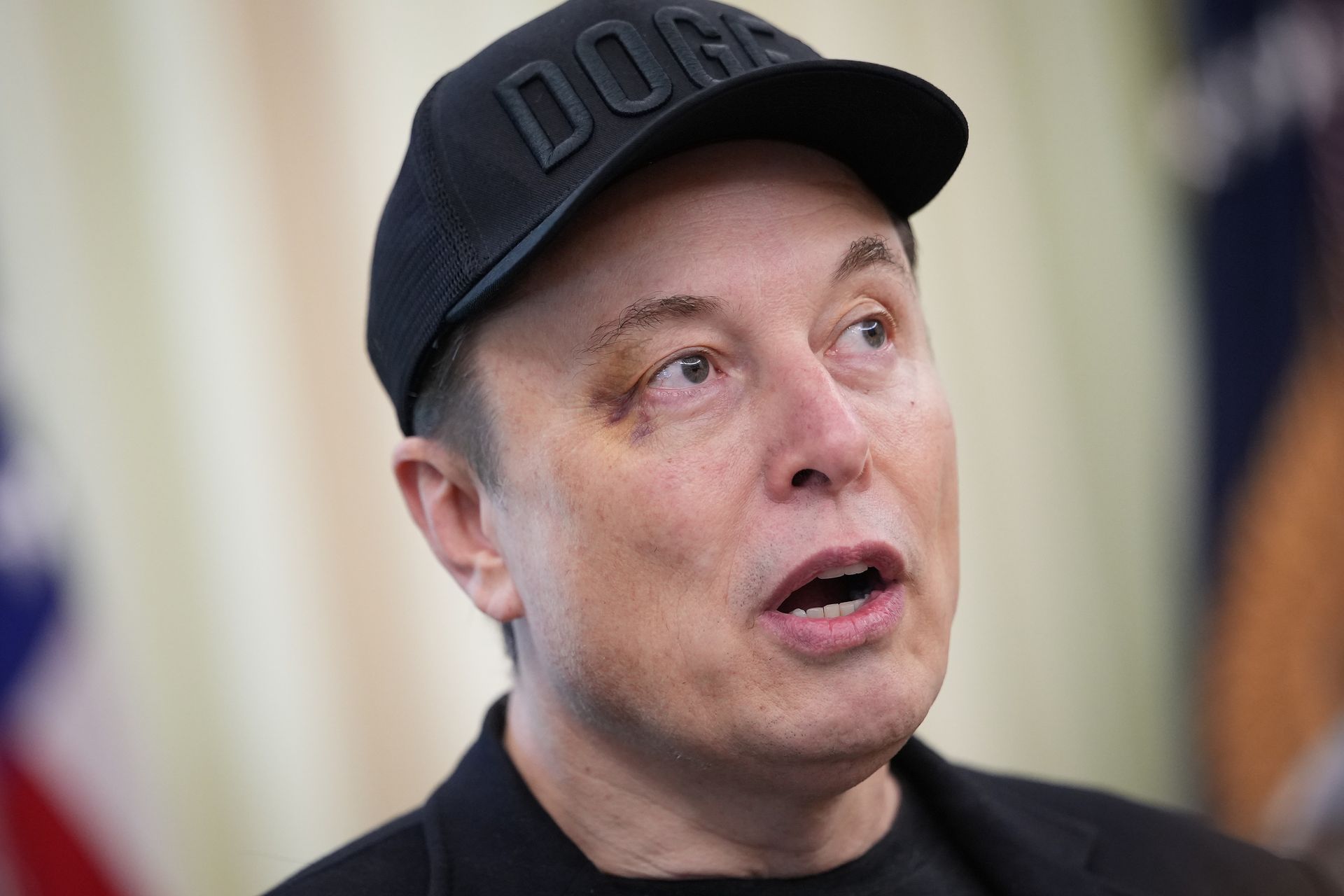
Photo by Kevin Dietsch/Getty Images
Elon Musk’s artificial intelligence startup, xAI, is reportedly expanding its latest funding round to $20 billion, roughly double earlier estimates, as investor appetite for AI infrastructure continues to surge.
According to Bloomberg, the round will combine about $7.5 billion in equity and up to $12.5 billion in debt, using a creative structure that allows xAI to rent, instead of directly owning, its AI chips. The financing is expected to flow through a special-purpose vehicle that will buy Nvidia $NVDA chips and lease them back to xAI for five years. In this way, the vehicle, not xAI, retains the debt.
Such a setup gives financiers collateral in the form of hardware, while letting Musk’s company scale its compute power without adding traditional corporate debt.
Nvidia, the globe’s dominant AI chipmaker, will be investing roughly $2 billion in the equity portion of the deal, joining backers including Apollo Global Management, Diameter Capital Partners, and Valor Capital, Bloomberg reported, citing people familiar with the matter. The funds will go toward xAI’s next major data-center buildout, known as Colossus 2, which is located near Memphis and which Musk has framed as central to developing next-generation AI models.
The deal underlines how massive injections of capital are shaping the AI revolution — the “most expensive corporate battle of the 21st century” as the Wall Street Journal describes it.
For xAI, which Bloomberg previously reported is burning close to $1 billion a month, the latest infusion could be critical. Still, Nvidia and other rumored participants declined to confirm the deal. Musk, for his part, has denied the $1 billion monthly burn rate and also insisted on X $TWTR last month that the company is “not raising any capital right now." News to the contrary is, he wrote, "fake news."
Musk's public denial of fundraising may come down to optics and semantics. The structure of the $20 billion deal, including the special-purpose vehicle and leased chips, may let him argue the company isn’t technically “raising any capital.”
It also fits a familiar pattern. Musk frequently downplays financing efforts, the better to project strength and control the narrative. Acknowledging the raise outright might increase capital costs, with perceived need amplifying perceived risk. It could also invite scrutiny from Tesla $TSLA shareholders and regulators, so it’s easier — and perhaps true, in a narrow sense — to say he isn’t raising cash, even as money floods in on his behalf.
Join 500,000+ readers who start their day with Quartz.
By subscribing, you agree to our Terms of Service and Privacy Policy.