Marc Dozier / Getty Images
Australia and the Pacific islands occupy a category of travel defined less by individual destinations than by the effort required to reach them. The flights are long, the time zones are extreme, and the cost of getting there from North America or Europe makes the region a once-or-twice-in-a-lifetime commitment for most travelers. The payoff for that commitment is access to some of the planet’s most singular environments: a reef system that stretches for 1,400 miles along a continental coastline, a French Polynesian island chain where overwater bungalows float above clear lagoons, a Tasmanian wilderness that shelters animals found nowhere else on Earth, and a New Zealand island large enough to contain fjords, glaciers, and vineyards within a single landmass.
The geographic range covered by “Australia and the Pacific” is so vast that the destinations within it share almost nothing beyond their broad oceanic context. A traveler planning a trip to Bora Bora and a traveler planning a trip to Tasmania are making entirely different decisions, shaped by different budgets, different interests, and different thresholds for remoteness. The diversity of experiences on offer — romantic luxury resort stays, extreme outdoor adventure, wildlife encounters, urban culture, wine country exploration — is wider here than in almost any other regional travel category, which makes choosing well more consequential than in destinations with more uniform options.
The 10 destinations below come from U.S. News & World Report’s ranking of the best places to visit in Australia and the Pacific, which evaluated locations based on user votes, expert opinion, tourist-friendly accommodation infrastructure, and the variety of attractions each destination offers. The list spans French Polynesia, New Zealand, Australia, and Fiji, covering island escapes, continental cities, wilderness parks, and reef systems, so travelers can identify the destination that fits their specific goals before committing to the journey.
1 / 10
Michele Westmorland / Getty Images
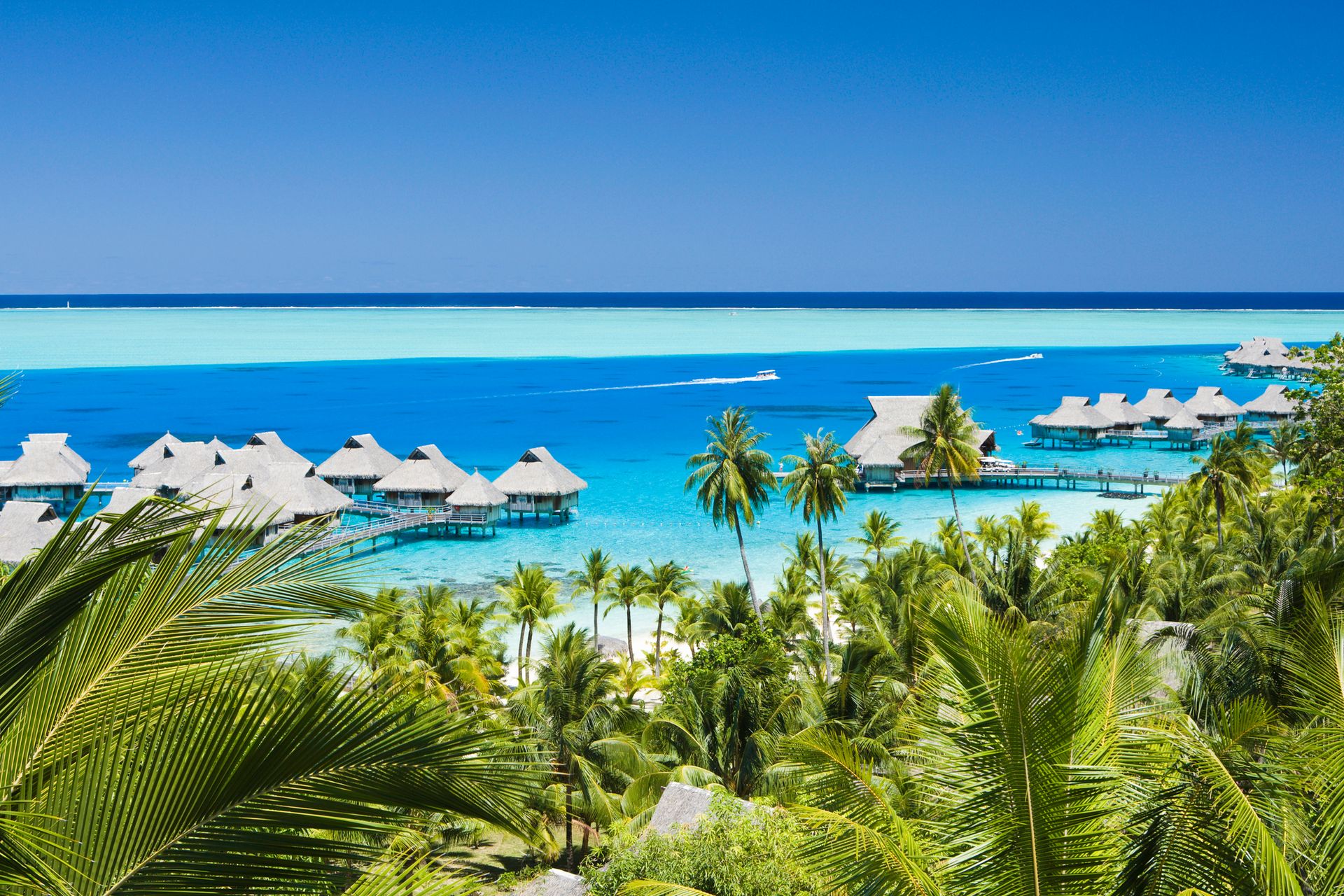
Bora Bora, a French Polynesian island in the South Pacific, earns its reputation as one of the world’s premier luxury travel destinations through a physical setting that combines an aquamarine lagoon, white sand beaches, lush jungle interior, and the dramatic volcanic peak of Mount Otemanu in a geography compact enough to experience fully in a week. The overwater bungalow — a room built on stilts above the lagoon, with glass floors and direct water access — originated in French Polynesia and remains most closely associated with Bora Bora, making the island the global reference point for the format. Honeymooners and anniversary travelers constitute a significant share of its visitors, and the resort infrastructure across the island is calibrated to that audience, with spa facilities, private plunge pools, and sunset dinner settings that are difficult to replicate elsewhere.
The coral reef surrounding the lagoon supports a marine ecosystem that snorkelers and divers can explore without leaving the island’s immediate waters. Tour operators offer excursions that include encounters with sharks and stingrays in the lagoon, and the water's clarity gives both snorkelers and divers visibility conditions that rival those of more famous dive sites elsewhere in the Pacific. The mountains at the island’s center offer hiking terrain above the beach level, and guided jungle walks provide a contrasting environment to the water-focused activities that dominate most Bora Bora itineraries.
The cost of a Bora Bora trip, even by luxury travel standards, runs high when flights, resort accommodation, and inter-island transfers are booked separately. Bundling a flight and hotel package reduces the total outlay, and travel to the island almost always routes through Papeete, the capital of French Polynesia on the nearby island of Tahiti, making it practical to combine both destinations in a single trip. Bora Bora’s status as the “Pearl of the Pacific” — a label that refers specifically to the lagoon’s color and quality of light — reflects a visual distinctiveness that photographs convey but do not fully prepare visitors for on arrival.
2 / 10
simonbradfield / Getty Images
New Zealand’s South Island is the country’s largest landmass and a destination that rewards travelers who prioritize physical engagement with landscape over urban amenity. The island’s terrain encompasses fjords, glaciers, alpine lakes, vineyard valleys, and coastal bird sanctuaries within a geography that most visitors spend at least two weeks exploring without exhausting the available experiences. The outdoor activities are the primary draw, and the range is wide enough to accommodate travelers at every fitness level, from a gentle kayak across Abel Tasman National Park’s sheltered bays to a challenging multi-day trek through the Milford Sound area.
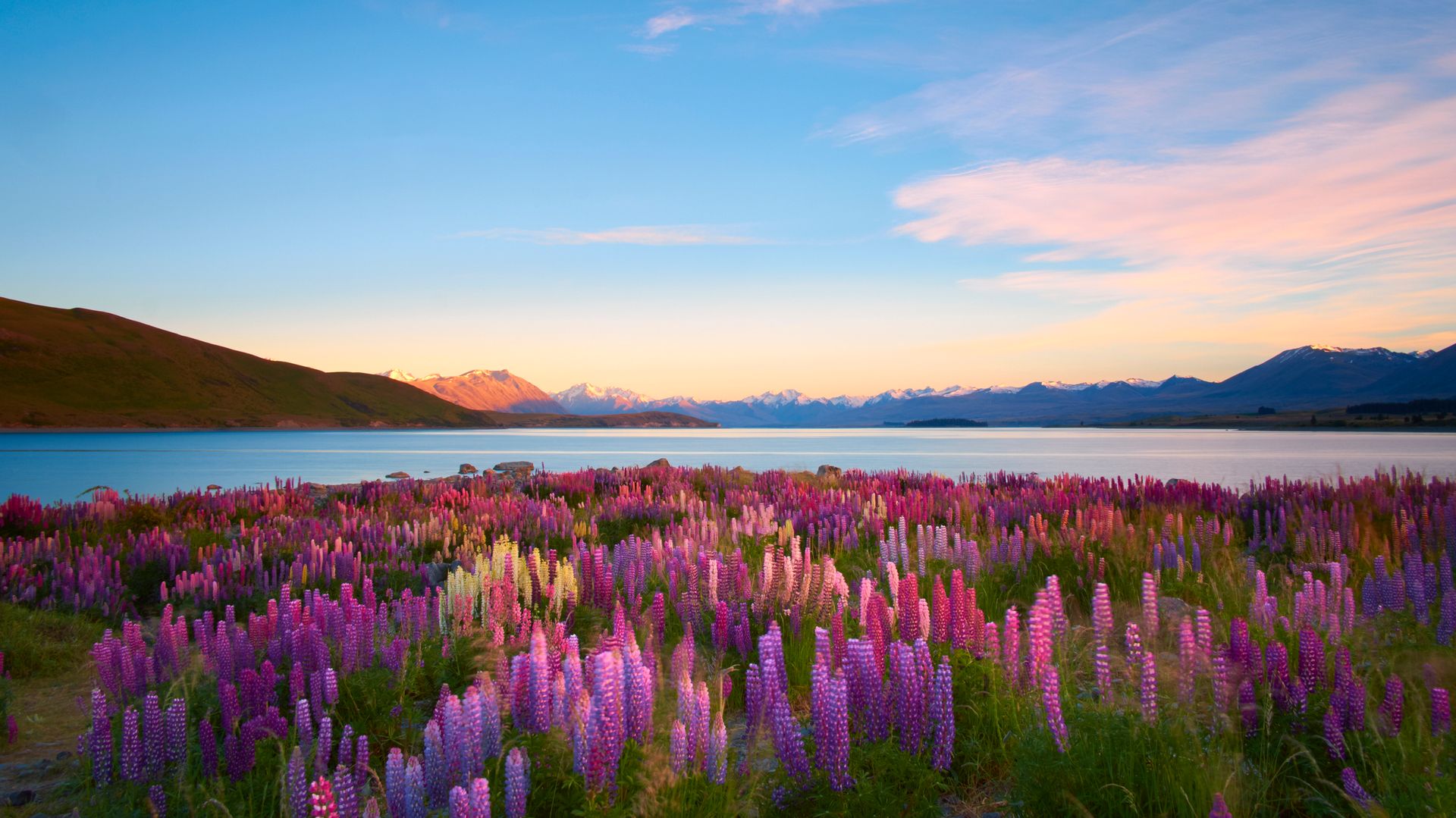
Lake Tekapo, in the Mackenzie Basin in the island’s center, gives hikers turquoise water framed by golden tussock grassland and the Southern Alps in the background, and the University of Canterbury Mount John Observatory above the lake uses the basin’s exceptionally dark skies for astronomical research. Stargazing tours operate from the observatory for visitors, and the Mackenzie Basin holds UNESCO Dark Sky Reserve status, making it one of the best places in the Southern Hemisphere to observe the night sky. The Otago Peninsula, at the southeastern corner of the island, supports populations of albatrosses, penguins, and sea lions, and is accessible from the city of Dunedin, which also contains the Victorian-era Larnach Castle and Gardens.
The wine regions of the South Island draw a different kind of visitor. Marlborough, in the northeastern corner of the island, produces sauvignon blanc that carries global recognition, and the cellar door circuit around the region gives food-and-drink-focused travelers a full day of tastings without leaving the valley. Christchurch, the island’s largest city, functions as a practical entry and exit point and offers a street art scene that developed in the years following the 2010 and 2011 earthquakes, which damaged much of the central city and prompted a creative rebuilding effort that transformed formerly empty lots and building facades into public art galleries.
3 / 10
Marten Snijders / Getty Images
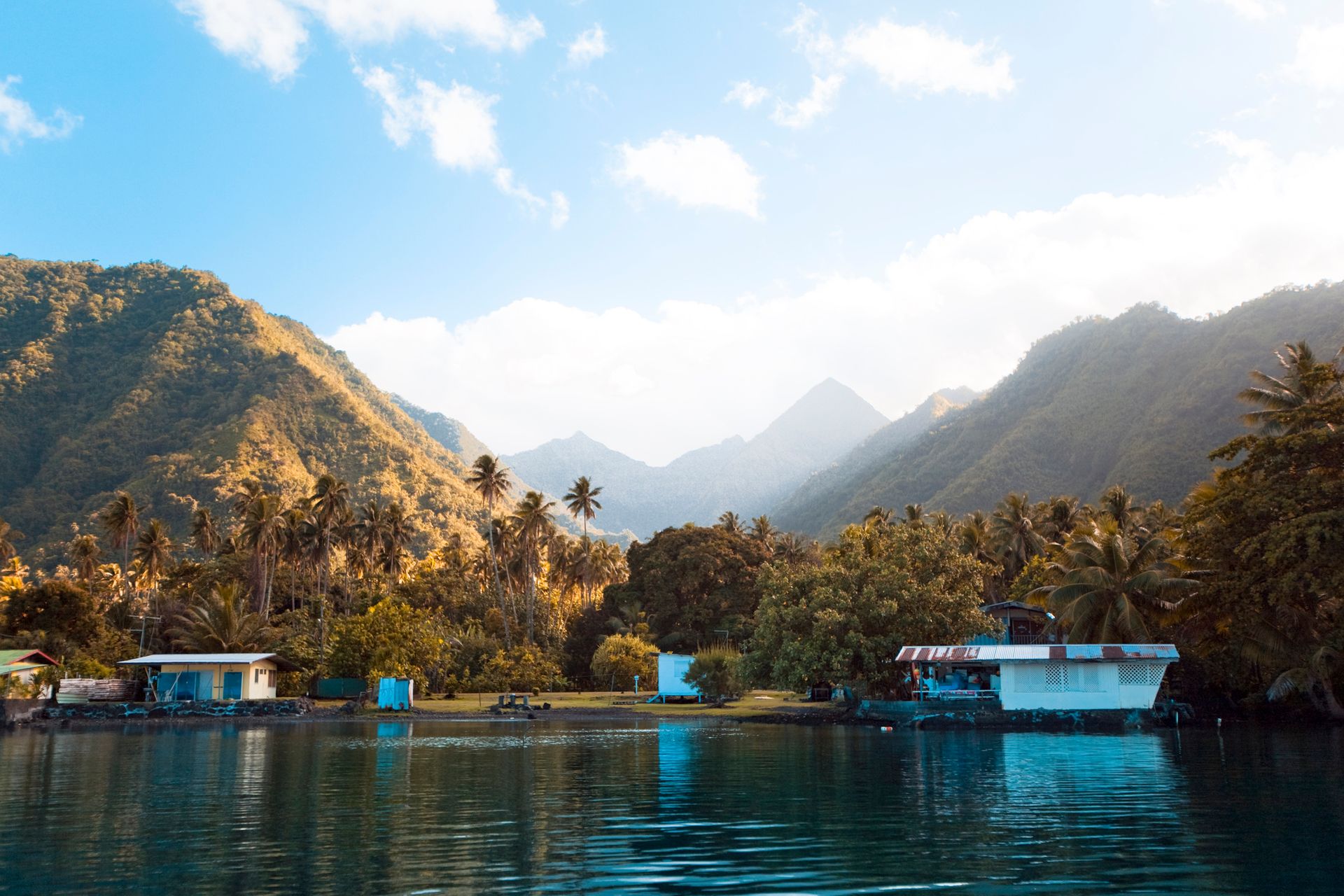
Tahiti, the largest island in French Polynesia and the hub of the region’s air connections, offers a more varied and less resort-dependent experience than Bora Bora while sharing the same South Pacific lagoon and mountain setting. The island’s beaches are divided by sand color and character in a way unusual for a single destination: La Plage de Maui provides white sand adjacent to a shallow lagoon suited to swimming and snorkeling, Papenoo Beach offers a dark volcanic sand environment that attracts surfers seeking the Atlantic-influenced break, and Taharuu Beach provides another black sand option favored by families for its calmer conditions.
The island's interior rewards visitors who venture beyond the coast. Waterfalls cascade from the mountains in the central part of the island, and the volcanic peaks that give Tahiti its dramatic silhouette from the sea provide hiking terrain above the coastal resort zone. The island’s road circuit — Tahiti is large enough that a full circumnavigation takes most of a day by car — passes through villages, overlooks, and agricultural land that provide context for the island’s French Polynesian cultural identity beyond the capital's tourist infrastructure.
Papeete, Tahiti’s capital and the administrative center of French Polynesia, functions as a genuine city with markets, waterfront restaurants, and a cultural life that reflects the blend of Polynesian and French influences that characterizes the territory. The neighboring island of Moorea, visible from Papeete across a channel roughly 11 miles wide, is accessible by ferry in under 30 minutes and offers a quieter, less developed version of the French Polynesian island experience for travelers who want a day trip or a multi-night extension. Tahiti’s role as the primary air hub for the region makes it a natural starting point for any French Polynesian itinerary, and the island’s own attractions justify spending several days there instead of treating it purely as a transit stop.
4 / 10
Holger Leue / Getty Images
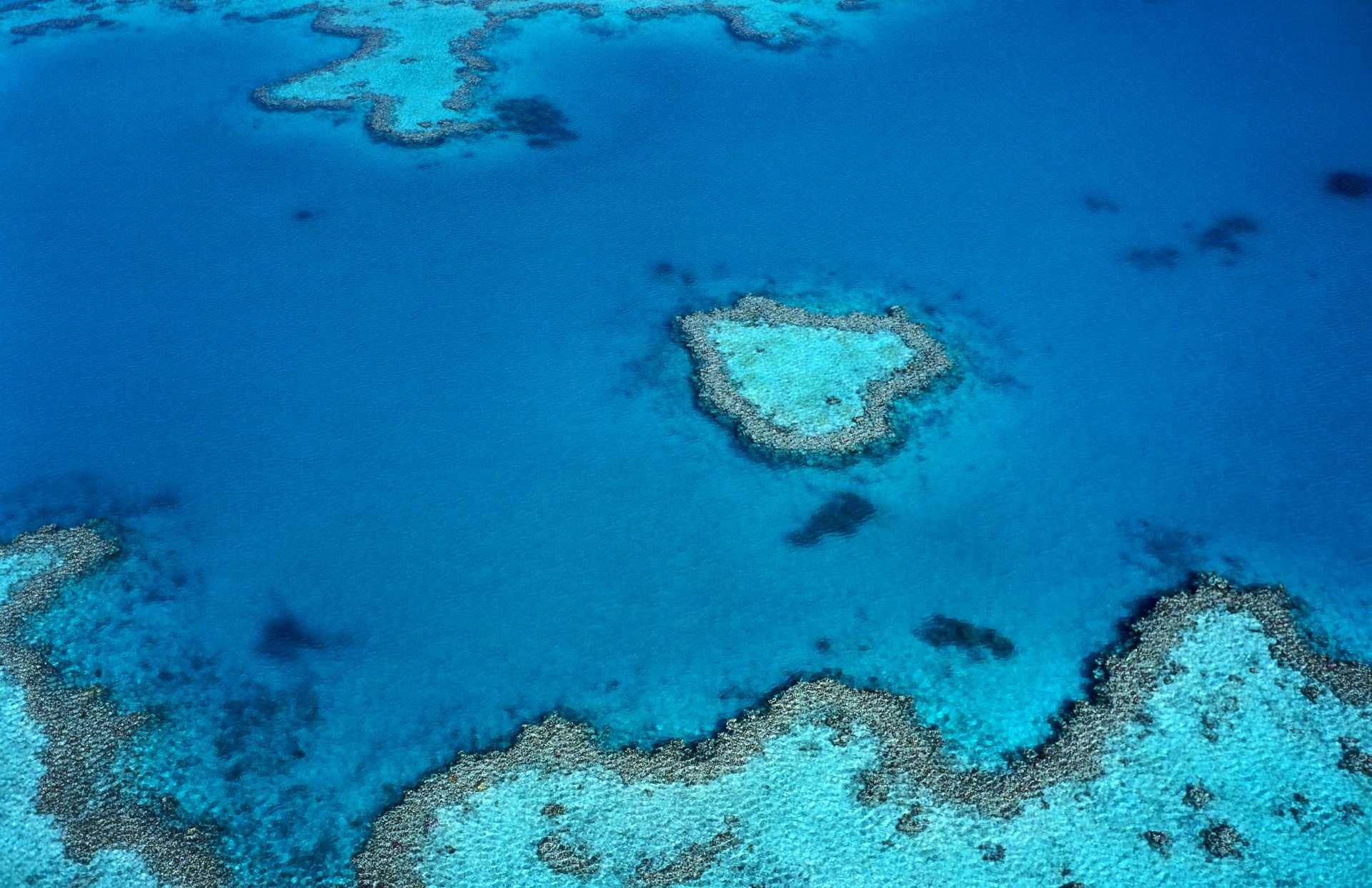
The Great Barrier Reef extends for more than 1,400 miles along Australia’s northeastern coast, making it the largest coral reef system in the world and one of the few living structures visible from space. The reef’s scale is difficult to conceptualize from within it — any given dive or snorkel covers a fraction of the total system — but the diversity of marine life within that system ensures that every entry into the water produces encounters with species and formations distinct from the last. Helicopter overflights and glass-bottom boat tours offer a different perspective on the reef’s geography for visitors who prefer not to get in the water or want to appreciate the reef's scale from above.
The reef faces documented environmental pressure from ocean warming, coral bleaching events, and crown-of-thorns starfish outbreaks, and the condition of any given section varies depending on its location and recent history. The outer reef sections tend to have the most intact coral cover, and tour operators departing from Cairns and Port Douglas provide access to them via day boats and liveaboard dive vessels. The town of Port Douglas, roughly an hour north of Cairns along the coast, provides a quieter base than Cairns for travelers who want proximity to the reef without the larger city’s tourist infrastructure.
The Daintree Rainforest, accessible from the same Cairns and Port Douglas base, adds a second UNESCO World Heritage Site to the same regional visit. The Daintree is the oldest tropical rainforest in the world and supports plant and animal species with evolutionary lineages that predate the formation of the Amazon $AMZN. The proximity of two UNESCO sites — the reef and the rainforest — within a single regional base makes the Cairns and Port Douglas area the most destination-dense entry on this list for travelers who want to cover significant natural heritage within a short visit.
5 / 10
Michele Westmorland / Getty Images
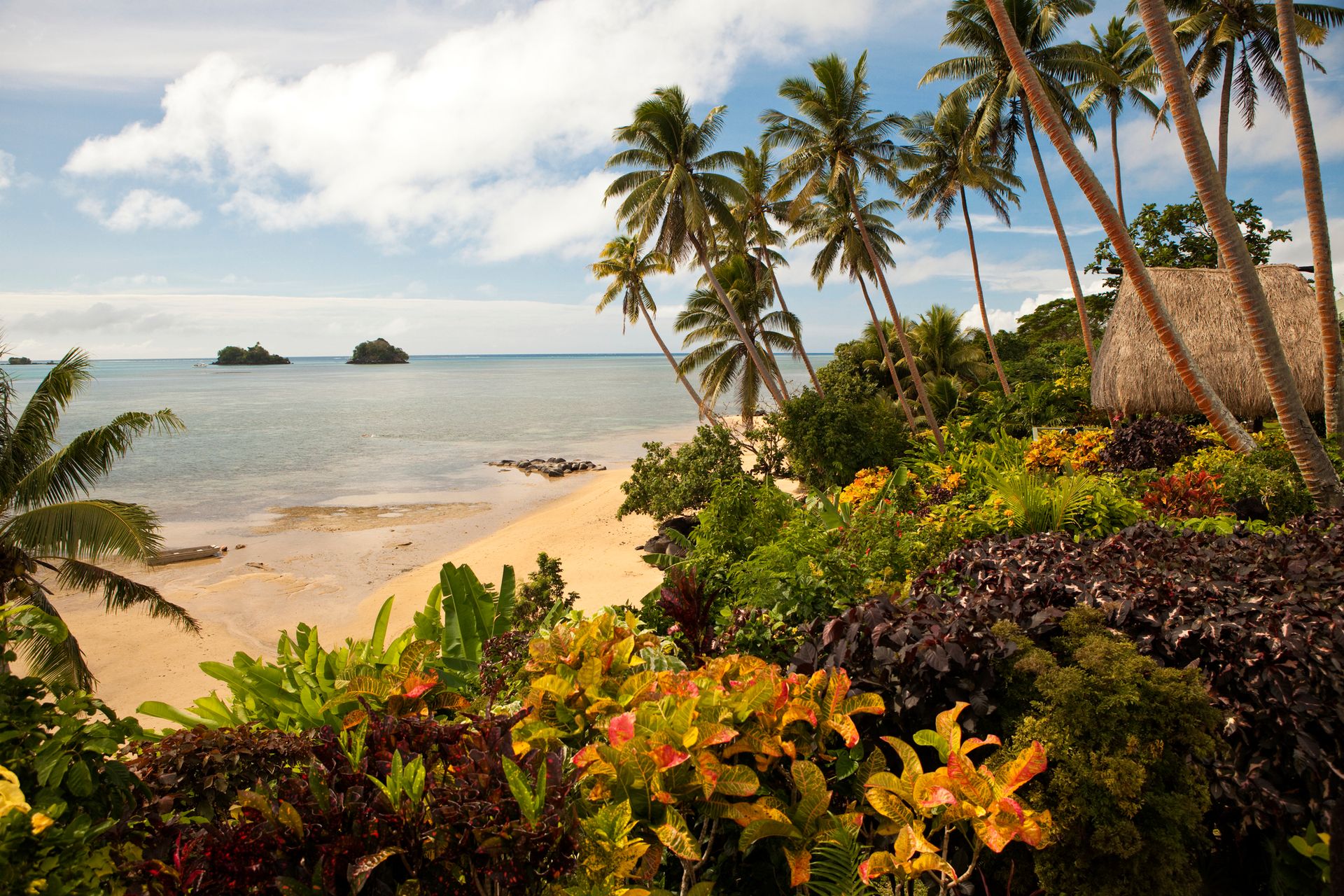
Fiji’s roughly 300 islands spread across the South Pacific and offer a breadth of beach environments and cultural experiences that few multi-island destinations in the region match. The Yasawa and Mamanuca island groups, northwest of the main island of Viti Levu, concentrate the classic Fijian beach experience: shallow turquoise water, white sand, coral reef snorkeling, and resort accommodation at a range of price points. The Mamanucas are accessible by fast boat from the main island within an hour, making them a practical choice for visitors with limited time, while the more remote Yasawas reward travelers who can spend multiple nights moving between islands.
The adventure activity options extend the destination well beyond beach tourism. Dormant volcanoes on several of the islands provide hiking terrain with summit views across the island groups. Coral reef snorkeling and scuba diving are available throughout the island chain, and the reefs of the Fiji archipelago support a diversity of hard and soft coral species that give the diving a different character from the Great Barrier Reef’s largely hard-coral environment. The golf courses on the main island and the larger resort islands cater to travelers looking for a leisure-sport component to their trip.
The cultural dimension of a Fiji visit sets it apart from other Pacific island destinations that concentrate on natural scenery. The firewalking ceremony on Beqa Island, in which participants walk across heated stones without apparent injury, draws on a tradition specific to the island’s Sawau clan and operates as a genuine cultural practice with documented history, not a tourist performance staged for visitors. The kava ceremony — the ritual sharing of a mildly sedative drink made from the ground root of the pepper plant — is a standard part of social and formal occasions throughout Fiji and provides visitors who participate with direct access to an active cultural tradition. Fijian hospitality culture, expressed through the greeting “bula” and the social customs that surround food and gathering, gives the islands a warmth that travelers frequently cite as the defining quality of their visit, and the cultural engagement available on the smaller, less resort-developed islands of the Yasawa group runs deeper than anything the Mamanucas’ day-trip circuit can offer.
6 / 10
Gallo Images / Getty Images
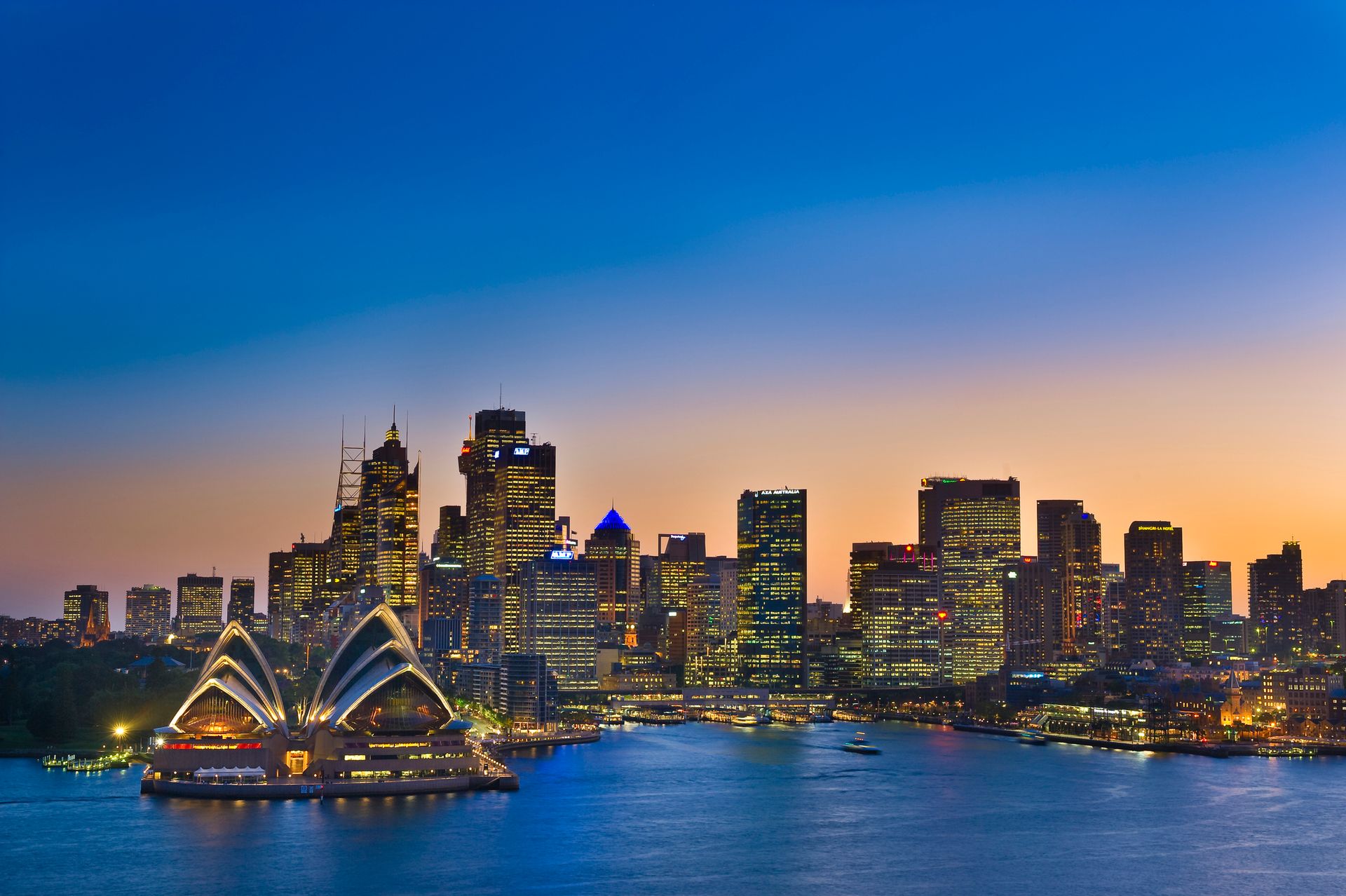
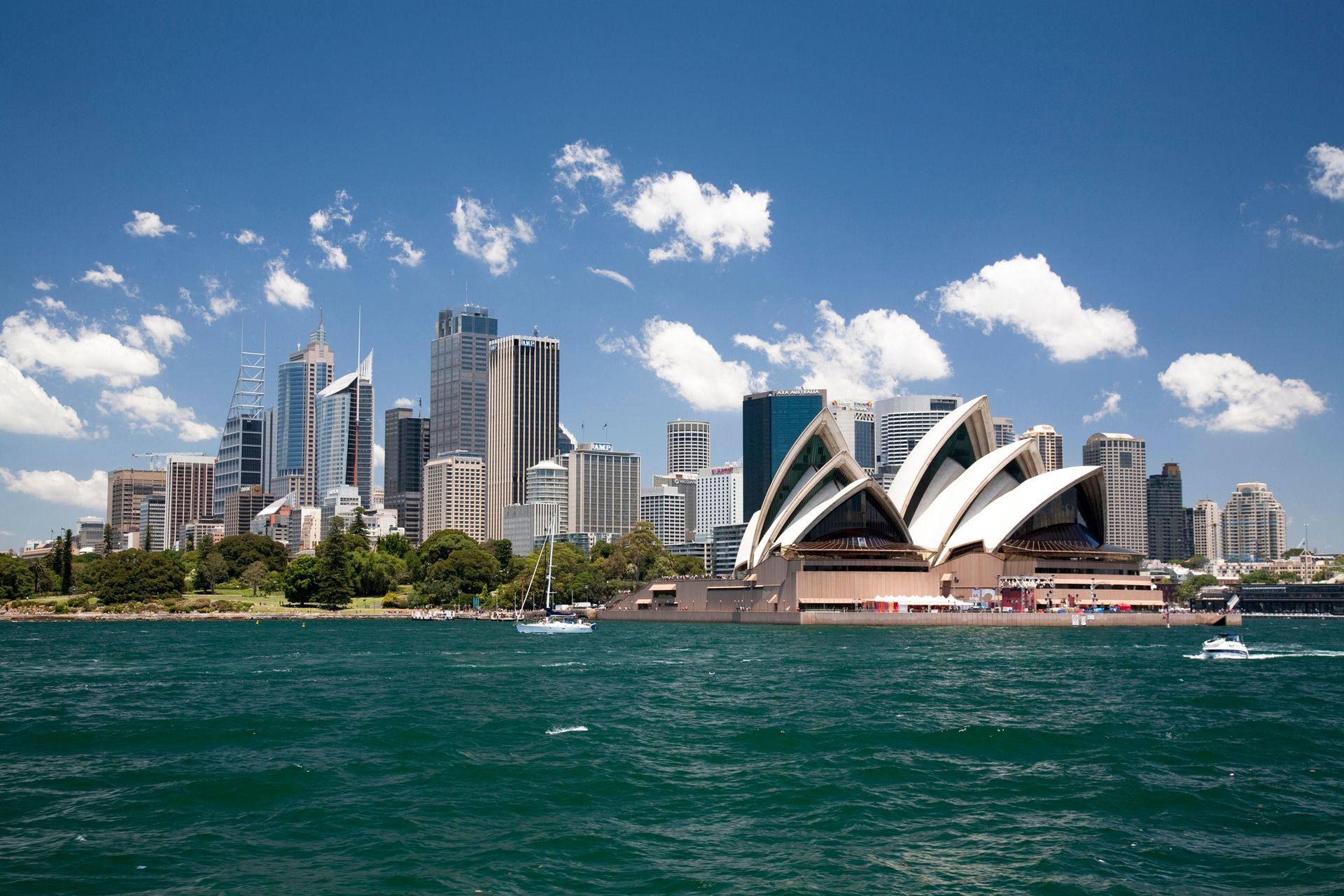
Sydney occupies a position among the world’s most celebrated cities based on a physical setting — a deep harbor surrounded by sandstone headlands, with Pacific Ocean beaches a short drive from the central business district — that gives it a dual identity unavailable to most urban centers. The harbor itself functions as a public amenity, accessible by ferry, kayak, and swimming from multiple points, and the Sydney Harbour Bridge provides both a transport corridor and a tourist attraction in the form of the BridgeClimb, which takes visitors to the arch’s summit for views across the harbor and the city.
The Sydney Opera House, on Bennelong Point at the harbor’s edge, is the city’s defining landmark and one of the most recognizable pieces of 20th-century architecture in the world. Performances range from opera and orchestra to contemporary music and spoken word, and advance booking is required for popular productions. The building’s exterior shell structure is worth visiting independently of any performance, and the surrounding forecourt operates as a public gathering space throughout the day. Darling Harbour, on the western side of the central business district, concentrates museums, restaurants, and the Australian National Maritime Museum within a waterfront precinct that provides an afternoon’s worth of activity without leaving the harbor precinct.
The beach suburbs of Bondi and Coogee, accessible by bus from the city center, anchor the coastal side of Sydney’s character. The Bondi to Coogee Coastal Walk connects the two beaches along a clifftop path with views south across the Tasman Sea and passes several additional swimming beaches and ocean pools along the route. The Blue Mountains, roughly 50 miles west of the city, offer a day-trip destination with dramatic sandstone escarpments, valley lookouts, and bushwalking trails for travelers who want a break from the urban and coastal environment that defines Sydney at its most characteristic. Vivid Sydney, a neon light and music festival held annually, and the Biennale of Sydney, a multidisciplinary arts event held every other year, give the city a cultural events calendar that makes the timing of a visit relevant to the overall experience beyond the static attractions.
7 / 10
O. Alamany & E. Vicens / Getty Images
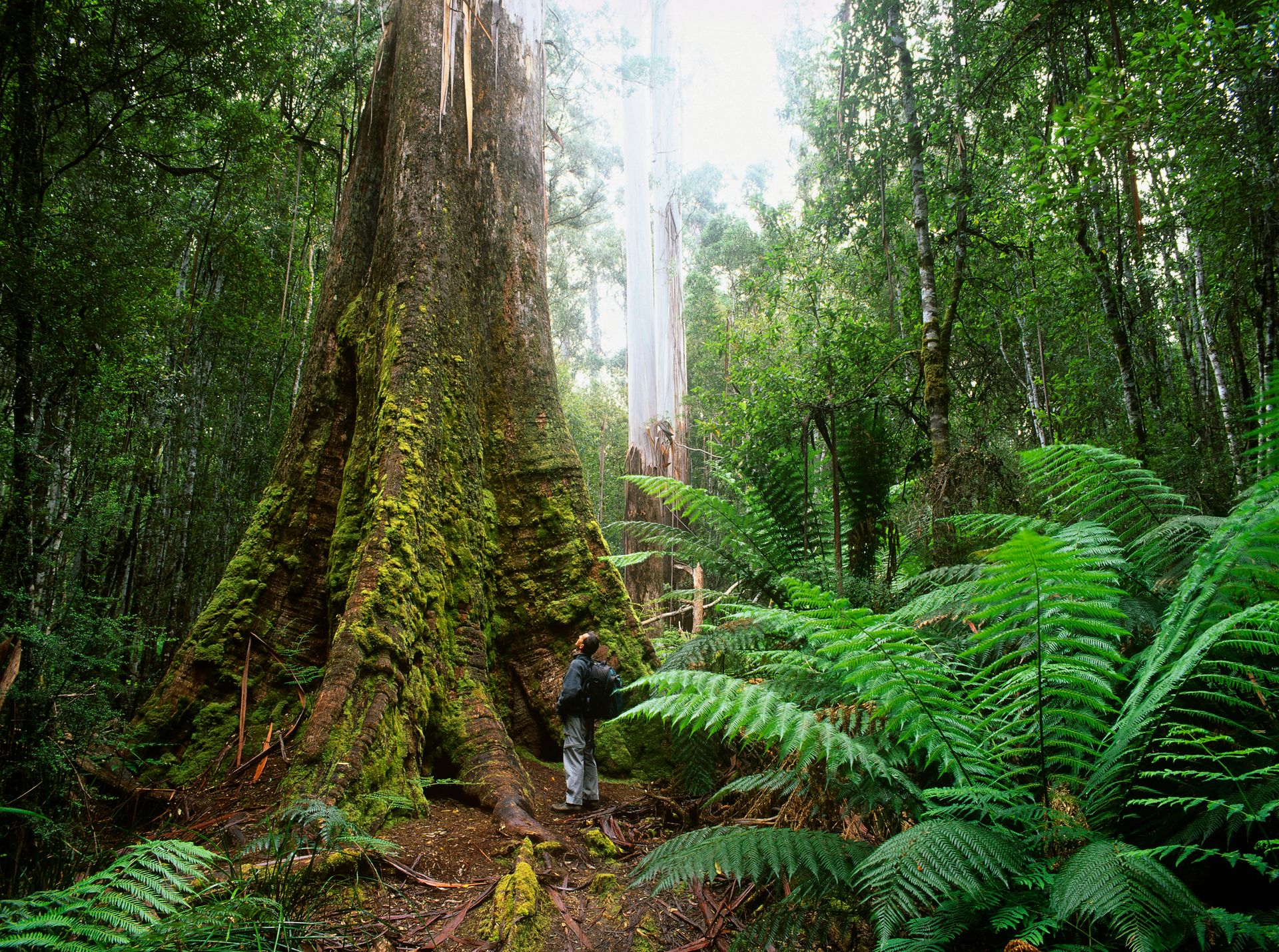
Tasmania, the island state off Australia’s southeastern tip, draws visitors seeking wilderness experiences unavailable on the mainland. The island’s national parks — Wellington Park and Cradle Mountain-Lake St Clair among the most prominent — provide hiking terrain that ranges from accessible day walks to multi-day alpine treks across buttongrass moorland, dolerite peaks, and glacial lakes. Freycinet National Park on the east coast adds a coastal wilderness element, with the pink granite peaks of the Hazards Mountains rising above the white sand crescent of Wineglass Bay, and the park’s kayaking and swimming options give the coastal environment a water-based dimension alongside hiking.
The wildlife is the most distinctive feature of a Tasmanian visit. Tasmanian devils, the carnivorous marsupials whose vocalizations gave the island its most famous resident a name that stuck globally, are endemic to Tasmania and have no wild counterpart anywhere else in the world. Platypuses, wombats, and wallabies share the island’s wilderness, and the Bonorong Wildlife Sanctuary near Hobart provides reliable access to many of these species for visitors whose wilderness hiking does not produce an encounter in the field. These species — particularly the devil and the platypus, two animals that appear implausible even to visitors who have studied them in advance — give Tasmania’s wildlife viewing a quality of genuine surprise that more heavily visited animal destinations rarely deliver.
The food and drink culture in Hobart and Launceston provides a counterpoint to the outdoor focus. Tasmania has developed a reputation for locally produced cider, whiskey, and cool-climate wine over the past two decades, and the cellar-door and distillery circuit around both cities offers food-focused travelers a structured way to spend an evening after a day in the national parks. MONA, the Museum of Old and New Art in Hobart, adds a major contemporary art institution to a city otherwise defined by its harbor, colonial history, and proximity to wilderness, and the museum’s deliberately provocative collection draws visitors who would not typically travel to Tasmania for arts tourism.
8 / 10
naphakm / Getty Images
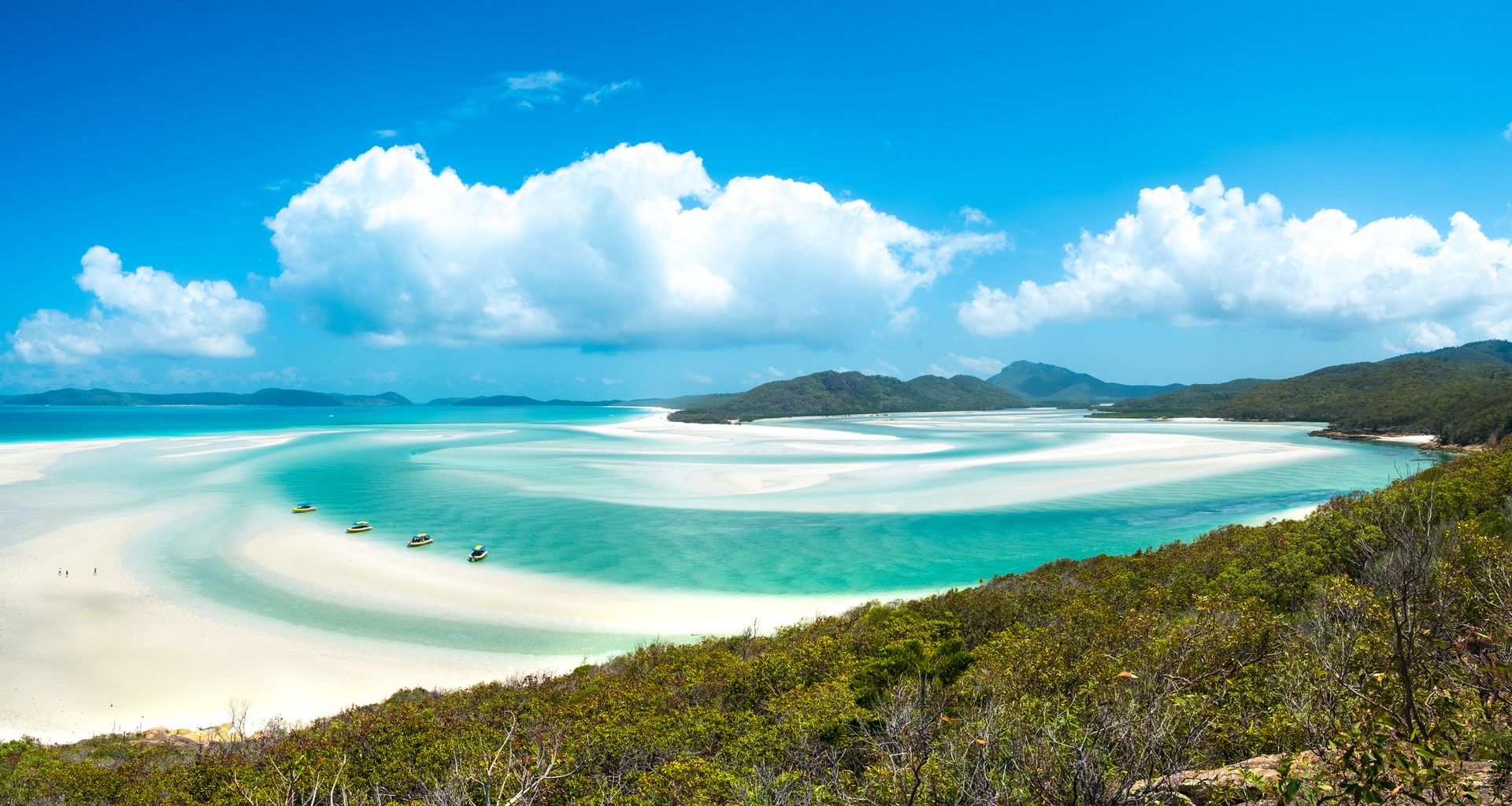
The Whitsunday Islands form an archipelago of 74 islands off the northeastern coast of Queensland and function primarily as a sailing destination, with the sheltered waters between the islands providing conditions well-suited to bareboat and crewed charter sailing, catamaran day trips, and motor vessel excursions between the island beaches. Hamilton Island, the largest inhabited island in the group and the primary air entry point into the Whitsundays, supports a range of accommodation from budget cabins to luxury resort rooms, and the island’s restaurants and services provide a base for day trips to the surrounding islands without requiring visitors to sleep aboard a vessel.
Whitehaven Beach, on Whitsunday Island itself, holds a reputation as one of the finest beaches in Australia, with silica sand so fine and white that it does not retain heat and water clarity that reveals the sand patterns below the surface from the air. The beach stretches for roughly four miles and is accessible only by boat or seaplane, which keeps it clear of the day-tripper crowds that would otherwise overwhelm a beach of this quality within driving distance of a city. Snorkeling off the beach and around the nearby Hill Inlet reveals the coral communities that fringe the island’s underwater edges.
Long Island, within the Whitsunday group, offers around 10 miles of bushwalking trails through national park terrain for visitors who want a physical activity option beyond water sports. The Whitsunday Islands also sit within range of the outer Great Barrier Reef, and day trips from Hamilton Island reach the reef’s edge in under two hours by fast boat. The proximity to the reef means that a Whitsunday Islands trip and a Great Barrier Reef trip can be combined into a single itinerary based in the same accommodation, which makes the Whitsundays the most practical entry point on this list for travelers who want to experience both destinations without doubling their logistics.
9 / 10
PETER HARRISON / Getty Images
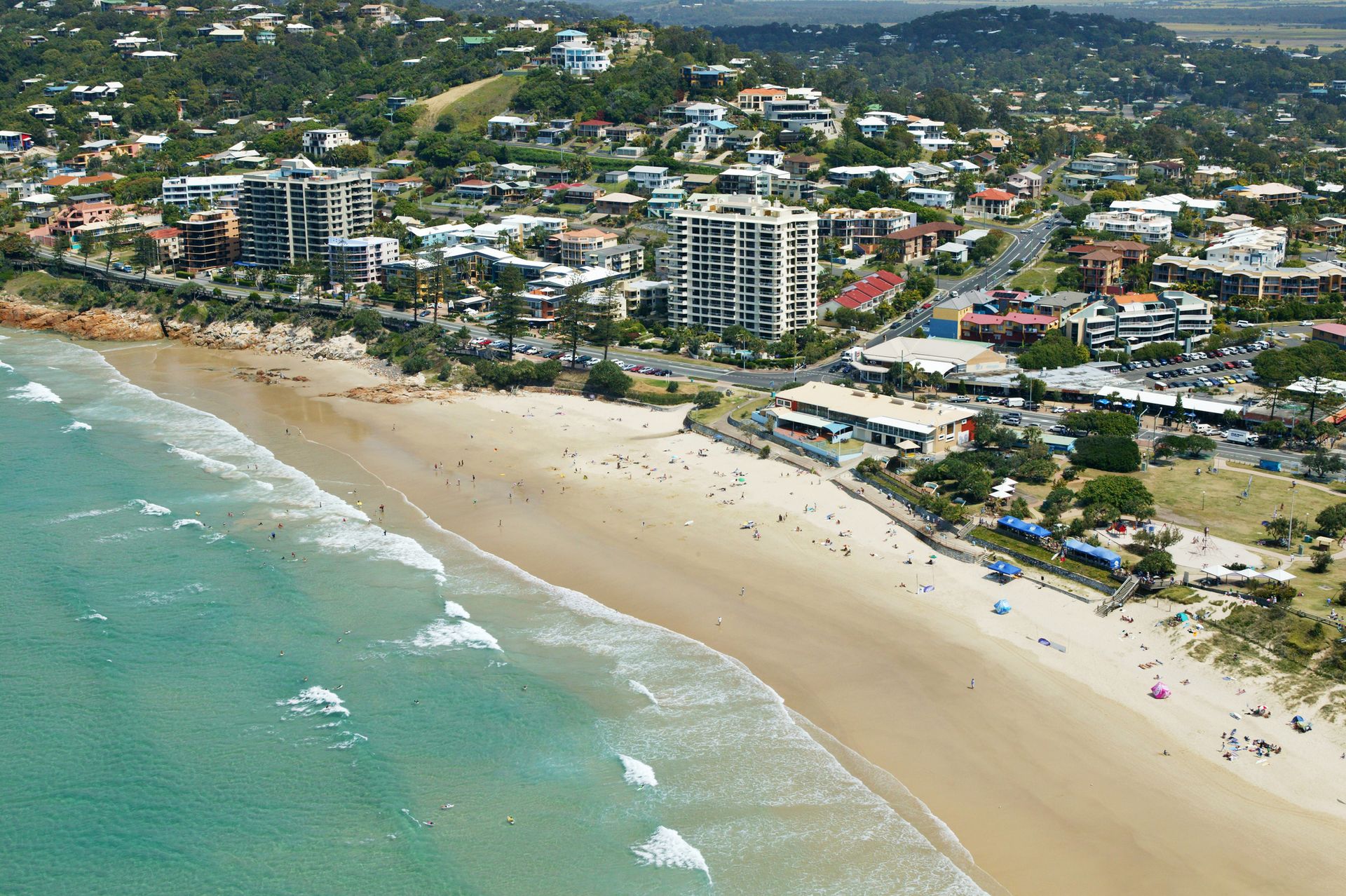
Queensland’s Sunshine Coast stretches along the Pacific coast north of Brisbane, roughly between Caloundra in the south and Great Sandy National Park in the north, and combines beach resort culture with wildlife tourism and culinary activity in a way that distinguishes it from the Gold Coast’s more entertainment-focused identity to the south. Noosa, the most prominent town within the region, operates as the Sunshine Coast’s cultural center, with year-round food, arts, and sporting festivals that give the destination a programmed calendar alongside its natural attractions. Humpback whales migrate through the waters off the Sunshine Coast between July and October, and operators based in Noosa offer swim-with-whale experiences during the migration season.
The three UNESCO-listed Biosphere Reserves that sit adjacent to one another along the coast form Australia’s Biosphere Corridor, an unusual geographic arrangement that gives the region a concentration of protected, ecologically significant land unmatched elsewhere along the Australian coast. The reserves encompass coastal dune systems, heathlands, freshwater wetlands, and marine environments, and the diversity of habitat types within walking distance of the resort towns means that wildlife encounters are not confined to organized tours but appear as a natural part of moving through the region.
Coolum Beach, between Noosa and the Sunshine Coast’s southern towns, provides surfing conditions that the area’s consistent easterly swells support reliably, with views inland to the volcanic plug of Mount Coolum adding a distinctive backdrop to the beach experience. The Steve Irwin Wildlife Reserve at Australia Zoo, affiliated with the conservationist whose career defined wildlife television for a generation, sits in the hinterland behind Noosa and draws visitors to an institution that combines genuine wildlife conservation work with a public-facing zoo and animal encounter program. The Sunshine Coast’s ability to deliver beach holidays, wildlife tourism, festival culture, and surf in a single coastal region makes it the most broadly appealing Australian mainland destination on this list for travelers who want variety without long internal travel.
10 / 10
Kamadie / Getty Images
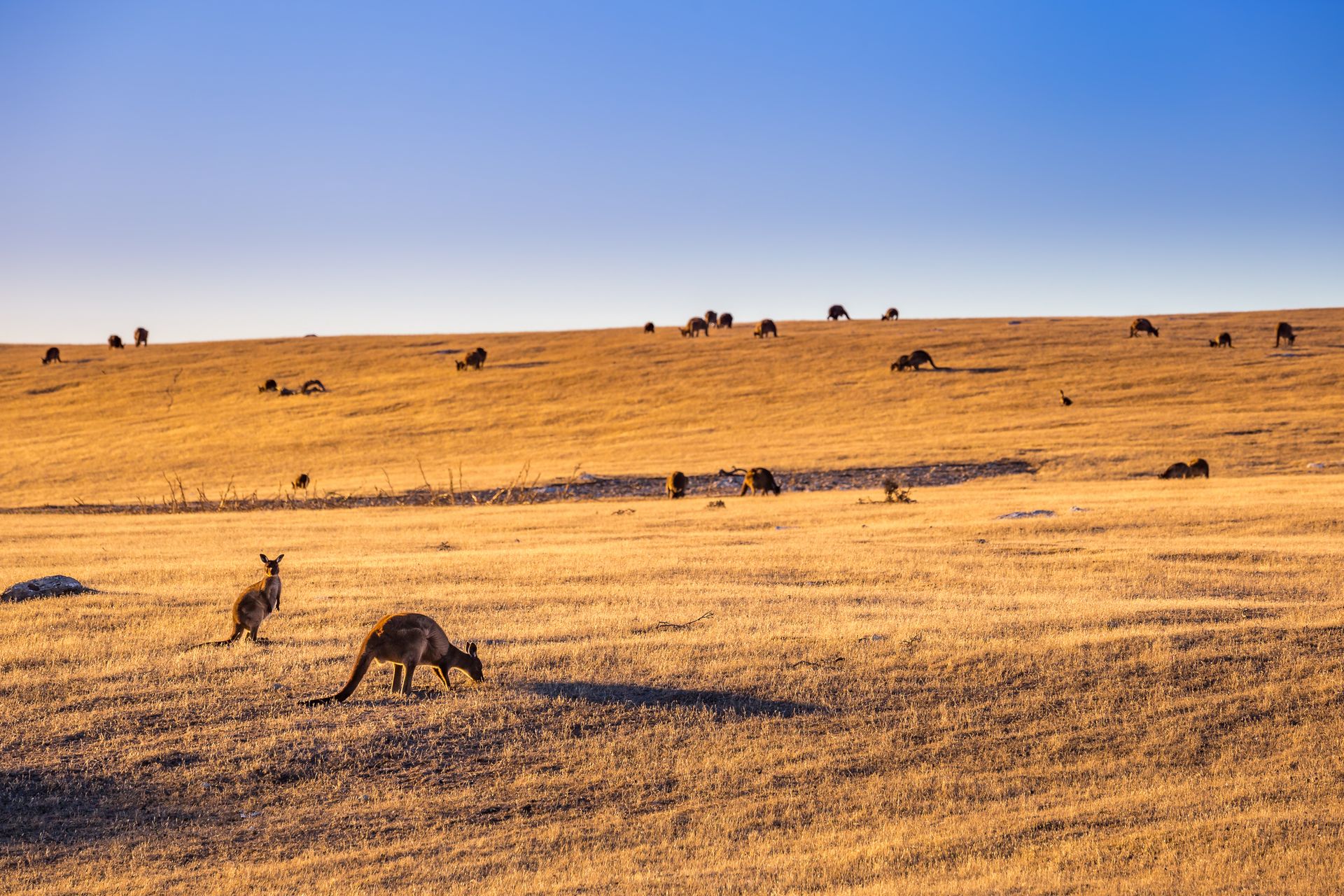
Kangaroo Island, off the southern coast of South Australia, roughly an hour’s ferry ride from Cape Jervis, functions as both a wildlife sanctuary and a food and drink destination in a physical setting that most visitors find more accessible than Tasmania but equally free of the crowd levels that affect Australia’s major coastal tourism centers. The island’s most obvious residents are its namesake macropods, which roam the farmland and bush in numbers large enough to make an encounter on any given country road drive a near certainty. Koalas, echidnas, and wallabies complete the accessible terrestrial mammal list, and the offshore marine population adds sea lions, whales, and little penguins to the wildlife inventory.
Flinders Chase National Park, at the western end of the island, protects the most rugged terrain on Kangaroo Island and contains the Remarkable Rocks, a group of granite boulders weathered into forms that stand in sharp contrast to the flat coastal heath surrounding them, and Admirals Arch, a natural rock formation at the base of Cape du Couedic where a colony of New Zealand fur seals hauls out on the ledges below. The park’s hiking trails pass through the island’s interior forest and along the southern sea cliffs, and the coastal sections offer views across the Southern Ocean that carry a particular quality of isolation, as if standing at the edge of land with nothing visible to the south but open water.
The wine and spirits producers on Kangaroo Island have developed a strong identity around the island’s clean air, low humidity, and disease-free viticulture environment. Cellar doors and distilleries are scattered across the island’s agricultural interior, and a tasting circuit through the eastern portion of the island pairs well with a morning of wildlife viewing at Seal Bay Conservation Park, where a guided beach walk brings visitors within a short distance of a wild Australian sea lion colony. Seal Bay offers the most accessible such encounter available anywhere in the country.
