The natural world has been engineering high-performance materials for millions of years, and researchers are only now understanding how
Hoang NC / Pexels
Steel is the benchmark material of the industrial age — the substance against which toughness, strength, and structural performance are measured, the material that built bridges and skyscrapers and ships and surgical instruments and that remains the most widely used structural material on Earth. Its properties are extraordinary: a tensile strength of approximately 400 to 2,500 megapascals depending on grade, a combination of strength and ductility that allows it to deform rather than shatter under extreme load, and a manufacturing versatility that no natural material approaches.
And yet. Evolution, operating over hundreds of millions of years through the pressure of survival, has produced materials that outperform steel in specific properties by margins that materials scientists are still working to understand and replicate. The silk of a spider outperforms high-tensile steel wire in toughness — the energy required to fracture it per unit weight — by a factor of three or more. The teeth of a limpet are the hardest biological material yet measured, surpassing any other natural substance and most engineered ones. The nacre that lines a mussel shell is 3,000 times more crack-resistant than the calcium carbonate crystals from which it is made, because of a hierarchical microstructure that materials engineers have spent decades attempting to reproduce.
The specific properties in which natural materials outperform steel are not the same across all materials — strength, toughness, stiffness, weight-specific performance, and crack resistance are different properties that different materials optimize for, and no single natural material beats steel across all of them simultaneously. The comparison is therefore always specific: this natural material is stronger than steel in this property, measured in this way, under these conditions. The slides that follow are precise about which properties are being compared and why the comparison is meaningful.
What connects all 15 materials is the specific insight they offer to materials science and engineering: each one has solved a structural or mechanical problem using chemistry and hierarchical architecture that human engineering has not yet fully replicated, and understanding how each material achieves its performance is one of the primary drivers of next-generation materials research.
Ann Barnes / Pexels
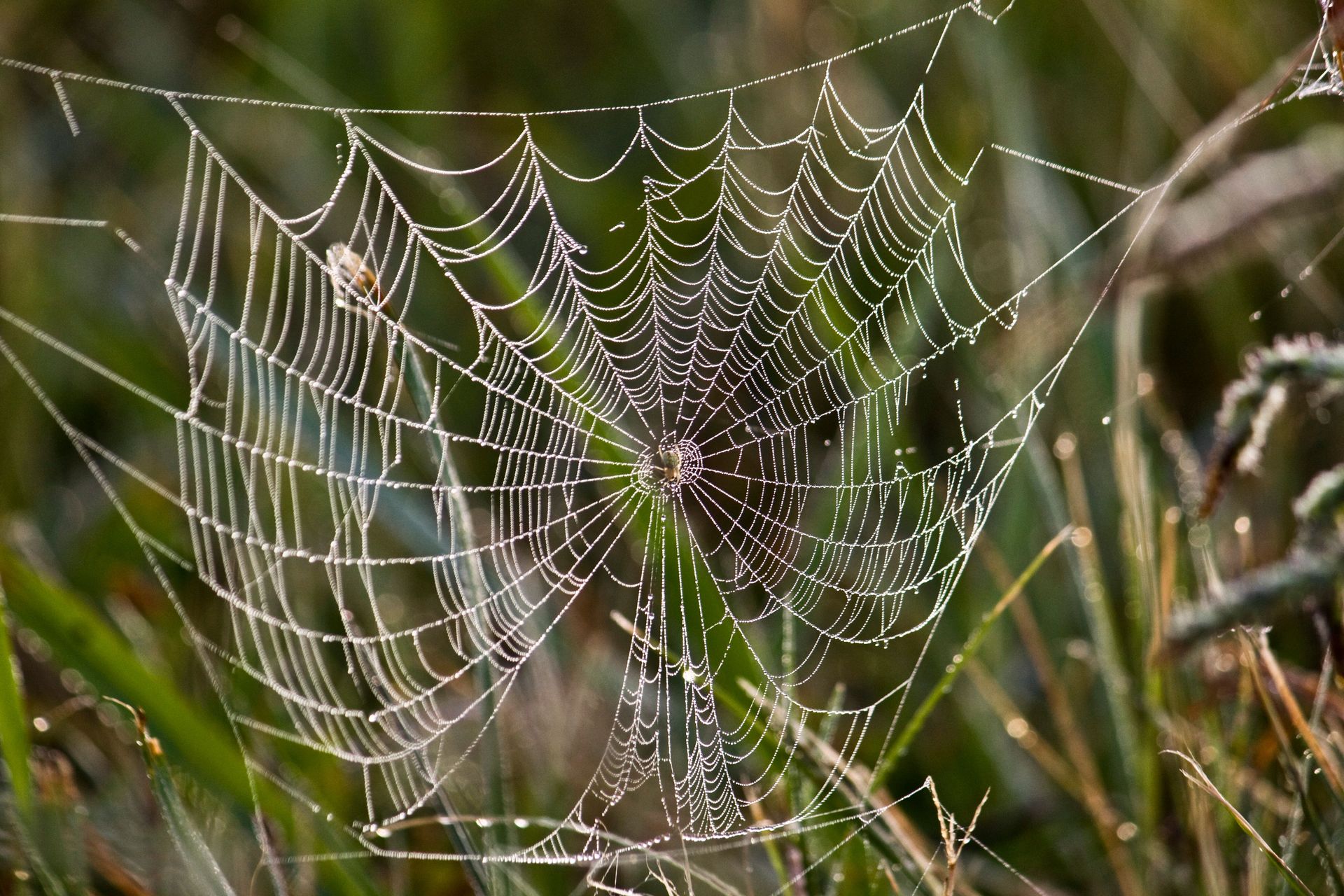
Spider dragline silk — the structural silk that spiders use for the outer framework of webs and as a safety line — is the most celebrated natural high-performance material and the one whose mechanical properties have been most extensively characterized. Its tensile strength (the force per unit area required to break it) is approximately 1,000 to 1,750 megapascals, comparable to high-strength steel. Its toughness — the energy required to break it per unit volume, which is determined by both strength and the ability to stretch before breaking — is approximately 160 to 200 megajoules per cubic meter, three to ten times higher than high-tensile steel.
The specific mechanical advantage of spider silk is the combination of high strength and high extensibility (it can stretch to 30 to 40% of its length before breaking) that produces this exceptional toughness. Steel is stronger in pure tensile strength but is much less extensible, meaning that it fractures at lower energy input despite its higher breaking stress. A spider web can absorb the kinetic energy of a flying insect without fracturing because its toughness — not just its strength — is exceptional.
The molecular basis of silk's properties is a hierarchical protein structure: beta-sheet crystalline regions that provide strength, embedded in an amorphous protein matrix that provides extensibility. The crystalline regions are aligned along the fiber axis and resist tensile load; the amorphous regions unfold progressively as the fiber stretches, absorbing energy before the crystalline regions are overloaded.
Despite decades of research, synthetic spider silk — produced through recombinant protein expression in bacteria, yeast, or goats — has not yet matched the properties of natural silk, because the spinning process (the specific way the spider draws the fiber through its spinneret under controlled tension) is as important as the protein sequence in determining the final structure. Companies including Bolt Threads and Spiber have produced synthetic spider silk fibers for commercial applications including clothing, but their properties do not yet fully match the natural material.
Engineering applications being pursued: lightweight ballistic protection, sutures, tendons and ligaments for tissue engineering, vibration-damping materials.
Chabraoui El Hachemi / Pexels
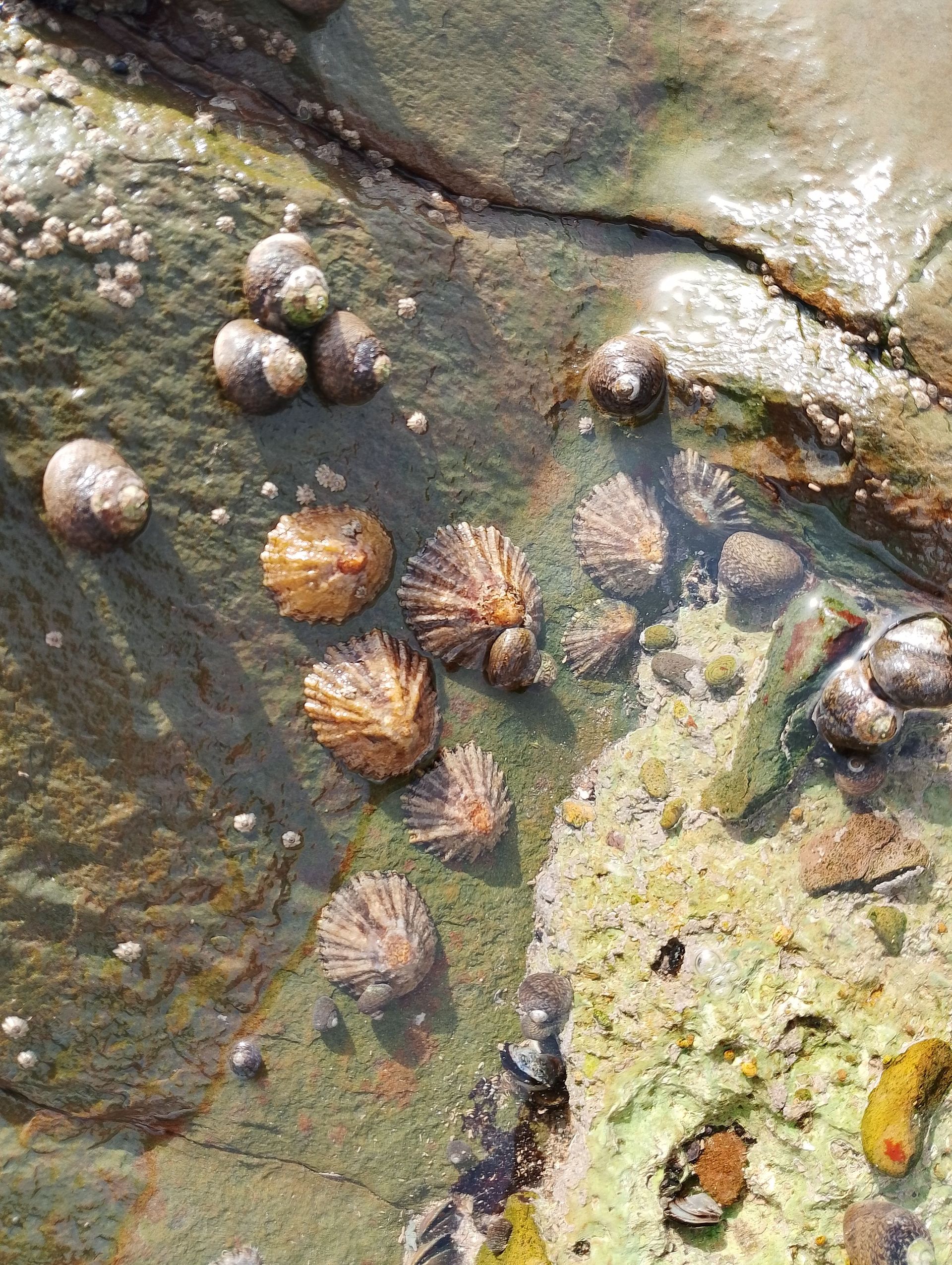
Limpet teeth — the teeth of the common limpet Patella vulgata, the coastal snail that grinds algae from rock surfaces using a ribbon of tiny teeth (the radula) — were identified in 2015 by Asa Barber and colleagues at the University of Portsmouth as the strongest biological material ever measured. Their tensile strength of 3,000 to 6,500 megapascals exceeds spider silk and substantially exceeds the strongest structural steels (approximately 2,500 megapascals for the highest-grade tool steels).
The limpet tooth's extraordinary strength comes from its composition and microstructure: it consists of iron oxide mineral (goethite) nanofibers approximately 2 to 5 nanometers in diameter, embedded in a chitin protein matrix. The nanofiber diameter is below the critical size at which structural defects (cracks, voids, misalignments) typically form — at sizes below approximately 10 nanometers, structural materials approach theoretical maximum strength because there is simply not enough material for defects to propagate.
The geometric design of the limpet tooth also contributes to its performance: the fibers are aligned with the direction of maximum stress, an optimization that biological materials achieve through the growth process and that is the equivalent of fiber alignment in engineered composite materials.
The comparison to spider silk is instructive: limpet teeth beat silk in absolute strength (the stress at which they fracture) but have lower toughness (they are less extensible). Each material has optimized for the specific mechanical demands of its application — silk must absorb impact energy, limpet teeth must resist abrasion and grinding forces.
Engineering applications being pursued: fiber-reinforced composite materials for aerospace and marine applications, dental materials, wear-resistant coatings.
Dagmara Dombrovska / Pexels
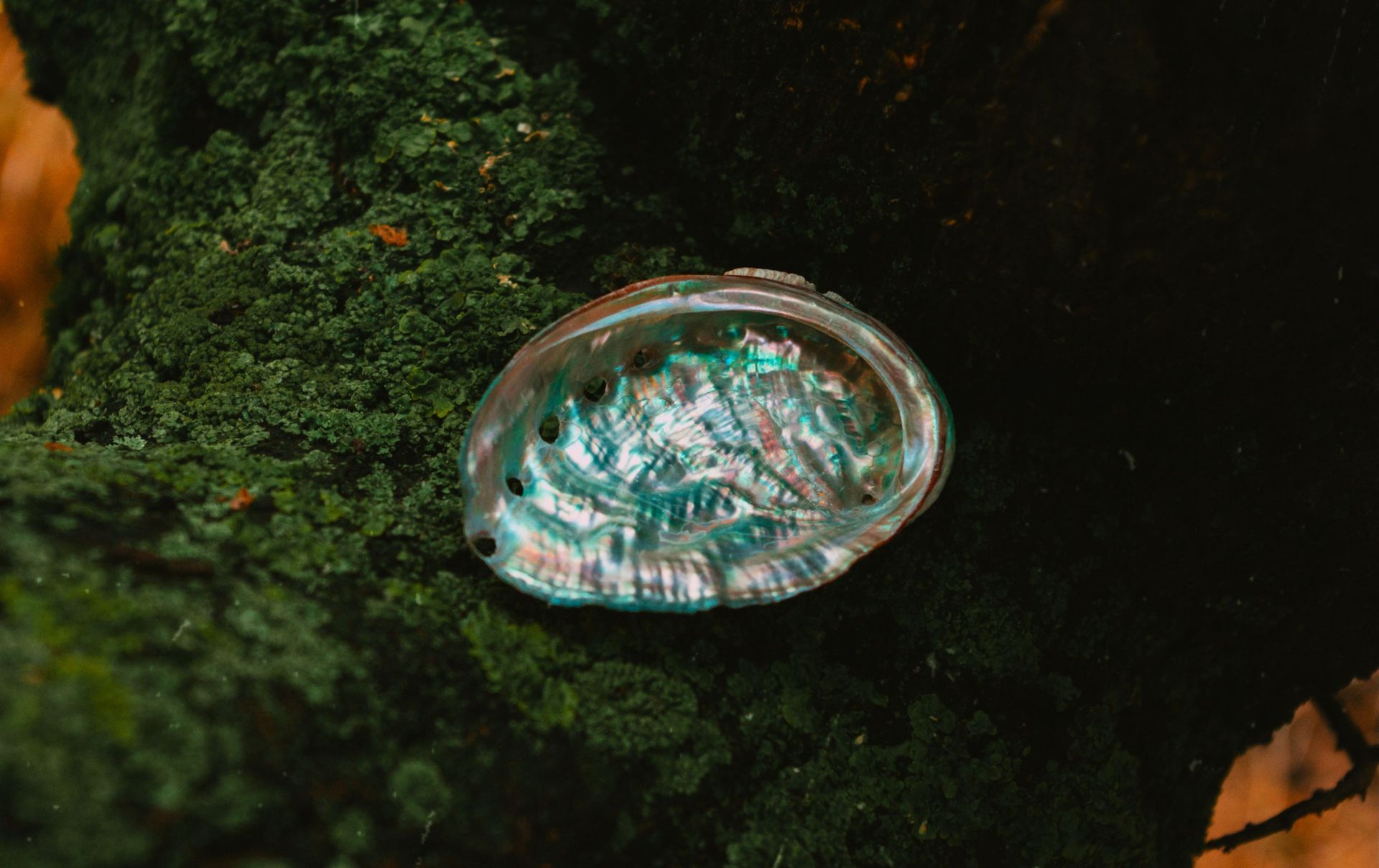
Nacre — the iridescent inner layer of mollusk shells, made from the same calcium carbonate (aragonite) as chalk and limestone — is approximately 3,000 times more crack-resistant than single-crystal aragonite, despite being made of the same material. This extraordinary improvement in crack resistance from the same chemistry is the result of a hierarchical microstructure: aragonite tablets approximately 500 nanometers thick are stacked in a brick-and-mortar arrangement, with an organic protein-polysaccharide matrix between the tablets that acts as the mortar.
The crack-resistance mechanism is specific and elegant. When a crack propagates through nacre and encounters the interface between an aragonite tablet and the organic matrix, the softer organic layer deforms rather than fracturing, blunting the crack tip and dissipating its energy. The crack must overcome this blunting mechanism repeatedly as it crosses each tablet boundary, requiring vastly more energy to propagate than a crack through uniform aragonite would require.
The hierarchical architecture of nacre — organization at multiple length scales, from the nanometer-scale aragonite crystals within each tablet to the micrometer-scale tablet arrangement to the millimeter-scale layering of the shell — is the specific design principle that materials engineers are attempting to replicate. Reproducing the brick-and-mortar microstructure synthetically has produced materials with significantly improved toughness compared to their monolithic equivalents, but not yet with the perfection of the biological original.
A 2014 study in Nature Communications demonstrated a synthetic nacre-like material with toughness approaching natural nacre, achieved through layer-by-layer deposition of alumina platelets in a polymer matrix — a manufacturing process that is promising but not yet scalable for structural applications.
Engineering applications being pursued: lightweight armor, impact-resistant coatings, structural ceramics with improved toughness, bone substitutes.

Tima Miroshnichenko / Pexels
Human cortical bone — the dense outer layer of bones including the femur and tibia — is a composite material of extraordinary sophistication: a hierarchical architecture of collagen protein fibers mineralized with hydroxyapatite (calcium phosphate) crystals, organized from the nanoscale to the macroscale in a way that optimizes for a combination of stiffness, strength, toughness, and lightness that no single-phase material achieves.
The tensile strength of cortical bone is approximately 130 to 180 megapascals — lower than steel in absolute terms — but its weight-specific strength (strength divided by density) is competitive with many structural materials, and its toughness is extraordinarily high for its weight class. The combination of a stiff mineral phase (hydroxyapatite) and a tough organic phase (collagen) at the nanoscale produces a composite that is stiffer than collagen alone and tougher than hydroxyapatite alone.
The crack-resistance mechanism in bone is particularly sophisticated: as a crack propagates, the collagen fibers in its path stretch and bridge the crack faces, applying a closing force that partially arrests crack propagation — the same crack-bridging mechanism used in engineered fiber-reinforced composites. Additionally, bone has a hierarchical crack-deflection architecture in which cracks are redirected at multiple length scales, increasing the total crack surface area and therefore the energy required for fracture.
Bone also remodels continuously in response to mechanical load — osteoclasts remove bone in underloaded regions and osteoblasts deposit new bone in overloaded regions, optimizing the distribution of material to match the applied stress state. This adaptive optimization is beyond the capability of any current engineered material.
Engineering applications being pursued: hierarchical composite materials for aerospace structures, adaptive structural materials, bone implants and scaffolds.
Seongpack Cho / Pexels
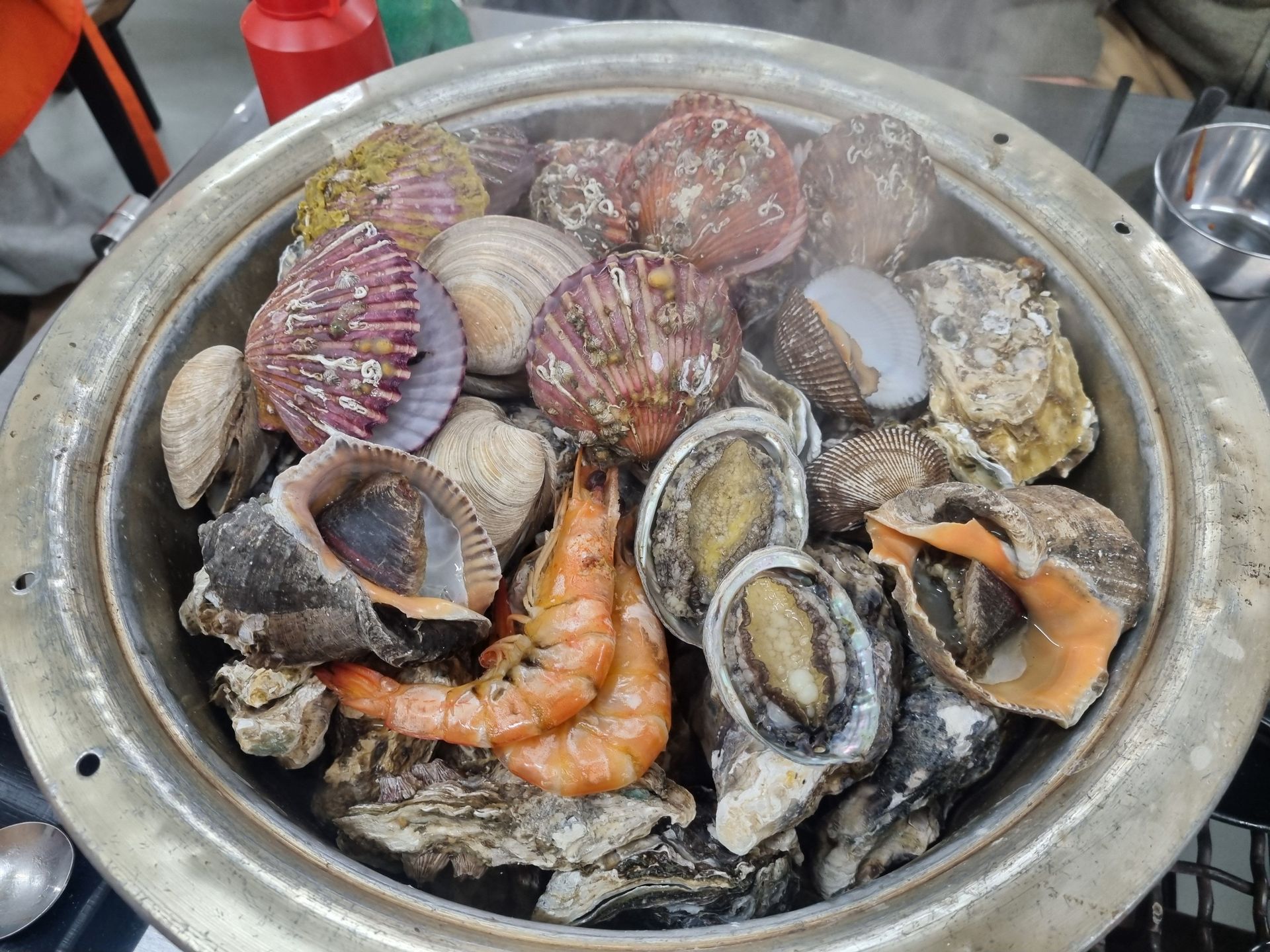
The shell of the red abalone (Haliotis rufescens) is a layered composite of calcite and nacre whose outer calcite layer is harder than most ceramics and whose inner nacre layer is tough enough to resist fracture — a combination that produces a shell significantly more damage-resistant than either material alone. The transition between the hard outer layer and the tough inner layer is not abrupt but gradual, preventing the stress concentration at material interfaces that is the primary failure mechanism of layered engineering composites.
The specific property that makes abalone shell remarkable in an engineering context is the graded interface — the gradual change in composition and microstructure from the outer calcite to the inner nacre that prevents delamination under impact loading. Engineering composites are typically limited by the strength of their interfaces; biological composites like abalone shell solve this problem through gradient design.
Research by Christine Ortiz, Robert Ritchie, and colleagues has used advanced characterization techniques including nanoindentation, electron microscopy, and X $TWTR-ray tomography to map the hierarchical structure of abalone shell at multiple length scales, producing design principles for engineered composites that are now being implemented in protective armor and aerospace structures.
The abalone's ability to grow and repair its shell — using proteins secreted by the mantle tissue to nucleate and orient aragonite crystal growth at room temperature and in seawater — is also a manufacturing insight: the biological synthesis of high-performance ceramics at ambient temperature and pressure is a capability that human ceramic manufacturing cannot replicate.
Engineering applications being pursued: graded composite armor, impact-resistant structural panels, bioinspired ceramic manufacturing.
Riley Dowell / Pexels
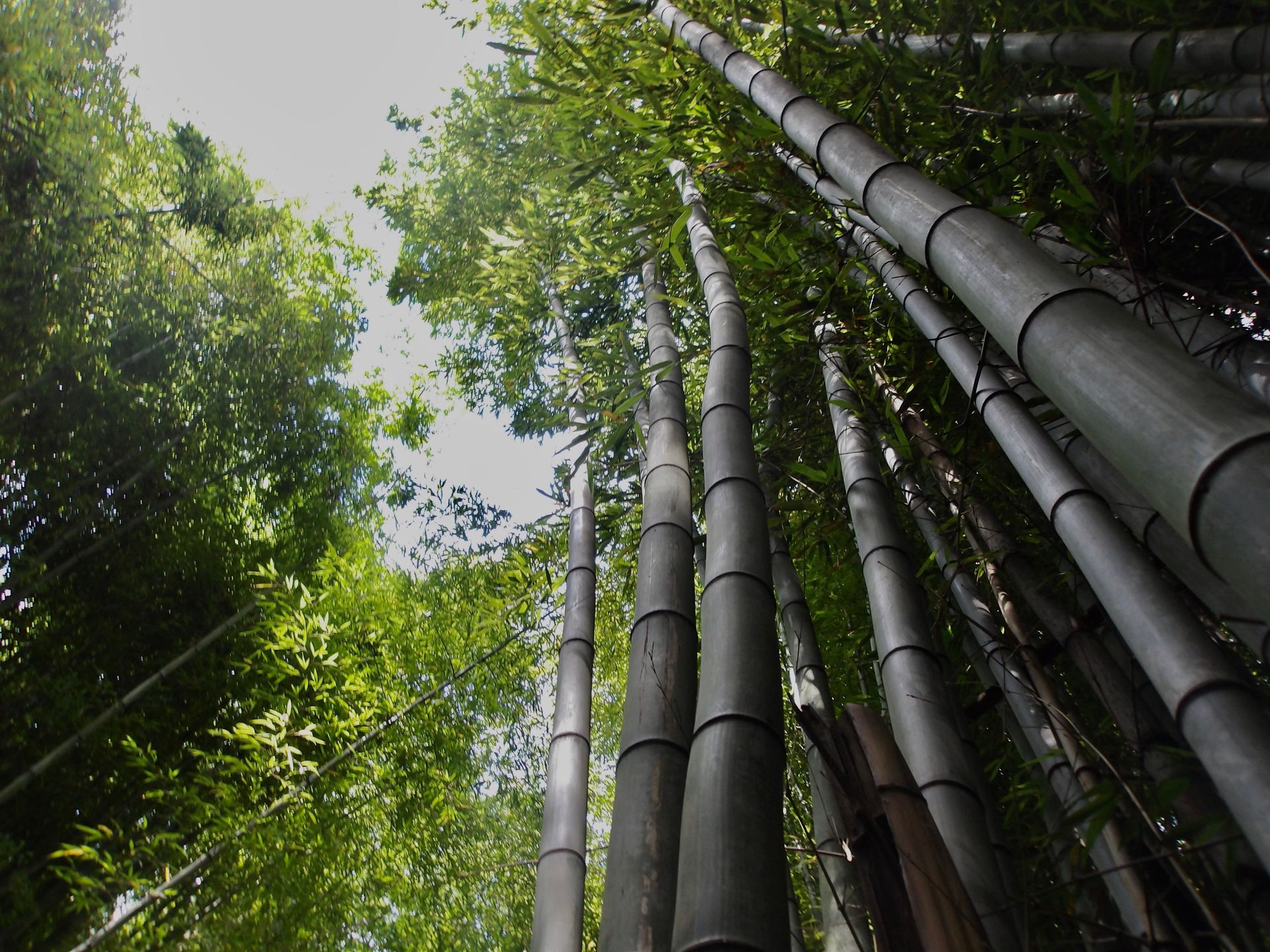
Bamboo — the hollow-stemmed grass whose culms achieve tensile strengths of 100 to 500 megapascals, a strength-to-weight ratio competitive with structural steel, and a compressive strength adequate for construction applications — is the only naturally occurring material in this list that has been in continuous use as a structural engineering material for thousands of years rather than primarily as a source of bioinspiration for synthetic materials.
The structural performance of bamboo derives from its fiber architecture: long cellulose fibers run parallel to the culm axis, providing resistance to bending and compression; the density of these fibers varies from approximately 60% at the outer surface to 10% at the inner surface, creating a natural graded composite that is densest where stresses are highest in bending (the outer surface) and least dense where stresses are lowest (the inner surface). This density gradient is the same optimization strategy used in engineered I-beams and hollow tubes.
The hollow cylindrical cross-section of the bamboo culm provides excellent bending stiffness per unit weight — the same principle underlying hollow structural tubes in engineering — and the nodes at regular intervals along the culm provide lateral stability that prevents the hollow tube from buckling under compressive load.
Engineered bamboo products (cross-laminated bamboo panels, glued-laminated bamboo beams) are being used as structural building materials in construction, with the combination of bamboo's exceptional strength-to-weight ratio, its carbon sequestration properties, and its extremely rapid growth rate (up to a meter per day for some species) making it one of the most promising sustainable structural materials available.
Engineering applications: structural construction material, high-performance composite reinforcement, sustainable alternative to steel reinforcement in concrete.

Kindel Media / Pexels
Human dental enamel — the hardest biological material in the human body and the material that withstands a lifetime of biting forces without fracturing — has a Vickers hardness of approximately 250 to 360 (comparable to some grades of hardened steel) and a microstructure specifically designed to resist crack propagation. Its composition is approximately 96% hydroxyapatite by weight, making it one of the most highly mineralized biological materials, yet its architecture prevents the brittleness that typically characterizes highly mineralized materials.
The crack resistance of enamel comes from its "decussating" prism architecture: the hydroxyapatite crystals are organized into prisms approximately 5 micrometers in diameter, and adjacent groups of prisms run in different directions, creating a weave-like pattern that forces cracks to repeatedly change direction as they propagate. Each direction change dissipates crack energy and requires the crack to overcome the resistance of a new set of prism boundaries — a crack deflection mechanism that distributes damage over a large volume rather than allowing rapid propagation.
Despite this sophisticated architecture, enamel is brittle in the conventional sense — it does not have the organic phase that gives bone and nacre their toughness. Its crack resistance comes entirely from its microstructural architecture, making it a particularly instructive model for engineering ceramics that must be hard and crack-resistant without an organic toughening phase.
Engineering applications being pursued: hard coatings for cutting tools and implants, dental restorative materials that replicate enamel's decussating architecture, ceramic wear surfaces.
Howard Herdi / Pexels
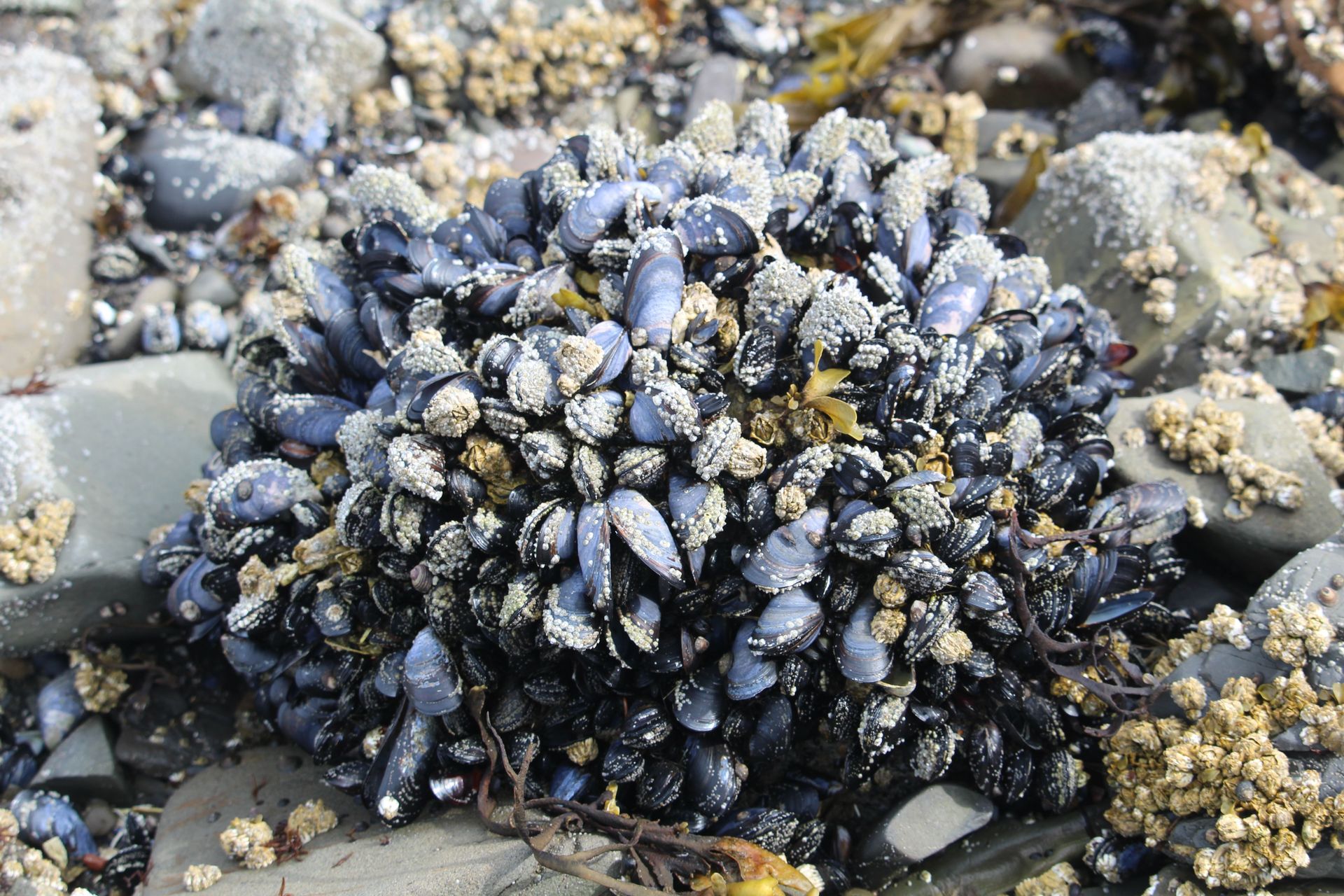
The byssus threads by which mussels anchor themselves to rocks and boat hulls — surviving the constant wave action and current forces of the intertidal zone — are among the most remarkable adhesive and mechanical materials in biology. The threads have a mechanical gradient from a stiff, load-bearing distal region to a compliant, energy-absorbing proximal region, with the transition between them occurring over a length of approximately one centimeter.
The distal (outer) region has a stiffness of approximately 870 megapascals and a tensile strength of approximately 75 megapascals — properties similar to those of nylon; the proximal (inner) region has a stiffness of approximately 16 megapascals and can extend to nearly 200% of its original length before breaking. The gradient between these two regions prevents stress concentration at the attachment point — a common failure mode in engineered fasteners — by distributing the deformation over the entire thread length rather than concentrating it at the rock-thread interface.
The adhesive properties of mussel foot proteins — the proteins secreted by mussels to bond their byssus threads to rock surfaces in wet, saline conditions — are separately remarkable and have inspired a substantial research effort to develop wet adhesives for medical and marine applications. DOPA (3,4-dihydroxyphenylalanine), an unusual amino acid found in high concentrations in mussel adhesive proteins, is the specific chemical that enables adhesion to wet surfaces, and DOPA-containing synthetic polymers are one of the most active areas in adhesive materials research.
Engineering applications being pursued: wet adhesives for surgical closure and marine anti-fouling, gradient materials for impact absorption, underwater bonding systems.
Chris Spain / Pexels
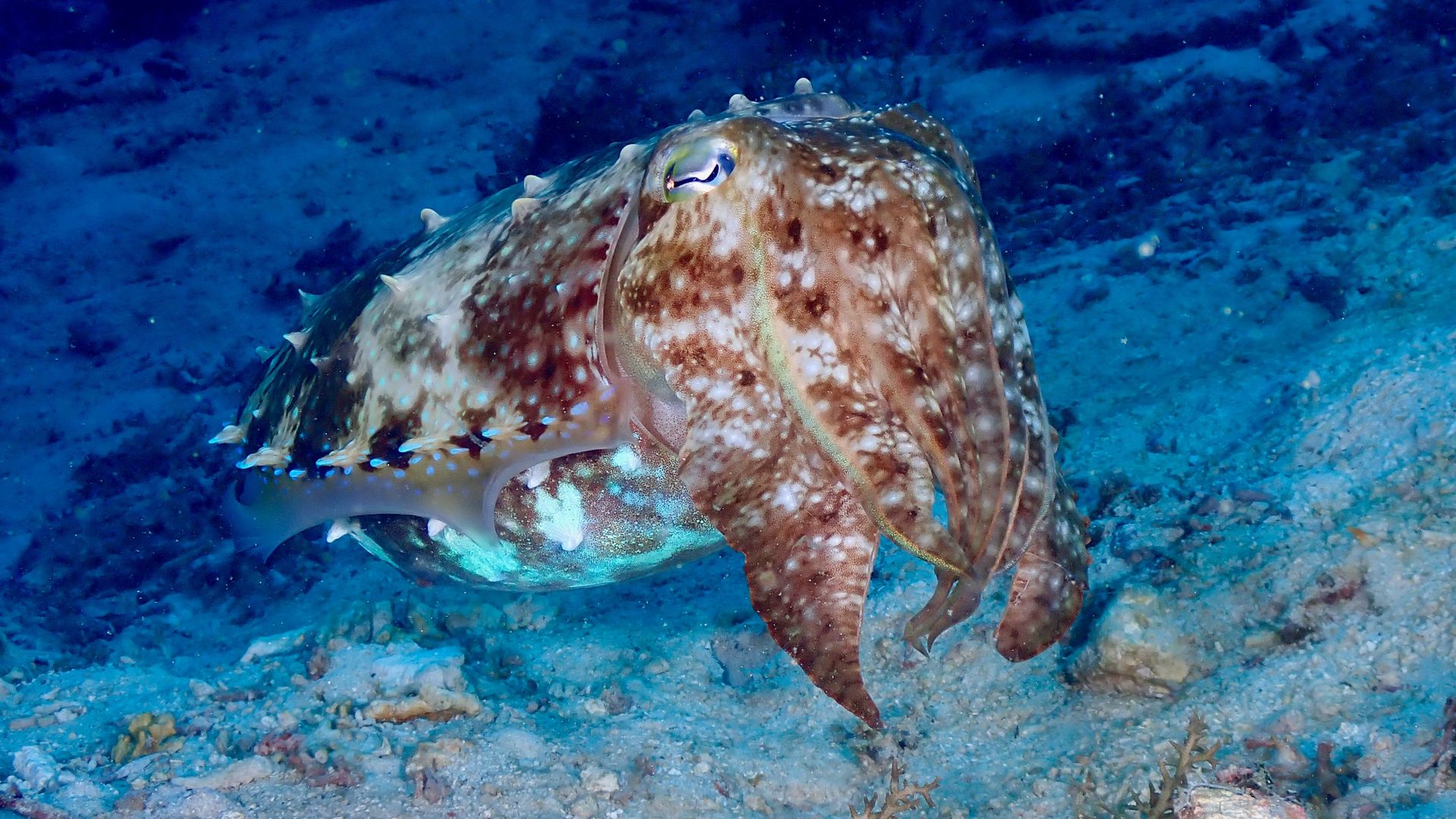
Cuttlebone — the internal shell of the cuttlefish, used to regulate buoyancy by adjusting the ratio of gas to liquid in its chambers — is a cellular ceramic structure whose combination of low density and high compressive strength has attracted significant engineering interest as a model for lightweight structural materials. Its compressive strength-to-density ratio exceeds that of most engineering foams at comparable densities, because its hierarchical architecture distributes compressive load through a system of pillars, septa, and corrugated walls rather than through a random open-cell foam structure.
The specific architecture of cuttlebone — horizontal septa supported by vertical pillars whose spacing and cross-sectional geometry are optimized for maximum compressive strength per unit weight — is the biological equivalent of a corrugated sandwich structure, a geometry widely used in engineering for lightweight panels. The biological version achieves this geometry through the growth process of the cuttlefish, producing a structure whose optimization was refined over evolutionary time rather than through engineering calculation.
Research groups have used cuttlebone as a template for the synthesis of hydroxyapatite (bone mineral) scaffolds for tissue engineering, taking advantage of its hierarchical porosity to create structures that support cell ingrowth and vascularization. The cuttlebone architecture has also been used as inspiration for 3D-printed ceramic structures with improved strength-to-weight ratios.
Engineering applications being pursued: lightweight aerospace structural panels, tissue engineering scaffolds, 3D-printed ceramic structures.
Michael Markhof / Pexels
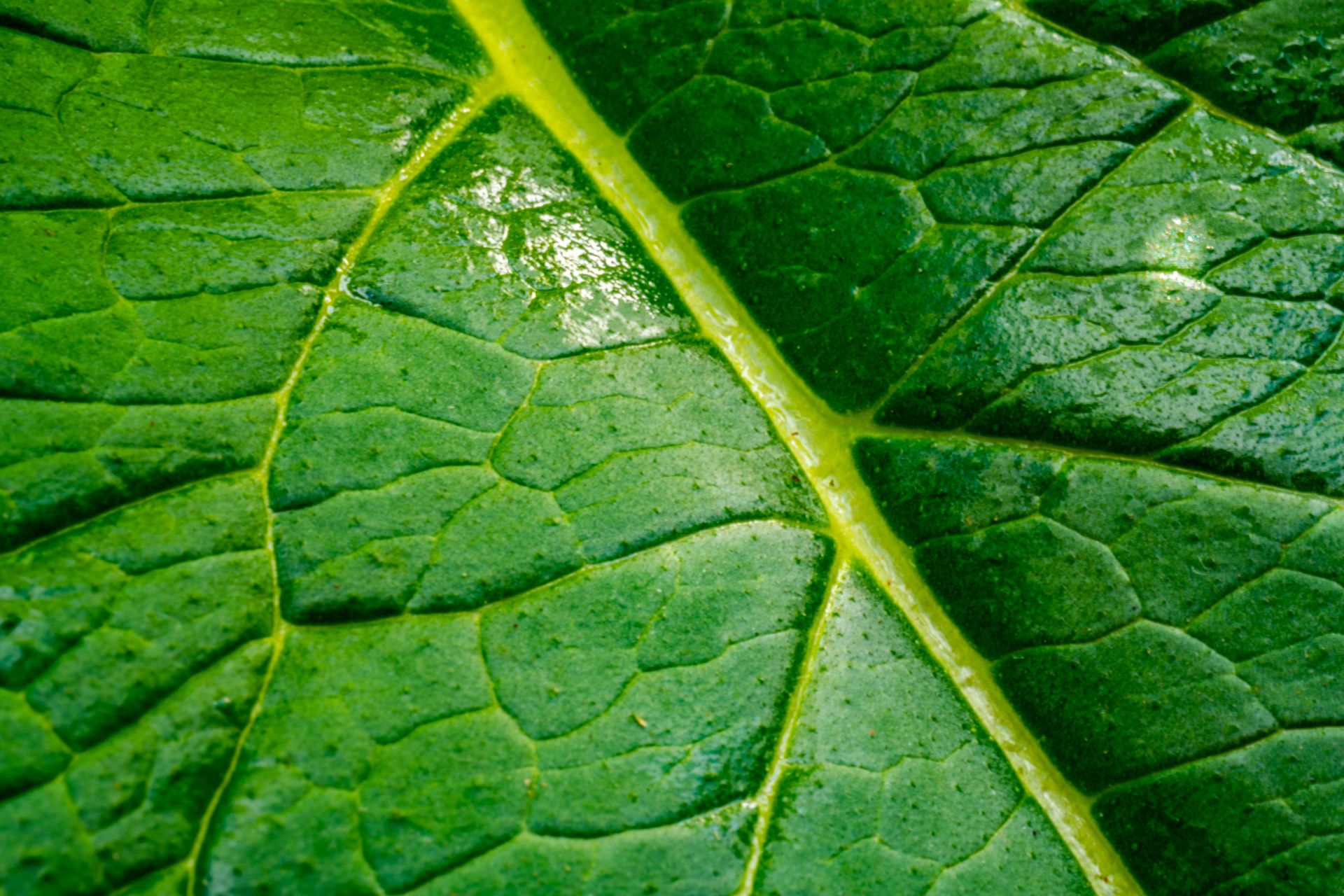
Cellulose nanocrystals (CNCs) — the crystalline domains of plant cellulose, extracted from wood pulp or other cellulosic sources and measured in tens of nanometers in diameter and hundreds of nanometers in length — have a theoretical tensile modulus (stiffness) of approximately 130 to 160 gigapascals and a tensile strength of approximately 7,500 to 7,700 megapascals, making them stiffer than Kevlar and substantially stronger than most structural steels.
These properties are theoretical, derived from molecular modeling of perfect crystalline cellulose — actual CNC fibers do not reach these values because of structural imperfections — but even at the practical values achieved in composite materials reinforced with CNCs, the stiffness and strength contributions are substantial. CNCs are now being incorporated into composite materials for aerospace, packaging, and medical applications, where their combination of high specific stiffness, low density, renewable sourcing, and biodegradability is commercially attractive.
The challenge in exploiting CNC properties is dispersion: individual nanocrystals must be uniformly distributed in the matrix material without aggregating, and their surface must be chemically compatible with the matrix to ensure effective stress transfer. Research in surface chemistry — attaching functional groups to the CNC surface to improve matrix compatibility — has significantly improved the mechanical properties of CNC-reinforced composites over the past decade.
Engineering applications being pursued: lightweight composites for aerospace and automotive applications, high-strength transparent films for packaging, reinforcement for biomedical hydrogels and scaffolds.
Jun Ho Lee / Pexels
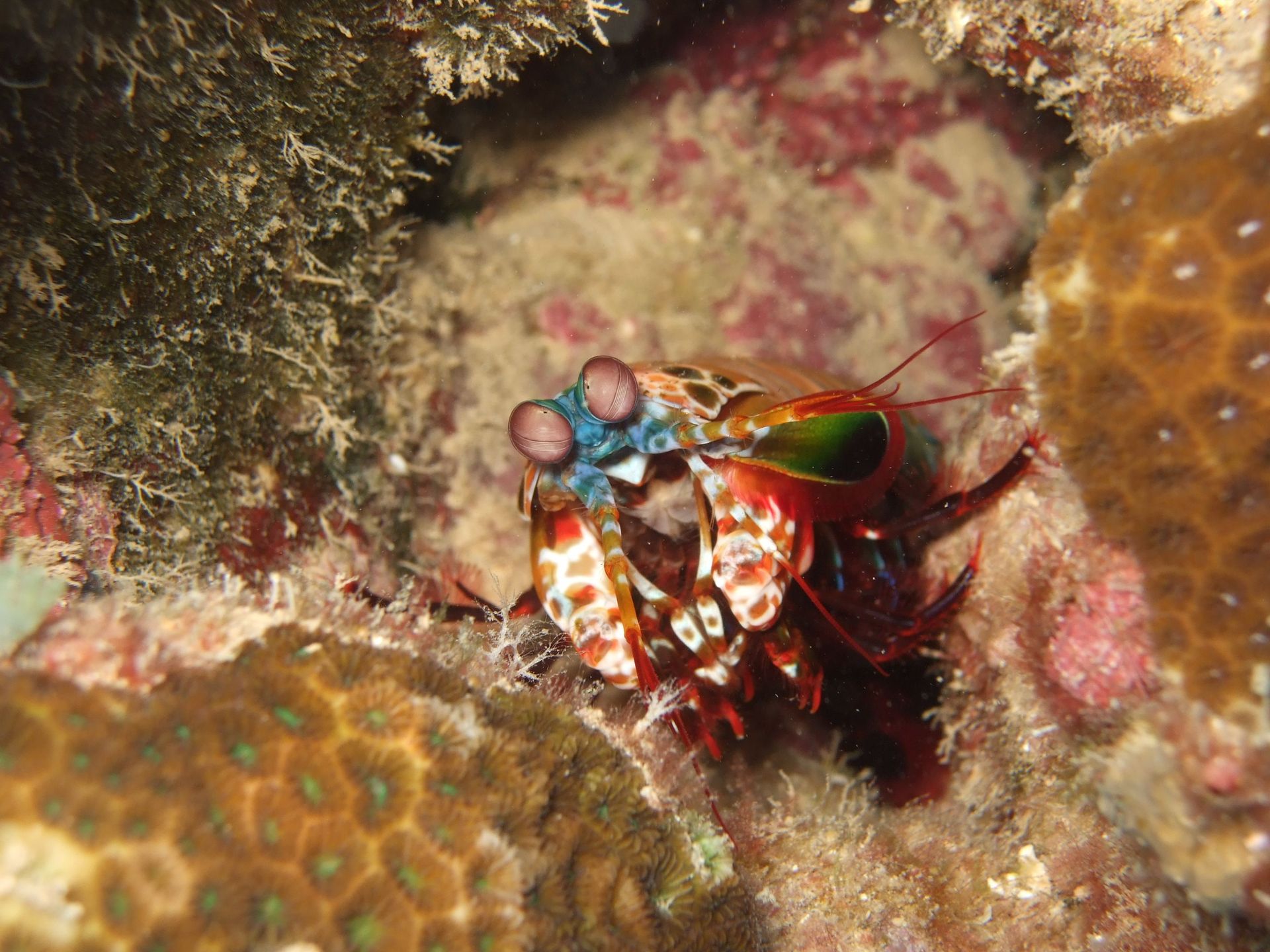
The dactyl club of the mantis shrimp — the hammer-like appendage used to strike prey with accelerations exceeding 10,000 g and impact velocities up to 23 meters per second — withstands impact forces that would shatter any conventional ceramic material of comparable size, because its architecture distributes and dissipates impact energy through a combination of three distinct structural regions whose mechanical properties are specifically matched to the stress state each region experiences.
The impact region (the striking surface) is a helical arrangement of hydroxyapatite nanofibers — a "helicoidal" architecture in which successive fiber layers rotate by a constant angle, producing a structure that distributes crack propagation in a spiral rather than a straight line, dramatically increasing the energy required for fracture. This helicoidal fiber architecture — also called a Bouligand structure — is found in multiple biological impact-resistant materials and is now being implemented in engineered composite panels.
The periodic region behind the impact surface consists of sinusoidal hydroxyapatite mineral bands that act as crack arrestors — when a crack propagates from the impact surface into the periodic region, the stress concentration at the crack tip is reduced by the softer organic-mineral interfaces between the bands. The striated region at the outer surface resists the lateral compressive and tensile stresses generated during impact.
Research by David Kisailus and colleagues at UC Irvine used the dactyl club's helicoidal architecture to design carbon fiber composite panels with significantly improved impact resistance compared to conventional quasi-isotropic layups — a direct translation of biological design into engineering application.
Engineering applications being pursued: impact-resistant composite panels for aerospace and automotive applications, protective helmets and body armor, structural panels for marine applications.

Matheus Figueiredo / Pexels
The beak of the toucan — the large, brightly colored bill that appears disproportionately heavy but is actually extraordinarily lightweight — has a sandwich structure of rigid outer keratin shells enclosing a closed-cell foam of hollow bony struts (trabeculae) that provides high stiffness and energy absorption at minimal weight. The specific architecture of the trabecular foam — randomly oriented hollow tubes rather than solid struts — is more efficient in stiffness-to-weight terms than solid foam structures because the hollow geometry resists buckling more effectively than solid struts of the same mass.
A 2005 study by Marc Meyers and colleagues found that the toucan beak has a flexural stiffness-to-weight ratio that exceeds several engineered sandwich structures, attributing this performance to the combination of the hard keratin outer layer and the hollow trabecular foam core. The sandwich architecture — stiff face sheets over a lightweight core — is a widely used engineering structural concept, but the biological version achieves it through a growth process that produces a geometrically optimized core structure without machining.
The toucan beak's architecture is also relevant to energy absorption: under impact loading, the hollow trabeculae collapse progressively, absorbing energy at approximately constant stress — the ideal energy absorption profile for protective structures. This progressive collapse behavior is superior to solid foam structures, which exhibit initial high stiffness followed by catastrophic fracture.
Engineering applications being pursued: lightweight structural sandwich panels, impact-absorbing helmet liners, aerospace structural components.
MAG Photography / Pexels
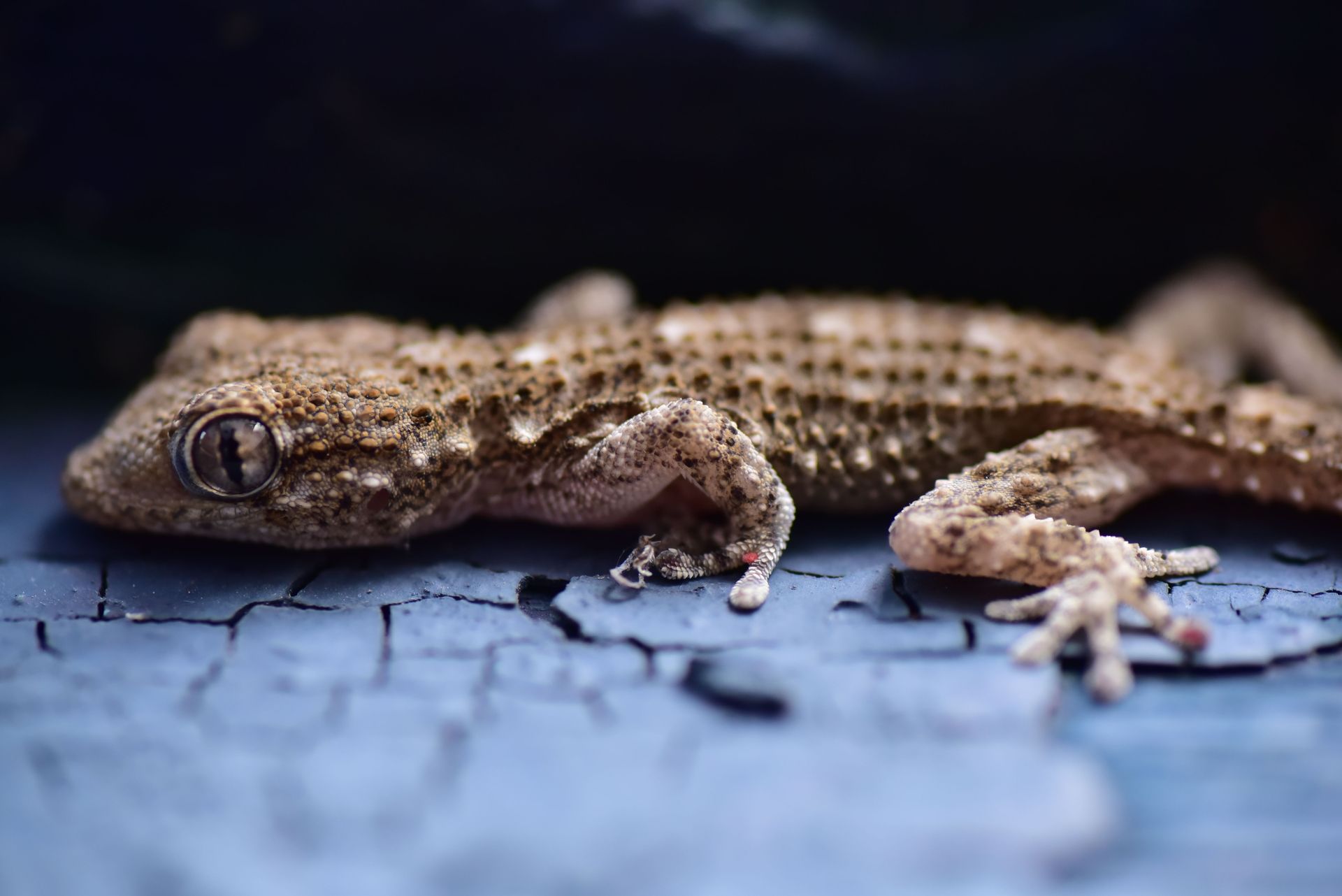
Gecko feet — specifically the hierarchical array of hair-like structures (setae) on the toe pads of geckos like Gekko gecko — achieve adhesion to virtually any surface through van der Waals forces rather than chemical bonding or mechanical interlocking, and the adhesion strength per unit area approaches 100 kilopascals — sufficient to support the gecko's weight many times over and to allow it to detach and reattach its feet thousands of times without degradation.
The mechanism is hierarchical: each toe pad contains approximately 500,000 setae per square millimeter; each seta branches into hundreds of spatulae approximately 200 nanometers in diameter; and each spatula contacts the substrate over an area so small that van der Waals forces (the weak intermolecular attractions between all surfaces at short range) can accumulate to produce substantial adhesive force. The hierarchical branching increases the total contact area to a level where van der Waals forces sum to a macroscopically useful adhesion.
The adhesion is directional — it is strongest when the setae are loaded along the setal shaft axis and weakest when loaded perpendicular to the surface, which is the direction of detachment. This directionality allows the gecko to adhere strongly when climbing but detach easily by curling its toes back — a functional design that dry adhesive engineers have struggled to replicate.
Synthetic gecko adhesives using carbon nanotube arrays, polymer microstructure arrays, and other hierarchical surface architectures have been developed and demonstrate the principle, but none yet match the durability, self-cleaning properties, and consistent performance across diverse surfaces of the biological original.
Engineering applications being pursued: reusable dry adhesives for robotics and climbing, attachment systems for space structures, medical adhesives.
Saifee Art / Pexels
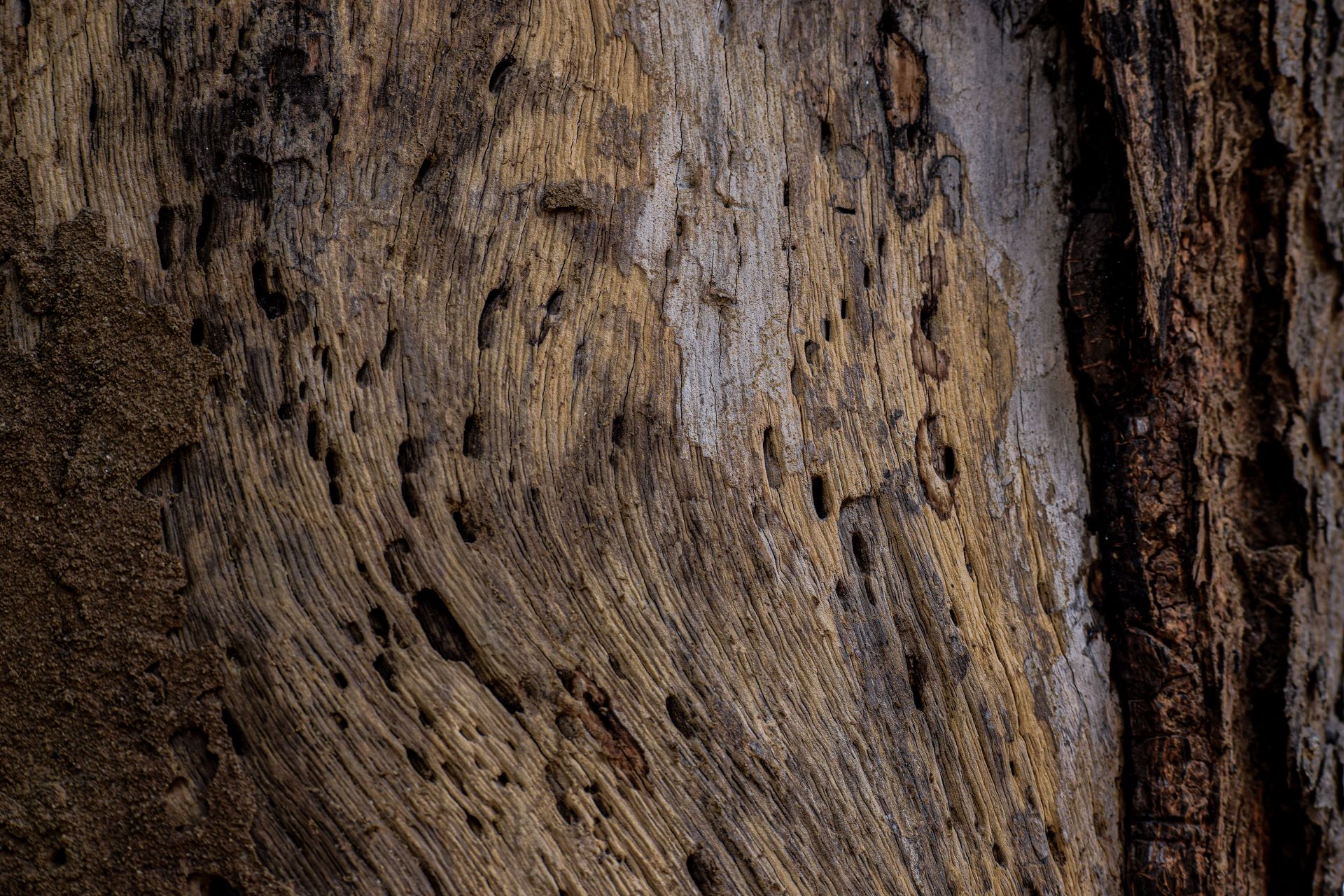
Wood — specifically the dense hardwoods including balsa (yes, the soft-seeming balsa) and tropical hardwoods including lignum vitae — demonstrates in different ways what optimized cellulose fiber architecture achieves at different density targets. Balsa wood, the least dense structural material in common use (approximately 120 kg/m³, compared to 1,500 to 2,000 kg/m³ for most structural timbers), has a specific compressive strength — compressive strength divided by density — that exceeds most structural metals including aluminum and steel.
The cell wall architecture of wood is a composite of cellulose microfibrils wound in a helix around the cell axis at specific angles in different layers — the S1, S2, and S3 layers of the wood cell wall — producing a tubular composite whose stiffness and strength depend on the microfibril angle. The S2 layer, which constitutes approximately 80% of the cell wall thickness, has its microfibrils at a low angle to the cell axis (approximately 5 to 15 degrees in mature wood), optimizing axial stiffness and strength for resistance to bending loads.
Engineered wood products (cross-laminated timber, laminated veneer lumber, structural plywood) exploit wood's anisotropy by combining layers at different orientations to produce a more isotropic structural material whose properties approach those of structural steel on a weight-specific basis. Mass timber construction — using large-format engineered wood elements for multi-story building frames — is one of the fastest-growing segments of commercial construction, driven partly by sustainability considerations and partly by the genuine mechanical performance of engineered wood at scale.
Engineering applications: mass timber construction, lightweight structural panels, composite reinforcement.
Lucas Andrade / Pexels
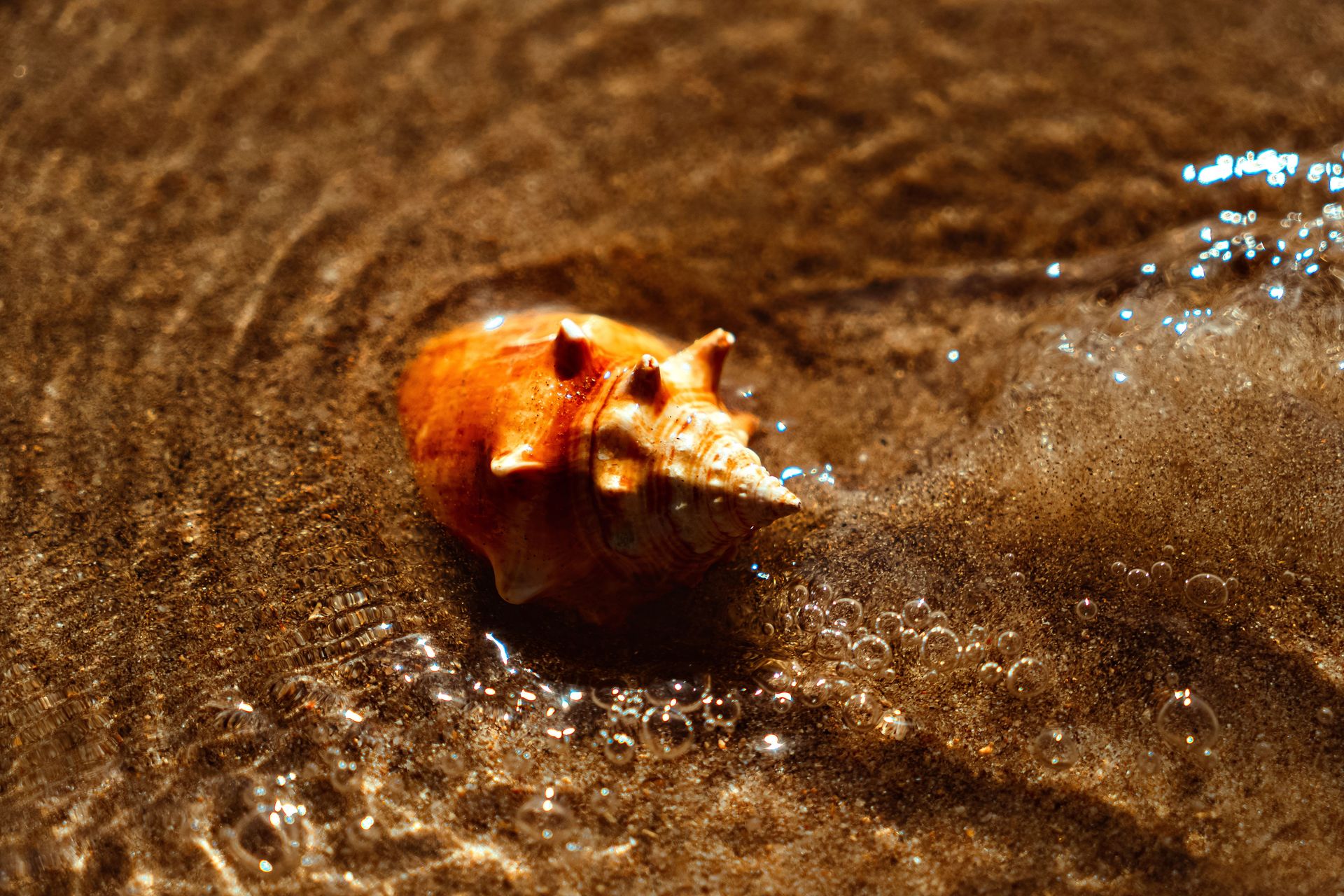
The shell of the queen conch (Lobatus gigas) has a fracture toughness — the resistance to crack propagation — approximately three times that of nacre and up to a thousand times that of the aragonite mineral from which it is made, achieved through a unique three-level crossed-lamellar microstructure that deflects and arrests cracks at every hierarchical level. It is one of the toughest biological ceramics known and a specific subject of study for engineers designing ceramic armor.
The three levels of the crossed-lamellar structure are organized as follows: at the outermost level, thick lamellar bands run across the shell; within each band, parallel lamellae run at 45 degrees to the band orientation; and within each lamella, individual aragonite crystals run perpendicular to the lamellar axis. The orientation of each level is rotated relative to the level above and below, creating a structure in which a crack propagating in any direction will quickly encounter a lamellar boundary whose orientation is unfavorable for continued straight-line propagation — forcing the crack to deflect, bifurcate, or arrest.
Research by Francois Barthelat at McGill University has used finite element modeling and experimental crack propagation studies to quantify the toughening contribution of each hierarchical level in conch shell, and has developed design rules for synthetic ceramic composites that replicate the crossed-lamellar architecture using alumina platelets in a polymer matrix. The resulting synthetic materials have fracture toughness values approaching those of the biological original — a significant achievement in ceramic toughening.
The conch shell's combination of fracture toughness and hardness — it is hard enough to resist abrasion from sand and coral while tough enough to survive wave impacts that would shatter a conventional ceramic — is exactly the combination required for protective armor, and several research programs are developing conch-inspired ceramic composites specifically for this application.
Engineering applications being pursued: ceramic armor panels, impact-resistant coatings, toughened structural ceramics.
