Raining fish, immortal jellyfish, rivers that run uphill — phenomena that the natural world produces without apparent regard for what should be possible
Leon Aschemann / Pexels
Science is supposed to set limits on what is possible. A living organism cannot be biologically immortal. Water cannot flow uphill. Solid rock cannot glow. Fire cannot burn continuously for thousands of years. Animals cannot survive the vacuum of space. These are not controversial propositions; they follow straightforwardly from the physics and biology we know. And yet the natural world has produced exceptions to every one of them — not in the sense of magic or the supernatural, but in the sense of mechanisms so specific, so counterintuitive, and so improbable-seeming that learning they exist produces the specific feeling that the world has revealed itself to be stranger than expected.
That feeling is worth cultivating. The natural world's surprises are not merely curiosities; they are evidence that reality is richer and more complex than the mental models most people carry. The immortal jellyfish is not magic — its transdifferentiation mechanism is documented in peer-reviewed biology journals — but understanding that it exists and why it works changes how you think about aging, cellular identity, and what "life" means at the biological level. The Turritopsis dohrnii is not a metaphor; it is a four-millimeter animal that does something that cells in your body cannot do and that the most sophisticated stem cell biology has not replicated.
The 20 phenomena in this list were selected for the specific quality of seeming impossible even after the explanation: cases where the mechanism is understood, the phenomenon is documented, and the response is still a form of disbelief. Several are geological. Several are biological. Several are atmospheric. All of them are real, all are verified, and all of them produce, in most people who learn about them for the first time, the specific sensation of the world being more interesting than they thought.
Each entry covers what the phenomenon is, the mechanism that produces it, and the specific quality that makes it seem like it shouldn't work. Several of these phenomena have practical implications for science, engineering, and medicine; several are simply extraordinary facts with no application beyond the experience of knowing them.
Dr. Karen J. Osborn / Wikimedia Commons (CC0)
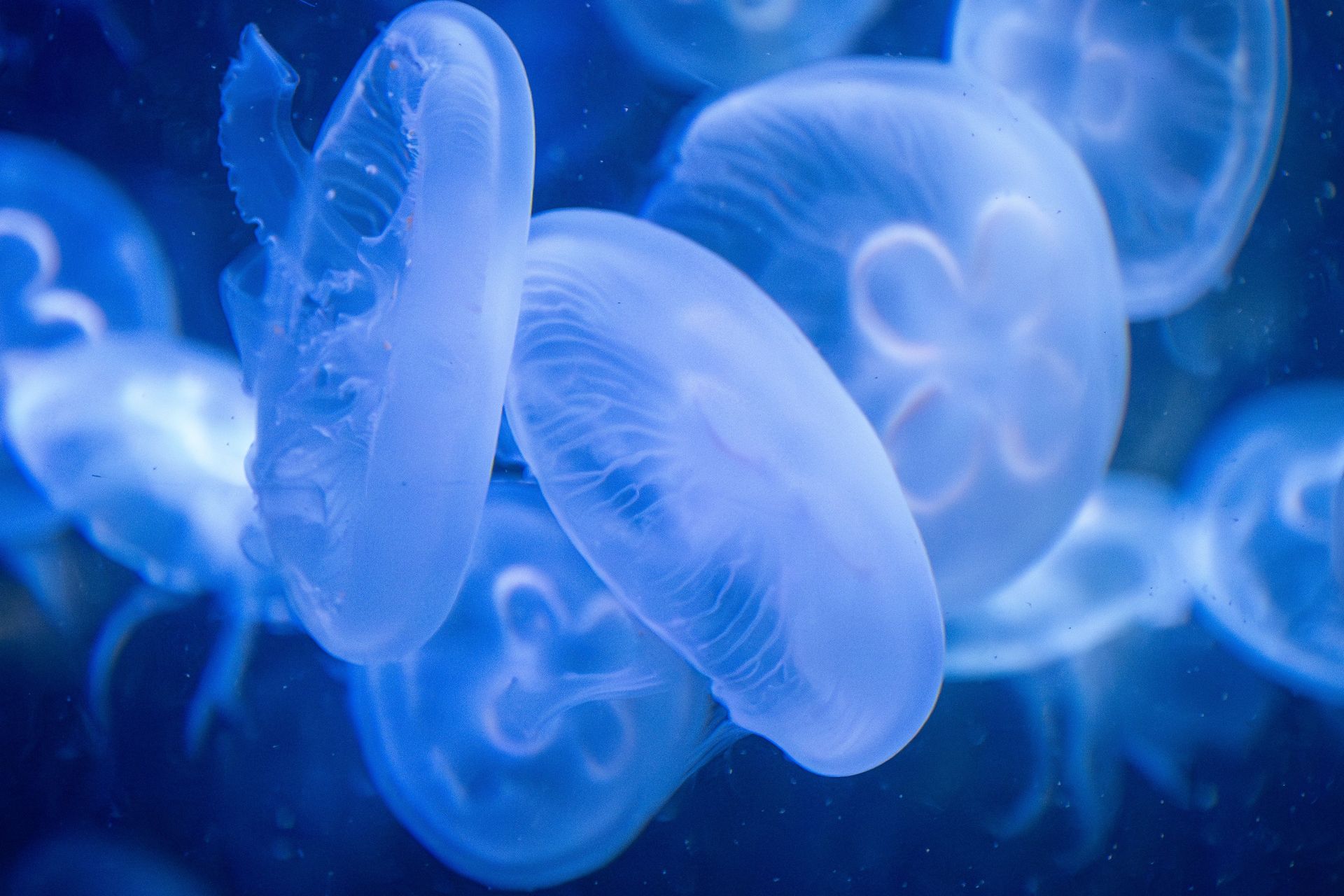
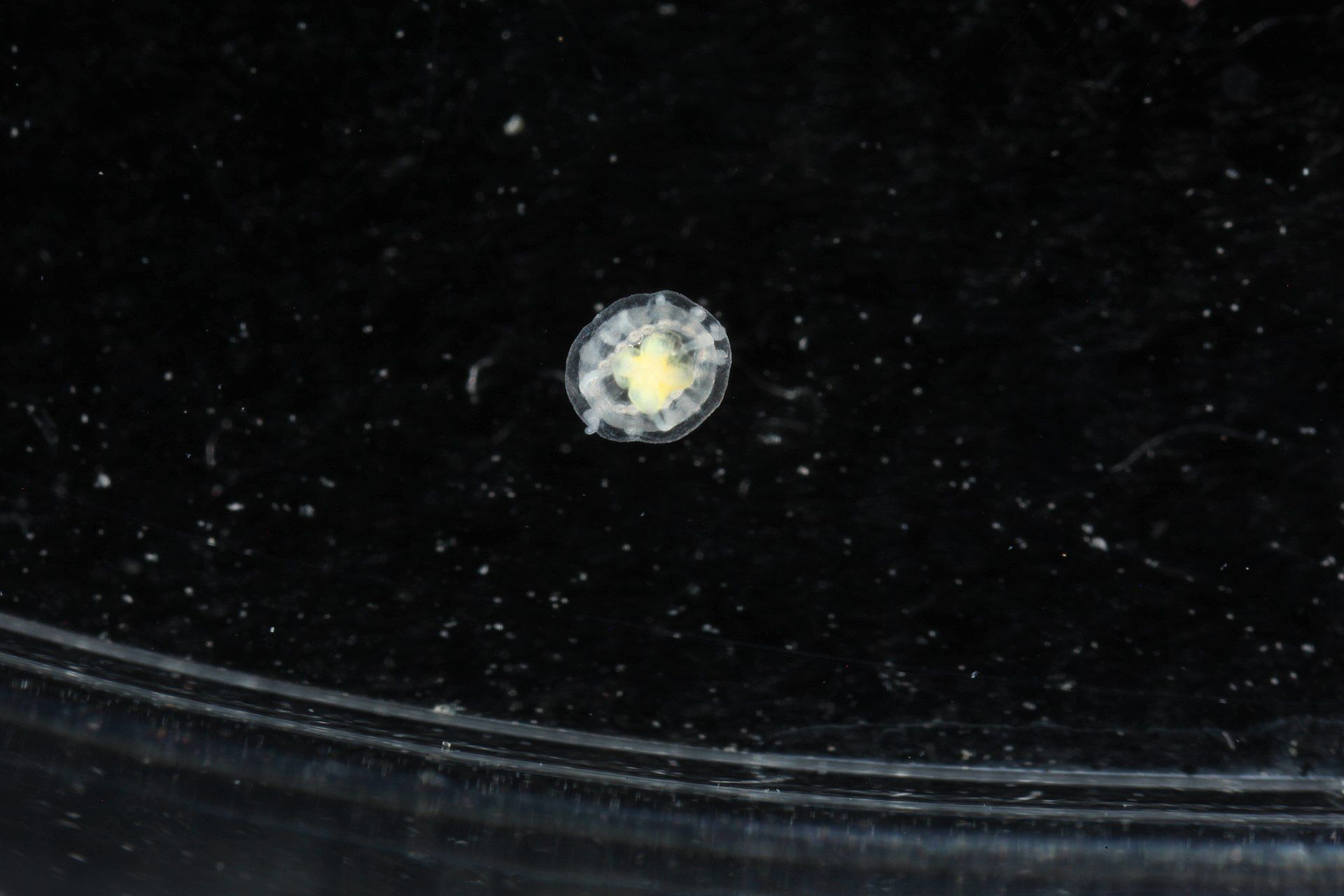
Turritopsis dohrnii is a small jellyfish approximately 4.5 millimeters in diameter that is, in a specific biological sense, immortal. When subjected to physical damage, starvation, or old age, the adult medusa reverts to its juvenile polyp stage through a process called transdifferentiation — mature, differentiated cells revert to a pluripotent stem cell state and rebuild a new organism. The process can repeat indefinitely. There is no known maximum lifespan.
The mechanism that makes this possible — transdifferentiation, in which a mature differentiated cell changes its identity to become a different cell type entirely — is something that cells in most animal bodies cannot do. Mammalian cells are locked into their differentiated state: a liver cell remains a liver cell; a neuron remains a neuron; the loss of differentiated cells through aging or damage produces irreversible tissue degradation. The jellyfish's cells are not locked in this way, and when the organism is under sufficient stress, the cells revert and rebuild.
The phenomenon seems impossible because it violates the intuitive expectation that biological aging is a one-way process. Every other multicellular organism on Earth ages toward death in a recognizable direction; Turritopsis dohrnii reverses direction when it reaches that destination and starts over. Researchers studying the animal's genome published a 2022 comparative genomic analysis identifying specific gene families associated with DNA repair and cellular reprogramming that are present at elevated expression levels in T. dohrnii — beginning to explain a mechanism that still seems, even with the explanation, like it shouldn't work.
Credit: Wikimedia Commons
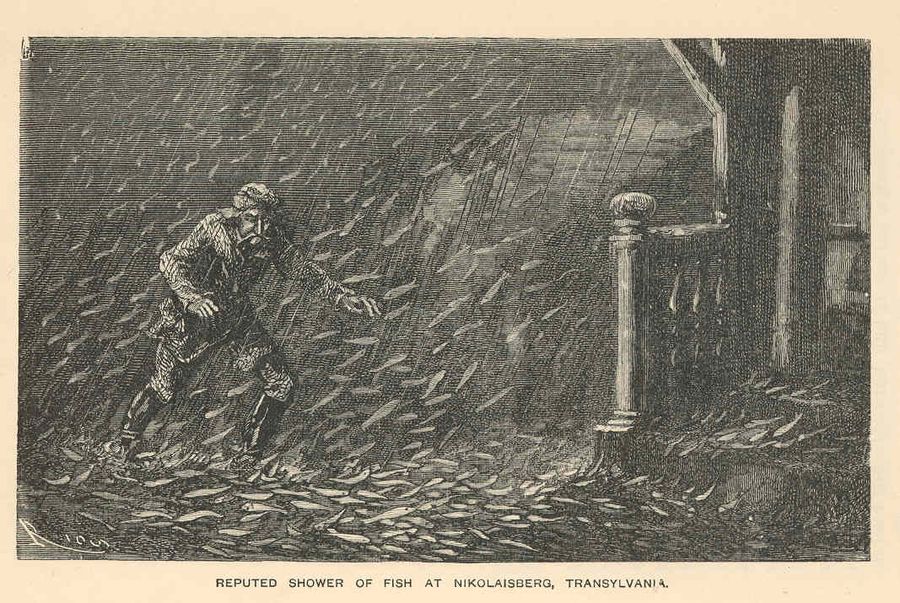
It rains fish. It rains frogs. It occasionally rains spiders. These are not legends or misidentifications: accounts of animal rain events are documented worldwide across centuries, verified by multiple witnesses, and the biological material has been collected and identified. The Yoro region of Honduras holds an annual Festival de la Lluvia de Peces (Rain of Fish), celebrating a phenomenon that has recurred with documented regularity since the 19th century and that produces actual silver fish on the ground after storms.
The mechanism is waterspout or tornado uplift: a rotating column of water or air above a body of water can develop sufficient suction to lift small animals from the water's surface into the storm cloud system, carry them horizontally over distances of tens of kilometers, and deposit them elsewhere when the storm system weakens. The animals survive the ascent because the air pressure in the updraft is sufficient to support them, and some portion survive the descent and the impact.
The phenomenon seems impossible because the intuitive mental model of where fish come from and where rain comes from has no intersection. Fish are in water. Rain falls from clouds. The specific mechanism by which these two facts can be temporarily overridden by atmospheric physics — by a column of rotating air that is indifferent to the categorical separation between aquatic and aerial environments — is the specific surprise. It is verified. It happens. Fish fall from the sky.
Kristmac / Wikimedia Commons (CC BY-SA 4.0)
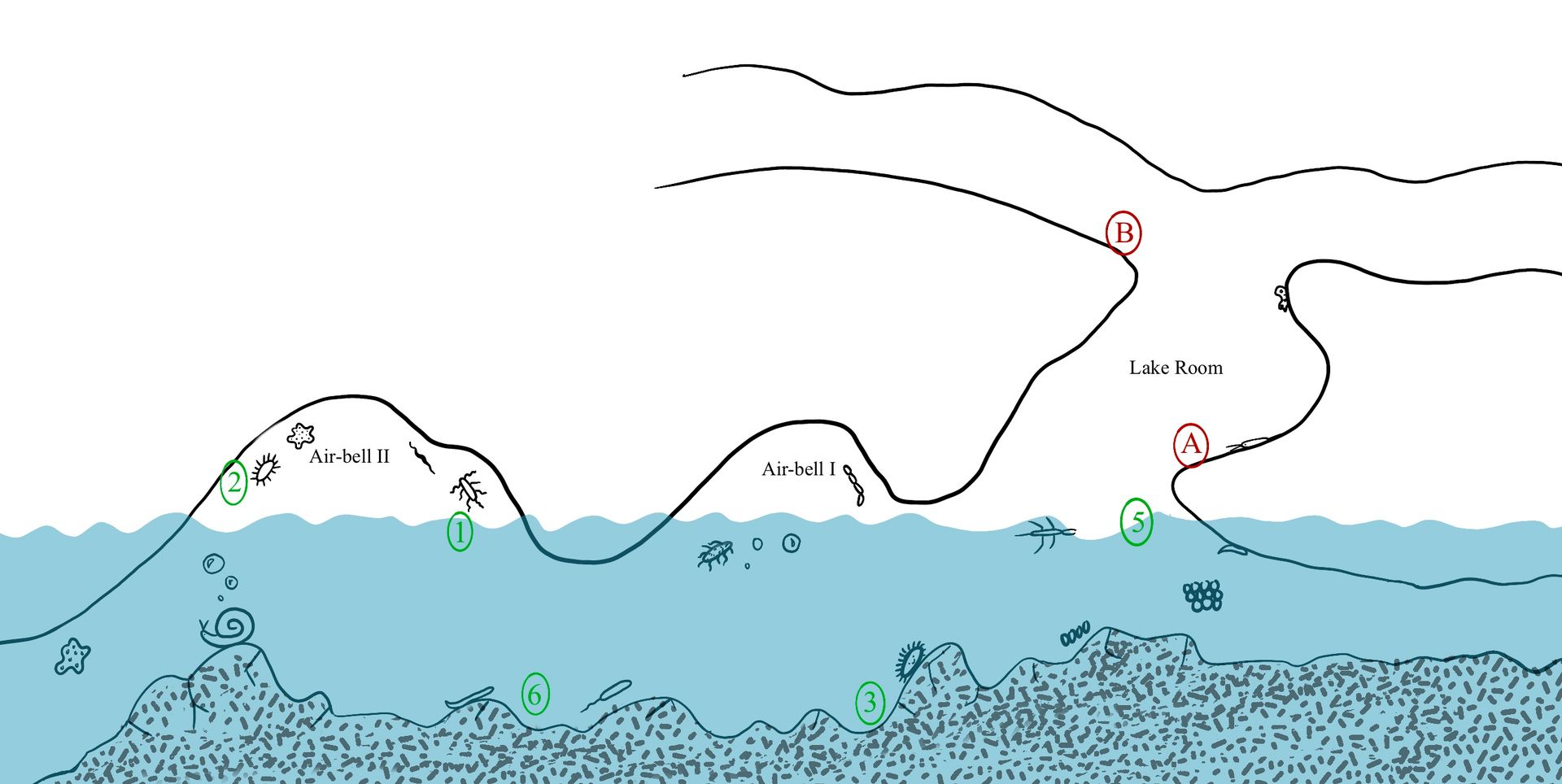
Movile Cave in southeastern Romania was sealed from the surface approximately 5.5 million years ago by a geological event that cut off its air supply, its light, and its connection to the surface ecosystem. When scientists drilled into it in 1986, they found a functioning ecosystem of 48 species — 33 of them found nowhere else on Earth — that had been evolving in complete isolation from the surface world for 5.5 million years, sustained entirely by chemosynthesis (energy from hydrogen sulfide and methane gases) rather than photosynthesis.
The ecosystem includes spiders, centipedes, pseudoscorpions, water scorpions, leeches, snails, and several species of bacteria and fungi, all completely blind (eyes have no function in total darkness and were lost over millions of generations of selection), all colorless (pigmentation requires sunlight exposure to have any function and was similarly lost), and all adapted to the toxic hydrogen sulfide atmosphere that would kill most surface organisms.
The phenomenon seems impossible because the intuitive model of how life works requires sunlight, and Movile Cave demonstrates that this model is wrong. Life does not require sunlight; it requires energy, and the specific geochemical energy of hydrogen sulfide is sufficient to sustain a complex, interdependent ecosystem across 5.5 million years of total isolation. The cave is the closest analog to the environments of early Earth, before photosynthesis evolved, and it demonstrates that those environments were not lifeless.
Mpmajewski / Wikimedia Commons (CC BY-SA 3.0)
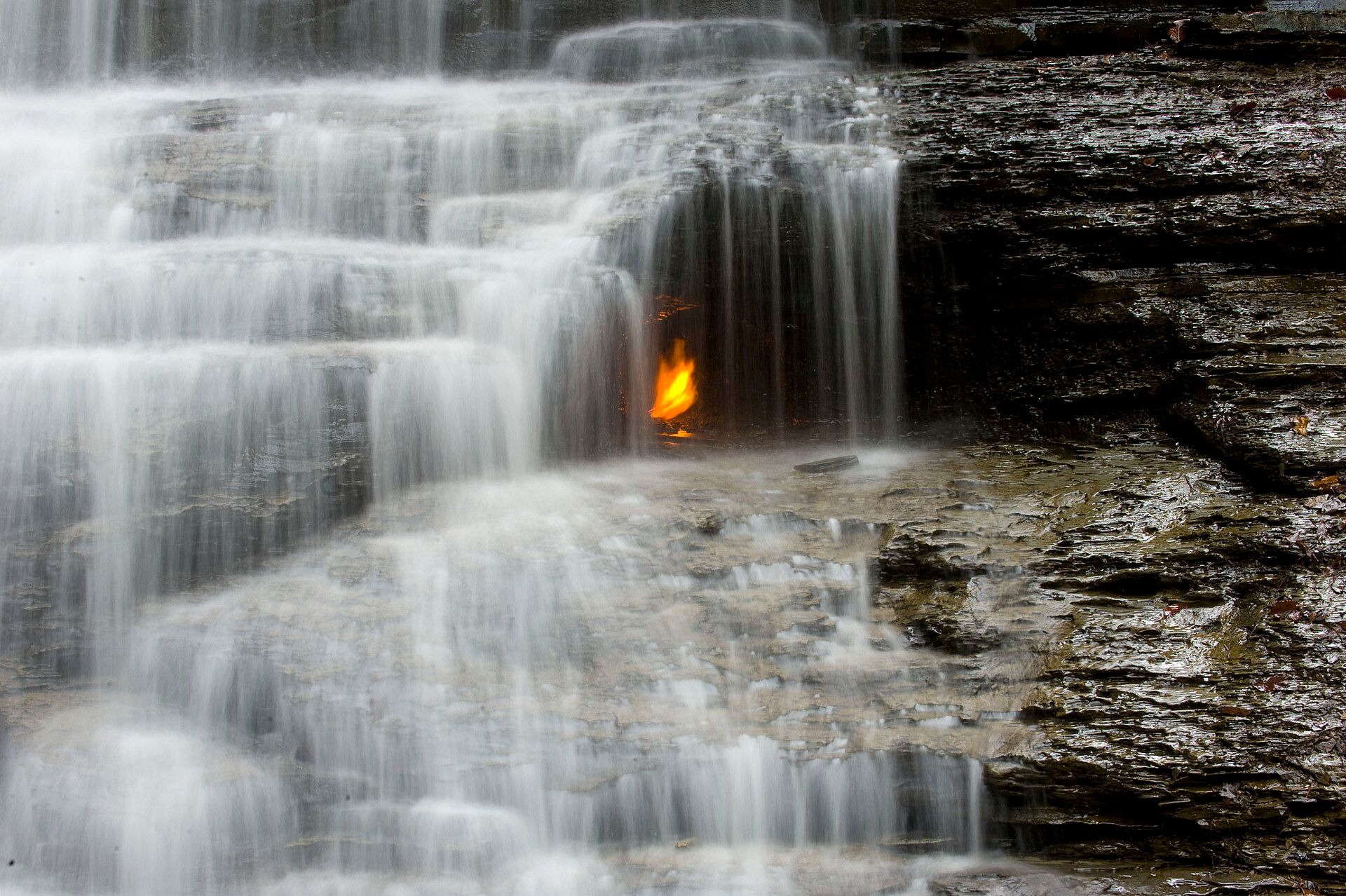
The Eternal Flame Falls in Chestnut Ridge Park near Buffalo, New York is a small waterfall behind which burns a flame approximately 20 centimeters high, maintained by natural gas seeping from the shale beneath. The flame burns continuously inside a grotto behind the waterfall, shielded from direct water contact by the specific geometry of the rock, and must be periodically relit after heavy rains extinguish it — but burns almost continuously under normal conditions.
The flame's fuel is methane and ethane seeping from geological formations beneath the park, produced by the same hydrocarbon generation processes that produce the natural gas used commercially across the region. The specific location of this seep beneath a waterfall is geological accident; the combination of continuous gas supply, sufficient oxygen from the air in the grotto, and the rock geometry that prevents the waterfall from extinguishing the flame produces a phenomenon that looks like it violates the categorical separation between fire and water.
The phenomenon seems impossible because fire and water are definitionally opposed in most intuitive models. The specific fact that a flame can burn continuously for an unknown but very long period of time within meters of a flowing waterfall requires the specific geological conditions that Chestnut Ridge Park happens to have — conditions that exist in very few other places on Earth.
Since at least the 1930s, and documented intensively since 1981, residents of the Hessdalen valley in central Norway have observed floating lights — white, yellow, and red luminous objects that move through the valley at varying speeds, hover, change direction, and occasionally appear to interact with physical objects. The lights range from the size of a car to larger structures; they have been photographed, filmed, measured with spectroscopic instruments, and observed by scientists from multiple countries, and their cause remains genuinely unexplained.
The hypotheses proposed include piezoelectric effects from quartz-bearing rock in the valley under geological stress, Coulomb scattering of ionized clouds, plasma produced by ionization of valley air, and radar-scattering from ionized air. None of these hypotheses is fully established, and the specific combination of duration (decades of continuous observation), intensity (the lights are bright enough to illuminate the valley floor), and behavior (movement, apparent interaction) makes the Hessdalen lights one of the most thoroughly documented unexplained natural phenomena in the scientific literature.
The phenomenon seems impossible because luminous objects that float, move, and persist without an obvious energy source violate intuitive models of where light comes from. The fact that they have been observed by thousands of people, photographed and measured by scientists, and remain unexplained after 40 years of investigation is itself a statement about the limits of current physical models of atmospheric phenomena.
Residents of Taos, New Mexico and surrounding areas have reported hearing a persistent low-frequency humming sound since the early 1990s — a sound that is heard by approximately 2 to 4% of the area's population but is not detectable by standard audio recording equipment and has not been identified to a specific external source despite multiple scientific investigations. People who hear it describe it as similar to a diesel engine idling at a distance: constant, low-frequency, unresponsive to earplugs or other noise-blocking measures.
Similar low-frequency hums have been reported from other locations globally — Bristol, UK; Windsor, Ontario; various European locations — suggesting a class of natural or industrial phenomenon whose mechanism is not yet understood. Proposed explanations include infrasonic geological activity, industrial facility emissions, very-low-frequency radio transmissions, and spontaneous otoacoustic emissions (sounds produced by the inner ear itself), but no single explanation accounts for all documented hum locations.
The phenomenon seems impossible because a sound that is real to its hearers but undetectable by instruments and inaudible to most people violates intuitive models of how sound works — as a physical wave in air that is either present (and therefore detectable) or absent. The Taos Hum's resistance to explanation after decades of investigation suggests either that the mechanism is genuinely unusual or that the phenomenon is not acoustic in the conventional sense.
Joe Thomissen / Wikimedia Commons (CC BY-SA 3.0)
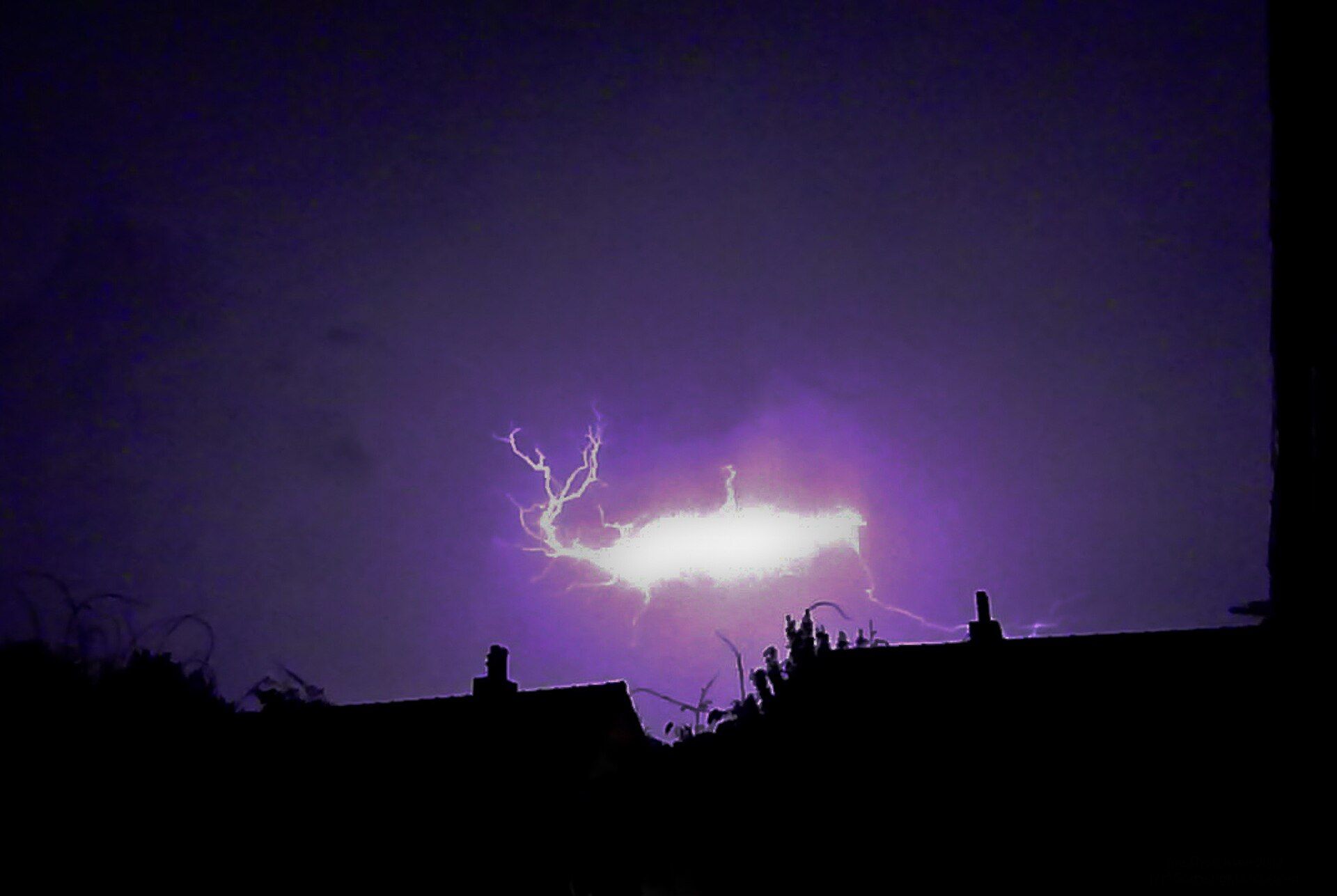
Ball lightning — a luminous sphere of plasma ranging from golf ball to beach ball size, observed floating through the air during thunderstorms, passing through solid objects, entering rooms through windows, and eventually disappearing with a loud bang — has been reported by credible witnesses including scientists and military personnel for centuries and has resisted satisfactory physical explanation. It has been photographed on at least one occasion (a 2012 image from China) and was directly measured spectroscopically in 2014 by Chinese researchers who happened to have instruments running during an accidental encounter.
The spectroscopic measurement found silicon, iron, and calcium in the ball lightning — elements found in soil — which has led to the current leading hypothesis: ball lightning is a sphere of vaporized soil material produced by a lightning strike, maintained in a plasma state by the electromagnetic energy of the surrounding storm. The plasma sphere decays slowly, producing the characteristic slow movement and eventual explosive dissipation.
The phenomenon seems impossible because plasma — the fourth state of matter, extremely hot ionized gas — does not normally exist at the low temperatures and pressures of the open atmosphere for more than fractions of a second. Ball lightning persists for seconds to minutes. The mechanism by which the plasma is maintained long enough to produce the observed behavior is still not fully understood despite the 2014 spectroscopic evidence.
Stephen Leonardi / Pexels
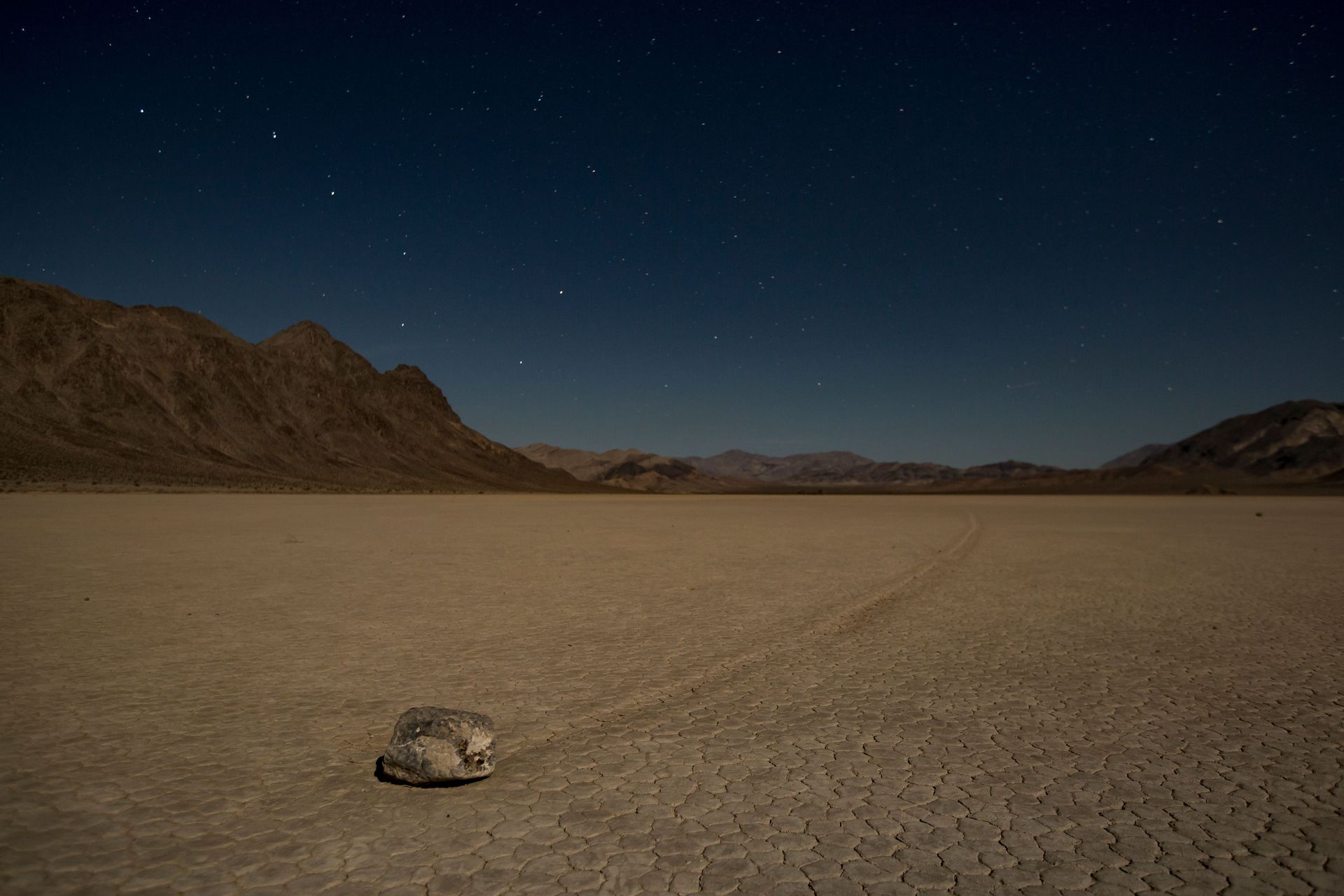
The rocks of Racetrack Playa in Death Valley National Park move. Trails hundreds of meters long behind stones weighing up to 300 kilograms cross the flat, dry lake bed of the playa, demonstrating conclusively that the stones have moved and that they have moved in straight or gently curving paths. The phenomenon was documented for over a century before its mechanism was explained, and the explanation, when it arrived in 2014, was almost as surprising as the phenomenon.
The mechanism: thin sheets of ice form on the playa surface on winter nights when temperatures drop below freezing. When the sun warms the playa in the morning, the ice begins to melt and fragment. Wind pushes the ice sheets, which push the stones across the ultra-flat, ultra-slick surface of the wet playa mud beneath them. The ice sheets are thin enough to be invisible by the time visitors arrive and the sun has fully warmed the surface; the movement occurs only under the specific combination of temperature, ice formation, flooding, and wind that the playa occasionally produces.
The phenomenon seems impossible because rocks do not move without being pushed, and the specific absence of visible pushing agents in a flat, dry, apparently windless desert produced 100 years of mystery. The explanation, when found, required a camera system that ran continuously for several years — the movement only occurred in specific rare conditions and had never previously been witnessed directly.
-1920x1280.jpg)
Fernando Flores / Wikimedia Commons (CC BY-SA 2.0)
Where the Catatumbo River empties into Lake Maracaibo in Venezuela, a permanent lightning storm occurs approximately 140 to 160 nights per year, producing up to 28 lightning bolts per minute, lasting 10 hours per night, and visible from 400 kilometers away. The storm has occurred with such regularity for so long that it was used as a navigational aid by sailors for centuries — Francis Drake reportedly used it to navigate in the Caribbean. It has been called the "Lighthouse of Maracaibo" and the "Everlasting Storm."
The mechanism is the specific meteorology of the Maracaibo basin: warm, humid air from the lake rises and collides with cold air descending from the surrounding Andes, producing the convective instability that generates thunderstorms. The specific geometry of the basin — mountains on three sides channeling the air masses into collision over the same location repeatedly — creates a permanent atmospheric engine that runs on the temperature differential between the warm lake surface and the cold mountain air.
The phenomenon seems impossible because thunderstorms are temporary events — they form, discharge their energy, and dissipate. The Catatumbo storm recurs at the same location with the regularity of a geographic feature rather than a weather event, because the atmospheric conditions that generate it are as permanent as the geography that creates them. It is the most lightning-active location on Earth by documented measurement.
Alchemist-hp / Wikimedia Commons (GFDL 1.2)
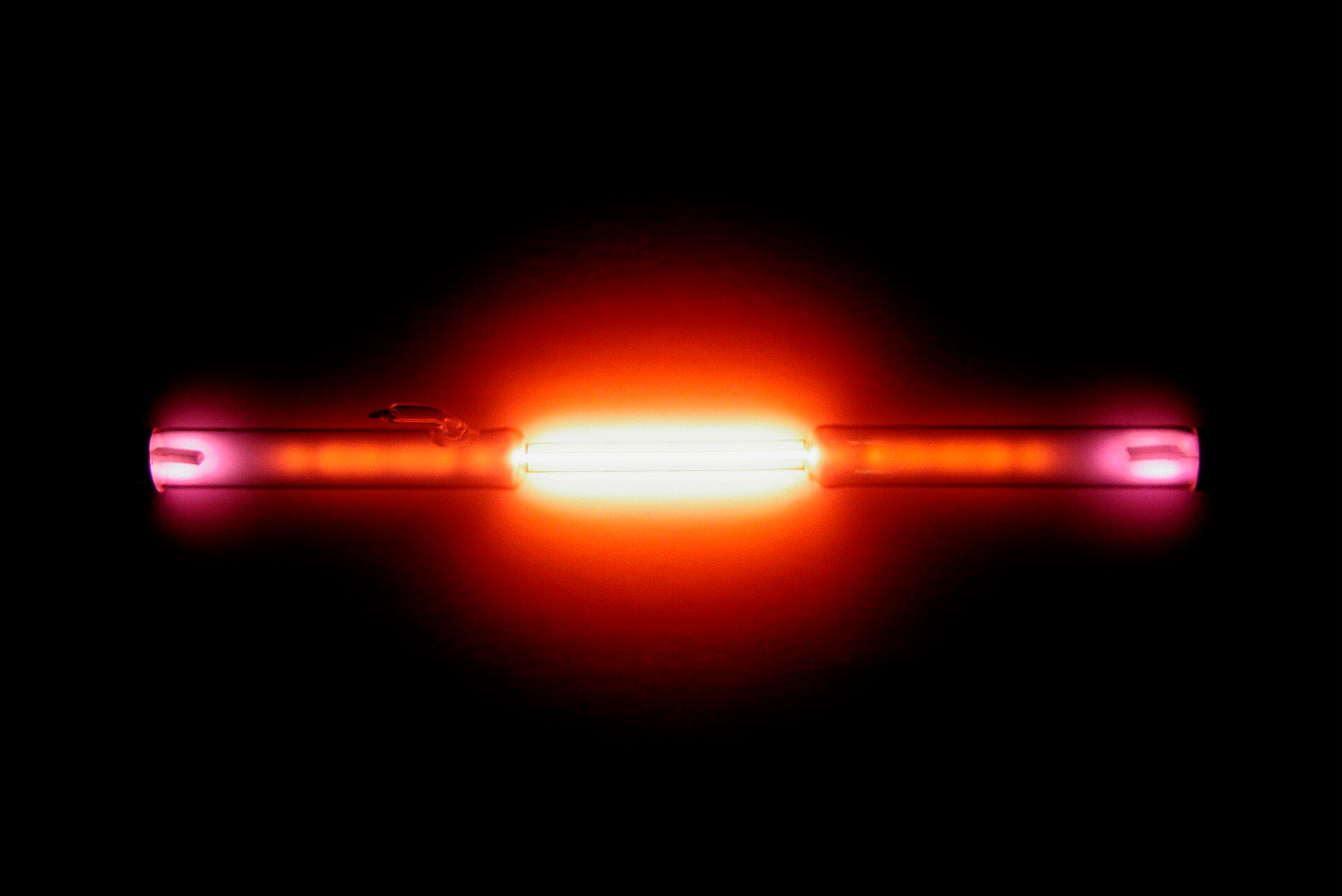
Liquid helium cooled below 2.17 Kelvin (approximately -271°C) transitions to a superfluid state in which it exhibits zero viscosity — no internal friction whatsoever — and a thermal conductivity approximately 2,000 times that of copper. In this state, helium does things that no normal liquid does: it flows through openings too small for any gas molecule to pass, it spontaneously climbs the walls of its container and flows over the rim, and it forms a thin film over every surface it contacts that flows uphill against gravity.
The mechanism is quantum mechanical: below the lambda point (2.17 Kelvin), all helium atoms enter the lowest quantum energy state simultaneously (Bose-Einstein condensation), losing their individual quantum identities and behaving as a single quantum entity with no viscous interaction between atoms. The film that climbs container walls is called the Rollin film; it is approximately 30 nanometers thick and flows in response to differences in van der Waals forces rather than gravity.
The phenomenon seems impossible because liquids flow downhill. This is as close to a universal physical law as anything in everyday experience. Superfluid helium climbing the outside of its container and dripping off the bottom is one of the most viscerally counterintuitive demonstrations in all of physics — a visible violation of what liquid behavior is supposed to look like.
Hot water sometimes freezes faster than cold water under the same conditions — a phenomenon first investigated scientifically in 1969 after a Tanzanian student named Erasto Mpemba observed it while making ice cream and asked his physics teacher to explain it. The teacher and a professor at Dar es Salaam published an investigation of the effect; the professor confirmed it experimentally and named it after Mpemba.
The mechanism remains genuinely contested despite decades of research. Proposed explanations include the faster evaporation of hot water (which reduces the mass of water that must freeze), the disruption of hydrogen bond networks in hot water (which may change the specific heat properties), the convective currents in hot water that improve heat transfer to the container, and the dissolution of dissolved gases in hot water at elevated temperature. A 2016 paper proposed a specific molecular mechanism involving hydrogen bond energy; the question remains open.
The phenomenon seems impossible because the intuitive model of freezing — cold things freeze faster because they are closer to the freezing point — is correct in most circumstances and wrong in some. The specific conditions under which hot water freezes faster than cold water are not yet fully characterized, which means that the phenomenon is documented, named, and unexplained: one of the very few physical effects in everyday temperature ranges whose mechanism remains an active research question.
-900x1350.jpg)
NASA / Milan Loiacono via Wikimedia Commons
The bioluminescent bays of Puerto Rico — Mosquito Bay on Vieques, Laguna Grande in Fajardo, and La Parguera — glow blue-green at night when the water is disturbed. The light is produced by dinoflagellates, single-celled organisms that exist in the bay water at densities of up to 720,000 per gallon and that emit a flash of blue-green light when mechanically disturbed by anything moving through the water: a paddle stroke, a swimming hand, a fish.
The biochemical mechanism is the oxidation of a compound called luciferin by the enzyme luciferase — the same general mechanism used by fireflies, deep-sea fish, and dozens of other bioluminescent organisms. In the dinoflagellates, the light flash is triggered by changes in pH inside the cell produced by the mechanical disturbance; the specific chemistry converts chemical energy into photons with approximately 95% efficiency, making bioluminescence one of the most energy-efficient light-production mechanisms known.
The phenomenon seems impossible because water producing light when you move through it violates the intuitive model of what water does. The specific experience — your hand glowing blue when you hold it beneath the surface of a dark bay, each finger outlined in living light — is something that photographs prepare for intellectually and do not prepare for experientially. It is one of the most viscerally magical experiences available in the natural world, and it is produced by a single-celled organism doing chemistry.
-1920x1440.jpg)
Larry / Wikimedia Commons (CC BY 2.0)
Tidal bores are waves that travel upriver against the current, reversing the river's direction of flow, when a sufficiently strong tidal surge enters a river mouth with the right geometric configuration. The bore travels upstream at 10 to 25 kilometers per hour as a wave front, turning the river current against itself for hours until the tidal surge subsides. The world's largest tidal bore is in the Qiantang River in China, where the bore reaches heights of up to 9 meters and is watched by hundreds of thousands of people during peak tide events.
The mechanism requires the combination of a large tidal range, a funnel-shaped river mouth that concentrates the incoming tide, and a relatively shallow river bed that forces the tidal energy upward into a wave rather than allowing it to spread horizontally. The Bay of Fundy in Canada has the world's largest tidal range (up to 16 meters) and produces large bores in the Shubenacadie River; the Amazon $AMZN has the mascaret; the Severn in England has the Severn Bore, surfed by kayakers and surfers who ride it for kilometers.
The phenomenon seems impossible because rivers flow toward the sea — this is what rivers do. The tidal bore is a temporary, periodic reversal of this flow by a force larger than the river's own gravity-driven current, and the wave traveling upstream against the river's current is one of the clearest visible demonstrations available in nature that gravity is not the only force operating on water.
Mikhail Nilov / Pexels
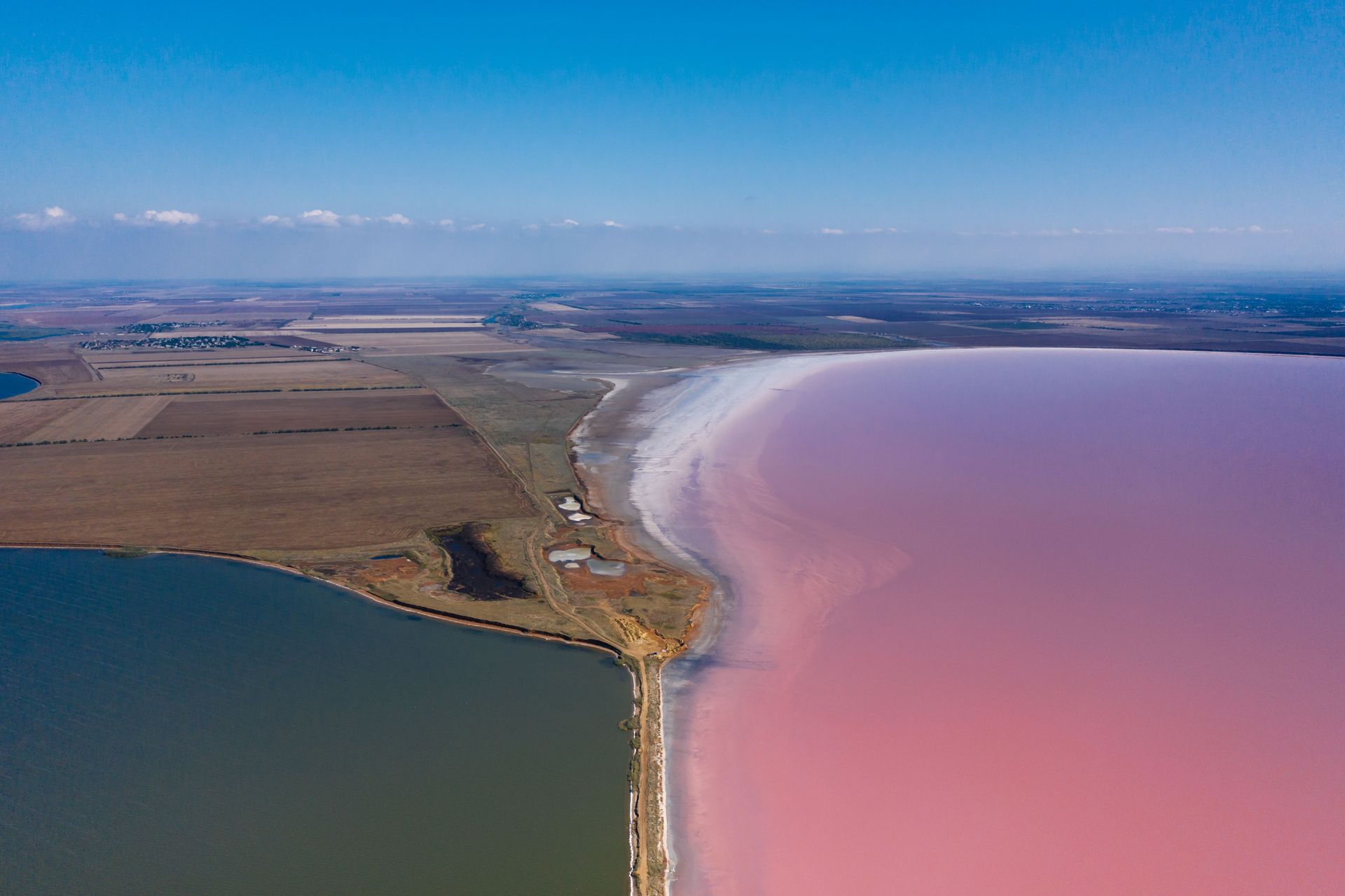
Lake Hillier on Middle Island off the coast of Western Australia and Hutt Lagoon on the mainland coast are both a vivid, persistent bubblegum pink — a color that is genuine and not a photographic effect, visible from the air and from the shore, stable throughout the year, and produced by living organisms in the water. The pink color does not change when the water is removed from the lake and placed in a container.
The mechanism is the combination of Dunaliella salina algae (which produce beta-carotene as a stress response to high salinity) and halophilic bacteria (salt-tolerant bacteria that produce pigments as part of their metabolic processes) in water whose salinity is too high for most organisms to survive. The specific pink is the aggregate of these biological pigments, and the lake's extreme salinity — approximately 10 times the salinity of seawater — creates the selective environment that allows only the pink-pigment-producing organisms to thrive.
The phenomenon seems impossible because water is not pink. The specific chromatic departure from everything water is supposed to look like, combined with the fact that the color is biological rather than mineralogical and stable rather than temporary, produces the specific quality of impossibility: not that it violates physics but that it violates expectation so completely that the first encounter with photographic evidence looks like manipulation.
P.Lechien / Wikimedia Commons
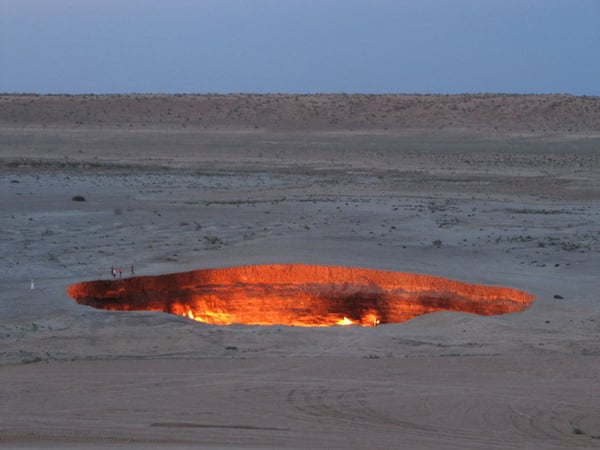
The Darvaza gas crater in the Karakum Desert of Turkmenistan — a 70-meter-wide, 30-meter-deep crater that has been burning continuously since 1971 — is the product of a Soviet drilling accident in which the drilling platform collapsed into a natural gas cavern, creating a large sinkhole. Soviet geologists lit the escaping gas on fire to prevent the spread of toxic methane, expecting the fire to burn itself out in weeks. It has now burned for over 50 years.
The burning crater sits in a flat desert, producing light visible from kilometers away at night, and the specific combination of the geological accident, the Soviet decision, and the apparently inexhaustible gas supply has created a permanent feature of the Turkmen landscape that was not planned and cannot be easily stopped. Attempts to extinguish it have been proposed but the gas supply has shown no sign of depletion after 50 years of continuous burning.
The phenomenon seems impossible not because it violates physics but because the intuitive expectation is that fires go out. The specific combination of the hole's geometry, which allows fresh air to continuously supply oxygen to the burning gas, and the gas reservoir's size, which has sustained the fire for 50 years, produces a fire that behaves more like a geological feature than a combustion event.
Kondephy / Wikimedia Commons (CC BY-SA 4.0)
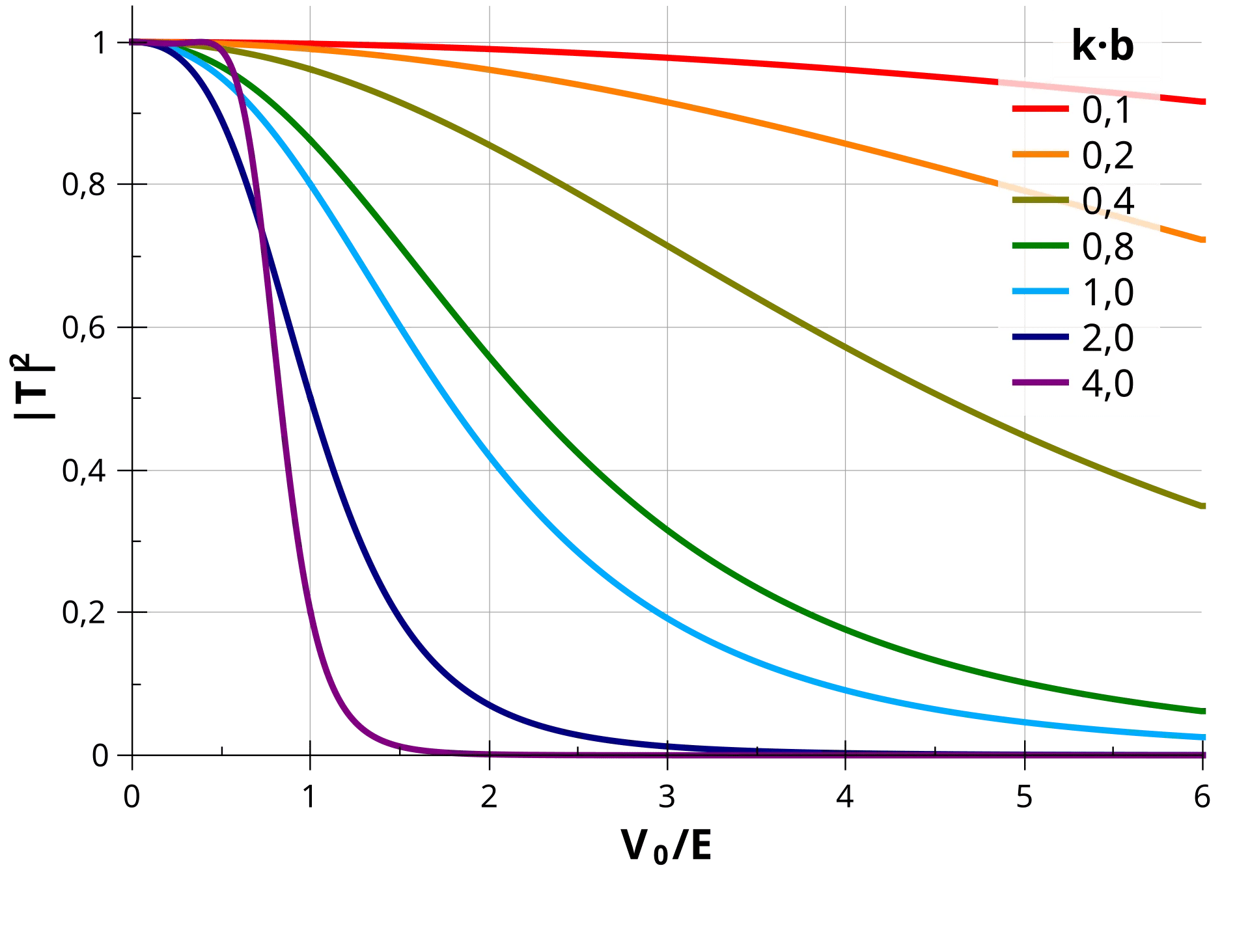
Quantum tunneling is a quantum mechanical phenomenon in which a particle passes through an energy barrier that, according to classical physics, it should be unable to surmount. An electron that does not have sufficient energy to pass over a potential energy barrier will, according to quantum mechanics, have a nonzero probability of appearing on the other side of the barrier — not by going over or around it, but by tunneling through the barrier as a wave function.
Quantum tunneling is not a theoretical curiosity: it is the mechanism by which nuclear fusion occurs in the sun (the protons in the sun's core do not have sufficient thermal energy to overcome the electrostatic repulsion between them; they tunnel through the barrier, allowing fusion to occur at a temperature much lower than classical physics would require), by which radioactive decay occurs (the alpha particle tunnels out of the nucleus), and by which the scanning tunneling microscope works (electrons tunnel between the microscope tip and the surface, allowing individual atoms to be imaged).
The phenomenon seems impossible because objects do not pass through solid barriers. This is not merely an everyday expectation but a principle that underlies every macroscopic model of physical interaction: solid objects do not interpenetrate. Quantum tunneling is the specific scale at which this principle breaks down — where the wave nature of matter produces the probability of barrier penetration that has no classical analog.
BathyMetrix / Wikimedia Commons (CC0)
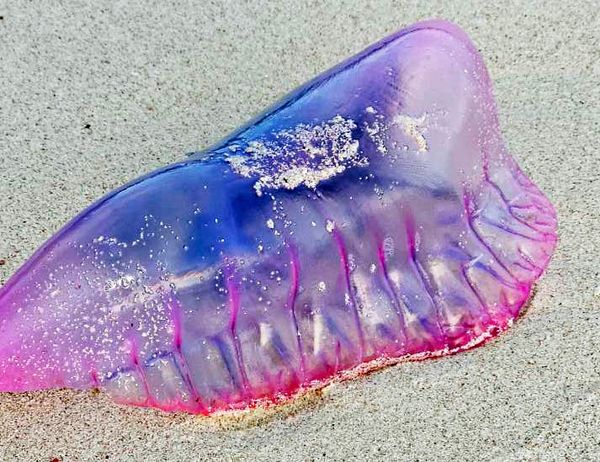
Praya dubia — the giant siphonophore found in deep ocean waters at depths of 700 to 1,000 meters — can reach lengths of 40 to 50 meters, potentially making it the longest animal on Earth. It is not, however, a single animal in the conventional sense: it is a colonial organism composed of hundreds to thousands of genetically identical individuals (zooids) that are physically connected and functionally specialized, with some zooids for swimming, some for feeding, some for reproduction, and some for defense.
The colony has no central nervous system: the coordination of a 40-meter organism that swims, feeds, and reproduces is achieved through a nerve net distributed throughout the colony without any brain, central processing unit, or hierarchical control structure. Each zooid performs its specialized function, and the aggregate behavior of the colony is the emergent result of the individual zooids' functions without any individual directing the whole.
The phenomenon seems impossible because the distinction between an individual organism and a colony of organisms is supposed to be fundamental to biology. The siphonophore occupies the specific conceptual territory where this distinction dissolves: each zooid is a genetically identical individual with its own cellular identity, but the colony behaves as a single organism with coordinated functions. The question of whether Praya dubia is one animal or thousands is a question that biology has answered with "yes" — it is genuinely both simultaneously.
turek / Pexels
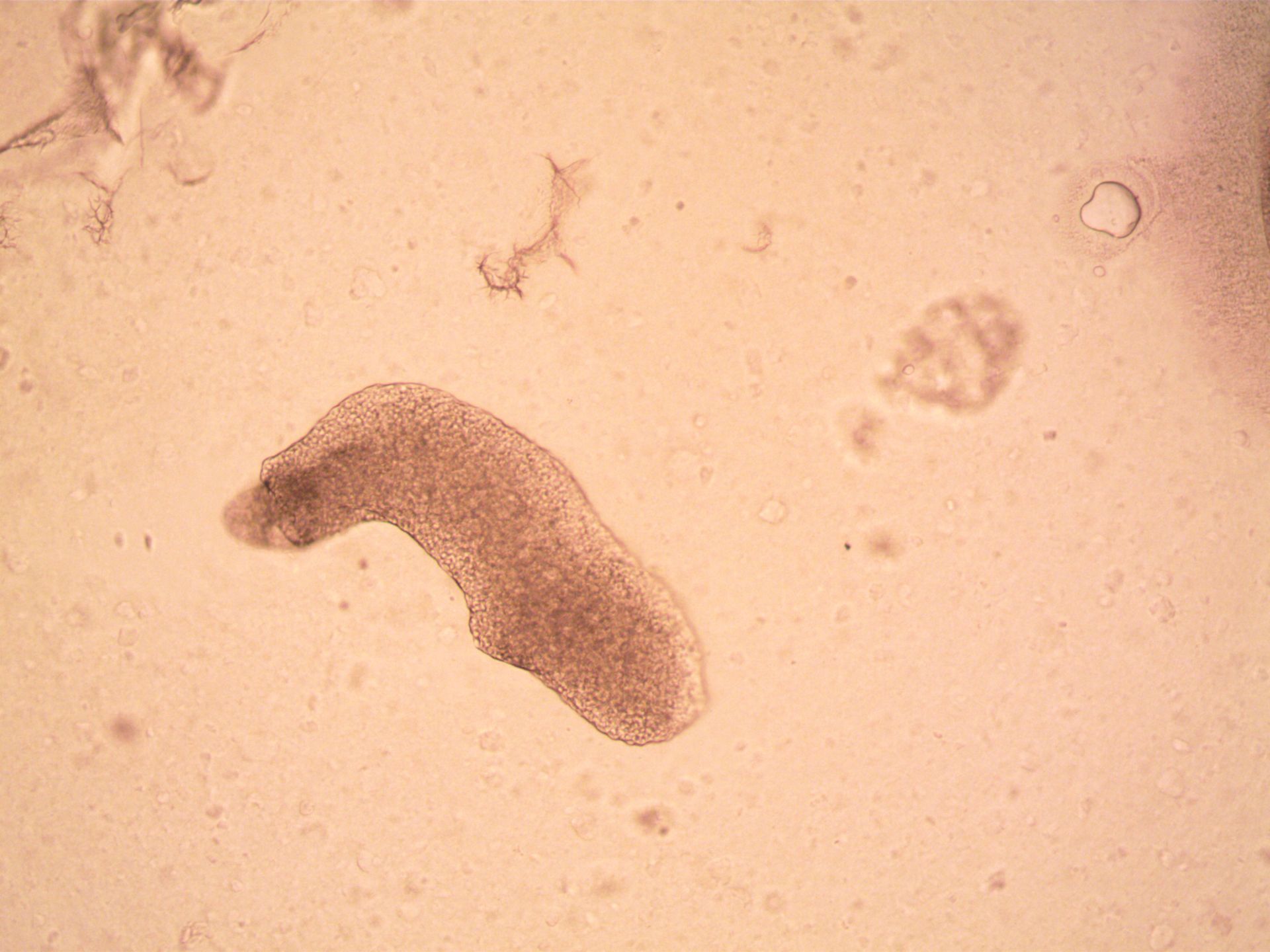
Tardigrades (water bears) are microscopic eight-legged animals, approximately half a millimeter in length, that survive complete vacuum, temperatures from −273°C to 150°C, radiation doses that would kill any other known animal, pressures six times those at the ocean's deepest point, and complete desiccation (removal of all body water). They were exposed to open space on the FOTON-M3 satellite mission in 2007 for 10 days and a significant proportion survived, returning to Earth and reproducing normally.
The survival mechanism is cryptobiosis — a state of suspended animation in which the tardigrade replaces all body water with trehalose (a disaccharide sugar that prevents ice crystal formation and stabilizes cellular structures), produces proteins called intrinsically disordered proteins that form a glass-like matrix around and within cells, and essentially halts all metabolism. In this state, the tardigrade is not dead but also not alive in the conventional metabolic sense: it is a dehydrated, glassy structure that can survive conditions that would destroy any other biological material.
The phenomenon seems impossible because life requires specific conditions — liquid water, moderate temperatures, protection from radiation — and the tardigrade in cryptobiosis has none of these. The specific mechanism by which biological structures remain viable through conditions that destroy all biological chemistry is the most direct challenge to the intuitive model of what the minimum requirements for life are.
A brinicle is a hollow tube of ice that forms underwater, descending from the underside of sea ice toward the seafloor, carrying within it a flow of super-cold, super-salty brine so cold that it freezes the seawater around it as it descends. A brinicle was first filmed in 2011 by BBC filmmakers using time-lapse photography under Antarctic sea ice, producing footage of what appeared to be a slow-moving icicle killing sea urchins and starfish on the seafloor — the brine so cold that any animal it contacted was immediately frozen.
The mechanism: as seawater freezes to form sea ice above, the salt is excluded from the ice crystals and concentrates in the remaining liquid, producing a brine that is both saltier and colder than the surrounding seawater. This brine, being denser than seawater, sinks — and as it descends through the less saline seawater, it causes the surrounding water to freeze around it, forming the hollow ice tube that extends the brine's descent to the seafloor. The process is self-reinforcing: the tube insulates the descending brine from the surrounding seawater, allowing it to maintain its extreme temperature as it descends.
The phenomenon seems impossible because ice growing downward through water, forming a tube, extending to the seafloor and killing animals on contact reads as science fiction. The first film of a brinicle is consistently described as one of the most unsettling pieces of natural history footage ever produced — not because it depicts predation or violence in any familiar sense, but because the agent of death is a crystalline process that looks, and in some senses is, more geological than biological.
Magnetic north — the direction a compass needle points, determined by the orientation of Earth's geomagnetic field — is not fixed. It moves. Between 1990 and 2020, magnetic north moved approximately 1,500 kilometers, accelerating from approximately 15 kilometers per year in the early 1990s to approximately 55 kilometers per year by 2019. It crossed from Canada into the Russian Arctic in 2019, and its movement has been fast enough in recent years to require annual updates to the World Magnetic Model that navigation systems use globally.
The mechanism is the movement of liquid iron in Earth's outer core, which generates the geomagnetic field through dynamo action — the flowing electrical conductor of molten iron creates and sustains the magnetic field as it moves. The field's orientation is determined by the aggregate direction of these iron flows, which change on timescales of decades to centuries. Geologically, the poles have reversed completely — magnetic north becoming magnetic south — approximately 183 times in the past 83 million years, most recently approximately 780,000 years ago.
The phenomenon seems impossible because compasses point north, and "north" is a fixed direction. The specific fact that the direction a compass points has moved 1,500 kilometers in 30 years, is currently moving faster than at any time in recorded human history, and has periodically reversed completely throughout geological time undermines one of the most basic navigational facts most people carry. Magnetic north is not a place; it is a moving average of the behavior of liquid iron 3,000 kilometers beneath the Earth's surface.
