Media Lens King / Pexels
Most natural wonders are permanent — or permanent enough. The Grand Canyon will be there whenever you go. The Great Barrier Reef, the Amazon $AMZN, Yellowstone, the Alps: these are places you can visit on your schedule, and the experience will be broadly the same whether you arrive in April or October, this year or next. The natural world has organized itself to accommodate the traveler's convenience.
Then there are the phenomena on this list. These are not places but events — things that happen in specific places during specific windows that are measured in days or weeks, and that either do not happen at all or happen in a diminished form outside that window. The wildebeest migration across the Mara River is available for approximately six weeks in July and August; outside that window, the Mara is a beautiful river with no wildebeest in it. The monarch butterfly overwintering sites in Michoacán hold between 50 million and 500 million butterflies from November through March; in April, the trees are empty. The bioluminescent bays of Puerto Rico glow on dark nights near the new moon and are barely visible near the full moon.
The reward for planning around these phenomena is a specific kind of experience that nothing else provides: witnessing something that the natural world produces on its own schedule, for its own reasons, with a scale or character that no built or managed attraction can approximate. The Mara River crossing is not better than the Met because it involves animals; it is different in kind from anything manufactured, and the difference is most fully felt when you are standing at the right river at the right time watching something that has happened every year for tens of thousands of years.
Each entry in this list covers what the phenomenon is, where to see it, the specific timing window, and what specifically makes it worth the logistical effort of planning around. Several have narrow windows; several are affected significantly by weather; several are increasingly threatened by climate change in ways that make seeing them sooner rather than later the more accurate travel advice.
1 / 20
Bushland Adventure Travel / Pexels
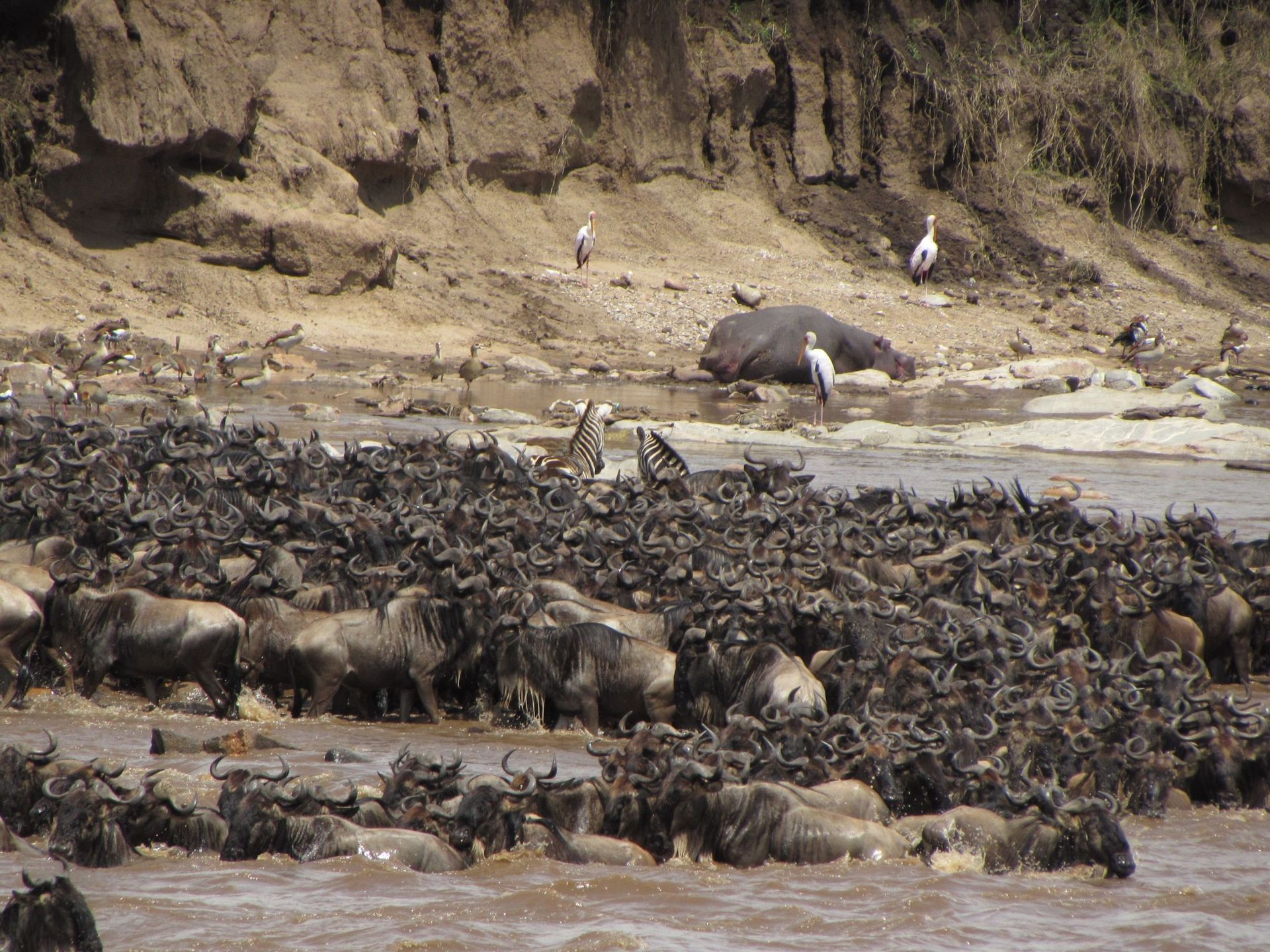
The Great Migration — the annual circular movement of approximately 1.5 million wildebeest, along with hundreds of thousands of zebras and gazelles, between the Serengeti in Tanzania and the Masai Mara in Kenya — is the largest overland migration of any mammal species on Earth. The river crossing is the apex of the experience: thousands of animals mass on the Mara River bank, hesitate as crocodiles wait below, then plunge in simultaneously in a chaos of bodies, spray, and predation. The crossing lasts 20 to 40 minutes; the buildup can last hours; and whether a crossing happens on any given day depends entirely on the animals' behavior.
The scale of what is happening — 1.5 million animals completing a circuit they have completed every year for tens of thousands of years, stopped at a river by the presence of predators — produces a specific quality of experience that has nothing to do with the drama of individual predator-prey interactions and everything to do with witnessing the unmanaged logic of an ancient natural system operating at full scale.
When: river crossing window is typically mid-July through mid-September for the northward crossing; October for the southward return. Varies annually with rainfall. Where: the Mara Triangle (western Masai Mara) has the most reliable crossing points; a guide with current herd movement knowledge is essential. What to know: crossings are unpredictable within the window. Waiting for a crossing that doesn't happen that day, then watching one the next morning, is the authentic experience.
2 / 20
Frank Lee / Pexels
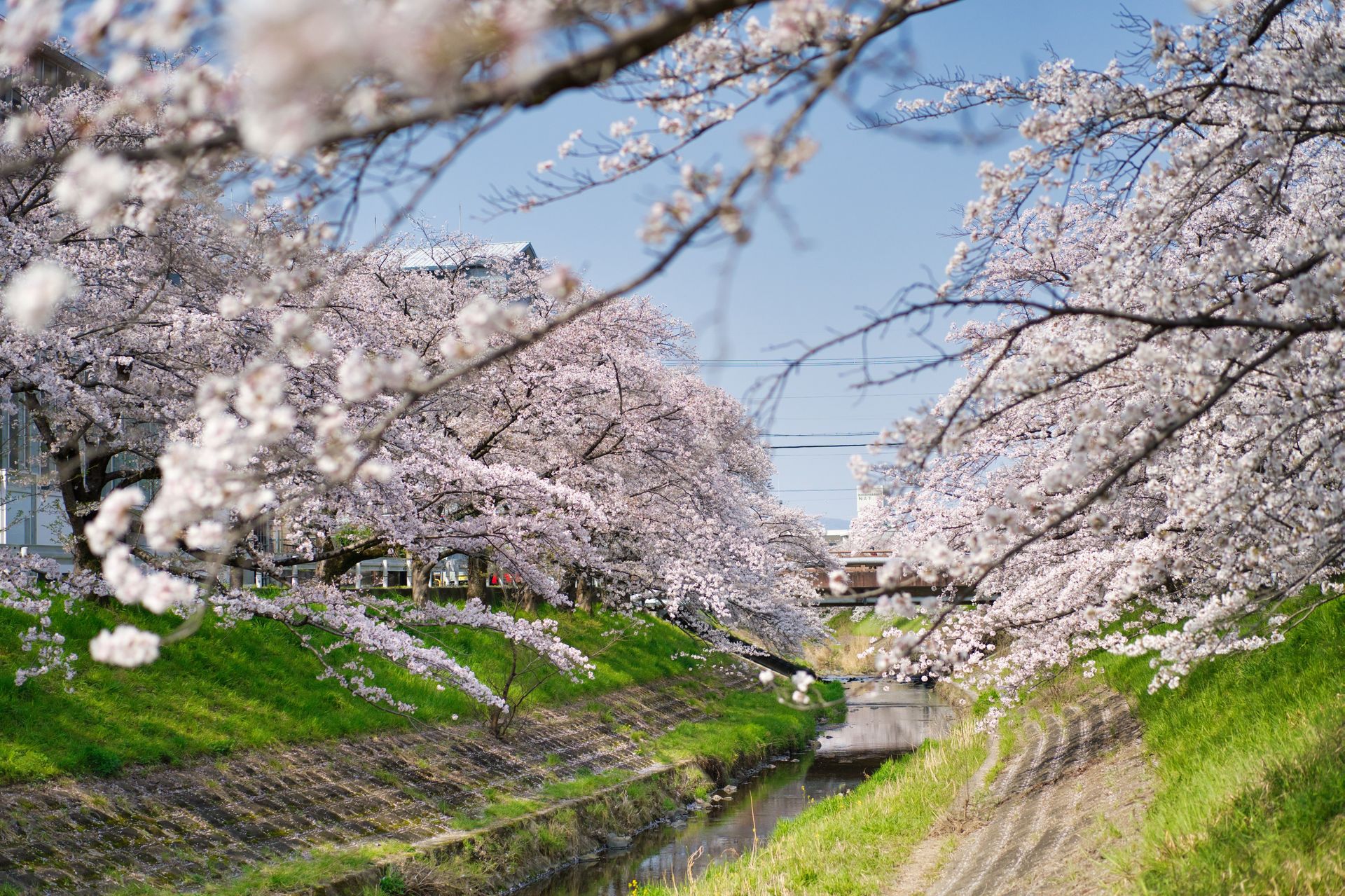
The Japanese cherry blossom (sakura) season is the most photographed natural phenomenon in the world, and the annual pursuit of peak bloom (mankai) is a national ritual organized around meteorological forecasting, social planning, and the specific aesthetic of mono no aware — the Japanese concept of the poignant beauty of transience — that the cherry blossom has represented in Japanese culture for over a thousand years.
The specific quality that makes cherry blossom worth traveling for, rather than simply viewing photographs of, is the scale and social dimension: in Japan, the blossoms are everywhere simultaneously, in every park and on every street, and the cultural practice of hanami (flower viewing) fills parks with picnicking groups under the trees, creating a collective social experience inseparable from the visual one.
When: Tokyo typically peaks in late March to early April; Kyoto slightly later; northern Honshu and Hokkaido in late April to early May. The Japan Meteorological Corporation publishes annual bloom forecasts from January onward. Where: Maruyama Park in Kyoto, Shinjuku Gyoen in Tokyo, Hirosaki Castle in Aomori for late-season viewing. What to know: the most beautiful moment is often not full bloom but the day or two when petals are beginning to fall — the shower of petals (hanafubuki) in a breeze is the experience photographs cannot capture.
3 / 20
Ernesto Reiez / Pexels
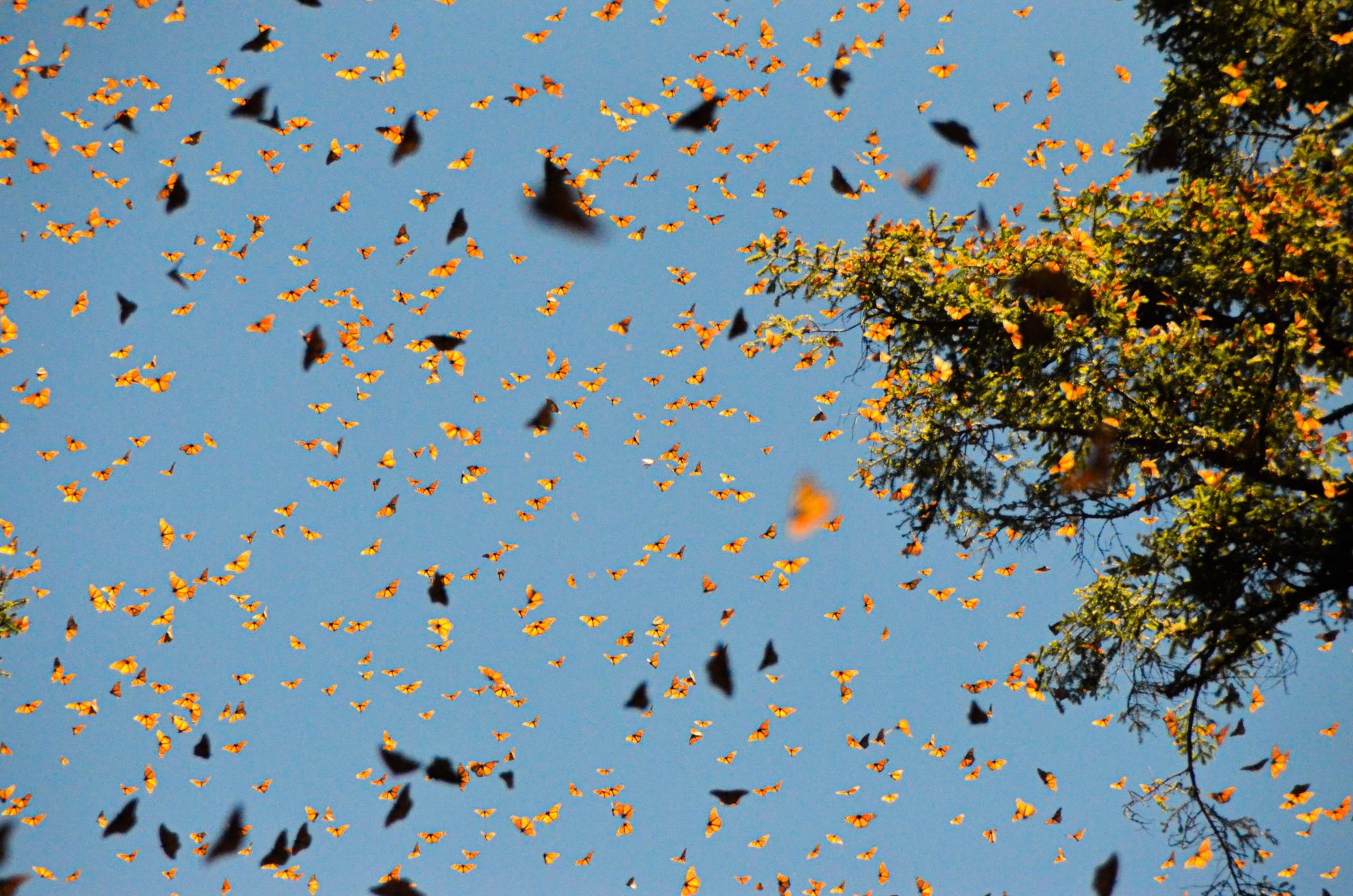
Between November and March, the Sierra Chincua and El Rosario butterfly sanctuaries in Michoacán, Mexico, shelter between 50 million and 500 million monarch butterflies that have migrated up to 4,500 kilometers from their breeding grounds in the eastern United States and Canada. The butterflies cluster on oyamel fir trees in densities so high that branches bow under their weight, and the trees appear orange rather than green.
The scale is what photographs cannot convey and visitors consistently describe as overwhelming: the sound of tens of millions of wings, the orange clouds drifting between trees when morning sun warms the hillside. The monarch's population has declined approximately 80% over the past four decades, making the experience both more urgent and more emotionally complex.
When: November through March; peak density is typically December through February. Visiting midweek avoids weekend crowds. Where: El Rosario sanctuary is most accessible; Sierra Chincua is less visited and allows closer approach. Both require a two-hour drive from Morelia. What to know: the experience is entirely weather-dependent on the day. Cold, overcast mornings mean resting butterflies; warm, sunny mornings mean flight. Plan for multiple days.
4 / 20
Piotr Kowalonek / Pexels
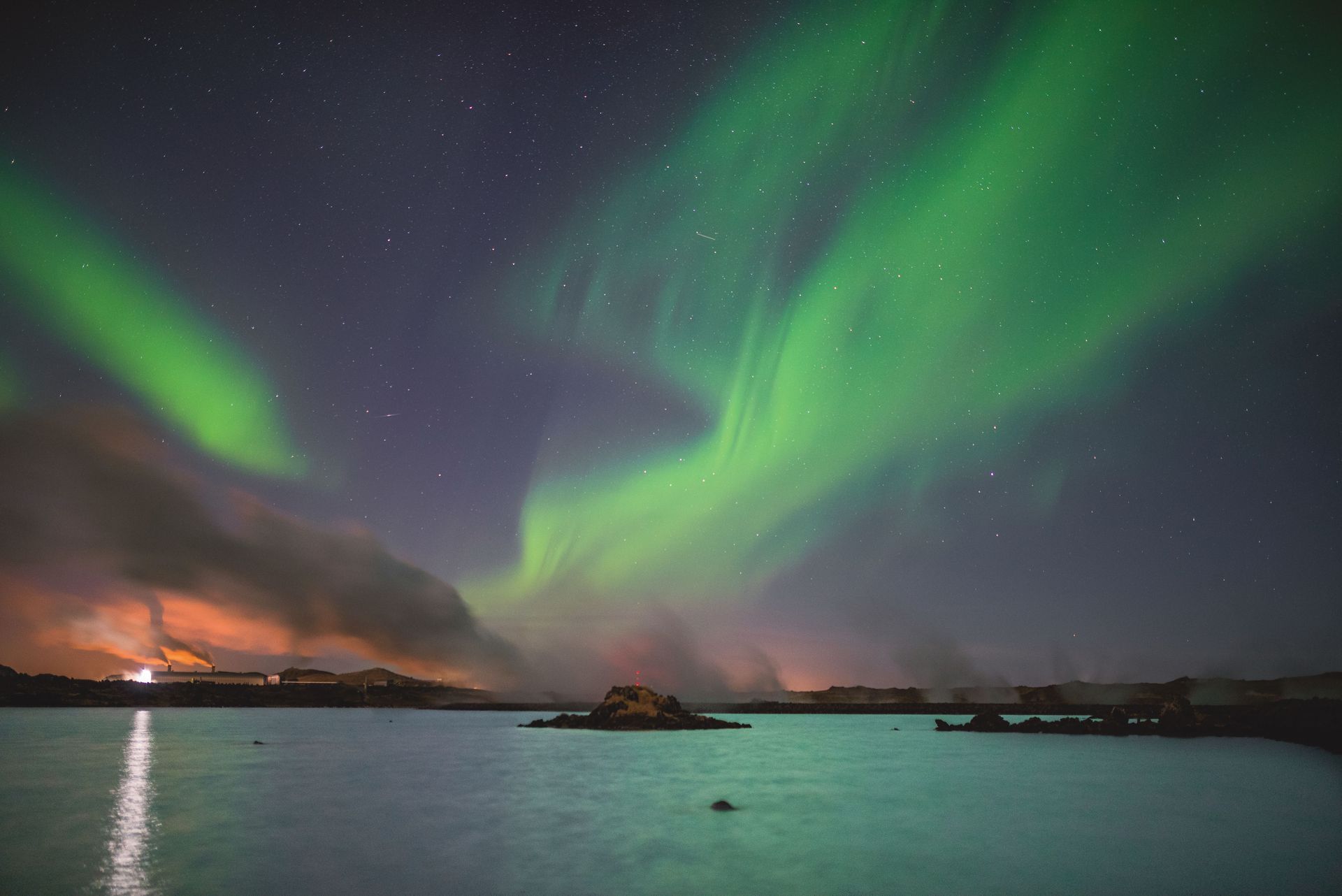
The northern lights — the plasma display produced by charged solar particles interacting with Earth's magnetic field, visible from high-latitude locations as green, pink, and purple curtains of light — is the natural phenomenon most consistently described by people who have seen it as something that photographs do not and cannot prepare you for.
What photographs fail to convey is the motion: the aurora shifts, pulses, and flows across the sky in real time, and the most spectacular displays produce the specific sensation of standing under a sky that is alive. The scale — an aurora covering the entire visible sky — and the silence in which it occurs produce a sensory experience with no analogue in built or manufactured spectacle.
When: autumn through spring at high latitudes; summer nights are too bright. The current solar cycle peaks around 2025 to 2026, producing stronger aurora activity. Where: Tromsø in northern Norway for reliable access; the Lofoten Islands for spectacular landscape context; Iceland's interior away from Reykjavik's light pollution. What to know: aurora forecasting is now reliable 24 to 48 hours in advance through apps including SpaceWeather and My Aurora Forecast. A KP index of 3 or higher at 70°N produces visible aurora on a clear night.
5 / 20
-1920x1272.jpg)
Edgar Torres / Wikipedia (CC BY 3.0)
Mosquito Bay on the island of Vieques, Puerto Rico — designated the brightest bioluminescent bay in the world by the Guinness World Records — glows blue-green in the dark from bioluminescent dinoflagellates inhabiting the water at approximately 700,000 organisms per gallon. Any movement through the water triggers a flash of light that surrounds the moving object in a ghostly glow.
The experience of kayaking through a bioluminescent bay at night — watching your paddle leave a trail of light, seeing your hands glow when submerged — is one of the most directly magical experiences available in the natural world. The entire bay glows, not a localized patch, and the knowledge that a living organism is producing the light through biochemistry rather than electricity changes the experience of it.
When: visibility is inversely correlated with moonlight — the bay glows most brightly near the new moon and is barely visible near the full moon. Consult the lunar calendar before booking. Where: Mosquito Bay on Vieques is the brightest; Laguna Grande in Fajardo is more accessible from San Juan. What to know: some sunscreens and insect repellents may reduce the dinoflagellates' glow when washed into the water — check current guidance from tour operators before using either.
6 / 20
Borut Furlan / Wikimedia Commons (CC BY-SA 4.0)
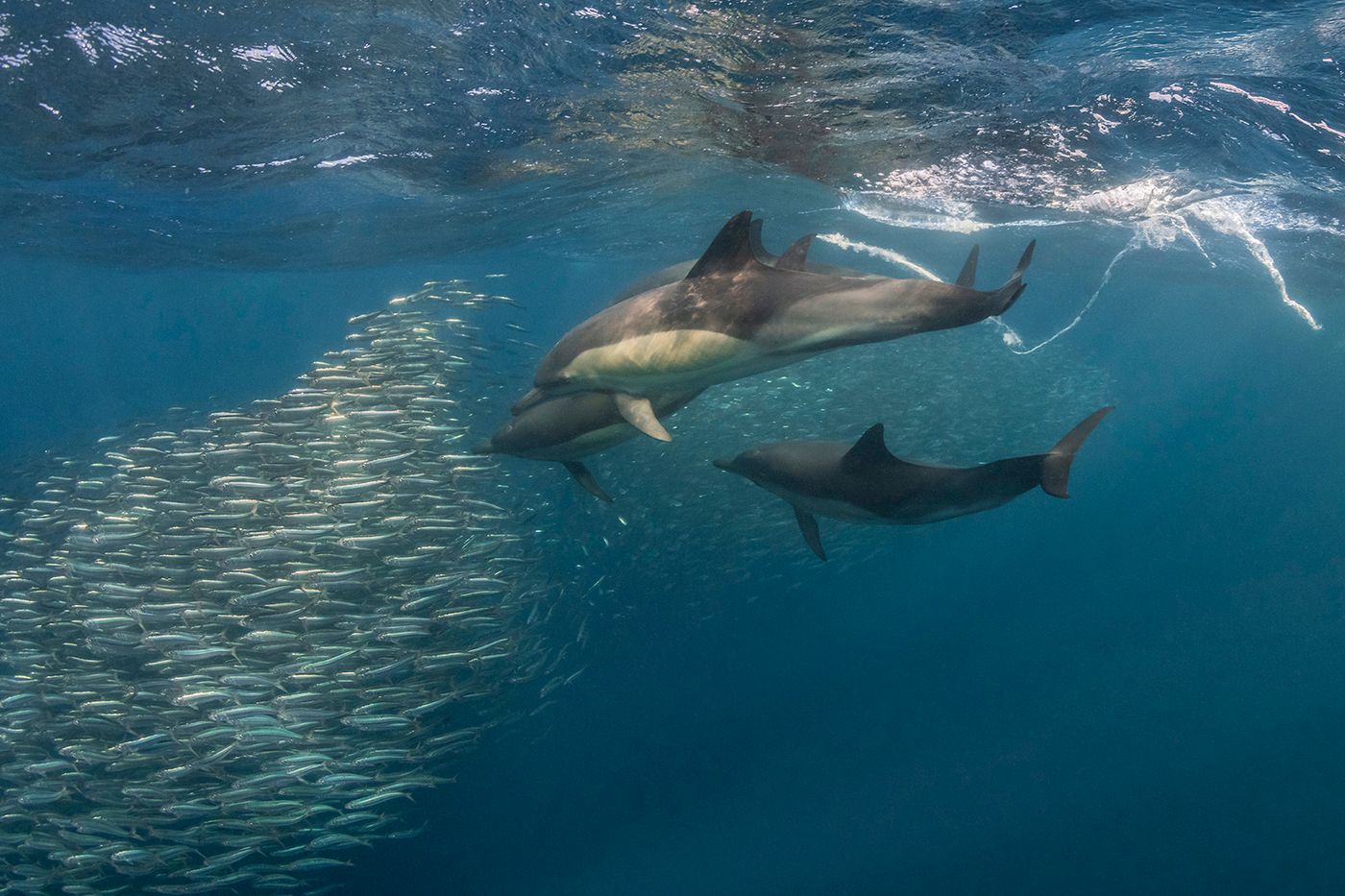
The sardine run — the annual migration of billions of sardines northward along the coast of KwaZulu-Natal in June and July — is the largest biomass movement in any ocean and produces the most intense predatory feeding event in the world's seas. Sardines move in dense shoals (bait balls) that can be hundreds of meters in diameter, attacked from below by dolphins, from above by gannets diving at 100 km/h, from the side by sharks, and from within by whales.
Diving into a sardine bait ball during the run — surrounded by thousands of sardines, diving gannets entering the water at speed, sharks circling the perimeter — is the most intense wildlife encounter available to recreational divers in any ocean. The specific quality is not individual animals but the density of life and activity concentrated in a small space.
When: June and July; the specific timing and intensity vary annually with water temperature. The run may not materialize some years. Where: the coastline between Port St Johns and Durban; boat operators based in Port St Johns offer the best access. What to know: the sardine run is unreliable. A minimum of five days in the area significantly improves the chance of encountering a major event.
7 / 20
Firefly Photos by Radim Schreiber; FireflyExperience.org / Wikipedia (CC BY-SA 3.0)
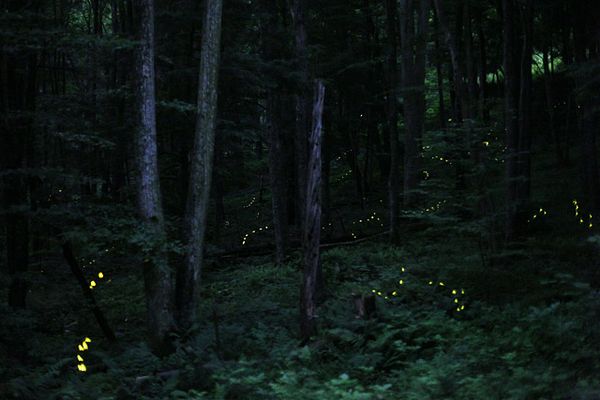
Synchronous fireflies (Photinus carolinus) — one of the few firefly species whose members flash in coordinated unison — produce a light display in the Great Smoky Mountains National Park during a roughly two-week window in late May to early June. Thousands of individuals synchronize their flashing in patterns of four to eight rapid flashes followed by several seconds of darkness, and when the entire forest synchronizes, the hillside pulses with coordinated light.
The experience happens in a dark forest with no artificial light, and standing in the dark watching an entire hillside synchronize its lights is genuinely unlike anything that city-dwelling visitors have encountered. The phenomenon now requires a permit lottery to manage visitor volume.
When: approximately two weeks in late May to early June; exact timing is determined by temperature and humidity. Where: the Elkmont area of Great Smoky Mountains National Park; permits are required and sell out immediately — apply through recreation.gov beginning in April. What to know: the synchronization is most visible in the first two hours after dark; red-filtered flashlights are required to avoid disrupting the display.
8 / 20
NeilsPhotography / Wikimedia Commons (CC BY 2.0)
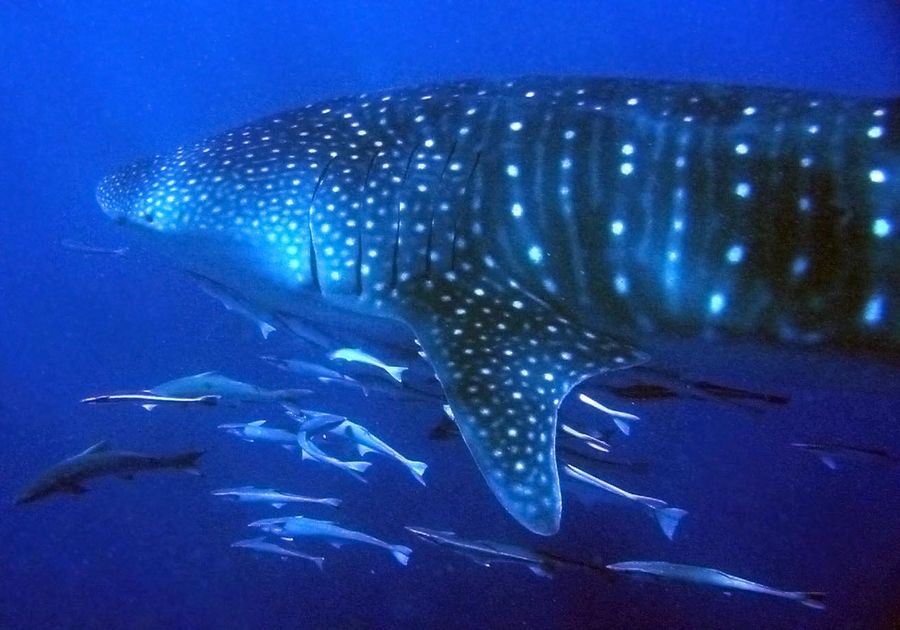
Ningaloo Reef on the remote northwest coast of Western Australia hosts an annual aggregation of whale sharks — the world's largest fish — that coincides with the mass coral spawning each March and April. The whale sharks gather to feed on the spawning slick, and the combination of reliable aggregation, warm clear water, and an established permit system makes Ningaloo the most reliable whale shark encounter location in the world.
Swimming alongside a whale shark — an animal up to 12 meters long whose mouth spans a meter wide, moving slowly through the water filtering plankton — is an experience whose scale is not fully comprehensible from description. The fish is large enough to be encountered as landscape rather than as individual animal, and its indifference to human swimmers creates an intimacy unavailable with most large marine animals.
When: March through July, with peak aggregation in April and May following the coral spawn. Where: Exmouth and Coral Bay are the two bases for licensed whale shark tour operators. What to know: Ningaloo's permit system limits swimmers per shark, producing a more intimate experience than Oslob, Philippines — where whale sharks are fed artificially, which affects behavior and raises welfare concerns.
9 / 20
ChrisBrayPhotography / Wikimedia Commons (CC BY-SA 4.0)
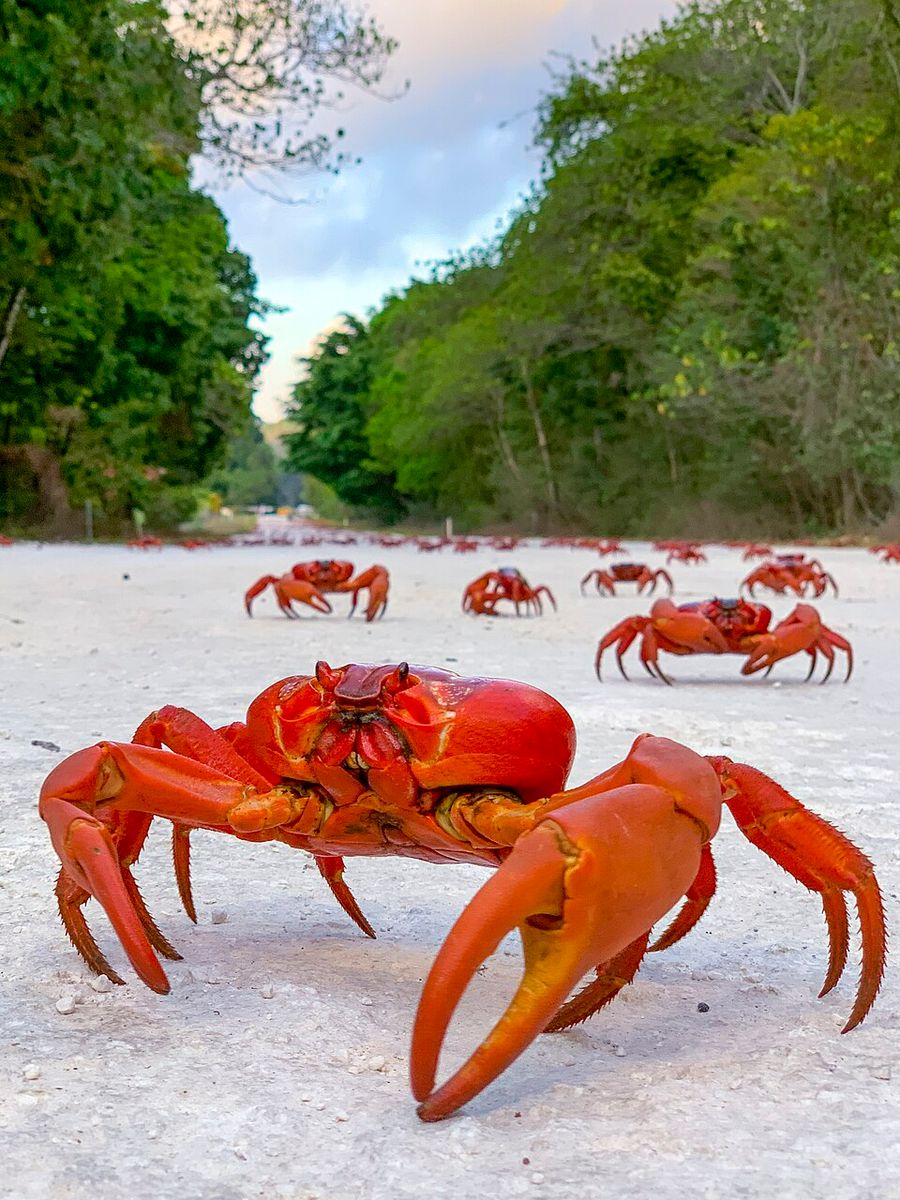
Christmas Island hosts an annual migration in which approximately 50 million red land crabs (Gecarcoidea natalis) migrate from the island's interior forest to the coast to spawn, crossing roads, flowing over beaches, and producing one of the most visually striking mass animal movements in the world. The migration is triggered by the beginning of the wet season, typically in October or November, and lasts approximately two to three weeks.
Red crabs covering every visible surface — moving in a continuous red carpet from the forest to the sea — has no analogue in any other wildlife spectacle. Local authorities close roads to crab traffic, install crab bridges over highways, and organize human infrastructure around the crabs' schedule, which itself says something about the scale of the phenomenon.
When: October to December; exact timing depends on the onset of the wet season. Where: Christmas Island is reached only by a twice-weekly flight from Perth. The journey is substantial; the experience is unique. What to know: the migration is a two-part event — the outbound journey and the return after spawning. Both are spectacular; the return is less visited.
10 / 20
Stein Egil Liland / Pexels
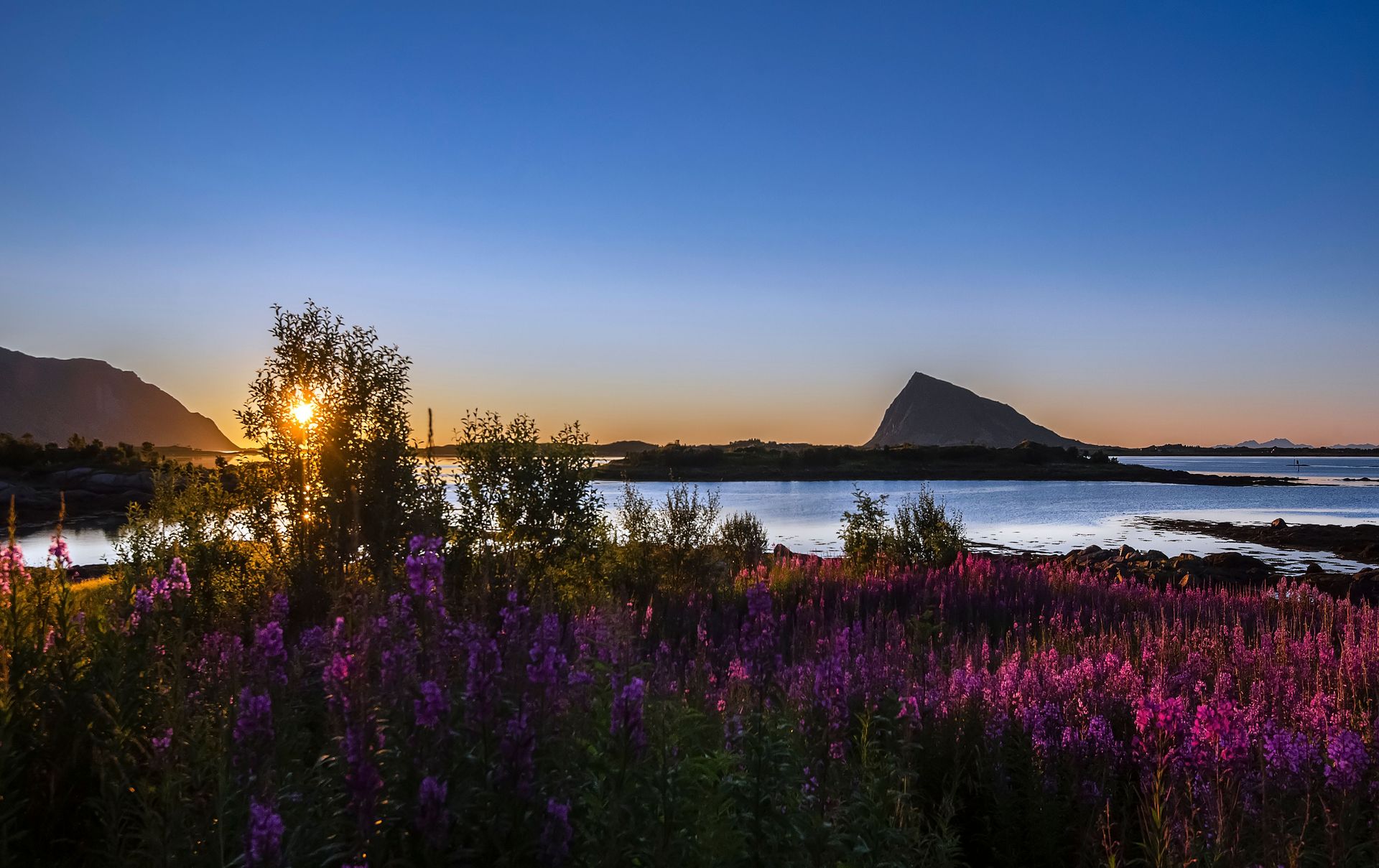
Svalbard — the Norwegian archipelago at approximately 78°N latitude — experiences continuous daylight from approximately April 20 to August 23, during which the sun does not set for over four months. The midnight sun is not merely a curiosity but a transformative environmental condition: the absence of night changes the quality of the light, the behavior of wildlife, and the specific disorientation of the human body that produces the altered consciousness of the Arctic summer.
The specific quality of the midnight sun — the low angle of the sun throughout the 24-hour period, the orange-golden light bathing the landscape continuously, the silence of a world without the punctuation of sunset and dawn — is something photographs of "sunset light" do not capture because it is not sunset. It is noon and 3am and 8pm all at the same continuous golden quality simultaneously.
When: the sun does not set in Svalbard from approximately April 20 to August 23; June and July produce the most dramatic effect. Where: Longyearbyen for accessible midnight sun; boat trips around the archipelago for wildlife (polar bears, walruses) in midnight sun conditions. What to know: the reverse — polar night, when the sun does not rise — occurs from October 26 to February 15 and is equally spectacular, with the best aurora viewing conditions on Earth.
11 / 20
Javier Rubilar / Wikipedia (CC BY-SA 2.0)
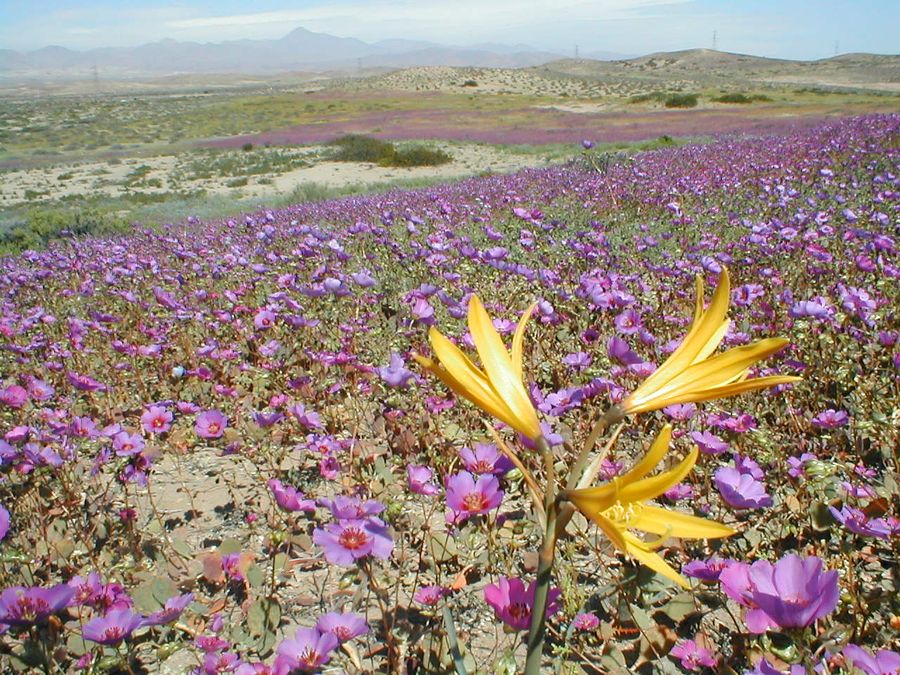
The Atacama Desert — the driest non-polar desert in the world — erupts approximately every five to seven years when unusually heavy El Niño rainfall triggers the germination of dormant flower seeds that have been waiting for years or decades for sufficient moisture. The desert floor that was bare rock and dust is covered with millions of flowers in a display that lasts approximately three to four weeks.
The Atacama superbloom produces a visual effect — a desert transformed into a carpet of purple, yellow, orange, and white flowers stretching to the horizon — that is essentially the opposite of what a desert is supposed to look like. The knowledge that the seeds producing this display have been waiting years for this specific rainfall event gives the experience a specific quality of witnessed patience rewarded.
When: superbloom events occur in years following significant El Niño rainfall, typically August to October. Confirmed events in 2015, 2017, and 2019. Where: the Atacama between Copiapó and Vallenar; the town of Copiapó is the base for superbloom tourism. What to know: the bloom is highly localized — it occurs where rain fell, which may be a specific valley or hillside. Local guides with current information are essential for finding it.
12 / 20
Raul Ling / Pexels
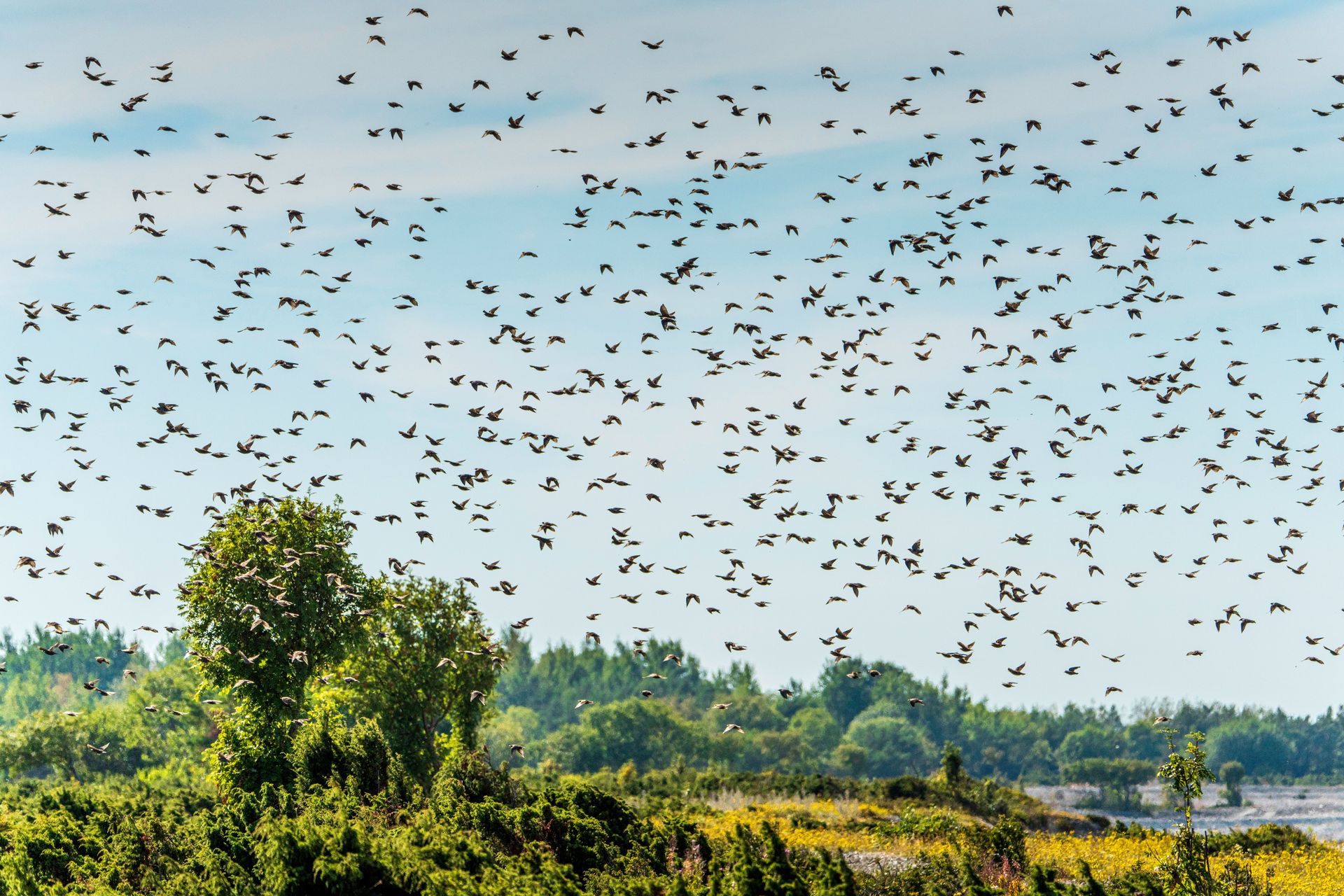
Murmurations — the vast aerial formations of hundreds of thousands of European starlings that appear at dusk in winter, wheeling and pulsing across the sky in formations that expand, contract, and reshape with fluid, wave-like quality — are one of the most accessible natural spectacles in the world and one of the most consistently described as transcendent by people who encounter them for the first time.
The specific quality that makes murmurations worth seeking out rather than stumbling upon is scale. A murmuration of 20,000 birds is impressive; one of 500,000 or more produces the specific visual effect — the sky filling and moving as a single organic entity — that photographs cannot convey. Rome's Tiber River banks host murmurations of several hundred thousand birds in winter evenings.
When: October through February in the UK; November through January in Rome. Murmurations occur at dusk, beginning 30 to 45 minutes before sunset. Where: Shapwick Heath in Somerset, UK; the banks of the Tiber in Rome between Ponte Milvio and Ponte Flaminio. What to know: murmurations are collective defensive behavior before roosting. Watching the dispersal into the reeds as a single group is as dramatic as the aerial display.
13 / 20
Francesco Ungaro / Pexels
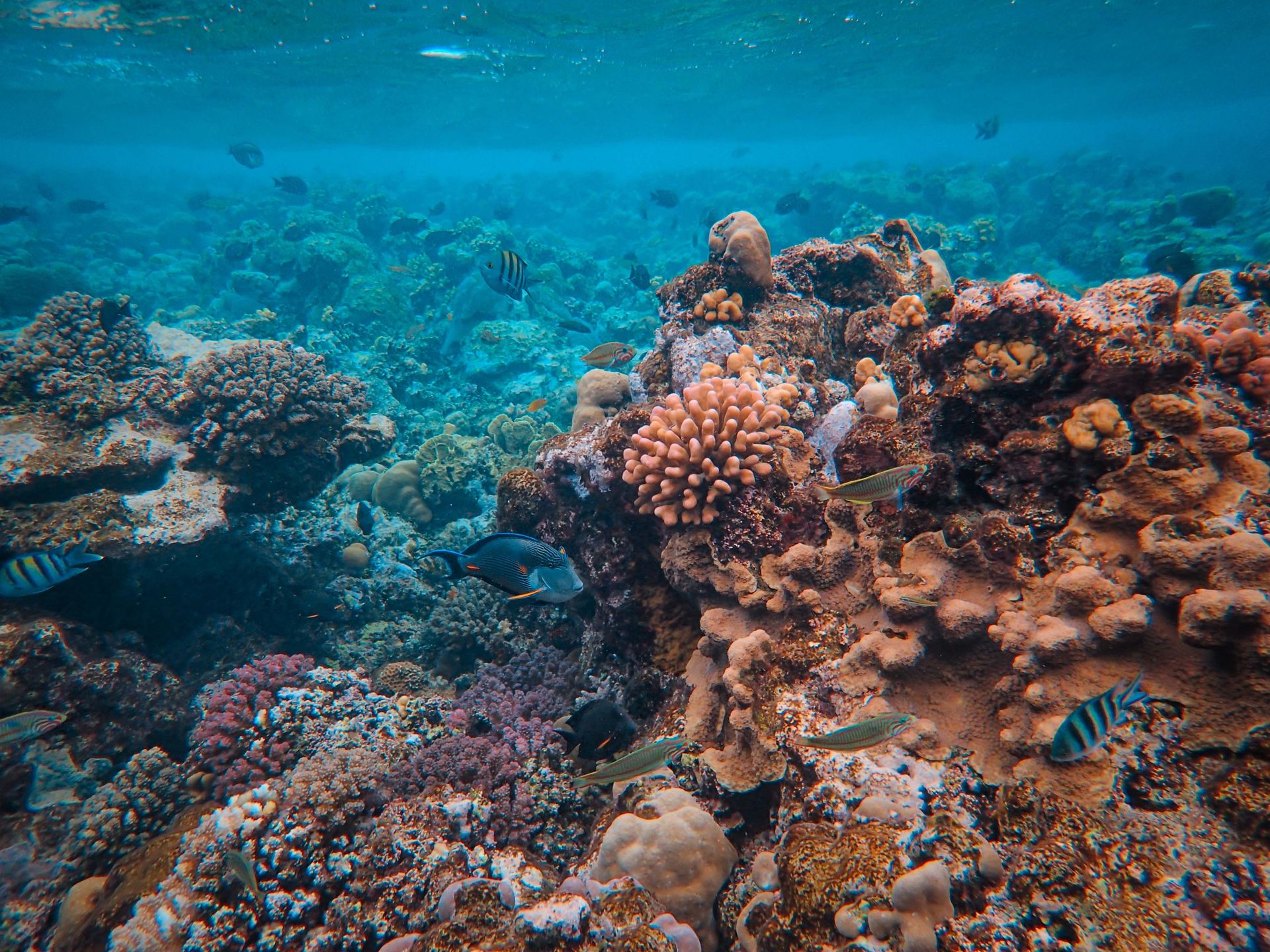
The synchronous spawning of corals on the Great Barrier Reef — in which billions of coral colonies simultaneously release their eggs and sperm in a mass event triggered by water temperature, lunar phase, and the time of year — is the largest simultaneous sexual event in the natural world and one of the most visually striking phenomena available to divers.
The spawning appears underwater as a blizzard: the gamete bundles — pink, yellow, and orange depending on species — rise through the water column in columns that look, from below, like an inverted snowstorm. The event is triggered by the full moon in late spring, typically beginning a few hours after sunset and lasting two to four hours.
When: typically the week following the full moon in October or November; some species spawn in December. Where: the outer Great Barrier Reef; Cairns and Port Douglas are the primary departure points for live-aboard dive boats that position over spawning sites. What to know: the spawning is vulnerable to bleaching events — a bleached reef spawns significantly less than a healthy one. Check current reef health data before planning.
14 / 20
Stephen Leonardi / Pexels
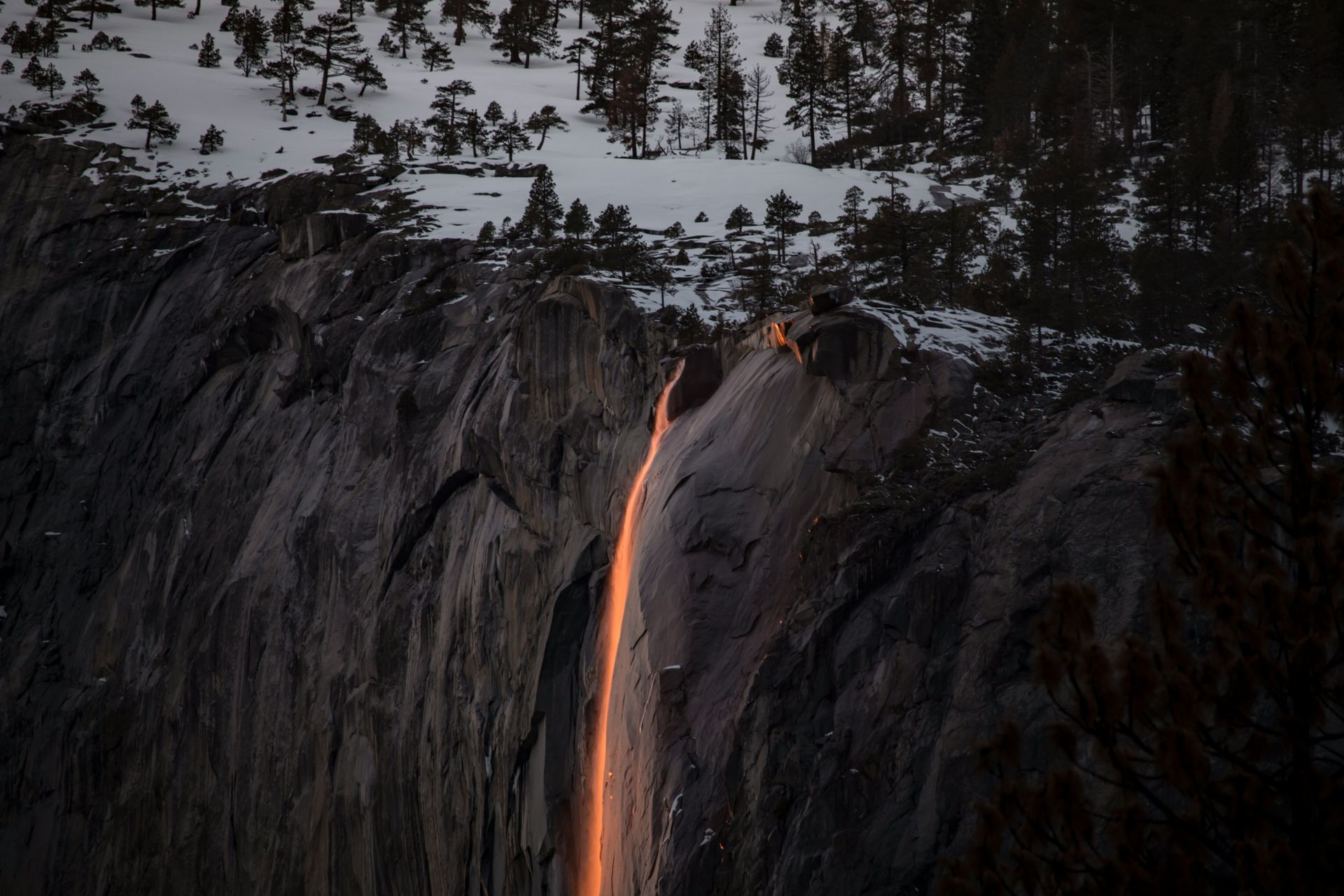
For approximately one week each February — when weather, snowmelt, and angle of the setting sun align correctly — Yosemite's Horsetail Fall turns the color of molten lava at sunset. The sun sets at precisely the right angle to illuminate the waterfall directly from the side, and the minerals in the granite create a specific orange-red glow. The "Firefall," as photographers call it, lasts approximately five to ten minutes before the sun's angle changes and the effect disappears.
The phenomenon is extraordinarily time-sensitive: it requires both sufficient water flow in the fall (dependent on snowpack) and clear skies at the precise moment of sunset. Neither can be guaranteed in advance, which is what makes encountering it a genuine experience rather than a managed one.
When: typically the last two weeks of February; specific timing is accurately predictable only a few days in advance. Where: the meadow northeast of El Capitan in Yosemite Valley; the specific viewing position is published annually by Yosemite photographers. What to know: the phenomenon does not occur every year — low-snowpack or cloudy Februaries can eliminate it entirely. Plan flexibility around the window.
15 / 20
Fernando Flores / Wikimedia Commons (CC BY-SA 2.0)
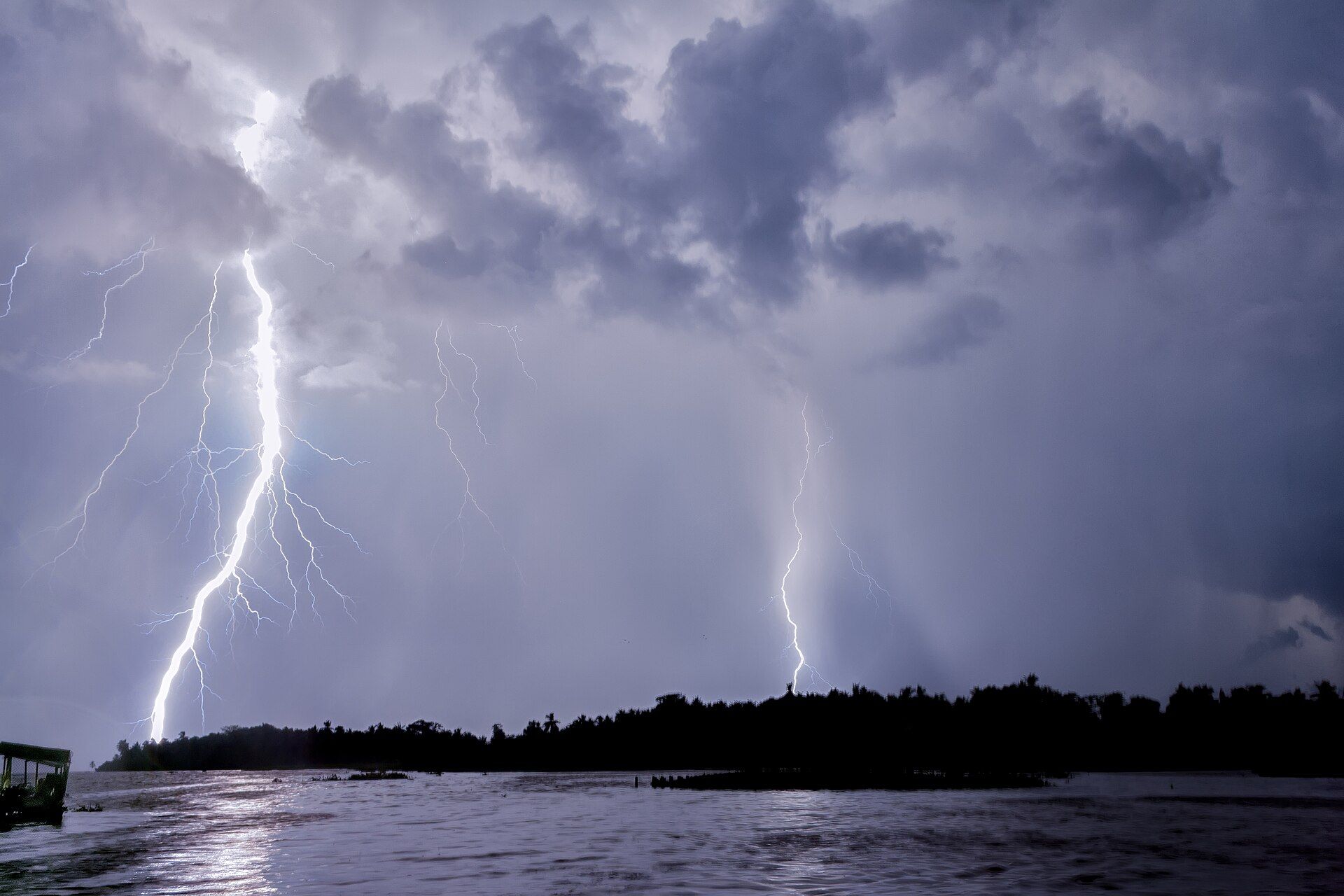
The Catatumbo lightning — the continuous electrical storm over the mouth of the Catatumbo River where it meets Lake Maracaibo — is the most persistent lightning phenomenon in the world. It occurs approximately 140 to 160 nights per year, producing up to 28 lightning bolts per minute at its peak, and was so reliable for centuries that it served as a navigational aid for sailors and was called the "Lighthouse of Maracaibo."
Watching Catatumbo lightning from the lakeshore — the continuous, silent illumination of the sky, the lightning branching in patterns that overlap over a front several kilometers wide, thousands of bolts accumulating over the course of a night — is a natural spectacle that has no equal anywhere in the world for sheer sustained electrical intensity.
When: most frequent in September and October; least frequent in January and February. It can disappear for weeks to months unpredictably. Where: Congo Mirador on Lake Maracaibo, accessible by boat from Mérida. The political situation in Venezuela requires current research before planning. What to know: the Catatumbo lightning is broadly predictable on seasonal timescales but not on daily ones — plan several nights in the area.
16 / 20
Hub JACQU / Pexels
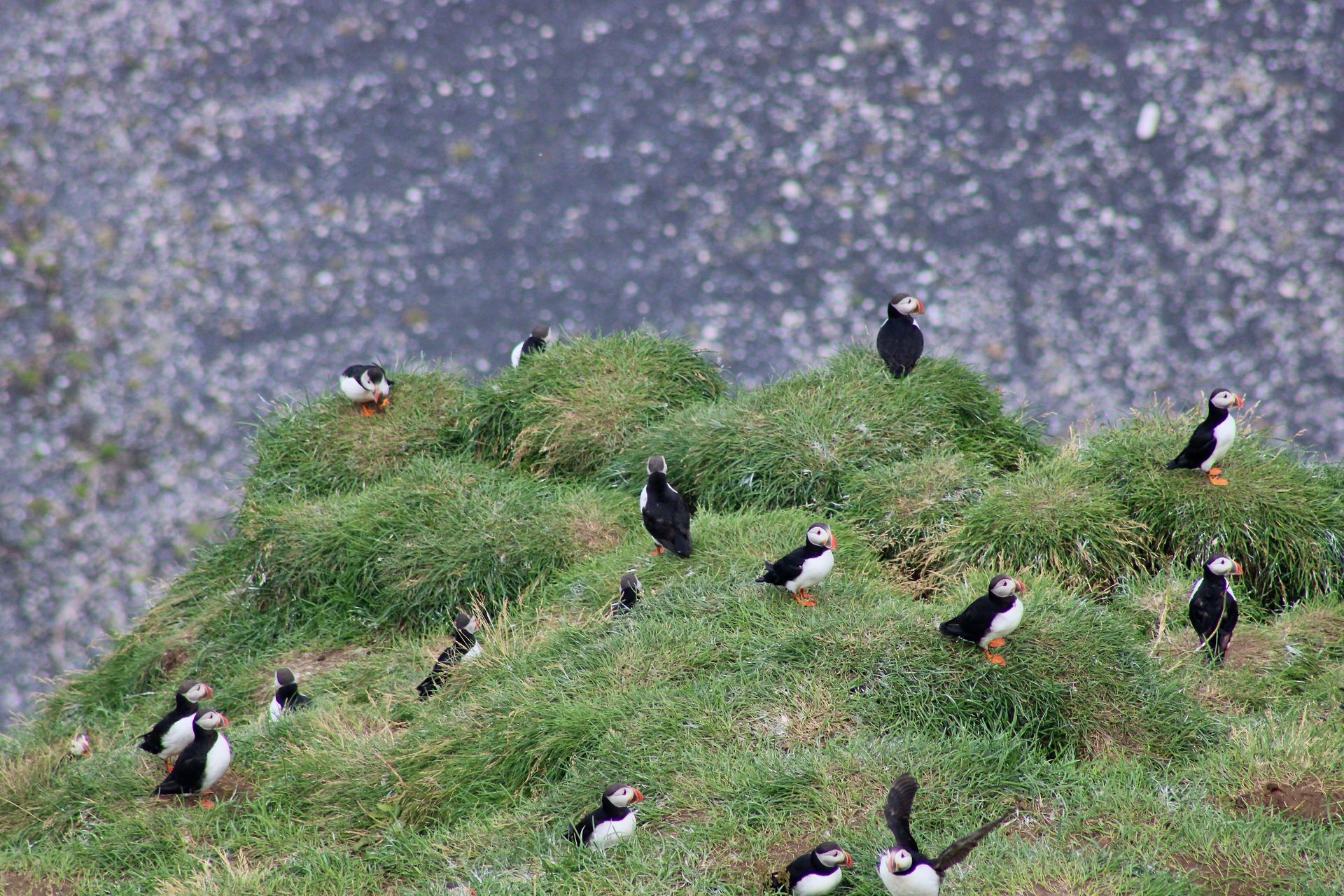
Atlantic puffins return to their breeding colonies in Iceland and the Faroe Islands each year from May to August after spending the winter at sea. The colonies at Látrabjarg in Iceland's Westfjords number in the millions and offer one of the most accessible and intimate wildlife encounters available anywhere: puffins are remarkably unbothered by close human presence and can be observed at arm's length as they exit and enter their burrows.
The specific quality of the puffin experience is the combination of the bird's appearance — the oversized bill, the formal plumage, the orange-red feet — with its demeanor: comically unafraid, waddling between burrows, returning with beaks full of sand eels. Standing on Látrabjarg's clifftop with puffins landing at your feet while tens of thousands of birds circle overhead requires no specialist wildlife knowledge to be overwhelming.
When: May through August; peak colony activity is June and July when chicks are being fed. Where: Látrabjarg in Iceland's Westfjords; Borgarfjörður Eystri in East Iceland for a less-visited alternative; Mykines island in the Faroe Islands for the full Atlantic seabird colony experience. What to know: puffin populations have declined significantly across much of their range due to ocean warming affecting sand eel distribution. Icelandic and Faroese colonies remain large, but the long-term trend is negative.
17 / 20
Balazs Simon / Pexels
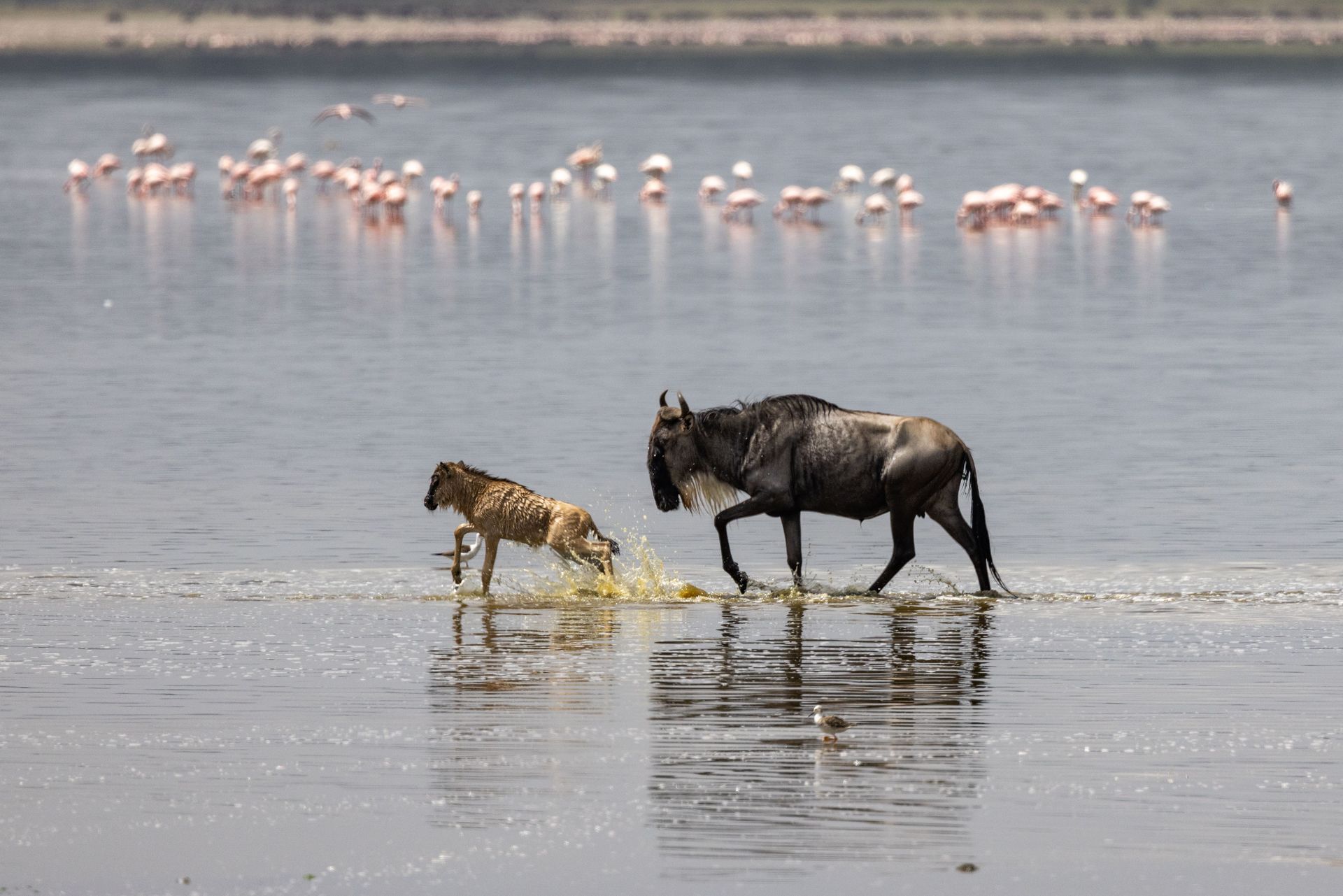
The calving season in the southern Serengeti — typically January and February — is the counterpart to the river crossing and in many ways more affecting: approximately 500,000 wildebeest calves are born within a few weeks, and the short grass plains of the Ndutu area in the southern Serengeti are simultaneously carpeted with newborns taking their first steps and populated with the full complement of Serengeti predators that have followed the herds south.
The density of animal life during calving season — wildebeest with hours-old calves, lions and cheetahs hunting with cubs of their own, hyenas in large clans, vultures marking every kill — is the Serengeti at its most intense. Unlike the river crossing, which is concentrated in a single dramatic event, the calving season provides an extended period of pervasive wildlife activity.
When: January and February for the peak calving period; the Ndutu area in the southern Serengeti and adjacent Ngorongoro Conservation Area is the calving ground. Where: the Ndutu Safari Lodge and the mobile camps of the southern Serengeti are the best base; the specific calving areas shift annually with rainfall and grass growth. What to know: the calving season is one of the less-publicized windows of the Serengeti year and is significantly less crowded than the July-August river crossing season while offering comparable wildlife intensity.
18 / 20
The Bay of Fundy has the world's highest tidal range — up to 16 meters between high and low tide — and the tidal bore that moves up the Petitcodiac and Shubenacadie rivers as the tide turns is one of the most dramatically visible tidal phenomena in the world: a wave front ranging from a few centimeters to over a meter in height that moves upstream against the current at the turning of the tide, reversing the river's direction of flow.
Watching a river that has been flowing toward the sea begin to flow inland as the tidal wave reaches it — and understanding that this is the moon's gravitational pull moving 100 billion tonnes of water twice daily — is the most visible evidence available to a non-scientist of tidal physics. The Shubenacadie bore can be ridden on zodiac boats that surf the wave as it moves upstream.
When: the bore occurs twice daily on every tidal cycle, timed to the lunar calendar; the largest bores occur near new and full moon. Precise bore times are published daily by local tourism organizations. Where: Moncton for accessibility; Shubenacadie for zodiac bore surfing; Burntcoat Head for the experience of walking on the seabed where 16 meters of water will return in six hours. What to know: the Bay of Fundy low tide also exposes the world's most extensive intertidal zones, which are extraordinary ecosystems worth visiting independently of the bore timing.
19 / 20
Bibhash Banerjee / Pexels
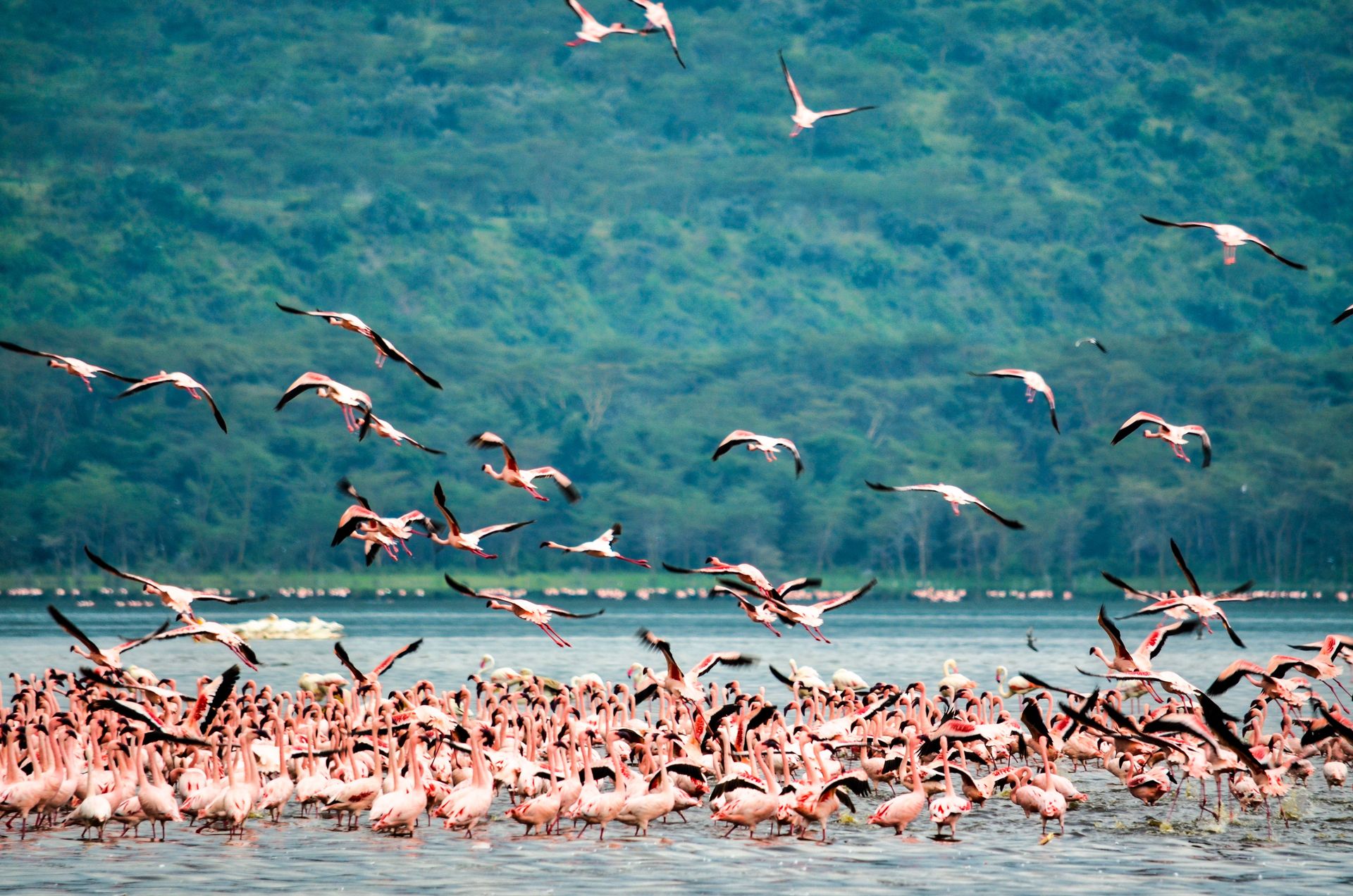
The Rift Valley soda lakes of Kenya — particularly Nakuru and Bogoria — host aggregations of lesser flamingos (Phoeniconaias minor) that at peak density turn the shoreline and water surface pink in a display that is the most concentrated bird gathering available to wildlife travelers. Up to 2 million birds have been recorded at Lake Nakuru in peak years; the current most reliable aggregation is often at Lake Bogoria, approximately 100 kilometers north.
The specific quality of the experience is chromatic: the pink of the birds against the white soda deposits and the blue Rift Valley sky, seen from the escarpment above the lake, produces a landscape color combination available nowhere else on Earth. The sound — the murmur of millions of birds at distance — is equally distinctive.
When: flamingos move between Rift Valley lakes based on algae availability, which fluctuates with rainfall; no fixed season. Where: Lake Bogoria is currently the most reliable location for large aggregations; Lake Nakuru remains worth visiting but flamingo numbers have declined as lake levels have risen. What to know: the flamingos' pink coloration is dietary — produced by carotenoids in the algae and crustaceans they eat. Juvenile birds in their first year are white, becoming gradually pinker as they feed.
20 / 20
Héctor Berganza / Pexels
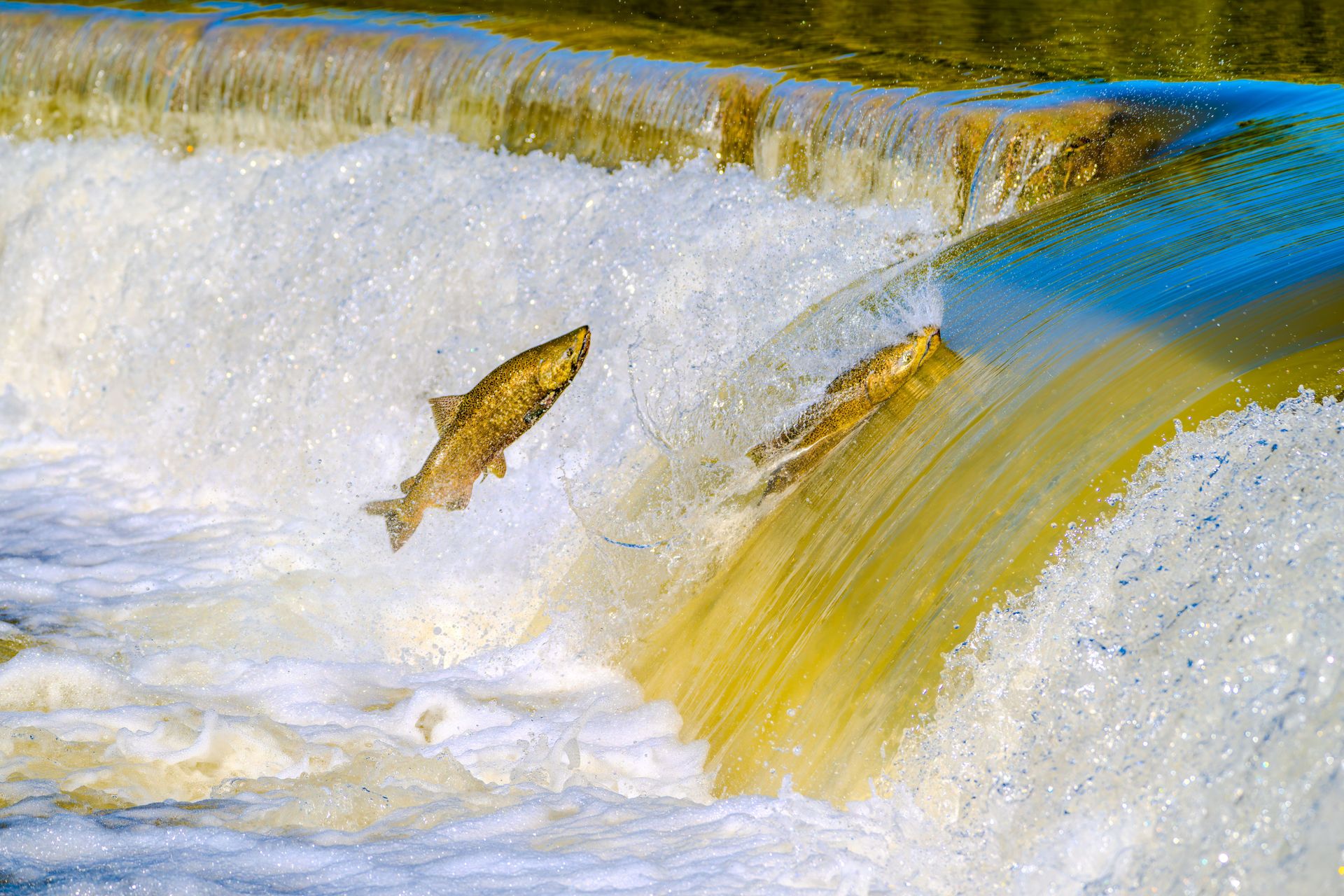
The annual salmon run — in which millions of Pacific salmon (various species, primarily sockeye, chinook, and coho) return from the ocean to the freshwater streams where they were born to spawn and die — is one of the most ecologically significant and visually dramatic natural events in North America, and the bears, eagles, wolves, and otters that gather to feed on the returning fish create wildlife concentrations comparable to the Serengeti.
At peak run in streams like the Brooks River in Katmai National Park, Alaska, dozens of brown bears stand in the river simultaneously, catching salmon as they leap the falls — a spectacle that has been continuously live-streamed by the National Park Service since 2012 and that, experienced in person rather than on a screen, produces the specific quality of the unreproducible.
When: the run timing varies by species and location; sockeye in the Bristol Bay watershed run in July and August; chinook earlier, coho later. Katmai's Brooks Falls peak is typically late July. Where: Brooks Falls in Katmai National Park for bears at the falls; the Kenai Peninsula for accessible riverbank viewing; the Chilcotin region of British Columbia for wilderness settings. What to know: the salmon run is not just a wildlife spectacle but the mechanism by which marine nutrients (the bodies of ocean-feeding fish) are transported into freshwater and forest ecosystems — the trees nearest salmon streams have measurably higher marine nitrogen in their tissue.
